
Category Archives: Uncategorized

Access in the Arts. Are things are getting better or worse?

Our mission statement at Get The Chance is “Creating opportunities for a diverse range of people to experience and respond to sport, arts, culture and live events.”

After the publication of the new Arts Council Wales, Corporate Plan, 2018 – 2023 “For the benefit of all” we interviewed a range of arts professionals in November 2018 to discuss the intentions of Arts Council Wales and suggest ways that their ambitions may be best realised.

getthechance.wales/2018/11/25/a-response-to-arts-council-wales-corporate-plan-2018-2023-for-the-benefit-of-all/

A year one from this article we spent time broadly discussing the aims of the Corporate Plan and what change (if any) has occurred in the sector. The questions we asked elicited a personal response from everyone involved. We are publishing our first response below from X who has requested that we publish their response anonymously.

Hi X Can you tell us about yourself please?

Sure, I’m a performer, facilitator, theatre maker and all round professional idiot based in South Wales.

What was your personal pathway into the arts?

 Quite roundabout really! I’m from quite a privileged background and going in to the arts was considered “a waste” and the best way to end up unemployed and homeless, in my parents view. I received a lot of threats from them over the years about what would happen if I pursued it and was heavily pressured to attend a “good” University, which I dutifully did – St Andrews in Scotland. However through a combination of undiagnosed (at the time) mental health issues, lack of support network and the 2008 financial crisis I ended up unemployed and homeless anyway. So it sort of seemed silly to let worries about that stop me pursuing a career I wanted. Once I was back in a more stable living situation I took out a career development loan and went back to uni in 2013. And to give my parents their due they did assist in the paying back of said loan once I graduated.

Do you think your class; gender or ethnic background has impacted on your education or career?

 Massively. Firstly it was a barrier, which is weird when I think about it now. The arts is almost solely the playground of the middle/upper class so for there to have been a social stigma around pursuing it from the very middle/upper class background I had seems odd. For the record I went to private school in Edinburgh, almost entirely white etc etc. However I absolutely wouldn’t be in the position of where I am now where it not for my colour and class – I’m very aware of the fact that overcoming the hurdles presented by my period of homelessness (complete with arrest and criminal record as the whole thing coincided with one of many mental health breakdowns I’ve had, this being the first and the one that led to me getting a formal diagnosis) is down to my privileged background. My colour kept the charges and sentence from being too serious and my parents wealth allowed for a decent lawyer and eventually for me to easily re-enter formal education without accumulating a large debt. Basically although I have faced pretty large barriers I’d be an idiot if I didn’t also acknowledge they’d be a hell of a lot worse were it not for the fact I come from a nice comfortable rich white family. It’s just a shame none of that makes you a particularly nice person.

What have you found to be your personal barriers to accessing the arts and being able to develop a sustainable career? Is a sustainable career even possible?

My age, weirdly enough. Lots of schemes and things for newer artists are aimed at those under 25 (or at a push under 30). I’m 34 and was 28/29 when I graduated so by the time I’d found my footing professionally and started to accumulate experience to qualify I was too old for a lot of things! I mean the obvious one is my mental health, which crops up in all sorts of ways. As you’re freelance you have to stay on top of opportunities and time consuming forms, and I struggle with focus a lot so a form that might take a neurotypical person a day could easily take me a week. Then there’s the lack of any sort of confidence in myself that requires friends to read over forms for me and to reassure to its OK to send and I don’t sound strange, or weird, or crazy, or stupid. I guarantee that my responses to this will have been read over by several people before I send them to you even though I’m just writing about my own experience! It’s not exclusive to the arts but the lack of support as a freelancer is kinda hard. One barrier I come up against loads is information not being easy to find or clear: application deadlines (one application I did recently didn’t have the deadline anywhere online, google brought up ones from last year as the site hadn’t been updated, even employees got it wrong when I phone and asked), even questions and criteria (why ACW ever thought an application to look at an application form was a good idea I don’t know). Basically what I’m getting at is with any sort of mental health illness or disability every day tasks are already pretty overwhelming and tiring. Make your application as pain free as possible and information applicants need easy to find and clear. Be so upfront and clear, more than you might think you need to be. So many companies don’t even use contracts when working with freelancers, not even bothering to set out expectations of the role you’re doing and what you can expect from them in terms of support.

Man it really feels like I’m just listing every day annoyances and I suppose they are. But I guess that’s the point, these things are an irritant but or someone with my type of access issues they can be insurmountable. Even a phone call can take a whole day of build up, support and coaching. So do your best to make sure as few of these sorts of things are in the way. While I’m here, and this is from my days training to help long term unemployed people back in to work, I may as well mention that the more specific your person specification role the better, people can literally just work their way down and say how they fit each section, which helps with structuring cover letters and so on. The most accessible and person friendly job advert is one that asks for a CV and cover letter with clear person specification, in my opinion. Your person spec is your companies order, my CV is the whole shop and my cover letter is the sales assistant showing you how I stock exactly what you’re looking for. So the clearer your needs the better!

Do you feel comfortable within your personal arts environment or is the different class, gender, ethnic background or privilege of colleagues something that impacts on you?

Honestly I constantly feel like an outsider and like I don’t belong. I’m also very aware that’s a common symptom of BPD regardless of working environment but it’s one of the many buggers of mental illness that being aware of a thing as having come from it doesn’t stop you intensely feeling the thing.

Are things are getting better or worse?

In the arts or in general? In the arts I think it varies from company to company. Some companies are very understanding and adaptive and will offer things like Skype interviews for people with difficulty travelling etc. But then Welsh arts as a whole also knows really well how to seem austere and close ranks when it wants to.

On a personal level and in general I’d say getting worse. It’s been ten years since I received a formal diagnosis for an illness that kills 1 in 10 people that have it. There was little support offered to begin with and what little was there has been withdrawn and whittled away as time goes on. They’re currently referring mental health patients to the drug and alcohol services in the Vale of Glamorgan, for example, as they have free counsellors and don’t turn people away. I received a secondary diagnosis of PTSD at the start of the year but because it’s not from military service I don’t currently qualify for support under the NHS. I personally can’t think of many life threatening illnesses that are just left to get worse over time and people left without treatment but in the case of severe mental health disorders we do. It’s hard to remain cheerful or hopeful about that. And considering the great big Brexit Elephant in the room it’s hard to see it getting better any time soon.

In the new Arts Council Wales, Corporate Plan, 2018 – 2023 “For the benefit of all” there are a series of Commitments which they aim to realise by 2023. Commitment 2 states; “We will enable a greater number and a wider diversity of people to enjoy, take part and work in the publicly funded arts.”

Do you think the key areas above will be delivered and why?

It certainly seems like a positive change. They seem open to listening and have made real, genuine efforts to change, which is often the hardest step. It won’t be right first time but an arts council that is open to listening and agile enough to be reactive and make changes as needed, even if it means things next year look different to this year. Part of being reactive also means having new, radical staff and life coming in to their building regularly. The world changes so fast and so often I don’t think any position should be for longer than a few years, let alone more than a decade. They expect us as artists to respond to and integrate the world in to our work, I think we can expect the same from them.

How do you think ACW would be able to best realise their intentions?

A kinder, more welcoming application process and corporate headquarters. They want to meet with artists before they apply so make them feel welcome in the space and by the people they meet. Technically we’re all artists and capable of great things and as residents of Wales we all technically qualify for ACW funding. It’s their job to make hard decisions on a case by case basis, not create an application and corporate structure that makes people question their value as artists in the first place. Everyone’s a bloody artist, making art is a beautiful, soulful and human experience. ACW should be facilitating that ethos.  Let’s face it whatever your access barriers (gender, sexual identity, race, disability) you’ve probably had a bad time of it with traditional corporate structures and attitudes. So why any group that wants to be more welcoming, especially in the arts, would want to mimic this set up is beyond me.

From your personal lived experience what needs to change?

A friendlier face, if people are made to feel like they don’t belong from the moment they make contact, even if its done with the best of intentions of ensuring only “serious” applicants access public money, they usually just won’t engage. Which means plenty of people who should get support and funding don’t. A clearer application process that also allows people to feel like it’s ok to get it wrong and ask questions also helps, previously it felt like there was a lot of assumed knowledge and had you not access to that knowledge then you weren’t a serious artist and remained an outsider.

REVIEW: THE STORY by TESS BERRY-HART at THE OTHER ROOM by Gareth Ford-Elliott

 out of 5 stars (4 / 5)

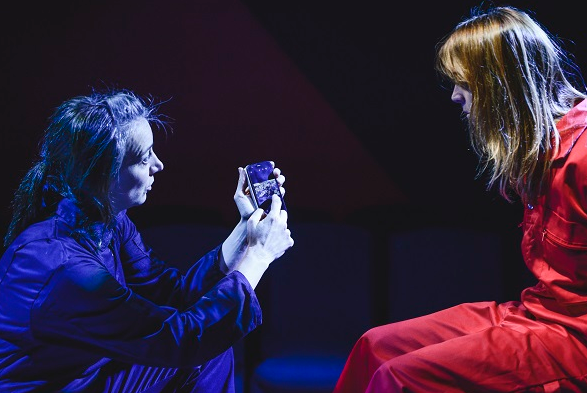
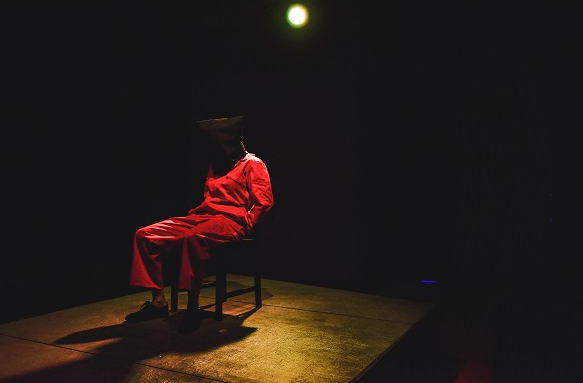
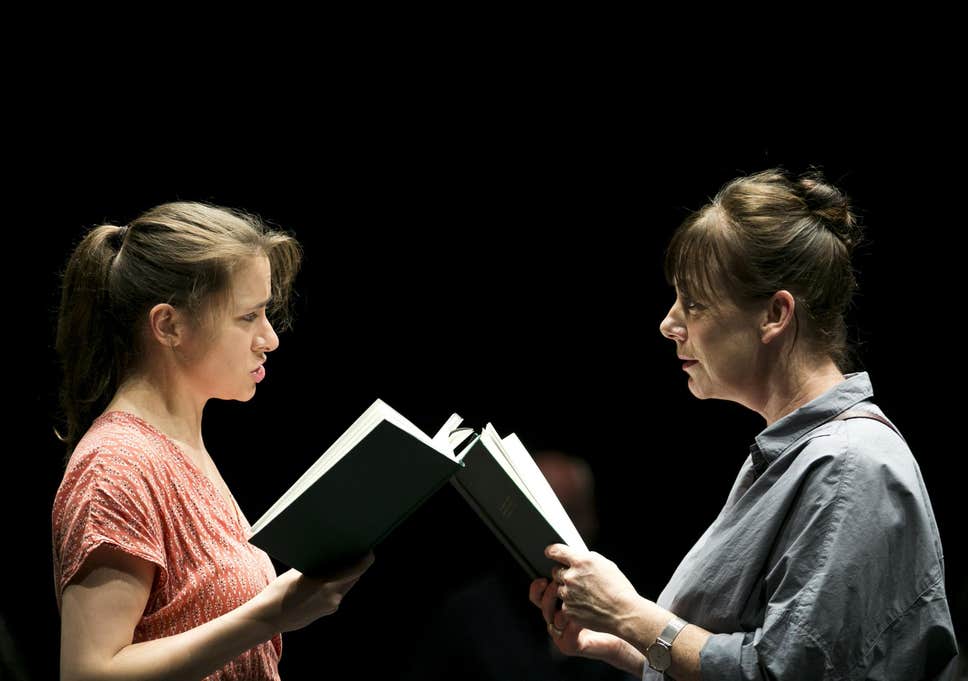
The Story by Tess Berry-Hart centres around X (Siwan Morris), a person “of the people” returning to their homeland after a year volunteering in “occupied territories”, helping refugees. X is being held under suspicious circumstances by V (Hannah McPake) who, under many different guises, interrogates, questions and advises X.

As much as this is a story about criminalising those who help others – it also explores the violence of language, manipulation of tone and deconstructs the ideas of a story and truth in the world of “justice”. It is this that truly stands out in Tess Berry-Hart’s writing.

There is so much to like about Berry-Hart’s writing. It is technically very strong. The language is brilliant, at times beautiful, at other times horrifying. The slow-burning story is amplified by excellent psychology within the characters.

David Mercatali’s direction is strong. Mercatali deals with the slow-moving story well, pacing the play in a manner that constantly makes the audience think and second-guess. The tone also shifts in an interesting and subtle way.

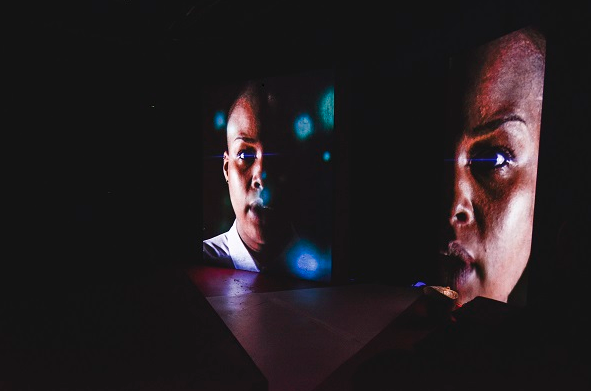
The acting performances are strong all round. Hannah McPake’s subtle diversity in her different “characters” as V is phenomenal, whilst Siwan Morris’ defiance as X is extremely moving. Luciana Trapman as The Storyteller also does a great job delivering powerful vignettes that are projected onto parts of the set.

Set up with promenade staging, Delyth Evans’ design is simple, yet effective. The long, narrow stage gives a real sense of entrapment that enhances the production. Combining with Katy Morison’s lighting which is mostly understated, but flickers and flashes at key moments. Tic Ashfield’s sound design completes the design elements in a very strong way. Somewhat unnecessarily, but effectively, bringing in glitches on voiceovers to distort the messages we’re hearing. This drives the audience’s curiosity to the mention of “the voice”.

This is potentially subjective, but The Story’s main issue is that it’s not challenging enough. There’s not enough emotion and the lack of a real story with a build really takes away from the potential power of this play. It feels quite safe and relies on an echo chamber for an audience. An audience who already think and feel how the play wants you to think and feel about the messages and themes.

It also doesn’t go deep enough into the topics it tackles. Far from a dystopian world – this is the reality of what we are currently living in. The dystopian feel takes away from that realism.

The disappointment comes from the clear potential of the play. It’s on the verge of being something brilliant, just falling short.

The Story offers a lot to reflect on in its content and enjoy in its production but doesn’t reach its potential through failing to truly challenge its audience.

The Story at The Other Room, Cardiff
8th October – 27th October 2019
Written by Tess Berry-Hart
Directed by David Mercatali
Siwan Morris as X
Hannah McPake as V
Luciana Trapman as The Storyteller
Design by Delyth Evans
Sound Design by Tic Ashfield
Lighting Design by Katy Morison
Video Design by Simon Clode
Assistant Director: Samantha Jones
Stage Manager: Rachel Bell
Production Manager: Rhys Williams
Season Fight Director: Kevin McCurdy
Fight Choreographer: Cristian Cardenas
Choreographer: Deborah Light
Production Photography: Kirsten McTernan
Associate Director: Matthew Holmquist
Casting Director: Nicola Reynolds
BSL Interpreter: Julie Doyle
Set Builder: Will Goad

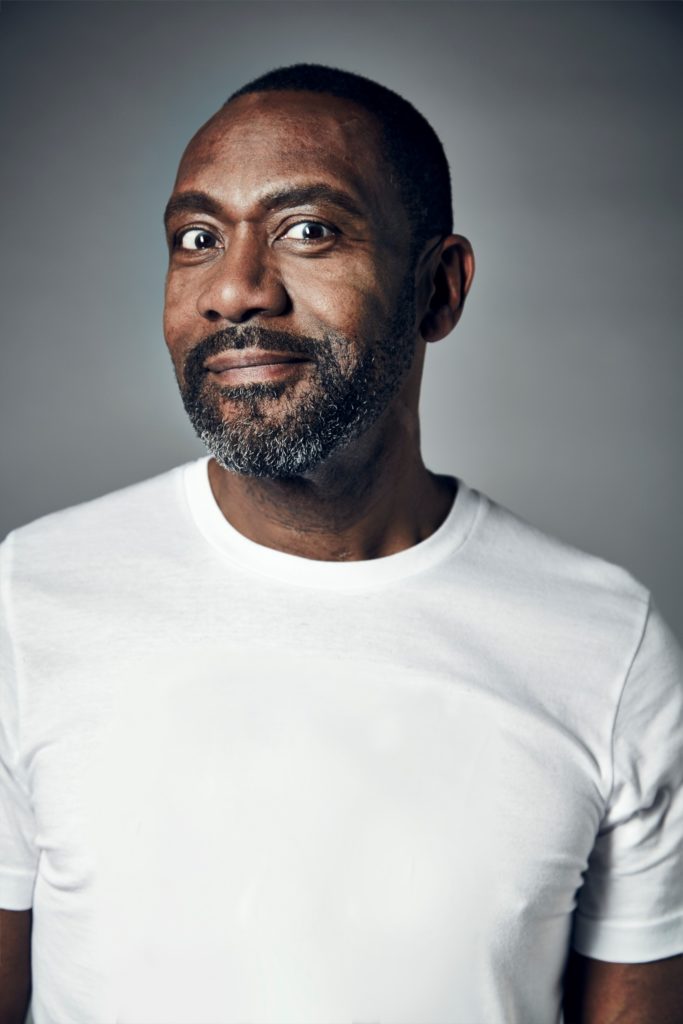
Review : Lenny Henry in Conversation, Southbank Centre

 out of 5 stars (4 / 5)

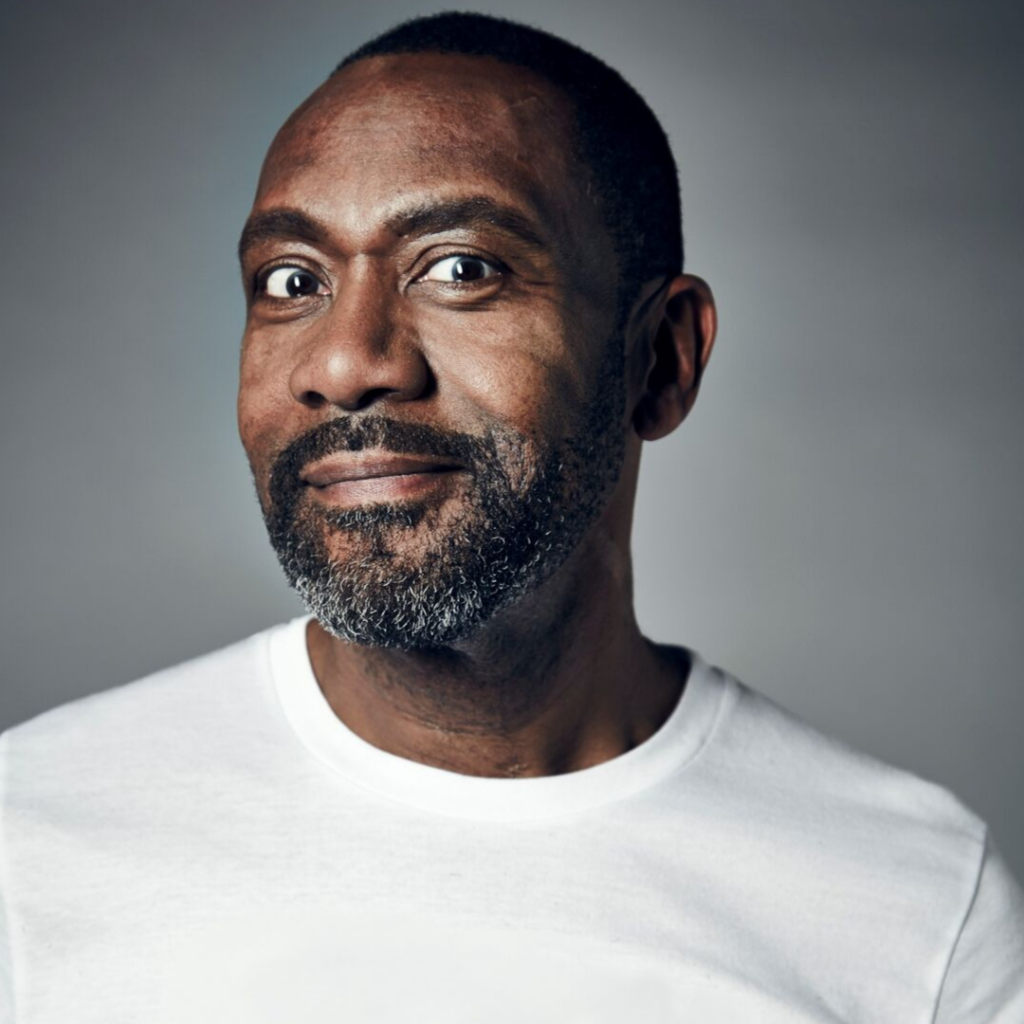
Living legend Lenny Henry, of British comedy fame, has released
his much-awaited autobiography. And while we may not have yet read it, there
are plenty of hints from this event to the comical, the emotional and the
poignant life this man has led.

While part of a literature season – something steeped in
stereotypes of a middle class, white community, full of seriousness, this night
was nothing of the sort.

Lenny Henry, interviewed by another modern-day comedy legend
Romesh Ranganathan, provides only snippets to his life, to what is eluded in
his book, but the banter between the two is electric – like old friends having
a chat, providing us with a ridiculous amount of laughter.

This was not just an evening of talk show-like comedy – between
them, these comedians of Black and Asian ethnicity make a real stomp on the reality
of modern-day racism and politics, as well as comparing the years in which
Henry grew up, which was just as bad, if not worse for discrimination. They
make real important points about how things have changed, what was and is not
okay in our society and the changes that are important – and to hear this from
one of our most famous Black comedians, a man who grew up in a white, northern British
world, you cannot help but feel total admiration for him.

Lenny Henry’s book, is, as previously said, much awaited – and I am eager to hear more from this eloquent and impressive man, not only on his world but also on the importance of his opinions, further in writing.

Review: Glass.Kill.Bluebeard.Imp, Caryl Churchill, The Royal Court By Hannah Goslin

 out of 5 stars (4 / 5)

In true Caryl Churchill style, we are introduced to fine
writing, which is of a naturalistic ilk yet verges on the unusual, hilarious and
subtle in all these attributes.

Seemingly with no other interlink that the same actors, each
play is different from one another, with a different concept, it Is a true
triumph and evidence of a brilliant playwright that she can make such
interesting plays, which last for not long at all.

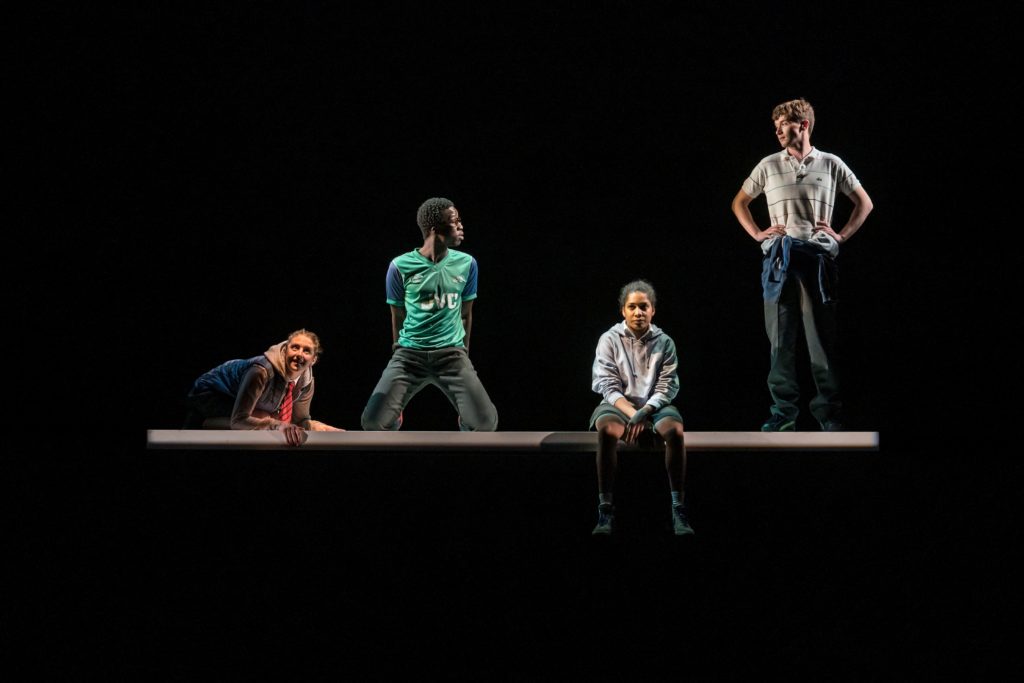
Glass – Is the story about a girl made of glass, her
fragility both physically and emotionally. It is comical, heart-breaking and to
a degree, relatable about young love. While made of glass, we think that she is
the real person who needs care, but when she meets someone going through a lot
worse, it puts in real perspective our own lives and how there are always
someone going through worse. A simple staging, the 4 characters are suspended
high, in amongst darkness, precariously. And this is all it needs – simplicity and
for us to listen to the writing.

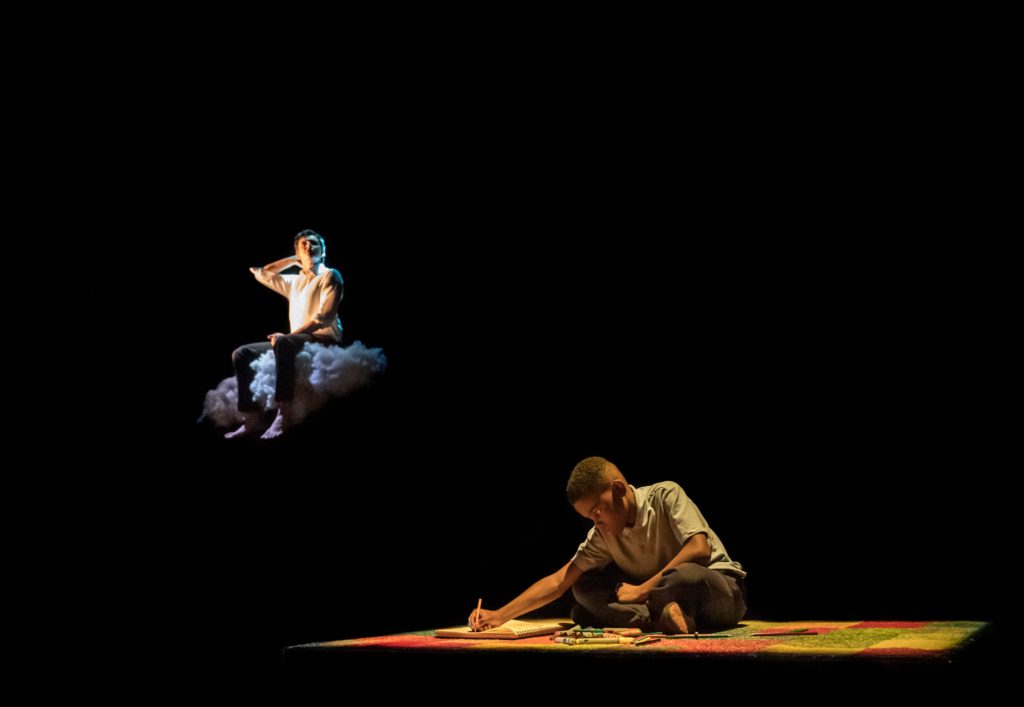
Kill – A story about Gods and Murders. Again, a simplistic
stage, our God is upon a suspended cloud, smoke emanating across the stage,
while the God acts very much unlike a God – smoking and calling out all
religious beliefs. He is funny and the writing draws upon our World and beliefs
with satire. Opposite to him is a little boy, who integrates the God’s storytelling
with comments, increasing in anger, and this all builds to a crescendo. Feeling
almost unfinished, but in this respect very well done. We end shocked, and
confused but in a good theatrical way.

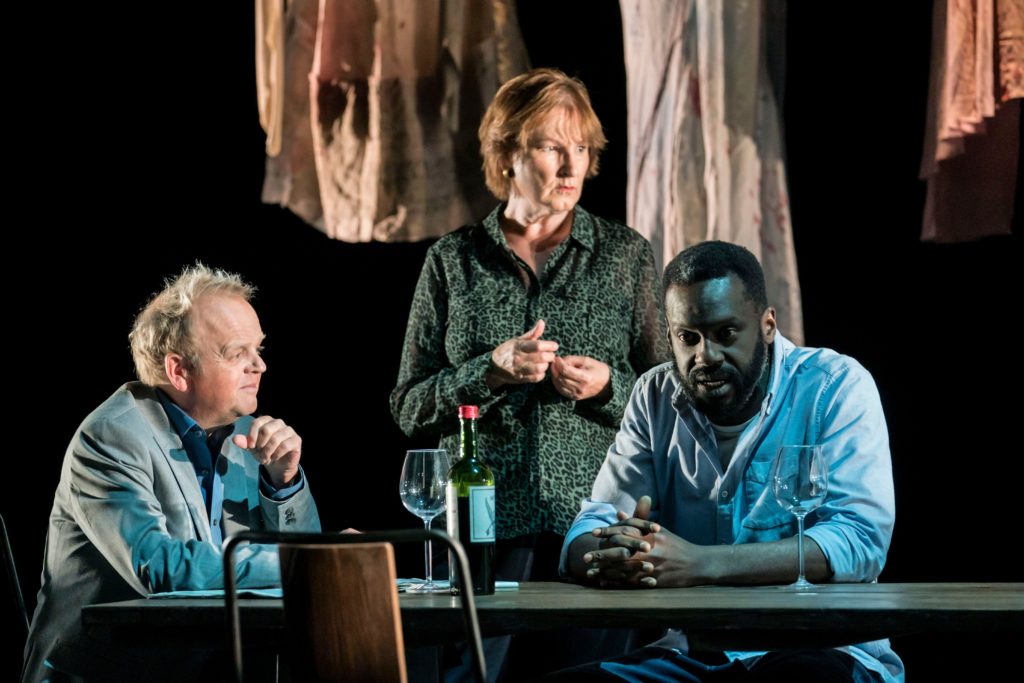
Bluebeard’s Friends – Easily one of my favourite of the
four. Four friends of Bluebeard sit around, slowly getting drunk, as they talk
about Bluebeard and his indiscretions, his crimes and how they felt this was
hidden. In true Royal Court style, the stage is simplistic – a dinner party,
but soon hilarity ensues with the appearance of Bluebeard’s wives bloodied
dresses. It’s almost horror-comedy, and the juxtaposition between the normal
conversation, to the actual stories of Bluebeard and the appearance of the
dresses is something unusual and almost apocalyptic.

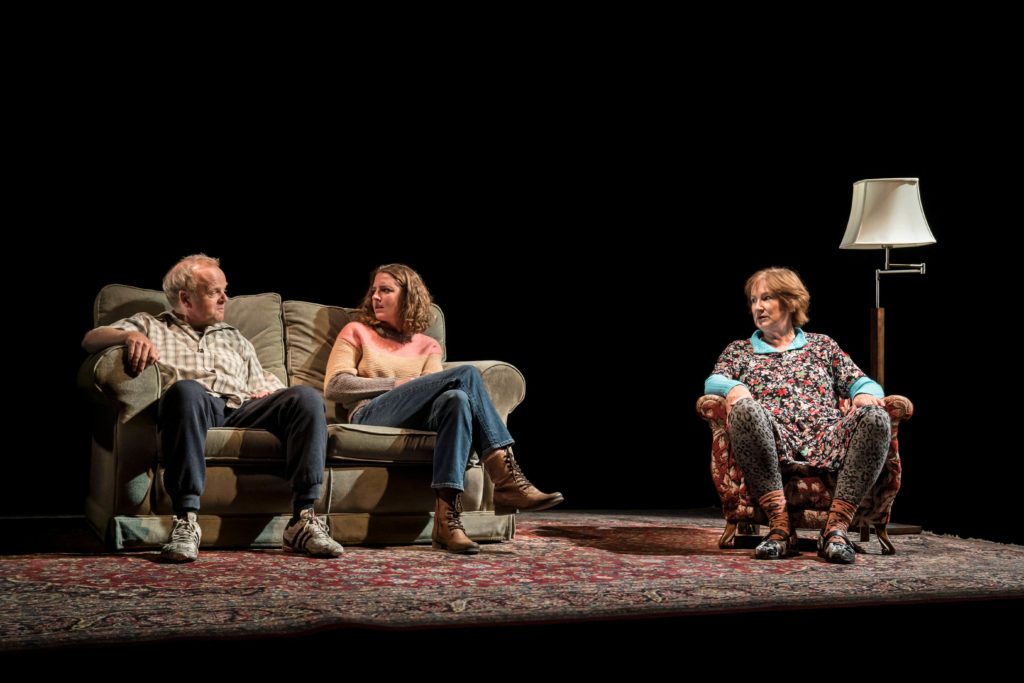
Imp – The longest of the four plays. Imp could have been a
play in itself. While a great production, it felt a little less impactful as
the others. Perhaps this was more theatrically than the writing but none the
less, an engaging piece. We meet two middle aged cousins who live together
after respective partners either die or divorce them. Their removed niece comes
to visit from Dublin, making a life for herself, while being entwined with another
guest of theirs who is down on his luck. This is seemingly standard play, with
comedy, and drawing upon mental and physical health. This is brought in subtly
but very well and relatable. The imp in the bottle however brings the unusual
which can be often found in Churchill’s plays. The idea of belief, of whether
believing in something enough makes it real, and we see them contemplate this –
becoming frightened if it is, scoffing if it isn’t, grieving when it may be lost.
And soon we begin to contemplate its reality. What if it is real? We engage so
much in how the actors play their feelings.

Glass.Kill.Bluebeard.Imp is a series of brilliant plays. It’s hard to really come away without inspiration and astonishment at Churchill’s writing and combination with The Royal Court – it is very much a match made in heaven.

Lenny Henry in Conversation : Preview By Hannah Goslin

One of the many British Kings of Comedy – I will be
attending the Autobiography release and talk by the one and only Sir Lenny
Henry at The Southbank Centre.

Notable for his Stand Up, Sketches, and his huge influence
in Comic Relief, we will be listening to him, interviewed by British Comedian,
Romesh Ranganathan talk about his life in his own words.

With Ranganathan also on stage, it looks to be a night of
complete hilarity!

Review to follow!

Lenny Henry in Conversation

SouthBank Centre

30th September 2019

Photo Credit – Jack Lawson

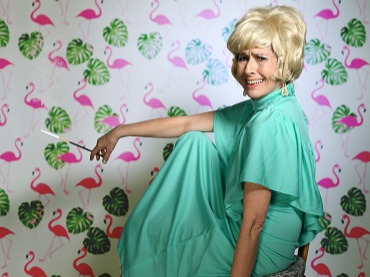
Review : Testament of Yootha, Caroline Burns Cooke

 out of 5 stars (3 / 5)

If, like me, you don’t really know about Yootha Joyce, then
you are in for a treat.

Caroline Burns Cooke brings her whole story, from her birth
on Wandsworth common, through Yootha’s fantastic theatrical and sitcom career
(and all the personal stuff alongside) to her death and alcoholism at age 53.
You do not need to know Yootha to enjoy this intriguing, hilarious character,
with a hint of nostalgia and glamour.

Cooke performs as Yootha, and many other character’s through
this woman’s life, in what feels like one in take of air. She changes in
physical form, from Yootha to an agent, a past husband, all with hilarious
quips, foul language and the odd song. It is no argument that she shows what
real glamour this woman was.

Cooke is very good at engaging with us – this may be a one
woman show, but hell does she keep it this way. She flirts with the audience,
agrees with them, ad libs and jumps in between us. She may be storytelling, but
we are not just mere witnesses; we are part of the journey.

As engaging as she is, as I said, it does feel like one
in-take of breath. Yes, there are emotional parts, that slow down the scene, taking
you from laughing at a remark about grubby Clapham Grand, or ‘Crap-Ham Grand’ to
the realisation of age and time wasted. But the rest is very fast paced, and at
times you feel like you are playing catch up a little with where we are, who
Cooke is at that present time and what is going on.

Now, as someone with little knowledge of Yootha Joyce, it
could be that she in emulating her personality, and therefore this is very
clever. But someone who may not know, it felt a little rushed through, and
mostly I wanted Cooke to just take a breath in the room.

Testament of Yootha is a fun, engaging production and a great example of a one woman play – it just needed some time to settle in the room and therefore let us catch up with this woman’s dramatic tale.

Review : The Bacchae, Esmond Road Productions By Hannah Goslin

 out of 5 stars (3 / 5)

Everyone loves a Greek Tragedy – the Ancient Greeks had an
amazing way of telling stories, way beyond their time, with comedies, tragedies
and so forth, elaborate and convoluted (in a good way!).

The Bacchae, by Euripides is nothing short of this. The
story follows Dionysus, who carries out punishment on his Aunt and his cousin,
after their continued disbelief in him being the son of Zeus. What entails is a
story of deceit, blood and gore, and heartbreak.

Esmond Road Productions have modernised this – Dionysus and
his cronies are dressed in neon festival-chic attire, reminiscent of 90’s
ravers, notably taking pills and enjoying all life has to offer. His cousin,
Pentheus, has taken a more middle class, and political approach, showing stubbornness
and false maturity.  These contrasting
groups define the war zones and for whom each party is a part of. It is a clear
distinction in characters and makes this modern take very interesting.

However, the beginning gets off to a great start – a very
emotive Dionysus, who is engaging and with sultry tones to her voice, easy to
fall into her storytelling. But this party-rave-drug taking group lack a little
in this concept – a moment of them really raving to some techno, or a scene of
debauched fun would have solidified this and made their characters a little
less passing.

There is a brief lull midway, and at times feels as if this
is the part that has a little less work. It’s a shame for this lull, mostly
inhabited by normal conversation; it is understandable that this is part of the
story but perhaps another take on this would make it more engaging.

It is soon picked up at the end, when we see the tragedy
that Dionysus throws upon his cousin and her mother – there is genuine tears,
emotion and this is where we are thoroughly engaged – we feel for the
characters, we believe their pain and this moment to stop and take this in, pacing
the speech and actions, creates a very emotive and thoughtful ending.

The Bacchae is a great idea with its modernisation, featuring some great talent starting the piece and following up at the end, but lacks somewhat in the middle. With this part worked on, this piece could be very engaging all the way through.

https://www.youtube.com/watch?v=GChzB9MByi8

Review: Total Immediate Collective Imminent Terrestrial Salvation, Royal Court / National Theatre Scotland By Hannah Goslin

 out of 5 stars (3 / 5)

I am going to start off, right off the bat, that it pains me
to write a sub-par review of something from The Royal Court. Usually, I cannot
come away from RC without being astounded, inspired and creatively shocked.
Unfortunately, this just did not happen this time.

Total Immediate Collective […] features the story of a
family, when faced with tragedy, separated, with the Father and Daughter
embarking on a cult-esque ideal about the world, and the Mother fighting back
for her Daughter. There is an essence of many likely groups across the World,
from terrorist groups to religious or cultural groups who create imaginative worlds
and predict the end, in one way or another. Therefore, it is not a strange tale
to believe.

We are asked to sit in a purpose-built circle, with a book
to follow the story. The book itself is full of impactful images and text; the
images tend to be accompanied by a sound scape, bringing it to life and making
it feel recognisable. However, while an interesting concept, the idea of
reading along felt school-like, and for me, provided plenty of distractions
from the play; from reading, to looking at other audience members, to waiting
for the performers to (intentionally) find their place – a lot of pausing, a
lot of waiting, a lot of missed action.

This did not exactly take to a good start of introducing us
to the book – as part of this cult-ideal, we are told with the word “okay” when
we are allowed to read – the Mother at the beginning explains this, however
with the natural urge to move on, the performers gave a strange and imposing
approach to anyone who defied this – leaving a audience member to sarcastically
comment ‘What? Are we in school?” to which the response, maybe not so much in
character, was an equally sarcastic “No, you’re in the theatre”. This made us
all feel quite uneasy, for both the performer and as audience members, and
perhaps tainted the next hour.

The performers themselves are wonderful and obviously very talented,
but rather than an impactful piece of theatre, I felt as if we were in a first
stage workshop.

I really wanted to like Total Immediate Collective[…]; an unusual concept, interesting writing, well performed; but all these elements just did not gel into a Royal Court standard piece.

Review : Coma, Darkfield By Hannah Goslin

 out of 5 stars (4 / 5)

What would you do, what CAN you do when you can only hear
your surroundings but lack the power to help?

Coma by Darkfield, one of their many shipping container
immersive experiences, engulfs us in an idea of medically induced coma states,
while other frightening and disturbing things happen around us, completely out
of our control.

Darkfield are very good at creating experiences that mainly
function on the power of persuasion, listening to a narrative and following our
own imagination. But equally, what happens in our heads, can be just as disturbing.

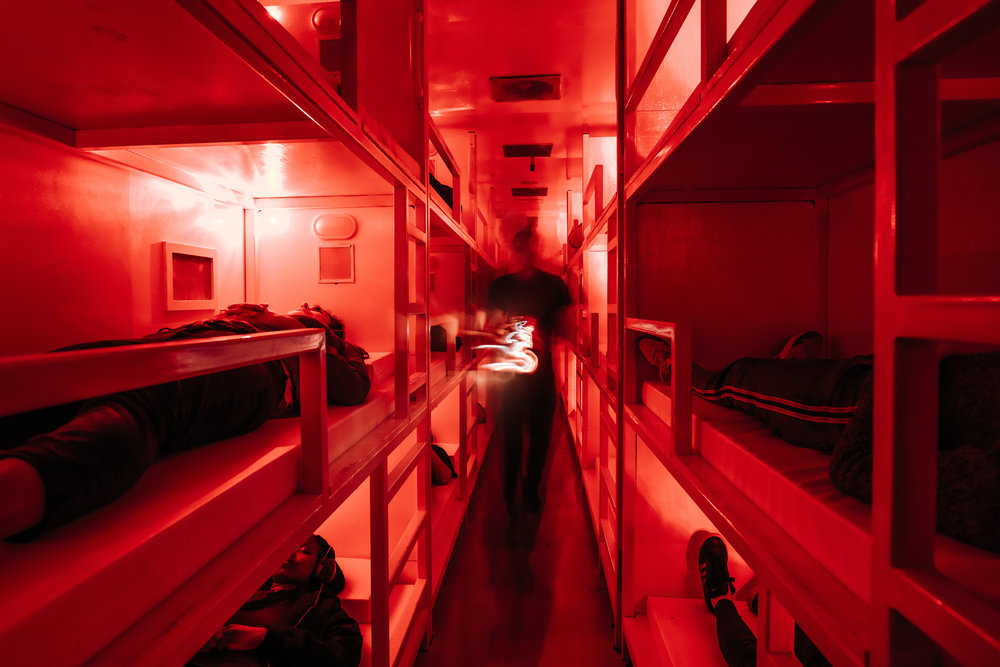
In a clinical yet odd style ‘hostel’, we are asked to lie
down on 3 tier bunkbeds, encouraged to make ourselves comfortable and to take a
little pill – though this is our choice, as we are told taking it or not taking
it makes little difference either way.

Plunged into darkness, with our headphones on, we are
influenced by commentary, by sounds that sound very near us and at times further
way, adding to our imagination of what we already know the room looks like.
Like all of Darkfield, there are moments of fear, of climaxes, but to tell you
these only destroys what you experience.

My only problem with Coma, is more dependent on the audience
member. To really throw yourself into this piece, to feel in a ‘coma’ you need
to really engage in a meditative state and give yourself fully to the relaxation
in your body to get the full extent of what they are trying to achieve.
Unfortunately, for me, while used to meditation, it just didn’t come easily for
me this one night and perhaps lead to me missing out on being more immersive
that I would be another day.

Coma is equally intriguing, exciting, and scary – go on, be brave, and engage in something you have never experienced before – but fully commit, to come away with something fantastic!

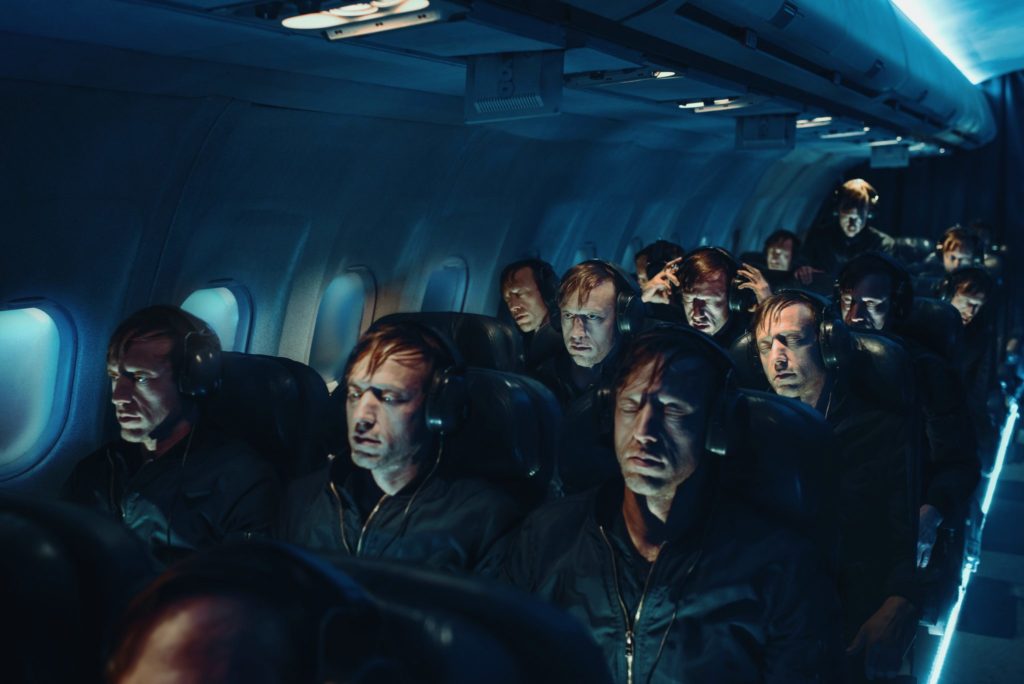
Review: Flight, Darkfield By Hannah Goslin

 out of 5 stars (4 / 5)

As someone who is scared of flying and therefore takes
sleeping pills to get through, this is probably not the best production to see.

Rightfully nervous, with knowledge of Darkfield, experiencing ‘Séance’ at the beginning of the year, my flight fear has gotten better after travelling, but the nerves are still there for this next experience.

I particularly liked how the Steward was very much into the
process of Flight – before entering the container, his language was all
reminiscent of a host on a flight, stating ‘We are a full flight today so please
sit in your allocated seating’

Like any flight, the inside is highly reminiscent of modern
planes, but with a hint of the past – small flip down screens above, which are
little know these days, playing a video of a hostess, which seems dated. From
the beginning, with out headphones on, things are already going wrong – the video
flickers, saying chopped and changed, and frightening phrases – we hear the
pilot and his conversation we should not hear.

Into the darkness, we hear through our headphones, cleverly
positioned to give the sense of encroaching hostess up the aisle. We give into our
imagination, and this unordinary flight feels calming, yet we anticipate what
happens.

As any Darkfield show, there are moments of shock, of fear,
elements of the set change, even now, with me thinking whether I dreamed seeing
that or not. They play on our minds; the experience feeling like a dream state,
when something disastrous happens, everything becomes normal again – did that
really happen?

If you have a fear of flying like me, you are in safe hands with Darkfield, and will come away having such a unique and unordinary experience. If you don’t, well… needless to say you will have equally an interesting and unusual immersive experience. These containers are for all.