
Tag Archives: Gareth Williams

Review, The Guest, BBC, by Gareth Williams

 out of 5 stars (4 / 5)

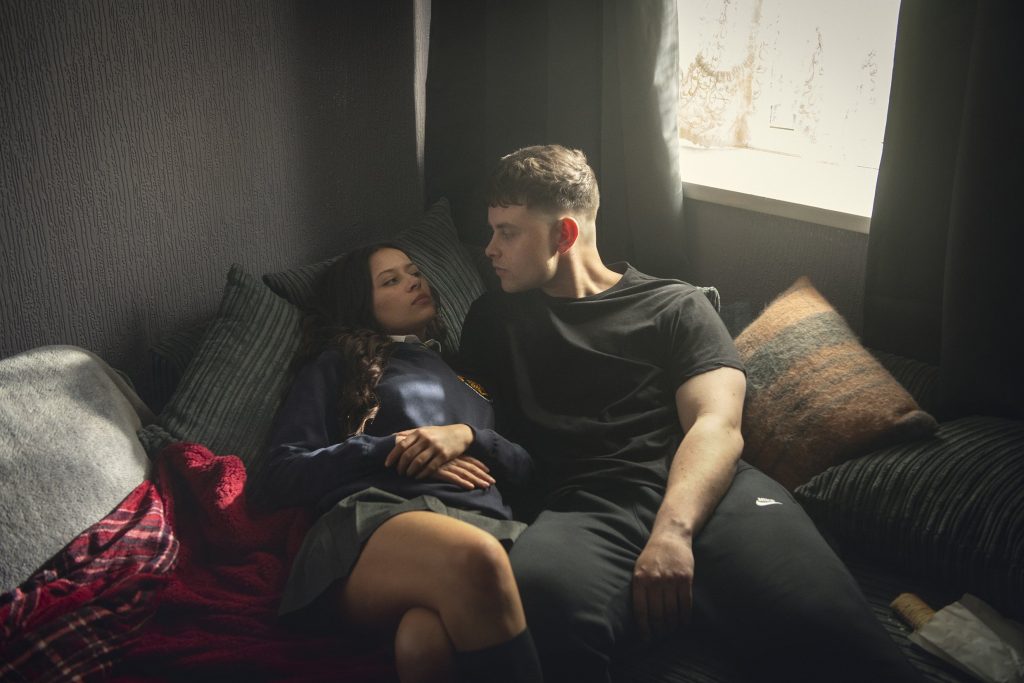
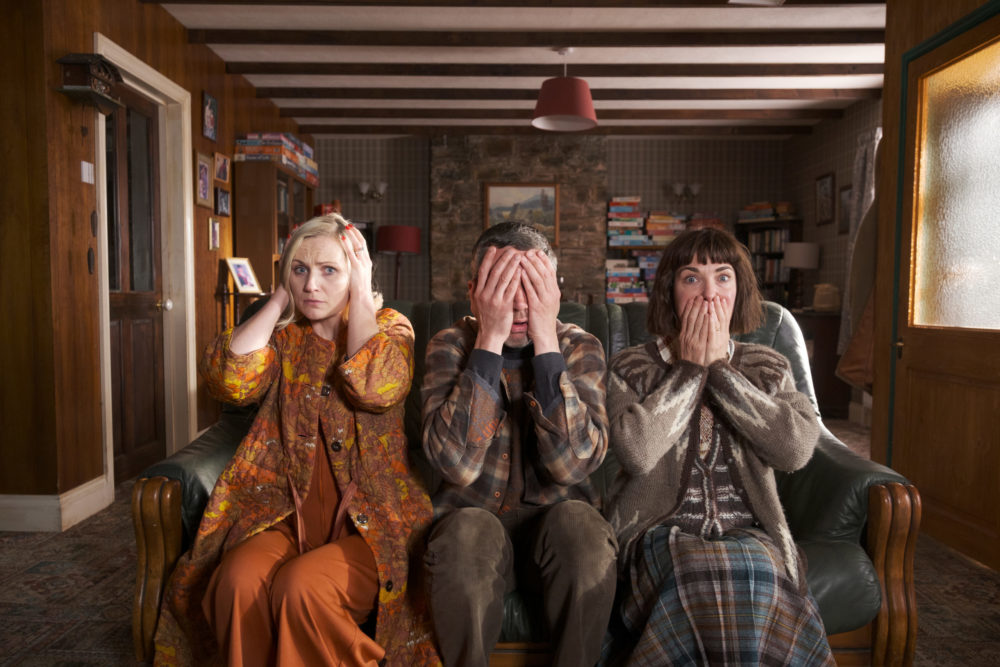
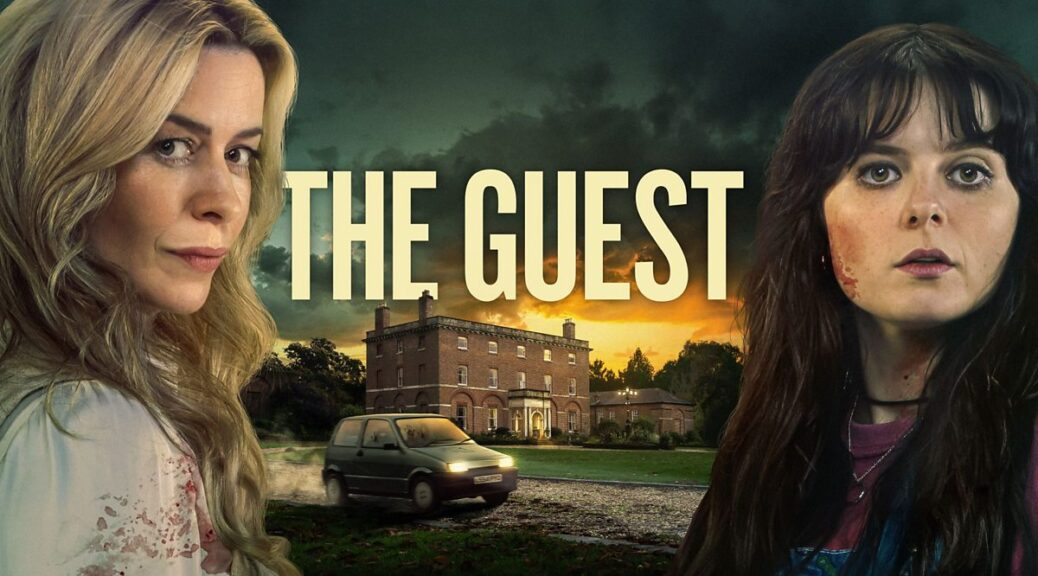
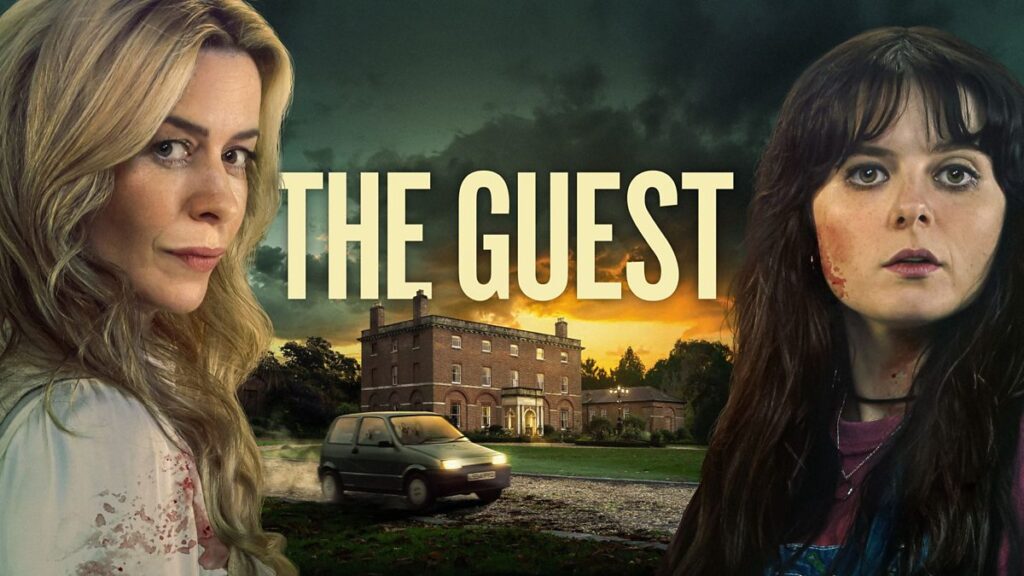
The Guest is the latest drama to be set in Wales but, for once, it’s not made by a Welsh production company. Quay Street Productions, based in Manchester, are building a nice portfolio of original content with a UK focus. And after the success of Men Up, this four-part series underlines their serious intent towards authenticity. There are no stereotypes or caricatures here, though the class divide between protagonists Fran (Eve Myles) and Ria (Gabrielle Creevy) is clear. It feeds into what is a dark and mysterious thriller, full of intrigue and surprise twists, with their fascinating relationship at its centre.
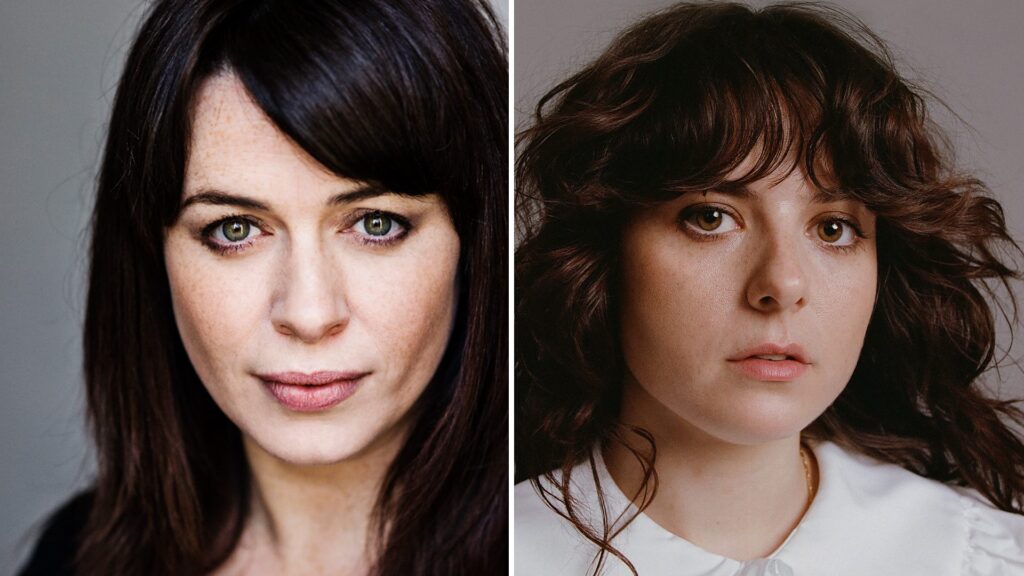
Both Myles and Creevy come with a strong pedigree. Cast together as opposites here makes for a wonderfully dynamic relationship. Ria is both vulnerable yet strong-willed; Fran coercive yet sympathetic. Both actors bring their penchant for multilayered expression to present not only complex selves but a lively partnership that adds much to the emotional suspense. The discourse on power, particularly in relation to class and wealth, is cleverly woven into their respective characters which forgives a far more blatant set-up. The opening scenes, consisting of dichotomies as obvious as urban/rural, private/social, and new/old, contrasting sharply with the three-dimensional friendship that develops between the two.

This is perhaps why the ending feels unsatisfactory. Tying up the loose end a bit too neatly and nicely after a series of simmering and pulsating encounters. Not that the journey to this point isn’t worth it. It’s exciting and shocking enough to go along for the ride. The risk being that the more thrills the audience gets, the more expectation is placed on its final delivery. Hence the disappointment of a rather fairytale ending. Belying the enthralling nature of the moral conflicts and paradoxical actions that come before.

Despite the frayed bookends to this series, The Guest is a highly enjoyable watch. Made so by the enrapturing performances of its female leads. They carry a twisting and telling narrative successfully through to an albeit inferior conclusion. Nevertheless, it is gripping. Showcasing Wales in an implicit light, for which Quay Street should be commended.

Click here to watch the series on BBC iPlayer.
Reviewed by Gareth Williams

Review, Death Valley, BBC Wales, by Gareth Williams

 out of 5 stars (3 / 5)

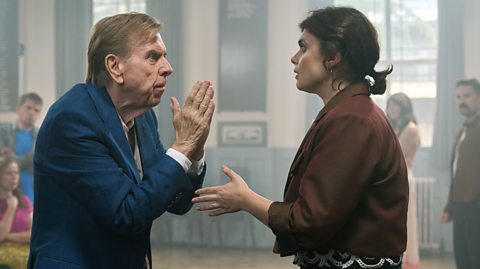
If Wales was going to add yet another crime drama to its burgeoning shelf, it needed to be different. Thankfully, Death Valley brings a somewhat fresh and original take on the genre. At least as far as Welsh television is concerned. In the wider landscape, it falls neatly between the daytime fare of Father Brown and the comedic air of Only Murders in the Building. Light, melodramatic, and not too heavy on the blood and gore.

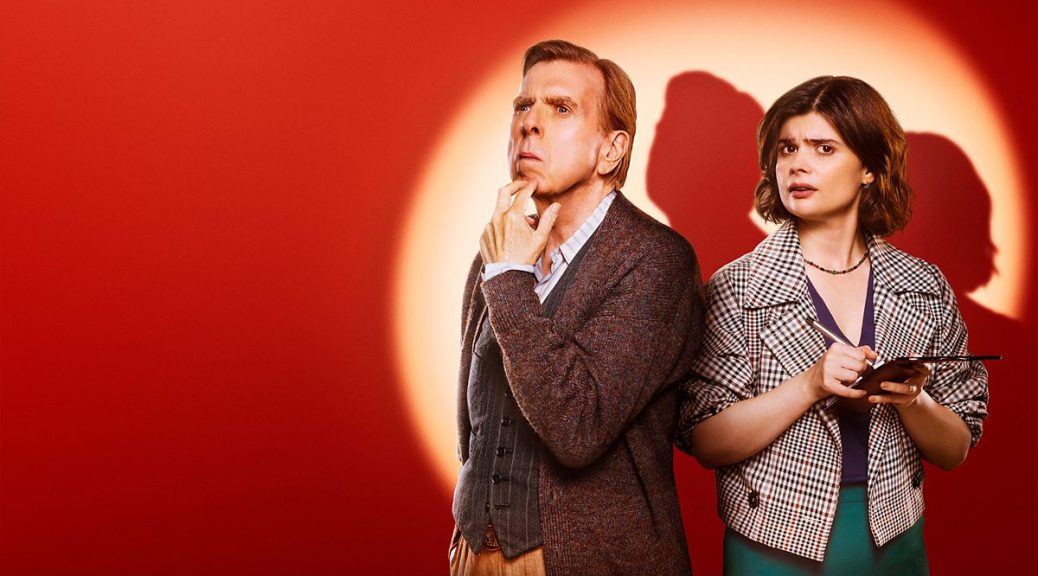
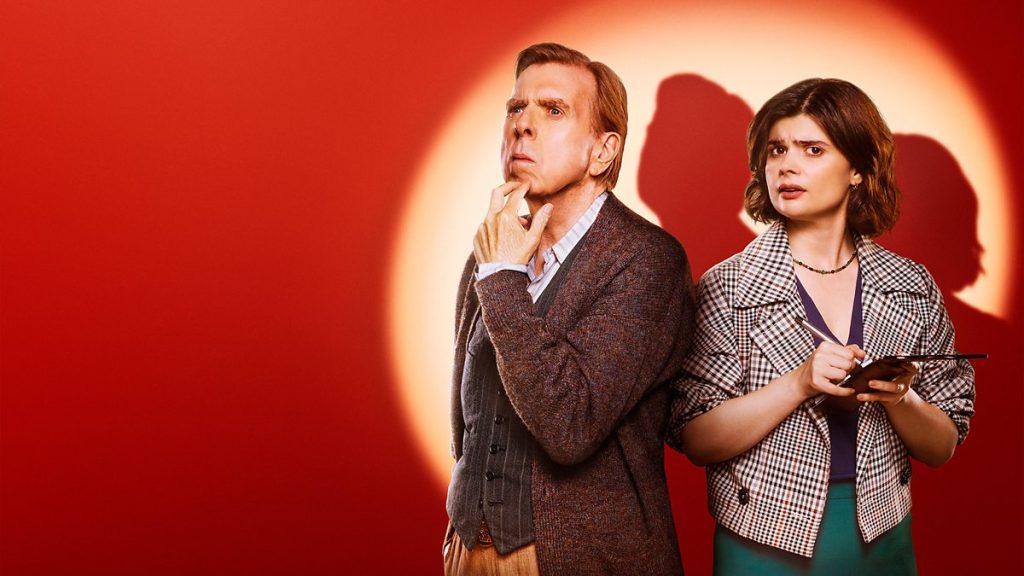
I can only think that its primetime airing is down to the casting. Timothy Spall hamming it up in the lead role to mixed effect. It feels like he’s trying too hard sometimes as retired actor John Chapel, the hero of Gwyneth Keyworth’s slightly hyper detective Janie. The two of them bounce off each other with ease. A delightful mix of playful banter and sweetly serious moments creating a likeable double act at the heart of this quirky series. The trouble is, the performances seem forced at times. As if the humorous aspects are pushed too far. Toppling over into unnecessary farce which spoils what is otherwise a softly charming premise.

One of its strengths is a strong supporting cast of predominantly Welsh talent. Steffan Rhodri is in his element as put-upon DCI Barry Clarke. Alexandria Riley is a revelation as a strait-faced, dry-witted pathologist. And Mike Bubbins gives an excellent cameo as the desk sergeant in episode four. These are moments when the co-writer Sian Harries can be applauded for drawing extra humour out of the script. It doesn’t always work, but there is enough to bring a smile to the face more often than not. It contributes to what is, overall, an entertaining show. Its formulaic structure preventing anything more enthralling. Though its subversion of the traditional ‘reveal’ is beautifully and uniquely done.

With star turns from the likes of Vicky Pepperdine and Steve Spiers thrown into the mix, it feels like every effort has been made to ensure that Death Valley becomes an instant hit with the public. There is probably enough to warrant a further series, though I can’t get past what feels like its natural home on mid-afternoon BBC1. That’s not a criticism but rather a reflection on the nature of this series, which is wonderfully silly, surprisingly intriguing, and enjoyably amusing.

You can watch the full series on BBC iPlayer here.

reviewed by Gareth Williams

Review, Ar y Ffin, S4C by Gareth Williams

 out of 5 stars (3 / 5)

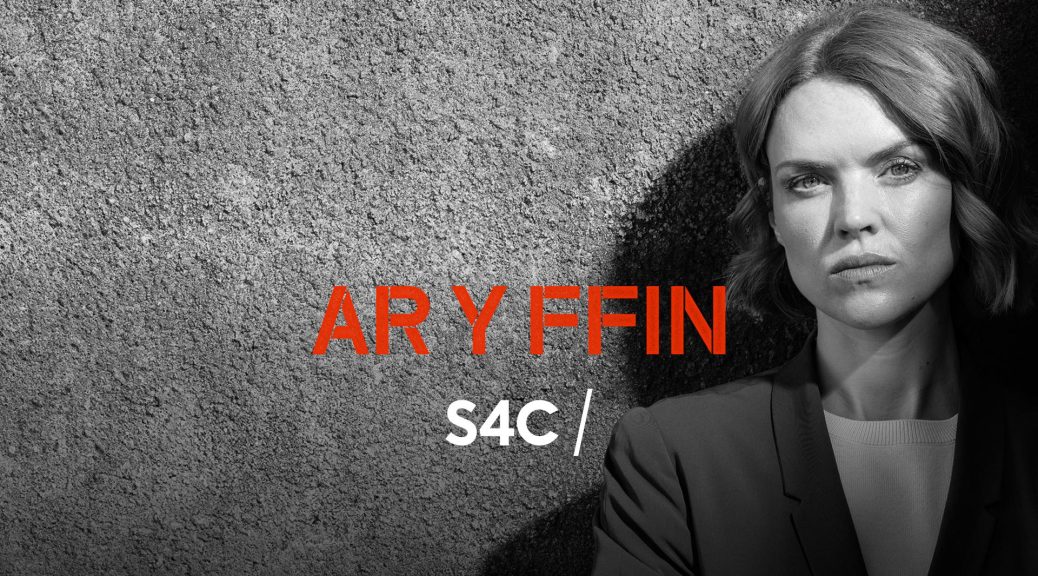
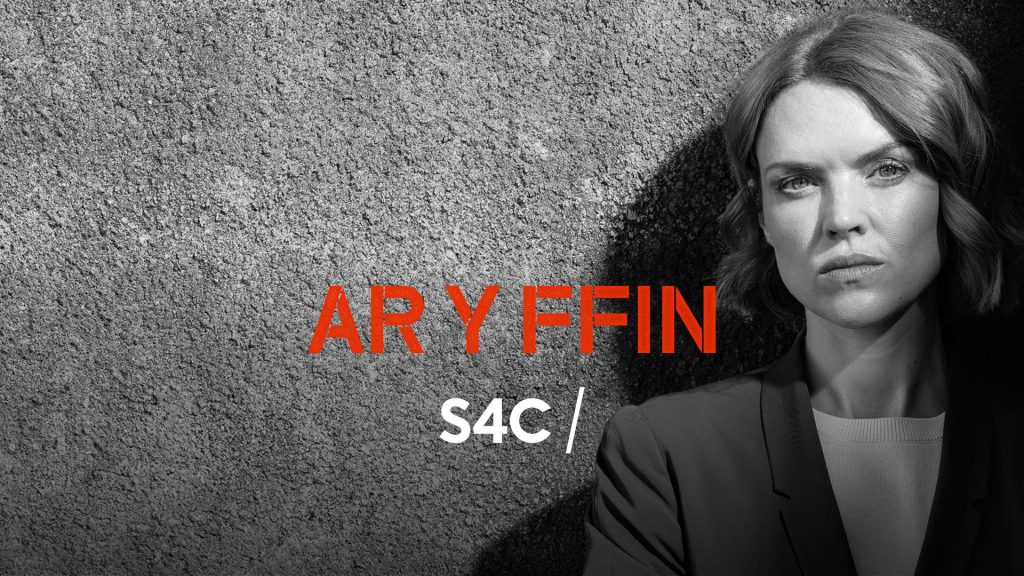
It was Newport’s time to shine in S4C’s latest drama series Ar y Ffin. Made much of in a Guardian article prior to broadcast, the city is often overlooked by its capital cousin, but becomes a metaphor here for the title character’s own story. Erin Richards is superb as Claire Lewis Jones, a magistrate and mother who has tried, with a great degree of success, to step out of the shadow of her unsavoury past. Yet she is still haunted by a ghost, in the form of Pete Burton (played by Tom Cullen), a shady local gangster whose criminal activities come slowly to collide with Claire’s personal and professional life across the course of six episodes. And whilst at times there are threads in the narrative which suggest too much artistic licence has been wrought, writers Georgia Lee and Hannah Daniel still offer enough entertaining twists and turns to ensure the implausible never make Ar y Ffin unwatchable.

One of the draws of this drama is the mother-daughter relationship at its centre. Lauren Morais is excellent as troubled teen Beca, whose trajectory of travel is, we come to find out, much like her mother’s was back in the day. The way that Claire seeks to protect her, sometimes at great personal and professional cost, is made all-the-more heartfelt by Richards steely portrayal. She follows in a long line of similar female protagonists in Welsh TV drama, balancing a strong exterior with a hidden vulnerability that eeks out as the series progresses. Beca is much the same, though Morais adds a stubborn teenage bolshiness to mask her susceptibility. Ultimately, both characters cast a shadow of weakness over their respective partners – husband Al (Matthew Gravelle) burying his head in the sand over financial problems whilst Beca’s boyfriend Sonny softens towards the series’ end.

There is clearly appetite from the production team to continue Ar y Ffin. Its conclusion feels far too open to simply leave it at that. Where it goes from here is open to question, but with Beca clearly emerging as a central character alongside her mother Claire, further exploration of that relationship would prove invaluable to keep viewers’ interest beyond the standard criminal fare of Pete and his boys. That might involve a trip over the border perhaps, given the final scene. But whether this drama expands beyond or keeps Newport as its central focus, it has been refreshing to see a different Welsh city as a backdrop. A reminder that urban stories are not limited to Cardiff.

You can watch the series on BBC iPlayer here.

Reviewed by Gareth Williams

Series Review, Cleddau, S4C, by Gareth Williams

 out of 5 stars (3 / 5)

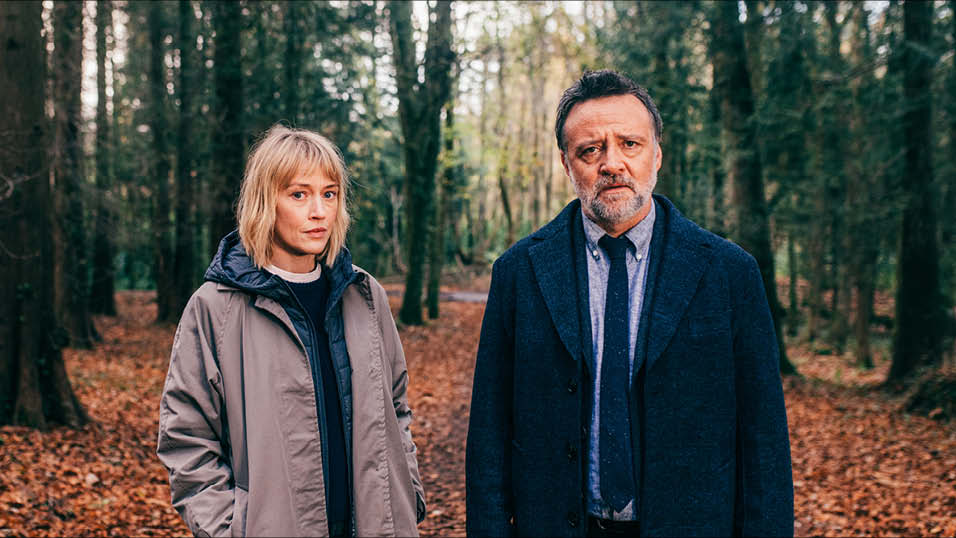
Cleddau was not without its faults. But the latest Welsh crime drama on S4C had enough to entice viewers back for more. Each new addition to the Welsh-language channel’s catalogue needs to bring something new, fresh and exciting, such is the proliferation of the genre since Y Gwyll / Hinterland. And while there are well-trodden tropes in this latest series, there are also moments of nail-biting tension, surprising twists, and interesting character portrayals.

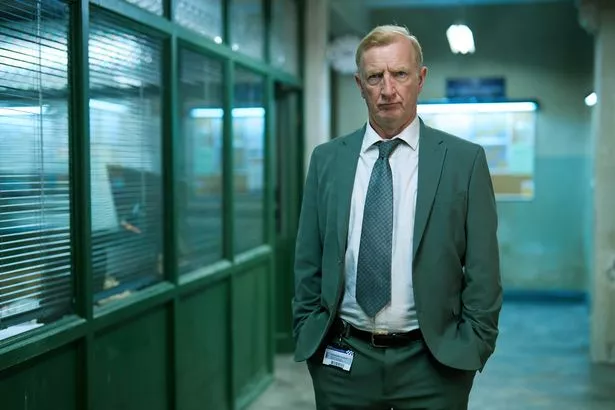
Elen Rhys plays Ffion, one half of a detective duo whose fairly unique quirk is that they used to be an item. Before Rick, played by Richard Harrington, had an affair with nurse Helen (Rhian Blythe). Ffion left in the aftermath, but returns a decade later to help solve the case of a copycat murderer. The two are paired back together, and there are no surprises as to how their relationship develops. But despite this stereotypical storyline, it is used to good effect to portray Rick as a rather manipulative and controlling character. Themes of trust and truth play out between the two but spread into the lives and stories of other characters around them. Including the man charged with the original murders, Paul Harvey, played with cold, calm villainy by Ian Puleston-Davies; and his wife Anna (a deceptively vulnerable Eiry Thomas).

There are elements of Sherwood and The Killing in its carousel of potential suspects from a close community all-too-familiar with original events. Both Gwydion Rhys (as Ryan Moss) and Matthew Aubrey (as Mel Owen) give excellent, if not highly conventional, portrayals of troubled men accused of the latest killing. Such typical character types offer nothing novel. Just as the shots of Jamie Tilston (Sion Alun Davies) beforehand spoil the on-screen revelation of his real identity. However, scenes like the school shooting in episode two, the showdown in the cellar and everything that comes before it in the final episode, ensure that Cleddau maintains the interest and excitement of the viewer. It is these sections that offer up real suspense. And as the series edges nearer to revealing the killer, threading all the characters together to build real tension, one feels validated in sticking with it through the less intriguing stuff.

For all its flaws and predictability, Cleddau also has its fair share of the edgy and enthralling. It is a shame that such moments are not too many to make this series a real thriller. But it is a crime drama with enough unexpected turns to perhaps claim itself as a murder mystery. Either way, if you’re prepared to persevere with it, the end is worth the wait.

Click here to watch the full series on BBC iPlayer.

Reviewed by Gareth Williams

Review, Creisis, S4C, by Gareth Williams

 out of 5 stars (4 / 5)

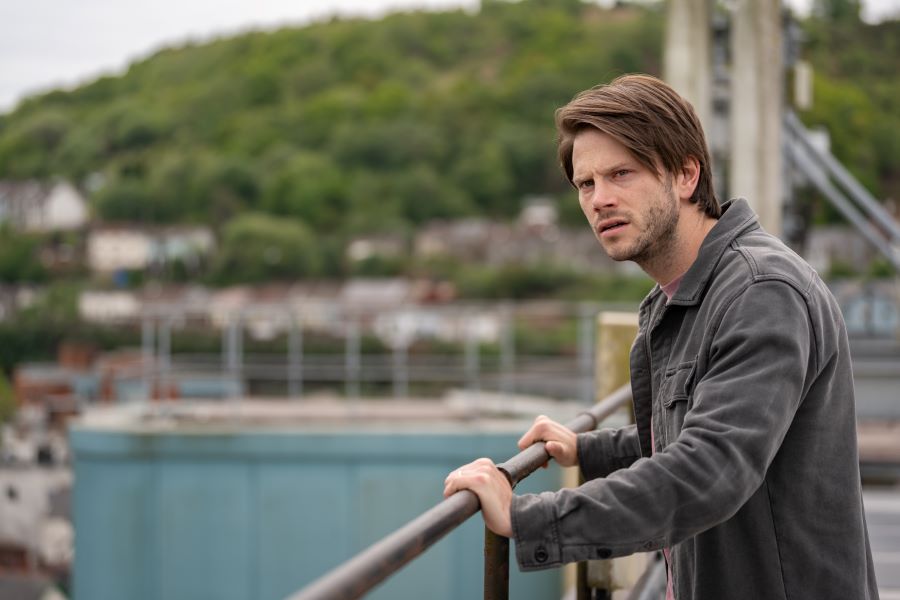
I can think of many television dramas which feature mental health as a theme or part of a storyline. But to have it at its core makes Creisis a rarity. The facts which appear at the end suggest that it’s grounded in real-world evidence. The complexity of the protagonist Jamie’s journey over the course of six episodes points to a verisimilitude that takes no shortcuts. This is public service broadcasting at its most powerful and important: informing and educating through entertainment to shed light on an experience in an authentic and engaging way.

Gwydion Rhys embodies his leading role with a stereotypical form of masculinity in which cracks are slowly exposed and the façade gradually crumbles. He confidently addresses the camera in a gracious nod to Anfamol in the opening episodes. But these become few and far between as he turns from explanatory narrator into observed patient. The subtlety with which the audience gaze changes to focus more intensely on his own mind forms part of the potency which gives Creisis its cutting edge. And as it does, the line between imagination and reality, truth and fiction, becomes cleverly blurred. Before this, there is a gradual but increasingly noticeable descent, with clear effects on his family, neighbours and colleagues. The glass shards which disseminate his body in the title sequence come to be prescient in more ways than one. This really is an examination of the ailing mind.

Wife Janette is clearly long-suffering but also devoted. Sara Gregory plays her with strong will entwined with compassion. Line manager Huw (Arwel Gruffydd) is mixed with similar: a serious exterior masking a soft inner soul. There is overwhelming concern from all his fellow staff members which dissipate their quirky mannerisms once Jamie is brought into the Mental Health Unit not as an equal but under their care. Head of Service Natalie (Hannah Daniel) is the only one who is close to being a two-dimensional character. Daniel displays a villainous intent that contributes to Jamie’s state of mind to the extent that she almost becomes a caricature. Even best friend Barry, who is not quite what he seems, is granted emotional versatility by Alex Harries in order to illicit both sympathy and anger from the viewer. Meanwhile, Melvyn and Mary offer light relief through their sweet relationship marked tragically by dementia. Wayne Cater and Rhian Morgan may be part of a subplot but contribute beautifully to the whole with performances that are suitably ordinary and, as a result, wonderfully apt.

What seems to drive Jamie is a desire to fix things, including people. He is chaotic, innovative, reckless and passionate in his attempts. But in the end, he must acknowledge that he is broken himself, in part because he believes that he could and should have fixed another. Grief is both the cause and effect here, revealed in such myriad ways within the context of everyday lives that it touches on some form of accuracy. Not that experience can be boiled down. But in the individual story lies something of the universal. This is what Creisis seeks to capture, and it does so rather well. Mental illness is taken seriously and is never curbed by expectation. Including in its finale, when instead of the usual heartwarming finish, it introduces an open-ended curveball that continues its commitment to realism.

There is much to learn and appreciate here. Creisis demonstrates the art of skilful and well-researched writing to make this one of the best explorations of mental illness in modern television.

Click here to watch the series on BBC iPlayer.
Reviewed by
Gareth Williams

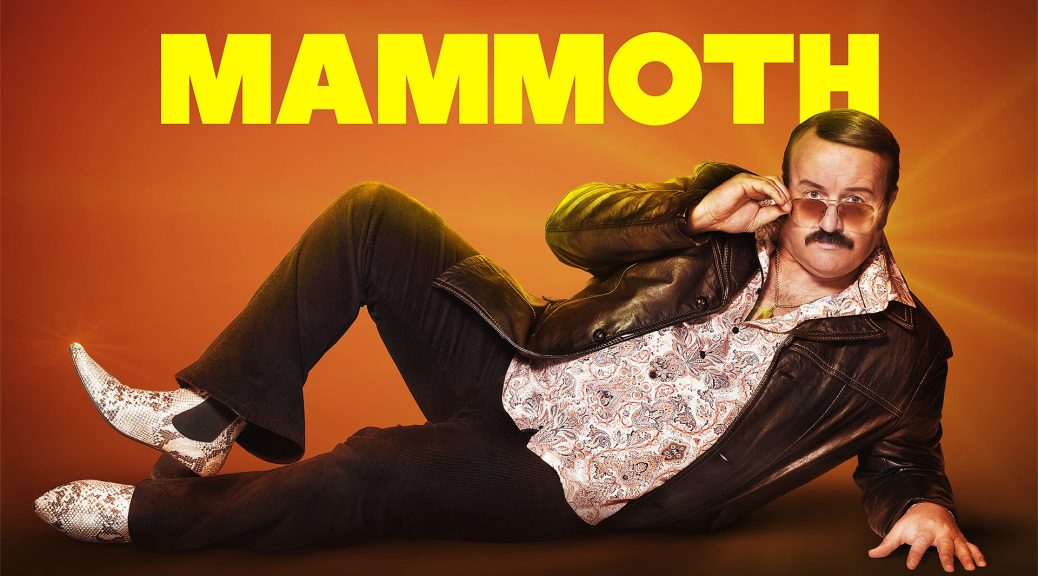
Review, Mammoth, BBC Wales, by Gareth Williams

 out of 5 stars (3 / 5)

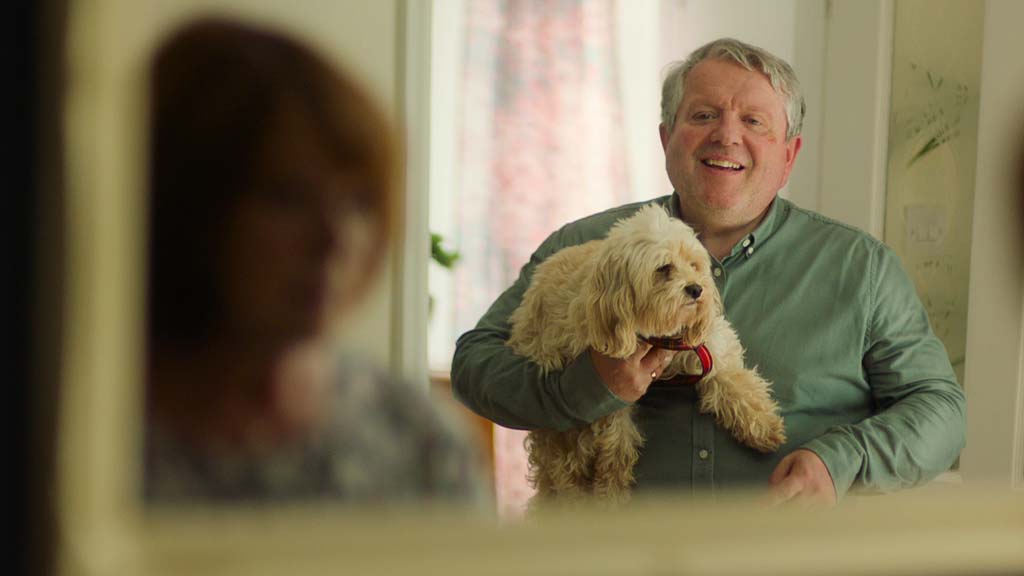
The premise of Mammoth is far-fetched. But go along for the ride and this Welsh sitcom doesn’t disappoint. More funfair than theme park, its zaniness takes time to get used to. Once in the flow of Mike Bubbins’ world though, there emerges a strange empathy for his protagonist, resulting in a desire to return for more. It is a shame then that three episodes is all the BBC could muster.

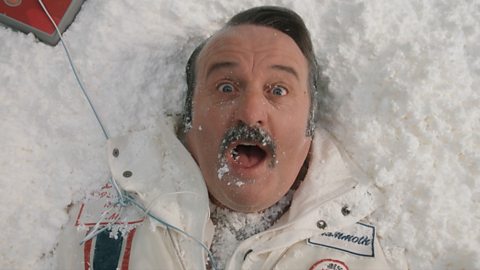
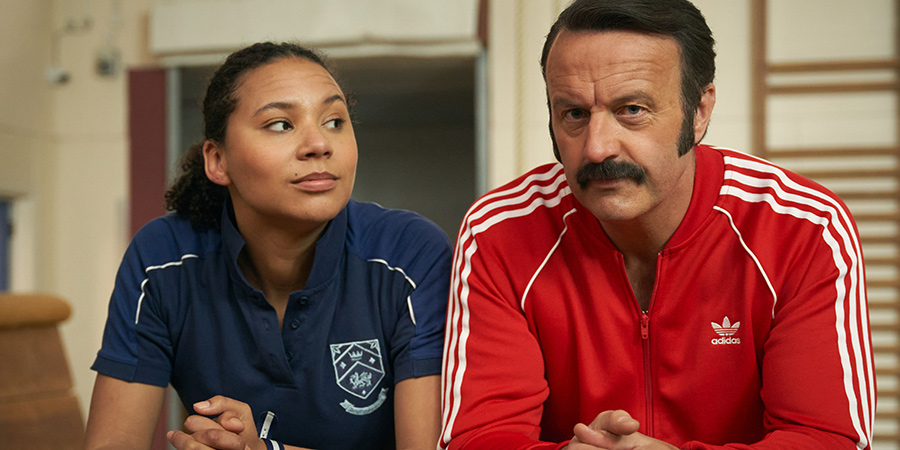
The first episode is a whirlwind narrative. If the task was to squeeze in the life and times of Tony Mammoth in 25 minutes then it succeeds. But not without its fast pace feeling like a rush job. We go from his resurrection on the side of a ski slope, after being buried for 40 years underneath an avalanche of snow, to his reappointment as a PE teacher at Nowlan High School in the blink of an eye. Add in the quirky comedy and it’s possible for all this to be taken with a pinch of salt. It is not until the revelation, at the end of the episode, of Sian Gibson’s doting and overprotective parent as his daughter, that the programme settles and gains traction. Episode two certainly feels more stable even as the humour remains offbeat.

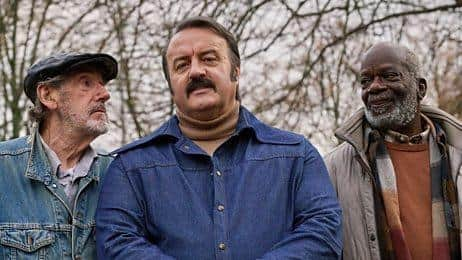
Most of the laughs arise in the dissonance between Mammoth’s 1970s worldview and the liberalisation of a 2020s UK. He is a boozer, pipe-smoker and womaniser, in a world no longer chugging back beers or treating women as objects. He struggles to come to terms with the fact that his boss is not only a woman but a lesbian too. Mali Ann Rees is suitably dismissive as Lucy, despairing in his attempts to connect with out-of-date references and inappropriate behaviour. She is the straight woman to his not-so-wise guy, a partnership that works and even finds slight affection blossoming between them by the end of episode three. Gibson, for her part, delivers an enraged performance opposite Bubbins’ calm exterior which also leads to funny moments filled with fondness. One cannot help feeling for Mammoth even as his views verge from the baffling to the squeamish. In this regard, he follows in the footsteps of other self-absorbed but strangely-lovable male leads, from Glyn Tucker (The Tuckers) to Ben Harper (My Family) and Victor Meldrew (One Foot in the Grave).

For so short a run, this sitcom is awash with verbal and visual tropes. Always playing with the generational difference, it is often the simple exchanges that invite the biggest smiles. The fact that he says “over” at the end of each correspondence at the drive-thru, he gives a pupil “10p [to get] a Marathon from the tuck shop”, and plays music to his class via a tape recorder all add to the ambience with charming effect. Then there’s the playing of “Burn Baby Burn” at his friend Barry’s funeral, giving a rabbit CPR on a wellness retreat, and riding into a café on a horse for daughter Mel’s birthday, that make his world peculiarly comical. It is not without its touching moments though. When fellow friend Roger (Joseph Marcell) poignantly sings the theme tune to Blankety Blank before he scatters Barry’s ashes, the tragedy of the situation is deeply felt, even as it remains absurd.

The ending is a good one, hopefully indicating at the promise of more. For most sitcoms take a while to get going and hit their stride. Mammoth is no different. Mike Bubbins has created a prime candidate for a great British sitcom character. There is enough here to warrant further. It may be odd but it is likably so. Hyperbole at its finest.

Click here to watch the series on BBC iPlayer.
Reviewed by
Gareth Williams

Review, Pren ar y Bryn/Tree on a Hill, S4C/BBC Wales, by Gareth Williams

 out of 5 stars (4 / 5)

“Hell’s Bells” is the phrase that sticks from Pren ar y Bryn / Tree on a Hill. “Bingo” too. Both are utterances of Clive, a quirky character, played by Rhodri Meilir, who is representative of this offbeat drama. Filmed in Welsh and English, the former went out on S4C around Christmas whilst the latter appeared on BBC Wales from Easter. And though both are fairly similar, there is something about Cymraeg that offers an eccentricity not quite matched in its Saesneg counterpart.

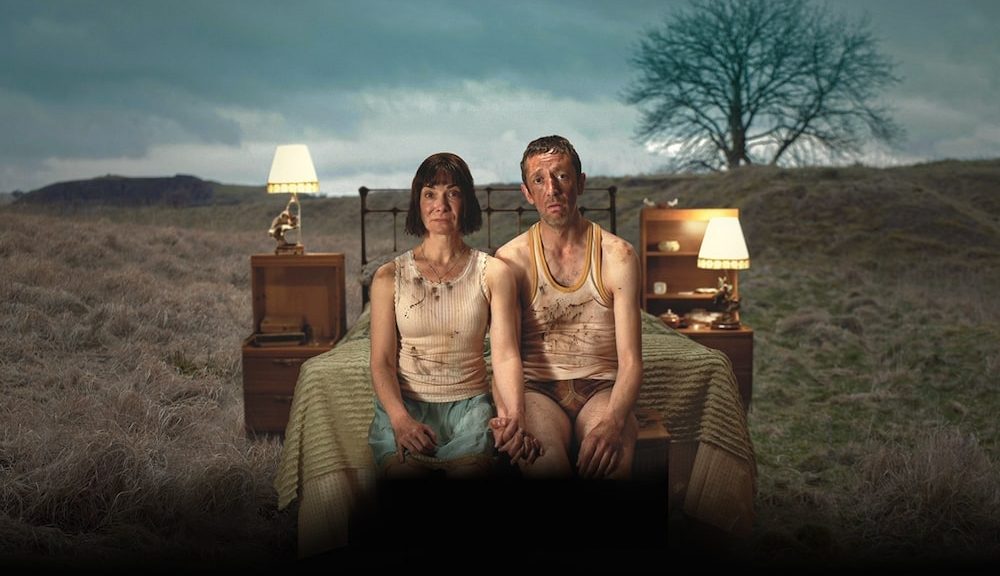
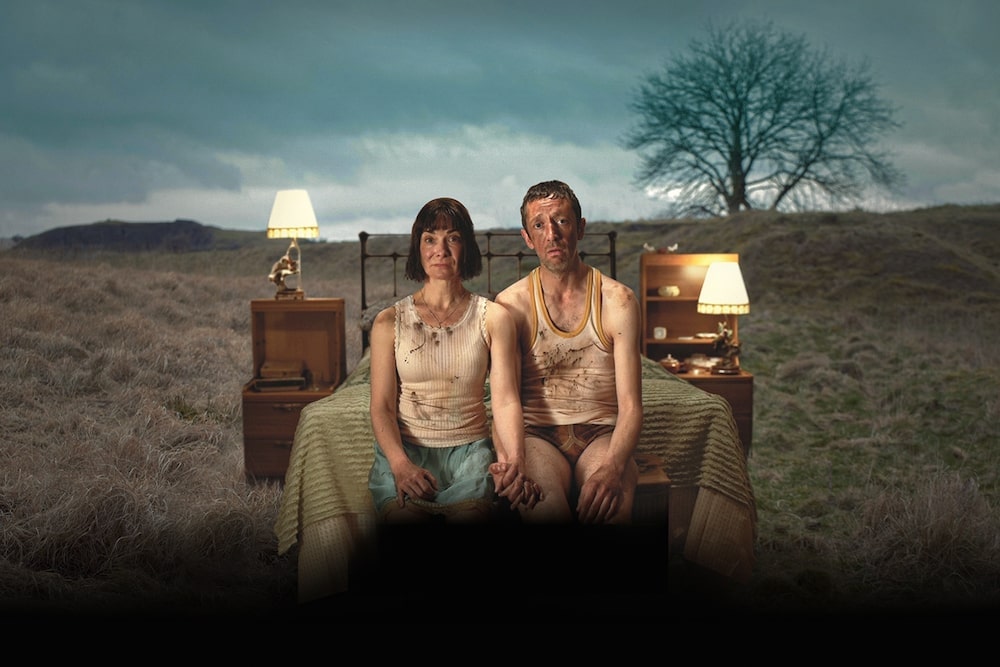
Right from the start, the programme is off-piste. The presence of a model village is symbolic of a dream-like quality that permeates into the lives of Penwyllt’s real-life inhabitants. The brass and percussion instruments of the soundtrack, resembling arhythmic, improvised jazz, add to its oddness with their chaos. It is at once tragic and comic – a duality that runs through the series like a winding river. The titles are reminiscent of a B-movie; and indeed, complete with the music and faded colour palette, could have easily come from the 1950s. The addition of a rather outlandish murder plot and several strange occurrences mean that, in some ways, Pren ar y Bryn / Tree on a Hill is quite unique in the contemporary TV landscape.

Ed Thomas

It would be no surprise to find The Singing Detective as an influence upon the creators of this drama. It is certainly very different to the more serious and sombre work of producer Ed Thomas (Hinterland, Bregus). Here, he takes the elements of a classic whodunnit and turns them inside out. He borrows from the absurd of sitcom, the emotion of kitchen sink drama, the aesthetic of arthouse film, and even a little from the genre of horror, to create not just a narrative but a whole world that is strange and surprising, silly and sinister. Meilir, for his part, brings a wide-eyed innocence to his role. Deadpan, emotionally understated, yet physically expressive alongside Nia Roberts, who is beautifully awkward as his wife Margaret. Richard Harrington is perhaps the only straight-talking member of the cast as Glyn, the catalyst on which this fabulous yarn unravels. Yet even he is used in a subtle exploration of mental illness that comes to define most of the characters here. Themes of loneliness and change and liberation all feature in a drama that is both brilliantly barmy but with surprising emotional depth. A dead body in a basement freezer is the best description (without giving too much away) of its sliding scale between the ordinary and surreal.

Watch Enid a Lucy, Dal y Mellt and Y Sŵn, even The Way, and you will find a penchant for the off-kilter, ironic, and darkly comic in Welsh drama. The spectral and otherworldly nature of realist pieces like Parch, Yr Amgueddfa and Gwledd also feel very representative of a certain aesthetic that continues into Pren ar y Bryn / Tree on a Hill. Such ingredients somehow work better when the Welsh language is weaved into them – something in its rhythm and pace and tone that differs from the English; that contains a sense of mystery and magic that forms part of the nation’s identity. In which case Pren ar y Bryn is recommended as the preferred watch. Though Tree on a Hill doesn’t miss out on so much that it can’t be just as enthralling.

Click here to watch either series (Welsh or English) on BBC iPlayer.

Reviewed by
Gareth Williams

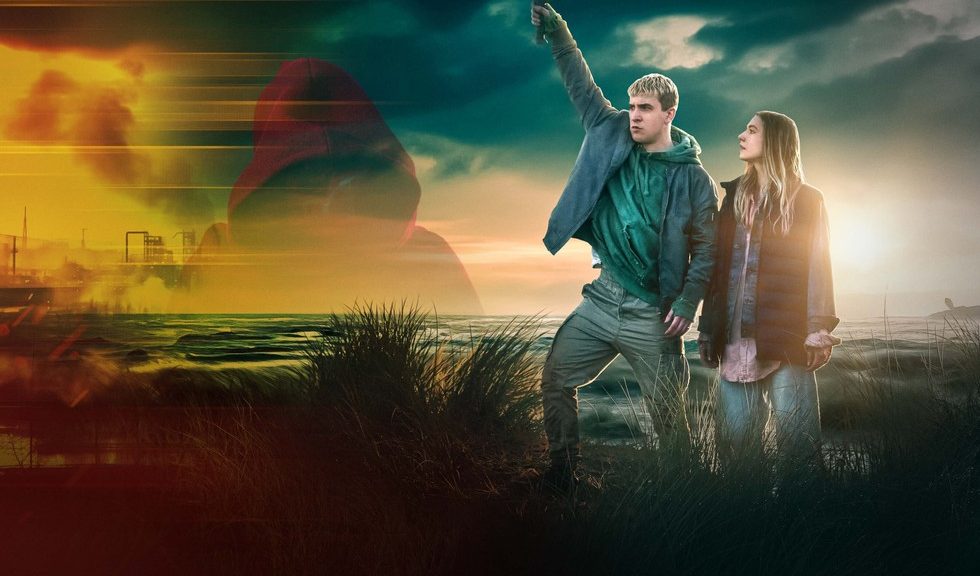
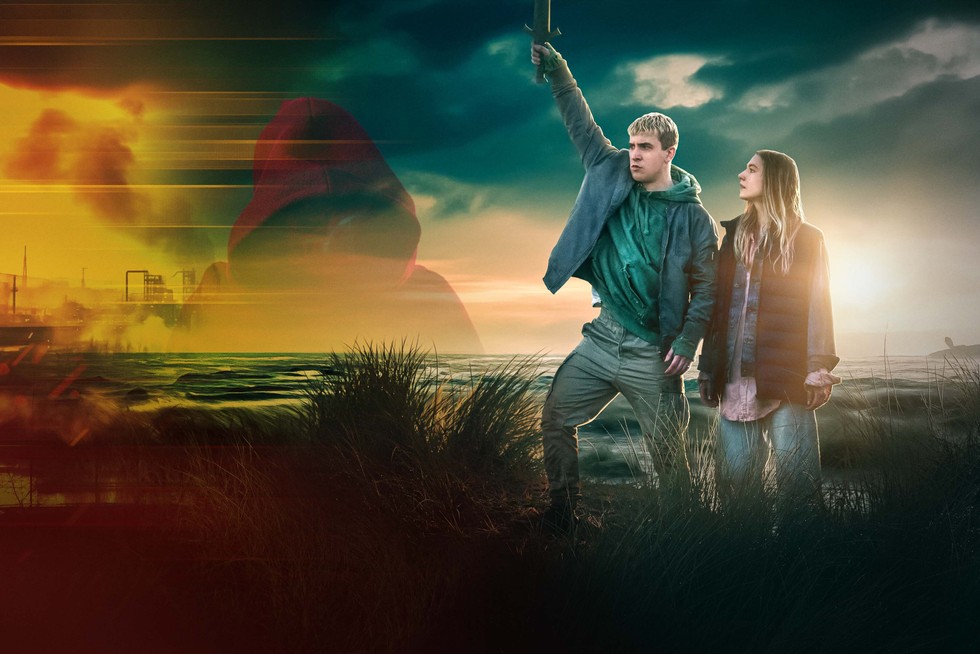
Review, The Way, BBC Wales, by Gareth Williams

 out of 5 stars (3 / 5)

Its title is perhaps deceiving. For there are many ways to describe The Way. Realist, certainly, but both magic and social. Incorporating documentary-style shots with archive footage. Alluding constantly to myth and legend. And that fine line between the supernatural and the imagined. All such elements contribute to what feels like something that wants to be epic. But there are so many strands to this drama that sometimes it drowns in its own details instead.

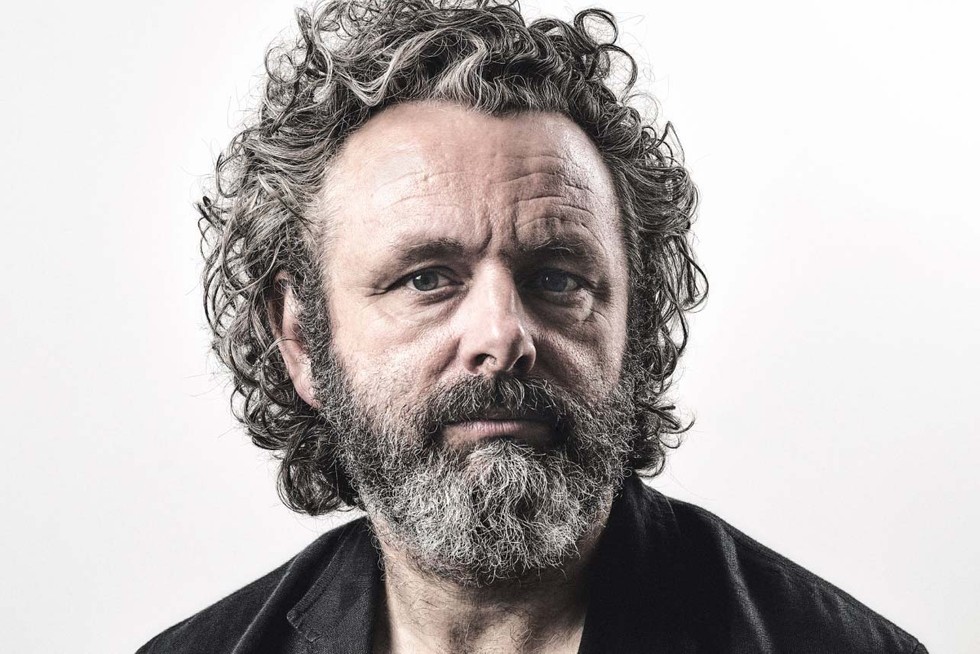
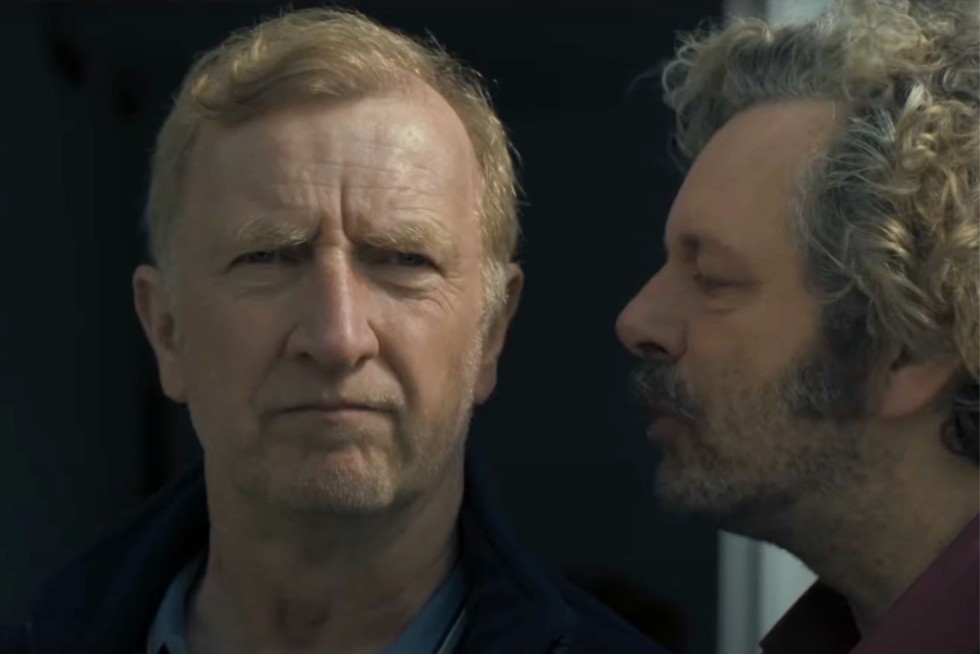
As Michael Sheen’s directorial debut, it isn’t too bad. It is not so disjointed as to be lacking any concept. The problem is that there are too many big and weighty themes being handled. Boil it down to the Driscolls – the family at the centre of this drama – and it becomes understandable. A fractured and broken unit, the four of them are forced to work together when Port Talbot becomes a site of insurrection, for which mam Dee (Mali Harries) and son Owen (Callum Scott Howells) are largely to blame. In this alternate-reality, they have no choice but to flee their country, seeking to cross the border (which is hard and fast here) into England, and on to daughter Thea’s husband Dan in Germany (played by Sophie Melville and Aneurin Barnard respectively). Their journey is strangely perilous, avoiding road blocks and any kind of surveillance in very familiar countryside and townscapes. It is a bit like watching Edgar Wright’s ‘Cornetto’ trilogy but without the humour. Everything is a lot more serious here. As if Sheen wants to create a contemporary version of a Classic tale: a 21st Century Mabinogion, if you will. But this lofty ambition is perhaps pushed too far, with hyperbolic tendencies that create, at worst, confusion, and at best, fascinating melodrama.

Lead actor Steffan Rhodri brings a pathos to dad Geoff that keeps the drama believable. He handles his character’s unresolved grief and melancholic temperament with a natural ease that catches the eye. In contrast to Mark Lewis-Jones’ hammed up performance as Union man Glynn and Luke Evans’ suitably brooding but underwhelming appearance as mercenary Hogwood, Rhodri embodies an everyman persona that keeps The Way grounded in its otherwise flittering state. For amidst the jump cuts, involving security cameras, social media sites, and news flashes, there are also talking teddy bears, Carry On clips, and prophetic dreams. But whilst on one level it could be described as strange, there is also a prescience to it that remains real. None more so than with the threat of job losses at the steel plant. Sheen is not content with just a standard social commentary on this issue though. He incorporates immigration, nationalism, Thatcherism, and nostalgia into a story that also wishes to say something about the nature of story itself. Not self-referentially but in the wider sense of Wales as a land of story and song.

Everything is done with good intention. But it doesn’t always result in translation. There are times when, for example, the life of the steel plant would work better as spoken metaphor, and the final monologue more affective, in the context of theatre. The Way almost shows us too much and, in doing so, doesn’t say enough. It rightly has one family at its core but a tendency to reach wider causes it to lose sight sometimes of this feature. The Way still manages to be entertaining though. Just a shame that it’s Michael Sheen’s name that gives it kudos rather than his direction or the drama itself.

Watch the full series on BBC iPlayer here.

Reviewed by
Gareth Williams

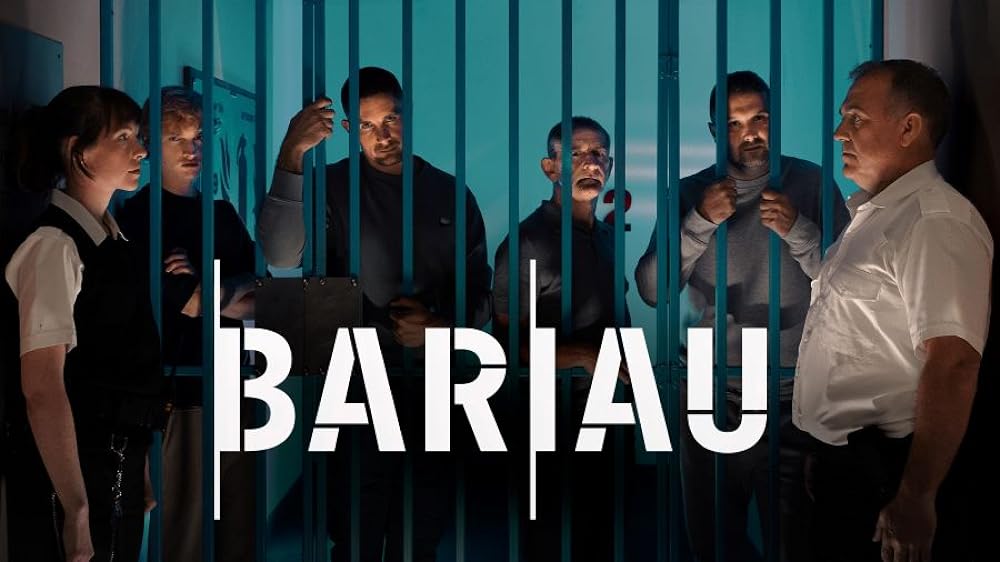
Series Review, Bariau, S4C by Gareth Williams

 out of 5 stars (4 / 5)

Bariau is the latest series to enter the realm of prison drama. With Time and Screw already making a mark in their respective ways, it is the turn of S4C to put a Welsh spin on the subgenre. Bariau follows the blueprint of the other two insofar as real-life stories inform the onscreen narratives. Verisimilitude is in vogue when portraying life behind bars these days. But while Bariau does not shy away from the dark realities, its soap-like presentation makes for palatable viewing.

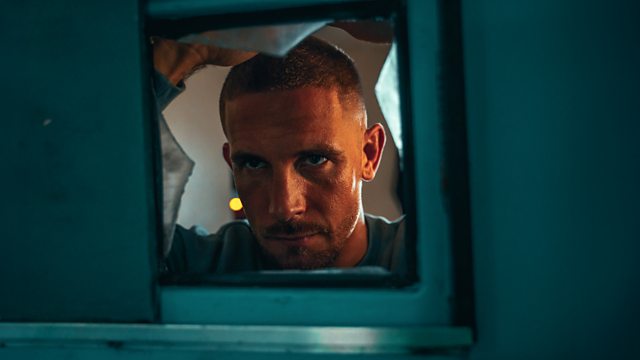
The casting of Adam Woodward (Hollyoaks, Emmerdale) as Kit Brennan ensures that Bariau entertains popular appeal. He brings a slight melodramatic edge to this central villain, making him at once genuinely terrifying and ludicrously arrogant. He arrives with a real swagger, and fast becomes the controller of a wing that features a great cast of misfits. Glyn Pritchard is particularly good as the religiously-devout Peter, whose overbearing mother and anger management issues give some kind of insight into his incarceration. The focal point is Hardy however, played with a fascinating aloofness by Gwion Tegid. An air of mystery continues to surround him even as he becomes embroiled in the powerplay and blackmail of life in the cells. He gets dragged into Brennan’s world largely against his will, performing tasks with deadened emotion. He is intriguing to watch.

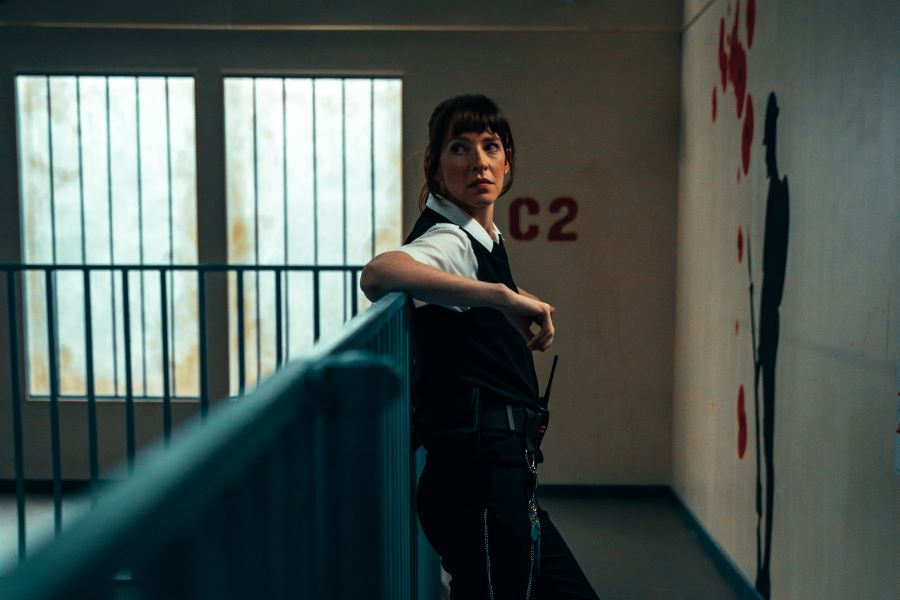
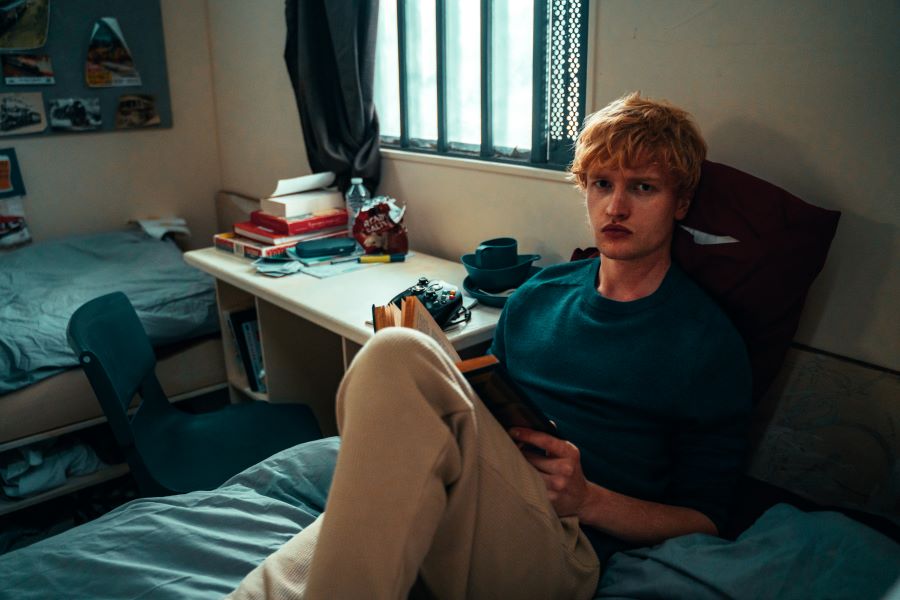
The relationship between George Lyle (Bill Skinner) and prison guard Elin (Annes Elwy) is fatefully believable. Brennan threatens them both with exposure unless they enact his plan, inevitably involving drugs. The way tension is built up by the searing music is nicely done (though a little too overbearing in episode five), especially in the final episode, where things come to a head in dramatic fashion. Not edge-of-the-seat thriller but still an enjoyable twist or two to keep glued to the screen. The bilingual nature of the show also adds a touch of finesse which plays into the reality of Wales’ prisons. It means overall that Bariau falls somewhere between Time’s grittiness and Screw’s humour: late-night soap opera, if you will, meant not as an insult but very much a compliment.

Watch the full series on BBC iPlayer here.

Reviewed by
Gareth Williams

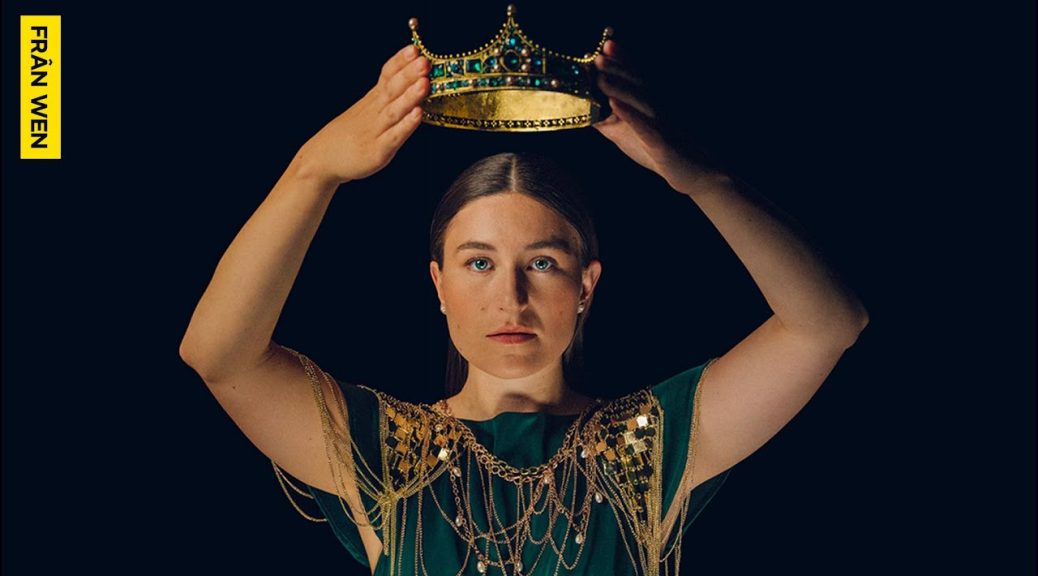
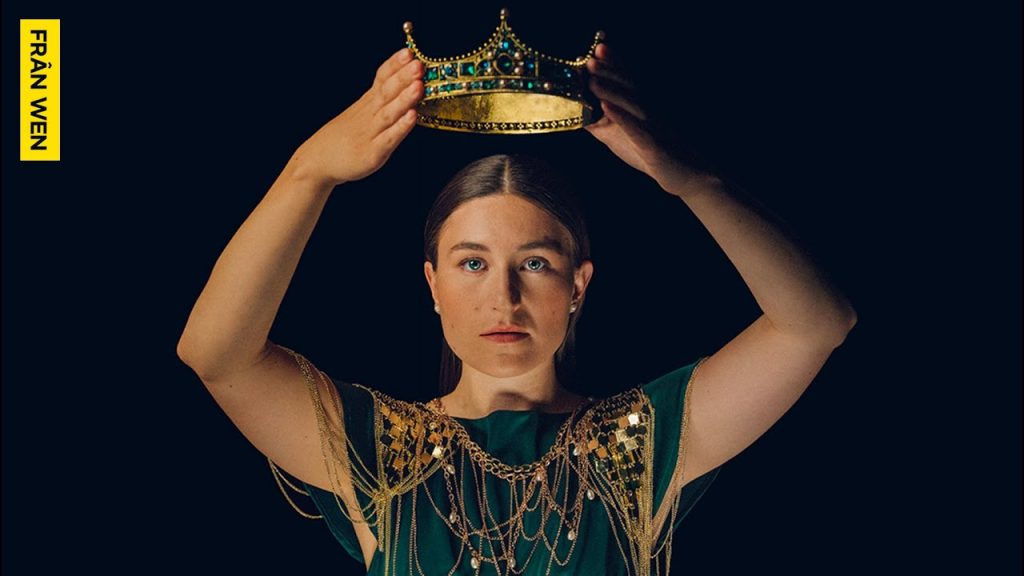
Review, Branwen: Dadeni, A Wales Millennium Centre & Frân Wen Production, by Gareth Williams

 out of 5 stars (4 / 5)

A turning point? Branwen: Dadeni certainly feels like it. This “epic new Welsh language musical” heralds a potentially exciting new era for the nation’s theatre. Why? Because it is by far the most ambitious, large-scale theatre production in the Welsh language yet. Testament to what can be achieved when the might of Wales Millennium Centre meets the creative ambition of Frân Wen. It is no understatement in describing the show as worthy of a West End run. The culmination of a long-held confidence by some that our culture is worth investing in.

Adapted from The Mabinogi, this new version exports the mythic weight of the original into a bold and contemporary style. The result is a classic piece of theatre, Shakespearean in size, but with a cutting edge that makes it feel fresh and new. The musical element is a key component to this: a combination of choral tradition, music hall operetta, Sondheim-influenced harmonies and Disney-inspired ballads. Seiriol Davies has not been afraid to draw from the wide pool of musical theatre history and infuse it with Welsh character to create a score brimming with personality. The result is a captivating story. An absorbing commentary on power, family and history that could have been heavy or dictatory but has, instead, been generously and lovingly portrayed.

The costumes fit nicely with each of the characters: from the flowing dresses of the idealist Branwen (Mared Williams) to the army-like uniform of her renegade half-sister Efnisien (Caitlin Drake). So too, the choreography captures beautifully their contrasting personalities: particularly the swish swooning of Matholwch (Rithvik Andugula) in the presence of a buttoned-up Bendigeidfran (Tomos Eames). It is in the songs though that this royal cast of kings, queens and consorts really comes to life. And when one hits the right note, the emotional affect can be overwhelming. Take the tale of the snowfall for instance. The way that Mared gently presses her vocal against the window through which her character witnesses such a scene. So poignant and hopeful, it brings a tear to the eye. Or Gillian Elisa’s vivacious solo, in which her character runs roughshod over the King to proclaim where true power lies. It is delivered with such abundant force as to raise a rapturous applause from the audience.

These are moments which are memorable not just in the context of the show. They make an indelible mark on the mind in the way that some of the best musical theatre productions do. Finding yourself driving home with lyrics still playing out in your head. Fingers tapping the melody on the steering wheel. Feelings still flowing through your body as you go to bed. This is a sure sign that Branwen: Dadeni has in some way been a success. It certainly lays down a marker for future work, which is as challenging as it is inspiring. At a time when investment in the arts is in danger of falling, may Branwen: Dadeni be the start and not the end of something.

Reviewed on the final night at Pontio Arts Centre in Bangor by Gareth Williams