Hi Phil, great to meet you, can you give our readers some background information on yourself please?
I am a professional Theatre Director , I work Internationally. I also work as a visual artist.
Brecon Beacons (Gouache)
This chat is specifically about music and the role it has played in your personal and professional life. To start off what are you currently listening to?
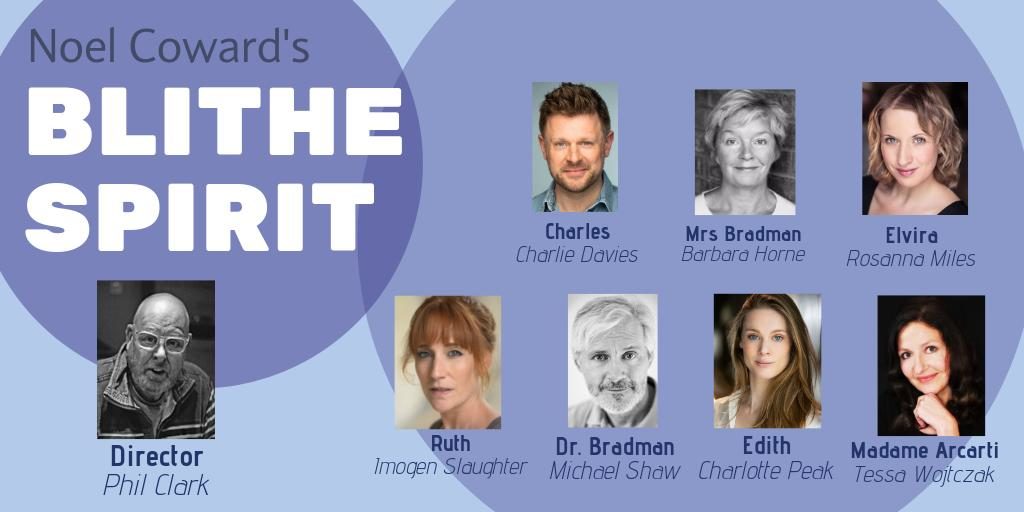
I am listening to the songs of Irving Berlin. I’m about to direct Noel Cowards play BLITHE SPIRIT at Aldeburgh Jubilee Hall, Suffolk. The production runs from Tue 23rd July 2019 – Sat 31st August 2019.
The play is set in the 1940s so I’m immersing myself in the music of the period. I use music in my work all the time. I often direct shows created by actor/musicians.
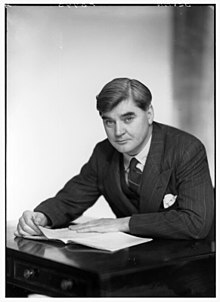
In the Autumn this year we will be remounting the National Theatre Wales production of PEGGY’S SONG by Welsh playwright Katherine Chandler and starring Christian Patterson. This is one of a series of plays by Welsh writers in response to the anniversary of the NHS and the unique vision of the glorious Nye Bevan.
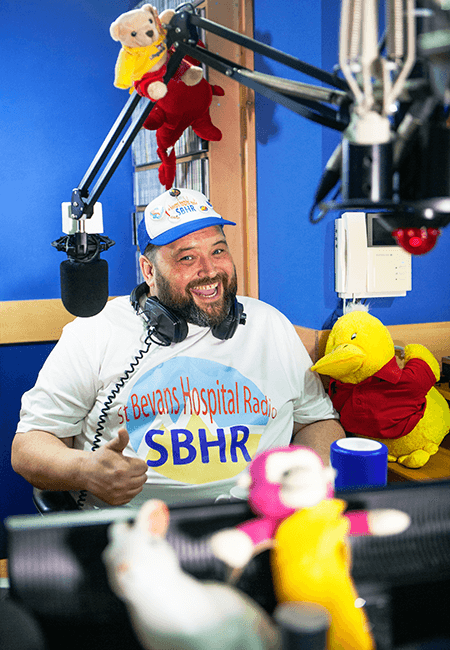
The play centres around a character who is a volunteer within the NHS. A volunteer DJ who, by his very being, proves that music can be a healer and how music is essential to our existence because unlike tablets it can touch, disturb and mend our soul. To know more. Come and see us on tour this Autumn. Its a great night out!
We are interviewing a range of people about their own musical inspiration, can you list 5 records/albums which have a personal resonance to you and why?
1 BLUE Joni Mitchell This is the record of my teenage years
2 EVERYTHING MUST GOManic Street Preachers. I directed Patrick Jones play of the same name that used the music of the Manics
3 TAKE THAT GREATEST HITS….because!!!!!!
4 LADY IN SATIN Billie HolidayI have everything that Billie ever recorded
5 WEST SIDE STORYOriginal Soundtrack The greatest musical of all time
Just to put you on the spot could you choose one track from the five listed above and tell us why you have chosen this?
STRANGE FRUIT Billie Holiday A beautiful song that perfectly brings together form and content. Amazing. Never ceases to move me
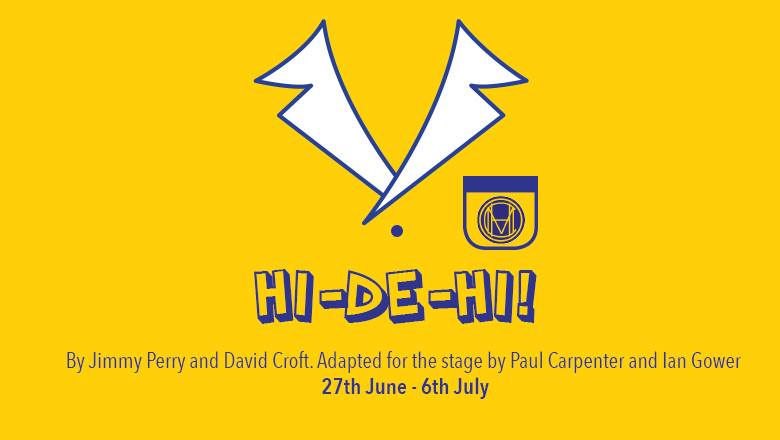
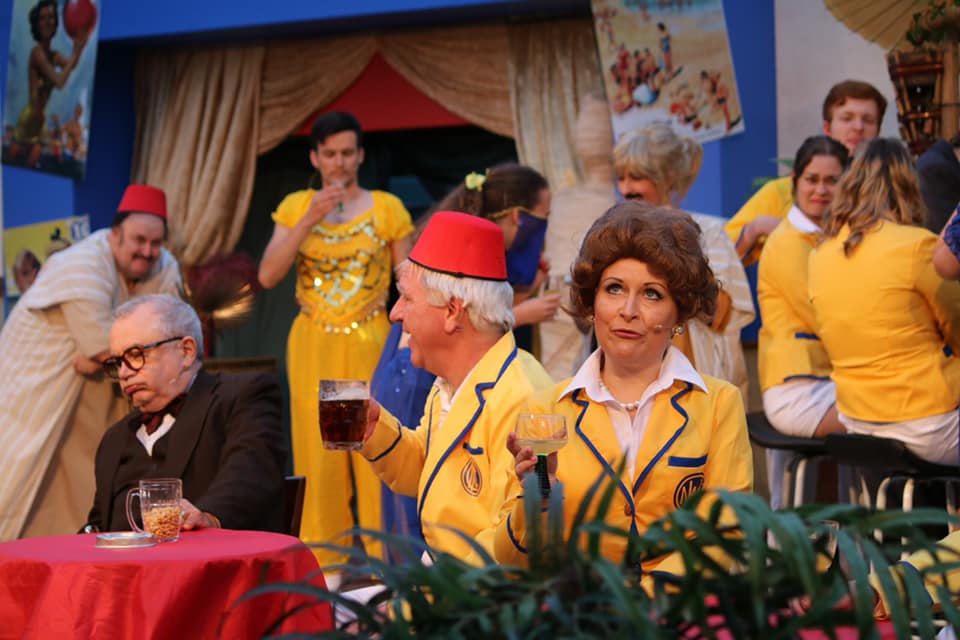
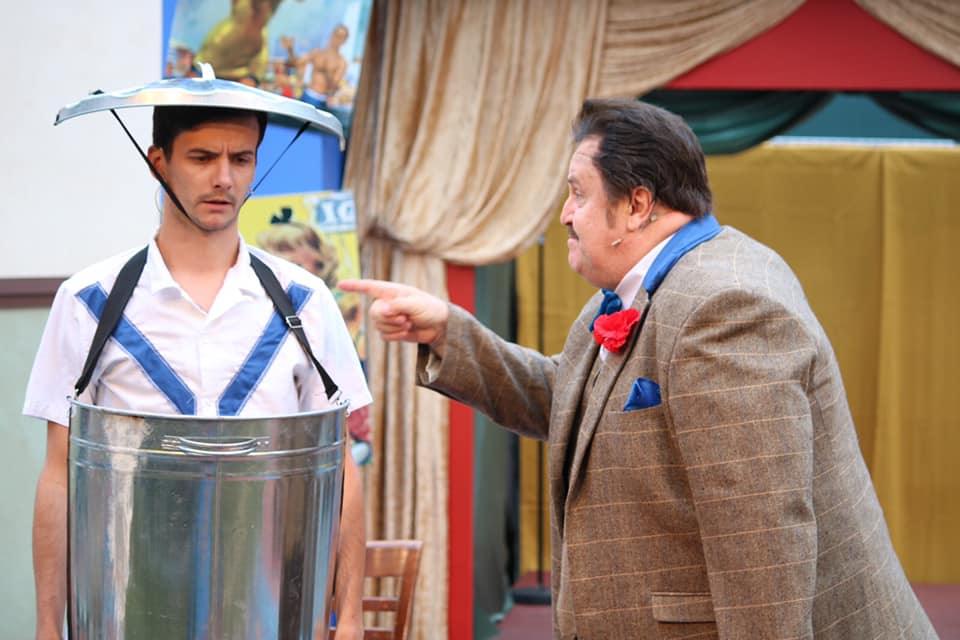
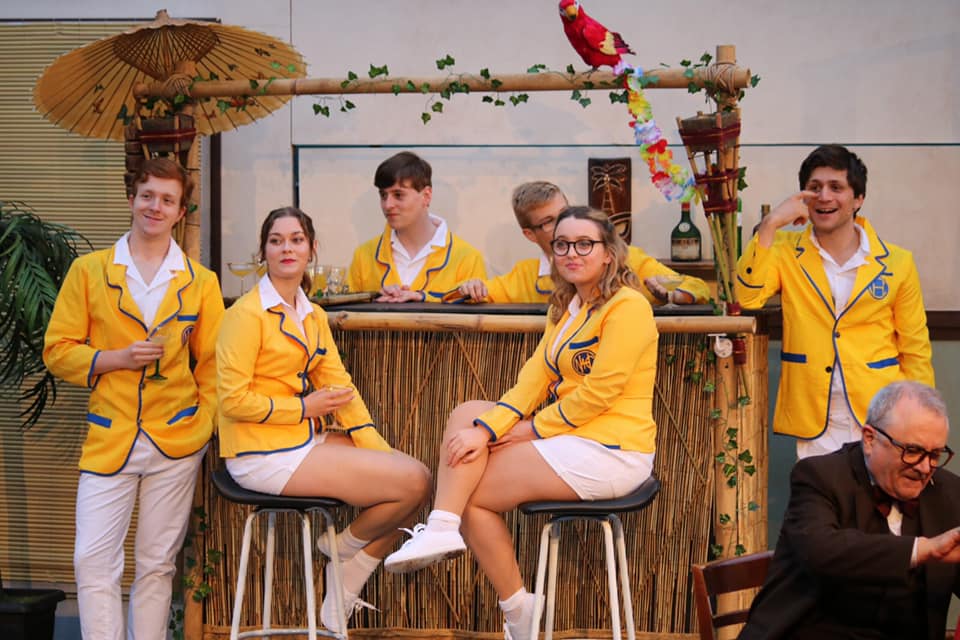
Hi-de-Hi, performed in Sophia Gardens at Cardiff Open-Air festival, was a stage adaptation of the classic TV show of the same name the production was performed by an extremely talented cast who performed a near-perfect tribute to the show. Most of the cast members had an uncanny resemblance to the original cast, especially Gladys Pugh (played by Sarah Green) who nailed every nuance and mannerisms of the character who was originally played Ruth Madoc including the distinctive voice. I have seen Sarah in many productions and each role is an almost stark contrast to the last who only goes to show the pure skill and talent that Sarah posses. My aunt, who also attend the show, was in such awe of the impersonation that she thought they had somehow managed to get Ruth Madoc to reprise her role.
Another standout performance in this show was Victoria Walters who played Peggy Ollerenshaw who managed to balance the comic and clumsy nature of Peggy with the serious/passionate side of the character while also creating vast amounts of pity from the audience.
The whole production ends with Peggy delivering a heartfelt and emotion realisation with the audience which tugged on every single person’s heartstrings. Pam Wiener and Richard Thomas performed perfectly as the constantly arguing couple of Yvonne and Barry Stuart-Hargreaves.
Both actors performed almost caricatures of the uptight couple constantly and stayed in character even during audience participation segments.
Phil Bond and Chris Kendrick took on the roles of Ted Bovis and Spike Dixon, who are both considered the comic characters in this camp, and both created many comical moments which had the audience laughing. Toby Harris, who was cast as Jeffrey Fairbrother fitted the role perfectly. The costume and acting blended together to create a person who looked genuinely out of place in the camp and uncomfortable with what is going on which is the entire premise of this production.
Something that I had never seen before is the inclusion of the yellow coats. These were the entertainers in the camp, similar to a Pontins Bluecoat, who within the realm of the summer camp were there to aid in the running of day to day activities. Within the production itself, these people were helping moving set between scenes and stewarding at the beginning and after the interval of the show. This felt like a fourth-wall break which was cleverly done to blend the outside, real world with the theatre world.
This beautiful production tread the line between a traditional show and an experience. As if you were immersing yourself in the world that these actors were producing. This was added to by the fact that it was performed in an open-air theatre. As there are no boundaries and enclosures in the open-air, this production felt as if it was permeating the real-world. On top of this, there was a lot of audience interaction and games carried out by members of the audience. I was, in fact, chosen to play one of the games, which involved pouring ‘spaghetti’ into a comically large pair of trousers. While I was doing this not one single actor broke character on the stage (which should not go unnoticed and only goes to show the professionalism of the cast.) The whole premise of this show was almost ‘come and join us in a one-day summer holiday camp’ which worked perfectly and was very enjoyable to participate in.
In conclusion, this production was fun-filled and enjoyable while providing a unique theatre experience. I did, however, feel as if I may have missed some of the nostalgia of the production and people of a similar age may also found this but I was still able to enjoy the show and get involved. My only issue with the show (which isn’t particularly an issue with the performers themselves) but there was a metal beam that prevented me from seeing some of the actors during certain points in the show. I would rate this production 5 out of 5 stars and would encourage people to catch this production before it is over.
PS if you are under 25 and purchase tickets on the door to any of the Everyman productions (including Hi-de-Hi) between Monday to Thursday you receive a special discount so tickets are only £8.
The Future is a mental stimulating play produced by Little Bulb Theatre and Farnham Maltings. An unpredictable play from the start as the show begins as a Ted Talk, midway forming the group into an in-house rock band followed by patterns of a group of four scientists getting into discussions about the future that awaits for humanity.
The Future is a play that hinders on the state of high intelligence; focusing on the dimensions of technology, human existence, effects of our minds and ability to face the strength of an unexplainable compacted artificial intelligence world. This play was primarily inspired by the philosophical thinkers, re-discovering the elements of human minds through dark comedy.
During this production we’re gathered by four extremely inquisitive futurologists, examining aftermath, re-enactment of ancestral fate within the Garden of Eden, role-played out as written in the book of Genesis. A truly, deeply awakening play with a combination of rock opera, hitting various riffs, harmonies and scales. An extremely talented cast with the ability to put on various accents and accelerate in mastering implications for the journey of what is yet to come for human-kind.
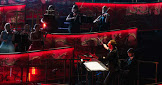
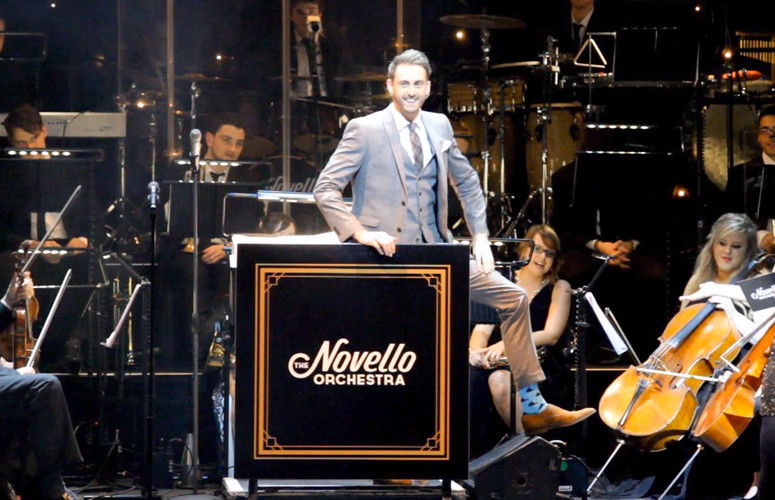
A Night at the Musicals landed at the Wales Millennium Centre, it was a fun-filled evening where Broadway/West-End alumni performed a range of musical theatre songs. But for me, the highlight of this show was the Novello Orchestra. Unlike many of the other shows I have seen the Millennium this show had the orchestra perform on stage which I thought was really great as often the orchestra is forgotten about but this show made it extremely difficult to not appreciate them.
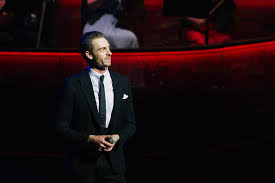
It was fantastic to see the skill and craftsmanship required to play in a musical orchestra and allowed the audience to appreciate them fully. This was only added to as the Conductor David Mahoney was also the compere for the evening. David was charismatic and hilarious throughout the show but he seemed to take full advantage of his charisma more so in the second act. This again was great to see as often times I know from experience that many conductors become awkward when acknowledged in the bows but for David to be so confident and charismatic was a nice change.
This show had a star-studded cast of musical theatre icons who each had fantastic songs to perform but also really interesting stories and connections to one another. They did however constantly pander to the audience and talked about how amazing the center is and how awesome Cardiff is which did become tedious after a while. The show opened with David Thaxton (of Phantom of the Opera, Only the Brave) who performed superstar from Jesus Christ Superstar. This was fantastic however it did take David a little while to warm up and the latter half of this show was incredible. This song choice was unexpected however as when songs from Jesus Christ Superstar was advertised I assumed it would be Gethsemane as that is the popular, often time show-stopping number, that many musical theatre fans adore but this selection allowed people to experience a song they probably never appreciated before.
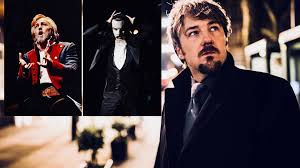
My favorite performer in this production was John Owen-Jones (from Les Misérables, Phantom of the Opera, Tiger Bay The Musical) and as I had seen him in Tiger Bay I already had high expectations for his performing abilities and he managed to even surpass the already high standards I had set. His rendition of ‘Bring Him Home’ from Les Misérables was incredible and was definitely one of the best performances of the night. John also constantly promoted his albums which did become a running gag after a while and did cause a lot of laughter from the audience and the rest of the cast.
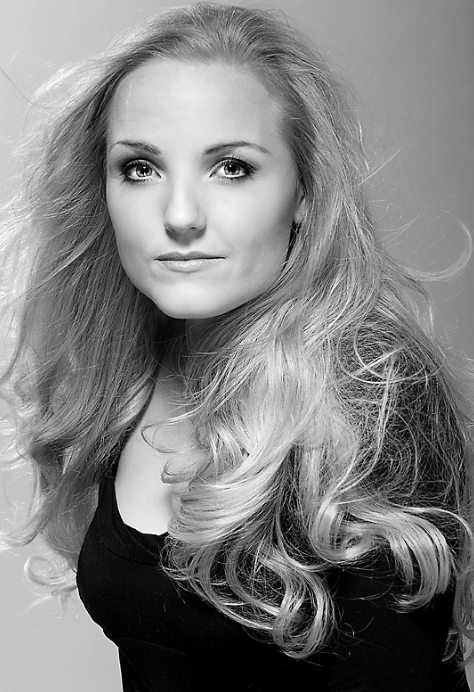
Kerry Ellis (of Les Misérables, Wicked) was out of this world. Her performance of ‘She Used To Be Mine’ rivalled that of London’s west end and ‘Anthem’ was an emotional performance that had many of the audience in tears. What made her performance even more incredible was that Kerry had lost a loved one on the day of the show but she still managed to perform at such a high standard. I know I personally would not be able to do this and Kerry remained professional. I would like to send my condolences to Kerry and her family at this difficult time.
Danielle Hope (of Wizard of Oz, Rock of Ages, winner of the BBC’s Over The Rainbow) completed the line-up and performed an excellent duet with John. Again her vocals were flawless.
This show used a children’s chorus who were incredibly talented and there is definitely many stars in that school who have a very big future ahead of them. There was however a few microphone issues that affected one of the solo singers but apart from this, they performed fantastically.
Overall, this show was a celebration of musical theatre performed by the highest quality musical theatre icons. The singing was incredible, the banter between cast members was fun to watch and the fact they support local school and area was the icing on the cake. I would rate this production 4 and a half stars and you should make sure you catch the next performance in Cardiff which is ‘Movie Mixtape: Songs from the Silver Screen’ on the 17th November 2019 which promises to have an even more star-studded cast that this show and so it is one not to miss!
Kinetic Theatre arts youth academy’s production of Into The Woods Jr was performed in the Atrium USW. Having seen many of Kinetic’s productions in the past, including many of their Jr shows, my expectations were already set very high. Kinetic always produce high quality and professional productions that receive the highest praise and Into The Woods is no different. In fact, I personally think that this is one of Kinetic’s Youth’s best performances. At first, I thought it was strange to perform this show as it is one of Disney’s more dark and mysterious stories but the children managed to execute the show perfectly. One of the best things about this production specifically was that you can see the enjoyment and passion that these children have for performing. You can see many of the children getting very involved and having a good time which is so nice from the audience’s perspective, especially if you are a parent of one of the cast members. The children managed to balance the sinister and dark nature of some scenes with the fun and happy aspects of others which is not an easy thing to do. The show opened with a dark song in which the children wore black capes and moved in a sinister fashion. This scheme was actually spooky for the audience which means both the directors and the cast did what they meant to do.
All of the cast clearly worked very hard with the ensemble always being in character and providing beautiful vocals when required. Each child knew their role within the story and performed it the best they could. One of my favorite performers in this show was Tilly Birch who played Milky White (the cow) while she was primarily there for ‘awh’ factor moments but also she was clearly trying her best and having loads of fun in the meantime. A highlight for this character was when they swallow all the items and have to ‘milk’ the cow, obviously as Tilly is a girl in a costume I was confused as to how they would do this. What they did was place the cup down and Tilly what I can only describe as the cutest little dance I have ever seen which had both awhhs and laughs from the audience. She appeared very confident on the stage and I believe that she is a star in the making. The baker and his wife, played by Sam Walter and FFion Morris, helped drive the entire narrative of the musical. The role of Baker in the film version was James Corden (who I was a little disappointed with) but Sam, in this performance, really made the character relatable and his wife acted with emotion which built a great sense of sympathy from the audience. The stand out in this show was Lexi Ricketts who played the witch. Lexi managed to own the stage every time she was on it and actually made the character very scary. Her acting and singing were both incredible and she clearly has a very bright future in the performing arts. Her rendition of Last Midnight was perfect and was definitely on a professional level. The narrator in this performance, played by Amelia Francis, also helped move the story along but also sounded fantastic while singing her songs. The princes and Jack, played by Theo Birch, Harry Smith and Ben Page were fun to watch and again were clearly enjoying their time on stage. The princes had great chemistry together and performed like a double act which caused many laughs from the audience. The wolf, played by Ben Cogan, had a jazz-esque manner (similar to the movie) and was also very entertaining to watch.
Overall, this is a family-friend show that shows the talent and skills of the young cast while creating atmosphere and emotion like a professional show. I would rate this performance 4 out of 5 stars and I would encourage you to watch this show to see the full potential of every child on display while at the same time supporting a local theatre company.
You can listen to an audio version of the written information below using Sound Cloud below.
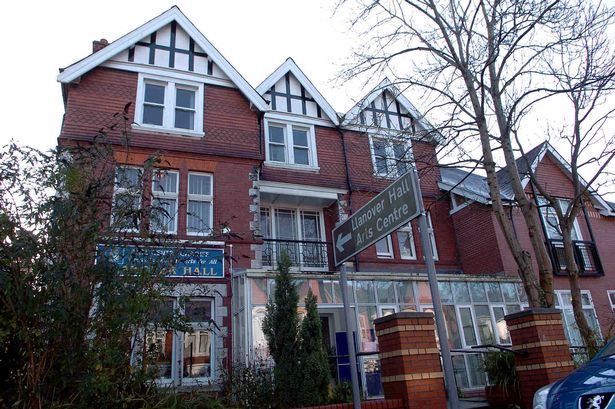
To celebrate the 50th anniversary of Llanover Hall and Arts for All we have an opportunity for eight blind or partially sighted people to take part in a series of six unique drama workshops to be led by John Rowley (Brith Gof, Forced Entertainment, National Theatre Wales) and visually impaired artist Lou Lockwood.
The workshops will commence on Wednesday July 10th from six thirty till eight pm. The venue is Llanover Hall Arts Centre, Romily Road, Canton, Cardiff, continuing each Wednesday for five weeks.
The workshop on Wednesday 14th August will be followed by a presentation of the work to an invited audience. No experience is necessary. Observers and supporters are welcome to participate or observe. To book your place please contact Chris Durnall at the email below
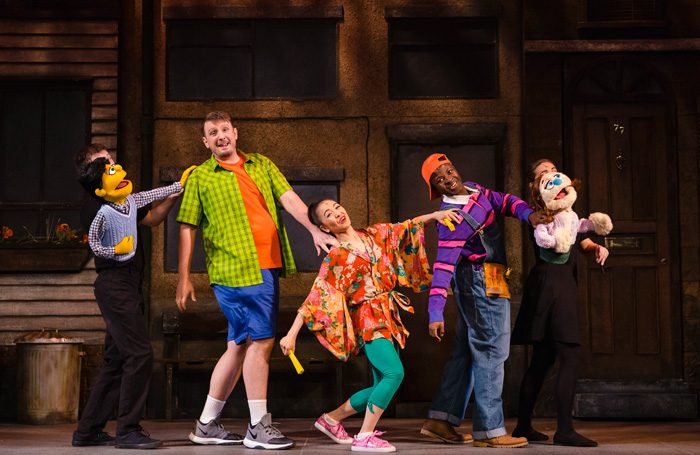
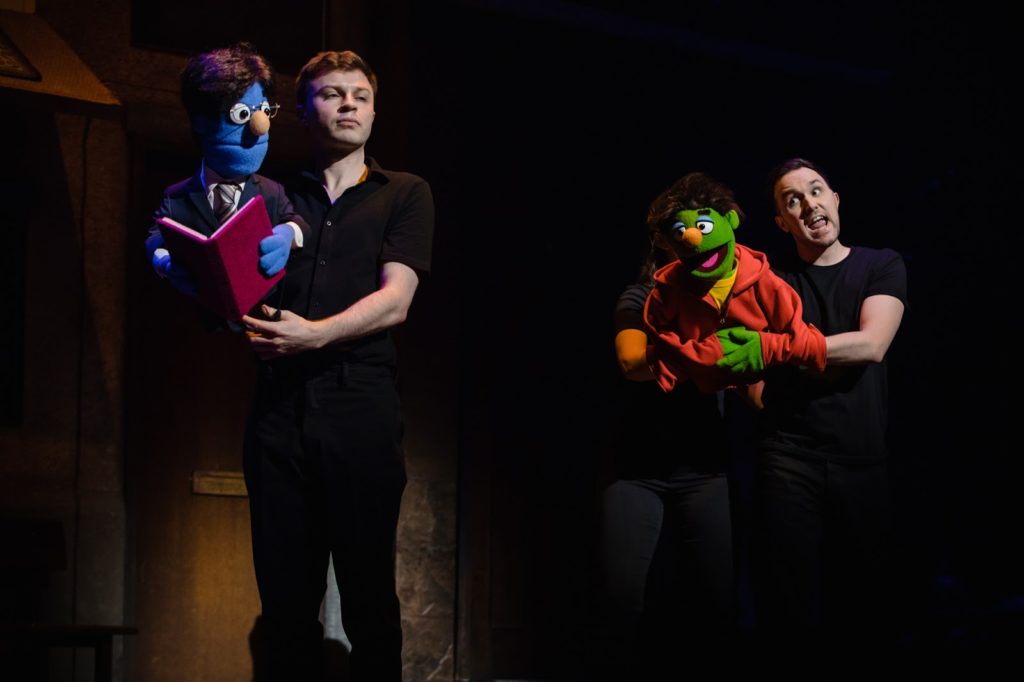
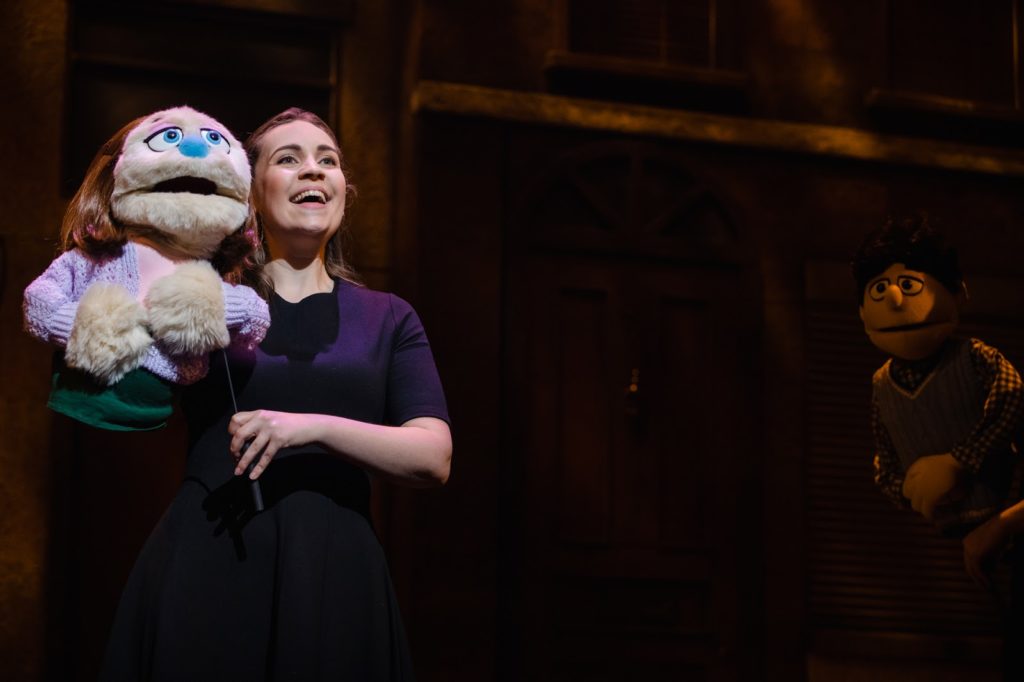
The multi-award-winning mature muppet musical makes a glorious return to the New Theatre after their much-lauded 2012 and 2016 runs, not to mention their monumental success across the pond. The premise: in a world populated by humans and puppets, the musical follows the ragtag residents of the eponymous street in New York City, an area so decrepit that the locals view Hell’s Kitchen as a step-up. Directed and choreographed by Cressida Carré, its an entertaining blend of the nostalgic and the now, with the melodies recalling those iconic Muppet Show tunes while the lyrics bemoan the ‘warts and all’ anxieties of modern existence.
Avenue Q’s colourfully crass approach to social commentary via meta musical parody pitches it somewhere between Sesame Street and South Park, with its closest contemporary being the tunefully tragicomic Crazy Ex-Girlfriend. Thematically, the show is emotionally ambitious and surprisingly nuanced in its portrait of modern life, demonstrated by the depressingly relatable What Do You Do with a B.A. in English?/ It Sucks to Be Me, the hilariously realised The More You Love Someone (The More You Want to Kill Them) and utterly hysterical highlight The Internet is for Porn.
Even though its references are rather dated (it did premiere in 2003, after all), the show’s tales of millennial angst are still relevant sixteen years later, with characters unsuccessfully searching for direction in life (Purpose) or lamenting the endless cycle of love gone wrong (It’s a Fine, Fine Line). These fantastic numbers hit home in unexpected ways, and pepper in moments of poignancy amid the calamitous crudity on display most of the time – case in point, an extended instance of puppet-related rumpy-pumpy that evokes the infamous scene from Team America: World Police, only turned up to eleven.
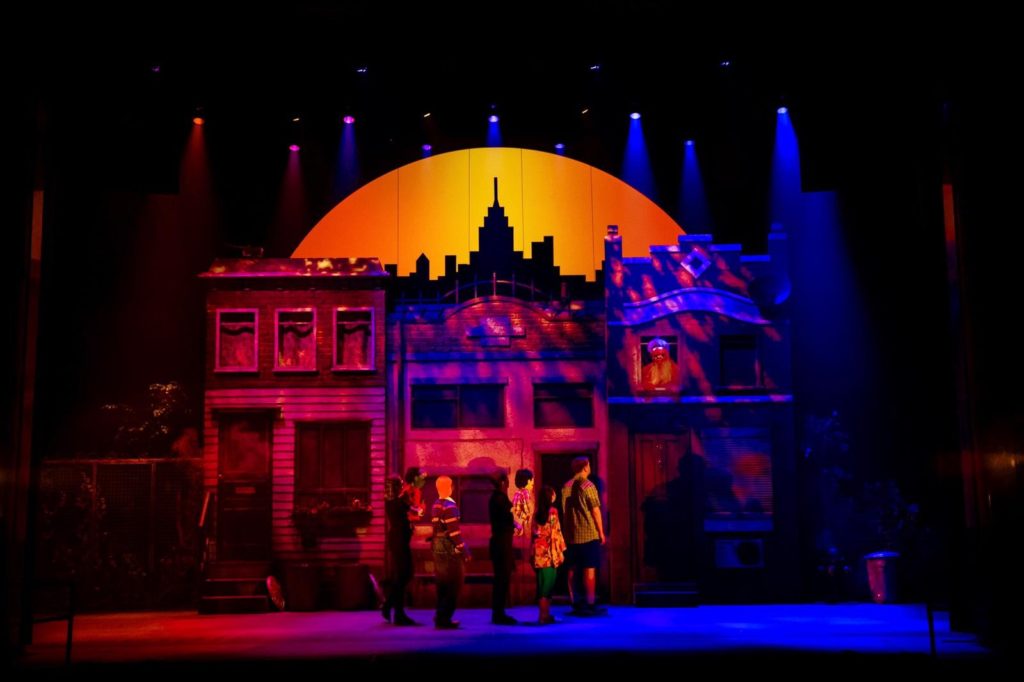
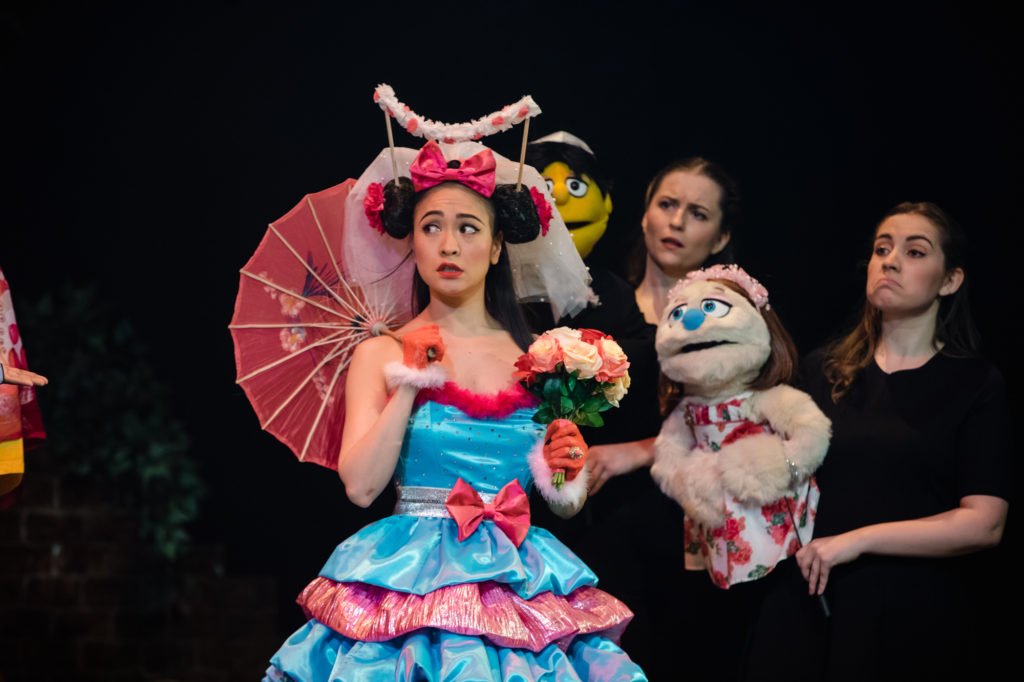
The production’s raucous energy is thanks largely to its superb cast, with standout performances by Lawrence Smith (Princeton/Rod), Cecily Redman (Kate/Lucy) and especially Tom Steedon (Trekkie Monster/Nicky/Bad Idea Bear). (The Bad Ideas Bears, played by Steedon and Megan Armstrong, are particularly entertaining – manifestations of the worst impulses that goad you to misbehave with the power of their Care Bear-like innocence). Everyone in the ensemble emotes wonderfully through their puppet alter egos (which I imagine was no mean feat, especially as they play multiple distinct roles with ease), and their Herculean efforts mean that the puppet characters feel just as real and complex as the human characters (often moreso). The gorgeously ramshackle set, designed by Richard Evans, grounds the action in a truly transportive way, and the live orchestra is sensational.
However, there are a few potholes dotted about Avenue Q’s sidewalk: much as it wants to skewer stereotypes, it often ends up indulging them: the brilliant Saori Oda is a dazzling stage presence but her character (Christmas Eve) is uncomfortably caricatured; and Rod’s coming out story is mired in stereotypes which plays his sexuality for laughs. Even though the show is commendably unafraid of engaging directly with more weighty themes, its handling of them comes off a little clumsy in If You Were Gay and Everyone’s A Little Bit Racist. Some characters simply do not work (Gary Coleman, Brian), some numbers fall flat (Schadenfreude, I’m Not Wearing Underwear Today), and some of the humour feels more mean-spirited than cheekily self-aware.
Avenue Q is a hugely entertaining musical that feels slightly out of date in some elements and viscerally prescient in others. Amidst the raunchiness and rowdiness there’s a real beating heart at the centre of the story that no amount of flippancy can hide. However, other than a brief mention of Brexit and Theresa May in the last number, it stubbornly plants itself in the pre-social media age of 2003 and refuses to move with the times. With a little updating, its already-relatable themes could be refreshed and renewed by acknowledging how the internet has become even more ingrained in our personal lives, especially the way in which it has effectively become the de facto matchmaker of our times. That potential to both enhance and complicate our already-fraught lives and relationships seems like the natural progression for such a savvy show – but as it stands, it’s an excellent, irreverent, exercise in accepting (as its beautiful final song attests) that ‘everything in life is only for now’. For now at least, that’s enough.
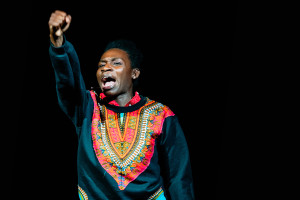
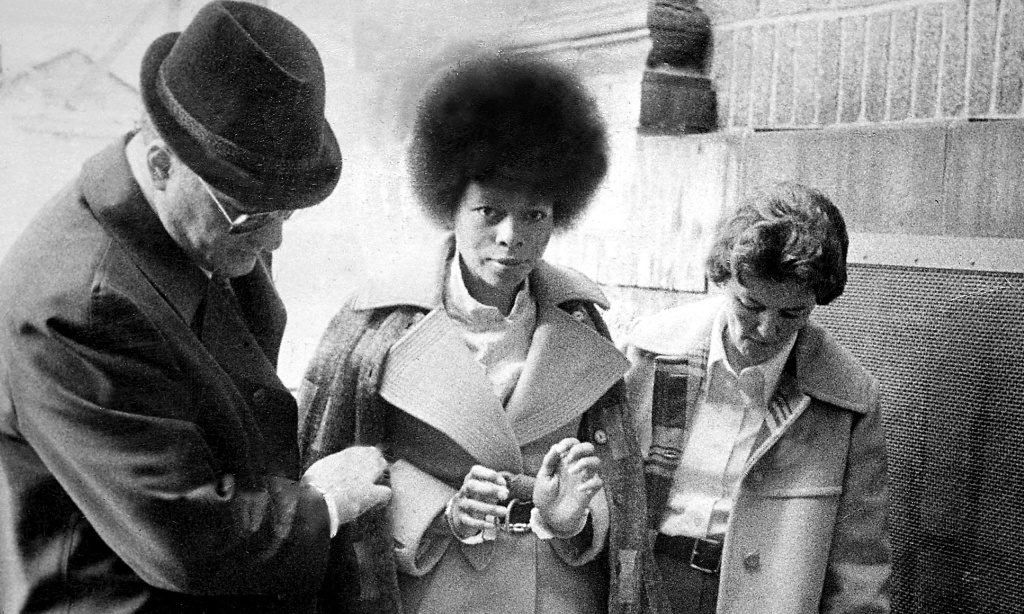
A truly deep and enlightening one women show; performed and written by Apphia Campbell. Apphia Campbell sets her stories against a powerful soundtrack of original music, traditional gospel and blues. Strongly showcasing the reciprocating effects and struggle the black community embodied in the name of civil rights. During this show the audience were continuously taken through a series of events, time travelling to the period of 1970s witnessing traumatic experiences from the Black Panther Assata Shakur.
Fast forwarding to the 20th century, a time fused with the Ferguson riots, chaos and injustice that had taken place during the midsts of a college enrolment.
https://youtu.be/2ypPSt8JPpw
This show expressively role-plays the corruption of America’s injustice system; focusing on the irrational criminalised infrastructure through political activism; whilst focusing on the parameters of acknowledging the power her skin beholds to now become her voice. To balance out this play Apphia’s passionate singing, humour and characterisation techniques as well as her use of the entire stage was thoroughly enjoyable.
This captivating play brought a fusion of vitality to display. The more you watched her, storytelling the sequence of what black empowerment meant to her, the more you got a sense of black history and how much more there is cover in its entirety.
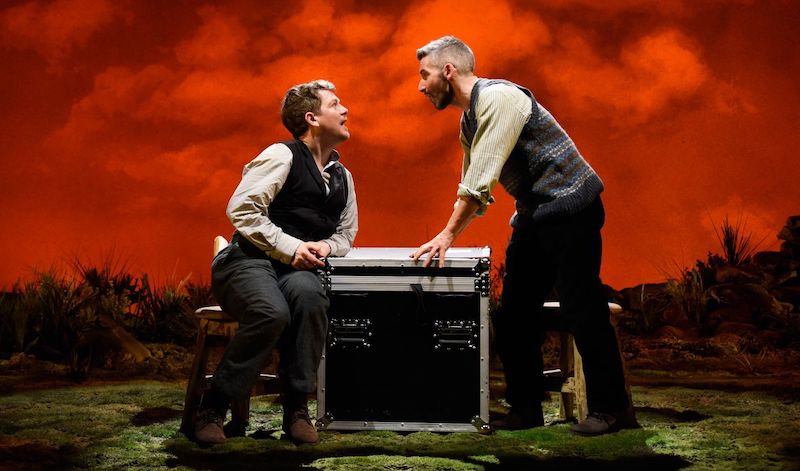
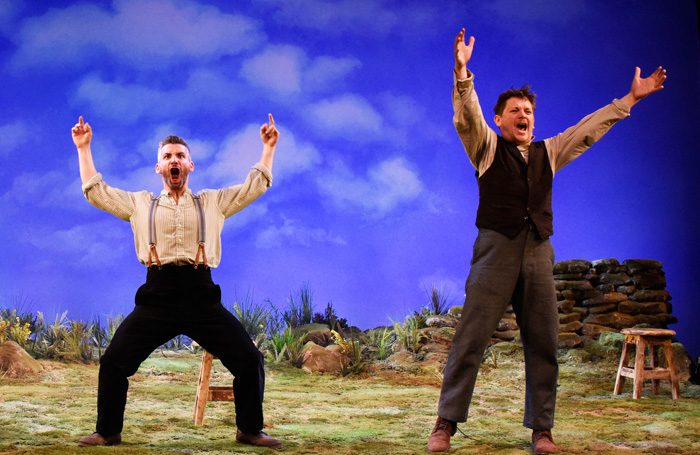
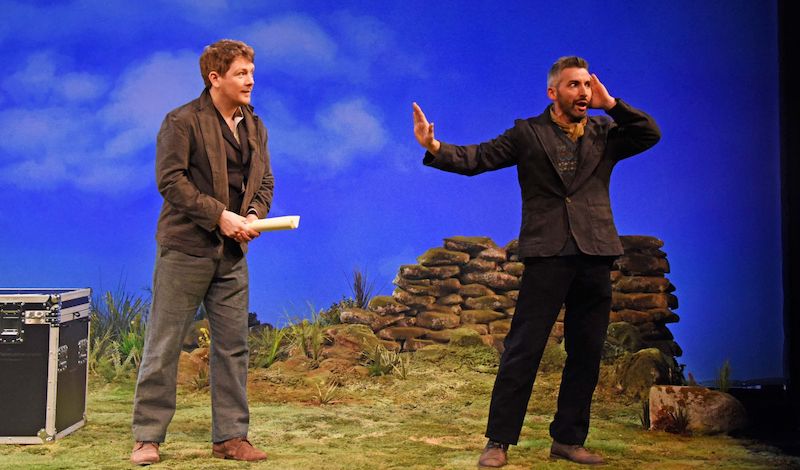
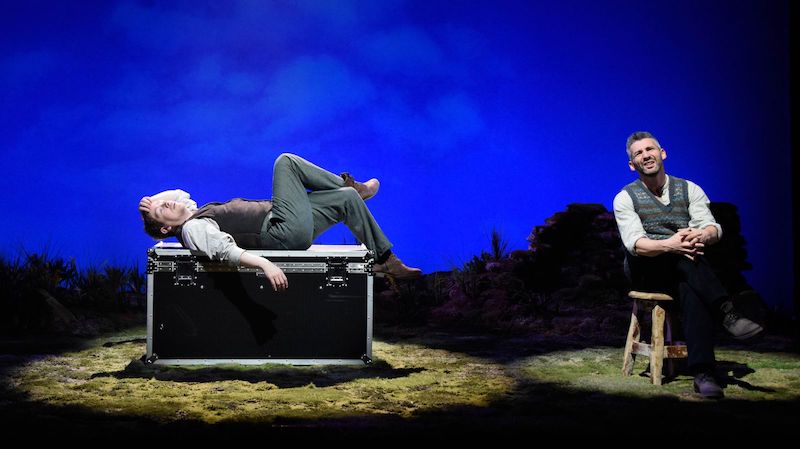
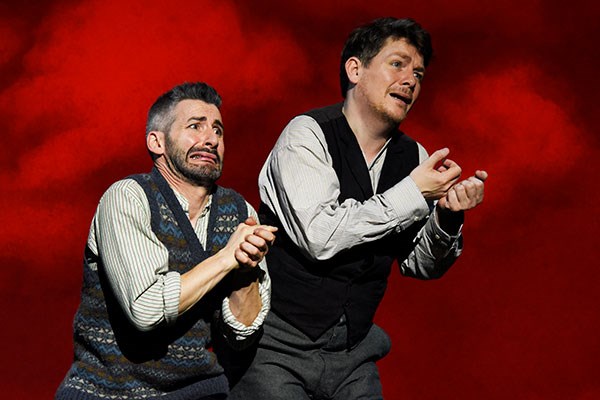
The latest UK tour of this critically-acclaimed tragicomic two-hander is written by Marie Jones and directed by Lindsay Posner, and centres on the culture clash between the locals of a small Irish village and a snooty Hollywood studio during the making of a blockbuster period piece. Kevin Trainor and Owen Sharpe star as Charlie Conlon and Jake Quinn respectively, employed as extras in the film, as well as a host of other characters, who grow to question their romanticised notions of Hollywood when a tragedy hits too close to home.
In making ‘the stars the extras, and the extras the stars’, Stones in His Pockets feels like a mixture of Rosencrantz and Guildenstern are Dead and Bowfinger by way of Ballykissangel. The Hollywood studio in StonesinHis Pockets is making a film just as (in)sensitive to (and stereotypical of) Irish culture as LeapYear or DarbyO’Gill and the Little People – or, indeed, the infamously-accented Cruise/Kidman vehicle Farand Away, which seems to be the thinly-veiled target of this play’s scorn. The play thus dispels notions of a ‘Romanticised Ireland’ as neatly as it displays Hollywood’s cynical penchant for appropriating cultures for profit.
Two-handers live and die on the strength of their actors, and Sharpe and Trainor prove to be an excellent comedic pair indeed – the scenes of their slightly hapless extras attempting to emote, and even dance, are standout moments; I only wish there were more of them. Sharpe copes well with a multitude of accents and characters (including a lively old timer whose sole claim to fame is being the last surviving extra from The Quiet Man), but it’s Trainor who steals every scene he’s in (which is all of them).
He’s been a favourite of mine since he played a young version of John Hurt in Hellboy (2004), but this is the first time I’ve had the pleasure of seeing him on the stage. Trainor elegantly transitions between the myriad characters he inhabits, making each one distinct and memorable – including Hollywood ingénue Caroline Giovanni, posh toff producer Simon and Southern Gentleman Nick (the gregariously calculating director of the movie). He masterly evokes his talented predecessor (Game of Thrones’ Conleth Hill) in mannerisms and intonation whilst also making the role his own. It’s perhaps the most captivating stage performance I’ve seen since Rory Kinnear in National Theatre’s Hamlet – I can give no higher praise.
As for the play itself, it’s often funny, occasionally thoughtful, but rarely as poignant as its title might imply. The title itself refers to the tragic element within the play’s otherwise mostly comedic shenanigans: shunned by the stars and callously rejected by the producers, local teen Sean Harkin drowns himself by wading into the river with the eponymous stones in his pockets. His suicide casts a pall on the proceedings and seems to set up a clash not only of cultures but of values – and yet the tragedy of this traumatic event sits awkwardly alongside the quickfire comedy of its first act, largely because it is never given any kind of dramatic or meaningful weight. We never get to know Sean, either first hand or through the other characters, and even though news of his death is what closes act one and what should have driven the momentum in act two, when the curtain rises again the play seems more directionless than ever. We are never given the chance to mourn him, rendering his death a footnote when it should have been the focus.
A funny, endearing, if rather weightless story, Stones in His Pockets amusingly skewers Hollywood culture whilst gleefully revelling in its theatrical authenticity. Although it never lives up to the poignant promise of its striking title, it provides a wonderfully entertaining night out thanks to a manic sense of fun and a spectacular five-star turn by Kevin Trainor that’s worth the price of admission alone.
‘Rich people have abortions, poor people have to have kids’ – Welsh writer Rachel Trezise delivers a timely monologue that tells the cruel yet common tale of Aoife, a young working class Northern Irish girl who under the state’s archaic abortion laws is forced to travel to Wales to receive her treatment.
The play is a matter-of-fact, non-sugarcoated telling of how Northern Ireland’s failure to align with the rest of the UK most harshly affects working class women, who have until recently often been unable to afford the trip across the Irish Sea, which is now funded by the NHS under new law in England and Wales.
Originally performed in West Wales (poignantly the location from where Aoife takes a ferry back to Belfast as part of her grueling 14-hour journey following the termination), Cotton Fingers is one of five ‘love letters’ to the NHS that formed National Theatre Wales’ NHS70 Festival, celebrating the NHS at 70 years old. Recent revelations off the back of Trump’s state visit this week have made Cotton Fingers evermore relevant as the tycoon turned US president licks his lips at the thought of putting the NHS on the table as part of post-Brexit deals. The play is a compelling case for why the NHS must remain free at the point of need as it unaffectedly showcases a section of society who most benefit from its service.
Amy Molloy as Aoife delivers an understated performance, befriending the audience from the outset and offloading her character’s thoughts and innermost feelings following the painful yet all-too-common journey she has been forced to take. She skillfully takes us through the harsh realities of her character’s situation as a young, working class girl, eager to regain control over her future. Trezise’s writing is candid and clear-cut, stating ‘this is truth of the situation women are facing in Northern Ireland’ and consequently asking ‘now what are we going to do about it?’
Designer Carl Davies produces a simple yet effective set. A grey brick wall backdrop and a set of matching airport waiting room-style chairs evoke a sense of oppression and entrapment when paired with Aoife’s grey, uniform-like attire. Meanwhile, a mirror floor slowly reveals itself throughout the play as Aoife travels across the space, unintentionally moving the dust-like particles off its surface. The mirror serves to entrap our character further in its surface, a strong metaphor for the oppressive space she finds herself detained in – by the cruel laws that keep her there.
The play tells a frank, yet emotive story of how Northern Ireland’s abortion laws hurt those in its poorest communities. However, hope remains a prominent theme of the play, a hope that very soon Northern Ireland will follow the Republic’s lead. As Aoife puts it herself, ‘very soon, we’ll be next.’
Cotton Fingers runs until Saturday 8th June at the Sherman Theatre, Cardiff.
Creating opportunities for a diverse range of people to experience and respond to sport, arts, culture and live events. / Lleisiau amrywiol o Gymru yn ymateb i'r celfyddydau a digwyddiadau byw


 (5 / 5)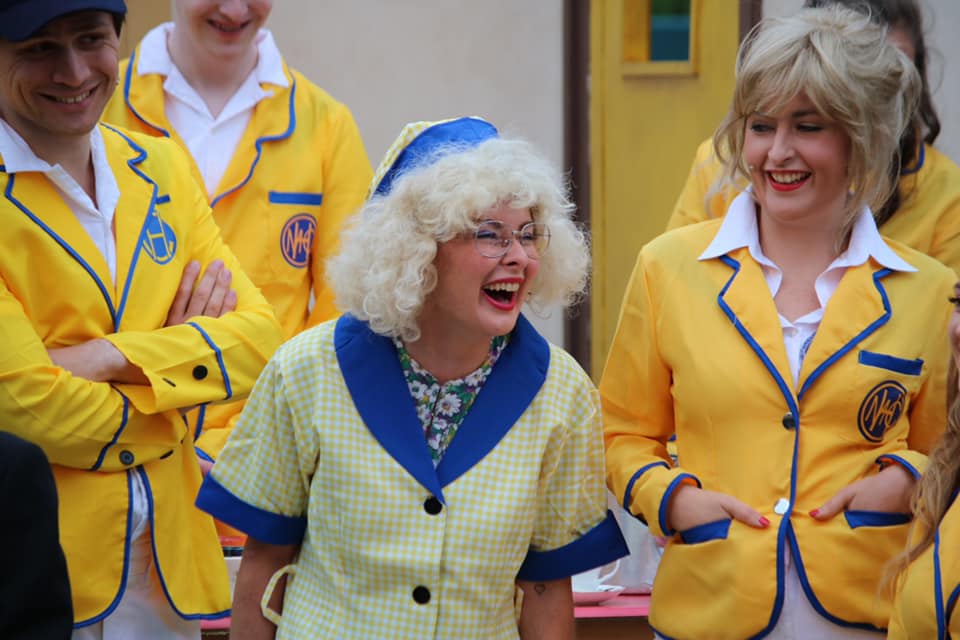

 (4 / 5)
 (4.5 / 5)