
This video features Get the Chance member Steph Back inviting you to join our team. The BSL transcript is below.
Hi my name is Steph Back.
I am a member of Get the Chance. Get the Chance support members of the public to access sport and cultural events such as gigs, the theatre and performances. The members then review the activity they have attended. All of the reviews are posted on the Get the Chance website getthechance.wales
Get the Chance wants to support new deaf/hearing impaired critics. Get the Chance can run free workshops teaching you about how to be a critic.
If you are interested in getting involved you need to contact Guy O’Donnell, The Director of Get the Chance.
You can email him at odonnell.guy@gmail.com or text him on 07703 729079. Get the Chance also has a Facebook group and you can get in touch there as well.
https://www.facebook.com/groups/GettheChance/
Thank You.
Category Archives: Theatre
Review Bucket List, Theatre Ad Infinitum, Battersea Arts Centre by Hannah Goslin

 (4 / 5)
When we think of a Bucket List, it tends to be what we want to do before our final ending.
Full of ideas of endings, Bucket List at the Battersea Arts Centre takes on a fictional tale which is very much transferable to modern day.
Based in Mexico, we meet a little girl who goes through a traumatic short life. Basing it upon political issues between the USA and Mexico, we see many disastrous events from pollution of Mexico, to the corrupt ‘policia’ with suspicious deaths, rape and drug use. Milagros witnesses all these awful and terrible events and decides after finding out that she is dying, that those responsible must pay.
A small group of performers, all female, bring a strong cast to this stage. Ranging in ages, each of them present such interesting and energetic performances. The main cast double up on characters which are seamless and well- constructed – ranging from children to adults to different genders. To help with this, occasionally a prop or piece of costume is used but while this aesthetic is welcomed, it isn’t always necessary.
My only issue with this was with accents – throughout the production it was evident that the English native speakers were able to adopt a Mexican accent, but for whatever reason chose not to for some main characters and when changing to another accent, managed this with no issue. It was slightly confusing when this became a revelation as it felt slightly inconsistent.
What struck me however was the level and grace of the physical theatre involved. Much of the production used this technique to change places, to represent different events and feelings and it was fantastic. The performers had so much energy, were able to move seamlessly and almost seemingly with little effort and this as a performance itself was as intriguing as the narrative.
Live music and singing was also a great addition – a simple drum set and percussionist providing some of the background and a guitarist and phenomenal singer at times providing a singing narrative, becoming the corrupt characters in her androgynous style, made this production a little bit more special than it already was.
Bucket List is raw, exhilarating, intelligent and fantastic. And with the current political situation in America and Mexica, very poignant and modern.
https://www.bac.org.uk/content/42644/whats_on/whats_on/shows/bucket_list
https://youtu.be/CxlFNcpcYv8
BSL Review (F.E.A.R) A Mr & Mrs Clark production at Chapter Arts Centre by Stephanie Back
Please find below a transcript of the BSL review of (F.E.A.R.) performed by Gareth Clark at Chapter Arts Centre.
Hello my name is Steph. I’m a member of Get The Chance and I am now going to review a performance called (F.E.A.R.) This was performed by an actor called Gareth Clark, focusing on his fears, in society and the differences in this growing up from child to adult.
I arrived at Chapter Arts Centre where the performance was happening. I had been here before so knew what it was like and where I was going so it felt quite relaxed. I went to the desk and asked to pick up my ticket; there was a bit of a communication break down because the lady did not understand me but I wrote it down and it was all okay.
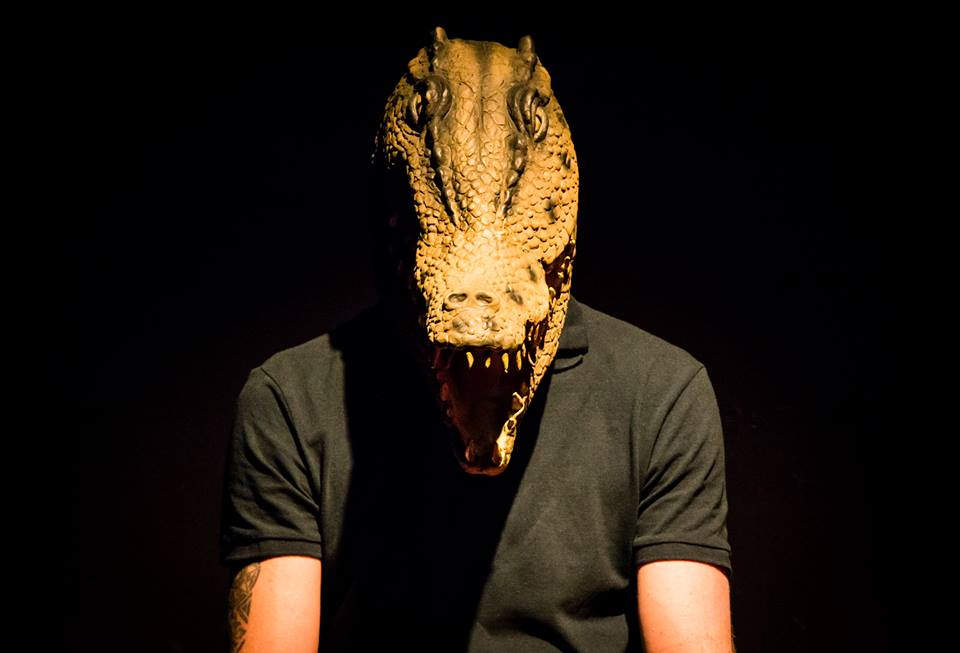
I then went to find the performance space. It looked interesting with big red letters at the back spelling out the word fear. There was a man sat next to this in a crocodile mask, looked good and a bit scary!
I noticed from the start that Alastair,Sill who was audio describing the piece was sat in the audience a couple of seats across from me. I know from previous performances the AD has been hidden in a box behind the scenes and the blind or VIP audience members can access this though headsets. I appreciated that the audio describing was not hidden away and that (apart from the Deaf obviously!) all the audience had access to this.

At the start of the piece Tony Evans who was the BSL interpreter let us know he would be moving. I have been to many performances before where the interpreter is placed to the side of the stage and you have to look back and forth in order to access this. I thought this will be interesting to see how this works. It was really clear. And really easy to follow. It was clear it had been well planned and thought out. There was even a moment where Tony put his hand over Gareth’s mouth and it was nice to see this interaction between the character and the interpreter. This relationship worked really well and benefitted the performance. I felt more part and more included in the performance because of this.
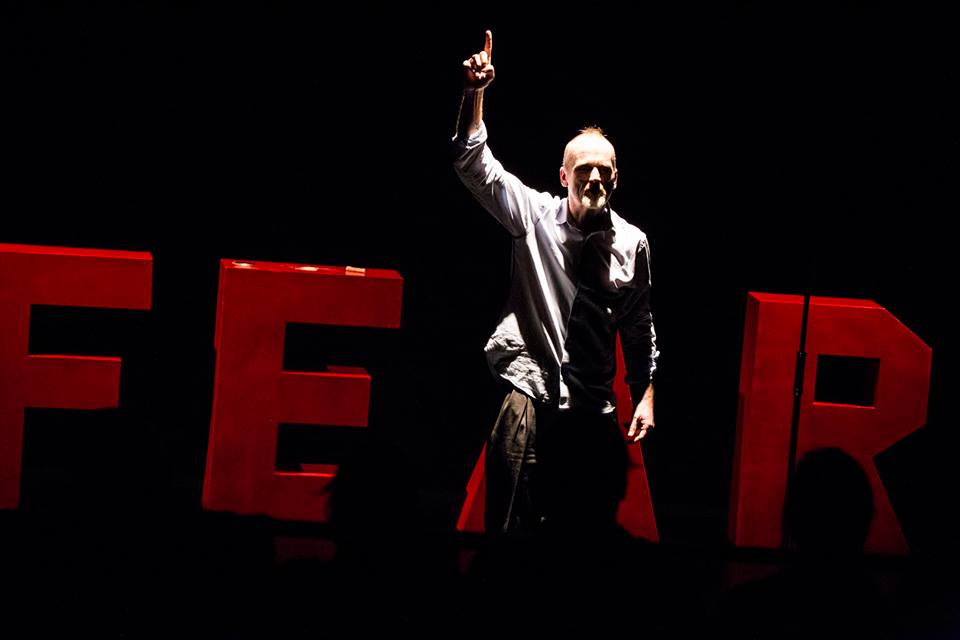
The match between the interpreter and performer also worked really well. The age was similar, look was similar and the portrayal of emotion matched up much better. Because they grew up around the same time this similar experience they had added to the performance. If for example it had been a young woman interpreter the story would have come across much differently.
Seeing both the actor and interpreter on stage also highlighted that (F.E.A.R.) although experienced differently for each person, is the same as a concept overall. Added a sense of uniting it for all.
At the start, I found I didn’t believe the character portrayal of a child as much as I did the different ages shown throughout the rest of the performance. I am not sure why but it was perhaps because I couldn’t emphasise with the facial expressions or they seemed a little fake in reaction to the fear with the over put on smile.. Having said this from teenage upwards I felt like I could well and truly emphasise with this character. It was like there was this barrier that was destroyed in front of us. There was a sudden onslaught of his experiences and an honest, open dialogue that could make him seem vulnerable to the audience. He said that society told him that it was bad to have sex because he will get a person pregnant at 16 and life will be ruined. And then he asked; what do I do then about this aching in his balls with the natural urge to have sex. That felt so honest and open. And being told that by society is something that I was told too. From there I trusted him so much more because it felt like there were no secrets in that room. The fear was exposed.
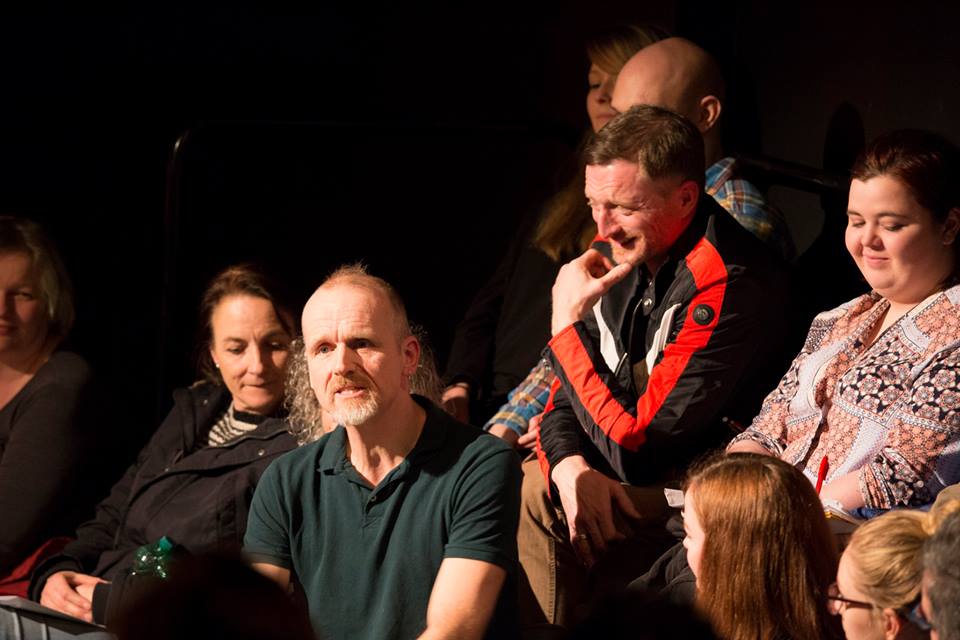
After the performance I talked to the Interpreter and audio describer about the performance and they mentioned how access had not been an afterthought. It had been planned and budgeted into the performance. This is really rare. A lot of the time they are brought in last minute and told GO! But it was so clear that access had been thought about and it so much more a better performance because of this.
One thought to improve is that it was unclear at the start as to why the scene remained exactly the same with nobody moving for about two minutes. I understood afterwards from asking that this was due to allow time for the AD to set the scene. It would have been good to let the Deaf audience know beforehand that this would happen so it is not so confusing when nothing is happening for a while. I feel there could have also been more audience interaction, I know there was some but a bit more to encourage the audience to think more about their own fears perhaps.
To conclude. I really enjoyed the performance and really appreciate how much the access was thought about. I felt I could connect so much more to the piece because of this.
Thanks you for watching.
http://www.chapter.org/fear
Review The Understudy, Canal Cafe Theatre by Hannah Goslin
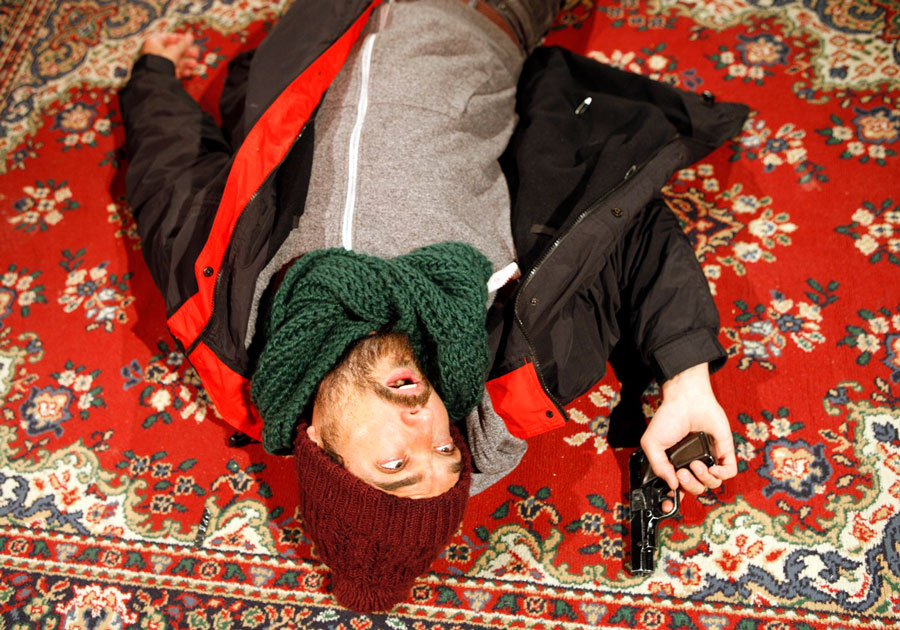
Images courtesy of Simon Annand
(4 / 5)
Known as the American Season at the Canal Café Theatre, The Understudy written by Theresa Rebeck has been brought to the UK stage at the top of this busy pub theatre in Little Venice.
Taking a comical look at contemporary theatre, the story of The Understudy, while based in America and on the Broadway circuit, presents a story that is relatable to all performing arts professionals in the industry, within every country.

The story features three characters – a Hollywood film star, brought into this theatre production to up ratings, The Understudy to him who is a typical struggling actor trying to find his big break and our stage manager, a former performer who fell into the role when money got hard. Set in the round, we see the play unfold on the ‘stage’ of this theatre, an imaginary weed smoking enthusiastic lighting and sound technician who is only referred to and spoken to with no answer and a backstage area we never see, only for performers to exit through a curtain.
The performers are hilarious – bouncing off one another, they do well to build relationships in front of our eyes. Some interactions are to do with the production; some personal; some 6 years ago. This triangle of talent does well to be as dramatic as us performers can be, and to illustrate the irritation of the industry – the performances that make way of talent for the ‘star’ to bring in the cash. The dreams that are sometimes given up because you have to eat and pay bills. The performer who cannot stand Hollywood (mostly through bitterness of failed auditions) and wants to stay true to the essence of theatre. But somehow, they all are very similar.

The relationship between this three that we see unfold in front of our eyes is constantly intriguing. The performers evidently enjoying their performance and the themes which only helps bring understanding to the production and the humour. They are able to ‘ham up’ their performance to be satirical of the industry but without melodrama and without taking away some of the naturalism of the piece.
The Understudy is honest, comical and a brilliant play. A play within a play can sometimes be slightly dreary but with this production, it is seamless and abundant in irony.
Helen Joy, I am a 3rd Act Critic because……..
Get the Chance works to support a diverse range of members of the public to access and respond to sport and cultural provision . 3rd Act Critic Helen Joy gives a personal response in the video and article below on her reasons for being a member of our team.
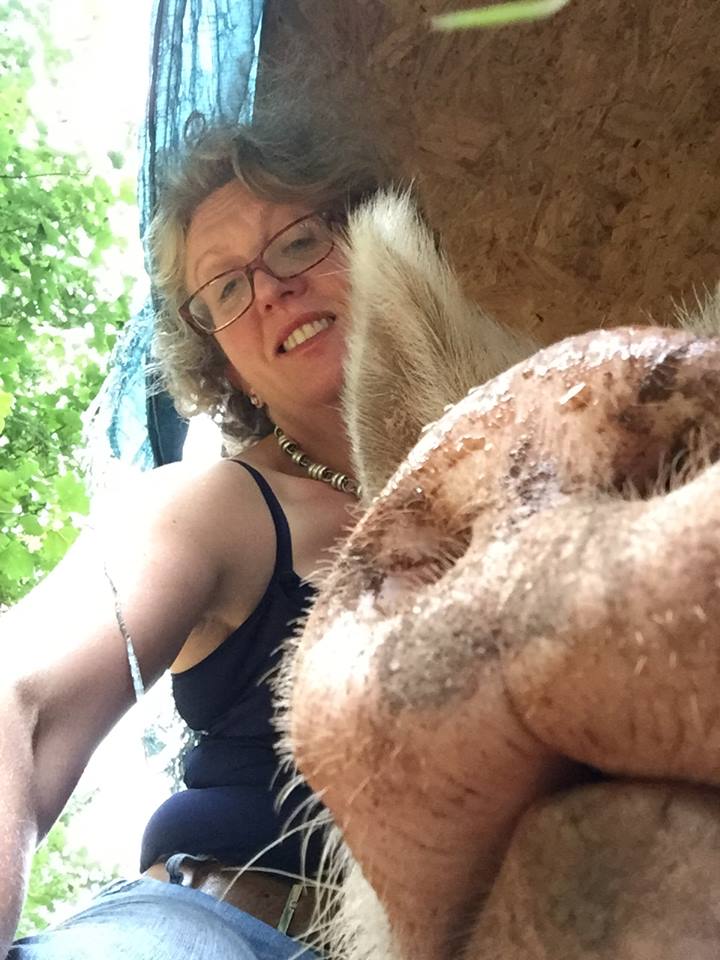
Hi ….. can you give our readers some background information on yourself please?
Crikey, here goes: after first degree in Geography and politics aeons ago, was self-employed as a graphic designer and printer in Cardiff. This went wrong. Very wrong. After a bankruptcy and divorce and the completion of Foundation Arts and Design, I then joined a contact centre answering calls for National Rail Enquiries and ended up working for this international contracts organisation for 12 years, eventually leading their off-shoring programme to India.
Some time later and for reasons various, I returned to South Wales, took a Masters in Fine Art at Cardiff Met Uni and started keeping pigs.
So what got you interested in the arts ?
Nothing got me interested in the Arts – I was always drawing, making and painting for as long as I can remember. But, like many of us, I followed other people’s dreams and not my own for much of my life. I dipped in and out of the Arts at points but it is only now that I feel able to justify spending so much more time as a fine artist, writer and illustrator. I also work as an artist-facilitator, specialising in art classes for older people.
How did you get involved with 3rd Act Critics
Through a community arts project run by A3, I met Guy O’Donnell and saw his work on encouraging young and old to become critics and reviewers in Wales, fulfilling a national need. This opportunity to start pulling together the skills I had acquired over the years with my love of all things arty was too good to miss.
It has given me the confidence to produce articles on smallholding, arts and life in general for publication. Through this, in part, I have had invitations to speak at events, collaborate on books and exhibit my own drawings.

Helen participating in a playwriting workshop at the Wales Millennium Centre
Get the Chance works to support a diverse range of members of the public to access cultural provision . You as a 3rd Act Critic are one of the groups Get the Chance supports. Are you aware of any barriers to equality and diversity for either Welsh or Wales based critics?
I think that it is hard to break in to the Arts when older; and also as a Welsh person who doesn’t speak Welsh. Language can be used to exclude and deter. I also think that assumptions are made about people who appear to be privileged in some way and they too are disadvantaged. Prejudice is subtle.
If you were able to fund an area of the arts in Wales what would this be and why?
Older women. We are often treated as a bit of a joke, we seem to have comfortable lives and seen to have had our chances; we are the invisible glue of local communities, giving our time and expertise with humour and hope but with little acknowledgement or reward. It is assumed that we have incomes, partners and that we are in the Arts as a hobby, for play. We are the ones who will develop the young, mentor the adult and encourage the old. We do not qualify for much by way of support and yet we keep it all going.
What excites you about the arts in Wales?
There is a lot going on; at last craft is seen as having a value almost on par with fine art. Ditto participatory and community art.
What was the last really great thing that you experienced that you would like to share with our readers?
Training to produce radio where I hope to interview people about their lives, all great and none small.
Check out 3rd Act Critic Helen Joy’s reviews for Get the Chance at the link below
getthechance.wales/?s=helen+joy
Review Fire in the Machine, Sounds Like Chaos, Battersea Arts Centre by Hannah Goslin

 (3 / 5)
Fire in the Machine is a production from the company Sounds Like Chaos, which features original work with performers aged 16-21 in South East London.
A loud and bright show, Fire in the Machine is a show featuring upbeat music, scheduled but unusual acts, in a form of a different and new Cabaret show than what we are used to. Some is spoken word, some is song, and some is pure chaos.
At this age range, I remember doing my GCSE and A Level drama productions, some of which didn’t look nearly as professional as this production – the usual make what you can, basic lighting and sound systems and A LOT of doubling your time to not only be a performer, but a director, a sound and light technician and prop/set maker. However with the use of BAC, the initiative is given a great space and access to the professional theatre additions which really helps in the confidence in these clearly passionate young people.
Just like my school days, there is evidently some who you can see potential and others who haven’t quite got that far – but this does not take away from the humour, the confidence and the commitment shown in what they have created. At times, just like their name, is organised chaos, providing laughter and a sense of uncertainty, others are thoughtful and bring to home the difficulty our future has, not just to us older persons, but also the struggle young people are facing – perhaps a lot due to our impact .
Fire in the Machine is well worth a watch – there is something wholesome and positive from experiencing this show, seeing the passion, the energy and interest that these young people have in the arts world – making me think that performance art/fringe theatre/original creations/whatever you wish to define it as, will proceed to go up and up.
https://www.bac.org.uk/content/42635/whats_on/whats_on/shows/fire_in_the_machine
An interview with Rachel Pedley-Miller, founding director of Avant Cymru
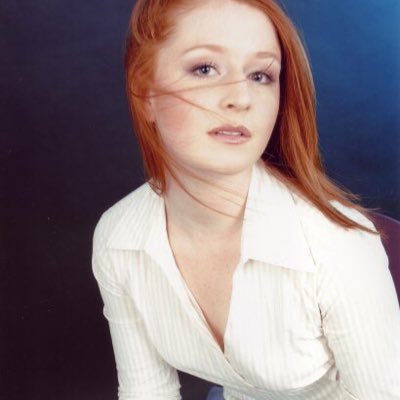
Rachel Pedley-Miller
The Director of Get the Chance Guy O’Donnell recently got the chance to chat to Rachel Pedley-Miller, founding director of Avant Cymru. Rachel discussed her career to date, Blue Scar Avants latest work in development, the support she has received from Angela Gould/RCT Theatres and the importance of working with local communities in all aspects of her professional practice.
Hi Rachel great to meet you, can you give our readers some background information on yourself please?
I started dancing aged 2, my Mam had learned to dance in the Ponty YMCA with Pat and Heather Rees and she wanted me to learn to dance as well. I loved every dance class and by my teens I was training 6 days a week in various styles and had started drama and music lessons. There were also various community arts opportunities I could join in with to keep developing my understanding. I had amazing teachers who trained me to teach, which meant I could afford to do extra classes, through gaining work at the dance studios.
I was really lucky to start training under Maggie Patterson through the Pineapple Performing Arts Troup. Maggie created opportunities for me and the rest of our crew to gain professional work opportunities while training, we danced for TV, Film, theatre and live events. It was here that I started training with Jimmy Williams (lockin’ dancer) and Kate Prince (of Zoonation) who started my introduction to Hip Hop Dance.
It was great to grow up in the dance community, it taught me the importance of sharing experiences, giving back and that you can always continue to learn, not only because there so are many dance styles to learn, but also because these styles have come from diverse communities and learning about the history behind the techniques is just as important as performing the moves themselves.
You are one of the directors of AVANT Cymru and support a lots go great community arts activity in the Valleys, could you tell us more about this work?
During the school holidays I spent a lot of time with my grandparents. My grandfather is very community minded, he was part of ‘Cor Meibion Male Voice Choir’ (who sing at community events all over Wales and beyond, including the Principality Stadium before internationals!) He also looked after the community, shopping for the elderly and doing carpentry work for others as favours to friends. His community ethics have played an important part in my desire to come home to the Rhondda. It has created a desire to make work with a community who create opportunities for themselves and who love to celebrate culture.
Avant was founded at the end of 2014 when I had moved back home to the Rhondda and had started to go to networking opportunities around Wales. At these networking meetings (such as NTW TEAM workout, Ponty’ Arts meetings, Sherman JMK training opportunities, Equity Branch meeting, What’s Next Valleys meetings to name a few) I met likeminded artists such as Alan and Darius (co-directors) who wanted to create high quality, relevant and imaginative work.
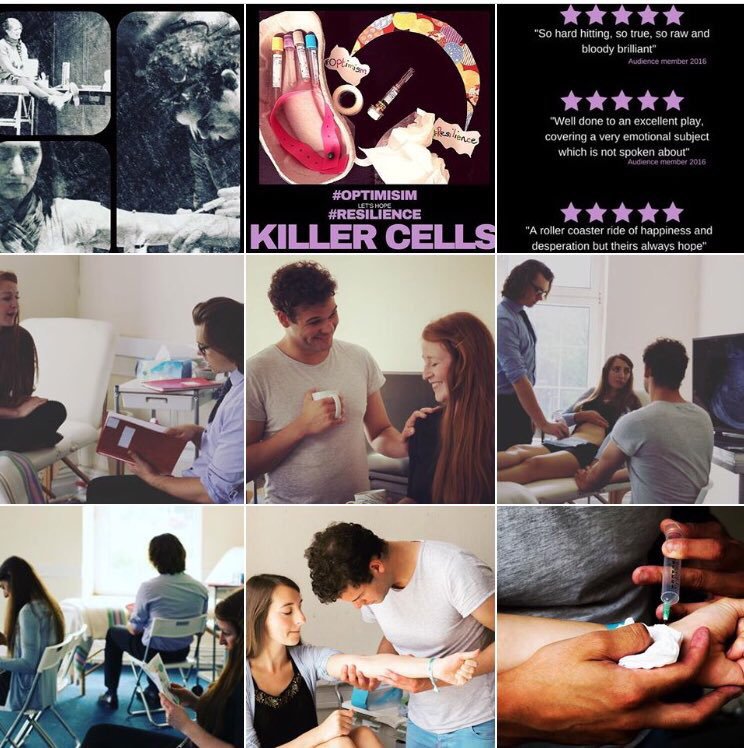
Killer Cells
Our work includes ‘Over By Here’, ‘Killer Cells’ and now ‘Blue Scar’. In all Avant’s work we create opportunities for either our students from our weekly classes or for the community to shape the shows. We firmly believe in going out into the community to hear what is relevant and working with the community to develop art that is wanted and needed. Even though we are theatre makers, this means that we have also collaborated with other art styles. For example visual artists such as Claire Louise Prosser, on projects such as the Bus Stops in Tonyrefail. When researching for Over By Here we found out that the public wanted the beaten up bus stops to be more colourful, Claire came on board and led project Bus Stops which led to one teenager commenting “Thank you for doing this, the bus stops show that people care and it makes me feel safer in town”.
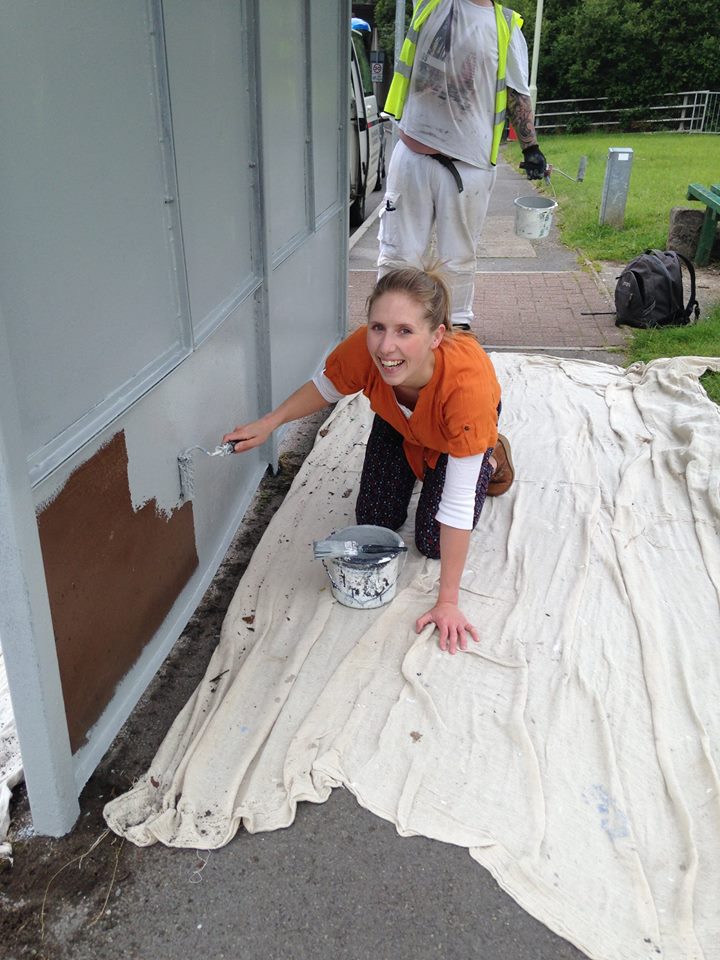
Artist Claire Louise Prosser
We are also about to undertake a film project with Gary Lewis called ‘Land of Our Fathers’ for the Age Cymru Gwanwyn Festival. We have chosen the media of film as the residents of the care home we will be working with may not be able to access live performances, by creating a film this can be played back to them in their care situation.
Avant are a forward thinking theatre company who have plans to create versatile work in the Rhondda and perform this work locally, nationally and internationally, to celebrate the Rhondda and its people in all sorts of creative ways. We are really excited to be working with RCT Theatres on a number of these projects.
More recently you have been working towards a sharing of a production called Blue Scar, I believe this production involves Urban Art Forms is that correct?
Blue Scar is a Hip Hop inspired project. We were asked to research and develop a hip hop dance project with RCT Theatres and Creu Cymru’s welsh dance consortium. Our first plan of action was to speak to the community. We were inspired by the history of ‘Lockin’, which was created by young people at the end of the 1970’s early 1980’s watching cartoons such as the Loony Toons and recreating the actions that the cartoon characters performed. The style of dance is very animated with big facial expressions and poses. So we wanted to know what young people in the late 1970s/early 80’s were doing in the Rhondda to make Welsh hip hop.
We visited audiences at the Park and Dare and Coliseum before the Pantomime, we went to the local libraries and we spoke to people on Rhondda Facebook groups. The answer that came back was that the children liked to play up the mountain, occasionally some of these games resulted in cuts and bruises and because of the coal dust they often resulted in blue scars.
Blue scars became a point of discussion, miners had them from their work down the mines, but they were also a mark of the area. People spoke proudly of the time they earned their blue scar, from falling off their Gambo (go cart) or from playing kiss chase on the tip. These stories became our inspiration.
We then set out to speak to students in our regular classes and at Treorchy Comp who hadn’t heard of blue scars and wanted to help us make the show relevant to their generation. So as part of the R&D we worked with the young people and involved them to lead the narrative, asking them how they share stories at home. Niamh performed with us on the night of the R&D, her character learns of how her mother gained her blue scar playing up the mountains. Niamh’s grandmother came to watch the show, which prompted her to tell Niamh tales from when she was young, and how she too used to play up the mountain.
Blue Scar, shaped by the community became a cross generational project because of the narrative, which made it vital for us to work with the right artists. To really create a Welsh hip hop piece we wanted to blend traditional welsh music and dance with hip hop styles. We did a call out for artists and we began to develop ideas.
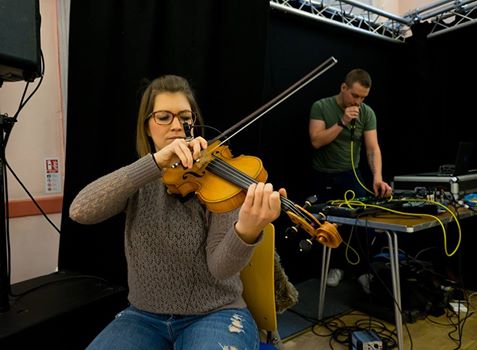
Angharad Jenkins and Dean Yhnell working on Blue Scar
James Humphreys created a script based on the comments from the community, Gary Lewis created a film showcasing Avant’s students participation. Dean Yhnell from BeatTechnique got in contact; he had previously worked with musician Angharad Jenkins on the 10 minute musical project produced by Leeway Productions.
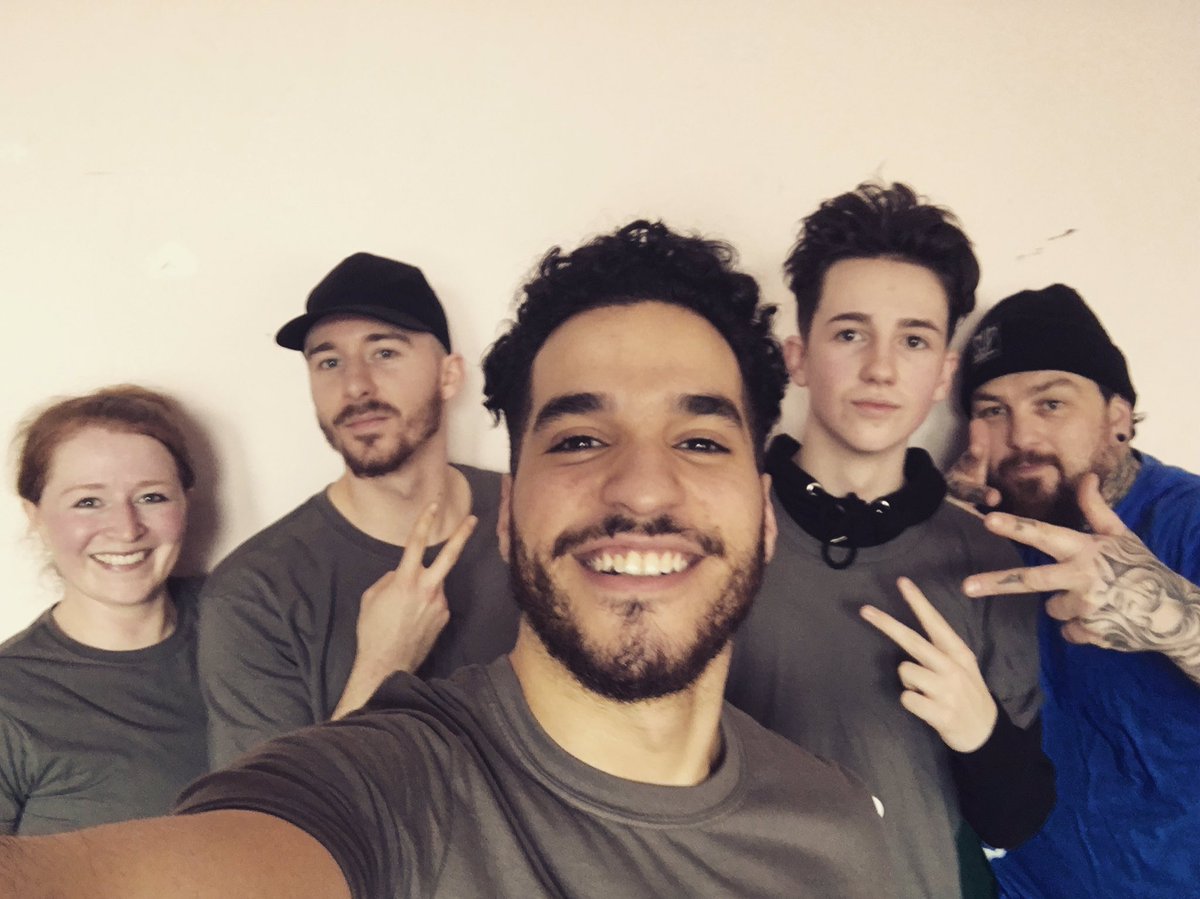
The Blue Scar Dancers
They were keen to work together again, working with Darius they created the tracks and Bethan England came in to sing. Tommy Boost, Ahmed Zada and myself were able to bring three different hip hop techniques breakin, lockin and poppin and then we were lucky to bring in BBoy Slammo and Patrick Thomas. BBoy Slammo has been teaching breakin in the Rhondda for over a decade and Patrick is a member of his crew, having these two bboys on board has been vital to showcase the legacy of hip hops dance community that already exists in the Rhondda. Bboy Slammo is an internationally known breaker who is one of the founding organiser for Breakin’ the Bay at the WMC.
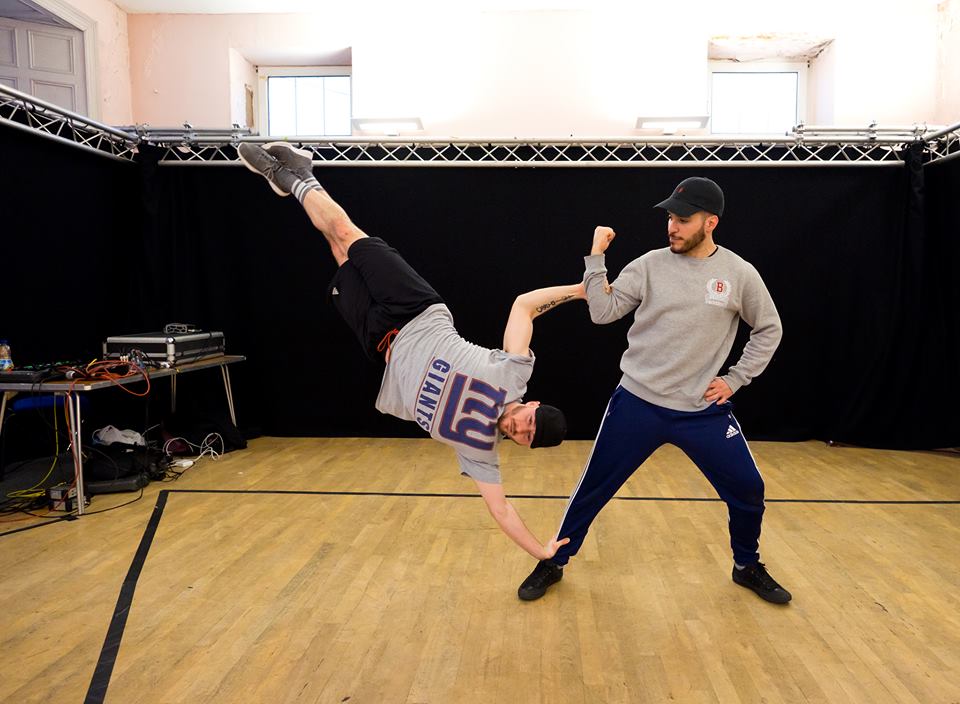
Blue Scar
The whole team were able to bring different elements to the project and inspired by the communities ideas we got to work, creating a Welsh hip hop dance piece.
Angela Gould, (Theatre Programme and Audience Development Manager RCT) and the RCT Theatres staff have been strong supporters of your career, why is the support of someone like Angela important?
Angela Gould has created the #CreativeHub at the Park and Dare, which is creative space for companies to produce new work. The Park and Dare staff are the most amazing team an artist could wish for. The tech team provide staging and tech, they bend over backwards to make sure we have everything required to provide the best audience experience possible. The venue team are amazing, Tom helps to get in place translations and timetables so everything is accessible and the team help produce programmes and marketing so we can facilitate the community outreach. Angela is incredible, she is there from the start to discuss ideas, then bends over backwards to mentor and challenge us. She takes the time to listen to audiences and know our community, we are so grateful to Angela and RCT theatres for their support. We firmly believe in collaboration and the #CreativeHub has been an amazing place for Avant to grow and develop. We are looking forward to producing Killer Cells over the summer and developing Blue Scar into a production for next year together with RCT Theatres.
Get the Chance works to support a diverse range of members of the public to access cultural provision. Are you aware of any barriers to equality and diversity for either Welsh or Wales based artists?
We love to invite Get the Chance to all stages of our work, we are aware of the fantastic work they are doing promoting theatre and culture in Wales, demonstrating that there is a variety of cultural experience that appeals to diverse audiences. We know the reviewers have the opportunity to see a range of work and are informed on current theatre practices, so their reviews help shape future developments. For example Get the Chance critic Gemma Treharne-Foose came to watch the small production of Killer Cells, we had been working on the characters and story and her feedback confirmed to us that the digital aspect needed investment. So for the 2017 tour we have acted on this feedback and we are investing in the digital aspect of the story.
getthechance.wales/2016/09/29/review-killer-cells-gemma-treharne-foose/
We have found that fear is a barrier for new audiences because the unknown can make people anxious. By inviting Get the Chance in the stages of development and by sharing our ideas and plans we are able to inform new audiences, so they are guided and have an idea of what to expect when they attend a show. Get the Chance is breaking down these fears and bringing new audiences to the theatre.
Many thanks Rachel. If you were able to fund an area of the arts in Wales what would this be and why?
This is a difficult question as I would like to see more spending in the arts all over, I believe arts and participation is good for health, wellbeing education and regeneration. I would like to see more funding going into buildings such as the Park and Dare. They have already started work on improving the building, which includes new carpets, paint in the foyer and the lift is being rebuilt, however further funding is still needed to help complete the other jobs the team have planned.
http://www.rct-arts.co.uk
I’d love to see money put into a collaborative CPD programme. In dance, for example we have fantastic dance teachers and studios, but it would be amazing to have collaborative spaces such as Pineapple or Broadway Dance Studios in Wales, where the public can access dance and professionals can access the training needed 7 days a week and during the day time. It is important to create new training opportunities in Wales, so we can continue to learn and develop.
What excites you about the arts in Wales? What was the last really great thing that you experienced that you would like to share with our readers?
I truly believe that Wales is an exciting country for the arts. There are so many cultural opportunities and emerging companies and individuals who are being shaped by established and experienced venues and organisations. There are networking opportunities, training performances and jobs it is evident that the people of Wales, want to make cultural experiences happen in a variety of places and in a variety of ways. From engaging in local opportunities in the Rhondda, taking part in Age Cymru’s Gwanwyn Festival, being a Sherman 5 member at the Paul Hamlyn Funded project at Sherman Theatre and by being a TEAM panel member for National Theatre Wales. I have personally found that no matter who you are there is a cultural opportunity for you. It is hard to name one event because the variety of experiences is exciting. I know that I am looking forward to seeing ‘Hard As Nails’ at the Park and Dare and ‘Killology’ at the Sherman, I have my tickets booked for both!
I am really proud to say that Avant are part of the Welsh art community, creating work in the Rhondda, with fantastic partners in RCT Theatres, at the Park and Dare and traveling to exciting venues such as the Sherman, the Willow Globe and Volcano later this year.
Review Mother Africa, Khayelitsha – My Home , Peacock Theatre by Hannah Goslin
(4 / 5)
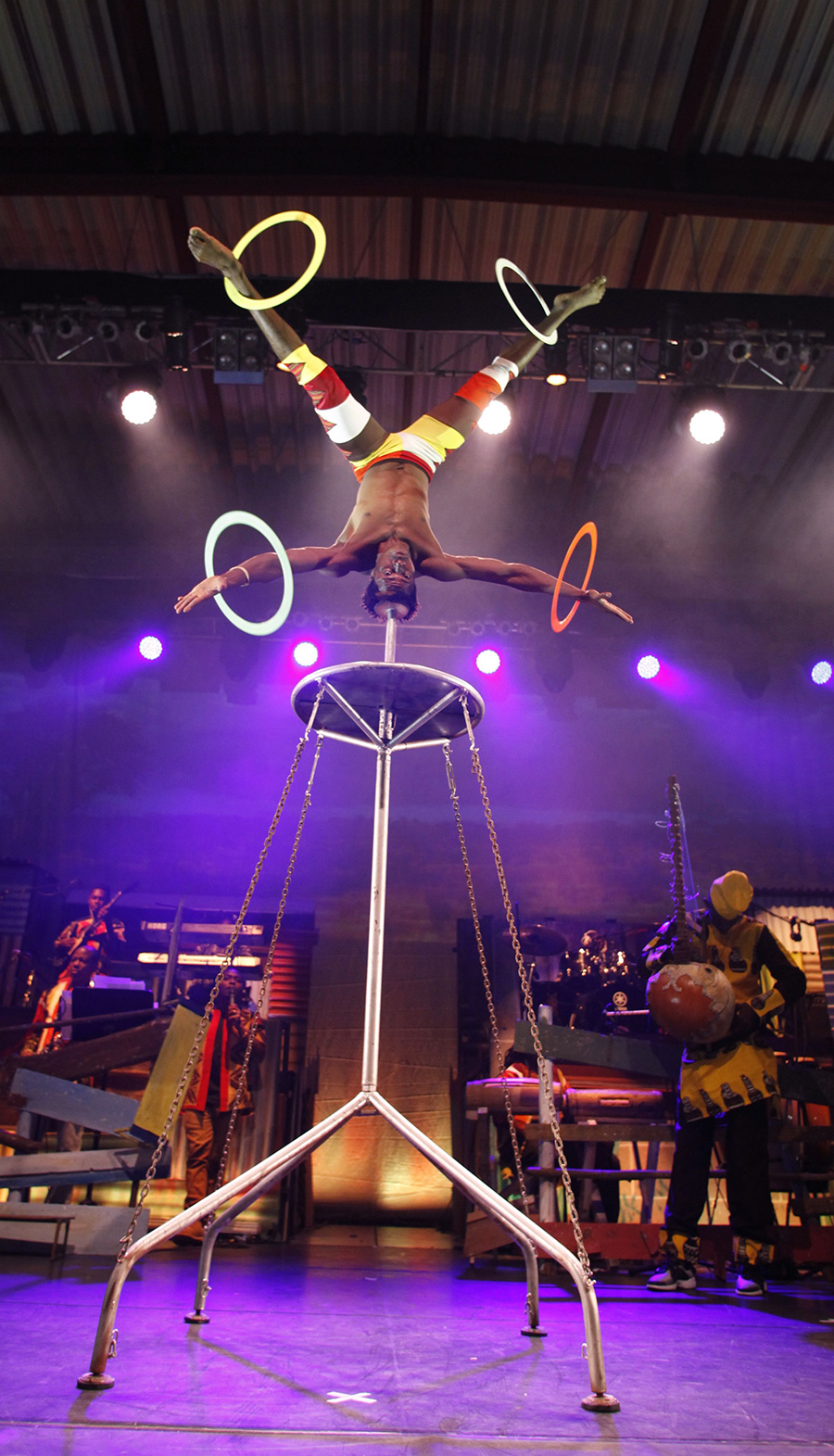
Described as a crossbreed of traditional African dance and circus stunts, Mother Africa is an explosive and fun event to attend.
While I felt it more leaned to the Circus route, the setting, language, music and dance all had the essence of traditional Africa, or at least what we believe it to be. Implemented with short narratives, the performers keep to a native tongue, and so the use of the universal language of gesture is relied upon, giving us the essence of peering through to their way of life. The production looks at the difference levels of Africa- the poor, the average, areas of boosting economy and the rich, not relying purely upon the negative connotations that can be associated with this vibrant country.
The music is interesting, majority positive and easy to listen to. The dancing is incredible, fast paced and interesting – leaving you slightly awe inspired as to the earthly, natural positioning of their body and its movement.
But what struck me was the circus skills. As a (not so secret) wannabe circus performer, despite my 0 skills, I have seen many a circus show/act in my years in performance art . And when you have seen something as much as that, you would think that you would grow a sense of numbness to the awe, to the fear. And I have to some extent. This is not to mean I do not enjoy it as much as I would have with those feelings still, but I have grown a different sense to it – more inspirational and a sense of learning. But somehow, Mother Africa revoked those old feelings. They take skills to a new death defying level, and the gentle shake of my head and grin at being shocked at the unbelievable tricks was constant.
Speaking to Jolene, one of Sadler’s Wells press managers, we agreed that Mother Africa is a interesting, warm and welcoming show mid-week after a hard day of work, a boring time in life or in general, a fantastic show to invest in.

http://www.sadlerswells.com/whats-on/2017/mother-africa-khayelitsha-my-home/
Review Zero For the Young Dudes! Sherman Youth Theatre by Beth Clark
Photos Nick Allsop Photography
A loud scene popping, time hoping, exuberant and absorbing piece of theatre. Is it a school? Nope, a camp, maybe? Where is it? When is it? Why are they there? Why just the children and why only until the age of 21? Can things get any worse? Where is the rest of humanity? How, how, how?
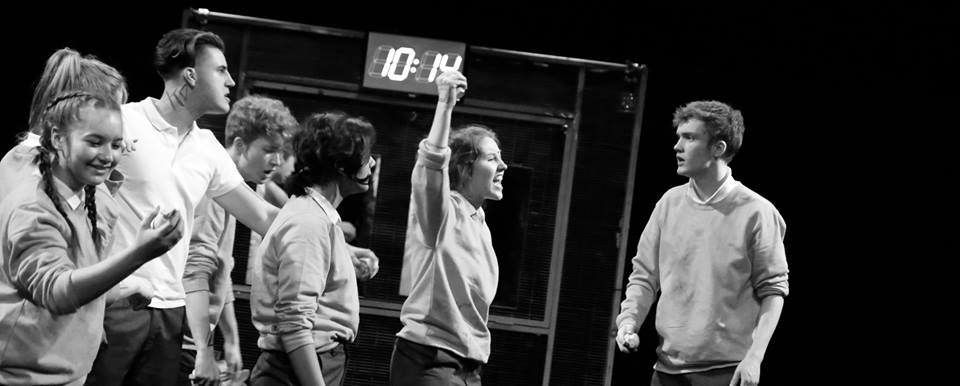
This play written by Alistair McDowall, directed by Anna Poole and performed by the Sherman Youth Theatre gets you thinking from the off and leaves you walking away thinking and conversing with others.
The story telling and understanding of their reality through advocacy, music and individual actor characteristics make the play flow perfectly and therefore held my attention right the way through. All the individual elements of this creation stood hand in hand. The parameter of time channeled through artistic design and production was together, impressive and it was only through clues in the play to current events you could gage time, but then that was still questionable.
The outstanding performances from the cast from the Sherman Youth Theatre really put this play on loudspeaker and handsfree. They were fantastic and worked together so well. Masses of determination and desire has clearly gone into the production and it has paid off! I must give mention to the set design by Finola Redshaw as it was surprising as to how many actual sets were achieved in that time, clever!
I laughed quite a lot throughout evidently enjoying the humour on show. I could also strongly feel the passion projected too, as in one of the scenes, hands were raised, voice cords bellowed, just wow, they shook the place. Revolutionary, they certainly give it some strong-hold soul!
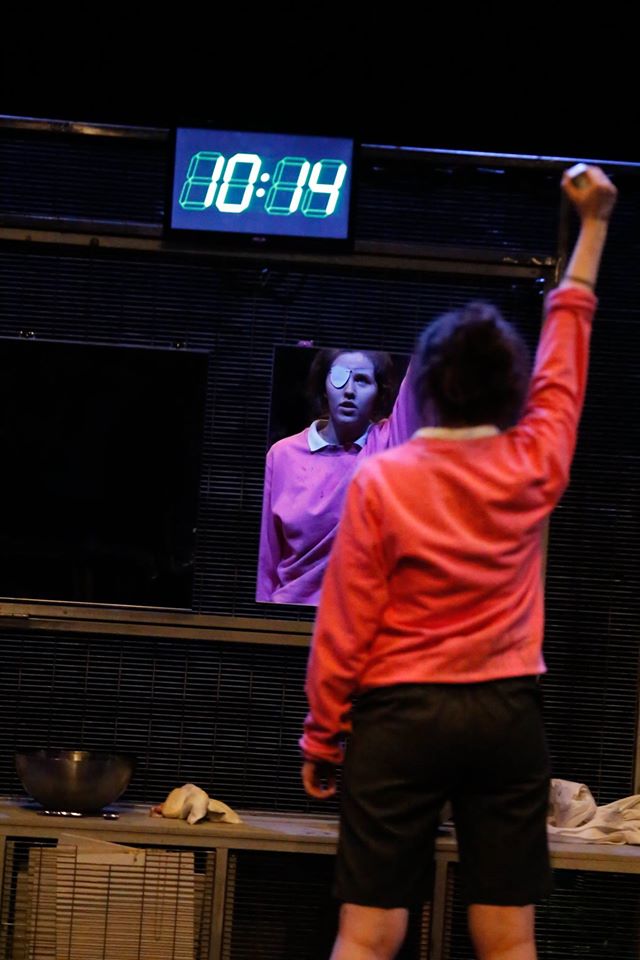
I still cannot believe how young and diverse these actors are and I hope them the best of success! I love it when the unexpected happens! Reality checks and reflections are imposed. This production is fantastically achieved, a super-sonic thumbs up from me!
Review Pride and Prejudice, WMC by Sophie Wiggins
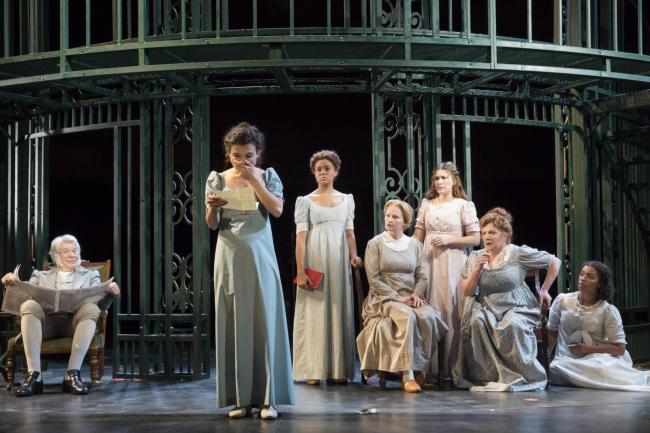
A tale that is well known throughout society, set in a time when a women’s only place in the world was through marriage and status.
Jane Austen’s heart-warming tale of a women ahead of her time, misunderstood by all who surround her world. The tale tells of Mr and Mrs Bennet and their five daughters who they are trying to marry off for happy and healthy futures. Unlike her sisters, Elizabeth is defiant in being defined by man, only through choice would she say her vows, for love.
Fancy elongated skirts, bonnets and dancing to pianos fill the room, nostalgic of Jane Austen’s world recreated in the theatre.
An elaborate staircase on a turntable that turns into a balcony on the other side, and elegant and effortless scene changer. From ballroom interior, to a balcony exterior over looking the forest and garden grounds or whatever else is desired.
Mr Darcy, played by Benjamin Dilloway is ominous, brooding and ambiguous, he gives Colin Firth a run for his money. The chemistry between Mr Dacry and Elizabeth Bennet ,played by Tafline Steen is intense and enchanting to watch as it unfolds on stage.
Although the themes are a bit too obvious at times the production is full of one liners that make the story accessible to more audiences by adding modern elements to depict the tale. Such as “Your mother will never see you again if you do not marry Mr Collins, and I will never see you again if you do.” Spoken by Matthew Kelly who plays the protective Mr Bennet.
Frequent comedy breaks down the wall of alienation and makes the audience feel at ease throughout.
Although this performance is far away from Jane Austin’s subtle irony that she is known for the performance brings out the themes and prestige in a modernised and elegant style. Making the formal play informal enough to captivate even the most difficult audiences.