The Festival of Voice was established in 2016 and is held at the magnificent Wales Millennium Centre. Each festival uses cultural interests or current trends, bringing artists and audiences together over four days of thought-provoking performance, incredible live music and inspirational talks. I went to the festival on day 4 (the Sunday evening). There were a number of free public performances throughout the centre, including audio installations, panel discussions, pop-up dance routines, immersive 360 films and youth theatre productions, which sadly I didn’t get to experience.
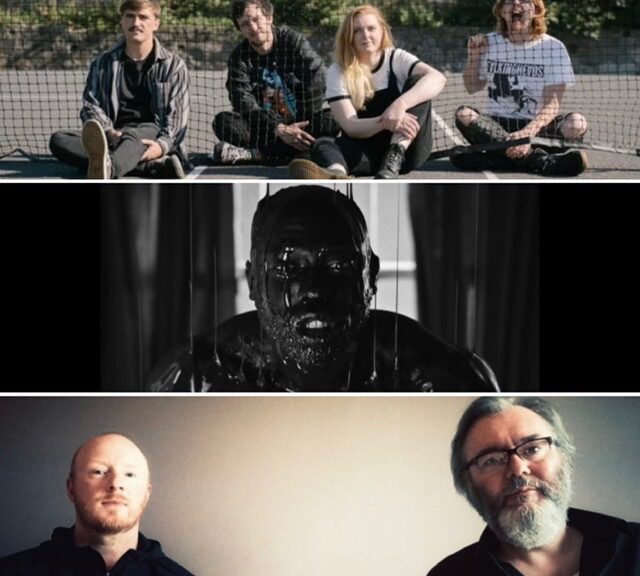
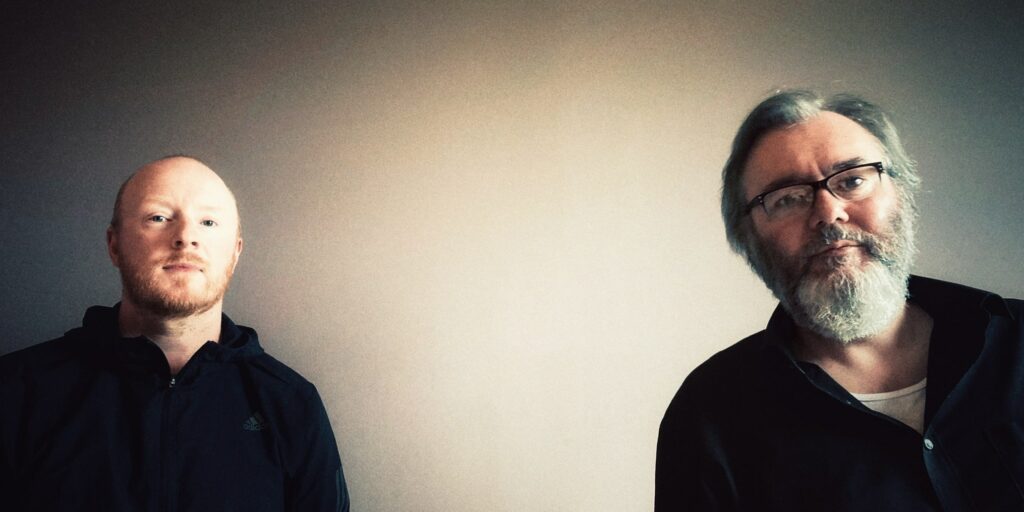
However, I did get to see three incredible performances from Sprints, Ghostpoet and Arab Strap. I was surprised at the small crowd that were in attendance, given the buzzing, raucous, riotous, acts that were performing. This may have been due to covid anxieties or maybe the cost of £50.00 for a day ticket, instead of paying for individual shows, nonetheless, the turnout was very disappointing.
I’d never heard of Dublin based, Sprints, before tonight, I felt ashamed of myself, they are a riotous, post-punk, loud band, I felt excited, they were gutsy and off the cuff. They’re a band with a purpose, their music reflects the issues that affect us all on a day-to-day basis, coming from Ireland they certainly made a point of informing the crowd about the recent legalisation of abortion and same sex marriages, recent changes that have an enormous impact. Chugging, anthemic guitars and driven drums are matched by Karla’s snarling vocals. This is punk at its best, hectic, spontaneous and rambunctious. Festival of Voice was their first gig in Cardiff but definitely not their last, I’ll be seeing them again.
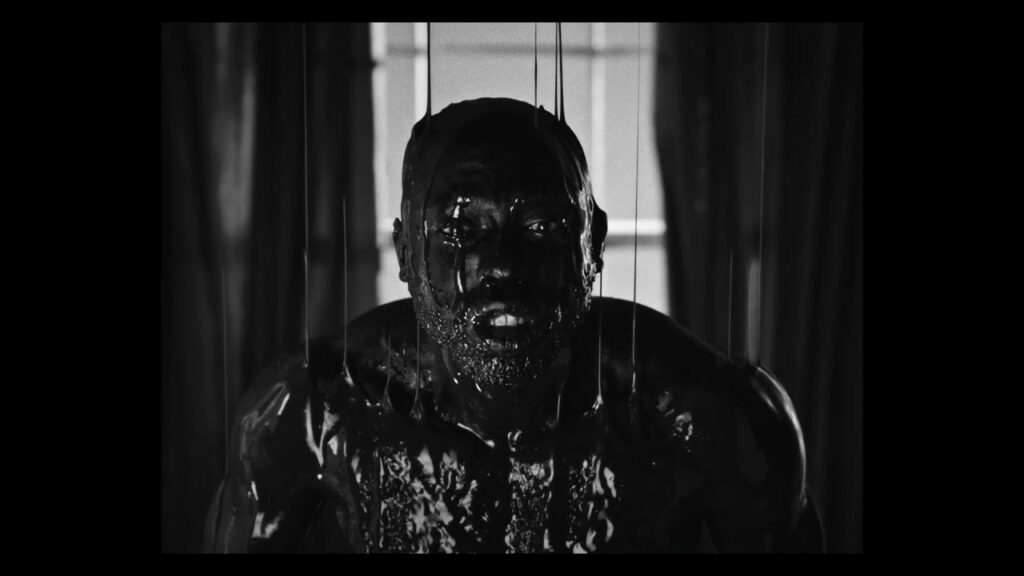
Up next was Ghostpoet, what can I say? He’s a cool guy, energetic, charismatic, a performer, he wore a glistening silver earring, sunglasses and a leather jacket, he looked like a swaggering rock star. With his husky whispers of lyrical content along with an energetic performance which saw him dance and get enthused, immersed into his music it was near impossible to steal your eyes away from the stage whilst watching him perform. Beguiling, mesmerising, the epitome of cool, Ghostpoet was near stunning, with a band to offset the lyrical content sometimes with layers of dub, drum n bass and psychedelia, the music had bass so deep it entered through my feet and into my body. Ghostpoet cuts a striking figure but it’s the power of his vocals that stay with you.
After a short break, Arab Strap were on, a Scottish, indie-folk, rock band, 15 years after calling it a day they’re back in Cardiff, for the first time since reforming. Why have I never seen these before? I’d heard of them but clearly wasn’t paying attention the first time around. I instantly fell in love with the deep, scottish growling tone of Aidan Moffat’s vocals, awfulising about his chaotic lifestyle, shagging, insecurities, booze, heartbreak and humour. He has the kind of looks and confidence of a guy you should be sat chatting to in the pub. They were loud, raucous and noisy, Malcolm Middleton guided melodies with some complex finger picking, he made guitar work look very easy. Their music is deeply immersive from beginning-to-end; like a good book, it’s almost impossible to put down once you’ve started. The poetic mix of darkness, melancholy, romance, and unflinching honesty.
This is one of the best gigs I’ve been to in a very long time, they’re a real force to be reckoned with, in a league of their own. I may not have been paying attention the first time around but I am now. Arab Strap I’m so glad you’ve reformed, please, please, please, come back to Cardiff.
Greeted at the door by a man with an excellent hospitable nature and his 1920’s attire on, in the heart of London, we enter into what feels like some form of speakeasy at the top of this lovely building, where the doors open and you are (nicely) bashed in the face with jazz music and dancing.
Immersive Gatsby is based upon the well known American Novel, The Great Gatsby by F.Scott Fitzgerald, which you likely know from recent film adaptations, or were subjected to at school. I admit, that I have a love/hate relationship with the novel, mainly with school ruining it. But as adaptions in film and theatre continue, I appreciate it more in older age.
The story is about old lovers who meet in later life. Both changed dramatically, their love is reignited but is doomed by circumstance, by gossip and cheating, by lies and love. And so we see them fall in love but also fight for one another, amongst the many love triangles.
The story of Gatsby is well known for the fact the character of Jay Gatsby throws lavish parties where anyone who is anyone will be. Full of booze, of colours, dancing and care free lifestyles, and this is what we initially get a taste of. The performers do quintessential moves from the 1920’s, in their beautiful and stylish outfits, encouraging us to dance, and at one point, putting us through a dance class. Certainly a good way to have a great night out and feel pleasantly out of your comfort zone.
The joy of Immersive theatre, especially in large venues, is that there are pockets of events happening in different rooms, in little groups, in corners of the room. Depending where you are placed, you may get to chat with Daisy about her love for Jay, or Muriel about her love affair. Not everyone gets to go in another room, or be spoken to and that’s what makes each experience different to the last. This is what makes you want to go again; to fill your FOMO needs.
However, with this, it can also feel a little frustrating. The placements of the rooms are almost in each corner and until you realise this, it’s entirely possible you won’t be lucky enough to be whisked away in the group. It’s impossible to be sure everyone out of potentially 150 people in a room has had their turn to see the new spaces. And so we unfortunately left with only seeing the main area and 1 extra room. I wouldn’t say we felt cheated but it certainly wetted our curiosity appetite and left us a little deflated with the knowledge there were scenes and rooms we never saw.
I was lucky enough to be taken away on my own with the character Muriel. My social awkwardness did not help here but it was really interesting to go into this quiet room and talk with the character as if we were old friends. A very special part of the evening indeed.
Knowing the story well, it confused me that character’s seemed to be doubling up and being put in parts of the story that they were not in the novel. It is clearly for logistical reasons, and they do well to keep in character and to continue the momentum, so we enjoy this as it is but it conflicts what we know about about the story and somehow undermines some of Fitzgerald’s intentions. Some characters also didn’t come across as they were intended in the novel and again, this is a juxtaposition on the initial story. I couldn’t help but be critical, thinking that that was not how a character was meant to be or how the story goes.
I cannot leave a review without mentioning Gatsby himself: there are moments of the above to help inform the transition of the space and the story but Oliver Towse is the right brooding, distant but hopelessly in love character that Gatsby should be… and clearly his attractive nature, in his well known pink 3 piece, makes us all swoon. As if we are in the room of a Rockstar.
Immersive Gatsby is for sure a brilliant night out; filled with dancing, elation, champagne and a 1920’s Eastenders style vibe with conflict. But for those who know the story well, the need to utilise the space unfortunately sees changes to the novel which makes a stickler a little anxious.
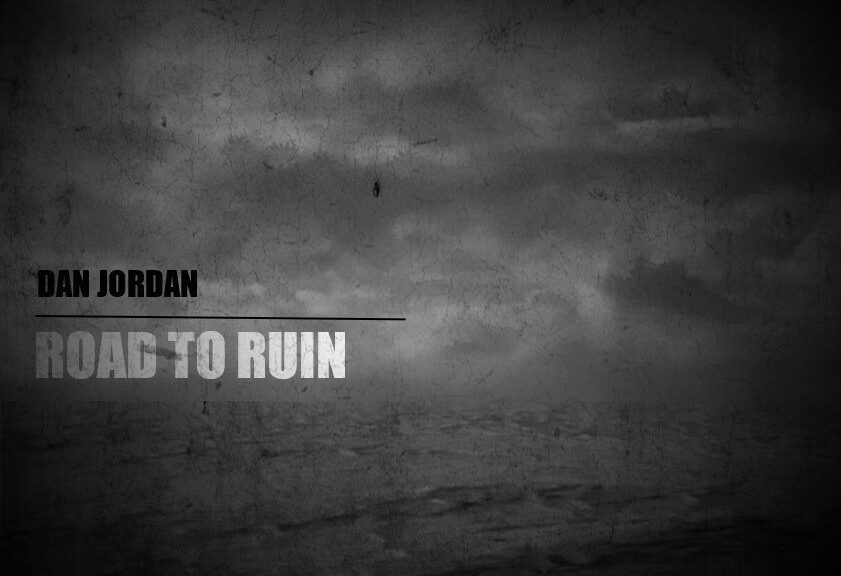
Dan Jordan and The Warbirds evade categorisation. They are poetry. They are music. They are outlaw country. They are moody blues. They are folk storytelling. They are heavy metal vocals. The only seminal thread that runs through their latest album, Road to Ruin, is main man Dan’s clear connection to the music of Bob Dylan. He may not readily admit to such an influence being a conscious thing, but it is apparent that his time spent with Dylan over the course of his first album has had a lasting effect. His vocal delivery may not be to everyone’s taste, but one should at least be able to appreciate the hard-felt poetry that emanates from it.
Opening track Slow Burn may get off to a slow start but its first few moments of silence create a real sense of anticipation. A whirring cymbal then comes spinning into existence before being knocked sideways by the hard keys of a piano. It introduces the heavy beat which symbolises much of the album’s dark veneer, Jordan’s own smoky Dylan-esque vocals then coming in to add further shade. There is a sultry otherworldliness to the piano and electric guitar which gives it a certain intrigue and stops it descending into a black hole. The various mixing of genres, from the Latinized Country of Rider to the Metalized Blues of Run, have a similar effect, the poetic nature of Jordan’s lyrics also contributing to this sense of fascination which surrounds much of the album.
Each track is greeted with surprise. Each offers something slightly different from the rest. Ain’t Got Nothin’ may have a classic Blues structure but Matts White and Taylor bring some wonderful organ and electric guitar respectively to give it an added dimension. The soft and delicate composition on Seven Deaths of You creates a beautifully light atmosphere which allows deeper access into Jordan’s poetry. There is a real slice of folk storytelling here, delivered rather nicely through a deep voice that contains the faint presence of delicacy and vulnerability. Sweet City Ruin manages to uncover this further in lines like “stumbling through the city like a spectre” and “all you want is for the world to know that you were here” even as they are hidden behind the up-tempo, western swing style music.
There is a mythical quality to Elena which could be said to draw on folk tradition. The track that follows, Nightingale,certainly seems to suggest a strong folk influence upon Jordan’s work. His always gritty and grave delivery never allows for the same cadences that one might find among the typical folk singer however, meaning the loss of emotionality to some degree. What is lost here though is made up for in another unexpected musical addition, this time the introduction of pop elements followed by a sudden flurry of different instruments that take the album in a completely different direction. It means that, even as Jordan’s vocal starts to feel staid, there is enough originality to keep you listening right to the end.
Final track This Land has No Name is definitely worth sticking around for. On its musical surface is a wild west evoking landscape, complete with tolling bell and front porch guitar. It is the country music of the outlaws, reclaiming their rural roots from the urbanisation of an earlier sound. Dig a little deeper into the lyrics, and you begin to see the parallels. Yet this song speaks not of a place across the pond but a land much closer to home. Those “structures… crooked… battered” are the stone houses dotted across the countryside. The “roofs made of tin” are the barns stood in fields “still breathing [though] barely alive”. The bar, “as dry as a bone” and “the shops, boarded up” represent the communities who have lost their amenities to the forces of globalisation and capitalism. It is a depiction of Wales that is keenly felt and of which Dan Jordan seems acutely aware, no doubt garnered from his own geographical movement across the nation’s map. It is a protest song, if you will, inspired, whether conscious or not, by folk pioneers such as Bob Dylan, with a contemporary resonance that ensures Road to Ruin finishes with a political bang.
To find out more about Dan Jordan & The Warbirds, click here.To listen to album on Spotify, click here.
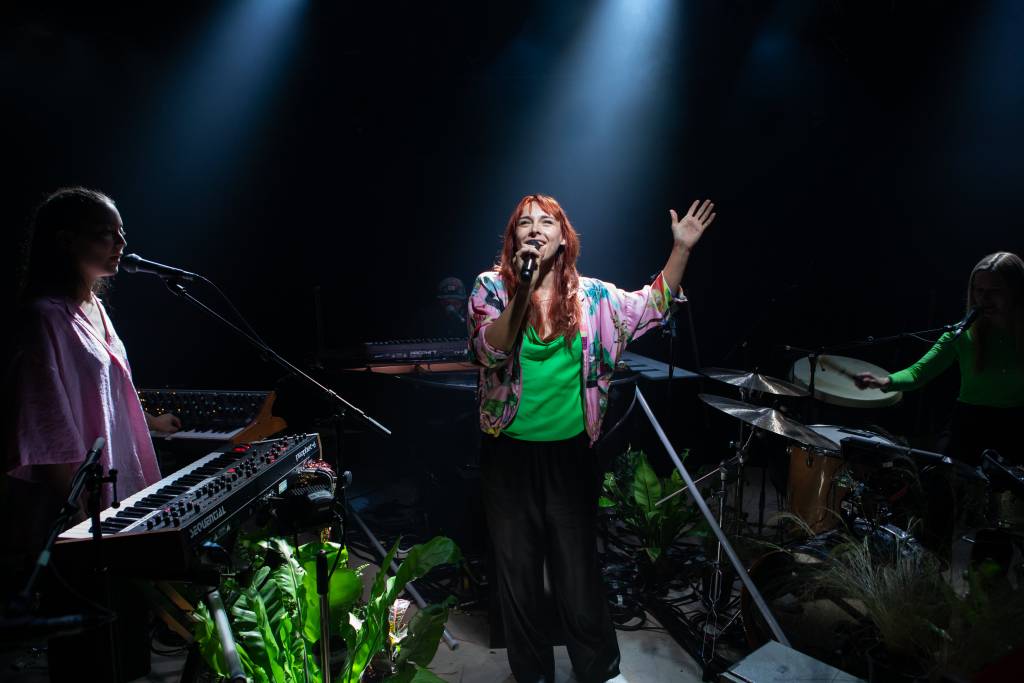
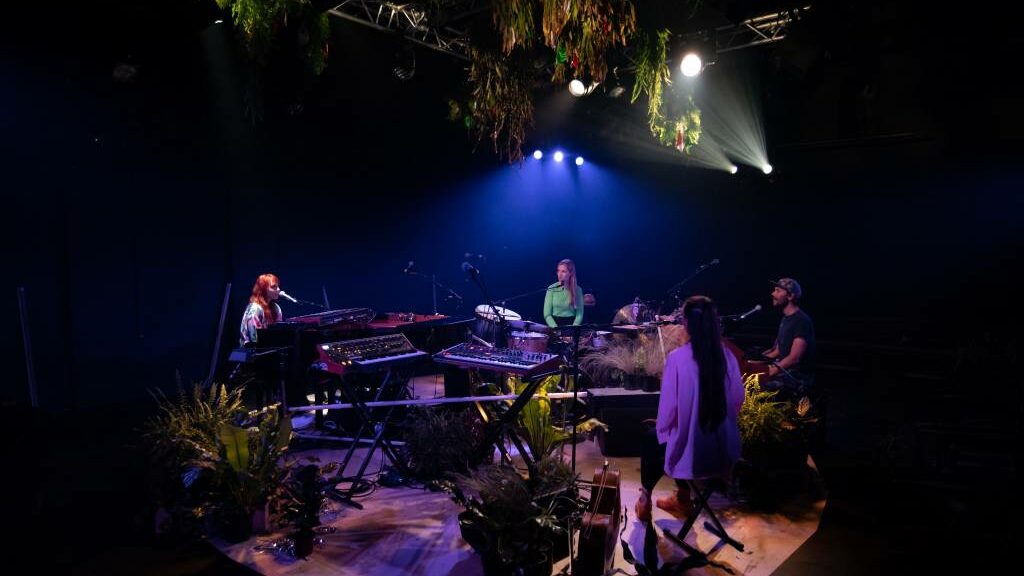
In the Jerwood upstairs, we are welcomed by smiling faces, finding our seats around the outside of a circular orchestra, filled with instruments and plant life.
The Song Project is what is says on the tin. A show created with feelings, thoughts, emotions and life circumstances and turned into song. While this feels a little like how songs are created in general, there is something new, interesting and unique about this performance.
The performers interact with us, with eye contact, welcoming us to the space, so while this is a performance, it certainly feels as if we are being welcomed by friends and into a less formal space.
There for sure is a feeling of something quite European about the type of music – reminding me of Sigur Ros, Little Talks, Bjork with its sense of sound scaping sounds and not following a usual song that one may find in the charts. With only 4 performers, they each chop and change instruments and places in the orchestra, showcasing their absolute talent.
Each song speaks to you. There are lyrics on depression, on fear, on the trails and tribulations of life, but all something that someone in the room could relate to. It’s serious at times, sometimes you just need to close your eyes and feel it in your soul and others it makes you laugh out loud.
Combined with well thought out lighting and set design, the movement of the performers around the space for sure makes this feel very professional and rehearsed but at times ad hoc and keeping us on our toes.
The Song Project could easily be described with one word: Inspirational. Coming away, I felt euphoric and sentimental as well as fully inspired to create my own work. The Song Project has something for everyone, and feels like a very intimate and extraordinary gig.
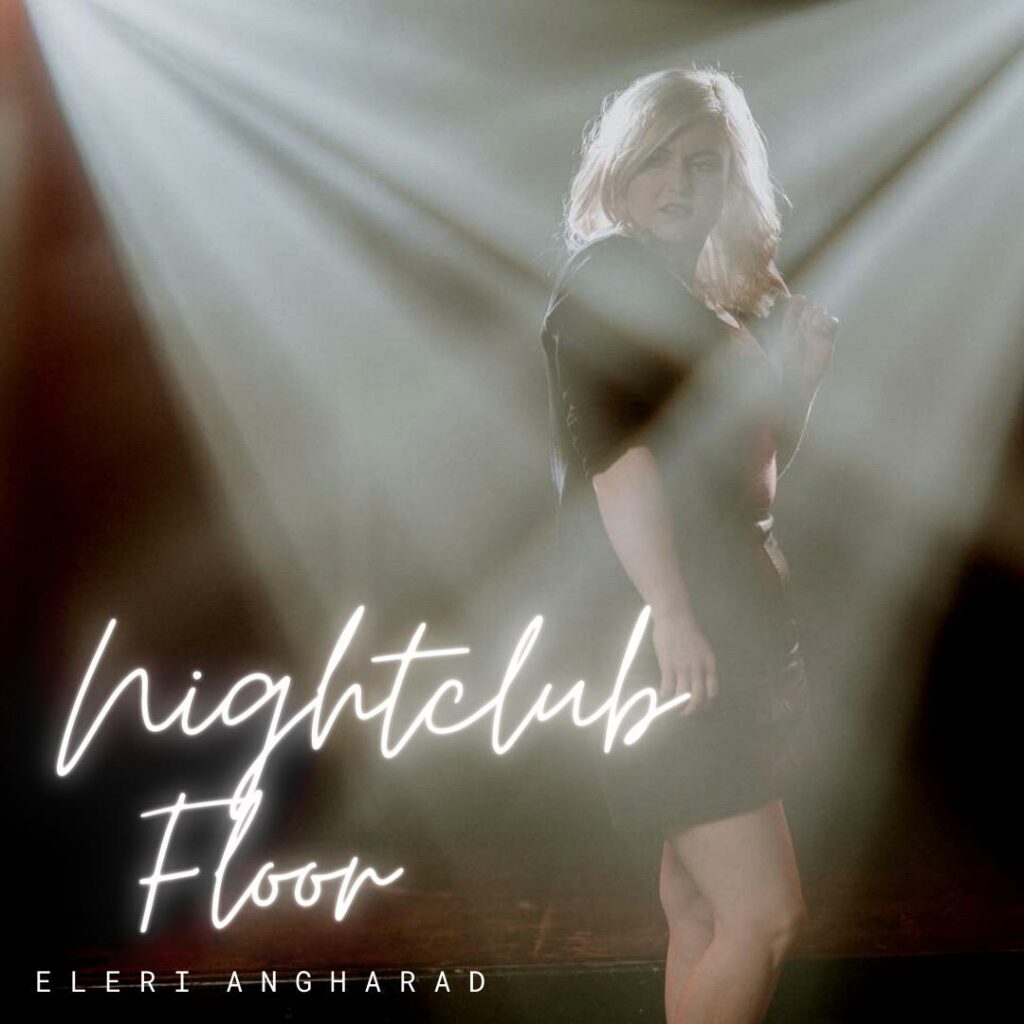
In this latest interview, Get the Chance member Gareth Williams chats to singer-songwriter Eleri Angharad. Their chat takes place in the form of a podcast, the third in a trial series in conversation with Welsh creatives. Eleri talks about her new EP, Nightclub Floor, as well as Swansea’s music scene, songwriting, her creative journey as a musician, and Welsh identity.
To find out more about Eleri, visit her website here, or follow her on social media @ImEleriAngharad.
You can purchase Nightclub Floor on her website, or stream it here.
Get the Chance supports volunteer critics like Gareth to access a world of cultural provision. We receive no ongoing, external funding. If you can support our work please donate here. Thanks.
Hi Zara great to meet you, can you give our readers some background information on yourself please?
My name is Zara, and I am photographer from and based here in Cardiff. My degrees are in English Literature rather than photography – I am self taught but I get some helpful advice from my partner who did study photography.
What got you interested in the arts?
When I was growing up, we always had books and went to the cinema, so that started it off I suppose. I still enjoy film and reading but it started when I was young. At Christmas we’d go to the theatre to but when I was a teenager, I became interested in Indie music.
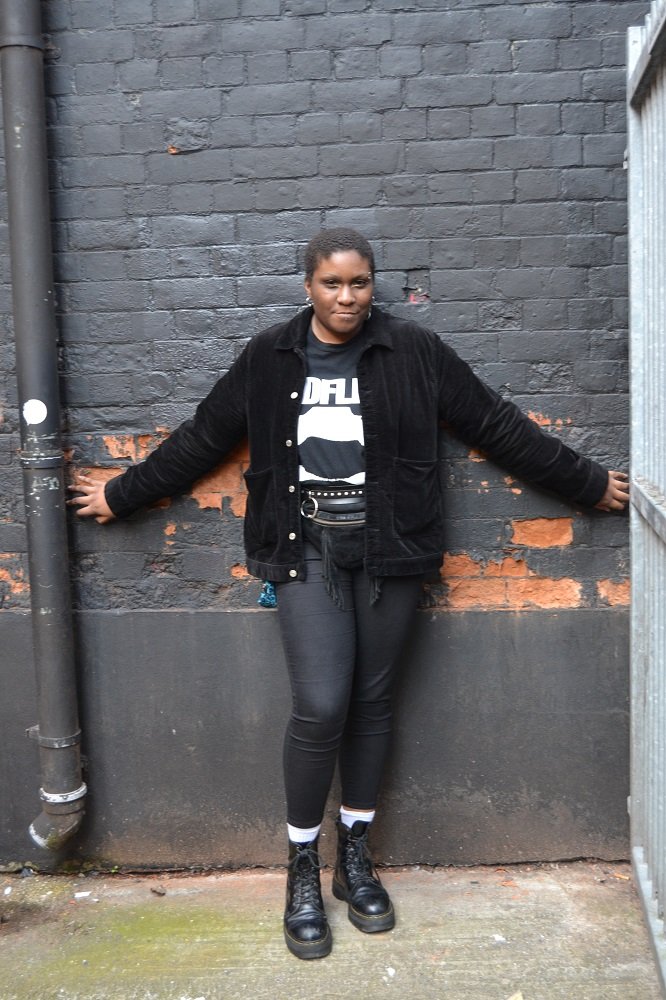
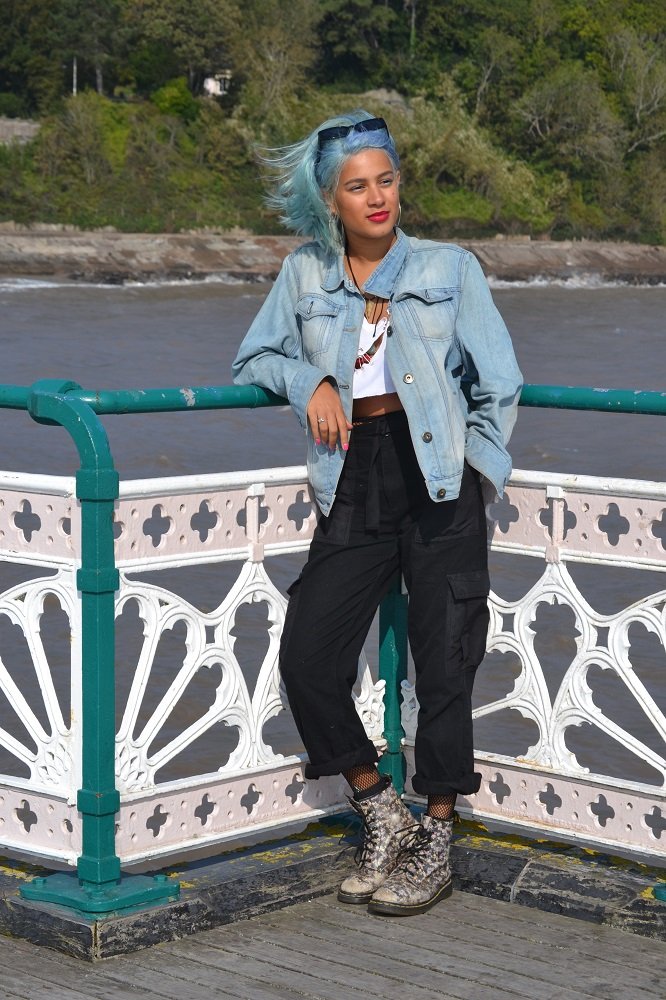
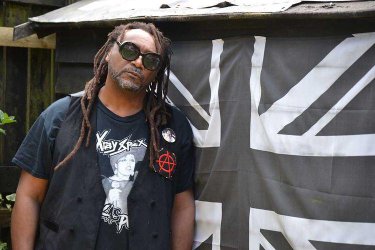
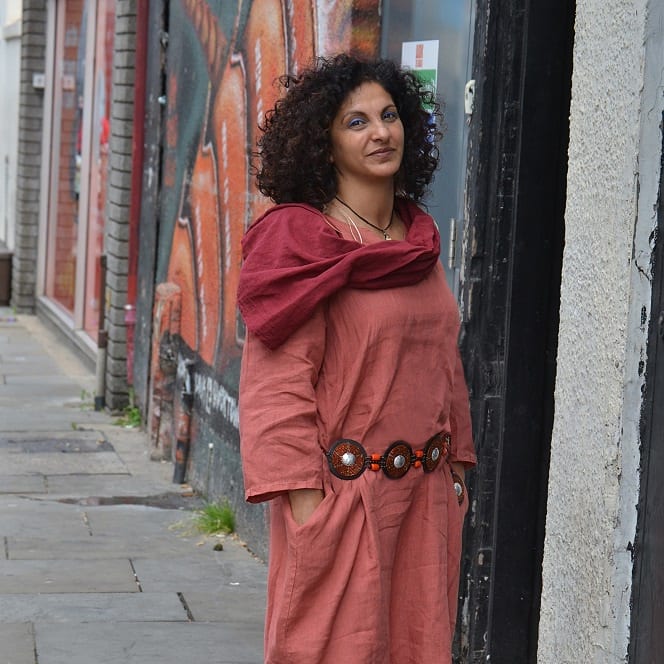
Cardiff Calling (great name!) is a new project featuring brown and black fans of punk and goth music and fashion. We have really enjoyed looking at your photos to date on your Twitter feed. How did this project develop and what are your hopes for the future?
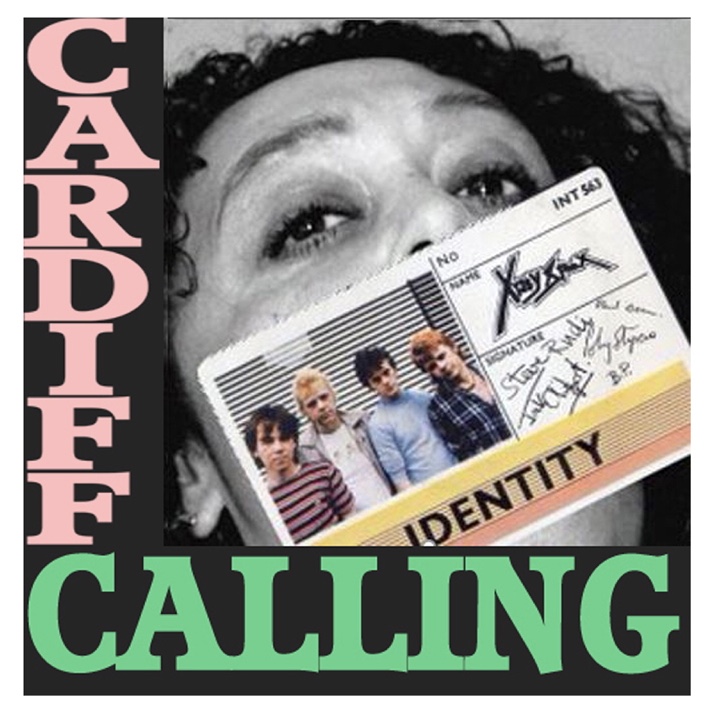
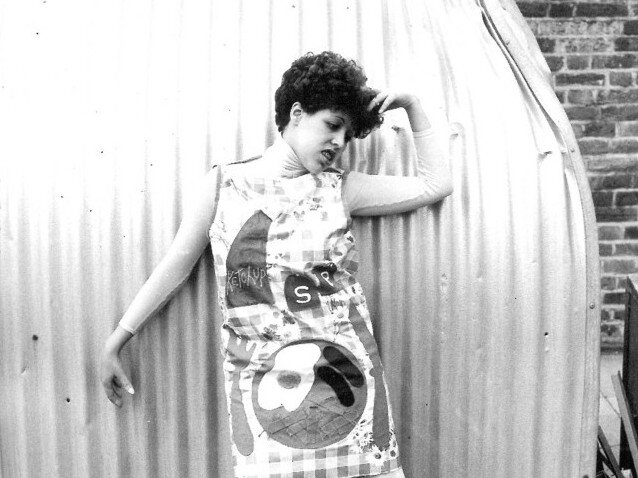
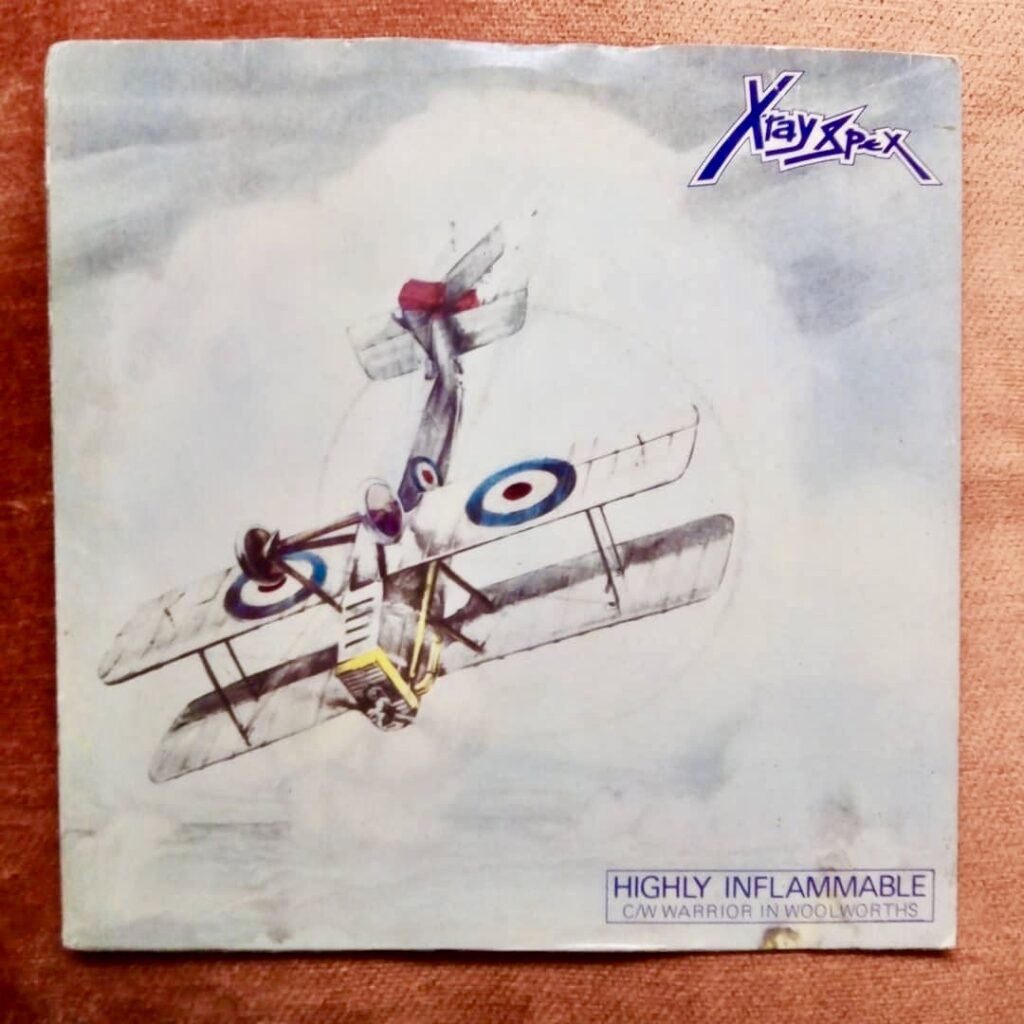
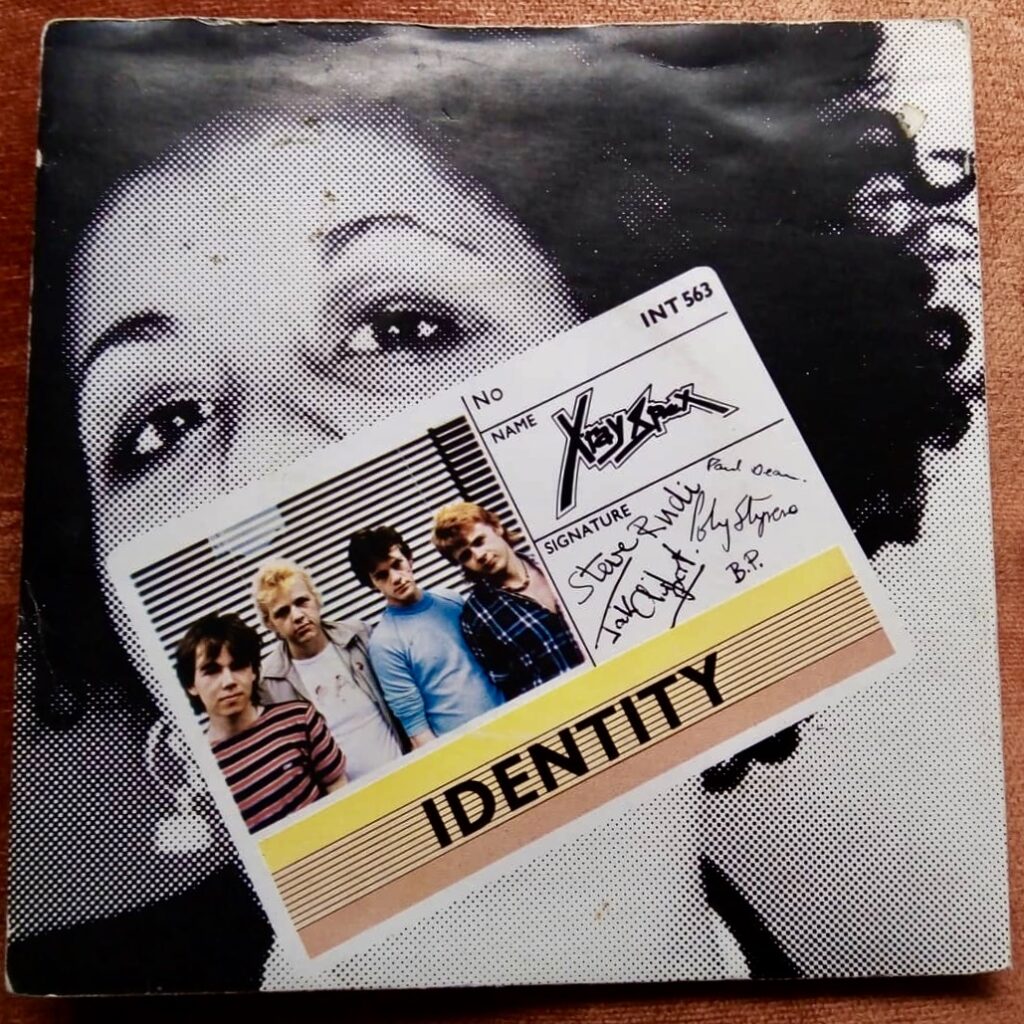
Thanks. The Cardiff Calling flyer is a mash up of the Xray Spex single sleeve ‘Identity’ and ‘London Calling’ album cover by The Clash. This project came from an idea I had after I photographed fans of the punk singer/icon Poly Styrene. It has developed because I wanted to focus on brown and black fans of punk and goth music and fashion because as a brown person, I am interested in it, and I know I’m not the only one who is. It’s as though we go to gigs, buy the music, dress the part, but are a niche within a subculture and all I want to do is show some visibility.
A selection of images from Cardiff Calling are featured below
I would like to have an exhibition of this current project and I want to link my portraits with my street photography – both are mainly focused on the overlooked. I would like to continue in a similar line of looking for and photographing underrepresented groups within Indie music with a particular focus on brown and black people. I will probably combine it with street photography in the future.
Over the last 18 months with the BLM movement and black history now being taught in Welsh schools do you feel artists of colour in Wales are now being fairly represented in education and cultural spaces?
I don’t think artists of colour are fairly represented and more needs to be done, particularly as we are part of Welsh life and culture. Therefore, it’s only right and fair that black history be taught in school, and it should start as early as the infant school. A movement like BLM is really important because being treated unfairly based on the colour of your skin is wrong. It’s disappointing that black and brown people’s input is being recognised quite late in the day because of systemic racism but I am hopeful that representation in education and cultural spaces both behind the scenes as well as up front in the gallery/theatre/cinema space will be the norm sooner rather than later.
If you are interested in getting involved in Cardiff Calling you can contact Zara at zaramader@hotmail.com
You reference Poly Styrene in your work, why is she such an inspiration to you?
Poly Styrene is such an inspiration for me because she was one of only a handful of non-white people in a famous punk band and being a woman as well was quite extraordinary. Being half Somali and half British myself it was unusual at the time to see a woman with the same ethnicity as me who was famous. I don’t know if it was in her mind that she would be inspirational to a brown girl in Wales, but she was. There wasn’t the same type of language when I was growing up as there is today like ‘you have to see it to be it’. But it certainly helps to see people like you doing things you’re interested in.
Poly Styrene
https://youtu.be/fYoiCStDTQg
Get the Chance works to support a diverse range of members of the public to access cultural provision. Are you aware of any barriers that creatives in Wales face? If you are, what might be done to remove these barriers?
I think certain barriers are a problem for creatives in Wales such as a lack of time and money. The creative industries aren’t given the same type of priority as more tradition careers such as teaching, law or medicine, they are also peddled as difficult to get in to and more difficult to sustain unless you get lucky, or you know the right people. I hope organisations realise that opportunities need to be created that offer finances and useful links to people that need it. These offers need to be genuine and real for creatives, of any age, to build a career.
With the roll out of the Covid-19 vacancies, the arts sector is hopeful audiences will return to venues and theatres. If theatres want to attract audiences, what do you think they should do?
It’s been a difficult time for a lot of venues, but the vaccine rollout has been a good thing to help arts spaces open again. I think theatres could consider cheaper ticket prices for a period, maybe approach organisations, schools and disadvantaged groups that may have less access to the theatre in general.
If you were able to fund an area of the arts in Wales what would this be and why?
This a difficult one. It would be a toss-up between cinema and photography, but I really enjoy watching films, so I’ll go for film. Also, I appreciate the skills involved from different parts of the creative industries that come together that get a film made.
What excites you about the arts in Wales?
What excites me about the arts in Wales is the array of talent here in different disciplines. Because we are lucky to have people from different cultures with careers as artists it adds a new aspect to arts practice here in Wales. We help Wales and its cultural output in a very positive way.
What was the last really great thing that you experienced that you would like to share with our readers?
I was given two Xray Spex 7 inch singles from a friend recently and because I have a record player I’ve been able to listen to them. It’s made me listen to some of the vinyl I have and I really enjoy it. It’s a small thing but I appreciate.
If you go up to the woods today, you’ll be in for a great surprise. Open your eyes take a deep breath and let Mother Nature take you on a tour of her wonderland.
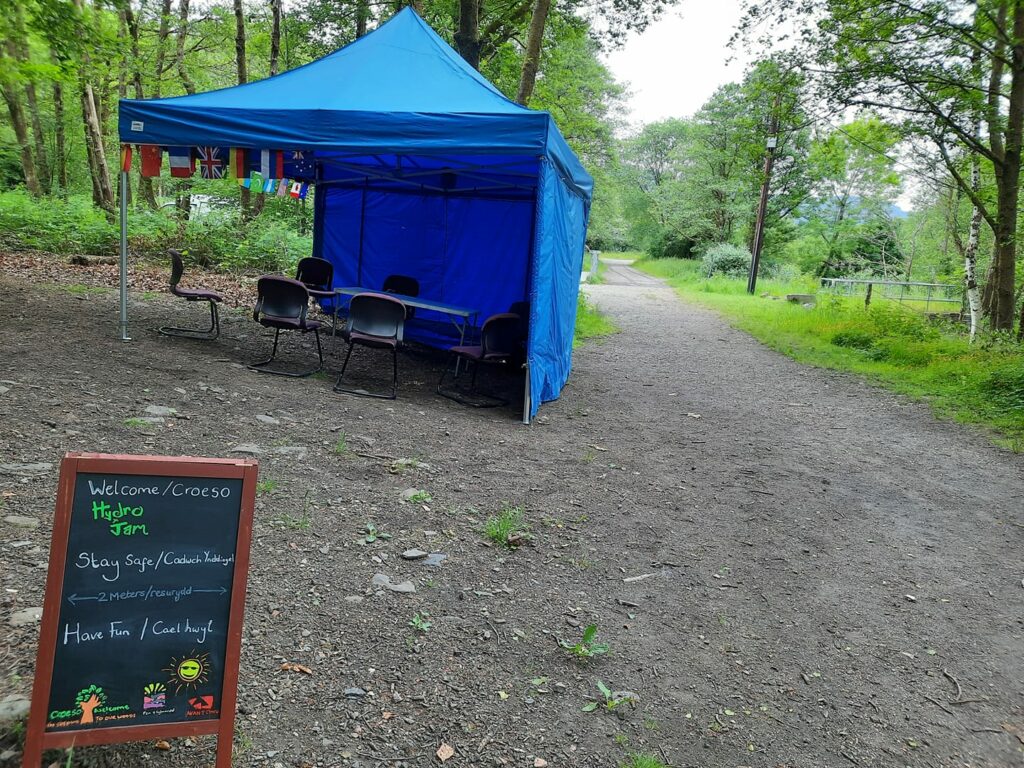
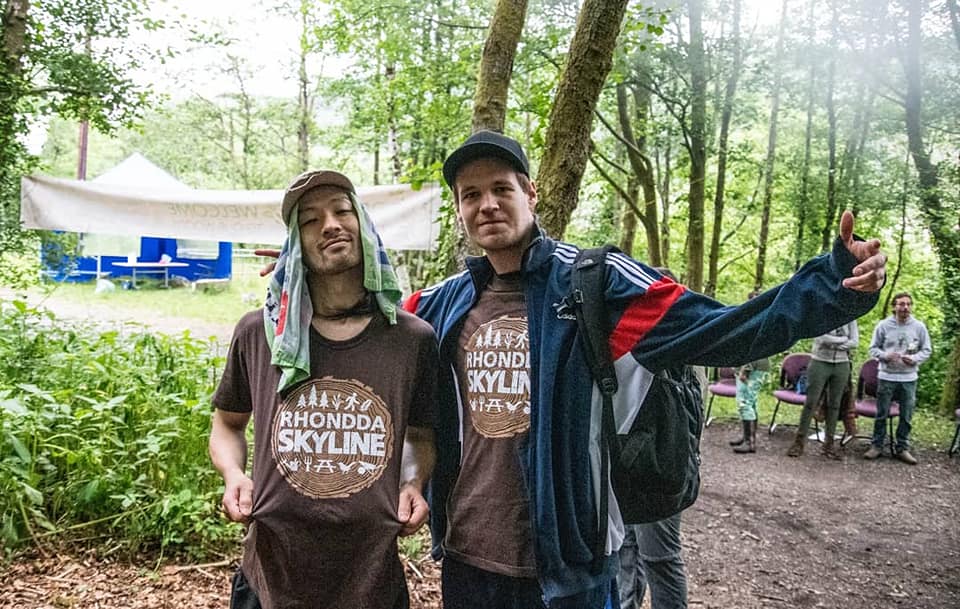
Amidst the spectacular and historical Rhondda Fawr Valley lies an environmental organisation that is open to all. It is called “Welcome to our Woods/Croeso i’n Coedwig” incorporating the Skyline Project.
https://youtu.be/b2Q3DUqOZUQ
It is surrounded by the drama of Pen Pych Mountain and the majesty of the Cwmsaerbren Woods Treherbert. With the legacy of Nant Saerbren powering the micro hydro electrical resource which channels the supply to the area.
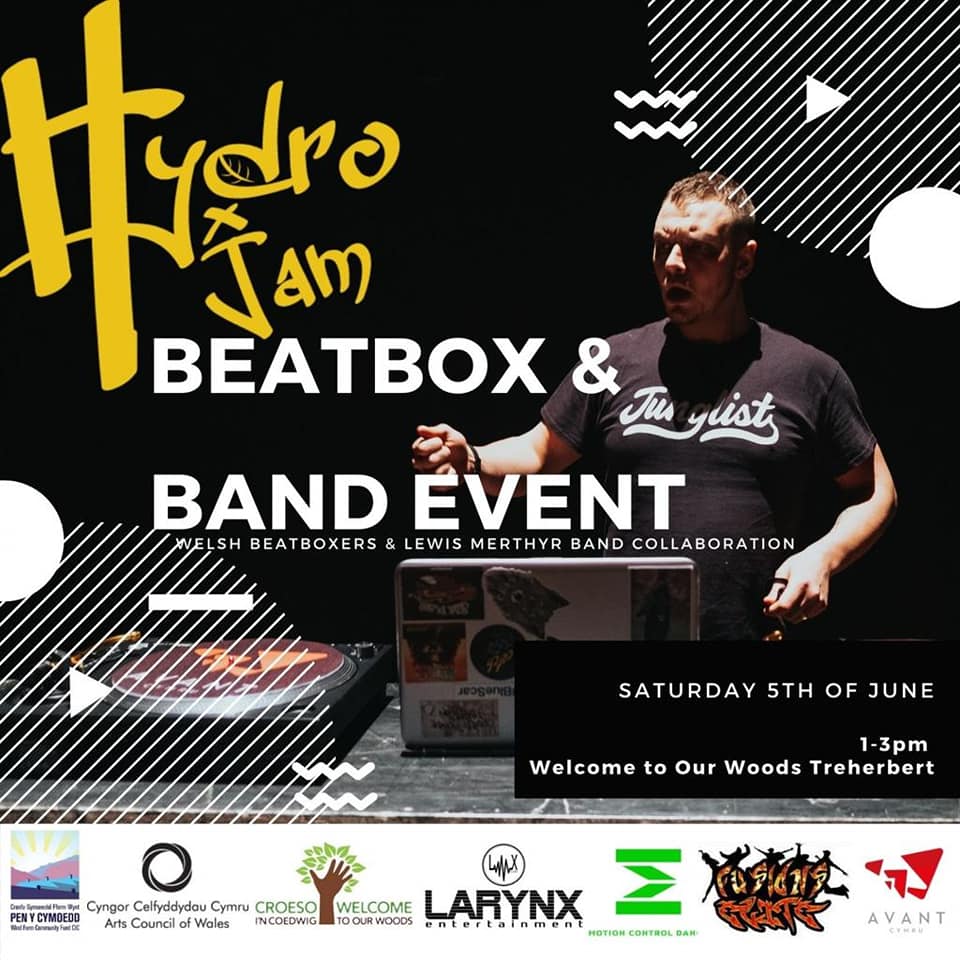
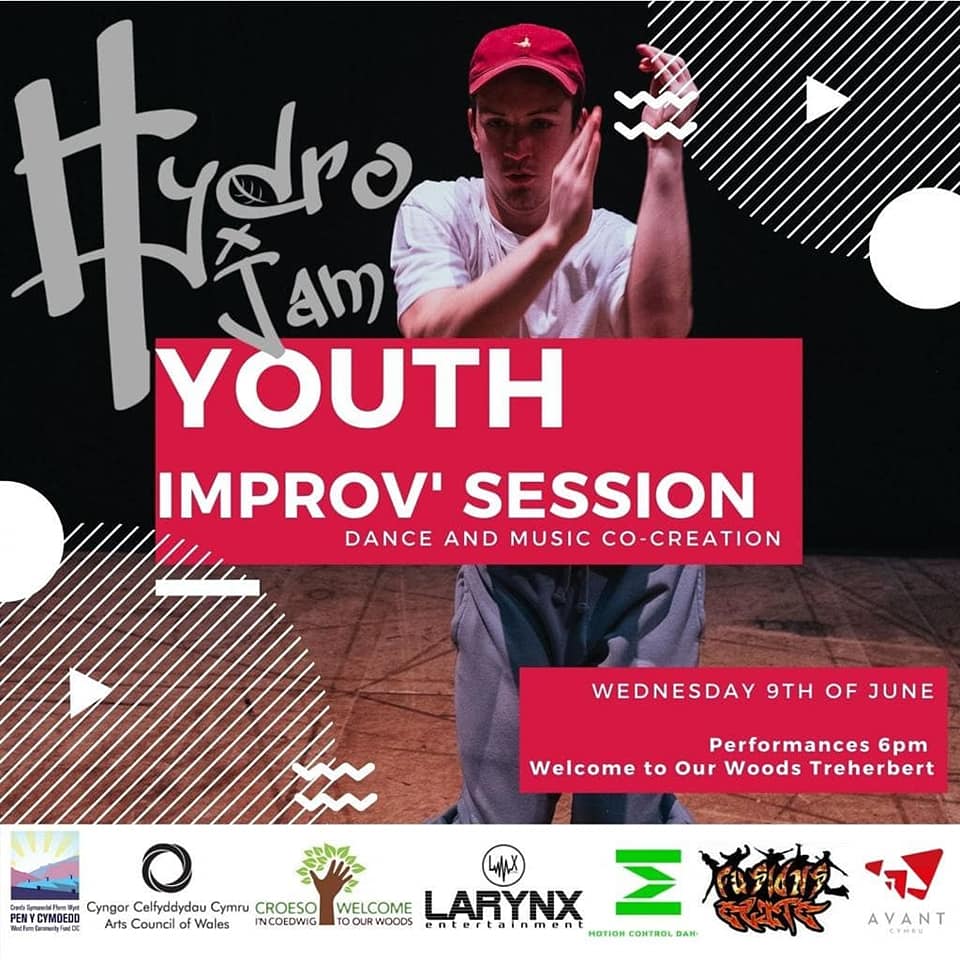
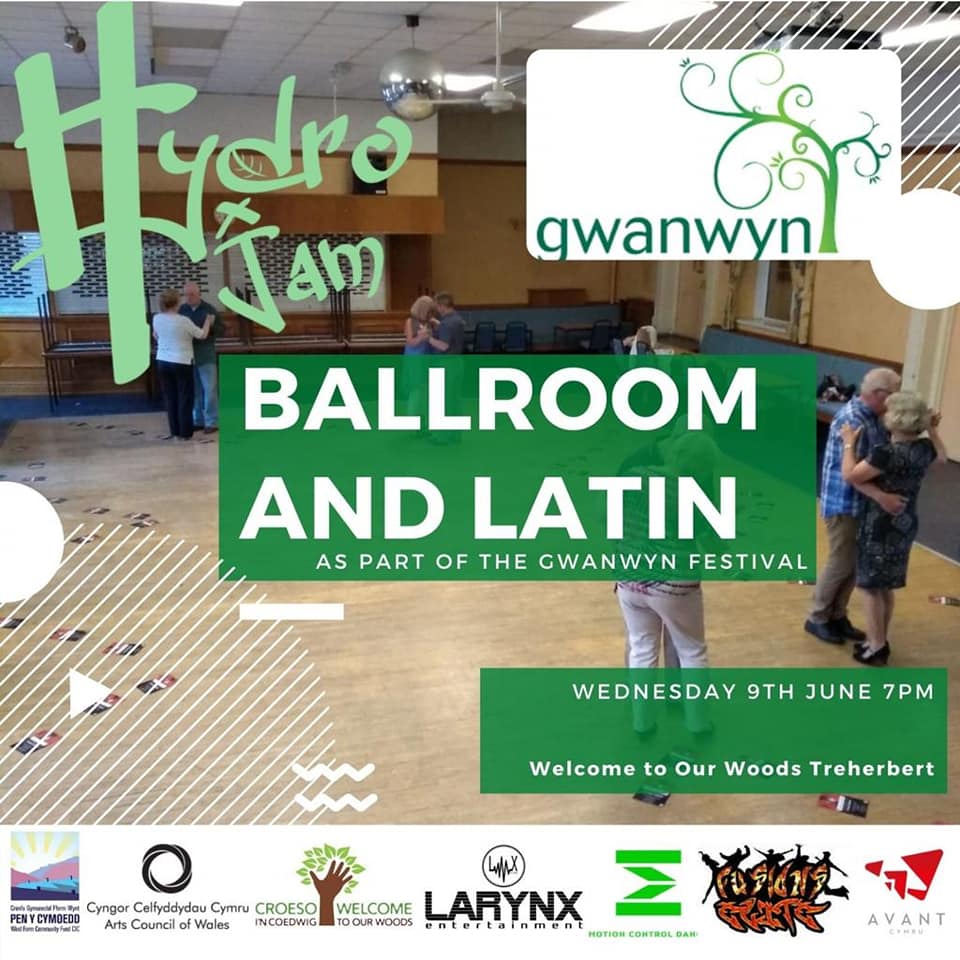
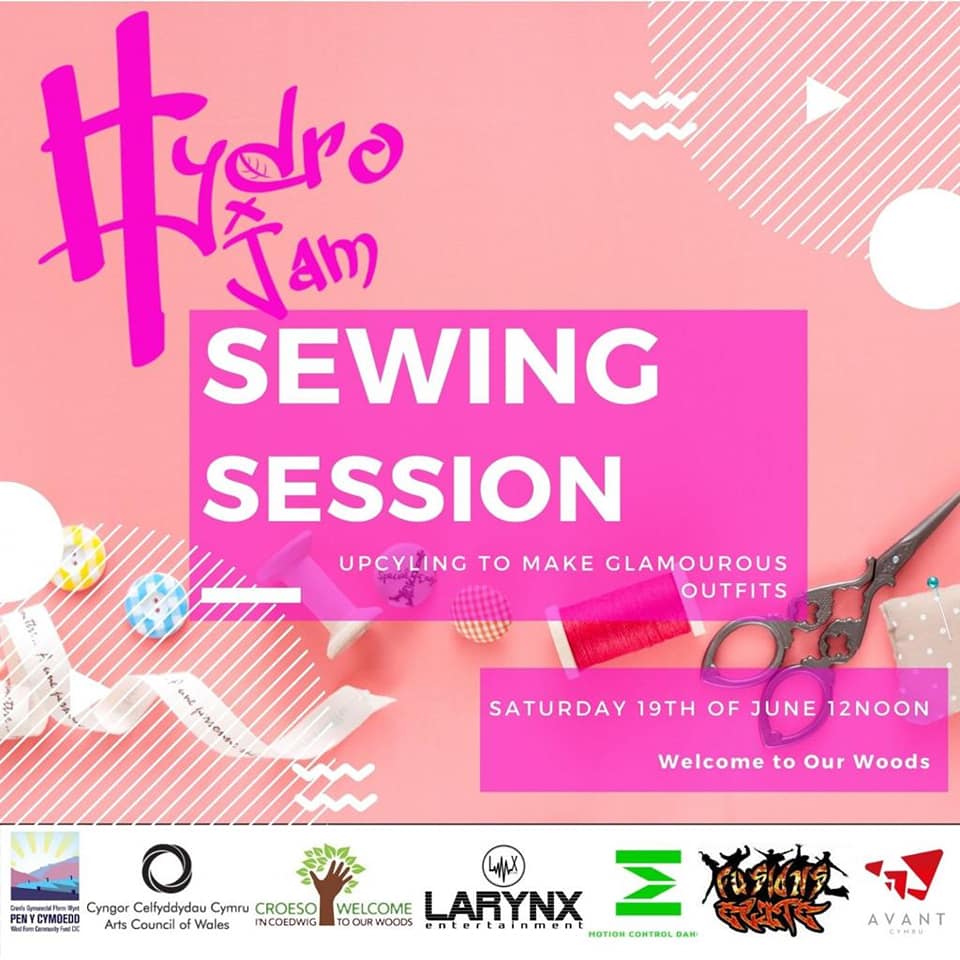
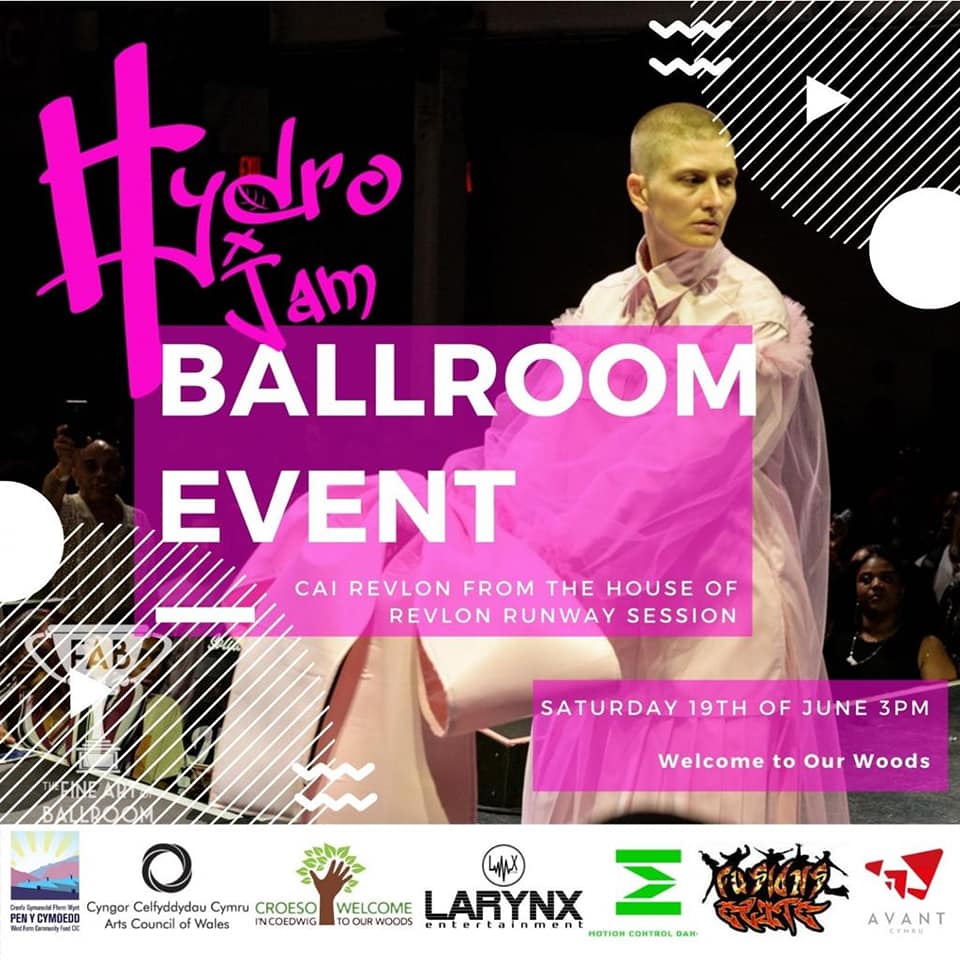
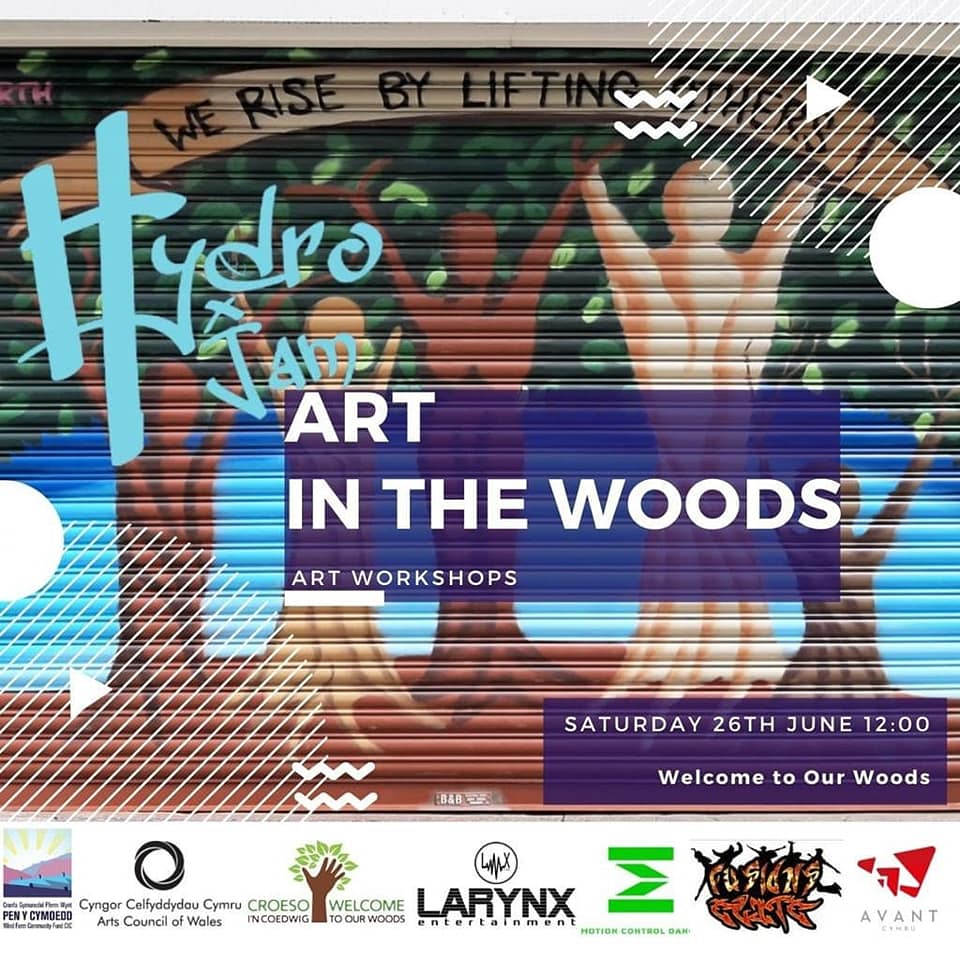
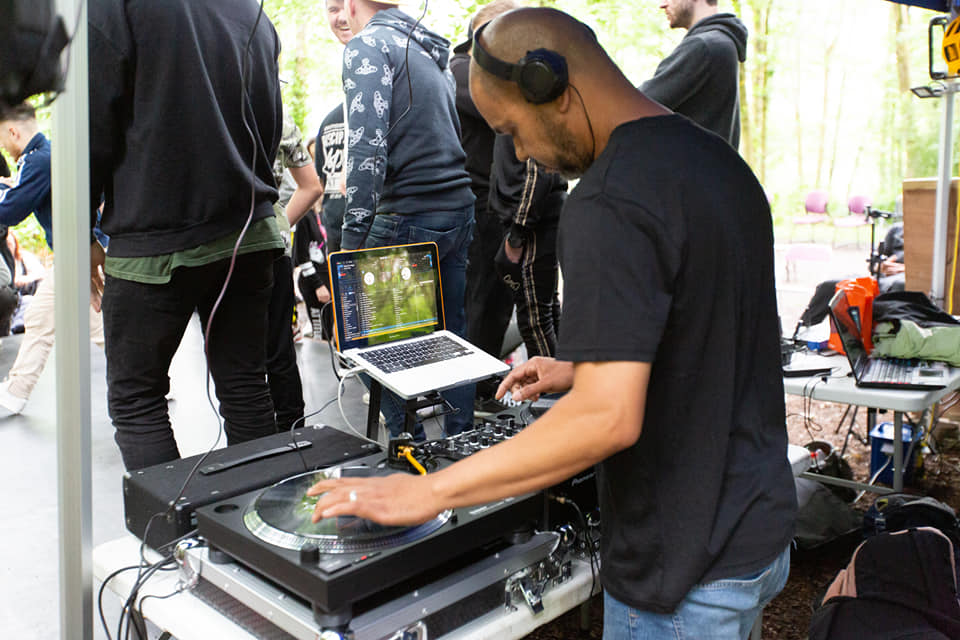
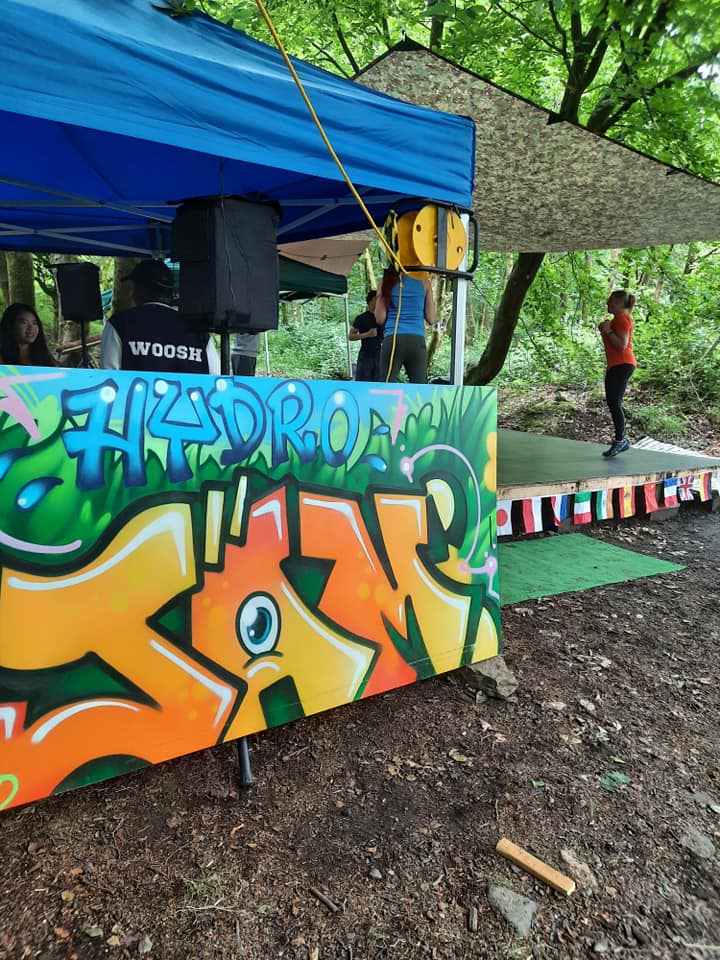
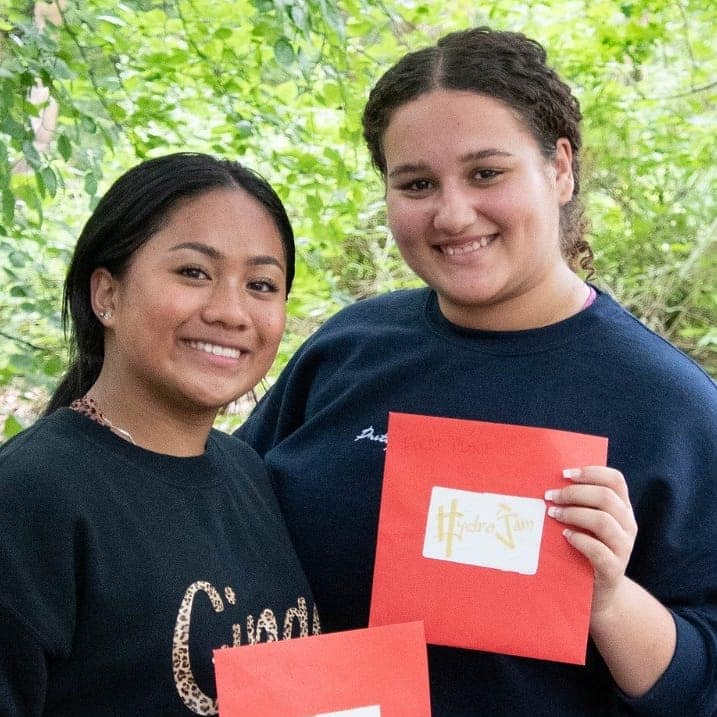
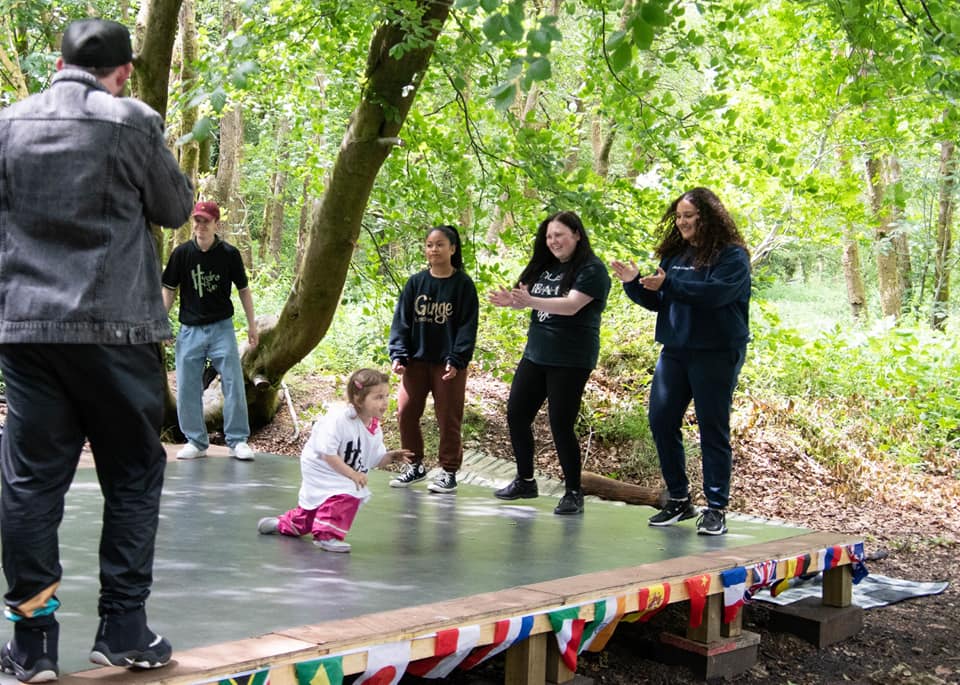
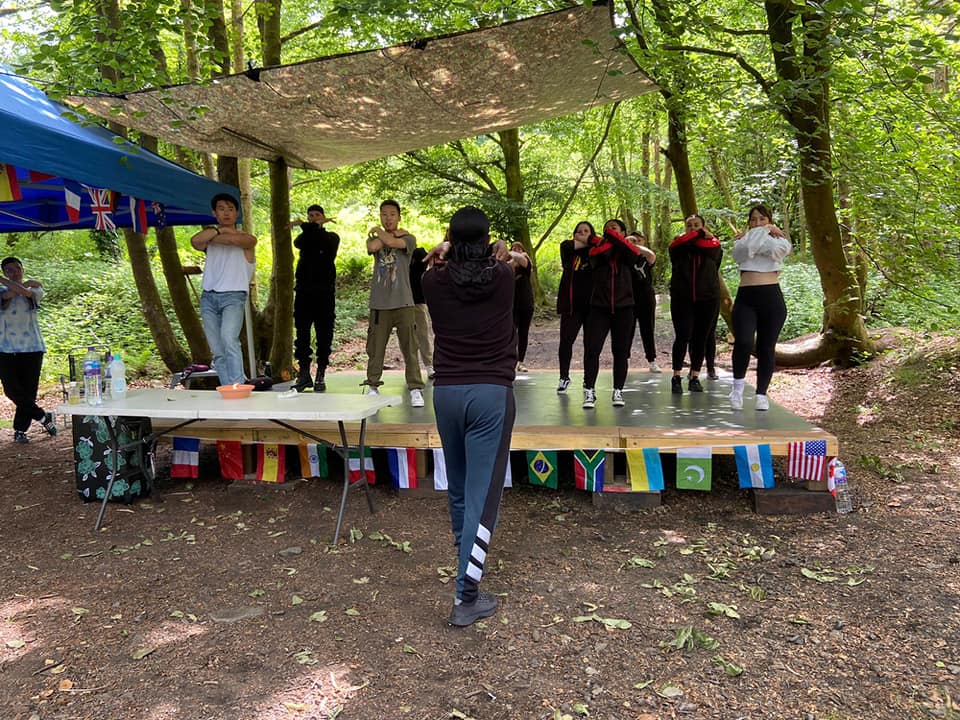
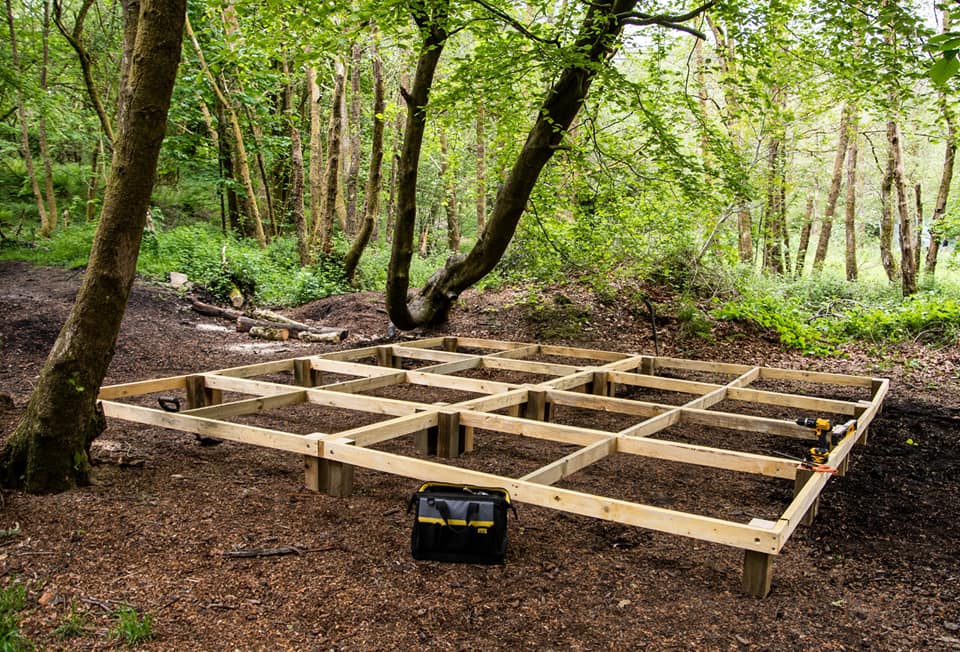
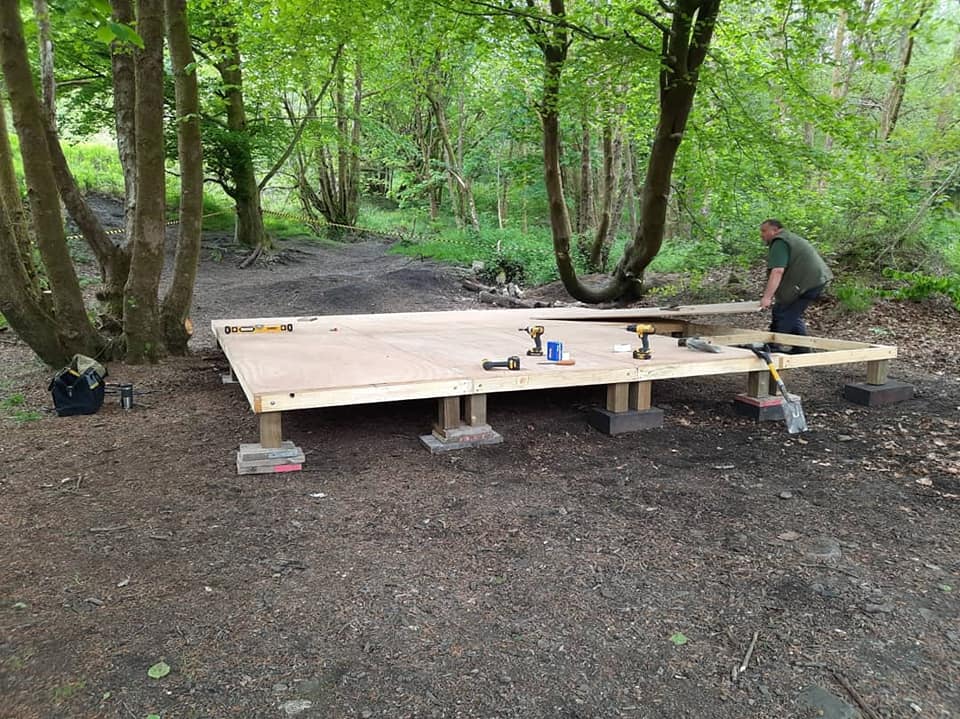
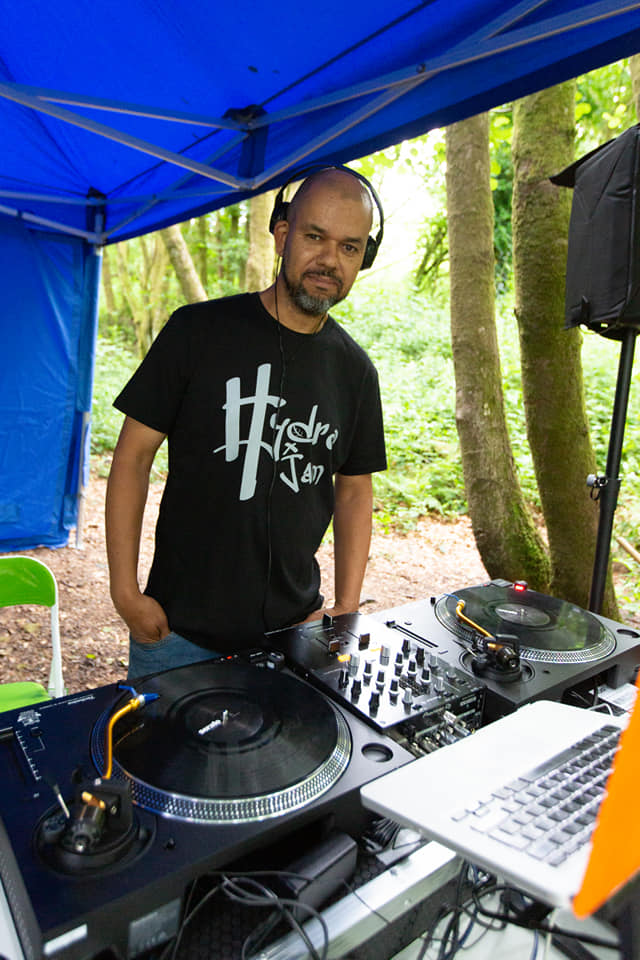
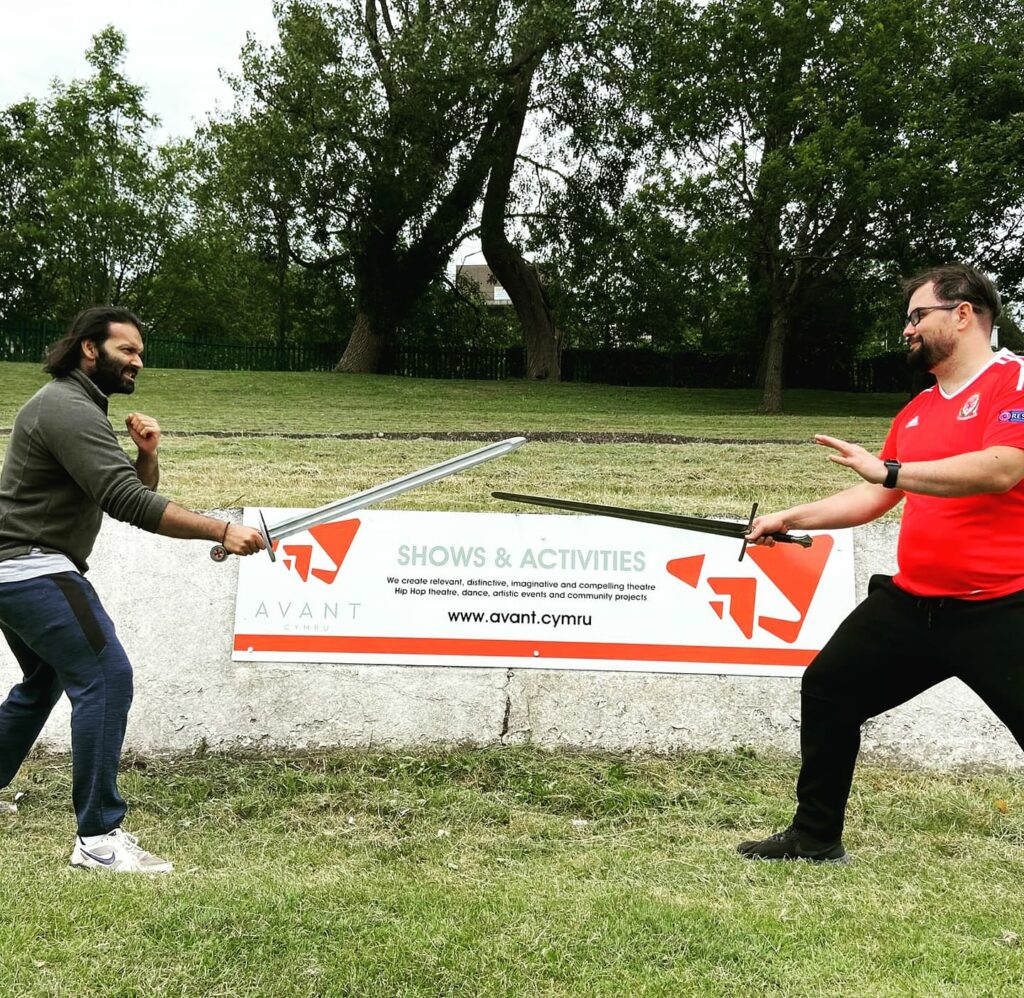
Avant Cymru, in partnership with the organisation brought the Hydro Jam event to Treherbert over several weeks during June and July. The event proclaimed a collection of creativity and activities, so many to note here. Marquees were erected to enhance the surroundings and supply covering in the event of changeable weather conditions, with refreshments and seating accommodated by hard working volunteers.
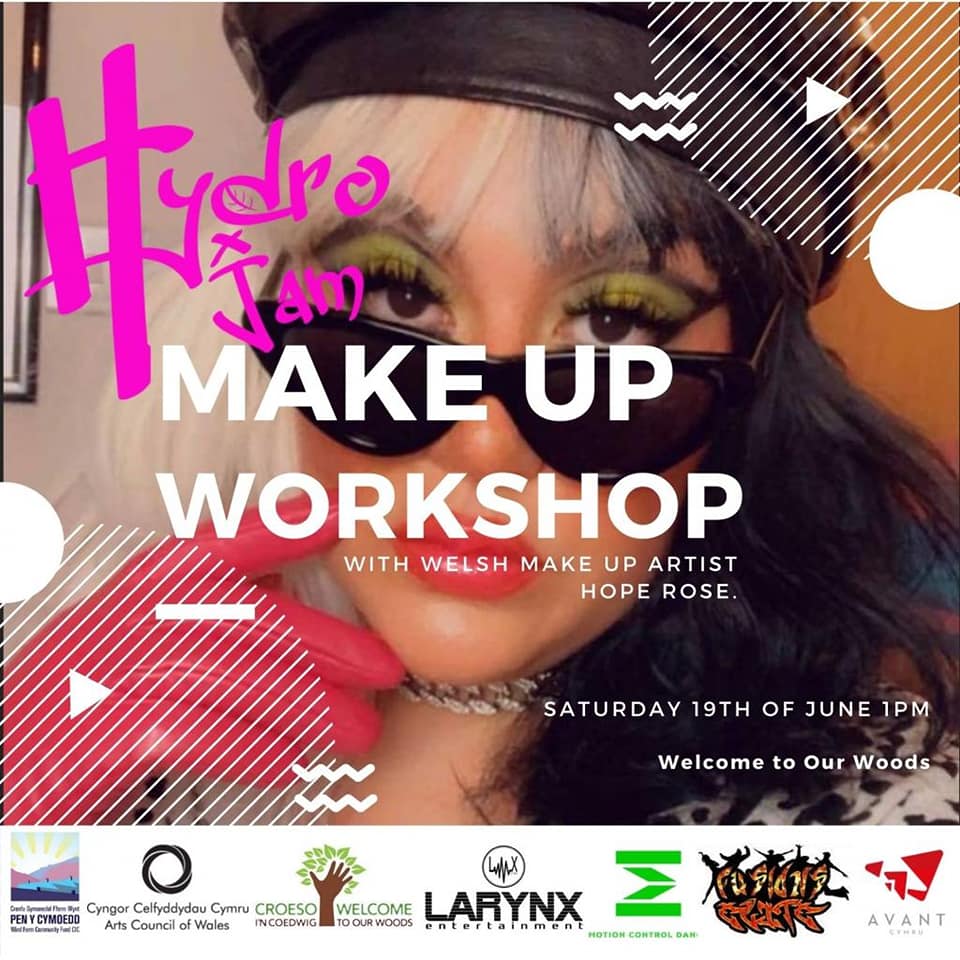
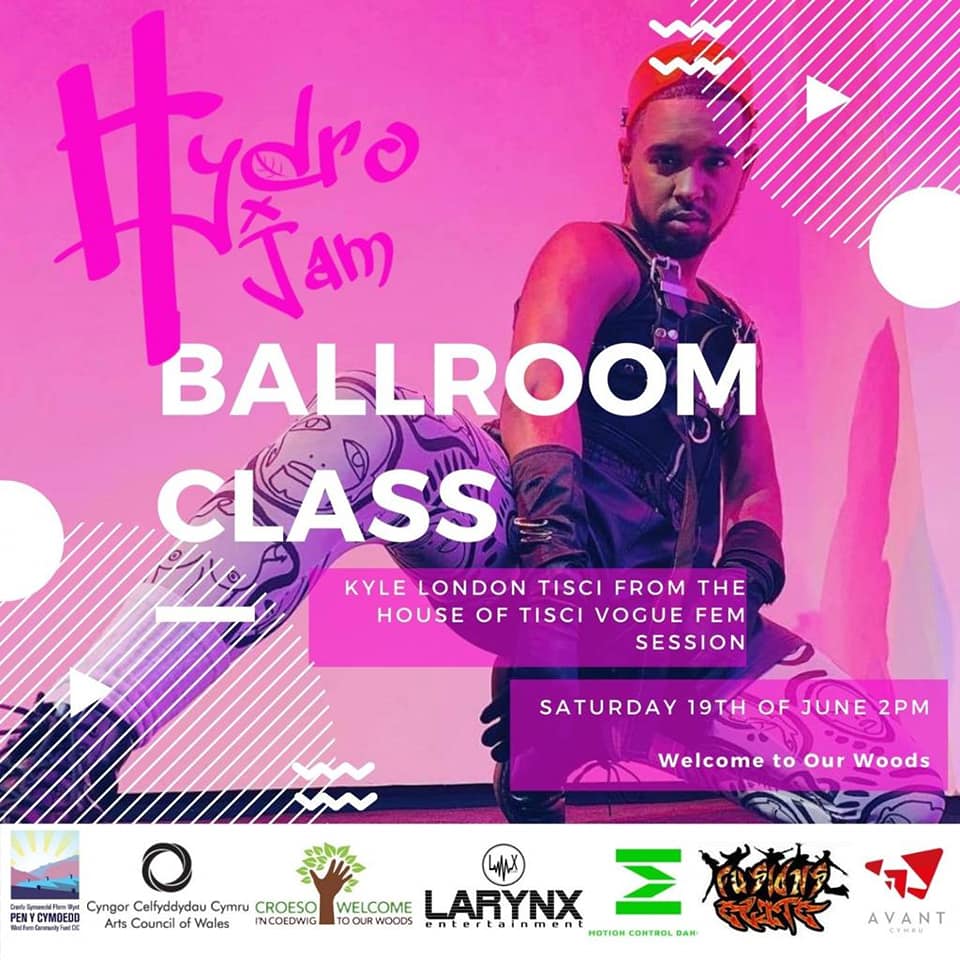
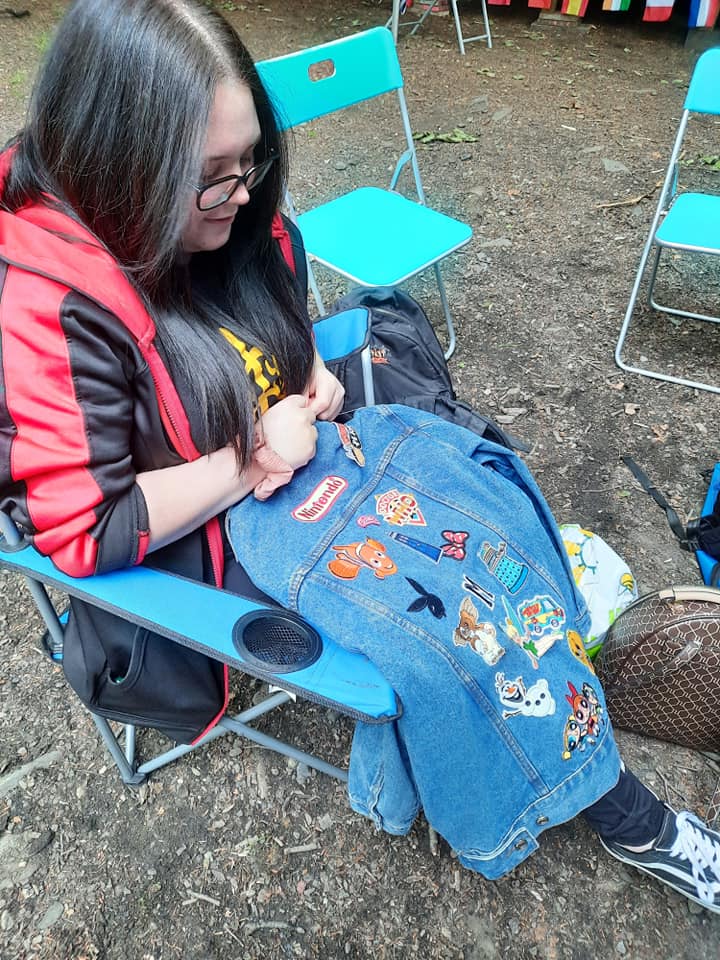
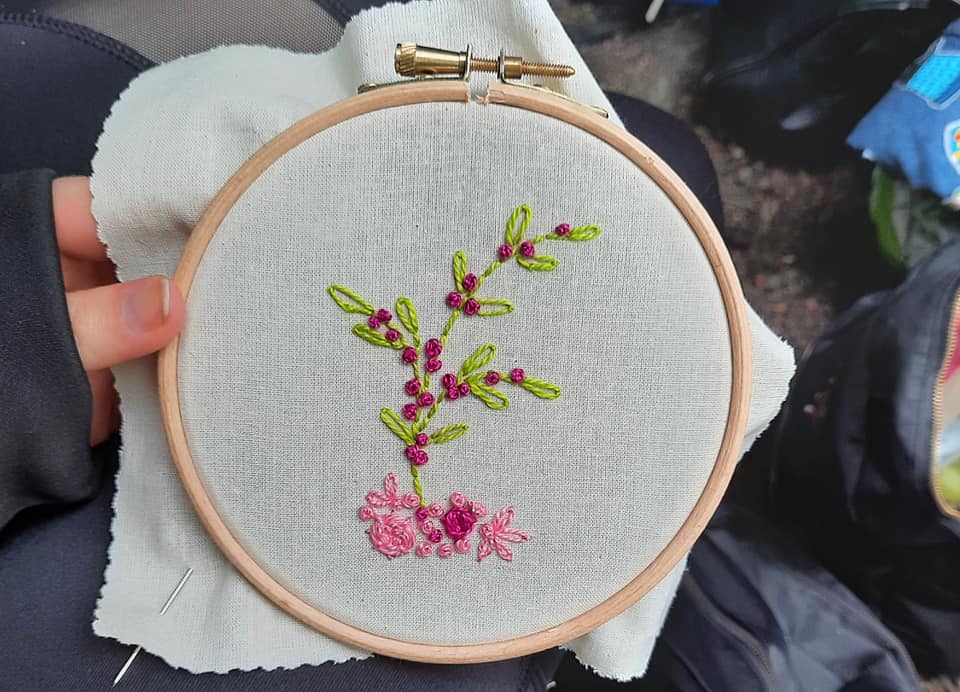
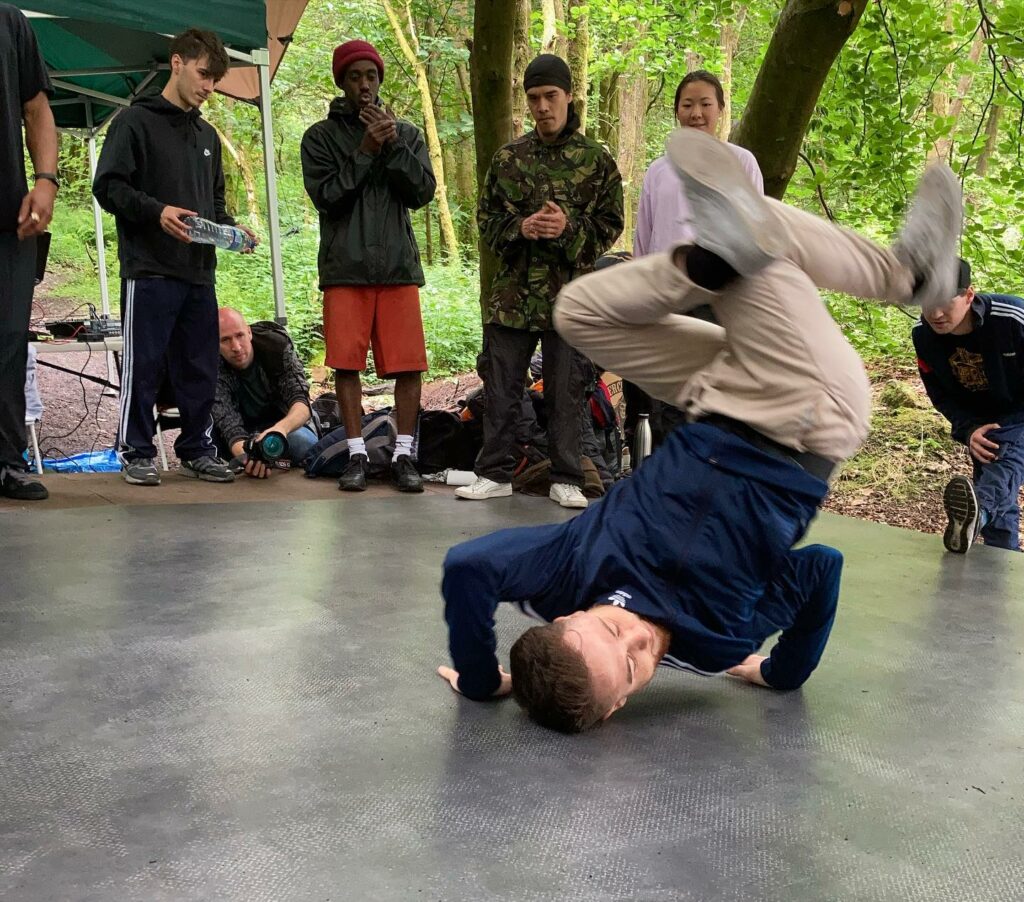
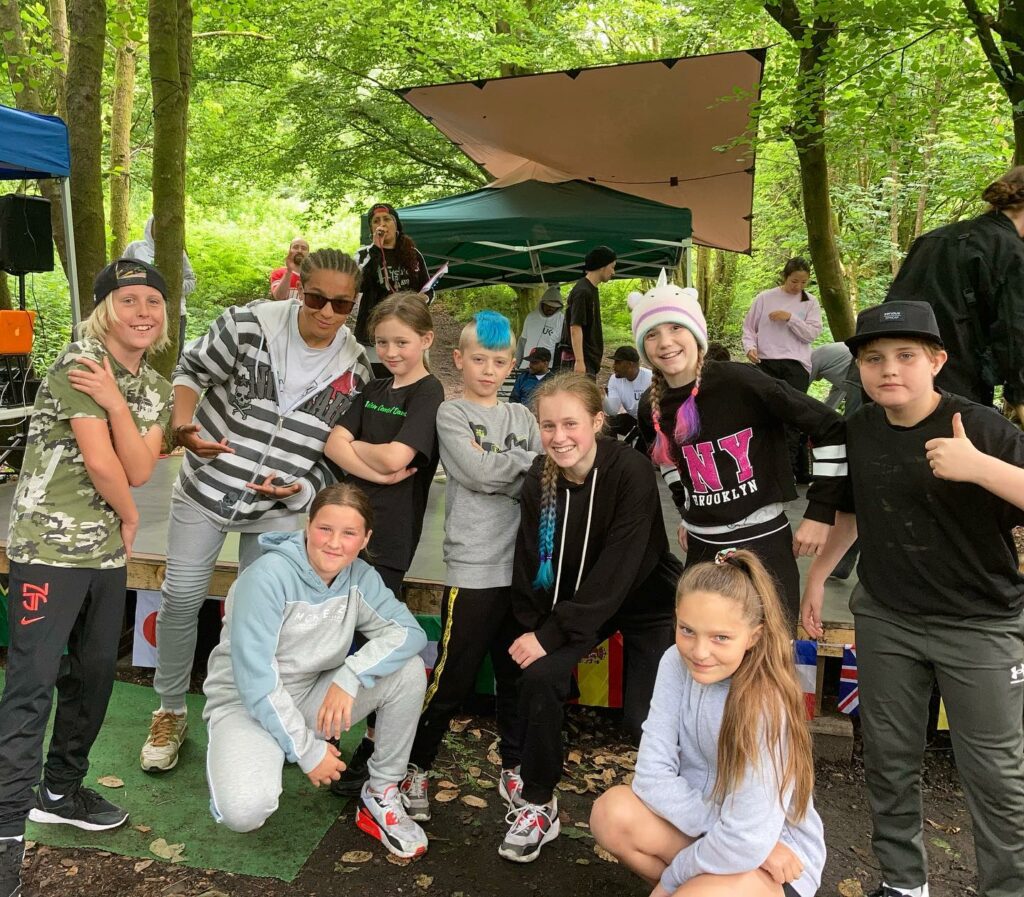
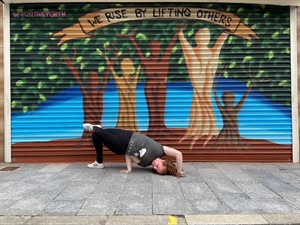
The event began with a dancing session bringing ballroom dancing to the forestry of flora and fauna, all taught on an outdoor dance floor and stage; then the BeatBox Boys added their specialty to the prize-winning Lewis Merthyr Band, combining the band’s brass instruments to the sound of the beat. “Cwm Rhondda” was never so melodic, with the ‘beat box’ technique adding to the enjoyment for both sets of performers. The event continued during the week with Sewing demonstrations, courtesy of Julie the Stitch, make up demonstrations, Zumba on Zoom, Pilates, BeActive, the Vogue group performed, there were Swing Sessions, plus demonstrations from young dancers all leading up to the eventual Hip Hop Jam Competition held on the very last day of the event.
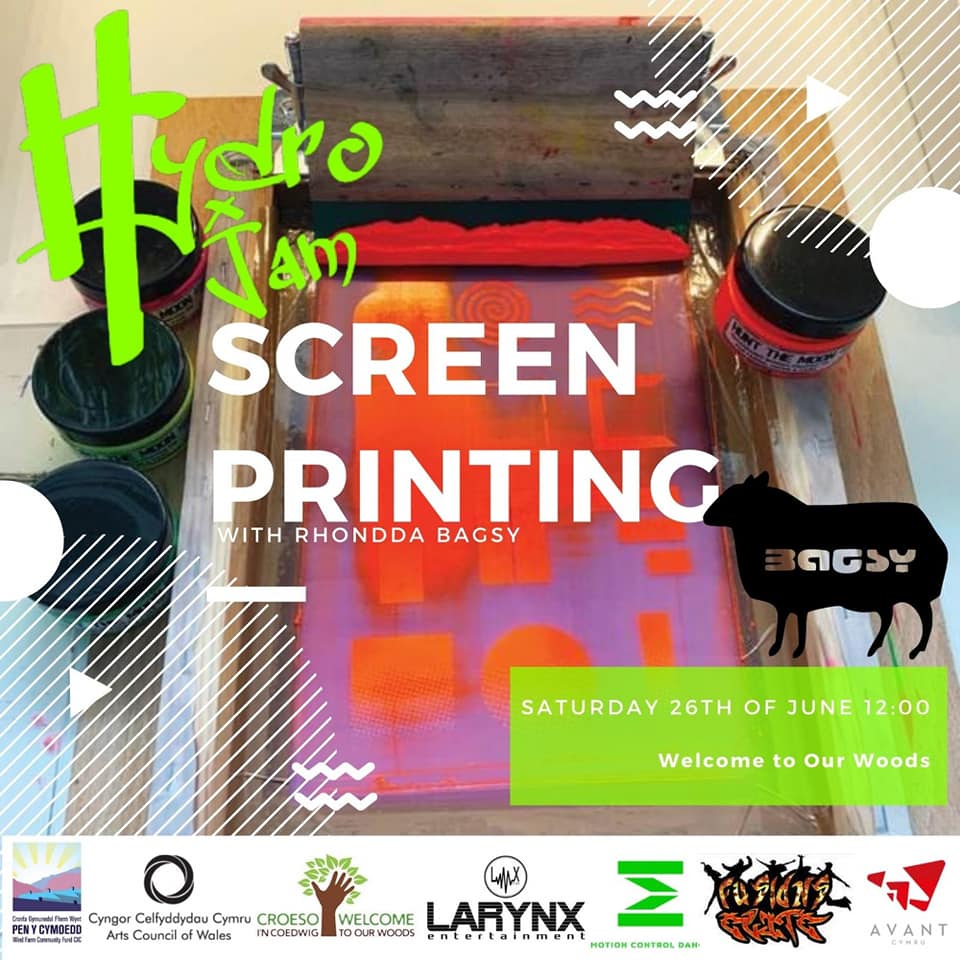
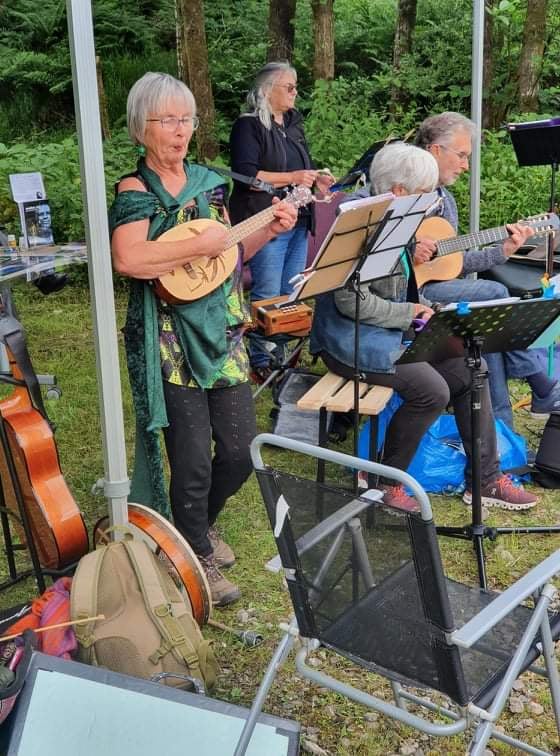
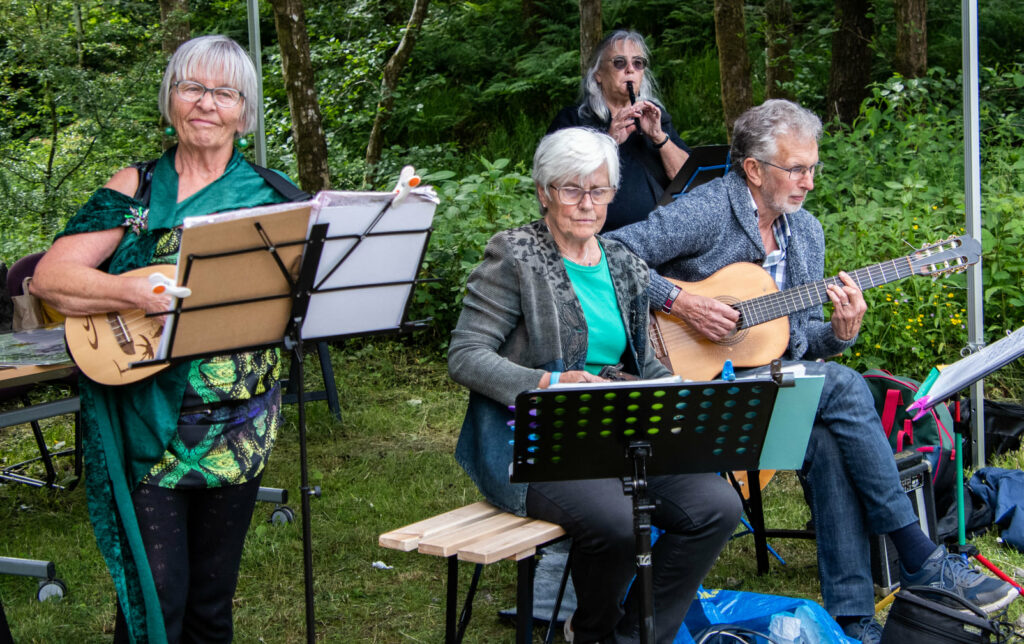
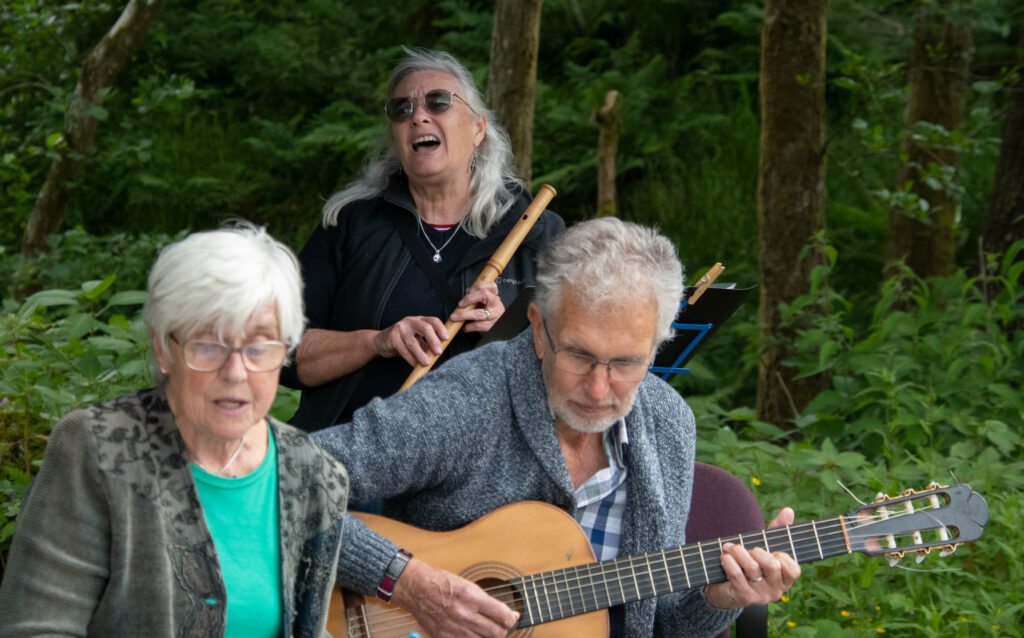
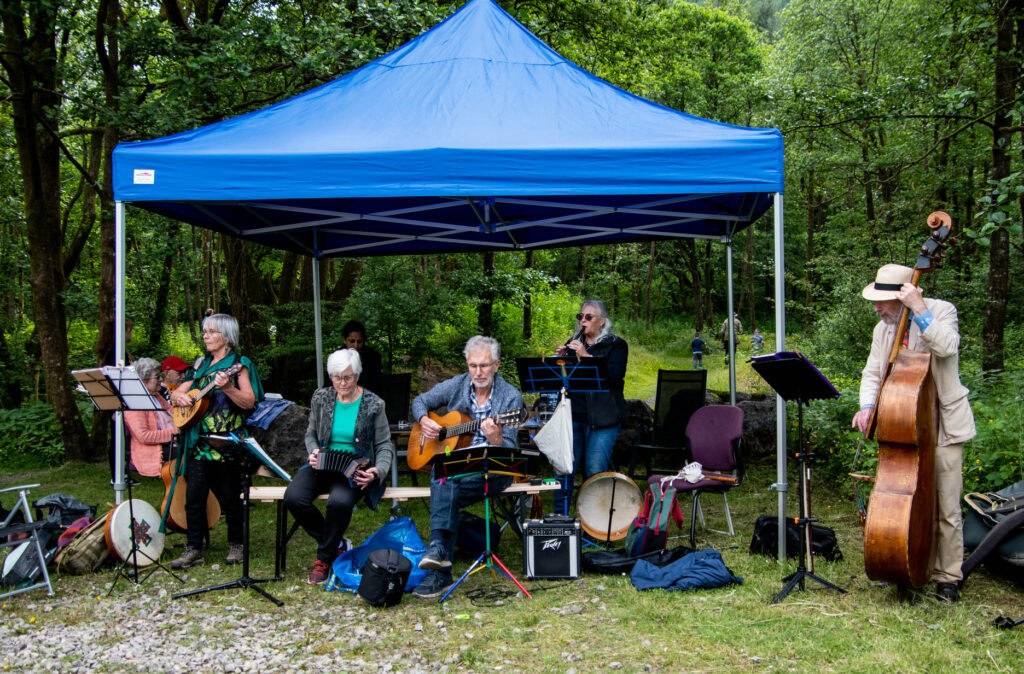
It was an eagerly awaited eco-friendly attraction of entertainment from local Rhondda Artists which included BAGSY, LLOYD the Graffiti master, SUZI JOSHI who produced some fantastic paintings on Perspex, Rap Cyphers presented by Larynx, together with the support of James and Bridie DOYLE-ROBERTS of Citrus Arts. The Bella Vista Coffee Club brought their folk and easy listening music to the event, performed by Helen Probyn-Williams, Sally Churchill, Gerhard Kress, Jim Barrett and Ann and Paul Hughes.
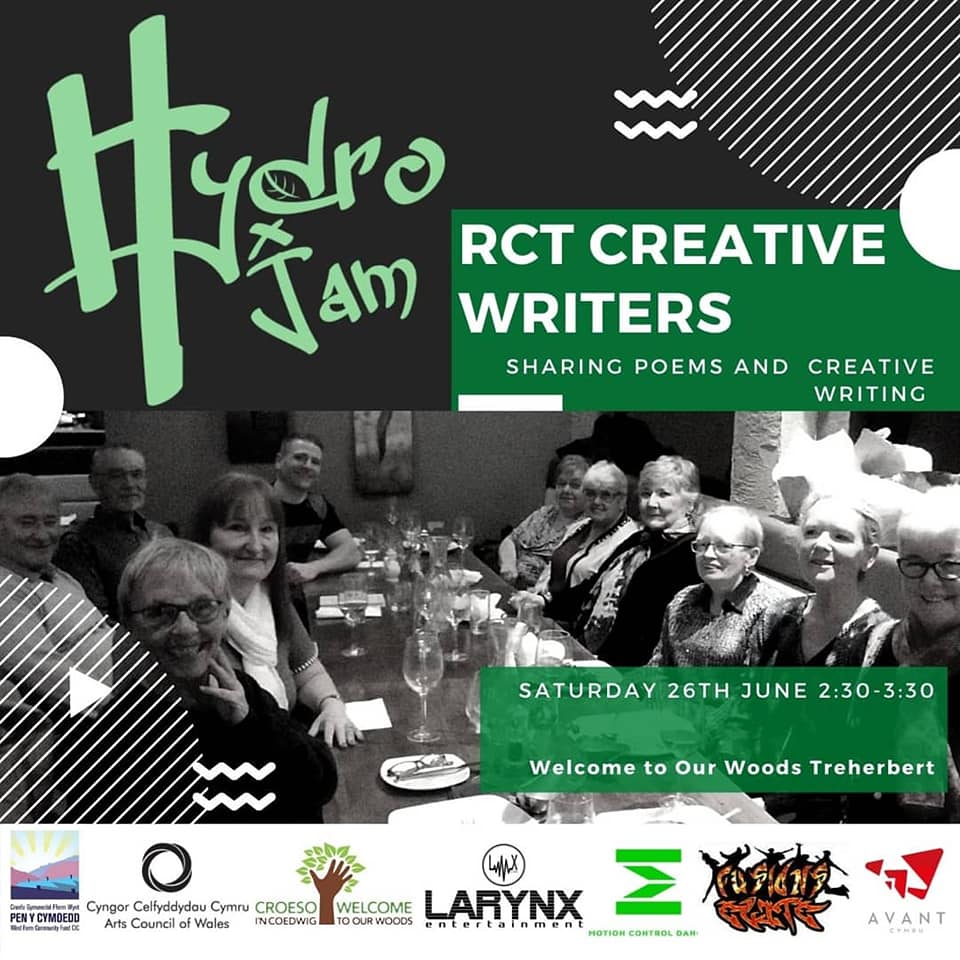
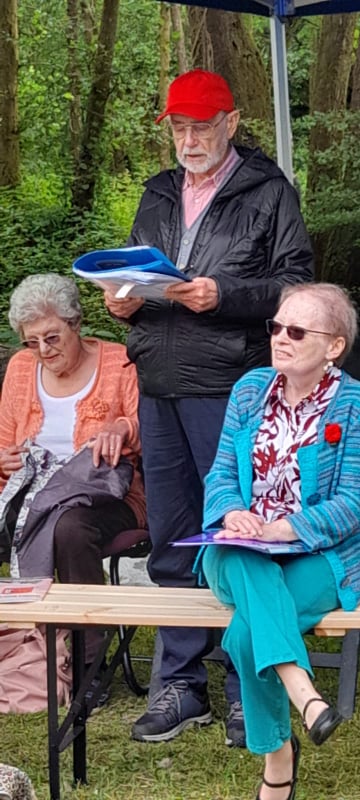
Members of RCT Creative Writers Group read their poems and short stories – who can forget the poet’s admission of being “A Naked Gardener”? (All said in fun highlighting the creativity of words).
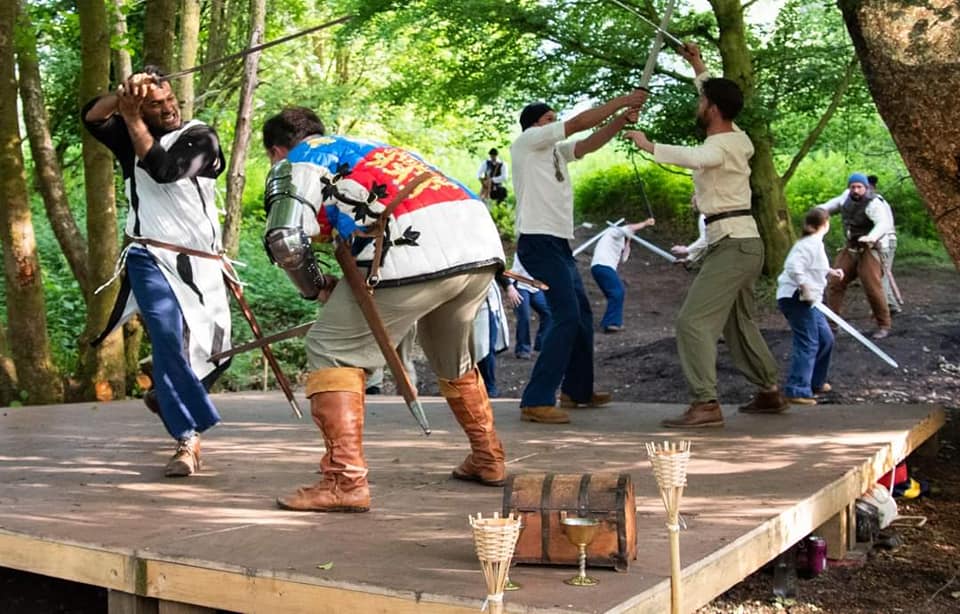
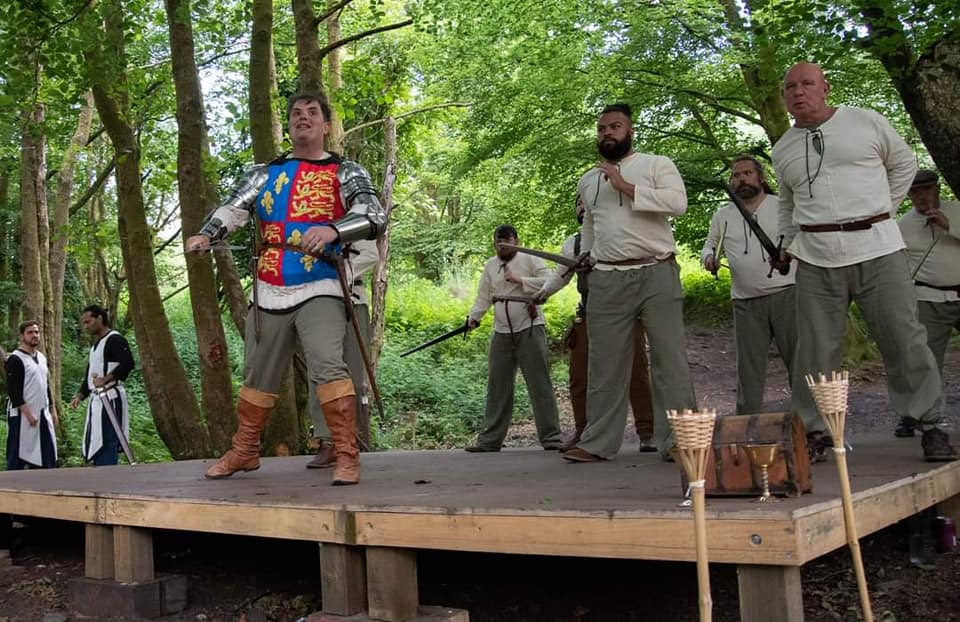
On one night there was a battle scene performed as a rehearsal for Avant Cymru’s forthcoming performance of Shakespeare’s Henry V.
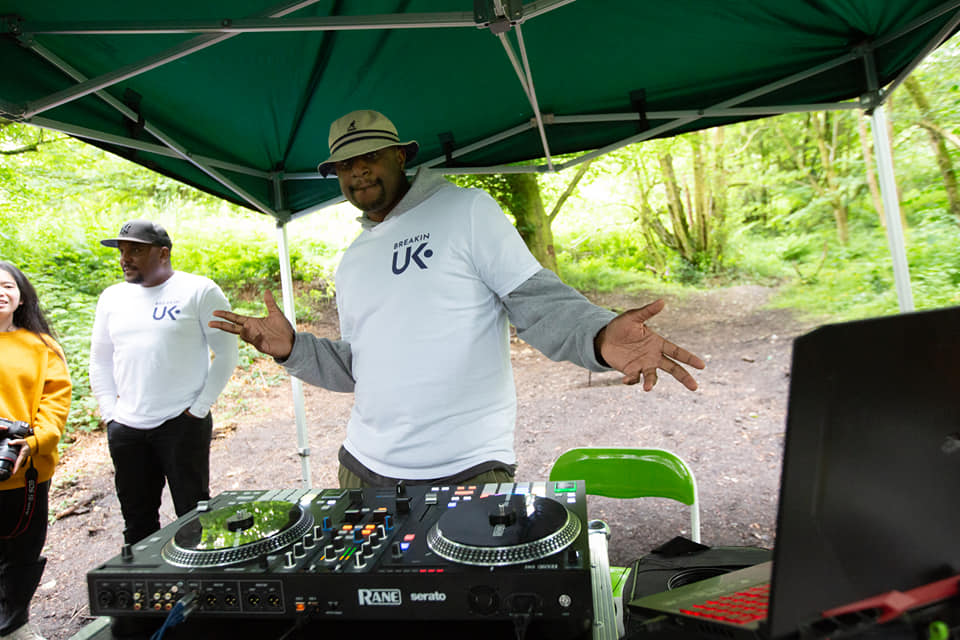
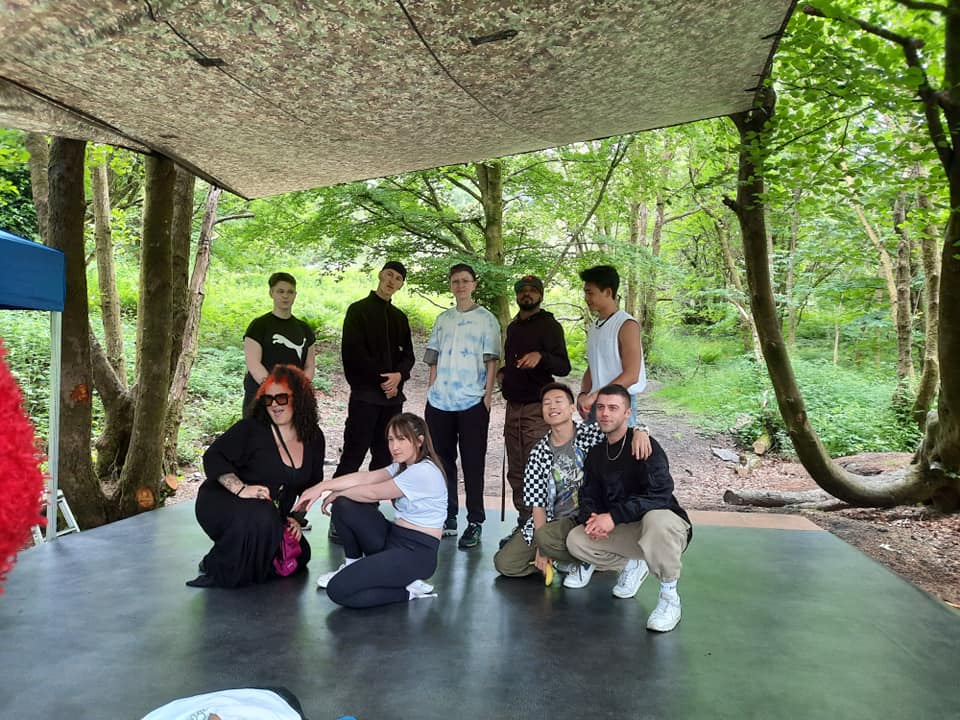
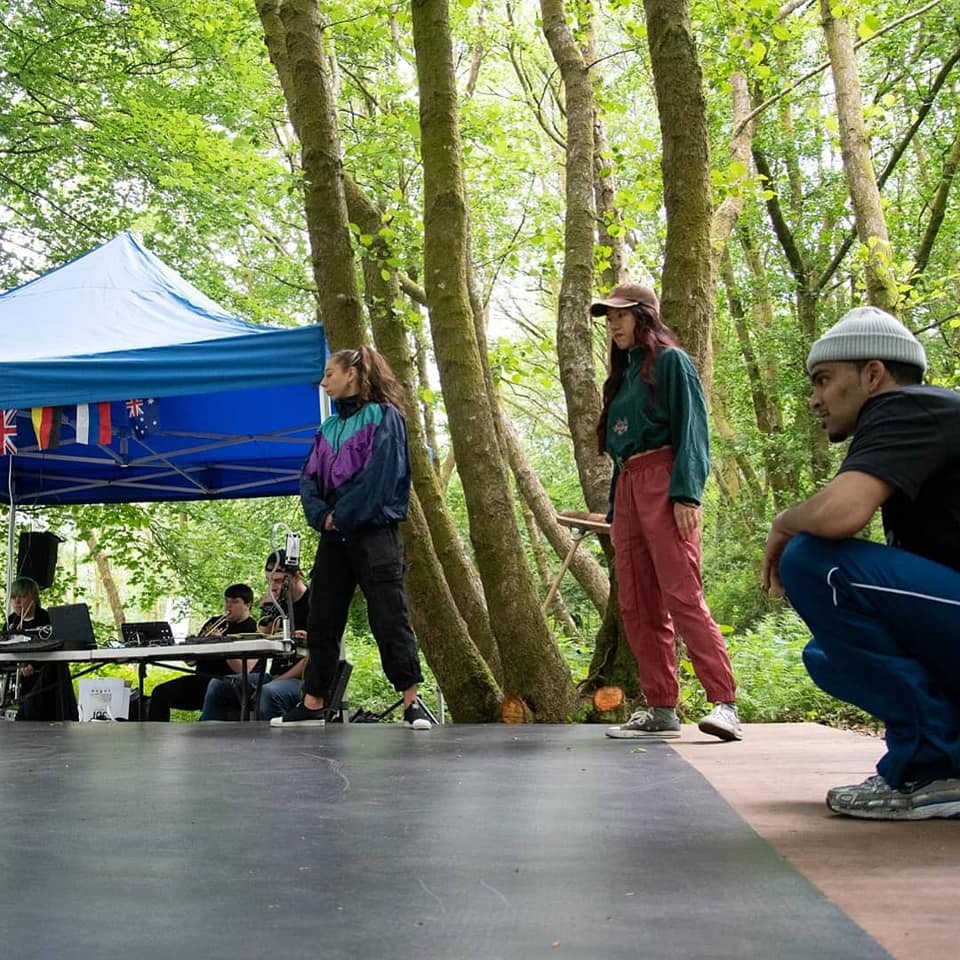
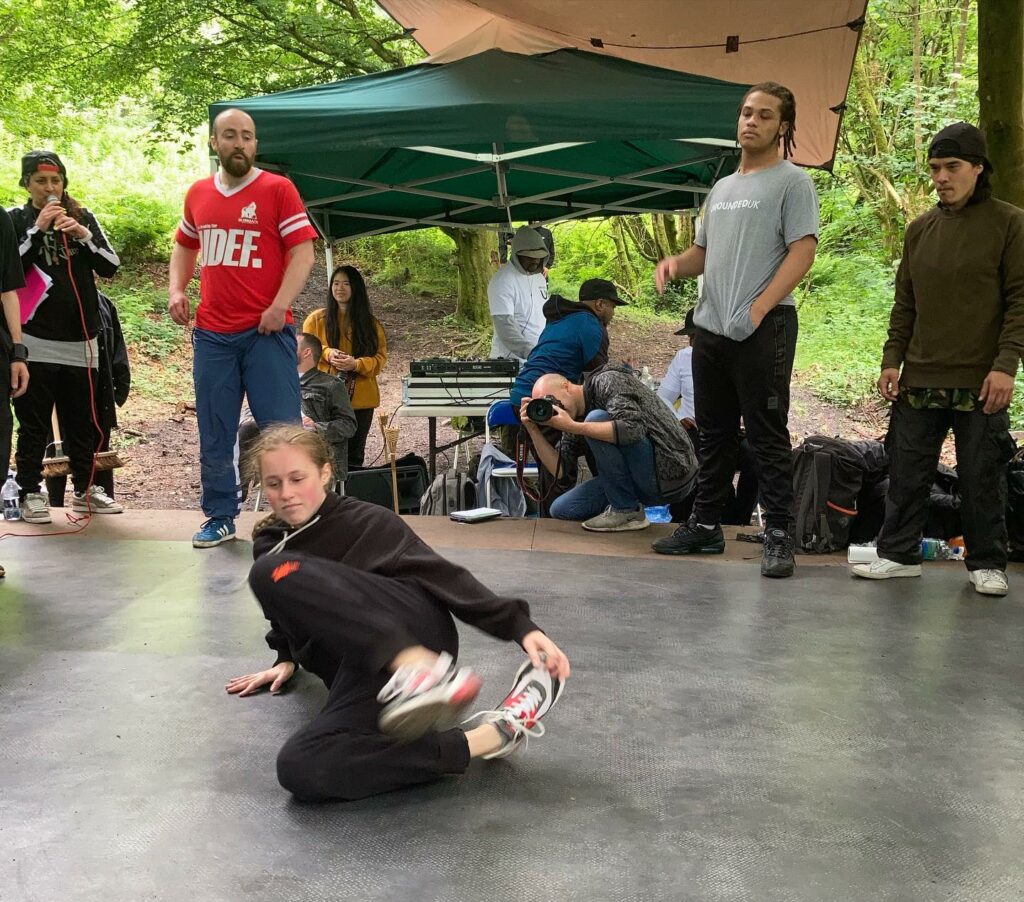
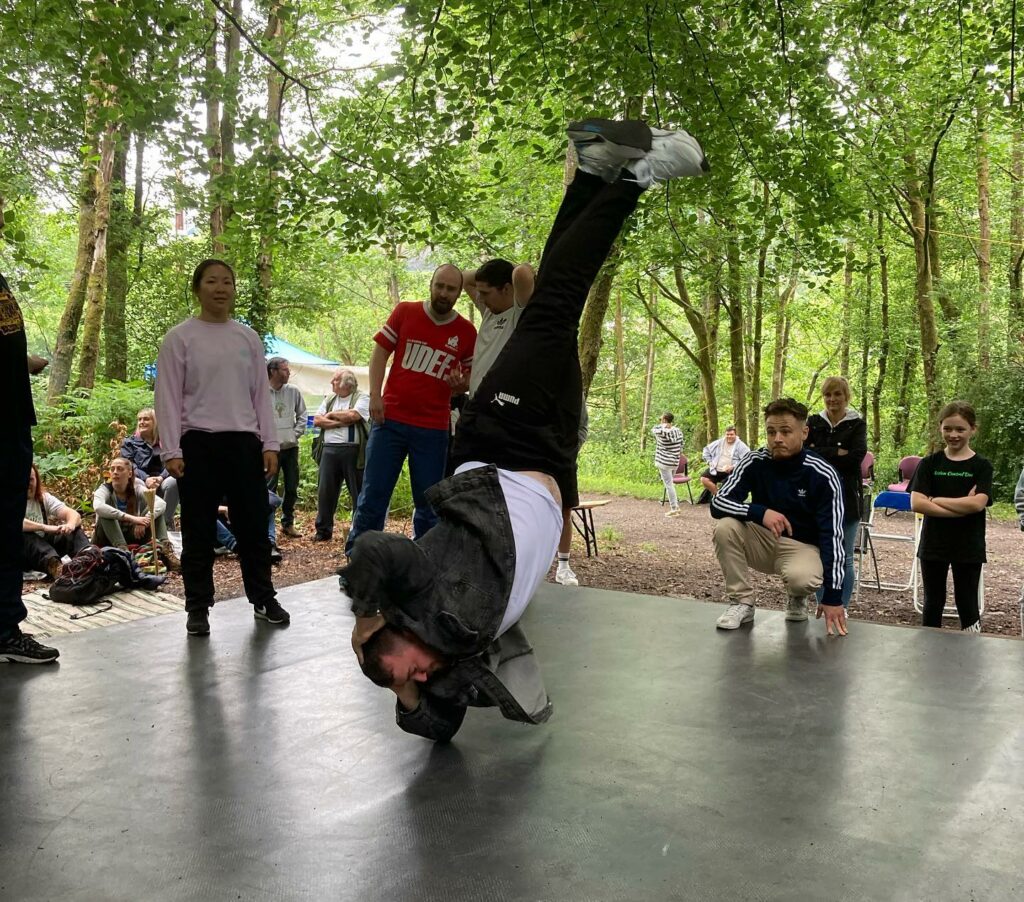
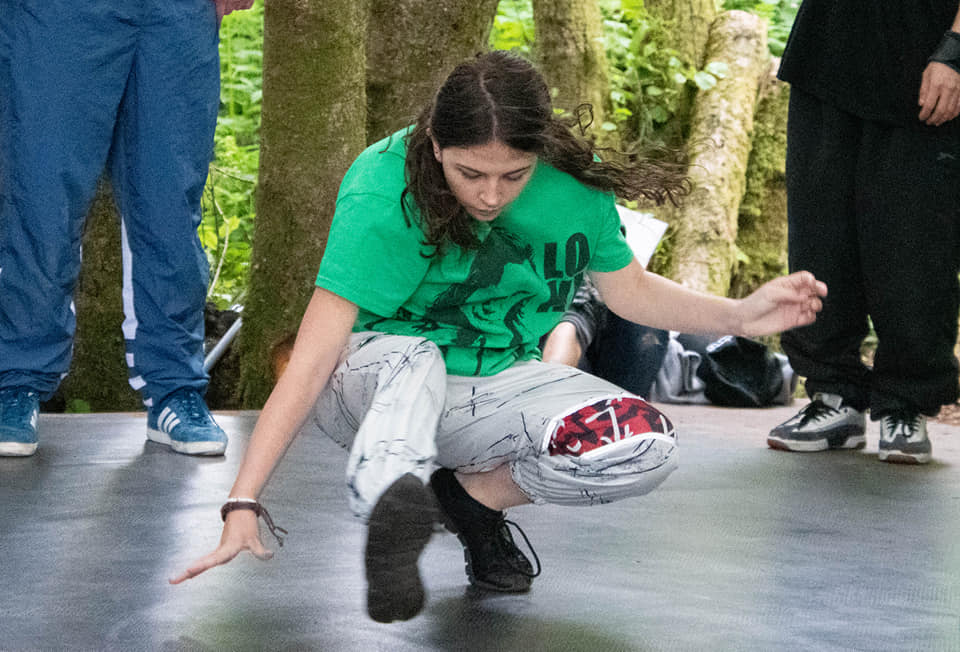
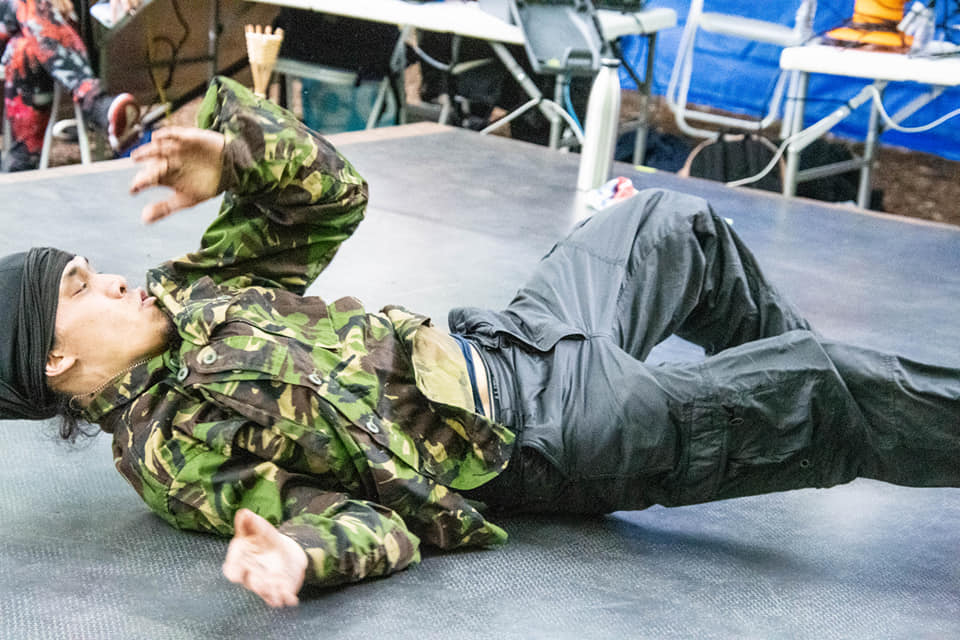
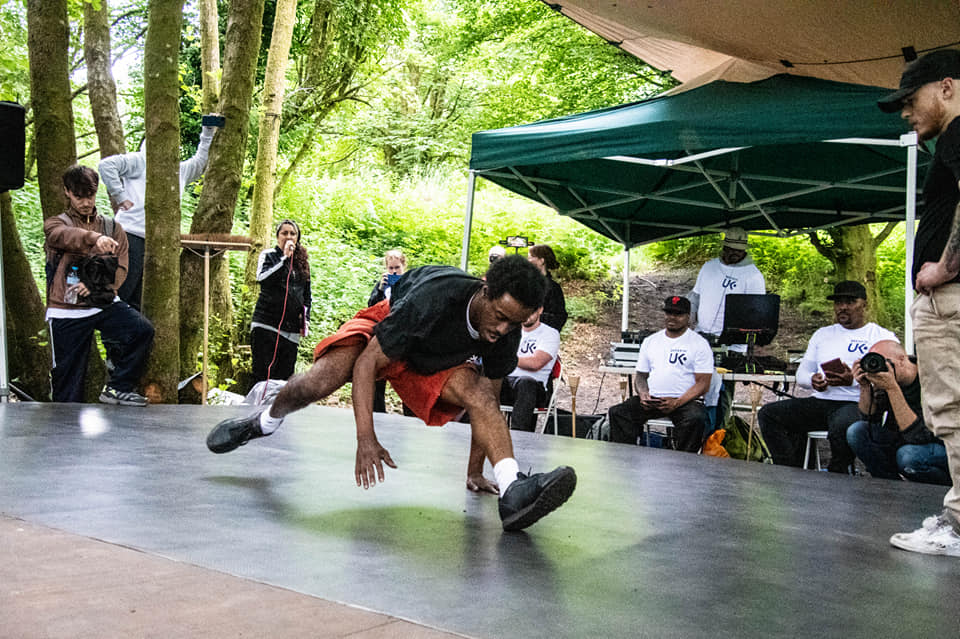
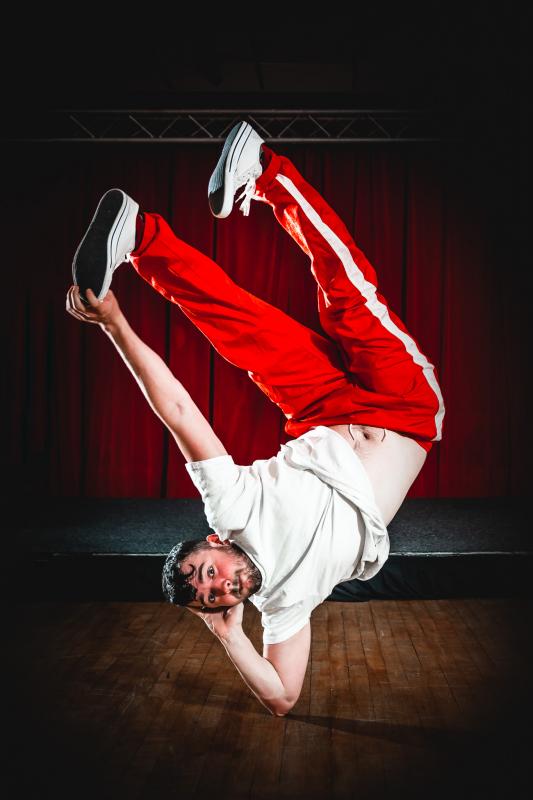
The last day was the culmination of much planning, hard work and ingenuity during this time of Pandemic. Welcome to the Woods arena, courtesy of Avant Cymru, saluted the UK Breakin’ scene with BBoys and BGirls from across the UK participating in the UK Breakin’ competition. How can I describe such enthusiasm flexibility and sheer joy of expression in one sentence? Enough to say I didn’t quite know what it was all about until this day, I now know I’m a fan. An incredible intergenerational gymnastic dancing spectacle (how the heck did they get into that position?) and what was more, everyone – and I mean every entrant was happily encouraging and congratulating each other on their routines. Let us just say it showed what taking part is supposed to mean.
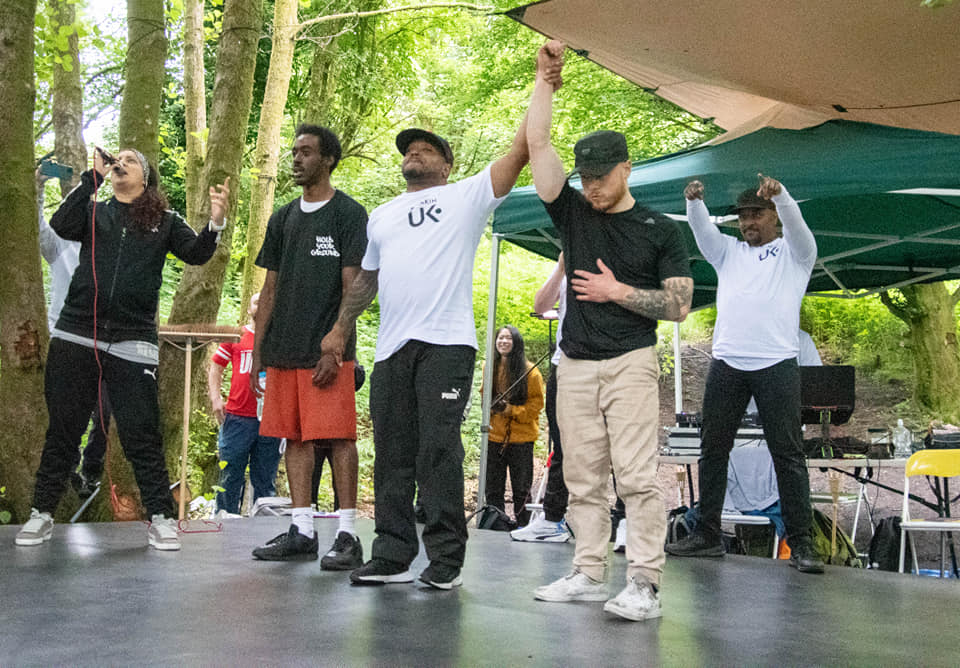
The final came down to BBoy Nene who had travelled from Birmingham and BBoy Callum from Cardiff with the ultimate winner being BBoy Callum who was a student of Emma’s Motion Control Dance Group of Barry. Representatives of the Breakin’ Organisation WOOSH had a lot to consider, (one had to be in quarantine for a fortnight as he had travelled from the Netherlands to be at Treherbert for this competition) there were three judges (who each performed their own routine to much appraisal) plus DJ Jaffa from Cardiff and DJ Silence. The anchor woman was BGirl Sunanda Biswas a Choreographer and Teacher from South London.
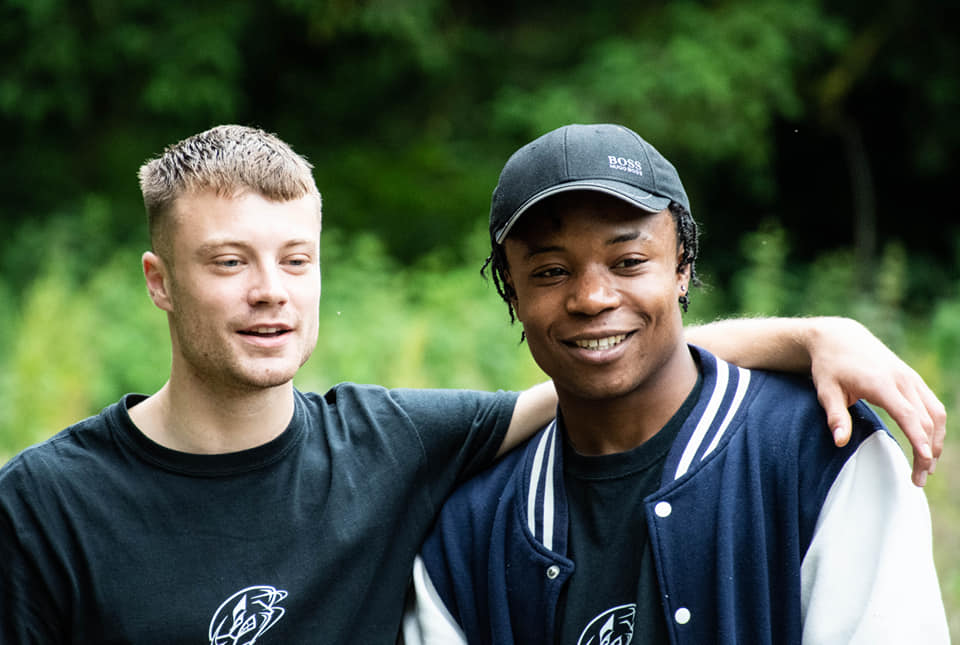
With thanks to all who provided the entertainment refreshments accommodation and an especially warm welcome to those who came to assimilate just who or what was where at Welcome to Our Woods.
Appreciation to Rachel and Jamie of Avant Cymru for the invitation to contribute as RCT Creative Writers Group Members to this event. To Gavin Owens for the media film and Lee Williams for the photographs.
The Valleys were alive with the sound of a community enjoying life and being entertained at the same time!
In this latest interview, Get the Chance member Gareth Williams chats to Welsh Country singer-songwriter Rae Sam. Their chat takes place in the form of a podcast, the first in a trial series in conversation with Welsh creatives. Rae talks about her debut album, The Great Escape, as well as songwriting, mental health, Welsh identity, and faith.
To find out more about Rae, visit her website here, or follow her on social media @raesammusic.
https://www.youtube.com/watch?v=hpag4UJNAu8
Get the Chance supports volunteer critics like Gareth to access a world of cultural provision. We receive no ongoing, external funding. If you can support our work please donate here. Thanks.
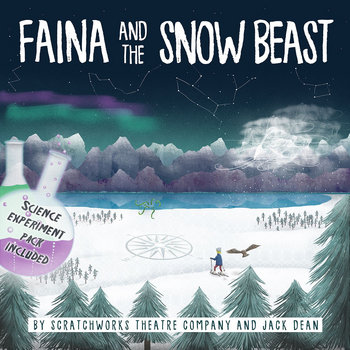
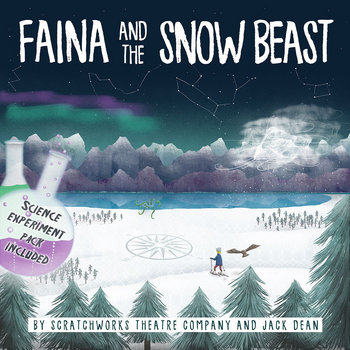
This year has been the year of the audio. Scratchworks Theatre Company have brought their original stage play, written by Jack Dean to an audio tale with accompanied Science experiments for children.
Combined in a couple of audio sections, Faina and The Snow Beast features the tale of an Orphan, Faina, who dreams of becoming a scientists. Raised by the owl who found her abandoned, Maud, who believes in the magical and extraordinary, the two, with the help of Faina’s mother’s journal, undertake the most exciting adventure full of trials and tribulations to find The Snow Beast.
The story is very easy to get into. Able to download, you can dip and dive into the story whenever you want to. With the talented voices of Scratchworks, a range of different character’s are animated within our consciousness with the use of accents and skillful voice acting, evoking images and fueling our imaginations of the character’s and their adventure.
Known for their brilliant voices and musical styling, Scratchworks bring in magical yet homely and folk like music to accompany the story, making the atmosphere and the story feel sensational, with a Disney-like quality to the story in drumming up visions of the adventure.
Punctuated with their science pack, children are able to listen to the story and are encouraged and inspired to follow Scratchworks and make their own scientific experiments. The story highlights that science and the extraordinary are not necessarily different to one another. Maud states something along the lines of why should you only have the choice of belief in science or of the magical and unusual. By bringing the two together in a theatrical story telling and with science to attempt, children and adults alike can enjoy the magic of science and stories.
Faina and The Snow Beast aims itself at children, but adults are also fully taken away to far away lands, flying in hot air balloons and feeling the blizzardy atmosphere The Snow Beast creates. A joyous and sensational story.
Hi Simone great to meet you, can you give our readers some background information on yourself please?
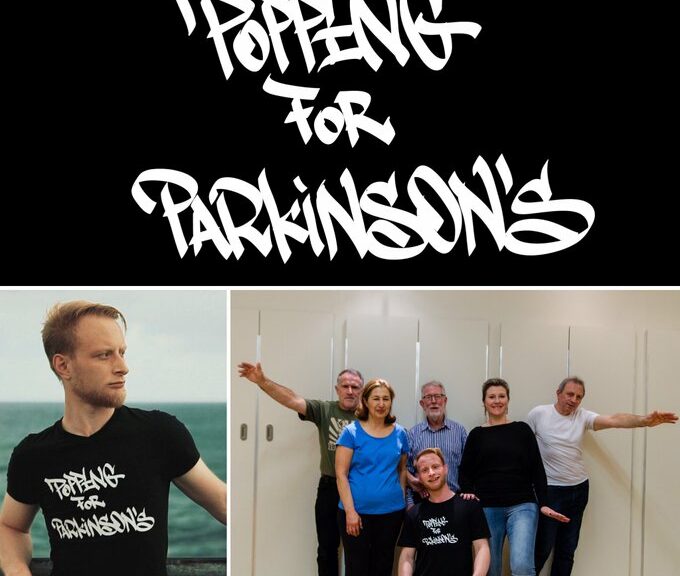
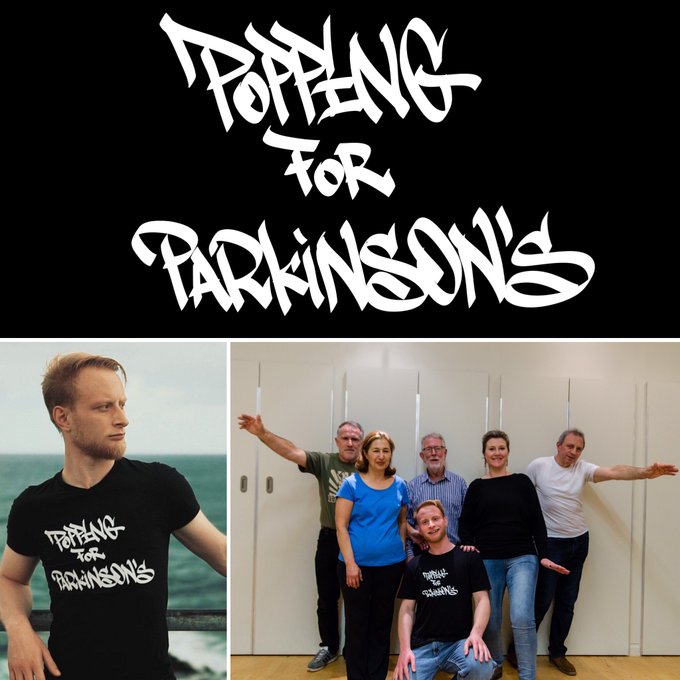
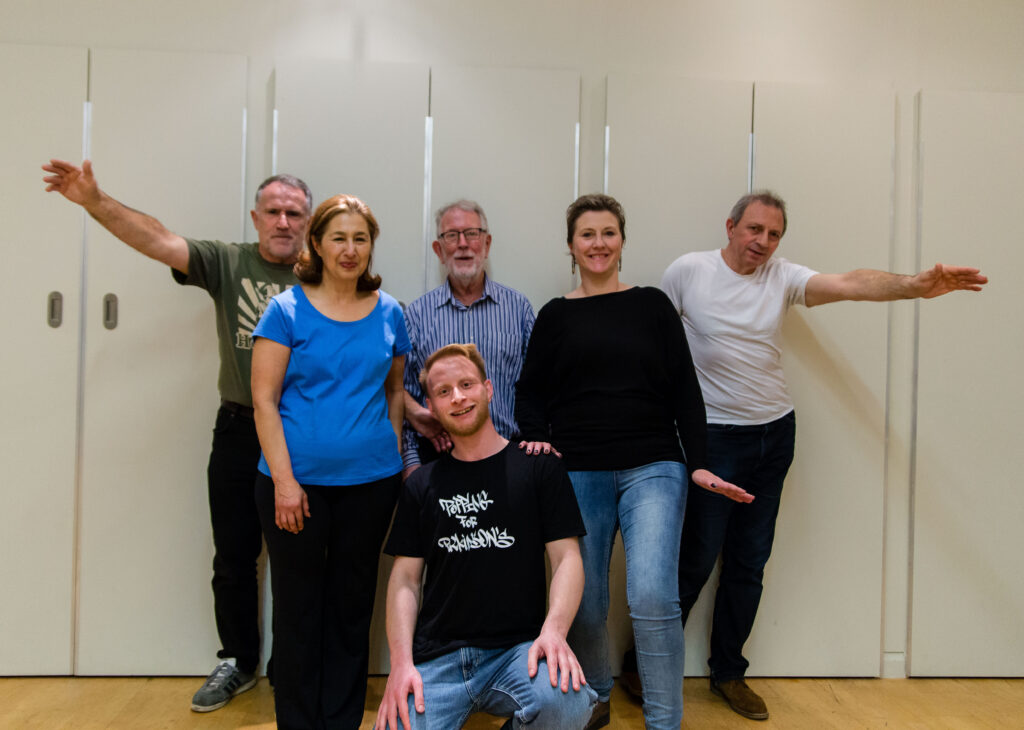
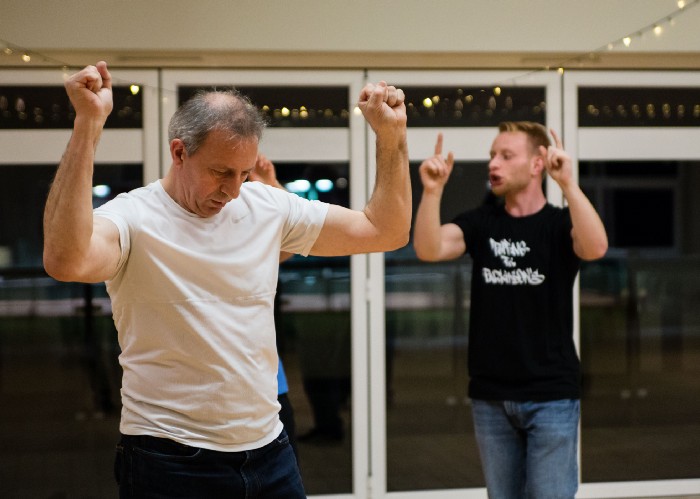
Thanks for having me! I am Simone Sistarelli, and I am the founder of Popping For Parkinson’s ®, a project that transforms Parkinson’s patients into Popping dance students. I am passionate about inspiring people. I am a dance artist, a social entrepreneur, a musician and public speaker. I am in the Universal Hip Hop Museum Hall of Fame for my contribution to Hip Hop Culture.
I have a BA in Contemporary Dance from Trinity Laban and an MSc in Dance Psychology from the University of Hertfordshire.
What got you interested in the arts?
I fell in love at first sight with dancing at age 10, and I have not stopped being in the arts world since! The arts are an incredible vessel of expression, and they feel liberating to me.
You have been running Popping For Parkinson’s since 2015. On your website you describe your approach as
“Using Popping dance techniques as an innovative therapeutic tool for improving the physical condition of people affected by Parkinson’s disease. Participants see improvement in their natural movement capacities, but also gain confidence, feel less socially isolated and have fun.”
It sounds like a fascinating approach. Where did the project originate?
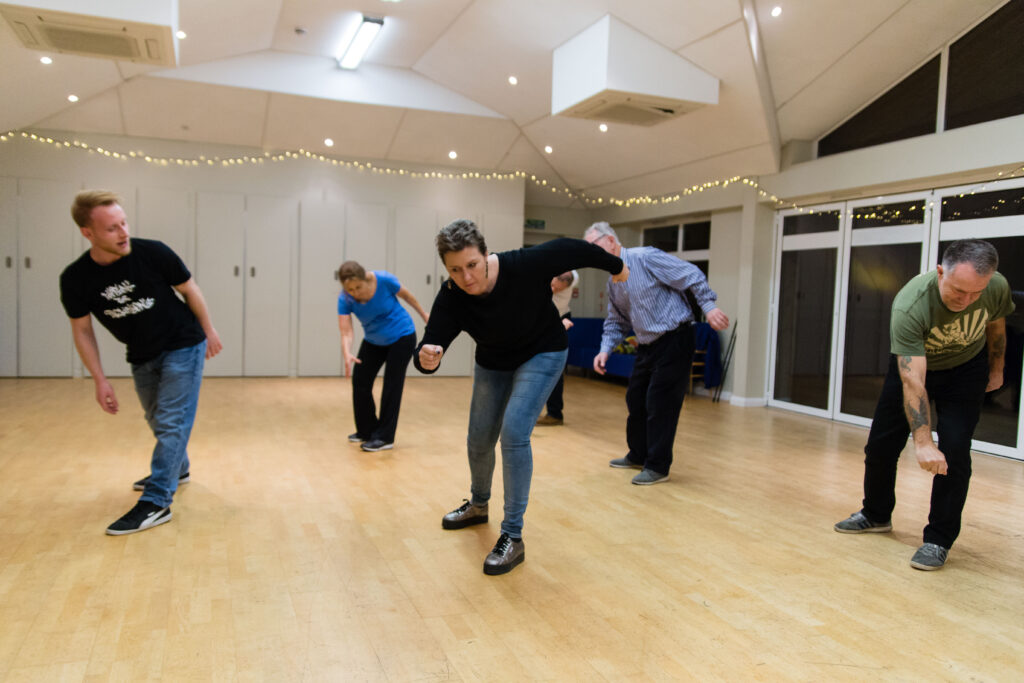
I had the original idea in 2012 while training at Trinity Laban Conservatoire. It originated as a result of various inputs, from my granddad having Parkinson’s to the similarities between the Parkinson’s tremors and Popping dance. I thought: people with Parkinson’s shake without the beat;I train my whole life as a Popping dancer to shake to the beat. In my head, people with Parkinson’s could turn their symptom into a superpower! After years of research on Parkinson’s, dance, music therapy, dance therapy and more, I developed a methodology, started a collaboration with SLYPN (South London Younger Parkinson’s Network), I offered the first dance class as a trial run, people loved it, and we haven’t stopped since!
How does someone get involved, do they need to have any prior dance experience?
Absolutely no prior experience is needed! People can simply sign up for the online classes through our website and join us!
How would you like the project to develop?
There are around 10 million people with Parkinson’s worldwide. The ultimate aim of the project is to reach all of them and empower them all to become dancers! In practical terms, I am working on future developments by exploring different ways to reach people, from writing a book to creating dance tutorials (both on streaming platforms and DVDs), creating bespoke music for dance classes and more.
You might not normally think of Hip-Hop culture and Parkinson’s as strong partners. What has the reaction been to the project in the Hip Hop community?
My work has been recognised by the Universal Hip Hop Museum, the ultimate dream for anyone in the Hip Hop community. I hope I can inspire people in the Hip Hop world as much as Hip Hop inspired me in the first place.
There is a lack of Diversity in mainstream cultural provision. Do you think your project has connected with people who might not normally think of themselves as Dancers?
Yes! Dance is so much more than solely performing, and appreciating that is key to inviting more people to improve their life through social artistic movement.
Music is a key element of Hip Hop. How do you select the tracks to use in your class and if you had to choose one, what’s your favourite?
As a musician myself, I carefully choose the songs for my classes. I know the impact that a good tune can have! I am a record collector and I have a vast collection of songs to start from, then depending on the theme/mood of the class I will pick the most appropriate songs. Songs can go from classic Popping tunes (Cameo, Zapp) to Popping beats (Slick Dogg, Beatslaya), from recent Electro-Funk releases (Mofak, Makvel) to my own music productions.
Asking for a favourite song/album to a collector is like asking for the favourite child to a parent, it’s impossible to answer! One of the songs that I keep going back to though is Brass Construction’s “Get up to Get Down”.
Get the Chance works to support a diverse range of members of the public to access cultural provision. Are you aware of any barriers that people living with Parkinson’s face to access dance and your organisations work? If you have identified any, have you been able to reduce these barriers in any way?
People with Parkinson’s face several challenges on a daily basis. Some of these limitations are specific to accessing dance classes. We did encounter some of them and we tried to reduce the impact that they had. One example was offering both seated and standing classes, so that people with limited mobility can access Popping dance (which tends to be a standing dance style).
Another limitation was costs, so from the very start of the project we offered the classes free of charge for participants (thanks to the support of funders such as the Mayor of London Sadiq Khan and the National Lottery Community Fund).
Now that classes are online only for obvious reasons, barriers are different. For example, commuting to class can be challenging for people with Parkinson’s, yet this particular limitation is not present online. At the same time, online classes present other barriers, such as technological knowledge, Zoom fatigue, access to broadband (especially for older people). We want to expand and offer several ways of participation, from interactive classes via Zoom to pre-recorded classes on YouTube, from dance tutorials to DVDs (coming soon) in order to minimise the impact that barriers create to people with Parkinson’s. It is a constant work-in-progress.
The video below is a taster video of a Popping For Parkinson’s Class
With the roll out of the Covid-19 vacancies, the arts sector is hopeful audiences will return to venues and theatres. If theatres want to attract people living with Parkinson’s what do you think they should do?
Venues should understand the needs of people with Parkinson’s in order to accommodate them, making sure that venues are accessible and that staff are trained accordingly.
If you were able to fund an area of the arts what would this be and why?
All of them! But if I had to choose, I would dedicate way more funding to the phenomenal individuals that dedicate their lives to supporting people through artistic expression. The value that individuals bring to the arts is immense, and without them organisations could not thrive.
What excites you about the arts at the moment?
Two main aspects really inspire and excite me at this stage. One is dance science, getting a deeper understanding of the relationship between arts and health, as I believe there is unlimited potential there.
The other one is the creation of new cross-disciplinary experiences that engage a diverse audience through the combination of several media (for example, from the genre-defying dance film TOM by Wilkie Branson to choreographing for drones).
https://vimeo.com/wilkiebranson/tomtrail
What was the last really great thing that you experienced that you would like to share with our readers?
Seeing my students come to class with severe difficulties and then leaving energised, smiling and confident is an experience I still cannot get used to after many years! The power of dance truly is remarkable, so much so that sometimes it feels magical!
Thanks for your time Simone
Thank you
You can checkout the PoppingFor Parkinsons Spotify playlis here
Creating opportunities for a diverse range of people to experience and respond to sport, arts, culture and live events. / Lleisiau amrywiol o Gymru yn ymateb i'r celfyddydau a digwyddiadau byw



 (4 / 5)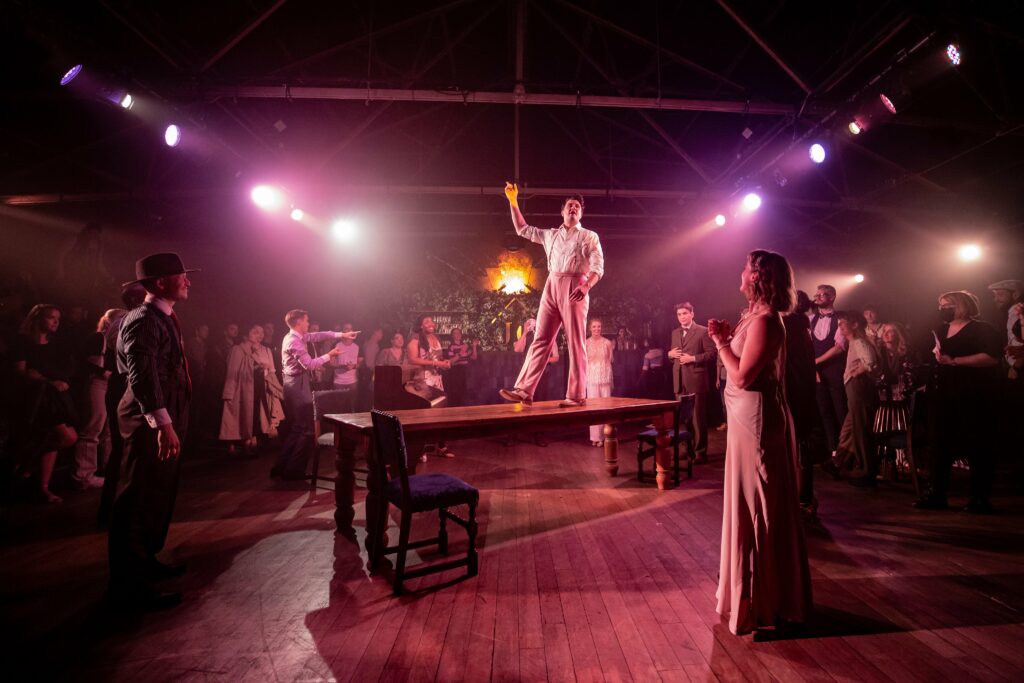

 (3 / 5)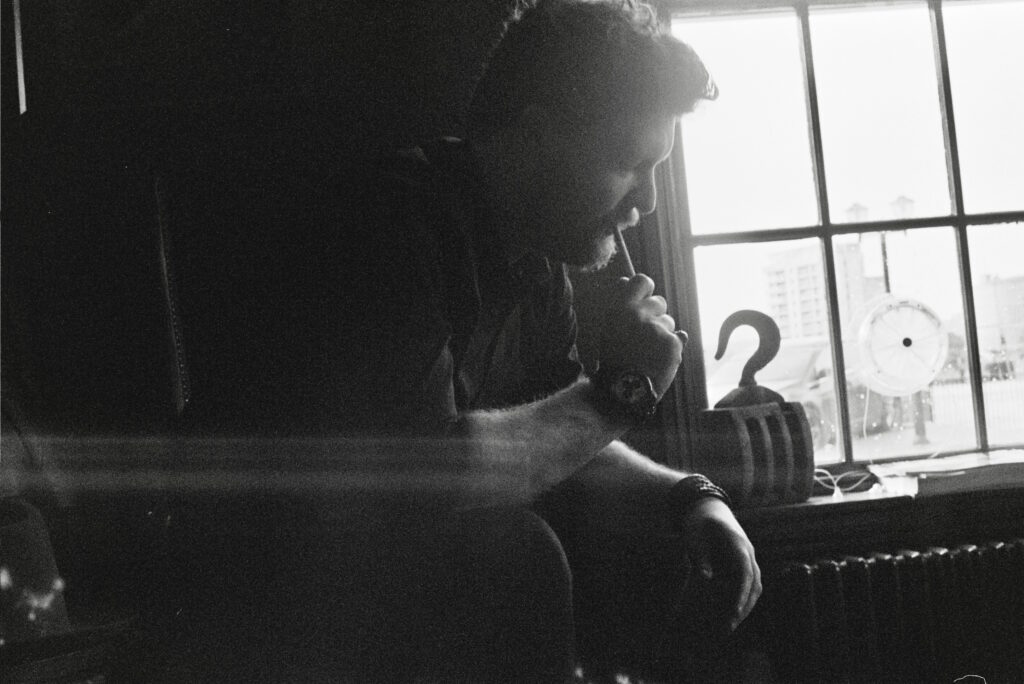
 (5 / 5)