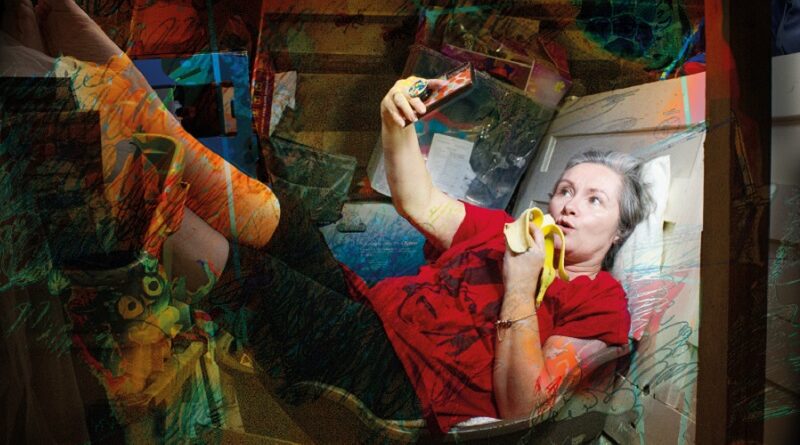
We’re looking for someone to write or sign a creative review of the BSL interpreted performance of Ocean. You don’t need experience, you don’t need qualifications, just a willingness to tell us what you liked about the show and what could have been better.
You can send your review as a BSL video or a piece of writing. It will feature on the Get the Chance website and we’ll share it on the New Theatre’s social media channels.
Could this be you?
Email info@newtheatrecardiff.co.uk with a few words about why you’d like to be involved and we’ll get back to you as soon as possible.
Jim Cartwright originally wrote The Rise and Fall of Little Voice with Jane Horrocks in mind for the starring role. Horrocks had just appeared in Cartwright’s acclaimed debut hit, Road and so Cartwright had witnessed her perfectly mimicking the likes of Edith Piaf, Judy Garland, and Shirley Bassey throughout their time together at rehearsals, at the theatre etc. The story of a painfully timid girl living with her brash and drunken mother and only able to express herself through her uncanny impersonations of her favourite singers, made Horrocks a star overnight. The production at the Cottesloe Theatre, London (now the Dorfman) was an instant success and did no harm at all to the reputation of little-known, young director, Sam Mendes! There have been several revivals since and of course, a film adaptation also starring Jane Horrocks in 1998.
This revival certainly does not disappoint; the only issue with this particular production being a technical one. As the play begins, we hear music from an old record player, Mari, and daughter Little Voice, conversing over it. At first, I assume the idea is that the music’s drowning out the sound of their voices, the title character’s quiet, mousy voice exaggerated. However, as the piece unfolds, I struggle to catch some of the dialogue and hear other audience members speak to staff about the same problem in the interval. Luckily, this does not take away too much from the rest of the production and I have a thoroughly enjoyable evening at theatre.
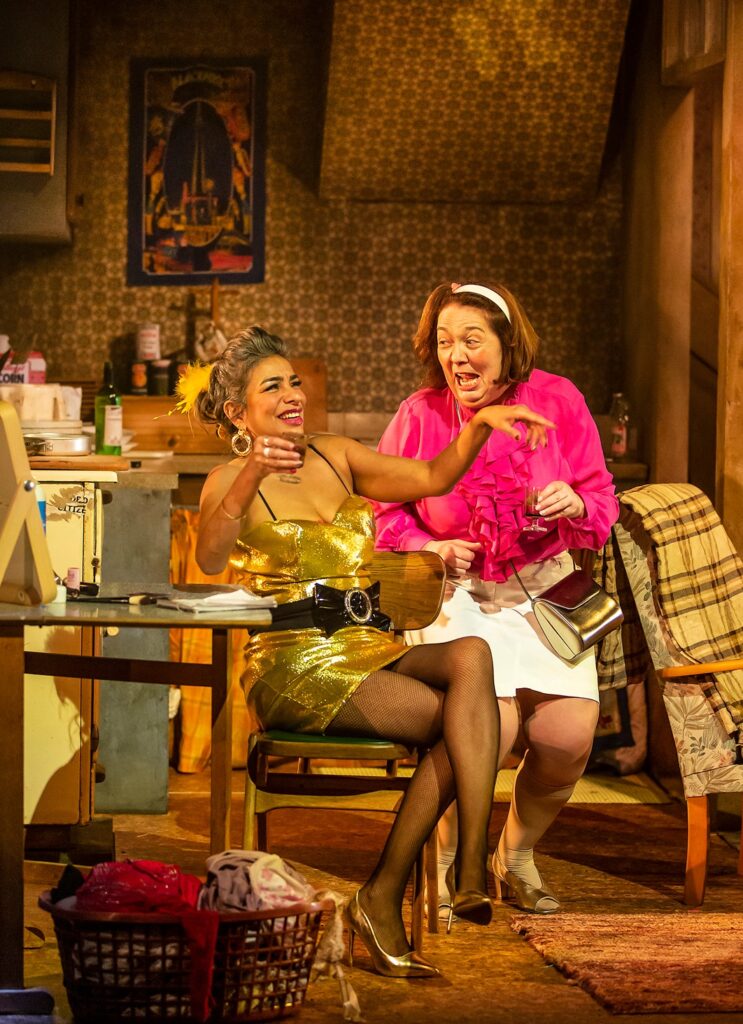
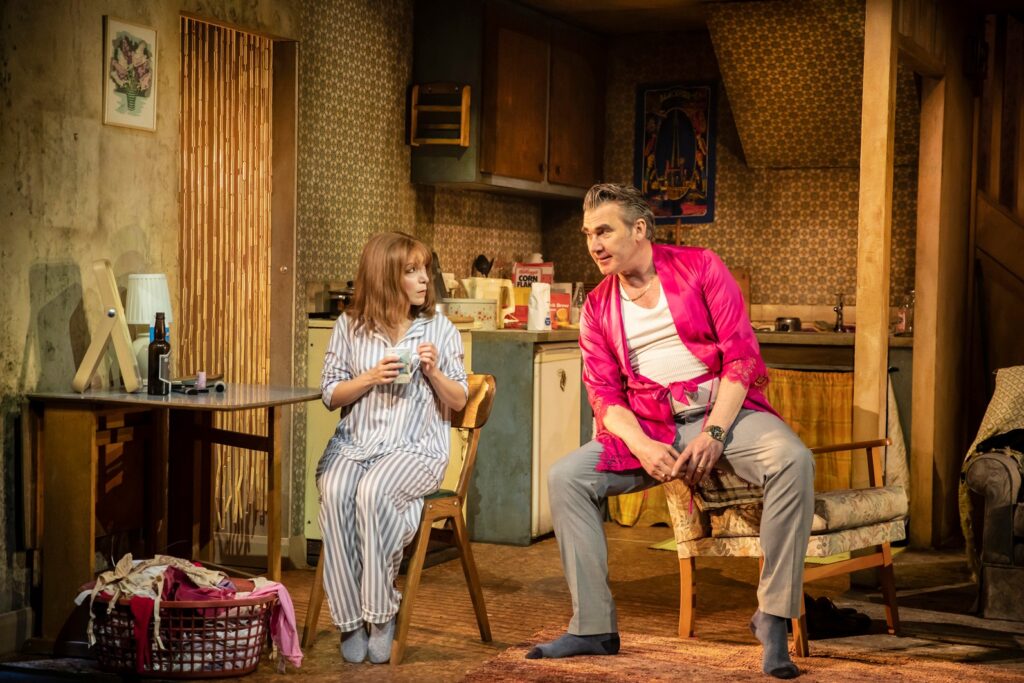
As the audience take their seats the curtain is open and we see a small, two-up/two-down house; clearly unkempt and unclean and somewhat dilapidated, perhaps to mirror their disorderly lives. Mari, a single parent who clearly enjoys a drink, a party, and a few men, is portrayed superbly by Shobna Gulati, who most will recognise as having played Anita in dinnerladies and Sunita in Coronation Street. For a start off, Gulati looks fantastic for her 55 years and stuns in iconic fashions from the nineties…leopard print, mini-skirts, sequins, and fishnet tights! This is such a well-written, complex character; fun-loving, sexy, brash, harsh, angry, emotional! Gulati’s comic timing is spot-on, and she gets across the gritty stuff beautifully as well. The character’s use of the English language also provides for lots of giggles with dialogue such as ‘you don’t know nothin’ about electrickery, do ya?’ and ‘you can imagine me feelin’s on signin’ marriage register… Mr. And Mrs. F. Hoff’! Cartwright’s script is certainly memorable and with its working-class backdrop, certainly has a feel of Willy Russell to it.
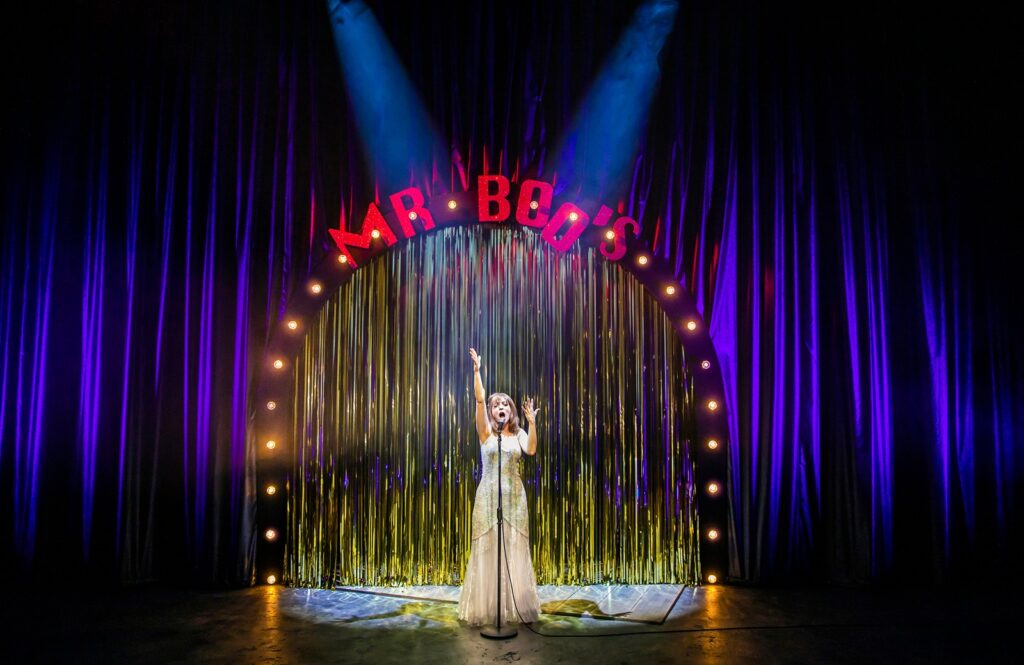
The set is highly effective, the house unmoving with only the curtain coming down and a simple, flashy archway representing Mr Boo’s club lounge where Little Voice will eventually perform, forced on by the sleazy, money-chasing Ray Say, played perfectly by Ian Kelsey. Also clever is the portrayal of the house fire in Act 2, brilliantly created by only the use of onstage smoke, sound effects and lighting. There is no questioning the event unfolding despite the absence of actual fire. LV spends most of her time in her little bedroom upstairs playing her records, surrounded by posters of Judy Garland etc. and a photograph of her late father, from whom she clearly gained her love of music. Mari spends most of her time downstairs, banging the ceiling with a mop handle to discourage LV’s playing and stringing along her ‘friend’ Sadie, brilliantly played by Fiona Mulvaney. A seemingly simple part whose dialogue mostly consists of the word ‘okay,’ Mulvaney provides numerous comedy moments; chugging mouldy Cornflakes from the box, dancing to the Jackson 5 and ‘vomiting’ whilst stood looking directly into the audience!
Finally, praise must go to Christina Bianco as Little Voice herself. Despite Bianco being in her forties and American, she plays the young, Northern lass to a tee from drooping around the house in her pajamas to her Pygmalion style transformation to a starlet in a gorgeous gown. And her impersonations are impeccable! Close your eyes and you are at a Judy show, a Cilla show, a Bassey show, sitting with the President whilst Marilyn sings him Happy Birthday! Bianco’s range, tone, and ability to mimic are outstanding!
The Rise and Fall of Little Voice continues its UK Tour on April 25th at the Theatre Royal, Brighton and finishes on July 16th at the Everyman Theatre, Cheltenham. Head to the website to book your tickets:
Little Voice: Christina Bianco Mari: Shobna Gulati Ray Say: Ian Kelsey Billy: Akshay Gulati Sadie/Understudy Mari: Fiona Mulvaney Mr Boo, u/s Ray Say & Phone Man: William Ilkley u/s LV & u/s Sadie: Anna Hale Phone Man, u/s Mr Boo/Billy & Resident Director: James Robert Moore
Writer: Jim Cartwright Director: Bronagh Lagan Set & Costume Designer: Sara Perks Lighting Designer: Nic Farman Sound Designer: Andrew Johnson Musical Supervisor & Associate Sound Designer: Eamonn O’Dwyer Associate Costume Designer/Supervisor: Sarah Mercade Production Manager: Felix Davies CSM: Terry Dickson DSM: Karen Habens ASM: Suzi Kelly Tech Swing: Jade Hicks-Williams Associate Lighting Designer/Relighter: Joseph Ed Thomas Fit-Up Carpenter: Chris Bewers Head of Wardrobe: David (Daisy) Morgan Production Coordinator: Ollie Hancock General Manager/Assistant Producer: Chris Matanlé Co-Producer: Tiny Giant Productions Co-Producer: Neil Gooding Productions Co-Producer: Bonnie Comley and Stewart F. Lane Producer: Glass Half Full Productions Producer: Katy Lipson for Aria Entertainment
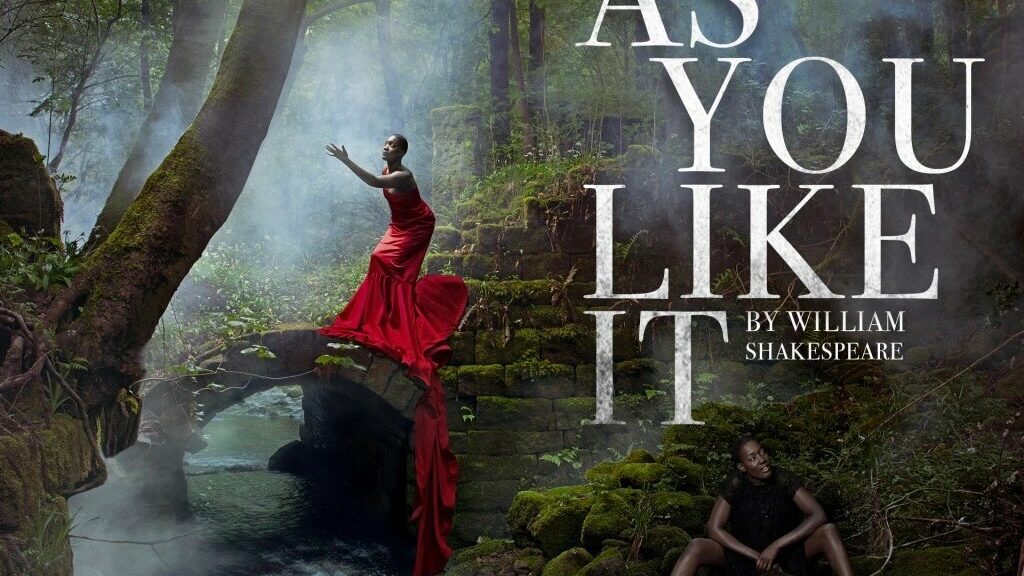
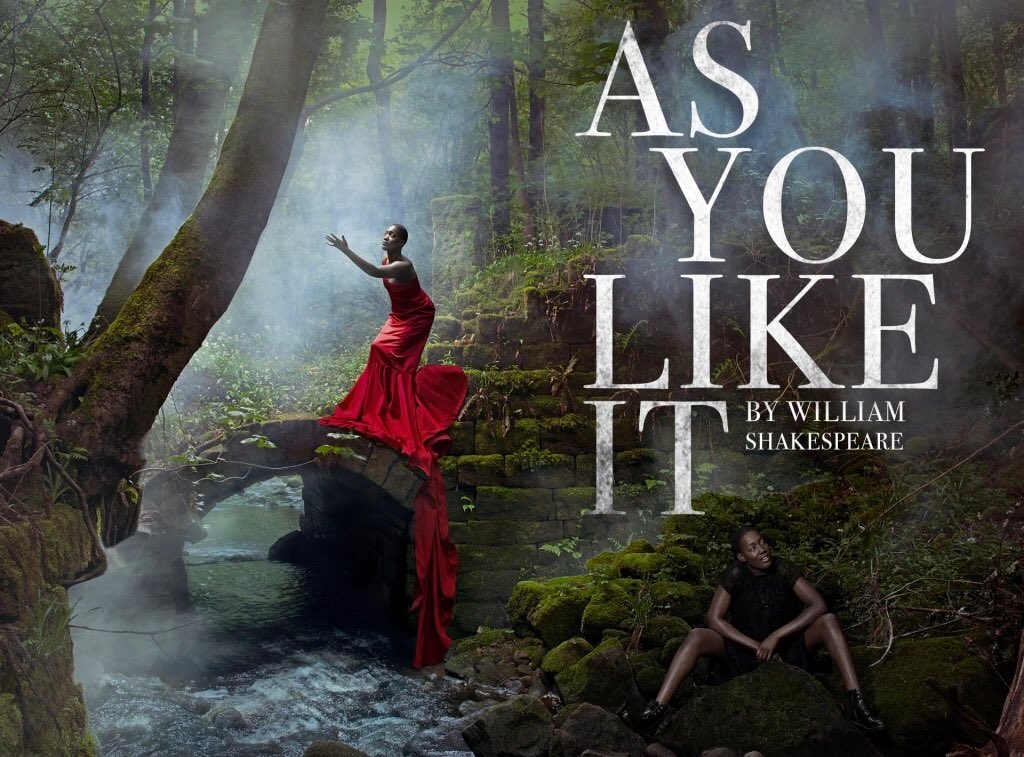
The performance was preceded by an announcement Northern Broadsides had needed to bring in two actors at extremely short notice because of Covid. This is a difficulty companies are going to face for some time to come. However, I didn’t feel it was just the pandemic which weakened this production. Its main problems were a lack of enthusiasm for Shakespearean verse and a belief the play’s comedy could be improved. If you are going to do As You Like It, though, I think you need to relish the poetry in the lines, the situations and the setting. You need to accept there will be long speeches telling stories, and that complex ideas will be introduced in imagery. You have to tread warily if you think you can improve on Shakespeare’s comedy, or think you have more to say about the human condition than he does.
So, the fact that the stand-in Duke had to read his lines was less intrusive than the TV show commentary introduced into the wrestling scene. As the wrestling itself was well staged and exciting, the commentary was unnecessary. Then there were distracting asides throughout the performance using modern English. They interrupted the flow of the action and the establishment of the its imaginary world. There was a conversation with the audience at the beginning of the second half (why?). There was additional cross-dressing, which weakened the humour emerging from Rosalind’s disguise, rather than complementing it. The ‘Shall I compare thee..’ sonnet was added in to the ridiculing of Orlando’s scribblings for a quick laugh. Despite the difficulties and the ingenuity involved in bringing four couples together for a simultaneous marriage at the end, they danced off with different partners. Some of the cast managed the verse well, finding expressive intonations and getting into role easily, whilst others struggled, rushing what they had to say or grinding out their speeches. At times it was easy to follow and appreciate what was being said – Touchstone’s final speech was an excellent example of making the most of the lines, and he made the audience laugh with it – but all too often it was difficult to disentangle what was being meant. For example, far too much of what Jacques said was lost and this meant the character never established himself. Considering how vital and original Jacques is – he’s one of Shakespeare’s great wordsmiths – this was more than a pity. Overall, I thought the supporting cast led by Celia (Isobel Coward) sustained the play with funny cameo appearances and the business that surrounded them. They appeared comfortable in what they were doing and saying; in contrast the principals were unsteady.
For me, Rosalind (EM Williams) spoke too quickly and too emphatically. Every line was accompanied by an expression or a gesture. She was tense, almost angry throughout and whilst she was always interesting to watch she was also demanding to listen to. I felt like saying ‘relax’. She needed to stop trying to impress and simply win the audience’s sympathy because, although Rosalind does win through in the end, hers is no foregone conclusion: her success and the happy ending is not just the result of energy and aggression.
Orlando (Shaban Dar) was too slow and earnest although the character, with his confused attempts at expressing himself emotionally, can be highly amusing. There was little of the chemistry that can come out of a relationship between a duffer and a high achiever when he was with Rosalind. The comedy of the scene in which he, as a wholly unreconstructed heterosexual has to make love to the supposed boy, Ganymede, in order to practice for the real thing, was lost and with it Shakespeare’s clever exploration of gender and appearance.
Jacques(Adam Kashmiry) turned his back on the audience too many times and had a limited range of gesture, repeatedly stretching out his hands to make his point. I didn’t see what having him wear a skirt added to his character. He came across as troubled and sad rather than brilliant and artificially melancholy. The audience enjoyed the way the other courtiers fleshed out his ‘All the world’s a stage..’ but nothing was done with the very last act of all –
second childishness and mere oblivion,/Sans teeth, sans eyes, sans taste, sans everything
which is a sixteenth century description of senile dementia and could, therefore, be made quite topical today.
Touchstone (Joe Morrow) established a rapport with the audience by his exuberance and by speaking clearly and confidently but I thought the actor was miscast. He was not a fool with a wit –
as dry as the remainder biscuit/After a voyage
so there was no real explanation for Jacques’ fascination with him. His seduction of Audrey, which represents a realistic contrast with the romantic goings-on everywhere else in the forest, didn’t make a lot of sense, either.
The backdrop to the play’s plot is the contrast between the confused, often corrupt world of the court and the honest simplicity and working life poverty of the country. Those that travel from the court into the country are all changed for the better, up to and including Duke Frederick who, like Putin, begins an invasion of Arden intending to commit mass murder and is then converted to benevolent pacifism, unlike Putin. On a technical and design level the production did not reinforce this basic distinction of setting – we didn’t get much of a forest – so observations like sweet are the uses of adversity fell flat.
In the last act, the middle son of old Sir Rowland de Boys arrives from out of nowhere to describe this fantastic conversion. His speech is somewhat tongue-in-cheek, with Shakespeare repeating and emphasising the magic of the return to nature, and it went unremarked although dramatically it completes the comedy. (Another production might have considered then and now attitudes towards the natural environment.)
Northern Broadsides is to be commended for keeping its show on the road and helping to revive theatres after the pandemic but, on the evidence of this performance, I think the company might be better advised to steer clear of Shakespeare, possibly tackling work by Brecht or other dramatists whose work is less reliant on verse where their inventiveness can be deployed without disturbing the basic fabric of the play.
I first came across the Horrible Histories books when I was in primary school, back 25 years ago! Saying that out loud seems such a long time ago. I enjoyed the humour bringing history to life. I still do to this day and I’ll be sharing the books with my children when they are studying a particular area.
They even now have a TV series!
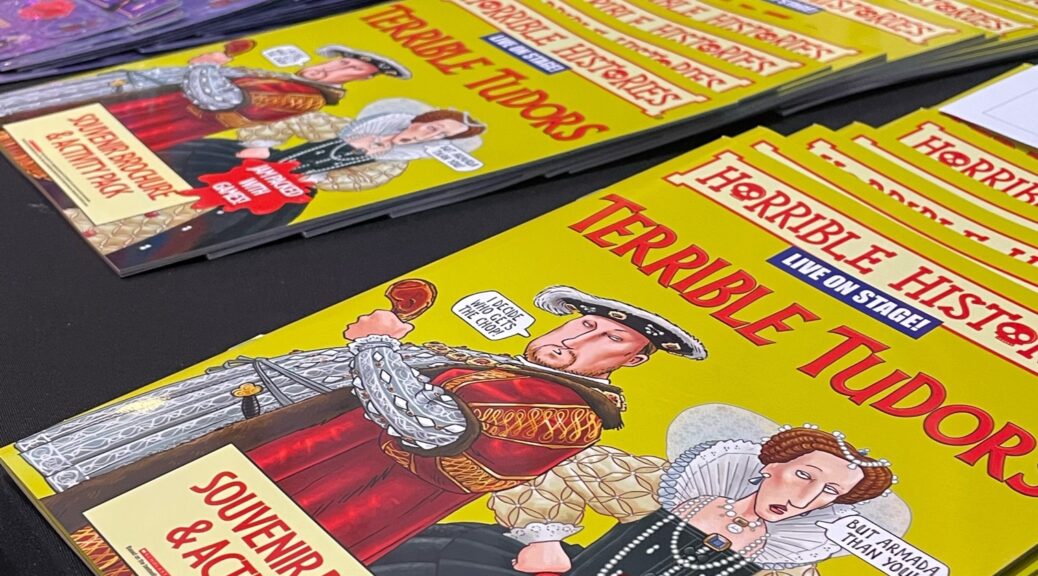
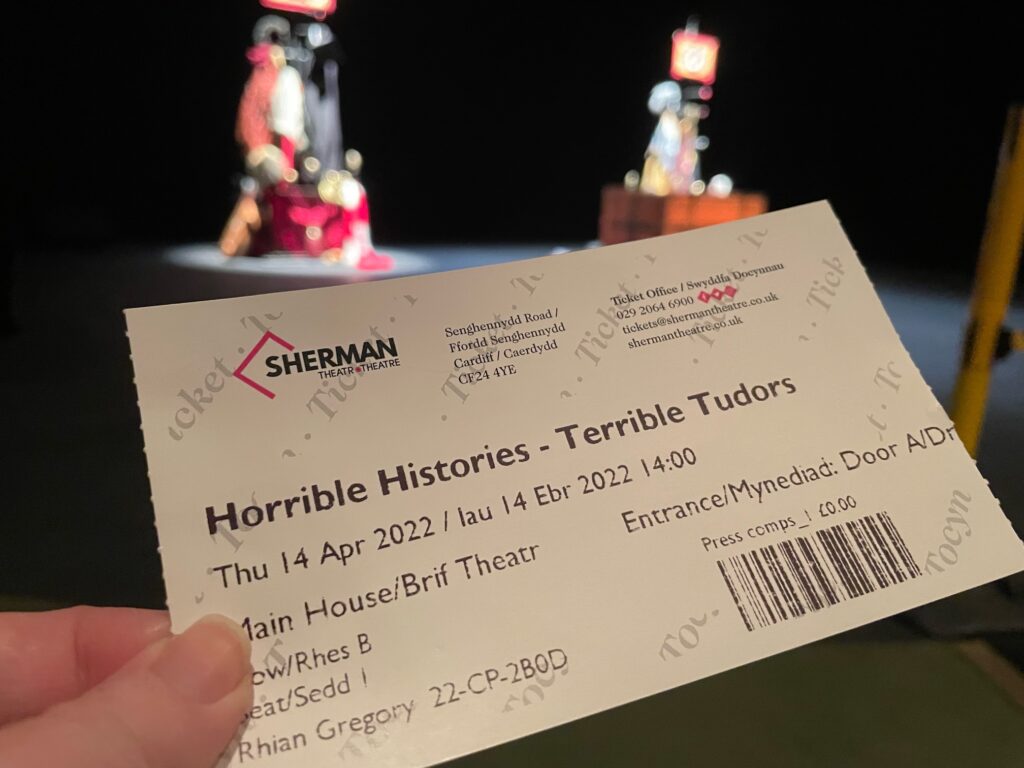
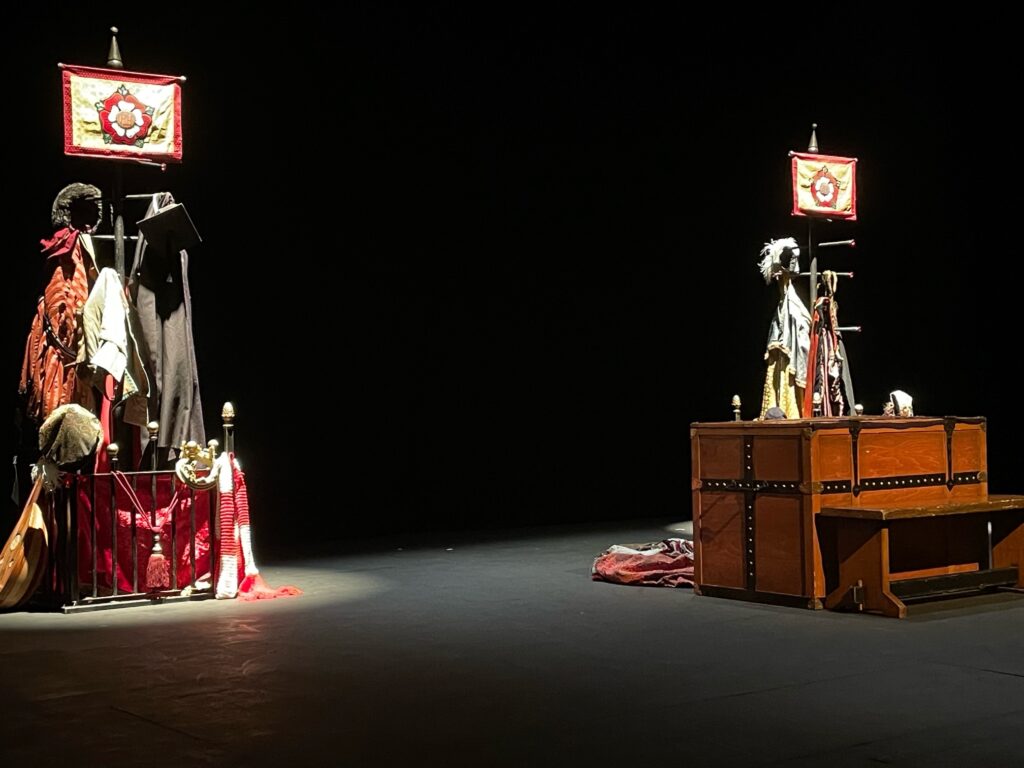
That’s what drew me to the show. Coming to see Horrible Histories Terrible Tudors on stage, with a live performance, known modern songs with a twist, to remember the past, the humorous acting. The show was delivered by just two actors who were very clever portraying and changing their costumes, voices and style for each character. They started with Richard III through to Elizabeth I.
I was in the 2nd row, in the wheelchair space, and I had a great view, could clearly see the fantastic expressions.
The show ran for just over an hour, without an interval.
It was fun interactive show! It looked almost full and was so good to see the audience participation.
I keep singing, divorced, beheaded, died, divorced, beheaded, survived, to remember Henry VII’s 6 wives. That’s helped jog my memory!
https://youtu.be/rTdTDCRKvvM
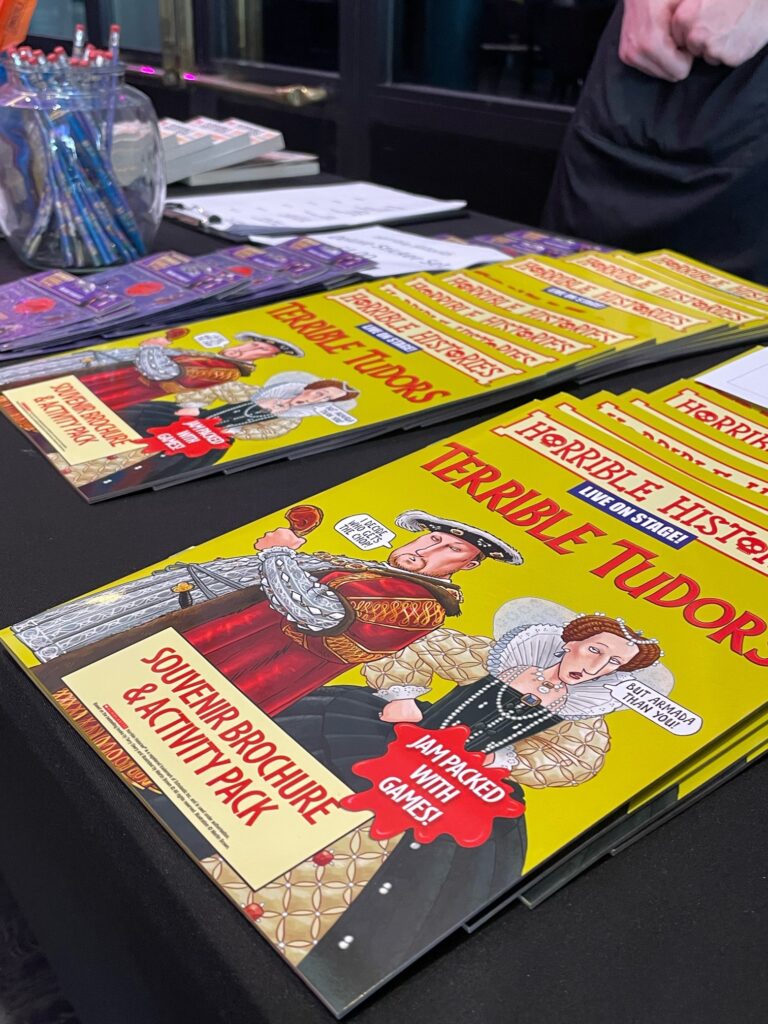
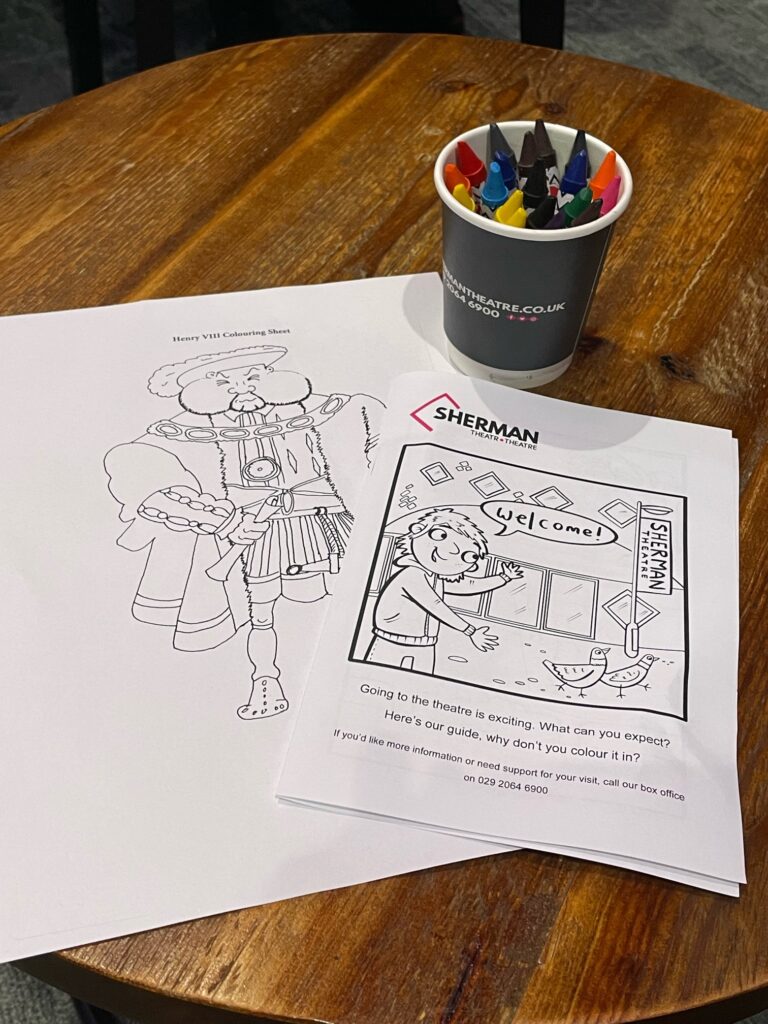
I came along to the Sherman foyer about an hour before the show started as they had colour in sheets and booklets for children to help explain what happens at a theatre. I thought this was such a good idea. In the past before Covid, I occasionally volunteered with the Sherman theatre through the Sherman 5 scheme. It was my first time back after a couple of years.
Sherman 5 is a fantastic scheme to support people to attend the theatre, whether they have never been before or haven’t been in a long time. It’s for people who face barriers and / or are at a disadvantage. A great opportunity for all of the community.
I return to Cardiff to Easter festivities. If you’re going to hear anything classical around this time of year live, its usually one of Bach’s Passions. What was originally planned for Easter 2020, we finally get to hear the St Matthew Passion at St David’s Hall. I genuinely don’t recall there being a performance of it in all my time frequenting the venue.
I make it a tradition to listen to the EMI recording of the Philharmonia doing the Matthew Passion with Otto Klemperer conducting. I doubt you could find a better recording, well regarded as one of the greatest ever on disc. So with this, I didn’t want to compare too much with the BBC NOW getting it’s live outing after a two year hiatus.
It’s a regal affair, the formulated sophistication of this Passion lingering in every bar. It commands a lot out of it’s listeners, with most going along with the thick translation in the gaudy looking programmes. Jeremy Budd took over the narrative role of the Evangelist after Gwilym Bower had to drop out. Budd keeps the whole passion in check along with conductor Harry Bicket, a new face to the regular Cardiff concert goer though, having a command over all the musicians and chorus. I cant begin to comprehend how demanding it would be to keep up the momentum of the over two hours Bach has blessed us with. Budd is subtle and calming, telling of Jesus’ last days with a detached nature. His voice never stops being lovely, quite golden even if the role gives little to no ornament.
It’s always jolting to hear Jesus as a bass, here sung with conviction by David Shipley. You’d expect it to be an intense role and it frequently is. Shipley given little flickers of acting here and there, with a touching voice. Soprano Mhairi Lawson getting arguably some of the finest solos, the famous aria used in the films of Tarkovsky. There is a glamorous feel to Lawson, she sings with much splendour, Jess Dandy the contralto both getting a sweetly scented duet together. Dandy also sings from the heart, a voice as clear as a window pain. Antony Gregory as tenor is in and out of the score, though a well suited guest and often the lighter side of the men’s earthy voice ranges. Baritone James Newby ended the line up of soloists, coming into his own when getting some flurried solos.
Of note is the orchestra is separated into two sets and there is no brass nor percussion. One wonders what the first audiences would have thought of a work like this nearly 300 years ago, or even the audiences Mendelssohn reintroduced the work to, after it having dropped out of favour for around one hundred years. The Viola de gamba is also present, not used enough with it’s nuanced charm. It takes a lot to focus on the entire piece, cough syrup prevented me from taking in the entire second part. Though there are very few theatrical elements to the passion, recent years have seen stagings, something I’d be keen to see. The BBC National Chorus of Wales also blossomed here, the opening a highlight, the fiery finale perhaps the most bone chilling passage in the entire work.
Finally another masterpiece of Western music to tick off the bucket list.
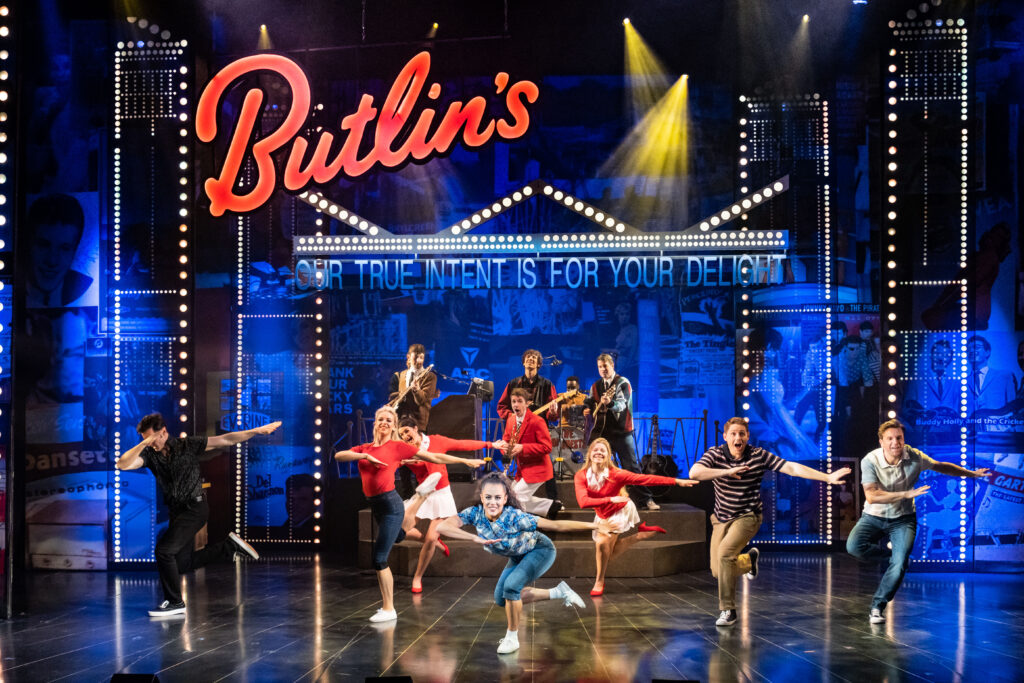
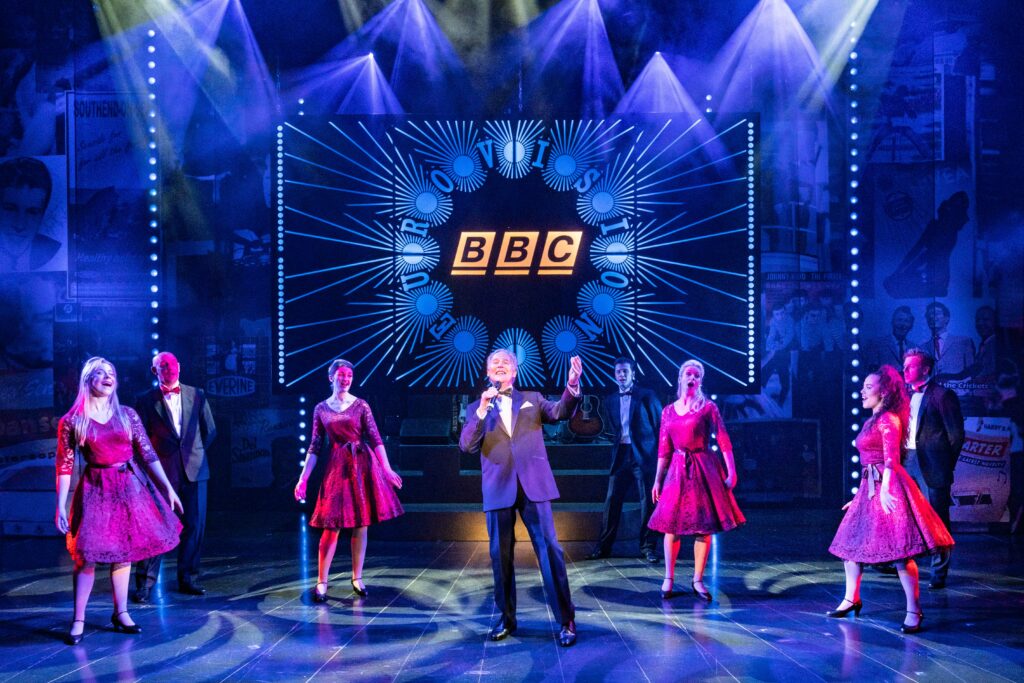
With the pandemic having made the future uncertain, we’ve been compelled to look back at the past, to the glory days of our youth when everything seemed possible. That’s always been the magic behind Bill Kenwright’s smash-hit jukebox franchise, Dreamboats & Petticoats, based on the multimillion selling compilation albums. The latest installment, Bringing On Back The Good Times!, is the third in the series, but you don’t need to have seen the first two to enjoy this fabulous, feel-good show.
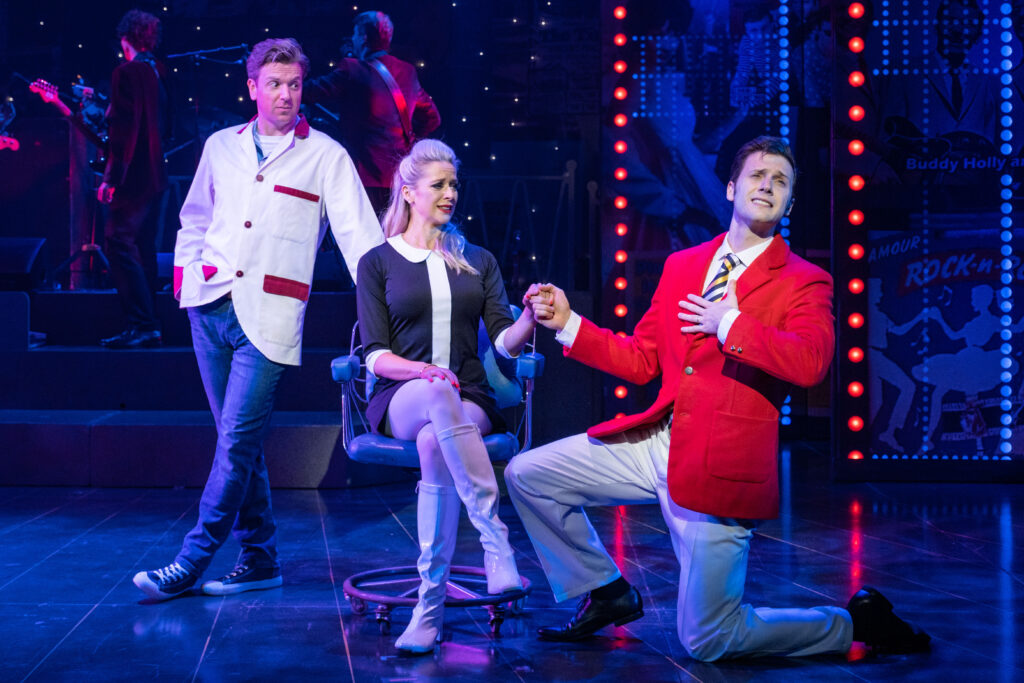
Written by Laurence Marks and Maurice Gran, the story centres around sweethearts Laura (Elizabeth Carter) and Bobby (David Ribi), as their musical dreams threaten to keep them apart. While Laura’s chart-topping success earns her a starry residency in Torquay and equal billing with Frankie Howerd, Bobby is booked for the summer at the far-less glamorous Butlins in Bognor Regis, along with his old crew from St Mungo’s Youth Club. With both his career and his relationship in jeopardy, Bobby makes one final bid to save both: a wildcard run at becoming Britain’s entry in the Eurovision Song Contest.
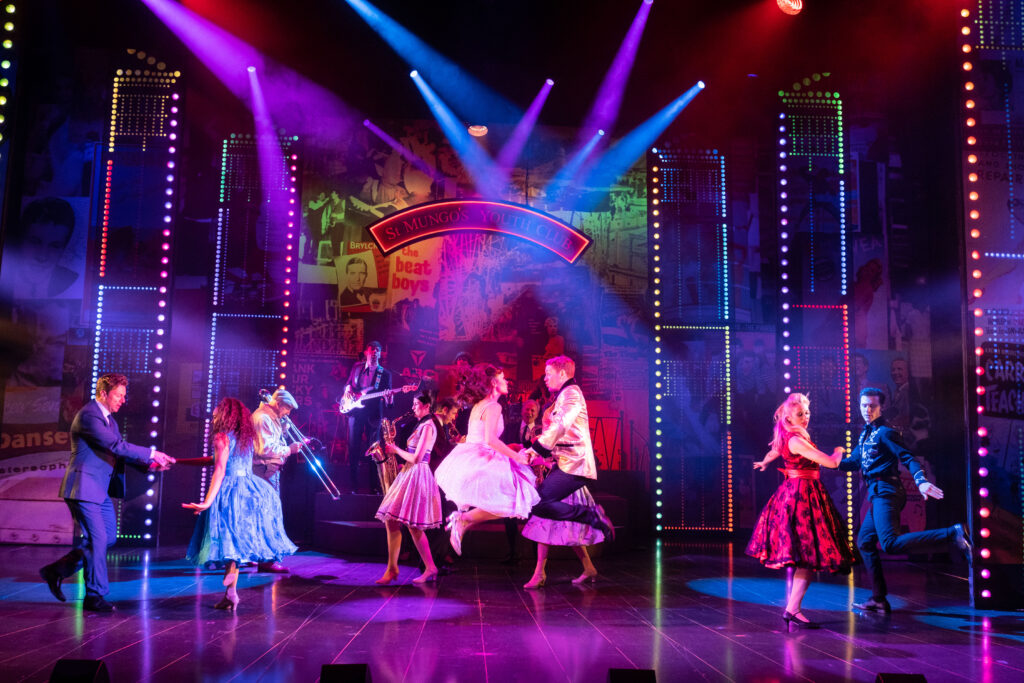
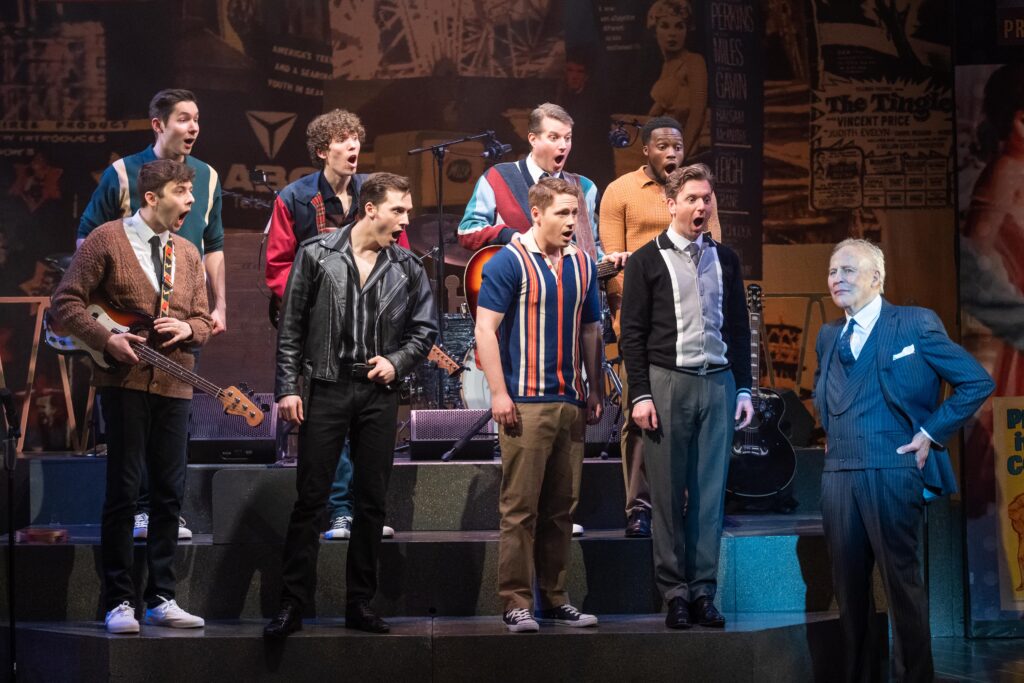
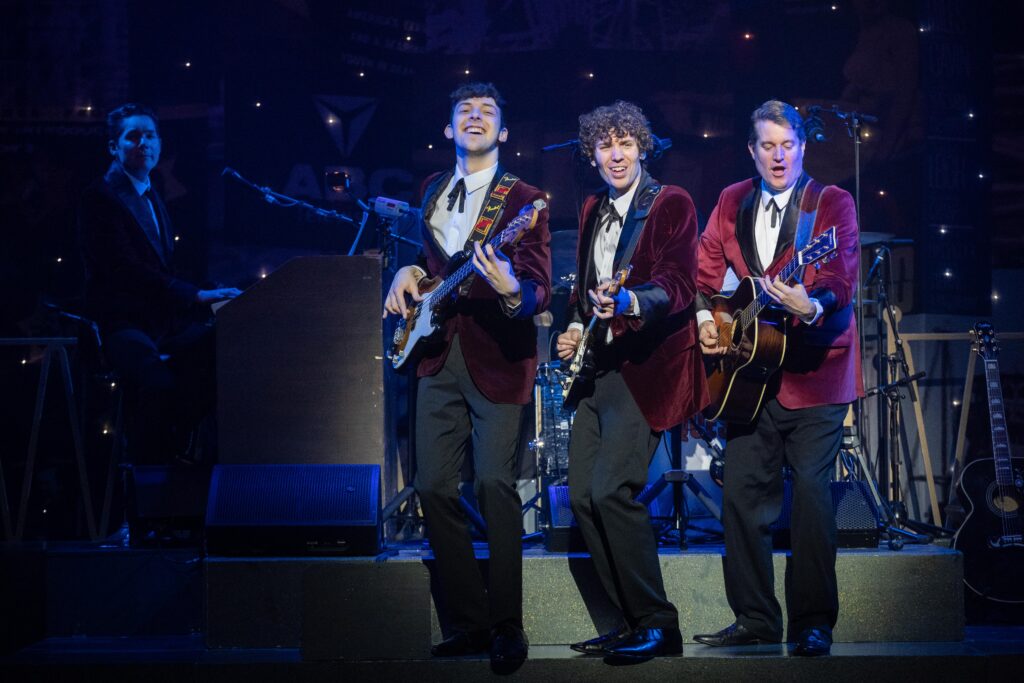
The show really captures the feel of the era, thanks to an energetic cast, playful direction, and magnificent renditions of some of the decade’s most beloved songs, from Pretty Woman and C’mon Everybody to Keep on Running and Mony Mony. Sean Cavanagh’s colourful set of scrapbooked ticket stubs and album sleeves, and Carole Todd’s zesty choreography, also capture the fun and flamboyance of the decade. It’s a non-stop party from beginning to end: a joyous celebration of the music that made us, featuring more iconic tunes than you can shake a (rhythm) stick at! Everything is played and sung live onstage, and you won’t find a finer ensemble this side of the 60s. Ribi is excellent as the budding Buddy Holly and Carter as the Lesley Gore-alike, while Alastair Hill as the roving eyed frontman of Norman and the Conquests is responsible for some of the funniest moments in the show, especially when paired with Lauren Anderson-Oakley as his beleaguered wife, Sue.
The song list is bursting at the seams with some of the most iconic tunes in music history, and they’ve never sounded better than they do here. For a band aptly called ‘the Conquests’, they really do take no prisoners – so huge kudos to Benji Lord on bass, Joe Sterling on electric guitar, Alan Howell on acoustic, Daniel Kofi Wealthyland on drums, and musical director Sheridan Lloyd on keys. There’s fantastic musical backup by Lauren Chinery and Chloe Edwards-Wood on sax (and dancing) duties, plus some bravura brass courtesy of Rob Gathercole and Mike Lloyd, the latter of whom also plays a tyrannical Butlins Redcoat who steals every scene he’s in (imagine if Tom Hardy’s Charles Bronson joined the cast of Hi-De-Hi and you’re halfway there).
The songs fly so thick and fast that there’s often not enough time to applaud them all, which is what happens when the incredible Samara Clarke sings an utterly breathtaking rendition of Where the Boys Are. And while the music is staggering (Baby Now That I’ve Found You is a knockout), some of the show’s most powerful moments come from their a capella arrangements of Blue Moon (a real showcase for David Luke) and Come Softly to Me. Lord, Sterling and Gathercole playing twee Eurovision hopefuls was a standout (The Kennies were robbed!) and David Benson’s pitch-perfect Kenneth Williams’ ‘Ma crepe suzette’ bit had everyone in stitches. The cast also boasts a genuine star of the 1960s music scene: Mark Wynter (of Venus in Blue Jeans and Go Away Little Girl fame), who portrays Laura’s sagacious manager, Larry.
The show really comes to life in the second half, and while some of the ‘lead in’ dialogue is tenuous at best (‘How would you describe Laura?’ Cue ‘Pretty Woman’) but it’s all very tongue in cheek and who needs an excuse to sing Roy Orbison, anyway? If you experienced the music yourself the first time round, or if you’ve grown up listening to your parents’ or grandparents’ records, this show is a must-see. The 1960s aren’t just an escape: they’re a mirror. It was a time, like ours, filled with rebellion, political upheaval, and the threat of war on the horizon. The songs, and the performances, underscore the show’s clearest, loveliest message: that the good times will return, and better than ever.
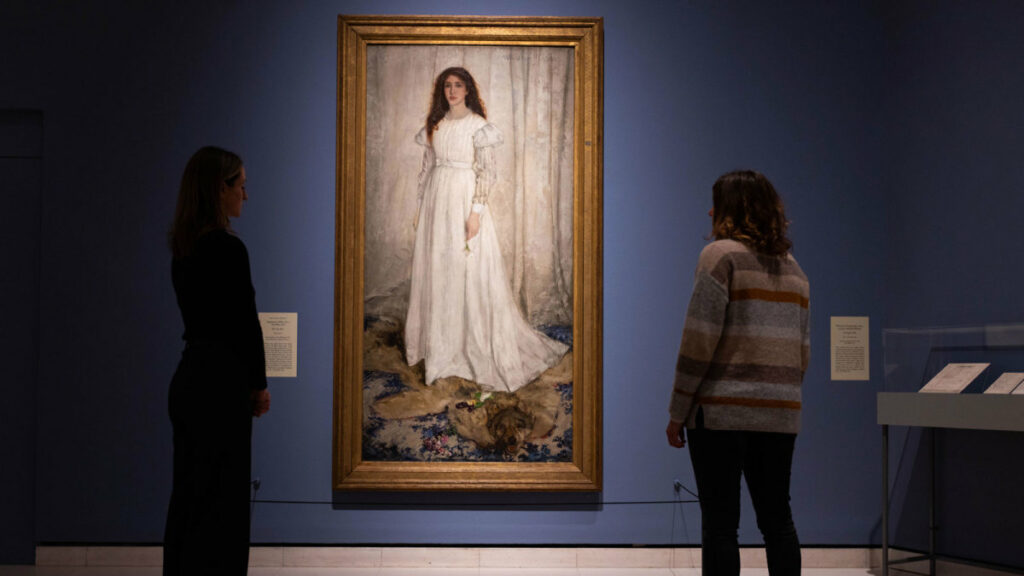
(4 / 5) Whistler’s Woman in White: Joanna Hiffernan
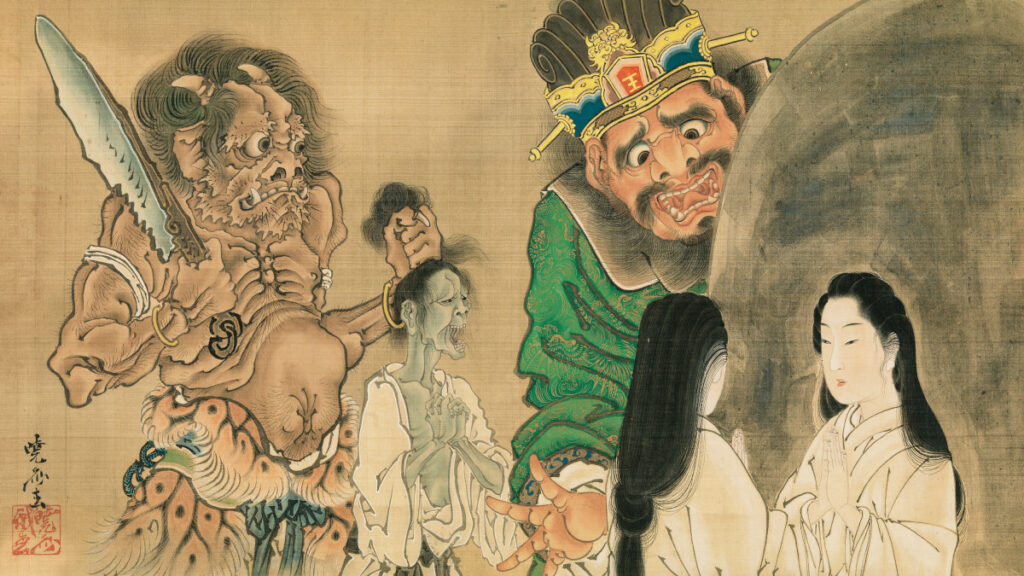
(4 / 5) Kyōsai: The Israel Goldman Collection
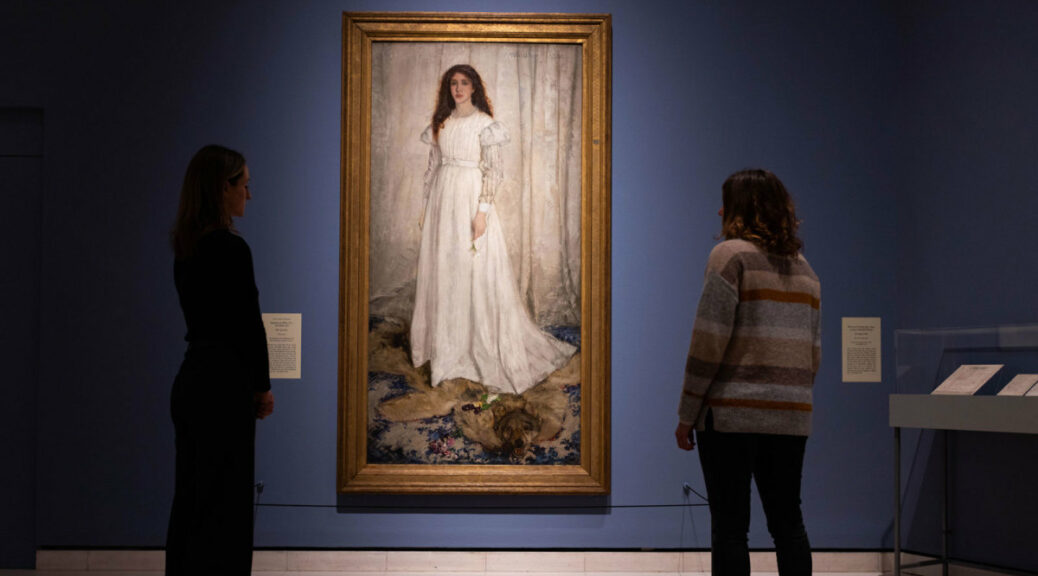
A final gallery trip would be an action packed afternoon at the Royal Academy. In Whistler’s Woman in White show, we get a telling scope on Joanna Hiffernan, Irish model and muse to many an artist of her time. The show features her in many frames and other women in white from the era, Willkie Collin’s book of the same name getting referenced and a poster print from a staging looms over most viewers. A Klimt painting remains a thing of beauty, though we crave his more exuberant gold pieces. Rossetti’s painting of The Annunciation is one of the finest work here, of a slim build, the biblical image compress to a narrow canvass of tension. Truly something to marvel at.
Perhaps most fascinating is Joanna in Gustave Courbet’s Jo, the Irish Woman. Most remarkable, there are three version of the very same painting and it remains unclear which is the original. How fascinating to pick up on the slight variations in each of them, her eyes more sunken in one, her cheeks more rouge in another. It’s quite a candid work and it remained a highlight. Courbet’s Seascapes on the other hand felt quite pedestrian and of little interest, I spent a very short amount of time with them.
Of course, it all lead up to the big guns. Whistler’s Woman in White was the dazzling finale to this mostly fine exhibit. Joanna glows here, her red hair almost veil like with strangely little detail in it. As if a bride, she holds a flower and is atop a wolf skin rug. This is a moving encounter, Whilst proving his mastery though other work in the show would also prove this. She looks beyond the viewer as if lost in another realm, adding to the dreamy quality of the whole encounter. I can’t gush enough about this painting. Though quite a small exhibit, it’s effect is monumental.
Following on was something drastically different. Kawanabe Kyōsai’s work from Japan makes for a highly amusing and often touching apparition. It’s the ink work that really makes it. Some of the fine folklore and depictions of animals stand out. A female ghost is a horrible sight on one screen, a shocking sight in keeping with the superstition of his home country. The West adored his work and it’s easy to see why. Even just a cat with such a look of contentment makes for a joy to gaze upon. Some of the more outrageous drawings involves the bottoms and testicles of the figures, the latter being affronted by another more curious cat. You could almost hear the slide whistle.
The detailing on the robes of some women in the art is another eye watering detail. Also noteworthy how some of the crow works are highly figurative, the ink generously spread around, yet still it is clearly a crow. It’s the beak that gives it away, as well as the obvious black ink usage. A giant wide-spread panel sees demons and creatures, looking as if it was created yesterday, such was it’s fine quality (Gerald Scarf would lap it up!). This has clearly been well looked after (dating from 1871-1889. This would clearly go on to influence manga and anime, staples of Japanese culture today. Another fine show, for another fine artist.
At the Royal Academy of Arts, Whistler’s Woman in White: Joanna Hiffernan continues till 22 May 2022 and Kyōsai: The Israel Goldman Collection till 19 June 2022.
My time in London has mostly been swallowed up by theatre and music. Itching to see more fine art shows, I approached the Hayward Gallery to get my fix.
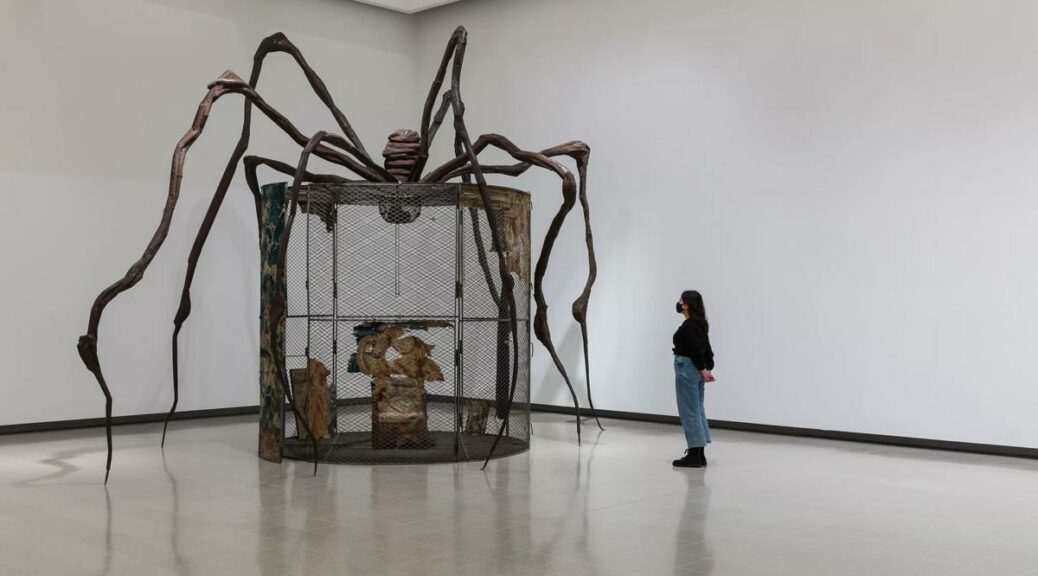
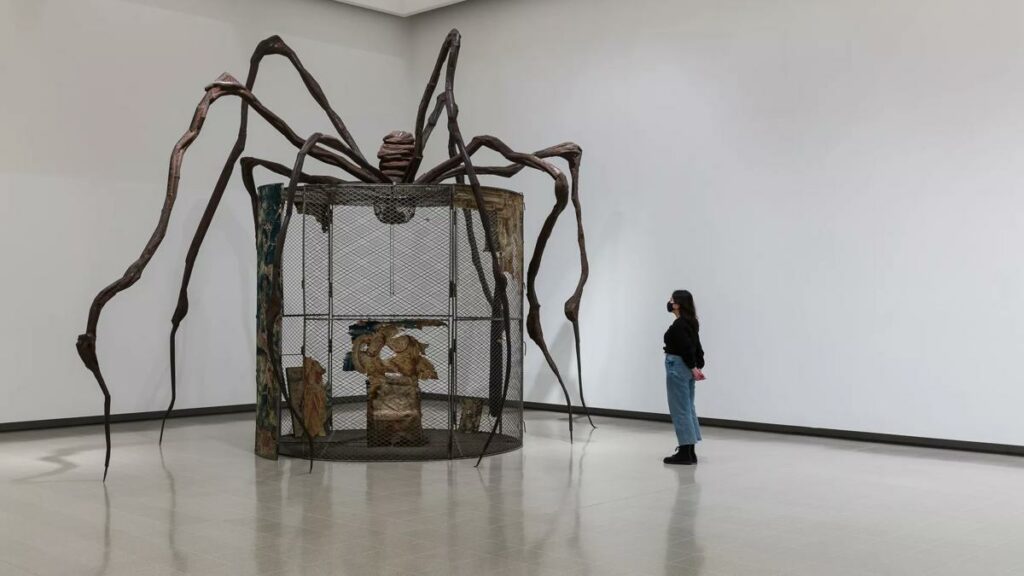
Starting with Louise Bourgeois: The Woven Child, this was a partially haunting experience in my view. The French-American artist had a long career and this show lingers with work from the last 20 years of her long life. Real clothes and textiles drape certain installations, bones and wire haunt others. The act of birth and motherhood dominate a lot of the imagery. Her cloth heads and figures disturb for their uncanny qualities, shapes and forms are colourful and pleasing in other work. The gallery itself was busy to witness these worn pieces, alive in the macabre mood which stung in the air.
Female forms hang from the air, half the body a lumpy spiral with the loss of a head and arms. Bourgeois makes you see the female form anew through these warped, bumpy bodies. An element of bondage creeps in, with the hangings, the wrappings and use of cloths making for steamy, messed up sights. It can leave you puzzled and enthralled. One installation featured the roots of a tree, with a wooden hand perfectly fitting into one branch of the root, another pleasing sight. The black, headless bodies in an apparent act of coitus as perhaps the most messed up things in the entire exhibit. I found myself awash in a fight or flight response to it all.
Of course her giant spider creature, (her most famous piece) makes an outing, perhaps the true highlight of the show. Resting on a metal cage, along with its very own eggs, the work appears powerful if fragile, inspired if taxing to make. Visitors really drink in this and you could feel the love with may a photo taken with the momma spider creation. Bourgeois spoke of her family as if spiders: always mending and repairing. Her lovely insight about a spider never getting angry when its web is broken just making it anew, is a nice quote for the wistful state out world is today.
It is a gallery experience which is entrancing, but might just leave a bad taste in the mouth.
My time in London is wrapping up. A day spent with English National Opera would herald a fine last day in the capital and I couldn’t have been happier. Though my health has comprised my enjoyment somewhat, I ventured on the New Harewood Artists recital at St Martin’s-in-the-Field.
I found joy in hearing more of Clara Schumann and her friend Brahms, in a mostly Germanic programme from bass William Thomas. With smouldering good looks and a surprising, volcanic voice, William has much promise, this set from him proving how perfect he would be for Don Giovanni and possibly some Wagner baddies, the Russian repertoire a must. There was a sensuality with these German lieder, a romance often awash in the joy of nature, true love and broken hearts. This was an opening I found very impressive.
A coughing fit would prevent me from hearing all of soprano Alexandra Oomens. I did get to savour Night by composer of colour Florence B. Price and sadly with eyes streaming and throat raging, I had to leave to acquire water. I stood at the back for the rest of the concert. What I did hear of Alexandra was an exquisite voice that I was upset I missed most of. Her recent outing in ENO’s HMS Pinafore proves her quick wit and broad repertoire outings. I can only apologise for my temperamental throat.
Last but not least, New Zealand born Sāmoan baritone Benson Wilson grappled with war and it’s aftermath. You can’t think of George Butterworth without thinking of A Shropshire Lad, a staple of WW1 memorials. These tender and often considerate songs were as English as cricket, builder’s tea and bulldogs. A touching orb seemed to hover over each song, the lingering sense of loss and regret is never far away. Butterworth was one of over the million men who lost their life at The Somme. Benson has meaty vocals, his looming stature and rugged nature also evident. The end with Robert Wiremu’s Ake Ake Kia Kaha E (Victory and Glory), the feel of an Italian art song, leading to a soaring haka, which rang out into the church. Marvellous.
The conclude all three singers offered a trio from Donizetti’s Don Pasquale. Witty and delightful, this fragments again, proved the power of these three singers, talent and more talent. It’s only up from here!
Sad is a deep dark comedy about the messiness of life, fragmented mental breakdowns & the overall sadness that the effects of life can have on humanity as a result of loss, failure, regret, disappointment & remorse.
Sad is produced by Felicity Paterson, directed by Marie McCarthy and written by ‘Victoria Willing’ held at the Omnibus Theatre starring Debra Baker as Gloria, Kevin Golding as Graham, Daniel as Lucus Hare & Izabella Urbanowicz as Magda. Sad explores the themes of pain, fear, loneliness, hurt, distress and trauma.
The powerful emotions felt when watching this play are super relatable! The original & authentic scenarios & resonating characters which we’ve all encountered at some stage in our lives is why! A truly strong emphasis on passive aggression, discrimination, subjection, perversion, secrecy, corruption, societal class, relationship issues and dysfunctional families.
Real life inflicting experiences which all contribute towards making our worlds an even sadder place from the outside looking in! Not to mention being let down by the system when they’re the only ones we can depend on. Sad!
Gloria, the adorable agitator & irritated instigator lives with her partner Graham in solitude where she finds harmony alone by herself, squating in the attic all day. Gloria’s conflicting insecurities & mid life crisis mentally blocks her till she refuses to express herself without being contentious. Being affectionate, loveable, warm & transparent towards her loved ones is too much to redeem. Pride soon becomes the foundation of Gloria eating away at her friendships, costing her relationship and being the ultimate maker or breaker of her destiny which only she can decide alongside Grapham’s support!
A compelling production that gives a strong reminder into a broken elderly woman’s mindset, livelihood and ongoing struggles which proves old age doesn’t mean life’s completely figured out! A play to help us acknowledge the what ifs and buts as we journal are life events! how easy life gradually becomes to loose yourself whilst trying to re-find yourself in the midsts of the internal chaos we desperately try to suppress rather than address.
Creating opportunities for a diverse range of people to experience and respond to sport, arts, culture and live events. / Lleisiau amrywiol o Gymru yn ymateb i'r celfyddydau a digwyddiadau byw




 (4.5 / 5)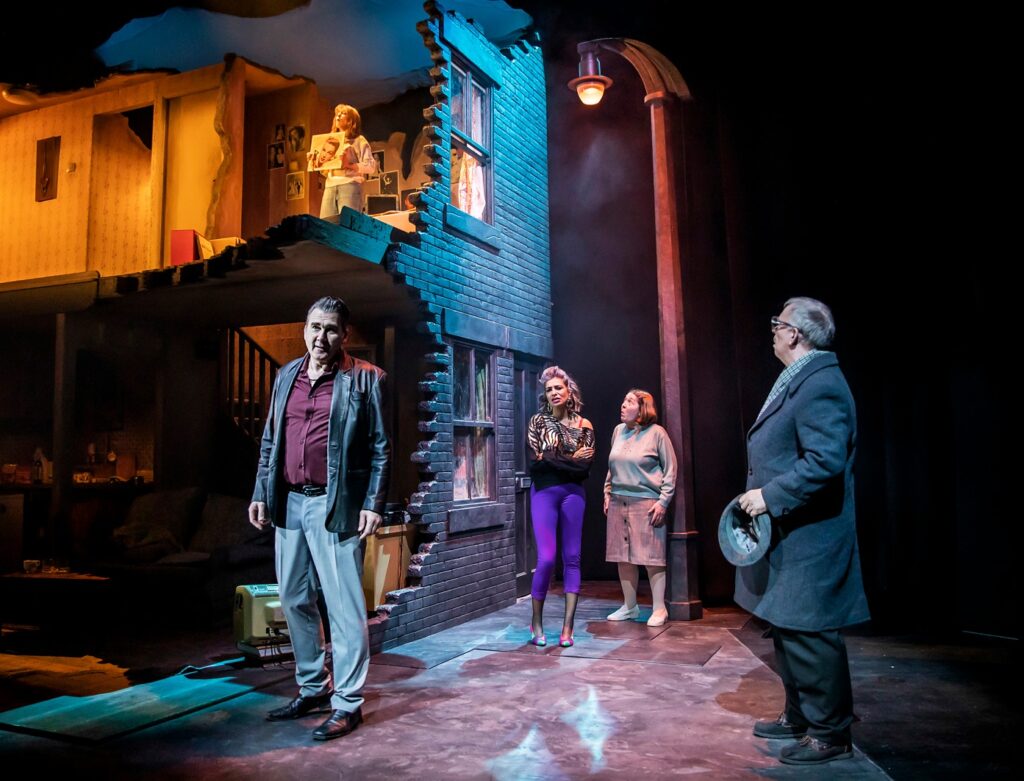


 (3 / 5)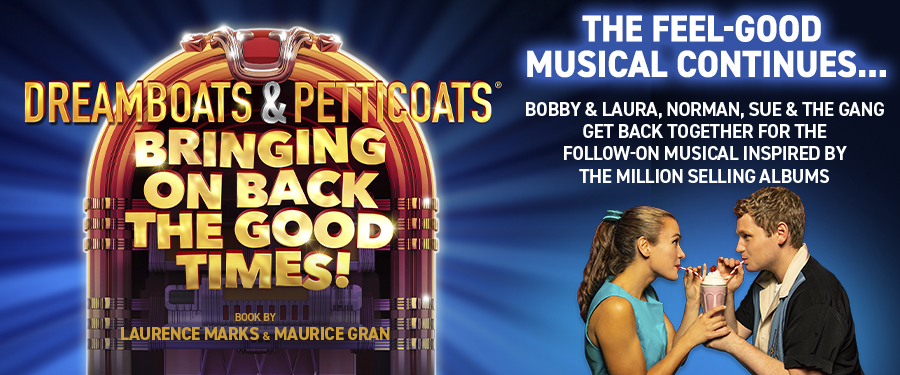

 (4 / 5) Whistler’s Woman in White: Joanna Hiffernan