Category Archives: Film & TV

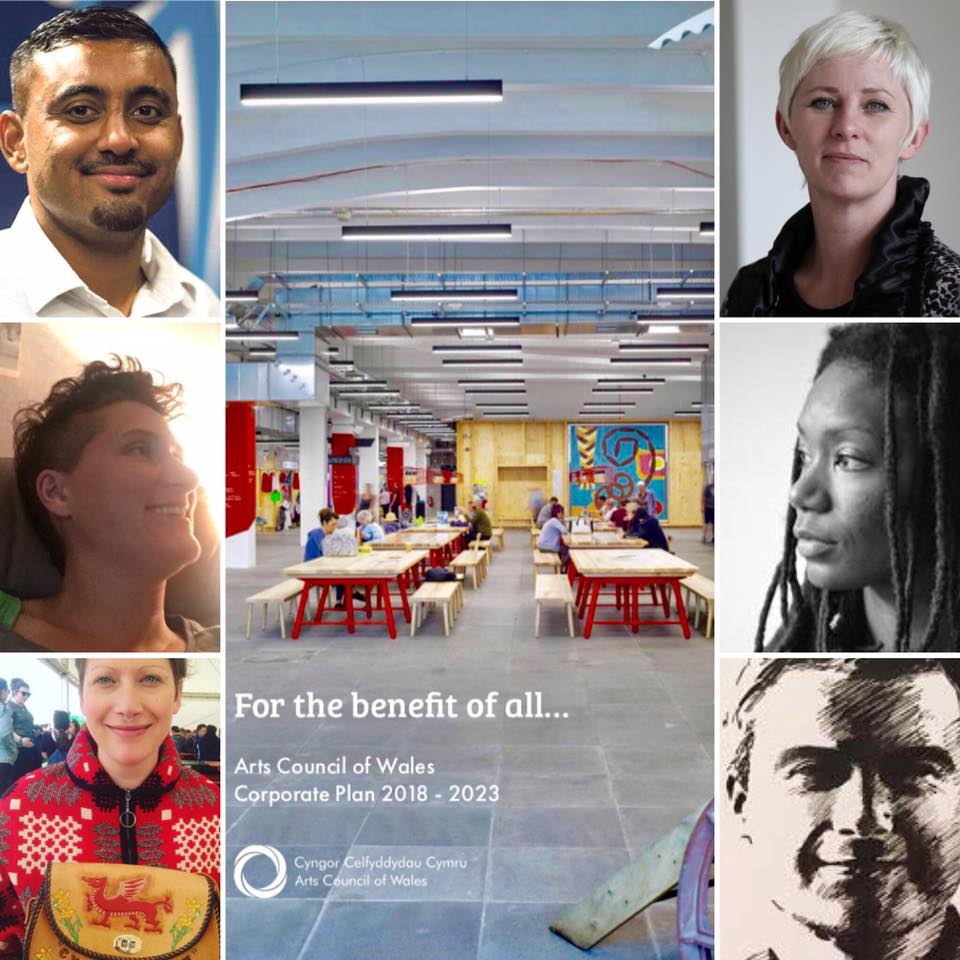
An updated response to Arts Council Wales, Corporate Plan, 2018-2023 “For the benefit of all”

In October 2025 Get the Chance published an article titled, ‘The Health of the Arts in Wales.’ The article focused on the new ACW ‘Head Of’ role appointments, their key areas of focus and the WAHWN Manifesto.  The article featured a range of responses from Welsh/Wales based creatives responding to this period in the Welsh Cultural sector, it can be read here

We published a similar article in relation to the Arts Council Wales, Corporate Plan, 2018 – 2023  “For the benefit of all” in 2018.  We asked ACW if they could update us on the Commitments they stated at the time and their response can now be found at the bottom of this article. Thank you to the staff at ACW for taking the time to do this. 

Our mission statement at Get The Chance is “Creating opportunities for a diverse range of people to experience and respond to sport, arts, culture and live events.”

We were very pleased to see some of the priority areas in the new Arts Council Wales, Corporate Plan, 2018 – 2023 “For the benefit of all”

In particular we were interested in Commitment 2 below

We will enable a greater number and a wider diversity of people to enjoy, take part and work in the publicly funded arts.

ACW then go onto make a series of intentions (below) for where they want to be in 2023 (5 years)

We will be able to demonstrate clearly that all our funding programmes promote and contribute to equality and diversity

There will be a narrowing of the gap between those in the most and least affluent social sectors as audiences and participants

We will develop the creative work of disabled artists by funding “Unlimited” commissions and developing a scheme similar to “Ramps on the Moon” operated by Arts Council England

We want to introduce a “Changemakers” scheme placing BAME and disabled people in senior executive positions in the arts

We want to see a doubling of the number of disabled people in the arts workforce

We want to see a doubling of the number of Black and Minority ethnic backgrounds in the arts workforce

We want to have introduced an Arts Council Apprenticeships scheme designed to provide opportunities for people from diverse backgrounds

We will have achieved a trebling of the number of BAME and disabled and on APW boards of governance

We have been in discussion with a number of colleagues in the arts sector in Wales to request a personal response to Commitment 2 and are pleased to share their responses below. Please do get in touch if you would like to contribute.

ACW are currently asking for responses to their Corporate Plan and future Lottery funding priorities from members of the public,  you can make an online response at this link .

Or attended one of the physical meetings. The public meetings associated with the consultation will take place at Tŷ Pawb, Wrexham (30 November), Volcano, Swansea (10 December), Riverfront Newport (7 January 2019), Aberystwyth Arts Centre (11 January 2019) and Pontio, Bangor (21 January 2019).

Further details are available on the Arts Council of Wales website. The consultation closes on 15 February 2019.

Carole Blade, Creative Producer

Coreo Cymru

During 2019, Bombastic and Coreo Cymru will be hosting Family Dance Festival, a 70-minute entertaining and interactive dance programme for families, presented free of charge in theatre foyers and outdoors during the Easter holidays. Piloted in 2017 and further developed in 2018, Family Dance Festival features three Wales-based professional dance companies and local youth groups at each venue plus taster workshops for all, framed within a bilingual (Welsh/English) context and supported with accessible shows and feedback systems.

Our 2018 programme delivered an accompanying training and seminar event to promote Audio Description, resulting in the first Welsh language audio described live performances. In 2019, we will also offer BSL interpreted shows and focus on developing an audience and appetite for these services by actively forging relationships with members of the blind and D/deaf communities. We will do this through visits to local support centres, clubs and groups, offering programme insight and critically supporting a dialogue, asking questions to inform our deliver methods and to reveal a wider view of general provision, requirements and needs. Working in collaboration with Creu Cymru’s Hynt and the local venue, we will gather data to support general approaches to accessible practice in Wales starting with visits to local clubs and later request feedback relating to their FDF experience.

We will again work with Audio Describer Ioan Gwyn, who benefited from FDF2018 bespoke training programme and toured with the company offering both Welsh and English language descriptions. We will also work with experienced BSL interpreter Sami Thorpe of Elbow Room, to support the text based work and our reach. Their understanding of the target audience and experience within the performing arts, coupled with our plans to consult with individual service users through visits to their respective clubs and groups, prior to the tour, will enable the means and structure for a quality service. Ioan and Sami will work with the Front Of House staff at each venue to ensure quality customer care of our accessible audiences, positioning themselves at the box office to welcome and familiarise. Where possible we will integrate Ioan and Sami into the actual performance to positively reinforce inclusiveness and will create specific feedback forms to inform delivery and methods.
Gareth Coles / Voluntary Arts Wales Director / Cyfarwyddwr Celfyddydau Gwirfoddol Cymru

The second commitment in the Arts Council of Wales’ new Corporate Plan recognizes that the challenge is to increase and diversify participation in the publicly-funded arts. But levels of participation in different forms of creative activity may actually be very high, as people practice their creativity in libraries, church halls, pub function rooms and on kitchen tables and bedroom desks. Voluntary Arts Wales estimates that there are around 4,000 community and amateur creative groups in Wales. But these voluntary and everyday creative activities may not benefit from public subsidy, and therefore may not regularly appear on the radar of public funders.

There is a rich and diverse ecology of the arts in Wales: an ecology that we believe includes amateur, everyday creativity as well as the professional arts, and in which all elements are interdependent and mutually supportive. An attempt to engage more people in the publicly-funded arts might start with an appreciation of the creativity that people choose to practice themselves. Rather than see a deficit of engagement in the arts, we might recognise the cultural assets and activities that already exist within communities across Wales, and build stronger links with the publicly funded arts.

 Diversifying governance

In 2016, Voluntary Arts conducted a project called Open Conversations to improve our understanding of creative cultural activity in Black Asian and Minority Ethnic (BAME) communities across the UK. We convened an Advisory Panel of experts in BAME creative activity, who made introductions, accompanied staff on visits, and met regularly throughout the project to discuss findings. Voluntary Arts staff and Expert Panel members conducted long, unstructured and informal conversations with practitioners across the UK. At the end of the project, we invited the Panel members to become Trustees of Voluntary Arts, and now 5 of our 11 Board members are from BAME backgrounds. As a result of this work, we became the first arts organisation to win a Charity Governance Award for Board Inclusion and Diversity.

We have also sought in recent years to celebrate the excellent work that exists in the voluntary arts sector to champion diversity, through our annual Epic Awards. Get the Chance was a recipient of the Celebrating Diversity award in 2017.

Increasing participation

Our Drawn Together project, a partnership with Coast Lines, has engaged over 2,500 people of all ages in producing over 5,000 observational drawings – creating a collective visual representation of Wales in 2018 (now on display in the National Museum of Wales, Cardiff). The feedback shows that 96% of participants felt happier and more positive as a result, but the majority weren’t creatively active, or involved in any arts or community groups. We believe this worked because we took the project to places where people convene: in existing community groups, libraries, cafes, care homes, workplaces and schools. We worked with Big Issue vendors in Cardiff, residents living with dementia in a care home in Pembrokeshire, RNLI volunteers in Aberystwyth and farmers in rural Denbighshire. A majority of project participants now want to continue their creative practice.
Branwen Davies

Writer/Theatre Maker

I welcome this commitment. We all should. We all benefit from a wider diversity of people enjoying and taking part in the arts.It needs to be ever evolving and new energy and life bought in. We all have skills, experience and stories to share. Quite often I find we are ignorant or unaware of challenges facing others and it needs to be addressed and challenged and become second nature not a box ticking exercise.

In uncertain times socially and politically, especially where people feel threatened and surrounded by divisions and threats, the arts can play a pivotal role in confronting fears and open channels of communication. We are social animals. We need to seek each other out. We need to go knocking on doors and meet face to face and not rely so much on social media to connect.

I constantly bang on about the transformative power of the arts! It’s life-enhancing – music, theatre, images, installations, dance etc in all it’s glorious forms. They enable us to communicate, engage and express ourselves and that positive experience can spill out in to all areas of life. It gives us an emotional literacy and helps us try and make sense of the world and our surroundings. It infuriates me that music and drama and literature are constantly threatened within the education system and that there are less opportunities from an early age to engage and benefit. Mental health issues, anxiety and lack of confidence is on the rise in schools and I am in no doubt there is a direct link. The arts are essential to our wellbeing and the earlier we are exposed the better. It is also vital to ensure that there are opportunities for all ages and that it isn’t all focused on youth but continuous in to old age.

It has to start with a conversation – what are the complex needs of different cultures, genders and abilities in Wales? For a small nation our diversity and needs are huge! There is no one size fits all. What are the present weaknesses and gaps and challenges and how do we approach change and a new model of addressing and implementing things for the benefit of all? It’s essential to give a voice to those who aren’t usually given a platform and we must empower those who don’t think their story is of value. We also need to showcase and showoff what we can offer so that people are aware of the possibilities and the work that is and can be created.

The image of the arts needs to be changed so that people feel that they can take ownership and that it belongs to them. It’s up for the current gate keepers not to just welcome and implement an open door policy and a willingness to listen but to actually do the ground work and seek people out face to face. This connection and nurturing needs to be sustained. We have the talent, skills and expertise in Wales but we need, especially in times of funding cuts to pool resources and collaborate and communicate much better than we already do and to be in regular contact and communicate and share knowledge with each other.

My background is in playwrighting and one positive experiences I have had was ‘The Fresh Ink’ initiative with the Sherman Theatre where over a period of 10 weeks I visited St Teilo School in Llanedeyrn, Cardiff. I worked with a group of students who had never visited the theatre and who had little confidence or interest in writing. Allowing them to step away from thinking and writing academically, encouraging them to find their own voice and to take ownership of their language and rhythms of speech the students grew in confidence and produced extremely moving and passionate short plays that were then performed by professional actors at their school in front of their peers. Their reaction and their pride in their words and stories was empowering. For the first time some of them felt they had created something of worth and value and were proud to share it. The Sherman are currently running a playwrighting scheme for similar students to whom opportunities have been limited. The weekly sessions are free of charge and transport is provided. The students work will be performed at the Sherman in the spring.
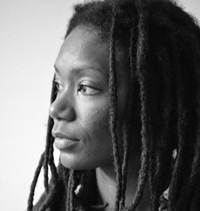
Adeola Dewis

Artist, researcher, academic and TV presenter

I have just read the corporate plan. I feel little excitement although I think the targets are attractive. My main contribution to this goes back to the idea of getting out of offices and on to the streets, into community spaces without an agenda and seeing what one can learn.

This feels like wanting to do research and already knowing the answer. I think its problematic in its genesis.

Of course the key is the youth, the next generation but I also believe that bodies like the ACW already have a public image and in order to broaden its public perception (increase participation and attendance in publicly funded arts), honest work will need to be done from the inside, beyond inviting token BAME individuals to be on their board. This crucially involves getting to know who you are working with and for and perhaps getting your ‘targets’ from the people and what matters to them rather than the governments with their outward facing strategies.

I am struggling to articulate a coherent response to that as I believe the response would need to be rooted in research. What I mean is, we are talking about arts participation, but that is just ‘our’ arts. There are groups and communities making ‘arts’ and doing their thing that get washed over for various reasons. What is at the core of the desire to increase participation? What are ‘more diverse’ communities and groups already doing and how do we foster conversations that facilitate an equal space for voice and visibility and limits the threat of appropriation.
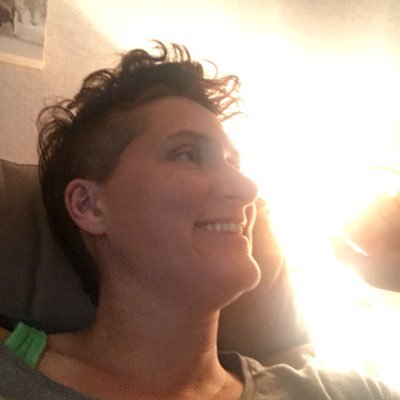
Bethan Marlow

Writer 

First of all, the fact that these goals and priorities have been set is fantastic because it means we’re really acknowledging that this is a problem. There are many, many people still feeling excluded from the arts (not just as audience members but as people wanting to work in it too) so having a goal to change that can’t be anything but a good thing.

How will it actually be achieved?…….. action. Action by all. Everyone, every single one of us currently working in the arts needs to assess our ways of working, our processes and avenues of finding collaborators and we need to really question how inclusive we’re been the past. And if we haven’t been inclusive, or inclusive enough, we MUST, must make change. From hiring to casting to finding audiences we must continuously ask ourselves whether we’re doing enough to make sure that ALL people feel invited. I sometimes feel like I’m the P.C police these last few years (I’m sure my co-workers feel it to!) because I have made a conscious decision to ask the difficult questions and speak up for those not in the room. And it’s not always comfortable. It makes people uncomfortable but the only reason we all feel uncomfortable is because we know there’s a problem. “Have we gone to all lengths possible to find BAME actors that can audition for this part?”, “Our focus should be on finding female musicians”, “have we considered Welsh learners for this part?” I don’t ask these questions to make people feel guilty, I’m doing it so that we can create active change so that we’re not guilty of being exclusive. We need to keep reminding each other of being inclusive until it becomes second nature.
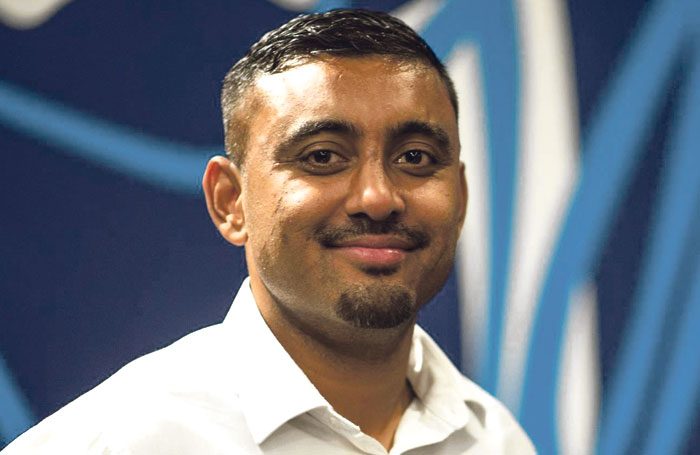

Abdul Shayek

Director of Fio

I guess my major reflection on this has to be that whilst we have a statement being made by ACW which I believe is the right one. What seems to be missing is the response from arts leaders who have the resources to really make a difference. I guess unless a firmer and clearer picture is presented in terms of the sharing of power and resource, the inevitability is that this will remain words on a page. We, have to question how a sector which is led by same people will suddenly decide this needs to be prioritised just because ACW has said so, we need to go further and find other more innovative solutions where power is shared more equally?

Arts Council of Wales Corporate Plan, 2018 – 2023 “For the benefit of all”

Progress Report 2025

Following the launch of our previous Corporate Plan ‘For the Benefit of All 2018-2023’ it is important to note that, in March 2020, the UK went into lockdown in response to the global Covid 19 pandemic. This resulted in the immediate ceasing of all creative activity as the sector had to close its doors to audiences and participants and find new and innovative ways to continue to deliver work in order to survive. Being the last sector to re-merge from the pandemic, the restrictions had a significant and detrimental impact on the sector, further compounded by the cost-of-living crisis that followed in its wake. As a result, many creatives working within the arts sector were forced to seek alternative and more sustainable work in other sectors.

This had a significant impact on the progression of our own key objectives at this time, as we redirected our funding support to provide emergency and stabilisation funding to the sector. We sought to take stock and reset our direction of travel, to allow us to provide a relevant and appropriate response to the crisis the sector was now facing. This is documented in our publication at the time, ‘Resetting the Dial’.

Nevertheless, below are some examples of the progress we were able to make against the priorities listed in our then-published Corporate Plan. Whilst these examples are listed under their separate headings, they would not have been delivered in silo, nor would their impact have been restricted to the particular area of reporting below. The accumulative impact of these actions helped set the benchmark and inform the direction of future targeted activity.

Further detail on our progress against the Benefit of All may be accessed through several of our published reports, in particular our published Annual Equality Plan 2022-23, as this report also provides the benchmarking data for previous years of the plan. These reports may be accessed on our website here.

Work in this area will continue to progress, and is addressed under our current 10 year Strategy and its 6 published principles: Creativity, Equality and Engagement, Welsh Language, Climate Justice, Develop Talent and Transform.

Demonstrate that all funding programmes promote and contribute to equality and diversity

Actions Taken

  • Appointed an Agent for Change to help drive progress in our commitment equalities and improve performance in this area*
  • Embedded equality objectives into all programme guidelines and assessment criteria.
  • inclusion of equality action plans in funding agreements with Arts Portfolio Wales organisations (now referred to as Multi Year Funded organisations post Investment Review 2023)
  • Conducted Combined Impact Assessments on key strategy documents
  • Annual reporting of demographic data on funded projects.
  • Launched our Arts Associates, a cohort of individuals who demonstrate arts expertise and lived experience of under-represented groups, and with who we engage to bring their expertise to our developmental work and grant decision making.
  • In March 2025, we developed and introduced a revised Lottery programme offer that responded to gaps in provision that we were seeing though our data analysis. This work also saw the relaunch of our Creative Steps programme, supporting individual artists and organisations from under-represented backgrounds and who had experienced barriers to accessing our funding.

Outcome

Funding programmes incorporate diversity priorities, ensuring equitable access and representation.

*It is worth noting that the Agent for Change role came to an end on 31 March 2025. The decision was taken by the Executive Leadership Team, which was subsequently approved at Council, to restructure our approach to diversity and inclusion by transitioning from the single Agent for Change position established in 2021 to embedding diversity and opportunity across the whole of ACW.


Narrowing the gap between most and least affluent social sectors as audiences and participants

Actions Taken,

in addition to the above:

  • We implemented targeted outreach and community engagement programmes in low-participation areas. This included increased online activity during the pandemic lockdown including streaming, which allowed for more people to engage with creative activity in a safe way and at a time that suited them. An example of this would be our Sharing Together Fund, which encouraged the creation of new networks and strengthened existing networking opportunities initiatives which focused on promoting and strengthening diversity and inclusion throughout the arts sector, and on widening engagement with diverse communities. Through this Fund we sought to increase participation in the Arts, particularly for those who felt separated or disconnected for a number of reasons – including, but not restricted to, economic, social and geographical considerations, whilst enabling sustainable funding models to deliver this activity. 
  • With our funding support, many organisations introduced subsidised ticket schemes and free workshops for low-income groups.

Outcome

Increased figures for participation and engagement with cultural activity among under-represented communities and groups.

Develop creative work of disabled artists via ‘Unlimited’ commissions and similar schemes

Actions Taken

  • Funded multiple ‘Unlimited’ commissions for disabled artists through Unlimited Connects prior to the pandemic. Further funding for Unlimited 2020 rediverted to the Covid 19 Response Funding for the sector.
  • Designed a pilot programme, RAMPS Cymru, inspired by ‘Ramps on the Moon’ to support integrated productions. However, funding priorities were severely impacted by the pandemic, as funds were redirected to provide emergency support.
  • In our Investment Review 2023 Report and Decisions we included a commitment to offer further support to RAMPS Cymru – a collaboration between Theatr Clwyd, Sherman Theatre, Pontio Arts, Torch Theatre, and the Royal Welsh College of Music & Drama – which aimed to create meaningful and sustainable change to improve the representation of disabled people across the mainstream theatre sector in Wales.
  • Through our Lottery Programme Review in 2025, we restructured our funding offer to transform our approach from reactive funding to strategic allocation that directly addressed documented gaps. This included a comprehensive restructuring of our CREATE funding programme. This work is currently being launched in phases, with the launch of the final phase in April 2026. Once competed this will see a move, from a general open programme to more specialised funding streams better tailored to specific needs.

Outcome

Increased visibility and opportunities for disabled artists to have greater access to funding and platforms, fostering inclusive creativity. This work will continue to progress under our current 6 published principles, which include Equality and Engagement and Develop Talent.

Introduce a ‘Changemakers’ scheme placing people from minoritised ethnic backgrounds and disabled people in senior executive positions

Actions Taken

  • The onset of the pandemic impacted on the finalising of strategic funding programmes, including the Changemakers programme , which sought to provide individuals from under-represented backgrounds with structured placements in leadership roles and provide leadership training and mentoring for participants.
  • we continued to support people from minoritised ethnic backgrounds and Disability-led organisations to develop their businesses in sustainable ways, including through our Creative Steps programme, until we had to pull out of our Lottery funding programmes in March 2020 and repurpose the money to provide emergency funding to the sector in response to the pandemic.
  • We have since relaunched our Creative Steps programme for organisations and individuals.

Outcome

Improved diversity across Boards and Senior Management within the sector, influencing organisational culture and decision-making.

Double the number of disabled people in the arts workforce

Actions Taken

In addition to the above earlier points:

  • Increased our sharing and advertising of recruitment and engagement opportunities across a number of targeted platforms to help ensure we reach a wider audience
  • Set clear targets in funding agreements requiring organisational equality plans that include workforce considerations.
  • Launched our Arts Associates, a cohort of individuals who demonstrate arts expertise and lived experience of under-represented groups, and with whom we engage to bring their expertise to our developmental work and grant decision making.
  • Supported inclusive recruitment campaigns and training pipelines.
  • Commit to increasing diversity across our own staff and Council
  • We are a Disability Confident Employer
  • We publish our own employment data and employment data for the organisations we core fund in our annual Equality Reports that include benchmarking data from previous years.
  • Increase awareness and understanding of potential barriers faced by disabled people through staff training including neurodiversity training.

Outcome

Increase in reported representation of disabled individuals in the arts workforce

Double the number of people from minoritised ethnic backgrounds backgrounds in the arts workforce

Actions Taken

In addition to the earlier points above

  • Increased our sharing and advertising of recruitment and engagement opportunities across a number of targeted platforms to help ensure we reach a wider audience
  • Set clear targets in funding agreements requiring organisational equality plans that include workforce considerations.
  • Launched our Arts Associates, a cohort of individuals who demonstrate arts expertise and lived experience of under-represented groups, and with who we engage to bring their expertise to our developmental work and grant decision making.
  • Supported inclusive recruitment campaigns and training pipelines.
  • Commit to increasing diversity across our own staff and Council
  • We publish our own employment data and employment data for the organisations we core fund in our annual Equality Reports that include benchmarking data from previous years.

Impact

Data reported through our Annual Equality Reports show increased diversity across arts organisations.

Introduce an Arts Council Apprenticeships scheme for people from diverse backgrounds

Actions Taken

  • Initial development of apprenticeship framework postponed due to pandemic and resulting repurposing of funds.
  • Encouraged and supported arts organisations to host apprenticeships and secondment opportunities across disciplines.
  • Commit to and require our funded organisations and projects to offer recognised fair rates of pay.
  • Arts Council offer minimum living wage for entry level opportunities.
  • We will now take this work forward through our principles of Develop Talent and Transform to create sustainable career pathways in the arts

Achieve a trebling of people from minoritised ethnic backgrounds and disabled representation on APW boards of governance

Actions Taken

  • Embedded equality objectives into all programme guidelines and assessment criteria.
  • inclusion of equality action plans in funding agreements with Arts Portfolio Wales organisations (now referred to as Multi Year Funded organisations post Investment Review 2023)
  • Increased our sharing and advertising of recruitment and engagement opportunities, including those for the sector, in our published newsletters to help ensure we reach a wider audience
  • Set clear targets in funding agreements requiring organisational equality plans that include workforce and Board considerations.
  • Supported organisations to access governance training

Outcome

Our Arts Portfolio Wales data for 2022-23 showed an improvement in the representation of people with protected characteristics both as employees and members of Boards of Management. There was a marked increase particularly in the number of disabled people employed within these organisations, up by 20% from the previous year. Those from culturally and ethnically diverse backgrounds also saw modest increases on the previous year. Whilst we have not achieved a trebling of representation across Boards, the data now shows there are general increases in these areas over the years, reflecting a broader range of perspectives, strengthening governance and inclusivity.
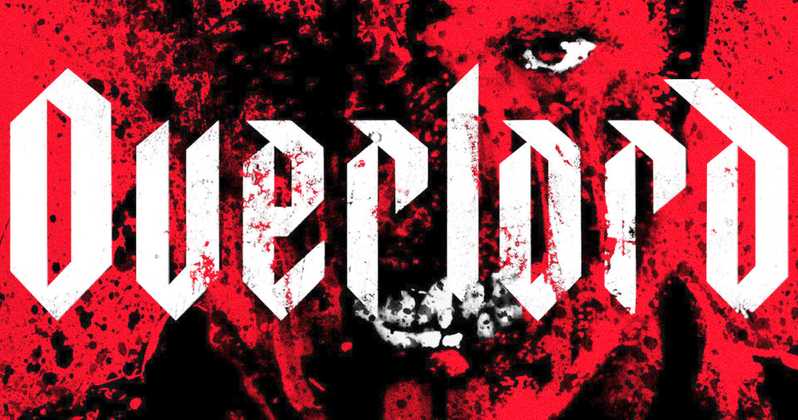

Review Overlord by Jonathan Evans

 out of 5 stars (3 / 5)

Nazis are great, easy villains. They have a simple, distinct name, have an iconic look and logo so can be easily visually recognized as well as overenunciated accents. Plus they obviously committed such atrocities that they lend themselves to any deplorable situation, whether it be factual or some fantastical, made up scenario. This movie is the latter.

Overlord is not a movie like Apocalypse Now, Paths of Glory or Platoon where you come away from it with a unique view of war as well as the human condition. No, it is like running the gauntlet of video game levels where characters are simple, the explanation is minimal and about the experience. From boss fight, the sneaking around to full-on shooters this is like a really cool video game you won’t get to play but is still really cool to watch.

Little time is wasted, as soon as the movie starts we are in a plane filled with paratrooper ready to be dropped into their mission. Said mission is to destroy a radio tower, in France, that is blocking communication for American soldiers which makes it difficult. Bullets start popping up from below them so now it’s time to jump out.

On the ground, some survive the journey down and others don’t. Who we do have is Ed Boyce (Jovan Adepo) one who is possible too gentle a soul to face the harshness of this war, Captain Ford a very experienced, no-nonsense soldier that has a Kurt Russell swagger about him (convenient because he is his son), Tibbet (John Magaro) a wisecracking sniper that is by no means sensitive or an optimist, Chase (Ian De Caestecker) a photographer, Dawson (Jacob Anderson) that wants to write a book about all his experiences after the war and Rosenfield (Dominic Applewhite) Boyce’s friend.

During the course of the movie characters die, I don’t mean the Nazi’s themselves or some random character that was introduced for a minute then gets their brains blown out, I mean the core group that we get introduced to. We get to know them, they have their characteristics and some happen at different points in the movie. These people aren’t invincible and it adds to the action because now we know there are in fact stakes. I consider myself to be wise to the usual way conventional movies playout and there were some surprises to me so there may be some for you too.

When we get under the radio base we learn that there is much more going on that blocking signals. They are using some hidden element and using it to raise the dead. Yes, that’s right, Zombies! In fact Nazi Zombies! But not the Romero dumb, slow walking ones, these seem to remain intelligent but are driven mad because of the heat and are imbued with great strength, feel no pain and are no easily killed at all (then again what zombies are?).

This is stylized action and depictions of the war. The explosions are VERY loud and the soldiers don’t ever seem to suffer the consequences of being rather near an explosion (except the ones that die). Also whenever someone is shot there is half a bucket of blood that is thrown out from the other side. It’s not at the level of a Tarantino movie, but it’s near it, most likely inspired by it.

During the sequence where – sneaks into the base, I realized that the camera was just following him around and the story was being told through visuals. This is the movies Hitchcock scene, usually, these kinds of movies don’t have much faith in their audience to keep their attention beyond gunfights and yelling dialog, but in this scene, it shuts up and embraces the cinematic, visual storytelling element of cinema. This isn’t necessarily a great scene, but it is much more than what I would have expected.

When all is over the war is still going on and some characters survive which opens it up for a sequel which will most likely happen


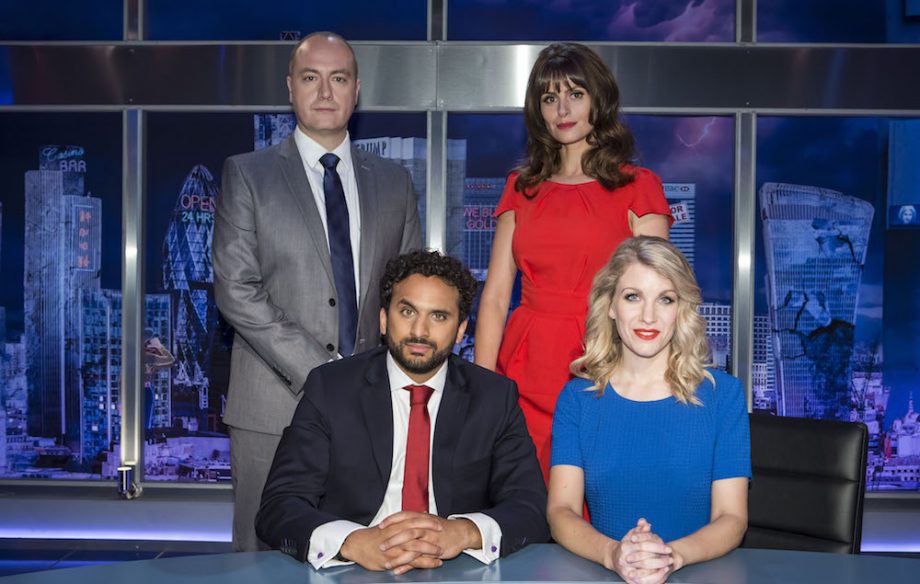
Review The Mash Report by Judi Hughes

The Mash Report – live audience

Review by Judi Hughes

I was fortunate to be allocated tickets to be part of the live audience at the Mash Report recording of Series 3, Episode 3. The ticket offer came as a bit of a surprise as I had applied to be part of a number of BBC shows some time ago. I received an email saying that we’d been allocated tickets, but this didn’t mean we would definitely get in. The show was being filmed at Pinewood Studios in Slough and since we’ve never been there, my husband and I decided that it was worth a punt and planning for the trip began.

I’m giving full details because I think it’s important to let people know what’s involved in a trip like this. The tickets were free but travel and accommodation were not. Booking.com is my goto website for overnights and I booked a night at the Pinewood Hotel for the night of the show, which we were told would finish around 9pm (£88 including a delicious breakfast, not bad for outer London). I chose this hotel because of its good reviews and convenient location – it’s about 5 minutes’ drive from the studios where there was plenty of free public parking. We decided to drive down, an uneventful journey which was made pleasant by sunshine and the amazing colours of autumn leaves.

The hotel was easy enough to find and we were soon ensconced in our room with a bit of time for R&R and a freshen-up before we headed off for the show. The rest of this information is pretty important if you decide to venture to one of these live audience shows and the first piece of it is to do read their copious instructions and follow them as well as you can.

Top of the list is arrive early. We ummed and ahhed about what time to get there and decided on 5pm even though the studio doors didn’t open until 7pm. This was a good decision. We weren’t first in the car park but there were plenty of spaces and we didn’t have to walk far to get to the waiting area (a large marquee with a very small expensive bar and some portable toilets). After passing through security (don’t take a pen knife like the bloke in front of us) were invited to sit in a row of plastic chairs and wait for announcements to be made. Important advice here is to stay in the seats you are allocated as entry to the show is done mainly on a first come, first served basis.

As advised we took sandwiches (M&S ones for a treat) and drinks in plastic bottles as no glass is allowed in the studios. We waited for around an hour, made trips to the loo (do this early as there’s a rush just before the show) and ate our pack-up as more and more people arrived. Then we were issued with wrist bands – lilac for us, red for the people who had come later and white, silver and gold ones for the more important amongst us. We speculated on the reasons for the colours and after a short time it became clear that our early arrival had paid off. It’s worth saying that the organisers had definitely considered access as wheelchair users were called through to the studio first, followed by the important bods then the lilac wristband holders (us!) and followed up by the red wristband holders who weren’t all guaranteed a seat. I don’t think everyone got in – the process if that happens is to offer those who missed out a tickets to another show and guarantee entry.

Pinewood Studios was not the salubrious experience that we had been expecting; we walked past a jumble of buildings and ended up in a sort of storage bay before we were led into the studio itself. A working space with the expected stage set-up and a mix of flat and raised seating. Much to our amazement we ended up in the 3rd row from the front so we had a really good view. Cameras were above and behind us and it was fascinating to watch how the show was filmed, the use of the space and back screens to create the effect of the actors being outside. Observing the process was as much a part of the evening as watching the show.

The audience waited and chatted excitedly for what seemed like ages but was probably only about 10 minutes. Then the warm-up guy appeared and explained how it would all work, how and when we should respond, laugh and clap and really put us at our ease. Nish Kumar then came on stage and talked to us a bit more about the show, who the guests were to be and all the time being titivated by make-up and wardrobe people. Finally we were all set to go.

Nish introduced the show with his familiar satirical rant about topics of the week. The objects of his rhetoric included the Spice Girls, Trump, the USA Mid Term Elections in which a dead brothel owner was elected and also the rise of American women getting into power. Trump was splendidly ridiculed for his treatment of the press.

Over to the News Desk with Steve N Allen and reporter Susan. Their headlines covered the end of Big Brother, the ‘Living’ Wage, the British fixation with the weather and people wearing massive poppies, supported by some very funny reportage featuring Tom Bell, Freya Parker and Jason Forbes.

Back to Nish to introduce Rachel Parris who spoke about the weird rhetoric used when the media and our politicians talk about Brexit: “the conjuring of nostalgia associated with WW2 to argue for Britain exiting Europe”. Farage was the object of her ridicule along with others including reports of David Davis throwing a tantrum and giving up. She painted a ludicrous picture of the war years when instead of wearing tights you just painted your legs with creosote, rising out of the rubble for a good old sing song. Rachel is a genuinely funny lady who delivers her report in an upbeat manner, showing the positively silly side to all the Brexit shenanigans.

Nish then interviewed comedian Geoff Norcott, known for his right leaning views, although on this occasion not particularly a fan of Theresa May’s dancing. He compared Corbyn to a gangster’s wife in the vein of ‘I was present but I wasn’t involved’. His main target this week were the Lib Dems and it seems that they are so low key that he and Nish have been on Question Time more times than they have. He had a go at pretty much everyone, even the Greens, so in the end a very equal opportunity satirist with a slick delivery.

In a rant direct to the audience Nish covered the United Nations investigation, a serious topic about them visiting Britain to explore the impact of a decade of austerity – his lighter comedy tips advised that all the trains would be late and they might be photographed and end up looking fat on Twitter, which had recently happened to him. Some interesting facts here including that Britain is the 6th largest economy in the world yet 20% of the population are living in poverty. He also covered the rise of in-work poverty, with low wages failing to cover the cost of living. He derided the ‘end of austerity’ reporting that people will be worse off under Universal Credit, which has £3billion a year less funding than the previous system. He cited George Osborne’s political choice to feed the rich “this is George, he systematically made life harder for millions of people for a decade – he didn’t give a s**t and he’s minted”. Philip Green got it in the neck and even the Queen didn’t escape with Nish referring to her having diamond hat and a Netflix show about the hat.

The final News Desk told us “Guy Fawkes urged to have another go” and more digs at the Spice Girls: “Susan were you a fan of the Spice Girls?” “Yes, but I was a lot thicker when I was a teenager”.

Susan, played by Ellie Taylor, is the person I enjoyed watching the most on the Mash Report. She can change from chatty to serious in seconds, creating a believable ‘news face’ as she tells an incredibly funny story without laughing. She’s about to leave the series as she’s pregnant so we watched her perform extra items to be aired in future series as well as taking part in the current show. She was so professional and at ease in her role.

Switch back to Nish and an interview with young Ahir Shah to talk about housing which was very London centric but funny all the same. Ahir told Nish that the government’s only option was to “build more f*****g houses mate”. A bit about stereotypical views on immigrants included this old gag: “Brexit Dave – what a guy – thank you for telling me to go back to a country I’ve never been to”. He suggested building on the greenbelt – the bits that don’t look very green. To prevent intergenerational warfare he suggested a meeting of young and old minds, a sort of ‘Stormzy meet Mary Berry’ – the sound track would be excellent and the catering exquisite. He was funny enough but his delivery wasn’t up to the standard of Geoff Norton’s.

A final goodnight from Nish and then we were treated to about 20 minutes of corrections so we had to laugh and clap things we’d heard before. Not a problem as they were often funnier on second hearing.

All in all we had a brilliant time and I would recommend this trip to anyone who likes good satirical humour delivered by a lefty Asian comedian.

If you want to apply for tickets to a variety of shows you can do so on the BBC website: http://www.bbc.co.uk/showsandtours/shows/or SRO Audiences https://sroaudiences.com/

Review: Peterloo at Chapter by Roger Barrington


 out of 5 stars (3 / 5)

Mike Leigh’s rather uneven film of the 1819 “Peterloo Massacre” is an earnest account of the tragic event, but fails to engage.

On 16th August 1819, at St. Peter’s Fields in Manchester, an estimated crowd of 70,000 people peacefully congregated to hear the famous orator Henry Hunt speak about parliamentary reform.

Trouble had been brewing for a little while prior to this, as local malcontents had been rousing people in Manchester and surrounding area, to act about the social injustices of that time, in particular,  the lack of ability to vote for local representation to Parliament. This corrupt system exploited by the wealthy to their advantage, didn’t see any change until the Reform Act of 1832.

Mike Leigh is a fine writer and director. His “Life is Sweet” is one of the finest British films of the 1990’s. There isn’t much in “Peterloo” to proclaim that life is sweet for the vast majority of British people in 1819.

After the huge financial cost of fighting Napoleon’s French Army for 20 years culminating in Wellington’s triumph at Waterloo in 1815, the country endured a pitiless state of austerity, that makes the current situation in Britain pale into insignificance. The link between Waterloo and Peterloo is conveniently carried by Joseph, a bugler at the first and victim in the second encounter. A hero suffering from PTSD after the battle, and a sabered casualty induced by the actions of an intoxicated member of the Manchester and Salford Yeomanry in Manchester.

After the opening scene of Joseph at Waterloo, you witness his long trudge home that he and his companions had to make, whilst parliament decided to award Wellington a colossal financial reward for his victory. When Joseph eventually arrives home, in a state of virtual collapse to the dire living standards that people of the working class had to endure, you can quickly assess where Mike Leigh’s support lies.

This is a very promising start, but then the film stalls going on an endless stream of set pieces of public meeting and political conversations. It seemed like one of those ubiquitous historical documentaries whereby B actors dress up in garb distinctive of their time and station and invariably stare into middle distance. Whilst accepting that you have to provide sufficient background material to explain the ensuing climax, I did feel that I was back in the classroom attending a history lesson, rather than seated in a cinema to be entertained. And I love history!

The climax at St. Peter’s Field is well executed, but, again, not particularly engaging.

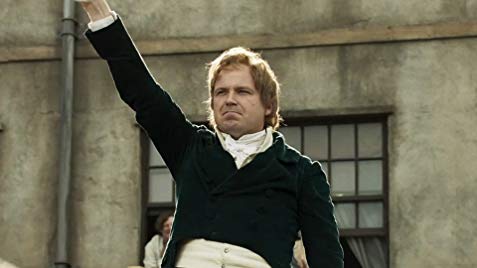
Mike Leigh has written a highly eloquent script and has a fine cast of British character actors to work with, and, where the film works best, is in its domestic scenes and personal engagements with Henry Hunt, (Rory Kinnear). He portrays Hunt as a vainglorious man, donning his conspicuous white hat – a brilliant orator, but to what extent he was working for the working class and to what extent he was promoting his own notoriety is questionable. (See image above).

Maxine Peake,  as Nellie, is a fine actress. She plays a stereotypical Manchester mother struggling with bringing up a family in early nineteenth-century Britain,  but is wasted in what she has to work with. Being a Bolton lass. she could play her role in her sleep. At least her accent is authentic, which is more than I can say about others, whose lapses made them sound more like coming from Bristol than Manchester.

Overall, though, the acting is fine. Tim McInnerny as the Prince Regent returning to the period that he so memorably played as Lord Topper in Black Adder the Third, manages to portray the soon to be George IV, as a totally odious man, an opinion that historians tend to agree with. The final scene of the film, where the Regent in an audience with Prime Minister Lord Liverpool, (Robert Wilfort) and Home Secretary, Lord Sidmouth, (Karl Johnson), based on historical fact, has George offering his congratulations to the military for imposing the tranquility of the scene, would be laughable for its irony, if it wasn’t for the fact that 15 men, women and children had been fatally injured and an estimated 400-700 sustaining injuries from the sabre charge of the militia.

Peterloo is obviously a labour of love for Mike Leigh. He has a point to make, and, by and large, he makes it. He doesn’t go overboard with sentimalisimg the working class. Some are odious, and not all the villains of the tragedy, the magistrates who ordered in the militia were evil.

The film reminded me, in some ways of Tony Richardson’s “The Charge of the Light Brigade” (1968) and   Sergey Bondarchuk’s “Waterloo) (1970). You can’t but admire it, but you can’t love it.

It is a sobering thought as we navigate the tumultuous waters of Brexit, that very nearly 200 years ago, people in Manchester, in particular were fighting for democracy. After the Battle of Waterloo, soldiers returning home, suffered in the same way as those having fought in WW1. Not a land fit for heroes but one of austerity and hardship. 1815-1918-2018. I believe that many people, in part, voted to leave the European Union because they thought that things couldn’t be any worse than they are now. Perhaps they need to be reminded by films like Peterloo, that, in comparison to our ancestors, nearly all of us live a life of luxury. The perfect irony is that in 2018, one of the areas that are the staunchest supporters of remaining in the Union, Manchester, is the same community that fought for democracy 200 years previously. Now, you could argue, these people have become  victims of the political process that they fought and died for.


Roger Barrington

Continue reading Review: Peterloo at Chapter by Roger Barrington

Review Widows by Jonathan Evans

 out of 5 stars (5 / 5)

We have a gang that performs heists together, they all have wives, during one job it goes as bad as it can and now all the members of the gang have widows that must go on without them. A simple and solid set-up that can lend itself to many different end products, what we get is one of the greatest heist movies I have ever seen.

Pretty much as soon as the movie begins you realise you are in the hands of a master. Showing one married couple while startlingly parallel cutting to a disastrous heist that all the husbands are a part of. Already we efficiently have a grasp of who these characters are, how they relate to each other and what the setup is.

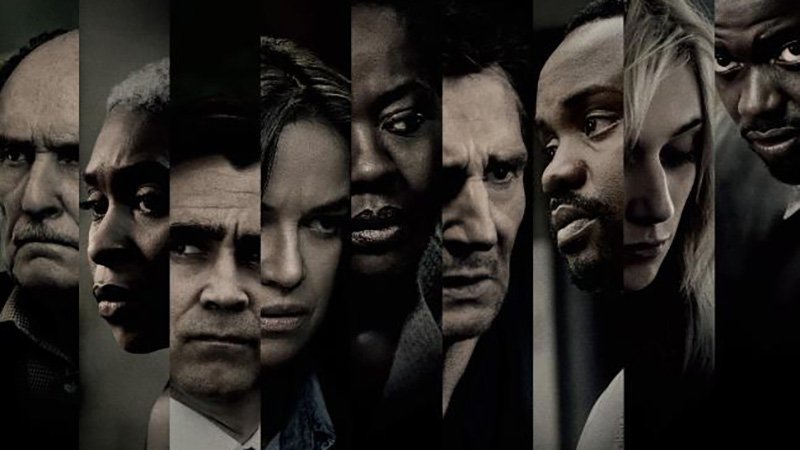
The couples are Harry Rawlins (Liam Neeson) and Veronica (Viola Davis), Carlos Perelli (Manuel Garcia-Rulfo) and Linda (Michelle Rodriguez), Florek Gunner (Jon Bernthal) and Alice (Elizabeth Debicki). All come from different worlds, are different ethnicities, have different relationships and would certainly never be together by their own choice if we’re not for the job and their husbands.

Their husbands may be gone but the consequences are still waiting for them. Harry stole money from a man named Jamaul Manning (Brian Tyree Henry) a crime boss that is also running for office but still wants his money back, also is his younger brother Jatemme (Daniel Kaluuya) a truly merciless creature that kills and tortures without any sign of sympathy.

Veronica is living in a penthouse and has some things to sell but nowhere near the amount Harry stole, however, he did keep a notebook with detailed notes on how to do every job, including the next one that none of them can perform now but the target and money is still there. All that’s required are people that are willing to do it and have the incentive.

Steve McQueen as a filmmaker has never shied away from the tough subject matter. For his debut made Hunger, about IRA prisoners that slowly die due to a hunger strike, then made Shame about a spiraling sex addict and 12 Years a Slave about a free man taken into slavery. Widows is a solid premise that is actually based off a miniseries in the eighties, which McQueen, along with coscreenwriter Gillian Flynn (who also doesn’t shy away from the tough material) have taken the concept and modernized it as well as shifted the setting to the United States. Within his works, we are always given a variety of techniques, from wide still shots to a scene being played out in closeup and sequences of rapid editing. He also incorporates sound very skillfully, some scenes will play very quietly then there will be a loud bang to cut the peaceful mood, others there will be a continuous sound through to the scene to provide timing and texturing of the scene and mood.

Veronica’s and Harry’s penthouse is a slick modern all-white suite that looks out on the city. Also are most of her clothes (slick, modern and white). When she decides to descend into the world of crime by performing a heist there is the inclusion of some black items of clothing before wearing all black for the job itself. Not the most subtle filmmaking ever but effective is effective.

This is a heist movie. However there are still many variations to be had within a genre, recently I reviewed Oceans 8 and talked about how it had a graceful, smooth camera throughout. Such an approach is appropriate for that movie because it is very Hollywood, about witty talking characters and, glamorous outfits and has an upbeat tone. This is street level with, obvious brutal realities and things can go very wrong very fast. When they do the camera goes to shaky hand-held, this is so we feel like we are there in the midst of the running and the catastrophe.

Widows succeed because like any other genre it is not really about the subject matter but a framing. Godzilla isn’t about a monster but a catastrophe, Apocalypse Now isn’t really about the battles but the mentality of war itself and we are not invested in LOGAN for the action set pieces but the character in that situation. Little of the movie’s runtime is the heist itself, but before we go into it we learn who all the characters are and why they are doing this and what is at stake. It is a story about bold, beautiful, damaged and flawed characters dealing with the very difficult hand life has dealt them.


Review Halloween (2018) by Jonathan Evans

My god, this franchise is confusing. Ironic because the original movie is so a simple, and minimal with its story.

John Carpenter’s original Halloween is one of the essential watches for horror lovers and movie fans in general. It is the perfection of the slasher genre, with a killer that is pure evil, a simple but effective way of shooting it and a score that hooks itself deep in your brain. Yet at the end of the movie it seems like it was done but the success meant more had to be made and so they made seven more movies, then Rob Zombie told his version of the material with two movies and now we are here, forty years later from the original and ignoring all the middle material. But this is the third movie to be titled Halloween. Told you it was confusing.

Opening the movie are two British podcasters that host a show about killers, crimes and other such grim subject matter. They go to Smith’s Grove Rehabilitation Hospital where for forty years Michael Myers has been kept locked away from the rest of the world, never speaking a single word. One of them has something for Michael though, the mask he wore on his night of rampage. This sends the other inmates into a frenzy but Michael still stands there not saying a word.

Cutting then to the classic score we all know from this franchise and a rotten Jack-O-Lantern that slowly reforms back to life, a symbol of Michaels reawakening, the franchise and this whole gruesome affair.

Carpenter himself does not fill the directing chair this time around but he is back as the composer. Carpenter composed nearly all his movies and Halloween was arguably his best job. A dark theme that is like the pulsing of the heart that grips you in tension and then a movement that ignites fright. In recent years he has been more focused on his music and he is very good at it. Here he gets to do one of the things he does best, he doesn’t completely reinvent the theme or copy and paste it, it stays true to the core of the score and adds little things, like a power chord from a guitar and other layerings to deepen then experience, it’s a great score that has received an appropriate update.

Filling in the directors chair is David Gordon Green. He has a diverse filmography, nothing that would make someone point to him and say “He’s the man for this job!” but we’ve had plenty of surprises of directors taking on franchises and actually doing great things with them. He and cinematographer Michael Simmonds incorporate a few intricate long shots that build up the suspense well and he portrays the kills with loud screams and plenty of blood.

Whenever something becomes truly popular and others seek to replicate it and/or a franchise is kicked off there is a big risk of homogenization. We want to feel like this is the world and characters that we’re familiar with but not a color-by-numbers experience. This gets a little closer to it but luckily strikes the right balance of being its own thing while taking its cues from the original and also giving a few nods while it’s at it. An example of this is that a key image is a white mask Michael wears, there isn’t any true significance to the mask itself, it was chosen because it has blank features which reflect the character, in context Michael stole a mask while getting ready for his night of slaughter. Same for the boiler suit, he happened to cross paths with an unlucky worker, here he by chance kills another worker in a similar navy blue boiler suit, would he have taken a red one? Or not killed him if it was yellow?

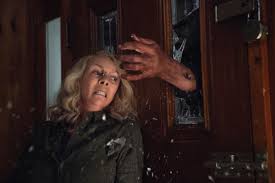
The most original part of this entire movie is how it portrays Laurie Strode. She is now a grandmother, slightly estranged from her daughter and granddaughter, living in a fenced off house ready of anyone that comes looking for trouble. It’s not that unbelievable yet I can’t think of many other movies that have done this, so many characters in horror sequels seem to go back into normal life after the traumatic events. Laurie was just a regular teenage girl and for no real reason came face to face with her friends being killed and pure evil. Jamie Lee Curtis fills the role with badass authority, taking no nonsense while she loads her guns and fragility, clearly having to live her life in fear and paranoia.

This is a refocus of Michael Myers as an unstoppable force of nature. A slow monolith of death that will keep coming no matter what. This was the original intention and is what makes the character so endearing. But in the first movie he was twenty one years old, now he’s in his sixties, I have to question whether his slow pace is because he doesn’t need to rush or because he’s getting on in years. Another interesting touch is that Nick Castle is playing him again, he hasn’t done that since the first movie. His average height and build add to his inconspicuous nature and his smooth walk with an upright posture adds to the unsettling nature because he’s about to commit the most barbaric act. An extra touch is the prominent sound of his boots while walking, like the ticking clock of death, they sometimes abandon this when he needs to pop out of the shadows. I guess that would make him easier to find.

This is probably the best sequel that this great movie ever got (though there truly isn’t much heavy competition), it caters to the fans while invites new viewers in. But part of the enduring quality of the first movie was how it could show horrible acts but could be quiet and slow. This movie is more generic and loud. In terms of slasher horrors this could be much less subtle and more poorly made, for Halloween, it could be better but is worthy enough to have the name.

Rating: 3 stars

Review for The Laud of the Rings by Tanica Psalmist – Camden People’s Theatre

 out of 5 stars (4 / 5)

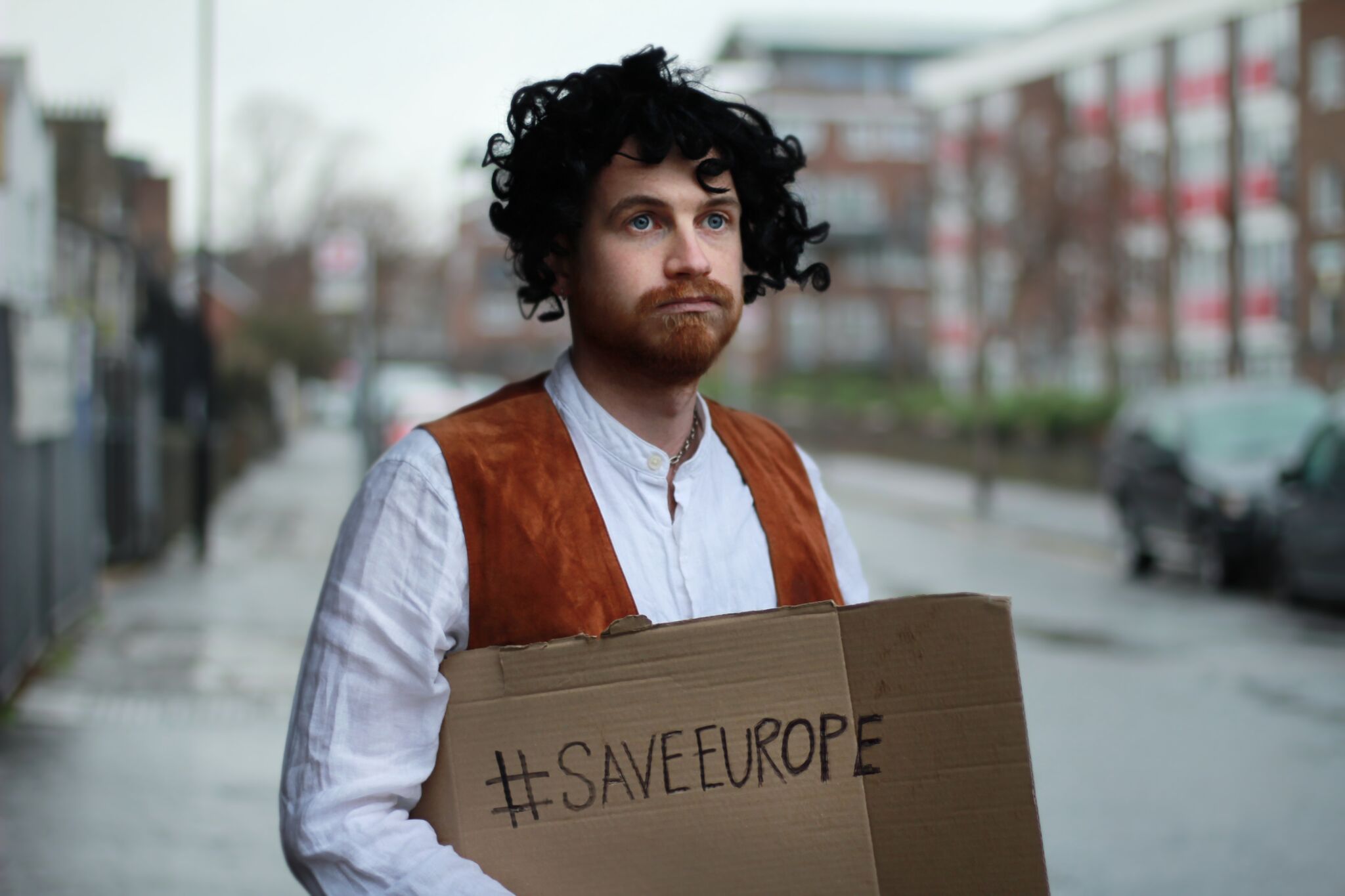
Josh Gardner’s unique story-telling production entails mix documentation and an anarchic approach to performance. Josh elaborates on privilege and migration through the use of absurd. A space where he isn’t afraid of breaking the fourth wall or going against theatre rules or maintaining his dry humour which not everyone gets but it seemed he purposely wanted to convey that aspect to his character. The Laud of the rings tells the tale of Josh wanting to save Europe by re-enacting Frodo’s journey to Mordor, travelling from Oxford to Istanbul dressed as a hobbit.

The Laud of the Rings is a captivating and provocative performance that follows desperate attempts to live out a fantasy world in a black wig, plastic feet and have an encounter with a Serbian border police officer, as reality and fiction collide in an epic re-make of The Lord of the Rings.

The production is very immersive, it became intriguing when he would climb into the audiences space to sit among them, get the audiences participation by choosing individually who to read out his scripts and jumping on to the stage to blow up a giant, plastic sphere with a noisy air compressor.

There’s episodes where Josh risks the use of being ‘disorganised throughout his performance’ and scatty with minor control on stage, especially as he leaves the theatre nowhere to been seen again, leaving the audience members no opportunity to properly applaud, some audience members went off to find him in the giant, plastic sphere rolling around outside.

Laud Of The Rings is slightly weird, funny and slightly unsettling. It can take a lot for you to laugh, grasp the concept of his character and relate to the emotions of his character sincerely. Josh for me is a man with a gift for deadpan humor, not knowing if he was being generally serious or not made his act original, as he wasn’t scared to be daring or challenging.


Review Podcast: 99% Invisible by Judi Hughes

I am a podcast fan. I listen to podcasts on long journeys, while I’m cooking dinner, while I’m gardening and to help me off to sleep. There is a world of fascinating knowledge and stories out there that I can’t get enough of. The first of these, recommended to me by my son, is the encyclopaedic purveyor of unusual facts, 99% Invisible. Produced in Oakland, California it is part of the Radiotopia network and whilst rooted in the USA, has a truly international outlook. I find it delightful.

If you visit their website, the ‘about’ section tells us that “99% Invisible is about all the thought that goes into the things we don’t think about — the unnoticed architecture and design that shape our world.” Fascinating enough, but it’s much more than that. To date there are 325 episodes that you can download, beginning in 2010 and carrying on to the present, they have covered what I consider to be everyday wonders of the world. If you haven’t listened to any of them yet, you’re in for a treat. I wish I could start from Episode 1 again – in fact I may well do that because there are many that I would like to hear again.

Each episode begins with an introduction from the velvety voiced Roman Mars, with the inevitable but very important messages from their sponsors (independent means they need the advertising). “I’m Roman Mars……” and proceeds to tell us about some fascinating thing that we’d really never thought about but might just observe now, like the way that large buildings are designed to make people behave in certain ways – in airports for instance in Episode 126: Walk This Way, and Episode 93, which tells us why we should always use the revolving doors.

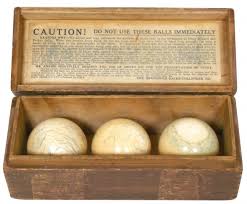
Then there are my all-time favourites: Episode 160 Perfect Security reveals that “in the entire history of the world, there was only one brief moment, lasting about 70 years, where you could put something under lock and key — a chest, a safe, your home — and have complete, unwavering certainty that no intruder could get to it.” The story of Bramah, Chubb and the lock controversy of 1851 unfolds. Episode 164 tells us how the discovery of Bakelite helped to make the awful practice of creating billiard balls from elephant tusks come to an end – did you know that by the mid-19th century, elephants were being slaughtered for their ivory at an alarming rate, just to keep up with the demand for high-end billiard balls – no more than eight balls could be made from a single elephant’s tusks. Closer to home is Episode 316 The Shipping Forecast featuring interviews with that reassuring voice of Peter Jefferson that anyone who listened to his dulcet tones late at night in will appreciate.

Wherever you get your podcasts try listening to 99% Invisible. It’s a whole new world. Check out their website: https://99percentinvisible.org.

By the way, they don’t like Trump, so all is safe in their hands.


Judi Hughes, 22 October 2018

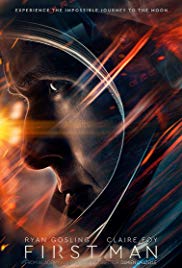
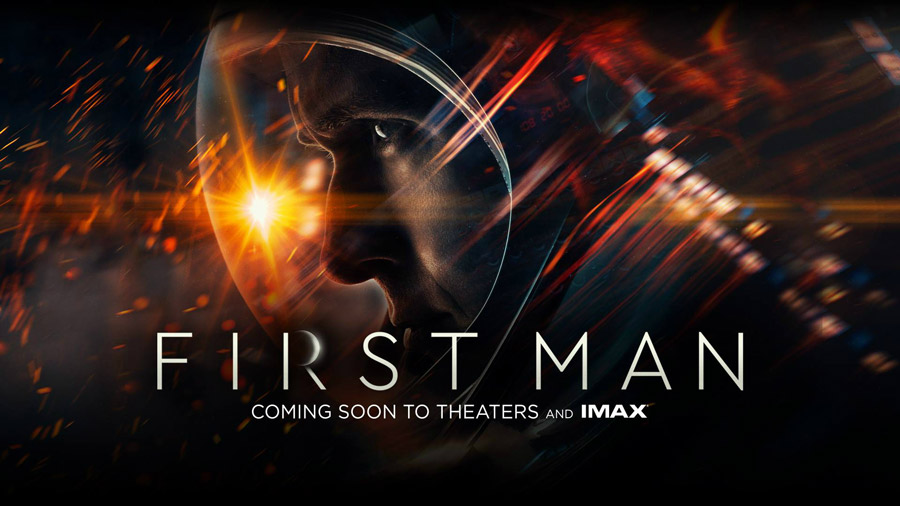
Review First Man by Kevin Johnson

⭐️⭐️⭐️⭐️⭐️

This is not what I thought it would be.

A film about the first man to walk on the moon, I expected a sort of ‘successful’ Apollo 13, but what we get instead is a psychological study of Neil Armstrong – test pilot, astronaut, engineer, father and husband- that makes Apollo 13 look ordinary by comparison.

It looks at the kind of man he was, what drove him, the sacrifices that he and others made, how he coped and what it all cost him in the end.

This is a slow-burn film, and at 141 minutes, quite a long one. At one point in the middle I must confess, I almost fell asleep, but I’m so glad I didn’t.

Damian Chazzelle has directed a masterpiece, using all the tricks of the trade, old and new. Handheld cameras, tight close ups, mixed in NASA footage, all give a cinema verite feel, making you experience the claustrophobia of the astronauts.

Right at the start you are taken into the cockpit of an X-15 rocket plane. Flown by Armstrong, it reaches the upper atmosphere and gives him a tantalising glimpse of space. All the flying scenes are done incredibly well, placing you right at the heart of the action.

Ryan Gosling as Neil, and Claire Foy as his wife Jane, make a great couple, and perhaps one of the reasons they were cast is that they act so well with just their eyes. Invaluable when so much is shot in close up.

We start to follow their lives as they go through the death of their two-year old daughter, Karen. Unable to express his grief, Neil applies for the Space Programme and is accepted. Moving to Houston and a fresh start, they befriend other astronauts and their wives, and we are taken through their rigorous training.

Tragedy strikes more than once, and with each friend Neil loses, he becomes more and more withdrawn from Jane and his two sons, and more focused on his work. Eventually he is given command of Apollo 11, the mission to the moon.

The landing itself gave me shivers. Starting slowly, Neil and Buzz Aldrin drift towards the target site only to find it covered in boulders. Taking manual control, the surface drifts closer and closer, the tension mounting with each moment, all aided by the superb musical score, leading to a crescendo as the craft touches down with only thirty seconds of fuel left.

It’s one of the best pieces of cinema I’ve ever seen.

After broadcasting to Earth the historic message “Houston…the Eagle has landed” the two embark on a moon walk, where Chazzelle, possibly using artistic licence, possibly not, creates such a simple, unexpected and emotional ending that it almost made me cry.

Chazelle shows what an incredible talent he is, someone who can subvert conventions with ease. I wouldn’t be surprised if he wins a second Oscar.

This film is an amazing, slow, quiet, shattering experience. The best film of the year so far.

Kevin Johnson