
All posts by Barbara Hughes-Moore

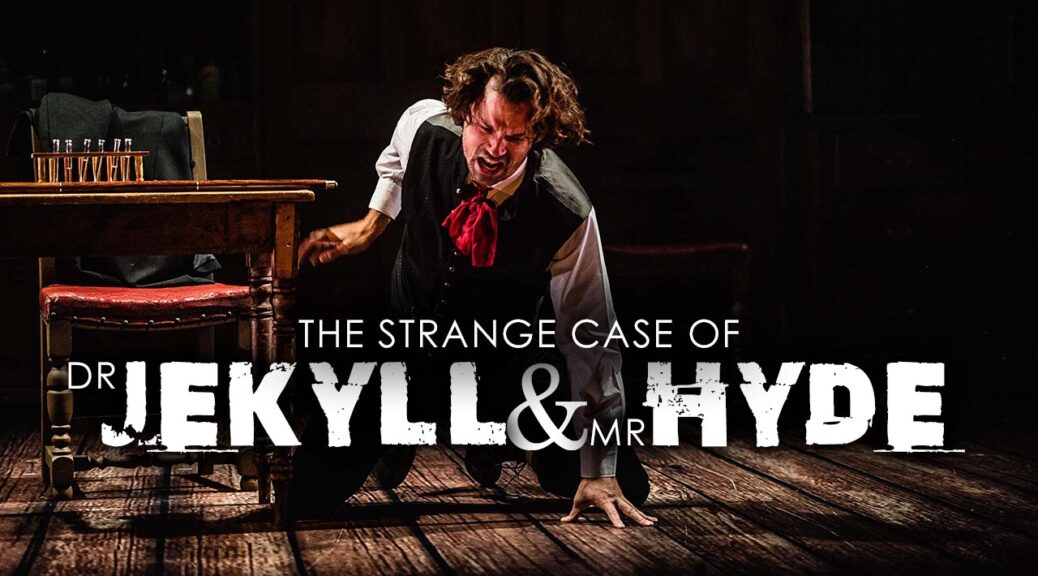
REVIEW The Strange Case of Dr Jekyll & Mr Hyde, New Theatre by Barbara Hughes-Moore

If a potion could make you into your best self, would you take it? What if it came with a cost: a little less empathy here, a little more aggression there, would you still make that choice? The tale of a good man hiding the dark side within has captured audiences ever since Robert Louis Stevenson published his most (in)famous work, Strange Case of Dr Jekyll and Mr Hyde, in 1886. 135 years later, and we’re still telling the same story, and now Blackeyed Theatre have staged a bold new version which opened at the New Theatre last night.

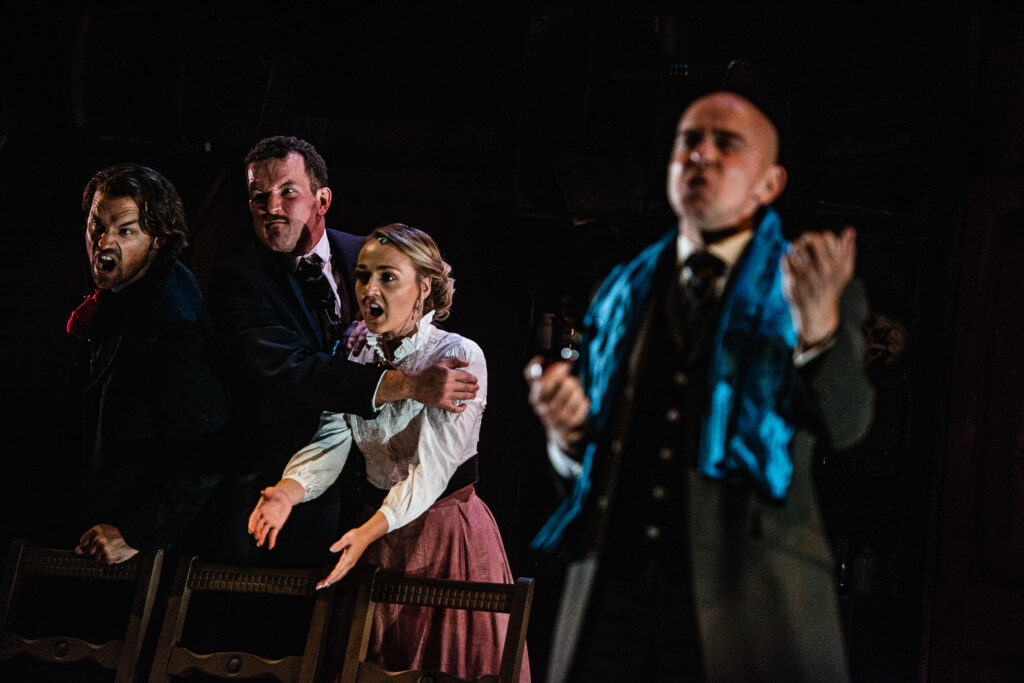
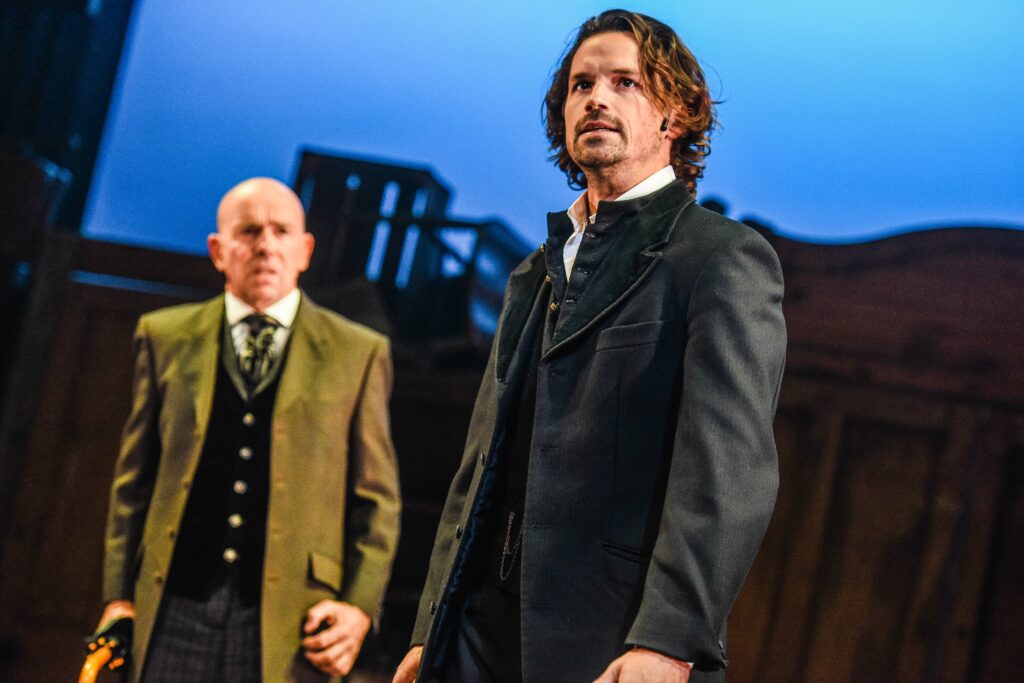
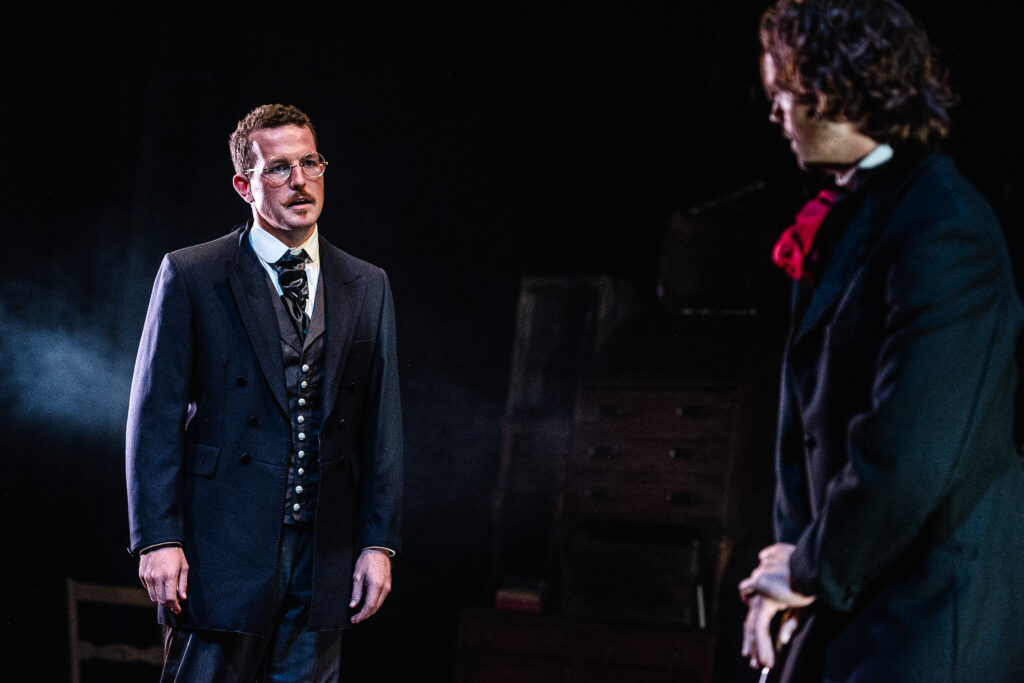
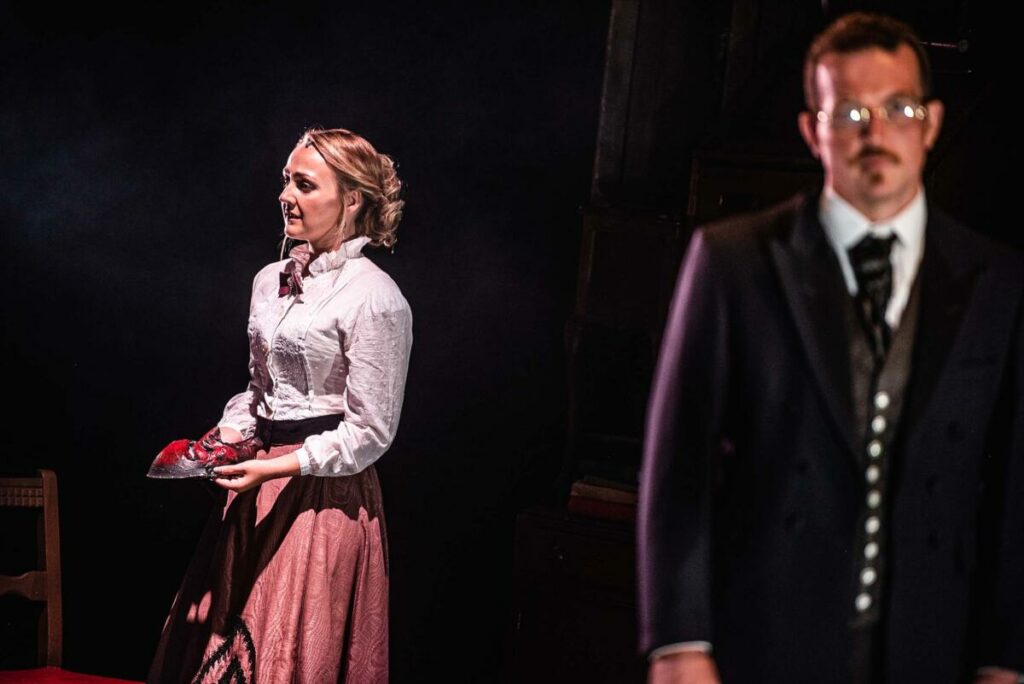
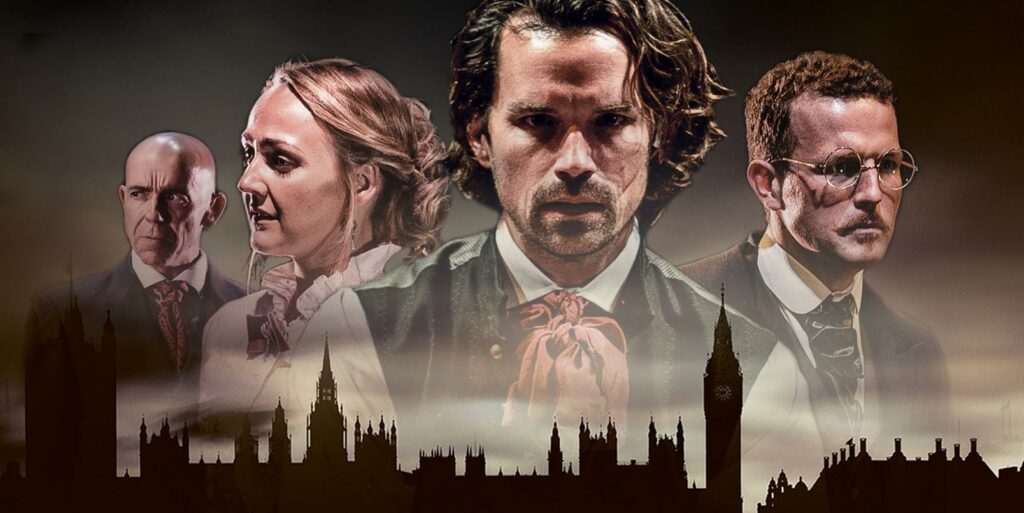
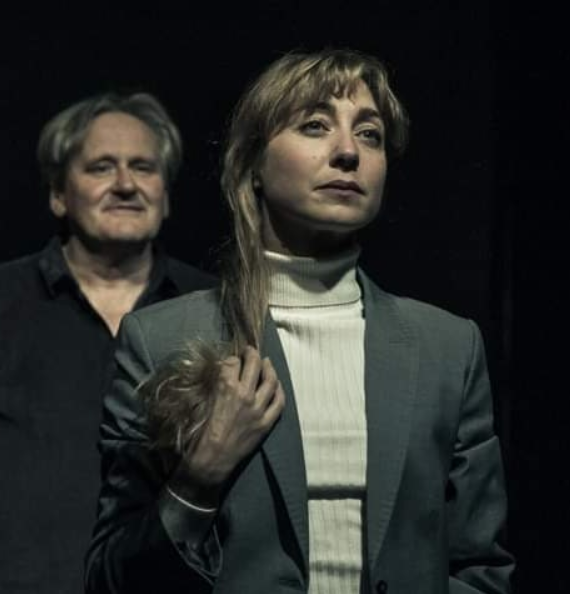
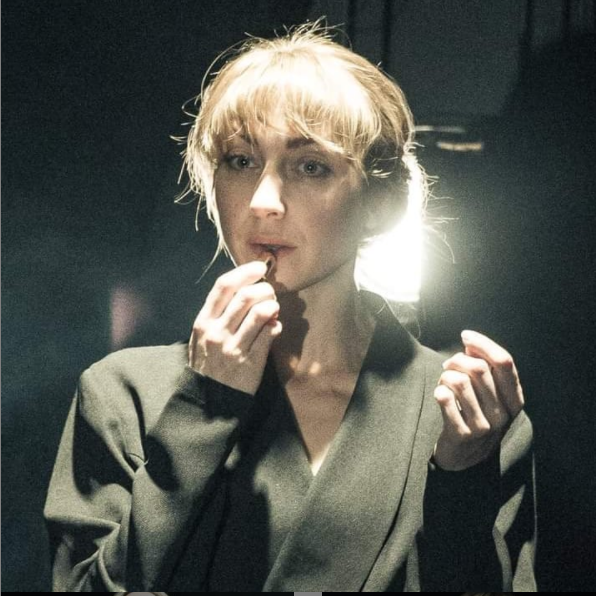
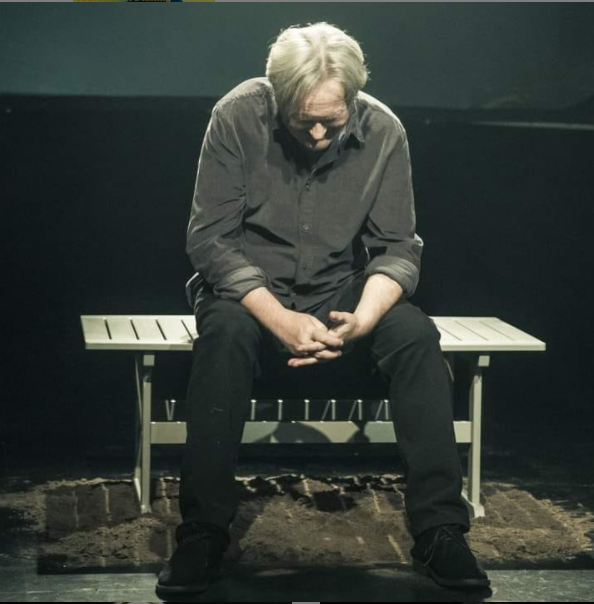
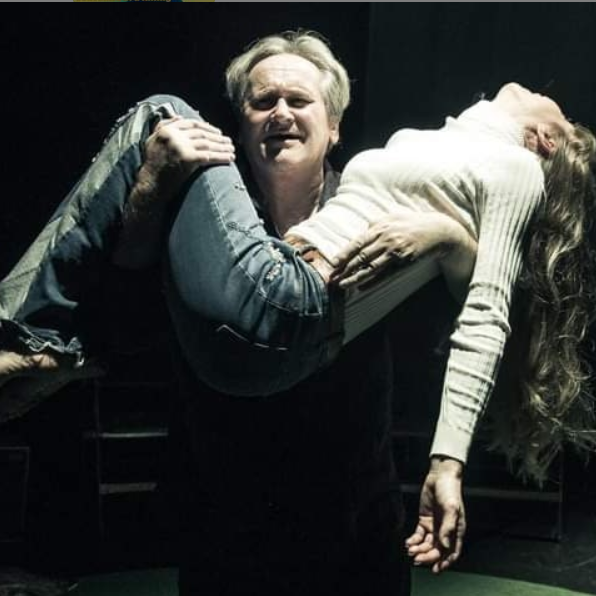
Written and directed by Nick Lane, the story follows Dr Henry Jekyll (Blake Kubena), a respected scientist on the verge of a neurological breakthrough. His friends and colleagues condemn his dubious methods, but a potential romance might just bring out the best in him – if the worst doesn’t beat him to it. I don’t just love the original, I literally wrote the book on it (well, the PhD, anyway) – so you can understand my excitement at finally seeing a stage version come to Cardiff. And it was well worth the wait. The company live streamed an earlier version in September 2020, but there’s something magical about witnessing these four exceptional actors play multiple roles (or should that be ‘selves’?) right before your eyes.

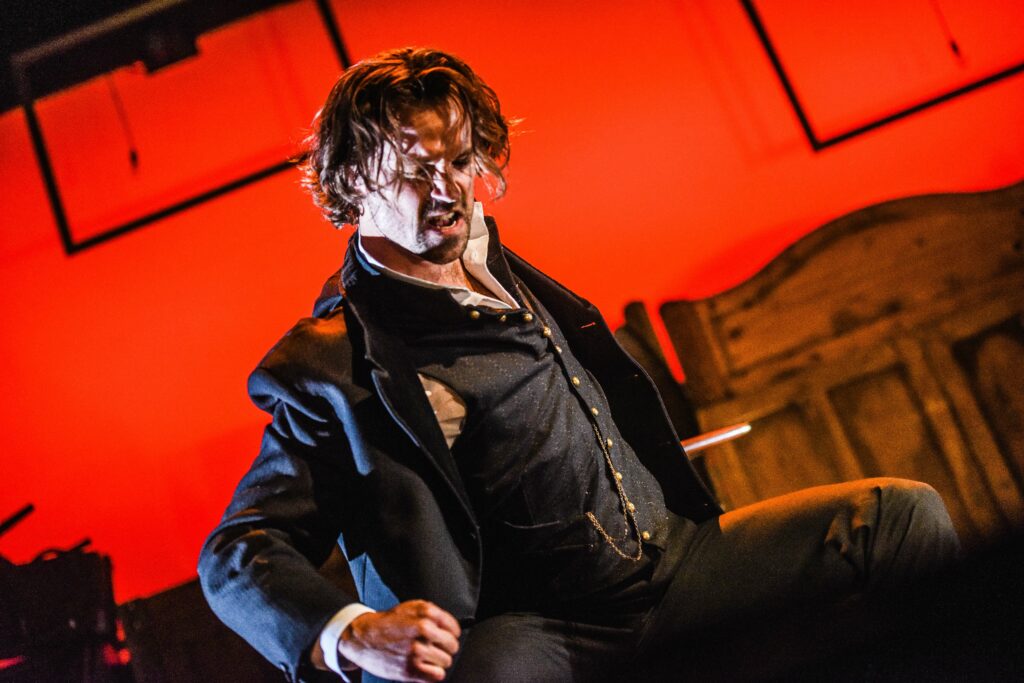
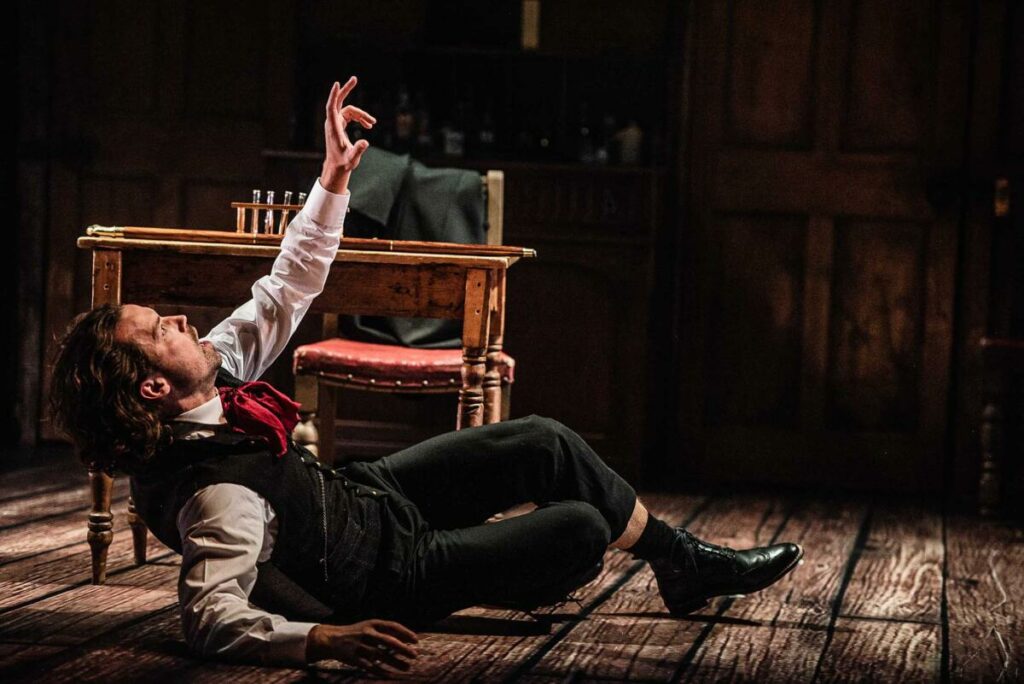
Blake Kubena gives a captivating and visceral performance as both Jekyll and Hyde, moving fluidly between the two ‘personalities’. The physical aspects of the role are crafted in collaboration with movement/intimacy director Enric Ortuño, who is also responsible for several stunning slow-motion sequences, especially a (literally) gut-wrenching act one closer that simply has to be seen to be believed. Lane’s adaptation takes the unusual and rewarding route of making Hyde more debonair than the socially awkward Jekyll, and juxtaposing an intelligent but physically weak Jekyll (not unlike Stevenson himself) with a cruel and powerful Hyde makes for enthralling viewing.

Zach Lee plays Jekyll’s friend and lawyer, Gabriel Utterson, as a strait-laced Petrocelli with the fastidiousness of Hercule Poirot. Lee narrates much of the story and excellently grounds the increasingly-eerie action. Paige Round is especially impressive as Eleanor Lanyon, the sole woman in the play: the novel features no named women characters, concerned as it is with masculinity and the aggression and repression tied up within it, but Round crafts a woman as multi-faceted as the titular character, and brings much of the play’s energy and drive. And Ashley Sean-Cook plays Dr Hastie Lanyon, Eleanor’s sweet-natured beau, bringing new layers to Lanyon that make him far more complicated and sympathetic than his literary counterpart.

Moving the action from 1885 to the 1890s edges it closer to the dawn of psychoanalysis which Jekyll anticipated (in an effective opener, the cast first emerge wearing masks and speaking the same overlapping dialogue). Victoria Spearing’s striking set, a row of antique doors and cupboards lit alternately by red and blue, is itself evocatively psychoanalytical. Naomi Gibbs’ costumes brilliantly transport you to turn of the century London, and Lane’s adaptation cleverly draws in themes and parallels from Stevenson’s contemporaries, creating something of a Gothic smorgasbord: this Henry is driven not to let ‘the unjust man go his way and the just another’ but to revolutionise science, much like Victor Frankenstein. His experiments on rats and other animals (including human beings) aligns him not just with Victor but with Dr Moreau, fictional ‘mad’ scientists whose experiments paralleled the rise of vivisection that so engrossed and revolted the delicate sensibilities of Victorian society. A lawyer investigating supernatural goings on in 1897-era London smacks of Dracula – and while the subtextual homoeroticism of the original is relegated to a single saucy reference here, there’s a little of Dorian Gray in this Henry Jekyll, who too falls in love with a rising star of the stage.

Robert Louis Stevenson wasn’t much interested in being a lawyer, but he was fascinated with the criminal mind; what can propel a seemingly ordinary person into doing extraordinary (and extralegal) deeds. The ‘why’ of crime started to rival the ‘how’ in Gothic fiction of the time, which is perhaps why true-crime cases rose in popularity – the case of William Brodie, a Edinburgh clergyman by day, thief and gambler by night, certainly made an impression on Stevenson. The book itself is a split personality: the original was grudgingly burned by Stevenson at the behest of his wife, likely due to sexual or disturbing content – the second (written in less than a week and likely under the influence of controlled substances) is more civil, more sanitized, and yet still managed to push boundaries. Blackeyed Theatre brings both versions of the text together in a gloriously (un)holy union here.

Blackeyed Theatre have perfected the formula of adapting classic literature to be taught in schools in accessible and lively ways. Their version of Jekyll and Hyde is an absorbing, immersive and exciting adaptation that does justice to the original while forging its own path. It could be a little tighter, especially in the first act, and the switch between the characters’ perspectives can make the timeline a touch confusing – but the latter serves to reinforce the theme of fractured subjectivity. Whether you’re familiar with the original or just its central duo, Blackeyed Theatre’s adaptation will take you on a riveting journey. And it leaves us, as life always does, with a choice: to take the easy road or the hard. It calls us to question why we keep telling the tale of Henry Jekyll and Edward Hyde over and over when we should really be looking into a mirror. What will you see if you do? And what if the mask is the mirror?

The Strange Case of Dr Jekyll & Mr Hyde is playing at the New Theatre Cardiff through Saturday 13 November.

REVIEW Dial M for Murder, New Theatre by Barbara Hughes-Moore

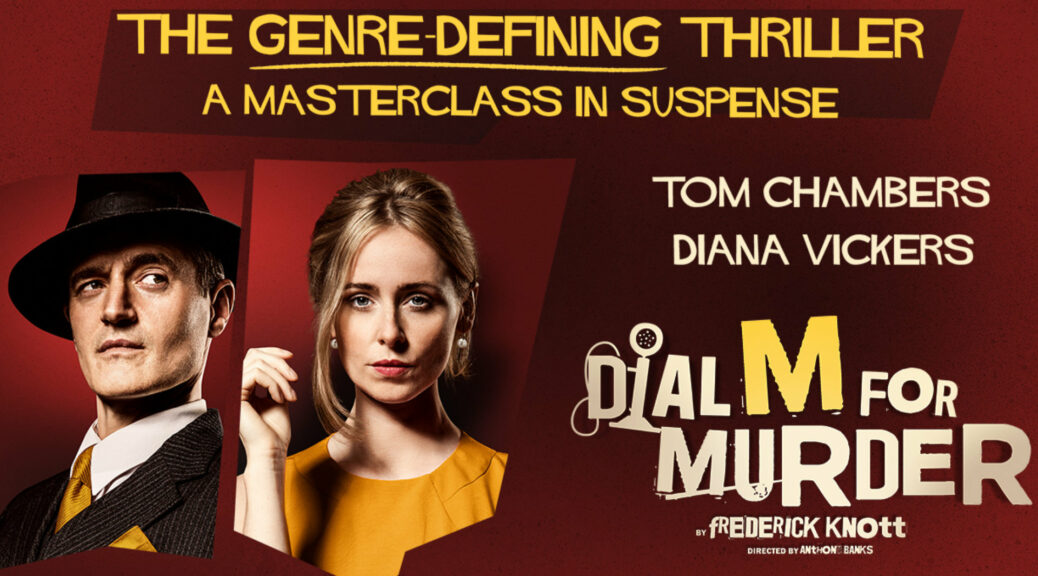
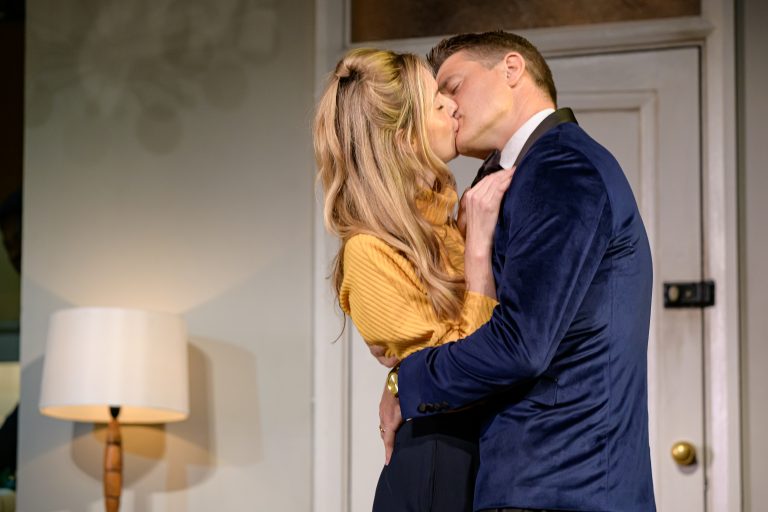
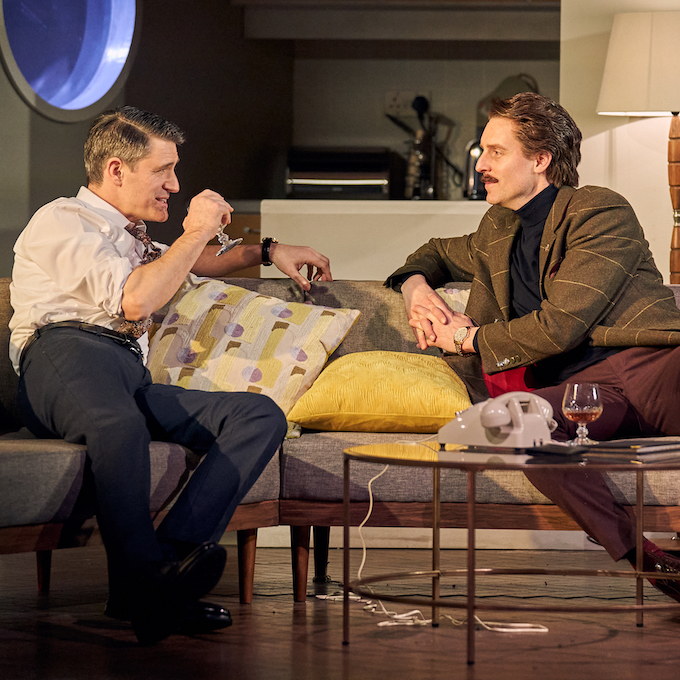
Is there such a thing as a perfect crime? This is the question at the heart of Frederick Knott’s classic play and Alfred Hitchcock’s iconic movie adaptation, which come to life in this stylish new production directed by Anthony Banks. Starring Strictly Come Dancing champion Tom Chambers (Top Hat, Crazy for You) and West End star Diana Vickers (Little Voice), the play follows Tony Wendice (Chambers), a retired tennis player who seems to have it all: a beautiful, rich wife, Margot (Vickers), a swanky Maida Vale apartment, and a perfect life. But when Wendice learns that Margot is having an affair with budding crime writer Max Halliday (Michael Salami), he concocts a foolproof plan to kill her and claim her fortune without having to go through with the grisly deed himself.

Diana Vickers and Tom Chambers

It’s great to see Dial M for Murder come to Cardiff, not only because the touring production has been so long delayed due to COVID, but also because the 1954 movie starred Grace Kelly alongside local boy Ray Milland, the first Welshman to win an Oscar. The touring production captures all the thrills of the original, and the cast bring a lot of energy and drive to the story – especially Chambers, who brings a dancer’s grace to Wendice that cleverly underscores the character’s background. He moves through the stage with the elegance of a tennis player, as if everything is still a game to him: there’s a winner, and a loser, rules, technique, and a ruthless urge to triumph. He may have left the game, but it has clearly not left him.

Tom Chambers and Christopher Harper

Chambers is the master of the dropped smile: charming and effervescent one minute, seething and manipulative the next. He plays especially well off of Christopher Harper (Coronation Street), who pulls double duty as both the reluctant assassin and the eccentric detective. Harper is chameleonic and effortless in each role – had I not known beforehand, I genuinely wouldn’t have been able to tell they were played by the same actor. Both performances are brilliant – but the affably off-centre Inspector Hubbard might just win by a hair (imagine if Sam Rockwell played Eric Idle playing Columbo). Vickers and Salami ground the action with less showy roles but no less impressive performances, especially in the second half. While the drama hits all the right notes, there’s a surprising amount of comedy to enjoy here as well, not least in watching Wendice’s plan hopelessly unravel.

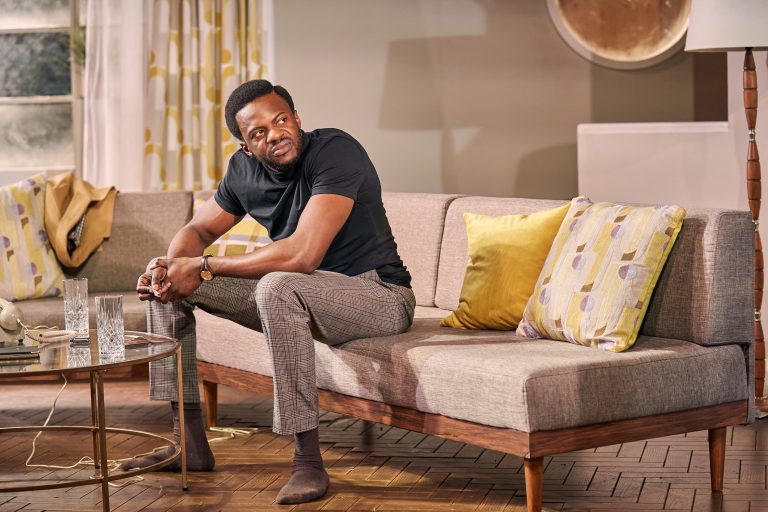
Michael Salami

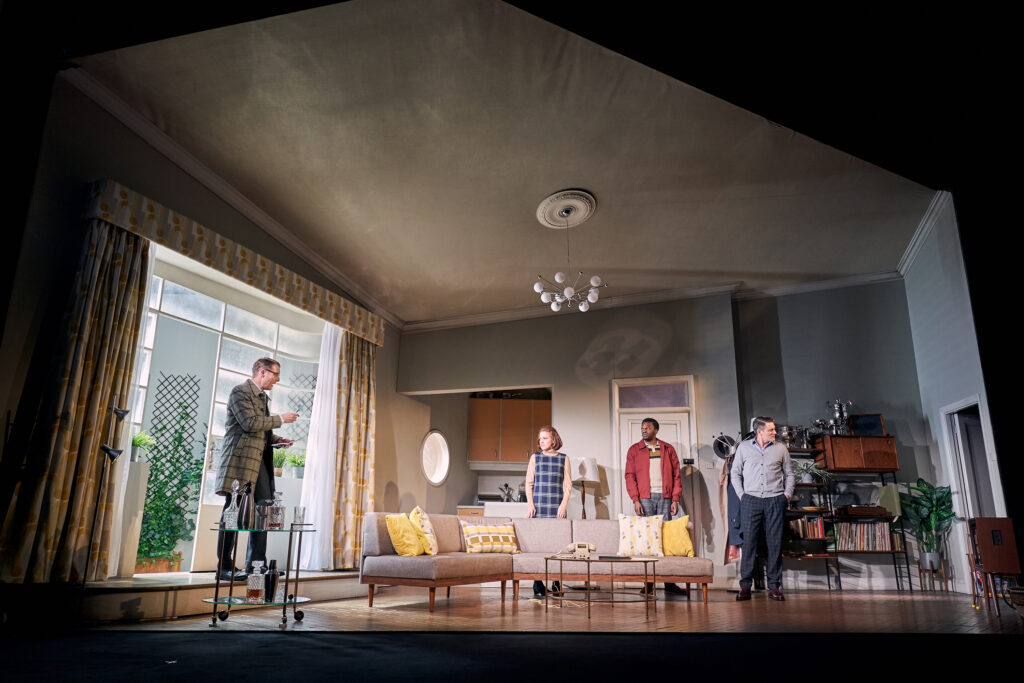
The cast are buoyed by an absolutely gorgeous set designed by David Woodhead (also responsible for the stylish costumes) and Lizzie Powell’s inventive lighting. Shifting the story to the 60s places it on the cusp of sweeping social and legal change in Britain: this was an era which saw legislation outlawing racial discrimination and decriminalising sex between men, the rise of second-wave feminism, and the end of capital punishment – all of which subtly and effectively underscore the story. Tony and Margot’s relationship is a marriage of new and old money, a fragile union especially in class-shaken post-war Britain. The show itself might be a tad uneven at times, only really dialling up after the interval – and there’s a jarring moment when the otherwise-sympathetic Hubbard roughs up Halliday, perhaps in a nod to police racism – but it’s themes, it’s performances, and the pure, thrilling storytelling are otherwise on-point.

There’s no such thing as a perfect crime because the people who commit them aren’t perfect. No-one is: no matter how clever you are, no matter how much you plan and scheme and prepare, there’s always something you’ve missed. And you really shouldn’t miss Dial M for Murder: the self-proclaimed ‘blueprint for the modern thriller’ might be pushing seventy, but it can still swing for the fences.

Dial M for Murder is playing at the New Theatre through Saturday 6th November

Note: this production features a significant amount of flashing lights during scene changes.

If you booked tickets for the original dates of 29 June – 3 July 2021, they will be valid for these performances.

Audio Described Performance: 6 November 2021 2:30PM

Review by
Barbara Hughes-Moore

Get the Chance supports volunteer critics like Barbara to access a world of cultural provision. We receive no ongoing, external funding. If you can support our work please donate here thanks.
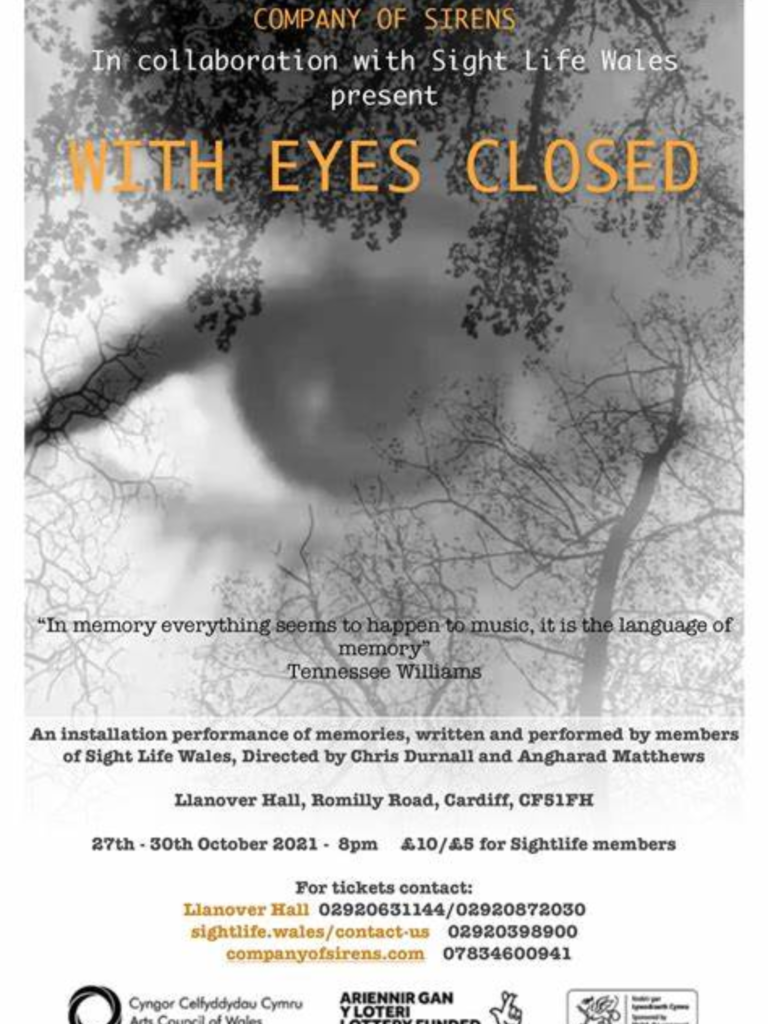
REVIEW With Eyes Closed, Company of Sirens by Barbara Hughes-Moore


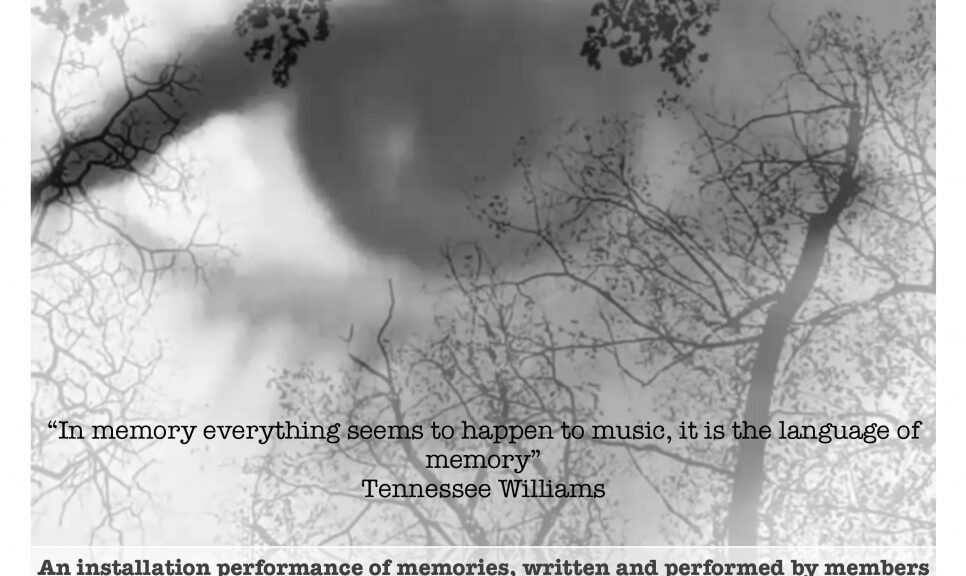
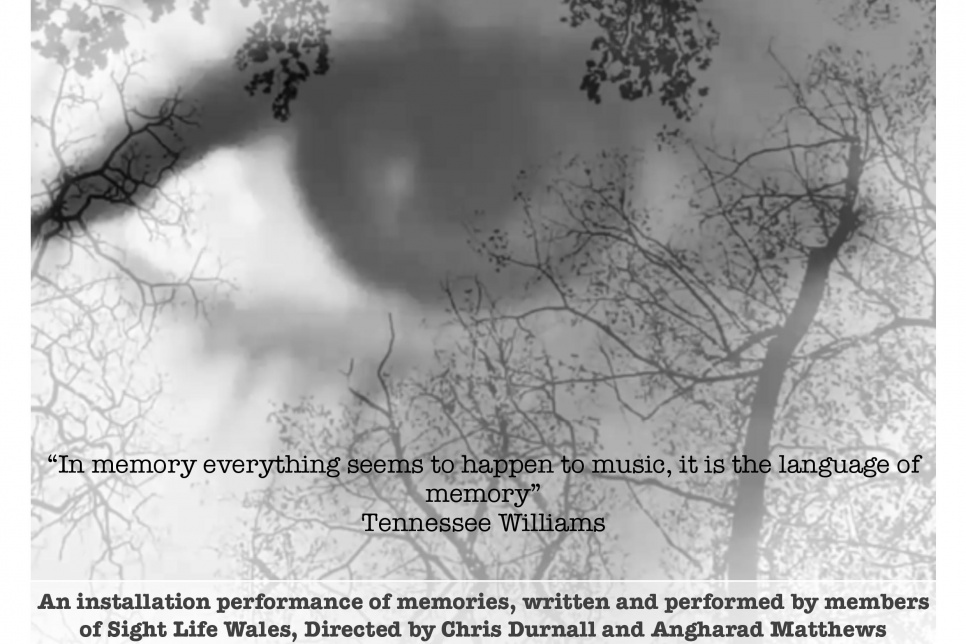
What can you see with your eyes closed? Do you see darkness, or the imprint of light, or a treasured memory? This new production by Company of Sirens, in collaboration with Sight Life Wales, explores the shores of memory and time, the footprints we leave there and the people with whom we travel it. 

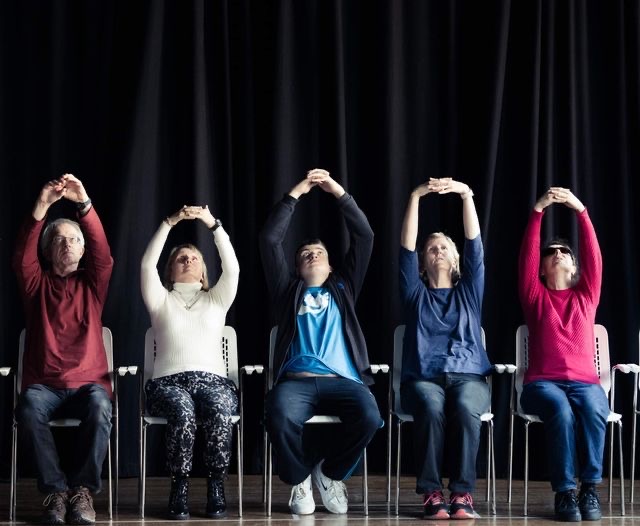
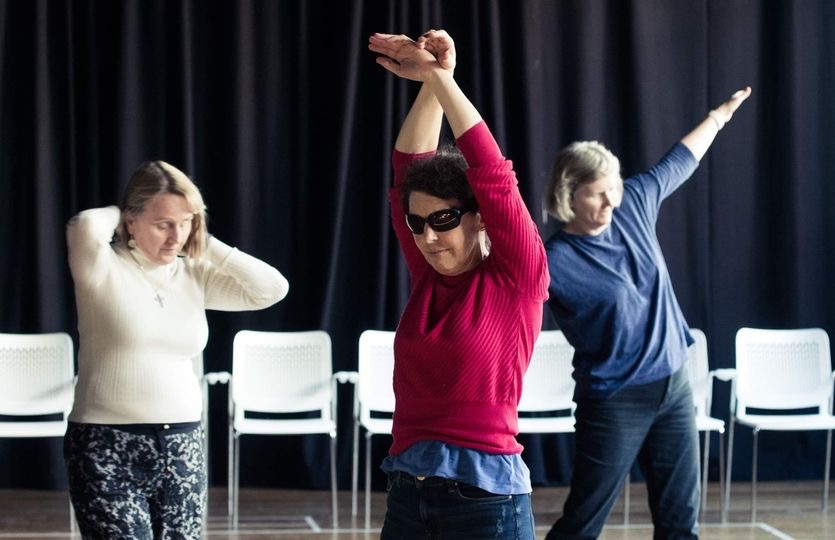
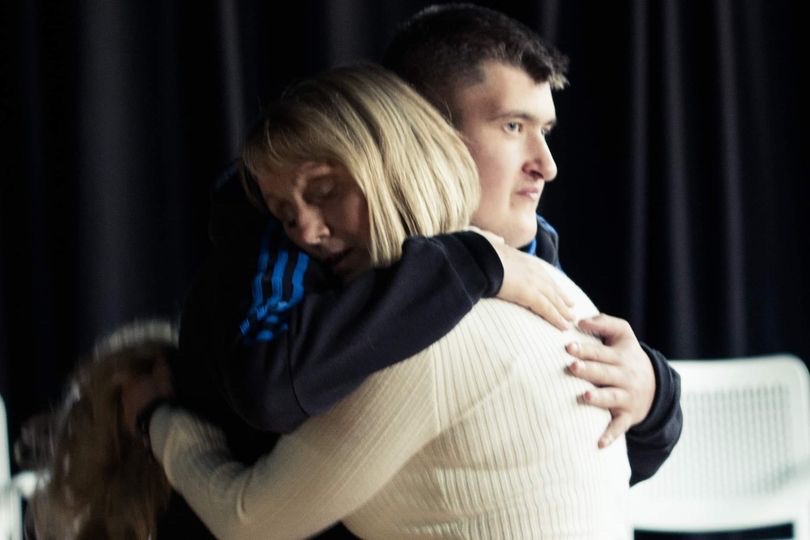
Beautifully directed by Chris Durnall and Angharad Matthews, With Eyes Closed features performers with sight loss telling stories of their their lives, loves and dreams. The piece originates in a series of taster drama workshops through the Llanover Hall Charity which pre-dated and subsequently continued throughout lockdown. The performers are all so natural on the stage that I was stunned to learn this was their first foray into acting. Precision is difficult; making it look natural is almost impossible – and that’s exactly what they achieve.  

This is a theatre piece that moves and breathes like the tide. The stage, transformed into a tranquil shore by Cara Hood’s effective lighting, is the stage for sharing memories, pieces of our lives buoyed by the waves and washed in by the tide. Company of Sirens have always had an innate sense of the ways music and memory intersect, and the music, beautifully played live by Stacey Blythe, is present but not invasive, and it glimmers like sunlight on the ocean. Tales affecting in their simplicity, are told with honesty, joy, and laughter – and, like a wave, the performers often move as one, rising and flowing together as the music shimmers like the sea around them. 

Funded by Arts Council Wales and the National Lottery, each story has been filmed professionally and will be shown in the Wales Millennium Centre as part of their Festival of Voice in November – but there’s something special and distinctly irreplaceable about experiencing this piece live; an honesty, an authenticity and a gentleness to the piece which caught me quite off guard. It calls you to wonder what you see when you close your eyes, the paths you could walk guided by memory alone, and who you walk them with.  

With Eyes Closed is playing at Llanover Hall Arts Centre Cardiff from 27-30 October at 8.00 with an additional performance at 2.00 on Saturday 30th. Tickets are selling out and Friday is already sold out.

Review Death Drop, New Theatre Cardiff by Barbara Hughes-Moore

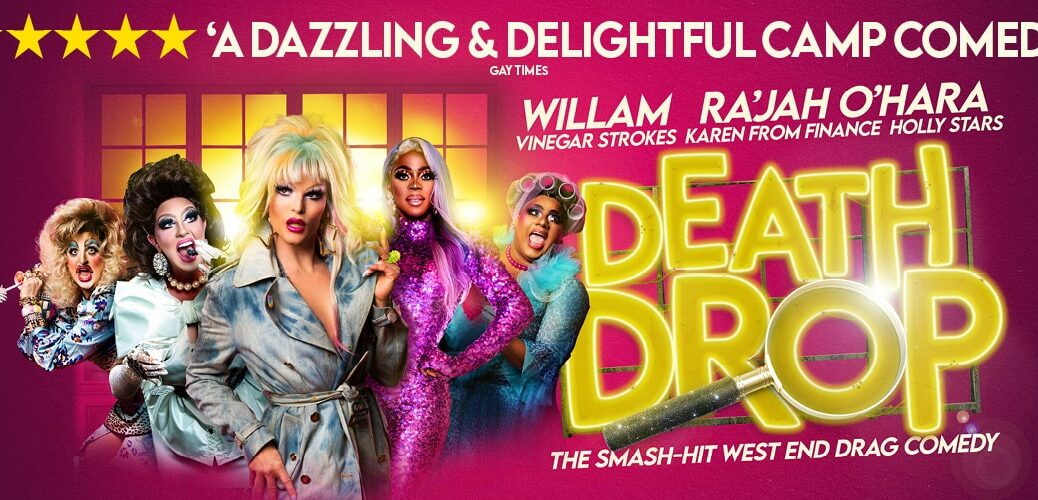
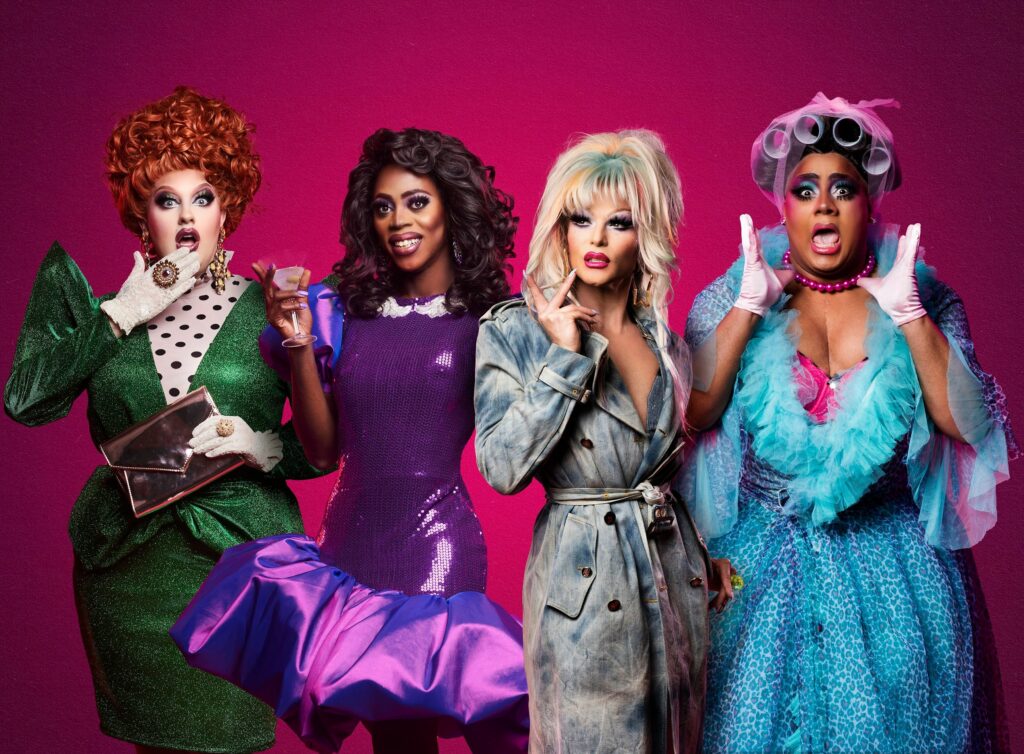
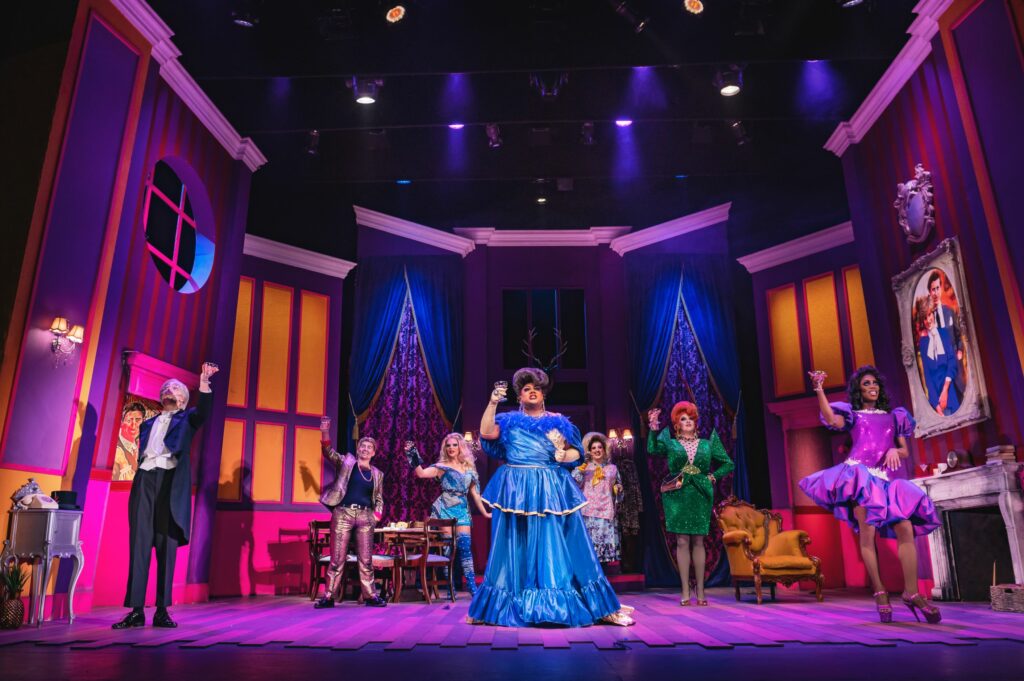
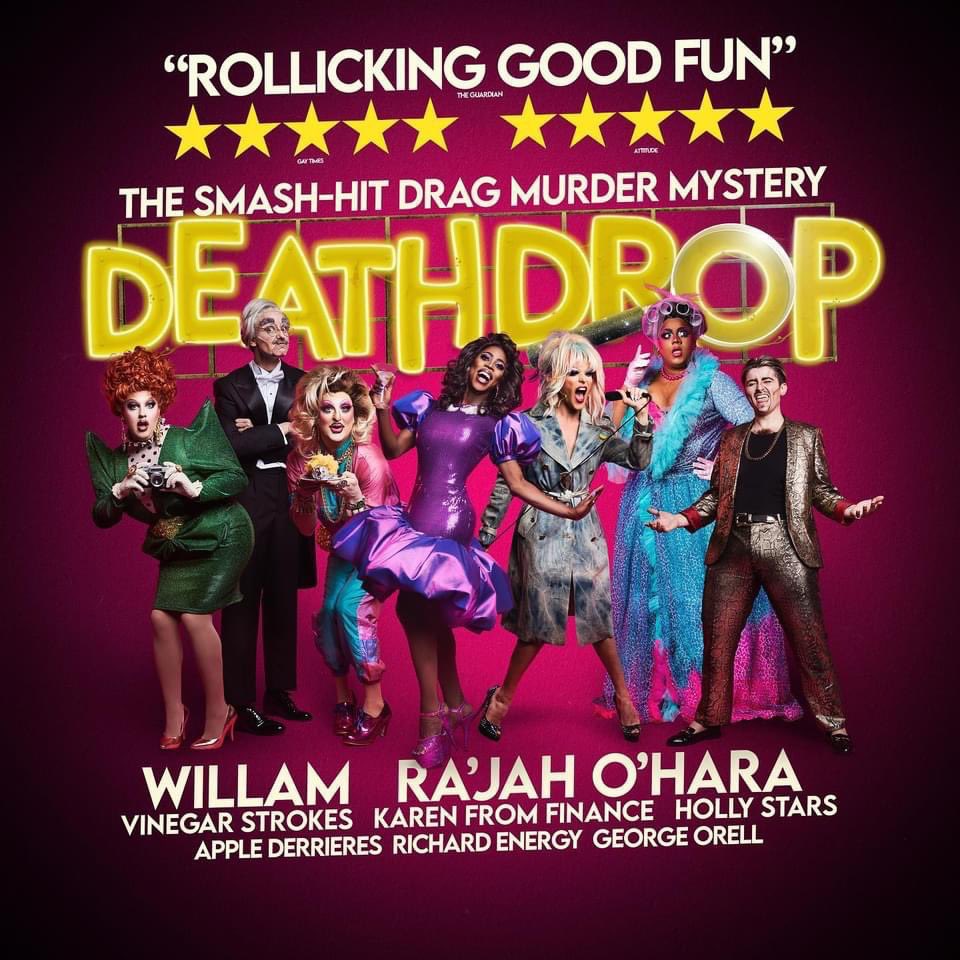
Death Drop is the ultimate triple threat: it’s a Drag Comedy, a murder mystery, and a musical extravaganza – and it’s here to slay. Premiering on the West End in December, the star-studded UK Tour is making a brief pit-stop in Cardiff for only a few days – so sashay your way to the New Theatre and catch it while you can!

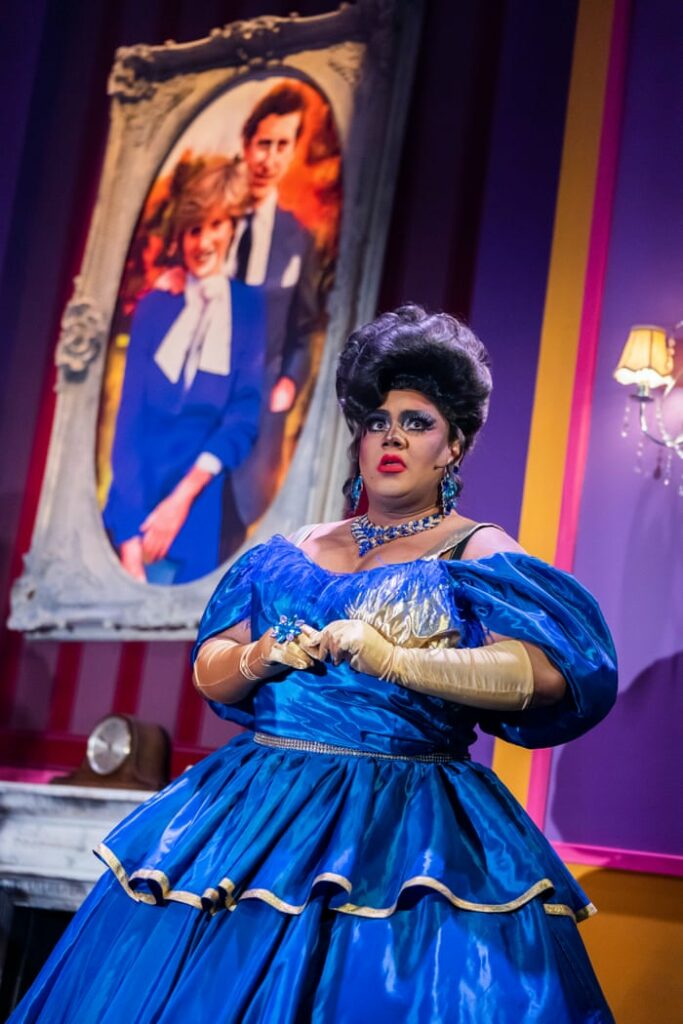
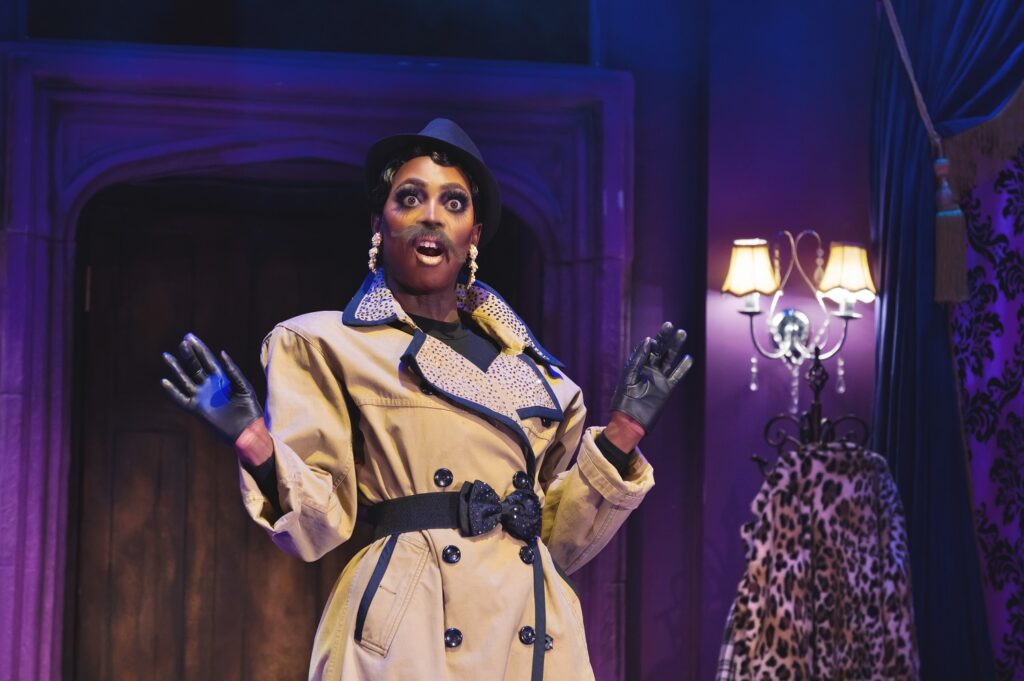
It’s 1991, and Lady von Fistenberg (Drag Race UK star Vinegar Strokes) has gathered a gaggle of celebrity frenemies to her mansion on Tuck Island to celebrate Charles and Diana’s anniversary – only for the guests to start dropping dead. This isn’t your grandmother’s murder mystery – and when it comes to the jokes, there’s no such thing as ‘too far’. Produced by TuckShop and Trafalgar Theatre Productions and written by Holly Stars (who also plays all three Bottomley Sisters), the show is essentially Murder on the Starlight Express: a campy, chaotic riff on the whodunnit where the one-liners fly so thick and fast, they make panto look slow.

Karen From Finance, Ra’Jah O’Hara, Willam, and Vinegar Strokes

Drag legends Willam and Ra’Jah O’Hara lead an all-star cast including Vinegar Strokes (reprising her role from the original West End lineup), Drag Race Down Under’s Karen From Finance, and drag kings like Richard Energy and George Orell who deliver some of the show’s best and most bonkers lines. The cast are incredibly game and bring a fun, raucous energy to the stage – I truly can’t remember the last time I laughed as much as I did in Death Drop.

Directed by Jesse Jones and with original songs by Flo and Joan (Oopsie Whoopsie is a real earworm), the show is a boozy, bolshy bit of escapist fun. Justin Williams’ set looks as if Dr Seuss designed Liberace’s living room, and Isobel Pellow’s costumes are a feast for the eyes: case in point, an outfit of Willam’s made entirely of bandanas (even the boots! I seriously want a pair). It leaves no 90s reference unturned and no innuendo unmilked – it’s daft, it’s dirty, and it’s an absolute delight.

Funny, filthy and fabulous, Death Drop is anything but a drag. If you’re averse to a bit of blue (cheese or comedy), you might want to give this one a miss – but if you’re up for a night of glitz, glamour and giggles, you can’t get better than this.

Death Drop is sashaying its way through to Saturday 23 October at the New Theatre.

REVIEW Radical Reinventions – The Love Thief & Tilting at Windmills, Sherman Theatre by Barbara Hughes-Moore


The Sherman Theatre is well and truly Back in Play! The festival, which has everything from stand up to monologues to young writers showcases (all done in short form to allow you to safely see as much or as little on offer as you like), is headlined by ‘Radical Reinventions’, four short plays which put a new spin on a classic work of literature. (Hamlet is a F&£$boi and The Messenger, which both reinvent works by Shakespeare, premiered earlier this week).

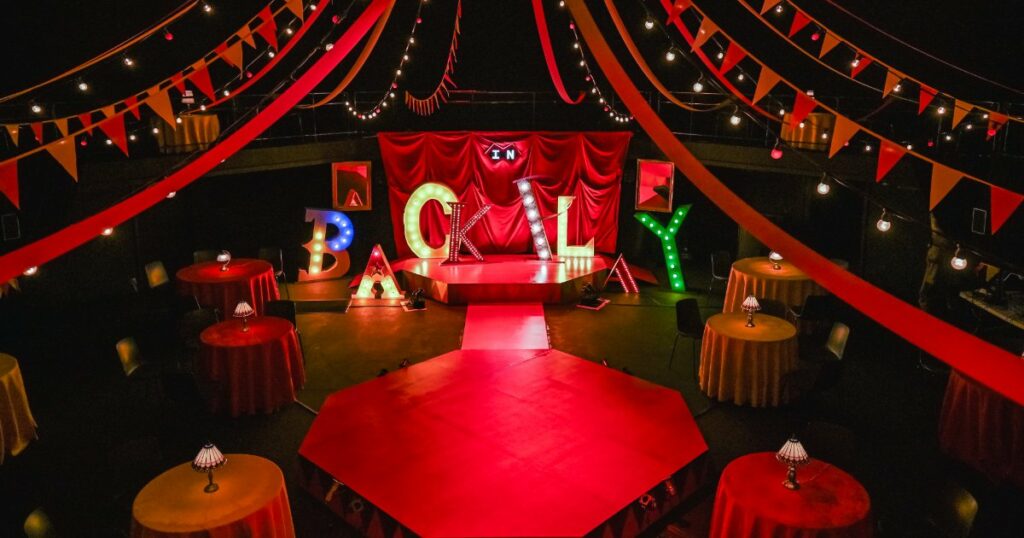
The Sherman always has a knack for getting at the sinew and bones of a story, and this series is no exception. Performed in a socially distanced and visually striking cabaret setting (imagine that the Phantom of the Opera designed a circus tent and you’re halfway there), The Love Thief and Tilting at Windmills are two joyously irreverent and transcendent plays which argue that, while love may seem futile and dreams impossible, the adventure makes them worth the risk.

Rahim El Habachi

The Love Thief is written and performed by Rahim El Habachi and directed by Nerida Bradley, and is based on Aeschylus’ Prometheus Bound. Dressed in flames, Prometheus steals love instead of fire and gives it to humanity so they can love whomever they love regardless of gender. El Habachi, an actor and belly dancer, commands the stage from the second he appears – sensual, ethereal and lyrical, he relays his story like the Emcee via Elvira, all mischief and mysticism. The play gives a god’s eye view of modern Britain, its imperial ghosts and their ungodly scions who make it their life’s work to make life difficult for anyone they deem to be ‘different’. It also highlights the personal toll of activism, and how important it is to fight the tide of hatred and bigotry even when it threatens to consume you.

Mared Jarman

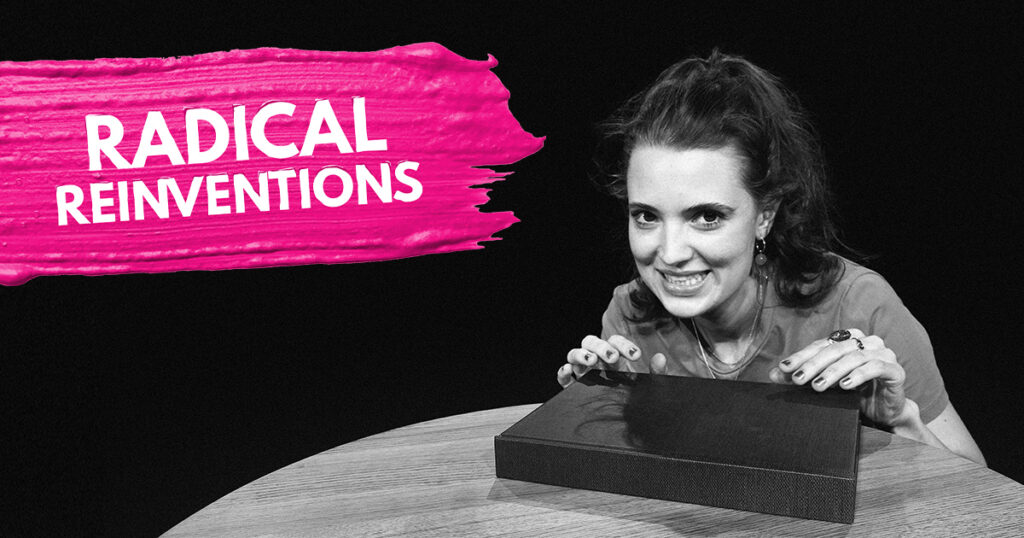
Tilting at Windmills is written and directed by Hannah McPake and performed by Mared Jarman, and is based on Miguel de Cervantes’ The Ingenious Gentleman Don Quixote of La Mancha. Jarman is chaotic, heroic and mesmeric, gallantly sprinting around like Lancelot on a sugar rush. Using basic props and a whole lot of chutzpah (not to mention a rollicking Knights of Cydonia needle drop), Don Quixote and Sancho Plant-za attempt to squeeze a near-one-thousand-page book into a breathless (and hilariously meta-textual) thirty minutes. Cervantes makes an appearance as a Zardoz-like disembodied voice that boasts of his own greatness – opening up interesting avenues of the dialogue between authors and those adapting and performing their work, and how radically reinventing a text is what keeps it fresh, alive and relevant.

Ultimately, Prometheus has to decide whether hope is worth all the pain and the not knowing whether things will ever get better, and Quixote/Mared has to decide whether to stay in the fantasy or live in the real world. And yet, neither choice is a binary between staying or going, fantasy or reality. There will always be pain, and uncertainty – but there will always be hope, fun, and magic, hidden between the margins.


The Sherman is most definitely Back in Play and back to stay!

Back in Play season at the Sherman Theatre: 8 – 30 October

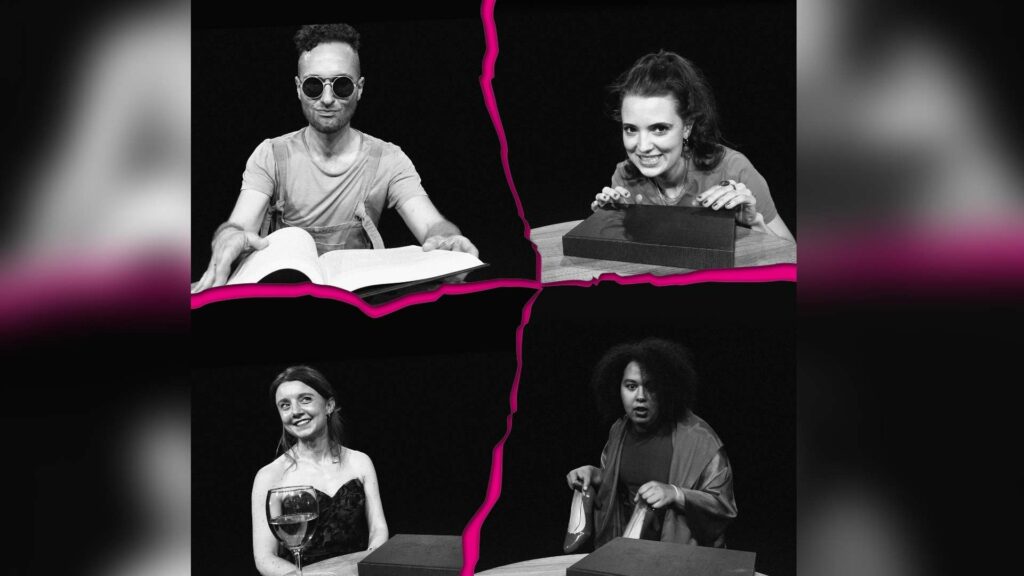
Top, left to right: Seiriol Davies, Mared Jarman; Bottom, left to right: Lowri Jenkins, Rahim El Habachi
Barbara

Review by
Barbara Hughes-Moore

Get the Chance supports volunteer critics like Barbara to access a world of cultural provision. We receive no ongoing, external funding. If you can support our work please donate here thanks.

REVIEW Company of Sirens: Hitchcock Redux, Chapter by Barbara Hughes-Moore

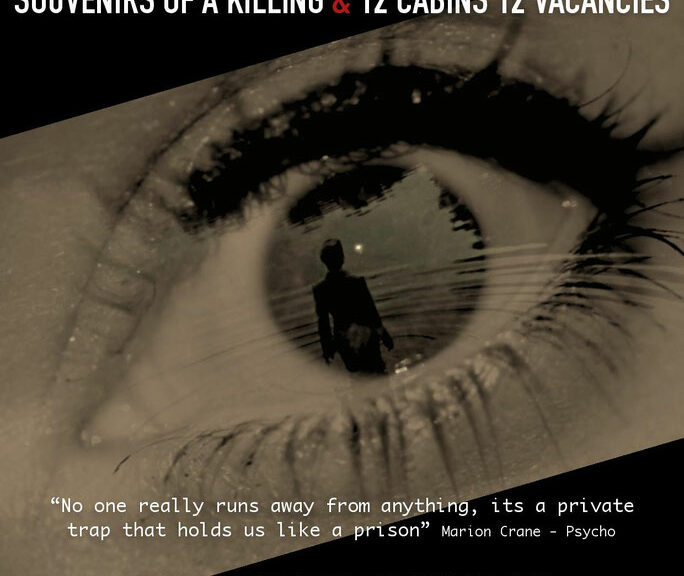
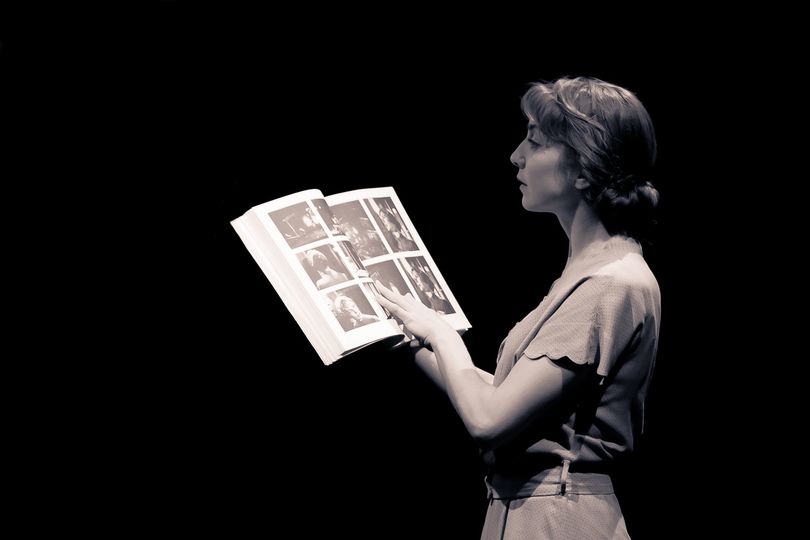
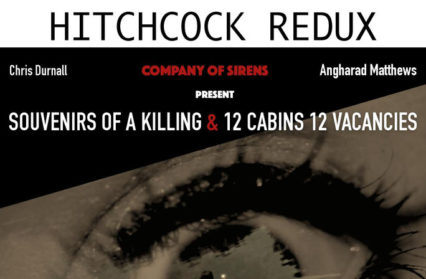
Company of Sirens make a dynamic return to Chapter with Hitchcock Redux, two short plays that explore the elusive power of real (and reel) memories. Written and directed by Chris Durnall and funded by Arts Council of Wales/National Lottery, Hitchcock Redux dramatises and meditates on two traumatic events in Durnall’s life and the Hitchcock films with which are intertwined.

In the first play, Twelve Cabins Twelve Vacancies, Durnall recounts the time when, while watching the first television broadcast of Hitchcock’s Psycho in 1968, he learned that his father had died. The two are forever connected in his consciousness, and memories of both are shaped and distorted by each other. The second play, Souvenirs of a Killing, explores the tragic abduction and murder of a friend in 1973, the trauma of which is embodied and underscored by the film Vertigo. Both plays are performed by Durnall and Angharad Matthews (who also designed the set and costumes), and feature original music composed and performed live by Eren.

Twelve Cabins premiered onstage in 2019, and was performed along with Souvenirs online in March of this year. The lyrical writing and pensive performances resonated even through the screen – but onstage they are brought to vivid, visceral life. The sense of place, space and movement is powerful: Durnall moves as though monumentalised in grief, shifting between joyous reminiscence and solemn contemplation; Matthews moves ethereally, as light dances on the surface of rippling water; and the immersive music, composed and performed live by Eren, moves between original compositions and evocations of Hermann that cage the characters in a spiralling static state.

The women in Psycho and Vertigo are portrayed with more empathy in those films (and in these plays) than Hitchcock showed the actresses portraying them. Women encased in amber, both celluloid and corporeal, are objectified through movies and memories, their losses mourned through the membrane of grief and fiction. Durnall speaks not for them, but through them, their voices reanimated but recounted, living only through scribbled words on cigarette boxes (a subtly gorgeous image).

The set is plaintively sparse, evoking the ways in which the backgrounds of memories are often shadowed, blurred, or absent altogether; sometimes a face, a dress, a glance, is all we remember. Examining a memory can tarnish it, like buffing a broken mirror – it just makes the cracks cut deeper. In a piece for the Wales Art Review, Durnall argues that the (fictional) films and the (real life) losses ‘have become so inextricably linked with those moments that they have become artistic metaphors for the events themselves’. Whether watching scenes play out on a television set, or re-enacting Hitchcock’s dialogue, Psycho and Vertigo become a prism through which grief is reflected and refracted, and provide a kind of closure which is not always found in life.

The search for closure is a sentence which Hitchcock Redux leaves incomplete – purposefully so, because closure is by nature perpetually unfinished. But it also leaves you with the drive not only to explore your own connections between art and grief and memory, but the tools you’ll need along the way. Striking, pensive and poignant, it does not ask you to take the first step – it merely opens the door.

Hitchcock Redux is playing at Chapter through 16 October

REVIEW Groan Ups UK Tour, New Theatre by Barbara Hughes-Moore

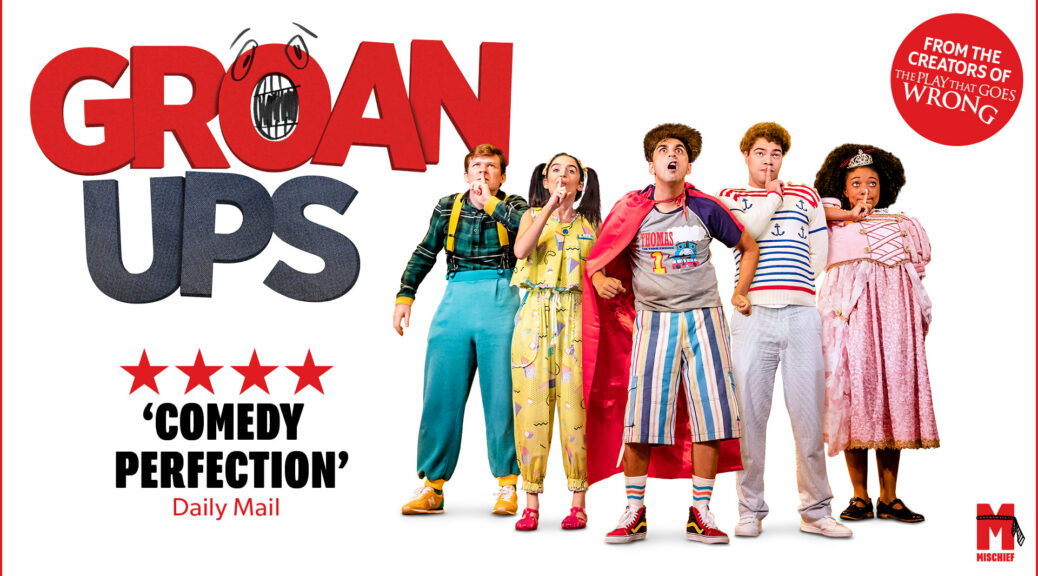
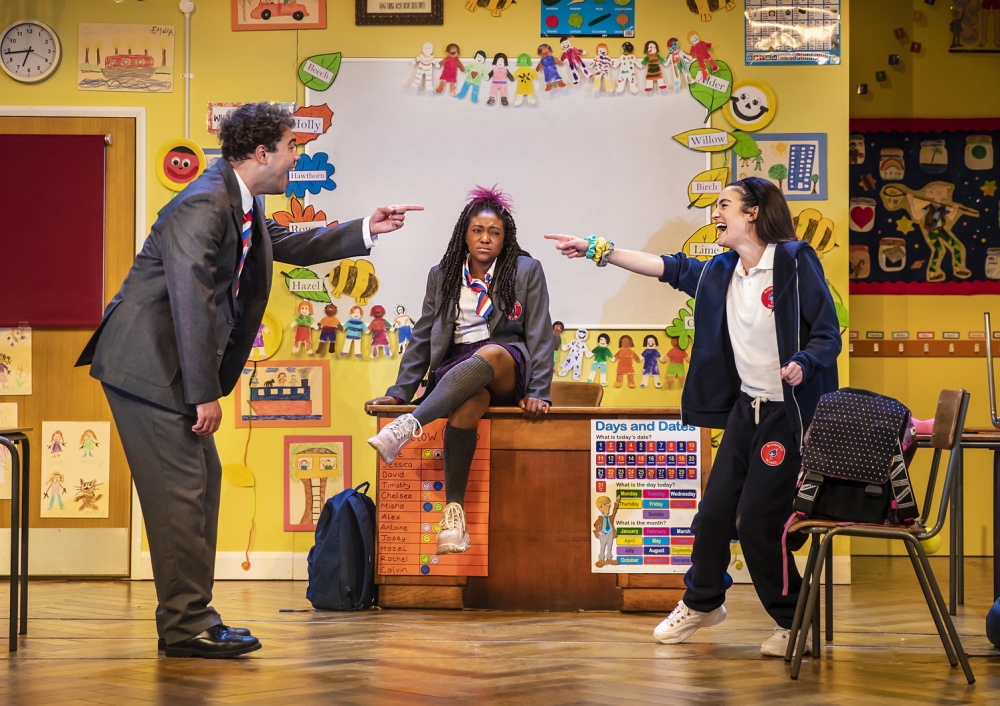
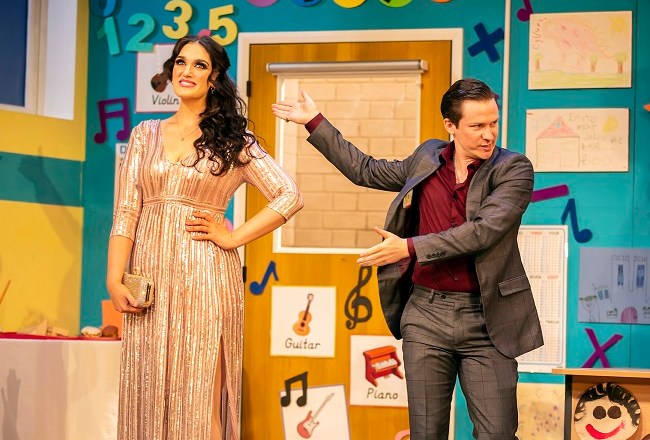
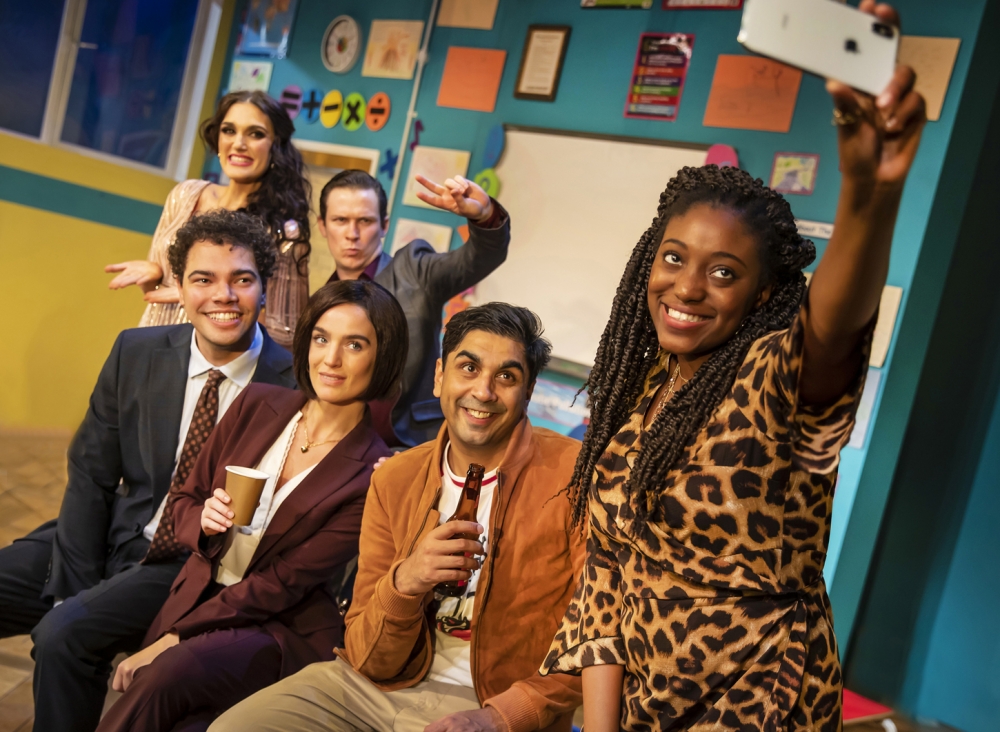
Direct from the West End, the award-winning Mischief Theatre crew is back in Cardiff with a raucous new comedy. Groan Ups follows five characters through the trials and tribulations of primary school, high school, and the inevitable reunion years later when these supposed grownups dig up old rivalries, flirtations, and secrets thought long left on the playground.

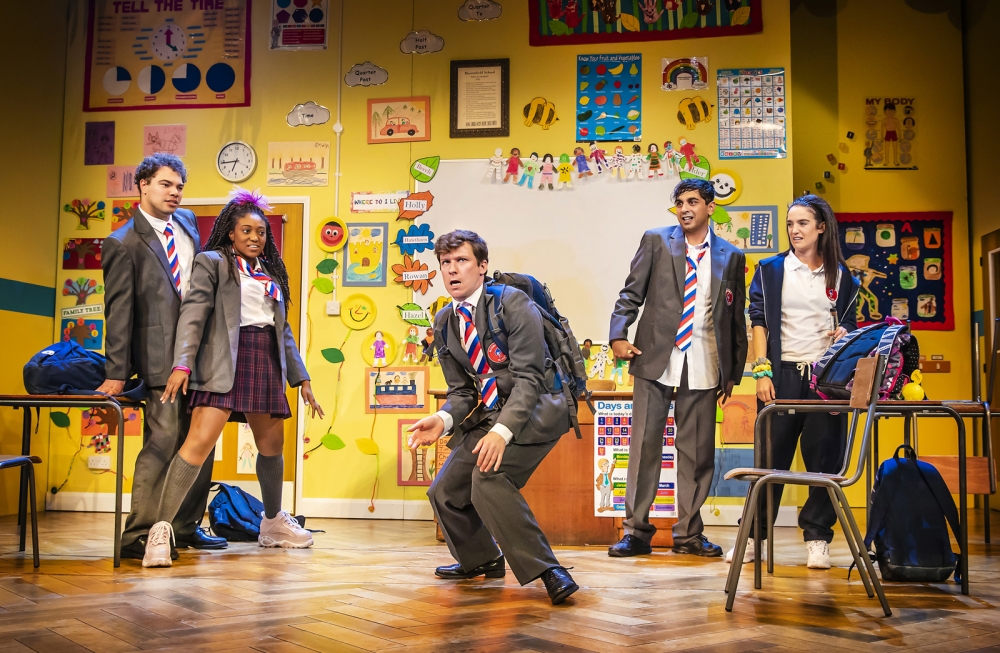
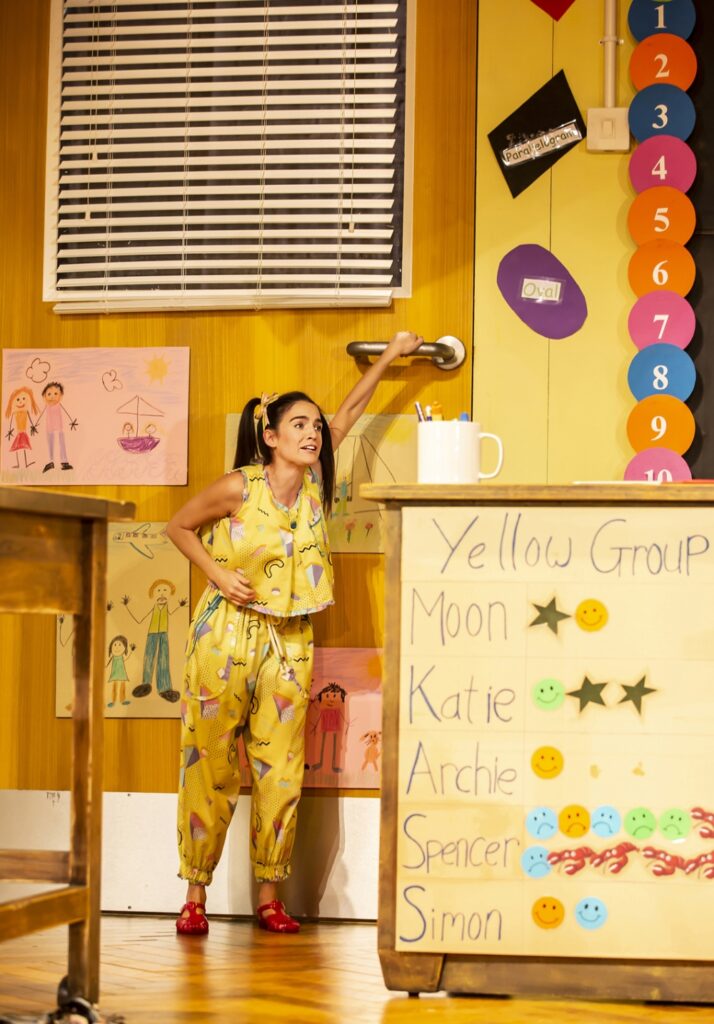
Written by Mischief stalwarts Henry Lewis, Jonathan Sayer and Henry Shields, and directed by Kirsty Patrick Ward, Groan Ups is further proof the energy and creativity of Mischief Theatre is unmatched. Eschewing improv for dramedy, the ensemble has crafted a gleefully anarchic and surprisingly sweet show buoyed by an incredibly game cast. There’s Lauren Samuels as conscientious Katie, Dharmesh Patel as naughty Spencer, and Daniel Abbott as sweet, shy Archie, who becomes Spencer’s ride or die after an I, Spartacus moment with a dead hamster. Completing the quintet is nerdy Simon (Matt Cavendish) who obsessively and unrequitedly adores popular posh girl Moon (Yolanda Ovide).

We follow this famous five through three key stages in their lives: when they’re chaotic and demanding at age 6, angsty and hormonal at age 14, and regressive and regretful at age 30. The cast excellently evoke these different ages: Dharmesh Patel nails the faux-casual bravado of the teenage boy while Lauren Samuels plays a pitch perfect precocious toddler always running for teacher when the others misbehave. The ensemble’s effective characterization is buoyed by Fly Davis’ incredible and transportive sets which perfectly conjure the classrooms of your memories, cleverly using scale and exaggerated sizing to capture the feeling of towering over the chairs which once towered over you.

The first half might seem a little much at times, but it’s all brought round so beautifully in the second, with every seemingly-throwaway joke and character beat returned to with added meaning and bigger laughs. The second half also features Jamie Birkett as Chemise, an aspiring actress who Simon hires to play his girlfriend, who damn near stole the show with a single ‘aye’ and our hearts with everything that came after. Killian Macardle also draws laughs as a stern teacher in the first half and an overconfident alum in the second.

It might not quite reach the dizzying heights or the razor-sharp precision of The Play that Goes Wrong – but it doesn’t need to. And it ends on a genuinely meaningful note: the problem is not that we look into the past but that we do so with rose tinted glasses. Memories tend to dull the blade of experience, and Groan Ups captures all the pining, the teasing, and the worrying you’ve tried to forget; all the horror and the beauty of growing up and then realising you never really did. Nostalgia is a trick, because it fools you into believing your best days are behind you – but they are ahead, if you manage to maintain that sense of play and wonder.

Groan Ups concludes that we might not ever truly grow up – but we can grow, if we can keep that youthful sense of hope, fun and possibility. Good comedy is the hardest art form; great comedy is almost impossible. But Mischief have worked their magic once again.

Groan Ups is playing at the New Theatre Cardiff through Saturday 16th October.

Review by
Barbara Hughes-Moore

Barbara

Get the Chance supports volunteer critics like Barbara to access a world of cultural provision. We receive no ongoing, external funding. If you can support our work please donate here thanks.
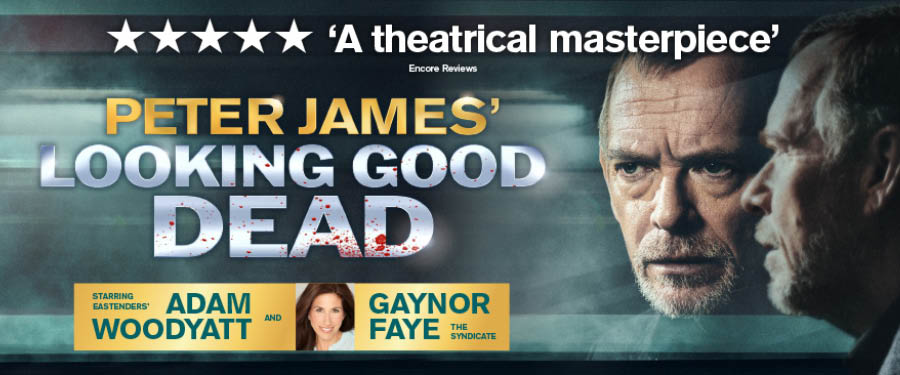
REVIEW Looking Good Dead, New Theatre Cardiff by Barbara Hughes-Moore

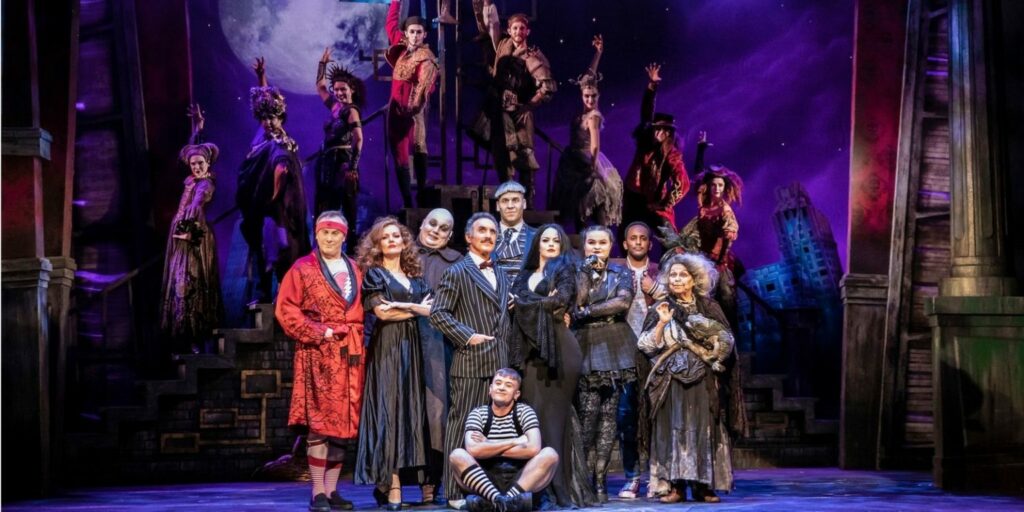
Live theatre is well and truly back at the New Theatre Cardiff, as is the return of the ubiquitous mystery thriller. An Inspector Calls was one of the last shows to play here before lockdown, and it’s fitting that Looking Good Dead, a crime thriller by bestselling novelist Peter James, is one of its first since reopening.

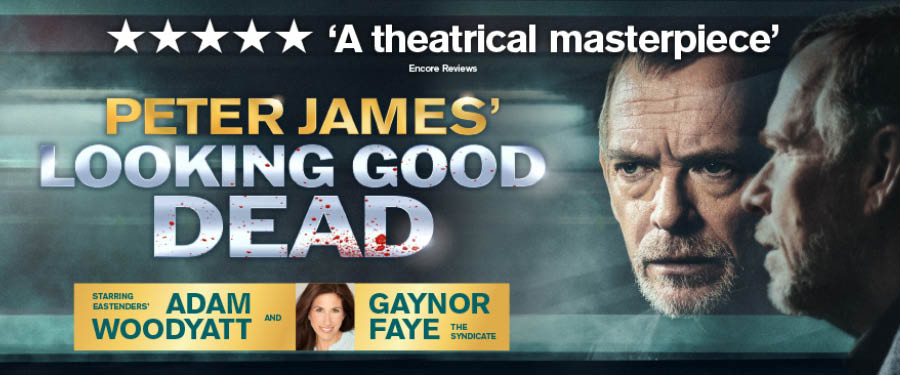
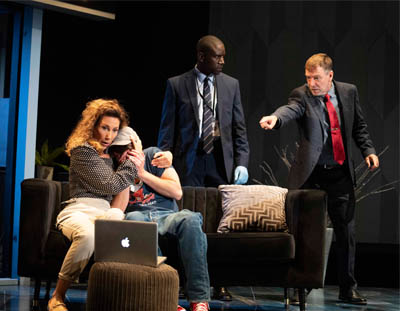
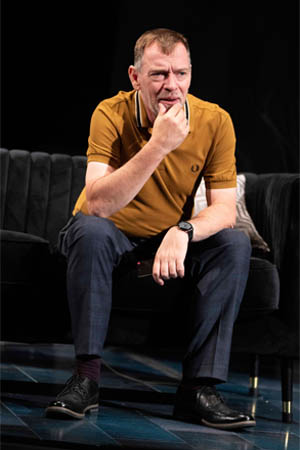
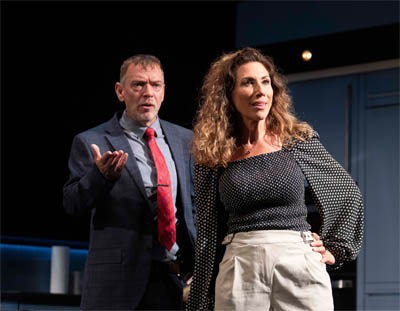
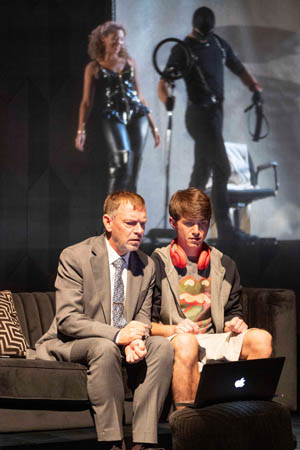
The opening scene is easily its most dramatic. An escort is lured to an abandoned warehouse; once there, she is killed by a pair of masked men who broadcast the whole thing live on the internet (imagine if the torturers in Funny Games were Twitch streamers and you’ve got the general idea). The next day, Tom Bryce (Adam Woodyatt, of the EastEnders hall of fame) finds a USB on the train home and, with the help of his apathetic but computer-savvy son Max (Luke Ward-Wilkinson), accesses its contents. When they succeed, they open a link to footage of the escort’s murder and are plunged into danger from which it seems only Detective Superintendent Roy Grace (Harry Long) can save them.

Directed by Jonathan O’Boyle and adapted by the award-winning Shaun McKenna, Looking Good Dead is based on the second book in James’ Roy Grace series, the DS recently played by John Simm on ITV. Roy Grace is just about as typical a copper as they come, with a hair-trigger gut instinct and a tragic backstory (your common garden ‘haunted by the disappearance/death/divorce of his wife’ schtick, as ascribed to most fictional gumshoes). Grace may have the gut, but the show doesn’t have the guts to give him a proper hook – a novelty, or a tragedy – for us to cling on to. While Simm’s DS was haunted by the inability to solve his wife’s disappearance, Long’s is celebrating his recent engagement – not exactly meaty material. Don’t get me wrong, a good detective doesn’t have to be tormented to be compelling (and Long is likable and believable in the role), but they do need to give you a reason to join them on the trail – and a great detective is one who is as much a mystery as the cases they solve.

It’s notoriously tricky to pull off suspense in the theatre, and while Looking Good Dead never quite excels at chilling the blood, its central mystery is intriguing and there are twists and turns a-plenty right through to the final seconds. There’s a reason James is the bestselling crime novelist in the UK, after all, as Looking Good Dead is the fifth of his novels to make it to the stage with critical acclaim, following the likes of The Perfect Murder and Dead Simple. And the cast are a huge part of what makes it enjoyable. Adam Woodyatt, known to many as Ian Beale, invests the audience in the story from the second he steps onto the stage. Woodyatt’s award-winning tenure as EastEnders’ longest serving cast member has meant that he hasn’t trodden the boards since 1982, but he’s so natural in and committed to the role, it feels as though he’s never been away.

Co-starring Gaynor Faye (most recently of The Syndicate) as his glamorous and slightly chaotic wife Kellie and Ian Houghton as slimy American entrepreneur Jonas Kent, the show succeeds largely on the charm of its cast, which also includes Leon Stewart as DS Glenn Branson, Gemma Stroyan as DS Bella Moy, and Natalie Boakye as the ill-fated Janie. Easily the most impressive performance is that of Mylo McDonald, making his professional stage debut. His scenes are brimming with tension, underscored by the innovative stage design, lighting and sound by Michael Holt, Jason Taylor and Max Pappenheim respectively (not to mention an effective costume by Chrissy Maddison). The stage, primarily a sparsely stylish middle-class home interior, is frequently backlit to reveal a hidden set that looks like something out of Saw – and every time that part illuminates and McDonald skulks back in, it’s like entering another world. He not only ably holds his own alongside stars Woodyatt and Faye but steals the whole show – and I’m excited to see where his career goes next.

At times comedic, at others sadistic, the world premiere of Looking Good Dead is an enjoyable mystery for fans of Luther and Line of Duty. If you like your cases cold and your pursuits hot, Looking Good Dead is the mystery you won’t want to miss.

The world premiere of Looking Good Dead is playing at the New Theatre Cardiff from Tuesday 28 September to Saturday 2 October 2021.

Review by
Barbara Hughes-Moore

Get the Chance supports volunteer critics like Barbara to access a world of cultural provision. We receive no ongoing, external funding. If you can support our work please donate here thanks.
REVIEW Priscilla Queen of the Desert, New Theatre Cardiff by Barbara Hughes-Moore


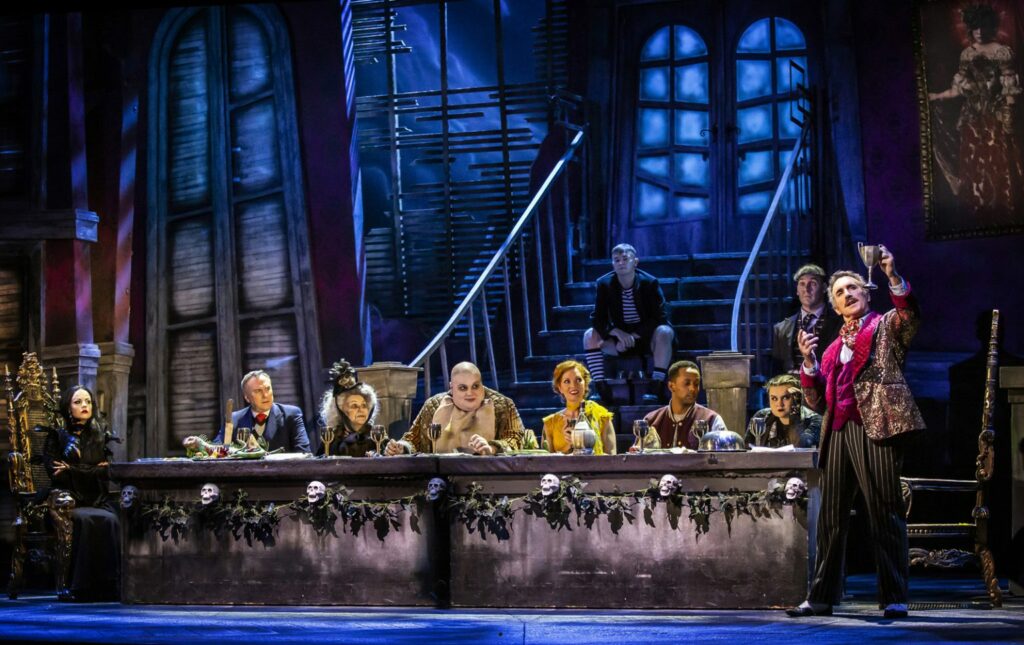
Trigger warnings for the show: strong language, violence, and homophobic and transphobic slurs.
Before there was RuPaul, there was Priscilla – who, like Divine and Crystal LaBeija before her, brought drag to mainstream attention. The 1994 movie, starring Hugo Weaving, Guy Pearce and Terence Stamp, won an Oscar for its spectacular costume design and introduced a new generation to a thrilling world of glitz and glamour, a world to which the stage musical eagerly wants us to return after being left so long in the COVID wilderness. Racy, rowdy and rambunctious, Priscilla Queen of the Desert is a riotously fun time that reminds you exactly why live theatre is irreplaceable and invaluable.
It’s thrilling to be back in the New Theatre after so much time away, and the Priscilla UK Tour is the perfect show to welcome us back through its doors. The show centres on three drag queens, two cis men and a trans woman, who journey across the Australian Outback on the titular tour bus. Tick/Mitzi Mitosis (Edwin Ray) persuades two close friends – egocentric ingénue Adam/Felicia Jollygoodfellow (Nick Hayes) and drag doyenne Bernadette (Michael Western) – to perform their act at a casino in remote Alice Springs, where Tick will have the opportunity to reconcile with his estranged wife and son. Along the way there are sequins, setbacks, and singalong disco classics that will have you dancing (COVID-safe) in the aisles. Fun, filthy and fabulous – Priscilla puts the ‘extra’ in ‘extraordinary’!

Directed by Ian Talbot and produced by Mark Houcher and Jason Donovan (who originated the role of Tick on the West End), the show is a jukebox musical brimming with camp classics from ‘Boogie Wonderland’ to ‘Go West’ to ‘Hot Stuff’. Every musical number is joyous and unique, and songs are beautifully woven throughout (like Dionne Warwick’s ‘I Say a Little Prayer’, which recurs in its most poignant moments). While the humour might feel dated at times, the songs never do. Charles Cusick-Smith’s sublime costumes do justice to the Oscar-winning originals while bringing a new flair and Tom Jackson-Greaves’ excellent choreography lights a kinetic spark that burns throughout the show – they, along with the exceptional live band (directed by Richard Atkinson), ensure that the production is a feast for the eyes and ears.

The level of talent on display is staggering. Edwin Ray brilliantly anchors the ensemble as a man trying to marshal all the facets of his identity, while Western’s Bernadette exudes Old Hollywood grace and glamour and Hayes’ Felicia bags all the best songs, including a truly show-stopping entrance number – you’ll know it when you see it. I have never seen a happier ensemble: from the main trio to the Three Divas (Claudia Kariuki, Aiesha Pease and Rosie Glossop) to the performers dressed variously as giant cupcakes, dancing paintbrushes and plaid-clad delinquents, the cast’s unadulterated joy at being back in action was palpable.

While the zingers sizzle and the sequins glitter, Priscilla doesn’t gloss over the real-life hatred and violence inflicted on the LGBTQ+ community. Bernadette not only faces transphobic bullying from bigoted straight people but from Adam, who repeatedly deadnames and misgenders her. Adam himself is the victim of an attempted assault, and even apparent allies can turn out to be fair-weather friends when the sun rises. Though the central trio often bicker and Priscilla often breaks down, they stick together and they neither give up nor turn back, proving that true allies are there even after the music stops and the engine fails.

Priscilla concludes that, no matter how long and winding the road, your family will always be waiting to welcome you home at the end of it – and that true family are the ones who stay by your side no matter how bumpy the ride. Family are the people who climb mountains with you, both literal and figurative; they are the people who help you follow your dreams. When the audience rose, as one, for a much-deserved standing ovation, it felt like the best kind of dream: the one that comes true.

Priscilla Queen of the Desert UK Tour will be playing at the New Theatre Cardiff from Monday 20 – Saturday 25 September

Priscilla UK Tour

*The review previously misstated the show’s costume designer. This has been corrected.*

PREVIEW Priscilla Queen of the Desert at the New Theatre Cardiff 20-25 September

After endless months of lockdowns, Zoom hangouts and laughable attempts to bake banana bread, we’re all dusting off our boots and getting our sequins out of storage as we take a step back into ‘ordinary’ life following an extraordinary year and a half. But Priscilla Queen of the Desert is here to put the ‘extra’ in ‘extraordinary’!

The UK Tour is the inaugural event of the New Theatre’s much-anticipated reopening, and there truly couldn’t be a better show to welcome us back. Based on the Oscar-winning 1994 film which starred Hugo Weaving, Guy Pearce and Terence Stamp, Priscilla Queen of the Desert centres on three friends as they journey through the Australian outback in the titular tour bus. Produced by Mark Goucher and West End icon Jason Donovan (in his producing debut), the show stars Miles Western as Bernadette, Nick Hayes as Adam/Felicia, Edwin Ray as Tick/Mitzi, who lead an amazing ensemble through such classic tunes as ‘It’s Raining Men’, ‘Hot Stuff’, and ‘I Will Survive’ and many more.

After so much uncertainty for so long, it’s amazing to be seeing a show which proclaims to be ‘pure joy guaranteed’ – and I for one can’t wait to hitch a ride.

Review to follow!

Priscilla Queen of the Desert UK Tour will be playing at the New Theatre Cardiff from Monday 20 September to Saturday 25 September

Priscilla UK Tour

Preview by
Barbara Hughes-Moore

Get the Chance supports volunteer critics like Barbara to access a world of cultural provision. We receive no ongoing, external funding. If you can support our work please donate here thanks.