An all female driven programme is appealing with the build up to International Women’s Day around the corner. Cecilia Damström had a UK premiere with ICE. A fine little opener, the lone vibraphone and dense orchestral textures had a decent amount of unease. Blood curdling strings would offer severity to the pot, Damström clearly likes both worlds of music making: experimentation and more conventional forms. The addition of a bike bell is certainly unique!
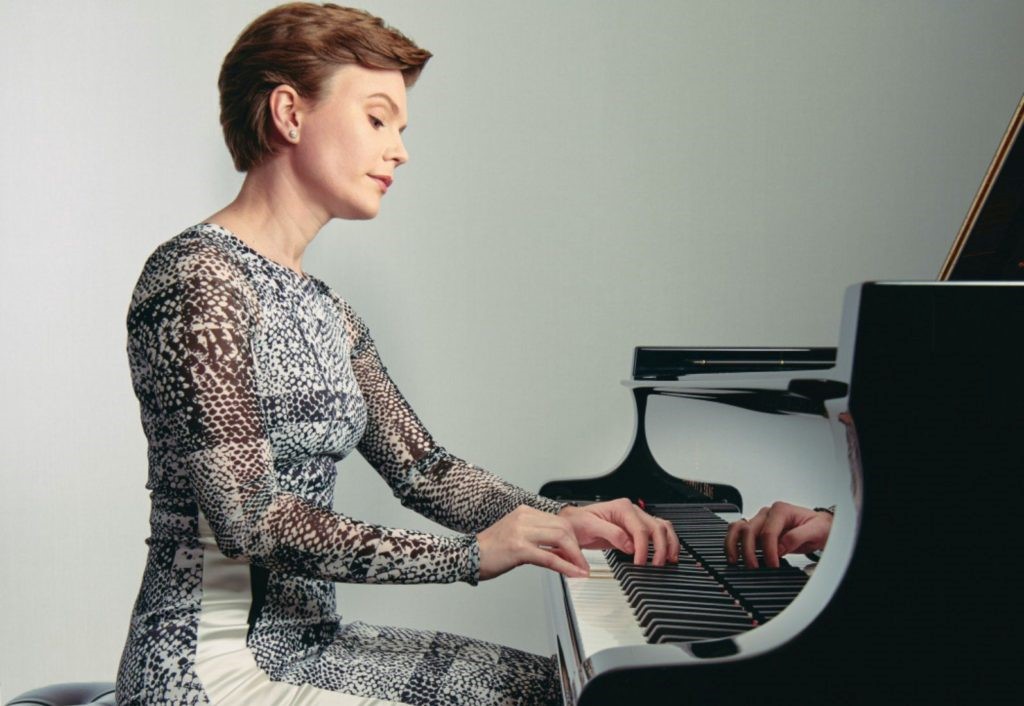
It’s always a pleasure to see Clare Hammond back in Cardiff. A pianist of great renown, the chance to hear a world premiere should have been blockbuster. The Piano Concerto from Ninfea Cruttwell-Reade had smatterings of Ravel and Thomas Newman. Strangely, as the orchestra geared up to present the opening cadenza for Hammond, she played tutti with the orchestra. It was underwhelming, you could barely find her playing audible in the fray. These issues would continue throughout and as it went on, there was not a lot that stood out. A slow movement which went on too long, a fairly passable finale and an all round uncertainty over this being an actual concerto were the concerns.
Maestro Emilia Hoving offered up elbow flexing conducting. She is very watchable in charge, her endorsing of Grace William’s and her 1st Sympony had more allure. ‘Grace’ (as this concert has been titled) proved to be one of the finest composers from Wales in the last century. Also known as the Symphonic Impressions, this has promise (she would go on to write another symphony and plenty more orchestral work). Though…this is not really to my taste. A trumpet solo is extensive, the sense of alarm and clinging to Romantic sensibility are it features. It is very busy with its focus, never clear in mood nor pacing. A great amount of ‘searching’ seems to have gone into this, to create a symphony which for a first effort is fine, but needed more balance.
Mae Gwobrau Effaith Ddiwylliannol Get The Chance 2025 yn dathlu gweithgarwch diwylliannol o safon uchel sy’n cyrraedd ystod eang o’r cyhoedd a’i effaith gadarnhaol ar ansawdd eu bywyd.
Bydd y seremoni wobrwyo yn cael ei chynnal yn Porter’s Cardiff, Caerdydd ddydd Sadwrn, 22 Mawrth (5-7pm). Bydd gwahoddiad i gynrychiolydd o bob sefydliad/unigolyn enwebedig fod yn bresennol.
Bydd yr enillwyr ym mhob categori yn cael y cyfle i greu ffilm broffesiynol fer sy’n amlygu eu gwaith. (yn amodol ar gadarnhad)
Mae’r Gwobrau’n cael eu cefnogi gan Tempo Time Credits a Porter’s Cardiff. Dywedodd Rachel Gegeshidze, Prif Weithredwr Tempo Time Credits:
“Yn Tempo, rydyn ni’n credu y dylai diwylliant, y celfyddydau, a threftadaeth fod yn hygyrch i bawb, ac rydyn ni’n hynod falch o fod yn cefnogi Gwobrau Effaith Ddiwylliannol Get The Chance 2025. Gwirfoddolwyr yw asgwrn cefn ein cymunedau, a thrwy Time Credits, rydyn ni’n cydnabod ac yn gwerthfawrogi eu hamser, gan agor drysau i brofiadau newydd. Mae’r gwobrau hyn yn taflu goleuni ar y mentrau diwylliannol anhygoel a’r gwirfoddolwyr sy’n rhoi o’u hamser i wneud gwahaniaeth go iawn i gymunedau a bywydau pobl. Mae’n fraint, felly, i ni ddathlu’r unigolion a’r sefydliadau sy’n arwain y gwaith hwn.”
Rachel Gegeshidze, Prif Weithredwr Tempo Time Credits
Dywedodd Dan Porter, Cyfarwyddwr Porter’s Cardiff:
“Fel lleoliad, rydyn ni am barhau i fod yn ymrwymedig i artistiaid newydd, y rhai sy’n dod i’r amlwg, a’r rhai sydd ddim yn cael eu cefnogi.Rydyn ni’n falch o gefnogi Gwobrau Effaith Get The Chance a’r hyn y gallwn helpu eraill i’w gyflawni yn Porter’s Cardiff.”
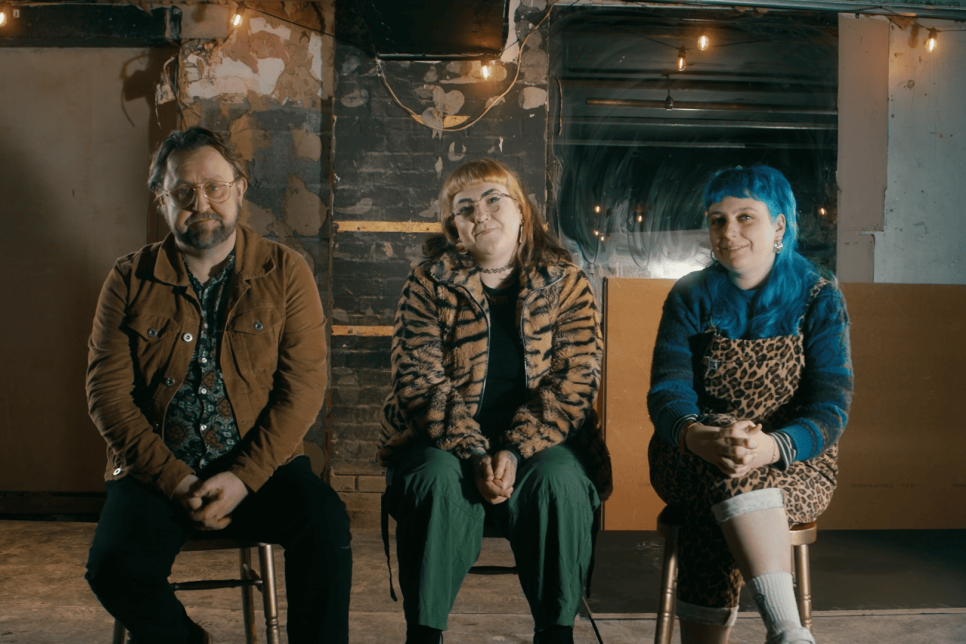
Dan Porter, Alice Rush a Frankie-Rose Taylor
(Llun: Moreton Brothers)
Mae’r gwobrau’n gyfle gwych i ddathlu effaith y ddarpariaeth ddiwylliannol yng Nghymru yn ystod 2024. Mae llawer o’r categorïau unigol yn cael eu noddi gan amrywiaeth o gefnogwyr prosiect.
*Cysylltwch os oes gennych ddiddordeb mewn cefnogi’r digwyddiad hwn
Ceir rhagor o wybodaeth am y Categorïau a’r broses enwebu isod:
Meini prawf
Nod y gwobrau hyn yw amlygu ac arddangos natur fywiog ac amrywiol diwylliant, treftadaeth a’r celfyddydau yn ein cenedl bob blwyddyn
At ddibenion y gwobrau hyn, mae gennym ddiffiniad eang o ddarpariaeth ddiwylliannol sy’n cynnwys gwirfoddoli cymunedol gyda’r celfyddydau, addysg a threftadaeth. Bydd enwebiadau yn adlewyrchu amrywiaeth o feysydd ym mywyd diwylliannol Cymru. Gall unigolion neu sefydliadau enwebedig fod yn wirfoddol neu’n broffesiynol. Rhaid i bob parti a enwebir ddod o Gymru neu wedi’i leoli yng Nghymru ar gyfer y rhan fwyaf o’i weithgarwch creadigol a’i faes enwebedig. Y cyfnod sy’n berthnasol ar gyfer enwebiad yw 1 Ionawr–31 Rhagfyr 2024.
Pwrpas y gwobrau hyn yw codi ymwybyddiaeth o weithgaredd diwylliannol o ansawdd uchel sy’n cyrraedd ystod eang o’r cyhoedd, yn ogystal â’i effaith. Rhoddir ystyriaeth ddyledus i adnoddau’r gweithgaredd creadigol a’i effaith ar y cyhoedd.
Rhaid i bob gwaith fod â chysylltiad Cymreig cryf, a bydd hyn yn rhan o’r broses sgorio.
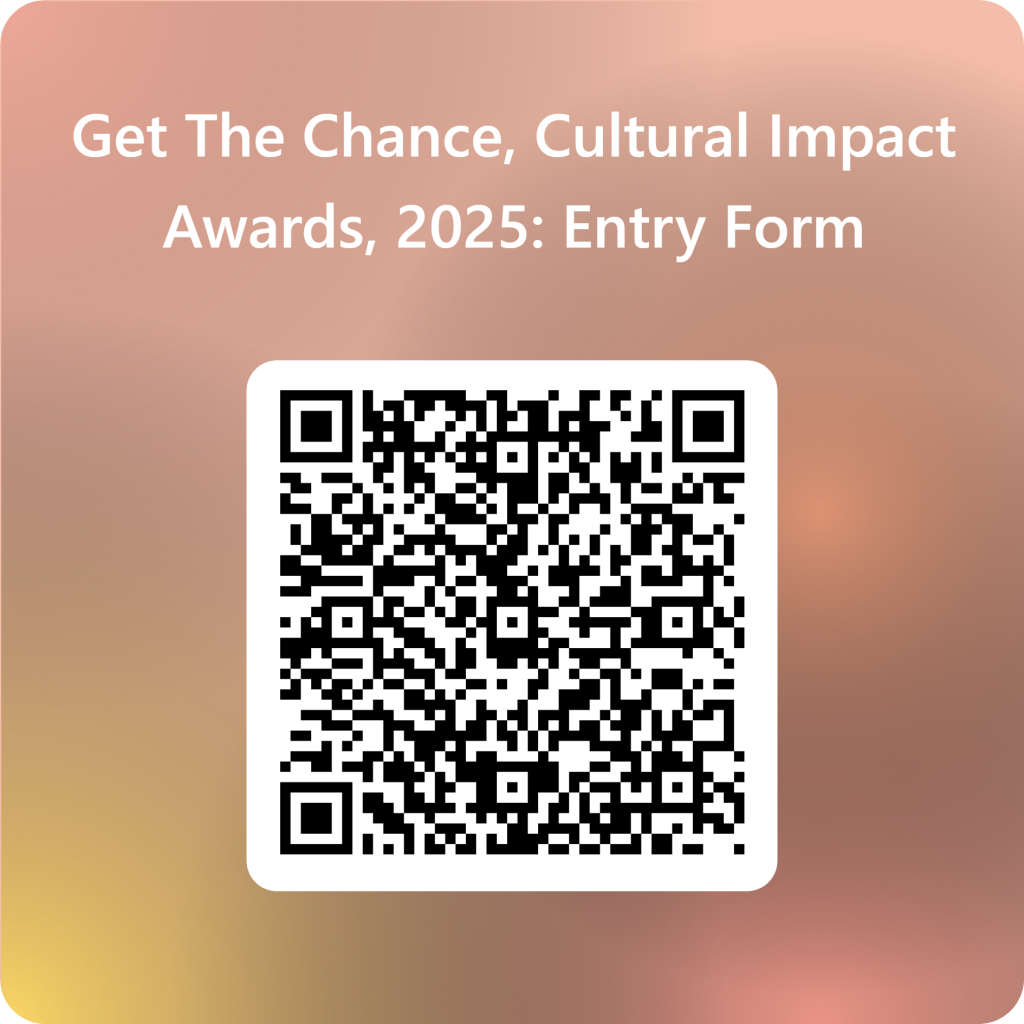
Mae’r ffurflen enwebu yn y ddolen isod.
https://forms.office.com/e/MFiTvHPSXy
Categorïau
Digwyddiad Cyhoeddus
Disgrifiad: Dyfernir i gynhyrchiad, arddangosfa neu ddigwyddiad diwylliannol cyhoeddus sy’n dangos uchelgais a safon artistig uchel sy’n cysylltu â’r cyhoedd. Dylai’r gweithgaredd fod wedi cael ei gynnal a’i gynhyrchu gan bobl greadigol o Gymru.
Ystyriaethau
Pa effaith gafodd y Digwyddiad Cyhoeddus hwn ar y cyhoedd?
Sut mae gan y digwyddiad safon artistig uchel amlwg; a gafodd adolygiadau, sylw yn y wasg neu wobrau diwydiant?
Cyrraedd cynulleidfa – tua faint o bobl a welodd y digwyddiad ac a gyrhaeddwyd unrhyw grwpiau penodol megis plant a phobl ifanc ac ati?
Cyrraedd cynulleidfa – o ble ddaeth cynulleidfaoedd? A aeth ar daith neu a oedd yn ddigon mawr i ddenu pobl o’r tu allan i’r ardal lle cafodd ei pherfformio?
2. Person Creadigol y Flwyddyn
Disgrifiad: Dyfernir i Berson Creadigol sy’n dangos y safon artistig uchaf mewn gwaith sy’n cael ei greu a/neu ei arddangos, ei berfformio neu ei arddangos yn gyhoeddus yng Nghymru.
Ystyriaethau
Pa effaith gafodd gwaith y Person Creadigol hwn ar y cyhoedd?
Sut mae’r Person Creadigol wedi dangos safon artistig uchel; a gafodd ei waith adolygiadau, sylw yn y wasg neu wobrau diwydiant?
3. Prosiect Cymunedol ac Addysgol
Disgrifiad: Dyfernir i brosiect cymunedol, cyfranogol neu addysgol e.e. côr, dawns, theatr, celfyddydau gweledol neu grŵp treftadaeth sy’n cynnig mynediad rheolaidd, cynhwysol at ddiwylliant i bobl leol.
Ystyriaethau
Pa effaith gafodd y prosiect cymunedol, cyfranogol neu addysgol ar y cyhoedd?
A gafodd y prosiect adborth cadarnhaol a boddhad gan gyfranogwyr?
Faint o bobl gymerodd ran?
Oedd y prosiect yn gynhwysol? Er enghraifft, a oedd yn cefnogi pobl o gefndiroedd amrywiol neu’r rhai ag anableddau neu na fyddai, am resymau eraill, yn cael y cyfle i gymryd rhan fel arall?
A gafodd y prosiect unrhyw sylw cadarnhaol yn y wasg, adolygiadau, gwobrau eraill neu gydnabyddiaeth?
A wnaeth y prosiect gydweithio â sefydliadau eraill?
4. Hwylusydd y Flwyddyn
Disgrifiad: Dyfernir i hwylusydd diwylliannol, athro neu ymarferydd sy’n arwain prosiectau cymunedol, cyfranogol neu addysgol cynhwysol yng Nghymru.
Ystyriaethau
Pa effaith gafodd gwaith yr unigolyn ar y grŵp neu unigolion?
Unrhyw adolygiadau, sylw yn y wasg, gwobrau eraill neu gydnabyddiaeth?
Unrhyw adborth gan bartneriaid neu gyllidwyr?
5. Diwylliant a Iechyd
(Noddwyd gan Christine O’Donnell)
Disgrifiad: Dyfernir i brosiect, digwyddiad neu gyfres o weithdai diwylliannol sy’n cefnogi pobl sy’n byw yng Nghymru i wella eu hiechyd a’u lles.
Ystyriaethau
Pa effaith gafodd y prosiect ar ei gyfranogwyr
Faint o bobl gymerodd ran?
Sut cafodd y prosiect/digwyddiad effaith gadarnhaol ar iechyd pobl?
Unrhyw adborth/tysteb gan gyfranogwyr?
A oes unrhyw ffyrdd y mae’r gweithgaredd wedi lleihau dibyniaeth ar wasanaethau eraill fel y GIG?
Sut defnyddiodd y prosiect ddiwylliant a chyfranogiad?
Unrhyw adolygiadau, sylw yn y wasg, gwobrau/cydnabyddiaethau eraill?
Unrhyw adborth gan bartner?
6. Hyrwyddwr Diwylliannol
(Noddwyd gan Tempo Time Credits)
Disgrifiad: Dyfernir i unigolyn o’r gymuned greadigol, e.e. gwirfoddolwr, gweinyddwr, technegydd, curadur neu aelod bwrdd y mae ei waith yn gwneud cyfraniad cadarnhaol mawr at fywyd diwylliannol y genedl
Ystyriaethau
Y prosiect/digwyddiad/gweithgaredd/arddangosfa fawr y mae’r unigolyn wedi chwarae rhan arwyddocaol ynddo neu ynddi a beth fu effaith ei rôl?
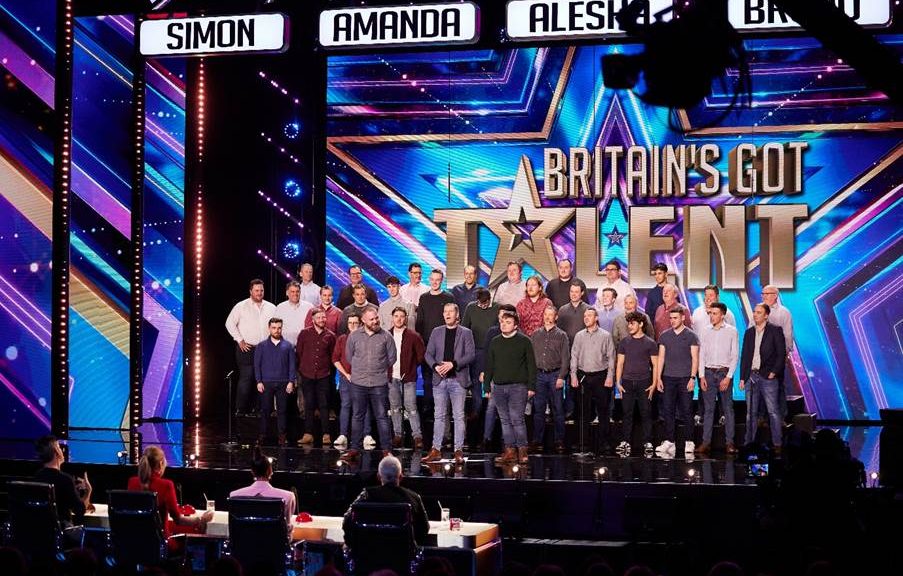
Last week I had the immense honour of interviewing Aled Phillips, founder and director of the award – winning (and BGT semi-finalists!) Welsh male voice choir – Johns’ Boys, in the midst of a UK Tour.
How did the choir start?
The choir came together in 2016 to perform choral arrangements by two local composers in our village—both of whom were named John! As I walked onto the stage to conduct the concert, I suddenly realized I hadn’t thought of a name… and that’s how Johns’ Boys was born. I still get so many emails starting with ‘Hi John’!
What was the experience of being on BGT (auditions and live semi-finals) like for you?
BGT was an incredible experience—truly surreal. You never know how the audience will react, so to see everyone on their feet and receive such amazing feedback from the judges was unforgettable. Then, being invited onto national TV and even getting a personal message of congratulations from Calum Scott was unbelievable. The impact was immediate—travelling to London the next day, we saw the numbers rising from Wrexham to Euston at every stop -another million people had watched our audition. It was a moment we’ll never forget!
Aside from BGT, have there been any other highlights for the choir?
In 2019, we became the first British male choir to be crowned Choir of the World at the Llangollen International Eisteddfod—undoubtedly the choir’s biggest achievement. Winning such a prestigious competition was an incredible honour. Other standout moments include performing at the Last Night of the Proms and the Royal Variety Performance at the Royal Albert Hall—both unforgettable experiences that showcased the choir on some of the world’s most iconic stages
Have there been any major challenges/setbacks?
The shift in running the choir has been incredibly challenging. I was a music teacher for over 15 years, but the sheer amount of work needed to manage the choir meant I had to step away from teaching. Now, my days are filled with organising concert venues, responding to emails from all over the world, booking hotels and transport, and arranging music for new shows and another EP. It’s a huge task, but seeing what the choir has achieved makes it all worthwhile. For the lads, I’d say the biggest challenge is balancing choir with work and family commitments—it’s tricky, but their dedication and passion make it possible-
What’s your favourite song/piece to perform as a choir?
That’s a tricky one for me to answer because when I listen to the choir in concert, I have three caps on—the conductor, giving direction to the performance; the arranger, who has written the songs; and the manager, watching the audience’s reactions. As a conductor, the best piece to lead is Surge Illuminare—it’s a full workout! As an arranger, I’d have to say our BGT audition arrangement of Biblical, which has had over 20 million views worldwide. And in terms of audience reaction, it’s a close call between Bread of Heaven and Myfanwy, with Angels thrown in too!
https://youtu.be/RKYiTw-dRUU?si=Wcqq5N7-_nVWYpRI
What’s next for Johns’ Boys post – tour?
The choir is currently in the middle of recording our second EP and preparing for our first foreign tour to Canada. Next, I’d love to extend the tour even further! But beyond that, a dream of mine is to create a musical set in a Welsh pub, with a piano in the corner and a jukebox. Picture all the lads sitting on stools, chatting about life in Johns’ Boys! I’ve got it all planned out… now I just need someone to write it—and pay for it! We’re also starting up a Junior Johns’ Boys Choir to give young people in the area a chance to be part of this wonderful story. It’s not just about inspiring the next generation but also ensuring a strong future for the choir. We want to pass on the passion, talent, and camaraderie that make Johns’ Boys so special.
https://youtu.be/Ef_20UzZJ_s?si=crOwyTZopthcf0__
The Choir will be performing in Wales this year on,
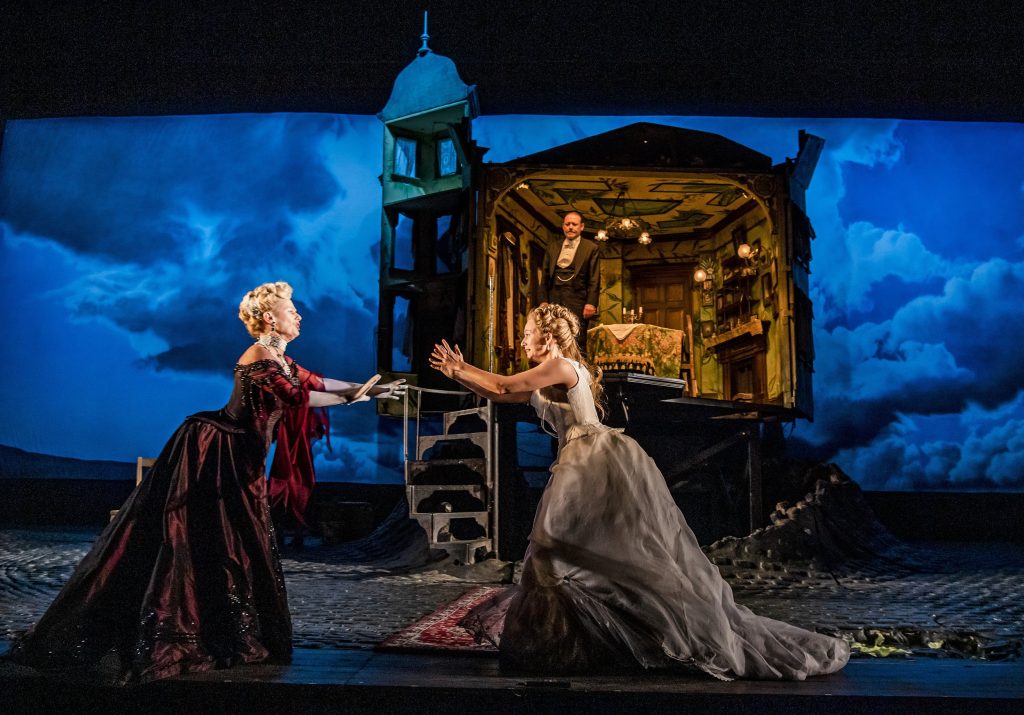
An Inspector Calls is a staple of English Literature GCSE; we’ve all grown up knowing the twists and turns of J.B Priestley’s classic play. I remember vividly studying it and even playing Shiela Birling in an amateur production, so I know the play well. This is a production that rips up the basic setting of the upper-class drawing room and engagement party that Inspector Goole intrudes upon, with unwelcome news. This is a moody, smoky, gritty production that really emphasises the themes of society, class, gender and generational divide.
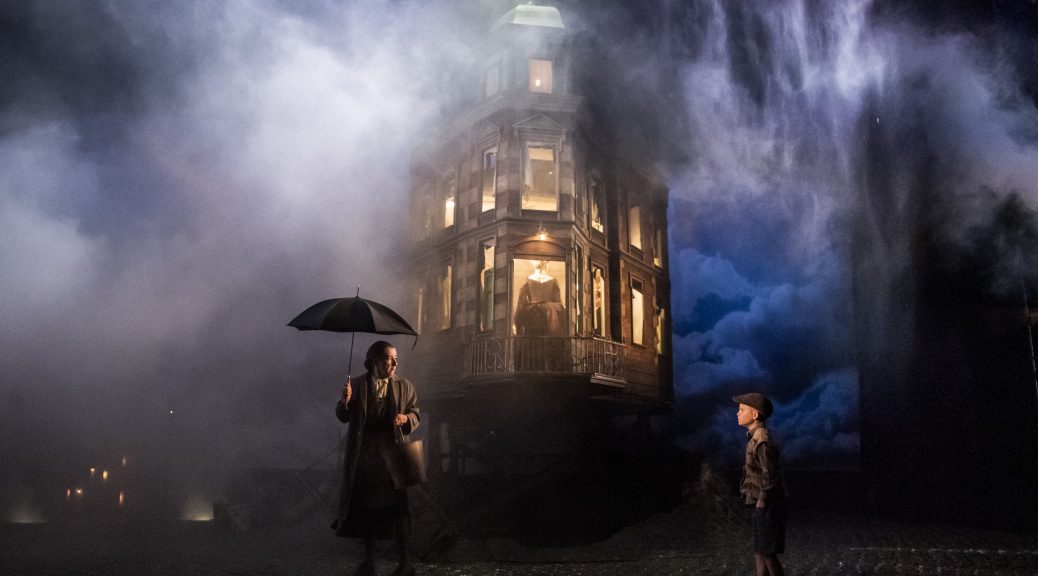
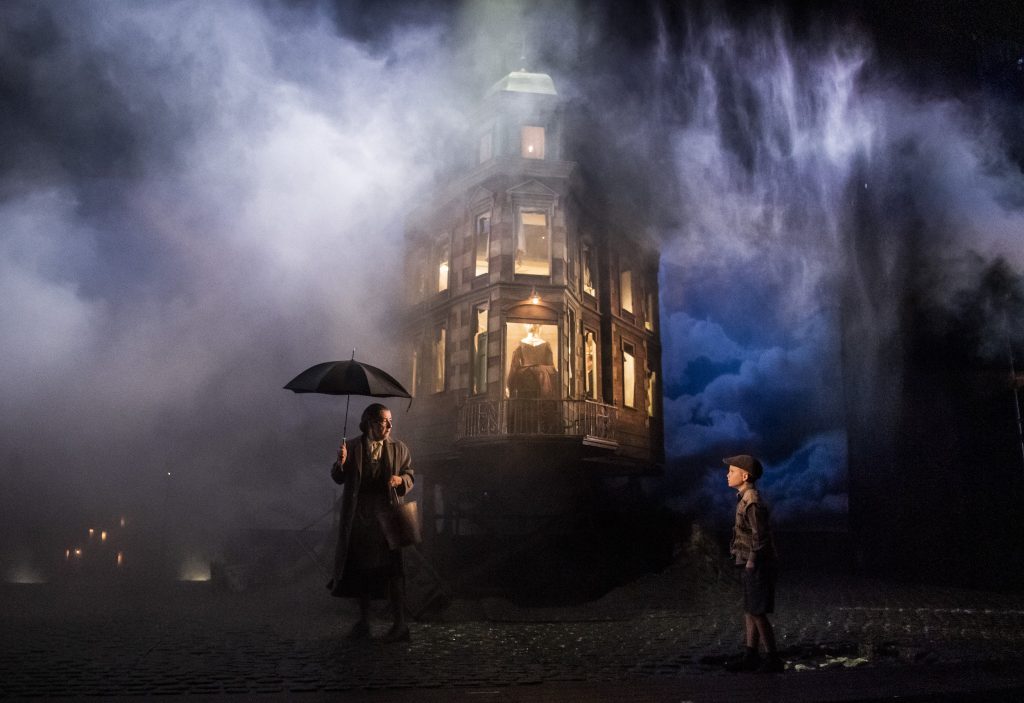
The set is extremely impressive. I loved the ‘doll’s house’ Birling household, with them being closeted away inside away from the audience’s view as the curtain lifts. It stands on stilts above the street below, keeping the Birlings and their perfect world away from the gutter, out of the view of the lower end of society. The front of the house opens up to begin their descent, swinging open to reveal their garish opulence, which stands starkly against the grey drabness of the street below. The Inspector arrives and bridges the gap, slamming steps against their home to be able to force them to descend to the streets below. The house plays an important part later on too, which I won’t spoil, but this further visceral vision of the collapse of this affluent family is excellent and drew gasps from the audience.
I also loved the costuming, with each character revealing their own unravelling. Sheila becomes more and more undressed as the show progresses, with her beautiful white gown having less and less fabric as action unfolds. Gloves are removed, shoulders taken off, leaving bare shoulders and arms. The other cast are disrobed in similar ways. Eric especially is dishevelled and unkempt upon his return; Mrs Birling’s perfect hair cascades messily down her face.
https://youtu.be/UhXDvm86_e8
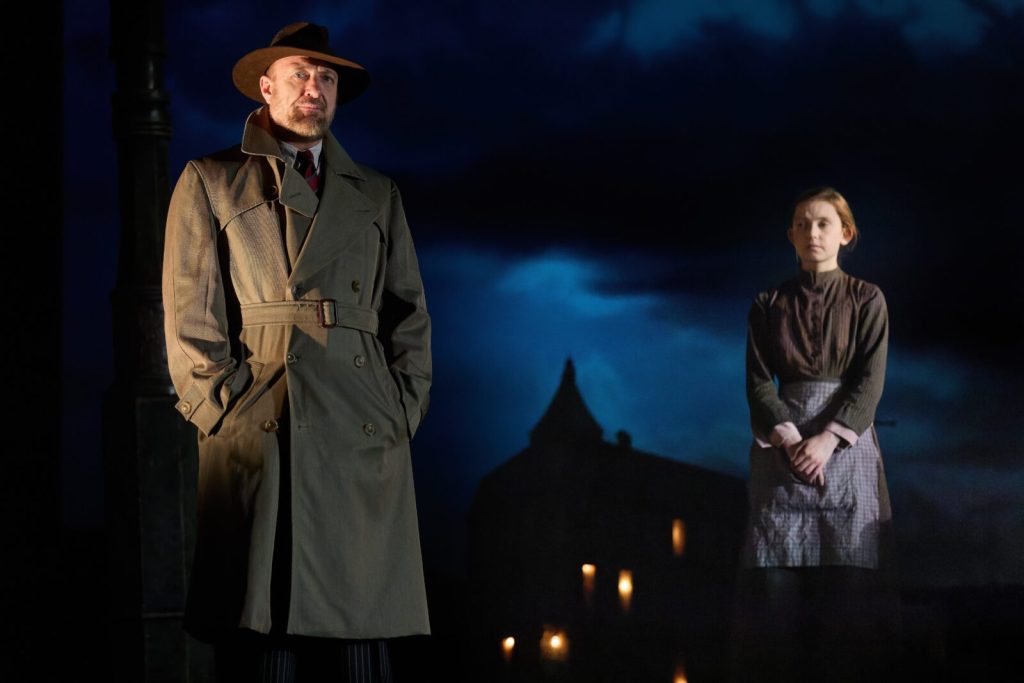
Tim Treloar as Inspector Goole walks through the darkness of the auditorium to the stage, his figure standing tall and forlorn in the single ray of the streetlamp. We have a Welsh Inspector here, a fact made altogether more impressive by the fact that this is a change specifically for the Wales Millennium Centre residency. The accent adds an extra element to the performance; ensuring that Goole stands apart from the Birlings, not quite fitting in anywhere to the fictional industrial town of Brumley, England. His performance was not what I was expecting at all; this Inspector is sometimes funny, passionate, clearly passionately involved in the tale of Eva Smith and her untimely demise. It makes him more human than previous iterations I have seen; his humour breaking the sometimes almost unbearable tension of the scenes and, of course, immediately gains him the empathy and support of this Cardiff crowd!
An Inspector Calls 2024. Tim Treloar (Inspector Goole) and Alice Darling (Edna). Photo by Mark Douet
He is joined by an excellent cast; Jackie Morrison owning every inch of the stage in her opulent gown as Mrs Birling; Philip Stewart is our understudy Mr Birling and brings the upper-class bluster and self-importance of Birling in spades. The younger side of the family are played to great effect by Leona Allen as Sheila Birling and George Rowlands as Eric Birling. Tom Chapman completes this ensemble as Gerald Croft, bridging that gap between the older and younger generations with ease. I also thoroughly enjoyed the ever-present Edna played by Alice Darling, her fair skin and quiet demeanour constantly reminding us of the lost Eva Smith and being an unending reminder of the effects that this family have had on a girl just like her.
This is a production which is unafraid of silences, poignant pauses and tableaus which really drive home every piece of symbolism and theme of the script. The image of the Birlings brought low by the Inspector, wrapped in blankets on the cobblestones beneath the very house they presided from is one that will stay with me for a long time. I enjoyed the use of the young actors throughout the piece and the ensemble serves to remind us that we are one society and those who forget that do so at their peril. This is ably directed by Stephen Daldry (with assistance from Charlotte Peters) and ensures that the audience sees this very well-known script with a whole new set of eyes. My only tiny complaint was that we lose some of the dialogue full of foreshadowing and dramatic irony at the beginning, with the house remaining closed slightly longer than I would have liked. But this is a very small grumble in an otherwise well executed, smart production.
Moody, atmospheric, with spades of tension to boot; I love the original, but I’m pleased to report that this adaptation maintains that whilst adding many more layers and creating a version that will stay with the studiers of this GCSE piece. Ultimately, I think that is what is important; maintaining the integrity and message of the original whilst compounding its importance for the future generations that are, and will be, reading it in class. The audience, both young and old, leave with ‘fire and blood’ in their minds, left with the message of ‘one society’ that is more important now than ever, almost 80 years after it was first produced in the West End.
The Get The Chance, Cultural Impact Awards, 2025 supported by Tempo Time Credits and Porters Cardiff, Launch this month!
The Get The Chance, Cultural Impact Awards, 2025 celebrate high quality, cultural activity that reaches a broad range of the public and its positive impact on their quality of life.
The Award event will take place at Porters , Cardiff on Sat March 22nd, 5-7 pm a representative of all nominated organisations/individuals will be invited to attend.
Award winners in each category will have the opportunity to have a short professional film created which highlights their work. (subject to confirmation)
The Awards are supported by Tempo Time Credits and Porters Cardiff. Rachel Gegeshidze, Chief Executive, Tempo Time Credits said
“At Tempo, we believe that culture, the arts, and heritage should be accessible to all, and we are incredibly proud to support the Get The Chance, Cultural Impact Awards 2025. Volunteers are the backbone of our communities, and through Time Credits, we recognise and value their time, opening doors to new experiences. These awards shine a light on the incredible cultural initiatives and volunteers that give their time to make a real difference to communities and people’s lives, and we are privileged to celebrate the individuals and organisations leading this work.”
Rachel Gegeshidze, Chief Executive, Tempo Time Credits
Dan Porter, Director of Porter’s Cardiff said
‘As a venue we want to remain committed to new, emerging and unsupported artists. We are happy to support the Get The Chance, Impact Awards and what we can help others to achieve at Porters Cardiff”
Dan Porter, Alice Rush and Frankie-Rose Taylor
(Photograph: Moreton Brothers)
The awards are a great opportunity to celebrate the impact cultural provision in Wales during 2024, many of the individual categories are sponsored by a range of project supporters.
*Please get in touch of you are interested in supporting this event
Further information on the Categories and nomination process can be found below
These awards aim to highlight and showcase the vibrant and diverse nature of culture, heritage and the arts within our Nation each year
Criteria
For the purposes of these awards, we have a broad definition of cultural provision which includes community arts volunteering, education and heritage. Nominations will reflect a range of areas in the cultural life of Wales, nominated individuals or organisations can be either voluntary or professional. All nominated parties must be from or based in Wales for the majority of their creative activity and nominated area. The nomination period is Jan 01-Dec 31 2024.
The purpose of these awards is to raise awareness of high quality, cultural activity that reaches a broad range of the public and its impact. Due consideration shall be made on the resources of the creative activity and its impact on the public.
All work must have a strong Welsh connection, and this will form part of the scoring process.
The nomination form can be found at the link below
https://forms.office.com/e/MFiTvHPSXy
Categories
Public Event
Description: Awarded to a public production, exhibition or cultural event that demonstrates high artistic ambition and quality which connects with the public. The activity should take place in and be produced by Welsh and Wales based creatives
Considerations
What impact did this Public Event have on the general public?
How the event has demonstrable high artistic quality, did it receive reviews, press coverage or industry awards?
Audience reach – roughly how many people saw it and were any specific groups reached such as children and young people etc?
Audience reach – where did audiences come from? Did it tour or was it large enough to attract people from outside the direct performance area?
2. Creative of the Year
(Sponsored by Porters Cardiff)
Description: Awarded to a Creative who demonstrates the highest artistic quality in work which is created and/or publicly exhibited, performed or displayed in Wales.
Considerations
What Impact did the work of this Creative have on the general public?
How has the Creative demonstrated high artistic quality, did their work receive reviews, press coverage or industry awards?
3. Community and Education Project
(Sponsored by The Red Shoes Poster Archive)
Description: Awarded to a community, participatory or education project e.g. choir, dance, theatre, visual arts or heritage group which provides regular, inclusive access to culture for local people.
Considerations
What Impact does the community, participatory or education project have on the general public?
Did the project receive positive feedback and satisfaction from participants?
How many people took part?
Was the project inclusive? For example, supporting people from diverse backgrounds or those with disabilities or who, for other reasons, might otherwise not have the opportunity to take part?
Did the project receive any positive press coverage, reviews, other awards or recognition
Did the project work in partnership with other organisations?
4. Facilitator of the Year
Description: Awarded to a cultural facilitator, teacher or practitioner who leads inclusive community, participatory or education projects in Wales
Considerations
The impact the individuals work has on the group or individuals
Any reviews, press coverage, other awards or recognition
Any feedback from partners or funders
5. Culture and Health
(Sponsored by Christine O’Donnell)
Description: Awarded to a cultural project, event or series of workshops which support people living in Wales to improve their health and wellbeing.
Considerations
The impact the project has had on its participants
How many people took part?
How the project/event positively impacted people’s health?
Any participant feedback/testimonial?
Are there any ways the activity has reduced reliance on other services such as the NHS?
How the project used culture and participation?
Any reviews, press coverage, other awards/recognition?
Any partner feedback?
6. Cultural Champion
(Sponsored by Tempo Time Credits)
Description: Awarded to an individual from the creative community, e.g. a volunteer, administrator, technician, curator or board member whose work makes a significant positive contribution to the cultural life of the Nation
Considerations
The major project/event/activity/display in which the individual has played a significant role and what the impact of their role has been?
How the individual positively contributes, beyond their own participation (for example supporting others, volunteering etc)?
Any support or feedback from project/organisation leaders or facilitators?
Any reviews, press coverage, other awards/recognition for either the individual or the project they are involved with?
About any feedback from colleagues, participants and other relevant parties?
7. Commitment to Arts, Heritage & Culture
(Sponsored by Awen Cultural Trust)
Description: Awarded to a school who demonstrate significant commitment to and celebration of the arts in the broadest sense
Considerations
The impact the project has had on its participants?
What cultural activities does the school offer?
How many students are involved?
How is this offer different from traditionally provided education activity?
8. Disabled Creativity
An award recognising the achievements of an organisation or individual creating awareness of Disabled led work.
Considerations
What impact has the organisation or individual made to Disabled led work?
What cultural activities does the organisation or individual offer?
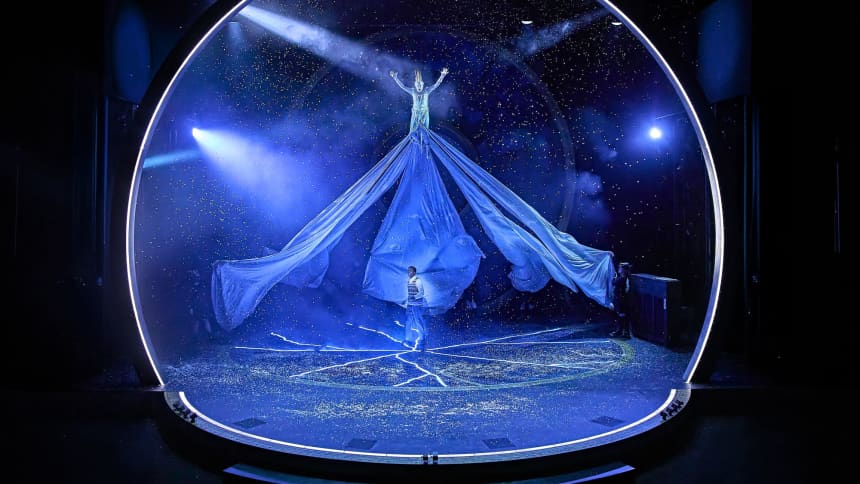
As the weather turns frosty, it feels like we too have stepped beyond the fur coats and into our own endless winter. But if that means joining the Pevensie children on an adventure, then this winter brings plenty of warmth!
The stage adaptation of C.S. Lewis’s “The Lion, the Witch and the Wardrobe” is a magical experience that brings Narnia to life. Directed by Michael Fentiman, this production blends music, puppetry, and energy, making it a treat for fans old and new.
The Wales Millennium Centre delivered an unforgettable experience. Marking the novel’s 75th anniversary, this adaptation enhances the beloved story’s magic. With breathtaking staging and a talented cast, it brings the wonder and adventure of Narnia to life.
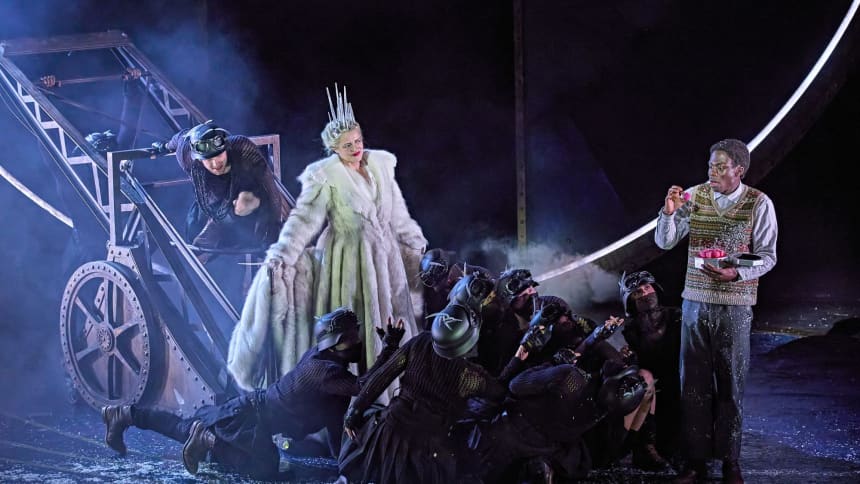
From the moment the lights go down, the visuals are breathtaking. Tom Paris’s set and costumes transport the audience into the snowy forests and the White Witch’s icy castle. The puppetry, especially in bringing Aslan to life, is wonderful. Actor, Stanton Wright, along with a team of puppeteers, makes the lion feel both powerful and real.
The music by Benji Bower and Barnaby Race adds depth with folk-inspired melodies. A unique touch is the actors’ playing instruments live on stage, making the atmosphere even more immersive.
The cast shines, led by the four Pevensie children, who capture both the wonder and sibling squabbles of youth. Joanna Adaran (Susan), Jesse Dunbar (Peter), Kudzai Mangombe (Lucy), and Bunmi Osadolor (Edmund) bring their characters to life, making Edmund’s transformation from selfish to redeemed very moving.
Katy Stephens is both chilling and captivating as the White Witch. Archie Pope’s Mr. Tumnus is warm and endearing, and his nostalgic song about spring is a show highlight. Ed Thorpe’s Mr. Beaver brings the perfect amount of humour, while Anya de Villiers as Mrs. Beaver is equally delightful.
The audience reacted with gasps of wonder and enthusiastic applause, especially during the wardrobe’s magical transformation into Narnia. The mix of humour, adventure, and emotion made the show enjoyable for all ages.
Some special effects may not be as striking from seats farther away, and the first half’s pacing is uneven, with some scenes dragging while others felt rushed. At times, the music overpowers key dialogue. Aslan’s portrayal as both a puppet and an actor is creative, but some may find the transition a bit distracting.
And of course, no matter how magical the show, it doesn’t come with a real portal to Narnia. Some audience members (myself included) might leave a little disappointed after checking the back of their wardrobes at home!
This adaptation is a brilliant retelling of a beloved story. With strong performances, stunning visuals, and immersive music, it captures the heart of C.S. Lewis’s classic. Despite minor flaws, the passion and creativity behind this production make it must-see. Whether revisiting a childhood favourite or discovering Narnia for the first time, this show is a magical and unforgettable experience.
Taking off my critic’s hat for a moment—this production completely swept me away. I could go on and on with praise, but I urge you to see it for yourself. I felt like a child again, lost in a magical world brought to life in the most fantastic way. It’s 317 days to Christmas, but in Narnia, every day could be Christmas. If I could exist in both the real world and Narnia like the Pevensies, it would be a dream come true!
A strong cast and orchestra perform well notwithstanding the threat of further cuts to the Welsh National Opera. Outside the Wales Millennium Centre, as many times before, we are met by WNO staff members wearing t-shirts and handing out leaflets and petitions about yet another round of cuts. The once formidable chorus has been halved from 40 to 20 members. Yet, the WNO manages to deliver once again.
Mozart’s Le Nozze di Figaro (The Marriage of Figaro) is based on Pierre Beaumarchais’ political satire La Folle Journée (1784), sequel to Le Barbier de Séville (The Barber of Seville). Le Nozze is a scathing critique of the power of the nobility. At the centre is the droit de seigneur, the right of the lord of taking sexual advantage of his female servants.
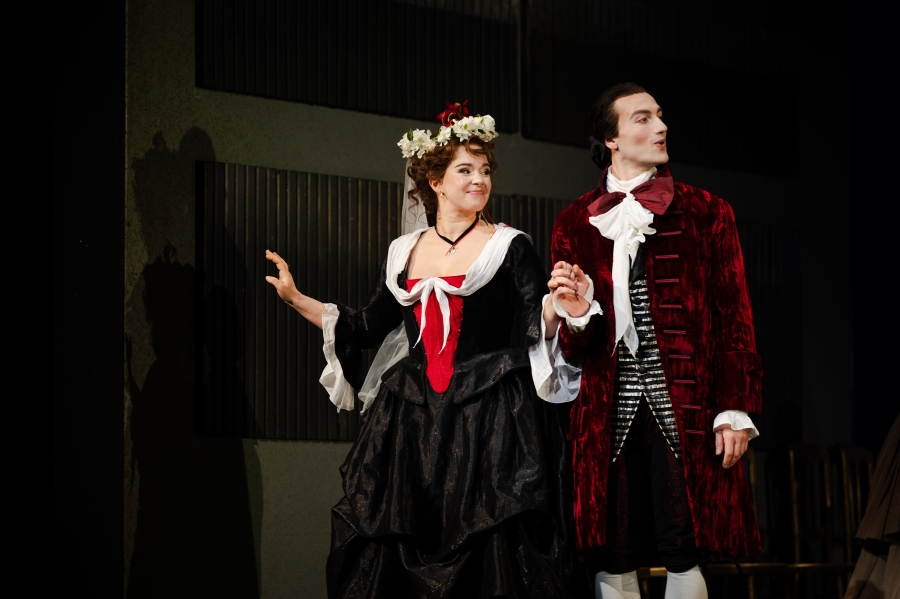
The opera begins with Susanna (Christina Gansch) and Figaro (Michael Mofidian), servants to the Count and Countess of Almaviva, making plans for their wedding. Susanna is afraid that the Count will revive the droit de seigneur to sleep with the bride. Figaro thinks he can outwit the Count of Almaviva (Giorgio Caoduro). Meanwhile, Don Bartolo (Wyn Pencarreg) and Marcellina (Monika Sawa) employ a lawyer to recoup the money lended to Figaro, who has promised to marry Marcellina, if he cannot repay it. The page, Cherubino (Harriet Eyley), in love with the Countess and every woman he sees, pleads with the Countess to help him to avoid dismissal.
What follows is a farce of mistaken identities, where the plot thickens from trick to trick, new truths are discovered, like Figaro being the son of Marcellina and Don Basilio. There’s always someone who overhears something folding a plot and starting off a new one. At its core, however, is the servants, with the help of the betrayed Countess, plotting against the Count.
This production has excellent singing and interpretations from all the cast. A funny and skillful Farfallone Amoroso by Michael Mofidian as Figaro, a beautifully delicate Voi Che Sapete of Harriet Eyley’s Cherubino, a moving Dove Sono of Chen Reiss as the Countess Almaviva, and a beautiful Deh Vieni of the excellent Christina Gansch as Susanna, to name a few. Particularly good performance comes also from Monika Sawa as Marcellina and Giorgio Caoduro as the Count. The cast shines as an ensemble, supported by a solid orchestra, conducted by Kerem Hasan.
Christina Gansch as Susanna and Michael Mofidian and Figaro. Photo by Dafydd Owen.
The strong performances entertain and enchant, but the direction lacks brio. Le Nozze rests on singers and orchestra playing out the satire. We are left with a farce with beautiful music and singing, which misses the political intent. The 18th century’s setting of this revival production constrains the politics of the opera. A modern take could have perhaps exploited the liberties taken by today’s billionnaires, who seem to be above the law. It would have been poignant given the role of billionnaires in impoverishing our society.
It was Newport’s time to shine in S4C’s latest drama series Ar y Ffin. Made much of in a Guardian article prior to broadcast, the city is often overlooked by its capital cousin, but becomes a metaphor here for the title character’s own story. Erin Richards is superb as Claire Lewis Jones, a magistrate and mother who has tried, with a great degree of success, to step out of the shadow of her unsavoury past. Yet she is still haunted by a ghost, in the form of Pete Burton (played by Tom Cullen), a shady local gangster whose criminal activities come slowly to collide with Claire’s personal and professional life across the course of six episodes. And whilst at times there are threads in the narrative which suggest too much artistic licence has been wrought, writers Georgia Lee and Hannah Daniel still offer enough entertaining twists and turns to ensure the implausible never make Ar y Ffin unwatchable.
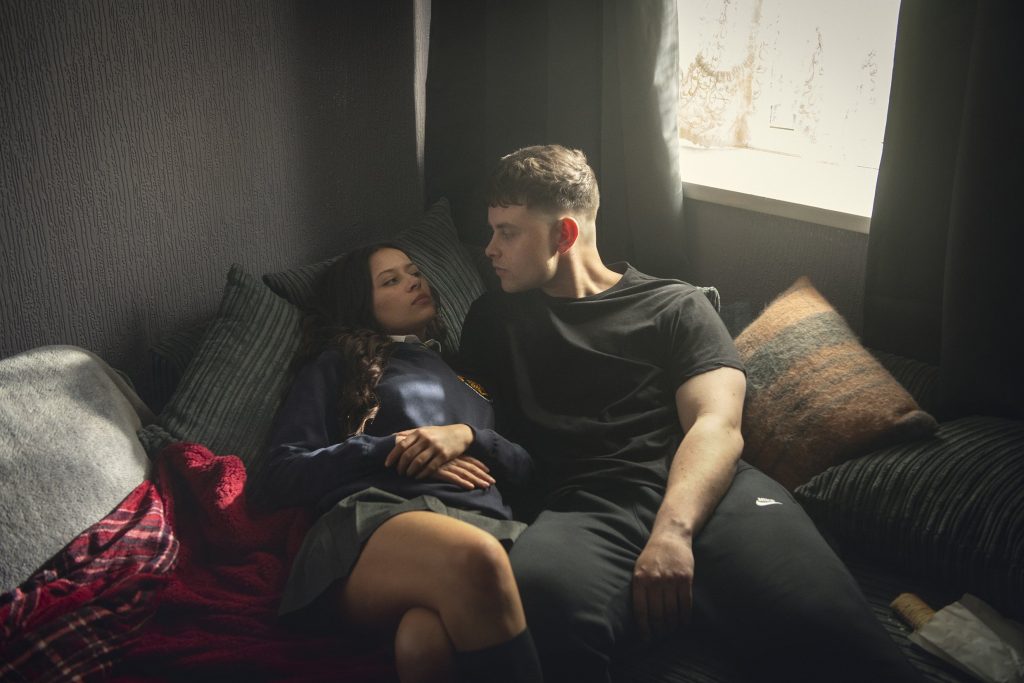
One of the draws of this drama is the mother-daughter relationship at its centre. Lauren Morais is excellent as troubled teen Beca, whose trajectory of travel is, we come to find out, much like her mother’s was back in the day. The way that Claire seeks to protect her, sometimes at great personal and professional cost, is made all-the-more heartfelt by Richards steely portrayal. She follows in a long line of similar female protagonists in Welsh TV drama, balancing a strong exterior with a hidden vulnerability that eeks out as the series progresses. Beca is much the same, though Morais adds a stubborn teenage bolshiness to mask her susceptibility. Ultimately, both characters cast a shadow of weakness over their respective partners – husband Al (Matthew Gravelle) burying his head in the sand over financial problems whilst Beca’s boyfriend Sonny softens towards the series’ end.
There is clearly appetite from the production team to continue Ar y Ffin. Its conclusion feels far too open to simply leave it at that. Where it goes from here is open to question, but with Beca clearly emerging as a central character alongside her mother Claire, further exploration of that relationship would prove invaluable to keep viewers’ interest beyond the standard criminal fare of Pete and his boys. That might involve a trip over the border perhaps, given the final scene. But whether this drama expands beyond or keeps Newport as its central focus, it has been refreshing to see a different Welsh city as a backdrop. A reminder that urban stories are not limited to Cardiff.
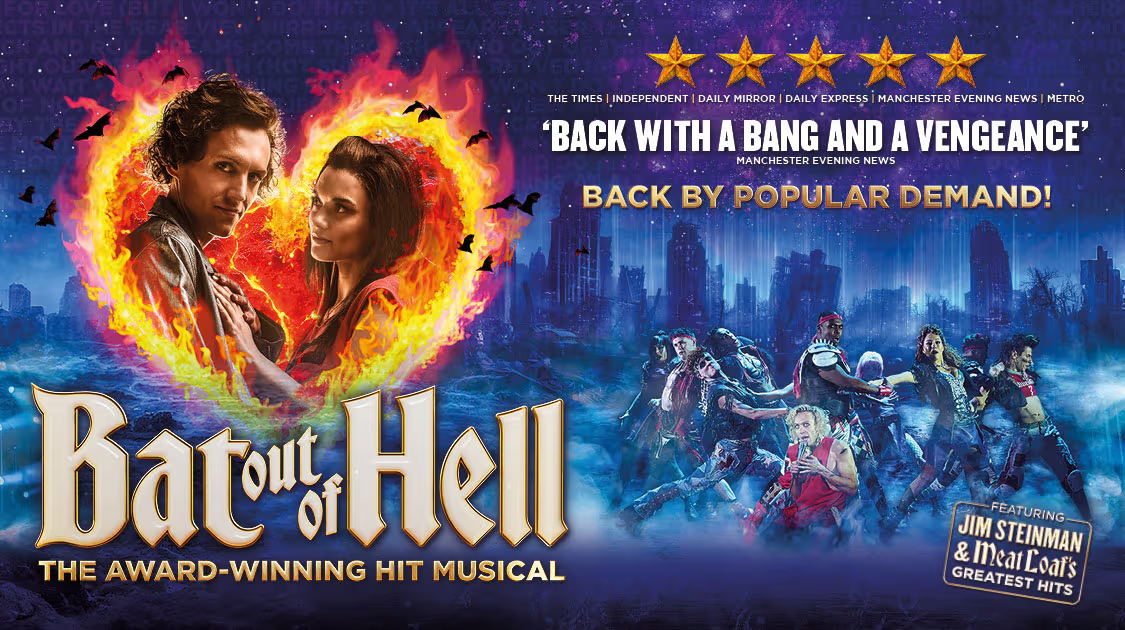
Bat Out of Hell unapologetically storms onto the New Theatre stage, bursting with the greatest hits of Jim Steinman and Meatloaf, a set straight out of a dystopian cityscape, punchy, stylish dance routines and vocals to die for.
There’s a lot to take in, from the tunnels of Obsidian, the incredible band pouring their hearts and souls into the beloved songs, the performers who look like they’re having an absolute blast and the lights and sounds which fill the theatre to even further capacity. The storyline follows a rag tag bunch of unageing friends; The Lost, who live beneath the city in the tunnel system. With echoes of JM Barrie’s Peter Pan, (indeed where the piece has its origins as Jim Steinman originally intended to pen an updated version of the play called Neverland), The Lost are bombastic, free spirited and unashamedly living their ‘forever 18’ lives. Above ground, the ‘Hook’ of the piece, Falco, threatens all that they stand for, trying to bring enforced order to their bohemian lifestyles of rock and roll. His free-spirited daughter, Raven, however, has fallen in love with the forever young Strat and is determined to run away, find The Lost and live her life her own way and be free.
Although the themes of Peter Pan are still evident in some ways, the piece now stands apart and carves out its own space in the Musical Theatre genre. To draw parallels with other jukebox musicals would be unfair; it does have similarities, but it is certainly unlike anything I have ever seen on stage before in shows such as We Will Rock You, for example. The show is pure theatre. It is unashamedly over the top, loud, proud and explosive. From the first number to the curtain call, the audience is grabbed by the frilly white shirt and pulled into their world. The dance numbers are electric; the leads and ensemble leap across the stage using the tunnel set to its full potential, disappearing and reappearing through its maw. The pure energy of the routines really impressed me; the ensemble earning their cheers in the finale just as much as the lead performers.
And what a cast of leads it is. Our four main characters clearly have Bat in their blood; Rob Fowler as Falco and Sharon Sexton as Sloane both originated their roles in the 2017 production. They clearly know these songs and these roles like the back of their hands; their musical numbers are truly spectacular with vocals that are described in no other way than brilliant. Paradise By The Dashboard Light is spectacular and hilarious in equal measure, but their voices reach even further heights in What Part of My Body Hurts the Most and It’s All Coming Back To Me Now. They clearly adore this piece of theatre; it oozes out of them whenever they step on stage.
Katie Tonkinson as Raven also returns to the role having played Valkyrie and cover Raven in the UK and International Tour and Peacock Theatre. She brings a perfect naivety to the role but then owns the stage with confidence and poise in her musical numbers. Heaven Can Wait was beautifully sung showing her softer more emotional vocals, but the counterpart to this was her heartfelt, raw rendition of It’s All Coming Back To Me Now. Glenn Adamson as Strat owns the stage and proves why this is a role this he is critically acclaimed for. He clearly channels the performances of Meat Loaf and his performance leaves the audience breathless; he bounds across the stage with restless energy and pours every energy into every single song. The ‘greatest hits’ are truly made his own with an obvious standout being his performance of Bat Out of Hell, truly raising hell at the end of act one. Georgia Bradshaw as Zahara and Ryan Carter as Jagwire also deserve mention, for their rendition of Two Out of Three Ain’t Bad alone; their vocal acrobatics had me on the edge of my seat.
The tour tries new things too, with the current in vogue method of bringing onstage videography to the production. I enjoyed this element as it did allow an extra layer to the performances and enabled lots of close ups and different angles of the musical numbers. I did, sometimes feel a little overwhelmed as I wanted to look everywhere at once; at the screens, the action on stage, the dancers and the lead vocalist. The cast also uses handheld mics throughout, even throughout dialogue. This does give the show a distinct concert feeling but it can sometimes feel slightly distracting.
Overall, the show is pure energy, dragging the audience along with its joy and vigour and certainly pulled people to their feet by the end to sing and dance along. For fans of Jim Steinman and Meat Loaf this is an absolute must, but there’s something here for everyone so catch it at the New Theatre before it roars off to the next stop of its tour!
The new year in the Welsh capital saw concerns over the disarming of history, nursing and music studies at Cardiff University. The arts are becoming a deeply rooted concern, as well as further rug pulls, National Theatre Wales bows out as well. Still, St. David’s Hall the concert hall for Wales remains closed. This major hub for the BBC National Orchestra of Wales may not be in use for at least another year or two.
We’ve settled into Hoddinott Hall down the Bay, as have the orchestra for all Cardiff based concerts. Some of these events can boast sell outs, thanks to thrilling programmes and guest artists. Issues expressed before in reviews would prevail and need attention. I’m talking about the lack of physical programmes and tonight, a lack of a libretto for the French sung operatic outing (the equipped venue would fare well with a surtitle screen). No one really wants to read on their phone with a digital programme.
Jamie Martín is a natural conductor, who would herald the start of a fine concert thanks to Ravel’s ‘Mother Goose’. This being the full ballet version, as with the composer it is often light and mostly charming in execution. Typical tales of Beauty and the Beast, Sleeping Beauty and lesser-known stories are within these bars. The eloquence of the orchestration would go onto influence music inspired by fantasy and fairy tales in media, such as a standout it remains. Putting personal taste aside with Ravel, the whole work has hurrying, shimmering moments. I could see this being a nice intro to classical music for children, yet it doesn’t seem to be the first choice. The orchestra captured the fine bristle of all the movements, its grandeur mounting up to a sweet closing.
A rare opera arrival for Hoddinott, with that of soprano Danielle de Niese and Poulenc’s ‘La voix humaine’ or ‘The Human Voice’. One of the finest one-act operas from the 20th Century, this taking of Cocteau’s play sees an intimate scope. The only character is a lady who in a desperate flux, speaks to her lover on the phone, the conspiracy of a breakup the dramatic punch of the plot. With a sad send off, Poulenc and his full use of orchestra throughout is mighty. The pounding and plucking of the alert score become more engrossing as this woeful tableau goes on. The xylophone is the clever ringing of the dreaded telephone (who has a landline anymore?), as each call faces connection issues, wrongs numbers and flashes of this vanishing lover.
Ubiquitous to Glyndebourne audiences, this is de Niese’s first time with BBC NOW. I’d dare say it was a success, the French sounded perfect, the acting flustered, yet paced. Her voice holds truth and a graceful, unwavering flight, never a half measure in anything she does. It’s time we see her back again with Welsh National Opera. It must happen.
Creating opportunities for a diverse range of people to experience and respond to sport, arts, culture and live events. / Lleisiau amrywiol o Gymru yn ymateb i'r celfyddydau a digwyddiadau byw

 (3 / 5)



 (4 / 5)