Category Archives: Literature

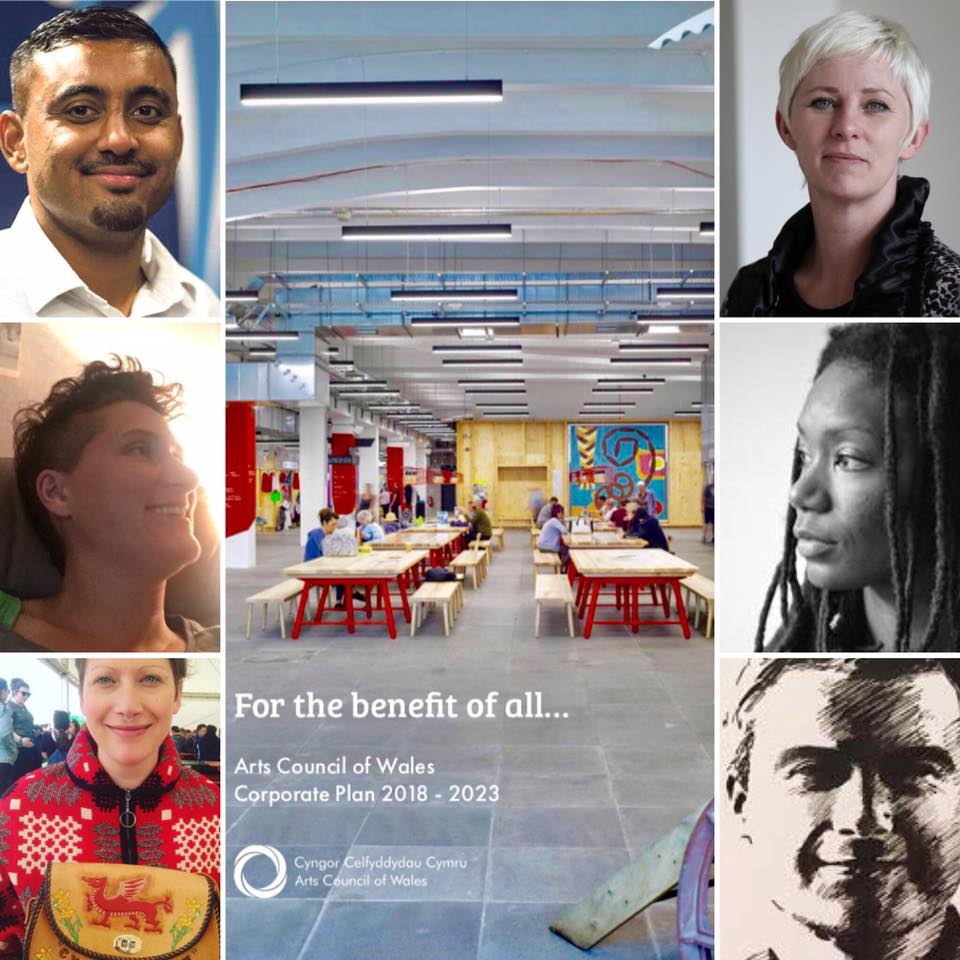
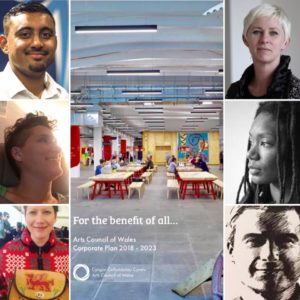
An updated response to Arts Council Wales, Corporate Plan, 2018-2023 “For the benefit of all”

In October 2025 Get the Chance published an article titled, ‘The Health of the Arts in Wales.’ The article focused on the new ACW ‘Head Of’ role appointments, their key areas of focus and the WAHWN Manifesto.  The article featured a range of responses from Welsh/Wales based creatives responding to this period in the Welsh Cultural sector, it can be read here

We published a similar article in relation to the Arts Council Wales, Corporate Plan, 2018 – 2023  “For the benefit of all” in 2018.  We asked ACW if they could update us on the Commitments they stated at the time and their response can now be found at the bottom of this article. Thank you to the staff at ACW for taking the time to do this. 

Our mission statement at Get The Chance is “Creating opportunities for a diverse range of people to experience and respond to sport, arts, culture and live events.”

We were very pleased to see some of the priority areas in the new Arts Council Wales, Corporate Plan, 2018 – 2023 “For the benefit of all”

In particular we were interested in Commitment 2 below

We will enable a greater number and a wider diversity of people to enjoy, take part and work in the publicly funded arts.

ACW then go onto make a series of intentions (below) for where they want to be in 2023 (5 years)

We will be able to demonstrate clearly that all our funding programmes promote and contribute to equality and diversity

There will be a narrowing of the gap between those in the most and least affluent social sectors as audiences and participants

We will develop the creative work of disabled artists by funding “Unlimited” commissions and developing a scheme similar to “Ramps on the Moon” operated by Arts Council England

We want to introduce a “Changemakers” scheme placing BAME and disabled people in senior executive positions in the arts

We want to see a doubling of the number of disabled people in the arts workforce

We want to see a doubling of the number of Black and Minority ethnic backgrounds in the arts workforce

We want to have introduced an Arts Council Apprenticeships scheme designed to provide opportunities for people from diverse backgrounds

We will have achieved a trebling of the number of BAME and disabled and on APW boards of governance

We have been in discussion with a number of colleagues in the arts sector in Wales to request a personal response to Commitment 2 and are pleased to share their responses below. Please do get in touch if you would like to contribute.

ACW are currently asking for responses to their Corporate Plan and future Lottery funding priorities from members of the public,  you can make an online response at this link .

Or attended one of the physical meetings. The public meetings associated with the consultation will take place at Tŷ Pawb, Wrexham (30 November), Volcano, Swansea (10 December), Riverfront Newport (7 January 2019), Aberystwyth Arts Centre (11 January 2019) and Pontio, Bangor (21 January 2019).

Further details are available on the Arts Council of Wales website. The consultation closes on 15 February 2019.
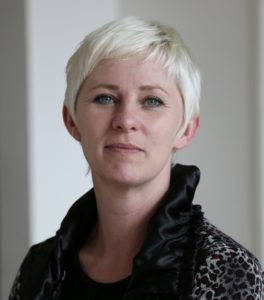
Carole Blade, Creative Producer

Coreo Cymru

During 2019, Bombastic and Coreo Cymru will be hosting Family Dance Festival, a 70-minute entertaining and interactive dance programme for families, presented free of charge in theatre foyers and outdoors during the Easter holidays. Piloted in 2017 and further developed in 2018, Family Dance Festival features three Wales-based professional dance companies and local youth groups at each venue plus taster workshops for all, framed within a bilingual (Welsh/English) context and supported with accessible shows and feedback systems.

Our 2018 programme delivered an accompanying training and seminar event to promote Audio Description, resulting in the first Welsh language audio described live performances. In 2019, we will also offer BSL interpreted shows and focus on developing an audience and appetite for these services by actively forging relationships with members of the blind and D/deaf communities. We will do this through visits to local support centres, clubs and groups, offering programme insight and critically supporting a dialogue, asking questions to inform our deliver methods and to reveal a wider view of general provision, requirements and needs. Working in collaboration with Creu Cymru’s Hynt and the local venue, we will gather data to support general approaches to accessible practice in Wales starting with visits to local clubs and later request feedback relating to their FDF experience.

We will again work with Audio Describer Ioan Gwyn, who benefited from FDF2018 bespoke training programme and toured with the company offering both Welsh and English language descriptions. We will also work with experienced BSL interpreter Sami Thorpe of Elbow Room, to support the text based work and our reach. Their understanding of the target audience and experience within the performing arts, coupled with our plans to consult with individual service users through visits to their respective clubs and groups, prior to the tour, will enable the means and structure for a quality service. Ioan and Sami will work with the Front Of House staff at each venue to ensure quality customer care of our accessible audiences, positioning themselves at the box office to welcome and familiarise. Where possible we will integrate Ioan and Sami into the actual performance to positively reinforce inclusiveness and will create specific feedback forms to inform delivery and methods.
Gareth Coles / Voluntary Arts Wales Director / Cyfarwyddwr Celfyddydau Gwirfoddol Cymru

The second commitment in the Arts Council of Wales’ new Corporate Plan recognizes that the challenge is to increase and diversify participation in the publicly-funded arts. But levels of participation in different forms of creative activity may actually be very high, as people practice their creativity in libraries, church halls, pub function rooms and on kitchen tables and bedroom desks. Voluntary Arts Wales estimates that there are around 4,000 community and amateur creative groups in Wales. But these voluntary and everyday creative activities may not benefit from public subsidy, and therefore may not regularly appear on the radar of public funders.

There is a rich and diverse ecology of the arts in Wales: an ecology that we believe includes amateur, everyday creativity as well as the professional arts, and in which all elements are interdependent and mutually supportive. An attempt to engage more people in the publicly-funded arts might start with an appreciation of the creativity that people choose to practice themselves. Rather than see a deficit of engagement in the arts, we might recognise the cultural assets and activities that already exist within communities across Wales, and build stronger links with the publicly funded arts.

 Diversifying governance

In 2016, Voluntary Arts conducted a project called Open Conversations to improve our understanding of creative cultural activity in Black Asian and Minority Ethnic (BAME) communities across the UK. We convened an Advisory Panel of experts in BAME creative activity, who made introductions, accompanied staff on visits, and met regularly throughout the project to discuss findings. Voluntary Arts staff and Expert Panel members conducted long, unstructured and informal conversations with practitioners across the UK. At the end of the project, we invited the Panel members to become Trustees of Voluntary Arts, and now 5 of our 11 Board members are from BAME backgrounds. As a result of this work, we became the first arts organisation to win a Charity Governance Award for Board Inclusion and Diversity.

We have also sought in recent years to celebrate the excellent work that exists in the voluntary arts sector to champion diversity, through our annual Epic Awards. Get the Chance was a recipient of the Celebrating Diversity award in 2017.

Increasing participation

Our Drawn Together project, a partnership with Coast Lines, has engaged over 2,500 people of all ages in producing over 5,000 observational drawings – creating a collective visual representation of Wales in 2018 (now on display in the National Museum of Wales, Cardiff). The feedback shows that 96% of participants felt happier and more positive as a result, but the majority weren’t creatively active, or involved in any arts or community groups. We believe this worked because we took the project to places where people convene: in existing community groups, libraries, cafes, care homes, workplaces and schools. We worked with Big Issue vendors in Cardiff, residents living with dementia in a care home in Pembrokeshire, RNLI volunteers in Aberystwyth and farmers in rural Denbighshire. A majority of project participants now want to continue their creative practice.
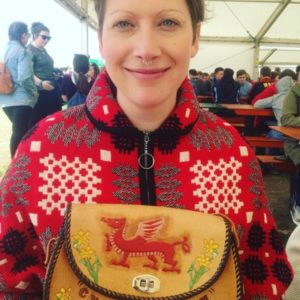
Branwen Davies

Writer/Theatre Maker

I welcome this commitment. We all should. We all benefit from a wider diversity of people enjoying and taking part in the arts.It needs to be ever evolving and new energy and life bought in. We all have skills, experience and stories to share. Quite often I find we are ignorant or unaware of challenges facing others and it needs to be addressed and challenged and become second nature not a box ticking exercise.

In uncertain times socially and politically, especially where people feel threatened and surrounded by divisions and threats, the arts can play a pivotal role in confronting fears and open channels of communication. We are social animals. We need to seek each other out. We need to go knocking on doors and meet face to face and not rely so much on social media to connect.

I constantly bang on about the transformative power of the arts! It’s life-enhancing – music, theatre, images, installations, dance etc in all it’s glorious forms. They enable us to communicate, engage and express ourselves and that positive experience can spill out in to all areas of life. It gives us an emotional literacy and helps us try and make sense of the world and our surroundings. It infuriates me that music and drama and literature are constantly threatened within the education system and that there are less opportunities from an early age to engage and benefit. Mental health issues, anxiety and lack of confidence is on the rise in schools and I am in no doubt there is a direct link. The arts are essential to our wellbeing and the earlier we are exposed the better. It is also vital to ensure that there are opportunities for all ages and that it isn’t all focused on youth but continuous in to old age.

It has to start with a conversation – what are the complex needs of different cultures, genders and abilities in Wales? For a small nation our diversity and needs are huge! There is no one size fits all. What are the present weaknesses and gaps and challenges and how do we approach change and a new model of addressing and implementing things for the benefit of all? It’s essential to give a voice to those who aren’t usually given a platform and we must empower those who don’t think their story is of value. We also need to showcase and showoff what we can offer so that people are aware of the possibilities and the work that is and can be created.

The image of the arts needs to be changed so that people feel that they can take ownership and that it belongs to them. It’s up for the current gate keepers not to just welcome and implement an open door policy and a willingness to listen but to actually do the ground work and seek people out face to face. This connection and nurturing needs to be sustained. We have the talent, skills and expertise in Wales but we need, especially in times of funding cuts to pool resources and collaborate and communicate much better than we already do and to be in regular contact and communicate and share knowledge with each other.

My background is in playwrighting and one positive experiences I have had was ‘The Fresh Ink’ initiative with the Sherman Theatre where over a period of 10 weeks I visited St Teilo School in Llanedeyrn, Cardiff. I worked with a group of students who had never visited the theatre and who had little confidence or interest in writing. Allowing them to step away from thinking and writing academically, encouraging them to find their own voice and to take ownership of their language and rhythms of speech the students grew in confidence and produced extremely moving and passionate short plays that were then performed by professional actors at their school in front of their peers. Their reaction and their pride in their words and stories was empowering. For the first time some of them felt they had created something of worth and value and were proud to share it. The Sherman are currently running a playwrighting scheme for similar students to whom opportunities have been limited. The weekly sessions are free of charge and transport is provided. The students work will be performed at the Sherman in the spring.
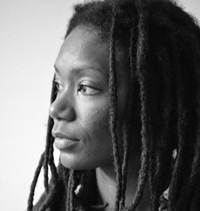
Adeola Dewis

Artist, researcher, academic and TV presenter

I have just read the corporate plan. I feel little excitement although I think the targets are attractive. My main contribution to this goes back to the idea of getting out of offices and on to the streets, into community spaces without an agenda and seeing what one can learn.

This feels like wanting to do research and already knowing the answer. I think its problematic in its genesis.

Of course the key is the youth, the next generation but I also believe that bodies like the ACW already have a public image and in order to broaden its public perception (increase participation and attendance in publicly funded arts), honest work will need to be done from the inside, beyond inviting token BAME individuals to be on their board. This crucially involves getting to know who you are working with and for and perhaps getting your ‘targets’ from the people and what matters to them rather than the governments with their outward facing strategies.

I am struggling to articulate a coherent response to that as I believe the response would need to be rooted in research. What I mean is, we are talking about arts participation, but that is just ‘our’ arts. There are groups and communities making ‘arts’ and doing their thing that get washed over for various reasons. What is at the core of the desire to increase participation? What are ‘more diverse’ communities and groups already doing and how do we foster conversations that facilitate an equal space for voice and visibility and limits the threat of appropriation.
Bethan Marlow

Writer 

First of all, the fact that these goals and priorities have been set is fantastic because it means we’re really acknowledging that this is a problem. There are many, many people still feeling excluded from the arts (not just as audience members but as people wanting to work in it too) so having a goal to change that can’t be anything but a good thing.

How will it actually be achieved?…….. action. Action by all. Everyone, every single one of us currently working in the arts needs to assess our ways of working, our processes and avenues of finding collaborators and we need to really question how inclusive we’re been the past. And if we haven’t been inclusive, or inclusive enough, we MUST, must make change. From hiring to casting to finding audiences we must continuously ask ourselves whether we’re doing enough to make sure that ALL people feel invited. I sometimes feel like I’m the P.C police these last few years (I’m sure my co-workers feel it to!) because I have made a conscious decision to ask the difficult questions and speak up for those not in the room. And it’s not always comfortable. It makes people uncomfortable but the only reason we all feel uncomfortable is because we know there’s a problem. “Have we gone to all lengths possible to find BAME actors that can audition for this part?”, “Our focus should be on finding female musicians”, “have we considered Welsh learners for this part?” I don’t ask these questions to make people feel guilty, I’m doing it so that we can create active change so that we’re not guilty of being exclusive. We need to keep reminding each other of being inclusive until it becomes second nature.

Abdul Shayek

Director of Fio

I guess my major reflection on this has to be that whilst we have a statement being made by ACW which I believe is the right one. What seems to be missing is the response from arts leaders who have the resources to really make a difference. I guess unless a firmer and clearer picture is presented in terms of the sharing of power and resource, the inevitability is that this will remain words on a page. We, have to question how a sector which is led by same people will suddenly decide this needs to be prioritised just because ACW has said so, we need to go further and find other more innovative solutions where power is shared more equally?

Arts Council of Wales Corporate Plan, 2018 – 2023 “For the benefit of all”

Progress Report 2025

Following the launch of our previous Corporate Plan ‘For the Benefit of All 2018-2023’ it is important to note that, in March 2020, the UK went into lockdown in response to the global Covid 19 pandemic. This resulted in the immediate ceasing of all creative activity as the sector had to close its doors to audiences and participants and find new and innovative ways to continue to deliver work in order to survive. Being the last sector to re-merge from the pandemic, the restrictions had a significant and detrimental impact on the sector, further compounded by the cost-of-living crisis that followed in its wake. As a result, many creatives working within the arts sector were forced to seek alternative and more sustainable work in other sectors.

This had a significant impact on the progression of our own key objectives at this time, as we redirected our funding support to provide emergency and stabilisation funding to the sector. We sought to take stock and reset our direction of travel, to allow us to provide a relevant and appropriate response to the crisis the sector was now facing. This is documented in our publication at the time, ‘Resetting the Dial’.

Nevertheless, below are some examples of the progress we were able to make against the priorities listed in our then-published Corporate Plan. Whilst these examples are listed under their separate headings, they would not have been delivered in silo, nor would their impact have been restricted to the particular area of reporting below. The accumulative impact of these actions helped set the benchmark and inform the direction of future targeted activity.

Further detail on our progress against the Benefit of All may be accessed through several of our published reports, in particular our published Annual Equality Plan 2022-23, as this report also provides the benchmarking data for previous years of the plan. These reports may be accessed on our website here.

Work in this area will continue to progress, and is addressed under our current 10 year Strategy and its 6 published principles: Creativity, Equality and Engagement, Welsh Language, Climate Justice, Develop Talent and Transform.

Demonstrate that all funding programmes promote and contribute to equality and diversity

Actions Taken

  • Appointed an Agent for Change to help drive progress in our commitment equalities and improve performance in this area*
  • Embedded equality objectives into all programme guidelines and assessment criteria.
  • inclusion of equality action plans in funding agreements with Arts Portfolio Wales organisations (now referred to as Multi Year Funded organisations post Investment Review 2023)
  • Conducted Combined Impact Assessments on key strategy documents
  • Annual reporting of demographic data on funded projects.
  • Launched our Arts Associates, a cohort of individuals who demonstrate arts expertise and lived experience of under-represented groups, and with who we engage to bring their expertise to our developmental work and grant decision making.
  • In March 2025, we developed and introduced a revised Lottery programme offer that responded to gaps in provision that we were seeing though our data analysis. This work also saw the relaunch of our Creative Steps programme, supporting individual artists and organisations from under-represented backgrounds and who had experienced barriers to accessing our funding.

Outcome

Funding programmes incorporate diversity priorities, ensuring equitable access and representation.

*It is worth noting that the Agent for Change role came to an end on 31 March 2025. The decision was taken by the Executive Leadership Team, which was subsequently approved at Council, to restructure our approach to diversity and inclusion by transitioning from the single Agent for Change position established in 2021 to embedding diversity and opportunity across the whole of ACW.


Narrowing the gap between most and least affluent social sectors as audiences and participants

Actions Taken,

in addition to the above:

  • We implemented targeted outreach and community engagement programmes in low-participation areas. This included increased online activity during the pandemic lockdown including streaming, which allowed for more people to engage with creative activity in a safe way and at a time that suited them. An example of this would be our Sharing Together Fund, which encouraged the creation of new networks and strengthened existing networking opportunities initiatives which focused on promoting and strengthening diversity and inclusion throughout the arts sector, and on widening engagement with diverse communities. Through this Fund we sought to increase participation in the Arts, particularly for those who felt separated or disconnected for a number of reasons – including, but not restricted to, economic, social and geographical considerations, whilst enabling sustainable funding models to deliver this activity. 
  • With our funding support, many organisations introduced subsidised ticket schemes and free workshops for low-income groups.

Outcome

Increased figures for participation and engagement with cultural activity among under-represented communities and groups.

Develop creative work of disabled artists via ‘Unlimited’ commissions and similar schemes

Actions Taken

  • Funded multiple ‘Unlimited’ commissions for disabled artists through Unlimited Connects prior to the pandemic. Further funding for Unlimited 2020 rediverted to the Covid 19 Response Funding for the sector.
  • Designed a pilot programme, RAMPS Cymru, inspired by ‘Ramps on the Moon’ to support integrated productions. However, funding priorities were severely impacted by the pandemic, as funds were redirected to provide emergency support.
  • In our Investment Review 2023 Report and Decisions we included a commitment to offer further support to RAMPS Cymru – a collaboration between Theatr Clwyd, Sherman Theatre, Pontio Arts, Torch Theatre, and the Royal Welsh College of Music & Drama – which aimed to create meaningful and sustainable change to improve the representation of disabled people across the mainstream theatre sector in Wales.
  • Through our Lottery Programme Review in 2025, we restructured our funding offer to transform our approach from reactive funding to strategic allocation that directly addressed documented gaps. This included a comprehensive restructuring of our CREATE funding programme. This work is currently being launched in phases, with the launch of the final phase in April 2026. Once competed this will see a move, from a general open programme to more specialised funding streams better tailored to specific needs.

Outcome

Increased visibility and opportunities for disabled artists to have greater access to funding and platforms, fostering inclusive creativity. This work will continue to progress under our current 6 published principles, which include Equality and Engagement and Develop Talent.

Introduce a ‘Changemakers’ scheme placing people from minoritised ethnic backgrounds and disabled people in senior executive positions

Actions Taken

  • The onset of the pandemic impacted on the finalising of strategic funding programmes, including the Changemakers programme , which sought to provide individuals from under-represented backgrounds with structured placements in leadership roles and provide leadership training and mentoring for participants.
  • we continued to support people from minoritised ethnic backgrounds and Disability-led organisations to develop their businesses in sustainable ways, including through our Creative Steps programme, until we had to pull out of our Lottery funding programmes in March 2020 and repurpose the money to provide emergency funding to the sector in response to the pandemic.
  • We have since relaunched our Creative Steps programme for organisations and individuals.

Outcome

Improved diversity across Boards and Senior Management within the sector, influencing organisational culture and decision-making.

Double the number of disabled people in the arts workforce

Actions Taken

In addition to the above earlier points:

  • Increased our sharing and advertising of recruitment and engagement opportunities across a number of targeted platforms to help ensure we reach a wider audience
  • Set clear targets in funding agreements requiring organisational equality plans that include workforce considerations.
  • Launched our Arts Associates, a cohort of individuals who demonstrate arts expertise and lived experience of under-represented groups, and with whom we engage to bring their expertise to our developmental work and grant decision making.
  • Supported inclusive recruitment campaigns and training pipelines.
  • Commit to increasing diversity across our own staff and Council
  • We are a Disability Confident Employer
  • We publish our own employment data and employment data for the organisations we core fund in our annual Equality Reports that include benchmarking data from previous years.
  • Increase awareness and understanding of potential barriers faced by disabled people through staff training including neurodiversity training.

Outcome

Increase in reported representation of disabled individuals in the arts workforce

Double the number of people from minoritised ethnic backgrounds backgrounds in the arts workforce

Actions Taken

In addition to the earlier points above

  • Increased our sharing and advertising of recruitment and engagement opportunities across a number of targeted platforms to help ensure we reach a wider audience
  • Set clear targets in funding agreements requiring organisational equality plans that include workforce considerations.
  • Launched our Arts Associates, a cohort of individuals who demonstrate arts expertise and lived experience of under-represented groups, and with who we engage to bring their expertise to our developmental work and grant decision making.
  • Supported inclusive recruitment campaigns and training pipelines.
  • Commit to increasing diversity across our own staff and Council
  • We publish our own employment data and employment data for the organisations we core fund in our annual Equality Reports that include benchmarking data from previous years.

Impact

Data reported through our Annual Equality Reports show increased diversity across arts organisations.

Introduce an Arts Council Apprenticeships scheme for people from diverse backgrounds

Actions Taken

  • Initial development of apprenticeship framework postponed due to pandemic and resulting repurposing of funds.
  • Encouraged and supported arts organisations to host apprenticeships and secondment opportunities across disciplines.
  • Commit to and require our funded organisations and projects to offer recognised fair rates of pay.
  • Arts Council offer minimum living wage for entry level opportunities.
  • We will now take this work forward through our principles of Develop Talent and Transform to create sustainable career pathways in the arts

Achieve a trebling of people from minoritised ethnic backgrounds and disabled representation on APW boards of governance

Actions Taken

  • Embedded equality objectives into all programme guidelines and assessment criteria.
  • inclusion of equality action plans in funding agreements with Arts Portfolio Wales organisations (now referred to as Multi Year Funded organisations post Investment Review 2023)
  • Increased our sharing and advertising of recruitment and engagement opportunities, including those for the sector, in our published newsletters to help ensure we reach a wider audience
  • Set clear targets in funding agreements requiring organisational equality plans that include workforce and Board considerations.
  • Supported organisations to access governance training

Outcome

Our Arts Portfolio Wales data for 2022-23 showed an improvement in the representation of people with protected characteristics both as employees and members of Boards of Management. There was a marked increase particularly in the number of disabled people employed within these organisations, up by 20% from the previous year. Those from culturally and ethnically diverse backgrounds also saw modest increases on the previous year. Whilst we have not achieved a trebling of representation across Boards, the data now shows there are general increases in these areas over the years, reflecting a broader range of perspectives, strengthening governance and inclusivity.

Review Van Gogh on the Beach by Poetry House review by Tanica Psalmist

 out of 5 stars (4 / 5)

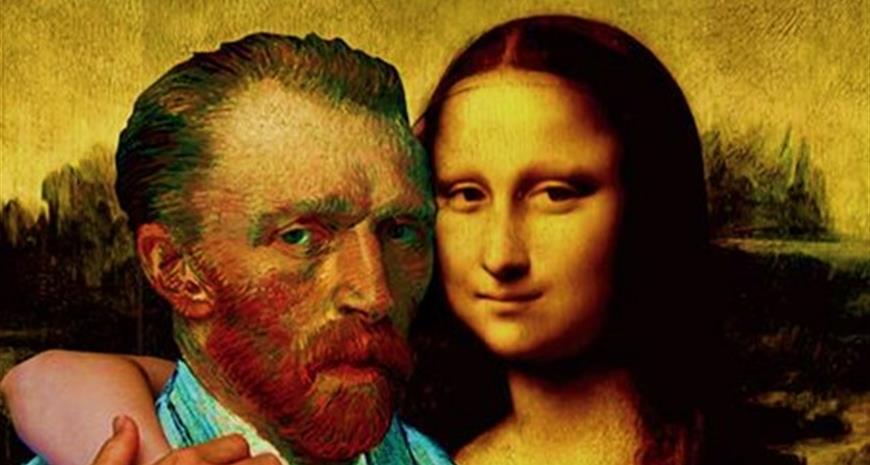
Van Gogh on the Beach is a tale of Vincent’s love, art and heart in Lost Angels written and performed by talented Jahmar Ngozi. Van Gogh on the Beach fuses together a blend of poetry, drama, dance and art, where the Great Vincent Van Gogh exploits, highlighting his infatuation for an enthusiastic, endowing sexually elevated women and of course his passion and gift for his artsy, God given gift.

The time period of Van Gogh on the beach is Set in Los Angeles during the buzzing, booming century of the 80’s/90’s, where they’re seen in the play rocking out vintage, classy and sleek dress wear and suits, smoking cigars and remaining optimistic when feeling drained from a bruised community, as they expand on the stigma of artists only associating with their respective peers. However, through all of that heat a cool breeze shifts the air as they seek a solution to the problem. Expanding into the era when the enlightenment of art was detached from anything that bound it, acknowledging that art  is an expression of anything you allow it to be.

Van Gogh on the beach is a fantastic, historical admiring play that’s full of energy, powerful words and heartfelt scenes. This play channels the excitement of jazz, spoken word, passion, romance and the importance of art.  The overall production is cultural, eloquent and historical as you travel through the journey of different lives that contain factual, fantasy and inspirational entertaining content. A well presented show, as Van Gogh on the beach is extremely engaging and exhilarating to watch.

Tanica Psalmist


Review for The Laud of the Rings by Tanica Psalmist – Camden People’s Theatre

 out of 5 stars (4 / 5)

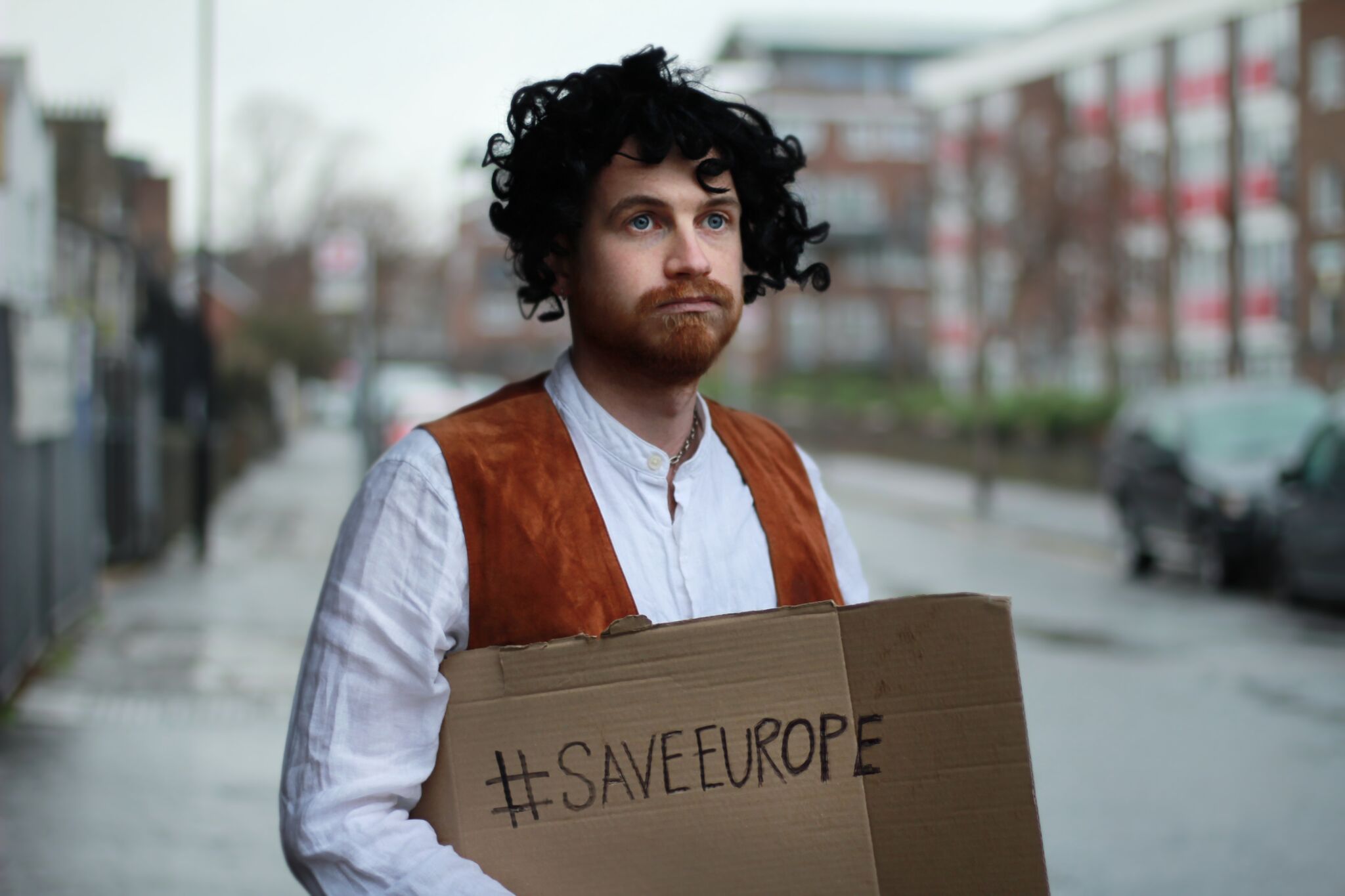
Josh Gardner’s unique story-telling production entails mix documentation and an anarchic approach to performance. Josh elaborates on privilege and migration through the use of absurd. A space where he isn’t afraid of breaking the fourth wall or going against theatre rules or maintaining his dry humour which not everyone gets but it seemed he purposely wanted to convey that aspect to his character. The Laud of the rings tells the tale of Josh wanting to save Europe by re-enacting Frodo’s journey to Mordor, travelling from Oxford to Istanbul dressed as a hobbit.

The Laud of the Rings is a captivating and provocative performance that follows desperate attempts to live out a fantasy world in a black wig, plastic feet and have an encounter with a Serbian border police officer, as reality and fiction collide in an epic re-make of The Lord of the Rings.

The production is very immersive, it became intriguing when he would climb into the audiences space to sit among them, get the audiences participation by choosing individually who to read out his scripts and jumping on to the stage to blow up a giant, plastic sphere with a noisy air compressor.

There’s episodes where Josh risks the use of being ‘disorganised throughout his performance’ and scatty with minor control on stage, especially as he leaves the theatre nowhere to been seen again, leaving the audience members no opportunity to properly applaud, some audience members went off to find him in the giant, plastic sphere rolling around outside.

Laud Of The Rings is slightly weird, funny and slightly unsettling. It can take a lot for you to laugh, grasp the concept of his character and relate to the emotions of his character sincerely. Josh for me is a man with a gift for deadpan humor, not knowing if he was being generally serious or not made his act original, as he wasn’t scared to be daring or challenging.


Review Podcast: 99% Invisible by Judi Hughes

I am a podcast fan. I listen to podcasts on long journeys, while I’m cooking dinner, while I’m gardening and to help me off to sleep. There is a world of fascinating knowledge and stories out there that I can’t get enough of. The first of these, recommended to me by my son, is the encyclopaedic purveyor of unusual facts, 99% Invisible. Produced in Oakland, California it is part of the Radiotopia network and whilst rooted in the USA, has a truly international outlook. I find it delightful.

If you visit their website, the ‘about’ section tells us that “99% Invisible is about all the thought that goes into the things we don’t think about — the unnoticed architecture and design that shape our world.” Fascinating enough, but it’s much more than that. To date there are 325 episodes that you can download, beginning in 2010 and carrying on to the present, they have covered what I consider to be everyday wonders of the world. If you haven’t listened to any of them yet, you’re in for a treat. I wish I could start from Episode 1 again – in fact I may well do that because there are many that I would like to hear again.

Each episode begins with an introduction from the velvety voiced Roman Mars, with the inevitable but very important messages from their sponsors (independent means they need the advertising). “I’m Roman Mars……” and proceeds to tell us about some fascinating thing that we’d really never thought about but might just observe now, like the way that large buildings are designed to make people behave in certain ways – in airports for instance in Episode 126: Walk This Way, and Episode 93, which tells us why we should always use the revolving doors.

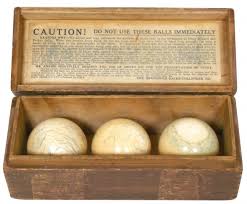
Then there are my all-time favourites: Episode 160 Perfect Security reveals that “in the entire history of the world, there was only one brief moment, lasting about 70 years, where you could put something under lock and key — a chest, a safe, your home — and have complete, unwavering certainty that no intruder could get to it.” The story of Bramah, Chubb and the lock controversy of 1851 unfolds. Episode 164 tells us how the discovery of Bakelite helped to make the awful practice of creating billiard balls from elephant tusks come to an end – did you know that by the mid-19th century, elephants were being slaughtered for their ivory at an alarming rate, just to keep up with the demand for high-end billiard balls – no more than eight balls could be made from a single elephant’s tusks. Closer to home is Episode 316 The Shipping Forecast featuring interviews with that reassuring voice of Peter Jefferson that anyone who listened to his dulcet tones late at night in will appreciate.

Wherever you get your podcasts try listening to 99% Invisible. It’s a whole new world. Check out their website: https://99percentinvisible.org.

By the way, they don’t like Trump, so all is safe in their hands.


Judi Hughes, 22 October 2018

Review: Lord of the Flies (Sherman Theatre) by Vicky Lord

I will be the first to admit that I have had a love/hate relationship with William Golding’s Lord of the Flies. I was one of the many to study the 1954 novel during secondary school and, while I liked particular elements, I was certainly not a fan. However, mainly through a love for the audiobook, the novel has continually grown on me and now I would say it is a firm favourite which I will re-read multiple times.

As this novel is one so constantly studied in school, due to the layers of imagery, intriguing characters and intriguing presentations of societal and bodily issues, I was immediacy intrigued to see that Lord of the Flies has now been adapted into a play by Nigel Williams which is currently showing at the Sherman Theatre. However, in order to fully review this play in the context of one which is studied so frequently, there will be spoilers for both the plot of the novel and the show and I will also be discussing some ways in which the play deviated away from the novel’s plot in order to make these clear to anyone studying this production in light of the novel. Therefore, this review will be a long one.

Lola Adaja gives an intricate professional stage debut as Ralph. I feel that she balanced the complex sides of Ralph in both opposing Jack but also partaking in the early chaos. The transition between his more childish side in interacting with Jack when they first meet on the island to his role and chief and the heartbreaking final transition back into childish weeping were suitably intriguing and heartbreaking to watch at once. Gina Fillingham’s performance as Piggy felt as if risen directly from Golding’s novel. A delicate balance between comedy and depression for order Fillingham, from her first moments, ensures that piggy’s presence is known despite Jack’s protests.

You may have noticed Williams’ biggest change in adapting Lord of the Flies from novel to stage. All male boy characters, while keeping their original names, are now played by women and all mentions of ‘boy’ are changed to ‘girl’ in-keeping with this. Honestly, when watching the play, in terms of watching the story unfold and the narrative, I barely noticed the change. Rather than wrapping the story around this change, instead this casting and adaption choice folded itself into the preexisting narrative. Therefore, I feel that this production is a good example of showing that this change can be done without compromising any major themes of the narrative.

I feel that this was certainly aided by the construction of the island around the actresses. James Perkins’ design ensures for suitably intricate routes through wooded forests and heightened cliffs which give settings for the action. This design expertly balances the audience’s image of a literal island but also hints towards the island as the construction of small boys, or girls, in this case, playing at civilisation. Also, a true highlight of this production is Tim Mascall’s lighting design. Right from the opening moments, the lighting is epic and this continues throughout the production. These two elements combined to make my jaw drop in the entrance of the parachutist which highlights one of the first darkest moments of the narrative and I truly enjoyed watching the lighting and the set design combine to enhance the narrative. Similarly, I feel that the atmosphere of this production evokes that of Golding’s original novel in Philip Stewart’s sound design. Stewart interestingly combines both the sounds of drumming and atmospheric noises in very interesting places, such as Jack’s first intention to divide the group, with the sounds of howling, shouting and crying by the cast to really bring all of these elements together.

William’s adaption of a more contemporary Simon worked very well and, in combination with Olivia Marcus’ skilfully quiet but active role, this really brought the character to a far more relatable point with the audience. I was also very pleasantly surprised that the production took the plunge and decided to portray Simon as having an anxiety-induced epileptic fit, rather than only a feint as it has been previously portrayed in films. While I cannot speak for the exact accuracy of the movements I do appreciate this decision due to the original vagueness of its presence in the novel and I feel that this aids the relatability of Simon in this production.

I will also say that the end of Act One, Simon’s death, is really the height of the production as the cast, sound, set and lighting design all come together. The moment itself is the best example within this production of the drama and epic features of Golding’s narrative and imagery as the sounds of the cast and practical effects ensure you cannot move your eyes away for a second. After the height of the moment, I love the intricate character moments of Piggy and Roger being the only ones to look at Simon’s body constantly after the act has been done. Following this, however, is one of the highlights of Adaja’s professional debut. The intricate detail of the spotlight on Simon once everyone, except Ralph, leaves as Ralph slowly turns to look at him and begin to sob. I feel that this was a really intricate way to do this scene and I really appreciated it as someone who has and will study the novel.

However, this production does feature significant changes which I, personally, was not a fan of due to the aspects of character and narrative which they changed. The main changes concern Simon, Piggy and Roger. The first is Simon’s scene with the titular Lord of the Flies, a pig’s head from Jack’s earlier hunt. In the novel and the subsequent famous film adaptations, the Lord of the Flies is always a major point of focus and truly a highlight, even if it is, as it is supposed to be, nightmare fuel. In fact, this scene is one of the many which have caused some readers to count this novel as a horror novel. This moment is vital to Simon’s character construction as he has a ‘conversation’ with the head, commonly agreed to be in his head even though commonly presented as two-sided, which foreshadows events and always stands out. However, in this production, this conversation simply blended into the background of the end of Act One. The pig is simply on the ground, rather than on a stick as it usually is, and while there is a small hint at the Lord of the Flies voice the conversation is purely voiced by Simon. While this is interesting there is no mention of the name Lord of Flies or the foreshadowing lines which are vital. The play could have been staging this as only Simon can hear these lines but this just leads to the conversation not being the true highlight of creepiness and narrative that it should have been.

The second is the parachutist. While I loved the entrance and the presentation of the parachutist, it began to distract me in the second act because of a major narrative change. While Simon does find the parachutist as she usually does and her vital lines regarding its humanity are still present they miss the vital point of Simon’s goodness and wish for the preservation of humanity’s goodness in Simon’s untangling and freeing of the parachutist who is then moved away from the island by natural causes. This was a change where I can see why the result of the action does not seem vital but I do not understand the reason for keeping the parachutist on the island when its time in the narrative has ended and the original actions do aid characterisation.

However, the purely biggest change is Piggy’s death. This play does weirdly change the circumstances surrounding Piggy’s death. While her glasses are stolen by Jack they are never broken which is again strange as the breaking of Piggy’s glasses before they are stollen is representative in the novel of the gradual breakdown of law and order. This could have been due to the time constraints as Act Two did feel shorter in terms of narrative but it is something to bear in mind if you are studying The Lord of the Flies. After this, Piggy’s death is not the same as it is in the book. Rather than Roger consciously choosing to release a bolder which kills Piggy by striking him on the head, and breaking the conch in the process, this play instead stages Piggy as being scared by Roger, Maurice and Perceval shouting which leads her to fall from the cliff and the conch in consciously broken by Roger with a rock. Again, while I can see that this form of Piggy’s death is easier to stage it is a curious change which must be made clear to those studying it. Another thing to bear in mind is that Hannah Boyce’s wonderfully creepy Roger is far more vocal than he is in any previous version. While it is nice to get a further insight into one of my favourite mysterious characters some of this vocalisation is badly placed in the tone of the play.

Therefore, overall I’m giving Nigel Williams’ Lord of the Flies ⭐️⭐️⭐️⭐️. While major narrative changes must be kept in mind for those studying the novel alongside this play, this play is an excellent theatrical version of the setting and general points made by Golding’s novel. The set, lighting and sound design of this production is a highlight of practical theatrical effects which allow the wonderful cast to really mould themselves into their characters and the setting. This leads to a really enjoyable experience in watching this cast find their characters and explore the setting while also making the events of the narrative suitably uncomfortable to watch.

Lord of the Flies is running at the Sherman Theatre until the 3rd of November and you can get your tickets here: https://www.shermantheatre.co.uk/performance/theatre/lord-of-the-flies/

Vicky Lord
@Vickylrd4 [Twitter]

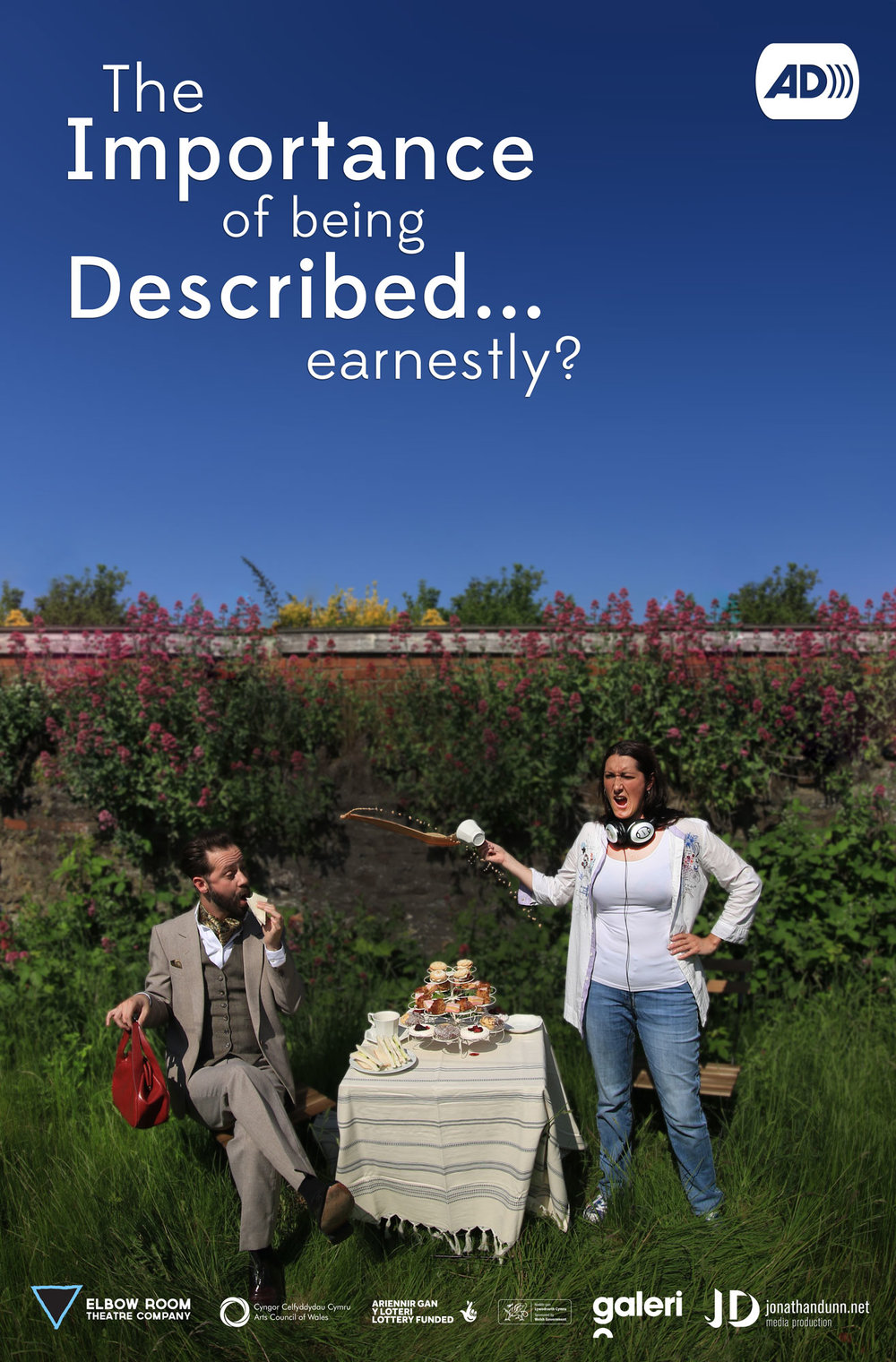
Review ‘The Importance of Being Described… Earnestly?’ by Tafsila Khan


 out of 5 stars (4 / 5)


This is a brand-new play produced by Chloe Clarke in collaboration with Elbow Room Theatre Company and Galeri Caernarfon.

The play is a layered piece with audio description not just integrated into the play but the main creative narrative. With the actors playing actors of a fictious theatre company which is producing an adaptation of Oscar Wildes famous play ‘The Importance of Being Earnest’.

The play is set in the rehearsal room of the fictious theatre company. As you enter you are welcomed in by the cast and shown to your seats. The structure of the seating area is in a circle around the performance, you have a sense of being quite exposed. As the show progresses the reasoning for this seating arrangement becomes more apparent, as members of the audience are asked to participate in various scenes of the show.

The play begins with the cast introducing themselves to ensure that members of the audience know where they are, Tobias the director begins the show with a monologue about audio description and how it is integrated into the show. Tobias describes how the show will take us on a journey together for the next 60 minutes.

The cause of audio description has been taken up by Tobias as he has started having to wear glasses. Despite the director being well intentioned, what ensues is comedy of errors with the actors disagreeing about the best way to audio describe the scenes.

You get the sense very early on that Tobias who is played amazingly by Dean Rehman, is clueless in how to integrate audio description into the play. Tobias gets very defensive when the two blind actors played by Chloe Clarke and Jake Sawyers who play Jen and Greg in the show give any feedback on his descriptions. Eventually getting annoyed by the constant criticism Tobias launches into a rant about how without him the blind actors wouldn’t even have a chance to be part of the play, the rant takes a dark turn with Tobias swearing and using offensive language to describe the disabled actors. Leaving the actors feeling humiliated and the audience feeling uncomfortable.

As the cast quibble about how and what to describe, time ticks away with the play never being started. When the stage manager announces that there are just five minutes remaining of the show, Tobias decides to abandon the audio description and go straight to the last scene of the play.

The last scene is an intimate scene between Earnest and Gwendolen…or is it?

I really enjoyed the show, I feel it highlighted two main issues with access in the arts. One being that as portrayed in this show most of the time the people who know more about what the audience needs are often ignored and dismissed by hierarchy.  Secondly the fact that the audio description has been left until open rehearsals to integrate into the performance shows as often in theatre access is an afterthought rather than an integral tool in the creativity of the piece. I also enjoyed the different ways popular stereotypes of blind and visually impaired were played on which brought a lot of the comedy to the piece.

The production plays at Galeri Carnarfon from 01/11-4/11/2018

The performance on 03.11.2018, 19:00 is BSL Interpreted

Tickets can be purchase here

Tafsila Khan

Directed by Chloë Clarke
Associate Director Robbie Bowman
Created by Elbow Room Theatre

Cast: Chloë Clarke, Dean Rehman, Lizzie Rogan, Jake Sawyers

Age Guide: 16+

News:The Insole Court Book Club

The Insole Court Book Club is a monthly book club that specifically explores a diverse range of authors, for those who want to discover something new. The book club is a friendly and social club, where we can get together to discuss the book (even if you haven’t finished it, life is too short to read a book that you don’t enjoy!) have a glass of wine or coffee in beautiful surroundings, and meet other readers.

Insole Court will be offering alcoholic beverages for sale, and I will provide a range of hot drinks.

Where?

The Reading Room, Insole Court, Cardiff, CF5 2LN. There is plenty of free parking on site, access for cars and pedestrians is on Fairwater Road. Further details can be found here.

When?

The last Tuesday of every month, 7 – 9pm.
The first book club meeting will be Tuesday 30th October.

Who?

The book club is open to anyone who is interested in getting involved. The book club will be hosted by myself Kelly Barr (Offbeat Book Club).

Anyone can read-along and join in the conversation on my blog, where I will post a summary after event club meeting, so even if you can’t come to the club meetings, you can still get involved.

How?

If you’d like to come along to the first session, please just let me know via reply email.offbeatbookclub@gmail.com


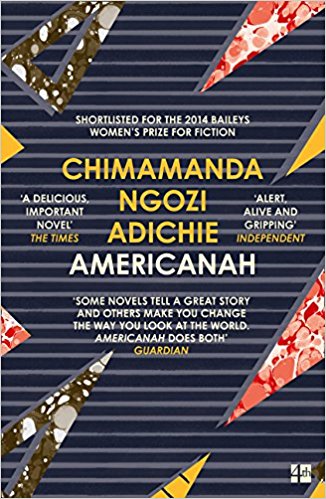
Americanah by Chimamanada Ngozi Adichie is available at the Insole Court Visitor Centre shop, widely available in book stores and local libraries and on Amazon here.

If you have any trouble finding the book, please let me know and I will source one for you.

Thanks again for your interest and I look forward to welcoming you to the club!

Kelly Barr

Review Everything I Am, Camden Peoples Theatre by Tanica Psalmist.

Everything I Am is played and written by Natasha Simone, the play features a series of events based on her life as a young black women who’s queer, West Indian, feminist, Kayne-West fanatic and a university student finding her identity, contemplating acceptance of her sexuality from her homophobic family and dealing with black stereotypes from ignorantly racist peers.

The play is a solo act theming controversy, members of both the LGBT society and African Caribbean society; the disputes from how being a member of both societies aspired, confessions, ultra ego of celebrity Kanye guiding her through as the king of speaking his mind, whilst applying for the role of student welfare officer at the same time.

Solo act Natasha Simone, does a tremendous job roleplaying via characterisation techniques and giving the audience an insight into what her peers, family members, friends and associates were like. There are cues of her dealing with peer pressure and insensitivity by her privileged peers. The ambience sets the perfect mood when switching in-between characters and transitioning back to herself.

Intensive discussions from opposing peers on feminism arose, during an African Caribbean society meet-up, who described the movement as a white curse to prevent the sisters from sticking by their brothers; stirring rational comebacks from Natasha Simone, escalating to a heated conversation which could either make or break her.

Everything I am is a raw performance that is relatable, debatable and sincere. Natasha Simone is hysterically funny. Her play is deeply original and moving, based primarily on the exploration of identity, celebrity worship and power.

Tanica Psalmist.

Review Poet In Da Corner, Debris Stevenson, Royal Court Theatre by Tanica Psalmist

POET IN THE CORNER is a production that foretells Debris Stevenson’s internal story from when she was a girl developing in to a woman finding herself and then articulating her voice exclaiming why her and many people within the community, who feel disenfranchised, have connected and affiliated to Grime. We see how Grime was a gateway for her to escape her pain and permitted permission for her to willingly explore herself as a female, artist and individual. It cultivates awareness of a captivating society that’s held within a social culture, easily lost and withdrawn from the torment inflicted in to the young, who may also be struggling to adjust to life so confide in the culture of Grime music.

The surrealism featured in Debris’ play openly expressed learning difficulties, family complexities, Sexuality, mental struggles, exploration of the body, attempting to adjust to religion, family standards, identity crisis, unrealistic devotions, bullying, friendship disputes circulated around pulling each other up and the misunderstood appreciation all manifesting under the same roof. This gave an empowerment testimonial in to what Debris’ life was like growing up feeling detached from home, school and her social life.

The set majestically opened up formulating a moving circular shape; one of the cast members opened up as an open format live DJ, lively and vibrantly creating a gig feel setting in the theatre. Debris brought a taste of her rhythmic, fiery and raw lyrics incorporated in numerous sequences within the play. Immersive techniques were used when artist and lyricst Jammz who was discreetly seated in the audience interacting with Debris on set, smartly causing a scene by increasing tension away from the stage and in to the audience. We then see Jammz eventually being escorted on to the stage, bringing double the heat, radiating from his microphone exhilarating even more speed, energy, passion and insight in to his perspective and elements of his incomparable struggles to hers growing up as a black man in a council estate with limited opportunities with a single mother. Debris Stevenson sparks a rational comeback, which exhibits how her being a Caucasian female doesn’t deflate the fact she also has struggles. Emphasising how both herself and him coming from different worlds, but yet have so many controversial, similar struggles is the emphasis to the value of them respecting each other’s struggle.

Poet in the Corner is fused with breaking fourth wall elements, projections, hot dance moves consisting of basement, krumping and street, exportation of the limitation through commercialised media, power of poetry, physical theatre techniques and a grime concert feel , rave feel and gig all wrapped up in one with a depiction of the sentimental artistic, fabrication of England. This production is enticed with expressions and intimate real life moments, discussions and powerful emotions. It is definitely a production worth seeing, an experience for all!

Tanica Psalmist

Review Lord of The Flies, A Theatr Clwyd and Sherman Theatre production by Karis Clarke


 out of 5 stars (5 / 5)


Director:  Emma Jordon

Adapted by Nigel Williams

From the second I jumped out of my seat when the lights went down in the theatre I was hooked! Unfortunately I had entered the theatre with a  pre conceived idea – that I wasn’t going to enjoy this production. … because of the very thing that was creating all the hype, the all female cast. I though the gender / feminist card would be thrust down the audiences throat as hard as that of the casting of a female Dr Who! I was wrong. For the first few minutes I fought hard with myself, looking for flaws – but honestly the play just won me over.

James Perkins design was simple but effective, multi layered and stylized – it didn’t need anything dramatic the play was so well crafted it could have been performed on a empty stage.   Tim Mascoll’s clever use of light, shade and silhouettes, added to the sinister savagery consuming the Island and gave depth to the set.

The all female cast were young, playing young children / teenagers –  not an easy task – it can be very easy to over act and it looks ridiculous,  underact and the importance of the childhood is lost. This cast was spot on  – Each one showing the transition from girl to woman to savage as well as portraying Golding’s symbolism .  Piggy  rationality, Rhalp civilisation, Simon innocence, Jack, savagery, Roger evil. Each one gave a well rounded performance each one being allowed to deliver moments of humour amid the unfolding horror.

Piggy was sublime and was a treat from beginning to tragic end – the likability of Gina Fillingham’s performance only heightened the pathos felt for the unheard, unlikely heroine.  This was a stark contrast to the  hatefully personality beautifully portrayed by Kate Lamb as Jack. The timing and interaction of all the girls was strong, credit to movement director Liz Ranken who utilised the bond of the cast none more so than with –  Lowri and Mari Izzard as sisters Eric and Sam who were faultless. It was the timing and rhythm of the play that enabled the girls to work themselves into the halftime frenzy  – creating highs and lows in pace and emotion allowing the audience to catch up with the events unfolding on the stage.

It was disturbing, as a female to watch the sisterhood destroy itself –  the  book depicts the symbol the boys waiting to be destroyed by the Beast aka man- this takes on a whole different meaning when you think of teenage girls on the brink of womanhood being petrified by the beast of man!

Most of us are familiar with the story of The Lord of The Flies and the demise of  the boys left to their own devices in a world with no order – but to see females descend into the chaos of evil starting at innocent name calling and teasing, ending in death was bitter. I watched the play with my teenage son – who thought “the play was brilliant – but would have been more believable with boys as girls wouldn’t behave that way”

I disagree, as I have been a teenage girl and could fully  buy into the ugliness that transpired. With this I learned two things – casting isn’t important the quality of the acting is and boy, girl, man or woman we are all victims of humanity, with a frailty of sanity on a  knife edge between good and evil.

Once again a 5 Star production in this coproduction from Cardiff’s Sherman Theatre and Mold’s Theatr Clwyd who are back where they belong  – leading the way in North Wales Theatre.

Lord of the Flies can bee seen at Theatr Clwyd until the 13 October. The production then play at Cardiff’s  Sherman Theatre from Wed 17 Oct 2018 – Sat 03 Nov 2018