Hi I am Guy the project coordinator for Get The Chance. I am a trained secondary teacher of Art and Design and have taught at all Key Stages in England and Wales. I am also an experienced theatre designer and have designed for many of the theatre companies in Wales.
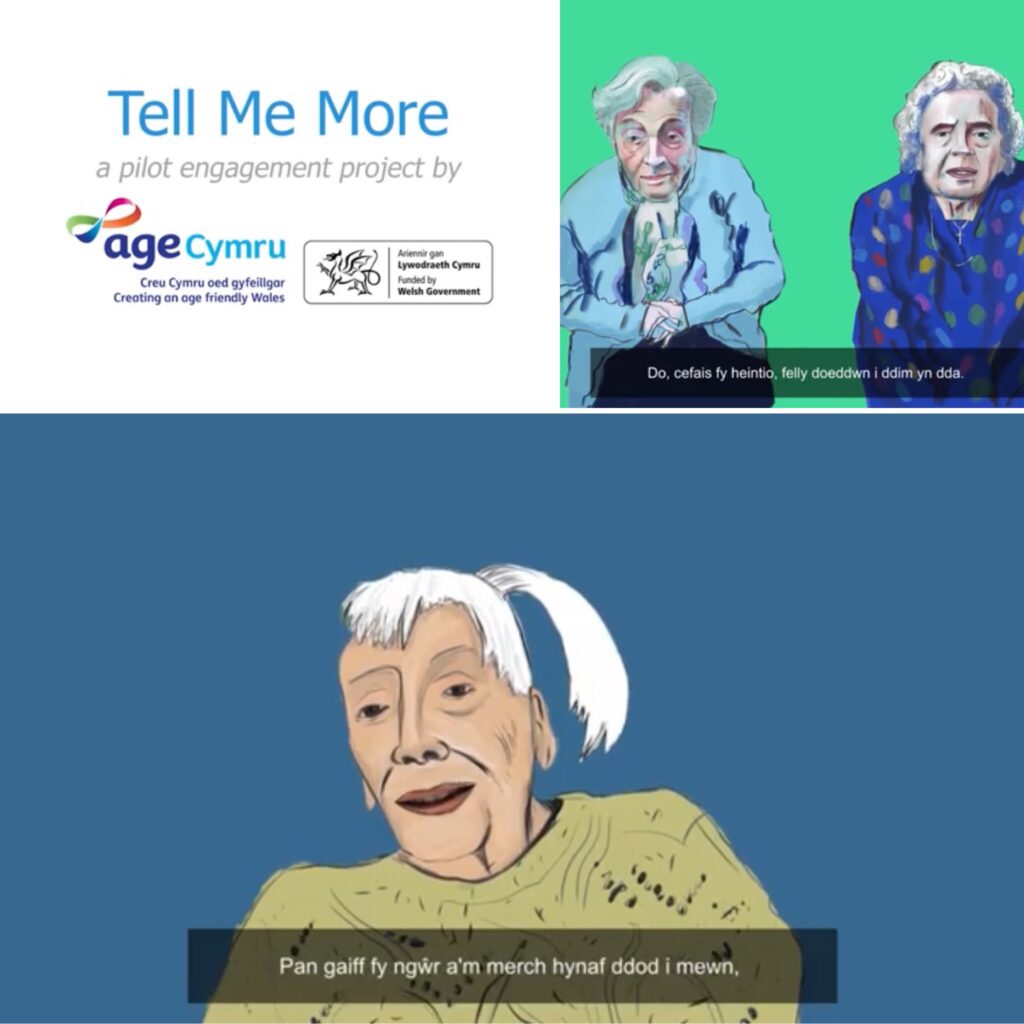
A group of artists are working with Age Cymru to hold conversations with care home residents across Wales as part of a project to explore and capture how this group of older people experienced the pandemic.
The project, called Tell Me More, encourages residents to talk about what it was like to live in a care home during lockdown. Of course, for lots of older people it was a torrid time as many residents and care staff became seriously ill or even died through Covid 19.
Up until now, residents have had little opportunity to voice their experiences of the pandemic. Age Cymru worked with the artists to make contact with residents through Zoom and used open conversations to gather the residents’ thoughts, wishes and experiences.
As the conversations were taking place, the artists sketched a portrait of the resident and sent it to them as a thank you in recognition of their participation. The artists then applied animation software to the sketches and the recorded conversations to produce a unique and creative method of capturing residents’ voices.
So far residents from homes in Anglesey, Fishguard, Mold, Porthcawl, and Port Talbot have taken part in Tell Me More. With funding from the Welsh Government, Age Cymru will take the project to more care homes across Wales so it can capture the voices of more than 100 residents by December 2021.
Age Cymru’s chief executive, Victoria Lloyd says: “During the height of the pandemic, care home residents experienced some of the strictest lockdown conditions in Wales. Most residents were unable to receive visits from family and friends and, at the same time, they were unable to do any of their usual activities or visits. It was even more difficult for those residents who were transferred directly from hospital to the care home as not only were they cut off from their family and friends but they had little opportunity to socialise and get to know existing residents.
“It is crucial that we hear the experiences of residents and understand how they have felt over the last year. It is also wonderful to hear those experiences not just in peoples’ own words, but with the recordings, in their own voices too.
“Remarkably, some of the residents said their biggest concern was not being able to reassure their loved ones living outside of the care home. While others touched upon missing quite simple things such as going to the cinema, eating an ice cream at the sea-side or going to church.
“Tell Me More has given us a remarkable insight into how care home residents experienced lockdown and we look forward to hearing more of their voices in the months ahead.”
Deputy Minister for Social Services, Julie Morgan said: “Care Home residents have been some of the most affected by the pandemic. After being isolated from family and friends, it is fantastic that we have been able to fund a project which gives care homes residents a voice and brings their experience to life. It is vital we hear these stories as we look to move forward and recover from the pandemic.”
Hi Gwyn, great to meet you, can you give our readers some background information on yourself please?
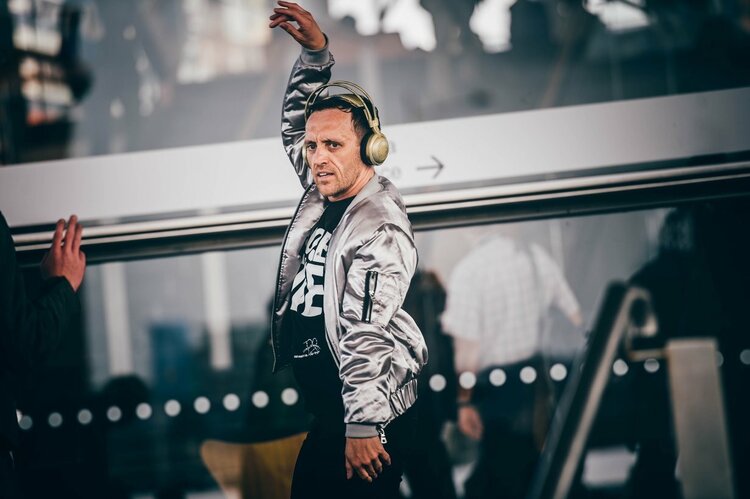
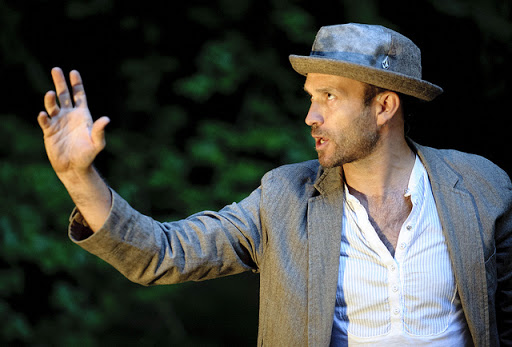
Hello there, lovely to meet you too. I am a choreographer, performer, teacher and, I guess, producer now too. I have mainly worked in contemporary dance and dance theatre.
What got you interested in the arts?
I was born and raised a borders boy in Montgomery in a tied-house to my dad’s job as a farm labourer. The arts didn’t feature at home, we didn’t have any books but watched a lot of telly. It was probably singing and performing in school plays and dancing folk dances in primary school, where the performing seed was sown.
I kind of fell into contemporary dance though after doing a drama GCSE at school. My friend who went on to Newtown college to do performing arts convinced me to try it for the acting but I took my first contemporary class and that was that. As is quite typical of coming from a farming background, I wasn’t particularly confident in speaking so doing and moving was a way for me to express myself and in a way I’d never been able to before. Whilst I was at college Diversions Dance Company (now National Dance Company Wales) came to give a workshop and performance where I met Jem Traeys (who was dancing with the company at the time). Jem encouraged me to think about taking dance seriously, it was then that I decided I would go to university to train as a dancer.
Jem Traeys
Although I knew I wanted to dance I had no idea how to make a career out of it. No one in my family had ever done anything like that before; they were all farmers or worked in the local factory. I needed a lot of support and help from my lecturers and because of them I eventually went to university in London. It was there that I first realised I might actually be any good. I loved how my body was developing, the feeling of being part of a family with my fellow students when we made work together and the sense of purpose and identity it was giving me.
After university, I went on to dance with some amazing companies both in the UK and Israel, was rehearsal director for some wonderful choreographers and I’ve also taught all over.
You are the Artistic Director of Jones the Dance (formerly Gwyn Emberton Dance) the organisation’s mission is “Extraordinary dance theatre that is globally inspired, made from the heart of Wales.” How did the organisation develop and what are you working on at the moment?
Originally Jones the Dance / y Ddawns was called Gwyn Emberton Dance. It was the company I set up in 2013 to create and tour my own group works. As the company grew over time, we started to do more and more things beyond my own work, such as our summer schools in Newtown and supporting other Wales based artists to lead or take part in the international projects we were involved in.
Particularly in our youth projects, including Quiet Beats our workshops for Deaf young people, I realised we were trying to create a place where dance was available to those who had little opportunity or felt dance just wasn’t for them, whether this was due to geographical barriers or being part of a community where you just didn’t dance.
https://youtu.be/kEGeqirgLqg
There is still little infrastructure for dance in Wales with less and less dance happening in schools and it is only down to a few really dedicated people that any dance exists for young people outside of the traditional local dance schools – something which was the case when I was young over 30 years ago. If we don’t change this it will be the same again in another 30 years and our young people won’t get to experience the joy, creativity and, in my case, the life changing opportunities that dance can offer.
We wanted to shift the company even more in this direction and with that we felt Gwyn Emberton Dance wasn’t the right name any more. So we changed it to Jones the Dance in April this year – ‘Jones’ because it’s a really common name that many of us in Wales identify with (half my family are Joneses) and ‘the Dance’ because it is a fun and lovely way of talking about someone and their job in Wales.
We are working on a few things at the moment, coming up later this year and into next. We are developing our youth projects Quiet Beats and Jones Bach to run more regularly throughout the year, looking at a dancers’ creative development project with some really cool partners across Wales, finishing my next work which will be a new dance film production that has been on hold since before the pandemic, and we are just starting to work on the next edition of iCoDaCo, the international collaborative project we are involved in, to start in 2022.
You can read review of (iCoDaCo), It Will Come Later, by Eva Maloes here
The dance sector and your work as a dance artist is inherently international, Brexit and Covid -19 must present some challenges, how have you worked to overcome them? Do you have any future plans for UK and international touring?
You are right, international work has always been a huge part of what we do. International collaboration is incredibly important to us and feels even more so since Brexit. With our colleagues at ilDance who initiated iCoDaCo, we have been talking about the implications of traveling and touring internationally before the pandemic. A significant part of the next project will be focused on how we can still collaborate but environmentally sustainably so. We are looking at what digital technologies we can use, how to share knowledge and experience across cultural, political and language borders.
With Brexit we are still trying to understand the implications it has for us as a small dance company. We are not sure what our options are yet for iCoDaCo and whether we can raise enough funding for it. The last edition of iCoDaCo we were eligible to be partners in European funding which meant we were able to access the huge potential for us as a small company to offer lots of people work in Wales, as well as bringing a huge project to audiences and the public here. It will be a devastating loss on so many levels if we can’t be involved, both to the artists who would work on the project and to audiences. We are happy that our colleagues in Europe still want us to be involved even though it will present them challenges so fingers crossed. We are determined to make it happen so watch this space.
With Covid, I have reimagined my new work for film instead of a touring theatre show. It will be shown in really exciting ways which has actually unlocked the possibility to share the work with different audiences in different spaces and communities all over Wales.
Between May 2018 and October 2020 Gwyn you were the Programme Director of Dance at University of Wales, Trinity Saint David.What was your approach to the course delivery and what aspirations did you have for your students?
I really wanted to make the course a place for those who had somewhere to go in Wales to train and study dance. We took a rigorous approach to training which was supported by theoretical and practical knowledge acquisition. I was very keen to make sure the students had lots of opportunities to work with a range of different artists from different backgrounds and in different styles, from Wales and internationally such as Moya Michael from Belgium, Kiani Del Valle from Berlin, Matteo Marfoglia, Zosia Dowmunt and Jonny Vieco from Wales and the UK for instance.
Jonny Vieco
Zosia Dowmunt
Matteo Marfoglia
Kiani Del Valle
Moya Michael
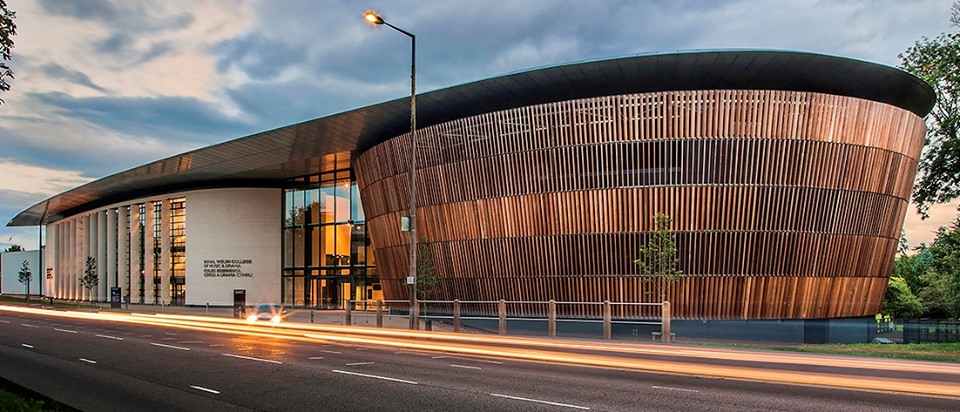
I was hoping that each student had the autonomy in how their degree developed by the time they left whether that was creatively/choreographically, academically, or through a dance health route. It is such a shame that this course will close, as will the one at University of South Wales. As a whole arts community we need to address this. It seems completely unfair that there will be no conservatoire or place to study and train in dance in Wales, when many courses in Welsh and English exist for theatre and music such as at Royal Welsh Collage.
We recently interviewed Kokoro Arts and shared their response to this question
If a dancer wanted to stay and train in Wales and then pursue a career, what support system would you suggest they require in order to be able to do this?
What would be your response?
There are no options at the moment as there is no training which I mentioned above. However, we need to think much more cleverly than just that. The whole infrastructure needs to be looked at for dance in Wales. It needs to have an equal place in how we see our cultural heritage in the same way that theatre and music is. Look at folk dance, probably everyone has done it in school at some point but then it just drops off. It should be the foundation for dance in Wales but there is nowhere to take dance further especially if you can’t afford to go to a local dance school. There are all these amazing youth groups around Wales but there is nowhere to take it beyond that. There is zero dance in secondary schools, no GCSEs or academic qualifications which are the most usual routes for kids to pursue dance later on.
Every dancer or person working in dance that I know in Wales is trying to link up, find creative ways to counter all the structural challenges we face but it just isn’t enough. It has to come from the government and the willingness to see dance as a cornerstone of a vibrant, varied Welsh cultural life and see its importance in and relevance in all of our lives. We need some kind of manifesto for dance that we can all get behind.
We have so many of the components already; community, professional, theatre, digital, street dance, contemporary, folk dance, twmpath, classes and performances. We just need to connect and build on them through education, the right support and a commitment to implementing the required infrastructure.
You also responded to the additional statement from Kokoro below on Twitter
“For organisations and project funded companies to regularly advertise for new dancers rather than turning to those they already know.”
You said the below, is there anything more you would like to add?
Absolutely!!! As Gwyn Emberton Dance & now @JonestheD we’ve done and will do this. We always advertise for new dancers but we also work with people we’ve worked with previously. We’re not in the luxury position of a regularly company that employs their dancers for the whole year and year after year. The artistic understanding you have with someone over years is just as important as the new relationships you build and also the opportunities you can create. It is a question of how to strike the balance between making sure we are creating opportunities for new dancers to work with us and develop as artists and the need to maintain and build a shared artistic practice over years. This has to be a consideration. We’re working with our board at the moment on developing our open call policy & this discussion is part of that.
As a project funded company we are limited in how often we can offer/create opportunities due to the sporadic and precarious nature of funding and how we work. We’ve lots of amazing plans coming up in the next few years but without support none of them will happen. My final thought on this at the moment as a choreographer it can be an isolated place so having relationships with long-term collaborators is hugely valuable just as it is so important to meet and support new dancers/artists who they bring their own richness to a creation.
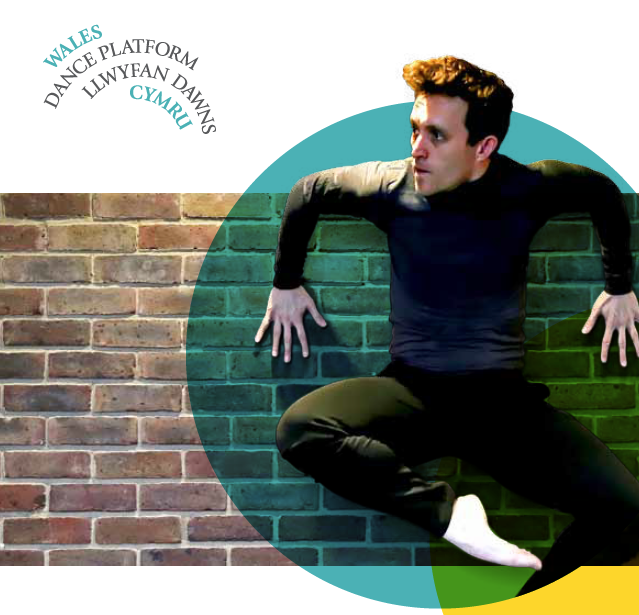
I will add that there needs to be more opportunities across Wales for dancers and choreographers to develop their own work too. We have nothing like Wales Dance Platform any more, where I first presented my work in Wales, or Dance Shorts that Dance Blast used to run.
You can read a review of Wales Dance Platform 2014 by Hannah Goslin here
They were both brilliant opportunities to get your work and name out there and filled the diary with dance work for both choreographers and other dancers. There is nothing like this any more and we are all poorer for it.
Through the dancers’ creative development programme we hope to give a few dancers opportunities to develop their work, skills, networks which will also give other dance work too. However, this is only a small part of what needs to be available.
Thanks Gwynn, you are passionate about creating dance experiences for those who don’t usually access the art form. In October 2020 you set up the pilot project Quiet Beats, the dance workshops for young Deaf people and building on its success, the second week of workshops were held in February 2021. Do you have any learning you would like to share from this work and ambitions for its future development?
We knew we wanted to do this project for a while. We had been questioning why we had never met any young Deaf people in our summer schools. After some research and talking with Deaf colleagues in theatre we realised that there is this misconception that Deaf people can’t or shouldn’t dance which stopped young Deaf people taking classes or workshops, thinking it wasn’t for them or that they wouldn’t be very good. We were very conscious that we were coming into the Deaf community as hearing people and that people may feel wary of us so it has been about building relationships with group leaders, charities, parents and guardians and most importantly they young people who have taken part. There is still so much to do and so much for us to learn if we want this project to really take off with young Deaf people from all over Wales dancing any style in an environment where they are happy to let go and enjoy themselves.
Get the Chance works to support a diverse range of members of the public to access cultural provision. Are you aware of any barriers that creatives in Wales face? If you are, what might be done to remove these barriers?
We need to rethink what professional dance is and who makes it. Contemporary dance has become professionalised and has received a lot of support comparatively to other dance styles although not to other art forms. There are other dance styles which are reflective of other people’s experiences and backgrounds which need to have the same recognition. Linked to that I think the fact we don’t have dance as part of core education and there isn’t a conservatoire for dance in Wales really impacts the perception that dance can be a career. This is a barrier for everyone but particularly if you come from a community where dance isn’t seen as a profession or your style isn’t contemporary or ballet based.
Also, I dont know of, or am not aware of, any Welsh dancers who are Deaf or have hearing loss but maybe one day one or loads of our Quiet Beaters will become dance artists for Jones the Dance making their own projects. There needs to be more visibility of artists or people working in the arts who come from different backgrounds so that the younger generations of dancers coming through see it as a possibility. They need to have people to look up to and to speak with about their own careers.
Working in dance in a rural setting can be really challenging as there just isn’t the resources, space needed or other people to work with.
With the roll out of the Covid-19 vaccancies, the arts sector is hopeful audiences will return to venues and theatres. If theatres want to attract audiences what do you think they should do?
Take it slowly but start already!!!! Be imaginative, creative and curious with what you are offering. Trust and let us artists lead the way, as we have been thinking for the last 18 months how to make our work safe and secure for audiences. If sports can have fans then why can’t theatres open their doors.
If you were able to fund an area of the arts in Wales what would this be and why?
Obviously, dance. I would want to create more opportunities for people to be making more work, supporting them in making it more public and for it to be recognised. Perhaps a dance festival, digital and face to face, with lots of exciting opportunities for audiences to experience different types of dance and performances.
What excites you about the arts in Wales?
Wales has so many incredible artists, stories and experiences to share in their work, there are so many voices who we don’t hear from but also we have such a legacy of incredible experienced artists that show what a vibrant, creative and dynamic place Wales is.
What was the last really great thing that you experienced that you would like to share with our readers?
I have talked about it so much already but it has to be Quiet Beats. We invited Chris Fonseca to lead the week of workshops, he is a Deaf urban dancer and teacher.
He taught this super cool phase to the young people which they performed at the end of the week. I was so impressed with their focus and commitment, how they dealt with being on Zoom the whole time, and the development of their skills in just one week was phenomenal. One of the participants mum’s emailed me afterwards to say he hadn’t stopped dancing for the next week – there’s a dancer right there!
Thanks for your time Gwynn.
Get the Chance supports volunteer critics to access a world of cultural provision. We receive no ongoing, external funding. If you can support our work please donate here. Thanks.
Hi Cory great to meet you, can you give our readers some background information on yourself please?
I’m Cory, I’m 29 and I am a theatre designer. I was born in Wales and trained on the MA Design for Performance course at the RWCMD. I’m an avid houseplant collector, a lover of cats and a huge drinker of coffee!
RWCMD
What got you interested in the arts?
I was always really lucky, Mum had a huge interest in theatre and took me regularly to see shows of all different scales. I grew up listening the Les Miserables soundtrack and with both parents supporting me to go into it as a career.
I also had an incredible drama teacher who was my driving force. I can remember going to see the Shakespeare histories on cycle at the RSC on a trip and just being absolutely captivated about how the words literally came to life – I still believe Shakespeare should never be solely read. We created huge school shows on an assembly stage and a shoestring budget, with him spending all of his own hours building and scenery painting. His dedication to the arts and the creativity he showed me is absolutely the reason I do what I do today.
Prior to studying for an MA in Theatre Design at RWCMD you studied for a Degree in English and Drama at Cardiff Metropolitan University. Does your knowledge of text impact your approach to the design process?
Oh absolutely! Analysing text is a huge part of what we do, although perhaps not quite to the level of degree an English student does. I think reading is generally a very important skill for being a designer – we get through a lot of scripts a year and the ability to absorb them easily and quickly is an advantage. However I do occasionally get a little too analytical and technical, which can hinder the creative process slightly. Being incredibly practical is part of the job, but teaching myself to get out of the “organised and analytic” brain and into the “free imagination” one was a huge learning curve.
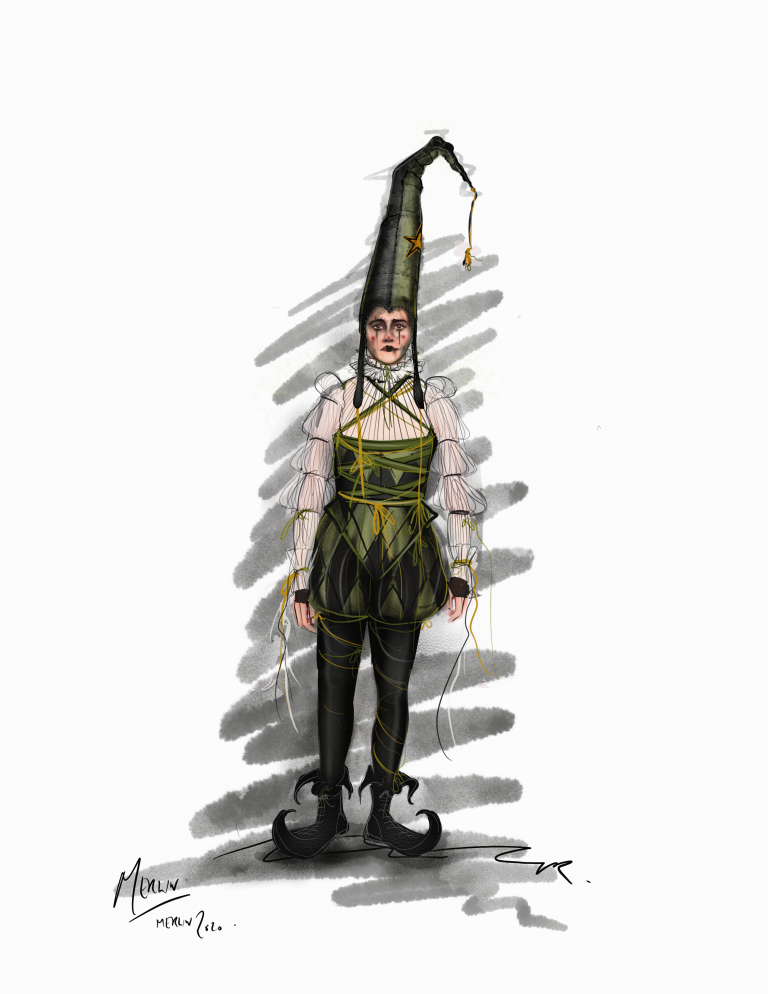
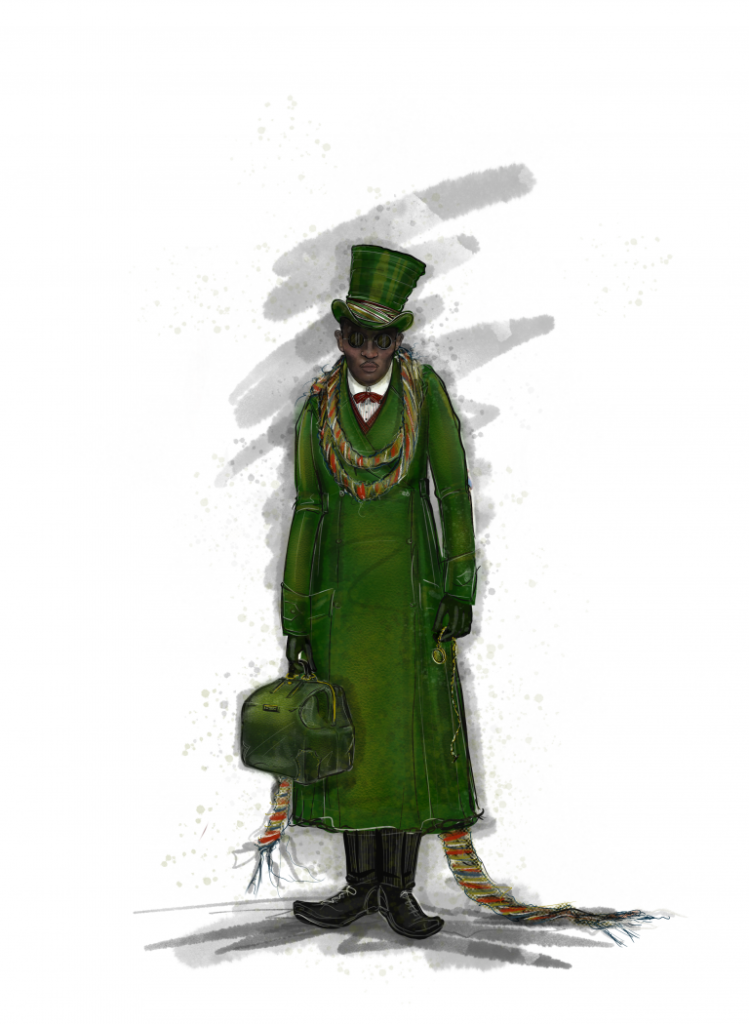
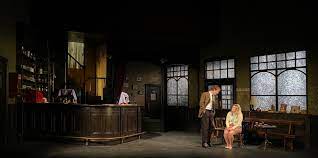
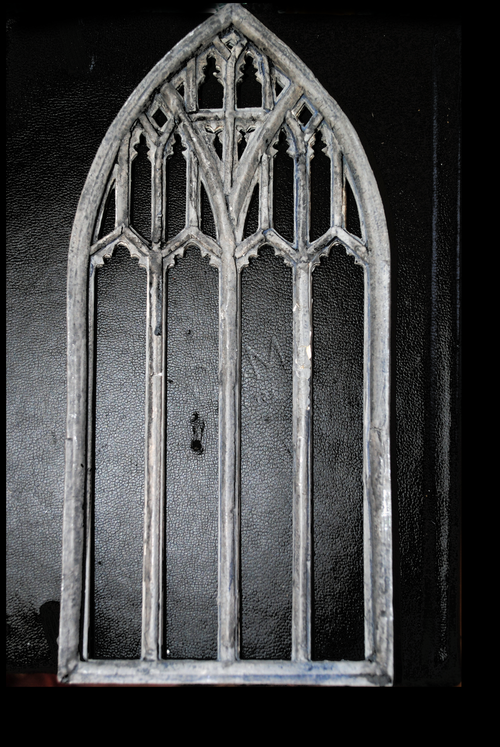
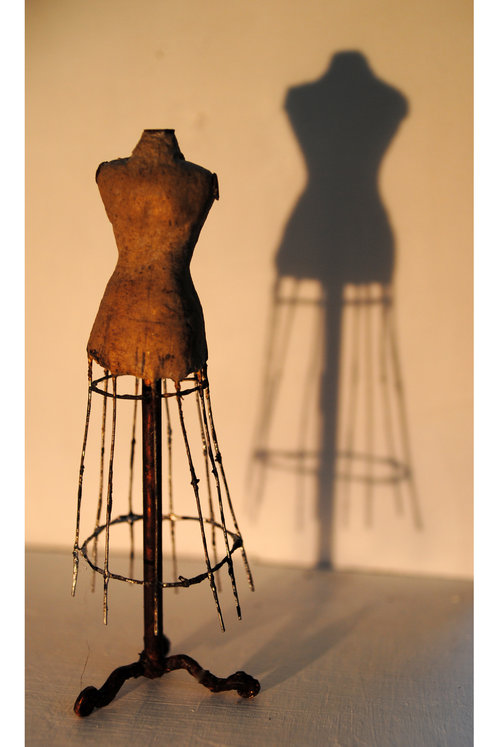
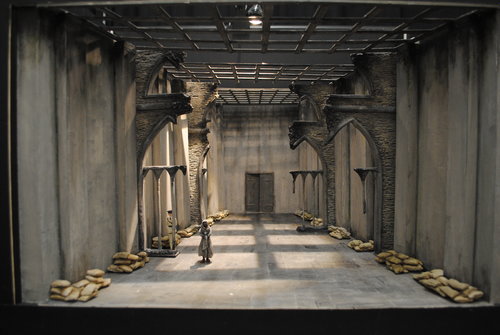
A selection of designs by Cory. They can been seen in more detail here
The freelance sector has been hugely affected with the Covid-19 Pandemic and subsequent loss of work. How did this affect you and can you see things improving as the vaccine roll out continues?
It won’t come as a surprise to anyone that everyone in the arts was hit massively – myself included. I lost about 6 jobs over night to a point where I just turned my phone off and shoved it in a drawer to protect myself from the onslaught of sad news. It only got harder when I realised myself, and many others like me, didn’t qualify for financial help regardless of being self-employed for years.
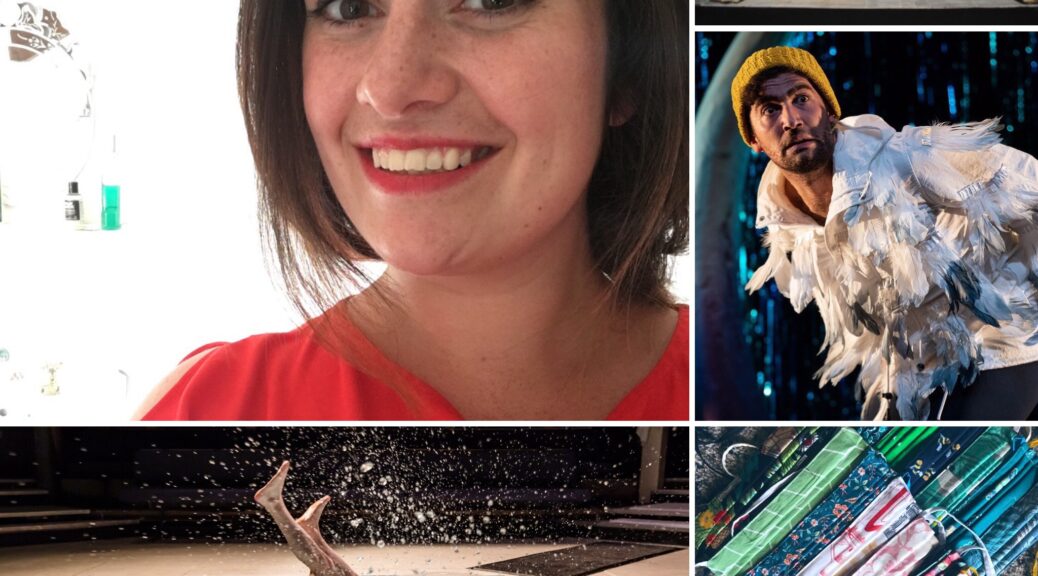
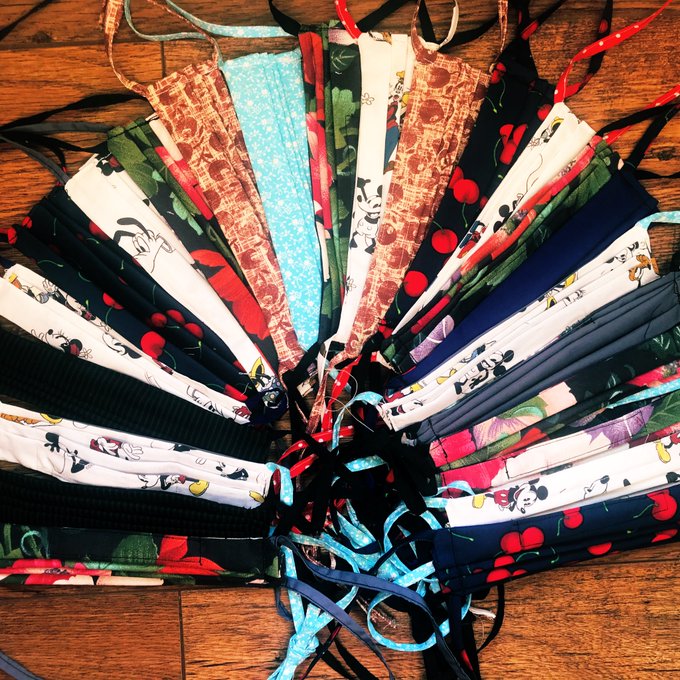
It’s been a very hard year, but I have managed to try and find some positives. I spent a few months improving some skills, making masks, meetings friends I had put off for years due to being too busy and generally just took more time for myself.
I would like to think the vaccine rollout will move things forward to a place where we can do things that resemble normal again, but it will take time. For many of us, adapting to social occasions again will take time, and it’s important we remember that not everyone is ready for the welcoming hug in a rehearsal space.
There has been a great deal of discussion on new ways of working within the cultural sector as things improve. What ways of working would you like to see established, particularly for freelancers?
I’d like to think the industry will come back stronger – and there are signs of it. For the first time in years we are seeing freelancers and artists being put at the forefront of buildings (which is long overdue – its how most of us ended up adrift and poor during the pandemic) with schemes like the WMC Creative Associates
New Diorama creating free rehearsals spaces and development for freelancers and hopefully this is just the beginning. I want to see more open hiring (for anyone who hasn’t, sign up to Open Hire…) so that we get out of the bubble of the same creatives in the same buildings all of the time. I want to see more diverse teams, where everyone is treated with respect and with value.
Selfishly, I want to see better designers’ rights. We are hugely underpaid, have very little in terms of opportunities unless you know people, and ultimately for parents it’s even harder – how do you do tech working hours if you want a family and are seen as the primary caregiver? This isn’t just about women. It’s a long overdue conversation, but we need more resident designer opportunities, more open job adverts and more flexibility for working parents everywhere.
If someone wanted to stay and train in Wales and then pursue a career in Theatre Design, what would you advise them to do?Is a career in Theatre Design possible?
Networking is pretty much everything at the moment – who you know is half of the job. It isn’t the way it should be, but it is. Make an effort to introduce yourself to people who work in theatre, know who is making the work you like and see it so that you can talk about it. Absolutely train, you can do it without formal training, but a formal training centre will give you the boost not the industry that is so helpful – the RWCMD exhibition was a great step-up for us all. Yes it is possible – I’m managing it, and I never thought I would be able to. It’s hard, I won’t lie but it is the best job in the world. I am my own boss, I control my deadlines, I meet the best people and I get to create things that inspire audiences and thats amazing! Yes, the hours are really hard and the pay sometimes is awful – especially when you’re starting out, but its still worth it, just be ready to work incredibly hard and fight for your place. There are so many things we need to change in the industry but we need people to help us change it.
Which theatre designers inspire your creative practice?
Colin Richmond, first and foremost. I think there’s something beautiful about everything he does – even his costume sketches are a work of art.
Costume Designs, Credit Colin Richmond.
Costume Designs, Credit Colin Richmond.
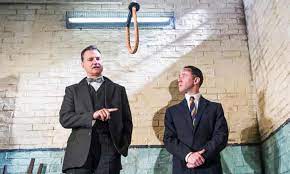
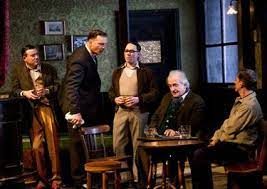
Secondly – Anna Fleischle for her arduous work on women in theatre and being very honest about her experiences. Her work is also incredible in a very different way. For anyone unfamiliar, check out Hangmen at The Royal Court.
HANGMEN by Martin McDonagh Royal Court Theatre, directed by Matthew Dunster Design Anna Fleischle, Lighting Joshua Carr, Sound Ian Dickinson.
I’ve also got a huge amount of respect for Grace Smart, a designer who writes frequently in The Stage telling of her opinions on the rights of designers, the state of the theatre world and really opening the book up on how everyday is a challenge and as wonderful as the job is, it can be a challenge and a joy at the same time.
Grace Smart, photographic Credit David Monteith-Hodge, Stage Awards 2019
Can you share your approach to the design process? What would your normal working day consist of?
A normal working day? I don’t know if it exists! I spend a lot of time reading texts, and researching through various source books I’ve gathered over the year. Sometimes a design concept appears suddenly out of somewhere you would never expect to find it.
A little further down the line an average day consists of model making, slaving over my desk with tiny furniture and endless coffee. Either that, or online shopping and charity shop trawling for costumes, or sketching them in all sorts of different styles. Its why I love the job so much – a normal day just isn’t a thing, every day brings its own different set of tasks and challenges!
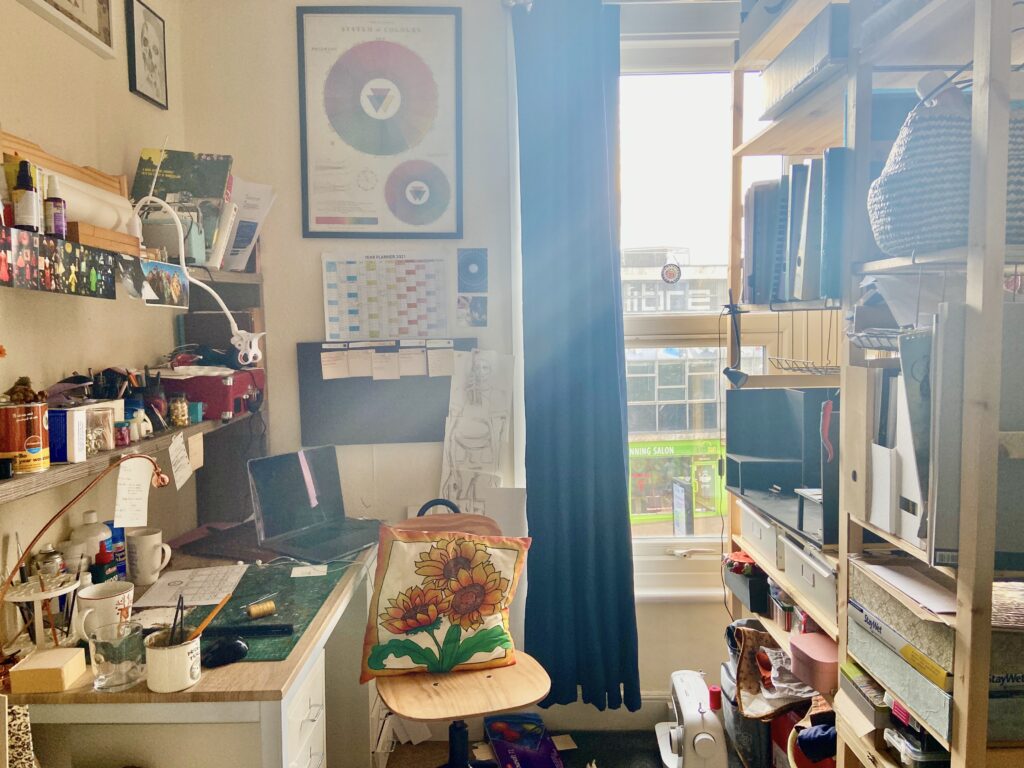
Cory’s workspace
Get the Chance works to support a diverse range of members of the public to access cultural provision. Are you aware of any barriers that creatives in Wales face? If you are, what might be done to remove these barriers?
The biggest barrier I found working in Wales was how hard it was to get employed. Theres a systemic failing in British Theatre that to be seen as successful you have to have made work in London – its the only reason I moved, and sadly the move proved my point. Wales (and other regional theatres) need to make hiring more accessible, allow people to apply for posts allowing a wider range of candidates – give priority to Welsh and Wales based artists. I would love to see theatres give a show a year to a graduate or someone who graduated in the last 18 months in Wales and give them a shot to prove they can work professionally out of drama school.
With the roll out of the Covid-19 vacancies, the arts sector is hopeful audiences will return to venues and theatres.If theatreswant to attract audiences what do you think they should do?
Ticket prices are a huge problem in terms of encouraging people in. It will be a hard few months in terms of audience confidence anyway, but a lot of people who normally go to the theatre will be significantly worse off than they were before. Opening previews with a Pay What You Can would be a great step to encourage people back, but I think we should also be open about what we are doing to make sure people are safe. Advertise the covid measures for cast, crew and audiences to encourage audience support. Audiences will return, live theatre is too unique of an experience to not be tempted!
If you were able to fund an area of the arts in Wales what would this be and why?
I’d love to see the development of new musicals coming from the land of song! Wales is known for its arts and culture, our male voice choirs, our language. We should use these skills and become known as the producer of new musical work – the industry needs it desperately, as well as a producing house to put it in. After all, we have some great producing houses – lets sponsor growing new talents.
What excites you about the arts in Wales?
Dual-language. I think it’s incredible that works can be seen in two languages and how we blend those together to create something is really special. I’m not a Welsh speaker, but I think the pride we have in our nation and our sense of patriotism is something truly special and to be able to present that in our own language through art is a truly amazing thing that I would like to see more of!
What was the last really great thing that you experienced that you would like to share with our readers?
I recently managed to see Cruise the Play here in London which was truly incredible. One man show, an hour and a half long, played by Jack Holden who also had various other roles in the production. He told the story of the AIDS crisis in the 1980’s through the eyes of two men who were diagnosed but the ending truly hit me. In a brilliant moment of stepping out of the dramatised narrative Jack tells of how he feared turning 30 through a pandemic (as if I’m honest, so have I) and that after walking through Soho in the current times during a health crisis of a different kind, he realised that he was lucky to be turning 30, when so many don’t get that chance. It really put perspective on the last year and what so many have lost.
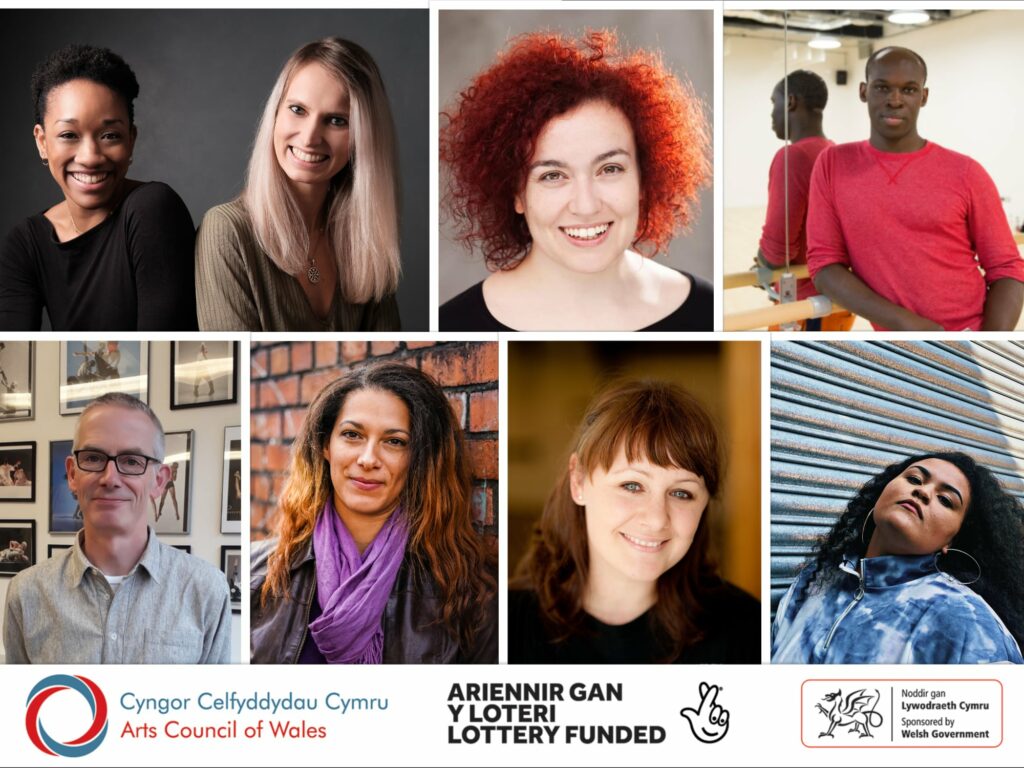
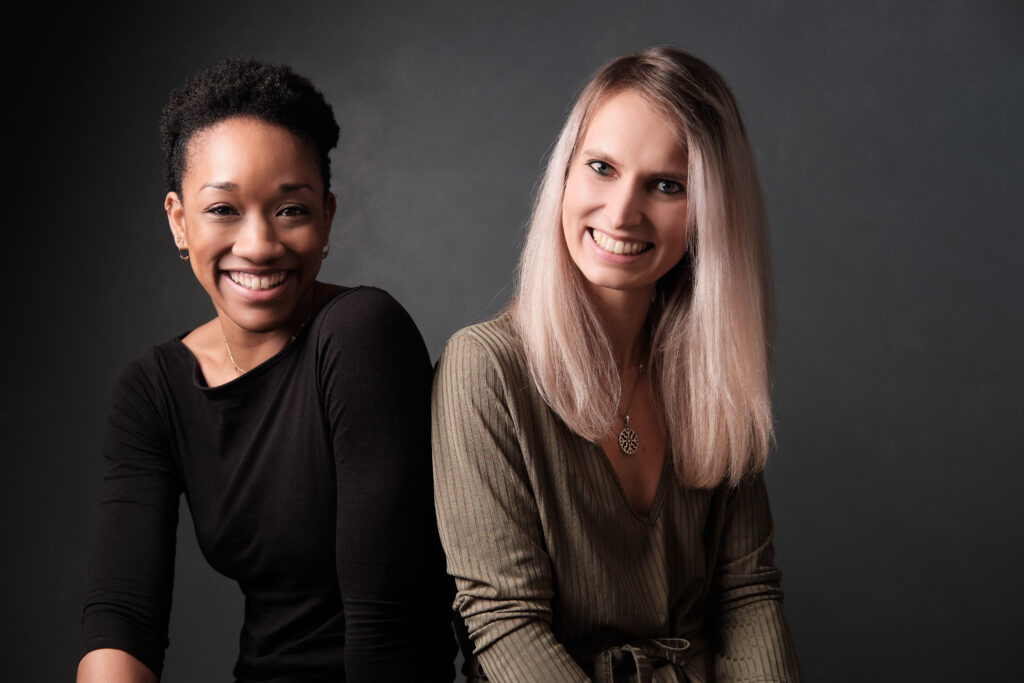
Hi Gundija and Krystal, great to meet you both, can you give our readers some background information on yourself please?
Gundija: I am an independent contemporary dance artist based in Cardiff. Originally from Latvia, I have trained and worked in dance in Denmark and England, but now I have found my home in Wales – I have been living and working here for over 5 years now. I am also the Executive Director of Kokoro Arts.
Gundija Zandersona
Krystal: I grew up in Bermuda, in a green bungalow with my seven siblings and our parents. I continued dancing at my local dance schools until I moved to Wales in 2012, to dance with Ballet Cymru. Currently, I’m a freelance dance artist, choreographer, writer and emerging director, based in Newport. I am the Artistic Director of Kokoro Arts.
Krystal S. Lowe
What got you interested in the arts?
Krystal: The arts have always been a part of me, my maternal grandmother is a mixed media artist. She creates sculptures and paintings, and uses found objects and transforms them into intricate works of art. Her house is the most beautiful and colourful place I’ve ever experienced – hand painted floor rugs and walls covered floor to ceiling with her artwork. My grandmother’s sisters were all writers, musicians, poets and fashion designers. My mother is a writer and would paint the ceiling in our kitchen into the image of the day sky. Growing up I was always taught to think differently, creatively; the house was filled with books and blocks and painted walls. The arts are an integral aspect of my identity and culture.
Gundija: I have always been exposed to art when growing up – theatre performances, outdoor exhibitions, social cultural events, strong Folk dance and national singing traditions. Once dancing became my choice (rather than my parents) – I was exposed to different new dance styles, which led me to viewing dance as an art form not just a fun (and tough) movement activity. Through new international friendships – eventually collaborations – I started immersing myself into other art forms on a more professional level.
Together you run Kokoro Arts, the organisations mission is “Kokoro Arts supports and promotes the development and work of young artists, facilitates sector-wide discussion and champions inclusion, accessibility and diversity throughout the Wales dance sector.”
How did the organisation develop and what are you working on at the moment?
The organisation developed out of passion and love; passion for the arts and a love for Wales – its culture and the wide diversity of the people here. It developed through conversation; through seeing the gaps in the sector and finding a way that we could fill them. We saw that there was a lack of support for young/early career artists, and we each understood what that lack of support feels like. We decided that we wanted to connect those artists with opportunities, with the sector, and to offer support for their development.
We offer support to young artists through 1-2-1 sessions, bespoke advice and feedback, application and CV writing support, sharing monthly opportunities, and ensuring we offer an open door for any questions/concerns they have. Also, we build and support networks, individually and as a company. Through the company last year we facilitated dance sector conversations and through that, the Wales Dance Network was formed. The Wales Dance Network | Rhwydwaith Dawns Cymru continues to bring the Wales dance sector together and we’re part of that steering group. We began an EU Artist Network, to be a support to artists living away from their home countries, and to share contacts and networks within that group. These connections are very important to us and our work.
Currently, we’re working on an incredible Arts Council Wales funded ‘Connect and Flourish’ project – Emerging Artists: Access, Inclusion, Connection – which will offer five early career artists the opportunity to collaboratively explore how access and inclusion can be integral to their movement practice.
The programme is in partnership with Stephanie Back, Krystal Dawn Campbell, Eädyth Crawford, Matthew Gough, Chris Ricketts, and Ballet Cymru, The programme places anti-ableist actions and perspectives at the centre of developing the next generation of movement artists in Wales. Along with that, we’re working on an Erasmus+ project; a partnership between Finland, Latvia and Wales. It is a transnational, interdisciplinary project that aims to explore and exchange practices on using creative body-based approaches for social inclusion and community building. And finally, we’re collaborating with a Bermudian organisation on a research and development project. The History of Us | Ein Hannes Ni explores how artists from different backgrounds, cultures, and languages share their artistic process and practice through discussions and dance sessions.
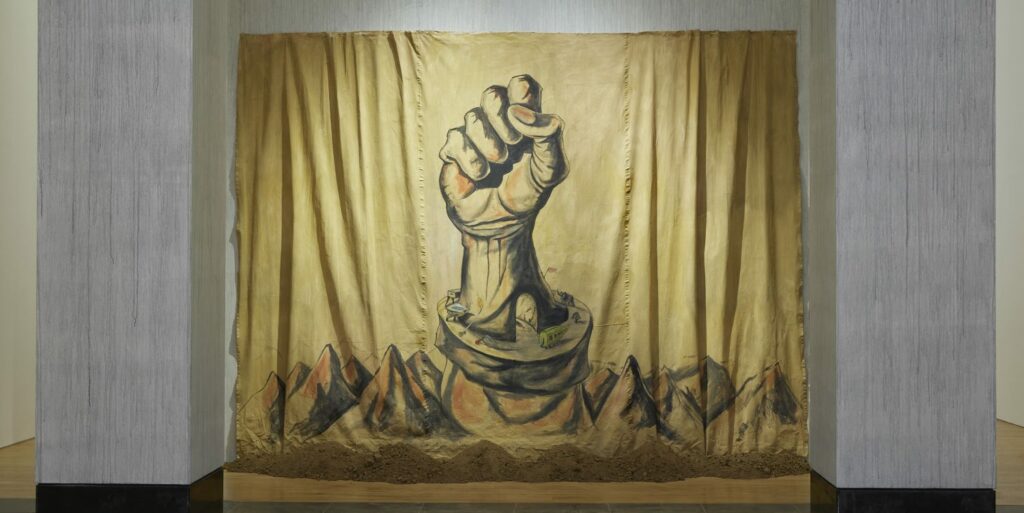
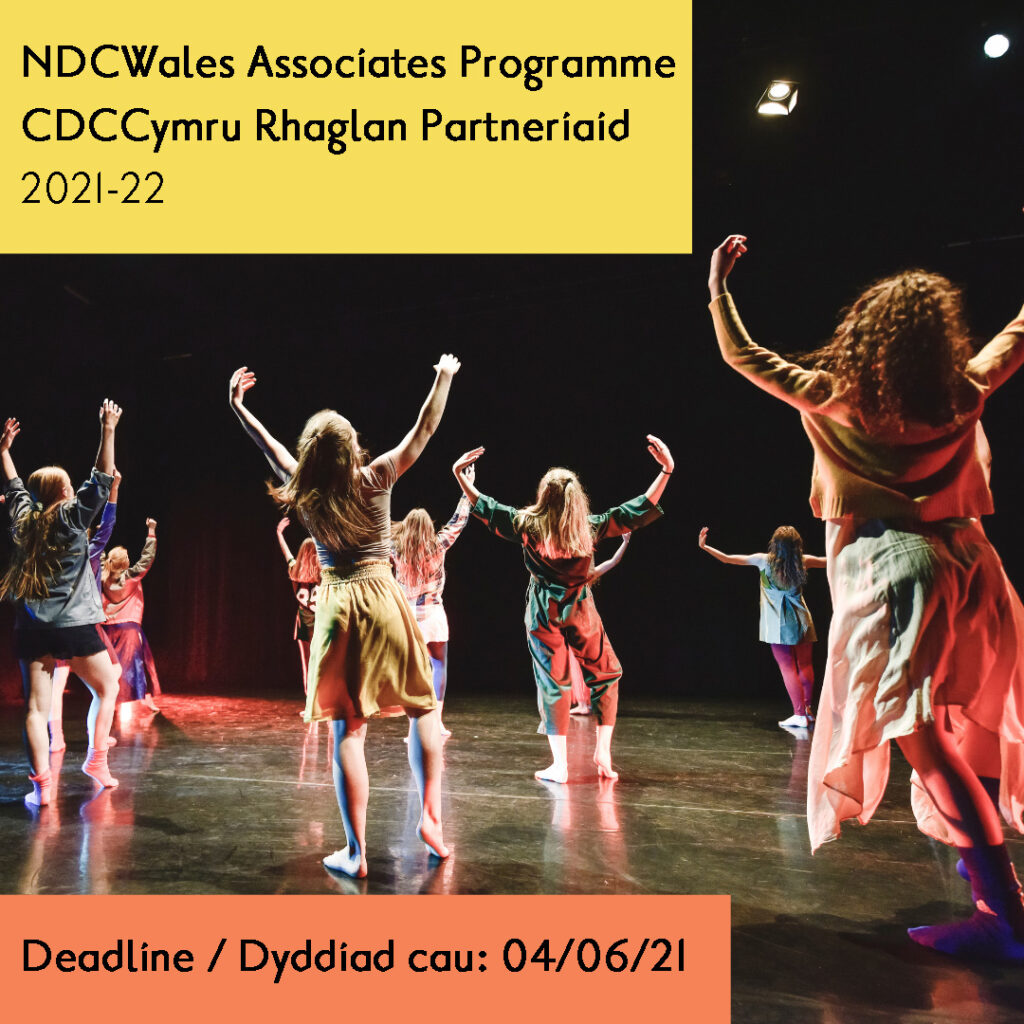
Kokoro Arts has choreographed a new dance film for the National Dance Company Wales, Youth Dance company, The Associates. The project has been created entirely online and is inspired by the work of Artes Mundi 9 exhibiting artist, Prabhakar Pachpute. His practice “reflects on the working conditions, relentless excavation, unequal social development and land politics in his home state Chandrapur, known as ‘the city of black gold’.” Could you see any links between Prabhakars approach to Chandrapur and Wales in your work with the Associates?
Similarly to Prabhakar’s artistic approach to his work, we wanted the film we choreographed for ‘Now Begin’ to address issues that are pressing and important to young dance artists in Wales. In the film, they dance and speak about the change they want to see in the world – it felt really important to give them a platform to be seen and heard.
Prabhakar Pachpute, A march against the lie (IA)
As the project has been delivered entirely online due to Covid-19 how did you approach the choreographic process and working with the young dancers?
It was important to us to make sure that the creation process was as engaging and interactive as possible. Collaboration with the Associates was essential to us – we really wanted to give them ownership over their creative process as well as the finished work.
While we had previously engaged with some of the Associates, it was our first interaction for most of the Associates. We spent time in the first session finding out about who they were as people and as artists; what was important to them about not only this process, but also their artistic development and ambitions.
We facilitated time and space for them to comment critically on each other’s choreographic work within the session using Zoom’s chat function. In giving feedback, artists engage quite differently with the work. The critique isn’t about higher legs or more stretched ankles, it’s about expression and movement; how the work is created, how it comes across and translates to audiences. Even the filming of their choreography allowed for them to engage further in the creation process. Each Associate chose their own filming location, choreography, and camera shots.
The NDCWales Associates are one of a number of youth dance organisations in Wales. Do you feel the opportunities offered by these groups are of value?
Yes, I believe that these programmes are of great value. They can connect young people to dancers from other dance schools, other parts of Wales, and the UK, in a way that helps them to engage differently with their practice and development.
Youth dance organisations have the ability to offer young artists a space to learn from different dance artists who come to teach and to create work on them and to learn different ways of moving from what they’re used to.
However, each of these programme’s could do with a lot more boldness in the range of dance styles they are offering and the range of artists that interact with the youth artists. I would love to see a wider diversity of young artists audition and accepted onto these programmes. This would offer young artists a diversity of lived experiences to interact, engage with, and learn from.
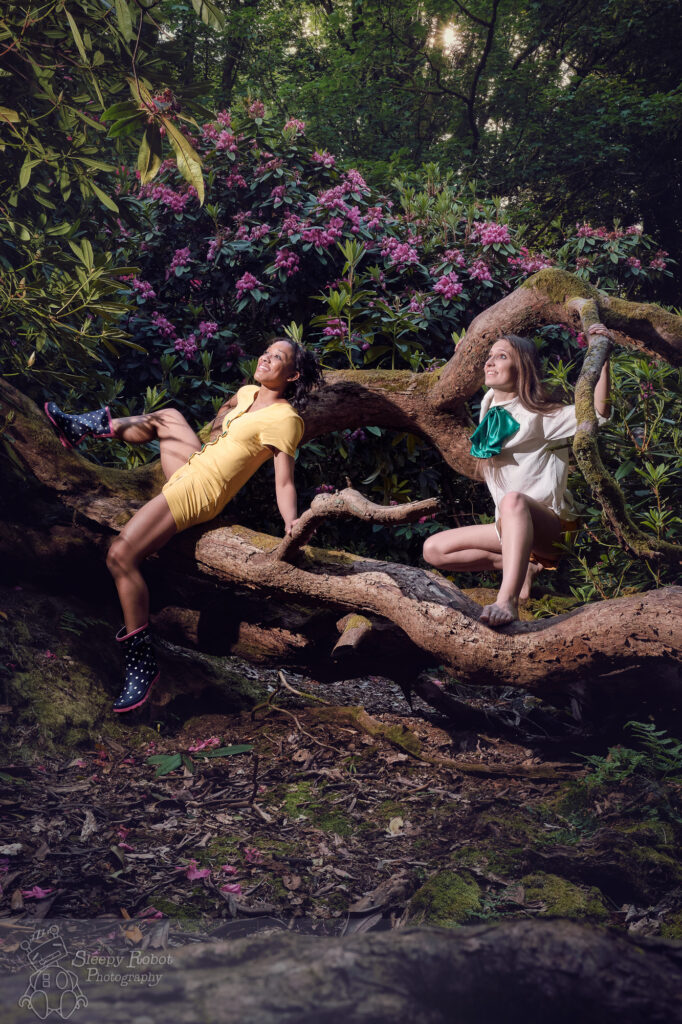
Whimsy,Kokoro Arts Ltd. Credit Sleepy Robot Photography.
If a dancer wanted to stay and train in Wales and then pursue a career, what support system would you suggest they require in order to be able to do this?
Access to dance classes that would develop their skill-set continuously.
Sustainable ongoing support for their professional development rather than one-off engagements that have no continuity.
Mentorship and coaches to support their artistic practice and help them reflect on their career development.
Platforms and events that allow them to test their thoughts and creative practice at a variety of levels.
For organisations and project funded companies to regularly advertise for new dancers rather than turning to those they already know.
For organisations and project funded companies to have more paid apprentice positions or opportunities to observe and engage with them.
More public discussions about dance in Wales
A strategy for dance in Wales that helps the sector develop and therefore offer opportunities for those who want to remain here.
Undergraduate training would be a good option but isn’t necessary to become a professional dancer.
Are there any examples of training systems or support networks that exist in other nations that Wales could look to utilise?
This is difficult to answer, because each nation’s system reflects a particular context. What works in one place might not work in another.
In Latvia The Latvian Academy of Culture offers an undergraduate degree programme in contemporary dance with an intake every 4 years, which offers an increased intensity and focus to their education; however it does leave gaps in graduate years.
Irelands Step Up dance project for graduates aims to bridge the gap between dance education and professional contemporary dance practice in Ireland.
CAT schemes in England show how additional opportunities can be facilitated, but we would need to be careful that they don’t only offer routes to conservatories or serve those more privileged.
What does Wales do well in dance or cultural training and delivery?
There’s a great commitment to bilingual and multilingual work, including an emerging commitment to British Sign Language.
Wales has created an environment that allows visiting (short project) artists to feel like they want to stay here – live, work, and feel at home.
There’s a rich diversity of dance styles in Wales from Welsh folk dance, concert dance, and contemporary dance, to a wide range of cultural, social and competitive dance practices.
There’s a commitment to community dance in Wales which provides a framework of dance for everyone.
You are both parents of young children working in the arts. Given that you are both freelance artists and parents the Lockdown period must have been very challenging for you in combining the demands on your time? How did you approach this?
Krystal: For me, it was the same when I decided I would be a parent in the first place. I decided not just that I was going to do it, but that I could do it. That decision doesn’t change what happens, but it changes how I experience what happens. Those days that my son needs me even more than usual, I leave work alone and make myself available to him. I decide that that’s not a work failure but a moment to enjoy rest and connection. Motherhood has made me far more efficient in my work. I’m not lethargic, because I don’t have the time to be. I am definitely more tired than I was before I had a child, but I’m also more passionate, I’m more eager, and I have far more resilience. I decide that I can do it, and that doesn’t mean I always do it perfectly but it means I don’t give up.
Practically, I take on the work that I can do and I’m honest about the work that I can’t do. I find opportunities to get work done at odd hours. It’s about being really flexible. Learning that I could schedule my emails has revolutionised my working! If anyone ever gets an email from me at 8am, it’s because I stayed up the night before really late, responding to all of my emails. Making lists helps so much. I have pages and pages of to-do lists – this means that the tasks are out of my head so I don’t have to feel overwhelmed by them. I can look and decide what’s important to do each day. Another thing that helps a lot is having deadlines for when my work is due. This helps me to know when I need to focus on a specific task and when I have time to focus on other tasks; it’s essential to my wellbeing.
Gundija: The lockdown period, especially the very beginning of it was challenging, yes. There were suddenly new roles I felt I needed to fulfil as a mother whilst trying to work at the same time. What helped me was the repeated reminder (that came from myself, family and even social media sometimes) that I don’t have to be able to manage everything at once. So I learnt how to manage my time better (or tried to) – for example, when there were work meetings, I would tell myself it’s OK if my daughter has longer screen-time so that I can focus. Being present as a mother, for me is a priority, so whenever my attention is split and I’m neither with my daughter nor fully at work, I get stressed. The only way to avoid that is to clearly set times/moments when I know I will focus mainly on work and be less present as a mom and then have clear times where I’m fully engaged in activities with my child. And similar to Krystal – making to do lists helps me as well. It lets me get out of the chaos in my head when everything feels ‘too much’ and see all I need to do nicely organised on a paper.
Given the challenges you described above what support would help Creatives in Wales with young familes?
Flexible working hours and the ability to have children in the room whenever safe. Working with people who try to understand the unpredictability of life with a child would help reduce the guilt often felt by working parents. Having the ability to job-share more often would also be really great – that way a parent can engage with less worry about child-care costs. Where possible, including child-care as access costs would make a massive difference. Often, in order to work and have your child cared for, you end up losing money. Even a contribution towards child-care costs would make a big difference.
It would also be great, if there were a few parents, that the project or organisation could facilitate a shared child-care arrangement on the premises. Even something more informal would be a huge support. Potentially a child-minder who could take on a few children with the organisation/project covering a portion of the costs.
Get the Chance works to support a diverse range of members of the public to access cultural provision. Are you aware of any barriers that creatives in Wales face? If you are, what might be done to remove these barriers?
Despite some changes, there is still systemic excluding around multiple characteristics. The system needs to act on equality not just talk about it.
Cultural Contracts and Arts Council Wales requirements for Portfolio organisations are a step forwards, but there needs to be deep thinking and radical doing to shift our perception of who is and who can be an artist.
A big issue is that not enough new job posts are being advertised, so those who are most marginalised are at a constant risk of precarious work, (hourly paid staff, fixed contracts, not secure in their position) so they don’t have time and space to develop their artistic practice.
With the roll out of the Covid-19 vacancies, the arts sector is hopeful audiences will return to venues and theatres. If theatres want to attract audiences what do you think they should do?
Gundija: I don’t think Vaccine Passports are a good idea. I have found live streaming performances alongside live events works well, so those who cannot attend physically, can still access it. It would be good to organise events for different specific audiences – perhaps have a coach that would pick up a group of members from a specific area. I think Venues should lobby the government so that our return to theatre spaces can be equitable. Perhaps there are ways of reducing costs for people who might struggle to attend or engage? And I think co-creating with people and communities might help us return together in a sustainable way.
Krystal: I think venues and theatres should continue to get even more creative about how they offer arts performances and engagement opportunities to audiences. Clearly outlining safety measures in place, more performances in public spaces, and shorter performances to offer more audiences an opportunity to engage safely.
It’s great to see many venues and theatres taking advantage of their outdoor spaces to engage audiences safely.
If you were able to fund an area of the arts in Wales what would this be and why?
Gundija: My priority would be to fund continuous support for early career artists. A scheme that would provide mentoring and opportunities for them to develop their artistic practice, give space to share their work and learn how to reflect on their practice and critically discuss it.
Krystal: I would fund disability arts. It’s important to me that all people are able to access and engage in the arts. I believe that the most effective way to develop and innovate as artists and as a sector is to engage closely with those who are different from us. Disability arts, and ensuring a diversity of disabled people are a part of this, would ensure a wider diversity of voices sharing and imparting into the sector, strengthening us all as well as developing audiences in Wales and beyond. I would love to see Wales become leaders in innovative disability arts. So often, within disability arts, people are still marginalised and forgotten. I am passionate about seeing Wales changing this – not becoming complacent but continuing to push towards more inclusion and an active respect and appreciation for difference.
What excites you about the arts in Wales?
Gundija: What excites me the most is definitely the potential I can see and feel in the Arts sector in Wales. Potential for the sector to grow, develop and co-create a Welsh identity that’s built on a strong support network for one another, diverse voices and inclusivity.
Krystal: I’m really excited about Theatr Iolo’s solar powered travelling theatre and the potential long-term possibilities for this kind of touring and showcasing work.
Aubergine Cafe’s unyielding commitment to offering opportunities and development to neurodivergent people.
Literature Wales and National Dance Company Wales’ cross artform collaboration for Plethu/Weave; their commitment to offering a wide range of artists the opportunity to be commissioned and to collaborate.
Articulture Wales’ consistent commitment to offering opportunities to under-represented artists.
Ffilm Cymru offering opportunities to develop a new generation of diverse film-makers.
Arts Council Wales’ Connect and Flourish funding strand – we need more real collaboration in the sector and even more so need a stronger commitment to Black, disabled, and Welsh speaking people.
Music Theatre Wales’ New Directions Programme which will address the urgent need in opera to diversify the experiences and voices and the types of people who engage and make opera.
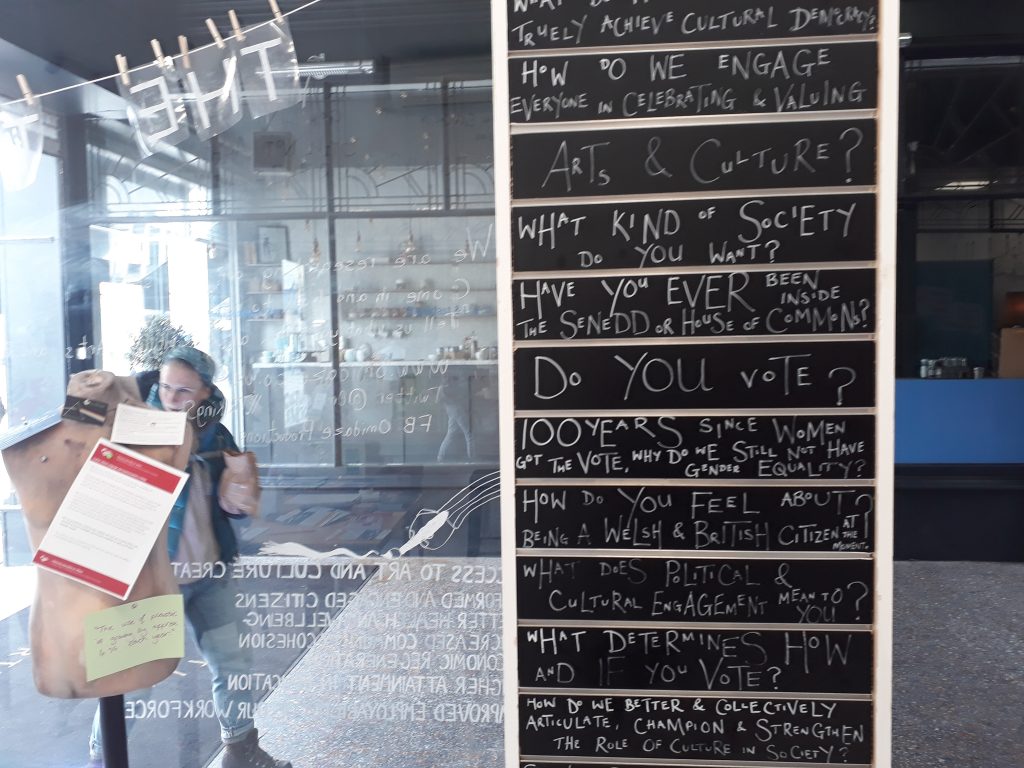
Yvonne Murphy’s co-creation and curation of new forms of engagement with democracy with 16-24 year olds on her Democracy Box project.
What was the last really great thing that you experienced that you would like to share with our readers?
Our Voice Network | Rhwydwaith Ein Llais sharings have been an incredibly valuable and enjoyable space to be a part of. I feel that’s exactly what the sector needs – informal sharings of artist practices, a safe, supportive space to listen to artistic process and to ask questions. Each month this space is a place to enjoy the beauty of being artists; and each month the value of being a part of this space is clear.
Thanks for your time.
Get the Chance supports volunteer critics to access a world of cultural provision. We receive no ongoing, external funding. If you can support our work please donate here thanks.
Helo Hanna, mae’n braf i gwrdd â chi. Allwch chi roi rhywfaint o wybodaeth i’n darllenwyr am eich cefndir os gwelwch yn dda?
Rwy’n ddawnsiwr llawrydd o Gaerdydd. Fe wnes i hyfforddi fel Aelod Cyswllt o’r Ysgol Ballet Frenhinol a Chwmni Dawns Cenedlaethol Cymru cyn mynychu Ysgol Ddawns Gyfoes Llundain yn 18 oed. Rwyf wedi gweithio gyda choreograffwyr gan gynnwys Crystal Pite, Caroline Finn a Dane Hurst ac wedi dawnsio gyda chwmnïau fel y Danish Dance Theatre a Just Us Dance Theatre, ac yn ddiweddar rwyf wedi ymuno â Ballet Cymru fel dawnsiwr cwmni.
Beth sbardunodd eich diddordeb yn y celfyddydau?
Rwyf wedi bod yn greadigol erioed. Gan amlaf yn yr ysgol, roeddwn yn dwdlan dros fy ngwaith cartref mathemateg ac yn creu dawnsiau disgo ar iard yr ysgol. Roeddwn hefyd wrth fy modd yn astudio Tecstilau a Drama Safon Uwch.
Clod i Sian Treberth
Rydych chi’n ddawnsiwr cwmni gyda Ballet Cymru ac ar hyn o bryd rydych chi’n gweithio gyda nhw i edrych ar ffyrdd o gefnogi cyflwyno dawns yn yr Iaith Gymraeg. Beth yw eich gobeithion a’ch uchelgeisiau ar gyfer y fenter newydd hon?
Yn dilyn cyfnod prawf llwyddiannus, rydym yn gyffrous i ail-ddechrau’r dosbarthiadau ballet dwyieithog i oedolion ar ôl y Pasg. Rwyf hefyd wedi bod yn dysgu Cymraeg i rai o aelodau’r cwmni; mae eu hyder wrth siarad yr iaith wedi cynyddu ac mae eu brwdfrydedd wedi bod yn galonogol iawn. Rydym bellach yn edrych ar fwy o ffyrdd o ymgorffori ymarfer dwyieithog ac mae hynny wedi cadarnhau i mi mai addysgu dawns yn ddwyieithog ddylai fod y ‘norm’ yng Nghymru. Os ydych yn ymarferydd dawns yng Nghymru, rwy’n erfyn arnoch i ystyried sut y gallwch ddefnyddio’r Gymraeg yn eich sesiynau. Gyda bron i 30% o’r boblogaeth yn gallu siarad a deall Cymraeg, mae’n werth yr ymdrech.
Pe bai dawnsiwr am aros ac ymarfer yng Nghymru cyn dilyn gyrfa, pa system gymorth fyddech chi’n awgrymu y byddai ei hangen arnynt er mwyn gallu gwneud hyn?
Mae mynychu eich ysgol ddawns leol yn le gwych i ddechrau ac os ydych yn ddigon ffodus i fod wedi’ch lleoli yn Ne Cymru, efallai y gallwch fynychu’r cynlluniau cyswllt sy’n cael eu rhedeg gan CDCCymru a Ballet Cymru. Ond nid yw’n bosibl hyfforddi’n alwedigaethol hyd at lefel broffesiynol yng Nghymru ar hyn o bryd, sy’n drueni mawr!
Llun o gynlluniau cyswllt Ballet Cymru Clod i Sian Trenberth
O ran dilyn gyrfa mewn dawns, yng Nghymru, rwyf wedi canfod bod deall fy sgiliau a’r hyn y gallaf ei gynnig i sector Dawns Cymru yn bwysig iawn. Er enghraifft, mae cydnabod yr angen am ymarferwyr dawns sy’n siarad Cymraeg a darparu’r gwasanaeth hwnnw wedi fy ngalluogi i ennill profiad o greu coreograffi ac addysgu, ac mae wedi bod yn achubiaeth ariannol hefyd ar adegau. Wedi dweud hyn, rwy’n teimlo fy mod i’n cael fy ngwerthfawrogi a’m hystyried ar safon wahanol fel dawnsiwr oherwydd fy nghenedligrwydd a’r ffaith fy mod i’n siarad Cymraeg. Rwy’n teimlo’r un mor lwcus i gael cyfleoedd gan fy mod yn Gymraes, ond rwy’n poeni weithiau bod fy ngwaith yn cael ei werthfawrogi ar y sail honno’n unig. Rwyf wedi dod i delerau â’r teimladau hyn trwy groesawu’r llwyfannau sy’n cael eu cynnig i mi a’u hystyried fel cyfleoedd i herio rhagdybiaethau, ac i ragori ar ddisgwyliadau mewn rhai achosion. Rwy’n angerddol am fy etifeddiaeth a’m diwylliant ond nid yw’n diffinio fy ngwaith na’m hunaniaeth.Rwy’n angerddol am fy etifeddiaeth a’m diwylliant ond nid yw’n diffinio fy ngwaith na’m hunaniaeth.
Rydych chi’n artist sydd wedi gweithio gyda phobl greadigol o amrywiaeth o ffurfiau celf i greu perfformiadau artistig cyffrous yn y gorffennol. Sut fyddech chi’n disgrifio’ch ymarfer creadigol orau?
Rwy’n defnyddio ioga, hedfan yn isel a gwaith byrfyfyr yn fy ymarfer fy hun ac mae ansawdd fy symud fel arfer yn cael ei alw yn llyfn a chywrain. O ran coreograffi, rwy’n cael fy nhynnu at nodweddion emosiynol a chorfforol y profiad dynol, yn enwedig themâu marwoldeb a chreu. Rwy’n edrych ymlaen at ddatblygu’r syniadau hyn yn y dyfodol.
Clod i Erik Emanuel
A oes unrhyw enghreifftiau o systemau hyfforddi neu rwydweithiau cymorth sy’n bodoli mewn gwledydd eraill y gallai Cymru geisio eu defnyddio?
O ran systemau hyfforddi, dim ond dros y ffin i Loegr y mae’n rhaid i chi edrych i weld rhai enghreifftiau rhyfeddol. Byddai mentrau’r llywodraeth fel y cynllun CAT yn fuddiol iawn i Gymru, i fynd i’r afael â materion fel hygyrchedd a chysondeb mewn hyfforddiant. Mae angen sicrhau bod mwy o lwybrau ar gael i bobl ifanc sydd ag angerdd am symud i ymgymryd â gwaith creadigol ac ehangu eu haddysg dawns. Mae hyn hefyd yn cynnwys cael rhaglen hyfforddiant galwedigaethol i astudio dawns ar lefel broffesiynol.
Mae Get the Chance yn gweithio i gefnogi ystod amrywiol o aelodau’r cyhoedd i gael mynediad at ddarpariaeth ddiwylliannol. Ydych chi’n ymwybodol o unrhyw rwystrau y mae pobl greadigol yng Nghymru yn eu hwynebu? Os ydych chi, beth ellid ei wneud i gael gwared ar y rhwystrau hyn?
Un o’r rhwystrau rydw i wedi bod yn ymwybodol ohono’n y gorffennol fu’r diffyg ystyriaeth i ymarferwyr dawns mewn ardaloedd mwy gwledig yng Nghymru. Gan fod sefydliadau wedi gorfod addasu i ddulliau digidol o gynnal neu ffrydio eu digwyddiadau, mae’r ymarferwyr dawns hyn o’r diwedd wedi gallu mynychu digwyddiadau na fyddent wedi gallu mynd iddynt yn y gorffennol. Rwyf hefyd yn bersonol wedi gwerthfawrogi fy mod yn gallu cyrchu a gwylio perfformiadau wedi’u ffrydio’n fyw ar-lein ac er gwaethaf pwl achlysurol o ‘flinder Zoom’, rwy’n dal i obeithio y bydd sefydliadau’n parhau i gynnig o leiaf rai agweddau ar weithio/perfformio ar-lein.
Pe byddech chi’n gallu ariannu maes o’r celfyddydau yng Nghymru pa faes fyddai hwnnw a pham?
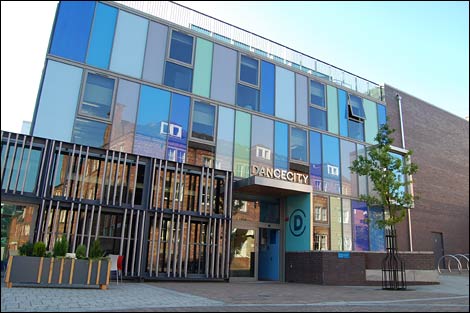
Mae angen dirfawr am arian mewn llawer o feysydd ond hoffwn weld rhaglen hyfforddi broffesiynol gynhwysol ar gael yng Nghymru yn ogystal â gofod i uno lle gall dawnswyr greu, addysgu a pherfformio gyda’i gilydd (rhywbeth fel Dance City yn Newcastle)
Dance City, Newcastle.
Beth sy’n eich cyffroi am y celfyddydau yng Nghymru?
Mae wedi bod yn gyffrous gweld cymuned ddawns Cymru yn gweithio gyda’i gilydd i sefydlu cymuned fwy cysylltiedig o ddawnswyr trwy ddigwyddiadau rhwydweithio a thrafodaethau ar-lein. Edrychaf ymlaen at weld sut mae’r cysylltedd hwn yn digwydd yn Sector Ddawns flaengar ac amrywiol Cymru.
Beth oedd y peth gwirioneddol wych olaf i chi ei brofi yr hoffech ei rannu gyda’n darllenwyr?
Gwylio Revisor Crystal Pite a “BLKDOG” Far From the Norm fel rhan o Dance Nation. Mae’r ddau yn ddarnau rhyfeddol, ac maent ar gael i’w gwylio am ddim ar Iplayer.
Hi Hanna, great to meet you, can you give our readers some background information on yourself please?
I’m a freelance dancer from Cardiff. I trained as an Associate of The Royal Ballet School and National Dance Company Wales before attending London Contemporary Dance School at 18. I’ve worked with choreographers including Crystal Pite, Caroline Finn and Dane Hurst and have danced with companies such as Danish Dance Theatre, Just Us Dance Theatre and have recently joined Ballet Cymru as a company dancer. You can find out more about me at my website
What got you interested in the arts?
I’ve been creative as long as I can remember. At school, I was more often than not doodling over my Maths homework and choreographing disco dancing routines in the school yard. I also loved studying Textiles and Drama at A Level.
Credit Sian Treberth
You are a company Dancer with Ballet Cymru and are currently working with them to look at ways to support dance delivery in the Welsh Language. What are your hopes and ambitions for this new initiative?
Following a successful trial period, we’re excited to bring the bilingual adult ballet classes back after Easter. I’ve also been teaching Welsh amongst the company members; their confidence in speaking the language has grown and their enthusiasm has been really heartwarming. We’re now looking at more ways to incorporate bilingual practice and it’s solidified my belief that teaching dance bilingually should be the norm in Wales. If you are a dance practitioner in Wales, I implore you to consider how you can include the use of the Welsh language in your practice. With almost 30% of the population able to speak and understand Welsh, it seems worth the effort.
If a dancer wanted to stay and train in Wales and then pursue a career, what support system would you suggest they require in order to be able to do this?
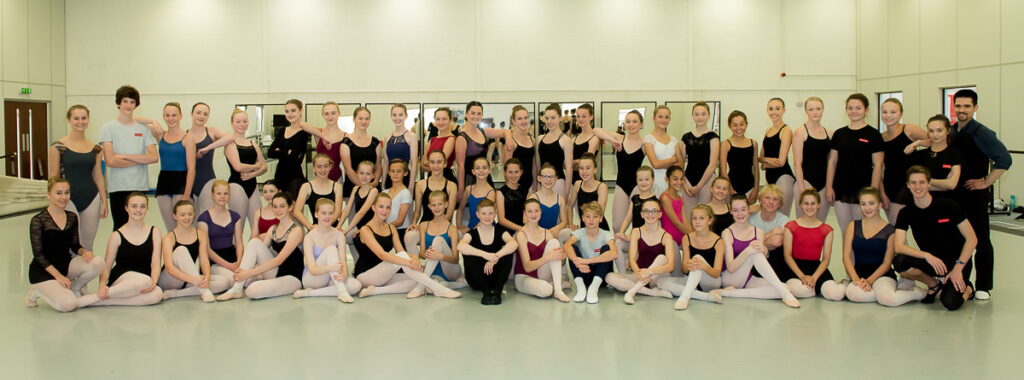
Attending your local dance school is a great place to start and if you’re fortunate enough to be based in South Wales, you may be able to attend the Associate schemes run by NDCWales and Ballet Cymru. But it’s not currently possible to train vocationally in Wales to a professional level which is a huge shame!
NDCWales Associates.
Ballet Cymru Associates, copyright Sian Trenberth Photography
In terms of pursuing a career in dance, in Wales, I’ve found understanding my skills and what I can offer the Welsh Dance sector to be really important. For example, recognising the need for Welsh speaking dance practitioners and providing that service has allowed me to gain choreographic and teaching experience and has at times been a financial lifeline. Having said this, I feel that as a dancer, I’m sometimes valued and held up to a different standard because of my nationality and the fact I speak Welsh. I feel equally lucky to be given opportunities because I’m Welsh but sometimes anxious that my work is valued exclusively on that basis. I’ve come to terms with these feelings by embracing the platforms I’m offered as opportunities to challenge assumptions and in some cases, surpass expectations. I’m passionate about my heritage and culture but it doesn’t define my work or my identity.
You’re an artist who has in the past worked with creatives from a range of art forms to create exciting artistic performances. How would you best describe your creative practice?
I draw upon yoga, flying low and improvisation in my own practice and my movement quality is usually described as fluid and intricate. In terms of choreography, I find myself drawn to both the emotional and physical characteristics of the human experience, in particular themes of mortality and creation. I’m looking forward to developing these ideas in future.
Credit Viktor Erik Emanuel
Are there any examples of training systems or support networks that exist in other nations that Wales could look to utilise?
In terms of training systems, you only have to look across the border to England for some amazing examples. Government initiatives like the CAT scheme would be very beneficial for Wales, to tackle issues like accessibility and consistency in training. There needs to be more pathways made available for young people with passion for movement to engage in creative work and broaden their dance education. This also includes having a vocational training program to study dance at a professional level.
Get the Chance works to support a diverse range of members of the public to access cultural provision. Are you aware of any barriers that creatives in Wales face? If you are, what might be done to remove these barriers?
One of the barriers I’ve been aware of in the past has been the lack of consideration for dance practitioners based in more rural areas of Wales. With organisations having had to adapt to digital means of hosting or streaming their events, these dance practitioners have finally been able to attend events that they wouldn’t otherwise have been able to in the past. I’ve also personally really valued being able to access and watch live streamed performances online and despite the occasional bout of ‘Zoom fatigue’, I still hope organisations continue to offer at least some aspects of working/performing online.
If you were able to fund an area of the arts in Wales what would this be and why?
There are lots of areas in desperate need of funding but I would particularly like to see an inclusive professional training program available in Wales as well as a unifying space in which dancers can create, educate and perform together (something like Dance City in Newcastle)
Dance City, Newcastle.
What excites you about the arts in Wales?
It’s been exciting to see the Welsh dance community working together to establish a more connected community of dancers via online networking events and discussions. I look forward to seeing how this connectivity materialises in a progressive, diverse Welsh Dance Sector.
What was the last really great thing that you experienced that you would like to share with our readers?
Watching Crystal Pite’s Revisor and Far From the Norm’s “BLKDOG” as part of Dance Nation. Both extraordinary pieces, available to watch for free on BBC Iplayer.
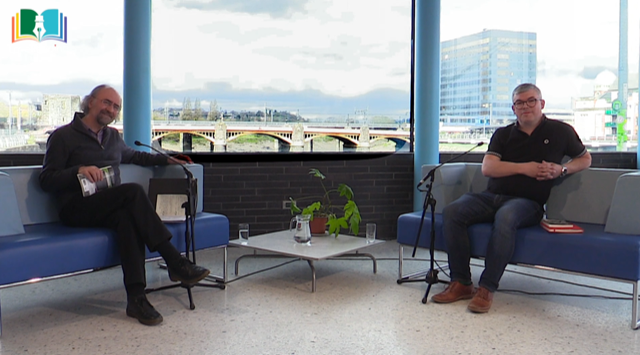
LoveReading LitFest, the recently launched, digitally native, subscription-based books and literature festival, has partnered with Newport Live – a charitable trust providing cultural and sporting activities in Newport, Wales – to support the launch of the critically-acclaimed debut novel Many Rivers To Cross by Dylan Moore at an exclusive event. The talk will be live on LoveReading LitFest tomorrow.
The author, who is the editor of thewelsh agenda, was interviewed about his new book by Sharif Gemie, with the session filmed at The Riverfront Theatre and Arts Centre, right in the heart of the city centre. Sharif Gemie is a former Professor of History. He mainly researched people on the move, whether refugees (Outcast Europe, 2011), Muslims in Europe (French Muslims, 2010) or hippy travellers (A History of the Hippy Trail, 2017). He lives in Newport and is currently writing a novel set among UN aid-workers in Germany, 1945—46.
Written following a period volunteering at the Sanctuary Project in Newport, and partly based on interviews with asylum seekers and refugees, Many Rivers To Cross traces a series of journeys – migrations across time and space – from the streets of Pillgwenlly, Newport to the ‘Jungle’ camp at Calais, and from Ethiopia to the island of Lampedusa. Described by Welsh novelist, poet and translator Siân Melangell Dafydd as “an essential story for an age of migration”, the novel takes the reader to places most of us have never been, and would never wish to go.
The event also featured contributions from two refugees originally from Ethiopia, now settled in Newport. Biniyam Birtukan talked about how his work as a freelance magazine journalist in Ethiopia became impossible due to issues around freedom of speech, his role in establishing the famous St Michael’s Orthodox Church in the ‘Jungle’ camp at Calais, and the satisfaction he has found working as a healthcare assistant since being granted leave to remain in the UK. Yohannes Obsi talked about his mixed heritage background and how his support for the formerly banned opposition group the Oromo Liberation Front landed him in government detention, from which he escaped to make a dangerous journey through Sudan, Libya, Italy and France to reach the UK.
Paul Blezard, Festival Director at the LoveReading LitFest, said: “Dylan’s powerful new novel does something extraordinary. It takes us beyond the screen images that have filled us with horror and compassion for too long and straight into the hearts, minds, hopes and fears of those who are forced, or choose, to undertake life-risking journeys towards safety and sanctuary. We are so honoured and privileged to host Dylan, Biniyam and Yohannes and to support them through this important event.”
Alan Dear, Head of Theatre, Arts, and Culture at The Riverfront Theatre, Newport Live said: “TheRiverfront is delighted to make this new partnership and as we start on the long journey of Covid-recovery we hope that literature will form a core part of our future programme. We now have the capacity to provide content digitally and hope that this will provide pleasure to our new and current audiences until a time when we can reopen our doors again.”
Many Rivers To Cross by Dylan Mooreis published by local publisher Three Impostors at £10
Hi Kate and Jo, great to meet you, can you give our readers some background information on yourself please?
Kate: I was born in London and spent my early years in Tanzania and Mexico before returning to the UK aged 11 to go to a quaker boarding school in North Yorkshire. After school I trained as a dancer at Thamesdown Contemporary Dance Studios in Swindon and then did a BA in Dance Theatre at Laban, in London. Then I started a feminist dance company called Nomads which ran from 1989 – 1995, doing performance and education work. When the company ended I spent a few years doing all sorts of things, car maintenance courses, creative writing courses, stunt training, delivery driving, caretaking. Then I got a job as a dance lecturer at University of Surrey where I spent 10 years. In 2010 I moved to North Wales to be in the mountains and feed my passion for rock climbing. I got a part-time job at Bangor University as a lecturer in performance. During the 10 years I have spent here, I began my own vertical dance company, Vertical Dance Kate Lawrence (VDKL).
Joanna: I’m an artist from North Wales, I grew up on the coast near Conwy. I left Wales when I was a teenager to study art. I ended up living in the USA, working in a really eclectic range of jobs that included furniture maker, running a market stall, selling pizzas, working in a shoe repair shop, photographer for the US government and then working in the art department of film and theatre productions. In 2001, shortly after September 11th, I got a job as a videographer on a sailing boat doing a global circumnavigation, as part of an pioneering interactive, online education project. That was a turning point that eventually bought me back to Wales and took me into working in documentary, in many different forms.
What got you interested in the arts?
Kate: I come from a family of professional musicians on my father’s side (although my father was an amateur) and my mother is a visual artist and potter so I grew up in an arty environment. I did a lot of dancing alone in my bedroom as a child – the pandemic has reminded me of this as I have returned to my bedroom as a dance studio. I think what I love about the arts is that it is really a way of thinking, a way of being in the world that is centred on experience, expression and communication.
Joanna: I grew up with a parent who had a severe mental illness. In the 80’s in North Wales mental health services were poor to non-existent, both for those with mental illness, and their families. In the arts I found a way to express ideas and connect with others that I hadn’t been able to previously. I specifically credit the generosity of the wonderful artist and teacher Dave Pearson who I met as a young art student, he saw some of the weight I was carrying at that time and encouraged me to tell stories with my work and experiences, and also to find playful ways to get it out into the world.
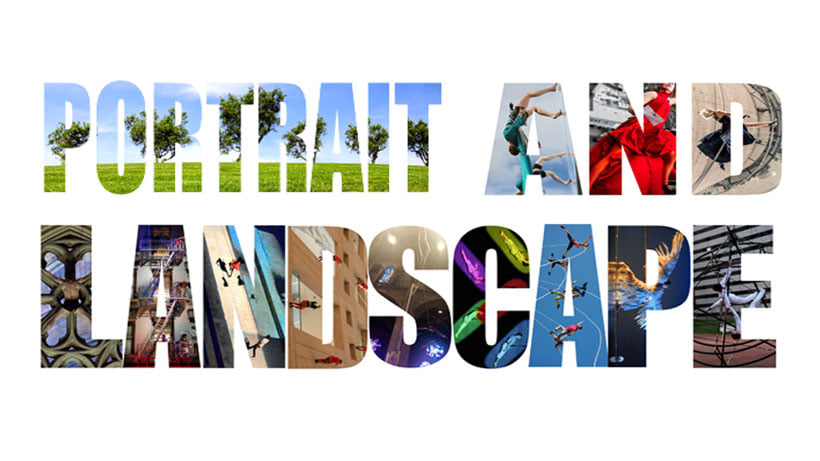
Kate I believe you are working on a new project called ‘Portrait and Landscape’ its described as “a series of online bi-monthly events for the international vertical dance community and beyond. It was conceived by Wanda Moretti incollaboration with Kate Lawrence and Lindsey Butcher. The series runs bi-monthly until the end of October 2021 “.
For those who may be new to the term what is ‘Vertical Dance’ and how did you come to be involved ?
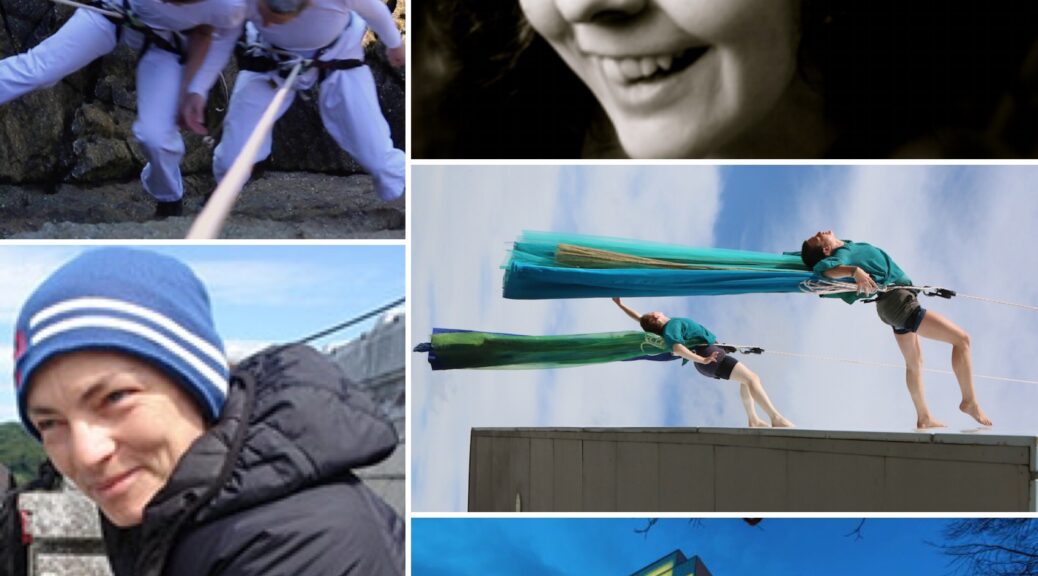
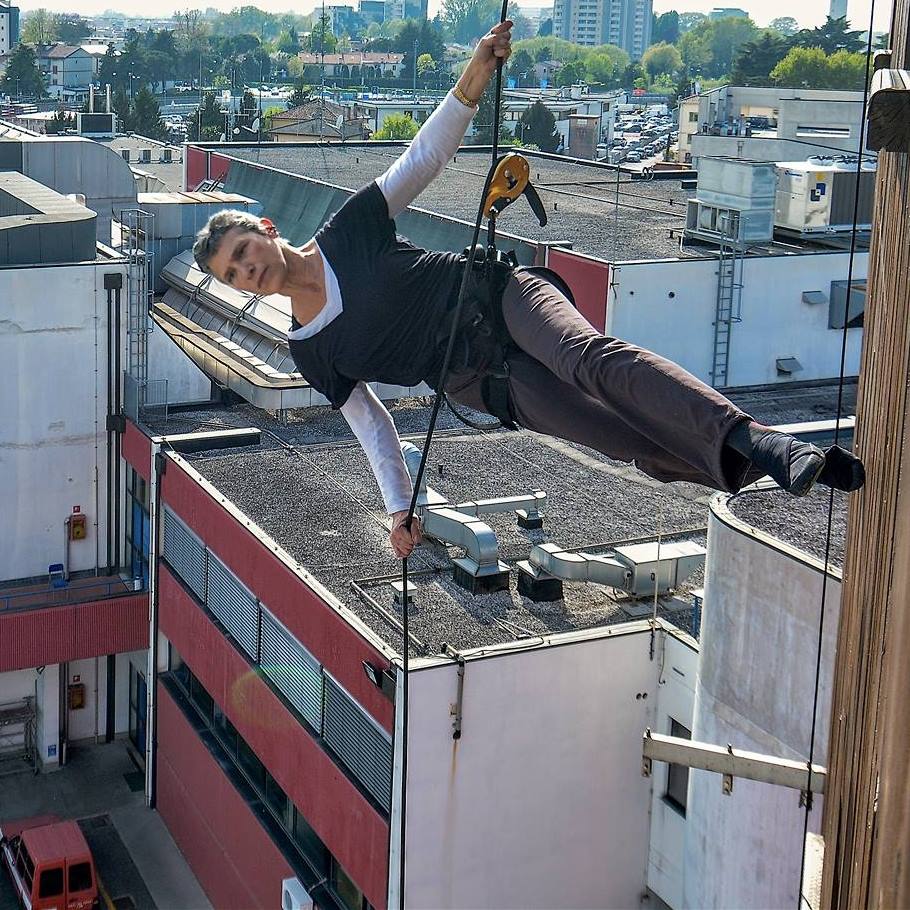
Kate: Vertical dance is a newish term that refers to dancing in suspension – the dancer is suspended using climbing or access equipment, such as harnesses, ropes and abseil devices. Often this is against a vertical wall (hence the term vertical) which becomes the ‘dance floor’. So it often takes place in public space, on the sides of buildings.
I got involved with vertical dance when I started climbing in the late 1990s – as part of training to be a stunt woman (that never happened!). I found the movement of climbing very similar to dance and when I began teaching at the University of Surrey I asked if I could run a module called vertical dance. That began in 2001 and was the beginning of my development of the practice. I began teaching dancers to climb in the climbing wall and getting them to develop choreography from that and then gradually I introduced suspended dancing. In 2005 I embarked on PhD study into vertical dance and that led me to meet other vertical dance artists from around the world. The first two I met were Wanda Moretti from Venice and UK- based Lindsey Butcher, and we are still working together. I finally finished my PhD in 2017 – it took me a long time because I was working and creating at the same time!
Kate, what is your ambition for Portrait and Landscape?
During the pandemic it has been impossible to do vertical dance practice for me and I spent 2020 doing other things – gardening mostly and some writing – this has been quite a healthy break from a very busy time. This series of events was the brainchild of my colleague Wanda Moretti and she invited Lindsey and I to collaborate with her on running it.
Wanda Moretti
The ambition is to bring international vertical dance artists – and anyone else who might be interested – together at a time when we are all isolated and distanced. The current time is an opportunity to connect across borders and learn about how different artists practice the form and also to keep our artistic minds working! My company, VDKL, has received some funding from Wales Arts International to support this project which means we have offered 3 bursaries to Welsh artists. It also enables us to explore making the series more accessible.
You are both working on a project researching into Dance for people who are blind, this sounds fascinating please tell me more!
Kate: Yes, Jo and I are working on a project called Yn y Golau/In-visible Light, which began in 2016 as a collaboration between myself and photonics scientist Ray Davies – a Synthesis project funded by Pontio.
Pontio
Photonics is the science of light – I didn’t know that until I met Ray. The project developed and in 2019 we did a research and development project funded by ACW with a couple of test performances. Our purpose was to make a show that tried to build accessibility for blind and partially sighted people into the creation process, rather than audio describing a finished product. It was a huge challenge and we were assisted by a visually impaired actor and aerialist, Amelia Cavallo.
Amelia Cavallo
We constantly asked ourselves: what would this experience be like if we couldn’t see? And this led to some new ways of working for me as a choreographer. Sometimes I would close my eyes and listen to the dance… It also reminded me that dance is a kinetic art form not a visual one. Sometimes I think we focus more on shapes we see than movements we feel. We invited blind audiences to the test performances and then interviewed them afterwards to get feedback on how successful our approach was. We then received further funding from ACW to develop a touring show, but the pandemic has made us change our plans. We are now working on a film and we also have some seed funding from Clwstwr to do further research into access for blind and visually impaired people to performance.
Joanna: Kate first asked me to work on Yn Y Golau as a documentary filmmaker. In my work in documentary I’m especially interested in how new technologies can be used in storytelling. In Yn Y Golau I felt there was potential to explore how to share the work in an interactive, non linear way, which might better enable us to think about how to move beyond the screen, and think more deeply about how the embodied experience, that was central to Kate’s live work, can be expressed or shared digitally. There are also a lot of documentary elements in the project, and we are exploring how the project audience can choose which aspects they want to engage with.
Prior to this project did you have any knowledge of areas such as audio description for theatre/dance?
Kate: Yes, I first started thinking about audio description back around 2008 when I was asked to do a workshop at an audio description seminar at University of Surrey. The topic then lay dormant for me for several years, and then in 2016 I was asked by Mari Emlyn to make a piece of work for the foyer of Galeri. It was the year of the centenary of Roald Dahl’s birth and so we made a new story built from the drawings of primary school children of their favourite Roald Dahl characters. The piece was called Omnibus and was performed in the foyer of Galeri with the dancers flying in the space overhead.
We created a bilingual (Welsh and English) recorded audio description alongside the soundscore so that everyone in the audience could hear it. From our current research I know that this is sometimes referred to as ‘open audio description’. The traditional method is that an audio describer is in a booth describing events as they unfold, straight into the ears of the visually impaired person, who wears headphones. Headphones can however be distancing, muffling and isolating so I felt it was important to search for ways in which to make the work with accessibility built in.
Joanna: Absolutely none, and that is really motivating me. When I started looking and learning about it, I am not proud to say, I realised how I had never really considered this aspect in any meaningful way. I know I was also, unfortunately, in a majority.
If a dancer wanted to stay and train in Wales and then pursue a career, what support system would you suggest they require in order to be able to do this?
Kate: I can only speak for North Wales, where it is virtually impossible at present for a dancer to train in the conventional, vocational sense – I think there is more capacity in South Wales, but even there options are limited. To make a career entirely in Wales I think it is necessary to take every opportunity available and to be very self-motivated and resourceful. VDKL employs mainly North Wales based dancers, who I have trained in vertical dance techniques. This is because I want to build a community here, however small it is! The dancers I work with have trained in dance outside Wales and returned. I also want to provide employment opportunities for local artists and persuade them to stick around! My company used to run affordable twice weekly training sessions of 3 hours each but we lost our space in 2017, and now with the pandemic training has become impossible. But we are hopeful for the future – the beauty of vertical dance is that we can go outside! In an ideal world a dancer building a career in Wales needs regular affordable access to dance training sessions and also affordable access to space to dance. A vocational/degree programme would also be very helpful.
Are there any examples of training systems or support networks that exist in other nations that Wales could look to utilise?
Kate: France has a great system of support for artists that pays them whilst they are ‘resting’ between jobs. This gives them time and financial support to continue their training and professional development. Many European countries have arts centres that offer space and residencies for artists. Access to affordable space to practice is essential and it would be great if each region of Wales had dedicated spaces or ‘homes’ for dance. I have been doing daily practice sessions during lockdown with Wainsgate Dances in Hebden Bridge, England and this is an excellent example of an artist-led initiative that has built a community of dancers who are now contributing to the provision of residencies for other artists at the centre.
Joanna: I’ve been very inspired by people who have built their own networks where none exist. I’m part of the Arts Territory Exchange project, it facilitates collaborations in remote locations that are cut off from the networks which usually sustain a creative practice. I think as an artist it’s very important to be part of a community of support, to develop and challenge your work and ideas, and to share skills with others. There are some great DIY examples out there, the Artist Residency in Motherhood set up by Lenka Clayton is another inspirational network
What does Wales do well in dance or cultural training and delivery?
Kate: In my experience support for the arts in Wales is a friendlier affair than my previous experience in London and the South of England. I have found local venue managers and programmers to be great collaborators and the Arts Council of Wales officers are approachable. I think cultural training and delivery in Wales is ‘on a shoestring’; the positive side of this is that it is extremely adaptable and mobile – it has to be due to the geographically dispersed activities. But it needs centres too, and not just in Cardiff. The bizarre thing is that it is quicker to get to London than Cardiff for North Wales dance artists looking for training.
Joanna: In my experience Wales supports it’s creatives well and gets a lot out of small budgets. However there are real impacts currently in relation to access to arts education, and the financial barriers for those who want to study. I feel strongly that this will further negatively impact diversity in the cultural sector. About the centres that Kate mentions, I’d say something about the impact of Covid this last year, there has been more cross Wales collaborative working, in my experience, which is great, but the Cardiff region still has a hegemony in terms of cultural projects, and I’d like to see that be distributed more widely across Wales.
Get the Chance works to support a diverse range of members of the public to access cultural provision. Are you aware of any barriers that creatives in Wales face? If you are what might be done to remove these barriers?
Kate: Well we are working on access for blind and partially sighted audiences. Our research so far is showing that provision for these audiences, particularly for dance, is very limited. A perceived barrier is that it costs of a lot of money to provide access and independent artists/small companies with very limited resources can’t afford to spend extra money; this is also true for the larger companies. I would like to challenge artists to see how they might begin to build accessibility into their work so that it can be appreciated by all. A big barrier for many in rural areas is getting to and from performances, so any schemes that provide transport can be really helpful.
Joanna: To build on my comments above, barriers to access can be many, including financial, but there’s also a lot of potential positive learning from the online way of working that’s been adopted because of Covid. Personally, as a carer and parent of a school age child I’ve been able to take part a lot more, due to events being online. It would be a shame for this to be abandoned when things open up physically, because in my opinion it’s cracked open cultural provision MUCH more widely. I’d like to see ways of live-online access being continued for people who can more easily engage in this way, and supporting people where access to stable internet is an issue.
With the roll out of the Covid-19 vacancies, the arts sector is hopeful audiences will return to venues and theatres. If theatres want to attract audiences what do you think they should do?
Kate: I think first and foremost, theatres need to ensure that they are safe spaces and then market that fact very clearly. Perhaps look at small, socially distanced audiences, and commissioning work for this kind of audience. Working outdoors is a great option for providing safer access to arts and this can then be a draw for people to return to the theatre.
If you were able to fund an area of the arts in Wales what would this be and why?
Kate: Dance of course! I think dance is always the Cinderella of the arts and tends to receive less subsidy. We all have bodies – we all move – and our physical and mental well being can be enhanced through dancing. I would love to see the creation of small dance centres around the country so that local artists and the community in general have somewhere to meet and dance. They don’t have to be for dance exclusively, but should provide the space necessary for dance – and rigging points for vertical dance of course.
Joanna: Really good interdisciplinary arts education. The studio based art college system that supported so much groundbreaking creative work across the UK has been decimated. Artists are great problem solvers, and skills in the arts are widely transferable.
What excites you about the arts in Wales?
Kate: I love the maverick nature of the arts in Wales. People are making work in the most surprising places and this gives rise to exciting new techniques and approaches.
Joanna: It’s collaborative & supportive, there’s some great, innovative work happening in cross disciplinary settings. The arts in Wales is embedded into our culture in quite a unique way, the Urdd does amazing work with children and young people. There were 12000 creative works across music, dance, spoken word and visual arts made by children who entered the online Eisteddfod T this year for example- That’s amazing!
What was the last really great thing that you experienced that you would like to share with our readers?
Kate: In our last Portrait and Landscape event San Francisco based choreographer Jo Kreiter shared with us her project called ‘The Decarceration Trilogy’ a long term project looking at the US prison system and its effects on citizens. It was a really moving and inspiring offering to our community and a great example of the power of dance and the arts in general as a tool for examining issues of social justice. Here is a clip of Jo talking about her work in general
and here is a link to a film of The Wait Room that she showed during our event:
Joanna: I am currently a research fellow at the Open Documentary Lab, MIT where I recently saw a presentation of Hatsumi VR It is an amazing project in development that uses virtual reality to allow participants to visually express experiences of pain, emotion and sensory experience in audio visual body maps.
Comisiynu graddedigion celfyddydau diweddar a chyn-aelodau Theatr Mess Up The Mess i gydweithio â phobl ifanc er mwyn creu gwaith gyda Chanolfan Celfyddydau Pontardawe i’w rannu’n ddigidol
Mae Canolfan Celfyddydau Pontardawe wedi comisiynu Mess Up The Mess i gydweithio â thri gweithiwr llawrydd sydd wedi graddio’n ddiweddar ac sy’n artistiaid sy’n prysur wneud enw iddynt eu hunain, er mwyn cefnogi datblygiad eu harfer cyfranogol a’u gwaith creadigol eu hunain. Yr artistiaid sy’n amlygu yw Cerian Wilshere-Davies, Callum Bruce-Phillips a Ciaran Fitzgerald, pob un yn gyn-aelodau o Gwmni Theatr Mess up the Mess.
Bu’r artistiaid yn gweithio gyda grwpiau o bobl ifanc er mis Ionawr 2021 ac maen nhw’n paratoi ar gyfer noson o rannu digidol, lle byddan nhw’n rhannu’r gwaith maen nhw wedi bod yn ei greu. Bydd Cartref / Home ar gael i’w wylio ar-lein ar 25 Mawrth am 7pm.
Mae Mess Up The Mess yn arbennig o gyffrous ynghylch gweithio ochr yn ochr â’r artistiaid ifainc hyn, gan eu bod nhw wedi bod yn aelodau er yn 12-14 oed ac wedi bod ar siwrnai o 10 mlynedd a mwy gyda’r cwmni.
Mae’r Prosiect – Cartref / Home yn archwiliothema ‘cartref’ a defnyddio comedi i gael hwyl gartref. Bu’r artistiaid a’r bobl ifanc yn creu eu mannau ffantasi eu hunain sy’n gwneud iddyn nhw deimlo’n hapus, yn ddwl, yn anturus neu’n ddiogel. Bu’r grwpiau’n archwilio ffantasi, chwedlau a’r mannau a’r bydoedd yr ydym yn eu dewis yn gartref, ac yn paratoi i rannu’r gwaith maen nhw wedi bod yn ei greu ar-lein.
Maen nhw wedi holi cwestiynau fel – pa dirweddau, gwrthrychau a chymeriadau fyddech chi’n hoffi eu rhithio yn eich lle chi? Pa fath o amgylchedd sy’n gwneud i chi deimlo’n gyffrous? Ym mha fath o amgylchedd ydych chi eisiau chwarae neu fod yn ddwl? Efallai mai natur yw’ch amgylchedd chi, lle gyda llawer o greaduriaid a phobl neu efallai man dan do yn arbennig ar eich cyfer chi. Efallai bod y mannau hyn yn heddychlon ac yn dawel neu efallai eu bod yn rhywle sy’n ddoniol iawn i chi.
Mae Callum Bruce-Phillips wedi ennill gradd mewn Astudiaethau Ffilm a Theledu/Llenyddiaeth Saesneg o Brifysgol Aberystwyth ac ar hyn o bryd mae’n gweithio tuag at ei radd MA mewn Cynhyrchu Ffilm. Mae Ciaran Fitzgerald yn awdur ac yn hwylusydd o Bort Talbot. Ysgrifennodd ei ddrama gyntaf yn 2013 i Mess Up The Mess, ac nid ydyw wedi edrych nôl. Yn 2019 graddiodd o Brifysgol De Cymru yng Nghaerdydd gyda BA mewn Sgriptio. Mae Cerian Wilshere-Davies yn hwylusydd, yn wneuthurwr theatr ac yn gomedïwraig, a graddiodd o Brifysgol Salford y ddiweddar.
Mae’r artistiaid yn hwyluso ac yn arwain datblygiad gwaith y bobl ifanc eu hunain, ochr yn ochr â chreu eu gwaith eu hunain. Cyfarwyddwr Artistig Mess up the Mess, Sarah Jones, sydd wedi bod yn mentora’r tîm. Roedd y comisiwn yn cynnwys dosbarthiadau meistr mewn meysydd sy’n gysylltiedig â’r prosiect creadigol; gweithio’n ddwyieithog gyda Bethan Marlow, gwneud ffilmiau mewn ffordd gyfranogol gyda Tom Barrance a dulliau cynhwysol o greu celf ddigidol gyda Taking Flight.
Meddai Ciaran Fitzgerald am y dosbarthiadau meistr;
“Roedd ein gweithdai gyda Tom Barrance bendant wedi cynyddu fy hyder yn gwneud ffilmiau byr. O’n i ddim wedi gwneud llawer o olygu fideos o’r blaen, a gydag arweiniad Tom dwi’n bles iawn gyda beth ‘nes i gynhyrchu, a fyddai bendant yn ei ychwanegu i fy ymarfer yn y dyfodol. Ar ôl ein sesiwn gyda Bethan Marlow, teimlais fod y rhwystrau i weithio’n ddwyieithog wedi cael eu chwalu. Roedd Bethan wedi neud yr holl gyd-destun yn gynhwysol iawn, ac wedi cyflwyno strategaethau defnyddiol iawn bydda i bendant yn eu defnyddio yn fy ymarfer yn y dyfodol. Roedd gweithdy Taking Flight ar sail cynhwysiant yn ddefnyddiol ac yn bleserus iawn. Dwi’n meddwl ‘naeth Elise a Steph atgyfnerthu pethau o’n i eisoes yn gwybod, ond hefyd ‘nes i ddysgu pethau newydd am gynhwysiant yn y celfyddydau, a hefyd falle herio rhai o’n canfyddiadau i. Dwi bendant isho gweithredu BSL a Sain Ddisgrifiad yn fy ngwaith yn y dyfodol.
Meddai Sarah Jones, Cyfarwyddwr Artistig Mess Up The Mess:
“Rydyn ni’n gyffrous iawn ynghylch y prosiect hwn am gymaint o resymau, gan gynnwys y cyfle i gomisiynu artistiaid sydd wedi dod trwy Mess Up The Mess. Dw i’n cofio cwrdd â phob un o’r artistiaid hyn a dw i wedi cael y fraint o ddysgu a chydweithio ochr yn ochr â nhw dros y ddeng mlynedd ddiwethaf. Rydyn ni’n aruthrol o ddiolchgar i Ganolfan Celfyddydau Pontardawe am y cyfle i barhau i gydweithio ar lefel broffesiynol gyda nhw i’w galluogi i fynd ar drywydd eu hymarfer ar adeg mor anodd i’r celfyddydau ac i bobl ifanc. Maen nhw’n bobl greadigol neilltuol sy’n llawn ysbrydoliaeth ac mae ganddynt y pŵer i ysbrydoli ac i ddatblygu lle diogel a lle sy’n meithrin ar gyfer ein cyfranogwyr ifanc er mwyn creu gwaith newydd a gofalu am eu llesiant.”
Mae Cerian yn hwylusydd, yn wneuthurwr theatr ac yn gomedïwraig, ac mae wedi graddio’n ddiweddar o Brifysgol Salford gyda gradd dosbarth 1af mewn Ysgrifennu a Pherfformio Comedi. Mae gan Cerian ddiddordeb mewn creu gwaith sy’n canolbwyntio ar dreftadaeth Cymru a mynegi hunaniaeth.
Callum Bruce-Phillips
Mae Callum wedi graddio o Brifysgol Aberystwyth gyda gradd mewn Astudiaethau Ffilm a Theledu/Llenyddiaeth Saesneg, ac ar hyn o bryd mae’n gweithio tuag at ei radd MA mewn Cynhyrchu Ffilm. Yn ystod ei radd israddedig, gweithiodd Callum gyda Chanolfan Ehangu Cyfranogiad, Cydraddoldeb a Chynhwysiant Cymdeithasol y Brifysgol, lle bu’n gweithio gyda phobl ifanc a phobl hyglwyf o gefndiroedd gwahanol sydd wedi eu tangynrychioli. Mae’r profiad hwn wedi ysbrydoli Callum i ddilyn gyrfa fel gwneuthurwr ffilmiau cymunedol sy’n canolbwyntio ar ehangu mynediad yn y diwydiant ffilm i grwpiau sy’n cael eu tangynrychioli ar hyn o bryd.
Ciaran Fitzgerald
Awdur a hwylusydd o Bort Talbot yw Ciaran. Ysgrifennodd ei ddrama gyntaf yn 2013 i Mess Up The Mess, ac nid ydyw wedi edrych nôl. Yn 2019 graddiodd o Brifysgol De Cymru yng Nghaerdydd gyda gradd BA mewn Sgriptio, ac ar hyn o bryd mae’n datblygu’r ddrama gyntaf i gael ei chomisiynu ganddo, sef ‘Chasing Rainbows’ gyda Chanolfan Celfyddydau Pontardawe. Mae gan Ciaran ddiddordeb mewn datblygu gwaith â chymeriadau cryf wrth ei galon, sydd wedi ei anelu’n benodol at bobl ifanc. Ag yntau’n siaradwr Cymraeg rhugl mae hunaniaeth yn agwedd allweddol ar y gwaith y mae’n ei greu, ynghyd ag egwyddorion allweddol mynediad a chynhwysiant.
Creating opportunities for a diverse range of people to experience and respond to sport, arts, culture and live events. / Lleisiau amrywiol o Gymru yn ymateb i'r celfyddydau a digwyddiadau byw