All posts by Guy O'Donnell

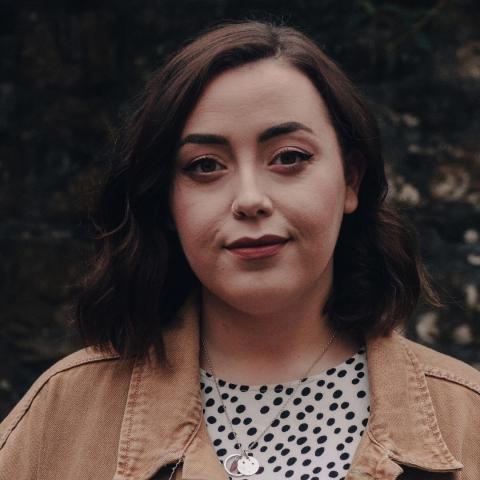
Hi I am Guy the project coordinator for Get The Chance. I am a trained secondary teacher of Art and Design and have taught at all Key Stages in England and Wales. I am also an experienced theatre designer and have designed for many of the theatre companies in Wales.

“We have lots of fascinating, unique, and distinctive collections here, I am excited to share them with new audiences” An interview with Judith Dray and Mandie Garrigan, Library Services, Royal Welsh College of Music

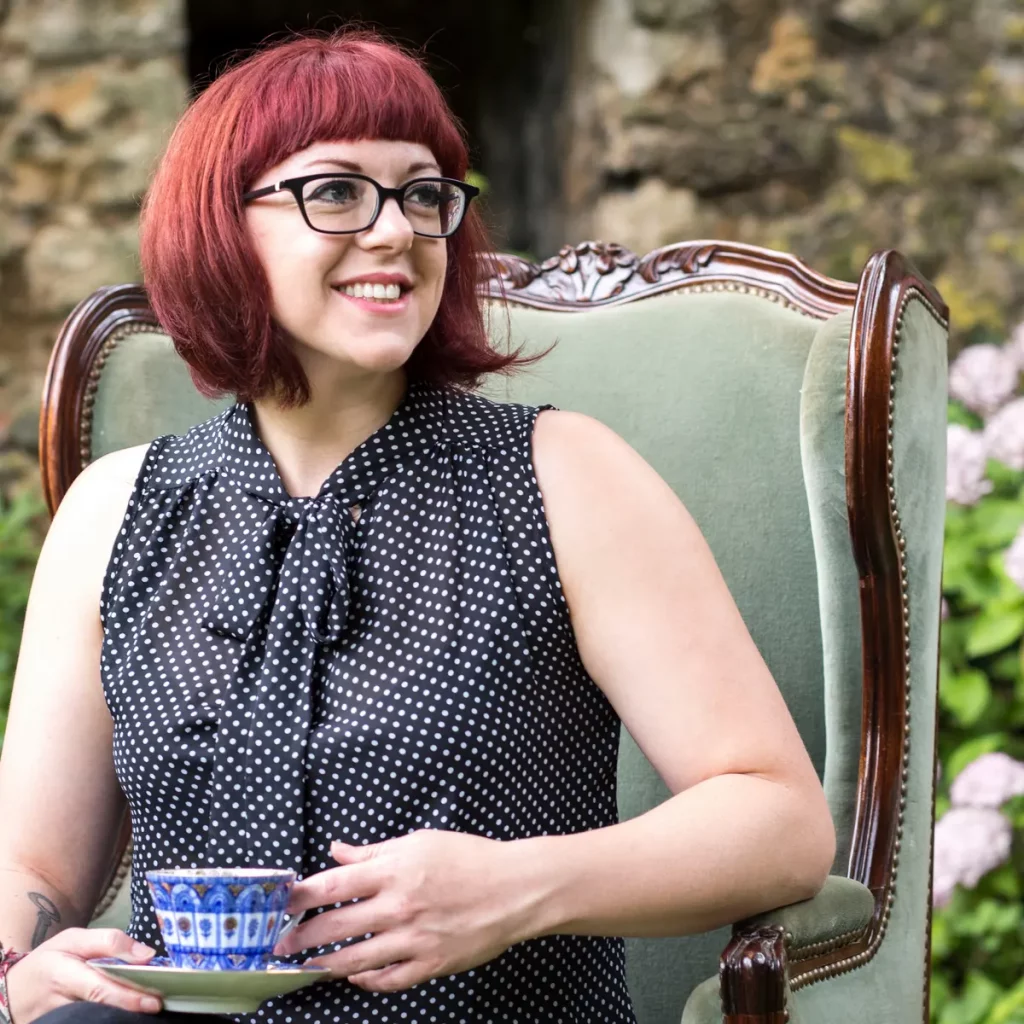
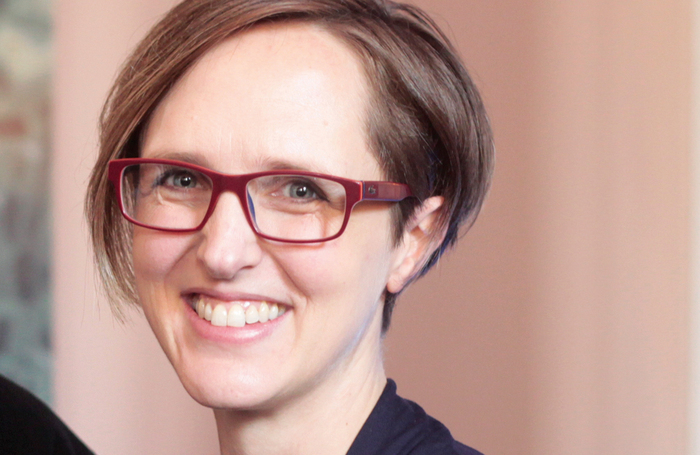
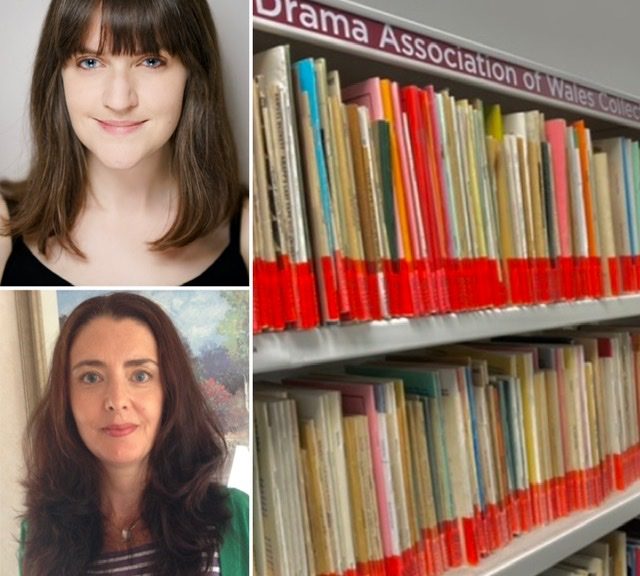
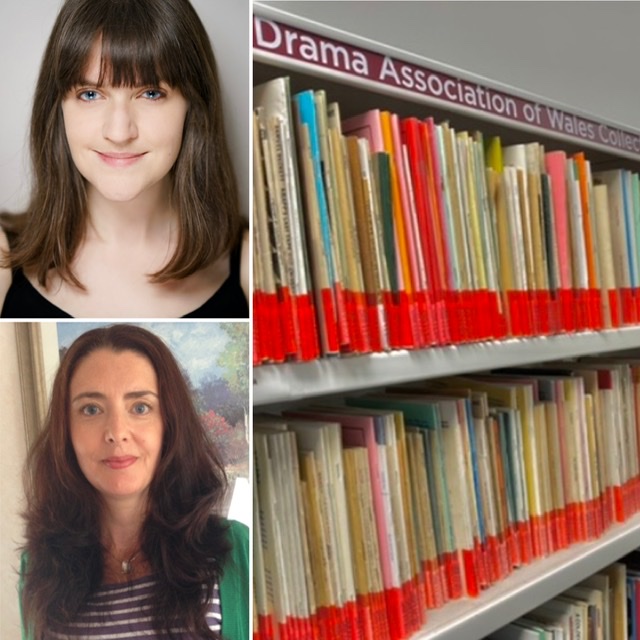
Top Judith Dray, Head of Library Services, RWCMD, below Mandie Garrigan, Libraries Assistant, RWCMD. Judith Dray Photograph © Edmond Choo Photography

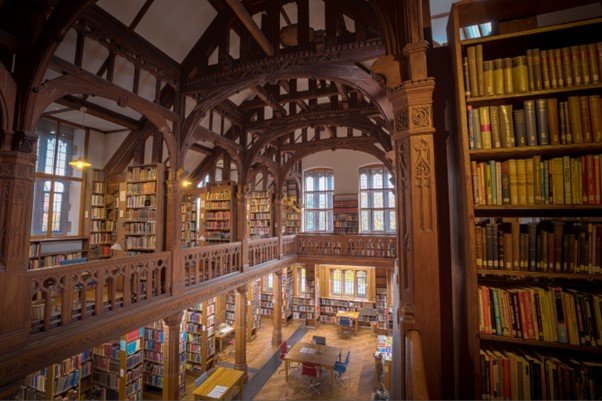
In this interview, Director of Get the Chance, Guy O’Donnell chats to Judith Dray, Head of Library Services, Royal Welsh College of Music and Drama and Mandie Garrigan, Libraries Assistant, RWCMD. We discuss their roles at the College, access to the library, the Drama Association of Wales Collection and their latest recommendations!

What got you interested in the library service?

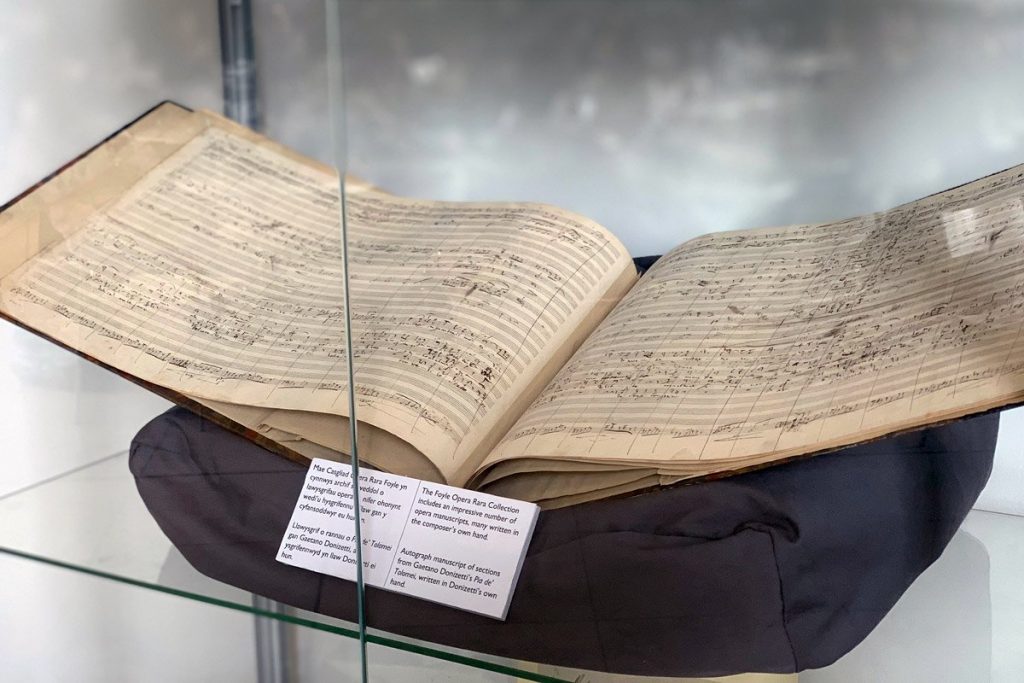
MG: I have a background in the performing arts and managing bookshops in Hay-on-Wye but more importantly my jobs have been customer serviced based which is required for this role. The library service here is a little different, it allows me to interact with our staff and students, but I’ve also been working with our archives and special collections (mostly the College Archives and The Foyle Opera, Rara Collection).

Working in the library also involves helping on projects, creating working systems and generally having a go at anything! I started managing the DAW (Drama Association of Wales) collection when I covered for a maternity post 5 years ago. I manage all the memberships, orders, invoicing and have catalogued the sets in the past.

JD: Like Mandie, I have a background in performing arts. I also have lots of experience working in higher education, both working with research collections and supporting learning. I originally came to the Royal Welsh College of Music & Drama (RWCMD) as an archivist in 2018 and then was seconded to Head of Library Services during the pandemic and became permanent in 2022. The role marries together my background in the performing arts with my passions for libraries and higher education. We have lots of fascinating, unique, and distinctive collections here: I’ve loved finding out about them and I’m excited to share them with new audiences.

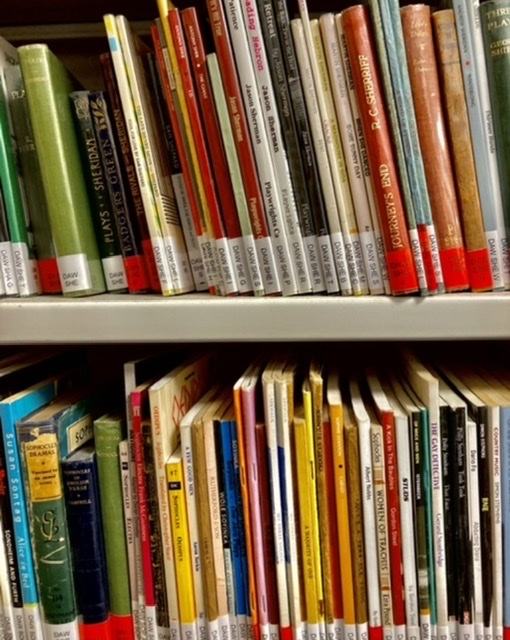
The RWCMD library houses the Drama Association of Wales (DAW) collection. This is the largest lending collection of scripts in English in the UK and is available for hire to individuals and groups. Can you tell me more about the collection and how it’s used?

JD: The Drama Association of Wales formerly housed the largest lending collection of scripts in English in the UK. In 2014, the play text collection transferred to the RWCMD Library and is available for hire to individuals and groups. Mandie is the person who works most closely with the collection and the people and groups who borrow from it.

MG: The collection inherited some members when it came here, so when it arrived a membership scheme was set up where groups or individuals pay to become members. This allows them to have access to the collection and borrow plays. We have some University of the Third Age members, amateur drama groups, play reading groups and individuals who enjoy our plays. Over the last few years, Covid has changed the way people meet and groups are only just getting back together, so the service is now running again. We would like to develop the service over the next few years, and it is currently under review.

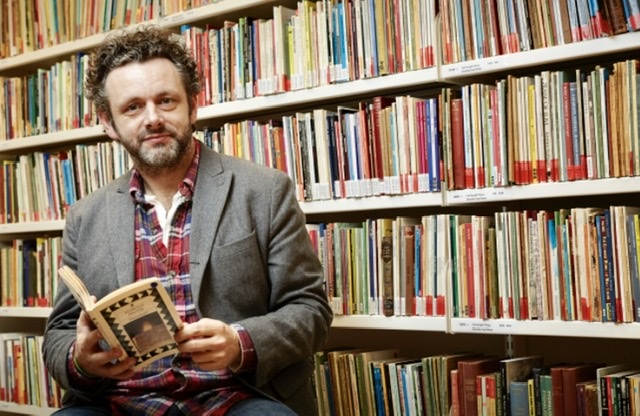
Michael Sheen patron of Drama Association of Wales and International Chair of Drama, RWCMD said of the collection “This drama collection is of hugely significant cultural value. It’s imperative that it’s saved for the nation. It seems fitting that it’s been rescued by the Royal Welsh College, and found its rightful home at the National Conservatoire of Wales.”

Michael Sheen, © Kiran Ridley Photography

Can the public access the RWCMD Library?

JD: We welcome community members to the RWCMD Library. It’s free to browse and members of the public can join in order to borrow items. There’s more information about joining online here and we welcome enquiries by email (library@rwcmd.ac.uk).

MG: Yes, anyone can join as Judith says, and you can now browse a portion of the DAW collection online. I think around 2,800 of the DAW plays have been catalogued now, mainly the sets.

With increased pressure on public funding many Library services have been cut or are under threat, why are libraries important to you and wider society?

JD: As an academic library, we are not facing the same existential threats as many public libraries have faced in recent times, but it is a worrying trend. Libraries are not just about lending books. At their best, libraries can foster communities; they can provide safe spaces; and they can promote equality and inclusion by giving free access to resources, computers, and equipment.

What was the last really great book that you read that you would like to share with our readers?

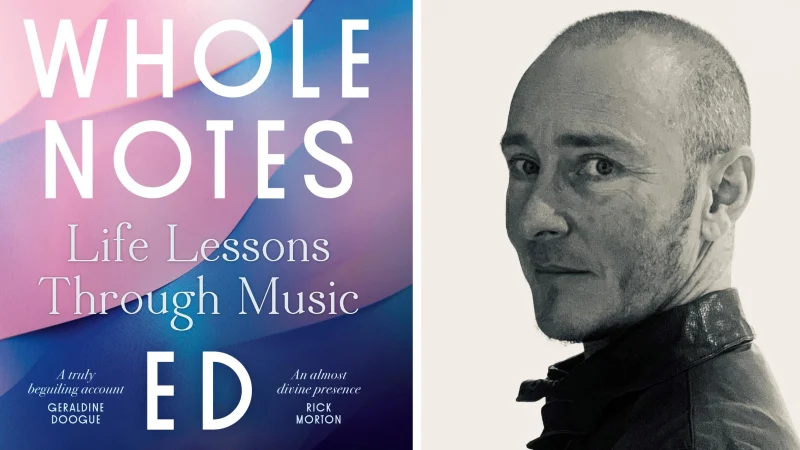
JD: Earlier this year I read Whole Notes: Life Lessons through Music by Ed Ayres. I’ve been recommending it to everyone and bought a copy for the RWCMD Library. It is about music, healing, the lived experiences of a transgender musician, teaching, learning and so much more. It also includes Spotify playlists which enable the reader to share in some of Ed’s experiences which I thought was a lovely touch.

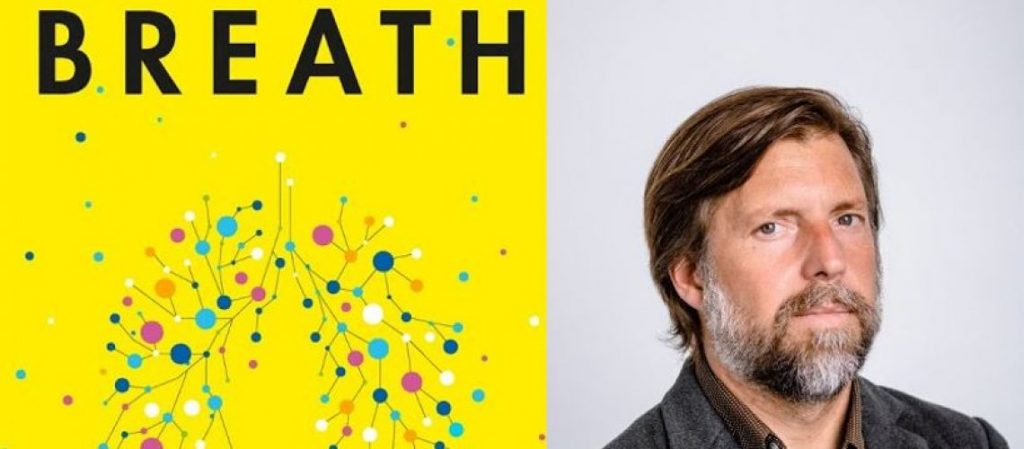
MG: Not my last but I am reading Breath: A New Science of a Lost Art by James Nester which is also available in our library. I’m only on the first few chapters but it’s one of those books that can challenge your perception on something we all do. I enjoy books that question the way we think about our bodies and mental health. I am also very keen browser of our art and design books, one of my favourites being Stages of decay by Julia Solis, a book depicting various theatres/performing areas in dilapidated conditions which are strangely beautiful.

“I truly believe it is an exciting time of positive change.” An Interview with Rebecca Jade Hamond.

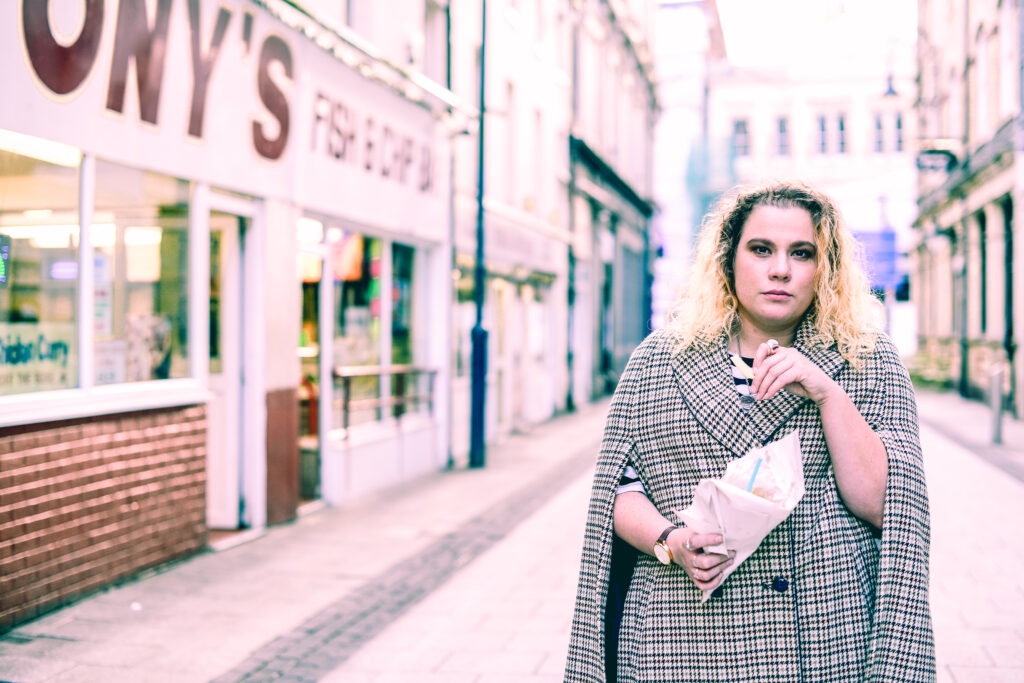
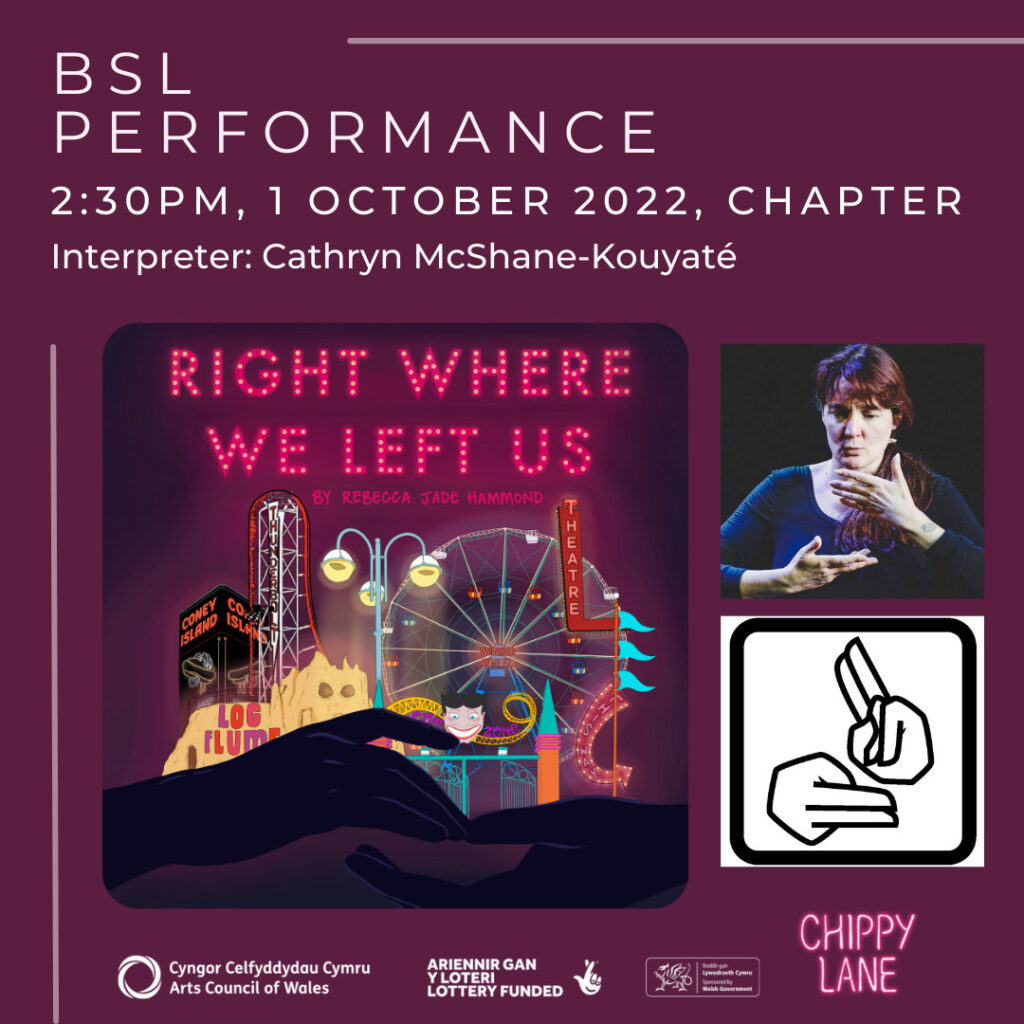
In our latest Playwright interview Director of Get The Chance Guy O’Donnell chats to Welsh Playwright and Director of Chippy Lane Productions Ltd, Rebecca Jade Hammond. Rebecca discusses her career to date, her latest play Right Where We Left Us and her thoughts on opportunities for Playwrights in Wales.

Hi Rebecca, great to meet you, can you give our readers some background information on yourself please?

Born in Cardiff, I am a Welsh writer, dramaturg, actor, lecturer and Artistic Director/Founder of critically acclaimed Chippy Lane Productions Ltd.

In the last few years I have been shortlisted for the Papatango Writing Prize, placed in the top 10% for both the BBC Writers Room and the Verity Bargate Award, and longlisted for Theatre Uncut and the Traverse Theatre. I recently worked with National Theatre Wales and Lagos Theatre Festival on a Writers Exchange. I am published by Methuen Drama and represented by The Haworth Agency.

Academically I lecture at Royal Welsh College of Music & Drama, Mountview and Italia Conti.

As an actor, I trained at Royal Central School of Speech and Drama and have appeared in several big television series including Bafta Cyrmru-nominated comedy The Tuckers (BBC), Silent Witness (BBC) and Trollied (Sky One), Mrs Sidhu Investigates (ITV) and I’m currently filming The Wet Look (Channel 4) starring Iwan Rheon and Steve Speirs.

So, what got you interested in the arts?

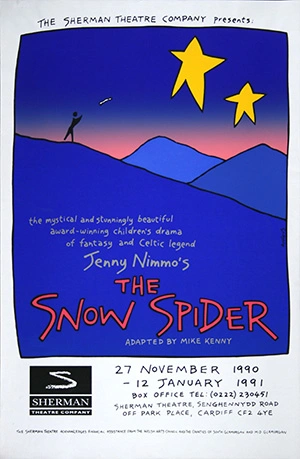
The first formative experience I had at the theatre was The Snow Spider (Sherman Theatre, 1993). I had no idea what I was watching but I knew I wanted to be part of it more than anything else in the world.

Credit John Angus

I think I’ve always gravitated towards the arts. Though none of my family have ever been interested in the arts, the idea of building and making something artistic was always something that felt natural to me. At a young age dancing was my life, I was obsessed with ballroom, disco, tap, ballet and cheerleading, until I realised I could sing. I remember being part of West Glamorgan Children’s choir and singing on my own at St David’s Hall at ten years old with a 120 piece orchestra and a full house and thinking, ‘This is magic! More please!’. That led me into Sherman Youth Theatre, Everyman Theatre and Orbit Musical Society. Then to University and Drama School at Royal Central School of Music & Drama. It is a path none of my family have walked, and at times has felt lonely but I have always taken what I do incredibly seriously.

Can you tell us about your writing process? Where do your ideas come from?

The play I have in production at the moment, Right Where We Left Us, is actually my fourth play. My first never got beyond a second draft, I hope to bring that back one day. It’s set on Gwaelod-Y-Garth Mountain and it felt so powerful finishing it. My second did very well in lots of literary competitions, and is another I hope to return to. My third is in development with a London theatre, so we hope and pray that it goes somewhere but one never really knows. You have power in your pen but beyond that you need to find an advocate and believer in your work to take it to production.

I have written about grief, grooming, county-lines, ambition, war, death, PTSD, youth, mental health and love. An eclectic mix but on reflection what binds them altogether is the human heart. The human reaction to these epic themes. I am consumed with how we pick ourselves up from the rubble of trauma and try to get back to life, back to home, back to some form of peace and solace.

In terms of my process, ideas and inspiration come to me in freefall, and get noted on my phone. The list is seemingly random and pretty extensive, a snippet would include:

  • Bricks
  • Reckoning
  • Patterning
  • Horn – Nick Drake
  • The ecstasy of quietness

I look at these concepts and ideas as seeds that I can come back to later when I eventually get back to writing something new again.

Can you describe your writing day? Do you have a process or a minimum word count?

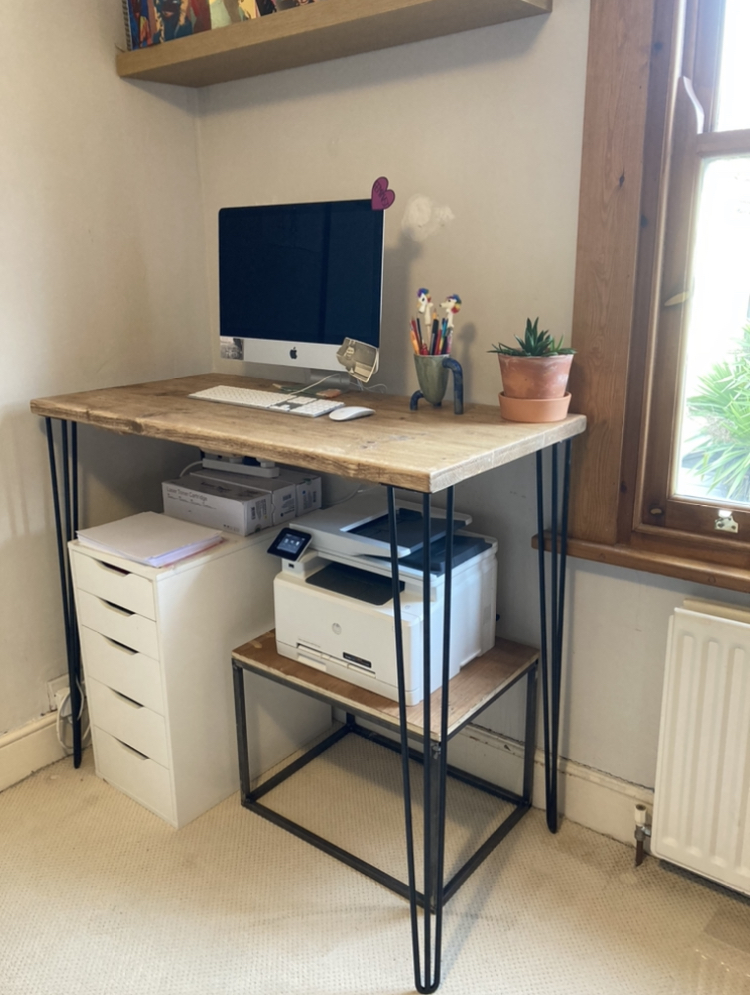
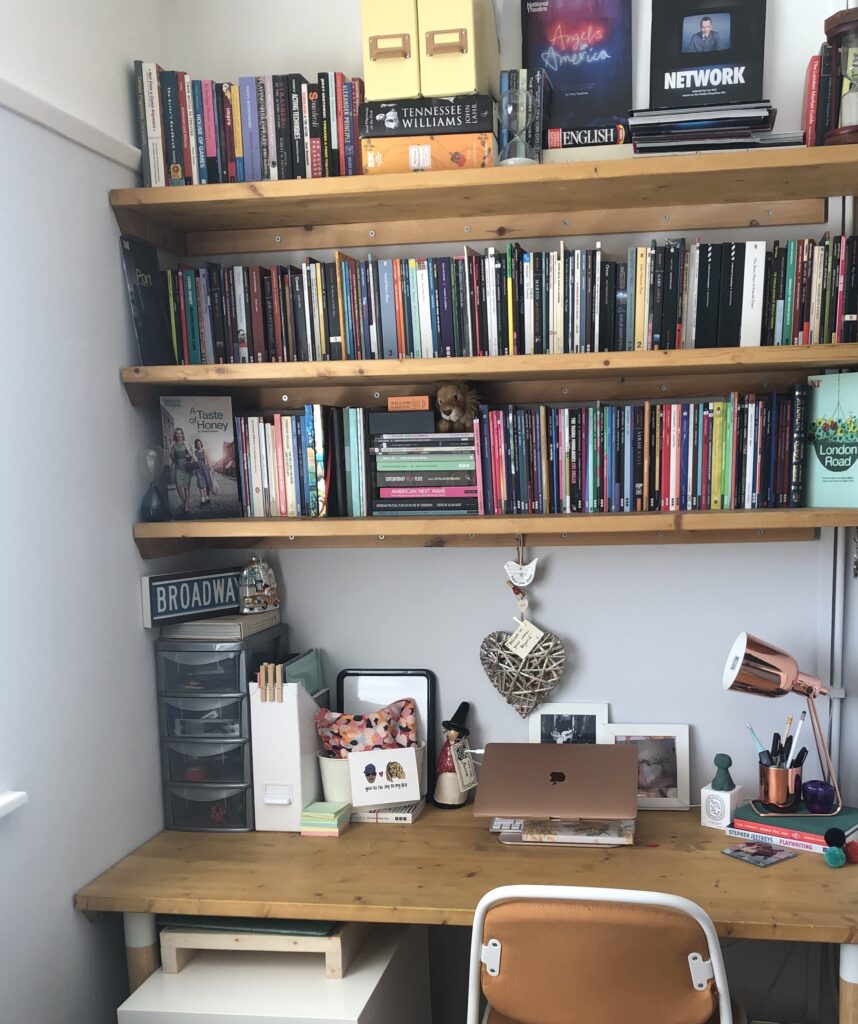
My process usually consists of mornings in my writing shed or at my desk with a Spotify playlist. Or in Cafe Nero in Wimbledon (the staff even know my ideal spot now!) – I need background hum as I can’t work in silence and I love a little bit of chaos and life. I then walk the dog in the afternoon to debrief with myself. I tend to take more time on things than I used to. Allowing more time between drafts to digest and move forward. Things always come out in the wash when you give it the time and space to breathe. I don’t have a word count or page count. I tend to write for as long as I can handle it and have been known to write for twelve hours without eating if I am in the zone, but wouldn’t recommend this!

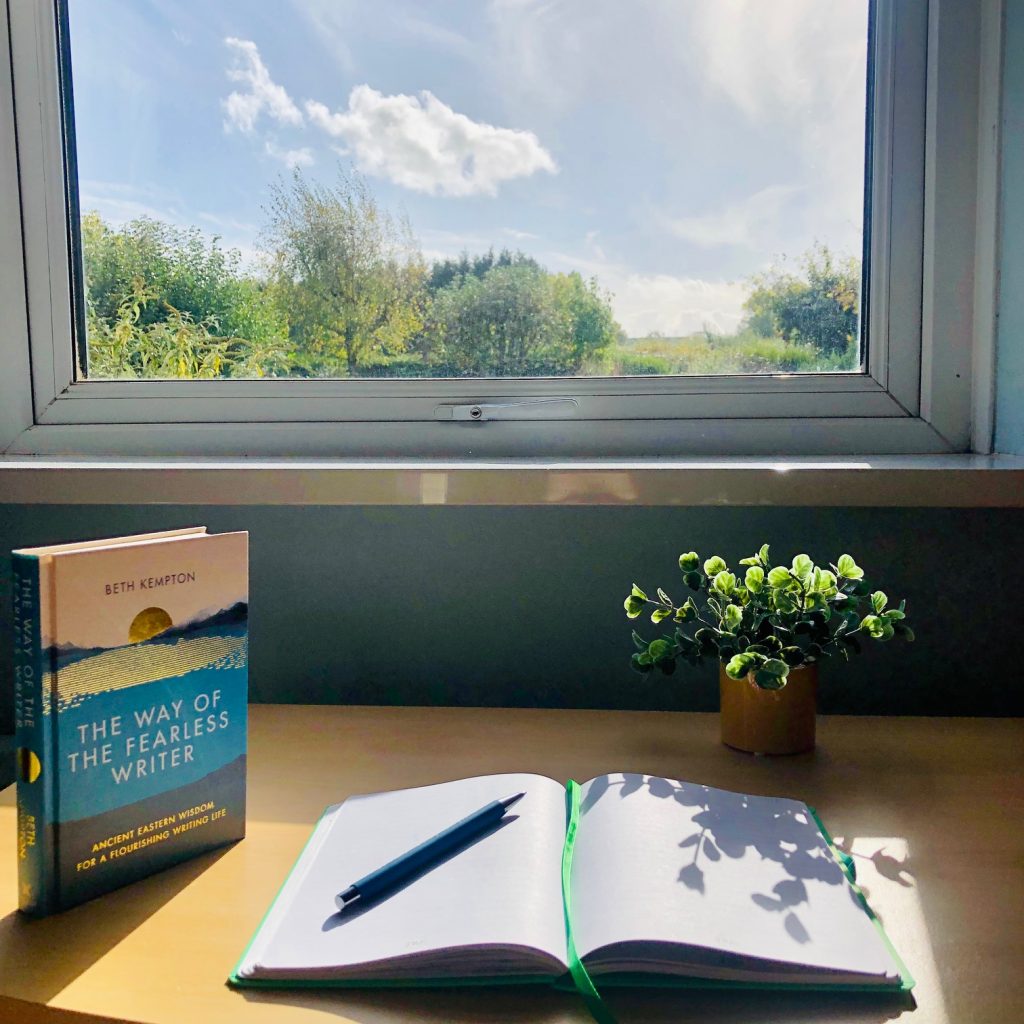
Rebecca’s Writing Desk

Your latest play Right Where We Left Us , is described as “a heartfelt examination of what happens instead of “happy ever after” Where did the initial spark for the play come from and can you update us on its development?

This play is an acknowledgement of the fragile nature of creative minds and a reminder that our industry is always in a state of delicacy. If the past few years have taught me anything it’s to keep the people you love close and to rid yourself of negative energies.

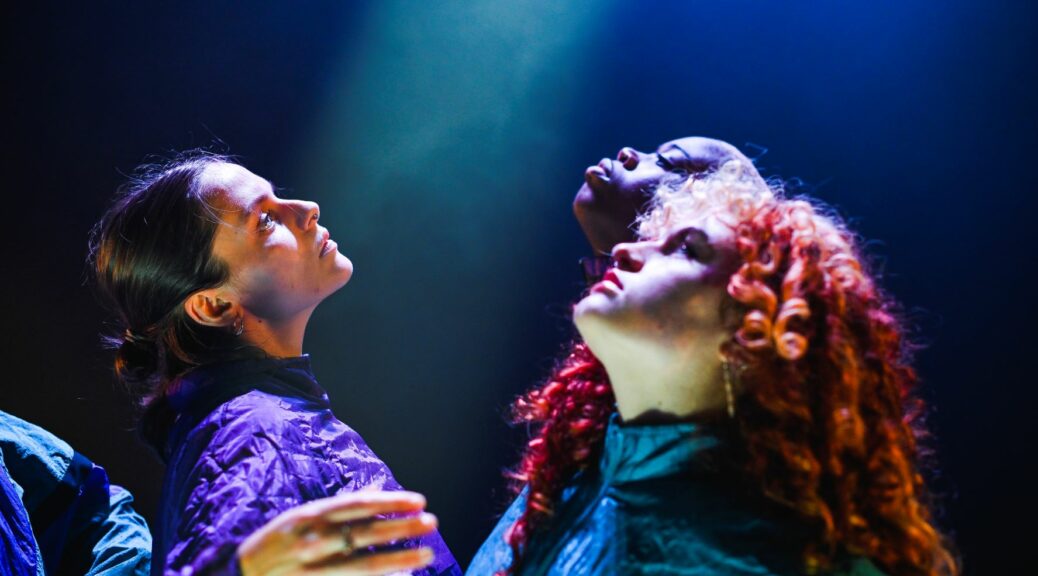
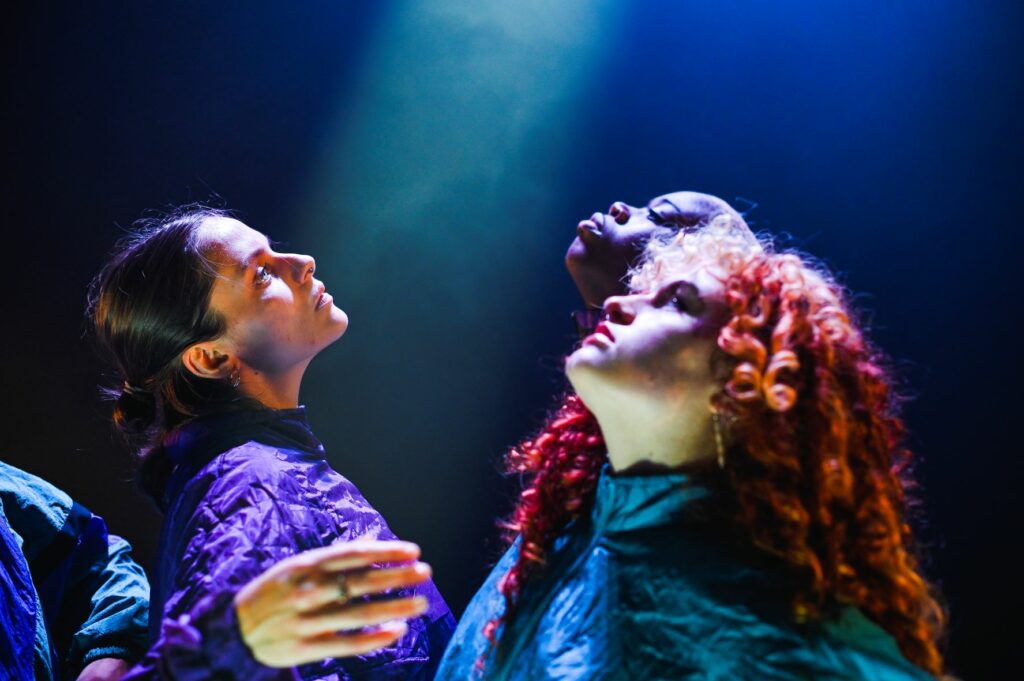
I wanted to write a piece that explored the murky world of creative collaboration and navigating professional and personal relationships. Right Where We Left Us explores the darkness of ambition and jealousy and how the healing of time can change your priorities and future plans. I long for it to resonate with so many and provide hope for anyone struggling to move forward. To know that you have the power to be ok. You have the power to change the narrative.
This play was born from the shock of having everything put on hold. As the third wave of the pandemic made it seem impossible to ever get back to the stage I wanted to write a love letter to creative collaboration and the great American memory plays.

The script has been honed throughout various development periods with support from The Bush Theatre, Paines Plough, Theatre503, Sherman Theatre, Chapter Arts Centre and The Carne Trust.

At every stage of development our audiences have seen themselves in the characters, feeling the frustration and longing of lost opportunities and lost love. Our urgency comes from the vulnerability and fear we are all experiencing as hundreds of us are forced to walk away and try to find a new path. We ask if it is ever possible to find fulfilment once the creative drive is gone? Are lost loves better left in memory? Can someone else ever give you closure? Will you alone ever be enough?

This production will reunite the Welsh creative team from sell-out show Blue, which The Guardian described as “smart and superbly acted” (4 Stars, 2019). Chippy Lane Productions are fast becoming one of Wales foremost new writing companies, at our core is a drive to champion underrepresented emerging talent. Methuen Drama have also agreed to publish this play.

The play will be performed by 2 alternating acting companies, this sounds fascinating, are you able to tell us more about this choice? Are they both performing the same play each night or will it be different?

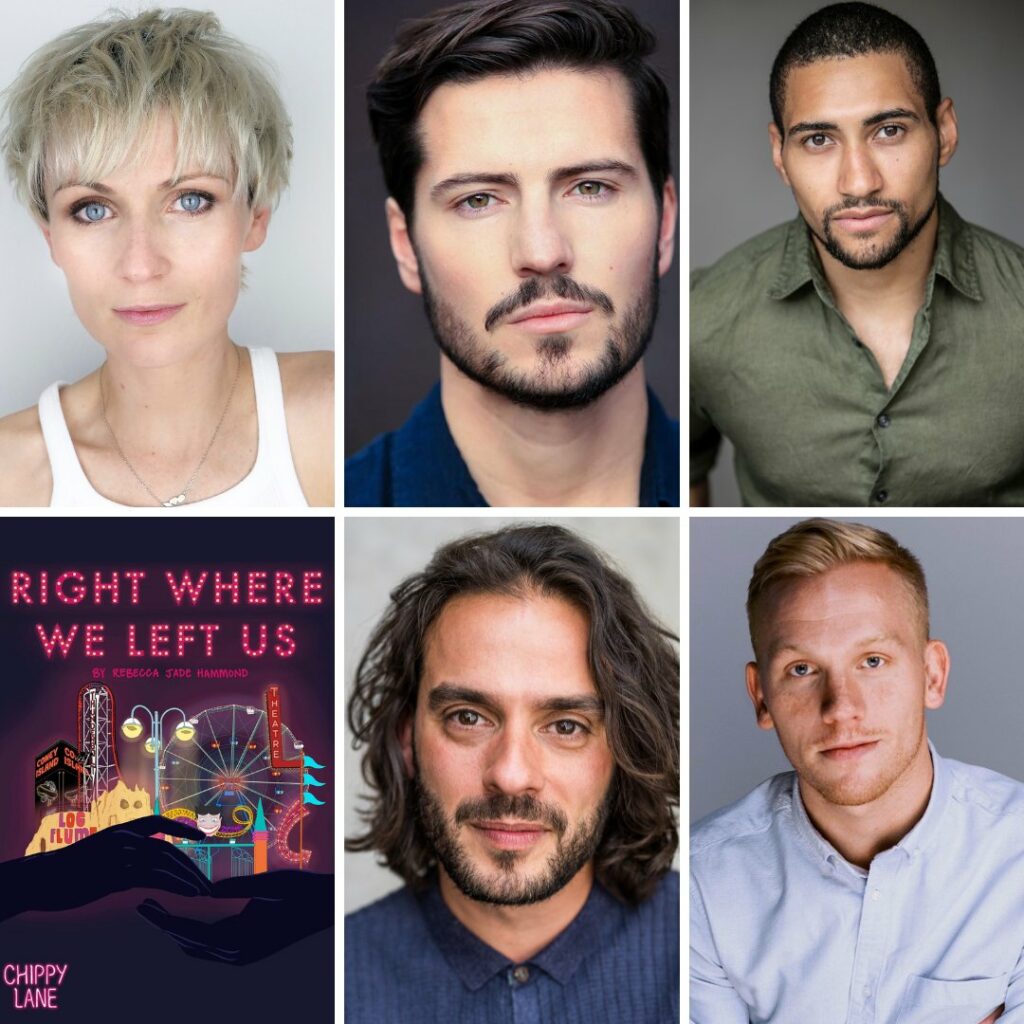
While the show will be performed by 2 alternating acting companies, the character of T will work across both casts. The companies will alternate shows and while the script will be the same for each, it’s up to an audience to discover the differences!

In the script, the characters have no assigned gender. So as we developed the play we workshopped the characters with actors of all genders. We soon found that the play resonated differently depending on who the performers were. The power dynamics across age, gender and class all changed the experience of watching the play and added nuance and detail in different sections of the story. We wanted to give the audience the opportunity to experience these different versions of the play as we are sure they will be able to see themselves reflected in the characters at different moments. Joyfully, it also means we were able to offer employment to two more actors, which after the past few years feels like a small win for a company who wants to champion Welsh and Wales based voices.

There are a range of organisations supporting Welsh and Wales-based writers. I wonder if you feel the current support network and career opportunities feel ‘healthy’ to you? Is it possible to sustain a career as a writer in Wales and if not what would help?

I wrote about this recently for The Stage as I feel really strongly about it.

The lack of funding across Wales for the arts directly affects a lack of development schemes that go beyond the beginning stages of playwriting. This means that the same canon of (mainly male) Welsh playwrights receive those rare opportunities of having work commissioned. This stunts the progress of more diverse writers, limiting opportunities to have their voices heard on Welsh stages and on stages across the UK.

In 2018, I set up the Welsh Female Writers Group in response to the lack of female voices being commissioned. My hope was to create an inclusive space for female and non-binary creatives to write, no matter their level of experience. More than 120 writers have joined our workshops. Some have gone on to work professionally for stage and screen, set up companies and collaborate together to make work. However, there are still many more voices struggling to get opportunities, commissions, productions and publishing.

I can’t control the future of funding in Wales, or improve the lack of programming opportunities at venues. What I can do is continue to shed light on this vital issue and keep the door open for any Welsh playwright wanting support from Chippy Lane to champion their developing careers. Chippy Lane prides itself on inclusive practice and will do everything we can to affect change in our sector.

If you were able to fund an area of the arts in Wales what would this be and why?

Writing initiatives and development funding for grassroot companies to pair with venues across Wales to make work and tell new regional stories that connect to the respective areas. We need initiatives that take playwrights through to productions. We need venues and companies to take the leap into programming newer / younger writers and supporting them with commissions so our cannon is more diverse and not the same voices heard yearly.

What excites you about the arts in Wales?

There is a wealth of exciting new talent coming through Wales. Whether born here or settling here to train, I truly believe it is an exciting time of positive change.

With the appointment of Chelsey Gillard at The Torch and Steffan Donnelly at Theatr Genedlaethol Cymru it feels like the theatrical keepers of the major buildings and companies are beginning to shift and change for the better in Wales. Along with new work being made by Mari Izzard and Nia Morais at Sherman Theatre, Katie Elin-Salt and Eleri Jones’ show at Theatr Clwyd in the summer. Emily White won the George Devine Award and Faebian Averies won the BBC Audio Drama Award and Connor Allen’s show at Wales Millennium Centre. It feels like the rumblings of more diverse theatre being made is happening and it’s exciting to see.

What was the last really great thing that you experienced that you would like to share with our readers?

I visit the theatre a lot. In 2019 I saw 147 shows and kept a spreadsheet of all of the productions I saw. For what? I have no idea, but for me one of the most difficult things about the pandemic and in particular 2020 was inability to frequent the theatre. In many ways the theatre is my church, a sanctuary for me to learn, laugh and weep. However, since coming back to my usual theatre-going habits I’ve felt like something was missing. I’m not certain whether it’s the heavy weight of the outside world seeping into the auditoriums, but nothing has really cut me deep or moved me since The Passover in early 2020 (pre-pandemic) until now.

The Normal Heart at The National floored me, it will be one that amongst the mountain of shows I’ve seen will sit with me always and I feel privileged I got to see.

After it finished I felt like I’d come through a war. I could feel the anger of Kramer’s pain in writing it. I felt helpless and powerless and thought about all the lives lost unnecessary. How they fought so hard for acknowledgement and support. It actually haunted me so much that I wrote to the Welsh government to ask if this could be considered as a key text on the curriculum for English and Drama.

“Don’t lose that anger. Just have a little more patience and forgiveness. For yourself as well.” (Kramer, L. 1986)

An Interview with Chris Durnall, Artistic Director, Company of Sirens.

Hi Chris so to kick things off, what got you interested in the arts?

A passion for books which I’ve never lost. The ideas contained within them have informed everything I’ve ever done. I love words but now I’m just as interested in what lies between them. There lies the drama.

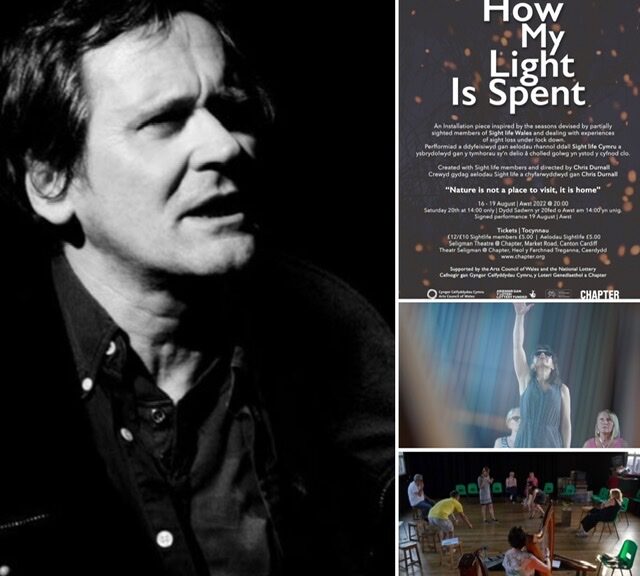
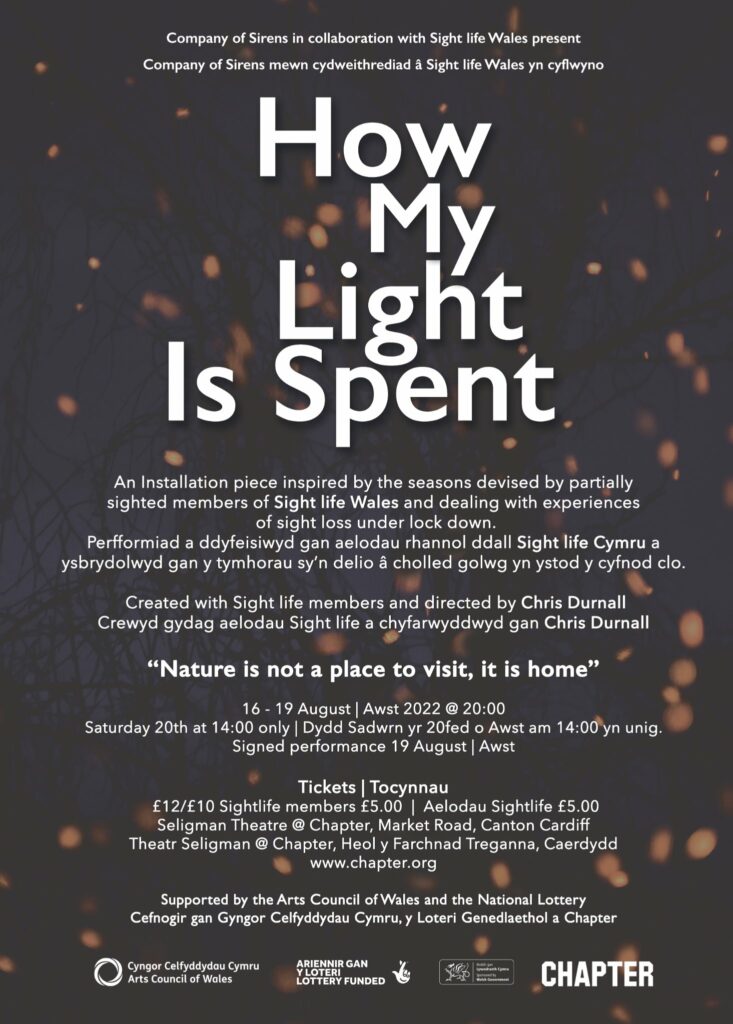
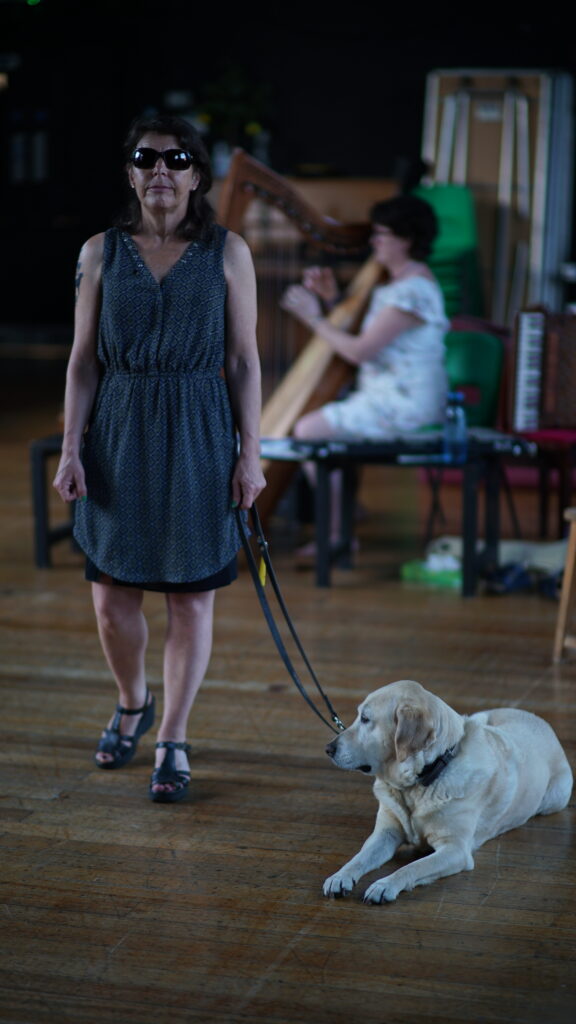
Company of Sirens is working with Sight Life Wales to perform ‘How My Light Is Spent’ at Chapter from the 16th – 20th August. It’s a production which is described as “What lies beyond the purely visual?” How did this project develop and what are your hopes for the future?

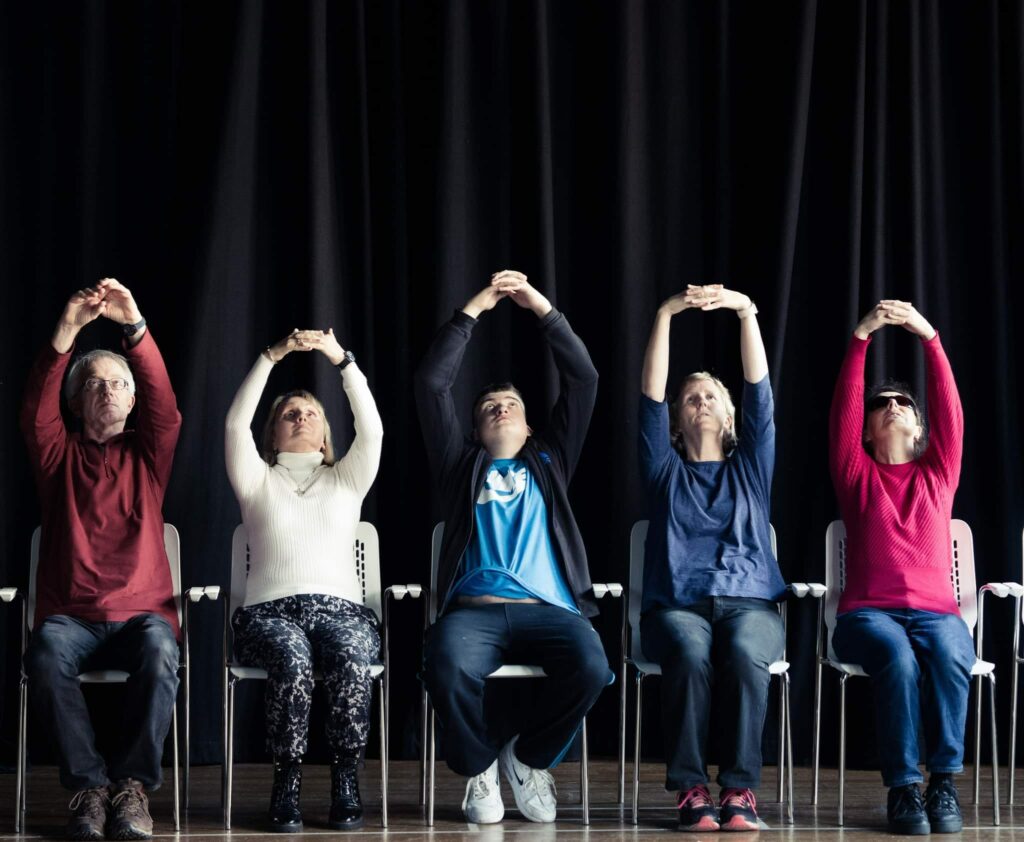
For me the attraction of working with the blind and partially sighted was to discover what was possible. Lock down was a double whammy for many of them, marginalised by their condition and the pandemic the situation became frightening as their interactions shrank further and for many disappeared totally. The performance tells their experiences of this time.  

Locating the performance in a forest creates an analogy between lockdown and being trapped in a situation you can’t see yourself emerging from. The only solution being friendship, support and in this case the kindness of strangers.

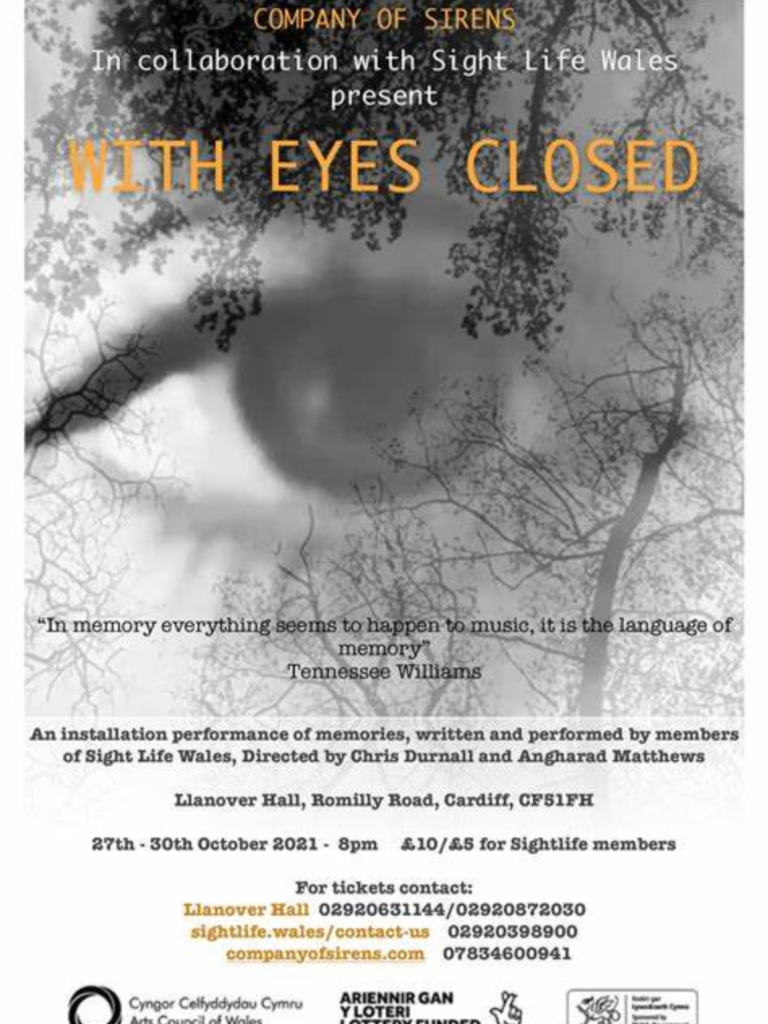
Last November we presented “With Eyes Closed” performed between both lockdowns. This proved a life affirming experience that audiences responded to and identified with.

Image from With Eyes Closed

With this new piece we wanted to look more closely at when and how each person’s sight was lost and how they have reconnected with some of the things that are important to them.

The copy for the work references the Covid 19 Lock Down. With the successful roll out of the Covid-19 vacancies, the arts sector is hopeful audiences will continue to return to venues and theatres. How do you think artists can best share stories of the recent Pandemic?

The pandemic was the seismic event of our time that artists will need to respond to. I believe this creative response will impact upon the nature of the work for some time. This project came from the participants’ need to express how lockdown impacted on their lives to a lesser or greater extent. There is much humor in the stories and definitely hope going forward.

If theatres want to attract audiences post Pandemic , what do you think they should do?

It seems that some of the ways theatre existed mid pandemic are here to stay in some form.

I personally feel separating theatre from a live and present audience response isn’t theatre. A live audience leads, creates and forms a performance. Without it you have only 50% of the experience. That’s not to say it can’t be appreciated online but you lose the power to inform the drama by your presence and direct response.

Company of Sirens have worked with members of Sight Life Wales before, how did this relationship develop and can you tell us about your creative process?

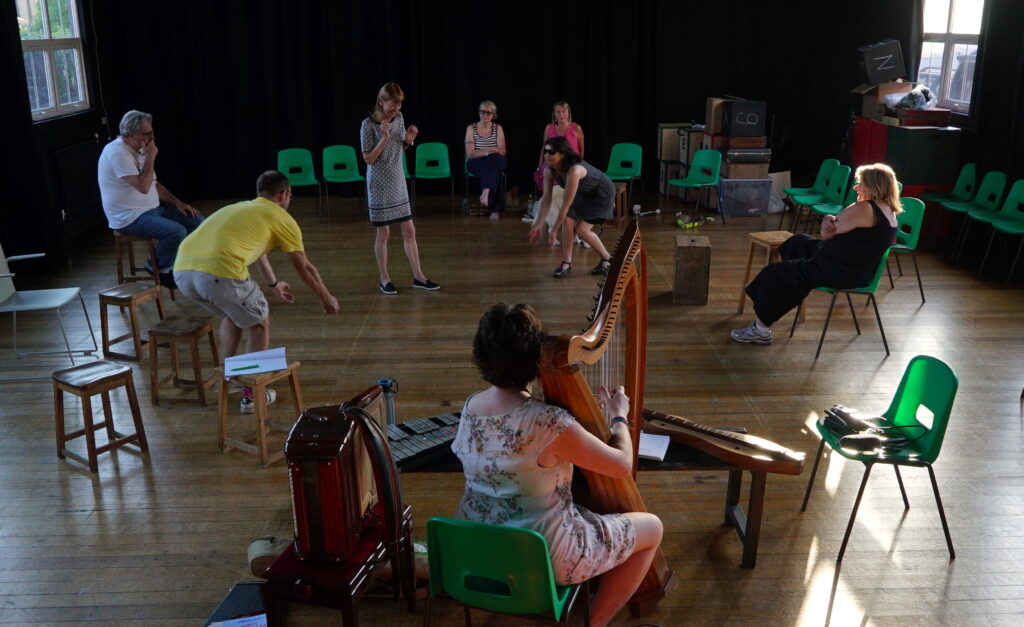
We led taster workshops three years ago in order to gauge interest and explore ways of working. The work is participant led while we as a company allowed their ideas to come to fruition. They learn skills, gain confidence and meet friends, while we explore a new and original way of extending our practice. 

My background stretches back  to working with companies such as Cardiff Lab, The Practice and collaborations and workshops with European artists. It is this visual and exploratory approach we look to introduce to the group.

The concept of people with sight loss participating in a highly visual performance style is an interesting paradox but hugely appropriate. Restricted by visual impairment the performers want the opportunity to move, and beautiful things occur.  

Get the Chance works to support a diverse range of members of the public to access cultural provision. Are you aware of any barriers that creatives or audiences in Wales face? If there are any, what might be done to remove these barriers?

I think it lies in the mindset of the creative. We deliver a large programme of work, working primarily with new writers and professional actors and creatives as well as the community and groups with protected characteristics..

I think to be inclusive is to approach each project whoever it may be aimed at with fairness and integrity. It’s a way of thinking that once embedded flows naturally into each process. I don’t believe imposing conditions aids creative work and development. We need to always take risks but that shouldn’t negate inclusivity. 

 If you were able to fund an area of the arts in Wales what would this be and why?

Experimentation, risk and the right to fail, without those factors the arts are a museum and we are treading water.

What excites you about the arts in Wales?

The fact that current directives will, I believe eventually lead to a fairer natural way for all people to experience the empowering nature of the arts, and that young creatives keep pushing the boundaries of what’s possible.

What was the last really great thing that you experienced that you would like to share with our readers?

Working with Sightlife Wales

Thanks for your time, Chris

You can find out more about How My Light is Spent and book tickets at the link below. All performances are Audio Described.

How My Light Is Spent (chapter.org)

companyofsirens.com

Review Messiaen’s Quartet for the End of Time & Montgeroult’s Etudes, Royal Welsh College of Music and Drama by James Ellis

 out of 5 stars (4 / 5) Messiaen’s Quartet for the End of Time
 out of 5 stars (4 / 5) Montgeroult’s Etudes

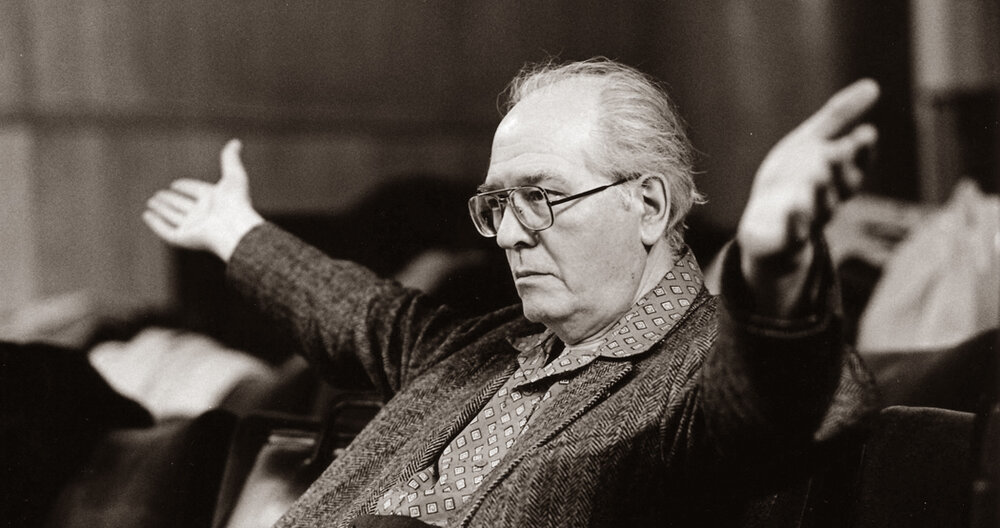
French music filled the Royal Welsh over the past few days. In a concert entitled ‘Beauty in Darkness’ has at it’s focus the Quartet for the End of time by Olivier Messiaen, written whilst at a POW camp in Poland during WWII. The surreal nature of the piece stems from biblical protheses of the end of all things. Whilst the first part of the night had an unclear focus on composers effected by the Holocaust, these were unlisted pieces, which had a laid back and cheery feel to them.

The Messiaen quartet has such a strangeness about it, it’s hard not to be taken along. The oddball mix of instruments (violin, cello, clarinet and piano) proves the oddness though the effect on an audience since it’s first airing in the actual camp, can’t be underestimated. A devout Catholic, Messiaen saw hope through the darkness of his circumstances. A sparseness fills the work as the clarinet gets a resounding solo filled with bird song and staggering breath work. The cello has an unbearable and moving movement in the middle, the violin at the end reaching a similar sadness. The piano throughout is pounding, ethereal. It’s easy to underestimate the quartet but when sat there listening you feel the true power of Messiaen as a composer.

Violinist Bartosz Woroch has had the honour of performing once again, this piece where it first premiered. Here he leads, his love of the work always present. Fine musicianship.
On piano, Ayaka Shigeno battles the outrageous nature of her role, almost being the back bone of the work in a fierce display. I’ve heard Robert Plane play this piece with his clarinet a few times, he was replacing another ill musician. If anyone can truly do this part, it’s Plane who always dazzles. The rapt silence which fills his solo, the shrieks and sweet harmonies in other parts. WNO’s Rosie Bliss on cello makes her instrument weep more than usual, in an offering of such touching beauty. Few pieces in chamber music are truly as touching as this.

Composer Hélène de Montgeroult is a new discovery for me. With recent campaigns from Clare Hammond, new ears will get to hear more of a woman who lead a stimulating life. An aristocrat who fled France during The Great Terror, she would later be nearly executed were it not for her rousing variations on the French anthem. I’d like to think that story is true, you can already see the feature film on her life. With an army of students from the college, an array of her Etudes graced a small but eager afternoon audience. How utterly charming these pieces were. Somewhere between Mozart, Brahms and early other romantics with her own voice ringing through. There was a spiralling technique, with moments of humble resignation and a confidence in its music making.

The students did an impressive job of bringing these fluttery etudes to life. There may have been a misstep here and there, but the whole concert remained a delight. Looking back, I’d say the Etude no. 28 in E major stayed in the mind. The left hand notation for Etude no. 99 in E flat major for two pianos was another highlight. With the amount of musicians on stage, it went along swimmingly with the occasional adjustment to the piano stool as brief rest bites. Promising young musicians played in this and we all hope their time at the college is fruitful.

The real question remains why she has been forgotten to time? Is it sexism or politics? This remains an unjust crime which is in need of swift rectification. Consider me a proud convert.

Clare Hammond’s recording of Montgerolut’s Etudes with BIS Records is due for release in autumn 2022.

Dance, science and digital collide in this new production by Jack Philp Dance.

With dates across Wales in Swansea, Cardiff and Bangor, this hour long evening of contemporary dance will take you on an abstract and athletic journey through the cutting-edge research of Professor Paola Borri. OPTO NANO was created with an exceptional cast of five performers and explores pioneering cell imaging techniques using microscopes and lasers. Using dance to bring biophysics to the stage, the choreography proudly champions collaboration from across different worlds in a dynamic burst of movement, light and colour. Powered by an electronic sound score from critically acclaimed Welsh composer R.SEILIOG, the work celebrates the arts and research that modern Wales has to offer.

Jack Philp Dance is lead by choreographer and director Jack Philp. A Wales based artist with a fascination for science and digital technology. Lead by the latest advancements in the world around us and driven by a love for the physical body, his work seeks to capture the wonder in those things through energetic, colourful and collaborative choreography. Jack has toured work with his independent collective as well as choreographed for companies and universities across the UK; presenting work on stage, film and for digital experiences. 

OPTO NANO tours Wales with dates in Swansea, Cardiff and Bangor from March – April 2022.

You can book your tickets here: https://www.jackphilpdance.co.uk/opto-nano-tour

3rd March: Swansea – Taliesin Arts Centre

19th March: Cardiff – Dance House

7th April: Bangor – Pontio

30th April: Cardiff – CULTVR LAB **immersive digital performance

Lockdown Artist Prints Being Sold to Support Community Work

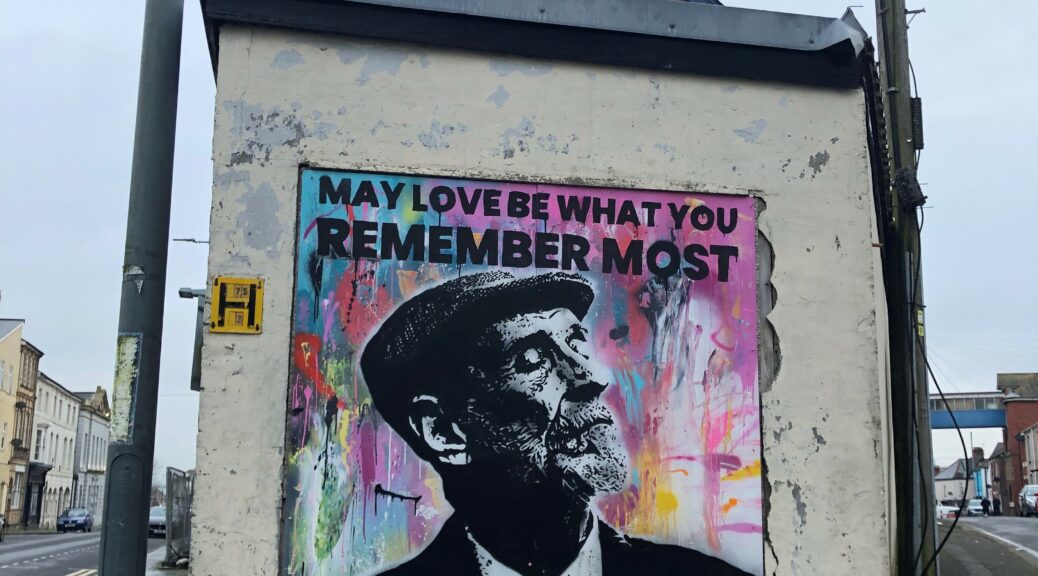
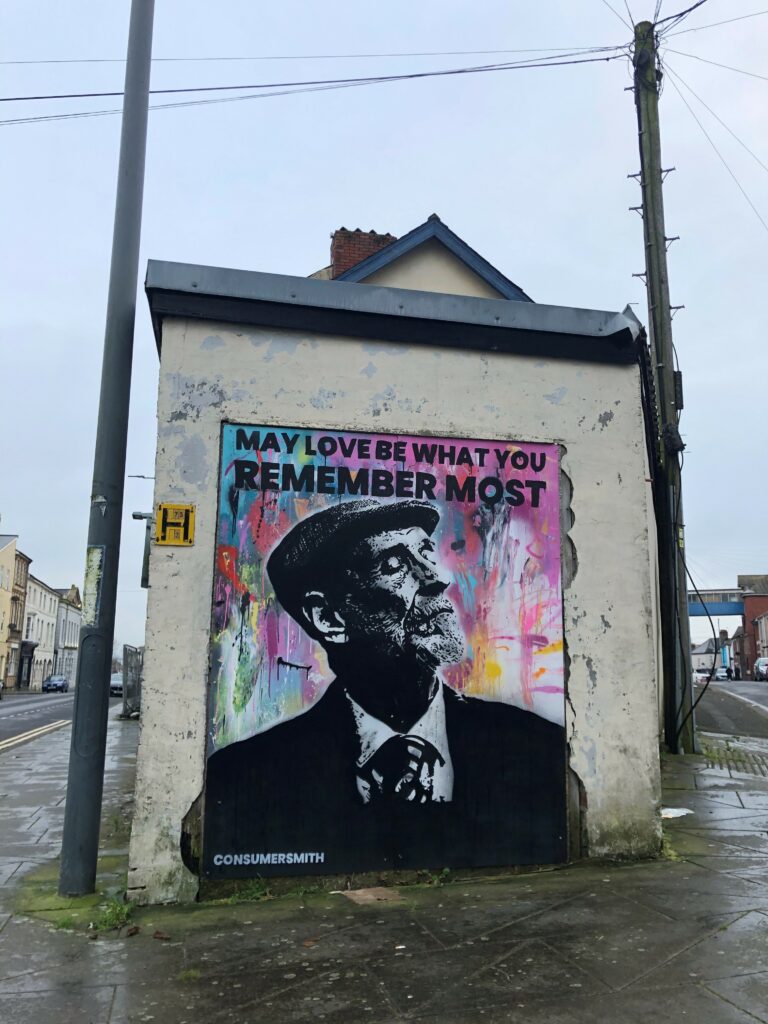
Local artist CONSUMERSMITH has kindly given The Riverfront Theatre & Arts Centre permission to sell prints of his headline-hitting lockdown-inspired street art ‘May Love Be What We Remember Most’.

The prints show the piece in its original home, the street where it was created, as a nod to the fact that it originated as a site-specific memorial for the coronavirus pandemic.

The money raised from the sale of these prints will go back to fund future projects that The Riverfront will be working on with artists and the community to bring people back together to enjoy the arts and being creative in person once again.

CONSUMERSMITH comments ‘I think it’s fantastic that The Riverfront are using my work to raise money to fund projects that will bring artists and the community together. The very nature of street art is being for the people.’

Sally-Anne Evans, The Riverfront’s Community Arts Development Officer adds ‘We are so honoured to be the home of this wonderful artwork. It was central to our community project ‘Share the Love’ that we ran while closed and now the piece is going to allow us to run more activities and reach more people now that we’re back open. As a registered charity Newport Live and The Riverfront are extremely grateful for donations and public support to be able to do a lot of the community work we do and we really hope that these wonderful prints prove popular so that we can use the money raised to run some wonderful workshops and community sessions. Lockdown showed us that the people of Newport love being creative, and we would love to be able to invite more people through our doors to join us for exciting new projects in 2022.’

Throughout the Riverfront’s closure the artwork was on display in the front windows of the building for passers-by admire. The piece stands as a memorial for life lost in recent times and during the pandemic. The elderly, the vulnerable, the isolated, the lonely, the people in care unable to be visited, so apt was its new home in the window of a building built for people to come together to socialise and share joy, yet a building forced to stay closed to keep people safe.

The piece will be on display in the Riverfront’s first floor gallery from the Art on the Hill weekend of 26-28 November through until the new year so that visitors can admire the vibrant portrait in person and up close.

The A3 prints of May Love Be What We Remember Most are available for purchasing at the price of £8 each from the Riverfront Box Office. You can view the Box Office opening times and find out how else you can support The Riverfront online at newportlive.co.uk/Riverfront.

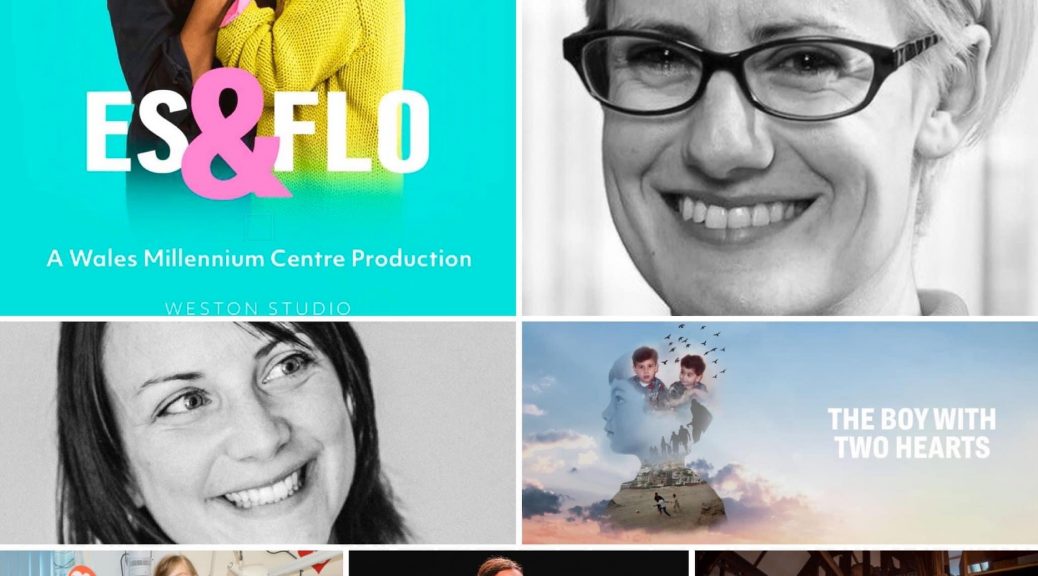
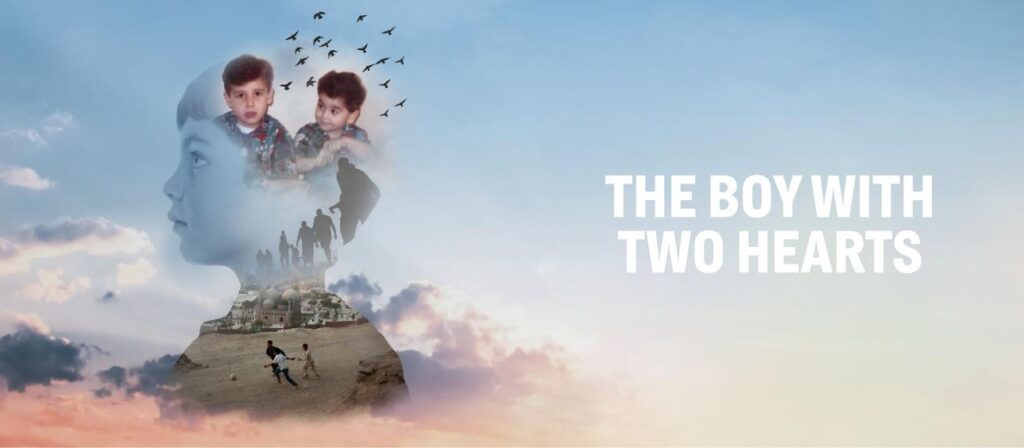
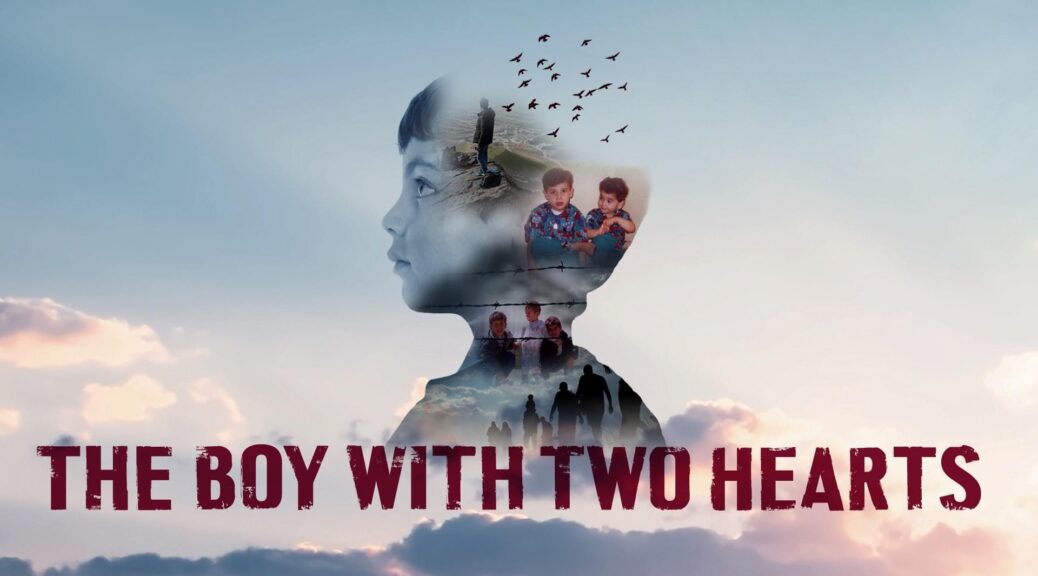
Review The Boy With Two Hearts, Wales Millennium Centre by Tracey Robinson

The Boy With Two Hearts written by Hamed Amiri, adapted for the stage by Phil Porter. Wales Millennium Centres’ first homegrown production since reopening and the first Welsh refugee story brought to the stage.

This true story moved me to tears, it was one of the most inspirational plays I’ve ever seen. This story could be happening today, with the recent events which has led to the fall of Kabul.

The play was performed by Hassam/Son (Shamail Ali) Hamed/Son (Farshid Rokey) Hussein/son (Ahmed Sakhi) Fariba/Mum (Gehane Strehler) Mohammed/Dad (Dana Haqjoo) and singer Elaha Soroor

In 2000, Hamed Amiri’s family have to leave their home and their life in Herat, Afghanistan. They need protection from the Taliban, who have issued a warrant to execute the mother, Fariba Amiri, for speaking out against the Taliban, demanding freedom for women’s rights. They also need medical help for the oldest son, Hussein, who has a rare, life-threatening heart condition.

Their journey leaving their home, learning to live with nothing, having to spend a long time on the road, never being safe, worrying every day whether they will ever make it to the UK, their “safe haven”, and having to put their lives into the hands of smugglers again and again is heart-breaking, one of many families who have left their lives behind to find safety in Europe and continue to do so.

Clothes hang from rafters above the stage in WMC and a disarray of suitcases and clothing are strewn around the edge of the stage. Creative stage captions set the scene and draw you in to the families fight and struggle but it’s not just about the hardship, it’s about fear, love, family, determination, courage and hope – these are the emotions that ignite a fire inside of you whilst you’re drawn into their powerful story.

The play is split between two emotional, nerve-racking journeys. The first shows the families cold and desperate journey through Moscow and then onto Europe, travelling by hiding in car boots, lowering themselves into the back of a lorry to hide from police and almost suffocating crammed inside a shipping container, without food or drink, however, these are only a small part of the family’s history. Their journey depicts how much they rely on the kindness of strangers, but we also see how so much cruelty while travelling to the UK leaves Hamed mistrustful of others.

The second path they take is through Hassam, Hamed and Hussein’s determination to succeed, once they settle in Cardiff, it also takes us on Hussein’s journey with the healthcare system for the treatment he so desperately needs. The wonderful vocals of Afghan singer Elaha Soroor, drifts on and off the stage throughout the play, observing the family’s’ heartache alongside the audience but also lending her haunting vocals, like death, to accompany the beat of Hussein’s heart, his fight for life and his struggle to breathe. Despite having been through the toughest times one can imagine, Hussein Amiri’s hope and positivity shines so bright and seems to have no ends.

The actors are so skilled at pulling you into every situation they encounter, drawing you into their love for one another and the pain they endure. This story is a moving and absorbing memoir, it is a very emotional love letter to the NHS. It oozes hope, courage and a love for life, it tells the story of how many lives a person can touch in just a short time and deserves to be shown to a very, very wide audience.

Participants call-out for Trawsnewid at Amgueddfa Cymru/ National Museum Wales

Trawsnewid is an Amgueddfa Cymru- National Museum Wales project aimed at LGBTQ+ young people aged 16-25. The project is run partly online and in person at the Waterfront Museum in Swansea.

The project explores queer Welsh history and the lived experiences of LGBTQ+ people living in Wales today through talks and workshops. There is also opportunity for participants to deliver their own talks and workshops with support from the museum. So far, the group have created a digital cabaret and a delivered a series of workshops for Swansea Pride and are working towards creating a museum takeover event and an exhibition at the Waterfront Museum in March.  

We are looking for new participants to join this project, so if you identify as LGBTQ+ and are aged 16-25 and would like to get involved with the Trawsnewid project, please email bloedd.ac@museumwales.ac.uk for more information. 

If you would like to watch the Pride Cabaret created by the participants of Trawsnewid, you can view it below:

https://youtu.be/7N7Kjj9TBW8

Review Leroy’s Laughter Line Up, Wales Millennium Centre by Yasmin Begum

 out of 5 stars (4 / 5)

Comedy has come a long way in Cardiff, especially in a city that is as heckle-heavy as Cardiff. It’s always been heavy heckle: there’s a certain je ne sais quoi in the air around the Taff and the Docks. Cardiff can make or break you as a comedian and/or your mental health.

Local Butetown resident, Leroy Brito (well known for his work on Tourist Trap and BBC Sesh) programmed a stellar line up at the Weston Studio of rising stars from across the United Kingdom including Morgan Rees, Priya Hall, and Yuriko Kotani.

The copy from the WMC read “comedian Leroy Brito curates this stand up comedy night featuring some of the funniest comedians on the circuit”- and they’re not wrong.

Morgan Rees

The evening opened with Cardiff boy Morgan Rees, with Brito compering throughout the evening. Rees is exceptionally funny, and may well become the next big thing in the comedy scene from Wales. Weaving in strands of his personal life with quotidien observations on the minutiae of the day to day life, I look forward to seeing more of Rees’ work in the future.

Priya Hall

Priya Hall knows her audience, and she knows her audience well. She memorably brings to life anecdotes of her family, the miner’s strikes, her (legendary) Nan. Priya is hilarious, and warmingly witty, and, like Morgan, is another up and coming comedian from South Wales. Brito’s gone out of his way to curate some of the best new talent from Wales on the Weston Stage, and it’s appreciated.

Yuriko Kotani

Yuriko Kotani is an England-based comedian, and called ‘one to watch by Time Out’. Kotani’s comedy is an absolute joy to behold, laying bare the intimacies of her experiences, and quotidien observations on the minutiae of day to day life. Kotani will be around for quite some time, and her career will continue to reach new heights with her groundbreaking comedy.

Brito’s work as a producer and a programmer is impressive, and amongst some of the best work seen at the WMC, both in terms of programming, and in terms of the talent on stage.  Comedy in Wales has been predominantly on Zoom: but it’s coming back with a vengeance.

Cardiff Calling, An interview with Photographer Zara Mader

Hi Zara great to meet you, can you give our readers some background information on yourself please?

My name is Zara, and I am photographer from and based here in Cardiff. My degrees are in English Literature rather than photography – I am self taught but I get some helpful advice from my partner who did study photography.

What got you interested in the arts?

When I was growing up, we always had books and went to the cinema, so that started it off I suppose. I still enjoy film and reading but it started when I was young. At Christmas we’d go to the theatre to but when I was a teenager, I became interested in Indie music.

Cardiff Calling (great name!) is a new project featuring brown and black fans of punk and goth music and fashion. We have really enjoyed looking at your photos to date on your Twitter feed. How did this project develop and what are your hopes for the future?

Thanks. The Cardiff Calling flyer is a mash up of the Xray Spex single sleeve ‘Identity’ and ‘London Calling’ album cover by The Clash.  This project came from an idea I had after I photographed fans of the punk singer/icon Poly Styrene. It has developed because I wanted to focus on brown and black fans of punk and goth music and fashion because as a brown person, I am interested in it, and I know I’m not the only one who is. It’s as though we go to gigs, buy the music, dress the part, but are a niche within a subculture and all I want to do is show some visibility.

A selection of images from Cardiff Calling are featured below

I would like to have an exhibition of this current project and I want to link my portraits with my street photography – both are mainly focused on the overlooked.  I would like to continue in a similar line of looking for and photographing underrepresented groups within Indie music with a particular focus on brown and black people. I will probably combine it with street photography in the future.

Over the last 18 months with the BLM movement and black history now being taught in Welsh schools do you feel artists of colour in Wales are now being fairly represented in education and cultural spaces?

I don’t think artists of colour are fairly represented and more needs to be done, particularly as we are part of Welsh life and culture. Therefore, it’s only right and fair that black history be taught in school, and it should start as early as the infant school. A movement like BLM is really important because being treated unfairly based on the colour of your skin is wrong.  It’s disappointing that black and brown people’s input is being recognised quite late in the day because of systemic racism but I am hopeful that representation in education and cultural spaces both behind the scenes as well as up front in the gallery/theatre/cinema space will be the norm sooner rather than later.

If you are interested in getting involved in Cardiff Calling you can contact Zara at zaramader@hotmail.com

You reference Poly Styrene in your work, why is she such an inspiration to you?

Poly Styrene is such an inspiration for me because she was one of only a handful of non-white people in a famous punk band and being a woman as well was quite extraordinary. Being half Somali and half British myself it was unusual at the time to see a woman with the same ethnicity as me who was famous. I don’t know if it was in her mind that she would be inspirational to a brown girl in Wales, but she was. There wasn’t the same type of language when I was growing up as there is today like ‘you have to see it to be it’. But it certainly helps to see people like you doing things you’re interested in.

Poly Styrene

Get the Chance works to support a diverse range of members of the public to access cultural provision. Are you aware of any barriers that creatives in Wales face? If you are, what might be done to remove these barriers?

I think certain barriers are a problem for creatives in Wales such as a lack of time and money. The creative industries aren’t given the same type of priority as more tradition careers such as teaching, law or medicine, they are also peddled as difficult to get in to and more difficult to sustain unless you get lucky, or you know the right people.  I hope organisations realise that opportunities need to be created that offer finances and useful links to people that need it. These offers need to be genuine and real for creatives, of any age, to build a career.


 With the roll out of the Covid-19 vacancies, the arts sector is hopeful audiences will return to venues and theatres. If theatres want to attract audiences, what do you think they should do?

It’s been a difficult time for a lot of venues, but the vaccine rollout has been a good thing to help arts spaces open again. I think theatres could consider cheaper ticket prices for a period, maybe approach organisations, schools and disadvantaged groups that may have less access to the theatre in general.

If you were able to fund an area of the arts in Wales what would this be and why?

This a difficult one. It would be a toss-up between cinema and photography, but I really enjoy watching films, so I’ll go for film. Also, I appreciate the skills involved from different parts of the creative industries that come together that get a film made.

What excites you about the arts in Wales?

What excites me about the arts in Wales is the array of talent here in different disciplines. Because we are lucky to have people from different cultures with careers as artists it adds a new aspect to arts practice here in Wales. We help Wales and its cultural output in a very positive way.

What was the last really great thing that you experienced that you would like to share with our readers?

I was given two Xray Spex 7 inch singles from a friend recently and because I have a record player I’ve been able to listen to them.  It’s made me listen to some of the vinyl I have and I really enjoy it. It’s a small thing but I appreciate.