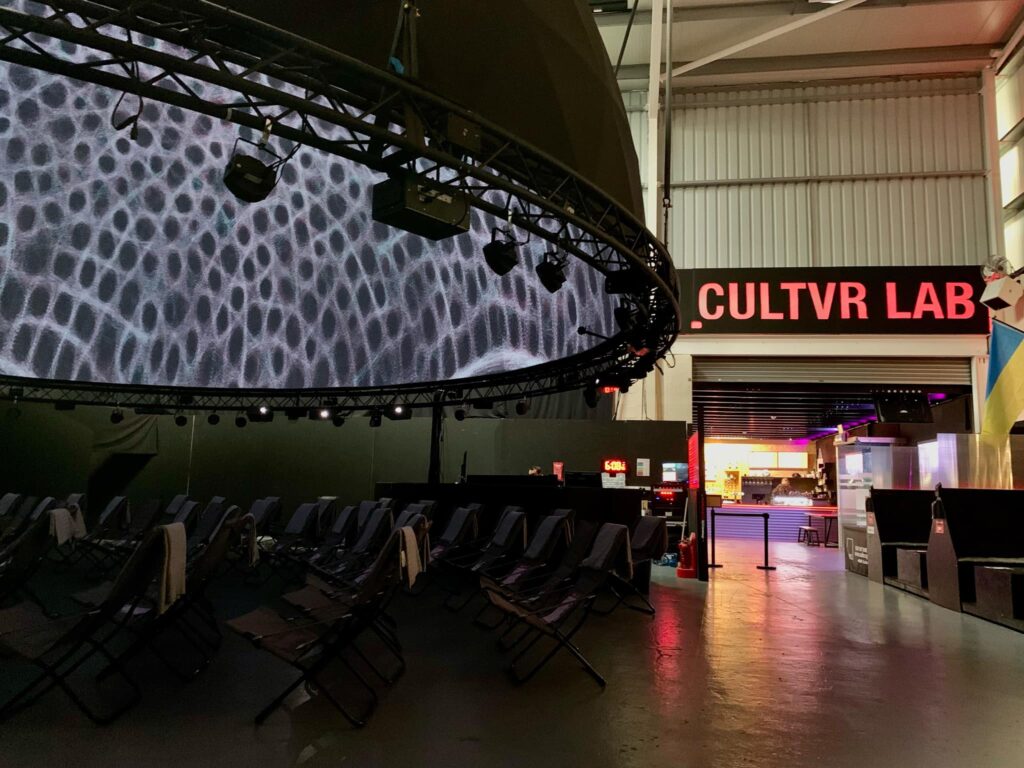
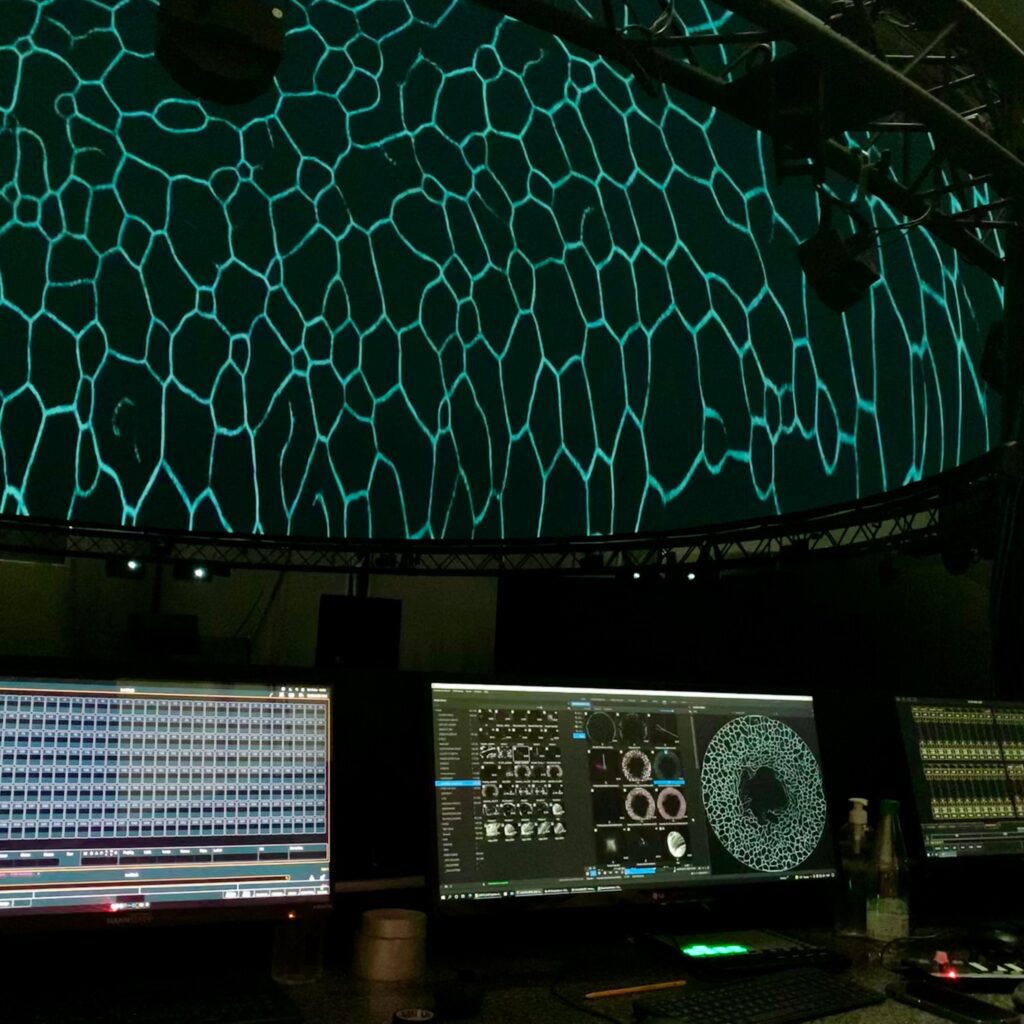
Choreographed by Jack Philp, OPTO NANO is a unique collaboration of dance, digital art and electronic music inspired by academic Professor Paola Borri’s research in biophysics. In the most recent version, adapted and performed within CULTVR LAB’s dome, we were guided through the journey that brought OPTO NANO to fruition through documentary style footage projected onto the dome’s interior.
Contrary to what one might expect from a dance piece inspired by science, Philp’s choreography isn’t clinical or soulless, it flows continuously in endless spirals and looks ‘at home’ within the dancers’ bodies, all of which are gifted movers. The choreography is particularly impactful through the lens of a moving camera and is complemented beautifully by the digital projections which follow, created by visual artists Uncharted Limbo Collective.
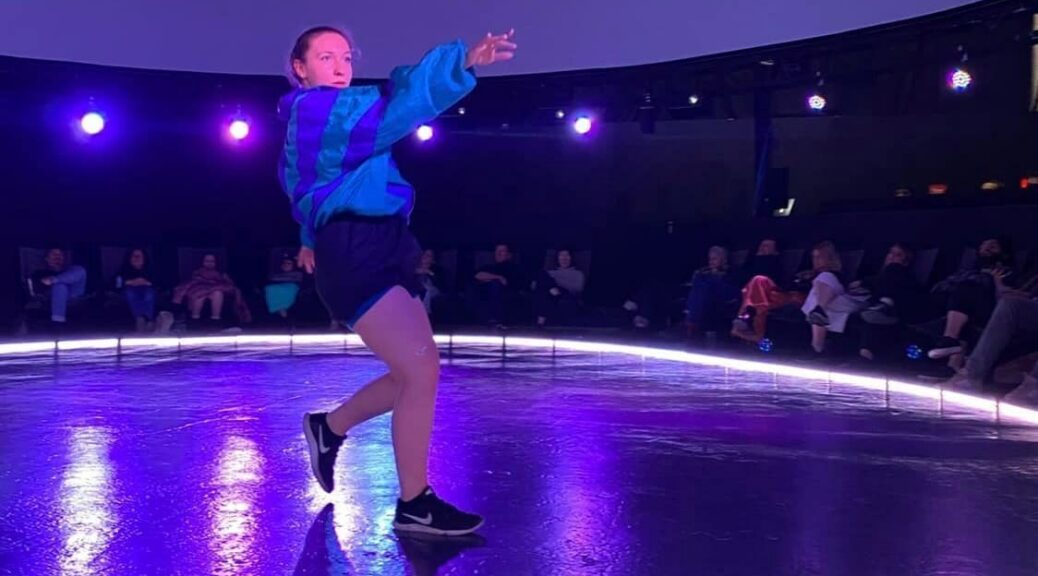
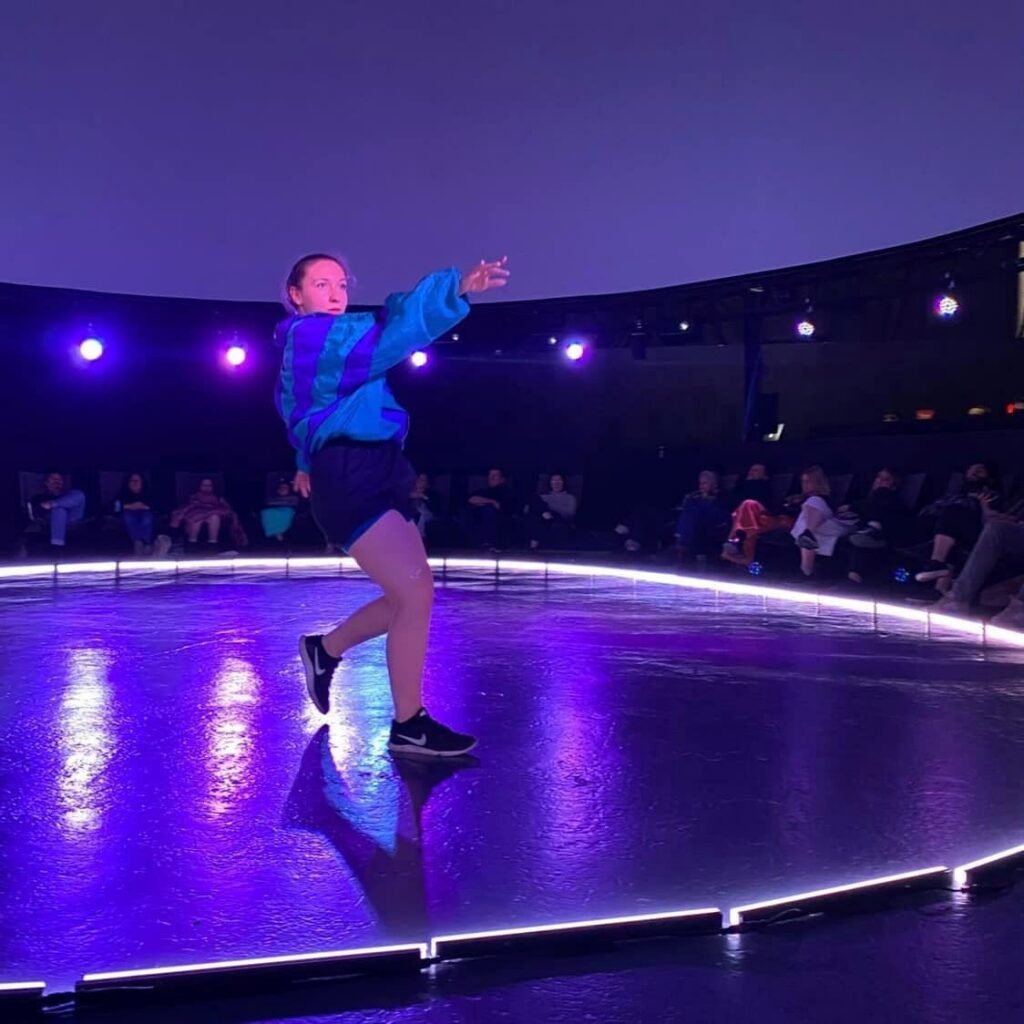
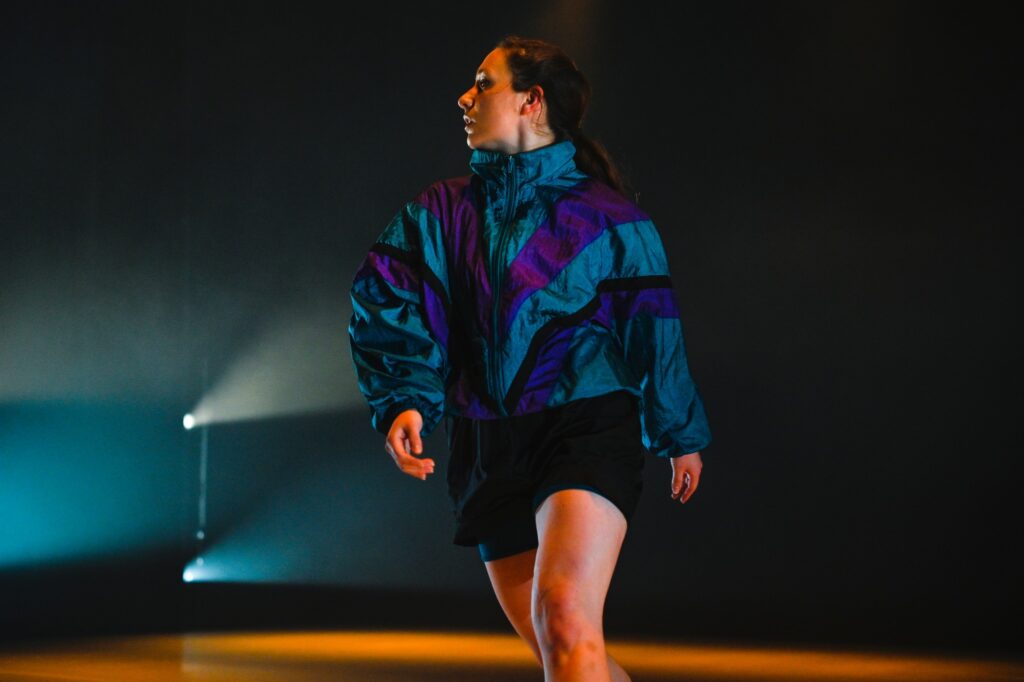
As enthralling as the show was so far, I couldn’t help but quietly hope for some live dance, so when Gaia Cicolani purposefully strode out into the space and treated us to some dancing, I was particularly pleased. It’s no wonder she is something of a muse to Philp; Gaia, a virtuosic and engaging dancer, performed Philp’s choreography with conviction and ease whilst also maintaining a degree of playfulness by occasionally making eye contact with us or by pulling our focus towards the hypnotic projections overhead. She lunged and spun in circular sequences, interrupted occasionally by delicate repetitive hand gestures and rippling body movements, hinting at vulnerability and introspection.
The live dance worked excellently in the round but was sometimes lacking a clear relationship to the digital art within the dome, not necessarily conceptually but more by design as it’s physically difficult to enjoy taking in both simultaneously having to choose one over the other in any given moment. However, the ominous electronic sound score by Welsh composer, R.SEILIOG was the glue between both dance and digital elements. Feeling the vibration of the beat pulsating through our bodies as we reclined to admire these elements dancing with one another was a mesmeric and unifying experience I shan’t forget.
When seeing the Royal Philharmonic there is always a mood in the air. Most certainly one of the finest orchestra’s on earth, any visitation to Cardiff is always welcome.
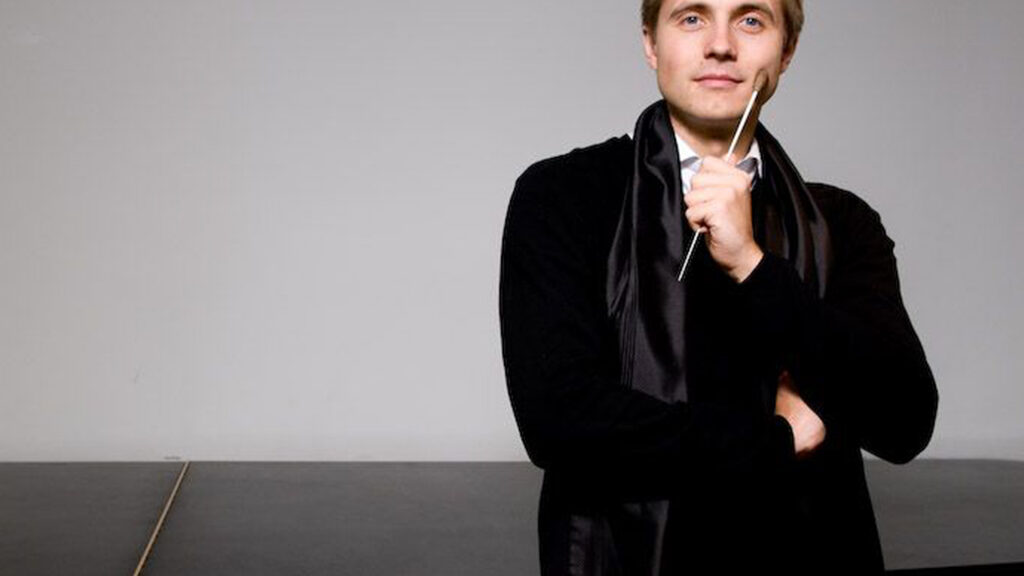
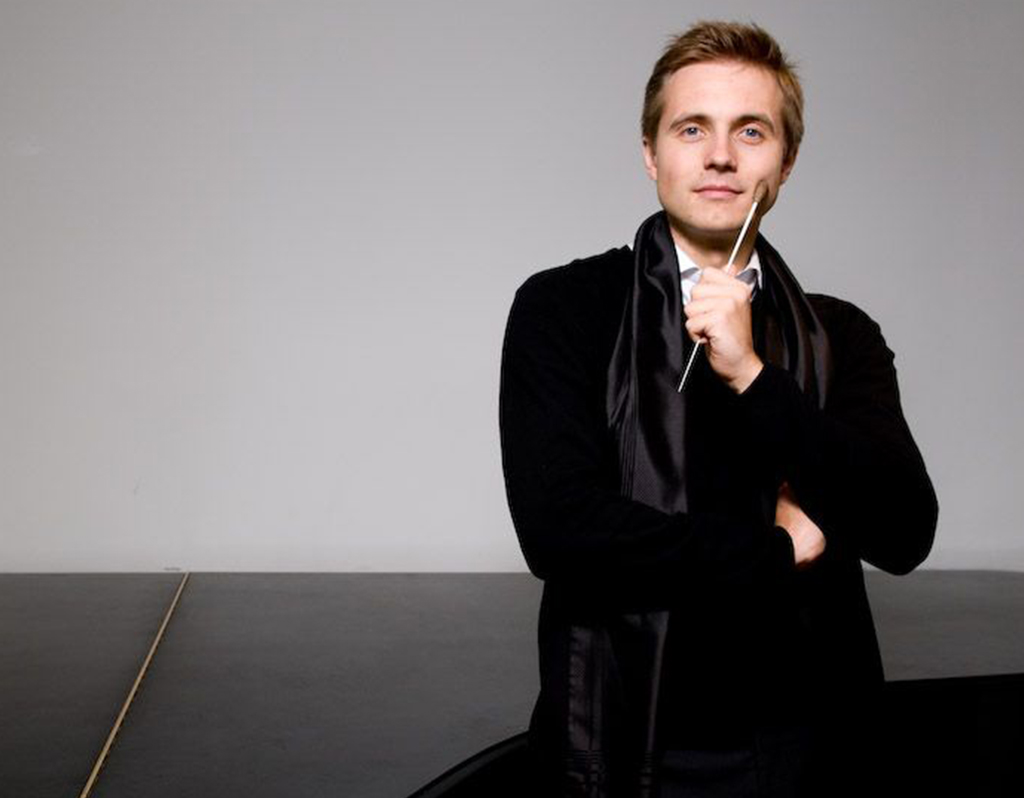
There was no collar-pulling with the presence of Vasily Petrenko, who has right denounced titles in Russian roles he has held. What is their loss, is the rest of the peaceful world’s gain, with a hawk eyed conductor with some showy gesturing and buzzing physicality. Walton’s Johannesburg Festival Overture is a new discovery for me, this brief starter for the 70th anniversary of the namesake city’s formation. It’s a romp, with strident dance motifs and a seething celebratory nature. Note worthy is the percussion including maracas and claves, adding to the sun kissed vibe. I would say I’d be down to hear that live again.
Another Russian exile would be Boris Giltburg, who on piano passed us by with Beethoven’s Fifth Piano Concerto. Known as the Emperor, this has many recognisable themes, the soloist having more subtle phases than the clamour the composer is usually known for. Boris grinds the piano, dizzying in his warm, rampant strides. Where the piece goes wrong is with a lot of time spent with the orchestra and not the piano, perhaps the biggest flaw of the piece. You do get those earthy, manic moments from Ludvig and they are forever embedded into classical music. Boris blessed us with a Rachmaninov prelude as an encore. It is easy to fall for Boris in moments such as these.
Vaughn Williams’ Second Symphony would end proceedings. Given the nickname “London” it’s easy to think of your own time spent in The Big Fog. The sweeping, large work is a love letter to the city, even with the fatigue one can feel from the place. The love-hate relationship feel is here, moments of jovial carnivals can be jarring and overblown. Vaughn Williams’ mastery over the English idyll still features here, some green spaces traversed sparingly. The fabric of the music might conjure up a soundtrack feel, images not always defined by a location. A harp clearly mimics the bells of a clock (perhaps Big Ben), though it does not complete the melody associated with the time and ends at what would state quarter to the hour. Contemporaries such as Holst and Walton offer shared harmonies and chords, the piece not always sounding as English as the composer if often accredited with. Quite charming.
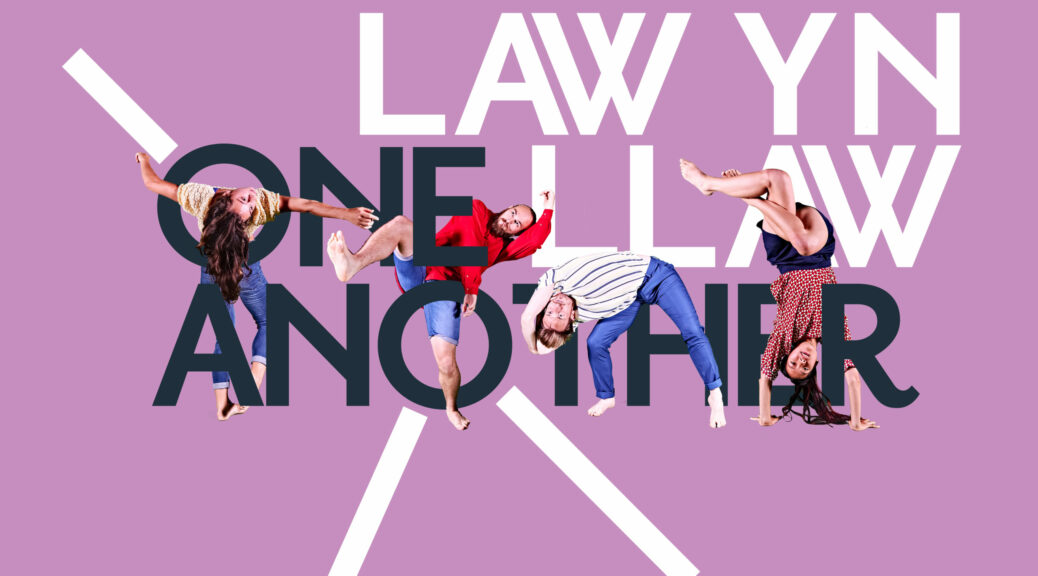
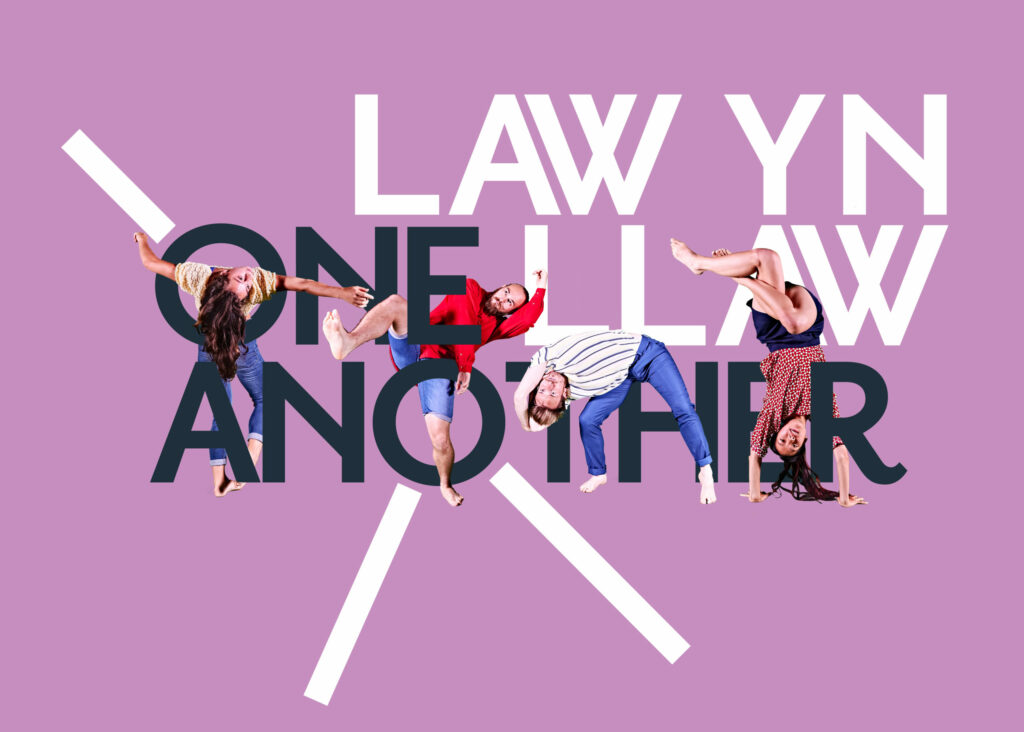
One Another. It’s a phrase we need right now. It’s a phrase used quite cleverly for National Dance Company of Wales’ latest show of trio dance pieces.
Wild Thoughts by Andrea Costanzo Martini began with a repeated phase for most of the dancers. A drone note loitered the space, as their daring physicality mimic the same poses started as a daring opening. Leading into a pumped up take on Head, Shoulders, Knees and Toes, the ensemble gave us an education of their bodies, in lighting speed including slapping, gurgling and shouting. It was the energy that came of each dancer that really stood out here, some humour as well also relaxed this Cardiff audience. It put a smile on my face and made me glad to finally be back at the Sherman.
A brief respite would herald the next piece: Codi by Anthony Matsena. On a much more series tone, we wallowed in the total misery that is the mining profession. Whilst Wales is famous for local pits, the universal theme rings true of manipulating the working man and the pillaging of natural resources. If slightly too long, the dance does have some raw moments filled with fury and an unflinching desperation. Dancers are clad in orange jumpsuits, the stage is darkly lit evoking the atmosphere, though more claustrophobia could have been evoked. The lamps on their helmets could have been used for even more of a nice touch. The somber mood was jarring in the three works, though there is a spark here…
From Caroline Finn came Ludo. Quite possibly the finest thing on the stage this night, an apparition of Kafka and Ingmar Bergman. Finn’s usually expressionistic and witty moves are never far away. Benches, a detachable table and a gramophone horn used to great comic effect make up the stage in an often dizzying display. The dancers really come into their own, facial expressions also being of the utmost importance in this fun filled, child like spectacle. The choice of musical selections also remand powerful including Schumann and Meredith Monk.
Truly a charming evening, I’m glad to see our National Dance Company out and about once more.
As Theatres look to reconnect with audiences again, National Dance Company Wales/Cwmni Dawns Cenedlaethol Cymru is back with an uplifting, energising and thought-provoking programme designed to awaken our senses and fire our imaginations.
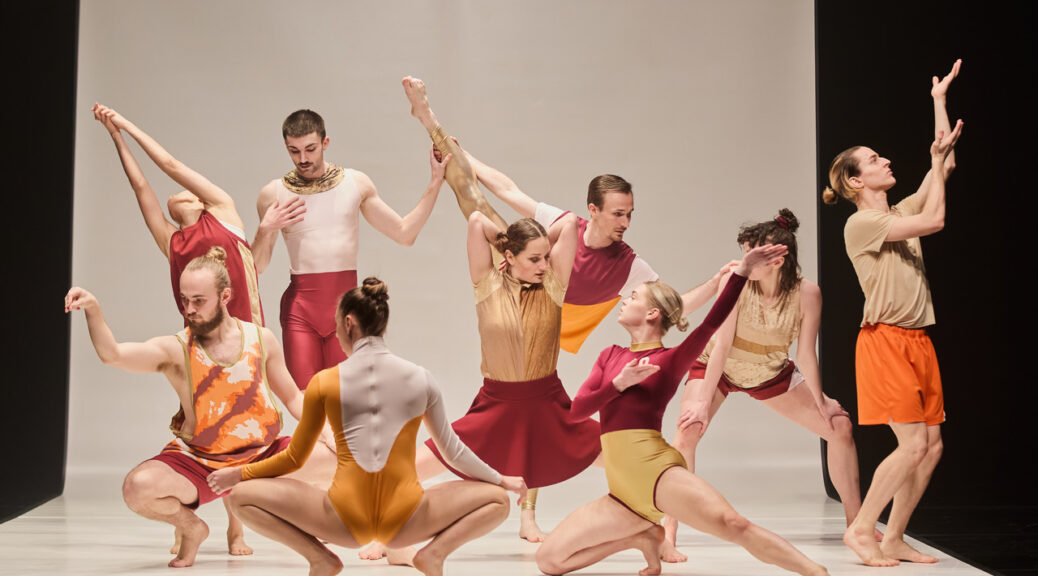
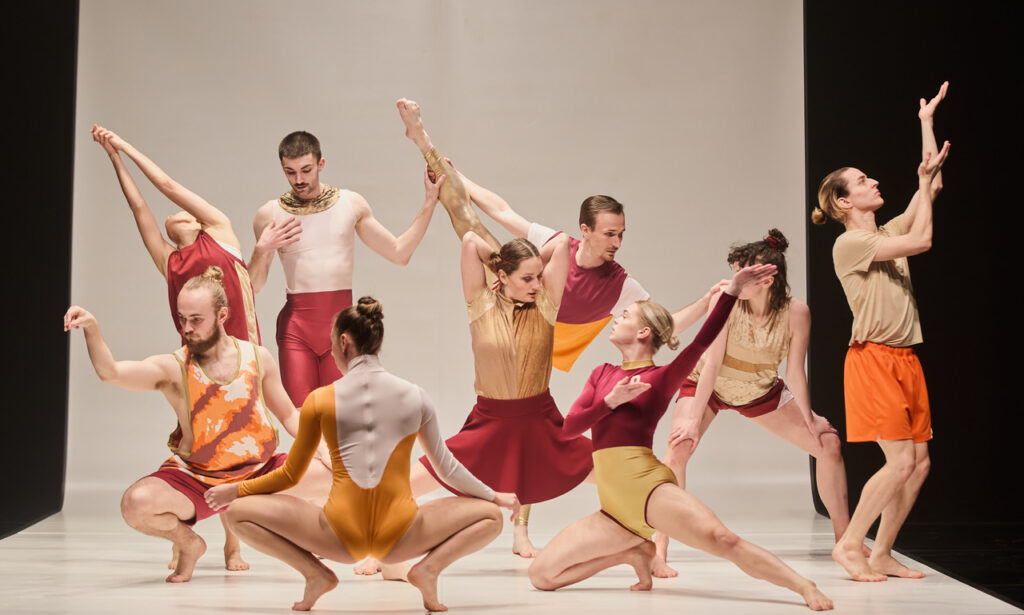
First up is Wild Thoughts by Andra Costanzo Martini, an entertaining piece designed to focus our attention on various parts of the body. The first few dancers open with identical moves, centred upon one downturned and one upturned hand (The Welsh title of this collection of works, Law yn Llaw, translates as Hand in Hand). Dancers appear to be grouped into balletic, athletic and playful typecasts. But soon the individuality dissipates, the music builds and there is a glorious band of dancers showcasing their bodily strength as one collective unit. The second half of the work is designed to provoke and amuse, with intense focus on each body part (together with sound effects – how did that achieve that rumbling stomach?).
The second piece is Codi (translates as Rising) by Anthony Matsena. The work centres around a fictional Welsh coalpit, skilfully lit with helmet lamps and infra-red lighting. Fiery orange overalls strengthen the feelings of heat and oppression. The piece feels well researched, illustrating the toil, disputes, fear, camaraderie and tragedy associated with the industry throughout Welsh history. The final section has the dancers performing as one, highlighting strength in unity and ending the piece with a sense of positivity and optimism.
The final piece is Ludo by Caroline Finn. It’s well documented that adults forget how to play, and that we would all benefit from harnessing the inner child in us. Here’s our opportunity. We sat back and revelled in the silliness of game-playing, teasing, dressing up, spinning around on benches with castors (which looked great fun). In fact there’s so much going on at once that it’s difficult to know where to look. Clothing is used to great effect in this piece, bright, stretchy one-pieces pulled in all directions and worn in crazy ways. A nod to whoever selected the music: a fantastic choice which complemented each section perfectly. I particularly enjoyed the build-up of Schubert’s Piano Trio No 2 second movement, Andante. A fabulously playful piece and just right to end this trio of works on a happy and uplifting note.
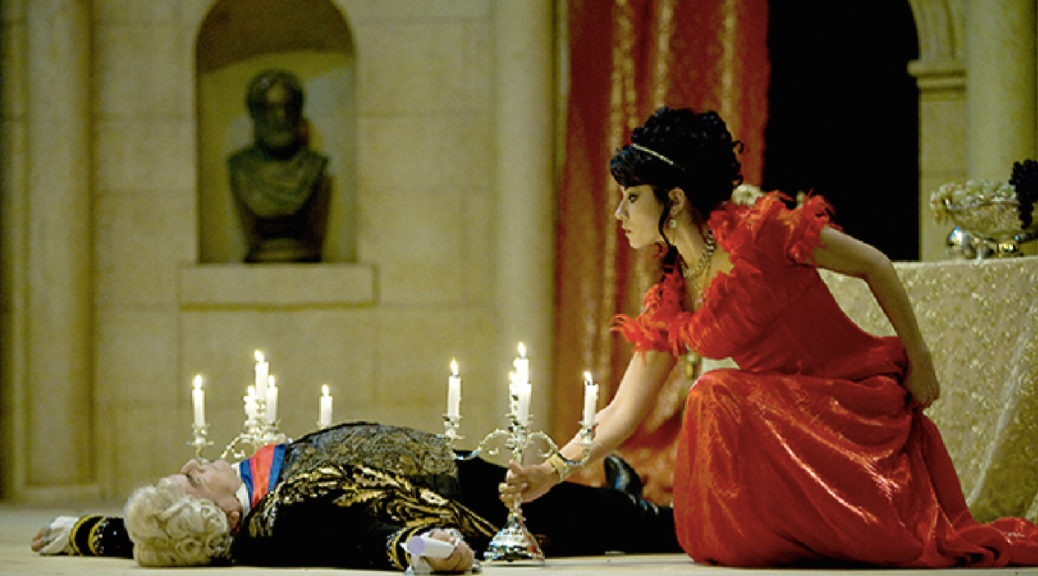
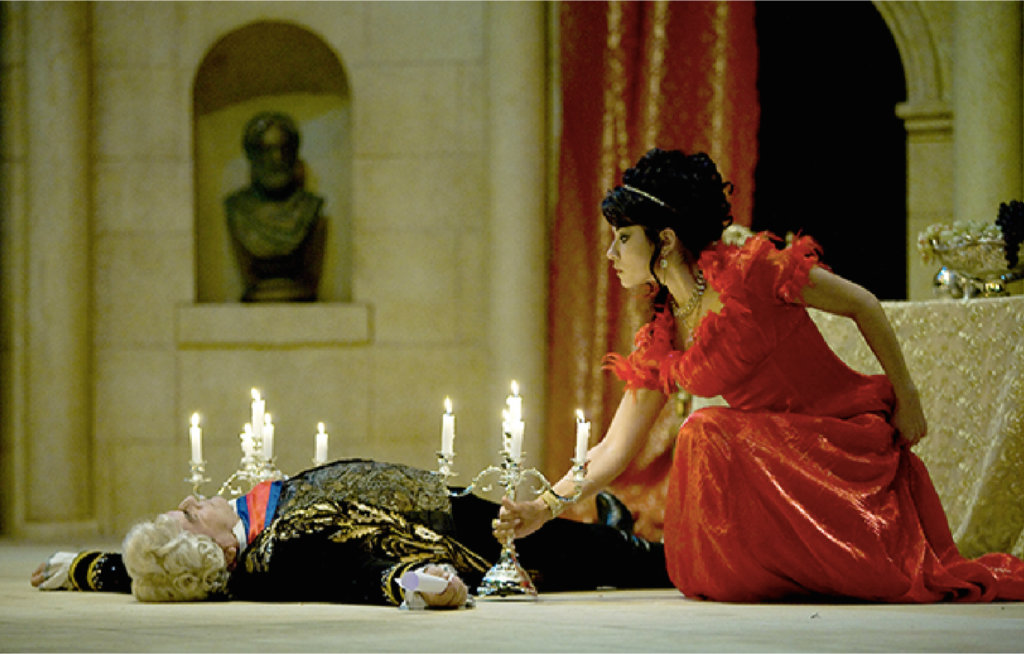
It was the Ellen Kent production of Madam Butterfly in 2020, that Cardiff would not be seeing. In a usual return, Tosca and Carmen would be back in the Welsh capital. I’ve seen Kent’s collaborative productions before, working extensively in eastern Europe, this recent venture a timely journey through the UK and Ireland with the Ukrainian National Opera of Kyiv.
Kent has truly done amazing work to introduce new audiences to opera since the early 90s. I’ll confess some of the marketing promises animals and water features, only to be present at a select venues. Though billed in the poster, we would not see any Royal Greyhounds in Cardiff, though there presence fleeting and a bit showy any. Maybe the appeal comes from seeing more traditional opera productions, most directors today awash in fanciful experimentation and warping of setting and costume.
This staging in St David’s Hall does not really impress. Some doors appear unpainted and undecorated, not ready for showing. Other gates should stay closed only to open again, breaking the mood of the final act prison scene. Tosca in one moment touched a pillar only for it to buckle again the wall. I’m thinking about the durability of these sets and probs knocking about the entire British Isles, though I feel a bit more work is needed. Stage hands arrive in tracksuits to hurl the furniture about, this ramshackle feel is never far away.
Having said this, the singing was just fine. Our Tosca is Elena Dee well armoured in the demanding prima donna role. Her famous aria is delivered with emotion and a well versed knowledge of Puccini’s vision. She shines well with the decent looking costumes, she parades through in the three acts. Her lover, Cavaradossi is here from Vitalii Liskovetskyi, another great venture. He is perfect for the role, a sweeping vocal line and tenderness are never far away. The villain Scarpia is Vladimir Dragos, who embodies the role with terror, a sexual predator who always gets what he wants. His downfall is always satisfying, mock booing is fair game at the curtain as Dragos comes out laughing. I remained unsure about the voice of Eugeniu Ganea as the escaped prisoner Angelotti, though this is a small role.
The subtitles above the stage could not always keep up with the drama. Conductor Nicolae Dohotaru held the tension throughout, though the orchestra may have had a little slip up here and there. For such a small orchestra they made a lot of noise and worked hard in the pit. Though I’m sure the tubular bells did not sound quite right. The chorus blasted out in the Te Deum, with Oliver Papadakis getting the pretty little solo as the Shepherd Boy.
Expectedly, the night ended with a rousing rendition of the Ukrainian anthem. Dee looked stoic here holding up the flag with Liskovetskyi, with some of the chorus wiping away tears. A touching moment, made all the more real for this opera company who’s thoughts are with home.
Tosca continues on tour with Carmen and Madam Butterfly.
What a vocal sensation Dreamgirls brought to the WMC last night, I loved every minute of it. Enter the glitzy glamorous world of the music business, where the public sees only what the business wants them to see. But scratch below the surface and you soon find the harsh reality of it all, the struggle to get into the music business in the first place, the constant fight to stay there.
The racism, sexism, financial exploitation, the backstabbing, the lies, the hurt and the fight for recognition in a world saturated by wannabes, has-beens, and could-have-beens, all still vying for attention, a taste of the highlife and a share of the money that comes from others hard work. The Dreamgirls has it all! Take away the back story and Dreamgirls is a visual and sound explosion.
The listener is immediately transported to mid-1960s Detroit. The music and songs are well written and typical of the era with the Motown sound very prominent throughout.
The show’s cast is incredibly talented and versatile, great acting, great dancing, and fabulous singers. No credit can be taken away from any of them, but some spine-chillingly brilliant solos stand out above all else and bring the audience to their feet. If you’ve seen Dreamgirls you’ll have lived these moments, if you haven’t seen it then I suggest you do!
We’re looking for someone to write or sign a creative review of the BSL interpreted performance of Ocean. You don’t need experience, you don’t need qualifications, just a willingness to tell us what you liked about the show and what could have been better.
You can send your review as a BSL video or a piece of writing. It will feature on the Get the Chance website and we’ll share it on the New Theatre’s social media channels.
Could this be you?
Email info@newtheatrecardiff.co.uk with a few words about why you’d like to be involved and we’ll get back to you as soon as possible.
Jim Cartwright originally wrote The Rise and Fall of Little Voice with Jane Horrocks in mind for the starring role. Horrocks had just appeared in Cartwright’s acclaimed debut hit, Road and so Cartwright had witnessed her perfectly mimicking the likes of Edith Piaf, Judy Garland, and Shirley Bassey throughout their time together at rehearsals, at the theatre etc. The story of a painfully timid girl living with her brash and drunken mother and only able to express herself through her uncanny impersonations of her favourite singers, made Horrocks a star overnight. The production at the Cottesloe Theatre, London (now the Dorfman) was an instant success and did no harm at all to the reputation of little-known, young director, Sam Mendes! There have been several revivals since and of course, a film adaptation also starring Jane Horrocks in 1998.
This revival certainly does not disappoint; the only issue with this particular production being a technical one. As the play begins, we hear music from an old record player, Mari, and daughter Little Voice, conversing over it. At first, I assume the idea is that the music’s drowning out the sound of their voices, the title character’s quiet, mousy voice exaggerated. However, as the piece unfolds, I struggle to catch some of the dialogue and hear other audience members speak to staff about the same problem in the interval. Luckily, this does not take away too much from the rest of the production and I have a thoroughly enjoyable evening at theatre.
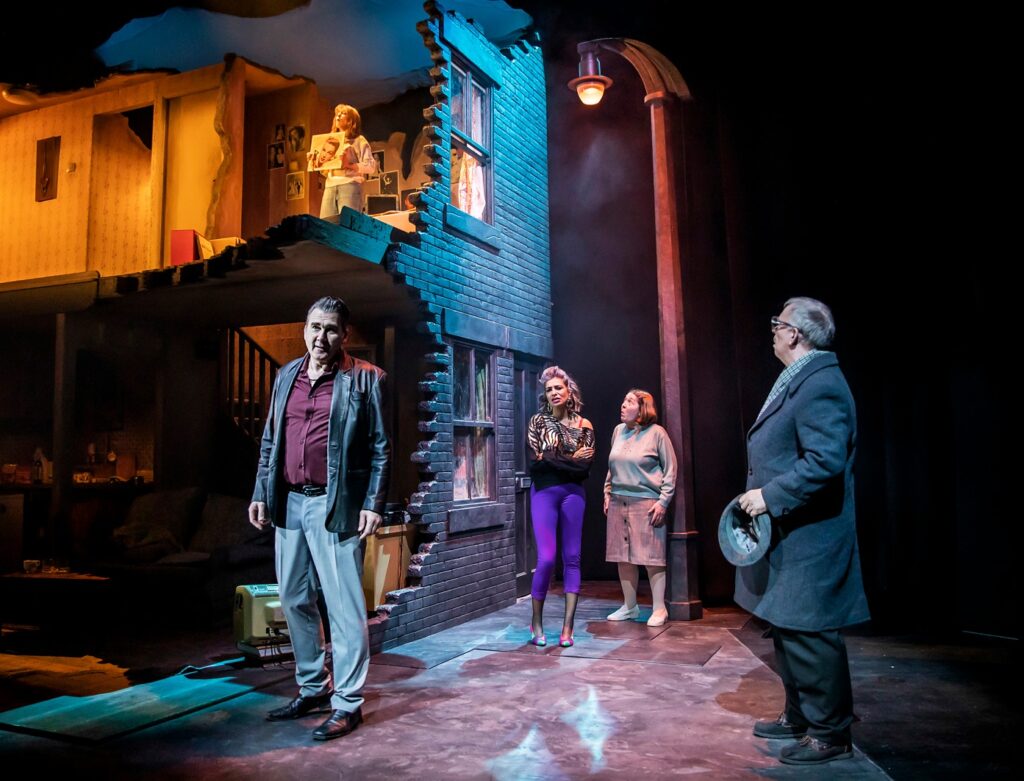
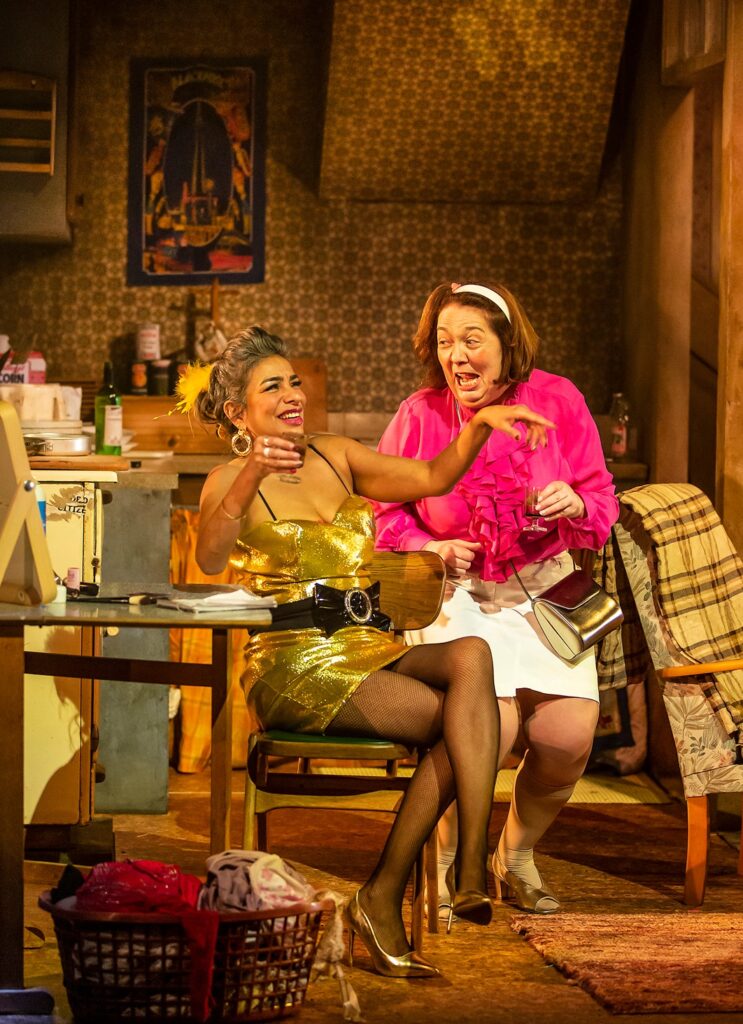
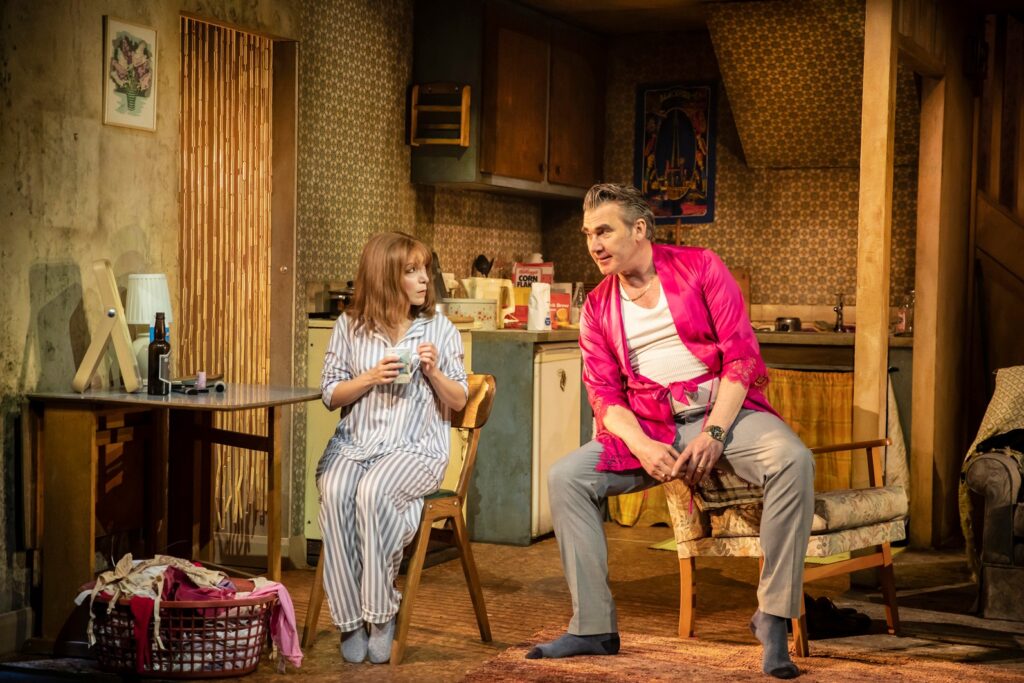
As the audience take their seats the curtain is open and we see a small, two-up/two-down house; clearly unkempt and unclean and somewhat dilapidated, perhaps to mirror their disorderly lives. Mari, a single parent who clearly enjoys a drink, a party, and a few men, is portrayed superbly by Shobna Gulati, who most will recognise as having played Anita in dinnerladies and Sunita in Coronation Street. For a start off, Gulati looks fantastic for her 55 years and stuns in iconic fashions from the nineties…leopard print, mini-skirts, sequins, and fishnet tights! This is such a well-written, complex character; fun-loving, sexy, brash, harsh, angry, emotional! Gulati’s comic timing is spot-on, and she gets across the gritty stuff beautifully as well. The character’s use of the English language also provides for lots of giggles with dialogue such as ‘you don’t know nothin’ about electrickery, do ya?’ and ‘you can imagine me feelin’s on signin’ marriage register… Mr. And Mrs. F. Hoff’! Cartwright’s script is certainly memorable and with its working-class backdrop, certainly has a feel of Willy Russell to it.
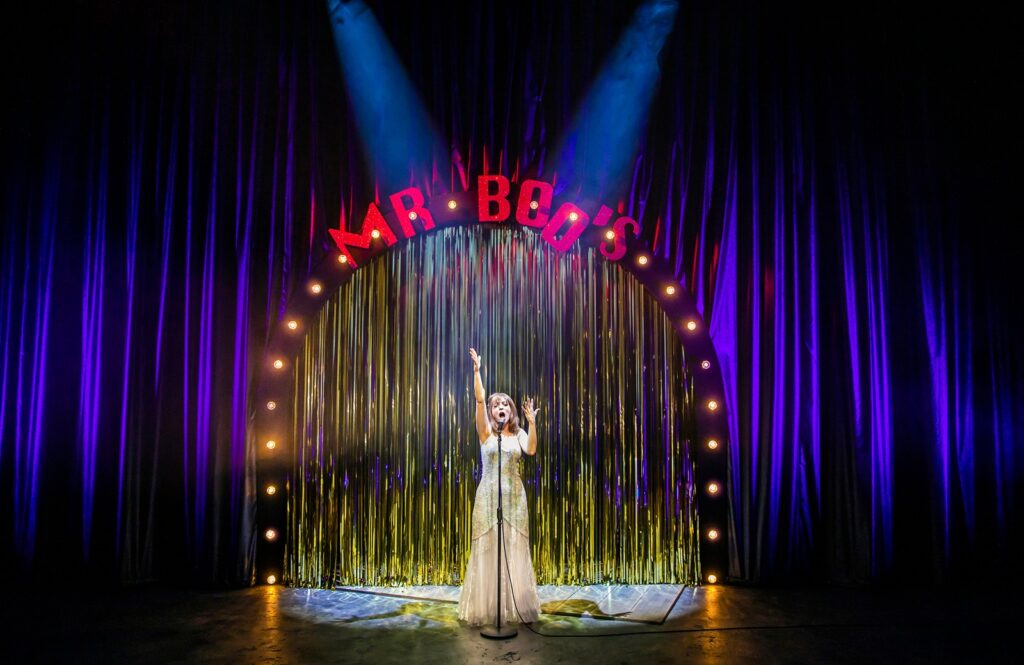
The set is highly effective, the house unmoving with only the curtain coming down and a simple, flashy archway representing Mr Boo’s club lounge where Little Voice will eventually perform, forced on by the sleazy, money-chasing Ray Say, played perfectly by Ian Kelsey. Also clever is the portrayal of the house fire in Act 2, brilliantly created by only the use of onstage smoke, sound effects and lighting. There is no questioning the event unfolding despite the absence of actual fire. LV spends most of her time in her little bedroom upstairs playing her records, surrounded by posters of Judy Garland etc. and a photograph of her late father, from whom she clearly gained her love of music. Mari spends most of her time downstairs, banging the ceiling with a mop handle to discourage LV’s playing and stringing along her ‘friend’ Sadie, brilliantly played by Fiona Mulvaney. A seemingly simple part whose dialogue mostly consists of the word ‘okay,’ Mulvaney provides numerous comedy moments; chugging mouldy Cornflakes from the box, dancing to the Jackson 5 and ‘vomiting’ whilst stood looking directly into the audience!
Finally, praise must go to Christina Bianco as Little Voice herself. Despite Bianco being in her forties and American, she plays the young, Northern lass to a tee from drooping around the house in her pajamas to her Pygmalion style transformation to a starlet in a gorgeous gown. And her impersonations are impeccable! Close your eyes and you are at a Judy show, a Cilla show, a Bassey show, sitting with the President whilst Marilyn sings him Happy Birthday! Bianco’s range, tone, and ability to mimic are outstanding!
The Rise and Fall of Little Voice continues its UK Tour on April 25th at the Theatre Royal, Brighton and finishes on July 16th at the Everyman Theatre, Cheltenham. Head to the website to book your tickets:
Little Voice: Christina Bianco Mari: Shobna Gulati Ray Say: Ian Kelsey Billy: Akshay Gulati Sadie/Understudy Mari: Fiona Mulvaney Mr Boo, u/s Ray Say & Phone Man: William Ilkley u/s LV & u/s Sadie: Anna Hale Phone Man, u/s Mr Boo/Billy & Resident Director: James Robert Moore
Writer: Jim Cartwright Director: Bronagh Lagan Set & Costume Designer: Sara Perks Lighting Designer: Nic Farman Sound Designer: Andrew Johnson Musical Supervisor & Associate Sound Designer: Eamonn O’Dwyer Associate Costume Designer/Supervisor: Sarah Mercade Production Manager: Felix Davies CSM: Terry Dickson DSM: Karen Habens ASM: Suzi Kelly Tech Swing: Jade Hicks-Williams Associate Lighting Designer/Relighter: Joseph Ed Thomas Fit-Up Carpenter: Chris Bewers Head of Wardrobe: David (Daisy) Morgan Production Coordinator: Ollie Hancock General Manager/Assistant Producer: Chris Matanlé Co-Producer: Tiny Giant Productions Co-Producer: Neil Gooding Productions Co-Producer: Bonnie Comley and Stewart F. Lane Producer: Glass Half Full Productions Producer: Katy Lipson for Aria Entertainment
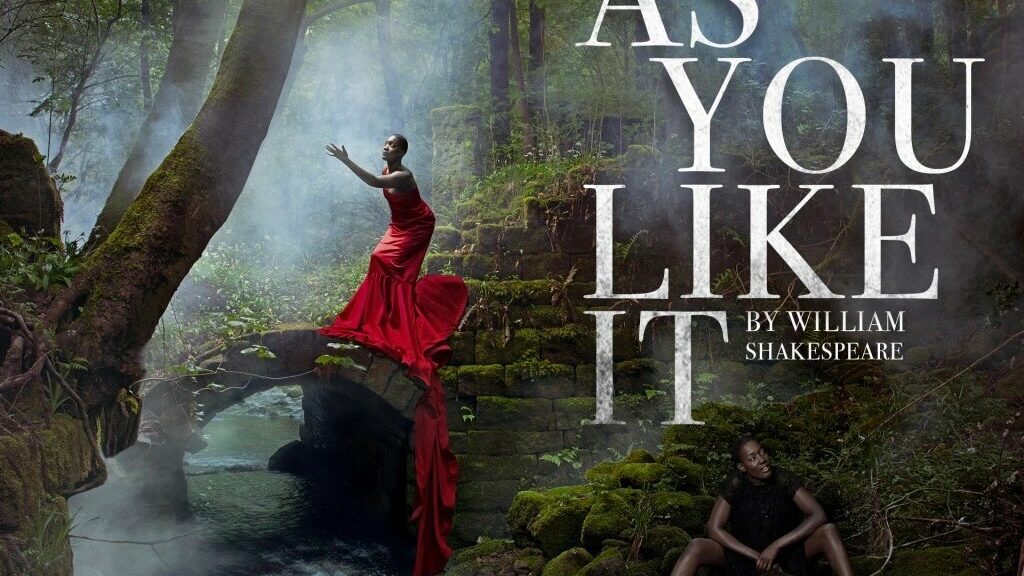
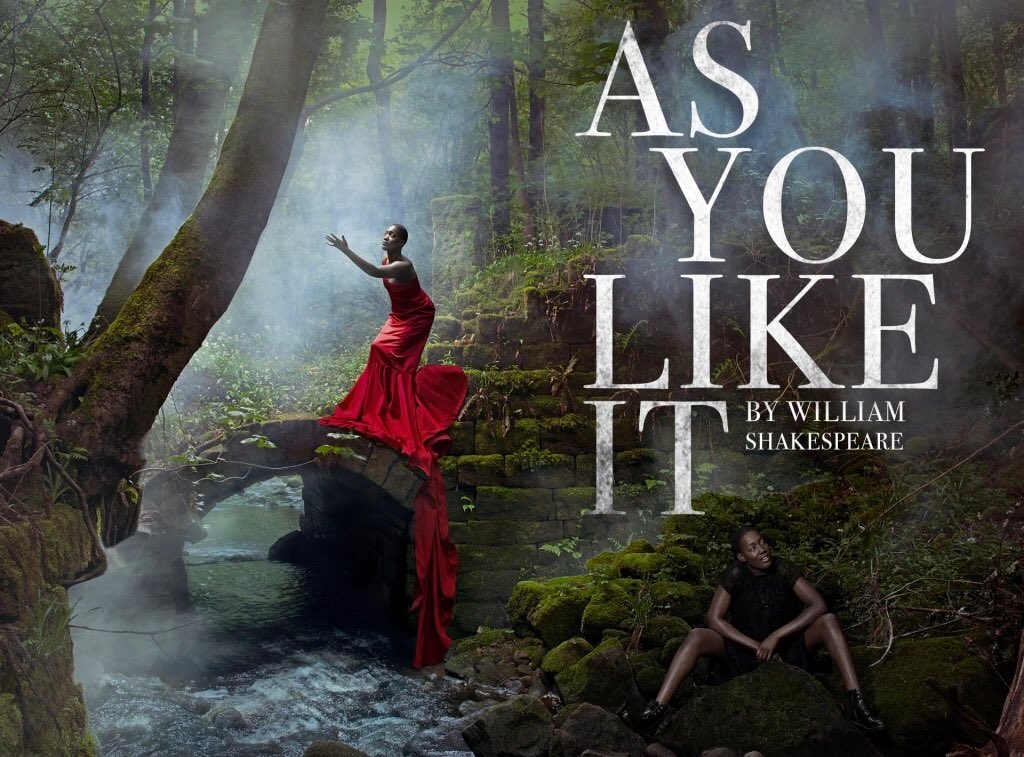
The performance was preceded by an announcement Northern Broadsides had needed to bring in two actors at extremely short notice because of Covid. This is a difficulty companies are going to face for some time to come. However, I didn’t feel it was just the pandemic which weakened this production. Its main problems were a lack of enthusiasm for Shakespearean verse and a belief the play’s comedy could be improved. If you are going to do As You Like It, though, I think you need to relish the poetry in the lines, the situations and the setting. You need to accept there will be long speeches telling stories, and that complex ideas will be introduced in imagery. You have to tread warily if you think you can improve on Shakespeare’s comedy, or think you have more to say about the human condition than he does.
So, the fact that the stand-in Duke had to read his lines was less intrusive than the TV show commentary introduced into the wrestling scene. As the wrestling itself was well staged and exciting, the commentary was unnecessary. Then there were distracting asides throughout the performance using modern English. They interrupted the flow of the action and the establishment of the its imaginary world. There was a conversation with the audience at the beginning of the second half (why?). There was additional cross-dressing, which weakened the humour emerging from Rosalind’s disguise, rather than complementing it. The ‘Shall I compare thee..’ sonnet was added in to the ridiculing of Orlando’s scribblings for a quick laugh. Despite the difficulties and the ingenuity involved in bringing four couples together for a simultaneous marriage at the end, they danced off with different partners. Some of the cast managed the verse well, finding expressive intonations and getting into role easily, whilst others struggled, rushing what they had to say or grinding out their speeches. At times it was easy to follow and appreciate what was being said – Touchstone’s final speech was an excellent example of making the most of the lines, and he made the audience laugh with it – but all too often it was difficult to disentangle what was being meant. For example, far too much of what Jacques said was lost and this meant the character never established himself. Considering how vital and original Jacques is – he’s one of Shakespeare’s great wordsmiths – this was more than a pity. Overall, I thought the supporting cast led by Celia (Isobel Coward) sustained the play with funny cameo appearances and the business that surrounded them. They appeared comfortable in what they were doing and saying; in contrast the principals were unsteady.
For me, Rosalind (EM Williams) spoke too quickly and too emphatically. Every line was accompanied by an expression or a gesture. She was tense, almost angry throughout and whilst she was always interesting to watch she was also demanding to listen to. I felt like saying ‘relax’. She needed to stop trying to impress and simply win the audience’s sympathy because, although Rosalind does win through in the end, hers is no foregone conclusion: her success and the happy ending is not just the result of energy and aggression.
Orlando (Shaban Dar) was too slow and earnest although the character, with his confused attempts at expressing himself emotionally, can be highly amusing. There was little of the chemistry that can come out of a relationship between a duffer and a high achiever when he was with Rosalind. The comedy of the scene in which he, as a wholly unreconstructed heterosexual has to make love to the supposed boy, Ganymede, in order to practice for the real thing, was lost and with it Shakespeare’s clever exploration of gender and appearance.
Jacques(Adam Kashmiry) turned his back on the audience too many times and had a limited range of gesture, repeatedly stretching out his hands to make his point. I didn’t see what having him wear a skirt added to his character. He came across as troubled and sad rather than brilliant and artificially melancholy. The audience enjoyed the way the other courtiers fleshed out his ‘All the world’s a stage..’ but nothing was done with the very last act of all –
second childishness and mere oblivion,/Sans teeth, sans eyes, sans taste, sans everything
which is a sixteenth century description of senile dementia and could, therefore, be made quite topical today.
Touchstone (Joe Morrow) established a rapport with the audience by his exuberance and by speaking clearly and confidently but I thought the actor was miscast. He was not a fool with a wit –
as dry as the remainder biscuit/After a voyage
so there was no real explanation for Jacques’ fascination with him. His seduction of Audrey, which represents a realistic contrast with the romantic goings-on everywhere else in the forest, didn’t make a lot of sense, either.
The backdrop to the play’s plot is the contrast between the confused, often corrupt world of the court and the honest simplicity and working life poverty of the country. Those that travel from the court into the country are all changed for the better, up to and including Duke Frederick who, like Putin, begins an invasion of Arden intending to commit mass murder and is then converted to benevolent pacifism, unlike Putin. On a technical and design level the production did not reinforce this basic distinction of setting – we didn’t get much of a forest – so observations like sweet are the uses of adversity fell flat.
In the last act, the middle son of old Sir Rowland de Boys arrives from out of nowhere to describe this fantastic conversion. His speech is somewhat tongue-in-cheek, with Shakespeare repeating and emphasising the magic of the return to nature, and it went unremarked although dramatically it completes the comedy. (Another production might have considered then and now attitudes towards the natural environment.)
Northern Broadsides is to be commended for keeping its show on the road and helping to revive theatres after the pandemic but, on the evidence of this performance, I think the company might be better advised to steer clear of Shakespeare, possibly tackling work by Brecht or other dramatists whose work is less reliant on verse where their inventiveness can be deployed without disturbing the basic fabric of the play.
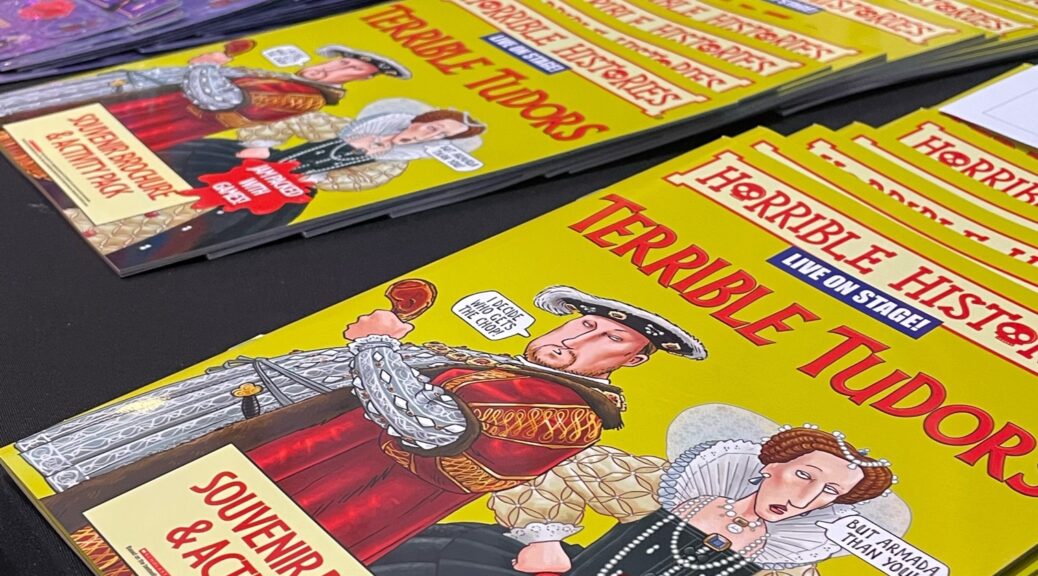
I first came across the Horrible Histories books when I was in primary school, back 25 years ago! Saying that out loud seems such a long time ago. I enjoyed the humour bringing history to life. I still do to this day and I’ll be sharing the books with my children when they are studying a particular area.
They even now have a TV series!
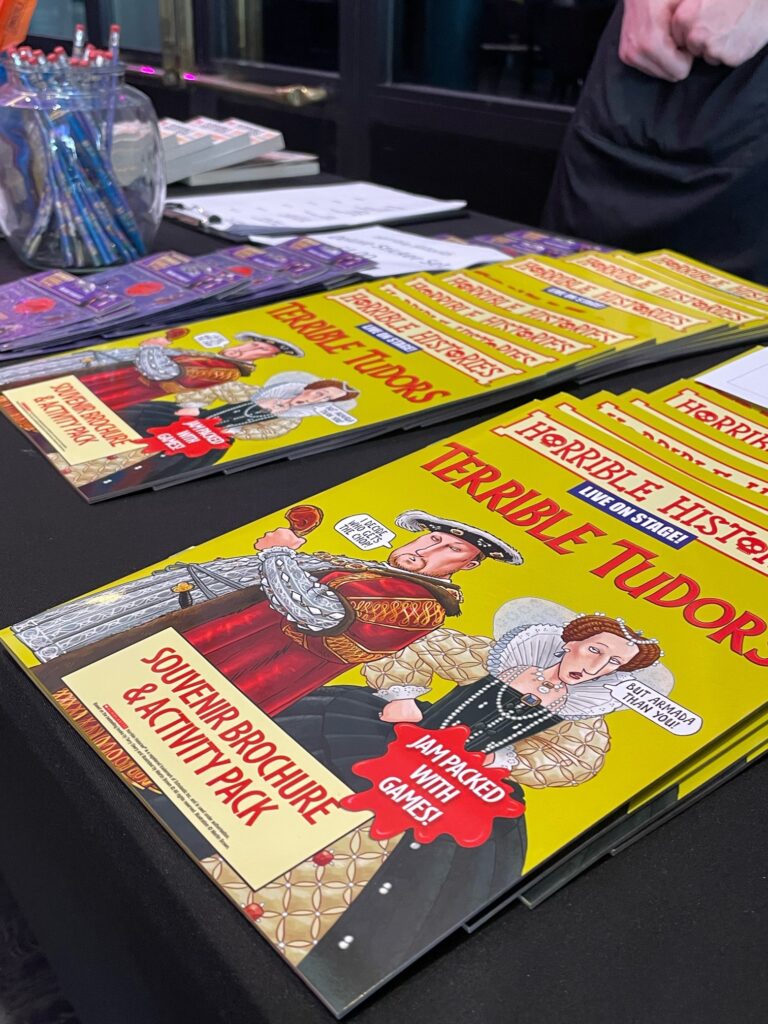
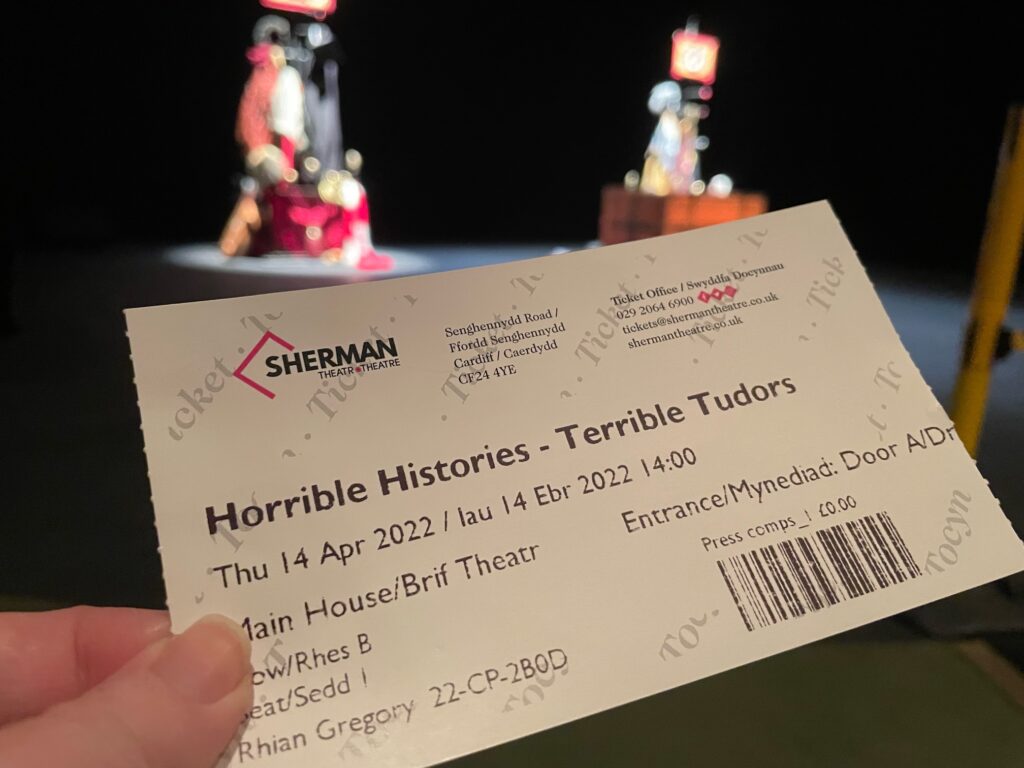
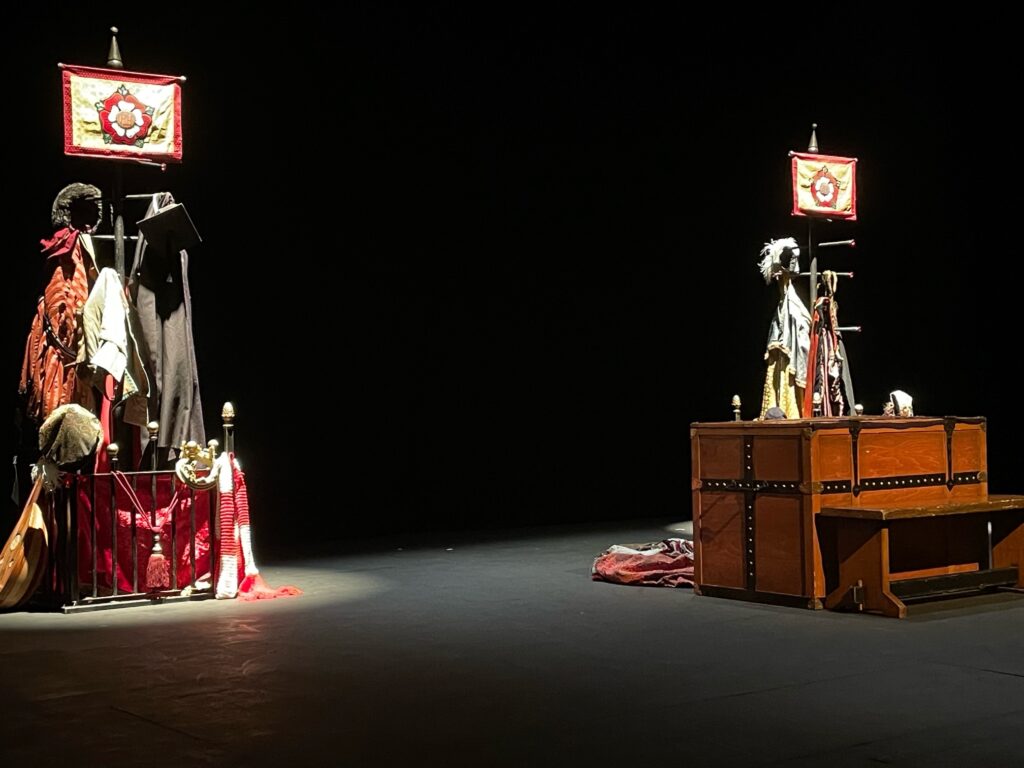
That’s what drew me to the show. Coming to see Horrible Histories Terrible Tudors on stage, with a live performance, known modern songs with a twist, to remember the past, the humorous acting. The show was delivered by just two actors who were very clever portraying and changing their costumes, voices and style for each character. They started with Richard III through to Elizabeth I.
I was in the 2nd row, in the wheelchair space, and I had a great view, could clearly see the fantastic expressions.
The show ran for just over an hour, without an interval.
It was fun interactive show! It looked almost full and was so good to see the audience participation.
I keep singing, divorced, beheaded, died, divorced, beheaded, survived, to remember Henry VII’s 6 wives. That’s helped jog my memory!
https://youtu.be/rTdTDCRKvvM
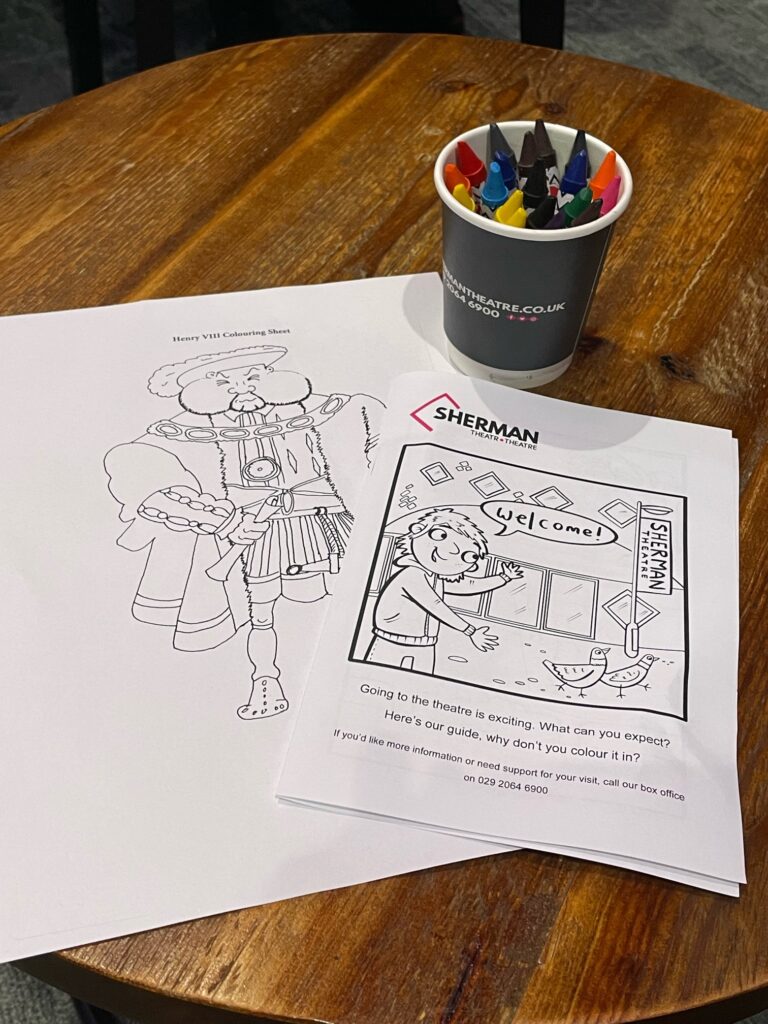
I came along to the Sherman foyer about an hour before the show started as they had colour in sheets and booklets for children to help explain what happens at a theatre. I thought this was such a good idea. In the past before Covid, I occasionally volunteered with the Sherman theatre through the Sherman 5 scheme. It was my first time back after a couple of years.
Sherman 5 is a fantastic scheme to support people to attend the theatre, whether they have never been before or haven’t been in a long time. It’s for people who face barriers and / or are at a disadvantage. A great opportunity for all of the community.
Creating opportunities for a diverse range of people to experience and respond to sport, arts, culture and live events. / Lleisiau amrywiol o Gymru yn ymateb i'r celfyddydau a digwyddiadau byw

 (4 / 5)
 (3 / 5)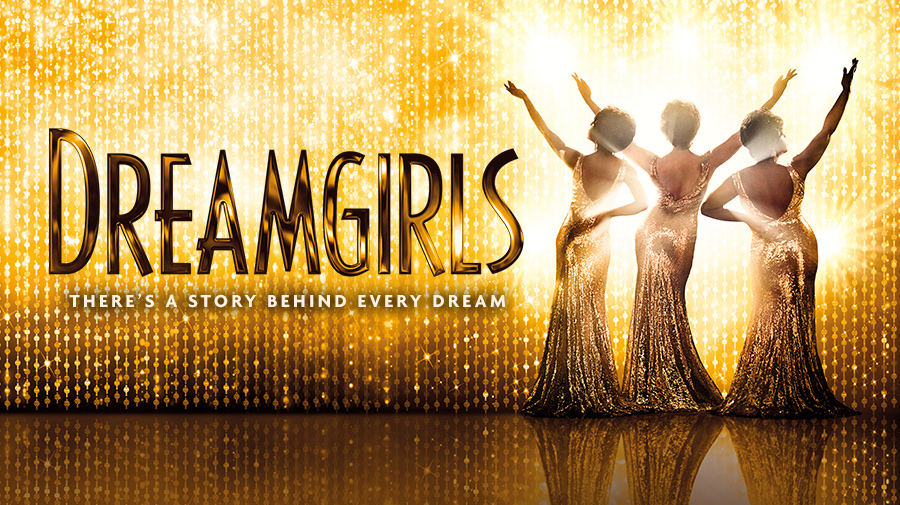
 (5 / 5)

 (4.5 / 5)