Tag Archives: Llandudno

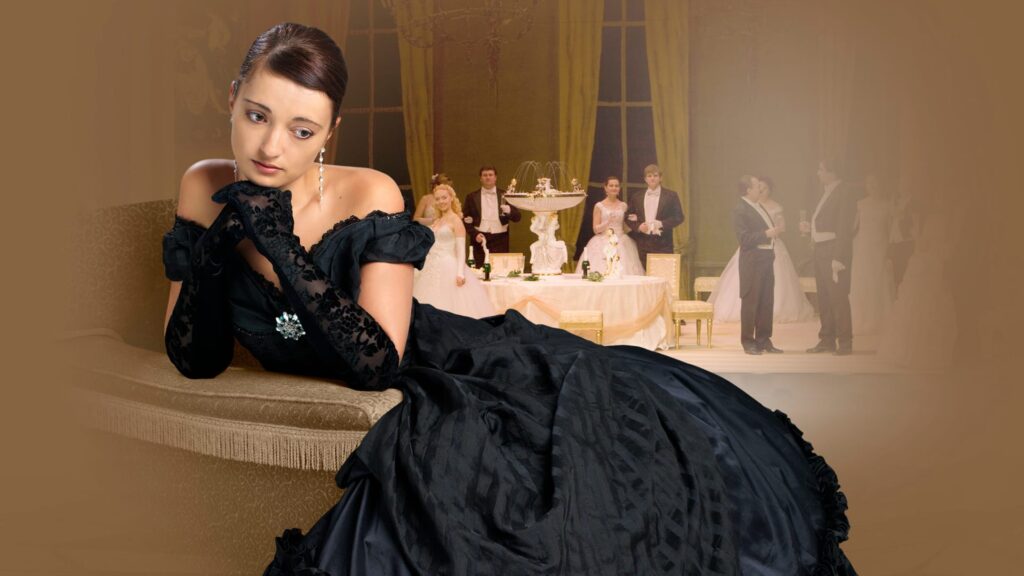
Review: Carmen, Venue Cymru, Llandudno by Richard Evans

A Senbla production of an Ellen Kent Opera featuring the Opera International, Kyiv, Ukraine.

 out of 5 stars (4.5 / 5)

On tour nationwide until May

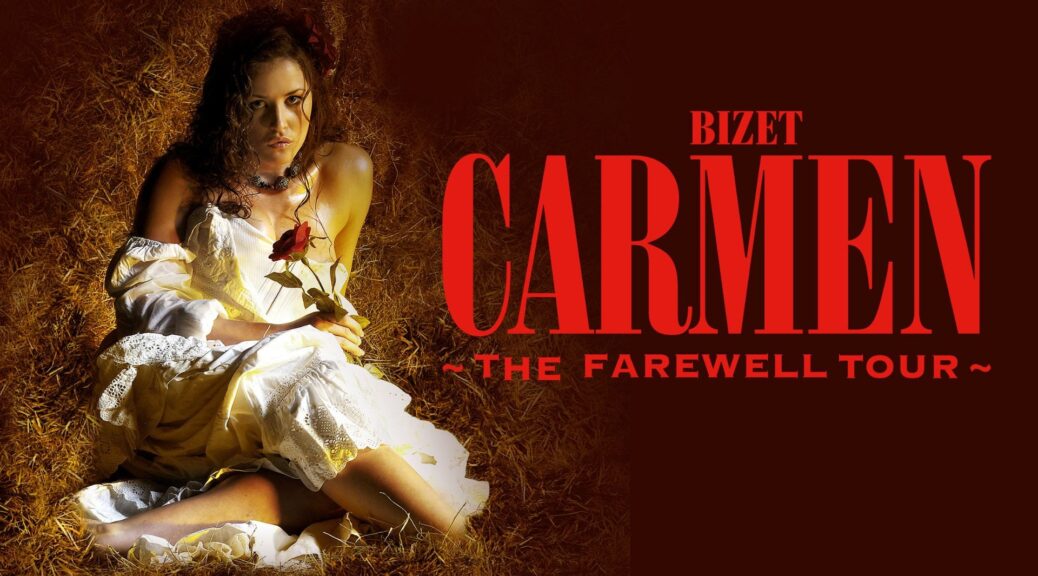
Take a beautiful, enticing, manipulative woman, add a soldier in his finery and then a virile toreador and then stand back to watch the sparks fly.  That is the premise behind Georges Bizet opera, Carmen.  

The character of Carmen is ebullient and vivacious and she is not above using her charm to get what she wants. Her story involves a love triangle between herself and two suitors, a soldier and a bullfighter.  The soldier, Don Jose succumbs to her wiles and is forced to leave his regiment after falling out with his commanding officer.  In the meantime, Carmen has met with the toreador between which there is an instant, mutual attraction. Don Jose goes returns with a childhood sweetheart to see his ailing mother but then the power of Carmens seduction draws him back to her.  Consumed by jealousy when Carmen taunts his love compared to her bullfighter, he kills her.  

To play Carmen well, good acting skills and a great voice are needed and Mariia Davydova exhibits these in abundance.  The opera is famous for its sultry and seductive songs, such as Habanera and Seguidilla that ignite passion and you could not help warm to Davydovas presence on stage.   Opposite her, Iurie Gisca played Escamillo, the toreador with strength and confidence and Oleksii Srebnytskyi played Don Jose.  While Srebnytskyi did not have the stature of many soldiers his voice was striking, clear and impassioned.  Together with Davydova, they captured the mood of the opera really well. 

The supporting cast attack their role with enthusiasm, accentuating the devil may care attitudes inherent in the opera, however the fight scenes need some attention.  In the denouement, Carmen practically walks onto the knife in Don Jose’s hand and in the conflict between Don Jose and his superior officer they seemed to flap at each other ineffectively.  One nice comic touch was to see soldiers being beaten into submission by factory girls wielding bouquets of flowers.  The scenery and costumes bring the environment in southern Spain to the fore and add a dramatic backdrop to the action.

The story has elements that come across as odd in a modern age, describing cigarette smoke as “sweet smelling, rising up to heaven” and equating it with love.  I’m sure the anti-smoking lobby would disapprove of those lyrics.  The opera also illustrates how limited the choices were for women and people of a labouring class.  Carmen’s character has an untrammelled joy at times, describing love as a bird that can not be tamed, or a gypsy child that knows no laws.  This illustrates an intriguing theme within the opera, the desire for freedom which conflicts with duty and obedience to the law for the sake of avoiding chaos.

In many respects, this is a stirring show.  There is plenty of humour, some playful optimism yet with a tragic ending filled with pathos.  It is definitely a show to pull on the heartstrings.  Alongside La Traviata and Madame Butterfly, this is part of Ellen Kents ballet and opera international farewell tour and they have certainly picked out some action packed operas to present. These three shows should be high up on the ‘must see’ list of anyone with even a vague interest in opera.  
Review: La Traviata, Venue Cymru, Llandudno by Richard Evans

A Senbla production of an Ellen Kent Opera featuring the Opera International, Kyiv, Ukraine.

 out of 5 stars (4 / 5)

On tour nationwide until April

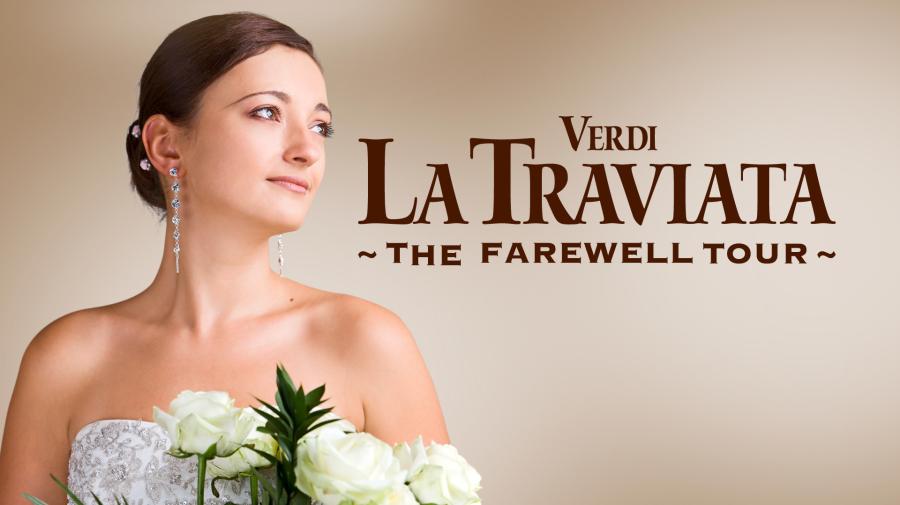
La Traviata, a tale of forbidden love and loss with some hauntingly beautiful melodies.  Can a man from a well to do background fall in love with a fallen woman and find acceptance from his family no matter how rich she is?

Ellen Kent’s La Traviata followed a pattern established over recent years.  The set was simple, an intricate backdrop that stayed the same for each act, with little, yet effective scenery and an orchestra that played subtly.  In effect this drew attention strongly to the stage, the costuming, voices and the acting.  As a visual spectacle this show was pleasing to the eye, the costumes suitably opulent and the background evocative of a grand ballroom.   The voices were superb but movement on stage was often more pedestrian than animated.  

The story, based on a play, the Lady of the Camellias by Alexandre Dumas is a tragedy.  Violetta is dying but when she meets a gentleman, Alfredo, they fall passionately in love.  His father persuades Violetta to abandon Alfredo to preserve the family’s honour and protect the reputation of a younger sister.  However, once Violetta is nearing her end, she is reconciled with Alfredo and the father shows some remorse for causing their rift.

The storyline dictates that the spotlight is very firmly on the soloists and in particular the lead soprano, Violetta, played by Viktoriia Melnyk.  Her voice was rich, powerful and striking especially when hitting the top notes.  Her duets with Alfredo, played by Hovhannes Andreasyan in Act 1 and with Alfredo’s father, sang by Iurie Gisca in Act 2 are heart warmingly memorable.  The large company support the leads well although more could be made of some scenes for example when the Baron challenges Alfredo to a duel.  I expected to see much more anger from the Baron.

By modern standards, there are some weaknesses to the plot.  The father, despite being told that Violetta is dying asks her to make a huge sacrifice stating that Alfredo will fall out of love with her when her looks disappear in the future.  Hardly the most understanding attitude to someone in the last throes of tuberculosis.  However, like any story it is a child of its time and attitudes have changed.  Of course women today have more personal freedom and their success in life is not defined by achieving a good match.  Society is also not as condemnatory towards people with a so called illicit lifestyle.  No matter how good a person Violetta was, she could never achieve respectability because she was a courtesan.

This production of La Triaviata is part of the farewell tour for Ellen Kents opera company.  It is accompanied by Carmen, also showing at Venue Cymru, and Madame Butterfly.  Over the past 30 years, Ellen Kent Opera and Ballet International has established a reputation for producing high quality opera and opening up the genre to a wider audience.  La Traviata is a classic opera that lives long in the memory and is therefore a fitting part of this farewell tour and leads to a sense of expectation for the next instalment, Carmen.    

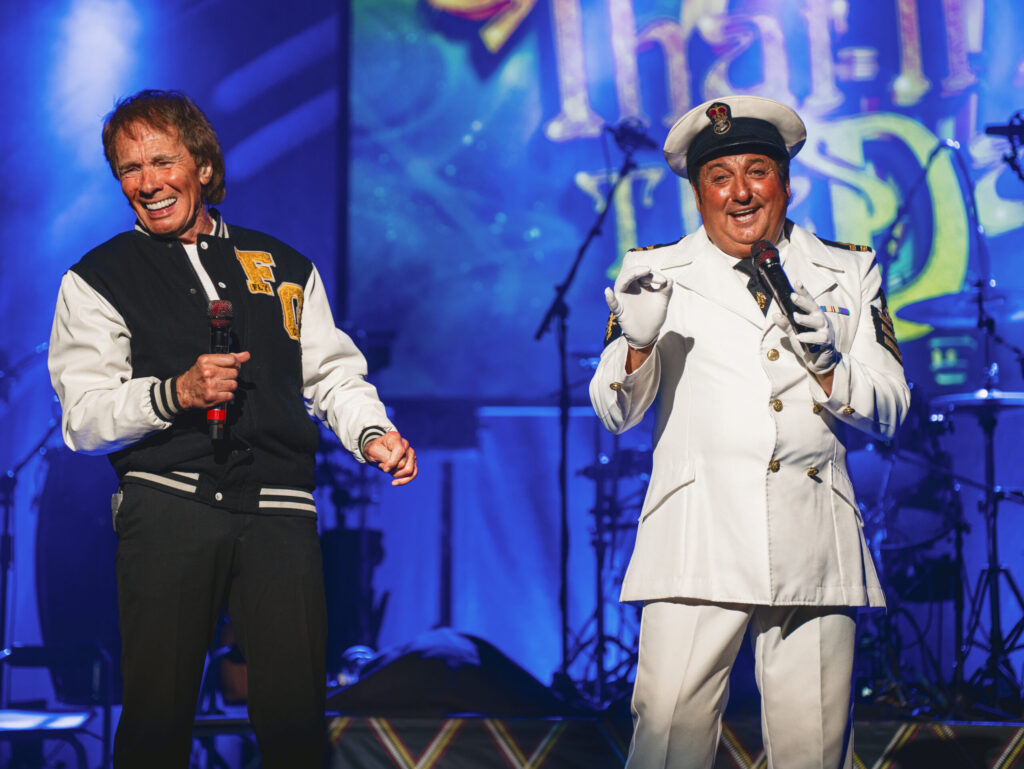
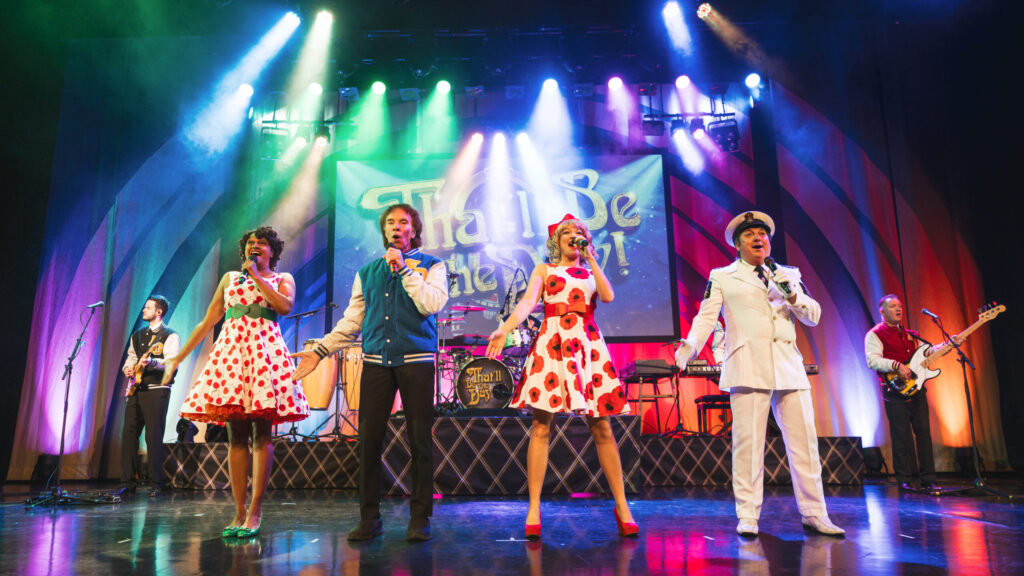
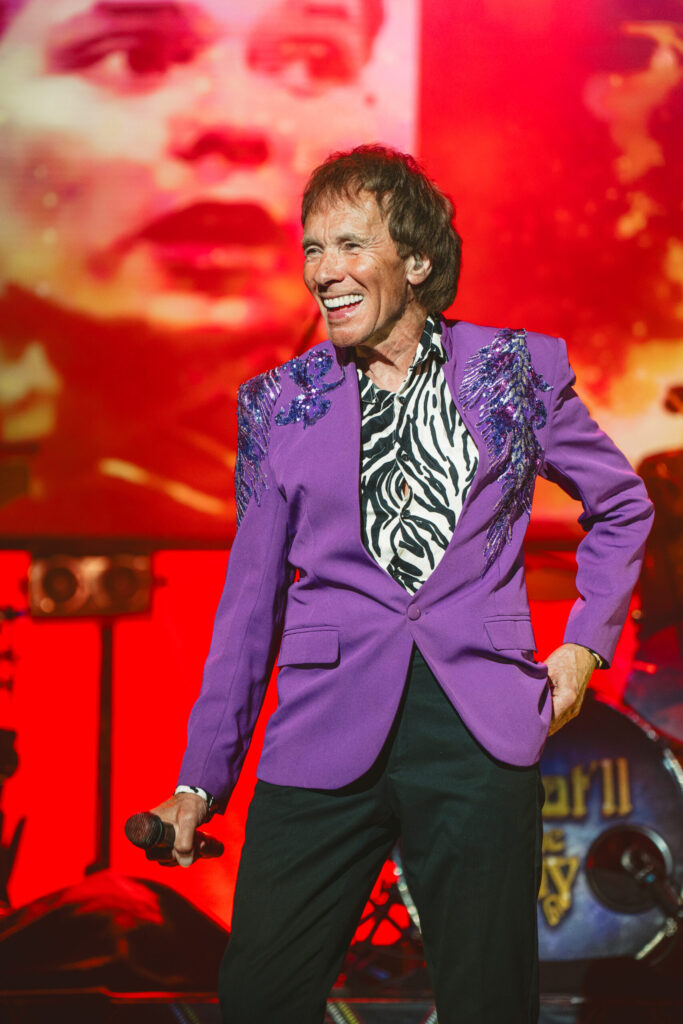
Review: That’ll be the Day, Venue Cymru, Llandudno by Richard Evans

Venue Cymru, Llandudno, Sept 12 and touring

 out of 5 stars (4.5 / 5)

T C Productions Ltd

This performance is part of the 40th anniversary tour of ‘That’ll be the day’ and labelled as the farewell tour of Trevor Payne.  Would this be indulgent nostalgia or a more vital performance that loyal fans are used to?  Most certainly it was the latter with a few reminiscences thrown in for good measure.  

The show starts with a medley of rock ’n’ roll numbers such as ‘Oh Boy’ and ‘Rock around the clock’ and before the interval there is a large focus on sixties music with a range of artists represented including the Beatles, the Beach Boys and Frankie Valli and the Four Seasons.  Each of the main performers take their turn in singing that song best suited to their voice.  For me, the vocals of Nikki Renee Hechavarria were outstanding but there were no weaknesses in the line up.  The songs tended to be of a type, upbeat, optimistic, sing-a-long and all came from the charts.  Would it be too much to ask for something more raunchy like ‘The Who’, or for a protest song from Bob Dylan?

The backing musicians were excellent.  They were on stage for the vast majority of the show, playing a range of different styles and providing backing vocals for countless shows.  Along with the sound and lighting crew these would be the unsung heroes of the show.  There was a nice moment when Ollie Grey was handed the original Fender Stratocaster played by Trevor when the show first started, long before Ollie was able to pick one up.  

The show is more than a musical review.  Songs are interspersed with small comic videos and comedy routines.  There is great repartee between Trevor, who writes, produces and directs the show and Gary Anderson.  The jokes are often suggestive, much in line with ‘Carry On’ film humour which is highly appropriate given the origins of the show are in holiday camp theatres in places like Minehead and Bognor Regis. There are also sections were performers impersonate popstars.  To do this, a performer has to move fairly seamlessly between characters, and then take on a new persona for a couple of songs.  This makes the show quick paced and engaging throughout. 

To last 40 years, there has to be a winning formula especially when the show has people who return year after year or more than that, travel around to see the show in different venues whether in Britain or elsewhere.  It is great to see how the show has developed playing larger venues and attracting more followers and that they have been generous enough to support charities like the Make a Wish foundation, Childline and Help for Heroes.  During lockdown, the show was streamed into people’s homes with over 200 performances taking place. 

For many an evening like this is a trip down memory lane to see a choice selection of hits from the 1950’s to the 1980’s but there is enough here to engage both young and old.  It is thoughtfully prepared and well rehearsed with the cast and crew working together as a team.  As befits such a well honed show, it is a great nights entertainment. 

Review: Calamity Jane, Venue Cymru, Llandudno, by Richard Evans

Venue Cymru, Llandudno, 26-30th August 2025 and touring

 out of 5 stars (5 / 5)

Jamie Wilson productions, Kevin McCollum, Gavin Kalin productions, evolution productions, Tilted, Willette & Manny Klausner in association with Grace street creative group and David & Hannah Mirvish. A Watermill Production.

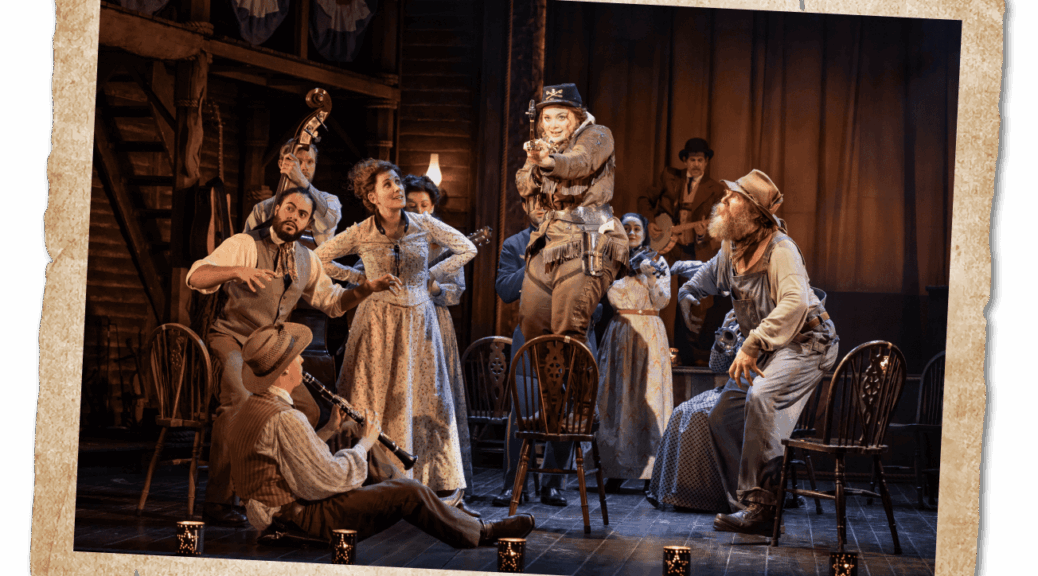
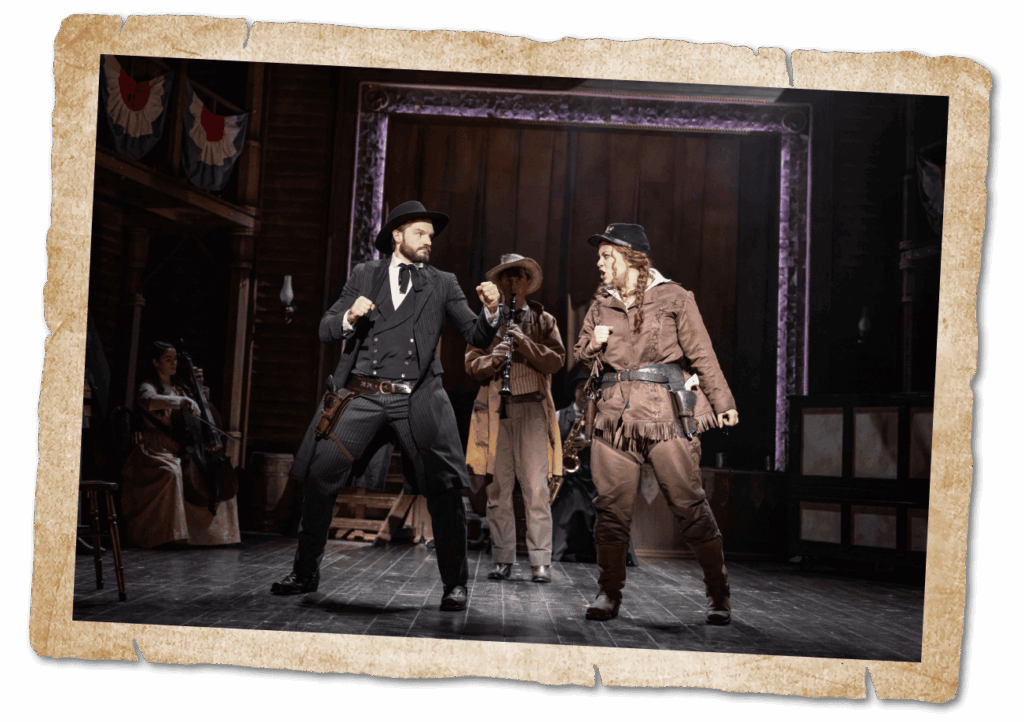
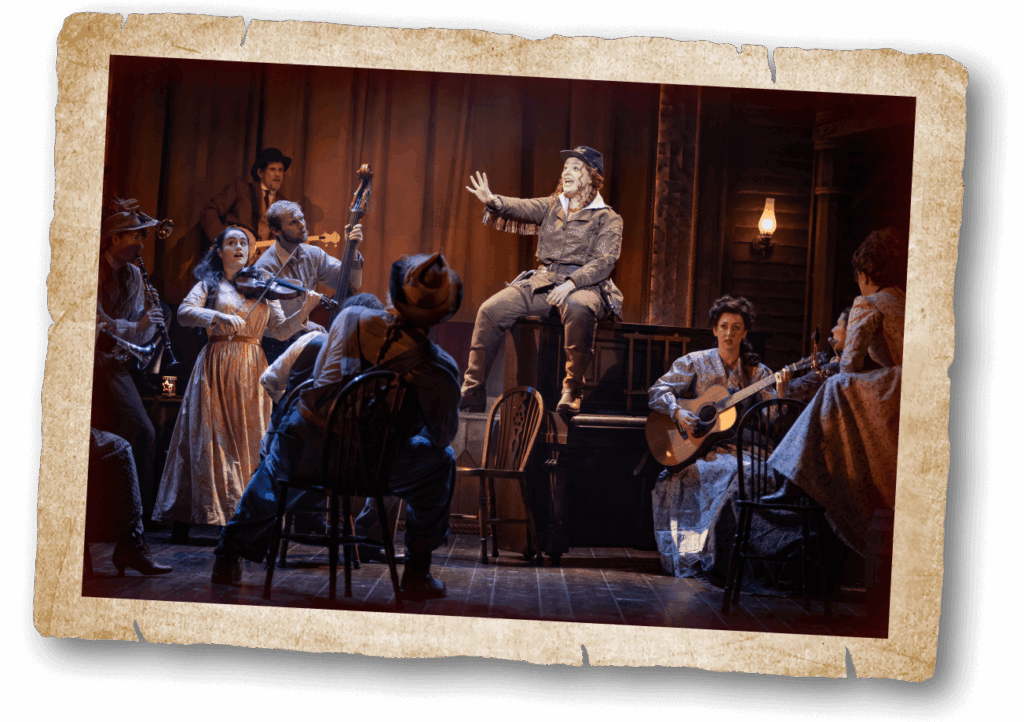
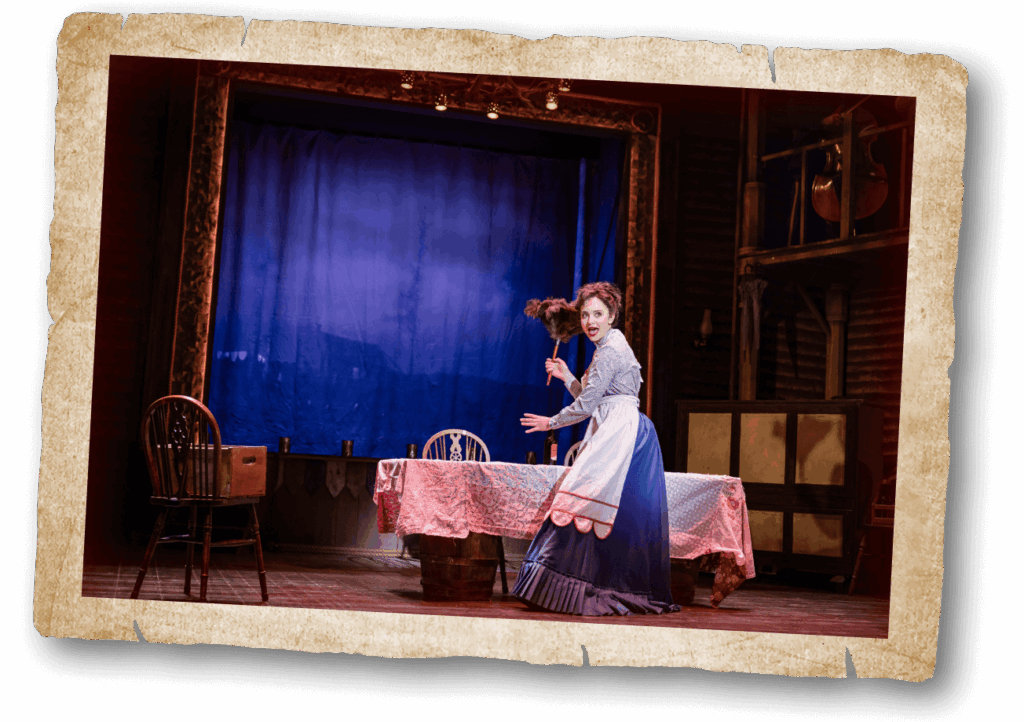
Calamity Jane. They’ve turned the legend of a gun totin’, liquor swillin’ girl masquerading as a man into a love story.  The actual events of Calam’s life are based in fact, but have been exaggerated, not least by the woman herself.  However, we should not let our quest for reliable history get in the way of a rattling good story which is what this musical is.

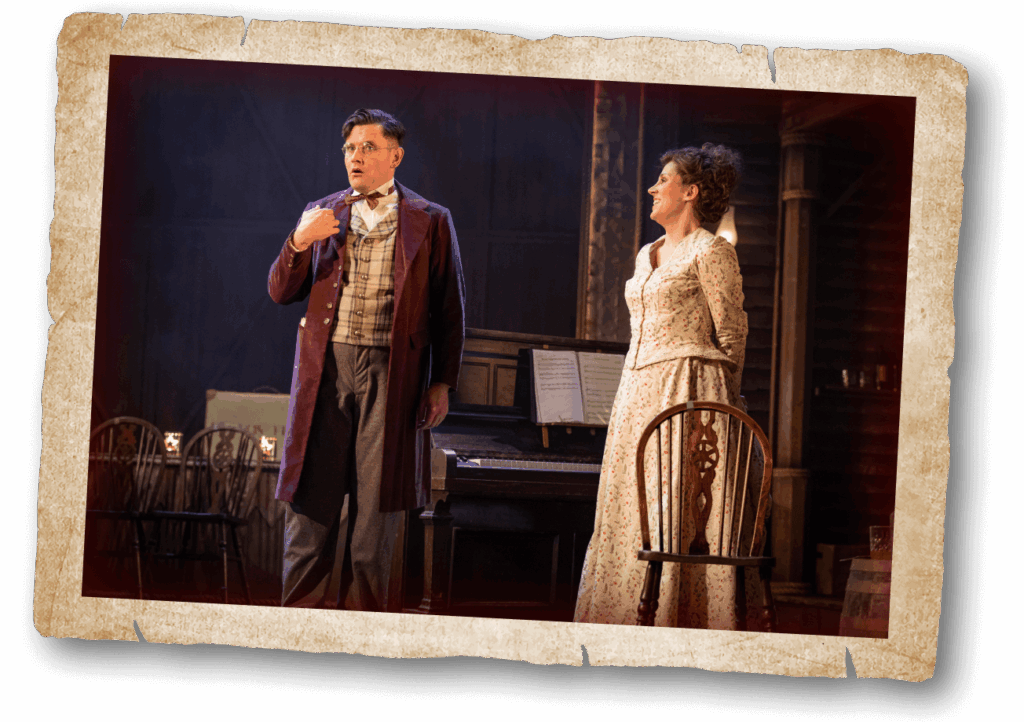
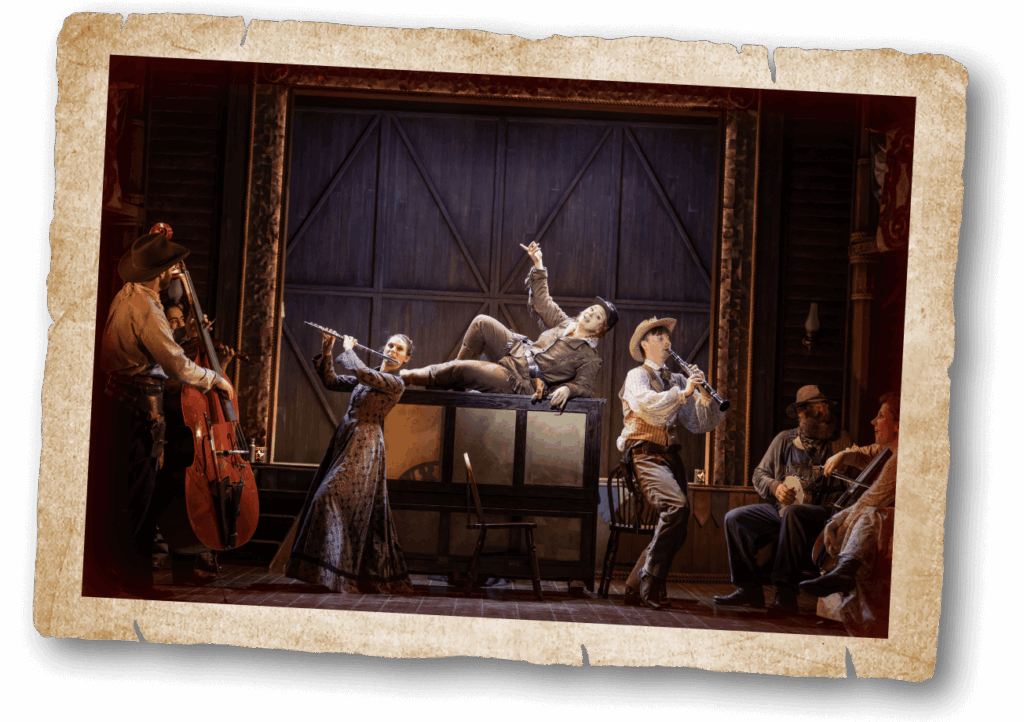
Calamity Jane breezes into a Deadwood saloon having guarded the stagecoach safely into town.  On the coach is Francis Fryer, an entertainer.  Sadly, he does not possess the attributes desired by a hard living audience that has been starved of female company.  He is a man.  When the saloon owner nearly causes a riot trying to fool the waiting crowd that Francis is actually a woman, Calam goes to Chicago to tempt a music hall star, Adelaid Adams to come to Deadwood. As befits her name, she makes a disastrous mistake and brings back her maid, Katie Brown.  However, Katie turns out to be a roaring success and settles with Calam in her run down shack and brings out the more feminine sides to her hosts character.  The two women then become love rivals for an army lieutenant, Danny, before Calam realises that her love for her long time companion and critic, Wild Bill Hickok is mutual and Katie is free to marry her soldier.

Carrie Hope Fletcher is great as Calamity, commanding the stage with her presence.  She is ably supported by Seren Sandham-Davies as Katie, Samuel Holmes as Francis and an understudy for Bill, Thomas Wolstenholme. The company provided plenty of warmth, energy, optimism and banter as the story unfolds into a quick placed drama.  Scene changes were effected by moving props and this required some imagination, not least in the formation of a stage coach by the cast.  The music gave a hoe down feel to the show and there were plenty of catchy numbers to go along with the iconic ‘whip crack away’ Deadwood stage song making this a feel good show.

There is some depth to this story.  Bill Hickok repeatedly wants Calam to be more like a girl, but she is more comfortable wearing buckskin leathers, carrying a six gun and earning the right to be accepted in this hostile culture on her own merit.  However, most of her compatriots drool over the suggestive temptress that is Adelaid Adams.  Herein is a spectrum of femininity and surely there is a place for all along that line.  A woman should be free to be who she wants to be.  Men need not be threatened by a physically strong, aggressive woman and should not expect a woman’s best qualities to lie in her appearance.  Not a bad lesson to come from a good nights entertainment.  

In one sense the story is a throwback to watching Rawhide or the Virginian on TV for those of us with long memories.  We now know that the entertainment industry has sanitised and romanticised stories of the wild west.  The reality was more raw and brutal than we have been led to expect, not least to the surrounding Native American Indian cultures that were often dispossessed quite violently.  However, this is just a story based on the life of a remarkable individual and if a story is a good one, it is worth telling and by the audience reaction, this musical is certainly that.  A raucous, enthusiastic reception was given to a deserving cast after a sparking show.

Review: An Inspector Calls, Venue Cymru, Llandudno by Richard Evans

Venue Cymru, Llandudno, May 13th – 17th 2025 and touring

 out of 5 stars (4.5 / 5)

A PW production. Directed by Stephen Daltry. Written by J. B. Priestley

“Send not for whom the bell tolls, it tolls for thee.”  John Donne, Meditations.

J. B. Priestley’s play is now regarded as a 20th Century classic and rightly so.  Especially since Stephen Daltry’s revival in the 1990’s it has become a staple in so many English Literature curriculums up and down the country. Would this production live up to the play’s reputation?   Tonight, it certainly did.

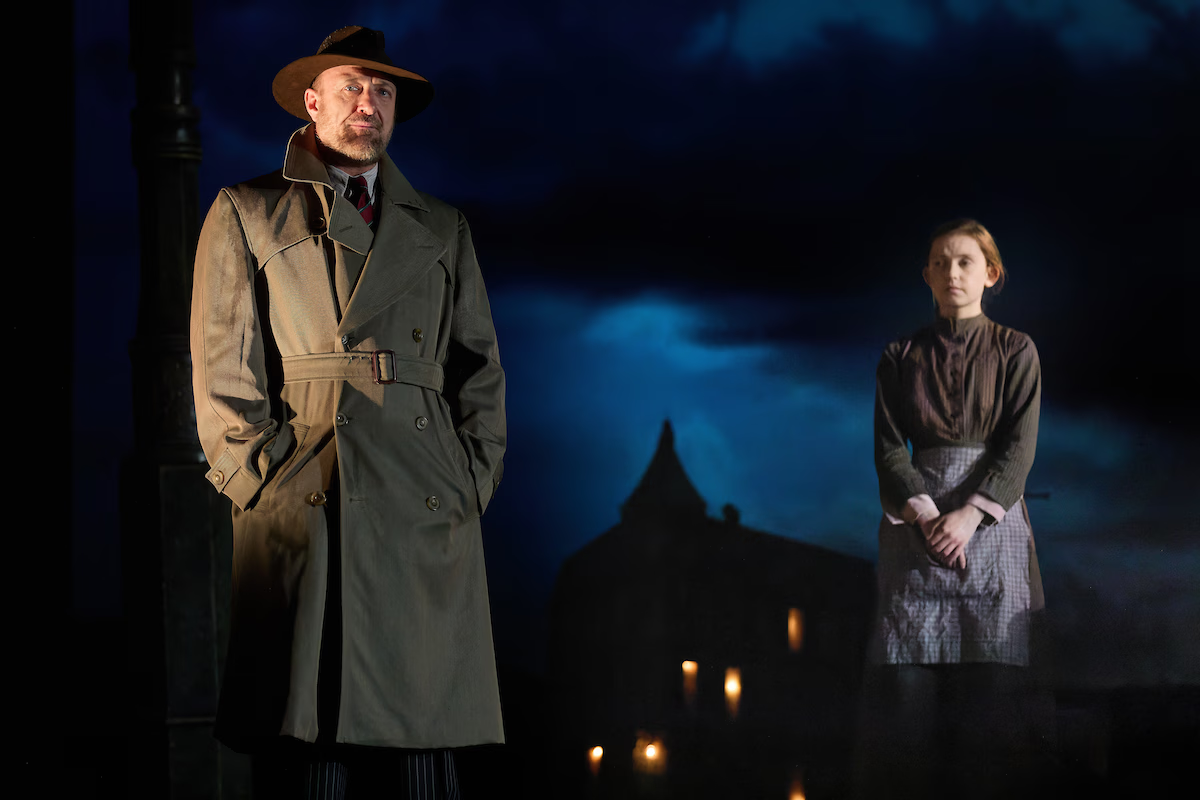
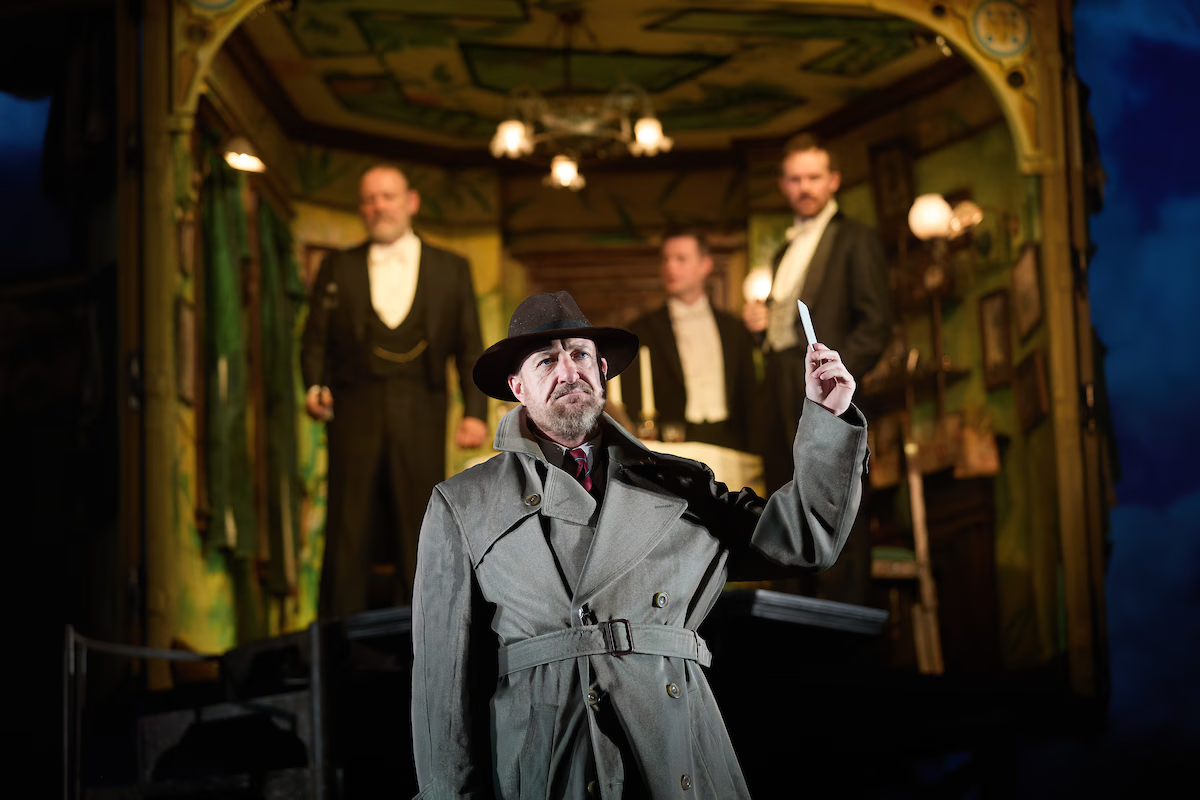
The action focuses on the highly successful Birling family who are celebrating the betrothal of their daughter to the son of a rival business firm.  As this takes place, an inspector knocks at the door and informs them of the death of a woman, Eva Smith, from a painful suicide.  The inspector in turn interrogates every member of the Birling family and the fiancé to uncover their part in Eva’s demise, something that they had been unaware of and felt no responsibility for.  In a dramatic climax, the family understand that this inspector was a mysterious imposter and that there was no suicide so intend to carry on as usual, until they get a phone call informing them of the death of a woman through suicide and that an actual inspector is on his way to investigate. 

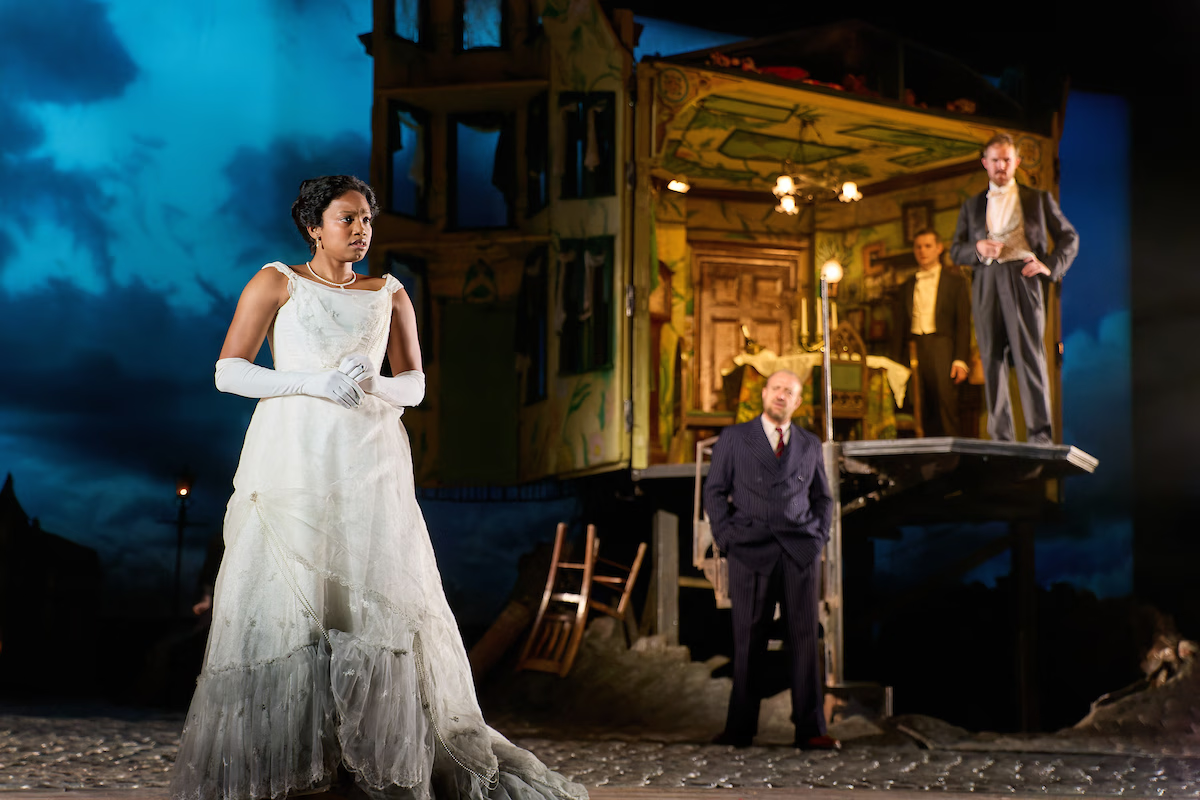
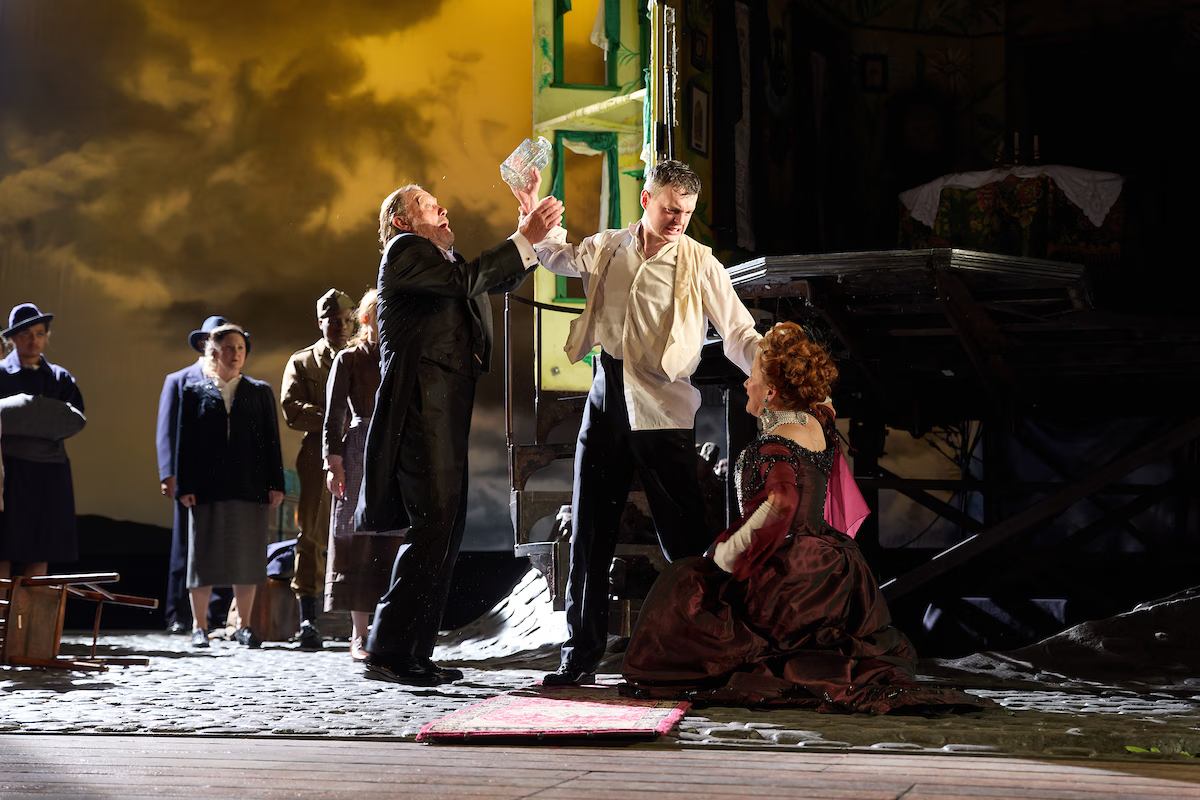
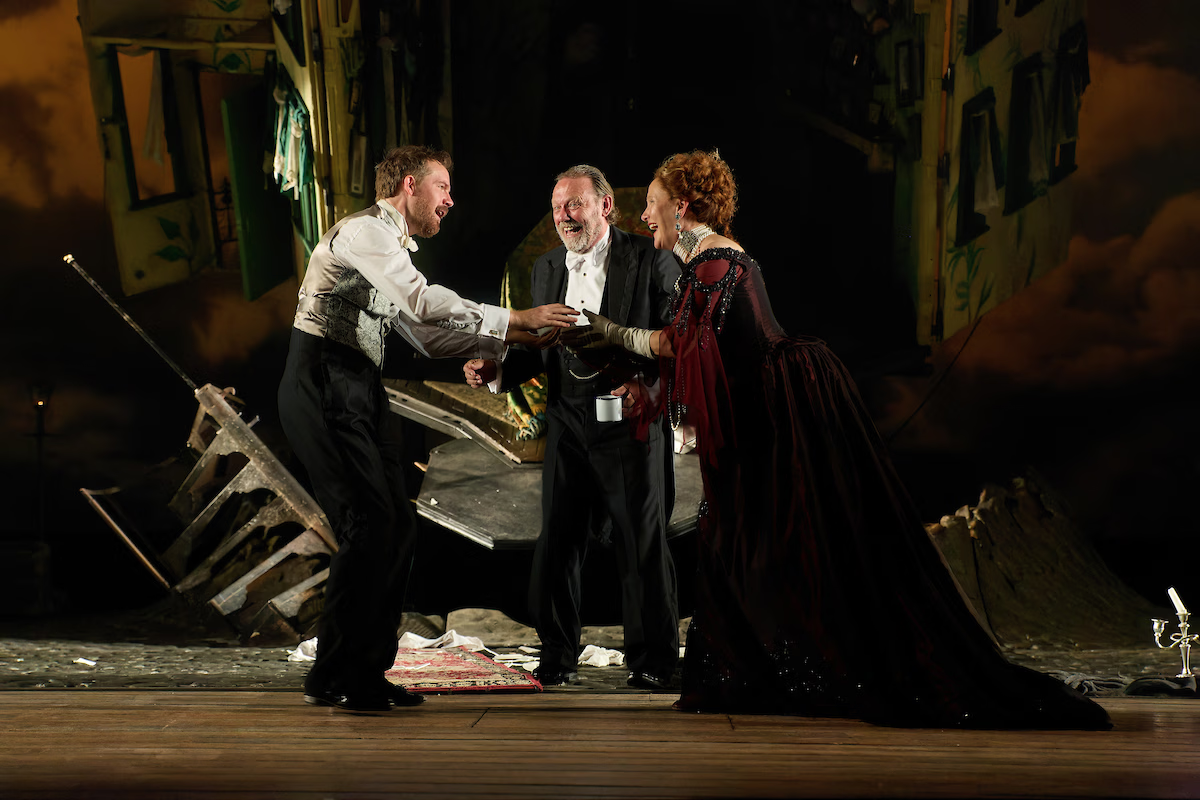
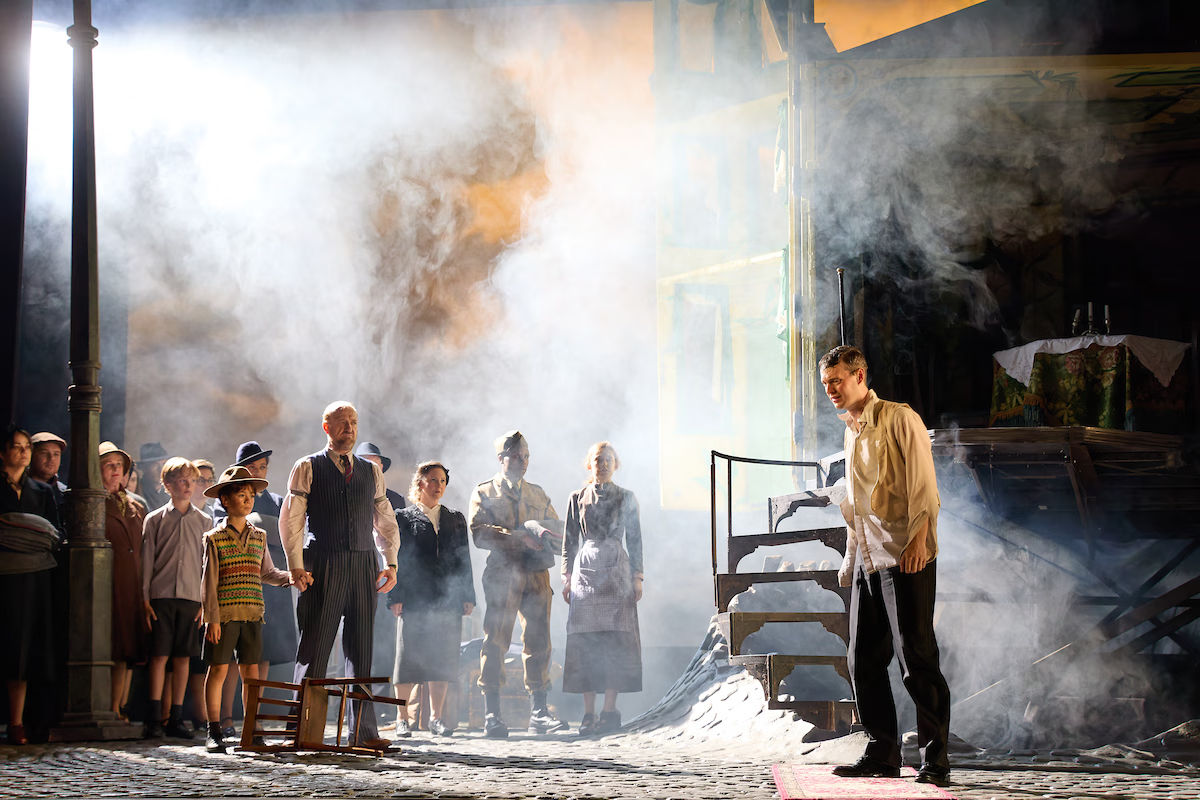
The cast communicated the powerful nature of this play really well.  Tim Treloar was excellent as the inspector and Leona Allen striking as Sheila.  However, in a play with much confrontation there were times when dialogue was lost as people spoke very quickly and the music while adding drama to the action could be too loud.  The set was effective, with the dining room of the family set above the stage.  When the family realises they will be disgraced by their callous treatment of Eva, the room collapses.  There is attention to detail.  When Mrs Birling walks from her house, a carpet is rolled out for her to walk on.  

The play has several layers of meaning, some obvious, others more subtle.  The most striking point is that we belong to a society and have a duty of care to a greater or lesser extent for each other.  A laudable ambition which is undermined by an inherent selfishness that we all seem to possess.  Less apparent is how the play attacks the hypocrisy of Victorian and Edwardian society and its attendant class system.  As the song “All things bright and beautiful” illustrates, ‘the rich man in his castle, the poor man at his gate’, a structure ordained by God.  Priestley’s socialist views reacted strongly against this idea.  

The play is regarded as a drawing room drama, and as such, it has waxed and wained in popularity as presentation fashions have changed in time.  However, the play has an enduring appeal and is a timely reminder of our sense of common humanity.  It is of course a hard hitting call to conscience to be mindful of the less privileged in society and ensure that they can access a decent lifestyle.  It may not be comfortable viewing, but it is compelling theatre with a highly pertinent point to make in our increasingly materialistic society.