In an all piano concert at Wigmore, Scottish pianist Steven Osborne gave an evening of two half in tone, theme and depth. A first part fired up with Schumann’s Papillons. Breezy and clever in nature, they have a lot going for them from the tortured composer. A slight change in mood With thanks Satie’s Gymnopédie No. 3. Whilst not as iconic as the first, this is almost as evocative, the graceful cloud-like pacing and effortless melody charms. This was followed straight on with Lili Boulanger’s D’un jardiniere Clair from 3 Moreaux. Another sensual offering, this from the tragically short life of a female composer who had innovation to spare. The utter charms of Musical Snuffbox from Anatoly Lyadov are in keeping with Satie’s love of novelty, whilst still being delightful and kitsch (the good kind at least).
Fritz Kreisler’s Liebesleid in the arrangement by Rachmaninov, might have been the most forgettable item of the evening, yet its romantic allure shined, if only briefly. Ravel’s Vales nobles et sentimentales might have not really made the mark in this varied first half. It’s hallmark sound for the composer was there, Osborne played with an openness and exuberant quality Ravel demands from players. Fairly loud and impassioned moments seem shocking from the French composer, I have to remind myself he did push the boundaries somewhat.
A second part would be entirely made up of Beethoven’s 33 Variations in C on a waltz by Diabelli. I didn’t know this piece, the source material comes from Austrian composer Anton Diabelli. For me, this was the stand out of the night and a fantastic discovery. There are so many frantic, clomping moments for Osborne, it was pretty shocking. The unravelling sense of motion, driven by a dramatic flair caught me off guard. Why this is not better known Beethoven?. Granted, an apparent codas seemed murky and some quieter passages didn’t quite live up to the outburst surrounding them. Still, with Osborne’s intense and mastered playing, this was quite the feat. An extremely impressed audience gave much him love, though an encore appeared to far this time.
Politics, sex, torture, love, and of course plenty of death, Tosca is an opera that always delivers. It’s a pacey political thriller where painter Mario Cavaradossi (Andrés Presno) gives refuge to his fugitive friend Cesare Angelotti (James Cleverton), who has escaped prison and is now searched by baddie-in-chief Baron Scarpia (Dario Solari). Add a jealous lover, Floria Tosca (Fiona Harrison-Wolfe), and the drama keeps you at the edge of your seat. Scarpia uses Tosca’s jealously and love for Cavaradossi to find out where Angelotti is hiding, then gets Cavaradossi tortured in front of his beloved Tosca.
Puccini’s orchestration ensures every element is woven together perfectly, every element serves the drama. It’s a compact drama brimming with a whole gamut of emotions. Alas, the Welsh National Opera’s Tosca pleases the public, but does not quite bring out the tension and drama.
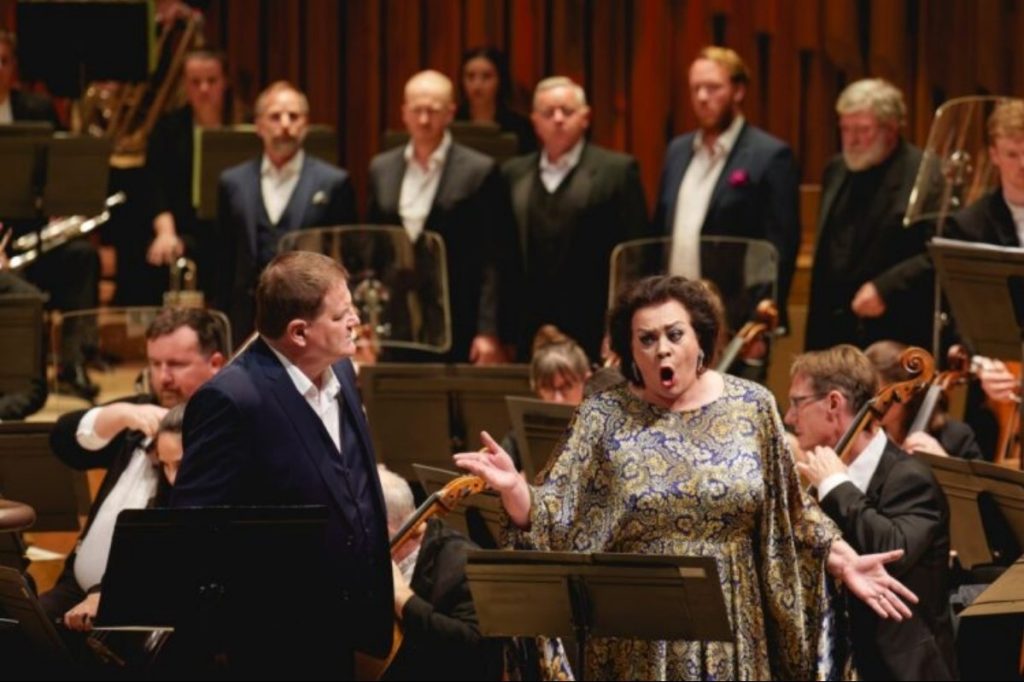
Cast of Tosca – Photo by Dafydd Owen
On the night of the 24th of September, Floria Tosca was performed by Fiona Harrison-Wolfe, whose voice is strong but lacks modulation therefore pathos. Both Harrison-Wolfe, as Tosca, and Presno, as Cavaradossi, seemed to fail to modulate and deliver a more natural progression to higher notes. This was particularly noticeable in the first act when it was like being hit by a sudden increase in volume.
The interpretations were powerful but the lack of modulation compromised the emotion. Tosca’s Vissi d’arte and Cavaradossi’s E lucevan le stelle failed to move. The artists were not aided by an orchestra that did not shine. Such a compact opera felt a little drawn out at times. Dario Solari gives a solid and impressive performance as Scarpia.
The contemporary setting was used effectively. A large painting of Mary Magdalene on the ceiling of a cupola dominates the scenes emphasising the clash of sacred with profane. Scarpia uses religion for power. Lights, costumes, and staging produce a very striking image where the chorus in colourful costumes surrounds Scarpia who is illuminated as a star. It is not so distant from the quasi-theocratic images we get from the United States today.
The WNO’s Tosca provides good entertainment to a public very keen to applaud at the earliest opportunity.
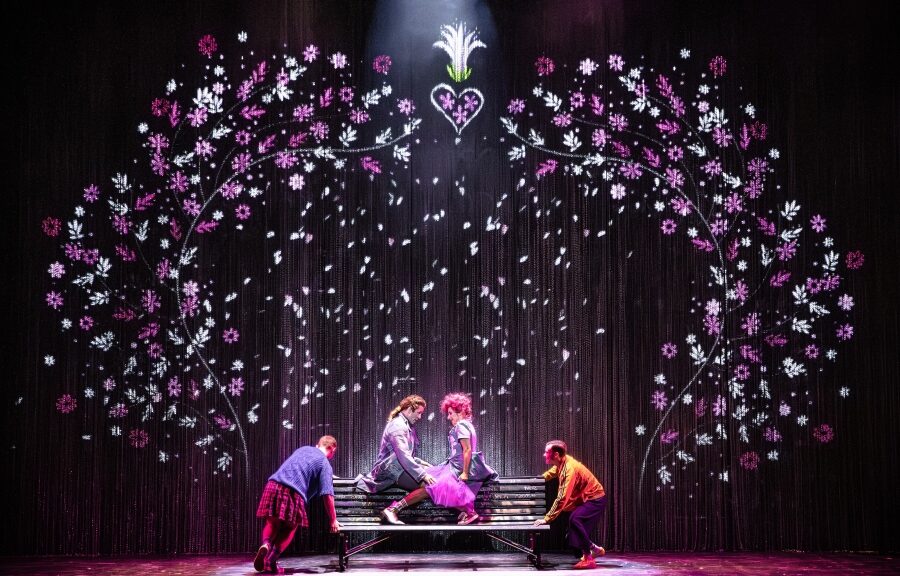
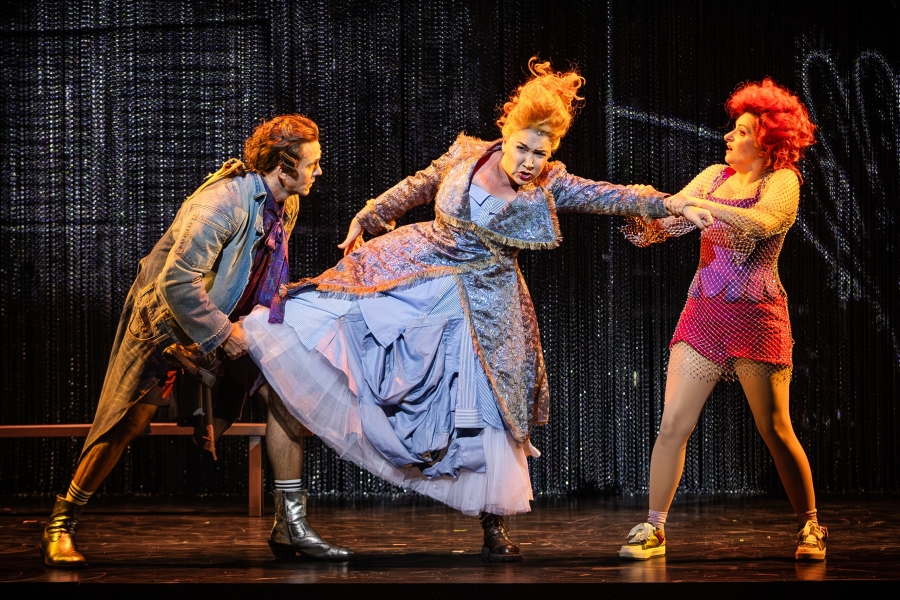
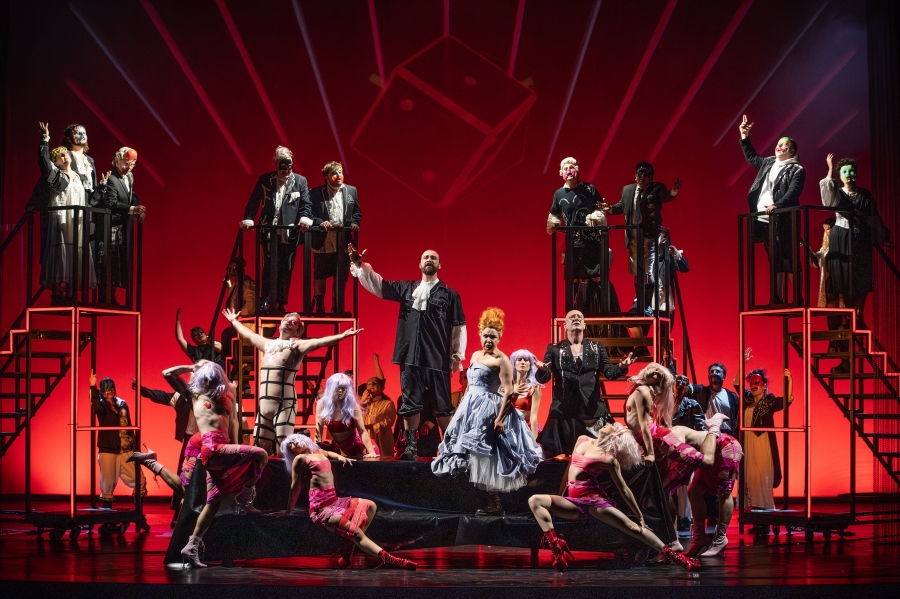
The Welsh National Opera know how to put on a show. On opening night, Cardiff’s public enjoyed Candide by Leonard Bernstein. It’s a light musical, more than an operetta, done in a cheeky tone. The WNO enthralls the public with colour, wit, and excellent performances from all the cast. Of note are also the choreography by Ewan Jones, the imaginative use of light by Rob Casey, to create animations and guide the story, and Nathalie Pallandre’s costumes, where the eighteenth century meets and crashes with the late twentieth century.
The singing by all members of the cast is excellent. Soraya Mafi stands out with a powerful voice and delightful timbre. Excellent is also Amy Payne as The Old Woman, delivering a funny and skillful performance, and Ed Lyon is an impeccable Candide.
WNO Candide Ed Lyon Candide Amy J Payne The Old Woman Soraya Mafi Cunégonde photo credit Craig Fuller
Alas, Bernstein’s Candide lacks the satire and depth of Voltaire’s original novella. It’s a picaresque pastiche with no subtleties. The good mise en scène, creative costumes, and excellent performances cannot compensate for the lack of substance of this musical. There is no variation in tone in the music or the story. There is no emotional arch, and the cheeky jokes become irksome after a short while.
The two-dimensional cartoon created by the light animation emphasises unwittingly the lack of depth of the show. Although effective in conveying the comedy in the beginning, the two-dimensional drawings keep the scene flat. As a result, there is little variety in the perspective on stage, just as there is no change in tone in the music.
There is no escape from a mediocre score and shallow libretto, light years away from the subtle and biting satire of Voltaire, but also from Bernstein’s West Side Story. Yet, people loved it. It’s a bit of fun on a rainy night in what feels like an abrupt autumn.
At a time when culture is under attack, when theft of artistic work has effectively been legalised to make AI viable, one can’t help longing for the amazing productions of Janáček that the WNO gave us in the past. One can’t help yearn for the WNO doing operas to convey the truth of the human condition.
WNO Candide cast of Candide photo credit Craig Fuller
Communities Engagement Partner at Royal Welsh College of Music and Drama, Guy O’Donnell was one of the speakers at the annual Arts Marketing Association Conference, Amplify in Edinburgh in July.
In the role of Communities Engagement Partner, Guy works on delivering a wide range of engagement activity, working across every aspect of the College with potential students, community groups, schools, colleges, audience members, partner organisations, decision makers and the wider public.
Guys presentation is shared below to give an overview of the work of the Department.
The Royal Welsh College of Music and Drama (RWCMD) is in a position to make a significant impact on the cultural accessibility and inclusion of people who may be facing barriers to engaging with live performances.
By actively supporting these audiences to work with their students, and share the creative outcomes on their stages and exhibitions, RWCMD has fostered a more inclusive, diverse, and collaborative environment that benefits both the participants and our students.
In this overview you can learn more about the work RWCMD has supported to develop;
Demonstratable techniques to increase the diversity of audiences
New ways to curate a cultural programme
Ways to work with volunteers to increase attendance and income
After many audience development initiatives, audiences are still mainly white, well-educated, middle-class, and middle-aged. This lack of diversity makes it difficult to demonstrate the value of publicly funded cultural activity. It also raises doubts about how creative and lively the arts sector is and its genuine connection to the broader general public.
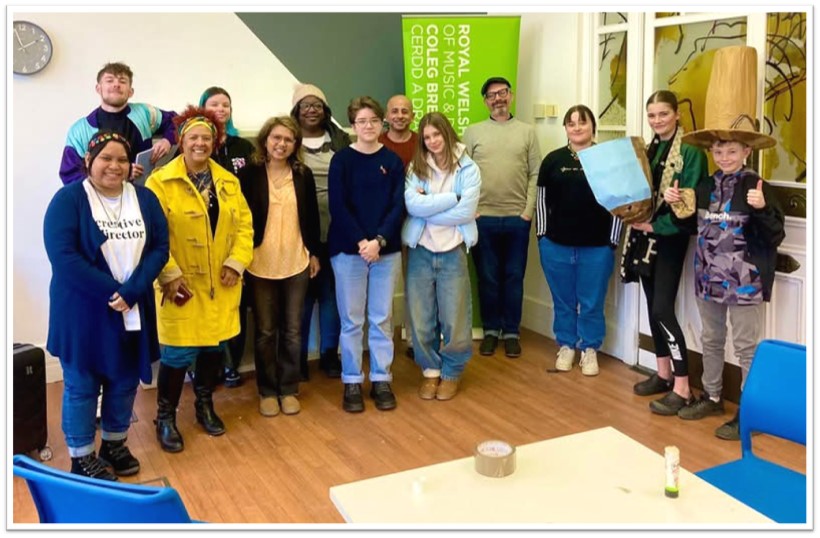
In this article I will outline the work of the Communities Engagement Department at RWCMD, to co-create, empower, and support active audiences who face barriers, offering them opportunities to work directly with our students. Our goal is to not only enhance the cultural engagement of these communities but to provide them with a meaningful platform to share their creativity, exchange ideas, and contribute to the training of our students.
The Royal Welsh College of Music & Drama in Cardiff, attracts the best creative talent from across the globe. As Wales’s national conservatoire, we fire imagination and drive innovation, offering training to more than eight hundred actors, musicians, designers, technicians, and arts managers from more than forty countries.
The College’s events calendar encompasses over five hundred public performances every year including orchestral concerts, recitals, drama, opera, and musical theatre. The creative diversity of the College ensures a stimulating environment and broad experience for students of all disciplines.
RWCMD is a space for everyone, through proactive measures, we seek to address barriers, promote diversity in all its forms, and cultivate a culture of belonging where everyone, has the opportunity to reach their full potential.
The mission of college is to be a space for everyone; the role of the Communities Engagement Partner works to support a greater range of students and the public to be aware of college and our work. In order to deliver on this mission When I first came into the role in Sep 22, I spent time learning about our live performance programme and meet with lots of staff and students and members of the public to get their views. What came across most strongly was the potential of our live cultural offer to open up conversations about access to the arts and it is a natural strength as the national conservatoire of Wales.
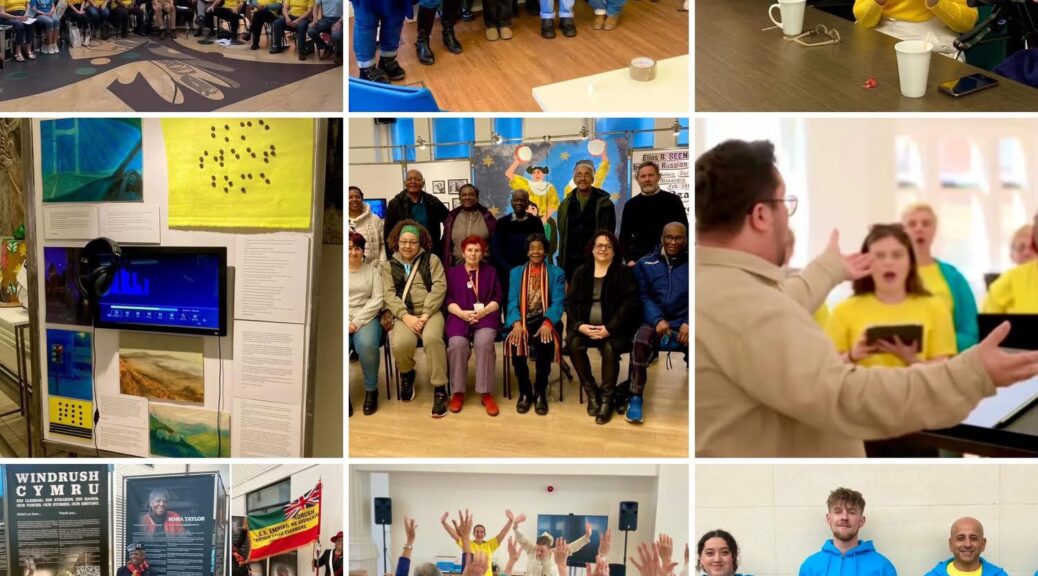
Using this information one of the first projects we developed was Calypso Jazz with The Windrush Cymru Elders
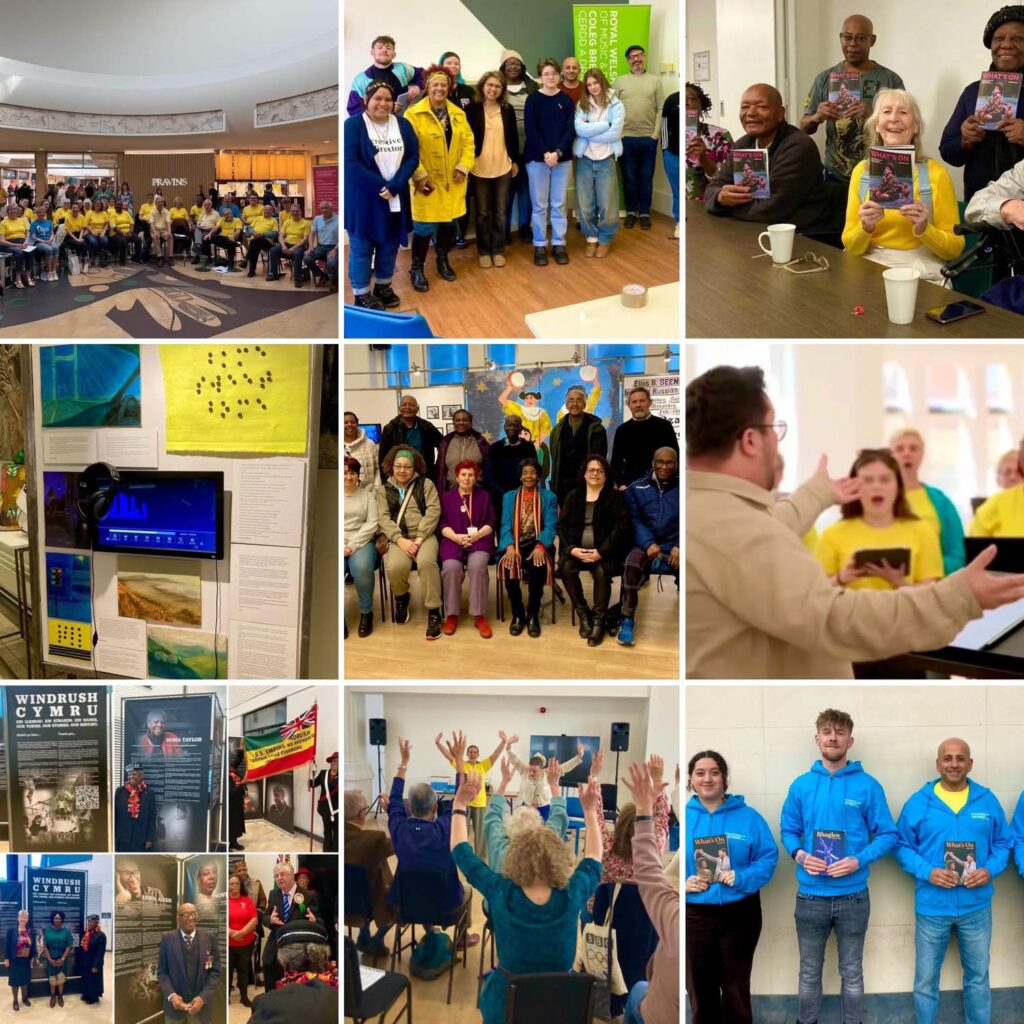
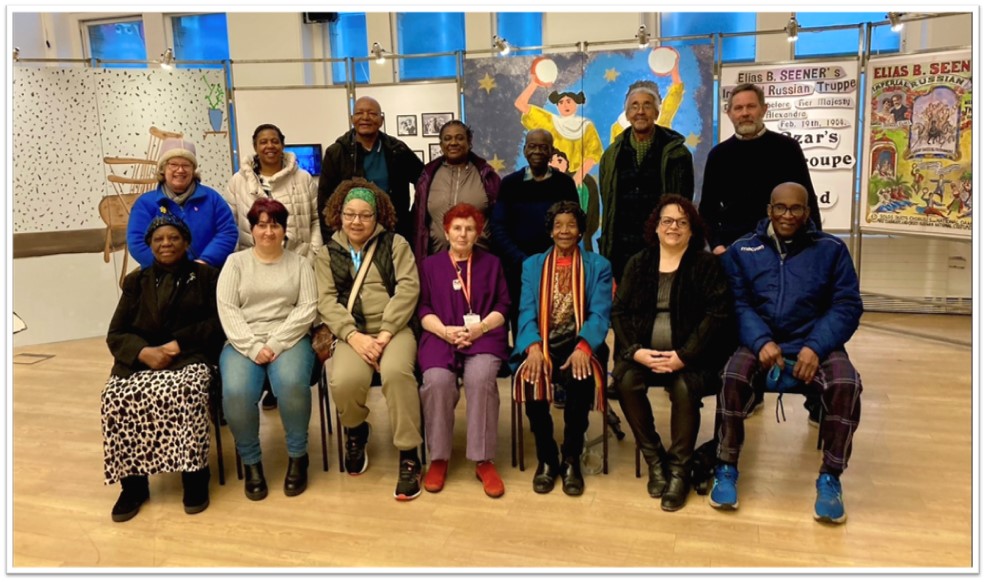
The Windrush Cymru Elders, led by Race Council Cymru, come from different areas across South Wales. They’re a proactive group of Elders who promote understanding of ethnic minority elders’ concerns and needs while celebrating key milestones and marking the contributions of people of African descent.
The group meets weekly, usually in the College, to enjoy each other’s company and take part in creative activities in and around Wales. The College and Race Council Cymru colleagues, provide support and meeting facilities for the group who use College as a community hub.
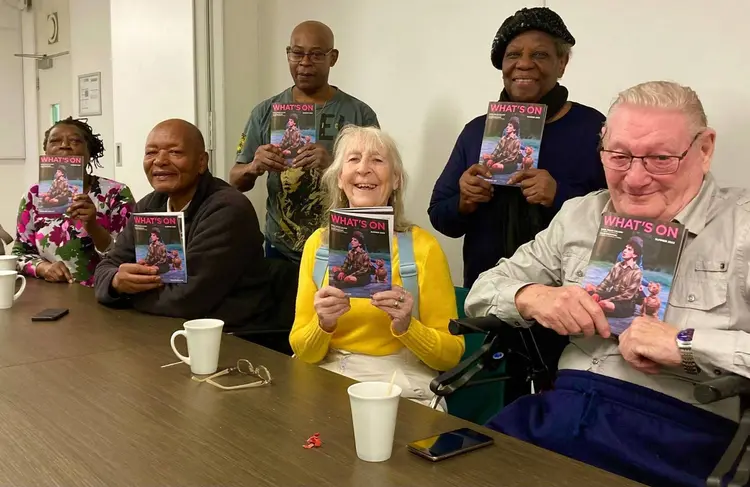
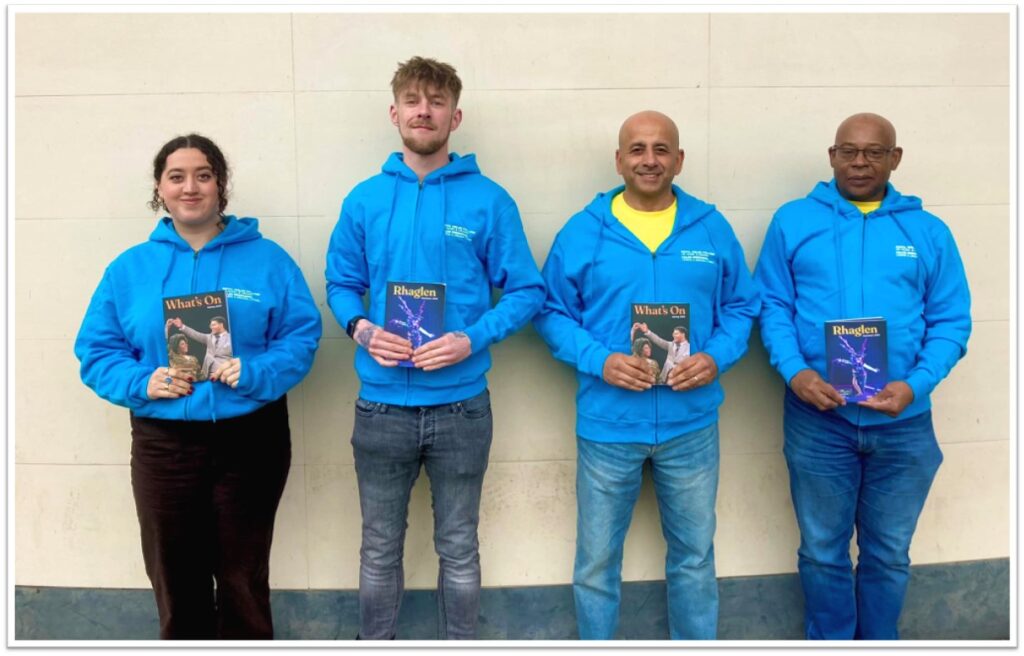
They collaborate with us on feedback and input to the What’s On performance programme. A range of colleagues and students from college have presented to the group to foster an understanding of the College’s work and develop links with The Windrush Community. Public performance is central to student learning, as is understanding a diverse range of audiences and their needs.
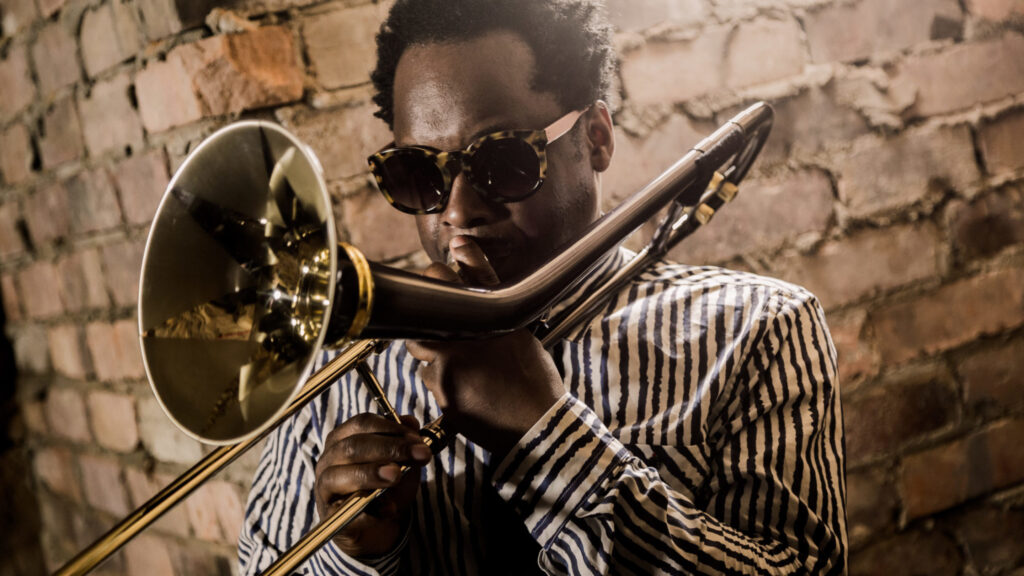
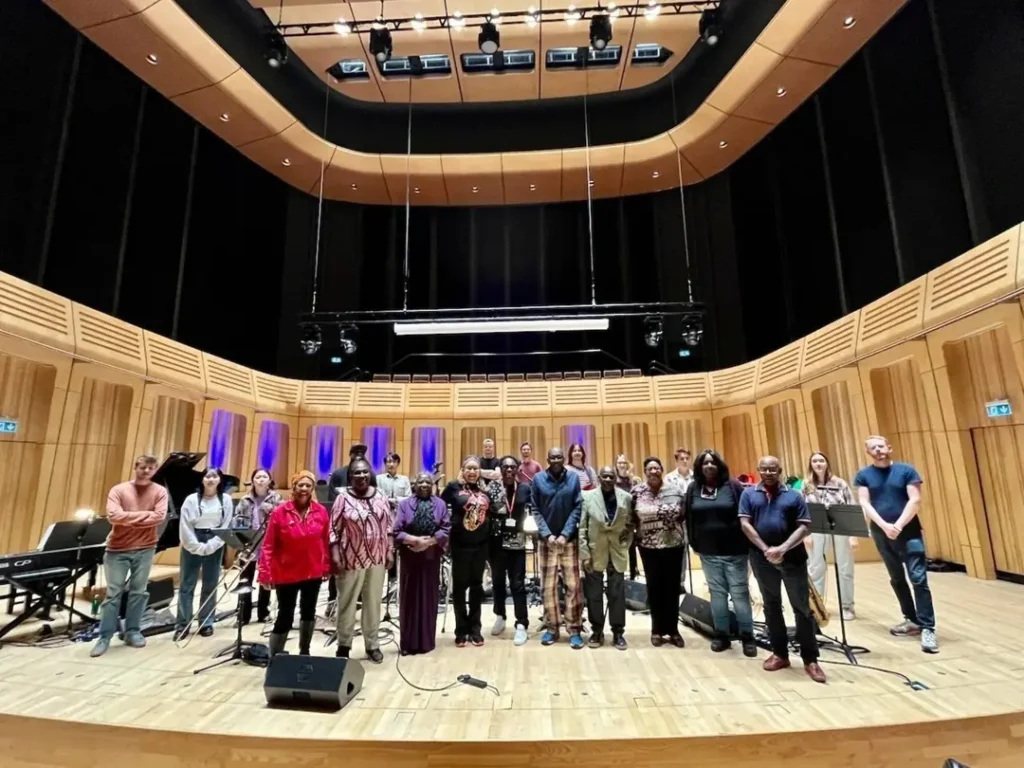
At the start of the new academic year, we have a large-scale concert led by jazz musician Dennis Rollins, supported by our students. Prior to the performance Dennis and staff, met members of The Windrush Elders to discuss their musical heritage, the conversations led to a co-created concert performance where our students and the Elders shared a stage, to a paying public, to celebrate Calypso Jazz.
The Elders have also been supported by college to join The Tempo Time Credit Network. Tempo Time Credits are an external UK wide organisation. They build local and national networks of organisations, bringing people together in their local communities to conduct valued and important voluntary work. Volunteers earn Tempo Time Credits as part of a reward and recognition scheme for the invaluable work they do within their communities. These Credits can be exchanged for a range of services and activities provided by their local and national Recognition Partners of which College is one.
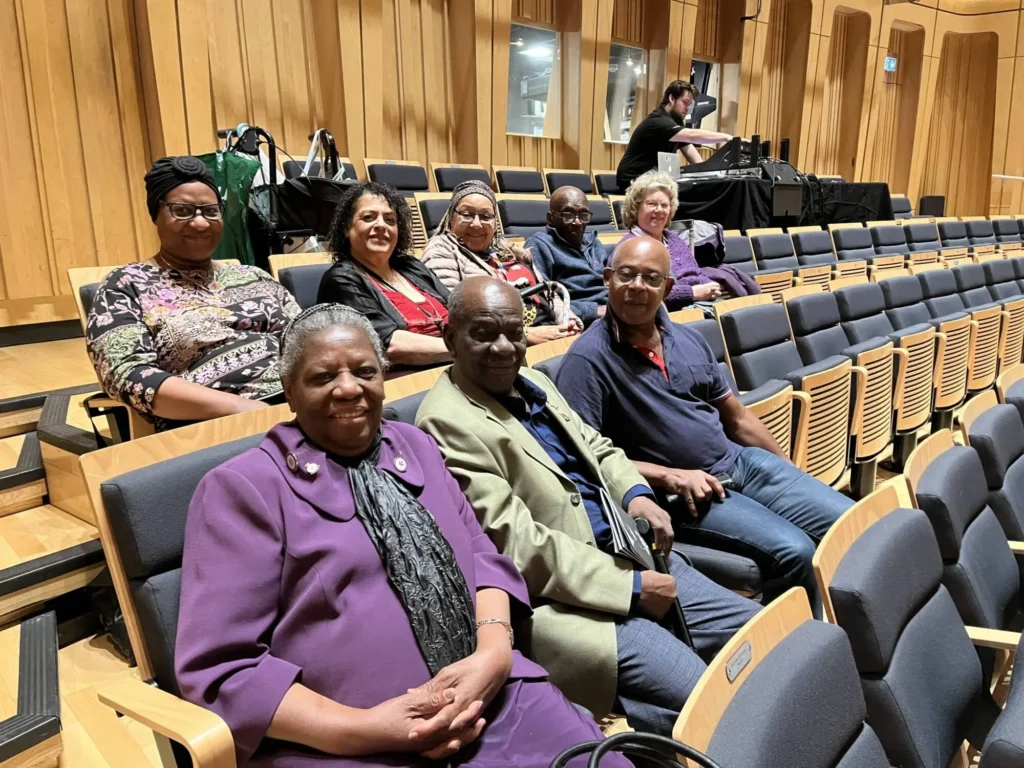
The Elders earn two Tempo Time Credits volunteering their time as part of their weekly meetings, supporting their community. Most of the group have used their credits to see a college performance. As some of the Elders would find the physical cost of tickets a barrier, this collaboration benefits everyone involved.
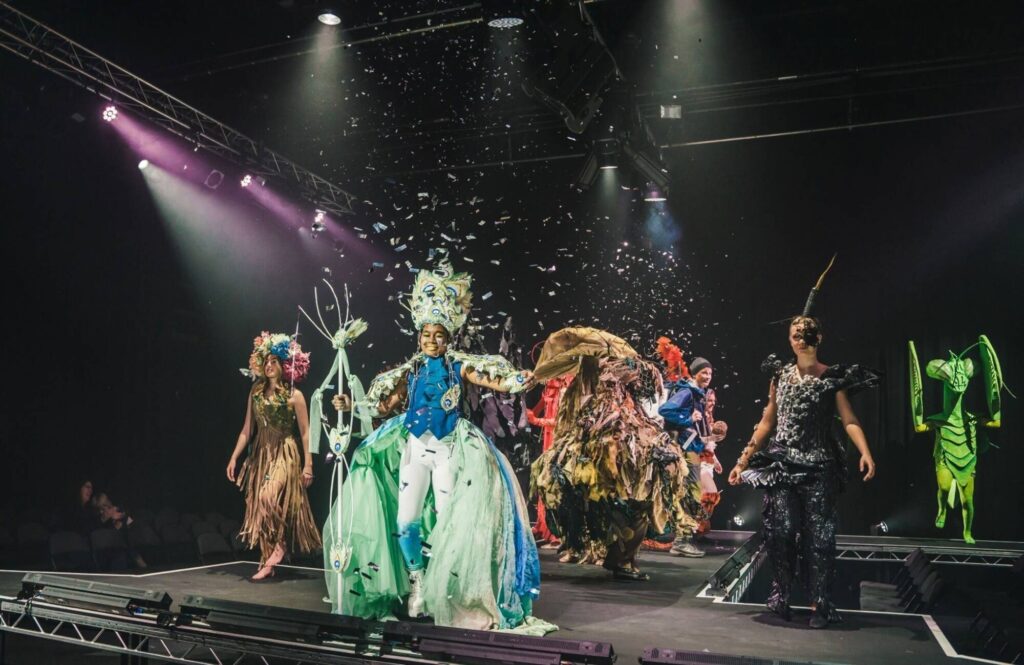
Using their Time Credits the Windrush Elders have seen opera, drama and classical music. They have also brought their grandchildren to see Wearable Art, the costume showcase created and performed by Design for Performance students. This introduces tomorrow’s talent from a range of communities to the College and inspires them for future career possibilities in the creative industries.
Karen and Linda two of the Elders have used their Tempo Time Credits to see performances by South African musician Abel Selaocoe
They said of their Time Credit membership
‘Since coming to college, we have had the wonderful ability to earn Tempo Time Credits through volunteering our time to support our group, The Windrush Elders. This has opened up the possibility to use credits as reward payments for different things such as theatre shows or going to leisure centres.
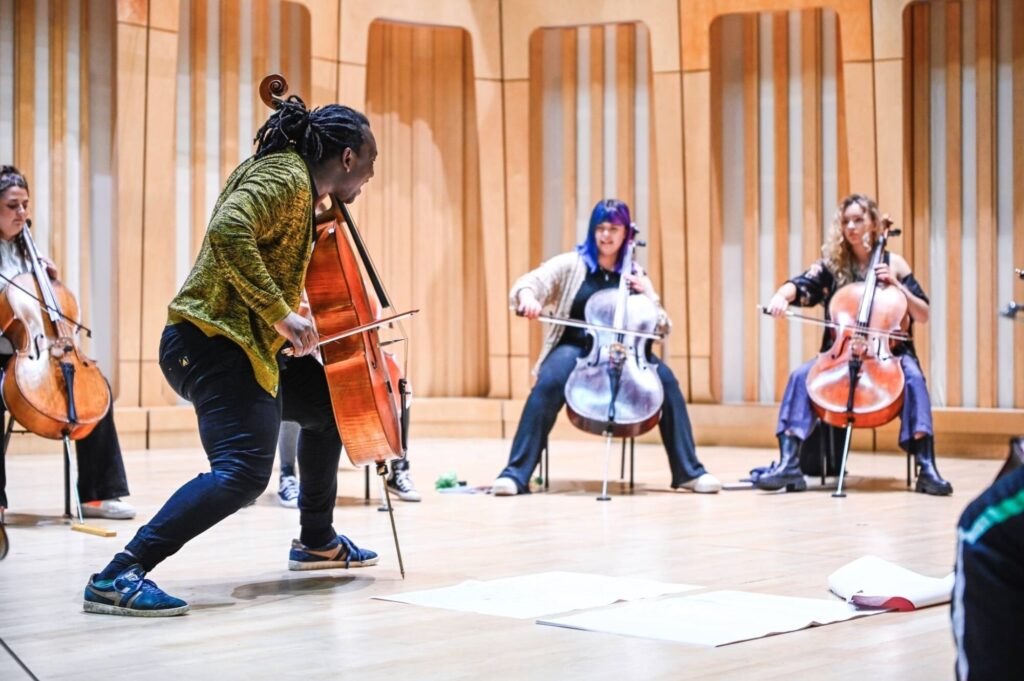
At College, we’ve seen Abel Selaocoe, the jazz cello player twice, last December as part of a quartet and then again as part of an orchestra of violinists & cello players. We thought both performances were astounding and loved every minute.
Being able to attend these performances and be included with Abel’s audience participation was so lovely. We actually felt we were transported to his home country of South Africa! We are looking forward to future performances at college.’
Our Tempo Time Credit spend at RWCMD has increased year on year from,
• Sep 22-July 23 = the annual spend was 87
• Sep 23- July 24 = the annual spend was 184
• Sep 24- July 25 = the annual spend was 230
At College, the average café/bar spend by audience members per individual production is £10-15. If two hundred people spend £12.50 over one year, that is an additional £2,500 over the year. This shows supporting Time Credit spend is a great way to support secondary spend with in most cases no additional outgoings.
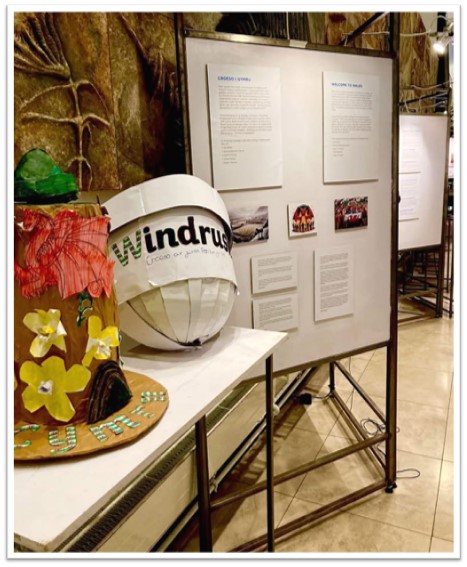
Audiences from groups including Blind communities. The Homeless community and The Windrush Elders were supported to access a college exhibition called Welcome to Wales. The exhibition from by International theatre designer and RWCMD International Chair in Drama, Pamela Howard OBE was a free installation at the Old Library, in The Hayes in the centre of Cardiff , the exhibition was a unique retelling of poignant journeys and the welcome, Wales gave to so many artists, performers and musicians, including Pamela’s own ancestors.
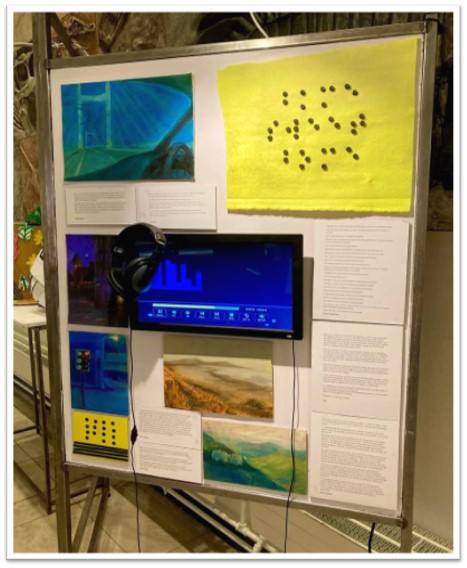
The community groups attending the exhibition were supported by a diverse range of creative professionals to create their own creative outcomes based on the initial exhibition. The resulting work was exhibited in college alongside the work of our Production Design students. Creative outcomes included creative writing, poetry, songs, visual art, braille art and sculptures. This work was subsequently used as a teaching aid for our students when learning about inclusive programming.
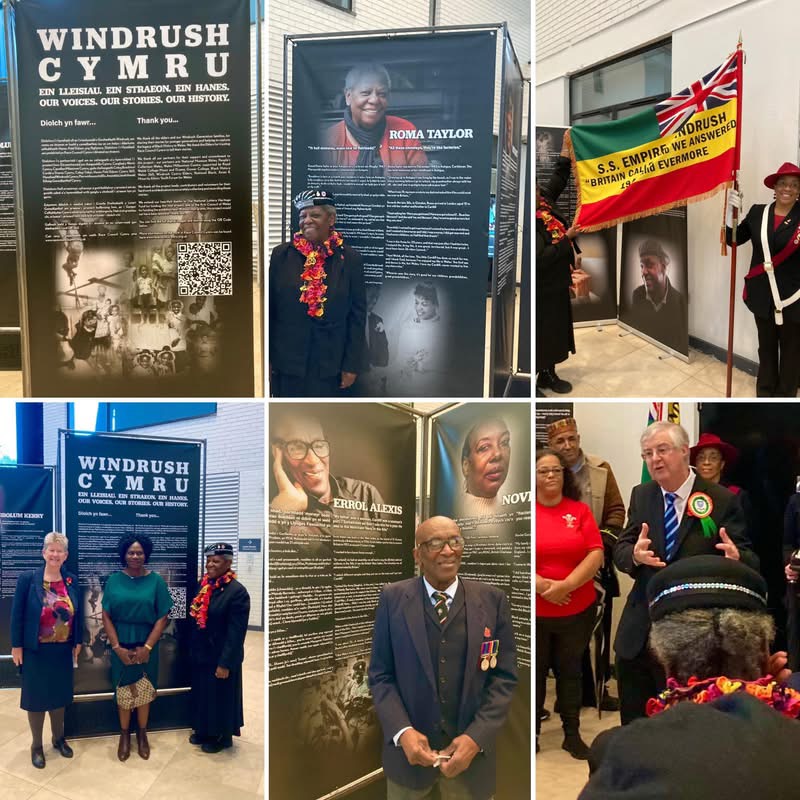
RWCMD hosted the ‘Windrush Cymru – Our Voices, Our Stories’- history exhibition at the College as part of its tour, which also included the Senedd and National Museum Wales.
The project and resulting exhibition directly responded to a call from Elders of the Windrush Generation who wanted to ensure that their generation’s legacy is captured and retained for posterity.
Three of the Elders have received training to act on behalf of College as Community Volunteers. Our Community Volunteers spend time advocating amongst their own networks about performances at college. They have supported new attenders who I or Colleges traditional marketing would have had difficulty reaching.
In the summer of 2025, two of our Community Volunteers independently supported ten of the Elders to attend a showing of the Grenfell installation by Steve McQueen at Chapter Arts Centre in Cardiff. This activity has shifted the traditional hierarchical process of accessing cultural provision, it democratises and empowers the communities we seek to reach. We aim to build on this work in the coming years.
To conclude as we are the College of Music and Drama, an illustration of community activity that brings together our students and members of the public who might be facing barriers in their lives centred around a celebration of musical activity.
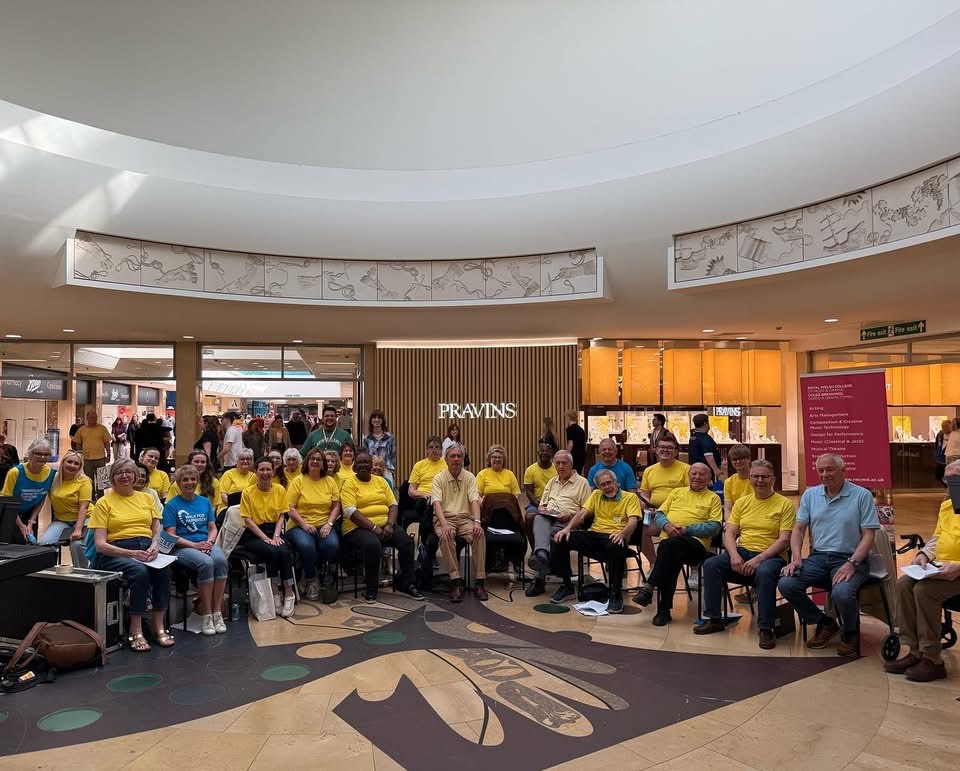
The Good Vibrations Chorus is a free signing group targeted at those living with Parkinson’s but open to all. Chorus members take part in vocal exercises, warmups and sing both familiar and new songs with the intention of strengthening the voice to counteract the softening of speech and the loss of muscle tone common in Parkinson’s.
Singing has been shown to reduce Parkinson’s symptoms like tremor, and issues with walking and posture. This is because it helps to relax muscles and release tension in the back and neck. Singing can also help to reduce anxiety and low mood by lowering stress hormones and increases the brain’s ‘feel-good’ chemical (endorphins).
The Windrush Elders are supported to attend the Chorus, we are aware of a lack of diversity in Arts and Health initiatives, the Elders collaborate with us to support members of their own networks to attend.
Our Repertoire is broad and diverse; it contains traditional Choral music but also musicians such as Bob Marley to support the College mission of being a space for everybody.
The Chorus members have shared the comments below in relation to their membership;
It’s great. It’s like a jewel, really, that’s shining brightly. We’ve got the right people in positions, such as Josh and Dora, the tutors. Along with the complimentary package that we have with the students fulfilling their ambitions and their requirements at the same time is wonderful. There’s different layers to all of this, so it’s great. And the backing of the College and Parkinson’s Cymru, it’s great as well.
‘Thursdays are great because that means it’s a choir day! Hurrah! It really is the highlight of my week and I always look forward to our sessions. I sing with two other choirs but what I love about the Good Vibrations Chorus is the relaxed atmosphere and it’s good to get to know other people who are living with Parkinson’s. The choir is friendly and welcoming and Josh, our musical director, balances the rehearsals perfectly between singing and having a lot of fun. We always have a laugh. It’s such a tonic! It’s so uplifting and from a well-being point of view that’s immeasurable. All that wrapped up in a great big ball of joy is such a positive thing.’
August is always a dry spell for classical music in London. It would be a brief spell after the all night Prom at the Royal Albert Hall, that a return to London would follow a week after this massive event.
This concert from the Belmont Ensemble was on the the much more popular side, essentially all the hits. The utter lack of air-con in St Martin’s made this concert feel like a drag, though the all lady players gave merriment and depth to proceedings. The Arrival of Queen Sheba by Handel is the playfulness you’d expect aside the heights of eloquence. Belmont played with clarity, not to heavy but on the right side of expectations. Bach’s Air on the G String is another eternal trapping from the great mind, clever in its melody, the players didn’t force too much and it went well. Canon in D is simply so overplayed its easy to greatly tire of it. Pachelbel’s one hit wonder (though he wrote more, people!) is a homestay of weddings and other cause for celebrations, its pacing plods, its main theme stutters.
I knew all on the set expect Handel’s Concerto Grosso in A, the first fun find. Not too long in length yet having some exponential ideas, the impact is delightful and often whole hearted. Bach at it again, with Jesu, Joy of Man’s Desiring perhaps the most touching of the night. I chose this at a family member’s funeral, its meticulous form is other worldly, Belmont giving it their all reaping the rewards. Ending with Summer and Winter from Vivaldi’s The Four Seasons, this is the most gimmicky of the lot. Yet, I grew up with this work and know its value. As the soloist, Helen Davies stood up to the challenge in a fiendish and tricky role. It worked for the most part, one or two passages the ensemble seemed to fall flat, yet this faded. Helen ended covered in sweat, lost in what she had just created from the concerto’s demand.
Listed in the flyer, conductor Peter G Dyson was nowhere to be seen. Was this an add on from previous marketing materials?
The BBC Proms are only getting bigger. Yet there are some concerns from this writer. After a few years of trial gigs around the UK, official with the name, it now appears that the whole nation of Wales is not getting anything this year. This puzzles me, as we’ve had events in Cardiff, Newport and beyond. This is a really disappointing blow. What is even more bizarre is the removal of the full Prom schedule getting the numbers removed. This was also so easy when sorting tickets and so on.
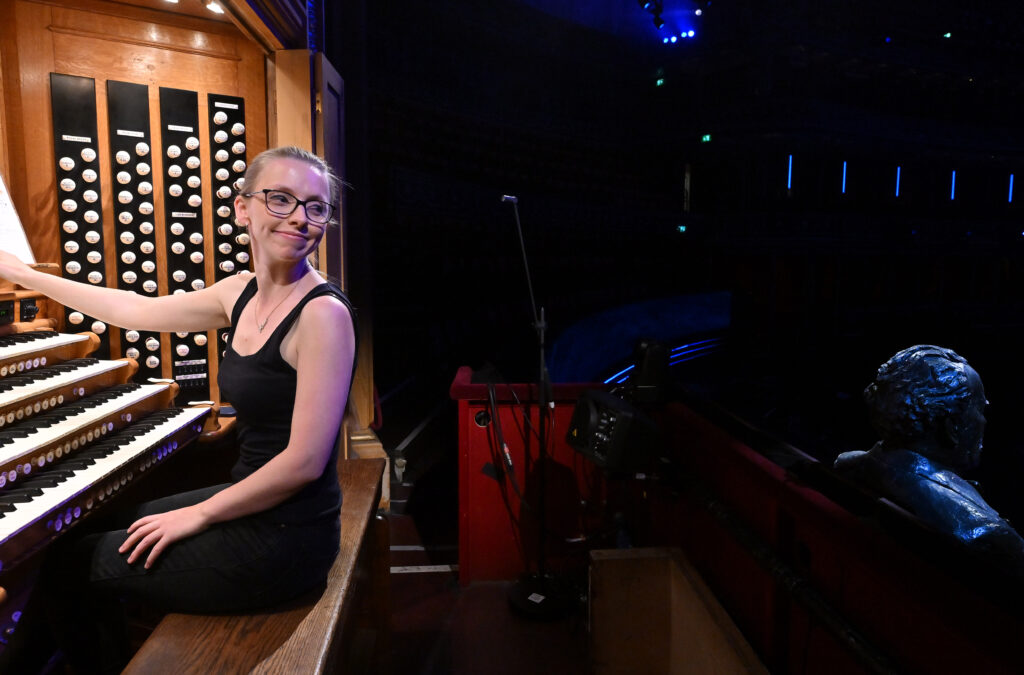
In a plunge into the deep end, an all night Prom was an exciting and exhausting endeavour. Not done since the early 80s, this is no small feat and we can thank Anna Lapwood and the efforts of the team, who assembled the whole monster. Breaking into things at 11pm, Anna chose an accessible if somewhat arbitrary set on the grand organ in the hall. Eugène Gigout’s Toccata in B Minor is heavily leaning on JS Bach, though this opener felt like the herald we deserved. Her praise on TikTok has seen a large flowing and this is all fine. Olivia Belli and her Limina luminis evokes the film Interstellar in its sensual minimalism, a vision of an astronaut gazing back at the sight of earth. Choices from Pirates of the Caribbean might be the most typical, though her brief singing and flair in the sea shanties and drinking songs were hard to not enjoy.
From Dark Till Dawn: All Night Prom, Part 1-Anna Lapwood organ
Barokksolistene / Mamelukk, Bjarte Eike violin/director
Pembroke College Chapel Choir, Anna Lapwood conductor
as part of the BBC Proms in the Royal Albert Hall on Friday, 8 Aug. 2025 Photo by Mark Allan
In keeping with this merry vibe, Barokksolistene are a Norwegian folk band who excel in evocations of years past in taverns and pubs. We get a broad scan of Western Europe, naturally Scandinavia, Canada and further afield. Director and on violin, Bjarte Eike is leader of ceremonies, a charming silver fox with cheeky humour and some sour political swipes at the UK, its all rather fun. Whether or not musically it was a little twee or me I’m still on the fence about. Though moments of utter beauty shone and dancing beats would be met with movement and panache. Their encore was a phenomenal harmony that greatly touched, an Acapella joy that found real praise from this hungry audience. It would appear that their party continued even into their dressing room.
Anna Lapwood would not be done just yet (far from it!) as she would return to conduct the Pembroke College Chapel Choir. Whilst this was their first performance at the Proms, it would be Anna’s last venture with them after nine years of collaboration. I was impressed by these young singers, some of which Anna pointed out are not even studying music. There was a sensibility and vim out of them. Kerry Andrews opened with a sweet ‘All things are quite silent’, and Anna’s very own ‘Arise, shine’ were conventional in form and clever it their simplicity. I’ve some reservations about Eric Whitacre and his ‘Sleep’, I’ve never found it to be very potent. His novel ‘Leonardo Dreams of his Flying Machines’ is trite in some ways, breaking down the artists remarkable inventions in flight. The singers wrap up with winds and whistle noise in a tacky mimicry of these contraptions. Bob Dylan and his ‘Make You Feel My Love’, arranged by Lapwood, sent me over the sickly metre.
Well needed rests were spread throughout the 8 hours. Hayato Sumino from Japan gave an intimate piano recital, as there second set began things got much more intimate. Chopin’s Waltz in E flat and Polonaise are very famous and I found them decent fare. Hayato turned to the also present upright piano and played one of his own: Nocturne II: After Dawn. This slight venture was hushed and perfect on the sombre frame of the upright, its appeal lays in the gentleness. A take on Dance Macabre saw him on both pianos, in this busy arrangement by Liszt and H. Sumino. Lots of the music was fitting, the Dance included, skeletons jigging around the night as the cock’s crowing wraps up the party. The take on Boléro by Ravel was cut in half and less effective. Some percussive ticks and elbow slamming added to the drama of the latter few bars, though I doubt it works as well as its start: the grounding statement. Radiohead’s ‘Everything in Its Right Place’ and Like Spinning Plates ending the session and they were passable, on cello Anastasia Kobekina played in the later and this would tease into her own programme that would shortly follow.
From Dark Till Dawn: All Night Prom, Part 2-Hayato Sumino piano
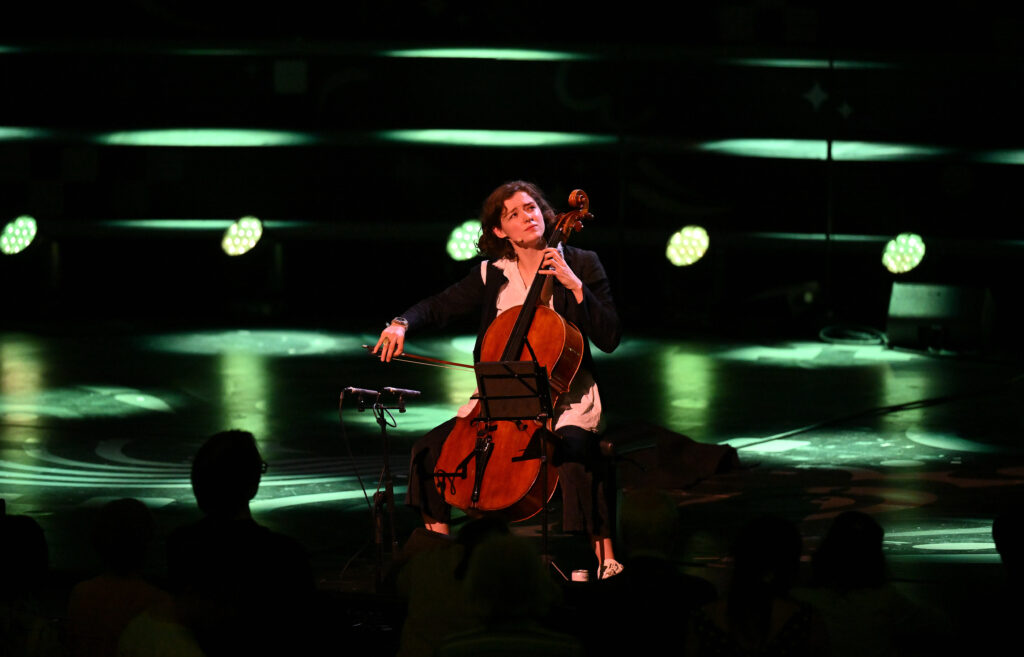
Anastasia Kobekina cello
as part of the BBC Proms in the Royal Albert Hall on Friday, 8 Aug. 2025 Photo by Mark Allan
Anastasia’s time here is most certainly my favourite programme. By the time she was on stage it was coming up to 4am, the plucky audience around me has retired for the night and the intimacy would now reach utter concentration. Cherished Bach Cello suits were the mainstay here and I was loving it. Beginning with ‘O fronds virga’ from Saint Hildegard of Bingen, we met the sacred realm, then to stately Bach and Jonny Greenwood’s Postcard. The latter was written in lockdown and is so slight and under character, it is fifty seconds of cluttering string contact of little note. Vladimir Kobekin and his Narrenschiff (Ship of Fools) was the most theatrical and alarming. Dark and filled with mystery it stood out for its utter invention. I believe I recall Pēteris Vasks and his Grāmata čellam (The Book) – Pianissimo causing a stir in a concert in Cardiff with another cellist years ago. Most likely due to the actual vocalise of the player as well as cello playing simultaneously. Beautiful in its creation, unfettered by compilation it is a brief moment that glimmered. More Bach suites for the pot aligned with Boccherini’s Fandango, with foot stomping and cries aloud. Fabulous musicianship.
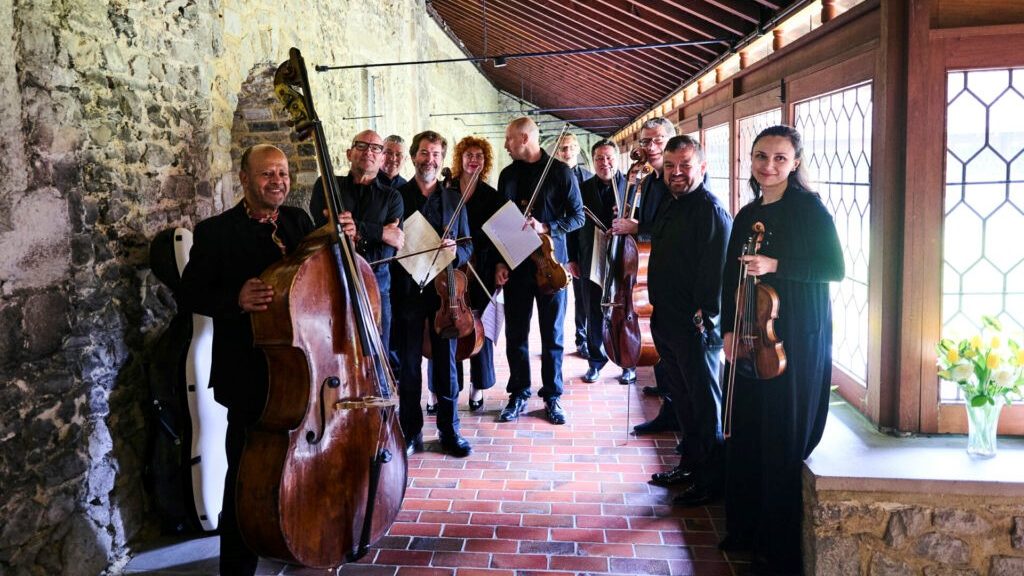
After this I began to falter, it had been at least five hours. String group 12 Ensemble were next and they kept some of the programme from their concert at Wigmore Hall the other week. I think the audience struggled with the demands of ‘Many Fruited Dog Tooth’ from Isabella Gellis. Having its world premiere at Wigmore (and this night its Proms debut) this oddly moss inspired near fifteen minutes was a slog, its chirpy and hushed tones would not aid this sleep deprived audience. Edmund Finnis in the Hymn, after William Byrd was effective and stimulating. Oliver Leith’s ‘Full like drips’ from Honey Siren and Oliver Coates’ One Without’ from the film Aftersun were the alluring pieces to win us over in their sincerity. I was not expecting to hear Olivier Messiaen on this night and his ‘Prière du Christ montant vers son Père from L’ascension wrapped up their time with subtle intensity.
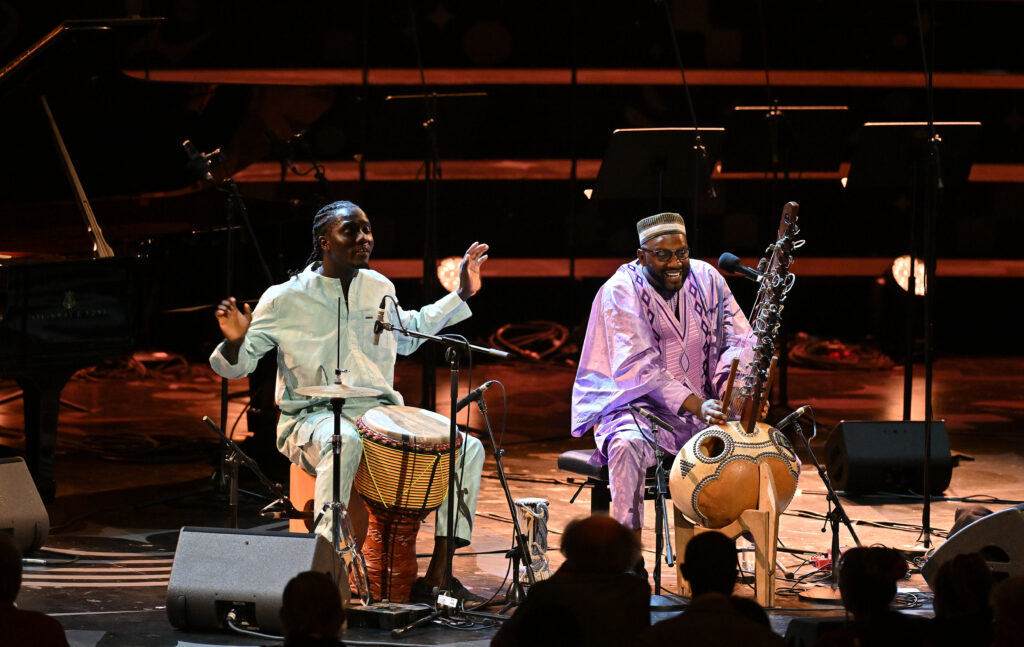
From Dark Till Dawn: All Night Prom, Part 3: 12 Ensemble, Seckou Keita kora/voice with Mohamed Gueye percussion, Sleeping At Last with 12 Ensemble, Pembroke College Chapel Choir, Anna Lapwood as part of the BBC Proms in the Royal Albert Hall on Friday, 8 Aug. 2025 Photo by Mark Allan
My face was falling off after this, I had crashed and the ample caffeine intake was intense. A man who had travelled from Chicago remarked how “crazy” it was I was drinking coffee so late. No doubt, coffee sales on the night were a success too. A touch of diversity with Seckou Keita from Senegal would continue as the penultimate act. On kora, he plays the harp sounding instrument with a fluid melodic ambience. It’s pleasant, yet I wouldn’t say I was nourished by it. The singing is charming, as well feel the heat and the whimsy of his homeland. On percussion Mohamed Gueye added textures to the fray though was not heard enough, his time brief yet energised. 12 Ensemble would pop back for a finale flourish in ‘Future Strings’ to delight his send off.
It would be fitting that this colossal concert would wrap up with an artist called Sleeping At Last. Hailing from Chicago, Ryan O’Neal got to the piano and most of the musicians from the night joined him to the climatic end. These are songs which are noble and insightful, yet they lacked any real punch. His vocals impress in typical soul and pop fashion and the songs written about the twelve personality types is inspired. Simple songs names such as ‘Nine’, ‘North’, ‘Touch’ and ‘Sight’ are a choice and one which seems to fit. This could have easily been Sam Smith or other pop stars I’ve lost the names of at present. Somewhat anticlimactic, the audience had given standing ovations for some of the acts, yet here appeared simply too tired to do one last time.
Extensibly, a concert that will go down in history, though the idea won’t see the light of day for quite some time.
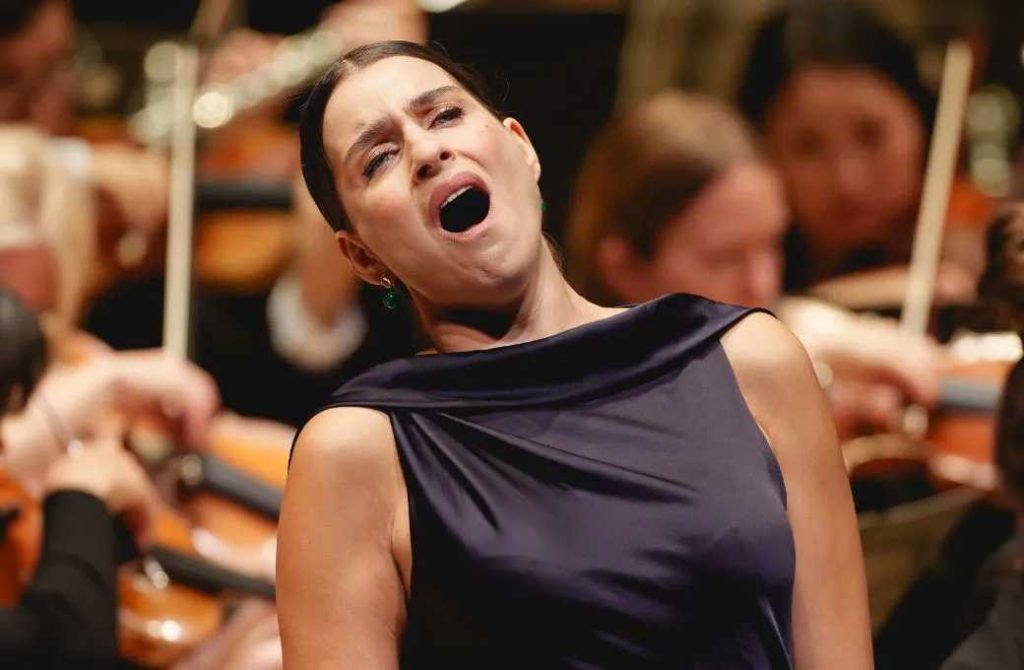
Asmik Grigorian as Salome. Photo credit: Chris Paradise
(5 / 5)
I’ve really been savouring the stupendous opera concerts from LSO. We had sweet La Rondine back last year, Janáček’s brilliant Excursions of Mr Brouček in the spring and now an absolute belter. This concert version of Salome is their last concert of the season and what a fine choice to end with.
Rivalling the heat in London, this difficult opera by Richard Strauss is an acquired taste. This twisted, biblical tale is seen through the eyes of Oscar Wilde, a play which alone cause riots. The opera also added to the chaos with audiences losing it over the depictions within. Arguably Strauss’ masterpiece is an unflinching one act tale, stunning in its expressive delivery, anaconda grip tension and an unrelenting scope of the future.
LSO always wow with their playing, here was no different. Some of these wild passages were caught with raw power, musicians who seem thrilled to play and doing so with fevered totality. Conductor Antonio Pappano never fails to make his players shine, his ear is one of the best today. Hearing this opera fully for the first time in over a decade, there stood out several moments. Herod’s interchanging bouts of hot flushes and cold bursts are brilliant orchestrated by the German composer. The image of dark flapping wings are also the chilling harbinger of dread which permeates the drama. It can only end badly…
The Dance of the Seven Veils is a famous, rollocking highlight, Salome dancing rather disturbingly for Herod, her step-father. Proposing she could had whatever she wants in doing this act, her obsession with John, the Baptist compels here to have him killed. After rejecting her advances, John is killed, his head being served on a silver platter. Herod, sickened by this, compels his guards to have them killed Salome. It was never a light story!
The cast did everything and more. As the seductress, Asmik Grigorian has all the right moves and get a huge rest bite in the middle. This is an exceptionally demanding role, post Wagner and the break from singing can only ever feel warented. Some acting is there, it’s more cold and calculated than total bursts of passion. Her ringing, chants and grace in the calmer bars remain noteworthy. Herod is Wolfgang Ablinger-Sperrhacke, with moments of humour, fury and through kingly demands he crowns himself as a fine singer indeed. His annunciation with the spilling words are exemplary.
Wolfgang Ablinger-Sperrhacke as Herod and Violeta Urmana as Herodias. Photo credit: Chris Paradise
As John (Jochanaan), Asmik Grigorian had heaps of proud religious bouts and furious scorn for Salome and her mother. His one major scene defines the rest of the story, before and after is only heard in his prison cell off stage. Herodias is a glamourous Violeta Urmana who is perfect casting. The squabbles with her husband, support for John’s killing and general vampish tone were special. Highly gifted with grand voice the elements of acting was also present. Many other small roles feature including Jews, soldiers and more (there is no chorus proper), all these bit parts were cast with the right people, keen to impress.
Naturally, it all leads to the devastating ending, Gregorian soaring in this sick soprano role. The famous finalising chord Strauss concocted is loud, tangy and a complete revelation. No wonder audiences were disgusted…just imagine being there. This dark thrill ride has still got it well over a hundred years later.
To experience Bach Brandenburg Concertos in one day is formidable. Only once before have I heard it live, Florilegium in Cardiff back in 2018, notably we heard them in in descending order. You are easily won over by its pristine harmony, the playful sport within its players, the cleverness of the whole thing. Few would deny Bach’s genius, this is a fine example of it. Yet would the allure be kept spread out over a day?
Chamber Domaine has done just that with three concerts at Wigmore Hall. We are also treated to living composers who have reacted to these concertos and their impact on composition. Luke Styles and his ‘A Brandenburg’ is essentially just an arrangement of Bach’s eternal Toccata and Fugue. It’s all there and the frilly addition of ornament question if this can be regarded as a whole new composition.
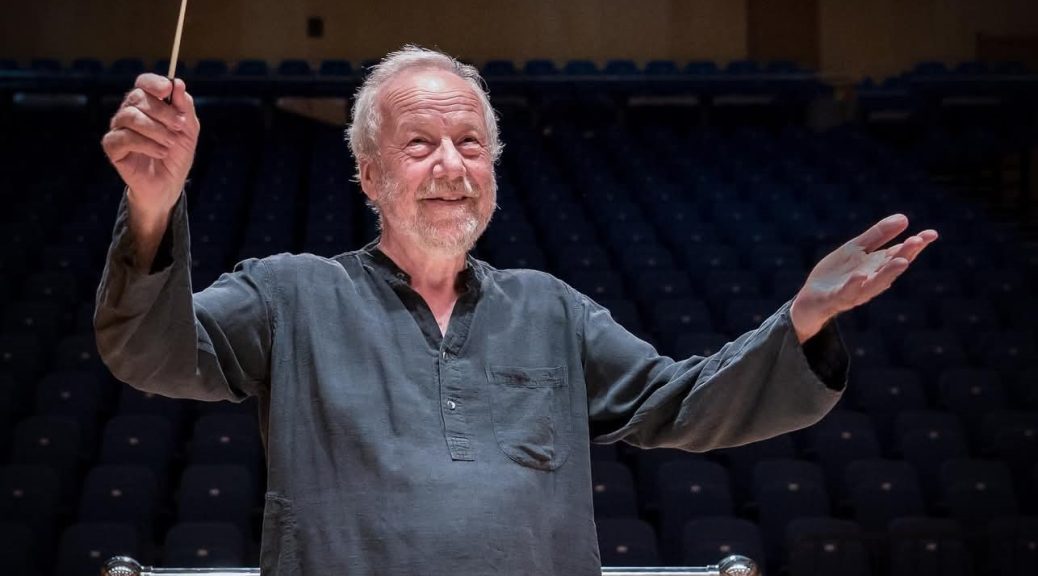
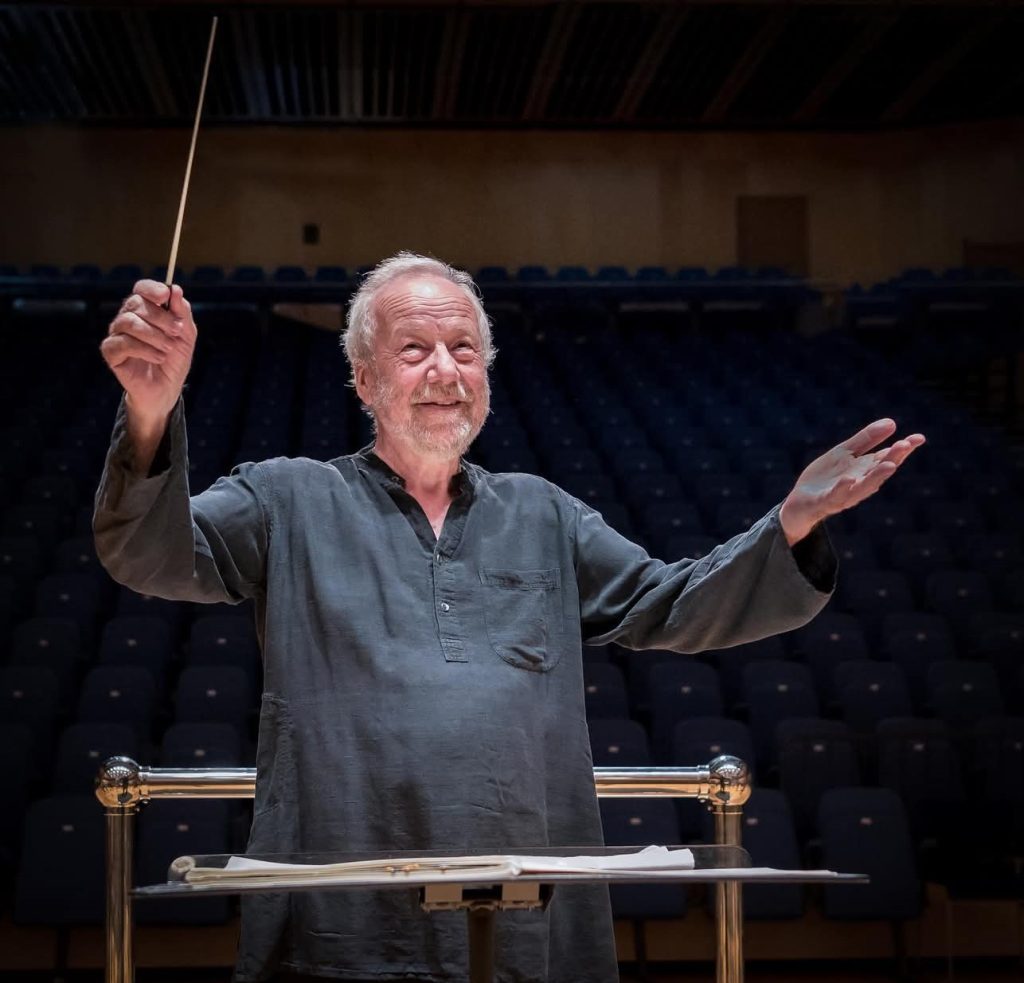
We then lead into the Brandenburg Concerto No 1, our first of six on this day. I wouldn’t say this is the best out of the set, there are charming passages and the players feel like they are warming into the whole venture. Conductor Thomas Kemp leads with a lucid control, that much is known. This short opener ended with ‘Sequel’ by Brian Elias. Written in 2020, to Taylor this was a world away from what we had just heard, its instrumentation remained the same as the concertos. Irregular rhythms and an all round sense of unease permeated the work, Sarah Burnett got intense bassoon solos and the harpsichord worked particularly well in the concoction. Amazing how different a sound can be.
A two and a half hour rest saw a return of the 2nd Brandenburg Concerto. Trumpeter Alison Alty gets many delights in a soaring solo, high and mighty. I imagine this is not easy to play, there may have been some scratches, but was mainly delightful. Purist would scoff at the inclusion of new work interspersed through some of the concertos. Aaron Holloway-Nahum added more atmosphere with ‘as the soul recedes in what the years bring’. The harpsichord strings got stroked in this solemn piece.
Michael Price and The Malling Diamond gave Alty got more special, sweet writing, following with the glowing notes Deborah Pritchard’s sacred offering of her Illumination. Zoë Martlew had the most evocative selection with Bacharolle. With humming and whistling, steamy pizzicato and the ghost of Bach haunting the space. I was impressed with this most. With the Third Brandenburg Concerto, entirely stings with harpsichord, this is more famous and endearing than the past two. Perhaps the most condensed, its clarity unwavering, the mood chirpy and heartfelt.
An even bigger break, would then see a final evening concert to conclude both the old and new together. Fatigue had kicked in by the night and I’m having a hard time trying to recollect Daniel Kidane and his Concerto Grosso. I’m recalling flair and fun, some audience members seemed irked by its nature. The fourth Brandenburg Concerto had alluring recorders thanks to the celestial efforts of Louise Bradbury and Annabel Knight. They really are a fine addition, adding to the pot harmonies of great respelandance.
Florence Anna Maunders really got the memo in writing for these specific instruments. The earthy sinew of her Big Koncher’ah was very telling, Paul Edmund-Davies on flute was a fiery performance, many attacks and trills for the eternal woodwind. The fifth concerto might be the most famous, on harpsichord Sophia Rahman had brows held high for her glorious solo (I’ve always marvelled at Karl Richter’s take). For me, this is the defining moment of the set.
Joseph Phibbs and Bach Shadows went both ways in music making, traditional and experimental. I think I saw Kepm blow a partly whistle. Fun all round. We hear bird song in tape before going into Gold and Precious Silver by Stevie Wishart. Not quite as attentive as I’d have thought, this would be last newer work in a telling selection of today’s composers reacting to Bach. The sixth Brandenburg Concerto is maybe the most refined, just for stings. Lead violin Tom Pigott-Simith held great swavs of momentum in tiny solos, quivering tremeloes and a ringing vitality throughout the day. It was quite an achievement hearing all this music in a day. The adjustments to the stage were also considerable as Thomas Kemp, the musicians and stage hands all frequently altered the changing space.
A pleasure to have spent a day with these musicians.
Benjamin Britten’s Peter Grimes is getting lots of play at the moment. We had the alluring production from Welsh National Opera, Nicky Spence’s first outing as the lead. A concert version at Cadogan Hall is days away. I caught New Palace Opera last year for a Wagner night, a newly discovered passage by the composer as well as a moving Walküre last act.
A first wrestle with Grimes should not taken lightly. I admire them for doing this. I had the same feeling when Kennsington Symphony did it a few years back. Everyone should try it. In one of my favourite operas and a well regarded 20th century masterpiece, lies Britten at his best. Never easy for singer nor musician, the complexity and cleverness of the whole score, sees the characters of George Crabbe come alive with nuance and flair.
The orchestra were up to the challenge, okay a few slips from the brass and some uneven tempos I’m patient with. The devastating force and beauty are what seal the deal. Whether it’s the magic of moonlight, oompa bands, terrifying storms and gleaming sea visions, the orchestration is simply astounding. I know it well now, proudly saying this is the fifth time I’ve heard it live, the Aldeburgh beach and English National Opera outing were my gateway. Some people on the night said they couldn’t hear the words, the stellar libretto by poet Montagu Slater is another benchmark for English opera libertti. There are so many lines I could now sing and quote by the dozen now…..
A fine effort from conductor Michael Throne, who reigns in this watery beast with defiance. The singers left a variable in casting choice. As Grimes, Jonathan Finney has the fitting acting chops, a wild, almost unhinged persona, but the singing was not always there. Flashes of Peter Pears (who created the role back jn 1945) are evident, but some fiery moment left the voice to vulnerable and compromised. Though, I did still love the ‘Now, the Great Bear and Pleiades’ aria in the pub, those outstanding harmonics from the strings are the first marker (the first sea interlude as well) of what a great work this would become.
Too many to mention in the cast, Phillippa Boyle as Ellen Orford paired well in the role. The hearty vocals and sympathetic air to the role is what made Boyle shine. Captain Balstrode from baritone Paul Putnins faired well. I recall his Wagner Dutchman a few hears ago (also with Boyle) and he is better suited in this secondary role. Bo Wang as Reverand Horace Adams is the gossipy father of the The Borough, vocally strong in one many silly roles. Mrs Sedley, the nosey busy body gets a fantastic mini aria, dark and murky in the last act, when Grimes has proven his bad faith in the safety of his fishing apprentices. Gráinne captured the ludicrous nature of the part with aplomb, the vocal shrieks and constant clutching of Pearl’s are often highlights. Even a magnifying glass to boot!
Zoe South might not have always given Aunty, the owner of the Boar pub, the full potential of the role. There is humour and moments of snarky jabs, as she puts up with a lot with a pub compromised by the sea, rowdy patrons and more. Her two Nieces: Elizabeth Stock and Elizabeth Moreland get odd, stroppy vocal pairings, the whining and teasing feature heavily. Swallow the lawyer, was Edwin Kaye, not every word was clear but he felt right in the role. The rest of the cast followed suit with potency and a strong will to try out these bizarre Crabbe creations.
I’ve said it before that Britten would be proud of these performances of Grimes. This also applies here.
Further discoveries in music of past has led to some wonderful discoveries. It would appear many have not got a look in with recognition until recently.
This concert at Wigmore was one of these discoveries. Mel Bonis (1858-1937) was a French composer regarded as a talent in the golden era of song writing in her century. Scandal, children out of wed lock, sexism, artistic yearning and this the fairly sad story that makes up her life. We heard all this delivered with grace and frankness from speaker Audrey Hyland. It’s easily another story of a female composer that should have a film made about her.
These songs are accessible, they are honest and a fine handling of the written word is evident. This concert which was light and open, began with Songe, La mer and Le chat sur le toit, all proof of her talents. With two sopranos: Susanna Davis and Bella Marslen, they worked hard on these songs, accented and vocally alluring. They might want to check on airier high notes which did not quite land well. Mezzo Cecilia Yufan Zhang might have been the most interesting singer, the voice blended well with the allure of these eloquent, restrained offerings.
Countertenor Will Prioir will age into the singing group, not quite there just yet. Though his few selections had charm and romance. Sam Hird, baritone, was used little though had command in the odd song he was in. We had two sharp pianists with Louis-Victor Bak and Firoze Madon, talents who held these frank pieces as concentrated support for the singers. It’s important to see young people share with us lesser heard composers.
Chanson catalane was a flavour of Spain, Un soir a gentle flutter and the three ladies singing the wrap up Ave Maria, was sweet, if not the most compelling take. There seems to be much more of Bonis we have yet to hear, no doubt more is planned for the future. This is rather interesting to keen ears.
Creating opportunities for a diverse range of people to experience and respond to sport, arts, culture and live events. / Lleisiau amrywiol o Gymru yn ymateb i'r celfyddydau a digwyddiadau byw

 (4 / 5)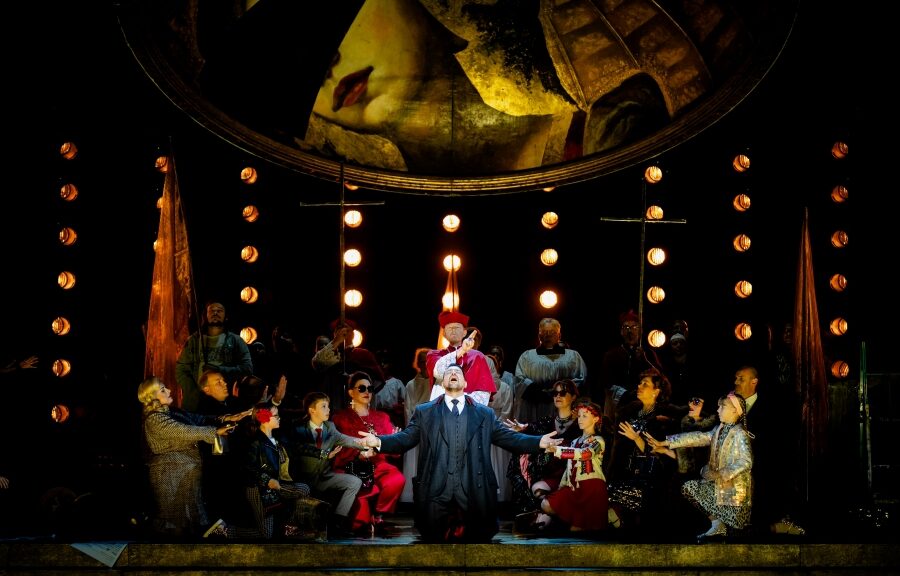
 (3 / 5)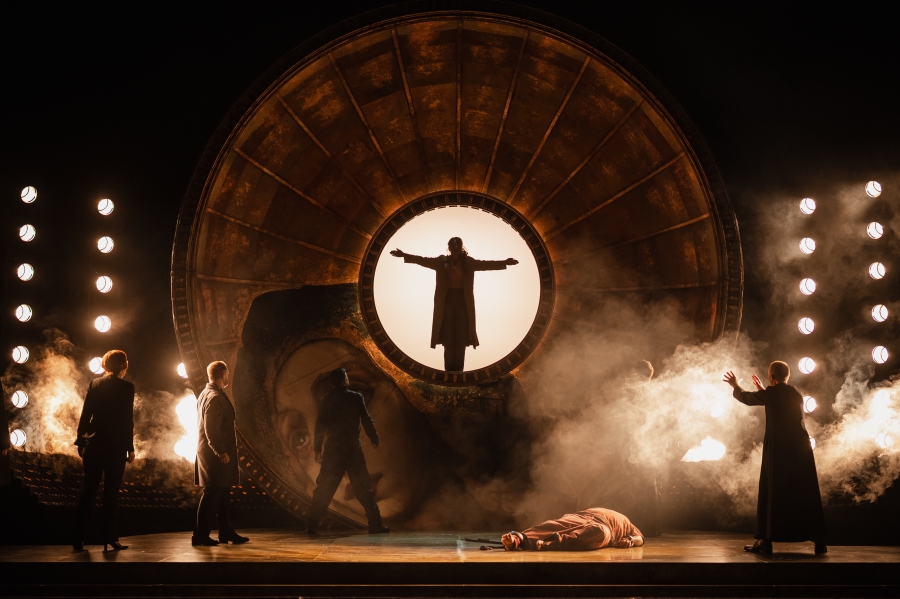



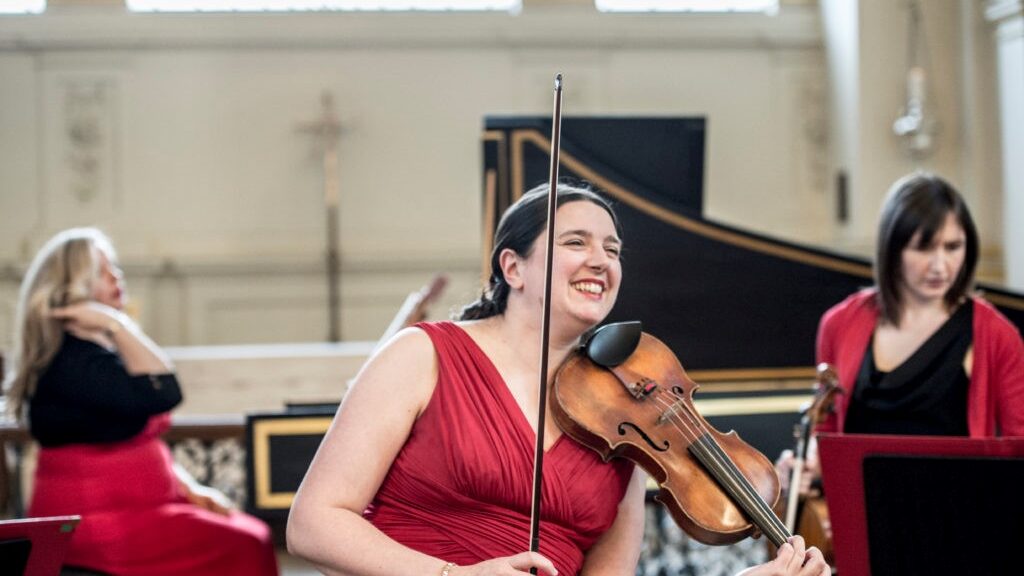
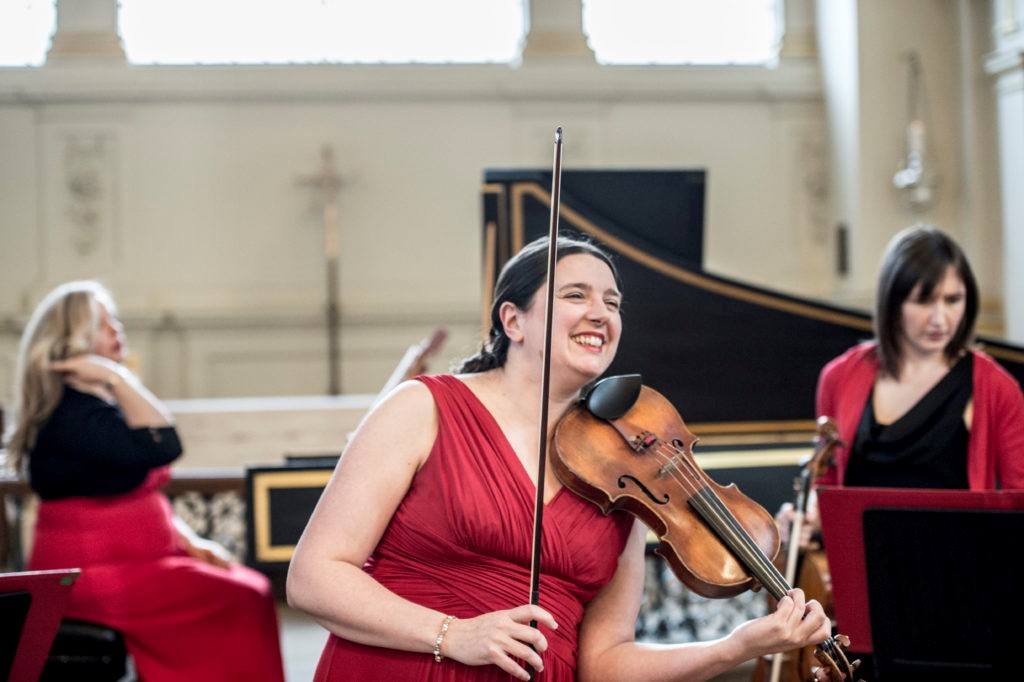
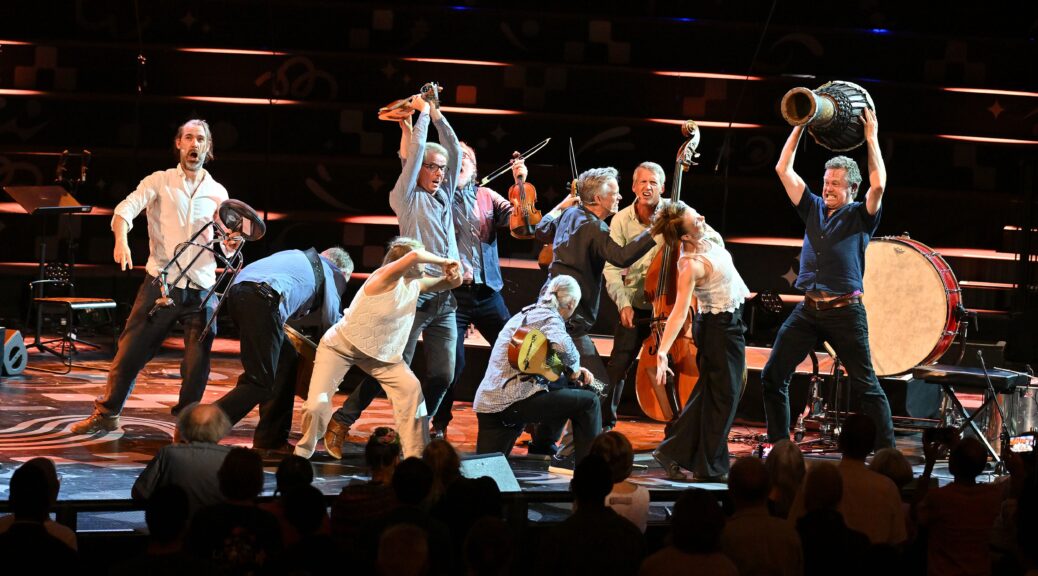
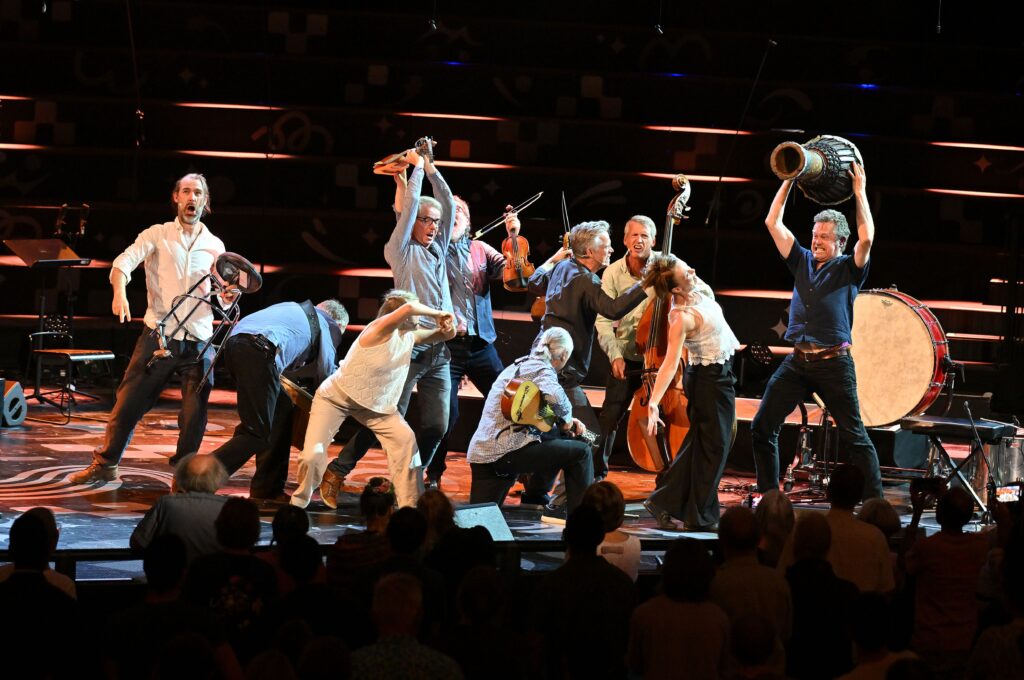
 (5 / 5)