Like the book, A Wrinkle in Time has truly high concept ideas that are about beings and scenarios that far exceed the characters that they revolve around but also cuts deep into the tender emotions that power us forward. It takes these and crafts wild and bold images through costume, colors, sets and special effects. I’d wish something more memorable happened during it though.
The book is intended for children and the writing plays out for that audience, simple and clear. The movie is also meant to be a children’s movie, the colors are varied, but also stimulating, reds, greens, white, orange, blues, very little grays and just the most careful use of black. It is a world where even showing a school makes it look like a fairytale world.
This story tells the tale of a young girl named Meg Murry (Storm Reid) that was having a perfectly fine life until four years ago her father (Chris Pine) inexplicably disappeared. Now she is’nt very motivated to get involved in schoolwork, social events or anything.
I am not sure whether or not Charles Wallace is her stepbrother or not, I either missed that detail or it isn’t very clear. But for whatever reason Meg, as well as everyone else in the movie, refers to him by his full name of Charles Wallace (I hope you like that name because you will be hearing it a lot). No bodies for everyone and Deric McCabe is not for me. He’s only nine years old (younger when the movie was being filmed) and he is definitely confident in his performing but I feel it comes from a script level rather than anything else. He is apparently a natural genius and is never frightened by anything and always in the know. He comes off more obnoxious than anything.
One night there is an oddly dressed woman that has let herself into their living room. She goes by Mrs. Whatsit (Reese Witherspoon), she describes her motivations very vaguely and whimsically. Then she leaves. Later Charles Wallace leads them into a house where Mrs. Who (Mindy Kaling) sits waiting for them. She has apparently evolved beyond verbal language but can repeat other peoples famous quotes. This makes no sense. Finally is the leader and the eldest of the mysterious women, Mrs. Which (Oprah).
Later Meg’s schoolmate Calvin (Levi Kailing) is present and gets wrapped up in the plot. That’s it, he doesn’t really add anything or is opposed to anything going on nor does he even get that shocked.
The problem with these children is that, apart from Meg, they aren’t really interesting. They are just thrown into spectacular environments and meet odd characters and just go with whatever is asked of them. Calvin is asked by a strange woman he’s never met to come on a journey and responds with a blank expression “Sure!” Meg, on the other hand, has doubts second guesses her decisions and askes questions about all this madness that is happening around her.
Not since Doctor Strange have we seen a Hollywood movie with such wild visuals. The clothing, make-up, and C.G.I. create truly surreal images from funky patterns to sets that are striking while minimal. But they are just here to impress, there is a scene where the children go flying and the scene adds nothing. There’s also one set which I’m pretty sure is a reference to Jorodosky’s The Holy Mountain.
There are examples of movies getting bad critical reviews on the first release and going onto becoming treasures of cinema. Freaks, Labyrinth, Ferris Buller’s Day Off and others. So what does this mean for the rest of my review? Well, it means that art is subjective and there are things that can transcend simple criticism.
The book has endured because it has such wild, imagination-sparking ideas within it. The movie tells the same story and puts forward the same ideas and is accompanied by bold patterns, sets, and costumes. Though it never really comes to life and the sequences don’t really connect. It does distinguish itself from nearly any other movie out there. Children will be entertained and maybe even inspired while watching it, though I don’t believe they will be nourished by it in any way and adults will find it hard to connect with this very thick layer of whimsey.
Pacific Rim was a grand painting of a nerdy dream with a genuine meaningful message underneath it all. It had a vision of giant robots (referred to as Jagers) and monsters (referred to as Kaiju) fighting and had a budget to bring it to life so it looked grander than it had any right to. However, it’s message was about the human race coming together in a time of bleakness and seemingly impossible odds and prevailing.
It seemed like a sequel would be a dream but four year’s later we have one. Guillermo Del Toro was busy making the Oscar-winning The Shape of Water so he has been replaced in the directing chair with Steven S. DeKnight.
Picking up the baton is Jake Pentecost (John Boyega), the son of Marshal Pentecost from the previous movie. He is content with not being a part of the military or anything official really, merely salvaging parts from the giant robots, partying and making a profit where he can. Until one day he gets wrapped up in the drama of a young girl Amara (Cailee Spaney), now both of them are pulled into the modern Jager program.
For the old characters, they do things I am not a fan of with sequels. They don’t ignore them but they certainly are not well utilised. Ones like Ron Perlman’s Hannibal Chow and Charlie Hunnam’s Riley are either simply mentioned or just forgot about. It does a disservice to the development that has gone into them in the first movie and the investment we initially felt for them because now we learn they go nowhere.
The Jagers are upgraded in this movie. They are more shiny and sleek, where previously they were muscle cars here they sports cars. Also, it seems like the technology has been developed to allow smoother and quicker movements of the limbs, even a few kicks, and rolls. A bit is lost from having this. The true sense of weight and scale seems decreased and seem more like humans in costumes put amongst a playset. I also felt the Jagers were too narrow in the hips to support the weight of these giant things.
As for the Kaiju. We get about 6 new ones for this installment. Each of them has a distinct silhouette, this is good because it makes each one distinguishable from its shape. A few new things are added to them too but to go into greater depth on that would be spoiler’s so I’ll let you watch the movie.
What is retained are all the little details that give the world character and gravity. For example, there are a lot of buildings that get smashed through the course of these gargantuan battles taking place and you can see every little piece of rubble and dust fall, crash and bounce off surfaces.
The movies passe is unrelenting, or at least non-stop. Something is always being said or an action scene is happening or a chase. That’s not necessarily a bad thing like we learned from Mad Max: Fury Road, we can have a movie constantly on the go, we just need to understand what is happening and who the characters are, as the action moves along.
Being that this is a sequel to an action movie it is expected that escalation would happen. It is handled in the most basic of ways, there are more robots and more monsters and they’re all bigger. Some other things are added to both the Jagers and the Kaiju which is an adding of the mythology. So there is originality going on.
This is a more shined-up, smashy sequel that does some cool things but a lot of it is simple. There is still plenty of fun to be had and it is never meaningless noise and I still believe the spirit of the first movie has been carried over here. There are so many worse big budget action movies that have been released but at the same time, there are also so many better ones.
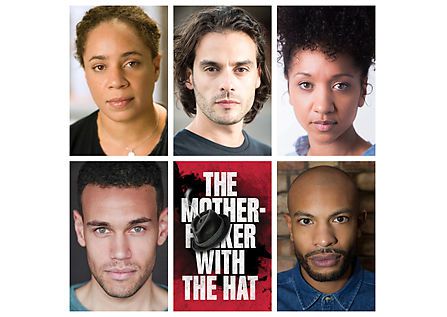
Having been a fan of Stephen Adly Guirgis’ The Last Days of Judas Iscariot (hereafter Last Days), I was eager to check out his similarly incendiary-of-title follow-up ‘The Motherf**ker with the Hat’ (hereafter That Mo-Fo Show). Directed by Andy Arnold, this collaboration between Sherman Theatre and Tron Theatre, Glasgow is ninety minutes of electric drama, with no interval to slow down the break-neck pace of this magnificent masterpiece unfolding on the stage.
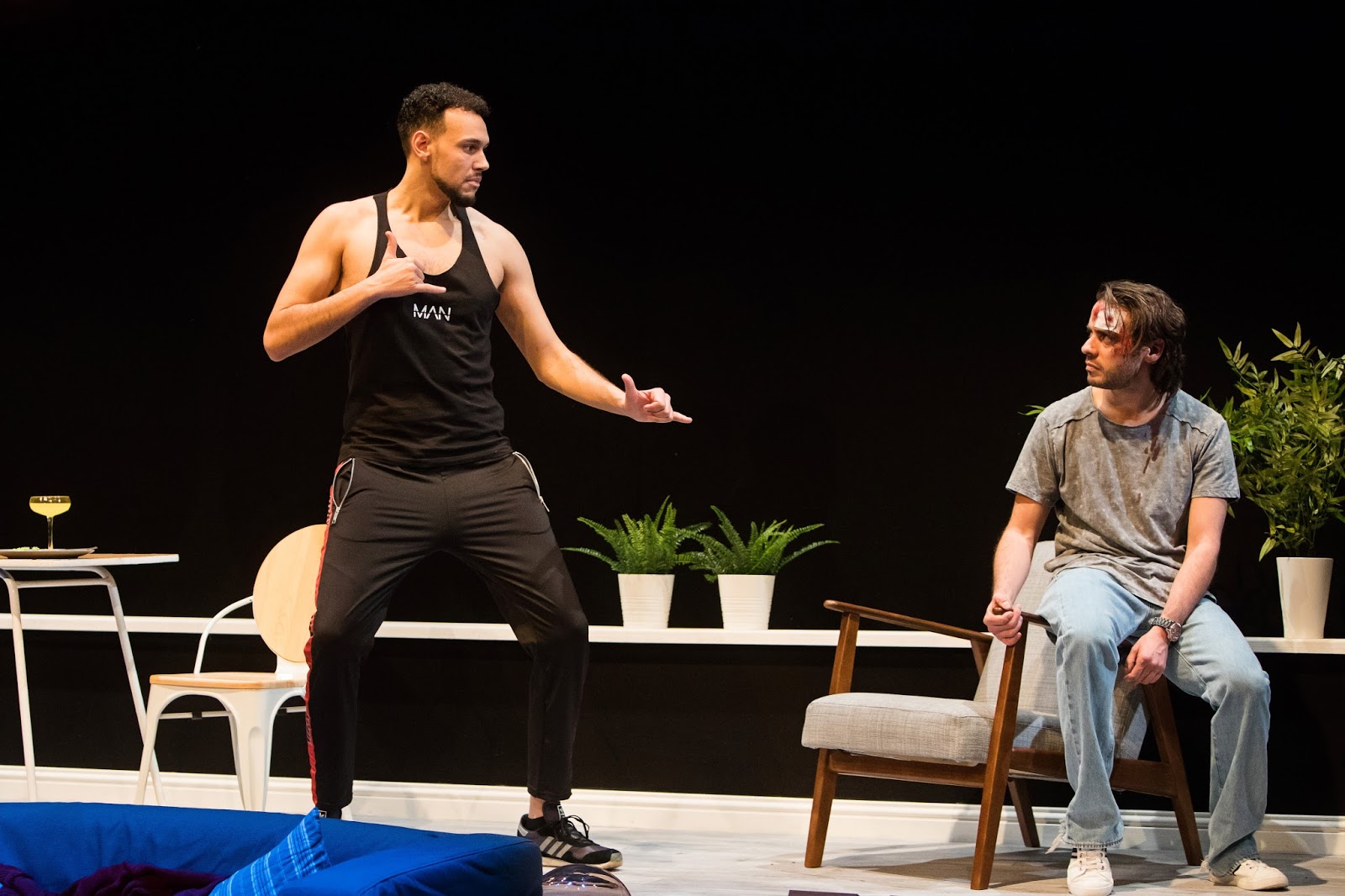
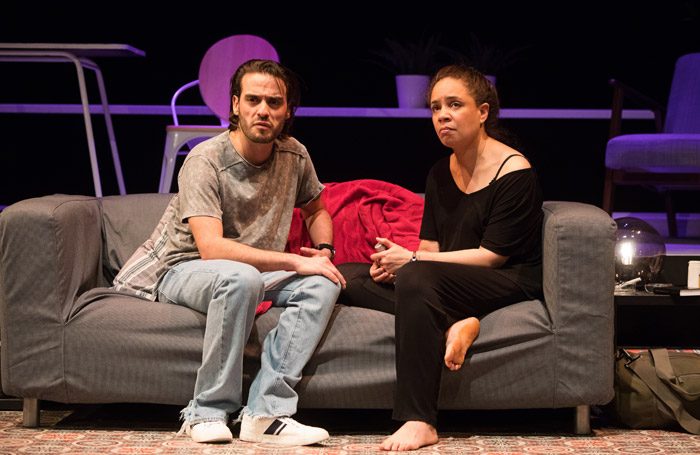
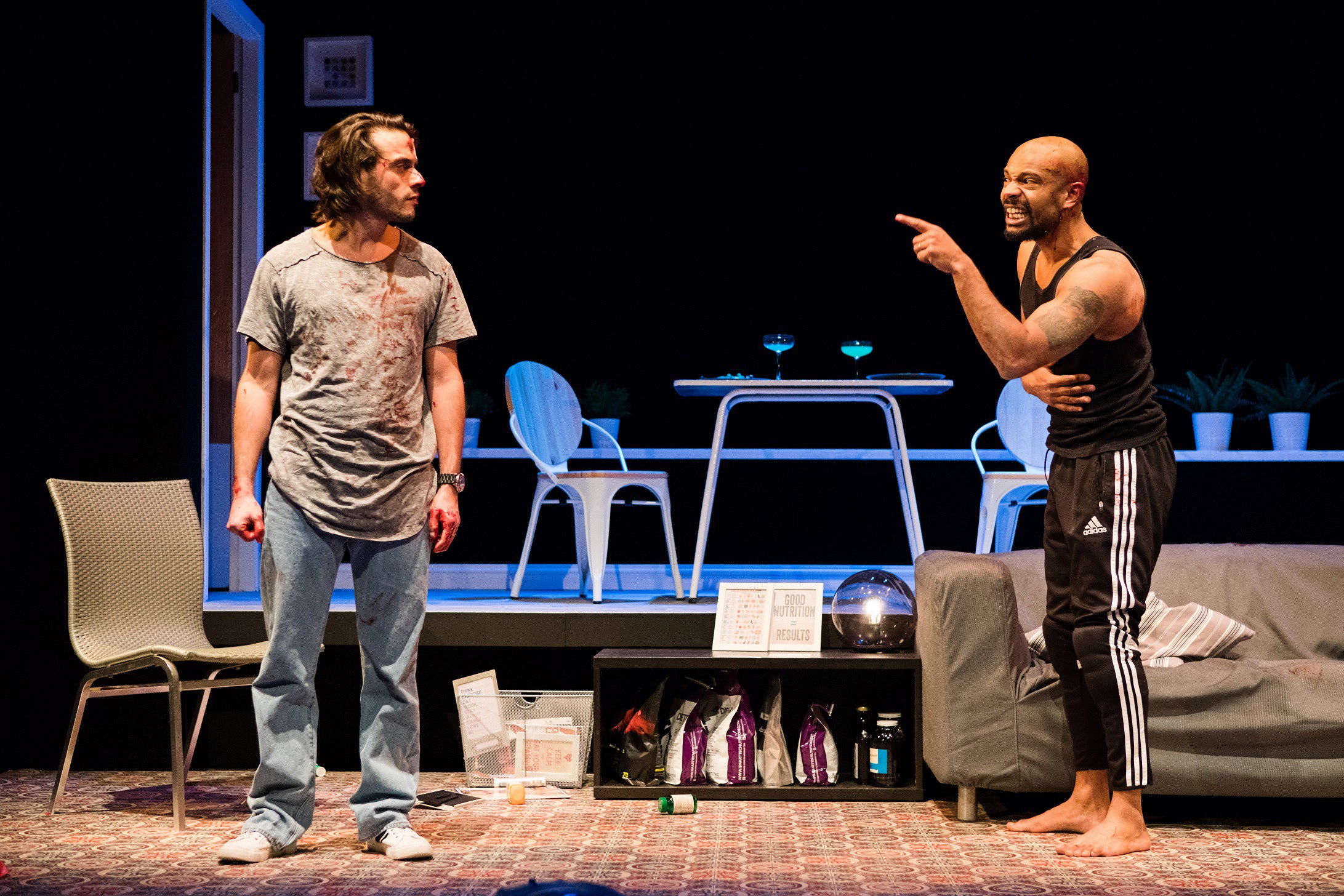
Set in the grimy grit of Hell’s Kitchen NYC, The Mo-Fo Show follows a young man named Jackie, a newly-released ex-con recently home from prison, as he tries to stay clean and out of trouble despite personal revelations that threaten to turn his world upside down. Francois Pandolfo plays Jackie with such roguish, ramshackle appeal that you understand why Veronica, Ralph and Julio still care about him despite his transgressions. He’s a lovable loser; a user in all senses of the word. As Satan tells the lawyer El-Fayoumy in LastDays, ‘you’ll never be loved, because you’re incapable of it’, which sums up one of Jackie’s myriad issues to a tee. Unendingly selfish and mercurial, Jackie cares little about the thoughts and feelings of others as long as they serve his purpose. But by the final curtain, there’s hope – if ambiguously framed – that Jackie may finally have a toe on the path to recovery; though he leaves threats in his wake, a revenant of his presence that lingers uneasily after the curtain falls.
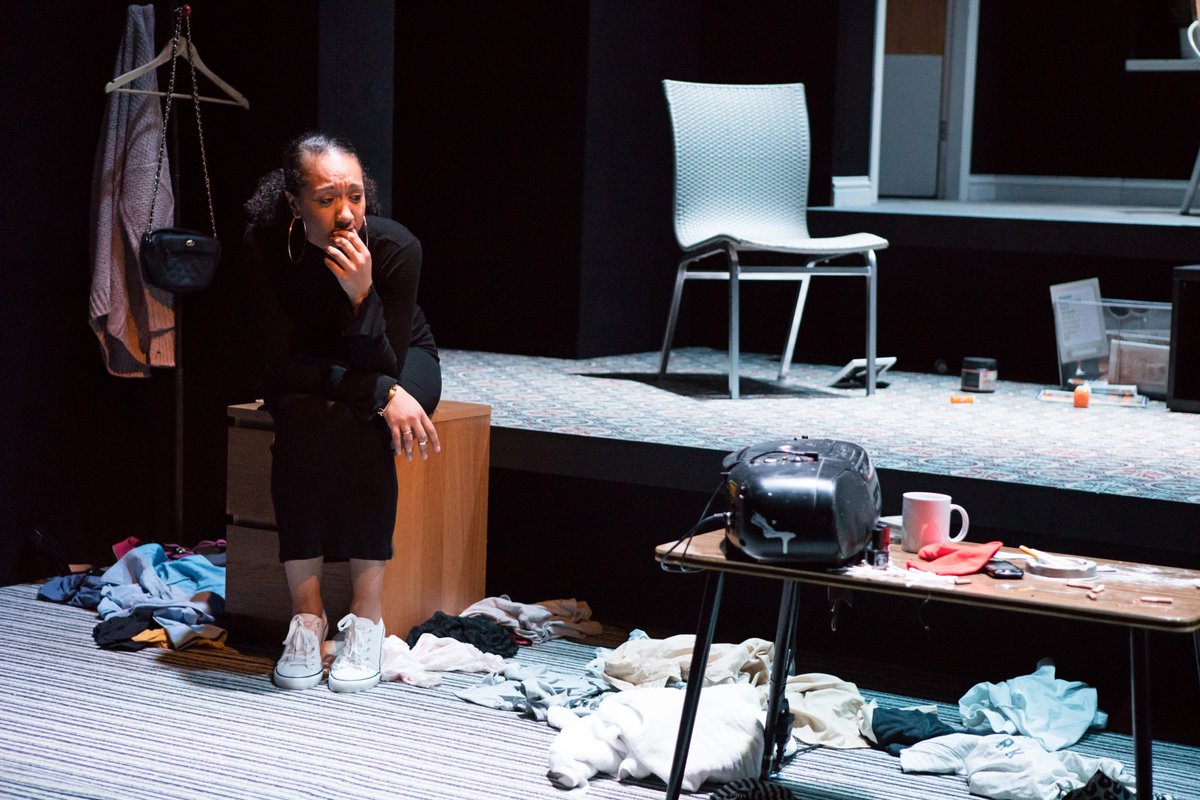
Despite this being ostensibly Jackie’s story, we start and end the play with Veronica, masterfully played by Alexandria Riley, who is fast proving herself as one of the most dynamic actors currently treading the boards. To me, Veronica is the most tragic character of them all, because she learns nothing, and is doomed to re-enter the vicious cycle in which she has imprisoned herself. When the play starts, Veronica is chastising her mother on the phone for dating a deadbeat and taking drugs; and yet she casually snorts coke during the conversation, and then praises her own deadbeat boyfriend for finally getting a job. Veronica is her mother’s double, repeating the same harmful mistakes of the past again and again. We leave her at the end alone in the dark, with little hope for the future.
Veronica projects an image of brutal honesty, but it conceals secrets and lies – though she is far from being the only hypocrite in the play. Jackie protests that he is a good man, but it masks the fact that he is not. Ralph presents an image of being the ideal man, but in reality he is far from perfection. Played with mesmerising charm by Jermaine Dominique, Ralph’s shocking switch from wise everyman to shrewd manipulator is subtly portrayed and all the more sinister for it. Having said that, none of the characters are moustache-twirling villains, although they say and do bad things, making each character’s own personal Dark Passenger frighteningly realistic.
Each character leaves the play with their own long list of regrets – for the life they could have led, for the people they could have been, for the choices they’d have made differently if they had the chance. Regret makes a double of you, leaving an imprint of who you might have been if not for one choice, one moment, one mistake. The character of Victoria – wonderfully, woundedly portrayed by Renee Williams – exemplifies this duality most keenly of all. Her choice to follow love over career has left her hollow and achingly lonely, so much so that she wants to ‘disappear’, if only for a while. She is the least hypocritical character, except perhaps for Jackie’s Cousin Julio.
Julio may just be the most well-adjusted character of the bunch, a guy who both enthusiastically enjoys the minutiae of cooking and also occasionally puts people in the hospital. He even names his violent alter ego, referring to it as Jean-Claude Van Damme. Though perhaps the most dichotomous character of the cast, Julio is engaging precisely because he accepts that he is a bad man – a clear foil for Jackie, who proclaims to be a good man but is, in truth, the oppsite. Kyle Lima frequently treads a fine line between pastiche and plausibility in the role, but wonderfully crafts a performance which feels both fantastical and naturalistic, and the kind of person you would legitimately enjoy hanging out with in real life. Julio is a potent mixture of Pulp Fiction’s Jules Winnfield, The Birdcage’s Agador Spartacus, and Yoda from Star Wars; and if that sentence alone doesn’t convince you to see the play for yourself, I don’t know what will.
In addition to being a rapt audience member, I also had the pleasure of being a speaker on the post-show panel, led by Tim Howe, the Sherman’s Communities and Engagement Coordinator, and my fellow panellists Luke Hereford (the play’s assistant director), and Nick Shepley (addictions therapist at The Living Room). The discussion was lively and engaging as always, with some great insights from the panel and the audience alike.
Every character in the play was, or had been, an addict – to drugs, alcohol, sex, sometimes a combination of those things. But they’re also (quoting Last Days) ‘addicted to tragedy and punishment’, doomed to wallow in a hell of their own making; a vicious circle of self-imprisonment. Secrets and lies have stretched taut to breaking point between the characters; revelations take time to crack open, but once the lid is lifted on that particular Pandora’s Box, a whole swathe of sorrows and deceits come pouring out, with little sign of stopping. Some of the revelations were so shocking that I gasped audibly when reading them for the first time, and still felt the aftershocks of that surprise whilst watching the play live. Each character fails to stave off the throes of their own addiction – often, as Nick observed, just swapping one addiction for another.
The play is so rich and rewarding that there were so many observations, thoughts and ideas that there simply wasn’t time to discuss on the panel. On reading the play for the first time, the appearance of the hat, sans owner, seemed almost to be mystical, even mythic, in nature. It appears without warning, like an omen, and is the MacGuffin which ignites the dramatic spark which burns throughout the rest of the play. And when Jackie goes downstairs to confront who he thinks is its owner, it seemed almost as if he was descending into the pits of hell for an audience with the devil. Much like Godot, the eponymous hatted individual is absent from the proceedings, and yet his spectral presence haunts every scene. Or, rather, the mo-fo with the hat does appear, though not in the guise Jackie first expected. Whether its magical or mundane, the hat acts as a manifestation of mistrust and misdemeanours – Jackie initially likens it to the mark of Zorro, sign of the titular mo-fo marking his territory. He closes the play, and the narrative loop, by leaving his own mark behind – a Commodores CD, a relic of his long-held love for Veronica, now a monument of a bygone era.
This is not a courtroom drama, despite a number of legal elements splintered through the story. I lost count of how many times assault and battery occurred, both with and without a deadly weapon, not to mention the copious references to drug use, convicted and otherwise. Jackie has a very particularly twisted moral code – when he first suspects Veronica of having an affair, with scant evidence to go on, he argues that murder would be ‘f**ked up but understandable’ in the circumstances. Jackie is every person’s judge but his own. The play reinforces Guirgis’ own words from Last Days, in which the lawyer Fabiana Aziza Cunningham proclaims that ‘those who need forgiveness are the ones who don’t deserve it’. But, as Last Days attests to, ‘you have to participate in your own salvation’. Jackie ends up serving time, not for his various assaults, batteries and criminal threats, but for breaking parole. The law is a distant, vaguely drawn entity in the play; but it is an interesting consideration of how a person’s internal self differs from their external persona, and how, as Jackie observes, ‘people can be more than one thing’.
Vibrant, vulgar and viciously insightful, The Motherf**ker with the Hat is an unrelenting, rewarding play that lingers in the mind long after the final curtain. Incendiary, inventive and intoxicating, the play showcases the second-to-none cast and brings the wildly exhilarating worlds of Stephen Adly Guirgis to sharp, relatable relief. Utterly unmissable. And following on from that, I would also highly recommend Guirgis’ TheLast Days of Judas Iscariot, as a companion piece to this play, as its predecessor, or as a stand-alone study of the prisons we make for ourselves.
In this article we interview a range of arts professionals to share good practice in the areas of Access, Inclusion and Diversity.
Meredydd Barker
Hi can you please tell us a little about yourself and your practice?
I’m a playwright, artistic director of Narberth Youth Theatre and the west Wales rep for Youth Arts Network Cymru – YANC
Which area/s of good practice in the arts relating to the themes of access, inclusion and diversity would you like to highlight?
It begins with the young. Youth Arts Network Cymru – YANC – is doing tremendous work in this regard in the hope that as the young people involved grow older and, perhaps, make a career in the arts, best practice can spread through the industry . Then, one day, access, inclusion and diversity will not be issues that have to be continually addressed. They won’t be issues at all.
Helena Davies
Hi can you please tell us a little about yourself and your practice?
Hi, I’m Helena Davies, and I’m a linguist with a background in Technical Translation and English as a Foreign Language. I have a BA in Italian and Spanish, an MA in Literary Translation and I am currently preparing for my Welsh Mynediad exam in June. I moved to Cardiff from London last year, and over the last couple of months, I have been training to become a Captioner, working on producing film and TV subtitles for the deaf and hard of hearing. I recently received audio description training from Dr Louise Fryer, BBC Radio 3 Presenter and Audio Describer, and Anne Hornsby of Mind’s Eye, both pioneers in UK audio description. I am now looking to establish a career in Captioning and Audio Description. I dance samba de gafieira and samba funkeado, and am passionate about media and arts accessibility.
Which area/s of good practice in the arts relating to the themes of access, inclusion and diversity would you like to highlight?
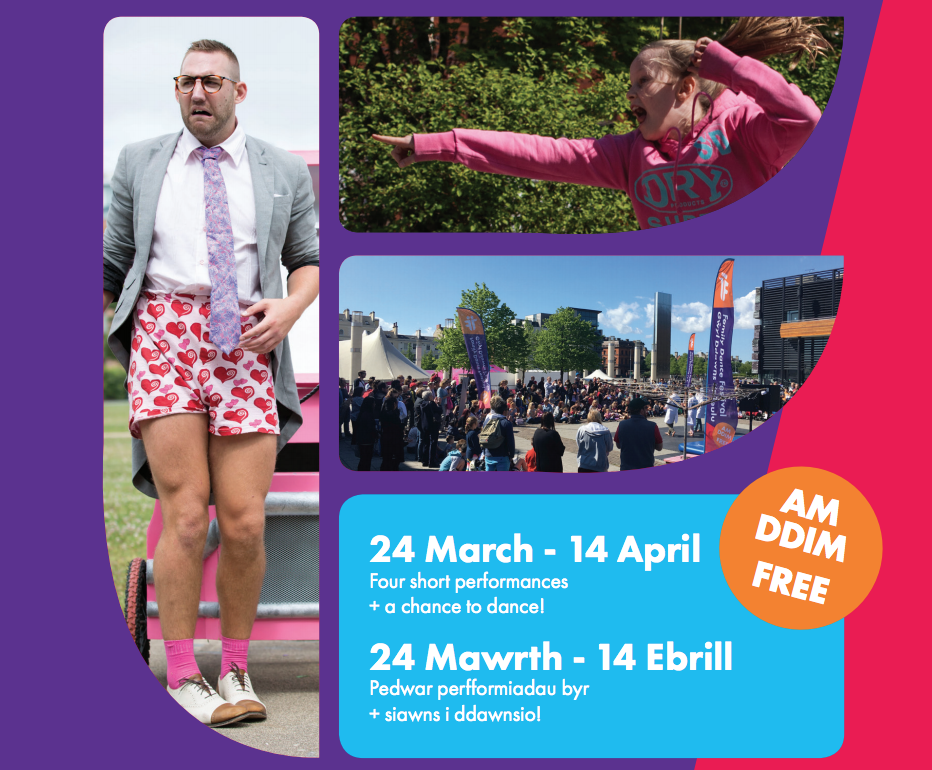
With a strong interest in dance and accessibility, I was delighted to be invited by Carole Blade, Creative Producer for Dance in Wales, to attend a three-day audio description training course based on the Family Dance Festival at Chapter Arts Centre. Over an intense three days, we learnt how best to audio describe dance, which is considered to be one of the hardest mediums to describe. We all concurred that “Drifter” by Jukebox Collective, featuring the talented Kate Morris, was by far the trickiest to describe. The Family Dance Festival is presented by Bombastic and Coreo Cymru, and features four short audio described dance performances in Welsh and English, with accompanying touch tours. It is a great initiative and exciting to see dance being opened up to all. The Family Dance Festival is running from 24 March to 14 April 2018
Elise Davison
Hi can you please tell us a little about yourself and your practice?
I’m the co founder and Artistic Director of Taking Flight Theatre Company, the company I co founded with Beth House in 2008. Before this I was an actress for 10 years, a teacher, a presenter and a facilitator. Taking Flight is an inclusive company originally set up to break down the barriers, or perceived barriers to participation in the arts. We have been integrating access tools into our work for a long time now and act as creative access consultant for many other theatres companies. We have produced over 17 tours of Wales, run many residencies and trained many facilitators in our 10 years. We have recently become a disability led organisation, as over half of our Board of Directors identify as disabled, and this is really important to us.
Currently we are touring our inclusive family show You’ve got Dragons which gently raised the issues of Mental Wellbeing in young people and accompany this with free resilience building ‘Dragon Taming’ workshops which have been created in collaboration with clinical psychologists. This is touring the whole of the UK and is a really exciting development for the company. It’s been great to find so many theatres in England keen to programme inclusive work. We are a company that seeks to nurture the next generation of theatre makers, we have taken risks with casting, with our creative access, with our marketing materials. As creatives we take risks with everything else we do so we need to be prepared to do so with regards to diversity and access. It’s great to see some of our former employees ‘take flight’ and set up on their own e.g. Sami Thorpe and Chloe Clarke of Elbow Room and we continue to wish them every success on their new adventures. TF offer support and advice when we can and do everything within our power to ensure we make our work and our process as accessible as possible. We make mistakes, we often get it wrong and we continue to learn and to develop our work and we love to collaborate…many heads are better than one!
Which area/s of good practice in the arts relating to the themes of access, inclusion and diversity would you like to highlight?
Fio – Abdul is doing so much to raise the issues around the lack of diversity in Wales and is producing some cracking work. We hope to work more closely with Fio in the future.
Mess up the Mess – a ‘quietly inclusive’ company that really nurture the young people they work with creating strong, independent theatre makers with excellent ideas about access. Can’t wait to work with them again – we continue to learn from them.
Hijinx Theatre – producing excellent touring work and taking the international scene by storm, this company is changing the attitude towards in inclusive work featuring learning disabled actors. Meet Fred continues to tour across the world and the next show The Flop is sure to be another success. Additionally the academies which are now running pan Wales are a real example of the kind of training that we need to have in place to nurture the next generation of learning disabled performers. We would love to have the capacity to run an ongoing training forum for D/deaf/HOH and disabled performers and are in conversations with a number of organisations about this.
Ramps on the Moon – an amazing initiative in England which is placing disabled performers and accessible productions on main stages and in producing houses across the UK.
Stopgap Dance – they have been so generous to us over the last year, giving us advice and putting us in touch with like minded organisations and really are the leading lights in inclusive dance. Love their work. www.stopgapdance.com
WMC – Jenny Sturt is making massive changes and embracing access and inclusion in a huge way. Her drive and passions is infectious!
Yvonne Murphy – has produced some excellent all female work and is enthusiastic and determined to challenge any inequality which may lead to people being excluded from the arts.
Bath Spa and The Atrium – I’ve worked with both these organisations as a creative access consultant and have worked to integrate a BSL interpreter ( the wonderful Julie Doyle and Tony Evans) into their shows and to integrate audio description. It’s great that the Universities that are training the next generation of actors feel so strongly about making accessible work. The students have loved the process and have been inspired to think more creatively about access as a result. Long may it continue!
Creu Cymru and hynt – Still doing fab work with venues via the hynt card scheme. It’s also been great to host our 4th access symposium Wales – a diverse nation? at Theatr Clywd with Creu Cymru in Feb, such a great bunch of people attended and so many ideas were generated and will hopefully start to be put into play. As a result we are hosting free access meeting – practical access solutions at WMC once a month and the first one sold out in 12hrs! So there is obviously a want to be more diverse and a desire to be part of the conversation, we all just need to be a tiny bit braver and not worry so much about getting it wrong!
Ucan go! app – also needs a mention here – an app to help orientate blind or partially sighted visitors at theatres, it’s so great it would be wonderful to see more venues investing in this.
Adeola Dewis
Can you please tell us a little about yourself and your practice?
My name is Adeola and I am an artist and researcher working across visual arts and performance. My practice engages conceptual, performative and aesthetic notions on Carnival, ritual, folk and emancipatory performances.
Which area/s of good practice in the arts relating to the themes of access, inclusion and diversity would you like to highlight?
I highlight Carnival as an area that exemplifies good practice in terms of inclusion, diversity and access.
Jacob Gough
Hi can you please tell us a little about yourself and your practice?
My name is Jacob Gough, I’m Production Manager for National Theatre Wales, which in a nutshell involves the logistical planning for productions.
Which area/s of good practice in the arts relating to the themes of access, inclusion and diversity would you like to highlight?
I would like to highlight the amazing work of companies that don’t just champion but incorporate access into their shows; companies like Taking Flight, UCAN Arts, Hijinx, Llanarth Group and artists like Jonny Cotsen amongst others. Companies and artists are doing a lot more work now to provide captioning, BSL and audio-described performances, which is great to see. Access forums are a fantastic mechanism to help organisations and artists share knowledge and learning, and a lot of new technologies are being developed that help accessibility; all of which helps develop this all-important feature of the arts.
Jafar Iqbal
Hi can you please tell us a little about yourself and your practice?
I’m a freelance artist and arts critic. I’ve written for publications such as The Stage, WhatsOnStage and Wales Arts Review, as well as regional and online publications over the course of my career. I’m also a scriptwriter and storyteller.
Which area/s of good practice in the arts relating to the themes of access, inclusion and diversity would you like to highlight?
I’d like to raise awareness about Where I’m Coming From, a monthly Open Mic event hosted by writers Durre Shahwar and Hanan Issa. Currently at the Tramshed in Cardiff every month, the spoken word event is aimed predominantly at the BAME population. Going to one of these events is an enlightening experience, as its attended by people who you usually wouldn’t see at other such events. It’s become a safe space for writers to express themselves in a welcoming environment and, for many of these people, the first time they’ve ever shared their creativity to an audience. A fantastic event.
Rachel Pedley Miller
Hi can you please tell us a little about yourself and your practice?
I run Avant Cymru. At Avant we aim to be acceptable creating work with audiences and delivering projects that are accessible to many individuals. In the past we have used apps such as swipe to caption our performances and we have worked in venues which are acceptable to those with mobility issues. We work with the community into raise our awareness of the needs. We also look to highlight a range of needs especially through our continual drama Rhondda Road, which is directed by Shane Anderson. Rhondda Road will be starting again in May 2019 and we would love to have a character in the show who would want to raise further awareness of the difficulties people who have a disability have accessing the arts. As a dyslexic person living with a chronic illness, I refuse to let my conditions prevent me from trying new things and will always work with audience and cast members to make the shows as accessible as possible. To date Avant have not produced one show without BAME cast members, we have also employed LBGT cast members on various projects. This has not been something that we have shouted about as we have seen our staff as the best people for the job, the fact that they identify as disabled, LBGT, disabled or from a BAME background is for them. We just see everyone that is hired as the best person for their role and we are proud that we see diverse people as equals.
Which area/s of good practice in the arts relating to the themes of access, inclusion and diversity would you like to highlight?
I think that it is important to look at each project, Consider if it is relevant to 2018. What I mean is if there is a pre-written script is it possible to make it appealing or relevant to audiences now. Because if it isn’t then Avant are not interested in producing that show.
When we have established a compelling idea we look to hire someone who has the correct skills, energy and enthusiasm to create the work. Looking for a cast member who can ply the role with the right drive, rather than worrying if they can tick a diversity box. Seeing each individual on their own merit and supporting them to make a career in the arts, or to participate in the arts should be considered on a person by person basis and implementing various tools to make work and audience opportunities accessible to all should be considered. We always evaluate after each show, so far our audiences have been happy that they have been able to access Avants work. We need to keep evolving to have more tools in place so we are able to cater for different individuals.
Yvonne Murphy
Hi can you please tell us a little about yourself and your practice?
I run Omidaze Productions. I set it up back in 2008 specifically to use drama and theatre to shake stuff up, entertain new audiences and inspire change. We make politically grounded theatre, run workshops in schools and produce annual Summer Schools for young people which give full scholarship places to those for whom economics make the arts harder to reach. Our first production and tour (Things Beginning With M) examined how women learn from each other about everything from Motherhood to the Menopause, Miscarriages, Menstruation, Masturbation, Men, Money, Marriage, Mysogyny, Media Images and Maturity. Everthing begins with M!
I am really interested in smashing down boundaries between different art forms and exploring the difference between for example a visual art installation and set design or dance and movement/physical theatre. I love to smash the fourth wall and explore how audiences behave when you break the rules, or even have none at all. I like theatre to break beyond the confines of the designated space and like using unusual public spaces to entice and spark curiousity in those who might not otherwise enter a theatre.
I use visual artists, stand-up comedians, circus choreograhers and aerialists and movement directors to help me discover what will entice new audiences into the theatre and allow text to become relevant, accessible and visceral.
I created, directed and produced the Shakespeare Trilogy (co-productions with the Wales Millennium Centre) which consisted of two all-female productions immersive site specific productions in the WMC roof void (Richard III 2015 & Henry VI 2016) a ‘gateway’ Shakespeare production which strived to reach younger audiences and used a BAME strong and gender balanced cast.
I am deeply concerned by the inequality within our society and within the theatre industry where we tell and share our stories which help us to connect and make sense of our world and what it is to be human. I therefore strive to make work which challenges myself and the status quo and attempt to raise awareness of that deeply ingrained inequality, issues of social injustice, conflict and stuff which I believe needs to shift and change through my work.
Which area/s of good practice in the arts relating to the themes of access, inclusion and diversity would you like to highlight?
The Young Vic did some good work on how we should think and act differently as cultural organisations when recruiting. Where and how we recruit for positions at all levels is key. Recruitment processes could be so much more creative and reach people from different sectors and walks of life. They have walked the talk with the recruitment of their new Artistic Director, Kwame Kwei-Armah.
Taking Flight have taught me so much about inclusivity in theatre and I would love to see the day when they no longer need to call themselves an inclusive theatre company because EVERY theatre company should be an inclusive theatre company.
The Clore Leadership Programme gave me phenomenal training in so many areas including governance and is striving to change the face of cultural leadership within the UK and make it more equally representative. It made me realise how key governance is and if the board of an organisation is not leading the way in challenging systemic inequality then the organisation most likely won’t be either. Any board which is truly diverse and ensures that trustees step down after a set period of 5-6 years is good practice.
Kaite O’Reilly
Hi can you please tell us a little about yourself and your practice?
Hi of course, please find some information on myself below,
Kaite O’Reilly is an award winning Playwright who works both in the so-called mainstream and disability arts and culture. Awarded the Peggy Ramsay award & Ted Hughes award for new works in poetry for ‘Persians’ with National Theatre Wales (NTW). A leading figure in disability arts and culture internationally, she received three Cultural Olympiad commissions and her Unlimited commission production with NTW of ‘In Water I’m Weightless’ was part of the official festival celebrating the 2012 London olympics/Paralympic and created an important political and cultural precedent – the first production written from a disability perspective with an all Deaf and disabled cast performing on such a high profile national platform. She is currently touring ‘Richard iii redux’ – reclaiming Richard iii as a disabled icon and her 2018 Unlimited international commission ‘and suddenly I disappear – the Singapore ‘d’ monologues’ premieres in Singapore in May and comes to U.K. to tour in September. Her acclaimed collected ‘Atypical Plays for Atypical Actors’ are published by Oberon. She is patron of Disability Arts Cymru and DaDaFest and publishes widely about diversity, inclusion and disability.
Which area/s of good practice in the arts relating to the themes of access, inclusion and diversity would you like to highlight?
I think it’s about changing the whole way performance is made, how, about, and with whom, it’s the content and material as much as including innovative use of the aesthetics of access. Theatre is supposed to be the study of what it is to be human and yet it still has a very narrow perspective – we need to broaden this in the stories we tell, the protagonists we create and the theatre languages we use (integrated Sign interpretation, captioning, audio description, etc).
I have written widely about what I call ‘alternative dramaturgies informed by a Deaf and disability perspective’ when AHRC creative fellow 2003-06 and 2010-2017 when fellow at International Research Centre in Berlin. We could be far more inventive – and work, like mine, had been going on for decades but is still marginalised. We need to make this central . But not just access as add-on – we need disabled and Deaf writers, makers, directors, designers, performers etc and this should be mainstream not ‘inclusive’ for brownie points.
You can read more from Kaite on this subject matter at the links below,
Hi can you please tell us a little about yourself and your practice?
I’m Chloë Clarke, a visually impaired actor, director and theatre maker and cofounder of Elbow Room Theatre Company in Cardiff. I have been working as a performer for 8 years and now focus on making my own work, both as an individual and with ERT partner Sami Thorpe, which champions creative access and truthfully representing disabled people within the arts. ERT is committed to producing new writing that does the same while showcasing relevant and cutting edge work.
I also work as an audio description consultant, which means I work with companies, venues and artists to integrate AD into their work through joining their devising and R&D process, or find creative ways to add it to existing work in a way that is inherent to the piece’s unique style.
Which area/s of good practice in the arts relating to the themes of access, inclusion and diversity would you like to highlight?
The recent discussions and debates surrounding diversity in the arts, within Cardiff and on a global scale through events like the Oscars and the promotion of the inclusion rider, are vital and long overdue. If you’re not from a minority it may not seem relevant, it may in fact feel quite uncomfortable, but we all have a responsibility to ensure that we, as artists, provide fair representation of our society through all facets of our practice, and to date we have fallen worryingly short of this. However, the very fact that these debates are taking place in our industry is a very positive sign. Now it’s time to act.
I, for one, can only speak from my own experience as a female disabled artist. As well as stipulating the need for wider and truer representation of people like me in the arts, I’d also like to highlight the importance of considering access from the outset of any project – namely the writing of a script or the start of R&D wherein a piece is being devised. Once we start committing to this idea across the board the arts will become fairer.
I will always advocate for creative, integrated access rather than ‘traditional’ methods (an attitude that I have encouraged and nurtured within many companies I have worked with over the years to great effect), as this is the best means by which access can become relevant to every audience member and not just those with access requirements. It’s wonderful that the collective consciousness is growing in this regard and that more creatives are becoming aware of the opportunities afforded them by considering access as inherent to their work – we just need more. More awareness, more action, more choice.
We still have quite a way to go to overcome a lot of the barriers faced by audiences, performers and companies, but as long as we talk AND act (and start engaging diverse people in these conversations rather than just listening to white, straight, middle class, non-disabled people talking about what ‘they’ need) the positive changes we’ve started to notice happening will gain momentum.
So, no one shut up! Let’s keep this going and hear from the diverse array of people we actually have in this industry.
Good practice (very generally speaking) is to openly discuss issues surrounding diversity rather than shying away from them because they’re awkward. In more specific terms, Graeae are the obvious UK trailblazers with regard to best practice surrounding access, particularly for d/Deaf audiences and performers. As everyone who works in disability arts knows, nobody ever gets it 100% right all the time, that’s where open dialogue needs to be continual. It never hurts to ask questions.
Gagglebabble really impressed me with their commitment to having a VI consultant involved from the outset on one of their latest of projects and their commitment to auditioning VI performers for at least one role in the show. They have taken a very natural approach to it without any hint of wanting to tick a box, and their high standards can only help to improve general perceptions of what a quietly integrated cast can do.
If all ‘mainstream’ companies could adopt the same attitude – very openly and naturally deferring to those with lived experience to guide them on best practice and having the intention of also representing this on stage, while not making a big song and dance (sorry, couldn’t resist) about it – things would move forward much more smoothly and there would be little need for drum-banging from those of us who are marginalised.
Elena Schmitz, Head of Programmes at Literature Wales.
Hi can you please tell us a little about yourself and your practice?
My name is Elena Schmitz and I am the Head of Programmes at Literature Wales. In this role, I am responsible for the development, effective management and operational delivery of Literature Wales’ varied programmes including high-profile projects in Community Participation; Arts & Health; International Development and Writer Development. So quite a varied role. I am particularly interested in collaboration, co-production, interdisciplinary work and in achieving social change through arts provision.
We have been running many inclusive literature community projects for a number of years, most notably the South Wales Literature Development Initiative (SWLDI) which is now called Lit Reach and has been extended further to areas in North Wales. We are also currently facilitating a number of health and wellbeing projects, including the delivery in Wales of the UK-wide Reading Friends Project, as well as our new Health & Wellbeing Funding Scheme.
Which area/s of good practice in the arts relating to the themes of access, inclusion and diversity would you like to highlight?
I think many arts organisations in Wales are exemplary in this and others can learn a lot from their approaches. Some of them have focused on access, inclusion and diversity for years and this is absolutely part of the raison d’être of the work that they do. For example, Hijinx Theatre is brilliant at co-producing high quality theatre with disabled and non-disabled artists, while Valleys Kids focuses on providing opportunities for disadvantaged families. Head4Arts has worked tirelessly in providing meaningful, empowering arts experiences to the disadvantaged communities of the heads of the valleys. NTW’s TEAM is a great model of widening access for larger arts organisations and allowing for more shared decision-making and wider reach of the organisation’s work. The new BAME community-led Where I’m Coming From collective organises regular literature events in Grangetown in Cardiff, arising from the need for more diversity in the literature sector.
Across the UK there are a number of really inspiring projects. One that I find very powerful is the Fun Palaces initiative, conceived by writer and activist Stella Duffy. At the heart of this growing and influential project lies the believe that everyone is an artist and everyone a scientist, and that creativity in the community can change the world for the better. Fun Palaces is an ongoing campaign for cultural democracy, with an annual weekend of action every October. The campaign promotes culture at the heart of community and community at the heart of culture.
I think the model of co-producing work with (rather than for) communities and shaping things together is increasingly important for all arts organisations. Arts and culture that truly matters and changes minds needs to be shaped by all, not just by an elite minority.
Sami Thorpe
Hi can you please tell us a little about yourself and your practice?
Hi, I’m Sami, I work as a performer and also as a qualified British Sign Language/English Interpreter. I am also a cofounder of Elbow Room Theatre Company. I have a longstanding passion for inclusion and accessibility in the Arts ever since training at a unique degree course at the University of Reading; Theatre Arts, Education and Deaf Studies.
Which area/s of good practice in the arts relating to the themes of access, inclusion and diversity would you like to highlight?
I thought it might help to share the dates for the British Sign Language Interpretation for the productions below over the next few months which I am providing.
Fleabag – Wales Millennium Centre
8pm, 27/04/2018 (Friday)
The Effect – The Other Room Theatre
7:30pm, 03/05/2018 (Thursday)
Rhiannon White
Hi can you please tell us a little about yourself and your practice?
I’m a Cardiff born, Cardiff based theatre director. I mainly work with my theatre company Common Wealth but I also work on freelance stuff which has ranged from taking a circus to Gaza to making a show on a beach.
I think it was growing up in St.Mellons, Cardiff that got me into theatre. We didn’t have very much growing up but what we did have is loads of kids to play with. I spent my childhood playing in the street, dressing kids up in my mums old clothes and on plays on in the garden. I think that’s where my DIY spirit came from in those early lessons of making the most of what you’ve got.
My company Common Wealth grew out of those roots – we were a group of people that came together to make theatre. We started with nothing, making shows in large empty buildings, without funding and with the generosity of people who wanted to get involved.
Over the years Common Wealth has grown, we’ve made work in many different places, with incredible groups of people and have worked on shows in places like Neath, Chicago and Germany.
Which area/s of good practice in the arts relating to the themes of access, inclusion and diversity would you like to highlight?
Last year I completed a report called CLASS ‘The Elephant in the Room’s it was researched, written and performed as part of my Arts Council Wales supported Clore Fellowship (2015 – 2016) and was funded by the Arts Humanities and Research Council. The purpose of CLASS The Elephant in the room is to investigate the inherent social conditions that exist in the creative industries today; social conditions such as social class and geographic location that can influence and determine a career in the arts. It pays attention to the contradictions that play out where class is considered, and how these contradictions continue to reproduce and reinforce class divisions.
It is an auto-ethnographic study that draws from my own personal experience and combines it with interviews with others who share a similar position. It provides a personal testimony on working in a sector that is dominated by white, middle-class, males.
This report was first and foremost delivered as a live performance debate that provides a resource for theatres, artists and institutions to use if they would like to form their own discussions around the themes of diversity and class.
Common Wealth are also starting a Youth Theatre Lab in Cardiff. The aim of this youth theatre is not to play games or train to become an actor (although this might happen too.) The Youth Theatre Lab is about developing the skills to make theatre that has something to say. The YTL will be a place of experimentation – we will collaborate with highly experienced theatre practitioners, choreographers, visual artists and composers to develop important work by and for young people. The Youth Theatre Lab is FREE but booking is required. Its or ages 13-18 6pm-8pm and starts on Wednesday 4 April.
Nickie Miles-Wildin
Hi can you please tell us a little about yourself and your practice?
My name is Nickie Miles-Wildin and I’m a theatre maker. I’m currently Regional Theatre Young Directors Scheme, Resident Assistant Director based at The Royal Exchange Theatre in Manchester. I am also Artistic Director of TwoCan Theatre Company based in Gloucestershire, where I’m originally from. Alongside my colleagues Becky Andrews and Louise Partridge we set up TwoCan to promote diversity in the arts and enable D/deaf and disabled people access to the arts, something that was lacking in the county. We have a successful youth theatre and have produced work made by professional disabled actors, writers and directors.
Which area/s of good practice in the arts relating to the themes of access, inclusion and diversity would you like to highlight?
I would highlight the work of Graeae as they have been going for 30+years and continue to push the barriers of access. They have taught me what I know and I continue to admire their work. Ramps On The Moon builds on the Graeae model and will hopefully change the views of directors and audiences as it progresses. In Wales I admire the work of Elbow Room who are challenging us all about creative use of audio description. We all fall in love with sign language (have our epiphanies) and Elbow Room are making us do the same abut audio description.
Lara Croft is really about the action set pieces. It has about six that where clearly in-mind when they were developing it and they rest was focused on connecting them together. So this movie’s quality should be determined by how much you care about the characters in the scenarios, how well do the connections from one to the other work and how engaging are said action set-pieces.
From what has been established in the other games and how she has been represented through advertisement Lara Croft is a cunning woman that is pretty much the female Indiana Jones in terms of her being a action star archeologist that finds herself in constantly escalating situations of peril. Her personality though? Well she’s cool, that’s pretty much it to be honest. That’s how she has been able to be sold in so many ways and be put into so many different scenarios over the years , her character is simple and you don’t need a deep complex character when you are controlling them in a video game cause you can project what you want onto them. But now that there’s a movie we need to deal with it. Alicia Vikander is one of the great young stars we have right now so she would seem like the right choice. She went through months of training to get into shape for the role and it shows a few times when she gets to expose her abs, but she also runs and climbs and generally traverses like a natural. I feel she’s a little too skinny to convincingly beat up these muscle bound dudes she goes up against but meh. But for the point of her personality she is more smiley and peppy that other interpretations, she cracks a few jokes and is more down-to-earth. She is also clearly very intelligent and driven, along the way she must present herself as heartfelt, bad-ass and vulnerable which Vikander is able to clearly convey with a few delicate expressions of the eyes.
The movie is filled with action sequences which range from chases to puzzles with deadlines to gunfight’s to fisticuffs. The goal of the movie and the scenes are to deliver a visceral experience so the camera shakes and the sound of fists hitting heads and bodies slamming is clear and feels hard. There are many shots where Lara is on the move (something she often is in the movie) and the camera is either behind or in-front of her, like the camera operator is along for the run. It creates a sense of engagement by making us feel the momentum of the running and the turbulent nature of traversing the area.
For reasons Walton Goggins plays Mathias Mogel, the villain of the movie. He has been on the island for seven years, unable to go home until he gets the treasure he’s been sent to retrieve. He has gone quietly mad, nothing too over-the-top but his eyes never blink and are very open, his voice wavers and there’s never any hesitation when he kills. It isn’t a great villain or a reinvention of the role but it does come with a little more control that we don’t usually get.
At the ending of the movie they force in a twist which isn’t even that clever and which is also a clear ploy to turn this into a franchise. The days of having standalone movies are not done but the days of having a standalone blockbuster do seem to be dead and buried, at least for now. Is is so bad to go to the theater, buy your ticket, take your seat, be entertained for ninety minutes to two hours and leave satisfied, not knowing that you will have to be back over a year later to see the story continue? Sequels have gotten better over the years but just because they are not longer the stake in the heart for the movie doesn’t mean that they are now a necessity. Well, at least the movie still works well enough on it’s own.
We seem to be getting a few movies that attempt to or at least put on the facade that they are witty plot twisters when they simply aren’t. There’s nothing wrong with a simple, clear story telling that does it’s job well. That was one of the reason why Kong: Skull Island got so much praise from me. One a technical, performance and adaptation level this movie is quite capable, go knowing that this is based on a video game so it is about making you feel like you’ve gone on a ride and you’ll leave having felt it.
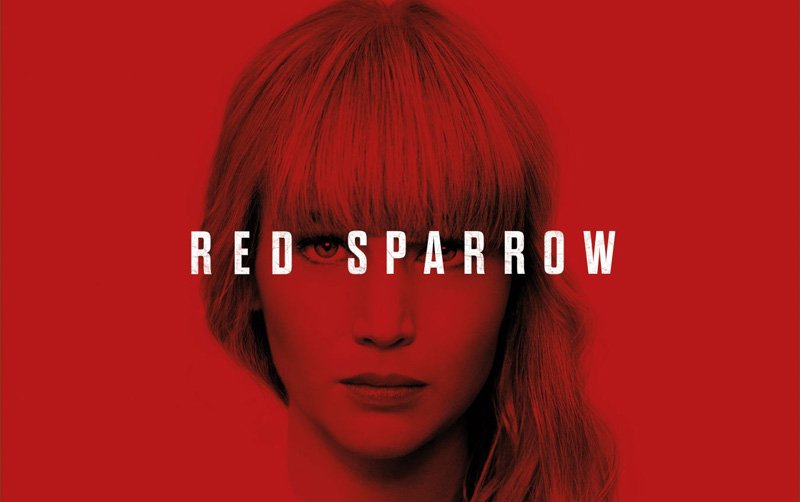
It seems that there are two types of spy movies. There’s the dark, gritty one where the duty takes it’s toll on the one that must be said spy. Then there is the romanticised world where everyone is attractive and things are sleek. Red Sparrow is the latter but with peppering of a dark gritty world.
We open on a raising red curtain. We are at a ballet and the dancers perform. Somewhere else a man deciphers a code and goes out into the cold of Russia. The dancers dance with Dominika (Jennifer Laurence) being the star. The man meets another man and they pass something between them, a close call causes him to fire his gun so the police will chase him. Near the end of the ballet Dominka’s leg is crushed by a mistake of her co-star leaving her dancing career broken.
A few months later Dominka is recovering though with a ill mother her options are limited. Luckily, or unluckily, her uncle Ivan Vladimirovich Egorov (Matthias Schoenaerts) who has pull in the government offers her a position of training. The Sparrows are specially trained agents that are masters of getting under the skin of their targets. So begins the question of what are they willing to do for their country and where is the line if there even is one.
Jennifer Laurence is no stranger to an action leading role, with her career being built on Katniss from The Hunger Games. She speaks with a very thick Russian accent, how accurate it is I cannot say but there is not trace of her real American accent which is impressive. Though her focus is in her body movement and subtlety in her face. She starts as someone broken, then thrown into a world that asks her to do things she never thought of doing, and then finally becomes accustomed to her environment. This is reflected in her body-language, and shows the arc of her character.
There are moments in the movie, particularly within the opening sequence where it looks truly ravishing. The Ballet setting is reminiscent of Powell & Pressberger’s The Red Shoes and The Tales of Hoffman. For the opening chunk onward, it becomes less stimulating, still sharply shot but the colors are more muted and setting less memorable. I would guess this is to show the changing from one world into another though it more feels like an unfulfilled promise of a really good looking movie.
Being that this is an American movie and with all the tensions brewing between them and Russia recently it is surprising to have a spy movie that shows the experience from the other side. Ultimately you can guess who is painted as the villain and the noble country in the end but it was refreshing and important to see that there are noble and good people that come from other countries.
The big talking point for this movie will most likely be the violence. There are a few very overt moments of sexual content and savvier harm being inflicted upon the characters. One of the main recipients is Dominika herself, I’m usually quite sensitive about depiction of brutality towards women but here I feel it’s in the right place. Firstly, it’s a brutal spy movie, you should know what your getting within a few minutes, secondly, everyone gets brutality inflicted upon them, there is no beating discrimination going on. So ultimately I feel it’s fair.
Red Sparrow has talent behind and in-front of the camera and does some bolder things that will make it memorable. It is not as clever as it believes itself to be but it avoids being blatantly stupid or misogynistic with plenty of refreshing material to a genre we’ve already seen a lot of so it makes the ride.
Is it possible for the youth to really listen to their parents when they give them advice, or do they have to live long enough to appreciate what they’re telling them? At the same time do parents really know better than their kids, or are they just set by their own experiences?
There are many stories that put forward a similar dynamic about the tension that happens between a parent and child. What is the important element is how it paints it’s world and characters and the voice it gives them.
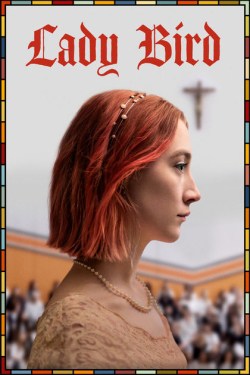
Our first image is a mother and daughter sleeping face-to-face in a bed, they straighten out the room and head home. While driving an argument arises about Christine now wanting to be called Lady Bird and go off to attend New York college while her mother doubts her abilities, her retort is to roll out of the moving car giving her a cast for most of the movie.
Lady Bird’s goal is simple yet so connectable. She wants to forge her own identity, she rejects the name her parents gave her in favor of one she gave herself, she doesn’t listen to her mother or others telling her that there are more reasonable paths for her to take her future because she is unlike anyone else ever (in her mind). It is that time of adolescence where you begin to learn that the rules that the adults force on you are not absolute but at the same time you are probably self-obsessed. It’s just something a lot of us go through.
Saoirse Ronan embodies the character perfectly. She is already a veteran actor and perfectly masks her thick Irish accent. Because of the situation dynamic it call on her to shift moods quickly, take one scene where she’s in the midst of arguing with her mother in a store and when her mother shows her a dress she becomes joyful, or another where it starts with her seeking sympathy from her friend but it turns into a heated argument. Good script-writing can only take it so far, it needs actors to bring it to life.
Laurie Metcalf is Lady Birds mother and she is the other great pillar of a character in the tale as well as the other great performance. There are moments where she has to internalise much but persevere. Two examples are when she is dealing with a patient and what they have to tell them is heartbreaking but she still needs to ask them essential questions. The other moment is when she’s chatting with Lady Bird’s boyfriend and he says something that hurts her, the expression of hurt flashes on her face very quickly but you can feel it in that half second she has to show it.
As an experienced actor herself Greta Gerwig fits into the directing chair with great ease. Her shots are simple but greatly effective and her definite great power is to get extremely well crafted performances out of her actors. They are all perfectly capable actors themselves but Gerwig adjusts them for the right level of funny, furious, vulnerable and sad.
Because Lady Bird’s self obsession lends itself to revelations about other characters. She becomes more sympathetic to others and picks up on details. It is an organic and refreshing way of having character revelations that is not contrived.
Lady Bird has the same subject matter as many other movies that I could name. But what matters is how such subject matter is framed and crafted. It is framed by a woman that is in her thirties so she has been the adolescent daughter but is also entering the age of the mother so she is at a point where she can gauge both perspectives. It is an experience which eloquently portrays the zany energy and sass of youth and the melancholy of looking back as an adult.
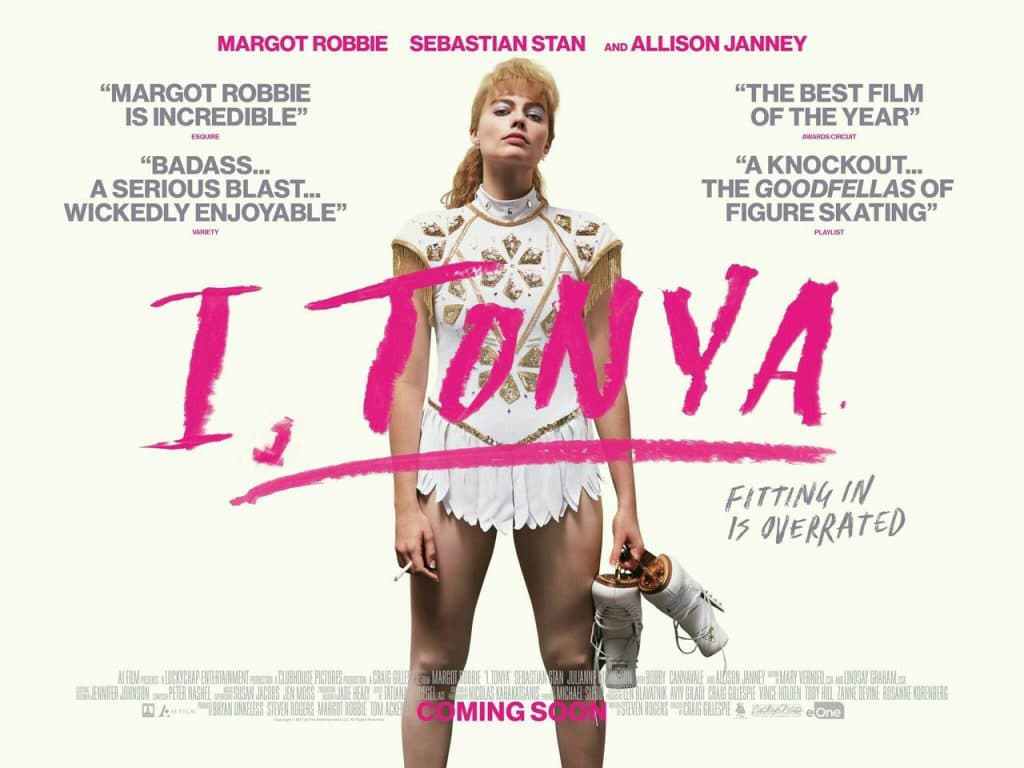
As the saying goes, there’s how you remember it, there’s how history will remember it and there’s what really happened. I, Tonya clearly has this in-mind from it’s inception, where it shows a story recounted by different characters that all see themselves as the others victim, disagree on the details and apologise for just about nothing.
The focal point is obvious the character that the movie is named after, Tonya Harding. We get footage that is set-up like a TV special on the people (again, focusing on Tonya). We see her, played by Margo Robbie, her ex-husband Jeff Gillooly played by Sebastian Stan and her mother LaVona played by Alison Janey. There are a few others but these are the pillars of the plot. Basically Tonya was an Olympic competitor and took home a few medals in her life but never got a any real recognition. She started skating at a really early age and kept it up.
Skating is clearly what Tonya lives for and all other aspects have no class or stability what-so-ever. Robbie has always been cast with attractive characters in mind, to be sure they were defined and she was very good at playing all the other roles but here she plays a character that requires her to be very rough around the edges. She cusses, is put into goody outfits that she has to make herself and smears the make-up on too heavy. And is very much realised in her performance, a smart choice and a wise move on Robbie’s part.
Jeff describes his time with Tonya and her mother like he found himself between two of the craziest human beings ever, one would attack psychologically while the other would fire a shotgun at him, also he denies hitting Tonya. Alison Janney as Tonya’s mother is one of the great beasts in movies. She operates on tough love and that greatness is forged in fire, so she makes Tonya’s life hell. It takes something for an actor to play this kind of character There are people that deal with challenges differently, some thrive with a challenge, others do better in calmer environments and others channel stress or nay-sayers into their best work. It seems that Tonya is the latter of these examples, when she has both verbal and physical abuse in her life right up to the point she skates she does what almost no other woman did in ice skating. When it’s the closest to stable/healthy she misses the landing.
An element that the movie puts forward is that Tonya brought home the gold or even the silver or the bronze because her great skating didn’t come in a pretty package. They want to present their winners and the besets prettiest girls from classic, wholesome American families. She was not this and therefore got a few points deducted.
I don’t know about any training Robbie went through for the skating scenes, in-fact it’s not even necessary these days, through digital manipulation you can put an actors face over the actual sportsman and you’d never know, there were also a few times when I could tell that her whole body was C.G.I. However none of this is really a detriment, I don’t need to know how much the actor put themselves through for a role or what parts aren’t authentic, what matters is what is on-screen before us. They are the highlights of the movie. The camera comes alive most in moments when the facts are ambiguous and it follows a character running and such, but there is the truest example of adding camera motion to give life to a scene in the sequences where she skates.
How accurate the movie itself is may vary on of few of the moments, that is however to be expected, we still a movie to flow narratively and adjust itself accordingly so to work as a movie. But how could it ever be properly chronicled with events this crazy and people in it this warped? It couldn’t really, what really happened happened and some things are indisputable while others we’ll have to just choose to believe. however one thing is for certain, at the end they show footage of some of the real people an how accurately they captured them, some of the footage is of Tonya skating, she sure was a great skater.
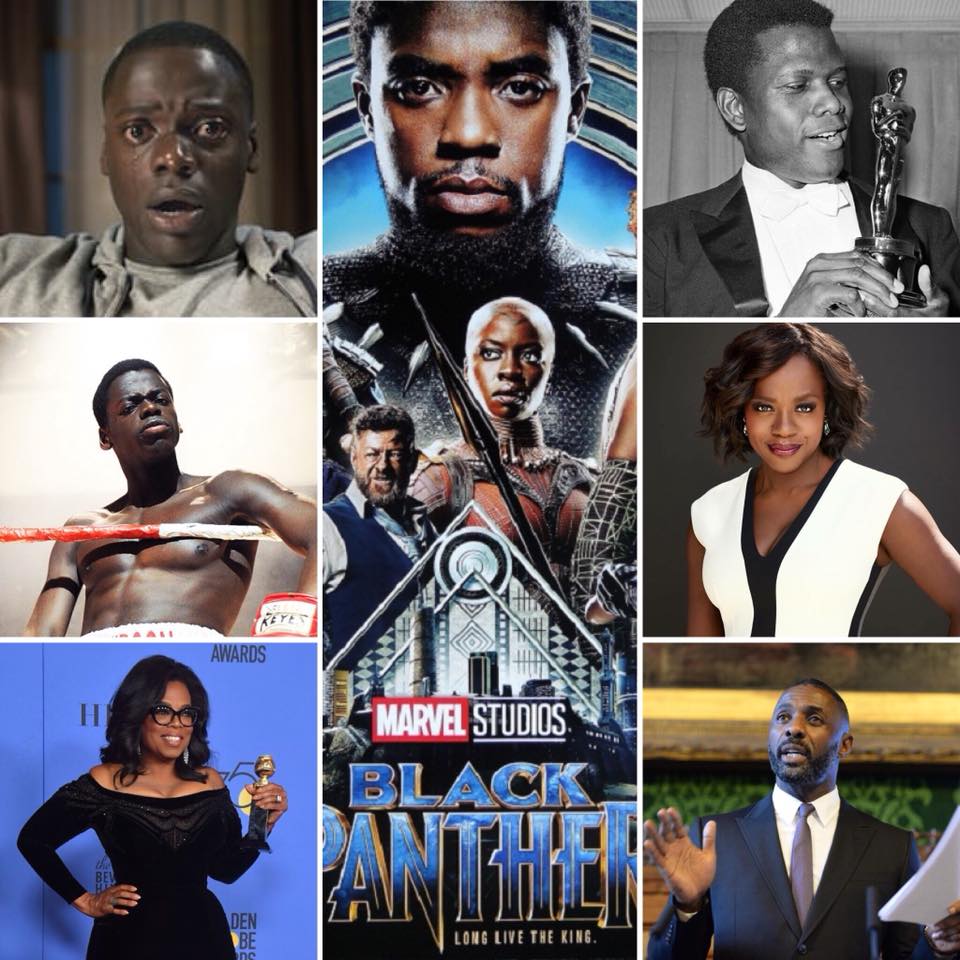
In 1964, There was a little girl sitting on her mother’s floor in Milwaukee watching the 36th Academy Awards. She watched as Anne Bancroft opened the envelope for Best Actor and said five historic words: ‘The winner is Sidney Poitier.’
This little girl had never seen a black man being celebrated for his talent and to quote her “I tried many, many times to explain what a moment like that means to a little girl, a kid watching from the cheap seats as my mom came through the door bone-tired from cleaning other people’s houses”
https://youtu.be/Qbp8o6aBgTs
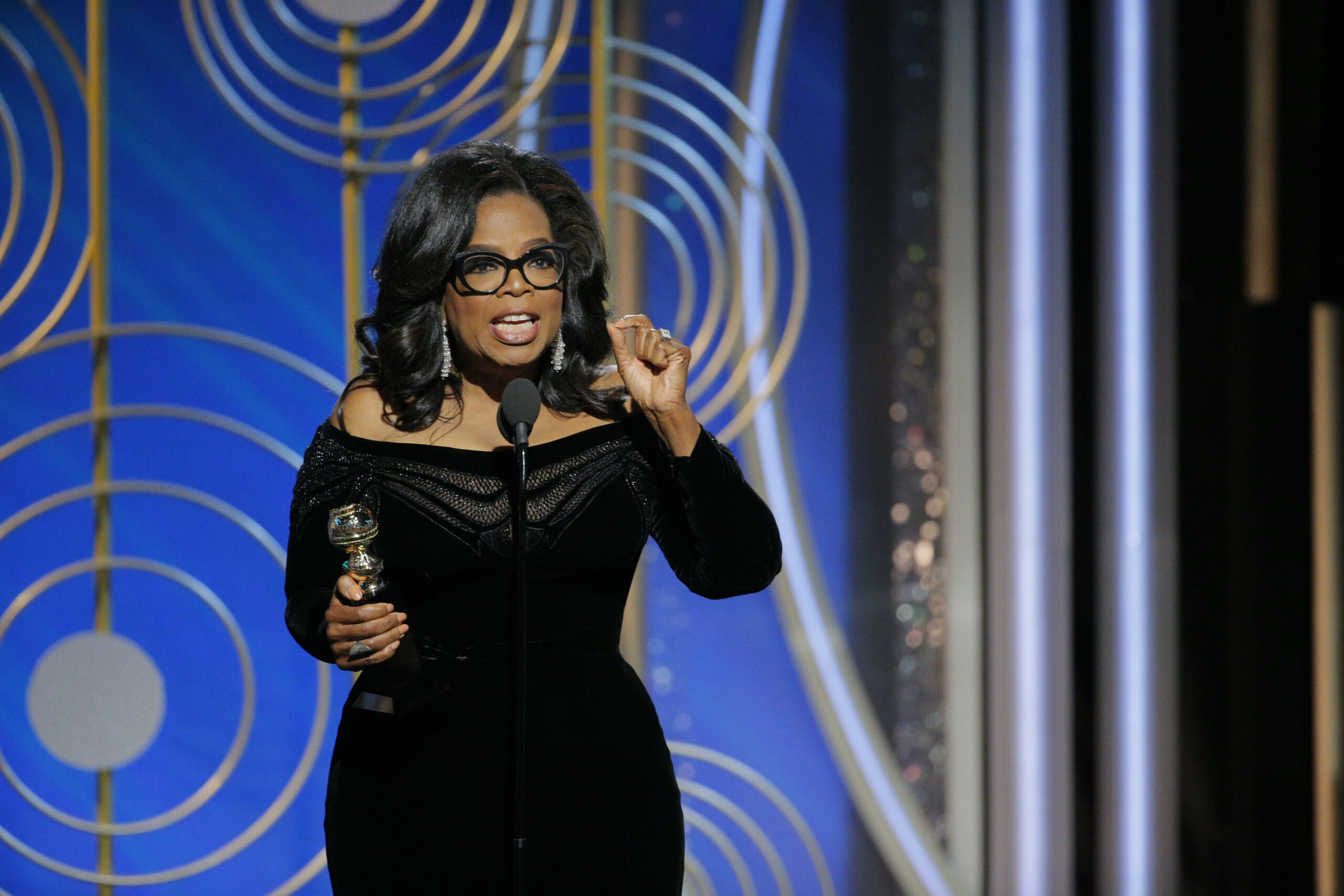
That little girl grew up to become one of the most influential people on the planet – Oprah Winfrey.
And at that moment of celebration at the 36th Academy Awards she was truly inspired by what she saw. She watched history unfold from her cheap seat, took inspiration and the rest as they say is history.
Fast forward over 50 years and Oprah has joined Sidney Poitier in becoming a recipient of the Cecil B DeMille award and when accepting the award she recounted that memory of the cheap seats and went on to add “there are some little girls watching as I become the first black woman to be given this same award”
At that moment and later on in her speech all over the world girls and boys and men and women were inspired and in awe. With that inspiration and determination those little girls and boys will become the next Oprah Winfrey or the next Viola Davis or indeed the next Denzel Washington.
After the #OscarsSoWhite movement two years ago The Academy has implemented drastic diverse change and many others have followed suit because after years of feeling unappreciated and uninspired and pretty much fed up, many people thought enough is enough.
If we don’t show diversity in our nominations and winners then how are the next generation meant to be inspired like Oprah was all those years ago.
By having more diverse nominations and shortlists you are giving the opportunity for the next generation to be inspired. And the key word here is opportunity.
Now more than ever we need the next generation of BAME talent to be inspired and its so great that the #OscarsSoWhite movement has taken effect and we are now finally seeing a hugely diverse and more equal nomination and shortlist spectrum. Closer to home in Wales its not the case. The Wales Theatre Awards for one have not embraced the diverse change needed to inspire the next generation of BAME talent.
Now Wales is quite small in comparison to the rest of the world but we’ve still managed to nurture brilliant talent in all fields and all I ask is that diversity is implemented like with the Oscars and many other global awards. That way the next generation of actors of colour can have a platform to look to and aspire to be on. That way we can inspire and empower the next generation of BAME talent. That way young actors like myself can look to the awards and be inspired to work harder and be in a position to celebrate their talent like Sidney Poitier was all those years ago.
We need to ask ourselves how do we encourage the next generation of artists and creatives to strive and aim for the stars? A big factor in encouragement is inspiration. If they never see role models they can relate to win awards how are they ever encouraged to become the next Octavia Spencer or the next Steve McQueen.
But let me take you back to that word I mentioned a few lines ago.
Opportunity
Because when it comes to Diversity and Inclusion, opportunity is a massive factor.
If opportunity is not given to people then how are we ever going to be in a position where we can showcase our talents?, be nominated for awards? and inspire our peers and the next generation?
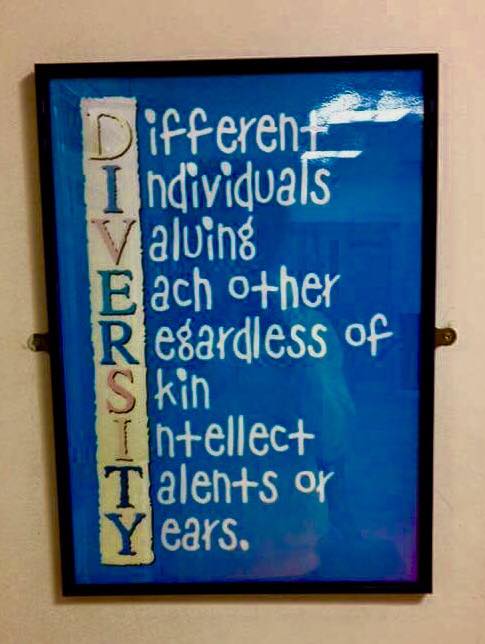
Diversity has become this big hot topic over the last couple of years and its just about equality. Being treated the same regardless of your skin colour, disability, religion, gender, sexual orientation and many other labels that are handed out in our day and age. We are all equal. We are all human.
Finally in our society we have seen a positive shift in diverse action and we cant afford to get left behind whilst others continue to implement that change. We have to embrace it.
Without embracing it we risk loosing much talent to other locations. A prime example of this is the current crop of actors going overseas in search of better opportunities. Idris Elba highlighted it during his recent speech to Parliament.
John Boyega, Daniel Kaluuya, David Oyelowo, Naomie Harris and Lenora Crichlow are just a few other names who have also ventured along with Mr Elba over to the States in search of better opportunities.
A statistic recently showed that according to government data from 2013, there was a 500% increase in one year in approved visa petitions for UK actors and directors seeking to work in the US.
That number is staggering but only goes to show that this issue surrounding opportunity and representation is real.
We live in a multi-cultural world and this isn’t being represented on stage or screen. If we don’t see ourselves or our culture on stage (and screen for that matter) how are we meant to be engaged? If young people don’t see themselves represented on stage they won’t go to the theatre, if they don’t see themselves represented on TV they’ll turn the TV off. We have to show all walks of life to engage all people. Period.
That same situation is at risk of running its course here in Wales. If we don’t champion opportunity and give representation the platform others have then we run the same risk of loosing home grown talent to the likes of other more diverse locations like London, Bristol or Manchester for example. For many new and upcoming actors/performers America simply isn’t attainable yet but the likes of closer inclusive locations are very much a reality. For minority actors to be considered for awards they have to be cast in productions. To be cast in productions they have to have the opportunity to be seen for the roles.
Once again I echo the key word in all of this … Opportunity.
Seeing that I’ve mentioned him already I will bring up the case for Daniel Kaluuya. Daniel Kaluuya has got huge attention lately as he earned a Best Actor Oscar nomination for his role in the film Get Out. With this nomination, Daniel becomes the first black actor under 30 to garner a nomination. Only one word can be used to describe that achievement and that is phenomenal.
But many people think that this success just happened off the back of one movie. They don’t realise that Daniel put in years of hard work from his time at the Royal Court in Sucker Punch.
to Blue Orange at The Young Vic
to his time on Black Mirror to name just a few. But without opportunity would he have got to this stage in his career where he is now the first black under 30’s actor to be nominated for an academy award? Who knows?
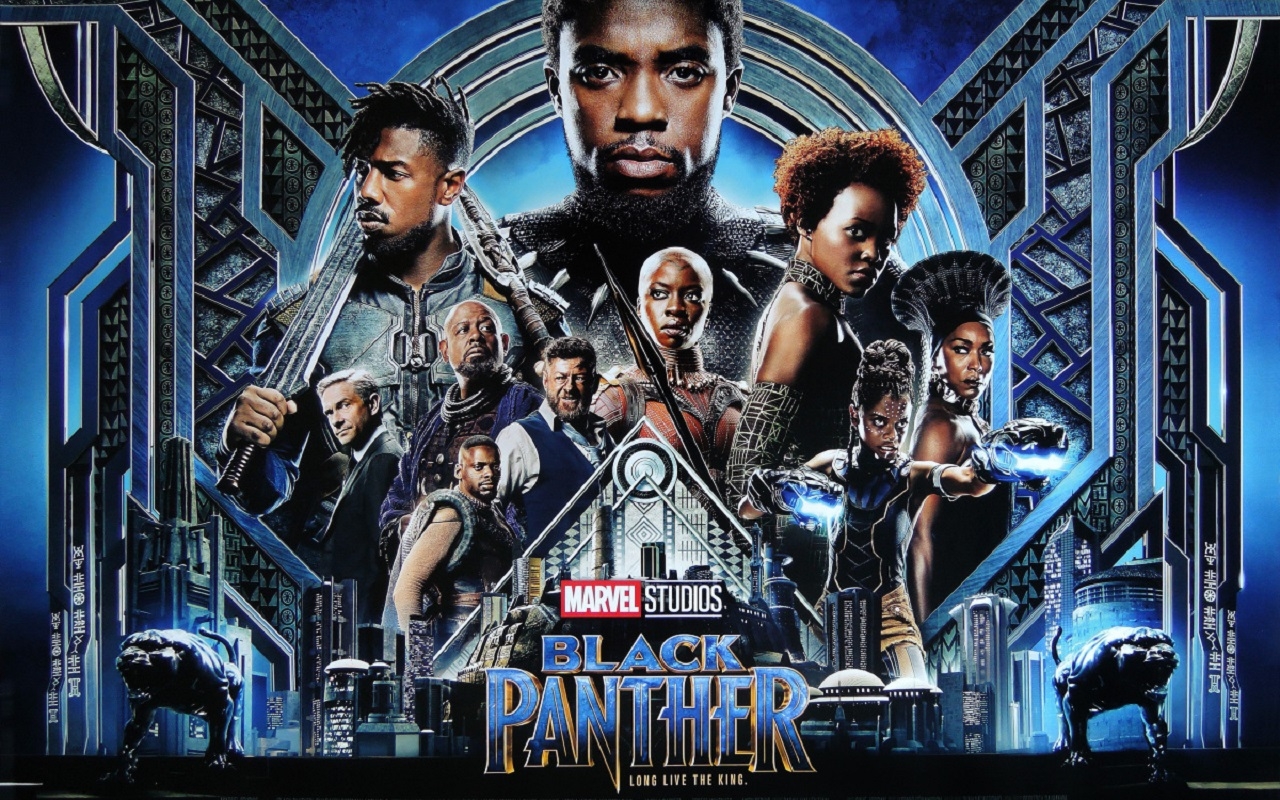
And then we have the global box office hit that is Black Panther and the success that has followed this movie.
As I write this article the global box office of the movie stands at $704 million and its broken into the top 20 for highest grossing movies of all time. There are even rumours of it becoming the highest grossing Marvel movie so far. Not bad for a movie with a predominantly black cast featuring a black superhero in the title role.
But why is this movie such a milestone many people will ask. Well simply put 1) Its massive progress in a positive direction and 2) Its shown that you CAN invest in diverse talent and it CAN be successful.
All they needed was the opportunity.
I guess what I am trying to say and I will echo Viola Davis here when I say that “All that separates actors of colour from anyone else is opportunity”
Talent is everywhere in all shapes and sizes. So we have to make an effort to go and seek this talent out. Look for it. Everywhere.
So with all this being said I’m going to challenge every person who holds a degree of power to embrace the positive shift that has begun and implement change so that we don’t get left behind. Don’t hide away because if you are not part of the solution then you are part of the problem.
This goes for everyone in all industries, not just people in the creative arts. Embrace and Implement. Those two factors will allow diversity and talent to flourish magnificently. The world is now beginning to show us that our possibilities are boundless. And we have to keep on striving to achieve every possibility. Striving to achieve every dream.
“You don’t feel as real if you don’t see yourself reflected in the media. There’s something very powerful about seeing yourself represented.”
-Dwayne McDuffie
(4 / 5)
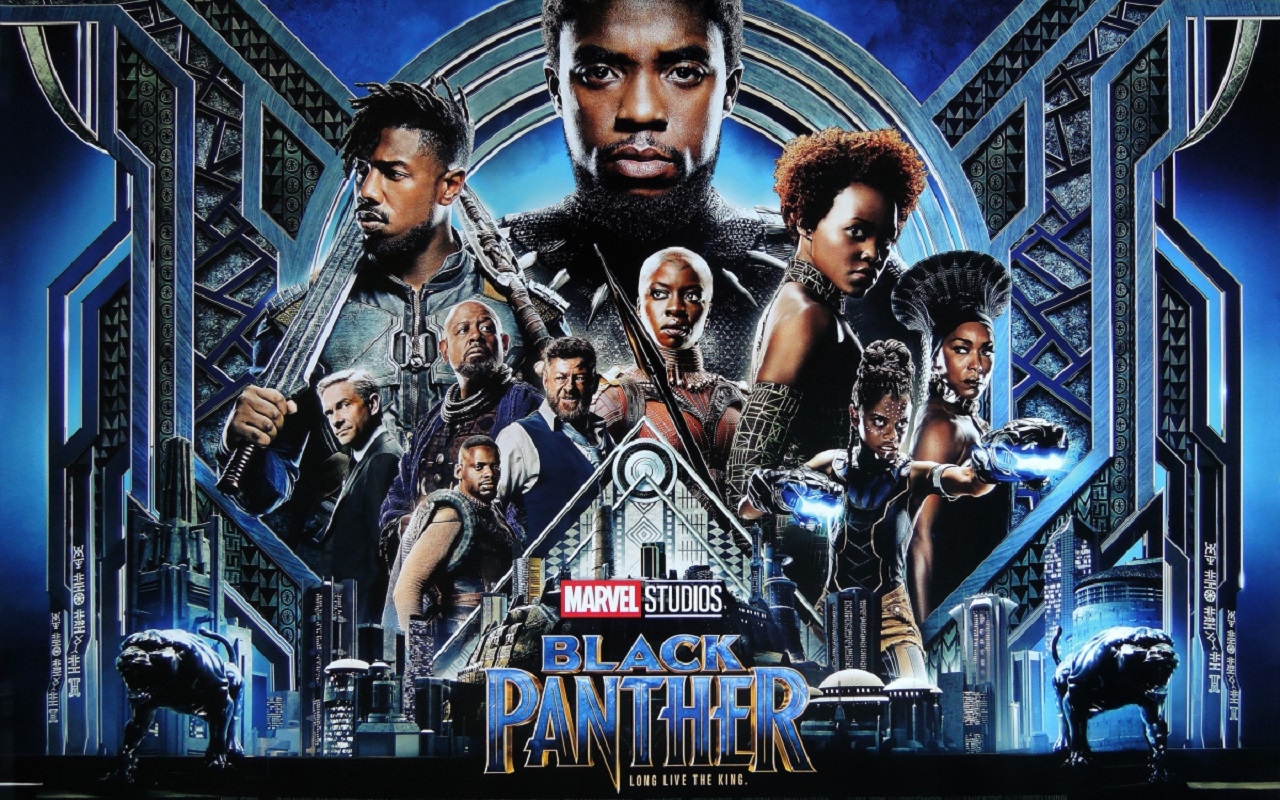
Black Panther is here to make up for lost time. It is not the first Superhero movie to have a black lead, that goes to Steel, but we are now ten years into these MARVEL cinematic movies and now they have enough capital and are allowed to explore other characters that are nonwhite people. It is here with a mission. It is here to give the spotlight to characters and actors that aren’t Caucasian, to represent black culture in both Africa and America and deliver a message of legacy while proceeding forward.
In Captain America: Civil War one of the standout characters was Black Panther himself. Chadwick Bowesman embodies this character with his physicality and majesty with how he walks into a room or a fight and owns everything. This is a time where monarchy is a tricky subject, I wont throw my opinions in here but I do believe he is an engaging likable character so if people are able to pin down their beliefs for the sake of the movie I believe they’ll be very appropriately entertained.
The country in Africa in which T’Challa reins is Wakanda. It is a city that has reached the pinnacles of modern technology. The buildings stand and pieces of modern art, shining bright underneath the sun and with high-speed trains that go from the skyline to the deep caves of the land itself.
The movie also comes with a generous colour pallet. Many different, vivid colours are onscreen making it visually stimulating. In Wakanda the sets have colder colours or blues and whites and a characters costume has yellows, reds or green to make them pop, it is an effective way to make the people and surroundings instantly identifiable.
Director Ryan Coogler has already built an impressive resume for himself. His directorial debut was the poignant Fruitvale Station, then followed by the sublime Creed. So he is able to handle delicate moments of emotion and fight scenes. Something that I believe helps to sell the fight scenes is the sound, they have convincing punching sounds so when a punch or a kick lands you believe it. Coogler has made two very strong movies on a low scale and now he’s proven he can handle a blockbuster, this is a man with a promising career.
The cast is ninety percent black, being that most of it takes place in Africa this just seems like a logical move but we’ve seen studios whitewash stories that should include non-white people but they’ve found a way. I foresee people complaining about the filmmakers having an agenda and pushing it onto the audience, there have already been other examples of this. For that I say of course, yet if the cast was comprised of white men nobody would cry fowl, it is a case of people needing to rethink about representation.
Adding again the immersion of black culture in the movie is the soundtrack by Ludwig Goransson and Kendrick Lamar. Its fast paced and even spiritual at times, using Hip-Hop and African instrumentals which distinguishes itself from the other MARVEL movies as-well as most other blockbusters that come out.
This movie, like all the other ones, comes with a serving of jokes. Visual ones, one liners etc. I am fine with this because I believe that superheroes should be fun, they can be other things but if they’re not fun something has gone terribly wrong. But I do take issue with that T’Challa seems to have changed to someone that is much more chatty. When we saw him before he was the dry, stoic one, are these movies incapable of having longer sequences of silence?
Michael B. Jordan plays Erik “Killmonger” Stevens (yeah that’s a pretty on-the-nose name). He clearly has an agenda that will link him with T’Challa, the writing clearly tells us that he’s quite intelligent and Jordan brings his great physicality to the role where he is able to sleekly handle guns and perform hand-to-hand combat effortlessly making him a physical threat and the cherry on-top is his tooth-filled grin that he has when walking into a fight, saying that he will take some malicious enjoyment out of this.
The plot holds a few surprises but none that will really shake you up during the experience. They do many clever things with the the technology and visuals and there are moments of laughter and the action is high concept but you also feel the impact. The movies true strength is in immersing itself in black culture and representing it before the mass audience.
Jonathan Evans
Creating opportunities for a diverse range of people to experience and respond to sport, arts, culture and live events. / Lleisiau amrywiol o Gymru yn ymateb i'r celfyddydau a digwyddiadau byw


 (2 / 5)

 (5 / 5)










 (3 / 5)
 (4 / 5)