Category Archives: Museums & heritage

Creating a Culture of Belonging.

Communities Engagement Partner at Royal Welsh College of Music and Drama, Guy O’Donnell was one of the speakers at the annual Arts Marketing Association Conference, Amplify in Edinburgh in July.
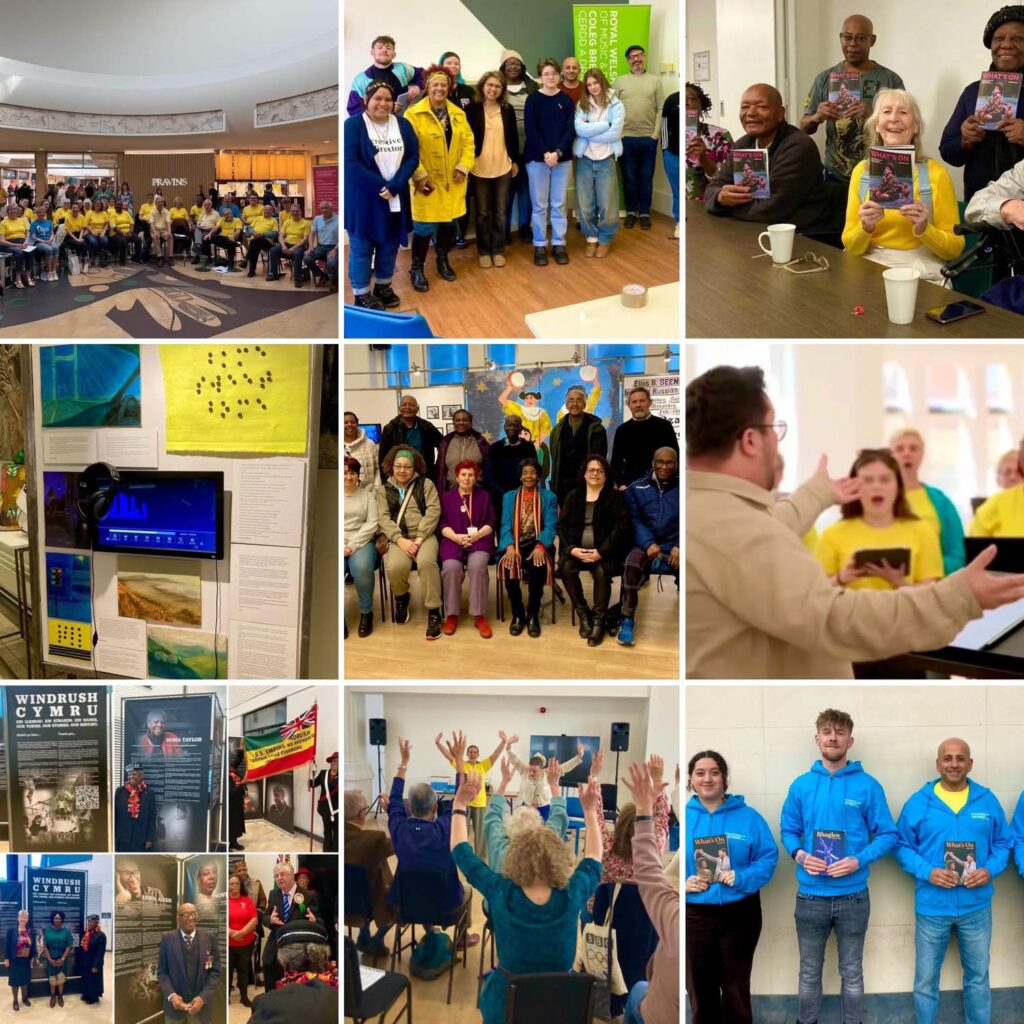
In the role of Communities Engagement Partner, Guy works on delivering a wide range of engagement activity, working across every aspect of the College with potential students, community groups, schools, colleges, audience members, partner organisations, decision makers and the wider public.

Guys presentation is shared below to give an overview of the work of the Department.

The Royal Welsh College of Music and Drama (RWCMD) is in a position to make a significant impact on the cultural accessibility and inclusion of people who may be facing barriers to engaging with live performances.

By actively supporting these audiences to work with their students, and share the creative outcomes on their stages and exhibitions, RWCMD has fostered a more inclusive, diverse, and collaborative environment that benefits both the participants and our students.

In this overview you can learn more about the work RWCMD has supported to develop;

  • Demonstratable techniques to increase the diversity of audiences
  • New ways to curate a cultural programme
  • Ways to work with volunteers to increase attendance and income

After many audience development initiatives, audiences are still mainly white, well-educated, middle-class, and middle-aged. This lack of diversity makes it difficult to demonstrate the value of publicly funded cultural activity. It also raises doubts about how creative and lively the arts sector is and its genuine connection to the broader general public.

In this article I will outline the work of the Communities Engagement Department at RWCMD, to co-create, empower, and support active audiences who face barriers, offering them opportunities to work directly with our students. Our goal is to not only enhance the cultural engagement of these communities but to provide them with a meaningful platform to share their creativity, exchange ideas, and contribute to the training of our students.

The Royal Welsh College of Music & Drama in Cardiff, attracts the best creative talent from across the globe. As Wales’s national conservatoire, we fire imagination and drive innovation, offering training to more than eight hundred actors, musicians, designers, technicians, and arts managers from more than forty countries.

The College’s events calendar encompasses over five hundred public performances every year including orchestral concerts, recitals, drama, opera, and musical theatre. The creative diversity of the College ensures a stimulating environment and broad experience for students of all disciplines.

RWCMD is a space for everyone, through proactive measures, we seek to address barriers, promote diversity in all its forms, and cultivate a culture of belonging where everyone, has the opportunity to reach their full potential.

The mission of college is to be a space for everyone; the role of the Communities Engagement Partner works to support a greater range of students and the public to be aware of college and our work. In order to deliver on this mission When I first came into the role in Sep 22, I spent time learning about our live performance programme and meet with lots of staff and students and members of the public to get their views. What came across most strongly was the potential of our live cultural offer to open up conversations about access to the arts and it is a natural strength as the national conservatoire of Wales.

Using this information one of the first projects we developed was Calypso Jazz with The Windrush Cymru Elders
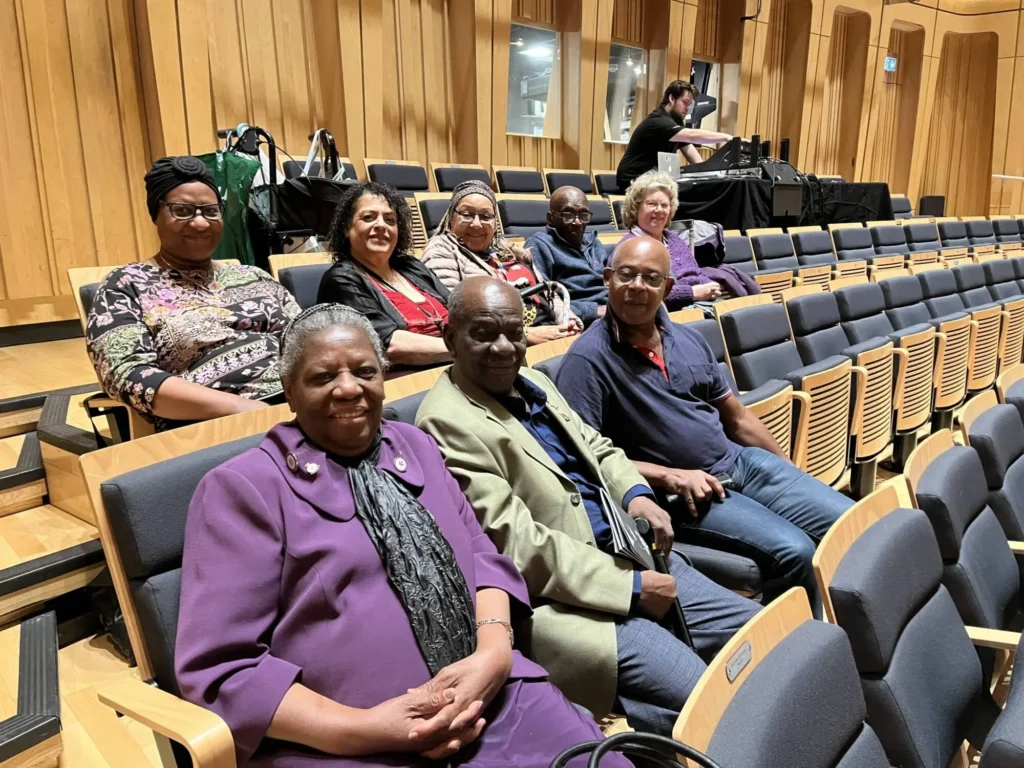
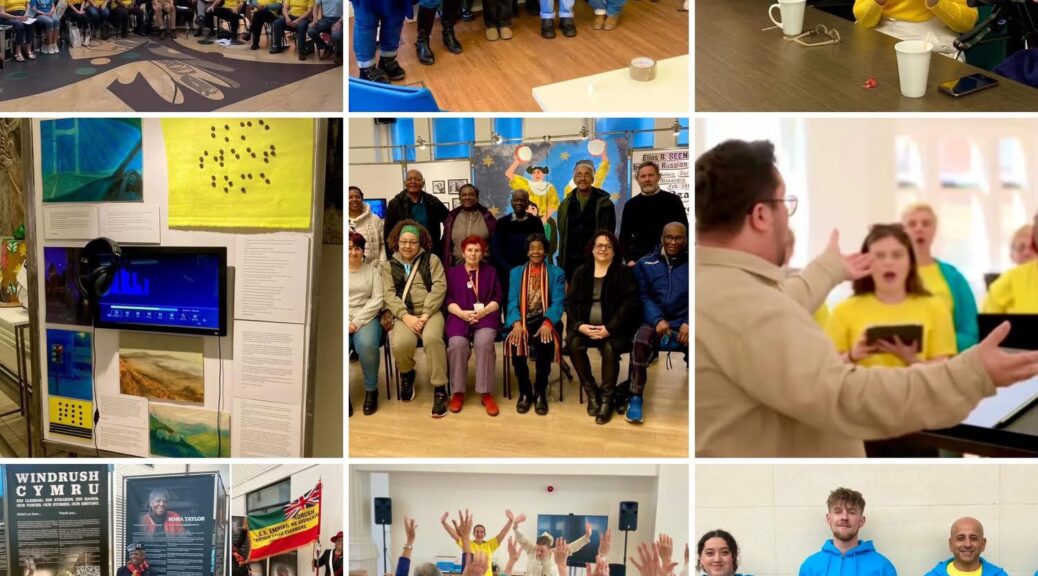
The Windrush Cymru Elders, led by Race Council Cymru, come from different areas across South Wales. They’re a proactive group of Elders who promote understanding of ethnic minority elders’ concerns and needs while celebrating key milestones and marking the contributions of people of African descent.

The group meets weekly, usually in the College, to enjoy each other’s company and take part in creative activities in and around Wales. The College and Race Council Cymru colleagues, provide support and meeting facilities for the group who use College as a community hub.
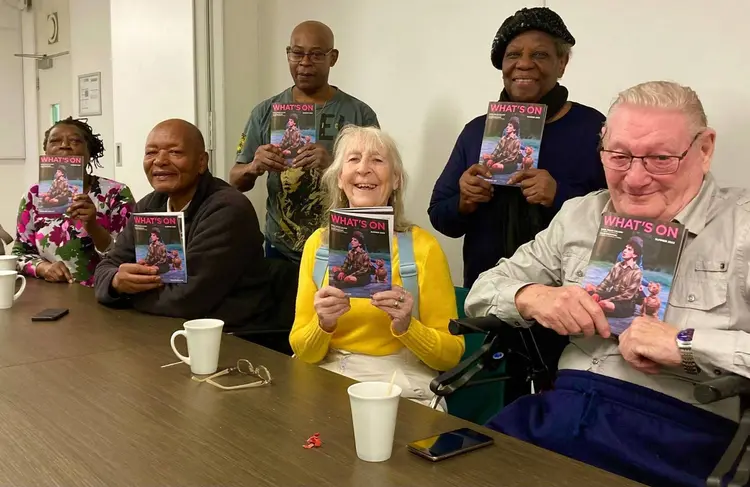
They collaborate with us on feedback and input to the What’s On performance programme. A range of colleagues and students from college have presented to the group to foster an understanding of the College’s work and develop links with The Windrush Community. Public performance is central to student learning, as is understanding a diverse range of audiences and their needs.
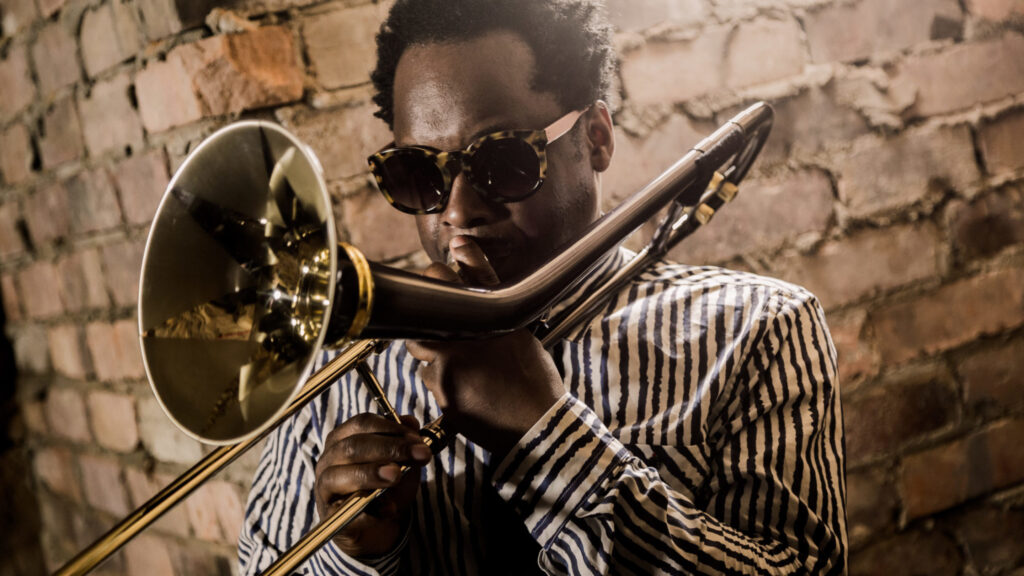
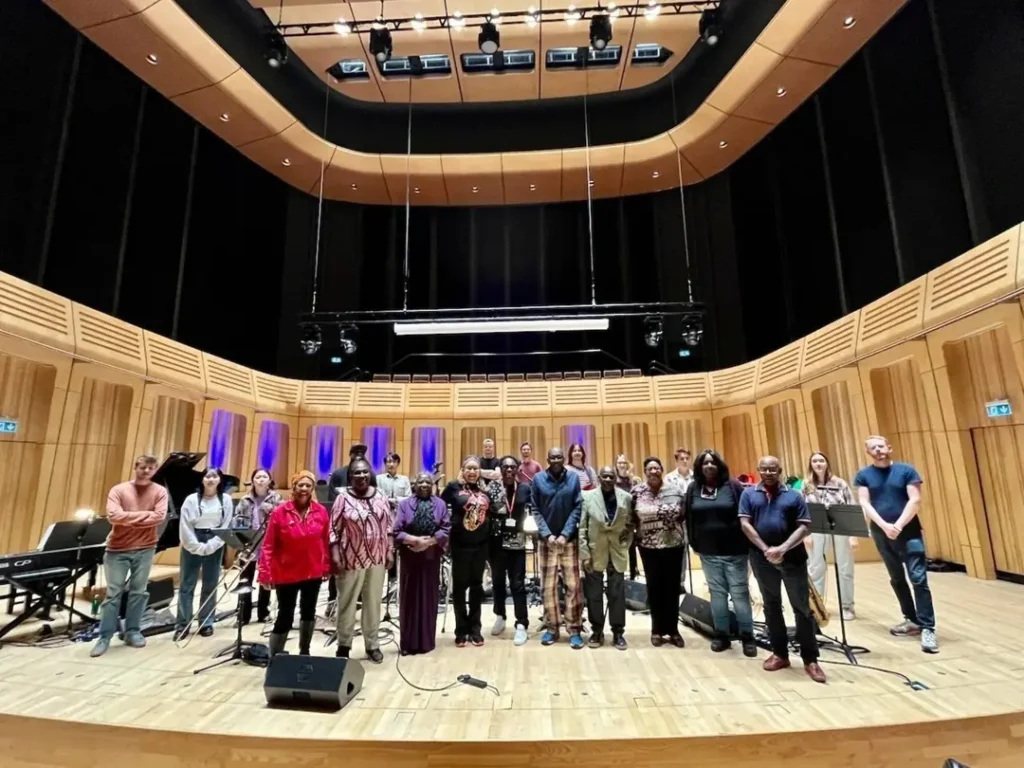
At the start of the new academic year, we have a large-scale concert led by jazz musician Dennis Rollins, supported by our students. Prior to the performance Dennis and staff, met members of The Windrush Elders to discuss their musical heritage, the conversations led to a co-created concert performance where our students and the Elders shared a stage, to a paying public, to celebrate Calypso Jazz.
The Elders have also been supported by college to join The Tempo Time Credit Network. Tempo Time Credits are an external UK wide organisation. They build local and national networks of organisations, bringing people together in their local communities to conduct valued and important voluntary work. Volunteers earn Tempo Time Credits as part of a reward and recognition scheme for the invaluable work they do within their communities. These Credits can be exchanged for a range of services and activities provided by their local and national Recognition Partners of which College is one.

The Elders earn two Tempo Time Credits volunteering their time as part of their weekly meetings, supporting their community. Most of the group have used their credits to see a college performance. As some of the Elders would find the physical cost of tickets a barrier, this collaboration benefits everyone involved.

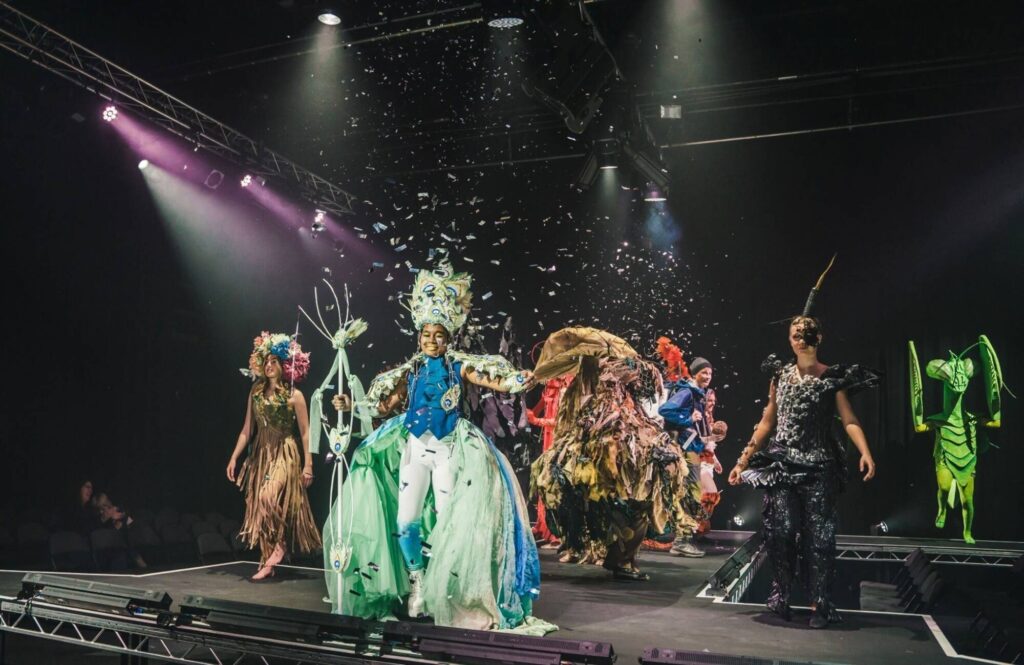
Using their Time Credits the Windrush Elders have seen opera, drama and classical music. They have also brought their grandchildren to see Wearable Art, the costume showcase created and performed by Design for Performance students. This introduces tomorrow’s talent from a range of communities to the College and inspires them for future career possibilities in the creative industries.
Karen and Linda two of the Elders have used their Tempo Time Credits to see performances by South African musician Abel Selaocoe
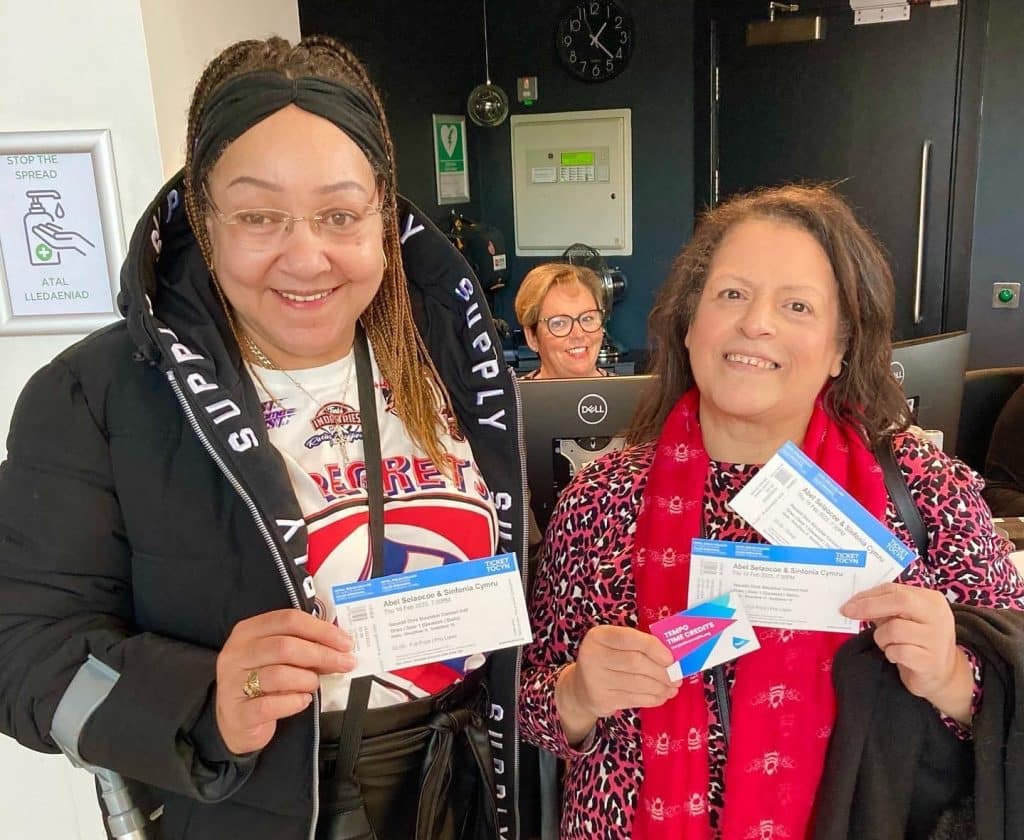
They said of their Time Credit membership

‘Since coming to college, we have had the wonderful ability to earn Tempo Time Credits through volunteering our time to support our group, The Windrush Elders. This has opened up the possibility to use credits as reward payments for different things such as theatre shows or going to leisure centres.

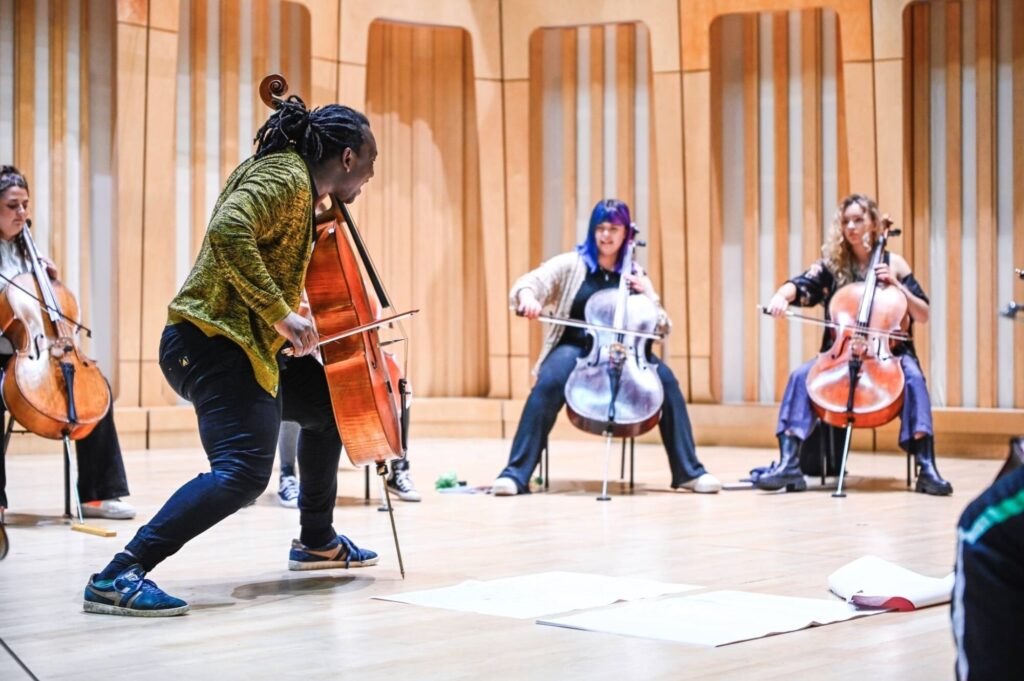
At College, we’ve seen Abel Selaocoe, the jazz cello player twice, last December as part of a quartet and then again as part of an orchestra of violinists & cello players. We thought both performances were astounding and loved every minute.

Being able to attend these performances and be included with Abel’s audience participation was so lovely. We actually felt we were transported to his home country of South Africa! We are looking forward to future performances at college.’
Our Tempo Time Credit spend at RWCMD has increased year on year from,

• Sep 22-July 23 = the annual spend was 87

• Sep 23- July 24 = the annual spend was 184

• Sep 24- July 25 = the annual spend was 230

At College, the average café/bar spend by audience members per individual production is £10-15. If two hundred people spend £12.50 over one year, that is an additional £2,500 over the year. This shows supporting Time Credit spend is a great way to support secondary spend with in most cases no additional outgoings.

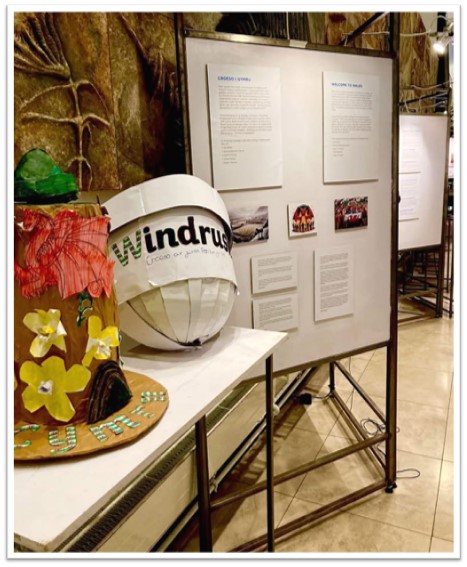
The Elders were also one of the groups involved in the RWCMD, Welcome to Wales Exhibition

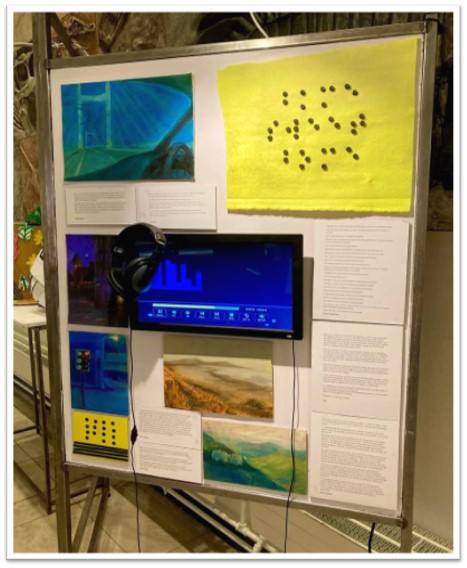
Audiences from groups including Blind communities. The Homeless community and The Windrush Elders were supported to access a college exhibition called Welcome to Wales. The exhibition from by International theatre designer and RWCMD International Chair in Drama, Pamela Howard OBE was a free installation at the Old Library, in The Hayes in the centre of Cardiff , the exhibition was a unique retelling of poignant journeys and the welcome, Wales gave to so many artists, performers and musicians, including Pamela’s own ancestors.
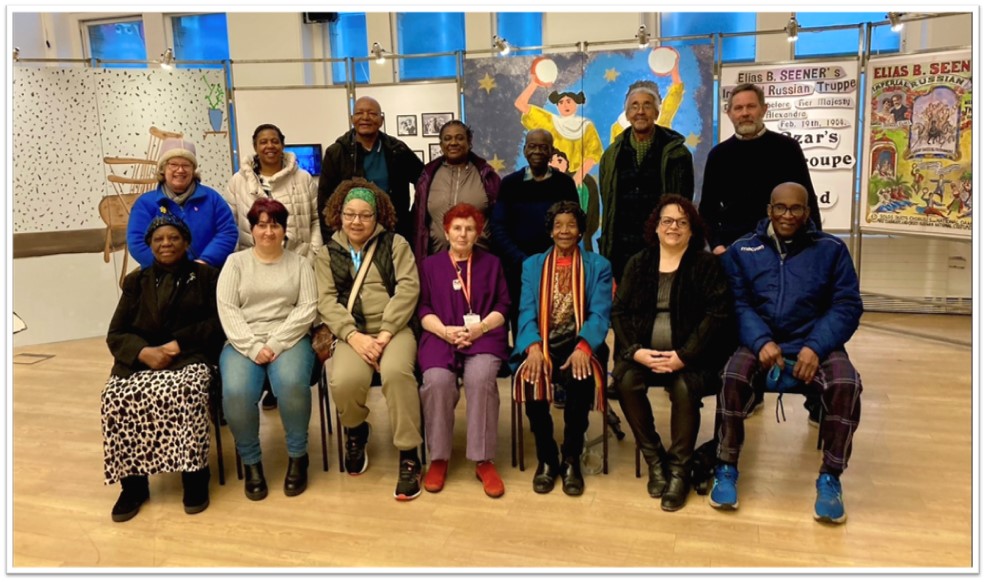
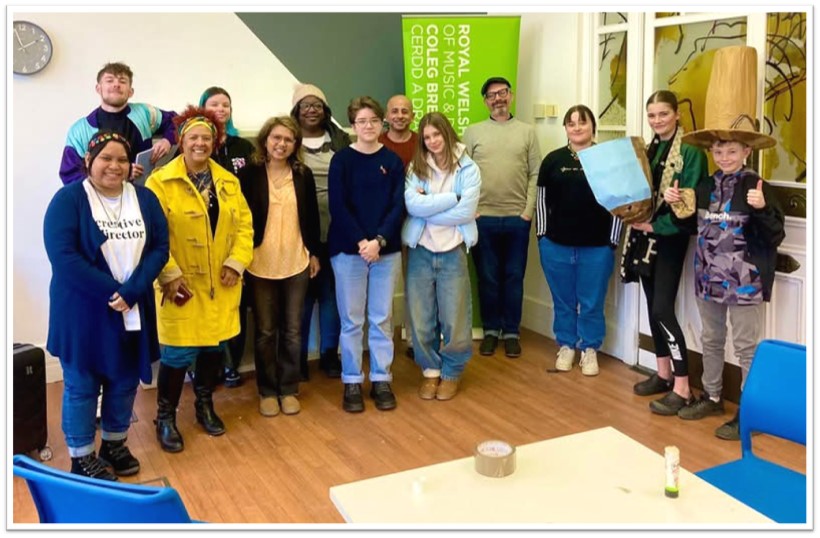
The community groups attending the exhibition were supported by a diverse range of creative professionals to create their own creative outcomes based on the initial exhibition. The resulting work was exhibited in college alongside the work of our Production Design students. Creative outcomes included creative writing, poetry, songs, visual art, braille art and sculptures. This work was subsequently used as a teaching aid for our students when learning about inclusive programming.
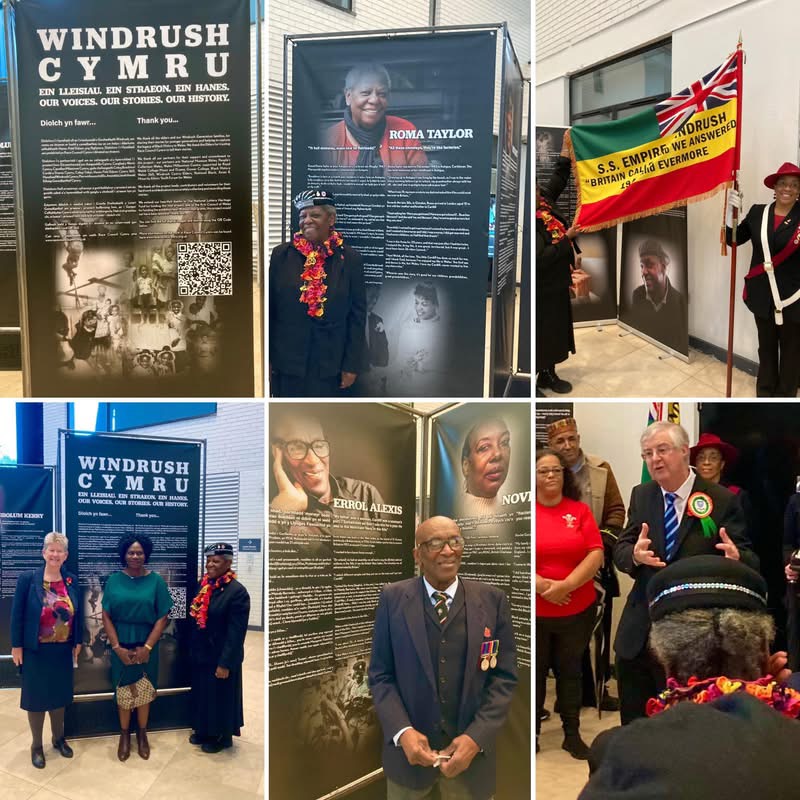
RWCMD hosted the ‘Windrush Cymru – Our Voices, Our Stories’- history exhibition at the College as part of its tour, which also included the Senedd and National Museum Wales.

The project and resulting exhibition directly responded to a call from Elders of the Windrush Generation who wanted to ensure that their generation’s legacy is captured and retained for posterity.
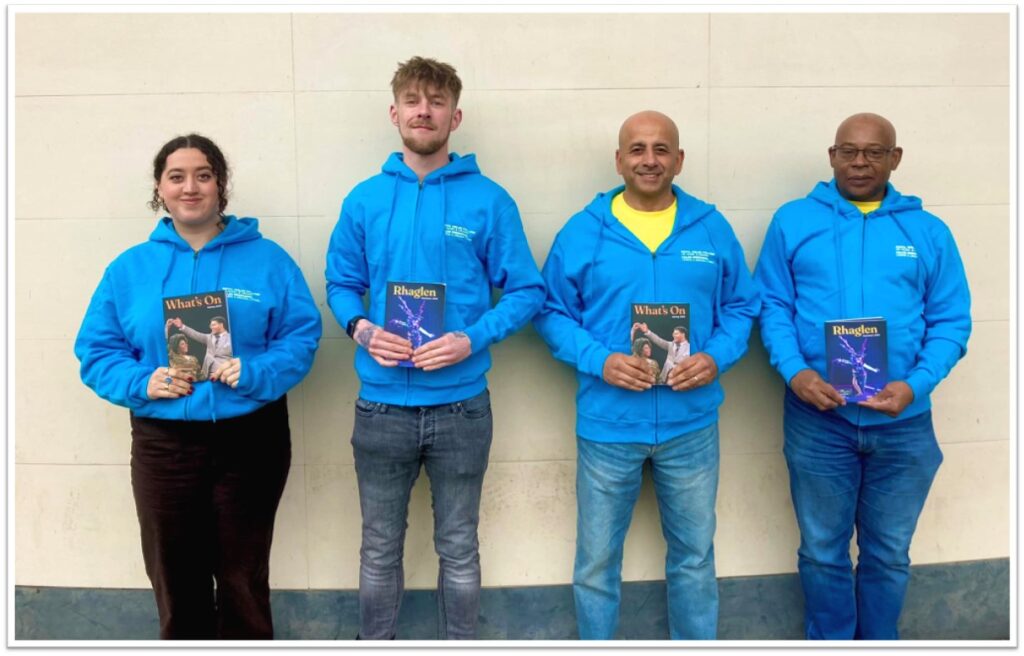
Three of the Elders have received training to act on behalf of College as Community Volunteers. Our Community Volunteers spend time advocating amongst their own networks about performances at college. They have supported new attenders who I or Colleges traditional marketing would have had difficulty reaching.
In the summer of 2025, two of our Community Volunteers independently supported ten of the Elders to attend a showing of the Grenfell installation by Steve McQueen at Chapter Arts Centre in Cardiff. This activity has shifted the traditional hierarchical process of accessing cultural provision, it democratises and empowers the communities we seek to reach. We aim to build on this work in the coming years.
To conclude as we are the College of Music and Drama, an illustration of community activity that brings together our students and members of the public who might be facing barriers in their lives centred around a celebration of musical activity.

The Good Vibrations Chorus is a free signing group targeted at those living with Parkinson’s but open to all. Chorus members take part in vocal exercises, warmups and sing both familiar and new songs with the intention of strengthening the voice to counteract the softening of speech and the loss of muscle tone common in Parkinson’s.

Singing has been shown to reduce Parkinson’s symptoms like tremor, and issues with walking and posture. This is because it helps to relax muscles and release tension in the back and neck. Singing can also help to reduce anxiety and low mood by lowering stress hormones and increases the brain’s ‘feel-good’ chemical (endorphins).
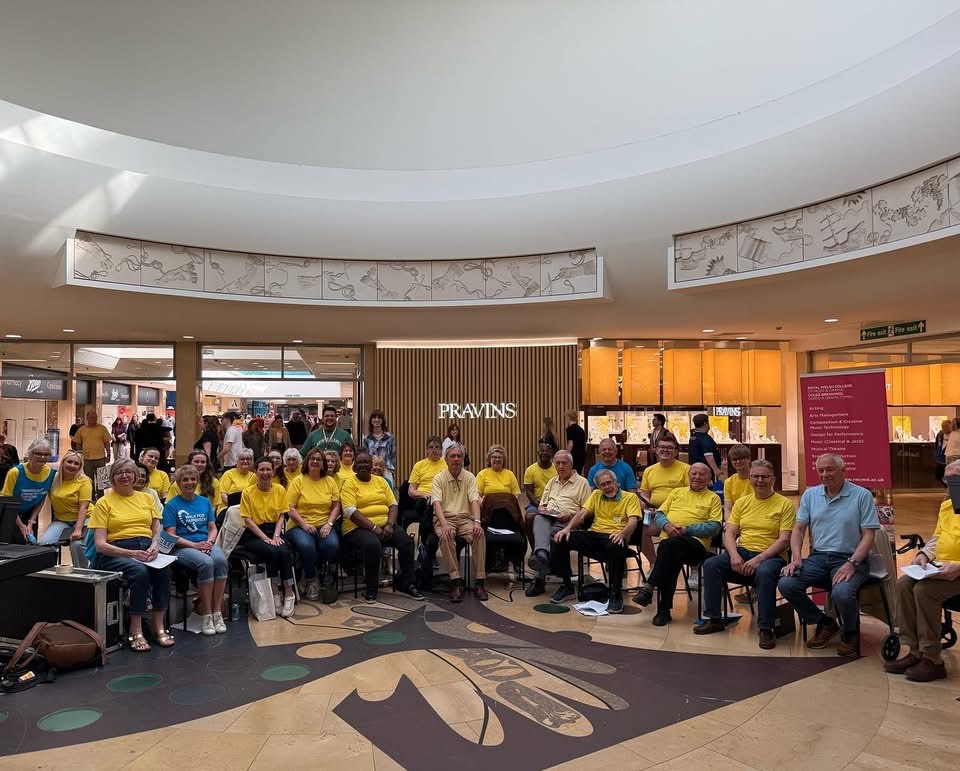
The Windrush Elders are supported to attend the Chorus, we are aware of a lack of diversity in Arts and Health initiatives, the Elders collaborate with us to support members of their own networks to attend.

Our Repertoire is broad and diverse; it contains traditional Choral music but also musicians such as Bob Marley to support the College mission of being a space for everybody.

The Chorus members have shared the comments below in relation to their membership;

It’s great. It’s like a jewel, really, that’s shining brightly. We’ve got the right people in positions, such as Josh and Dora, the tutors. Along with the complimentary package that we have with the students fulfilling their ambitions and their requirements at the same time is wonderful. There’s different layers to all of this, so it’s great. And the backing of the College and Parkinson’s Cymru, it’s great as well.

‘Thursdays are great because that means it’s a choir day! Hurrah! It really is the highlight of my week and I always look forward to our sessions. I sing with two other choirs but what I love about the Good Vibrations Chorus is the relaxed atmosphere and it’s good to get to know other people who are living with Parkinson’s. The choir is friendly and welcoming and Josh, our musical director, balances the rehearsals perfectly between singing and having a lot of fun. We always have a laugh. It’s such a tonic! It’s so uplifting and from a well-being point of view that’s immeasurable. All that wrapped up in a great big ball of joy is such a positive thing.’

Review, 5 Mistakes That Changed History, Paul Coulter, Ed Fringe, By Hannah Goslin

 out of 5 stars (3 / 5)

If you’re part of the generation who was informed by Horrible Histories books and later the television show (let’s be honest, it was on CBBC but was purely for us adults) then you grew up with a sense of history not being the stuffy, serious topic and actually one of comedy.
Out of this, podcasts such as You’re Dead to Me and Oh What A Time have developed, and now there is much more appreciation of history and the comical aspects of times gone by. We are also a species who love to know “what if” – what would have happened if that event did or did not happen? Paul Coulter takes us on this journey, spanning decades and lifetimes, to tell us about just 5 Mistakes that Changed History.

We are swung from Alexander The Great, all the way up to Churchill in this lecture meets stand up comedy show. Performed in what actually looks like an old coliseum style lecture hall, Coulter uses multi-media, referencing modern elements such as memes and his own childhood to reflect and relate these ancient tales to us, a modern audience. This has this structured pattern, seen in many solo stand up performances, and is used well to create extra elements of comedy, separate to those from the story alone.

Perhaps it was the choice of venue, but it did in fact feel like a lecture, with a professor who was trying to engage his students. It had its comical moments, but more in an astonished way, mostly at the stupidity of the past. It was of course informative and educational, and as a history lover, I did in fact enjoy it immensely… but as a piece of theatre or stand up? It felt that this could be a loose connection.

5 Mistakes that Changed History is educational, fun and a great modern approach to bringing history to the masses. However, adding this into a comedy or theatrical genre felt slightly tenuous, no matter how entertaining it was.

Newquay Zoo, Tempo Time Credits, Hannah Goslin

Thanks to our contributions to Get The Chance Wales, a long standing partnership with Tempo Time Credits rewards us for our volunteer contributions to the site. Tempo has a lot of unique and interesting offers, with these being exchanged for credits earned per review.

I have in the past used these to access entry to the Tower of London, Tower Bridge, trips on Uber Clipper Boats and I have donated these to others. Other offers during Covid existed such as subscriptions to Disney plus. The credits can be used across the country, for a range of activities from culture, to health and fitness to heritage and more.

An Easter weekend resulted in me spending time with my whole family, containing 4 children aged 11 to 3. Struggling to decide what to do with them, but being a 1 hour drive from Cornwall, I booked us into Newquay Zoo, as offered by Tempo. It was so easy and straight forward, and it allowed us a really lovely day in the chilly but lovely Easter sun. We saw a wealth of animals and read about the zoo’s contribution to conservation. Favourites of the kids ranged from Otters, Penguins and Lynx cats, while us adults loved Warty Pigs, Armadillos and Red Pandas. Delicious and affordable lunch was available, freshly made on site with fresh brewed coffee, and a mid visit ice cream and play in the playground nicely broke up the walk around and a outlet for the kids to expel their energy. The Easter weekend brought a treasure trail for the kids to spot eggs with letters around the zoo, resulting in an anagram we needed to decipher to win an Otter experience. Another very fun addition.

Booking was simple and easy and obtaining the tickets further at the zoo was simple and quick. We had a wonderful time and big thanks to Tempo for enabling us to do so!

“We have lots of fascinating, unique, and distinctive collections here, I am excited to share them with new audiences” An interview with Judith Dray and Mandie Garrigan, Library Services, Royal Welsh College of Music

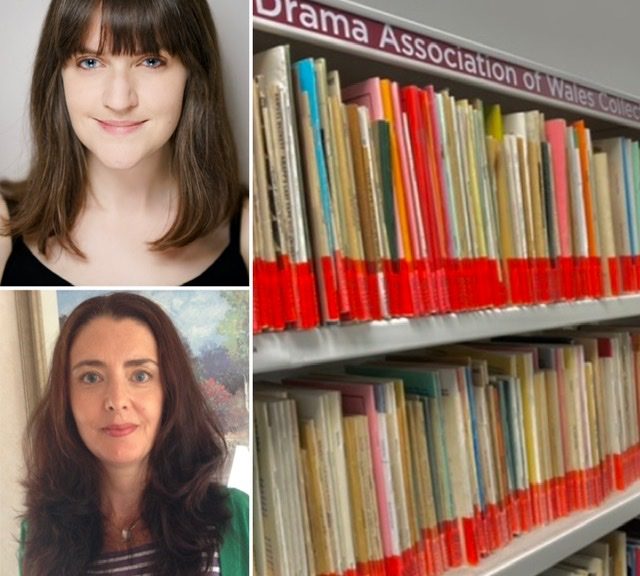
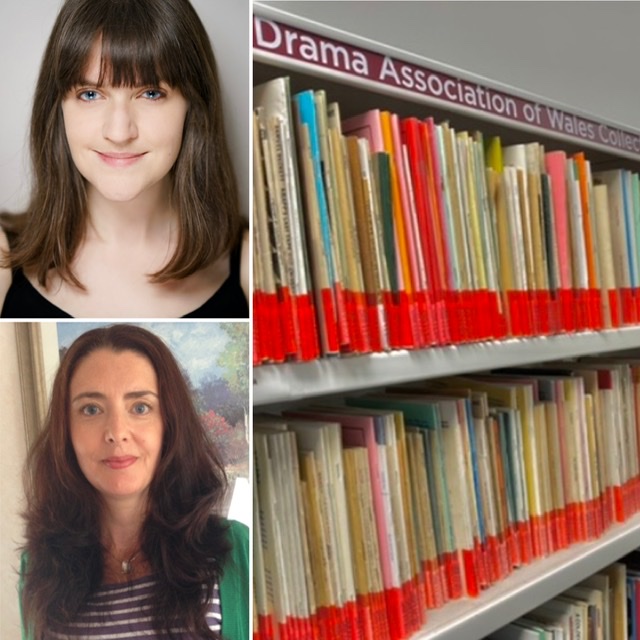
Top Judith Dray, Head of Library Services, RWCMD, below Mandie Garrigan, Libraries Assistant, RWCMD. Judith Dray Photograph © Edmond Choo Photography

In this interview, Director of Get the Chance, Guy O’Donnell chats to Judith Dray, Head of Library Services, Royal Welsh College of Music and Drama and Mandie Garrigan, Libraries Assistant, RWCMD. We discuss their roles at the College, access to the library, the Drama Association of Wales Collection and their latest recommendations!

What got you interested in the library service?

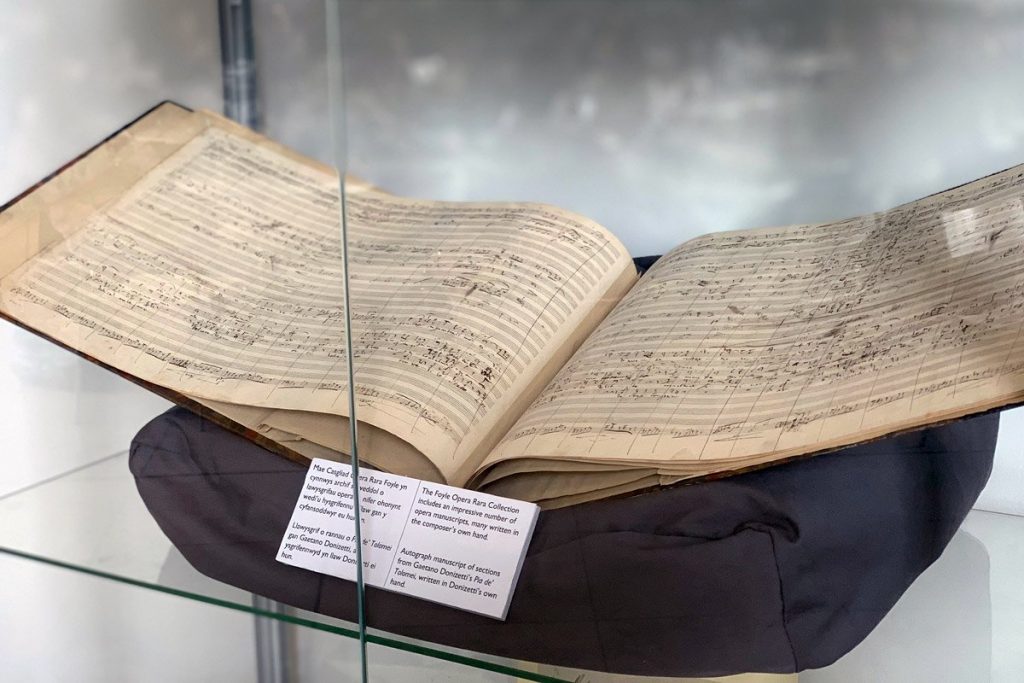
MG: I have a background in the performing arts and managing bookshops in Hay-on-Wye but more importantly my jobs have been customer serviced based which is required for this role. The library service here is a little different, it allows me to interact with our staff and students, but I’ve also been working with our archives and special collections (mostly the College Archives and The Foyle Opera, Rara Collection).

Working in the library also involves helping on projects, creating working systems and generally having a go at anything! I started managing the DAW (Drama Association of Wales) collection when I covered for a maternity post 5 years ago. I manage all the memberships, orders, invoicing and have catalogued the sets in the past.

JD: Like Mandie, I have a background in performing arts. I also have lots of experience working in higher education, both working with research collections and supporting learning. I originally came to the Royal Welsh College of Music & Drama (RWCMD) as an archivist in 2018 and then was seconded to Head of Library Services during the pandemic and became permanent in 2022. The role marries together my background in the performing arts with my passions for libraries and higher education. We have lots of fascinating, unique, and distinctive collections here: I’ve loved finding out about them and I’m excited to share them with new audiences.

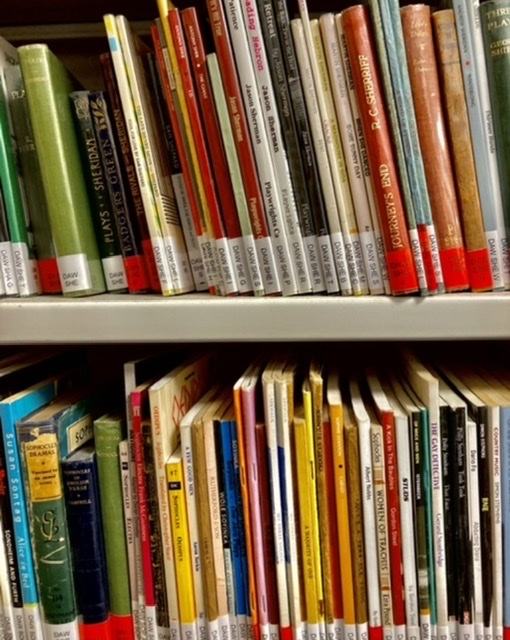
The RWCMD library houses the Drama Association of Wales (DAW) collection. This is the largest lending collection of scripts in English in the UK and is available for hire to individuals and groups. Can you tell me more about the collection and how it’s used?

JD: The Drama Association of Wales formerly housed the largest lending collection of scripts in English in the UK. In 2014, the play text collection transferred to the RWCMD Library and is available for hire to individuals and groups. Mandie is the person who works most closely with the collection and the people and groups who borrow from it.

MG: The collection inherited some members when it came here, so when it arrived a membership scheme was set up where groups or individuals pay to become members. This allows them to have access to the collection and borrow plays. We have some University of the Third Age members, amateur drama groups, play reading groups and individuals who enjoy our plays. Over the last few years, Covid has changed the way people meet and groups are only just getting back together, so the service is now running again. We would like to develop the service over the next few years, and it is currently under review.

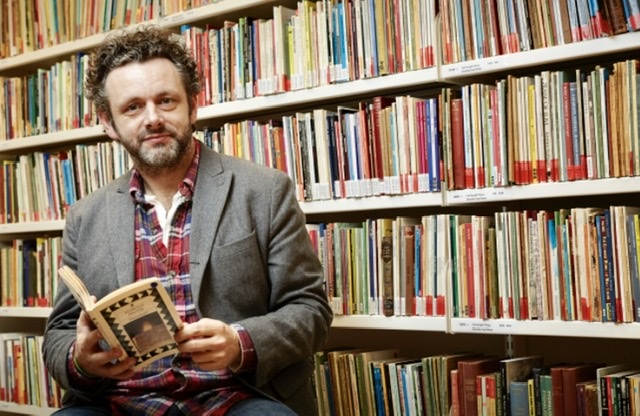
Michael Sheen patron of Drama Association of Wales and International Chair of Drama, RWCMD said of the collection “This drama collection is of hugely significant cultural value. It’s imperative that it’s saved for the nation. It seems fitting that it’s been rescued by the Royal Welsh College, and found its rightful home at the National Conservatoire of Wales.”

Michael Sheen, © Kiran Ridley Photography

Can the public access the RWCMD Library?

JD: We welcome community members to the RWCMD Library. It’s free to browse and members of the public can join in order to borrow items. There’s more information about joining online here and we welcome enquiries by email (library@rwcmd.ac.uk).

MG: Yes, anyone can join as Judith says, and you can now browse a portion of the DAW collection online. I think around 2,800 of the DAW plays have been catalogued now, mainly the sets.

With increased pressure on public funding many Library services have been cut or are under threat, why are libraries important to you and wider society?

JD: As an academic library, we are not facing the same existential threats as many public libraries have faced in recent times, but it is a worrying trend. Libraries are not just about lending books. At their best, libraries can foster communities; they can provide safe spaces; and they can promote equality and inclusion by giving free access to resources, computers, and equipment.

What was the last really great book that you read that you would like to share with our readers?

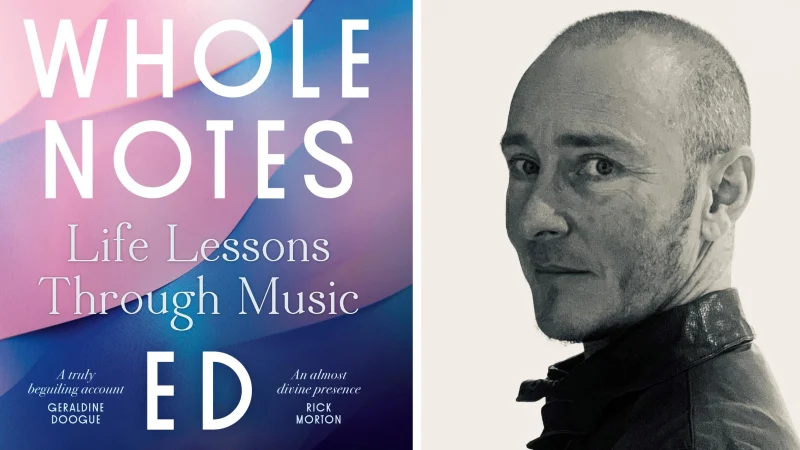
JD: Earlier this year I read Whole Notes: Life Lessons through Music by Ed Ayres. I’ve been recommending it to everyone and bought a copy for the RWCMD Library. It is about music, healing, the lived experiences of a transgender musician, teaching, learning and so much more. It also includes Spotify playlists which enable the reader to share in some of Ed’s experiences which I thought was a lovely touch.

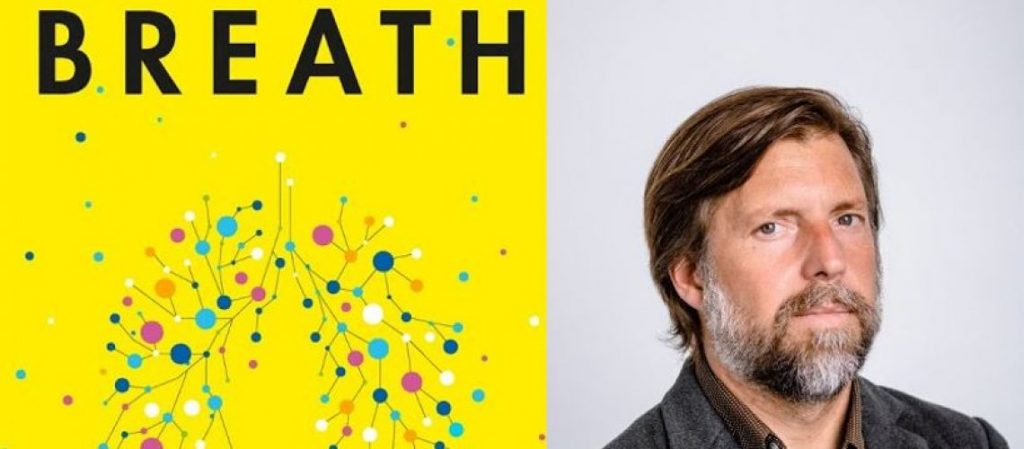
MG: Not my last but I am reading Breath: A New Science of a Lost Art by James Nester which is also available in our library. I’m only on the first few chapters but it’s one of those books that can challenge your perception on something we all do. I enjoy books that question the way we think about our bodies and mental health. I am also very keen browser of our art and design books, one of my favourites being Stages of decay by Julia Solis, a book depicting various theatres/performing areas in dilapidated conditions which are strangely beautiful.

Participants call-out for Trawsnewid at Amgueddfa Cymru/ National Museum Wales

Trawsnewid is an Amgueddfa Cymru- National Museum Wales project aimed at LGBTQ+ young people aged 16-25. The project is run partly online and in person at the Waterfront Museum in Swansea.

The project explores queer Welsh history and the lived experiences of LGBTQ+ people living in Wales today through talks and workshops. There is also opportunity for participants to deliver their own talks and workshops with support from the museum. So far, the group have created a digital cabaret and a delivered a series of workshops for Swansea Pride and are working towards creating a museum takeover event and an exhibition at the Waterfront Museum in March.  

We are looking for new participants to join this project, so if you identify as LGBTQ+ and are aged 16-25 and would like to get involved with the Trawsnewid project, please email bloedd.ac@museumwales.ac.uk for more information. 

If you would like to watch the Pride Cabaret created by the participants of Trawsnewid, you can view it below:

https://youtu.be/7N7Kjj9TBW8

An Interview with Actor and Director Eleri B. Jones, conducted by Gareth Williams

In this latest interview, Get the Chance member Gareth Williams chats to actor and director Eleri B. Jones.

Eleri is a graduate of the University of Manchester and Drama Centre London. She is currently undertaking a traineeship with Theatr Clwyd as an Assistant Director.

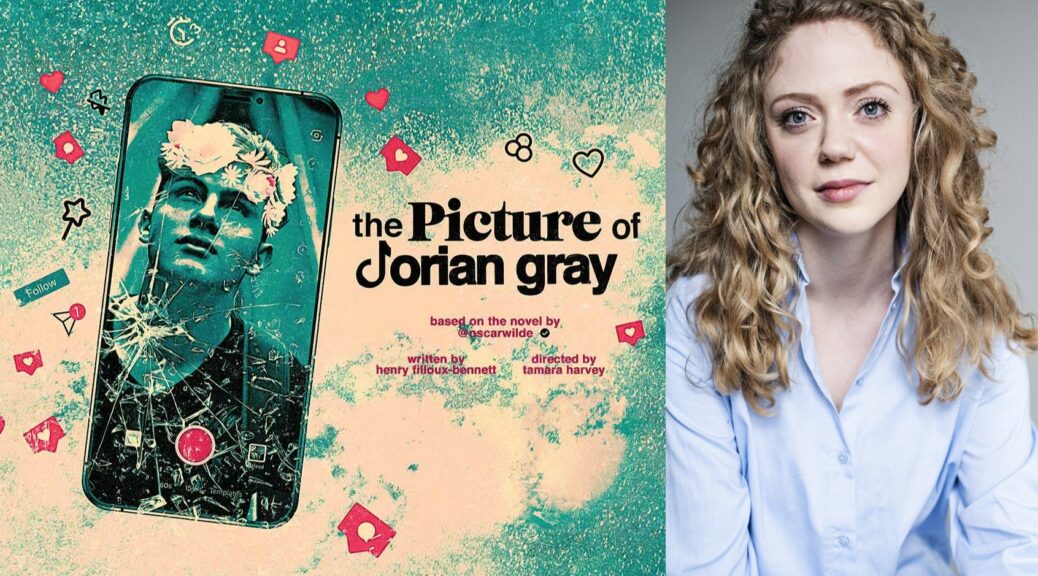
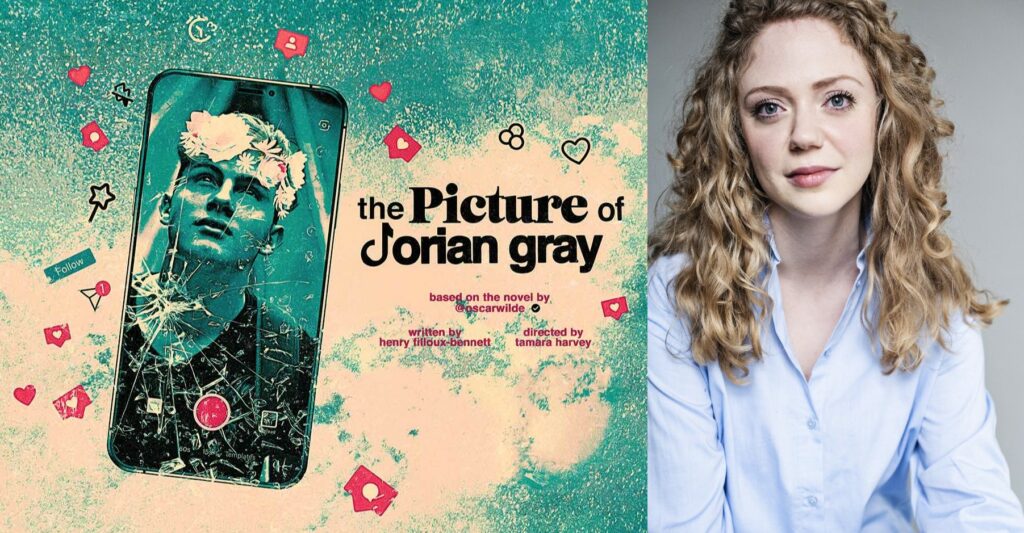
Here, she talks to us about the traineeship; her involvement in Clwyd’s latest production, The Picture of Dorian Gray; a collaborative project with the North East Wales archives*; and representation and the arts in Wales.

https://www.youtube.com/watch?v=Uz2_z9fvnKA

To find out more about The Picture of Dorian Gray, including how to purchase tickets, click here.

*Below is one of four videos produced by Theatr Clwyd in collaboration with the North East Wales Archives as part of the project ‘Women Rediscovered…’. To watch them all, click here to access their YouTube channel.

Get the Chance supports volunteer critics like Gareth to access a world of cultural provision. We receive no ongoing, external funding. If you can support our work please donate here thanks.

https://www.youtube.com/watch?v=tge4lXmYPiQ
Interview conducted
by Gareth Williams

TRAWSNEWID PROSIECT NEWYDD AR GYFER POBL LGBTQ + IFANC OEDRAN 16-25 GAN AMGUEDDFA CYMRU- CERDDORION AMGUEDDFA GENEDLAETHOL.

Helo, fy enw i yw Cerian a dwi’n hwylusydd ymgysylltu ieuenctid am yr Amgueddfa Cymru. Rydyn ni’n dechrau prosiect newydd am bobl ifanc LHDT+ o oedran 16- 25. Enw’r prosiect yw Trawsnewid, bydd y prosiect yn canolbwyntio ar y thema o drawsnewidiadau. Trwy’r prosiect byddwn ni’n archwilio pobl draws a gwrthiant cydymffurfio rhywedd o hanes Cymraeg a’r profiadau o bobl sy’n byw heddiw. 

Bydd cyfarfod bob ail wythnos gyda’r bobl ifanc, bydd y sesiynau yn weithdai creadigol sy’n archwilio’r thema o’r prosiect gyda’r cyfle am y cyfranogwyr i redeg sesiynau eu hunain. Trwy’r prosiect byddwn ni’n gweithio tuag at cynnal ddigwyddiadau fel trosfeddiannu’r Amgueddfa yn yr Amgueddfa genedlaethol y Glannau yn Abertawe ac arddangosfa o’r gwaith sy’n cael ei chreu dros y prosiect. Bydd y prosiect yn cael ei addasu am y diddordebau’r grŵp fel celf, perfformio, ysgrifennu creadigol neu hanes. 

Bydd y prosiect yn dechrau gyda sesiwn ar lein am 6yp ar y 24ain o Chwefror, byddwn ni’n cyflwyno’r prosiect, cyfarfod ei’n gilydd a dylunio cerdyn post sy’n cael ei ysbrydoli gan y casgliad LHDT+ yr amgueddfa. 

Os ydych chi eisiau cymryd rhan yn y prosiect, cael unrhyw gwestiynau am y brosiect neu yn gwybod unrhyw berson ifanc gyda diddordeb i gymryd rhan anfon e-bost i: cerian.wilshere@museumwales.ac.uk

Trawsnewid A New Project for LGBTQ+ young people aged 16-25 from Amgueddfa Cymru- National Museum Wales.

Hello, my name is Cerian and I am a youth engagement facilitator for Amgueddfa Cymru- National Museum Wales. We are about to start a project for LGBTQ+ young people aged 16-25. The project is called Trawsnewid and is going to be focused around the theme of transformations. Throughout this project we will be exploring trans and gender non-conforming figures in Welsh history and lived experiences today. 

There will be a bi-weekly meeting with the young people, these sessions will be creative workshops exploring the theme of the project with the opportunity for the participants to run their own sessions. Throughout the project we will be working towards putting on our own events such as a museum takeover at the Waterfront Museum in Swansea and an exhibition of the work created throughout the project. The project will be tailored to the interests of the group, whether that’s history, art, creative writing, performance etc. 

The project will begin with an online session on the 24th February at 6pm, we will be introducing the project, getting to know each other and designing our own postcard inspired by the museum’s LGBT+ Collection. 

If you would like to get involved in the project, find out any more information about the project or know of any young people who would be interested please email: cerian.wilshere@museumwales.ac.uk 

“Get the Chance has not only given me a voice – it has given me the space, the opportunity and the confidence to use it.”

In the article below members of the Get the Chance team share why the work of Get the Chance is important to them and their lives.

You can make a donation to support the work of Get the Chance here

Guy O’Donnell, Volunteer Director

Hi my name is Guy O’Donnell and I am the director of Get the Chance. In this short article our team share with you how vital Get the Chance is to them and their lives. If you can support our work, please donate at the link above.

Get the Chance is a social enterprise based in South Wales. We are Wales based with an international outlook. We work to create opportunities for a diverse range of people, to experience and respond to sport, art, culture and live events. We use our online magazine website as a platform to showcase our members activities. We provide a fantastic opportunity to develop cultural critical voices and ensure that people from certain groups of society, people that are often forgotten or unheard, are given a platform to share, review and discuss their lives and critique work in a public platform.

Not only have we supported conversations about the arts and culture in Wales, but we’ve also broken-down barriers and asked questions about who actually gets to critique art. It is this democratisation of criticism that is crucial to a healthy and thriving artistic community that listens to everyone. Thank you.

Gemma Treharne-Foose, Volunteer Director and Critic.

Hi, my name is Gemma Treharne-Foose. I’m a board member and volunteer with Get the Chance. We’re a community of volunteers, activists and enthusiasts dedicated to expanding the reach of arts, culture and sports in Wales. At Get the Chance, we exist to create a space and a platform for people to participate, engage in and respond to theatre, arts and culture. In particular, we help people who are perhaps traditionally hard to reach and support them to access and experience these spaces.

Part of the work we do with our community is to encourage and support them to build up their skills, responding to, vlogging about, and writing about their experiences accessing arts, theatre and culture, and also helping them access particular schemes and initiatives with partner organisations.

At the moment the arts and live event industries in Wales are hurting and they’re struggling right now as they try to access support and gain audiences in these uncertain times. I believe this is an arts emergency and I want part of my work with Get the Chance to support the industry to get back on its feet again and to get audiences enjoying live events and theatre again.

If you also want to support and highlight Welsh theatre, arts and culture then I’d encourage you to get involved. Let’s shine a light on the amazing work happening right now in Wales. The show must go on!

Barbara Michaels, Volunteer Critic.

As one of the most senior reviewers who has known Guy O’Donnell for many years, I can’t stress enough how important it is that Get the Chance continues to support the youngsters who want to become involved in the arts, many of them with the aim of a career in the media.

During the time over the years I’ve been reviewing, I’ve been really impressed by the young people who are coming up into the ranks, who have become very knowledgeable and very enthusiastic about their involvement with theatre. Unless we get some financial support, it’s going to be so difficult to continue with an organisation like Get the Chance which does so much good, giving opportunities to young people who wouldn’t have them.

With the cost of seeing the performances of opera and ballet and theatre rising, and inevitably it is going to rise more, it is absolutely vital that we have some support both financially and in all aspects of an organisation like Get the Chance. Thank you.

Kevin B Johnson, Volunteer Critic

Hi my name is Kevin, I work in an office, I like long walks on sunny beaches and I’m Sagittarius. Apart from that, I’m a member of Get the Chance because I like seeing new shows, new films and sharing them with other people, bringing my discoveries to others and getting a chance to view them. I like to highlight what I love about the shows that I’ve seen.

Becky Johnson, Volunteer Critic

Hi my name is Becky Johnson and I’m a member of Get the Chance. I’m actually a freelance dance artist based in Cardiff and I’m a member of Get the Chance alongside that. So with my practice I tend to create work, I tend to perform and I tend to teach, and a big part of me being an artist is making sure that I can see as much work as possible and then also understand the wider perspectives, on not only dance but also the arts in general and the things that are going on in our current climate and our local area.

So with having Get the Chance alongside of it, it allows me to access these different things and to get opportunities to see these, which I wouldn’t necessarily financially be able to do otherwise. Also, it allows me to have that time dedicated to just look at these things analytically and also just to really try and understand what is going on in what I’m watching and what I’m seeing, rather than just watching it and acknowledging what’s happening. Writing with Get the Chance gives me an opportunity to use my voice to promote the things that I really care about and things I’m passionate about, the things I think need to be highlighted, whether that’s something that’s problematic that I see in a show or something that I think’s wonderful that needs to be shown more of and we need to see more of.

Another opportunity that I’ve had recently which has been amazing is the opportunity to interview people that I’m very proud to have had the opportunity to speak to and to be able to give them a voice to speak about their platform and what they’re doing. This is really important to me as a lot of these issues are very important and very close to home and I think it’s something that without this platform I wouldn’t be able to do.

I’ve always loved writing, it’s something that I did always want to pursue but by being a member of Get the Chance I’ve been able to continue my writing in a way that’s still linked with my practice. It means that I can find the balance of both of these feeding each other. I’m really grateful for having this opportunity.

Leslie R Herman, Volunteer Critic

Get the Chance has been one of the ways I’ve been able to maintain a connection to the arts and culture in Wales. I’m writing this message from New York City. It is mid-August 2020. I’ve been unable to get back to Wales due to the Covid pandemic and the global lockdown. Not only am I really missing Wales, I’m missing connection, to people, to places and to the arts and culture that I’ve grown to love and live for – arts and culture that have helped me thrive throughout my life.

At the moment it really feels like we’re all of us spinning in our own orbits and cyberspace is our most vital tool but if that’s all we’ve got, I’m afraid it’s way too nebulous for me. I need to feel more grounded.

Get the Chance really has given me the opportunity to get grounded and to connect to people, to the arts, to culture. It’s given me the opportunity to mentor young people and it’s given me the opportunity to extend and rebuild my own career. What’s marvellous about get the chance is its open and flexible approach to giving people a chance to connect to culture. Why don’t you give Get the Chance a chance?

Beth Armstrong, Volunteer Critic

Hi! My name’s Beth. I’m 24, and I’m from Wrexham, North Wales, and I’m currently training to be a primary school teacher. I’m a member of Get the Chance because it allows me to watch a great range of theatre performances which I wouldn’t normally get to see due to financial reasons, and also allows me to see a really diverse range of different kinds of theatre which I think is great for expanding my knowledge and experience of theatre in general.

Having my work published online is a great opportunity for me because it allows me to have a wide audience for my writing, and it also allows me to engage with other reviewers and read their work as well, so it’s a really fantastic opportunity.

Samuel Longville, Volunteer Critic

When I left university, Get the Chance was a really amazing, creative outlet for me. I was able to see so much theatre for free which would have been really difficult at the time, having left university as a not very well-off student. I was working a quite tedious nine-to-five job at the time so Get the Chance really served as that kind of creative outlet for me, allowing me to see as much theatre as possible, and not only to see it but to think about it critically and write reviews about it. So it really let me utilise the things I’d learned on my drama course at university.

I’m soon to start an MA in Arts Management at Royal Welsh College of Music and Drama and I think, without Get the Chance, my enthusiasm possibly could have wavered over the past year, and I still may be stuck doing the same nine-to-five job that I was previously doing. So I really can’t thank Guy and Get the Chance enough for all the opportunities they gave me over the past year.

Helen Joy, Volunteer Critic

Hi! My name is Helen Joy, and I’m here to talk a little bit about my experiences with Guy O’Donnell and his extraordinary Get the Chance. I joined Get the Chance as a 3rd Act Critic when it started, which is a couple of years ago now, and I was a little less grey(!), and it has given me the most extraordinary opportunities that I would not have had the opportunity to take otherwise. For example, I was able to go to the Opera regularly, something I never thought I’d be able to do or that I would enjoy. I’ve been a keen follower of modern dance – ditto, never thought I’d do that – and it’s also given me the chance to really think about how I evaluate things.

So, for example, much more recently, I was given the chance to interview Marvin Thompson. I think this gave me one of the biggest challenges I’ve had for a long time. He, and the experience of planning and conducting an interview, and recording it visually and hourly on Zoom, made me really think about, not just how I wanted to react to him and to his work, but how I felt about it.

Often, I fall into a particular category: of the classic middle-aged, white, educated woman, where the opportunities are already ours, and we’re very lucky with that, but we’re also quite a silent group. People don’t really want to hear what we’ve got to say, which is why we tend to shout it from the rooftops I think; or why, equally, we disappear into the aisles of supermarket. This has given me and my colleagues tremendous opportunities to re-find our voices and to share them, to listen to what other generations have to say. It’s been a really important experience for me. Long may it continue. Thank you!

Barbara Hughes-Moore, Volunteer Critic.

My name is Barbara Hughes-Moore, and I recently completed my Doctorate in Law and Literature at Cardiff School of Law and Politics on Gothic Fiction and Criminal Law. So by day, I’m a scholar, a reviews editor, and a research assistant; and by night, I write longer retrospective pieces on film and television through a gothic and criminal lens on my personal blog.

I’m a member of Get the Chance because its mission is all about increasing the visibility of, and accessibility to, the arts for everyone. Since becoming a member, I have attended and reviewed numerous theatre productions at the Sherman Theatre, the New Theatre, and Chapter Arts Centre. I’ve been a featured speaker on the Sherman Theatre’s post-show panels. And, more recently, I’ve had the pleasure of interviewing director Alison Hargreaves on her short film Camelot for the Uncertain Kingdom Anthology. Most importantly of all, Get the Chance has not only given me a voice – it has given me the space, the opportunity, and the confidence to use it.

Gareth Williams, Volunteer Critic

Hi! My name is Gareth. I am 29 years old and I live in North East Wales, and I’ve been asked to say why I’m a member of Get the Chance, and I want to answer by slightly rephrasing the question in order to say what Get the Chance means to me. And first of all, it means having the opportunity to respond to the arts in Wales; to contribute to the discussion around arts and culture in Wales; and to engage with various art forms.

To that end, it is an opportunity to support and promote artists and organisations, particularly those that I’m passionate about. So for me, that looks like theatre, particularly the work of Theatr Clwyd in Mold; music – I’m a fan of country music, and it’s great to be able to showcase Welsh country music talent on the Get the Chance website – and TV drama. Welsh TV drama is going through a bit of a golden age at the moment, and it’s great to be able to be a part of that as somebody who critically reviews these shows as a writer.

I’ve always been much better at writing than speaking. I’ve never been very good at expressing an opinion though because of low self-esteem and confidence. But being a member of Get the Chance has given me an opportunity to express an opinion. It’s increased my self-esteem and my confidence to speak about how I feel about the things that I see and watch and listen to and engage with. And I think, for me, that is the most important thing about being a member of Get the Chance: that opportunity to express an opinion which, a couple of years ago, I would not have had the confidence to do.

Sian Thomas, Volunteer Critic

Hi! My name is Sian. The main reason I joined Get the Chance is because I love reading and I’ve always loved reading, and I really like having a definitive place where I can put down my thoughts on any piece of media and see people respond in so many different ways, and even the authors of the books that I’ve reviewed responding in so many different ways as well. It’s really lovely to have that kind of freedom of expression and I really value being a member.

Amina Elmi, Volunteer Critic

I am a member of Get the Chance because it gives me a platform where I can speak my mind . It allows me to give my opinion and being able to do so enables me to explore the media, the news and whatever preferred genre or medium of entertainment I want.

When it was introduced to me I was into writing and that has helped shape what dreams and ideals I have while also keeping my writing skills at a solid, good level. I am fortunate to be a part of Get The Chance because it has given me opportunities that I would not have had otherwise.

Hannah Goslin, Volunteer Critic

I am a member of Get the Chance because theatre and the arts is what I eat, live and breath. To be able to connect with fellow performers, practitioners, critics and journalists is a wonderful chance to learn, be inspired and to network.

“An Empowering Narrative for what is usually, a very Disempowered History” An Interview with Lawrence Hoo.

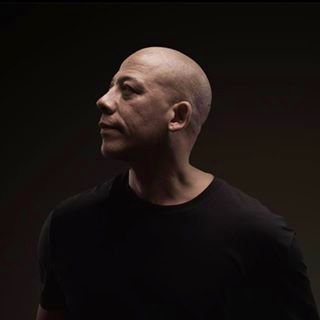
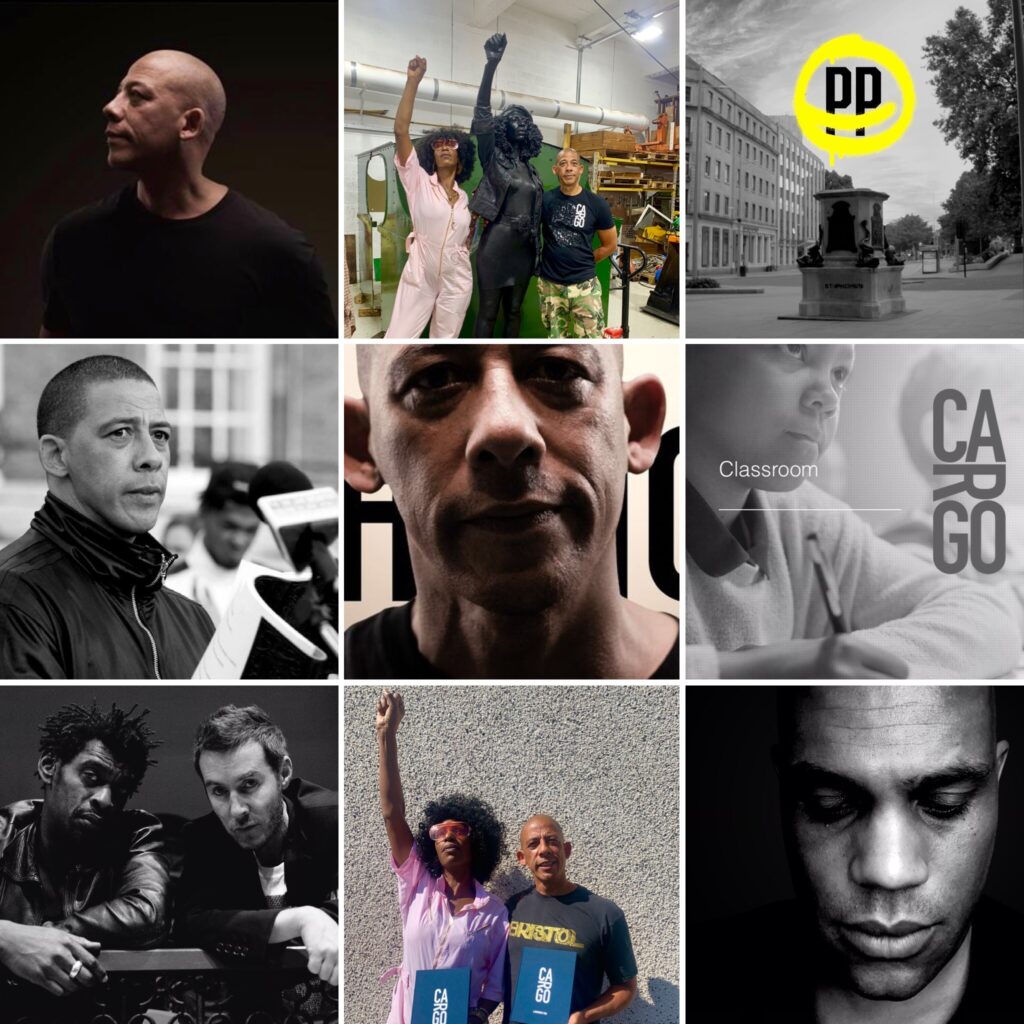
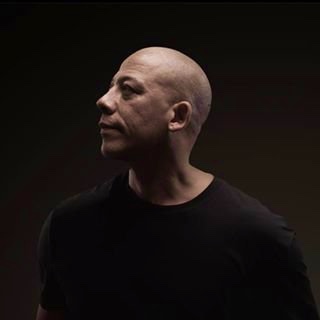
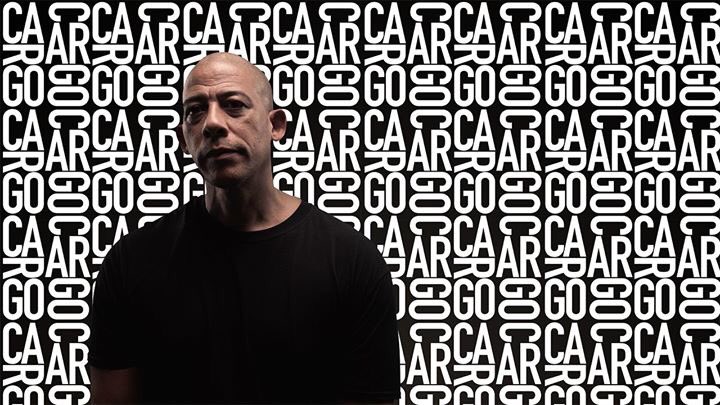
I had the pleasure of interviewing Bristol based poet, Lawrence Hoo. It was a truly enlightening conversation and we discuss all things Race, Class and Education. You can find out more about his latest projects at www.lawrencehoo.com or more about the Cargo project at @cargomovement on Instagram and social media. (Becky Johnson)

Read Part 1 below to see what he had to say:

Hi Lawrence, it’s lovely to meet you, can you give our readers some background information on yourself please?

Hi, my name is Lawrence. I live in Bristol, well I’ve lived in Bristol for almost my whole life, and I’m a poet.

I was born in Birmingham and grew up in mostly marginalised communities in Bristol. I spent a lot of my youth in and out of the care system. I went to 6 secondary schools and after that, I didn’t have any form of education. I was a feral kid on the street from the age of 6 and a runaway. When I was 19, I had cancer and I went through a bad stage of my life after that. I thought that the cancer was going to kill me anyway and I went back to living on the road.  And then at 30, I became a father for the first time. To be honest, it scared the living daylights out of me. But that’s about it vaguely.

I wanted to see if I could make myself a better person and make more of my life. So I went back and re-educated myself and began to teach others how to use computers. I did that for four years and got burned out. So, I started to do my poetry.

My poetry came from a place of rage and from questioning why the authorities were allowing situations to occur in these certain environments rather than in the rest of Britain. All the laws that need to protect people exist but for some reason the action isn’t being taken to enforce them.

 A point of that was when my partner was picking up our young son from nursery in Saint Pauls and she was approached. We then, campaigned against paedophiles being allowed to stay in the hostel which backs onto our nursery. It came out and we succeeded to make Bristol safer.

https://youtu.be/1I83TTFHa5k

And that’s why I use poetry as a platform to try and make these changes happen.

I acknowledge that a lot of your previous work and ethos is grown around Bristol and the things that surround you there. I know that similarly to Tiger Bay in Cardiff, Bristol is going through a huge gentrification process. I was wondering on what not only your thoughts are on this but also what impact you have already seen from this?

I think is painful to see the gentrification. It goes back to those laws again., they hold all of these problems in communities.

In Saint Pauls there would be safe houses to protect those from people who have committed crimes as well as hostels for those who have committed crimes. There was drug rehabilitation centres and parole offices, but they were put next to the only place in Bristol, where you could legally sell drugs on the streets. They put the drug users next to the drug dealers, they put the people at risk from sexual crime next to those who have committed sexual crimes and they put prostitution on the streets by schools.

They took all of these issues and put them into an area which was where the African Caribbean communities are, so they often associate these problems with the African Caribbean communities. But, if we take things back to sherlock Holmes times, there were people smoking opium and he would investigate the murders of prostitutes. All these problems came along a long time before we came to Britain.

The children who are growing up in Saint Paul’s, because of the violence, lose their innocence way too young. That’s what I find heart-breaking. The way Saint Paul’s was policed (well actually I say policed but it was more so ‘contained the issues so they didn’t affect the other communities’) means the influence and protection of those other communities, is so different to what happens in Saint Paul’s.

Building prices are going up which is forcing working class people to move out of the areas which they grew up in. With Saint Paul’s it’s the council assets. The things that the working class need the most will be the first things to go. There’s no chance for people to come back into the communities they’re from. And with the services are removed, the communities become very affluent causing the communities to shift and there is nowhere for those that grew up there to live in the area.

So adding onto that, what do you think of the increase of students and the spreading of students away from Gloucester road and into Saint Paul’s? Is this bringing a positive impact, or is it doing the opposite and removing opportunities for those that are from the area?

It was always going to be a natural progression that Saint Paul’s was going to be reclaimed because of where it is located. It’s just an expansion of an affluent area but, at the same time, all it has done is push out the communities that was there before. It just benefits one community and marginalises another. It’s heart-breaking.

I’ve grown up there and lived there. It’s always been my safe spot. Regardless of all of the chaos of the city, if you’re from African Caribbean descent, it’s a safe place. It’s just devastating. Gentrification is devastating. I don’t see any positives from gentrification.

As a homeowner, gentrification has increased the value of my property. But there’s not much of my community left. I feel like a stranger. Some people say yeah but you can make money from it, but I’ve lost my home. I’ve got my house, but the community is my family. That whole family aspect of life is gone. My home is gone.

I don’t think people actually understand what it’s like to lose that familiarity, that security and that family. What it’s like when its gone.

The university of Bristol is such a huge entity in the city, and it needs to do more. I’m working with the university now, but I want to work with it to help collect the wider communities of the city and to support them. Everybody says black lives matter. But working-class people’s lives matter.

The whole city is classist.

Its problem the main issue of the city. There’s the golden circle for a mile around the city which makes a very affluent area. But one thing that’s very rare to hear in this area is a Bristolian accent. A lot of Bristolians are cast out of opportunities here. I believe it’s time for those big institutions to connect and to gather communities to raise their platforms with them. A part of Bristol is accelerating so quickly but it is leaving a huge part of Bristol behind.

https://youtu.be/mhcy03dOIX8

So your latest project, the Cargo project, has recently received National lottery funding (congratulations). Why was the Cargo project initiated and how was it developed into the current version in which it sits?

In 2007 I did a collection called HOO stories. Which was a response to the abolition to the trans-Atlantic slave trade. It was an opinionated set of poems that held a non-Eurocentric view. It was holding up a light to the actions of Europeans and gave a positive light to people of African descent, allowing it to be seen from an African-centric view. It pointed out people that had contributed greatly to society but who had pretty much been emitted from history.

Cargo was an extension of this. Looking at what people have been told has been done and then showing what has actually been done as well as looking at what you have actually done yourself. Cargo showed African resilience and African’s generating opportunities.

The beginning of the collection probably looks at the first 400-500 years of the trans-Atlantic slave trade, when people were just classed as cargo. Covering that journey and how they were put in the conditions that made them in slaves as well as the achievements of those of African descent. It starts in Bristol and then goes into the slave trade, the Hacienda revolution, H Samuel Sharp, and the uprisings and then continues with those that fought against and contributed to civilisation. An empowering narrative for what is usually, a very disempowered history.

It was done because I live in Bristol and you cannot get away from Bristol’s history. Every building you look at is made from Bath stone which came from that industry. I live in a city that’s very painful to live in.  

As a young black man, I couldn’t get my head around the fact that men didn’t fight to defend their wives and children. I always thought, my people didn’t fight then but I can fight now. When I realised that they did fight and rebel, that changed for me. I thought that people were so dehumanised that they stopped seeing themselves as human and it breaks my heart. But then, you realise that they did fight and what happened to them, was crimes.

But they saw that evil, and they fought and fought and fought. I wanted my children to not grow up with the same anger that I had and that’s where the collection came from. I want to give the children of Britain the opportunity to not be me.

It started off as an installation as four different shipping containers on College Green (Bristol). The idea of using shipping containers removed the permissions needed to display this information e.g. the approval of museums and galleries. We didn’t want to have to prove that our work had value to other institutions. So that although there were permissions needed, it was a lot more flexible than the others.  But because of Covid-19, the idea of putting people in a confined space walking around stopped being possible.

Covid-19 took the installation and we thought, how do we keep this moving forward? How can we make it more digital? We wanted to give people accessibility to information. So we went forwards with the Classroom project. The installation although on hold, is still in process.

The Cargo Classroom project is so important and it’s brilliant that you’ve been able to kick off something as monumental as this. What do you believe is the next step to get this information into mainstream education?

We produce a product that they feel they can’t not use, that’s the first step. Making something that people want to use and then work towards getting that into the curriculum.

This is the crazy thing, for years, we’ve been pushing and pushing but because of what’s happened in the last 6 months, people have actually come looking for us. That has been a huge change. The most important thing for us to do, is to keep focussed on what we have already been doing and to not get involved in loads of things. This is what we were doing before we got national attention. We need to make sure we deliver what we set out to deliver before we then look at what the other opportunities are.

The funny thing is, I’m so excited for what were doing. The possibilities are insane. This is the right time, we have the right product and we have the willpower to push it.

The attention will soon fall off if people aren’t prepared to put the work in. What is happening currently isn’t new, we had a global black lives matter campaign 4 years ago. And literally, outside of America, in a few weeks, it had gone.

We don’t need huge numbers as long as we keep pushing the right buttons. The group who did the protest a few months ago are still going and are making sure its not going anywhere. This young group, I believe they’re going to keep it going and make some change, for real.

Here in Wales, where Get the Chance is based, there is a campaign calling for Black history to be taught to Welsh pupils in school which has received more than 30,000 signatures within days of it being set up,  educating pupils on subjects like British colonialism and slavery.

Whilst many ministers in government (both in Wales and England) acknowledge the need to shine a light on how colonisation has been glorified, why do you think the latest bill passed through parliament was rejected?

Through fear.

I think a lot of this information has been oppressed for so long that if too much of the information came out too quick, it would undermine the whole of the UK government. The whole industrial revolution was built off the back of Africans.

What is actually owed? People ask are there reparations for the past? The gains are still received today. Companies are still using Africa as a resource. They gave the countries back their independence and to the people they gave back their freedom, but it was only on the surface level that they gave it back. They didn’t give back the land or the wealth that was generated from the land. Africa is not just filled with Africans. There are huge debts to be paid.

How would the English pay off the compensation that is needed? They could give them their natural resources, and then the interest of anything earned off those resources, and then, maybe, Europe would need the aid and Africa doesn’t. The economic balance would collapse.

We need to teach people their worth, their value and what was truly stolen from them. Not only their names, identities and homes were taken but so was the ability to nourish themselves from their ancestral background.

They’re afraid to teach the history because what happened was absolutely appalling and everyone would see that. England played its part right through the trans-Atlantic slave trade to the South African apartheid in the 1990s… The 1990s.

There’s just a lot of fear. With the crimes that were committed, there’s a lot of responsibility. People think Africa contributed a lot less to society than it has because a lot of African history has been emitted. But over time the internet will allow people to get this information, which before would have been through privilege. This will add some truth to history. And European governments will have to be accountable for their actions.

In part two (coming soon) Lawrence discusses Change and what changes we need to see (and make) to make a fairer and more equal future for us all.