All posts by admin

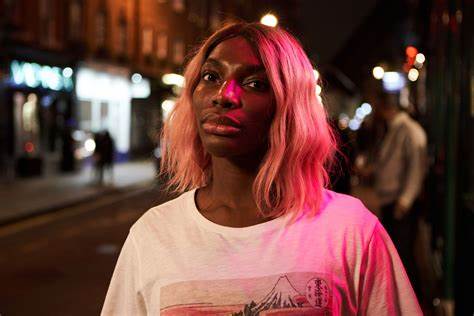
Review I May Destroy You by Simon Kensdale

Please note this review contains analysis of the programmes plotlines.

I May Destroy You didn’t deal with murder: it dealt with Rape.  I don’t know why crime series don’t tackle more common crimes more often.  It’s as if only murder is considered sufficiently serious as dramatic material to engage our attention.  The victims of assault, fraud and dangerous driving would disagree with this assessment: crime often has life-changing consequences.  I also don’t know why ‘serious’ drama has to involve crime, anyway.  Does contemporary society lack internal tensions?

I May Destroy You scored points for me by tackling a subject important for a number of reasons, not the least of which is the fact that it is extremely rare for rapists to be convicted.  The series drew attention to the failure of the dedicated/honest, heroic/glamorous, photogenic/fascinating police force’s inability to deal with what is almost a routine occurrence.  I thought it would be more interesting than the standard foul murder- clever investigation – heroic arrest format normally served up.

I May Destroy You also drew my attention because it concentrated on young people and their lives, meaning it could deploy novel vocabulary and expressive idioms. The police were hardly relevant so there weren’t any of those terse office conversations building up the plot.  It came in half hour episodes, too, which meant it moved forwards quickly.  (Nearly all TV programmes fill a sixty-minute slot to suit the scheduling.  Nearly all could do with editing.)

Nonetheless, I found it disappointing and I lost interest half-way through.  The acting and camera work were good but I found the conversations limited, as if there was no point in our spending more time with the characters or in getting closer to their predicaments.

I think the problem was the subject matter proved too difficult for television in the end.  The combination of PTSD and writer’s block resulting from a date rape was never going to be easy to present.  Writers are not exciting dramatis personae and writers who can’t write are not interesting people to watch.  And, fatally, we were distracted from considering the initial issue by two further rapes – both variations on the situation of the removal or non-use of a condom.  I say ‘fatally’ because, as with the standard crime series where further killings are added to maintain momentum, more proves to be less.  By the time three people have been killed, the viewer has begun to lose interest in the first victim and a key element in the story – the motive of the killer and the circumstances that have driven him or her to kill – has been sacrificed to the simpler mysteries of who the killer might be and how they’ll be caught.

Thus, in I May Destroy You, the main character’s trauma was pushed aside when she is raped a second time – by a man removing a condom during sex.  We witness this rape as well as the homosexual rape of one of her friends and the graphic images displace the vague memories of what happened to her when she was drugged that she is trying to access.

There is a lot of sexual activity but none of it is ordinary.  The one sex scene in which rape does not take place involves the main character’s best friend in a one-night stand threesome.  Nobody appears to be in a settled relationship, turning sex itself into an issue, rather than showing it as a routine feature of everyday life, i.e. making consent a norm.

There is a reason for this, of course.  The series aims at exploring the ramifications of rape – its impact on victims, augmented by the inability of the police to deal with a serious crime.  It has been plotted so as not present the traditional, stereotypical view of rape, i.e. the violent assault, and it deserves recognition for this.  Unfortunately, as each of the three rapes is distinct – involving the absence of consent but also representing different aspects of the problem – they don’t complement one another.  It would have been better to have concentrated on a single incident, which is what I thought would happen, in order to allow the audience to consider the meaning of consent and the psychological consequences of intimate violence.

You could say that by illustrating rape so graphically and insistently, the series drew attention to a wide-spread problem, but I think we are mainly moved by the sight of one interesting and unforgettable individual’s experience or suffering and we start to step back once we suspect there is nothing unique about it.

In making these remarks, I’m conscious that I’m resorting to literary theory and I do enjoy novels more than the television.  It’s not wholly correct to compare a TV series with a novel and to expect the same kind of imaginative experience from both.  Equally, I May Destroy You is not a play, in which a dramatic situation can be explored and worked out in a single intense performance.  But some of the criteria applies across the board.  A long time ago, the BBC televised The Forsyte Saga.  Galsworthy’s Forsyte novels are not widely read any more – who has time for a saga, even one written by a Nobel prize winner? – but Galsworthy was ahead of his time in tackling marital rape.  By describing a single incident at the time of publication to his readers and then through the BBC series, I think his story highlighted the issue more memorably than if he had shown a multiplicity of cases and marital rape would have been as common when he was writing as it is today.  As a consequence of his concentration on the one event, Soames, the perpetrator of the rape, is criminalised and revealed for what he is and what he represents; Irene, his wife and his victim, monopolises our sympathy.  Both characters are memorable and, dare I say it, this suggests a more oblique, less elaborate treatment of rape may be more effective in terms of engaging an audience.

I’m disagreeing here with The Guardian’s write up on I May Destroy You which was an ‘unadulterated paean of praise’, the series apparently being ‘an extraordinary, breathtaking achievement without a false note in it’ and ‘the drama of the year so far’.

I enjoyed reading that review but it wasn’t critical.  It expressed the reviewer’s obvious personal enjoyment but one of the principles of criticism is – still – offering constructive feedback.  I think Michaela Coel, the writer and star of I May Destroy You is someone with both potential and ambition.  She wants to tackle big subjects in unusual ways but she’s more likely to make progress in the future if she remembers the traditional basics of story telling.  For my taste, I May Destroy You went too far in some directions and not far enough in others.
The Merthyr Stigmatist, A Sherman Theatre & Theatre Uncut co-production Review by Bethan Lewis

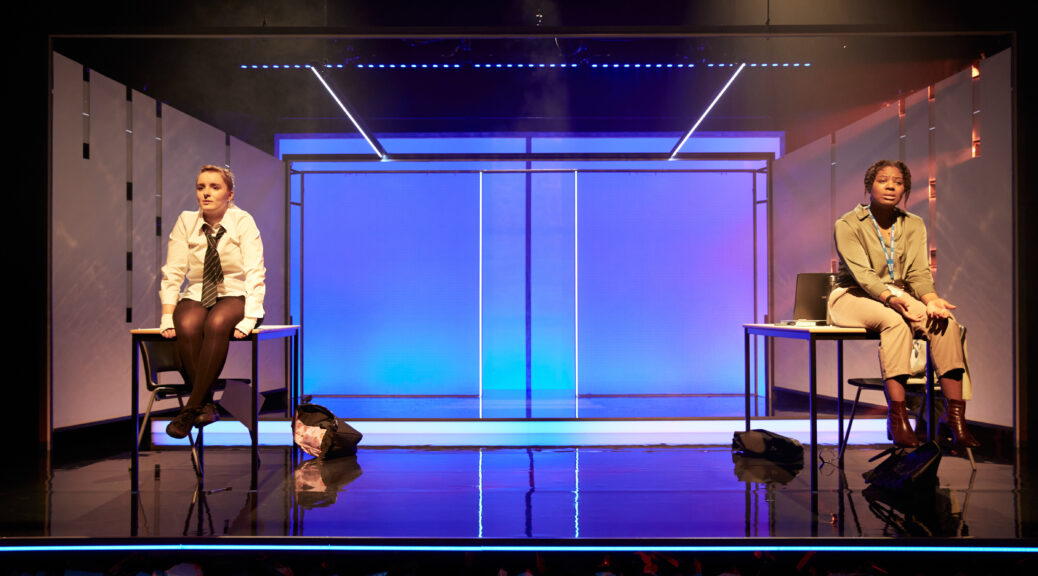
Image credit: Mark Douet.
 out of 5 stars (4 / 5)
As a born and bred Valleys girl I have mixed feelings about plays that are set in “The Valleys”.  Although it’s great to see these areas represented on stage, in the past I have been disappointed by productions that include stereotypical characters portraying stories that no longer seem relevant (anyone else feel like there is a bit of a theatrical obsession with the miners strike?). As a local, I’m also attuned to spotting a dodgy Valley’s accent a mile off – so, basically, I’m pretty hard to please.

However, The Merthyr Stigmatist written by Lisa Parry is a breath of fresh air amidst this catalogue of out-dated, tokenistic work. The powerful production which had its digital world premiere this week, is the perfect choice for the Sherman Theatre’s first fully staged performance in over a year. It signals a bold return for the Sherman, demonstrating the efficacy of Welsh theatre proving that local stories can have a global resonance. 

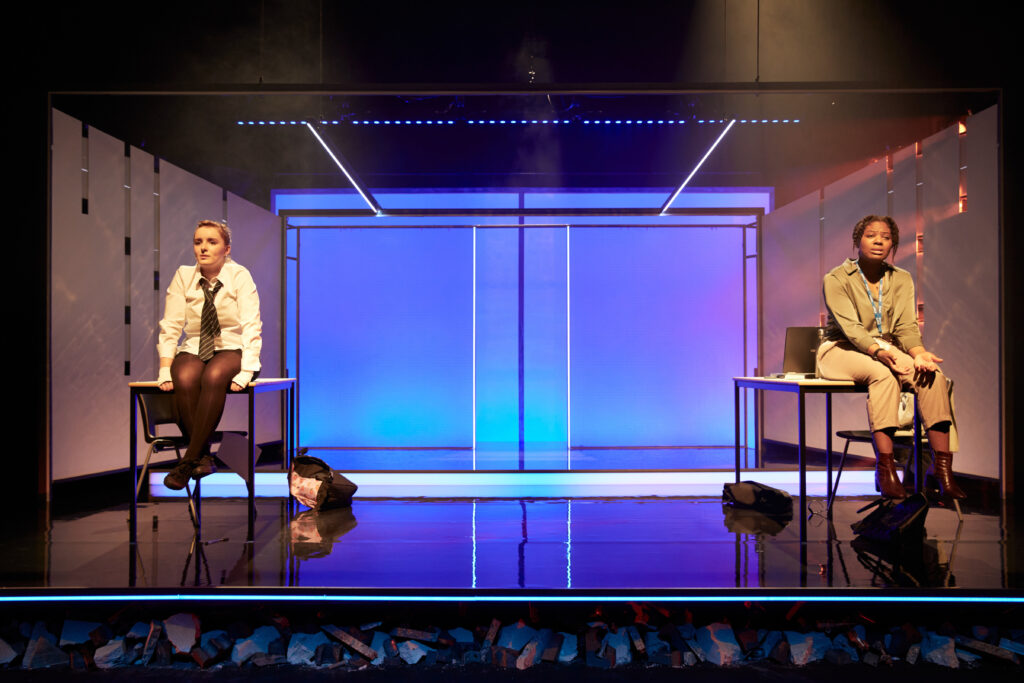
As the play opens, we are introduced to the characters of sixteen year old Carys and her teacher Sian.  Carys, played by Bethan McLean who makes her professional debut in the production, claims to have received the wounds of Christ.  She believes that this is a sign that she has been “chosen” and is determined to capitalise on the experience to achieve social media fame.  Her teacher, played by Bethan Mary-James, feels that the only way to protect her pupil is to silence her.  Both actors give excellent performances, bringing authenticity to the piece. McLean is utterly convincing as a misunderstood, brash teenager who is desperate to be heard. As the piece develops and Carys learns she is able to push her teachers buttons, Mary-James’ “snobby” Cardiff accent subtly but cleverly slips back into her native Valley’s dialect signaling that she can no longer avoid her past.

All of the action takes place in a Merthyr classroom, the stage is simply set with bright intrusive lighting.  There is little space for the characters to move which adds to the intensity of the piece as the tension builds. The play translated well as a digital piece and, although I couldn’t help wishing that I could watch this performance in the theatre rather than through my laptop, it didn’t detract from my overall enjoyment of the production. 

Lisa Parry describes Merthyr as “one of [her] favourite places in the whole world”, it is clear throughout that she respects the area and would like to “stop the stigma”  that some may associate with it.  Whilst the play is littered with local references and vivid descriptions of the area, the beauty of the piece is its universality. The play explores global issues, covering politics, culture and religion.  It raises pertinent questions about the motives of those in power and challenges our perception of truth. 

Ultimately, this play could be based anywhere; it is relevant, contemporary and provocative. The fact that Parry has decided to base the piece in Merthyr, shifts the power paradigm, allowing new voices to be heard.  Afterall, as Carys asks – “why shouldn’t someone from Merthyr be the chosen one?”

The production is available to view here online until the 12th of June.

Get the Chance supports volunteer critics to access a world of cultural provision. We receive no ongoing, external funding. If you can support our work please donate here thanks.

Review Come Away By Ethan Clancy

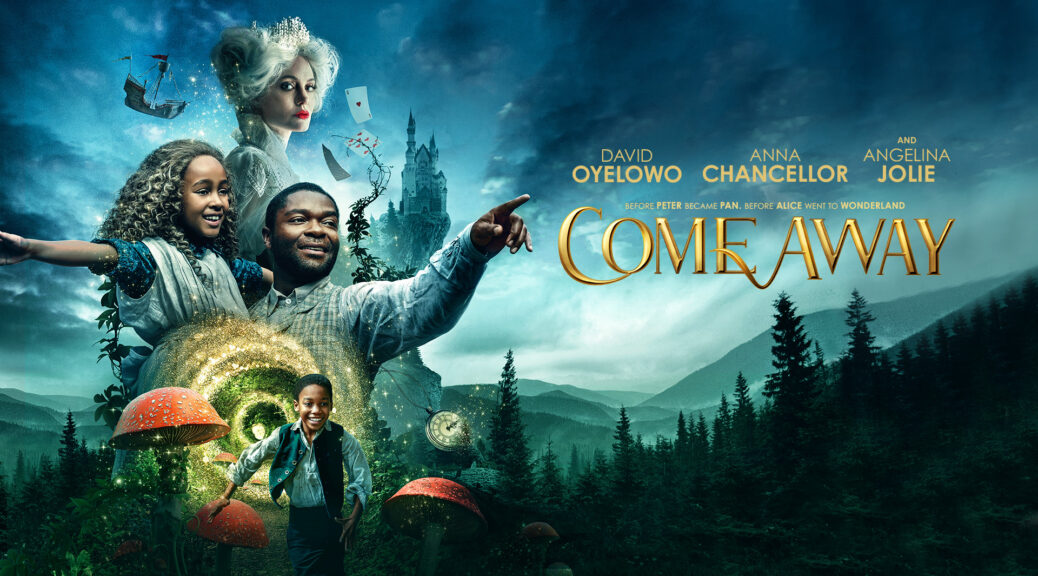
Down the rabbit hole and across to Neverland we go, mix in a personal tragedy and that gives you Come Away. A mixed bag of a film that never seems to know where its own story is going, but yet, there are glimmers of hope within its 94 minute runtime. The film ponders the question ‘What if Alice from Wonderland and Peter Pan were siblings?’ Starring the likes of Angelina Jolie and David Oyelowo, the latter of which steals the show in every scene he is in, but the film primarily focuses on its younger cast, Keria Chansa and Jordan Nash, as the Littleton children, each destined for an adventure. The film takes a look within the imagination of a child, and how certain events, good or bad, can trigger it.

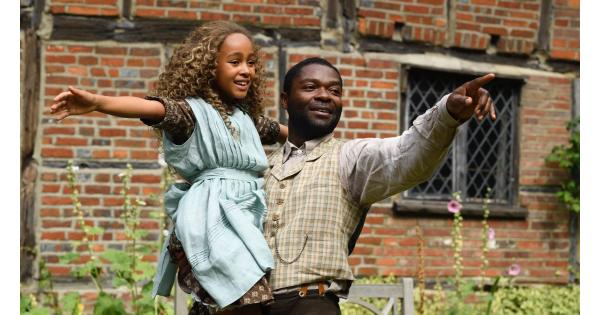
Within the time of the 19th Century, a time without technology or the violence we see today. Three children, David Littleton (Reese Yates), Peter Littleton (Jordan Nash) and Alice Littleton (Keria Chansa) enjoy their peaceful life, full of wonder in their tea parties or adventure in their forest, where either imagination can run wild as they can travel, encouraged by their mother Rose Littleton (Angelina Jolie) and their father Jack Littleton (David Oyelowo), the three children enjoy a happy, fun life. Unfortunately, a dark storm is cast over the family, with the accidental death of David, each family member spirals into a dark path in order to cope with their grief, Rose delves deep into the world of alcohol, neglecting Alice, who seeks solace with her aunt Elanor Morrow (Anna Chancellor), whilst Jack delves deep into his mysterious and dangerous past, costing him the safety of his family. As Alice and Peter seek to aid their father, they travel to London to put an end to their family’s tragedy, if it were only that easy.

The film’s two central characters Alice and Peter Pan, each come from a beloved piece of classic literature. Lewis Carroll’s Alice in Wonderland, first published in 1865, whilst J.M. Barrie created the character of Peter Pan in a series of novels, the first of which came out in 1902 in his novel, The Little White Bird. Characters and story elements are drawn from both books to create this story, and many characters are found in subtle, but unique and unexpected ways. In fact, some story elements are even taken from the personal history of the authors, for example. J.M. Barrie had an older brother who died in an accident, leaving their mother devastated. J.M. Barrie later attempted to take his siblings’ place in her mother’s eyes. Similar to what Peter did in the story. The idea of the story itself first came to the screenwriter Marissa Kate Goodhill when she graduated from college, after taking a class, she wondered about ‘what if Peter and Alice were siblings’ and began working on the script for the film for years. Directed by Brenda Chapman, the first woman to ever direct an animated film from a major studio, Dreamworks’s The Prince of Egypt.

Her unique vision to the film, brought to life hundreds of different places and characters. Visually, the film looks like it had been ripped straight from an animated Disney movie, bringing a fantasy element, the way she is able to combine the real world as well as the children’s imaginations flow seamlessly, between the false and the real. The visual effects within the first half of the film are flawless. Whilst I do have my issue with the pacing of the first act, the first scene is mind blowing. The children are introduced, as well as establishing the general tone of the film. The characters themselves are a mixed bag, with many of the characters we see, a version of a beloved character from the books. With the exception of the family, each character is given a single character trait in order to make them memorable, however, they do this to the best of their abilities, making some of them extremely memorable. Clarke Peters’ portrayal of the pawn shop owner, the Mad Hatter, makes a lasting impact, and whilst only having a few scenes, he makes a lasting impression on the audience. The same could be said for the character of Elanor Morrow, who is this film’s version of the Queen of Hearts, a much more modern take on her character, with her views on class being her aim driving force, and I do think that her character is generally concerned for her sister as well as Alice, and the scenes of Alice and Elanor together near the start are heart touching. But out of every single character, the character I find we get most attached to is Jack Littleton.

Jack Littleton is perhaps the most interesting character, presented as a good father, and an excellent carver, coming from an unsavoury upbringing within the crime world. He is extremely hard working and sets in motion the story that gets their family into trouble, when after David’s death, he returns to his gambling ways. Whilst I do not think any of the characters is more essential than another, Jack is the character that holds the family together, having connections to both Peter Pan and Alice and Wonderland. After David, I would argue that he is a principal character.

However, despite the film’s highlights, there are a large number of issues that I think could have been fixed with a couple lines of dialogue and better pacing, the film could have been improved, significantly. My first major issue is the film’s pacing, during the first act as we led up to David’s death, the film was extremely slow, apart from the fast paced stellar first scene, the film doesn’t improve from there, until the death of David that is, were the film picks up the pace to deliver that in my opinion, the most interesting act, especially the Jack Littleton plotline. The true calamity however is the third act, by far the worst part of the film, a rushed conclusion that never tells us truly what is going on. I will not spoil the film, but, in the final scenes of the film, we are left to wonder what is real and what is not, leading to confusion, which is quite annoying, another issue with the final act I have is the terrible effects, which I am surprised at, since up to that point, the effects stood strong.

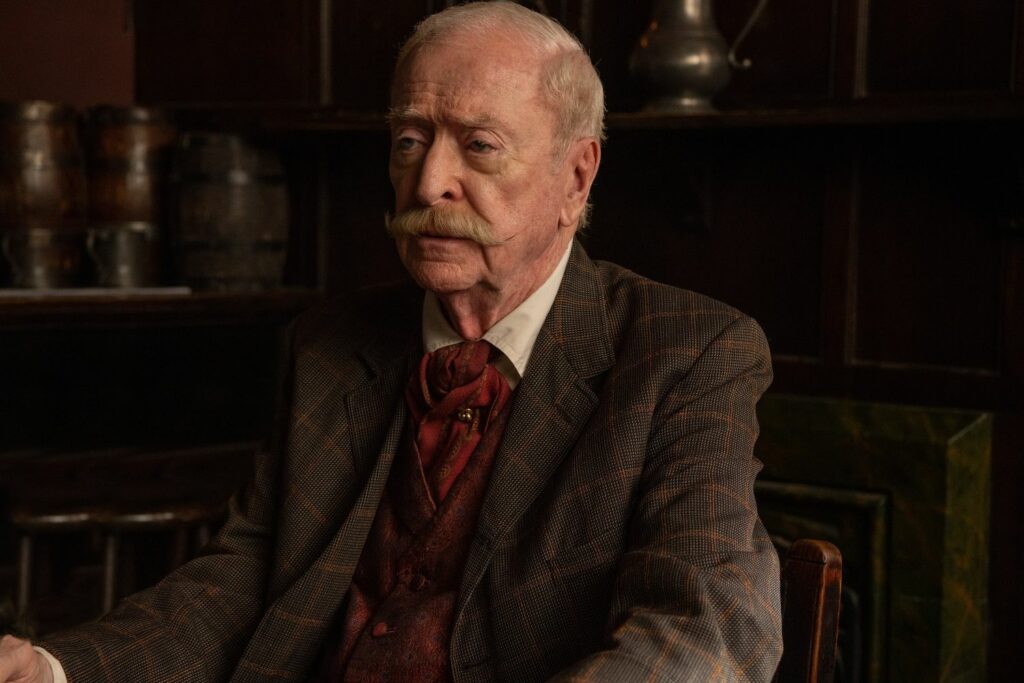
The connection between Alice and Peter was well developed, until it was not. At the essence of their relationship, is a strong dynamic, Alice is a child who wants to grow up, whilst Peter is a child that never wants to grow up, and through the second act, their bond is developed, with David now gone to hold them together, they are forced to find their own way, learning to work together. However, the two characters are too separated through the film, for them to forge a connection that was memorable, and therefore, forgettable. They also bring, A List actors, such as Michael Caine and Derek Jacobi, who only appear for one or two scenes. Scenes that I feel could have been replaced with up and coming actors that could have made the exact same effect.

Michael Caine stars as Charlie in COME AWAY, a Relativity Media release. Credit: Alex Bailey / © Maginot Line, LLC 2020

Ultimately the film is bland, it is something special in my opinion, sure the actors make the best out what they are given, but it is not enough to save them from poor pacing and a story that feels unconnected and unhinged. What makes it even worse we that there was a strong and interesting story within the film, the story of Jack Littleton, I feel that the film could have been much better by focusing much more on this, I feel that, whilst I enjoy that particular aspect, the film fails to catch what made is so interesting in the first place. I enjoy the stories of Peter Pan and Alice and Wonderland, the latter of the two much more, however, by combining them, it was given a muddled story, down the rabbit hole they went, but when the story fell, it never stopped falling.

Signature Entertainment presents Come Away on Blu-ray and DVD on 12th April.

Ethan is a member of The Torch Theatre, Young Film Ambassadors, this is a new scheme for those aged 14-18 in Pembrokeshire that will give opportunities for young people to watch, discuss and review the latest independent, UK & International, and blockbuster films. The scheme will give the young ambassadors the opportunity to get their reviews seen, and, to find out more about cinema and filmmaking in focused workshop sessions for aspiring reviewers with special guest speakers.

“Through these tough times we’ve been able to connect through the movement of Dance.” The NDCWales Associates.

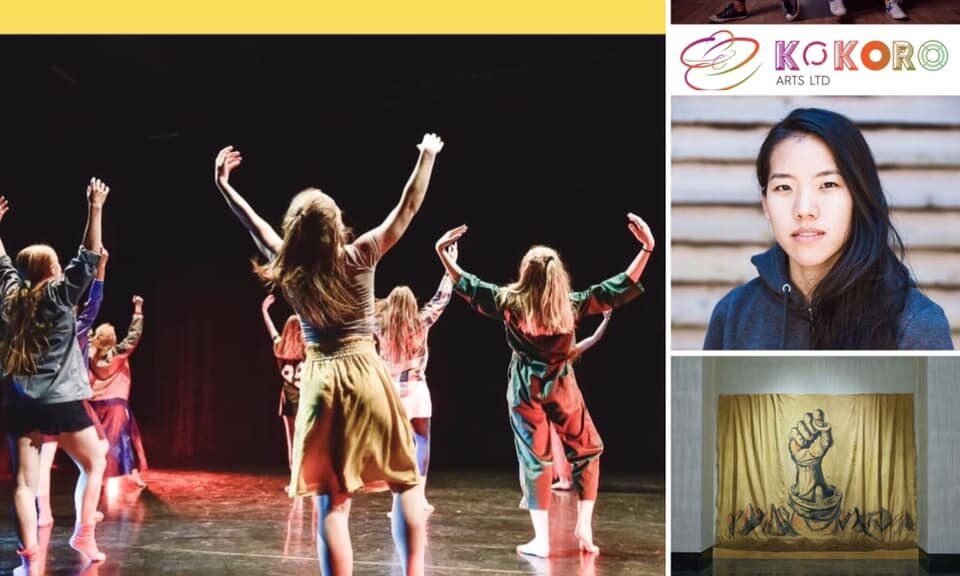
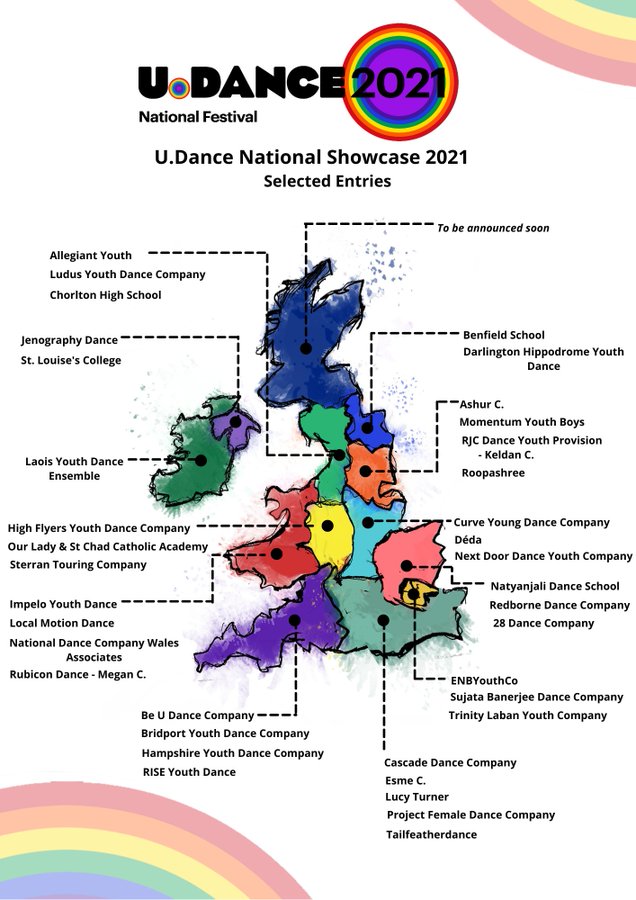
National Dance Company Wales’ young Associates premiered their new Dance film titled ‘Now Begin’ at the U Dance Cymru 2021 Digital Dance Day on Saturday 15 May, it was made in collaboration with Artes Mundi, and creatives from across the theatre and dance sector in Wales. The Associates film has now gone on to be selected (along with other dance films) to represent Wales at the National U Dance Showcase 2021.

NDCWales’ Associates meet weekly at the Dance House, Cardiff between September and April through workshops led by a team of NDCWales dancers and leading instructors in dance. Each year the Associates work towards creating a final performance.

Guy O’Donnell, NDCWales’ Learning and Participation Producer said of this years final performance “We were really looking forward to creating a new piece in collaboration with Artes Mundi 9, which would have been a performance at the Artes Mundi exhibtion at National Museum, Cardiff and at the Youth Dance Night event held each year at the Dance House. Fortunately we were able to evolve and adapt this performance for online audiences, which has resulted with us working with some exciting creatives and now results in a special premiere for us at U Dance Cymru 2021.”

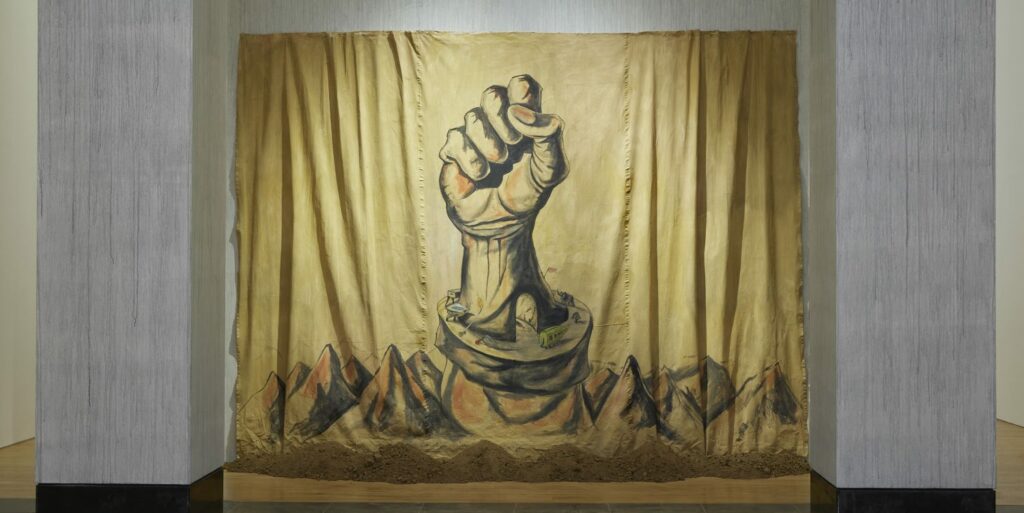
‘Now Begin’ is a reflective piece inspired by the current work exhibited at Artes Mundi 9 by Indian artist, Prabhakar Pachpute.  The film portrays young dance artists sharing their desires for change in the world. Inspired by Prabhakar Pachpute’s Artes Mundi exhibition’s themes of protest, these dance artists share their vision for a new beginning through movement and voice. Choreography is by Kokoro Arts and The Associates. Music by Tic Ashfield and Film by Gavin Porter.

march against the lie (IA), Prabhakar Pachpute

You can watch Now Begin below

https://youtu.be/-CTjW-jy75g

Below you can watch a Behind-the-Scenes look at the making of ‘Now Begin’ featuring interviews with Prabhakar Pachpute, Kokoro Arts, The Director of Artes Mundi 9, Nigel Prince, Curator of Public Programmes, Artes Mundi 9, Letty Clarke and Associate Dancers Ellie Gale, Heidi Thomas and Harly Videan.

https://youtu.be/1mLMO0EttNQ

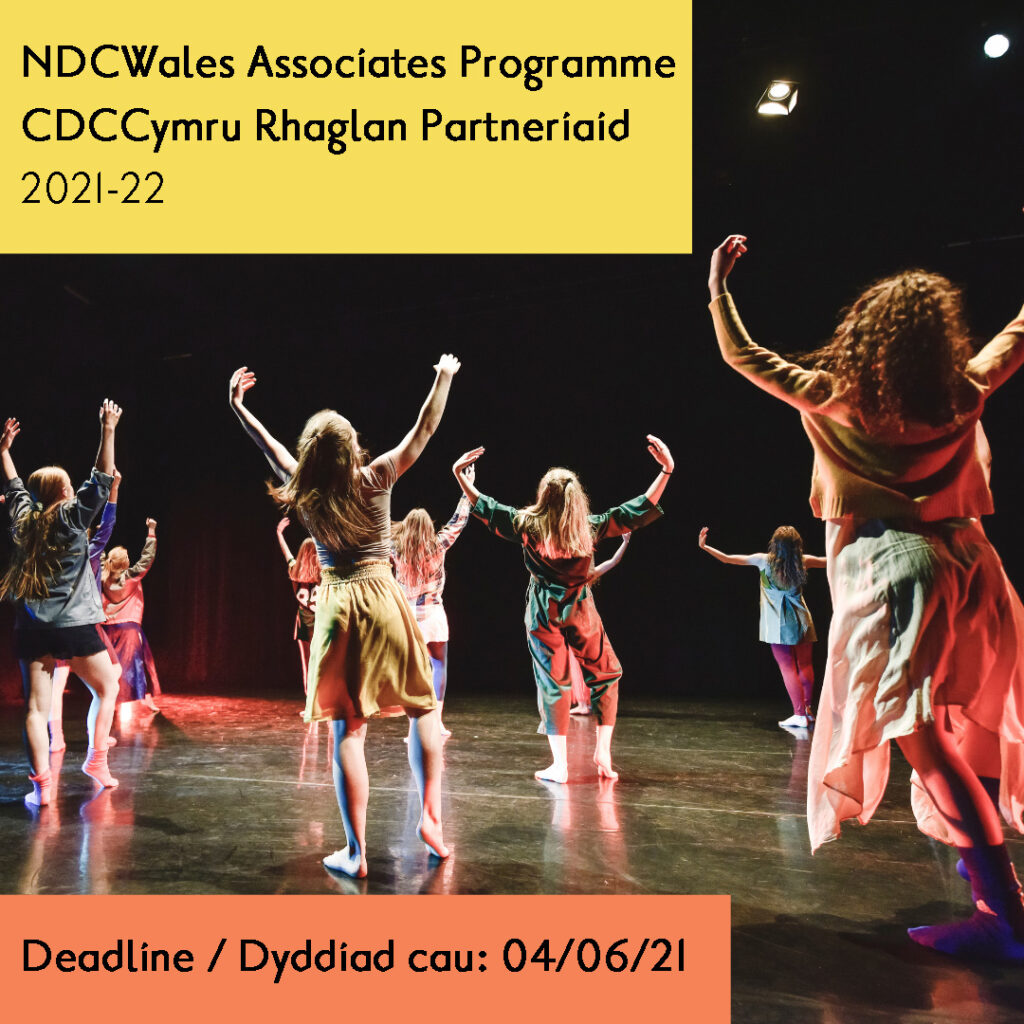
The National Dance Company Wales Associates programmes is currently open for applicants to audition for the term starting in September 2021.

For over a decade, National Dance Company Wales has been nurturing some of the most talented dancers from across Wales and developing their skills

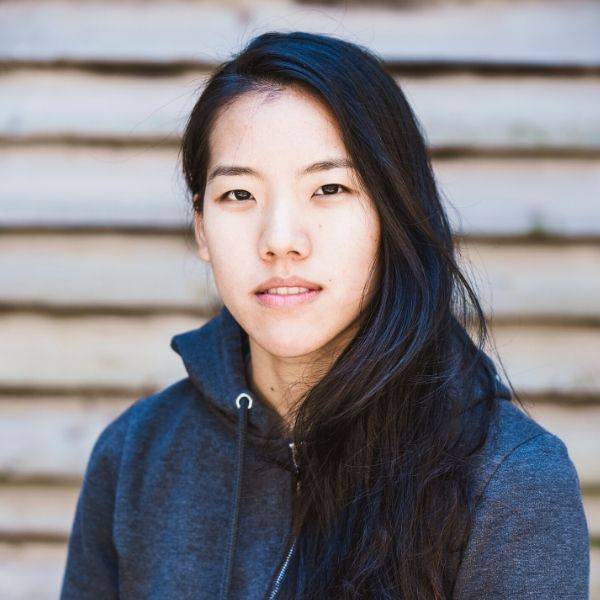
Based at the Dance House, the home of NDCWales, the Associates (ages 14-19 years old) follow a programme created by Faye Tan, our Learning Lead Dancer, with the guidance of our Artistic Team. The Learning Lead Dancer is a member of our Dance company and is a point of contact for the Associates. The LLD gives feedback and support during the programme.

Faye Tan, Learning Lead Dancer, NDCWales Associates.

Over the course of the year, our Associates programme focuses on improving creative and technical skills, along with developing work for performance opportunities that the Company creates for them through the year.

We have a limited number of places available and successful applicants are chosen through a free audition workshop. The audition workshop consists of a contemporary technique class where dancers can show their skills and potential to our Company dance experts.

NDCWales Associates provides high level contemporary training for young dancers. Sessions run on Sundays during term time (Welsh schools’ term timetable) from 10:30am – 12:30pm and are taught by Company Dancers and guest artists.

As part of the Associates programme, members can access;

  • Assessments and guidance from our Learning Lead Dancer.
  • Additional creation and performance opportunities available to those interested.
  • Mentoring opportunities from NDCWales Associate Artists.
  • Access to reduced price tickets at The Dance House and Wales Millennium Centre.
  • Opportunities to access dance activity in collaboration with National Youth Dance Wales.
  • Career Development Talks
  • Work Experience Opportunities

The Associates programme also offers two bursaries, applicants are invitedto apply for the bursary upon acceptance on the programme.

  • With bursary one, you’ll need to pay £202 for all of the weekly contemporary training classes and Dancer Wellbeing Days. The optional Creation Week package will cost an extra £77. (Total amount payable, £279).
  • With bursary two, you’ll need to pay £50 for all of the weekly contemporary training classes and the Dancer Wellbeing Days. The optional Creation Week package will cost an extra £20. (Total amount payable, £60).

You can apply to audition at the link below, applications close on Friday the 4th June. Auditions take place on Saturday the 10 July and Sunday the 11th July. Applicants will audition in small groups for approximately 150 minutes.

https://ndcwales.co.uk/associates-programme

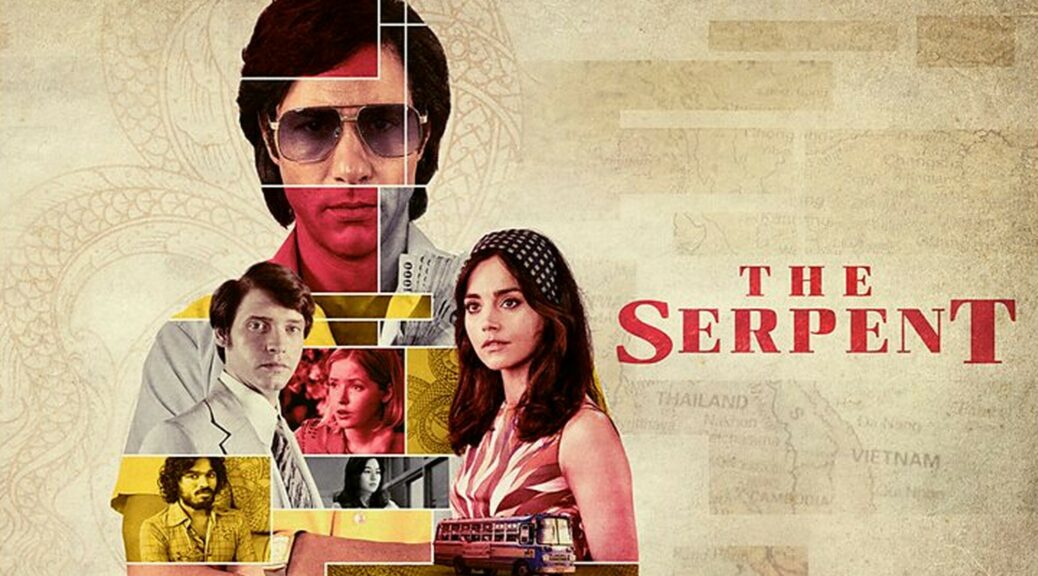
The Serpent – Reflections on a TV Crime Drama

With less to do during lock-down, Simon Kensdale has been resorting to the BBC i Player.  He has noticed how many broadcast crime series consisting of murder enquiries.  Some are truly horrific, like The Serpent, in the sense of being both true and frightening.  It has made him wonder if there is a danger of TV audiences gradually becoming desensitised to violence. Simon explores these areas in the article below.

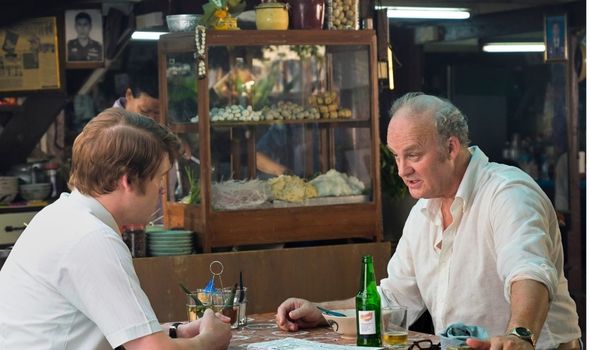
There is a secondary story in The Serpent about Herman Knippenberg.  He’s a Dutch diplomat obsessed with tracking the killer – Sobhraj – down and his meticulous record-keeping finally results in success. His obsession costs him his marriage and threatens his career prospects.  He’s odd, too, keeping boxes of paperwork with him wherever he goes, rather than throwing anything away.  But at least Knippenberg’s activities are normal – ish. In following the series, through him we see a bit more of humanity than that of a unique, psychopathic killer who gets off on drugging and murdering young travellers in the Far East.

Knippenberg’s behaviour makes him similar to the average TV detective.  We can almost predict – as yet another crime series kicks off with yet another discovery of the body of a dead woman – that there will be someone on the case who can’t let go and who also cannot maintain a private life. The detective will be divorced or uncommitted to a relationship. Recently several detectives have been shown on TV as also having problematic relationships with their daughters. Ironically, in The Investigation – the true story of a particularly bizarre Danish murder, committed on a privately-owned submarine – it turned out that the Head of Homicide really had been alienated from his adult daughter.

The Investigation

What seems to happen in all these series is that the main thrust of the narrative – the need to apprehend a killer – is cross-cut with ‘everyday’ human drama.  The lives of the detectives and the supporting cast of police officers are presented as if they are representative of the wider community. I rather doubt that the professional upholders of law and order are as interesting as the TV companies make them appear to be, or even as interesting as Knippenberg, but I admit that this could be a personal bias. In any case, their personal dramas are never meant to be as important as the main story line. It’s as if no-one believes there’s any serious drama going on in human situations anywhere that does not involve a killing – or three, or nine.  Everything that is not murder is soap.

But murder is rare in European societies.  It is a comparatively easy crime to solve, as there is usually a connection between the murderer and his victim.  Of course, recently the police clear-up capability has been speeded up by the information processing of computers and by the scientific advances which make DNA recordable, storable and traceable.  The police can also monitor mobile phone usage and draw on the massive amounts of film footage accumulated by security cameras. But where there is no connection between victim and killer – as in the case of Sobhraj – or where there has been a professional ‘hit’ – the police are still ineffectual.  They often have to wait for the killer to make a mistake – as in they did in the case of the Yorkshire Ripper – before they can solve the case. 

The fact that you and I know about these new developments is an indication of how many crime series we have swallowed down whole.  We could almost all now write one ourselves.  You open with a shocking and mysterious death, preferably in an unusual setting; you introduce in a handful of ‘interesting’ characters and some back story.  When you feel the tension level flagging, you throw in some more bodies, as if adding fuel to the fire.  (You needn’t concern yourself with the fact that with murders more is actually less, since the audience can’t keep on meting out its sympathy and will get emotionally confused as the body count increases, forgetting who got killed first.)  You can enrich your material with a red herring or an unexpected clue and you must include a chase, on foot or using cars.  You might even put in some comic relief before you wrap it everything up with a dangerous, ‘dramatic’ confrontation with the murderer. The over familiar narrative process is meant to reassure everyone that, however bad things appear to be, truth will out and justice will be delivered.

More than exciting an interest in the nastier side of life and the worst forms of human behaviour, I think there is a problem with this narrative form. Seeking to reassure a mass audience with a basic fantasy is a form of brainwashing.  We are seduced into abandoning our rational awareness that murder enquiries are nothing like as tense and interesting as the way they are presented (The Investigation is an exception to this rule) because of the real time they take and because of the dull routine of the work involved.

More importantly, few of us live the experience of confronting a problem which gets solved, allowing us to we live happily ever after.  Instead of having one large and horrific issue to grapple with we have innumerable minor difficulties that most of the time add up to make our life either frustrating or frightening.  We know this situation is never going to change, that nothing we can do will make any difference and that nobody is coming to help.  If we are not actually the victim in an unsensational case, we will be like the junior police officer expected to solve a crime with access to limited information and having no authority, struggling with a mountain of bureaucracy, against a background of incompetent management and competitive colleagues.  Our family life may not be any more straightforward than our work life.  It will be banal but it will consist of more than a communication difficulty with a daughter.

Given this reality, in my opinion what we need from the purveyors of fiction, is a constructive reflection on our circumstance – an experience exploring the outlines of the predicament we find ourselves in.  This should be done in a way that is not escapism disguised as realism.  The proliferation of crime dramas based on murder stories suggests that TV as a medium, despite the talent and intelligence of the people working within it and despite the quite astonishing technical facilities available to them nowadays, is not able to offer this kind of creative reflection.  Maybe I am expecting too much from what can only ever be light entertainment.  If I want the kind of imaginative experience I am defining, perhaps I have to read novels or go to the theatre.

I did appreciate the ingenuity of The Serpent, in particular the way the timing of the action moved backwards and forwards.  I was suitably appalled by what Sobhraj did, although he was presented as being so perpetually cool and self-controlled that he seemed quite dull.  Little space was given to exploring his capacity to be so charming and desirable that his partner and indeed his ex-wife both found him irresistible, despite their knowledge of what he was capable of.  For me, the really interesting questions surrounding Sobhraj remains not what he did or how he got away with it, so much as why he did it and why others helped him. 

Otherwise I thought the acting in the series was of a good standard – although Tim McInnerny hammed it up as a Belgian. The dialogue was credible and moved the plot on even if it didn’t say much about Sobhraj’s motivation.  Since the series draws on a true story for its outline it only required the details to be coloured in carefully.  The impressive settings for the action in Thailand, India, Nepal and Paris were like pages from a holiday brochure.  

Tim McInnerny

Would a closer focus on Sobhraj have demanded too much of us?  It would have required us to sit and pay attention and respond to words and phrases in conversations and note small gestures and aspects of behaviour in the way we do in front of a live performance.  We would not have been able to just get up and go and make a sandwich or look at our texts or carry on with the ironing.  We might, though, have been truly moved by what we were watching.  We wouldn’t have wanted to either pause an episode or wait until next week for the sequel.  The story would have possessed us.

Numerous people have said they ‘loved’ The Serpent. Personally, whilst I might admit to loving plays by Shakespeare and Moliere, or novels by Dickens and Tolstoy, I can only say the series temporarily distracted me whilst my options of doing anything else other than watching TV were limited by lockdown.  Despite its expensive ingenuity it did not tell me anything new about the human condition and it did not give me that sensation of excitement that engagement with a work of art provides.

Get the Chance supports volunteer critics like Simon to access a world of cultural provision. We receive no ongoing, external funding. If you can support our work please donate here thanks.

Artistiaid Dawns, Beirdd ac arloeswyr Hip Hop yn rhannu eu teimladau ynghylch cynaliadwyedd a mamolaeth

Bydd tair ffilm yn cael eu rhyddhau ym mis Mawrth fel rhan o Plethu/Weave #2, cydweithrediad traws gelfyddyd ddigidol Cwmni Dawns Cenedlaethol Cymru (CDCCyrmru) a Llenyddiaeth Cymru, a fydd yn cynnwys yr ail o dri chomisiwn arbennig fel rhan o flwyddyn Cymru yn yr Almaen.

Gan asio rhai o leisiau mwyaf cyffrous Cymru, mae’r artistiaid dawns Krystal Lowe, Camille Giraudeau ac Elan Elidyr wedi cael eu paru gydag awduron, beirdd ac arloeswyr Hip-Hop – Alex Wharton, Rufus Mufasa ac Ed Holden i greu tair ffilm fer ddigidol ar gyfer cynulleidfaoedd ar-lein.

Yn 2021 bydd Plethu/Weave #2, cydweithrediad traws gelfyddyd CDCCymru a Llenyddiaeth Cymru, yn dwyn ynghyd wyth o ddawnswyr annibynnol eraill o Gymru a’u paru gyda rhai o feirdd mwyaf talentog Cymru. Mae rhai o’r creadigaethau dros y flwyddyn ddiwethaf wedi’u hysbrydoli gan straeon, lleoliad, treftadaeth a chysylltiad yr artistiaid eu hunain â Chymru.

Rhyddhawyd y ffilm gyntaf o gyfres Plethu/Weave #2, Aber Bach, a grëwyd gan Y Prifardd Mererid Hopwood a dawnsiwr CDCCymru, Elena Sgarbi, ym mis Ionawr fel rhan o lansiad blwyddyn Cymru yn yr Almaen Llywodraeth Cymru.

Bydd ail gomisiwn Cymru yn yr Almaen Plethu/Weave #2 yn gywaith rhwng yr awdur, bardd a’r bardd plant o Dorfaen, Alex Wharton, a’r dawnsiwr, coreograffydd a’r awdur Krystal Lowe. Mae Pethau Gwell i Ddod yn canolbwyntio ar gynaladwyedd, yr amgylchedd a byd natur, sydd yn rhai o brif themâu blwyddyn Cymru yn yr Almaen.

Meddai’r dawnsiwr Krystal Lowe, “Mae’r geiriau hyn wedi’u creu’n hyfryd gan fardd sydd â chariad at y gofod y mae’n byw ynddo, gyda natur yn rhan ganolog o hynny. Mae Alex yn plethu geiriau fel ‘troelli’ a ‘dawns’ yn hyfryd er mwyn adleisio’r symudiad sydd i’w weld trwy gydol y ffilm ac mae ei lais diniwed yn gosod sgôr eiddgar a chyffrous imi ddawnsio ynghyd â hi.

“Rwy’n caru llenyddiaeth ac rwyf wrth fy modd â dawns – mae plethu’r ddau hyn gyda’i gilydd yn llawenydd ac yn fraint na fydd gen i byth y geiriau i’w cyfleu.”

Mae Krystal hefyd yn gweithio gyda’r dylunydd gwisgoedd cynaliadwy, Emma-Jane Weeks a fydd yn defnyddio llifyn ffabrig naturiol a dillad wedi eu huwchgylchu i greu gwisg gyda dyluniadau a deunyddiau gweadog iawn i ddynwared natur o amgylch y ffilm.

“Mae cynaliadwyedd mewn gwisgoedd yn eithaf prin felly braf fydd creu darn sydd yn dangos ei fod yn bosib gwneud dewisiadau synhwyrol wrth wneud gwisgoedd, yn ogystal â gweddu themâu’r darn dan sylw,”

Bydd Pethau Gwell i Ddod yn cael ei lansio fel rhan o flwyddyn thema Cymru yn yr Almaen Llywodraeth Cymru ar Ddydd Gŵyl Dewi, ddydd Llun 1 Mawrth 2021. Bydd modd gwylio’r ffilm ar eu sianeli cyfryngau cymdeithasol, cyn y bydd y ffilm ar gael ar sianeli a gwefannau cyfryngau cymdeithasol CDCCymru a Llenyddiaeth Cymru o 2 Mawrth 2021 ymlaen. Bydd y gerdd ar gael mewn tair iaith. Cyfieithwyd cerdd Alex i’r Gymraeg a’r Almaeneg gan Ifor ap Glyn ac Eluned Gramich.

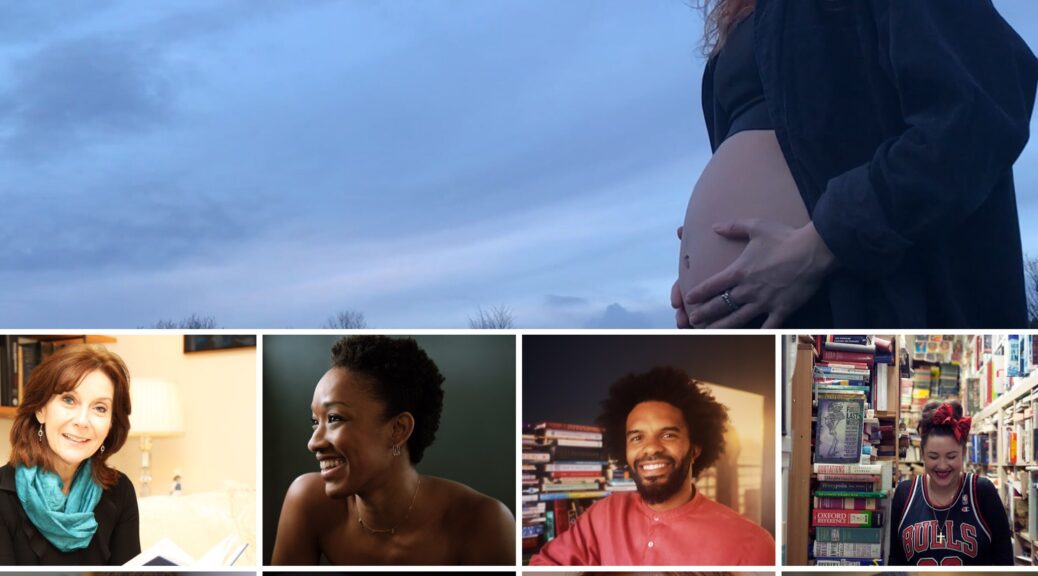
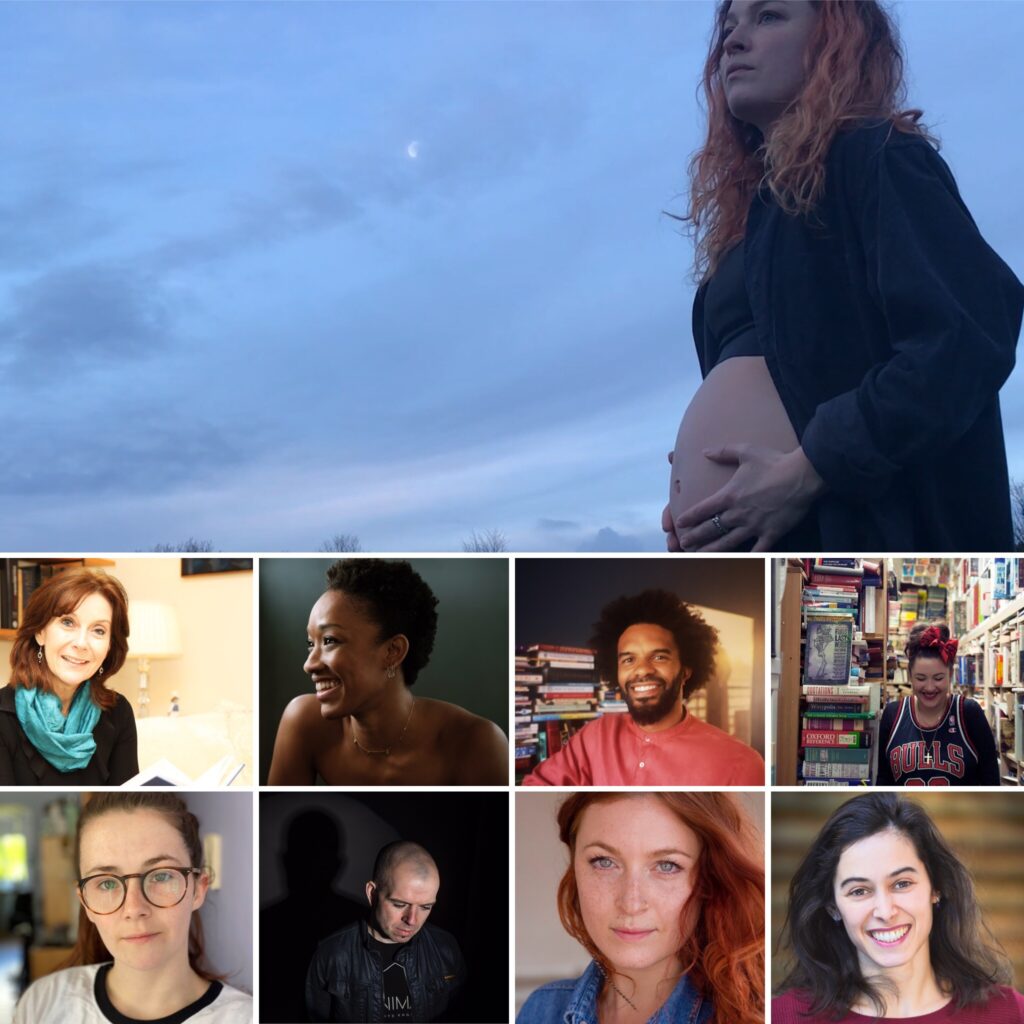
Y ffilm nesaf fydd cywaith rhwng dawnsiwr CDCCymru Camille Giraudeau, a’r actifydd llenyddol, yr addysgwr Hip-Hop a’r rapiwr Rufus Mufasa. Themâu’r cywaith hwn yw mamolaeth a rôl a chryfder menywod yn y gymdeithas. Caiff y ffilm ei rhyddhau ar ddydd Iau 15 Mawrth.

Meddai Lleucu Siencyn, Prif Weithredwr Llenyddiaeth Cymru, “Mae’r pedair ffilm gyntaf o gyfres Plethu/Weave #2 yn cynnwys rhai o leisiau mwyaf cyffrous Cymru. Mae’r ffilmiau byrion hyn yn parhau i gynnig cip olwg unigryw ar Gymru i gynulleidfaoedd digidol, ac mae Llenyddiaeth Cymru yn falch o barhau gyda’r bartneriaeth gyffrous hon gyda’r Cwmni Dawns. Mae Plethu/Weave yn brosiect arloesol sydd yn darparu cyfleoedd datblygu awduron yn ogystal â dathlu diwylliant llenyddol Cymru.”

Bydd y drydedd yn cael ei rhyddhau ar ddydd Iau 29 Mawrth ac fe’i crëwyd gan yr artist dawns o Aberystwyth, Elan Elidyr, a’r arloeswr Hip-Hop, Ed Holden.

Meddai Lee Johnston, Cyfarwyddwr Cysylltiol CDCCymru, “Mae’r ffilmiau Plethu/Weave hyn yn archwilio pynciau hanfodol megis ein perthynas â’n hamgylchedd naturiol, a phrofiad mamolaeth. Maent yn agor straeon cymhellol a chraff ac yn deyrnged i bŵer barddoniaeth a dawns.”

Bydd cyfres Plethu/Weave #2 yn parhau yn ystod mis Ebrill a mis Mai, gyda rhagor o fanylion am y ffilmiau hynny i’w ganfod ar wefannau CDCCymru a Llenyddiaeth Cymru.

Dance artists, poets and Hip Hop pioneers share their voices on sustainability and motherhood

Three films will be released in March as part of National Dance Company Wales (NDCWales) and Literature Wales’ digital cross-artform collaboration, Plethu/Weave #2, which will include the second of three Wales in Germany commissions.

Fusing together some of Wales’ most exciting voices, dance artists Krystal Lowe, Camille Giraudeau and Elan Elidyr have been paired with authors, poets and Hip-Hop pioneers – Alex Wharton, Rufus Mufasa and Ed Holden to create three digital short films for online audiences.

In 2021 NDCWales and Literature Wales’ cross-artform collaboration, Plethu/Weave #2 will bring together a further eight independent Wales based dancers matched with some of Wales’ most talented poets. Some of the creations over the last year have been inspired by the artists own stories, location, heritage and connection with Wales. 

The first Plethu/Weave #2 film, Aber Bach, created by Mererid Hopwood and NDCWales dancer, Elena Sgarbi, was released in January as part of the launch of Welsh Government’s Wales in Germany themed year.

https://youtu.be/MtqjsBoYXGc

The second Plethu/Weave #2 Wales In Germany Commission will be by Torfaen-based writer, poet and children’s author Alex Wharton, and Bermuda-born, Wales-based dancer, choreographer, and writer Krystal Lowe. Good Things to Come focuses on sustainability, environment and nature, which are amongst the core themes of the Wales in Germany year.  

Dance artist Krystal Lowe said, “These words are beautifully created in the midst of nature by a poet and lover of the spaces he inhabits. Alex beautifully weaves words like ‘spin’ and ‘dance’ to echo the movement that will be seen throughout the film and his innocent cinnamon voice makes for an eager and exciting score for me to dance along with.

I love literature and I love dance – to weave these two together is a joy and privilege I will never have the words to convey.”

Krystal is also working with sustainable costume designer, Emma-Jane Weeks who will use natural fabric dye and upcycling clothing to create a costume with very textured designs and materials to mimic the nature around the film.

Sustainability in costume is quite far and few so it would be so great to make a piece that demonstrates how possible it is to make good choices when costuming as well as fitting with the theme of the piece,”  said Emma Jane Weeks.

Good Things To Come will be launched as part of the Welsh Government’s Wales In Germany themed year on Monday 1 March 2021, St David’s Day on their social media channels, and will be available on NDCWales and Literature Wales’ social media channels and websites from 2 March 2021. The poem is available in English, Welsh and German, by Ifor ap Glyn and Eluned Gramich.

The next film in March will be by NDCWales dancer Camille Giraudeau and literary activist, Hip-Hop educator, lyricist and rapper Rufus Mufasa and is themed around motherhood, the role and strength of women in society, and will be released on Thursday 15March.

The third film released for Plethu/Weave #2 film will be out on Thursday 29 March and has been created by Aberystwyth born freelance dance artist Elan Elidyr and Welsh Hip-Hop pioneer and poet, Ed Holden.

NDCWales’ Associate Director, Lee Johnston said, “These Plethu/ Weave films examine vital subjects such as our relationship with our natural environment, and the experience of motherhood. They open up compelling and insightful stories and are a tribute to the power of poetry and dance.”

Lleucu Siencyn, Chief Executive of Literature Wales, said, “The first four Plethu/Weave #2 collaborations features some of Wales most exciting voices. These short films continue to provide a unique snapshot of Wales for digital audiences, and Literature Wales is pleased to be continuing this partnership with our colleagues at NDCWales. Plethu/Weave is an excellent project providing writer development opportunities and celebrates Wales’ literary culture.”

Plethu/Weave #2 series will continue into April and May, with further details on those films released later in April on the NDCWales and Literature Wales websites.


Collaboration, Connection and Coronavirus: An Interview with Theatr Clwyd’s Tamara Harvey on new online production, The Picture of Dorian Gray.

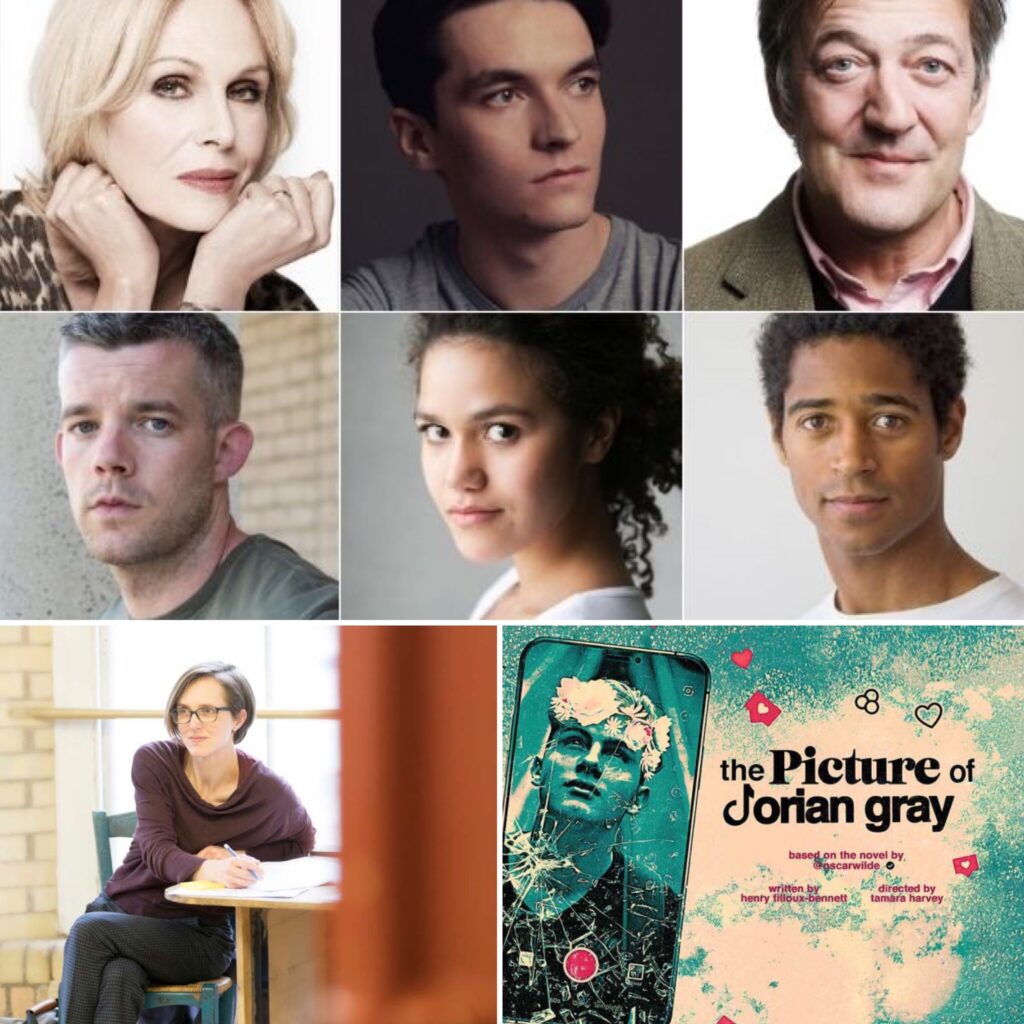
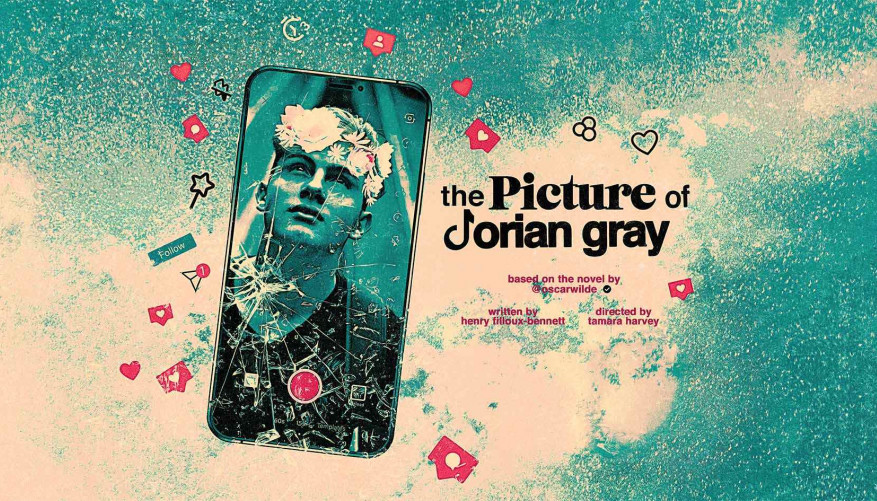
Get The Chance critic, Beth Armstrong, chats to Tamara Harvey, Artistic Director of North Wales theatre, Theatr Clwyd. Tamara is the director of new online play, The Picture of Dorian Gray, featuring cross-county creatives and a star-studded cast. This adaptation of Oscar Wilde’s famous novel is a collaboration between the Barn Theatre, Lawrence Batley Theatre, New Wolsey Theatre and Oxford Playhouse with partner venues including Aberystwyth Arts Centre and Torch Theatre.

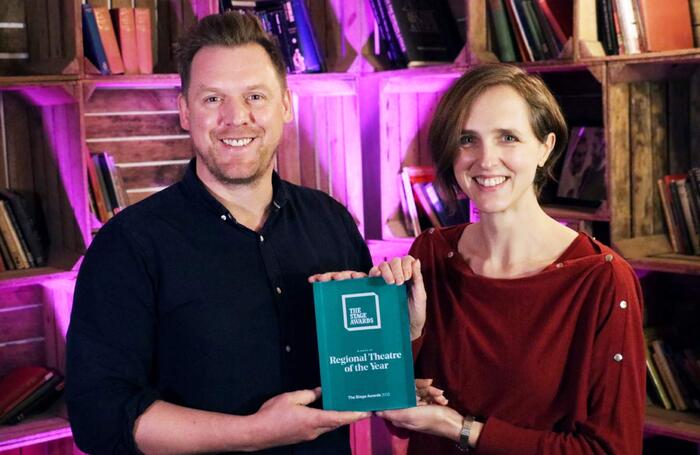
Tamara, congratulations on being named The Stage, Regional Theatre Of The Year. Can you tell me what that meant to you and the whole team at Theatr Clwyd?

Executive director Liam Evans-Ford and artistic director Tamara Harvey. Photo: Theatr Clwyd

It was just an amazing start to the year because everyone in the team has worked so hard whether they’ve been working on serving our community or creating online content or whether they’ve been on furlough and have had to navigate the emotional difficulties of that – home-schooling, friends and family being ill – so to have a moment where the industry and The Stage said ‘you’re doing alright’, you know, ‘keep going’ – it was a really good way to start 2021.

Well it’s a brilliant achievement. So your new production, The Picture of Dorian Gray, is an online play. Now online plays are becoming more commonplace amid the pandemic but each theatre has their own definition. Could you give us more details on what this play might look like or are you keeping it under wraps?

Yeah I’m very happy to. Essentially it’s born of the question of: ‘What can we do?’ So we can’t tell stories on our stages right now. What can we do? It’s a combination of audio recordings, found footage, filmed extracts – some filming taking place in person, socially distanced, obviously, and some in people’s own homes, so it’s come from adversity but hopefully it means that we’re just creating a slightly new way of experiencing the story.

It sounds really innovative. And there have been a lot of brilliant pieces of theatre, TV and film made during lockdown. Does your adaptation make any coronavirus parallels or does it provide a brief respite from it all?

I think it certainly provides respite, I would say, in that it’s full of brilliant actors and it’s a fascinating story. It is set now so there are moments that allude to the world we’re living in now but it isn’t a story about a pandemic. It’s a story about people living their lives in a particular moment in time.

So as you said it takes place now. The play modernises Oscar Wilde’s story and transforms Dorian Gray into a social media influencer. Recently many influencers have been criticised for travelling despite restrictions. Do you think audiences will have less sympathy towards the character in light of this? Will their opinions of him change in any way?

Ah, interesting…I think we each when we watch a story, when we experience of piece of theatre or digital storytelling, we bring our own experiences and our own opinions to it so I think everyone is likely to react to Dorian in a slightly different way, depending on whether they have experience of that online world or they don’t, whether it’s something that they’re completely familiar with or something that they find totally alien. I think, and I hope actually – it’s one of the stories with making a piece of theatre, whether it’s on screen or on stage – I hope that people will have different reactions depending on their own experiences.

Social media and the idea of keeping up appearances seem to be a key theme. Do you think the pandemic has increased our anxiety of showing off our best selves online or instead alleviated some of the pressure, as teachers and colleagues are now allowed a little window into our lives everyday – messy kitchens and all?

It’s certainly increased my anxiety! *laughs* There’s nothing like having to be on a TV screen every day, you know. The great joy of discovering you can turn off your self-view on Zoom is amazing. Look, I think it’s done both, hasn’t it? We’re having to spend more time – even if only at the moment when we sign onto a facetime or a Zoom or whatever – we’re spending more time seeing our own image and for some of us that’s, you know, not a pleasant experience, for others I’m sure it’s delightful. We’re also able to have pyjama bottoms on as long as only our top half is seen so it’s a really curious mix. I put on heels for the first time yesterday and it felt totally bizarre because I haven’t done that in months and so yeah, perhaps with all of these things, each of us is having such a different experience. You know it’s that thing – people have said we’re all in the same storm but in different boats. I’m having to spend almost all day everyday on Zoom and there are other people who don’t go near it. So I think it’s impossible to generalise really.

Rehearsing online and with social distancing measures must have presented a lot of challenges but are there any positive aspects or creative innovation to have come out of these restrictions?

Well the whole piece is a creative endeavour that wouldn’t have happened under any other set of circumstances. So the fact that it exists is in itself a positive coming out of this moment. Online rehearsals are…difficult. Partly because of the time lag, partly because there is a focusing thing that happens when you walk into a rehearsal room – you’re leaving your life behind, plugging into a different space and that focuses your mind, whereas if you’re in your own home, you’ve got the door going or you’ve got the dog barking, you know, or your kids running round, whatever it is. But there are advantages; I still get to have tea with my kids every day and people don’t have to leave their loved ones behind to travel. Given the choice, I will still want to be in a room with people but it is possible to find positives even online.

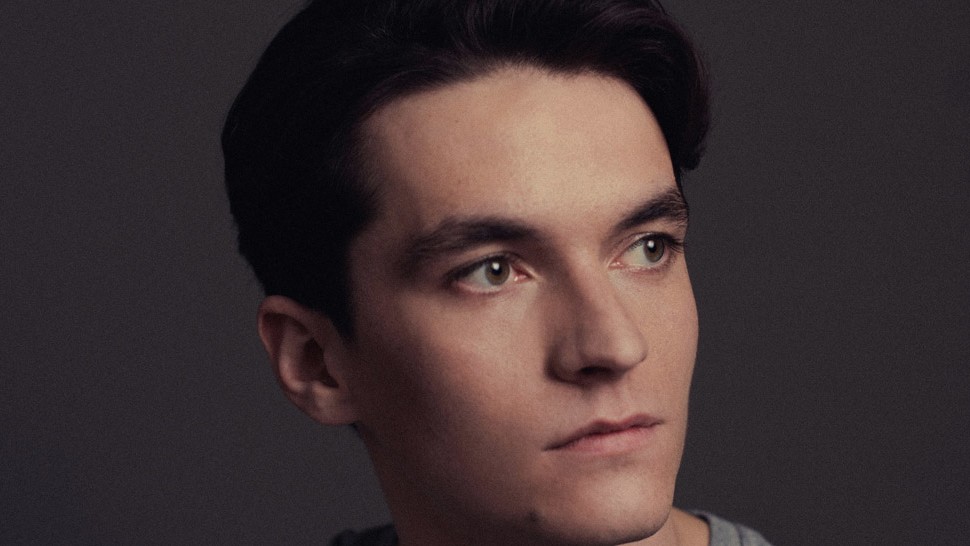
Yeah I think that’s true. So starring as the title character Dorian is actor, Fionn Whitehead, who audiences will no doubt recognise as the breakthrough star of Dunkirk. What do you think Fionn brings to the role?

Fionn is just extraordinary. On screen he is completely mesmerising and I think that’s to do with the rare combination of vulnerability and strength. And wit. And innocence. He’s a kind of fascinating mix and the other thing that’s such a joy about him is he’s just an incredible person to have on set because he’s utterly delightful every second of the day. That means that you can be playful and collaborative and try things and as a director, feel able to make mistakes or try something unexpected because he’s so open and engaged. He’s extraordinary.

Fionn Whitehead

The show is currently in pre-production but are there any aspects or ideas you’re particularly excited to share with the cast and other creatives?

Well we’ve kind of got everything, as it were, in the can. We’ve now done all of the filming. The bit that’s happening now, which is quite new for me and therefore really exciting, is the editing. And I’m in this lovely position where I’m spending most of everyday on Zoom with our amazing director of photography and editor, Ben Collins, from the Barn Theatre with both of us watching the dailies and working out the edit so there’s something really heart-warming in this moment about knowing that I’m up in North Wales in my regional theatre and he’s down in Cirencester in his but there’s this invisible string reaching between us as we both create a thing. And the whole time we’re watching onscreen all these other people who’ve come together, whether physically or remotely, to make a story in order to support regional theatre and that feels pretty special.

The cast of The Picture of Dorian Grey

I love that sense of connection that you have. So would you like to add anything else?

I suppose the only thing is that it’s worth saying that it does have what Henry Filloux-Bennett, who is the adapter, has done so beautifully – he’s managed to hold on to the spirit of the original which of course has all the wit of Oscar Wilde so as well as talking about social media and being about the downfall of this young man it’s also funny and fun and irreverent and all of those things.

Oscar Wilde’s The Picture of Dorian Gray is adapted by Henry Filloux-Bennett

Thank you so much. I think that just leaves me to say best of luck and I can’t wait to see it.

Beth Armstrong

Get the Chance supports volunteer critics like Beth to access a world of cultural provision. We receive no ongoing, external funding. If you can support our work please donate here, thanks.

The Power of Dance is Magical! Simone Sistarelli and Popping For Parkinson’s

Hi Simone great to meet you, can you give our readers some background information on yourself please?

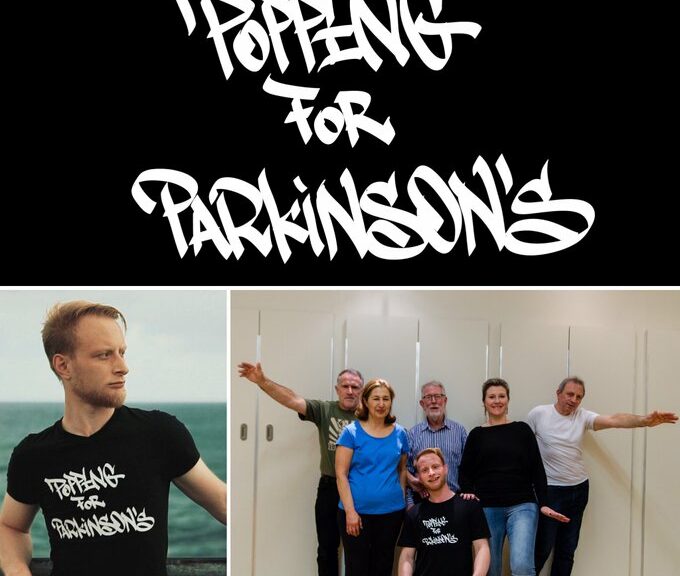
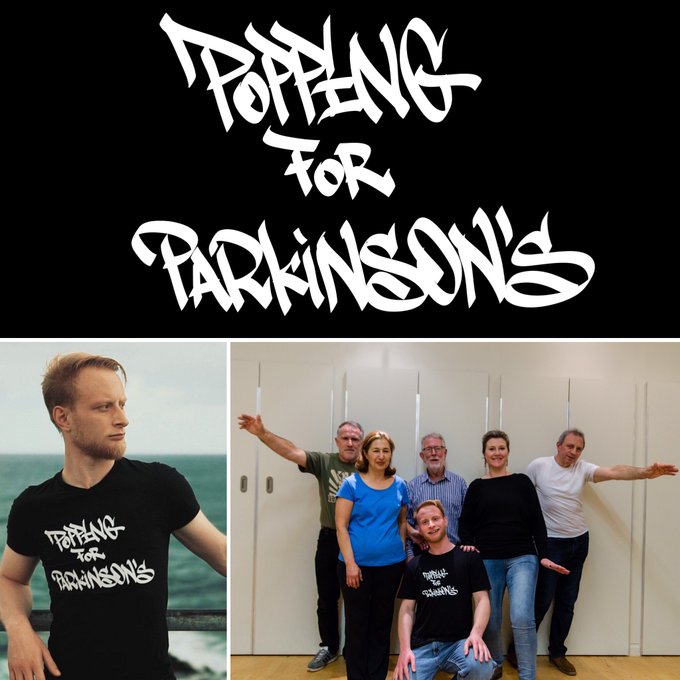
Thanks for having me! I am Simone Sistarelli, and I am the founder of Popping For Parkinson’s ®, a project that transforms Parkinson’s patients into Popping dance students. I am passionate about inspiring people. I am a dance artist, a social entrepreneur, a musician and public speaker. I am in the Universal Hip Hop Museum Hall of Fame for my contribution to Hip Hop Culture.

I have a BA in Contemporary Dance from Trinity Laban and an MSc in Dance Psychology from the University of Hertfordshire.

What got you interested in the arts?

I fell in love at first sight with dancing at age 10, and I have not stopped being in the arts world since! The arts are an incredible vessel of expression, and they feel liberating to me. 

You have been running Popping For Parkinson’s since 2015. On your website you describe your approach as

“Using Popping dance techniques as an innovative therapeutic tool for improving the physical condition of people affected by Parkinson’s disease. Participants see improvement in their natural movement capacities, but also gain confidence, feel less socially isolated and have fun.”

It sounds like a fascinating approach. Where did the project originate?

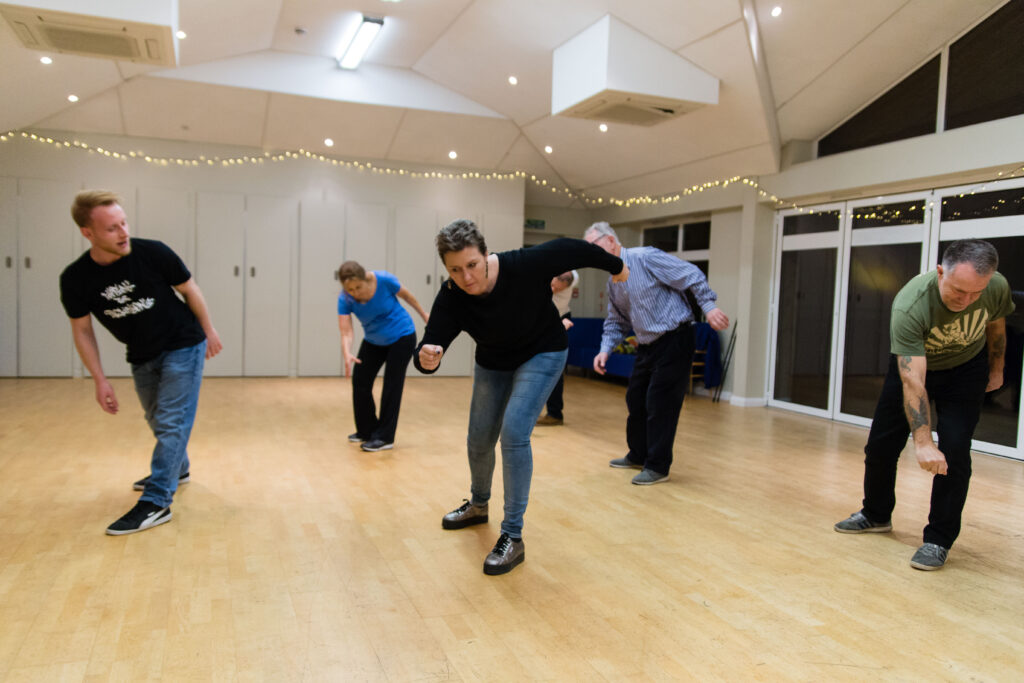
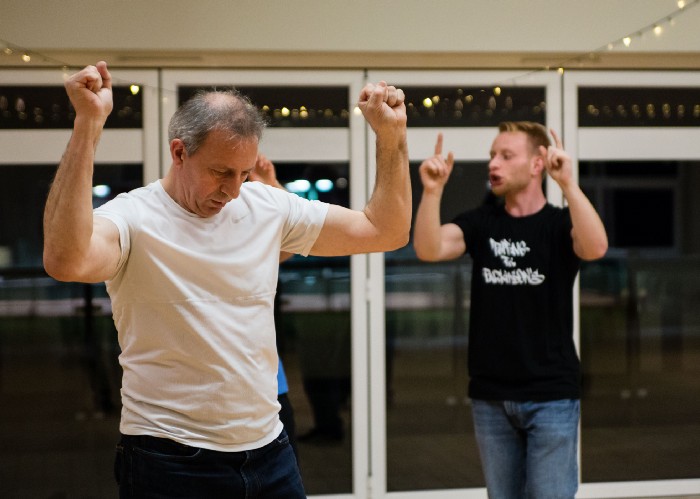
 I had the original idea in 2012 while training at Trinity Laban Conservatoire. It originated as a result of various inputs, from my granddad having Parkinson’s to the similarities between the Parkinson’s tremors and Popping dance. I thought: people with Parkinson’s shake without the beat;I train my whole life as a Popping dancer to shake to the beat. In my head, people with Parkinson’s could turn their symptom into a superpower! After years of research on Parkinson’s, dance, music therapy, dance therapy and more, I developed a methodology, started a collaboration with SLYPN (South London Younger Parkinson’s Network), I offered the first dance class as a trial run, people loved it, and we haven’t stopped since!

https://youtu.be/RoRFn9k08gU

How does someone get involved, do they need to have any prior dance experience?

Absolutely no prior experience is needed! People can simply sign up for the online classes through our website and join us!

How would you like the project to develop?

There are around 10 million people with Parkinson’s worldwide. The ultimate aim of the project is to reach all of them and empower them all to become dancers! In practical terms, I am working on future developments by exploring different ways to reach people, from writing a book to creating dance tutorials (both on streaming platforms and DVDs), creating bespoke music for dance classes and more.

You might not normally think of Hip-Hop culture and Parkinson’s as strong partners. What has the reaction been to the project in the Hip Hop community?

My work has been recognised by the Universal Hip Hop Museum, the ultimate dream for anyone in the Hip Hop community. I hope I can inspire people in the Hip Hop world as much as Hip Hop inspired me in the first place.

There is a lack of Diversity in mainstream cultural provision. Do you think your project has connected with people who might not normally think of themselves as Dancers?

Yes! Dance is so much more than solely performing, and appreciating that is key to inviting more people to improve their life through social artistic movement.

Music is a key element of Hip Hop. How do you select the tracks to use in your class and if you had to choose one, what’s your favourite?

As a musician myself, I carefully choose the songs for my classes. I know the impact that a good tune can have! I am a record collector and I have a vast collection of songs to start from, then depending on the theme/mood of the class I will pick the most appropriate songs. Songs can go from classic Popping tunes (Cameo, Zapp) to Popping beats (Slick Dogg, Beatslaya), from recent Electro-Funk releases (Mofak, Makvel) to my own music productions. 

Asking for a favourite song/album to a collector is like asking for the favourite child to a parent, it’s impossible to answer! One of the songs that I keep going back to though is Brass Construction’s “Get up to Get Down”.

https://youtu.be/zcw8JxZCHbI

Get the Chance works to support a diverse range of members of the public to access cultural provision. Are you aware of any barriers that people living with Parkinson’s face to access dance and your organisations work? If you have identified any, have you been able to reduce these barriers in any way?

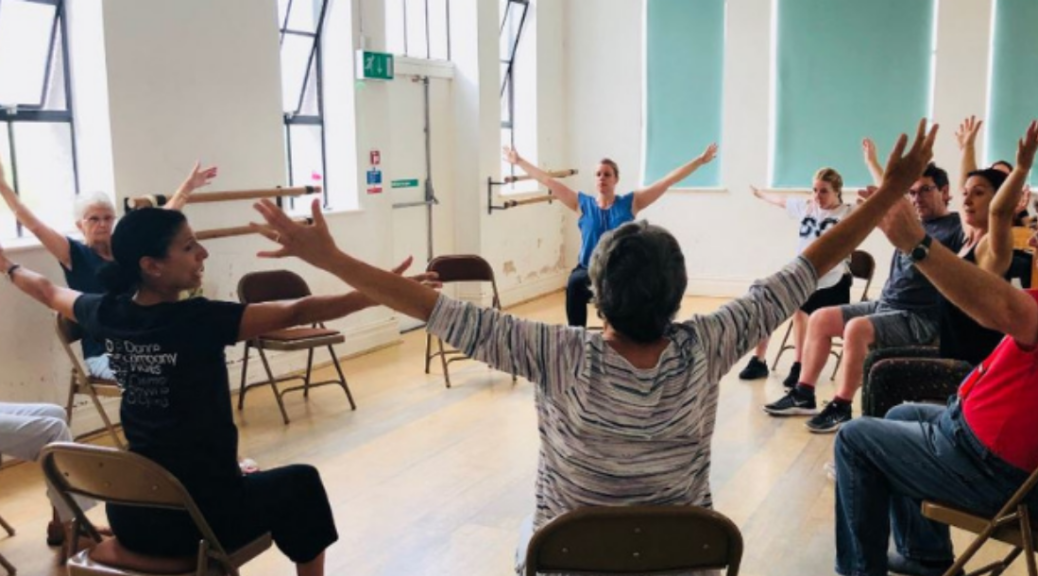
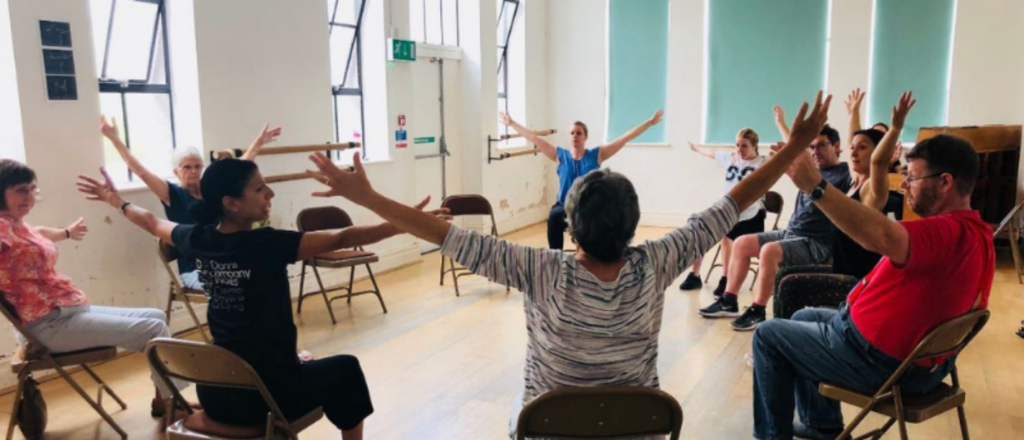
People with Parkinson’s face several challenges on a daily basis. Some of these limitations are specific to accessing dance classes. We did encounter some of them and we tried to reduce the impact that they had. One example was offering both seated and standing classes, so that people with limited mobility can access Popping dance (which tends to be a standing dance style).

Another limitation was costs, so from the very start of the project we offered the classes free of charge for participants (thanks to the support of funders such as the Mayor of London Sadiq Khan and the National Lottery Community Fund). 

Now that classes are online only for obvious reasons, barriers are different. For example, commuting to class can be challenging for people with Parkinson’s, yet this particular limitation is not present online. At the same time, online classes present other barriers, such as technological knowledge, Zoom fatigue, access to broadband (especially for older people). We want to expand and offer several ways of participation, from interactive classes via Zoom to pre-recorded classes on YouTube, from dance tutorials to DVDs (coming soon) in order to minimise the impact that barriers create to people with Parkinson’s. It is a constant work-in-progress. 

The video below is a taster video of a Popping For Parkinson’s Class

https://youtu.be/i59IMMa8i1c

With the roll out of the Covid-19 vacancies, the arts sector is hopeful audiences will return to venues and theatres. If theatres want to attract people living with Parkinson’s what do you think they should do?

Venues should understand the needs of people with Parkinson’s in order to accommodate them, making sure that venues are accessible and that staff are trained accordingly. 

 If you were able to fund an area of the arts what would this be and why?

All of them! But if I had to choose, I would dedicate way more funding to the phenomenal individuals that dedicate their lives to supporting people through artistic expression. The value that individuals bring to the arts is immense, and without them organisations could not thrive. 

What excites you about the arts at the moment?

Two main aspects really inspire and excite me at this stage. One is dance science, getting a deeper understanding of the relationship between arts and health, as I believe there is unlimited potential there.

https://youtu.be/ahbts_w8skQ

The other one is the creation of new cross-disciplinary experiences that engage a diverse audience through the combination of several media (for example, from the genre-defying dance film TOM by Wilkie Branson to choreographing for drones).

https://vimeo.com/wilkiebranson/tomtrail

What was the last really great thing that you experienced that you would like to share with our readers?

Seeing my students come to class with severe difficulties and then leaving energised, smiling and confident is an experience I still cannot get used to after many years! The power of dance truly is remarkable, so much so that sometimes it feels magical!

Thanks for your time Simone

Thank you

You can checkout the PoppingFor Parkinsons Spotify playlis here

https://open.spotify.com/playlist/4jyFiC7rHbvFvv2xXFsjYg

If you are interested in finsing our more abour Simone and his work you can do so at the links below.

Website: www.poppingforparkinsons.com

Instagram: www.instagram.com/poppingforparkinsons

Facebook: www.facebook.com/poppingforparkinsons

Simone’s personal website: www.simonesistarelli.com

NATIONAL DANCE COMPANY WALES & ENGLISH NATIONAL BALLET EXPANDS ITS DANCE FOR PARKINSON’S’ PROGRAMME ONLINE AND TO TWO MORE CLASSES IN NORTH WALES.

National Dance Company Wales (NDCWales) and English National Ballet will be providing more opportunities for people with Parkinson’s to take part in its high-quality dance programme online and eventually at two new venues in North Wales.

NDCWales’ Dance for Parkinson’s class for people living with Parkinson’s, their family, friends and carers has been running since 2015 as an affiliated hub of English National Ballet’s Dance for Parkinson’s programme.

The first class was launched at the Dance House (Wales Millennium Centre) Cardiff 2015, and the second from Blackwood Miners Institute in Caerphilly County Borough in 2018.

During the 2020 pandemic lockdown, many of its participants had to shield. NDCWales continued to provide support and engagement with online sessions to connect with its loyal participants.

In 2021, NDCWales and ENB will continue to offer live online versions of its classes and will also be creating two pilot hubs in North Wales, Pontio (Bangor) and Coleg Cambria (Wrexham).

NDCWales are also working in partnership with Digital Communities Wales during the pandemic to give all participants the confidence and skills to use their laptops and tablets to access classes online.

In Wales, there are estimated to be around 6,000 people living with Parkinson’s – with the majority aged over 50.  Dancing has been shown to support people with Parkinson’s to develop confidence and strength, whilst temporarily relieving some participants of these symptoms in everyday life. The Dance for Parkinson’s Classes are expressive, creative and promote feelings of freedom from the physical and social constraints of having Parkinson’s.

Dance for Parkinson’s classes focuses on one English National Ballet or National Dance Company Wales production and explores the themes and ideas around the movements of that dance piece.

The classes this Spring will be focusing on two dance films from English National Ballet’s recent digital season, ‘Senseless Kindness’ by Yuri Possokhov first, then followed by Arielle Smith’s ‘Jolly Folly’.

Last term, the theme was inspired by NDCWales’ production of Ed Myhill’s Clapping?! which uses rhythm as a driving force and was reimagined online during lockdown. A short film, Ed & Flow, has been produced of the class and is available to view below.

https://youtu.be/yPT2zI_tIc0

NDCWales and their partners are putting plans in place to continue to start the interactive Zoom online sessions again, but when it’s safe to do so, offer the classes in person at all four hubs.

One existing Dance for Parkinson’s participant said, “The lockdown has been very hard, as I was no longer able to see people and my family.  I felt isolated and my speech was suffering.  I found the Zoom sessions helped me reconnect and it was lovely to see the teachers and all the participants of our group. The sessions were very uplifting for me and I always looked forward to them.”

Regular Dance for Parkinson’s attendees, Angela Harrison said, “It makes me feel I can cope better; I can walk better… it’s the best medicine. I come in feeling like a little old lady”, but I leave here feeling quite tall.”

Guy O’Donnell, NDCWales’ Participation Producer said, “We are really pleased to be able to work in partnership with Pontio and Coleg Cambria and provide this support in North Wales. We have seen the benefits of this programme and the impact it has had on our regular attendees here in South Wales.

“While we are unable to be in person together at the moment the ability to connect online has enabled existing attenders to take part from the comfort of their own home and stay connected to people sociably. The feedback we’ve had so far from our loyal Dance for Parkinson’s participants is that they wanted to still feel connected and still continue to feel the benefit of the programme on their health. They were keen and wanted to be adventurous and learn about technology, and fortunately with the continued support from Digital Communities Wales we have been able to do this.”

As well as encouraging new participants to take part in Dance for Parkinson’s, NDCWales is continuing to look for volunteers to help support participants in the programme.

If you would like further information and to sign up to the programme as participant or a volunteer please contact Guy O’Donnell, Learning and Participation Producer – guy@ndcwales.co.uk or 07305 534 981.

Dance for Parkinson’s is supported by the Moondance Foundation, the Hodge Foundation, The Austin and Hope Pilkington Trust, and Western Power Distribution.

For further information please visit ndcwales.co.uk