
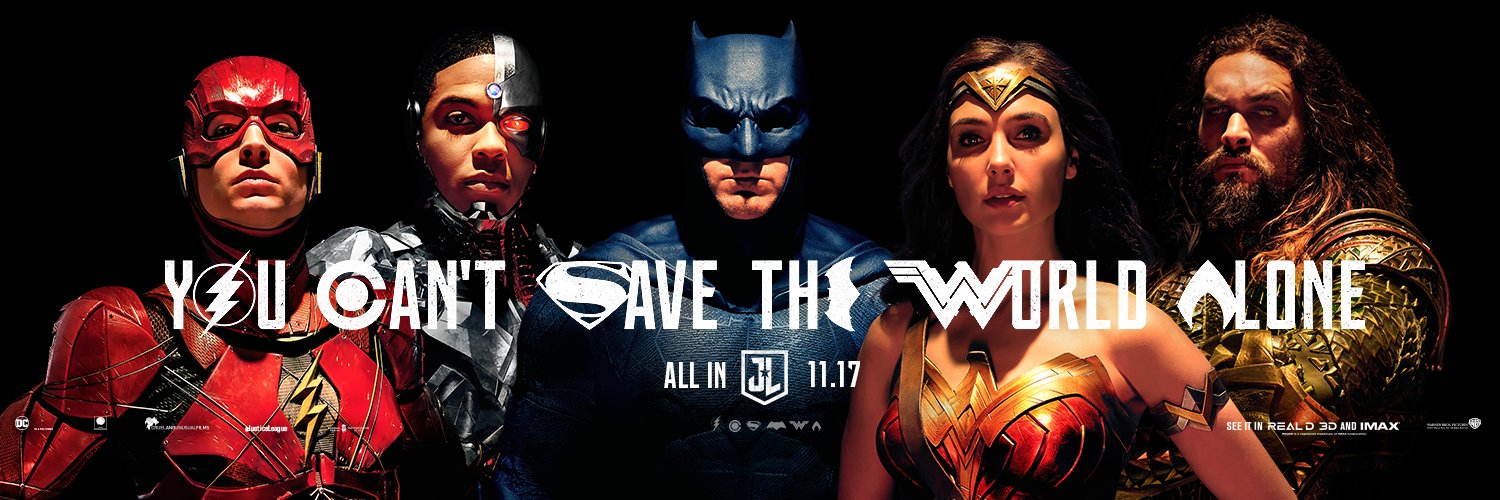
 (2 / 5)
And so, seeing the unquestionable success that MARVEL has been having with their shared cinematic universe DC have stumbled greatly to get to this point. But nothing was gonna stop this cinematic train so, we just have to deal with it.
What brings our different heroes together are three boxes called “Mother Boxes” if all three are brought together they’ll destroy the world (basically). The one that is out to get all these Mother Boxes is a giant being named Steppenwolf (Ciaran Hinds), he’s about ten feet high, clad in Armour, wields a large axe and spouts over-the-top dialogue. His role is similar to Loki in Avengers (even to the point of wearing over extravagant headgear) but he lacks Hiddelston’s charisma as well as fails to convey a real threat. He’s just a big threat that is no more interesting or memorable that a generic video game boss.
The first members that have already been established are Batman (Ben Affleck) the dark brooder that is just a skilled human with great technical resources and detective skills. Wonder Woman (Gal Gadot), she was the best thing in Batman v Superman and her own movie was the best of these movies but also rather good. The same present here. The Flash, the speedster played by Ezra Miller. He is here to portray the every-man, being more trepidatious and a lot more dumbfounded when giant man and bug creatures appear. But he says some things that are just odd, it is a weird thing that writers do where they put in quirks and think they’ve made a character, they haven’t, he gets better as the movie goes on but when he starts he might be an alien on Earth. Next is Aquaman (Jason Mamoa), he can breathe underwater, is very strong and wields a large five pronged spear (not a trident), he will probably be the breakout character, being a swaggering brawler. Finally is Cyborg (Ray Fisher), originally a young student named Victor Stone has now been transformed by the Mother Box technology and is fused with it.
Probably the worst kept secret and obvious plot point that any five year old could see coming is that Superman (Henry Cavil) returns (he died in the last movie). He does and he is much better here than in the previous two movies, he knows what smiling is, I believe he’s an optimistic person and they gave colour back to his costume instead of a grey filter.
Due to a family tragedy Snyder had to pull out of the movie. Most of it was completed but still needed finishing. Director Joss Whedon stepped in and completed the project. There is only so much one can really affect a movie when probably over seventy five percent of it has been completed. Whether it be due to fan outcry or Whedon inserting it in where he could there are much more smiles in this movie. Characters are smiling and aren’t brooding constantly. Having one moody one on a team is fine (that’s what Batman’s there for) but the others need to bring a balance of different types of characteristics.
Also more present in the movie is colour. They still use heavy amounts of black but they are contrasted with deeper, vivid colours of red, golds etc. This is a better direction to go, it keeps the colour but visually distinguishes it from the MARVEL movies.
Probably the biggest failure of the movie is the score by Danny Elfman. Not at any point did I feel my spirits roused by the music and I cannot hum any of the score. It is unfortunately forgettable and not moving.
Unlike all the other movies this one does have a post credits scene. So if you are so inclined stick around and you wont just see the credits scroll by.
So it has indeed been a very bumpy ride. It did not get off to a good start at all and from there on it got worse. But now the pieces have come together and the final result probably wasn’t worth it but it also wasn’t a complete disaster. It was actually rather serviceable.
Jonathan Evans
Category Archives: Film & TV
An interview with Jorge Lizalde
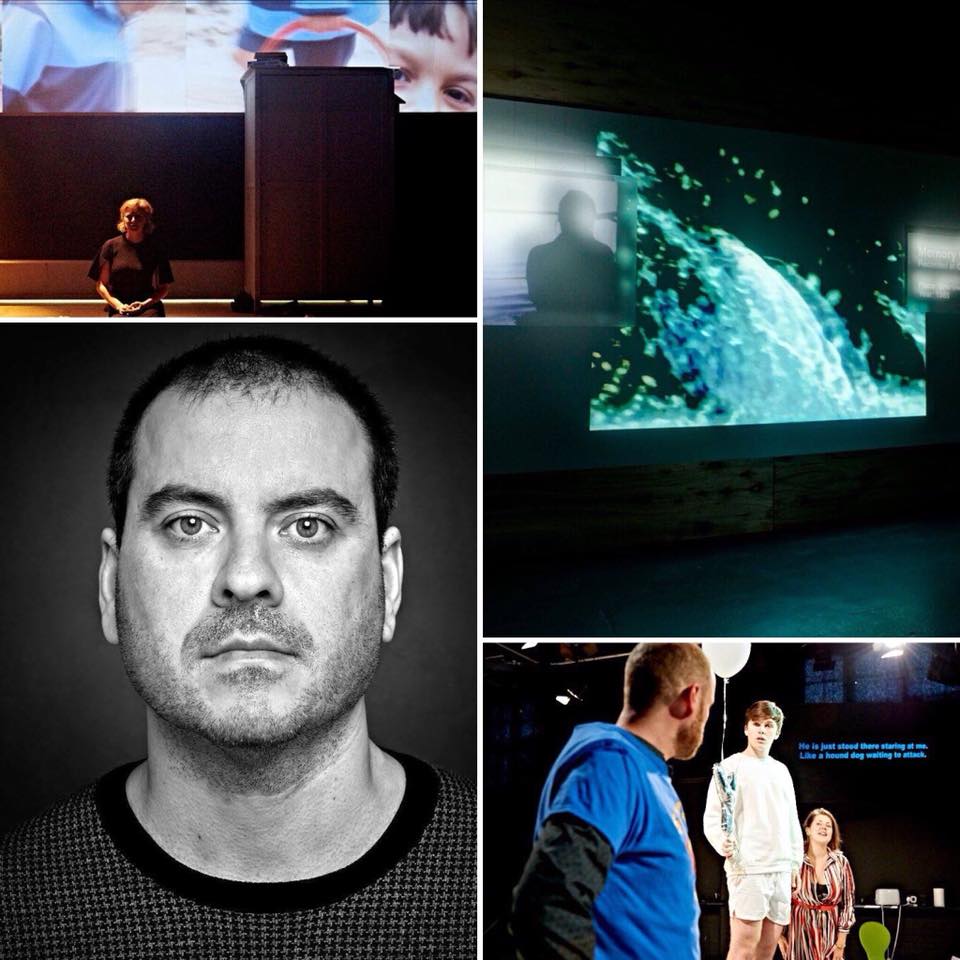
The director of Get the Chance, Guy O’Donnell recently met with Photographer/Videographer/ AV designer and Projection Mapper Jorge Lizalde. They discussed his training in Spain, his most recent work with Lucid Theatre Company on Little Wolf and his thoughts on the arts in Wales.
Hi Jorge, great to meet you can you give our readers some background information on yourself please?
Hi, I am Spanish and was born in Zaragoza and moved 12 years ago to the UK when I finished my art studies in Salamanca and then Madrid. When I arrived in the UK I worked for four years as a cinema projectionist at Vue Cinemas at the Angel (London) as well as The French Institute (London) where the projection is still old school, swapping film reels every hour over two projectors, a job that I loved but digital cinema has killed it. In 2009 I moved to Cardiff and since then I have been freelancing as Photographer/Videographer and most recently as an AV designer and Projection Mapper.
So what got you interested in the arts?
My grandfather Jose Luis Cano (on my mother’s side) was a famous watercolour painter from where I come from, his son, Jose Luis Cano (both my grand father and uncle, share the same name as it’s a Spanish tradition to name your son after your father.) my uncle, is a well known painter/illustrator, he creates the satiric daily drawings on the local newspaper, Heraldo De Aragon. My grandfather had an art studio, known as Studio Cano that’s why I trade commercially with that name, which is my second surname, in Spain we keep both surnames from the father and the mothers side. The different people I encountered at Studio Cano learned different painting styles and disciplines at the studio. I spent a lot of my childhood and teenage years there, painting, drawing, etc. It is where I got ready for my University access as in Spain to study a BA in Fine Arts you need to know how to draw a life model as part of your A Levels. At Uni I learned many different disciplines of painting, sculpture and drawing as studies are quiet traditional, making my own canvas, paints, etc. My father was into photography just as an amateur but his brother was a commercial photographer. I didn’t really got interested in photography until my father passed away 18 years ago and I was passed down his heritage and his equipment at the end of my first year at Uni. In addition, many friends of my parents are ceramists, architects, etc. Art was always around, so I guess it was inevitable that my brother (classical/flamenco guitarist) and myself would finally become involved in the arts as a career.
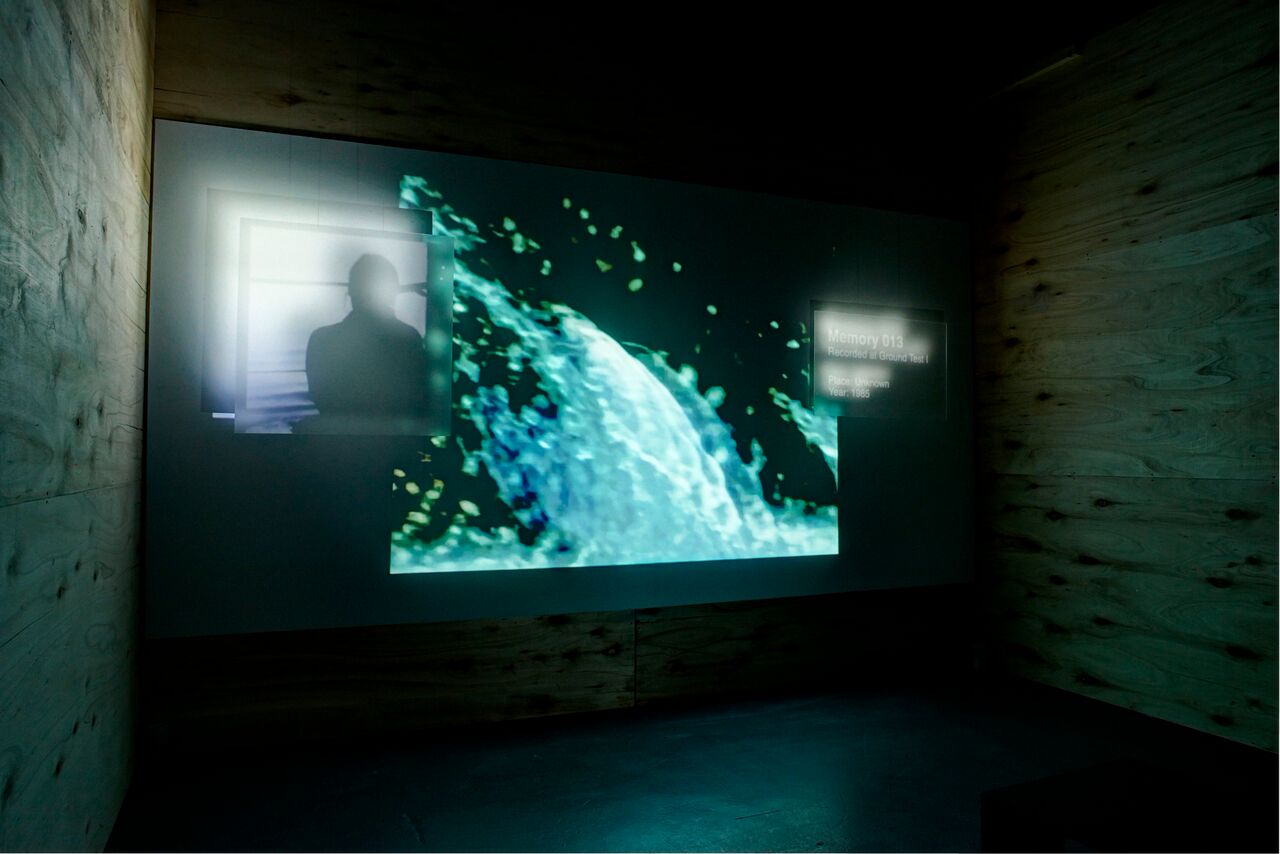
Jorge Lizalde, “Mnemonic” at G39 gallery
You have a wide variety of film and photographic skills. When you are photographing a theatrical production how do you approach the process of taking an image?
With every shot I treat it as individual, my camera settings and focus are manually set so I have total control of the shot. Having started as self-taught on film, before digital photography took over, has helped me to have a good understanding of the tech, so I just have to pay attention to what’s going on in front of me (actor interactions, movements, reactions, expressions etc.) I don’t like to retouch pictures afterwards in post-production, I just readjust the white-balance that sometimes the camera can get wrong. Foe example theatre lights can have new LEDs which can be can be really tricky on temperature and contrast, but what you see on the picture is normally what I initially capture. What I do particularly like is to move around a lot as this gives me some perspective and creates more interesting shots that just an on the spot view from the auditorium. From a dress rehearsal session I can get around 150 usable shots, its then the job of the producer or the person in charge of marketing to choose the final images.
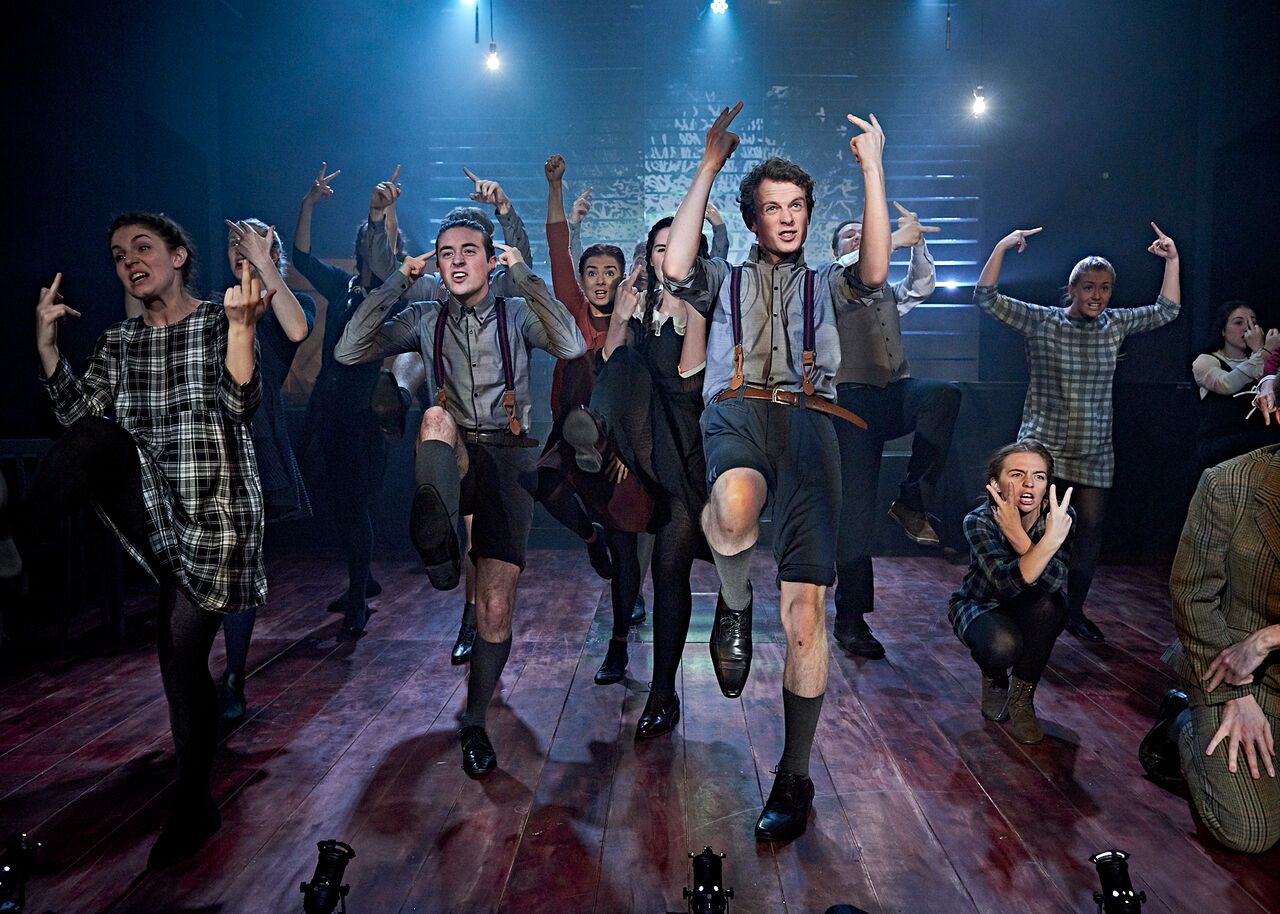
Credit: Gamta School by Jorge Lizalde | studiocano.co.uk
What makes a good image for a theatre production?
A well composed and focused picture of a scenario or situation that through the actors expressions tells you exactly what’s going on. If on top of that it gives you a sense of the stage or space that to me is a hell of a picture.
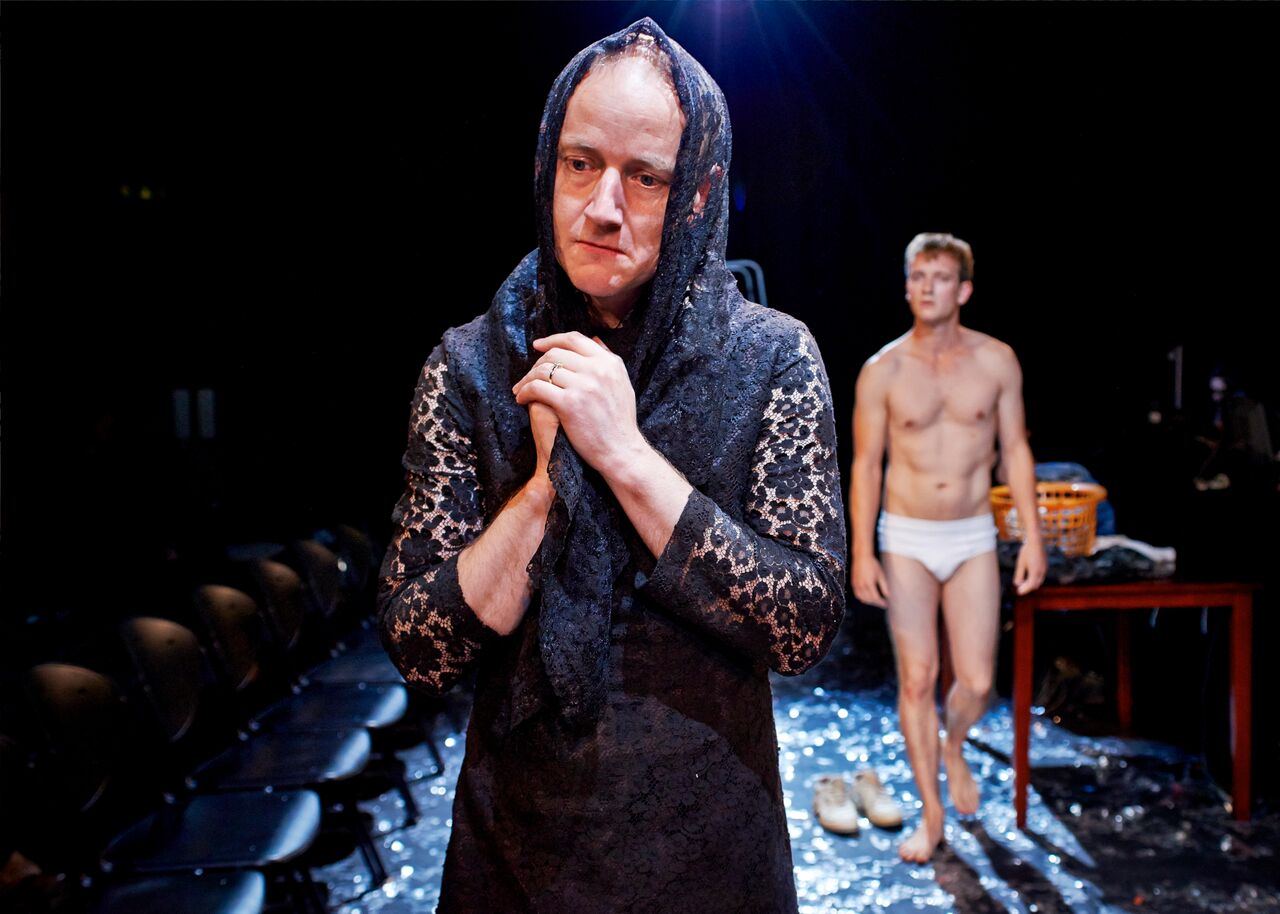
Credit: Roberto Zucco – August 012 by Jorge Lizalde | studiocano.co.uk
You also design and map Audio Visual projection for live performance, with new technologies this is a rapidly developing area, how do you see this art form developing?
Mapping projection is not new and has been part of theatre or arts for many years. Recently The Far Side Of The Moon by Robert Lepage was performed in Cardiff at The Wales Millennium Centre
LePage is known for some great experimentation and mapping projections, that production is 17 years, believe it or not! What it is really developing fast it is the technology is becoming faster and cheaper. What a projector could give you 10 years ago in terms of quality for £25,000 you can have it now for just £1,400 and in a 1/5 of the size too. It’s the same with computers, they are faster to process the video codecs, I can edit and program a video on the middle of the tech session if needed, something unthinkable a couple of years ago, so AV is no longer part of a privileged group with lots of money it can be also part of small budget productions or projects.
Untitled.mp4Credit: Clockwork Orange / Curve Theatre – AV Mapping by Jorge Lizalde | studiocano.co.uk
Continuing this theme of embracing new technologies you also utilise drone camera footage in your work, most recently in “Little Wolf” by Lucid Theatre Company. Can you tell us how you have developed your skills in this area and again how you see this art form developing in the future?
I bought my drone this summer for my own project about Brexit and what it means to be an EU citizen today in the UK, as at the moment I feel we don’t belong to any land. The model I bought has some great features as well as a quality image, you can control it with the hand. I took it this summer to Finland where I was part of Oulu Hack Week organised by Taikabox, three days of experimenting with new technologies and dance where we tested it and created a little presentation or dance piece with it.
Now I am developing and experimenting a bit more with its possibilities and limits for the stage. I will have a hack day with Lara Ward at the end of November and hopefully refine its use in the future to create a little performance with it . Since I bought it I haven’t stoped using it, for example as you mention with Little Wolf where I created some footage overlooking water, – a swimming pool, a lake and the sea, it was really helpful. It’s still early days to say where this tech will go but it has become cheap and really fast so I wouldn’t be surprised if everyone owns one, even if it is just for selfies which it is what my little drone was designed for in the first place!
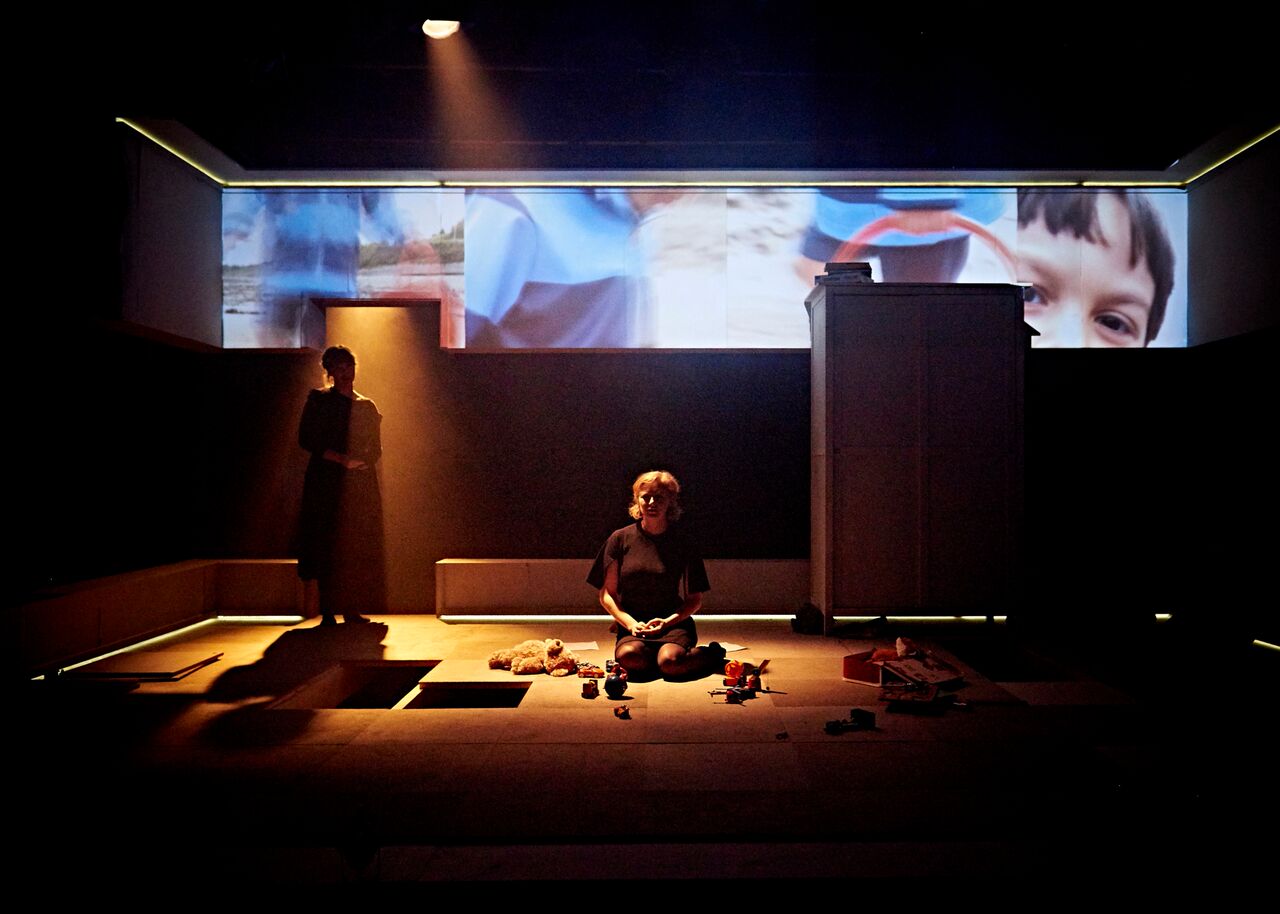
Credit: Little Wolf / Lucid – Av mapping by Jorge Lizalde | studiocano.co.uk
Get the Chance works to support a diverse range of members of the public to access cultural provision Are you aware of any barriers to equality and diversity for either Welsh or Wales based artists/creatives?
Yes I am really aware, I am Spanish and have an accent that in many cases is judged as not educated or a knowledgeable person. I haven’t been able to get some jobs because of it. At the beginning it was annoying when people tried to maximise their mouth motion and slow their pronunciation when talking to me because they think I didn’t understand but now I just do the same to them if they do, I slow my talking and maximise my pronunciation, maybe that’s why I don’t get the jobs but who wants to work with someone that diminishes you by your accent? Also, I have been involved with Taking Flight Theatre Company
As well as other theatre companies developing live subtitles, I have been working on creating theatre which is more accessible to all audiences. I believe I am the only person in the UK using the software I am working with, or at least this is what a programmer recently told me! It is software created for film cinema subtitles but I adapted to theatre. It can be projected over projections, it can be programmed to be part of the stage and interact with actors, it can be shared in any device, Android or Apple, phone or pads and via a local network which can be used in a promenade performance without access to the internet. In addition I am developing live speech to text subtitles (same language or a live translation of it as for example Welsh-English or Spanish- English) but the technology is not there yet, hopefully with the development of home assistants like Google Home and Amazon Alexa the interpretation of the language will get faster and better.
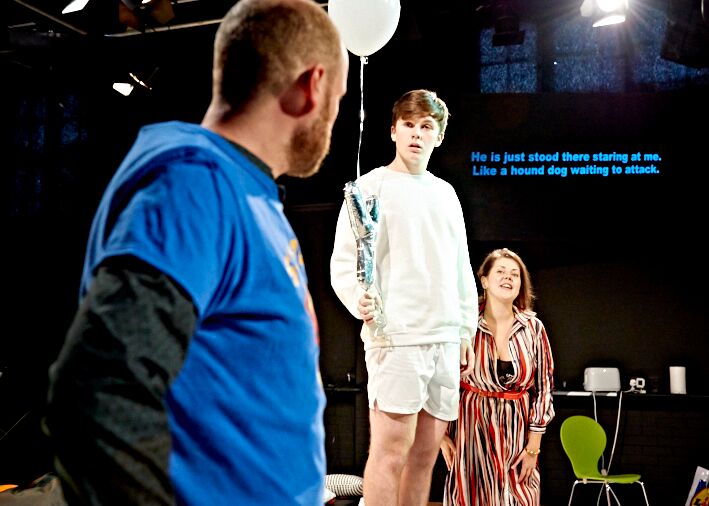
Credit: Yuri / August 012 | Subtitles and picture by Jorge Lizalde | studiocano.co.uk
There are a range of organisations supporting Welsh and Wales based artists and creatives, I wonder if you feel the current support network and career opportunities feel ‘healthy’ to you?
I think it is pretty healthy, a bit more funding would be great, especially after so many years of having cuts in the arts budgets. The only problem I am facing this days is, I am in my late 30s so there are no prizes or opportunities for that age or not as many, most are focused on early career or under 30s. If you are a mid 30s or early 40s creative and want to start an art career there are not many opportunities to build a good portfolio and be quickly part of the art community.
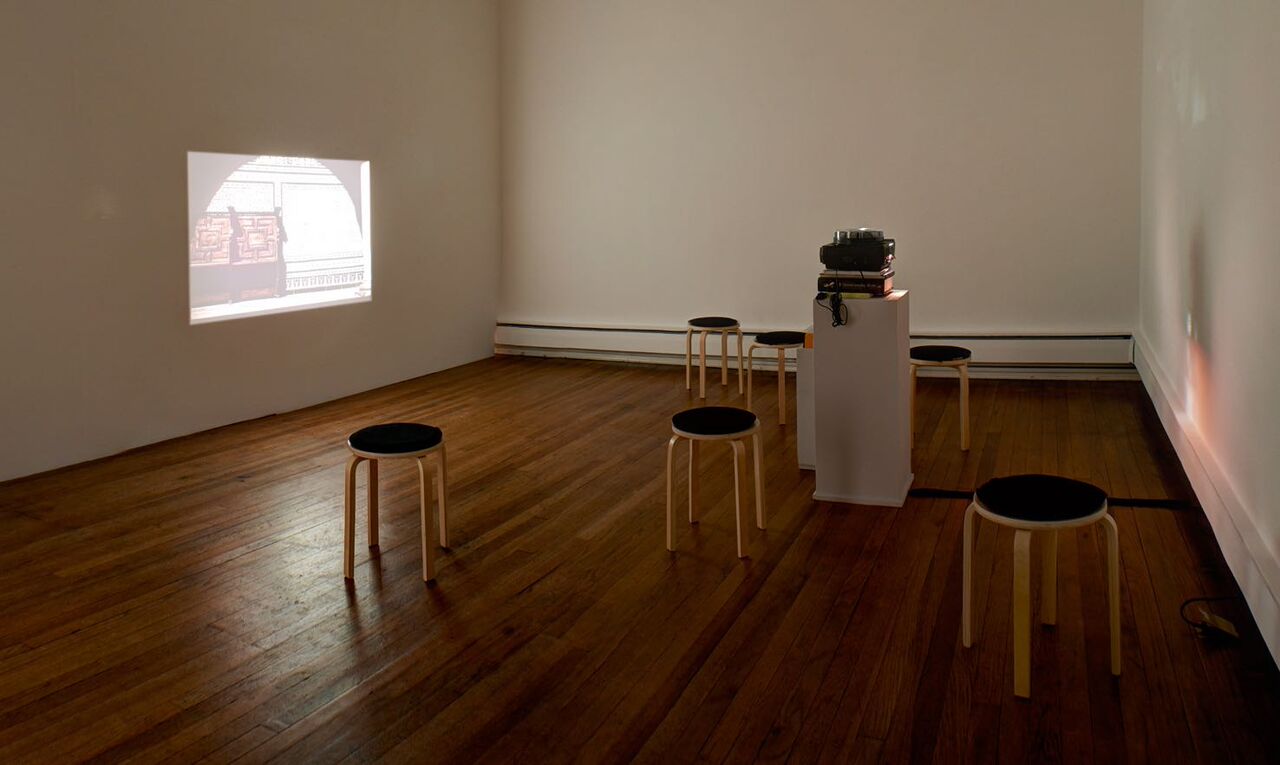
Credit: Own Installation, “Editing my father” at Ffotogallery
If you were able to fund an area of the arts in Wales what would this be and why?
To choose an specific area would be to discriminate against the others. I never understood targeting specific areas, all areas, race, social, cultural backgrounds, etc should be considered every year for equally and fund them according to the excellence of the projects and their outcomes. If that means some stablished organisations loose funding after many years receiving it because independent or small projects are creating better projects to present, so be it.

Credit: “Cymru & I” Collaboration with Japanese choreographer Yo Nakamura
More information about the project linked to the above image: http://jorgelizalde.com/iframe-2/iframe/index.html
What excites you about the arts in Wales?
What really excites me it is the size of the art community, it is not big, so you soon know most of the artists working in Wales. This also makes it really accessible, and that gives you great freedom to experiment and collaborate with other artists and start new projects or enterprises. It creates opportunities for pop up exhibitions, zines, performances, etc. I don’t think there are enough links with work which is part of a performance or the theatre/artistic community with visual or more modern arts groups but hopefully in the future there will be more collaborative work between art galleries – g39, Ffotogallery and Chapter – with the performance festivals – Festival of Voice, Cardiff Dance Festival – or venues like the WMC or Chapter – as well as artists from both backgrounds. When they have collaborated in the past at events such as Experimentica or Artes Mundi there are more interesting projects happening and everybody really gains from it, creatively and culturally.
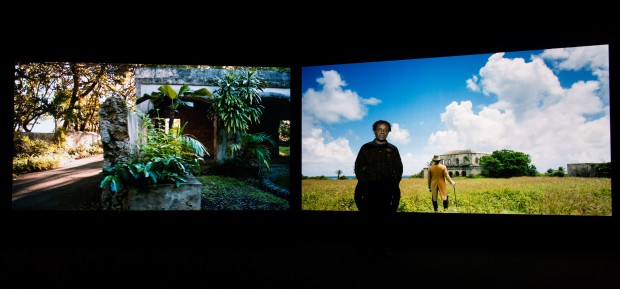
Artes Mundi 2017 Winner John Akomfrah with artwork Auto Da Fé © Polly Thomas
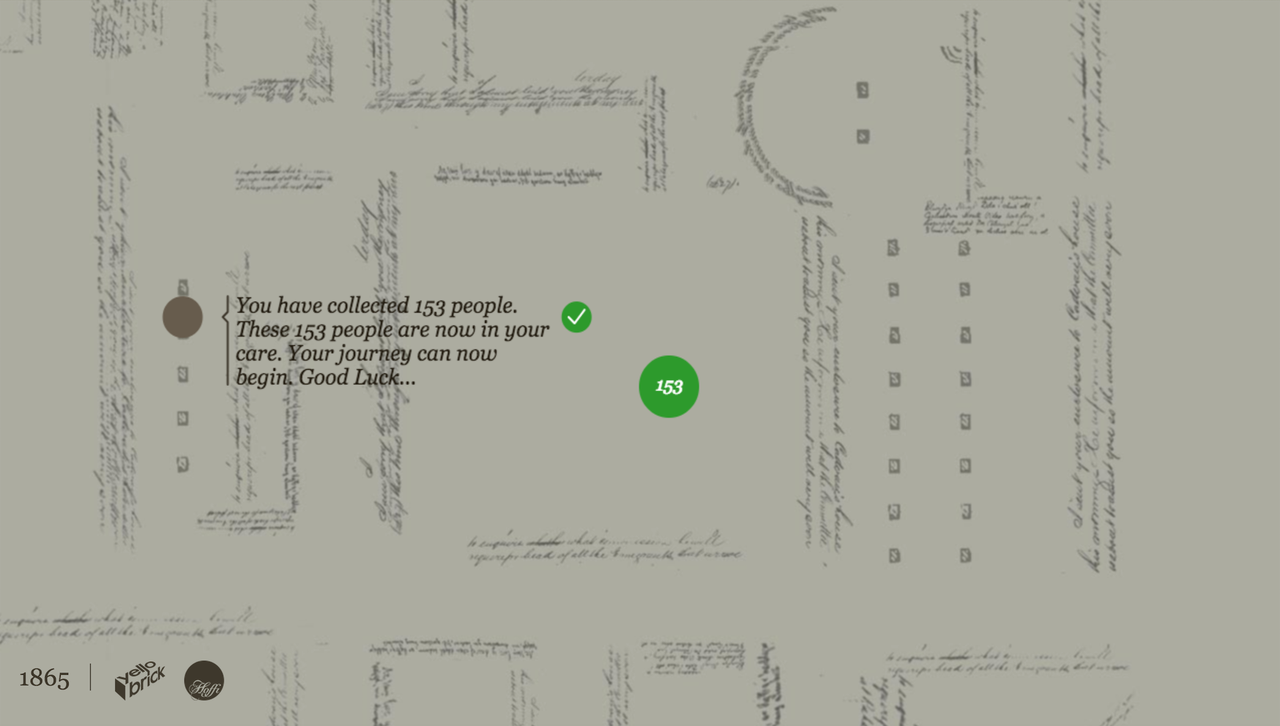
Credit: “1865” prototype game app in collaboration with Yellobrick, Nesta and National Library of Wales
Link to more information on the project above https://www.nesta.org.uk/our-projects/digital-rd-fund-arts-wales-case-studies/arts-archives-and-technology
What was the last really great thing that you experienced that you would like to share with our readers?
I have always been interested on working with lights and mapping lights structures these are getting more and more interesting, especially with LEDs stripes, with them you can have as many different colours and sync as you like. A good example of it is Robert Hencke’s Lumiere III laser lights installation which I saw at the Barbican main theatre at the beginning of this year and it was one of the greatest art experiences I have ever seen.
Thanks for your time Jorge.
You can find more information about Jorge and his work at the links below.
Personal
Commercial
Review Professor Marston & The Wonder Women by Jonathan Evans

 (4 / 5)
She is one of the most iconic female characters in pop culture. She is instantly recognisable and you most likely know her name. She stands for truth. But in creating her secrets had to be kept to preserve love.
Earlier this year the mass audience were introduced to Wonder Woman through her first film. Now she is more popular than ever, this is the perfect time to tell this fascinating story of the deep psychological ideas that went into her creation and first few stories as well as the just as interesting behind the scenes situation of the people that inspired her.
The man who co-created her was man named William Moulton Marston (Luke Evans), a university professor who teaches psychology. He would go on to invent the lie detector machine. While there with his wife one of his students catches his eye. His classes teach about the mindset of giving yourself up to an authority figure in a relationship.
Elizabeth (Rebecca Hall) is his official wife whom he has known since childhood, she has dark hair and is more than qualified to be a lecturer at any University, but because she is a woman she cannot gain any diploma. Her and Marston enjoy heated debates. Olive (Bella Heathcote) is blonde, a few years younger and even though she is descended from two of the most outspoken and radical feminist of her time was raised by nuns so is timid and tacked but still very intelligent.
He loves his wife, however he also loves Olive and they love him as well as each-other. What are they to do? The love is real but the society in-which they live will never accept them, is it even worth trying?
Luke Evans himself is a gay man and the writer/director Angela Robinson is a lesbian. They are both open about their sexuality but the world still does not fully embrace people of non hetero sexuality so they are probably the perfect people to tackle this material.
Adding to the revealing nature of the movie is the layering of the actual Wonder Woman comics that were written by Marston and indeed do feature Wonder Woman herself and other women caged, tied-up, spanked etc. The fact that they were able to get approval for the actual material shows and bravery and how unashamed on behalf of DC Comics. This is the story and ideas that went into the character and are addressing it.
The theory of loving submission isn’t just all about getting tied-up and/or spanked (though the physical acts are a part of it) it is about letting go of control, it has been said that you cannot love someone and control them, the acts allow the others to be the master to ones who would otherwise not be.
Being that this takes a look behind the public perception of a famous character and shows the story of the real people behind the scenes one will probably be reminded of Hollywoodland (an equally good movie).
This movie tells the story of love that is still rather unconventional now and seemingly impossible at the time it happened. There are details about the production of the character of Wonder Woman that are skimmed over as well as a few other moments that take a leap in time in order to fit the correct running time. But the story it tells is one of love and understanding and it effectively conveys that message.
Jonathan Evans
Review Murder on The Orient Express by Jonathan Evans
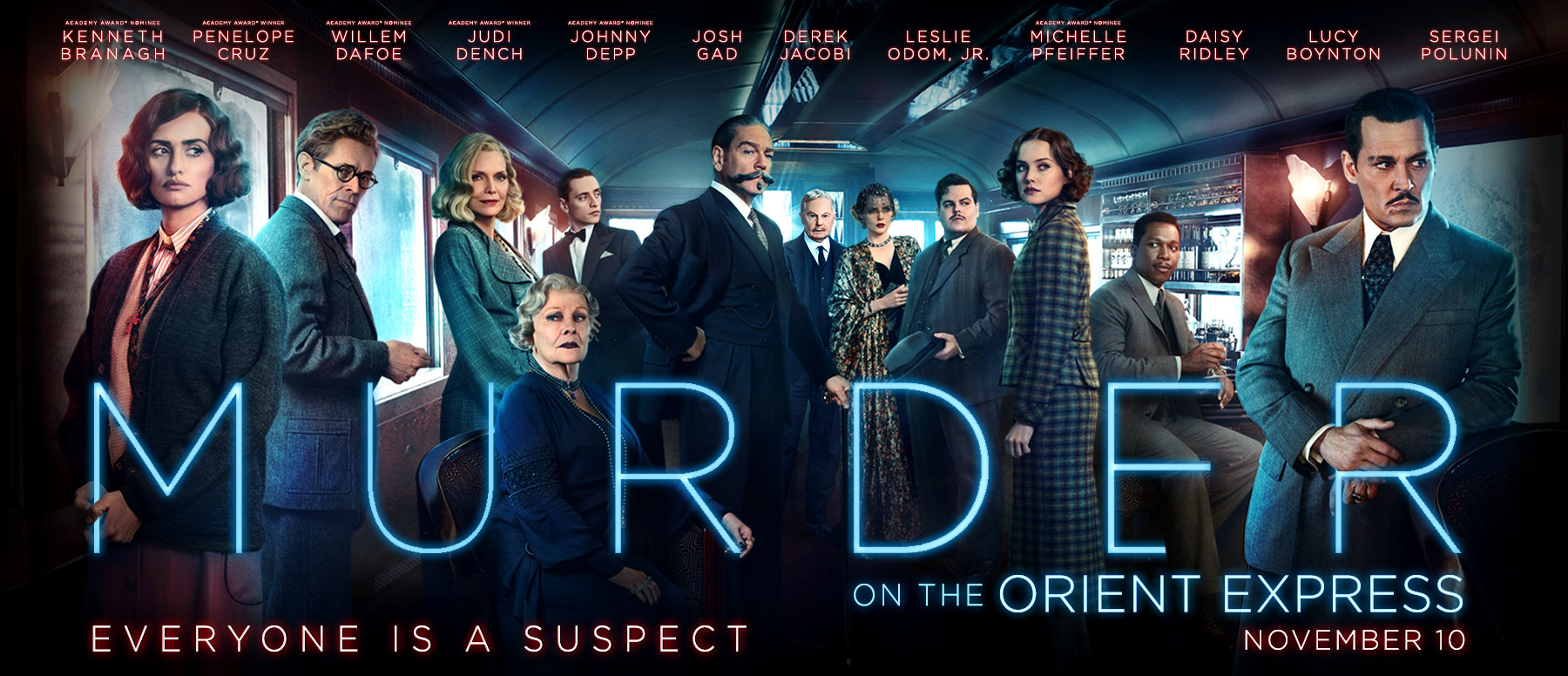
(4 / 5)
Agatha Christie wrote many murder mystery books and plays which all sought to reveal the savage nature of people. Strip away the finery and social class and we are all capable of the most brutal acts.
One of her main characters was Hercule Poirot a man that wears a distinctive moustache, cannot have eggs that are different sizes and is probably one of the greatest (fictional) detectives who ever lived. He is often mistaken for French because of his accent, but is in fact Belgian. While one case has just wrapped he is called away to another, to get there he must board The Orient Express.
Kenneth Branagh takes on the role of the Belgian detective. Like Sherlock Holmes he has a sharp eye and when there is a crime considers it his duty to solve it. However he doesn’t so much do it for thrills rather than a task that must be undertaken to set the world right. He could be considered just another pedantic gentleman that enjoys food, drink, art and company, but when he must he sees into the nature of the individual and human nature itself. The performance allows for fluffy fun and sharp seriousness.
As well as taking on the main role Branagh works behind the camera. He comes with more than a few neat visuals. Long unbroken shots of moving through the train, overhead shots where the location and characters seem like pieces on a board-game and looking at the characters through the tilted edges of glass creating the effect of dual faces. As an actor as well he knows how to talk to his cast so solid performances from all.
On the train are many passengers from all walks of life. An Austrian professor (Willem Defoe), a count (Sergio Polunin), a governess (Daisy Ridley), a missionary (Penelope Cruz), a widow (Michelle Pfeiffer), a Salesman (Manuel Garcia-Rulfo), a doctor (Leslie Odom Jr.), a Princess (Judi Dench) being accompanied by her maid (Olivia Colman), a gangster named Ratchett (Johnny Depp) that feels his life may be in danger, he is accompanied with his butler (Derek Jacobi) and assistant (Josh Gad).
While the train marches along one night lightning strikes the mountain sending snow down, blocking the tracks. It is easily dealt with in due time, but not all of the passengers are present, Ratchett has been murdered. Who did such a thing to an unquestionably bad man? That is the question and through clues, cross referenced with alibi’s and Poirot’s deduction skills the truth will be found.
This is probably the definition of an all star cast. Every one of the passengers is a big star. This takes away from being truly engaging but it also helps hide the identity. If this was a cast of lesser profile actors, or unknowns and only one A-Lister then we’d instantly be drawn the the one star and suspect them. But being that they are all big names there clearly wont be any favouritism.
There are many more books to be adapted if this one does very well. It could, considering it’s great cast. If the studio does go on to do more then they will. It is odd being that everything has to become a franchise now, but still there is nothing that is building up for the next movies, you can go into this one and know nothing about Poirot, you will learn by the end and be satisfied while the credits roll.
All that being said this is a well crafted and acted movie that has an expert both behind and in-front of the camera as well as having one of the greats works by one of the greatest writers in the genre. How could it go badly? I’m not sure but I’m glad it didn’t.
Review The Death of Stalin by Jonathan Evans
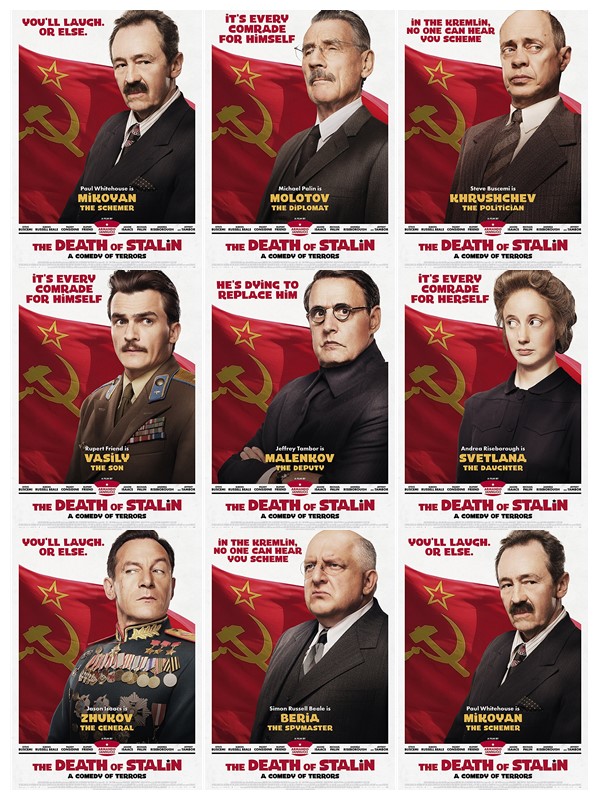
 (3 / 5)
This movies creators probably had the same thought that Stanley Kubrick had while making Dr. Strangelove. That though the basic facts are real and the subject, as well as the consequences are serious, when you say it out loud, it’s pretty funny.
The movie opens in 1953 where Russia has won the war and is securely under the control of Joseph Stalin (Adrian McLoughlin) who is simultaneously adored and feared by the people. To be his enemy or even be considered to be one mean your name goes on a list and when your name goes on the list you get executed. One night while an orchestra is being performed Stalin phones up the venue and orders that he be sent a recording of the performance, being that it wasn’t being recorded the guests must be seated and the musicians must play again.
At his palace Stalin is having a boys night of food, drinks and cowboy movies. His company is Georgy Malenkov (Jeffrey Tambor), Nikita Khrushchev (Steve Buscemi), Vyacheslav Molotov (Michael Palin) and Lavrentiy Beria (Simon Russel Beale). All act more like workmates joining each-other at the local bar rather than officials that are there to run a country. At the end of the night the men go home, all quite drunk, to their wives and hoping that none of them has done anything to anger Stalin. During the night Stalin listens to the orchestra recording and stars convulsing then collapses. The next morning the maid finds him and so the real madness begins.
With his death it sends the men into a battle for both power and ego. They race and debate on who should takeover head office, who’ll be allowed to drive off first, one implements a policy that the other doesn’t like so they revoke it just out of spite despite the terrible repercussions.
Adding the the comedic element is the fact that nobody cares about the real life characters accents. Throughout the cast is plenty of American and British actors and they are all playing Russians and that doesn’t matter in the slightest, they speak how the actors speak.
While all their squabbling is reaching it’s heights in comes marching Georgy Zhukov. With an entire chest of medals, tolerating none of their juvenile behaviour and speaking up to no one. Jason Isaacs completely has fun with the character, sinking his teeth into the dialogue and taking a big bite out of whatever scene he’s in. One of the best parts of the movie.
This is a fun costume drama that embellishes on certain facts about what really happened and shows the pettiness that men can be capable of when the highest position of power is in-front of them they’ll sink to any depths. There is only one joke really, these men are petty, but they find enough variations that the movie is never a drag. There are about three solid laughs to have in it, during the rest of the movie you will be smiling.
Jonathan Evans
Review Happy Death Day by Jonathan Evans
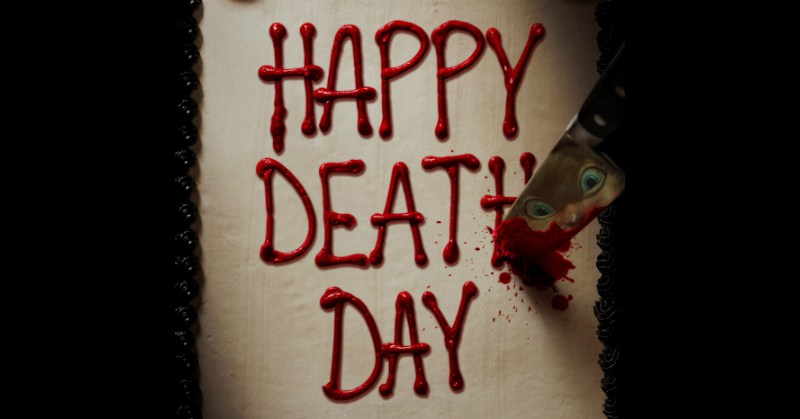
Happy Death Day is a black comedy with pieces of a genuine horror mixed in, essentially Groundhog Day meets Halloween. From that you can already guess the main problem with the movie, it lacks a distinct personality. It is quite good at times and blunt at others but the overall product has a tonal problem that leaves you coming out of it not sure with what you just saw.
It opens with a girl named Theresa waking up in a college dorm room, she is hungover and can barely remember the night before, she goes about her day and things happen that establish that shes popular but not very nice. It is also her birthday, which she doesn’t want people to know or acknowledge herself. She heads out for the night, while on her way a figure appears and stabs her to death. She then wakes at the start of the day and must relive the day of her murder over and over again.
Jessica Rothe plays Theresa. She fulfills everything that the script requires her to do well. She screams very high and loudly, she comes off like a spoiled rich kid, there are other moments that call for her to be funny etc. She does a solid job in the movie.
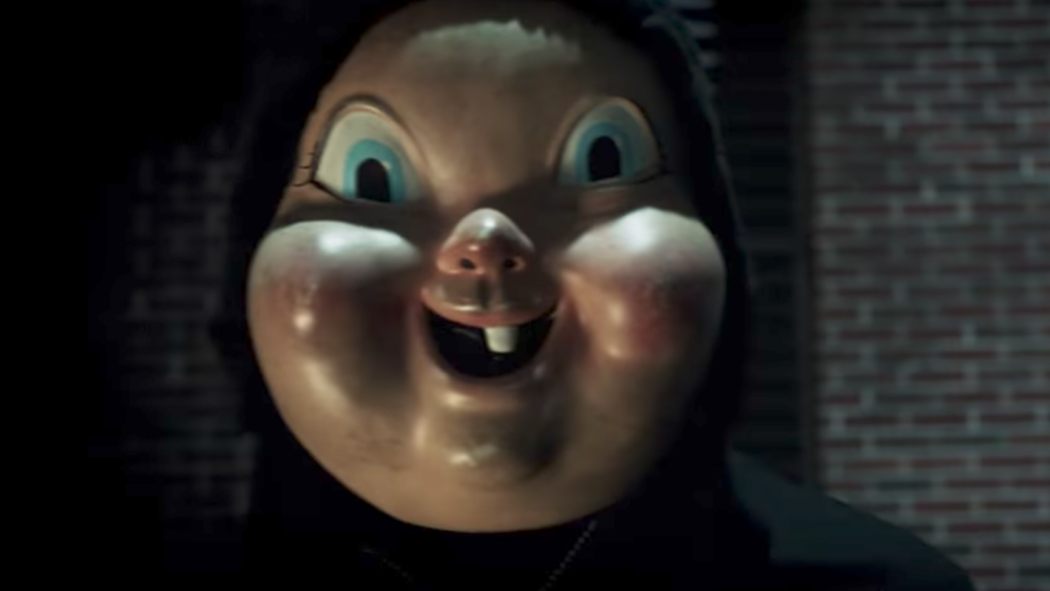
The killer is dressed entirely in black with a cartoon baby face mask. A good design that is both distinctive and easily recognisable. It may become iconic and then again it might not, but credit goes to creating an easily registrable visual.
With any kind of teen movie as well and having a plot where repetition is a main theme naturally there is a montage sequence. It is stuff like this that clashes with the overall movie. Are we meant to always be laughing or genuinely feel frightened for out main character? At the start we do, then it becomes a case of “ow dang it!” then near the climax we’re meant to feel for her again.
This is a spoiler free review but I will say that the two main questions I had while watching the movie were (obviously) how is all of this happening? And how does the killer seem to always magically track her down? We get answers to none of these.
The concept is fine and the execution is good at times as well. However it’s stereotypical portrayal of teens and suffering from either not knowing what it wants to be or wanting to be too many things it becomes pieces of a solid work rather than a whole. If there are no better offers at the cinema then it isn’t a waste, but is also only worth one watch.
Jonathan Evans
Review Thor Ragnarok by Jonathan Evans
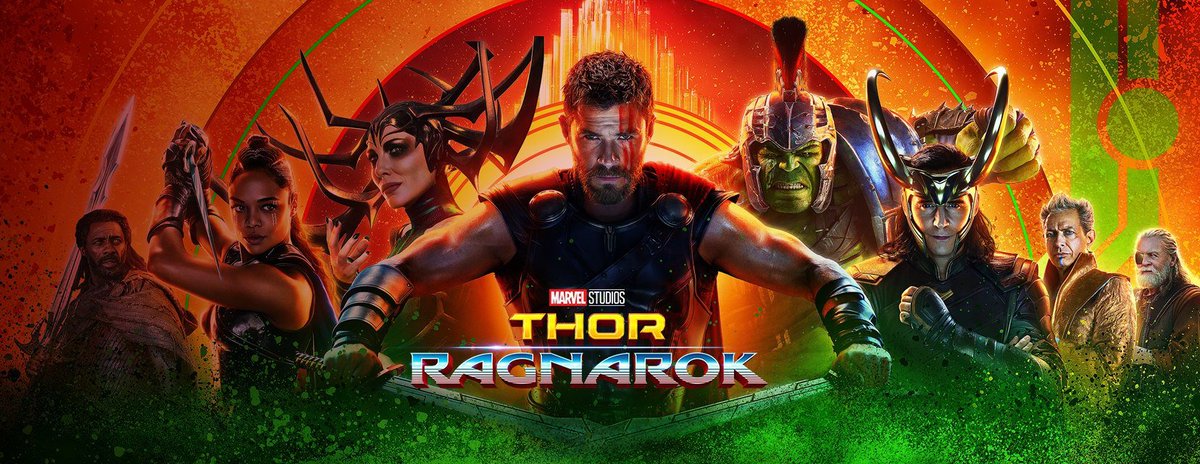
 (5 / 5)
Let me tell you about a man named Jack Kirby. He worked in the comic book industry for most of his life. He made history when he and Stan Lee created The Fantastic Four together, from then on he co-created or created so many other characters I wont even try listing them. He propelled the medium of comics to feats of wild, cosmic scale ideas, that with the tools of paper and pen you could say and show the vastness images humanly conceivable. He had his own style that he continued to refine and produced so much work on a seemingly nonstop basis. He is probably one of the most influential figure for the medium of comics and the genre of superheros.
Thor Ragnarok operates, more than any other MARVEL movie like something Kirby would have created. It packs in so many ideas and visuals, it crackles with the enthusiasm of putting so many different kinds of characters, lines and images into a great vision.
Writer director Taika Waititi is a man with a unique gift for comedy and story telling. His previous two movies which I’ve seen are What We Do in the Shadows was an amazingly fresh take on vampires and Hunt For The Wilderpeople was one of the most original, well-made and hilarious movies that I’ve seen in a while. Here he inserts his unique brand of humor and also adopts most of the things we’ve come to expect from these MARVEL movies. Expect many quips.
Entering the picture is Hela, played by living screen legend Cate Blanchette. This is the role where she definitely has had the most fun in. She is a larger than life character that who’s nature is a big reveal for the Thor franchise and is easily one of the most powerful adversaries in all the movies. Since Loki the MARVEL movies now have another really engaging villain for their roster.
In this movie Heimdall, played by Idris Elba finally gets to play a more important part of the story. Elba is still not used to his full potential but at least it is more deserving of an actor of his caliber.
Due to plot reasons Thor is transported to the planet of Sakaar, when there its two obvious main influences shine. The first being Kirby, with it’s varied colours and designs using circles and blocky lines that resemble the circuitry of a computer chip. The other it’s science fiction movies of the eighties.
Another reinforcement of having the eighties as their influence is the music. Mark Mothersbaugh creates a synth rock score like something John Carpenter might have created. As well as the most perfect use of Led Zeppelins The Immigrant Song.
They really did find their perfect star for Thor. Chris Hemsworth comes with the muscle, hair and chiseled jaw that artist have drawn Thor to look like but he himself also has so much charm and is able to absolutely deliver a joke. To look at he’s Thor and he is him in performance as well.
A shaky first act and some other emotional moments that probably go by too fast so you don’t truly get absorbed into them are such minor complaints that they are hardly worth dwelling on. This is is crazed mad vision brought to life by a filmmaker who knows their craft and was given a budget to see it through. It is a glorious, unashamed baroque rock n’ roll nerd painting.
Review, Spamalot, Exeter Northcott Theatre by Hannah Goslin

(4 / 5)
If anyone is anyone from the ages of 20 and above, it is unlikely that you did not grow up with Monty Python and their slapstick, intelligent humour. Despite the Python’s Holy Grail making its debut on our screens in 1975, their comedy and genius sketches have become not only legendary but with the ability to never age, becoming a deep part of British culture.
To bring something so acclaimed to the stage must be daunting, however with the input of Python’s own Eric Idle and original Holy Grail score writer, John DuPrez, what we see on television is brought to live performance with every bit of silliness and pizzazz as the original.
The performers themselves took on every character with perfect recognition of the originals, to uncanny resemblances of John Cleese in King Arthur particularly, making us feel as if the Python’s were really in the room. To bring such simple comedic tricks that often are hidden on television, the performers perfection in timing and perfectly rehearsed actions and movements, made us see a performance that left little to critique in what could be improved upon.
Fun was poked at the status that the performance found itself in – as a live musical number with little to hide in special effects. Songs were created about how romantic songs lead to a kiss or how an actress had been off stage for too long and her annoyance at this. Special effects weren’t trying to be hidden and clever, but became satirical and obvious, creating humour in not only our views of musical theatre but adding to the key approach that the Python’s take to comedy.
What really made this production special was the interaction with the audience. We were not left behind or made to watch but our knowledge engaged us in the action – singing along to well-known tunes, laughing uncontrollably at the same jokes that never get old, and cheers from the crowd at favourite character entrances and scenes from the original sketch. Even a slight moment of corpse-ing from the performers did not take away from the fun – personally I love a moment when performers slightly lose track. To me it makes them human but also shows how much they enjoy the performance themselves, and such as in this case, it never destroys the audience’s belief but creates more humour for them.
Spamalot is a well-constructed and brilliant production, bringing the 1970’s humour of the Python’s to new audiences but also revoking comedy for the older fans; modernising the production to fit current situations yet somehow keeping the original essence of The Holy Grail, this performance is a triumph.
Review: The Death of Stalin watched at Chapter Cinema Studio.
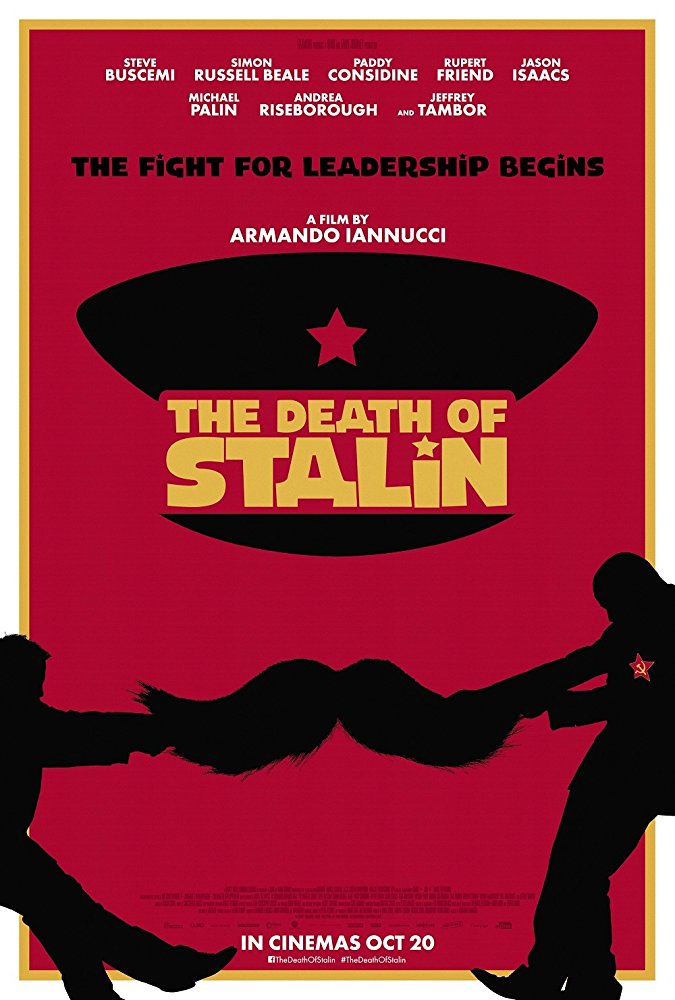
(4 / 5)
Armando Iannucci’s The Death of Stalin pokes irreverent fun at the likely sense of paranoia and ambition surrounding the demise of the tyrant and is hysterically funny.
Production Details
Directed by Armando Iannucci
Written by Armando Iannucci et al
Jason Isaacs as Georgy Zhukov; Andrea Riseborough as Svetlana Stalin; Olga Kurylenko as Maria Yudina; Steve Buscemi as Nikita Khrushchev; Rupert Friend as Vasily Stalin; Jeffrey Tambor as Georgy Malenkov; Paddy Considine as Comrade Andryev; Richard Brake as Tarasov; Michael Palin as Vyacheslav Molotov; Simon Russell Beale as Lavrentiy Beria; Paul Whitehouse as Anastas Mikoyan; Jonathan Aris as Mezhnikov; Dermot Crowley as Kaganovich
Country: France and the UK
Time: 106 minutes
Cert: 15 for strong language throughout and infrequent scenes of strong violence
Story of The Death of Stalin
The film is based upon the French Graphic novel La mort de Staline, which depicts the final days of Stalin and the upheaval occasioned by the death of Josef Stalin in 1953, amongst leading members of the Central Committee of the Communist Party of the Soviet Union.
The film shouldn’t be taken as a statement of historical fact, although in many ways it is surprisingly accurate.
Stalin’s court of the Red Tsar was so grotesquely idiosyncratic that it contained within its morose heart a strong vein of absurdity. If you want real history, go to a history book not a film, especially not a comedy. But surprisingly, the details are excellent: the khaki facade and wood panelling of Stalin’s mansion, the line of phones, the Packard limousines, the white summer suit of Malenkov. Yes, there are mistakes: the NKVD secret police was then the MGB; most of the titles are wrong. Molotov,
Mikoyan and Beria had all been sacked as ministers of foreign, trade and internal affairs four — or, in Beria’s case, eight — years earlier, and so on, but none of that matters.
Extracted from an article by Simon Sebag Montefiore featured in the Culture Magazine of the Sunday Times ( September 24 2017).
The film start with a supremely funny episode where the Russian pianist Maria Yudina is playing the achingly beautiful 2nd movement of Mozart’s Piano Concerto No. 23 which is being played on Russian State Radio. A phone call from Stalin to the director says he wants a recording of the concert just as it has finished. Of course, the concert has not been recorded, and as the orchestra and audience disperse, the direct frantically recalls them so that they can do part of the concert again, this time recording it. By now, the conductor has had an accident involving a blow to the head, the pianist will only play for a large sum of money and a team is sent out to the streets of Moscow to shanghai anybody they can find to fill the gaps in the audience and create a sufficient level of applause. Of course, the people that are brought in are the last you would expect at a classical concert, the dregs and low class of Moscow society. An eminent conductor is himself kidnapped from his bed to conduct and he turns up attired in dressing gown and pyjamas.
The pianist, has managed to sneak in a defamatory note within the record sleeve of the now recorded performance, which, when read by Stalin causes a cerebral hemorrhage subsequentally leading to his death.
Ludicrous as this seems, it does have an element of truth. Maria Yudina was playing this very Mozart piece in 1944, (not 1953 as in the film), at a concert live on Soviet, radio when Stalin so taken by the performance, asked for a recording. However, as it was a live recording, it didn’t exist. So Maria was dragged out of her bed in the middle of the night and a makeshift small orchestra was assembled and the recording was made during the small hours with the one pressed copy going to Stalin.
It just goes to show that even the most coarsest of Georgian dictators can have the most supreme taste in music.
Maria’s sending of the note is totally fictitious and potentially libelous excepting the fact that she has been dead for forty seven years. This storyline does feature in the graphic novel and has been transferred to the film.
The director has cleverly adapted this truthful event into the plot of the story recognising its comedic potential. This is a prime example of Armando Ianucci’s supreme eye for comic material based on elements of fact.
The Script
The script maintains a high level of wit throughout; or at least, until the harder edged final twenty minutes. An abundance of highly amusing lines pervade throughout. I particularly liked the line uttered by Steve Buscemi’s Nikita Khrushchev when given the dubious honour of managing the state funeral of Stalin.
Whilst his assistant is making Stalin as beautiful that a dead dictator can be, he complains, insisting he hurries things alone, that He isn’t Clark Gable.
Incidentally, Gable was one of Stalin’s favourite actors.
There is anoter scene which comes straight out of Monty Python, and I don’t write that just because Michael Palin appears in it. Beria has kept his wife secretly in prison and Palin’s character Molotov, trying to ingratiate himself with the all-powerful spymaster and head of security, when his wife’s name comes up refers to her as a treacherous spy and other extremely abusive terms, not knowing that Beria has released his spouse who is standing just behind the door but not in Molotov’s view. Beria and Khrushchev knowing about the presence are increasingly getting more and more uncomfortable so Beria, to save further embarrassment announces her presence, so that when she walks in Molotov greets her with effusive affection in the total opposite manner that he had second before showed.
The Cast
If ever a more talented comedic ensemble class has been out together for a film in recent years, I would like to know about it. The talent on display is breathtaking. Mostly British, there are a couple of notable exceptions including the brilliant Steve Buscemi, Is there a better character actor in film today? Simon Russell Beale might be the one more likely to win awards for his portrayal of the brilliant, ruthless and ultimately dead Beria. He carries the right balance of playing an evil man but in a comedic way.
Andrea Riseborough is brilliant as Stalin’s daughter Svetlana, becoming more and more paranoid due to Steve Buscemi’s Krushchev insistence that he will protect her in the aftermath of her father’s demise, when she had been previously unaware that she needed to be protected in the first place.
Rupert Friend as Svetlana’s crazed brother Vasily, is extremely funny, especially when it comes to composing and delivering his late father’s eulogy.
For me, the pick is Jason Isaacs, who doesn’t appear until half way through the film. However the wait is worth it. His portrayal steps right out of the graphic novel. He is totally OTT playing General Georgy Zhukov with a broad northern accent and no-nonsense approach to all things militaristic. This is actually very close to the characteristics of the real life General – excepting he wasn’t a Lancastrian.
I could go on because there are other brilliant caricatures in this film.
Summary
This is the funniest film that I have seen in years. Admittedly, it won’t be to everyone’s taste, but unlike so many other films of this genre, although it is totally OTT, Ianucci manages to keep matters from getting out of control. The cast seem to have been enjoying making the movies as well as filmgoers receive it, which is usually a good sign. I recommend this unreservedly to those of you who like Ianucci’s work, (Veep), Monty Python fans and the films of Wes Anderson.
Critical Response
It has been received overwhelmingly positively and has a score of 7.7 on IMDB and a 96% approval rating among critics on Rotten Tomatoes.
Trivia
A principal location used for The Death of Stalin is “Blythe House, 23 Blythe Road, West Kensington, London. This property which nowadays stores artificats from the Victoria and Albert Museum and the British Museum, was used as “The Circus” in the 2011 adaptation of John Le Carre’s Tinker Tailor, Soldier Spy.
The film may well be banned in Russia, although it has a distributor in that country. n September 2017, a high-ranking official in the Russian Ministry of Culture said the Russian authorities were considering a ban on the film, which, he alleged, could be part of a “western plot to destabilise Russia by causing rifts in society.” That line could come right out of this film.
Official Trailer
For listings at Chapter please go to
https://www.chapter.org/death-stalin-15
It plays until 9th November
Roger Barrington
Review My Little Pony The Movie by Jonathan Evans
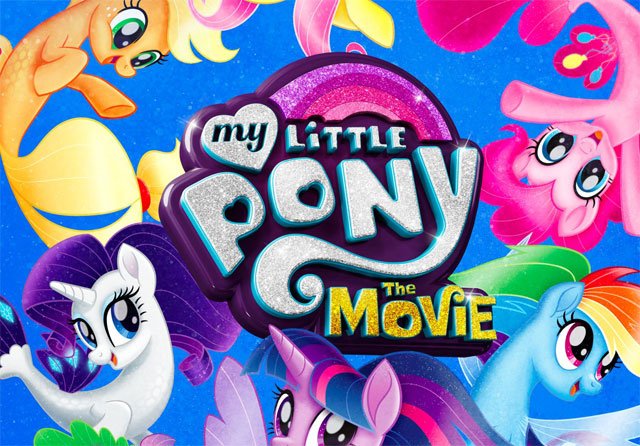
(3 / 5)
Probably to the shock and awe of everyone when we got another iteration of the My Little Pony franchise it’s standard of quality was higher than we expected but it also gathered a large audience from not just little girls but boys and not little boys elderly men. They are known as Bronies, so the show had an extra audience that they probably didn’t count on. I know about this because I am one.
Our main group of characters are (bare with me, these names are real I swear) Twilight Sparkle (Tara Strong) the book smart but also neurotic and worrisome, Applejack (Ashleigh Ball) the hardworking, salt of the earth type, Rainbow Dash (Also voiced by Ball) the hot-headed enthusiastic one, Pinkie-Pie (Andrea Libman) the colorful, bouncing, party obsessed funny one, Fluttershy (Also voiced by Libman) the shy, delicate one who will be the last one to start or join a fight, Rarity (Tabitha St. Garmain) the fashion obsessed fussy one and finally is Spike (Cathy Weseluck) the little dragon who is always there for support. These are the typical archetypes that we’ve come to know for a group dynamic but they work here because they’re still distinctive from the other archetypes, few are as mad and fast talking as Pinkie Pie, or quite as intricately paranoid as Twilight. Reusing a formula is OK as long as you make it distinctive, which they do here, so there’s still something to connect and remember.
For the plot our group is gathered together for a special celebration, all is happy and going fine but a dark cloud approaches and from it emerge invaders that take the castle. Our heroes escape and now need to travel the lands and find allies.
The animation is an upgrade from the show, having much wider and detailed range of expressions from the characters as well as wider shots along with more sweeping movements from the camera. None of this is able to compete with Disney, Dreamworks or Ghibli but who says it has to? The show has its own style and it gets more effort put into it here.
This is is up there with one of the most vividly colourful movies I’ve ever seen (equal with Trolls). There is every single bright colour used here, from primary’s to others like turquoises, fuchsia and creams. But it never becomes saturated because each character has their main colour and the backgrounds are distinct so even if you squint you will know who is who. This is a good use of the tool.
This is a musical adventure. Though I must say that the songs are the weakest part of the movie. I can’t recall one of them from memory. They play at moments of plot-points or to expediently have a character tell you a lot about them. They may have other young fans singing them and buying the soundtrack but these aren’t the high-points of the movie.
For the big screen they gathered celebrity casting as you’d expect. The names are impressive with names like Zoe Saldana, Liev Shreiber and Michael Pena as-well as others. But they all fill their roles very well and are not distracting. These are actors that know how to be behind the microphone and create a character using only their vocals. Probably the biggest is super star Sia, essentially playing herself as a big musical star.
The main antagonist Tempest is easily the best part of the movie. Her darker colours contrast the others as-well as the world. The animators clearly put in effort with her facial expressions, most prominently her eyebrows. Emily Blunt puts on an American accent flawlessly and enjoys sinking her teeth into this no-nonsense, very fearsome threat.
For young children this movie will definitely entertain as well as comes with basic but fundamental lessons. For the older fans (which do exist) they will be glad to see their characters on the big screen in a bigger scenario. But the true appeal of the movie is probably what got young girls and older males to become fans, it has a distinct and undeniable charm.
Hanazuki Review
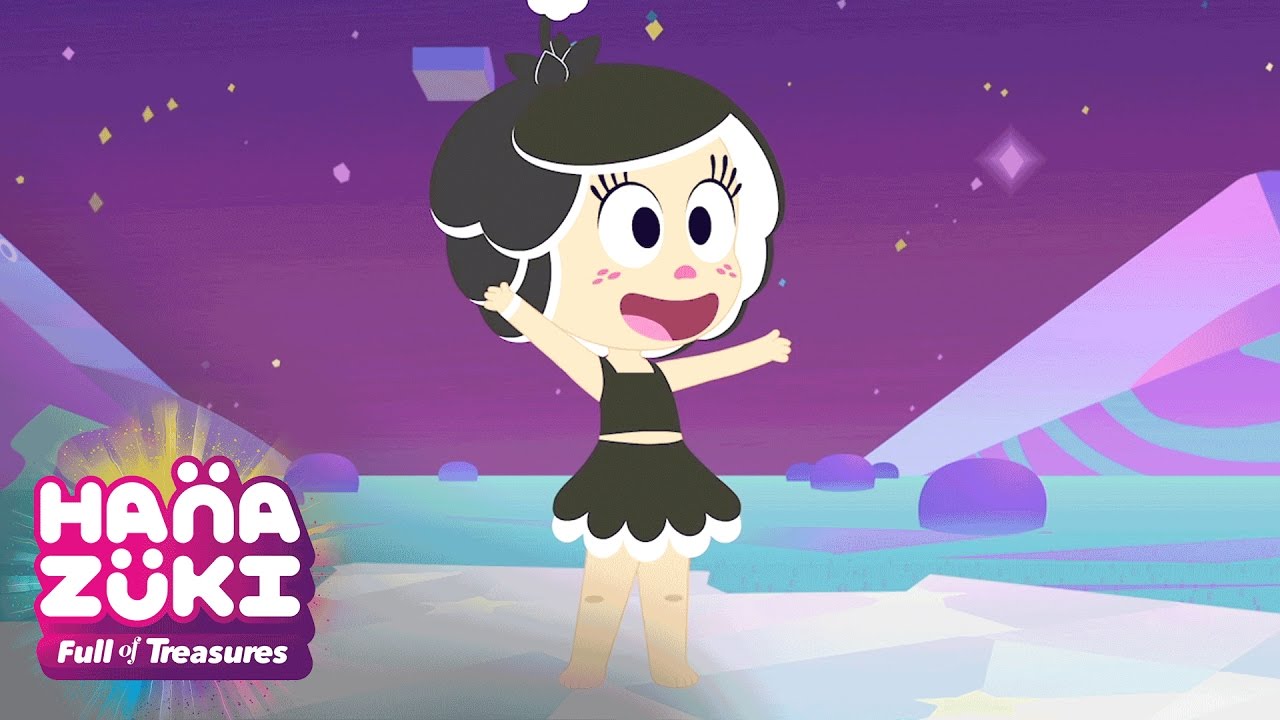
The opening short for this movie is a journey of colour, imagination and friendship. it is actually doing all the movie seeks to do and does it better.
It is instantly accessible, charming beyond belief and tells a full story. I would be glad to see this again as well as have it shown to children.
(5 / 5)