
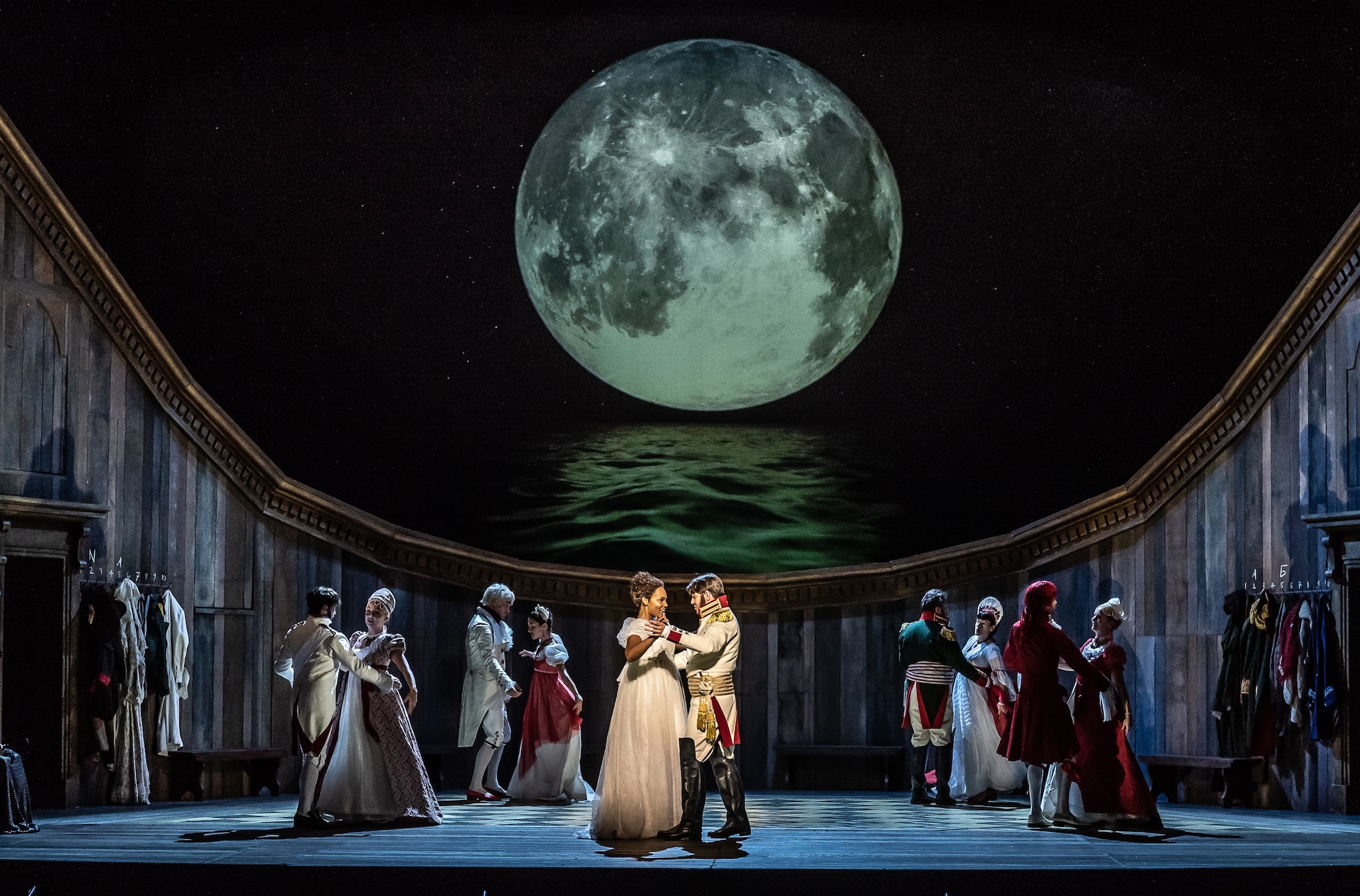
 (4.5 / 5)
THE REVIEW
Continue reading Video Captioned Review of the WNO’s War and Peace by Roger Barrington

(4.5 / 5)
Spike Lee’s latest joint, BlacKkKlansman is based upon the book of the same name by Ron Stallworth who relates his amazing experience as Colorado Spring’s first African-American police officer, and his infiltration of the local chapter of the Ku Klux Klan.
At times hilarious, it never fails to be an engrossing and unbelievable story, even more so as it is based upon real events.
Lee has reset the action to 1979 although in reality, they occurred seven years earlier. With questionable fashions and afro hairstyles, you can easily be mistaken for believing that you are watching a 70′ Blaxpoitation film.
Ron is at first assigned to the Records Department of the Colorado Spring P.D. There he frequently encounters racial insults from his so-called colleagues, especially the out and out racist Andy Landers, (Frederick Weller), and consequently feels that he can be more purposefully employed undercover.
His initial assignment is to cover national civil rights leader Kwame Ture, (perhaps better known by his birth name, Stokely Carmichael), address at a local rally. There he meets Patrice who is the president of the black students’ union at Colorado College.
Later, Ron is horrified to learn that Ture who is being escorted back to his hotel post rally, had been threatened by Landers, and Patrice sexually assaulted under the guise of police handling a situation.
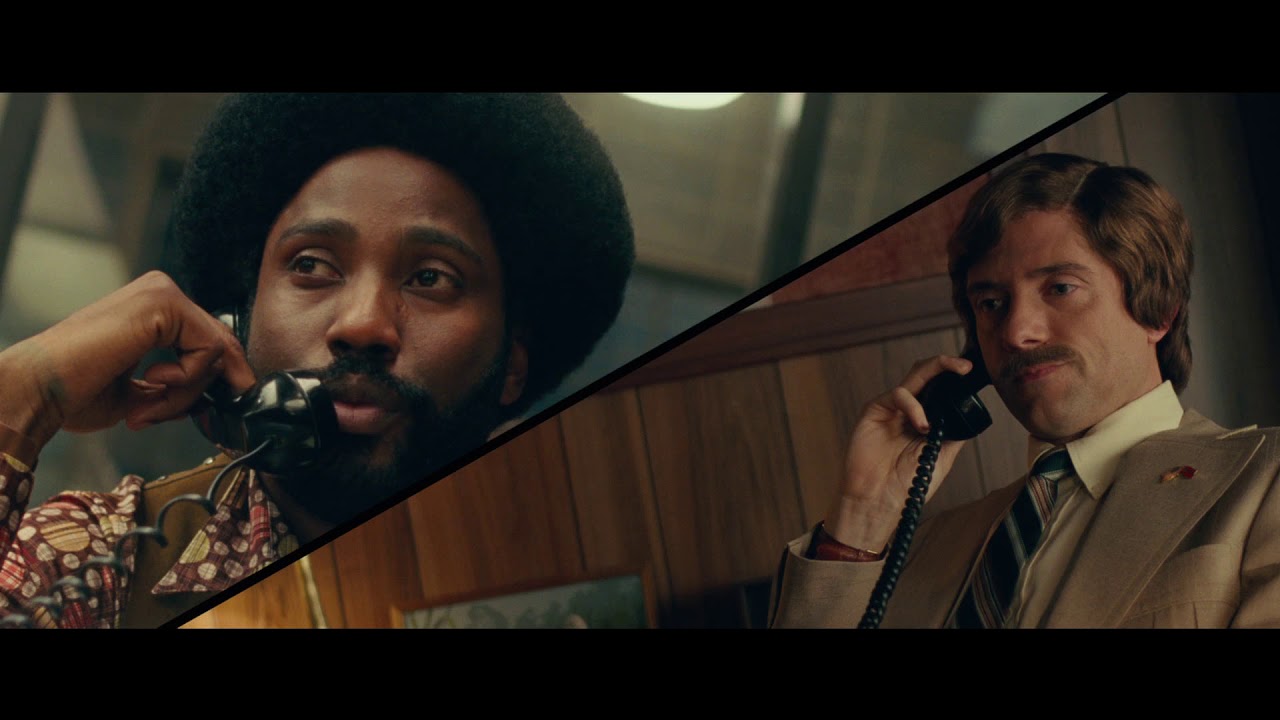
Ron is then reassigned to the Intelligence Department where he notices an advertisement in a local newspaper for recruiting new members to the local chapter of the Ku Klux Klan. It amazes me that a country that prides itself on individual freedom, has no “hate crime” legal definition that allows such an insidious organisation to be allowed to flourish in the 21st century. Ron picks up the phone and amazes his colleagues in the room, by launching into a vitriolic tirade of abuse against black people. He is so convincing that he dupes the recruiter of his deeply engrained racialism. Ron states is ability to be so convincing stems from being fluent in both The King’s English and Jive.
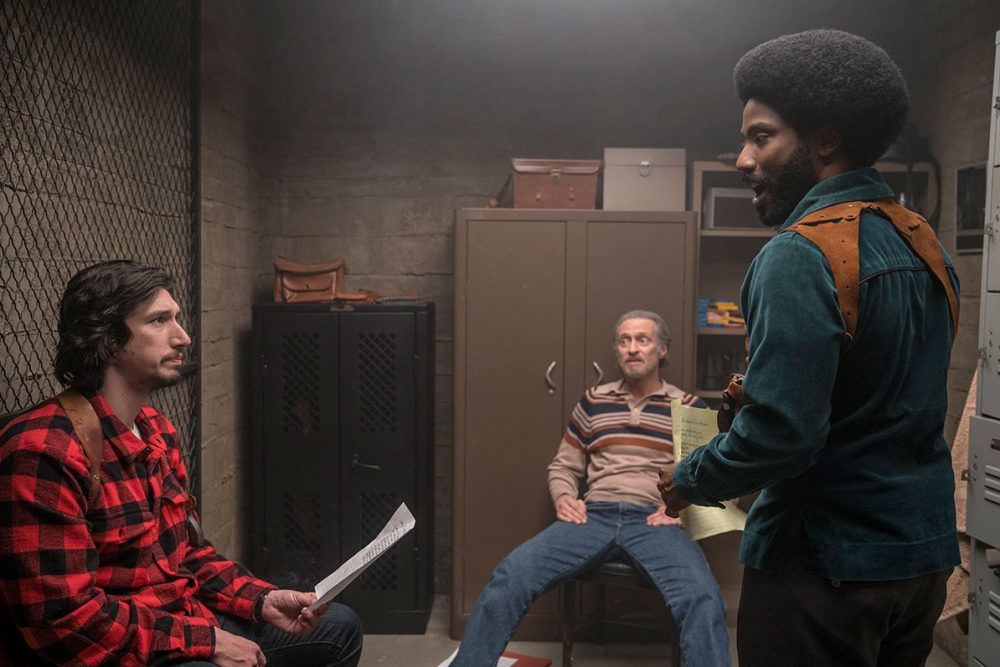
The problem that lies ahead is how to deal with face to face encounters. Enter Flip Zimmerman, (Adam Driver) who trains himself to imitate Ron’s style of speaking and gradually ingratiates himself within the local chapter.
In order to expedite his membership, Ron phones David Duke, the KKK Grand Wizard. He so impresses Duke that they start a regular conversation over the telephone and the Grand Wizard, readily agrees to pass through Ron’s membership acceptance and promises to attend his ceremonial baptism into the Order.
Flip is Jewish and after the hatred of the Afro-American community, Antisemitism is the next important agenda for the KKK. Flip, through his involvement in the undercover assignment, for the first time becomes aware of his Jewish identity, and he too realises like Ron, that he is to some extent an outsider in the Land of the Free. A bond develops between the two of them as they infiltrate deeper and deeper into the KKK local chapter.
In many ways, Spike Lee’s film is one of contrasts. Kwame Ture and David Duke are both advocates of social reconstruction. Patrice doesn’t at first know that Ron is a cop, but, later, they both accept that their purpose is the same – to help their racial group emerge from the gutter of white dominance. However, Ron insists that it can only be achieved on the inside, exemplified by his role in the Colorado Springs P.D. and through his KKK infiltration, whilst Patrice believes it can only be obtained on the outside, through rallies, literature and other media instruments. When the real Ron is assigned to provide personal protection to David Duke at his fake counterpart’s baptism, (along with others), you have on the one hand, the KKK whooping it up and getting off watching D.W. Griffith’s technically brilliant but racially charged 1915 epic, “The Birth of a Nation”. At the same time Jerome Turner, (Harry Belafonte), an elderly civil rights leader relates a story about Jesse Washington’s lynching in 1916 to an Afro-American gathering. But perhaps the most striking example of contrast is in the final shot, where an inverted Stars and Stripes slowly fades into black and white.
The casting is spot on. In particular, the two Ron Stallworths are outstanding. John David Washington as the real Ron is both immensely likable whilst being able to portray a steely determination in eradicating the evil of the KKK. Adam Driver as Flip, is, in my opinion, one of the best actors around at the moment. Check out his brilliant performance in the title role of Jim Jarmusch’s masterful 2016 movie”Paterson”. His outbursts of racial tirades are superbly executed.
Spike Lee has an impressive portfolio of films that tackle social issues, (mostly against his own Afro-American community), behind him. “Malcolm X” (1992), “Inside Man”, (2006), “Get on the Bus”, (1996) among them, but BlacKkKlansman is the best film that he has directed for quite a while. Its lengthy 135 minutes running time passes by in a flash as the action and your interest never flags as you become enveloped within the two Ron’s infiltration. The film has received widespread acclaim and was awarded the Jury Grand Prize at this year’ Cannes Film Festival.
Lee keeps a controlled balance between moments of comedic brilliance and advocating a message of social injustice.
The KKK members come across as redneck dumbos who for all of their mental and racial inadequacies will shoot you in the head if you are Afro-American, Jewish, homosexual or any other minority group that doesn’t match up to their feeling of white supremacy.
David Duke, (Topher Grace) is a slightly different kettle of fish. His understanding of the situation is purely down to eugenics, in exactly the same way that members of the Nazi Government propagated their evil message. However, he doesn’t seem to have a personal hatred of Afro-Americans, borne out by his acceptance of the real Ron’s presence as his bodyguard, accepting his professionalism, and when he agrees for Ron to be photographed with him – something that our hero exploits to comedic effect.
For me, the final sequence that shows true life coverage of the Unite the Right rally at Charlottesville, Virginia that occurred only a year ago is really hardhitting. This white supremacist rally, attended by David Duke, resulted in fierce clashes and the death of a counter-protestor in a vehicle ramming attack. The refusal of President Trump to solely single out the actions of the supremacists in a subsequent speech provides Lee to ram home the message of the natural association between far-right policy and racialism.
It is a salient reminder that the U.S., (and for that matter Britain) is a tinderbox waiting to explode and we ignore this message at our peril.
Country: USA
Genre: Biography; Crime; Comedy
Running time: 135 minutes
Certificate: 15 for bad language and racist dialogue and themes
The film was viewed at Chapter Screen 1 and is also widely available at nationwide cinemas throughout the country.
Roger Barrington
 (4 / 5)
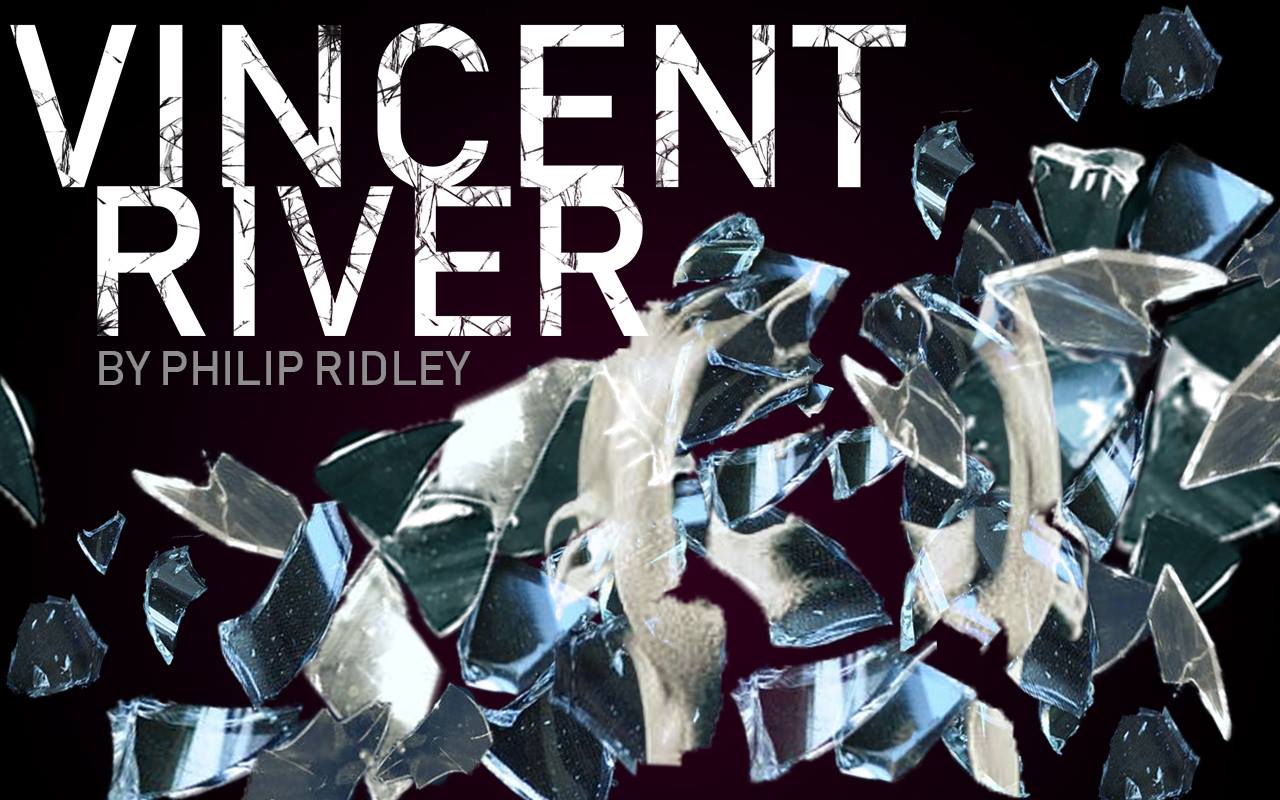
Philip Ridley’s tense two-hander receives its first performance in Cardiff with the action relocated to the Welsh capital.
In-Yer-Face theatre associated playwright Philip Ridley is renowned for his uncompromising scripts and action, and nearly twenty years on from its Hampstead Theatre premiere, “Vincent River” still packs a punch.
In a famous review of 1994 of Ridley’s “Ghost from a Perfect Place” Michael Billingham, probably Britain’s most renowned theatre critic launched a rant on the gratuitous violence on display. In turn Billingham was criticised for not getting the point.
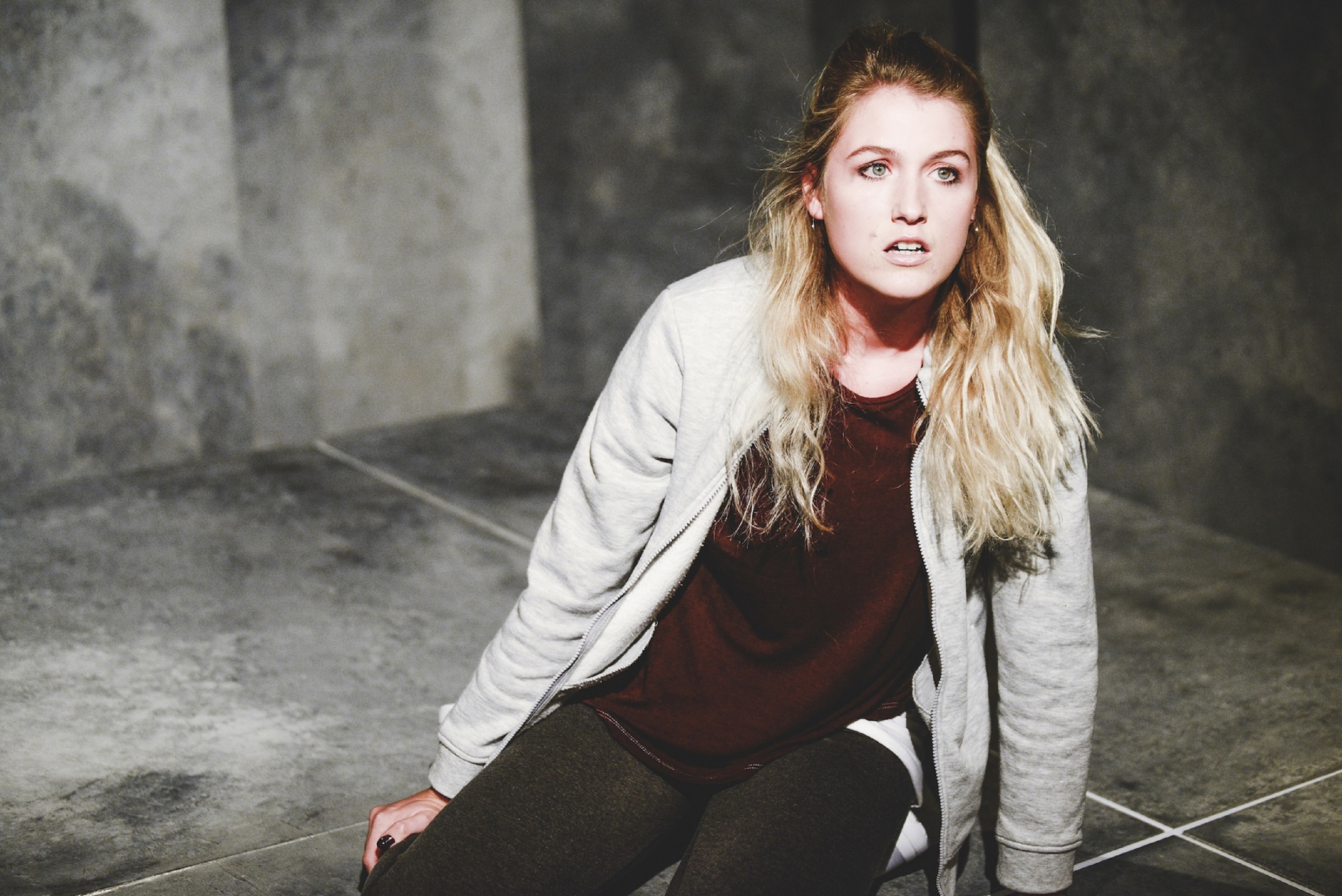
In “Vincent River” the explicit violence is only spoken about in a flashback”, and it is identified with lengthy soliloquys from Davey, (Aly Cruickshank) towards the end, more reminicent of another highly regarded Ridley play, “The Pitchfork Disney”.
As a gay man, Ridley often writes from his own personal experience, and this is shown in “Vincent River”, not only in terms of homosexual alienation, but in the character of Anita, (Victoria Pugh) who has been forced to relocate due to the unwelcome publicity in the aftermath of her son Vincent’s murder.
Davey has been stalking Anita for a while, anxious to offload something that is weighing heavily on his mind. After plucking up the courage to confront Anita in her new flat, and after an uncertain nervy start, the two of them engage in a feisty dialogue over the remaining 80 minutes. Ridley develops the character by both of them relating stories about their past – Anita with Vincent and Davey with his trophy girlfriend Rachael and his dying mother.
The climax is memorable with Anita bawling a Primal Howl, (I wanted to write Primal Scream to honour a favourite band, but it is a howl not a scream), that will echo in the memory of the audience long after the end of the play.
The blinding light as Davey leaves Anita’s flat may indicate a kind of release from the revelations that the charged conversation had revealed, but there is no catharsis in this play. You can’t really expect this in a play where a gay young man dies from a frenzied, pointless homophobic attack.
The question is why is Davey feeling a craving to speak to Anita? He found the body and reported it in to the police, but isn’t he too personally involved. That’s what Anita is wondering.
Ridley’s naturalistic dialogue urges fine performances from the two actors, and he receives it here. Aly Cruickshank who impressed me recently in Spilt Milk’s, “Five Green Bottles” provides another edgy performance, at times deserving the audience’s hostility and at others our sympathy.
Experienced actress, in all formats of performance, Victoria Pugh offers at different times an angry, grieving, sexy inquisitor a performance of subtly and emotional depth. Although, at times, when she showed anger and spoke more quickly, I did have a little difficulty understanding her. Mind this might be down to me, for in Aberdare, I do have some problems understanding my neighbours when they get agitated… which sadly is quite a regular occurrence!
Luke Hereford’s assured direction complements the two actors, although I think he has a little work to do in the middle of the play, that dragged a little, but that could be down to first night blues. Also a strategic repositioning of empty bottles may be considered.
Composer Josh Bowles’s input worked well within a space that exudes a great atmosphere for such an intense play as “Vincent River”.
One problem that I have with this play, from a didactic standpoint, is that audience members, whether gay or straight will already be sympathetic to the cause. I can’t envisage many homophobes parting with a tenner to watch this.
I shall finish with one sobering thought. It has been reported in The Independent newspaper last year, that in the aftermath of the Brexit vote, homophobic attacks increased by 147%. The re-emergence of nationalism and far-right governments have a tarnished history with regard to minority groups and one only has to think about Nazi Germany who persecuted homosexuals as well as Jews, Gypsies and political opponents with a relish that new no bounds.
“Vincent River” is a thrilling intense drama that gets the treatment from No Boundaries Theatre that it deserves.
An interview that I conducted recently with director Luke Hereford about this production can be found here.
The play uses pervasive language and covers mature themes and is deemed suitable for those aged over 14.
Its run ends on 21st September. I understand that tickets are only available for the performance this evening, (20th September).
Roger Barrington
 (3.5 / 5)
Matthew Bulgo’s somewhat uneven monodrama, relates the story of Lily, a twenty-something year old girl trying to come to terms with her disordered existence.
I am having trouble making out the reason for the title. The Awkward Years in psychology refers to adolescence, that period in your teenage years full of angst and difficulty communicating with your parents that many of us endure.
But Lily is not an adolescent. We discover that she has been employed as a swimming pool attendant for ten years and had also attended university. The sheer mundanessof this job, leads to her voluntary resignation after being confronted by her unrespected boss about her dozing off whilst on duty. Lily is probably dozing off because of the somnolent repetitive nature of her job – she exclaims that in ten year, she has never had to rescue anyone.
When she dozes off, she dreams of drowning, thereby signifying her struggle for survival as a person. Maybe her outburst that she has never been called upon to rescue someone, means that she feels that she needs to save someone else from their plight.
Matthew Bulgo’s playlet, (running time 55 minutes) is at its best in the opening scenes where Lily relates her dissatisfaction after a bout of casual sex. “I thought about masturbation, but couldn’t be fucked” is one of a handful of funny lines. The playwright skillfully draws you in so that you like Lily and thereafter care about what she relates.
Rather like Harold Pinter’s “No Man’s Land” the utterance of the title, The Awkward Years, triggers off a transformation in the nature of the play. It is at this stage where the play weakens, where a rather dull segment ensues where Lily outpours her angst to the audience. However Bulgo retrieves the situation in the final tender scene.
One thing that has impressed me since Dan Jones took over as Artistic Director of The Other Room is that under his stage direction, he manages to solicit outstanding performances from his actors. Lauren O’Leary has to release a gamut of emotions as Lily. With her attractive native Irish lilt she delivers her lines at times ferociously, (like a character in a Sean O’Casey play), at others with a comedic touch of excellent timing. On the basis of this performance, she is clearly a young actress to keep your eye on in the future.
I’m not sure whether Dan Jones’s use of robotic gyrating to display scene changes quite works for me. It does provide striking imagery well made use of by Angharad Evans effective lighting, but seems to get in the way a little of the natural flow of the dialogue.
Although there are similarities to Phoebe Waller-Bridge’s “Fleabag”, Matthew Bulgo has penned an intelligent and entertaining short play, enhanced by an outstanding performance by Lauren O’Leary, which is worth travelling a distance to see.
“The Awkward Years” continues its run at The Other Room, Cardiff until 29th September.
http://www.otherroomtheatre.com/en/whats-on/seasons/autumn-2018/the-awkward-years-by-matthew-bulgo/
Due to pervasive language throughout and mature themes, the play is intended for an adult audience.
Roger Barrington
(4 / 5)
The 51st annual Bromyard Folk Festival recently took place and I spent a delightful afternoon at one of Britain’s major showcases of home-based talent in this perennial music genre.
Performing at this year’s festival were headlining artistes such as Oysterband, The Young ‘Uns and the guy I was fortunate to catch, Chris Wood.
The Festival site is located about a quarter of a mile outside the attractive Black and White styled buildings of the Herefordshire market town of Bromyard. Only being 90 minutes drive from South-East Wales, makes it easy accessible. The town itself holds many fringe events such as bands playing in the pubs and Morris Dancers performing in the Town Square. The overall effect is quintessentially English, and, even on a murky drizzly September afternoon was sufficiently edifying for even the writer’s Welsh gaze.
At the field where the paid part of the Festival is located, there is a veritable cornucopia of activities that welcome the attendee.
The main acts are housed on the Wye Valley Brewery stage, housed inside a large marquee. This is where I watched the superb songwriter/musician, Chris Wood.
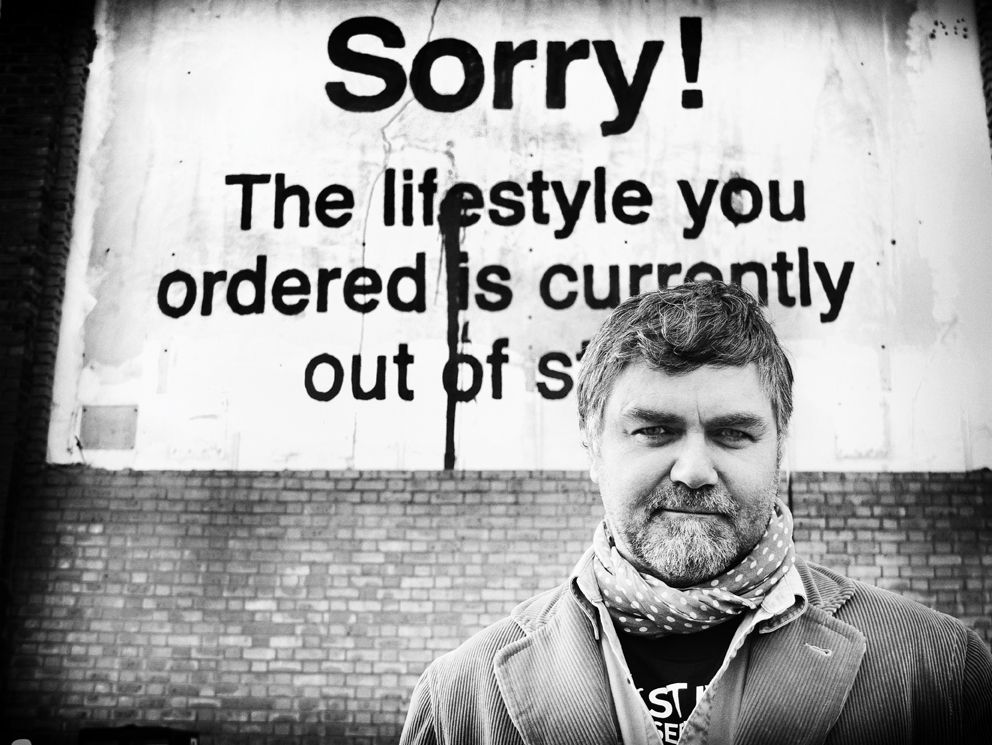
Self-taught on the guitar and violin, he is inspired by the traditional dance music of France and Quebec. What impressed me most was his witty and clever lyrics, presented with a clarity of vocal annunciation that hammer home the song’s message, but in a quiet easygoing manner. It isn’t too difficult to understand why he has been twice awarded the BBC Folk Singer of the Year. He has collaborated with Billy Bragg,and Martin and Eliza Carthy and other folk-world luminaries and recently supported Joan Armatrading, not that, (in his own words), she requires any support. And if, in the unlikely occurrence that his musical career flounders, he could make a decent living as a stand-up comic such is his highly amusing delivery.
You also have a large bar marquee where acts perform and an outdoor stage, where I witnessed the prancing antics of a Morris Dancing troupe. There are also a number of related trade stalls and food vendors, a children’s play area and competitive events are held during the Festival’s four days.
I found there to be a highly convivial atmosphere present between the organisers and festival-goers. Free car parking is provided in an adjacent field.
Already the 2019 dates are set for 5th-8th September 2019 and tickets will be available early next year. I am already looking forward to it!
Roger Barrington
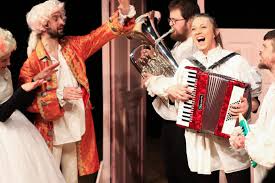
(4 / 5)
The Flop produced by Cardiff’s Hijinx theatre company in association with Brighton’s Spymonkey arrived in Brecon fresh from a successful run at the Edinburgh Fringe Festival.
The six-strong cast is equally split between able-bodied actors and those with learning difficulties. This i s a feature of earlier Hijinx productions and on the basis of the seamless integration on show in The Flop, works brilliantly.
At the heart of this short play, is the physical theatre of Jacques Lecoq. This great French mimic and teacher, believed that performers should work in such a way that brings out the best in their talents rather than be directed to work to a standard form. The end result should be one where the actors are liberated from realism and to provide a truly imaginative and creative forcefulness to their performance.
Spymonkey are a leading physical theatre company with an international reputation, having collaborated with household names such as Cirque du Soleil with their comedy routines in Zumanity – Another Side of Cirque du Soleil which they presented in Los Vegas. Their style of madcap buffoonery is clearly apparent in this production.
The show is a dream for the student of theatre. It is fun to spot the many theatrical styles on display. Besides physical theatre, you have The Theatre of the Absurd, (check out the surreal giant hedgehog in the final scene), The Theatre of Cruetly, Commedia dell’arte, farce, pantomime and musicals. All packed into seventy minutes of High Jinx. Hijinx’s ability to break constantly break down “the fourth wall” and the introduction of audience participation that results from it, works a treat.
The story revolves around the mad trials by impotence that existed in Pre-Revolutionary France. Unable to provide an heir, the Marquis de Langey, (Iain Gibbons) is subjected to the ridicule of public exposure when having to prove his ability to achieve sexual potency. brought about by his wife’s (Jess Mabel Jones) Machiavellian aunt, (Hannah McPake). The latter also doubling up as the Judge in the subsequent trial.
It would be wrong to select any individual members of the cast for praise, as they are uniformly excellent in their roles. Ben Pettitt-Wade’s direction keeps the show’s relentless comedy running at a breathtaking pace. At 70 minutes duration, it is just about right, for a lengthier production may prove to be a little wearing on the audience.
The Flop continues it run in England and Wales through to mid-October. Full details can be found at
http://www.hijinx.org.uk/the-flop/
Roger Barrington
Philip Ridley’s acclaimed one-act 2000 play, “Vincent River” tells the story of a mother whose son Vincent has been murdered in a homophobic attack. In the aftermath, she learns about her son’s homosexuality.
“Vincent River” stars Victoria Pugh (Hidden – BBC One, Rownd a Rownd – S4C) and Aly Cruickshank (Five Green Bottles for Spilt Milk Theatre and Cardiff Fringe Theatre Festival).
It is directed by Luke Hereford (Sherman Theatre Director’s Programme).
I posed the following questions to Luke ahead of the performances next week in Cardiff.
Q1. What drew you to Directing “Vincent River”?
Philip Ridley is a writer who is instrumental to the shape of contemporary theatre, and played a huge part in making theatre available and accessible for a number of new audiences by addressing some often controversial issues that a staggeringly large number of audiences can directly relate to. Vincent River is one of those plays. Like lots of Phil’s plays, it puts taboo opinions and subject front and centre, and demands the audience to sit up and listen, through the means of darkly beautiful poetry. That is everything I look for in theatre.
Q2. The play is set by writer Philip Ridley in Dagenham, an area of longstanding homophobic prejudice. Do you retain the location or do you change it to Cardiff?
We have been lucky enough to have Philip Ridley’s direct support of our production. He actually suggested changing the location to Cardiff. He said he thinks it’s important to remind audiences that the events of this play aren’t exclusive to London, so we’ve decided to relocate it. We also think that there’s something especially chilling, for Welsh audiences, about hearing street names and locations that they recognise.
Q3. Coming out of Q2, due you think there is a homophobic problem in Cardiff above the average, and is enough being done to combat this?
I don’t know if it’s Cardiff-specific, but in the last few years, I have found in my personal life the occasional comment or word in public situations aimed at me – particularly if I am with my partner – that I haven’t encountered, probably since I was in High School. It’s not that I feel unsafe, but I think there is less encouragement – due to certain world leaders – to be accepting of everyone. In terms of combating it, I’d like to think that by making people aware of such casual marginalisation, and where it has the potential to lead, the play might help to at least continue conversations about modern day homophobia and prejudice.
Q4. What difficulties did you encounter when producing this play?
We are uncovering a lot of themes that we hadn’t anticipated might be present, which is a gift more than anything; there is a delicate balance in terms of being aware of when to draw out the right themes, but we have been very gifted with our actors. Victoria Pugh and Aly Cruickshank are just a joy. They are intelligent and instinctive, and are vivid storytellers, which is exactly what this play requires. I feel so privileged to be working with them.
Q5. Philip Ridley is a pioneer of “In-yer-face” theatre, which emerged in British theatre in the 1990’s. “Vincent River” being first performed in 2000 to critical success. Do you think that this “brand” of theatre is as vital twenty years on, and how do you think our next Brit-style theatre will develop out of it? Or will it go in a different direction?
I think it’s clear that the shock factor of In-Yer-Face theatre has certainly subdued, but actually, it makes these sorts of plays pertinent in a very different way. I saw Shopping and F***ing at Lyric Hammersmith, just two years ago; it’s a play with themes of prostitution, sexual abuse, drug use, consumerism – to name a few – and seeing it in the age of Amazon and Netflix, when everything is instantaneous and transactional, the play had a very different feel to what I imagine people who saw it at the Royal Court in the late 1990s would have felt*. Something like Vincent River continues to remain pertinent, because fundamentally it’s about hate. Sadly, for that reason, I imagine there will always be a level of relevance within the play, and right now it feels particularly urgent.
*I saw this production, as I did Sarah Kane’s “Blasted” in its first week and they certainly left a massive impression on me.
Q6. Jacob’s Market in Cardiff, the venue of your production, is an unusual choice. Is there any reason for this?
Well, we wanted somewhere that was almost site-specific. I originally viewed to perform it in a living room, or someone’s basement, and then I found the Basement in Jacob’s sort of by accident. It instantly felt like the kind of space that Philip Ridley would write, and it all slotted together perfectly. You really have to see the space to know what I mean!
Clearly, “Vincent River” is as important a play now as it was nearly 20 year ago, and the promise of an interesting pace to view it, makes it even more appealing.
Jacobs Antique Market is located in West Canal Wharf, a few minutes stroll from Cardiff Central Railway Station.
Tickets available online.
END
Roger Barrington
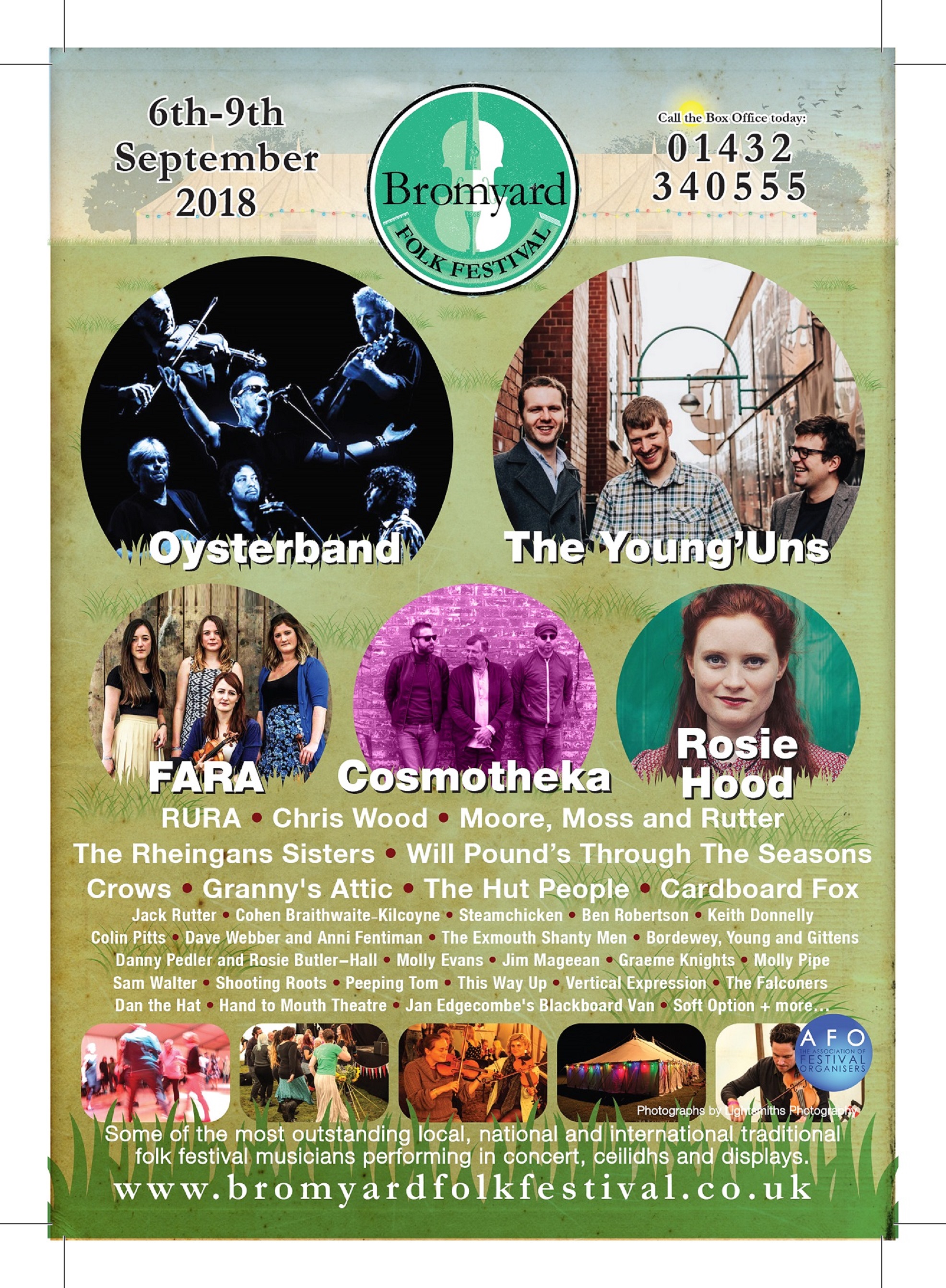
From the 2017 Festival
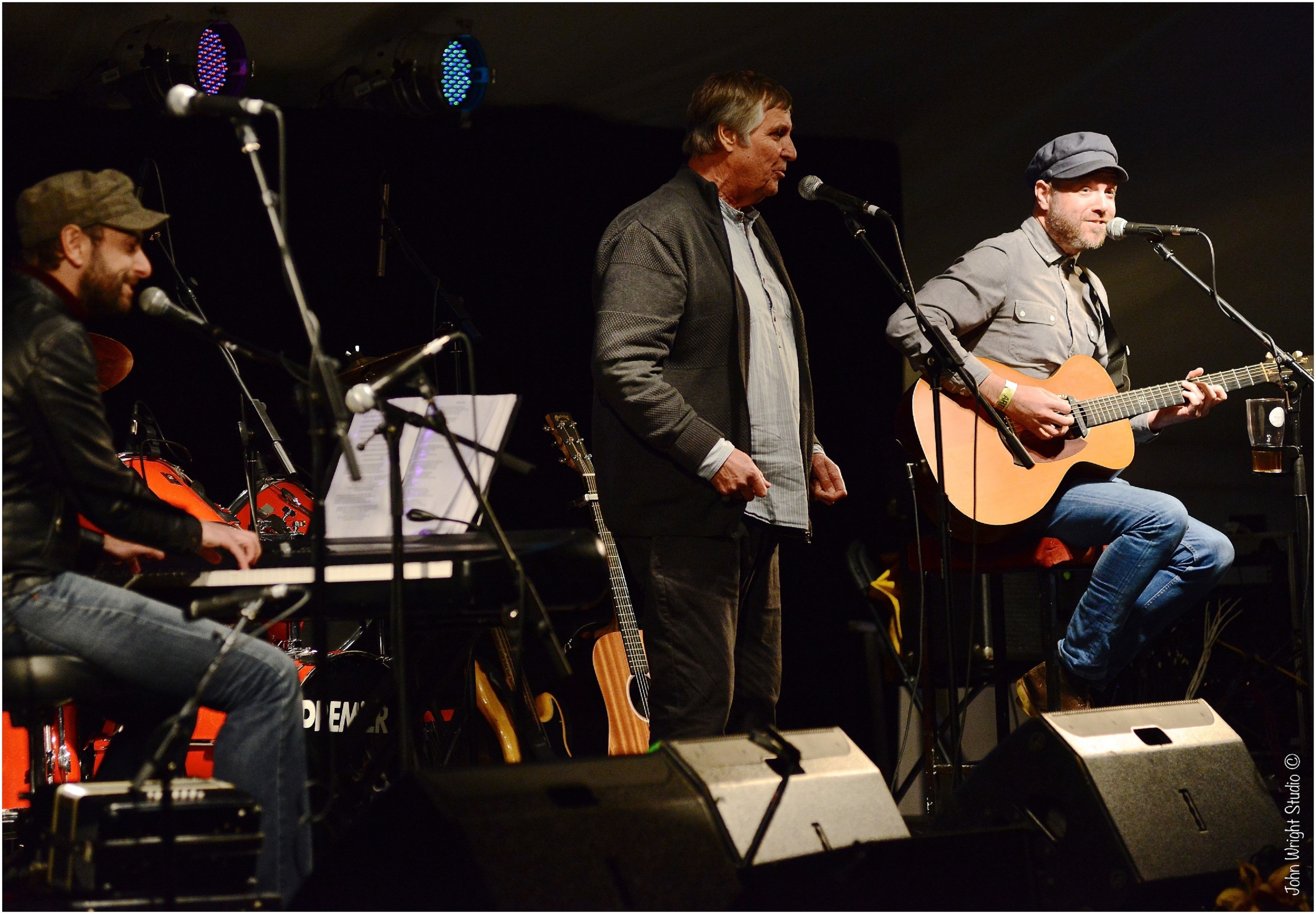
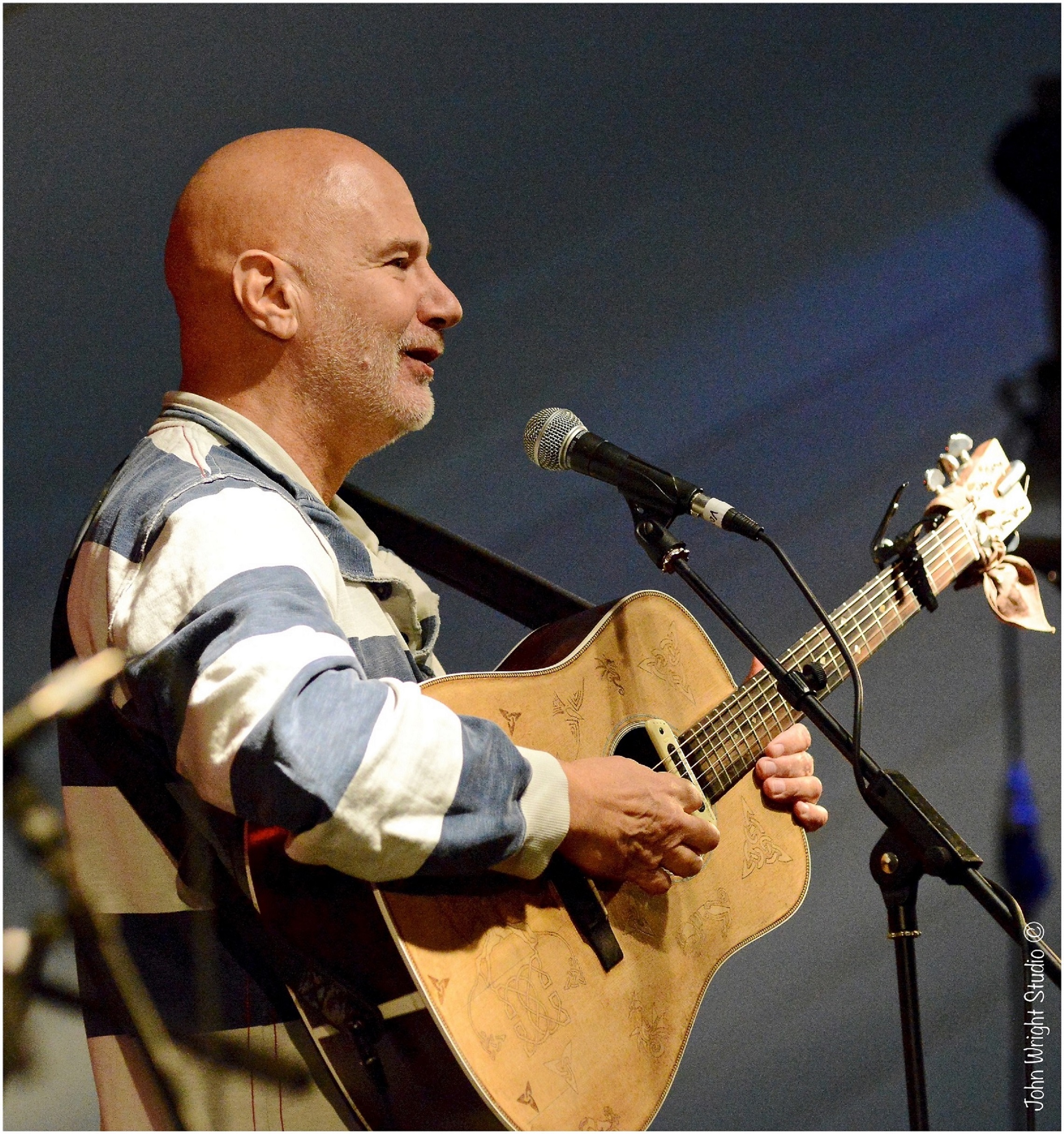

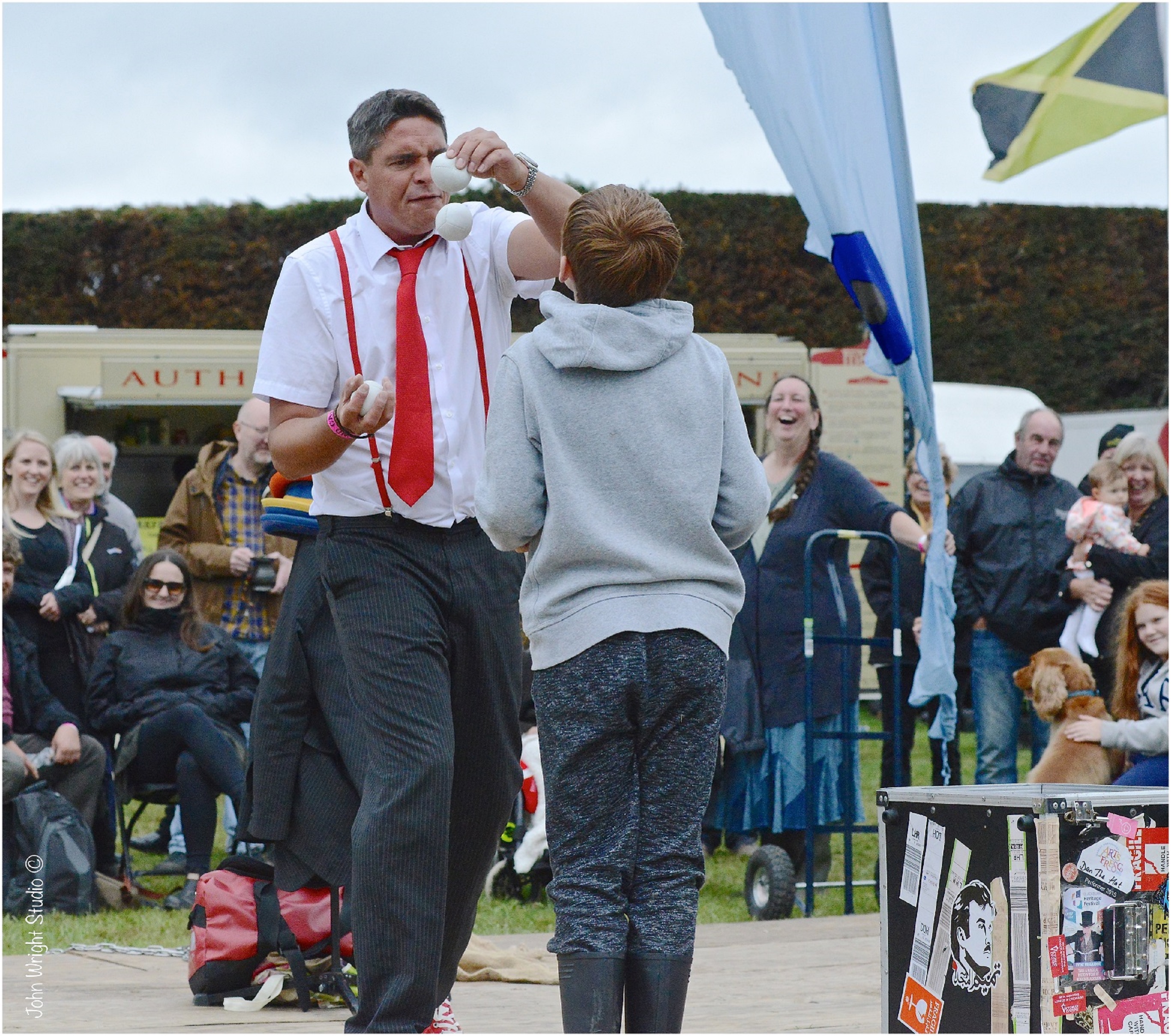
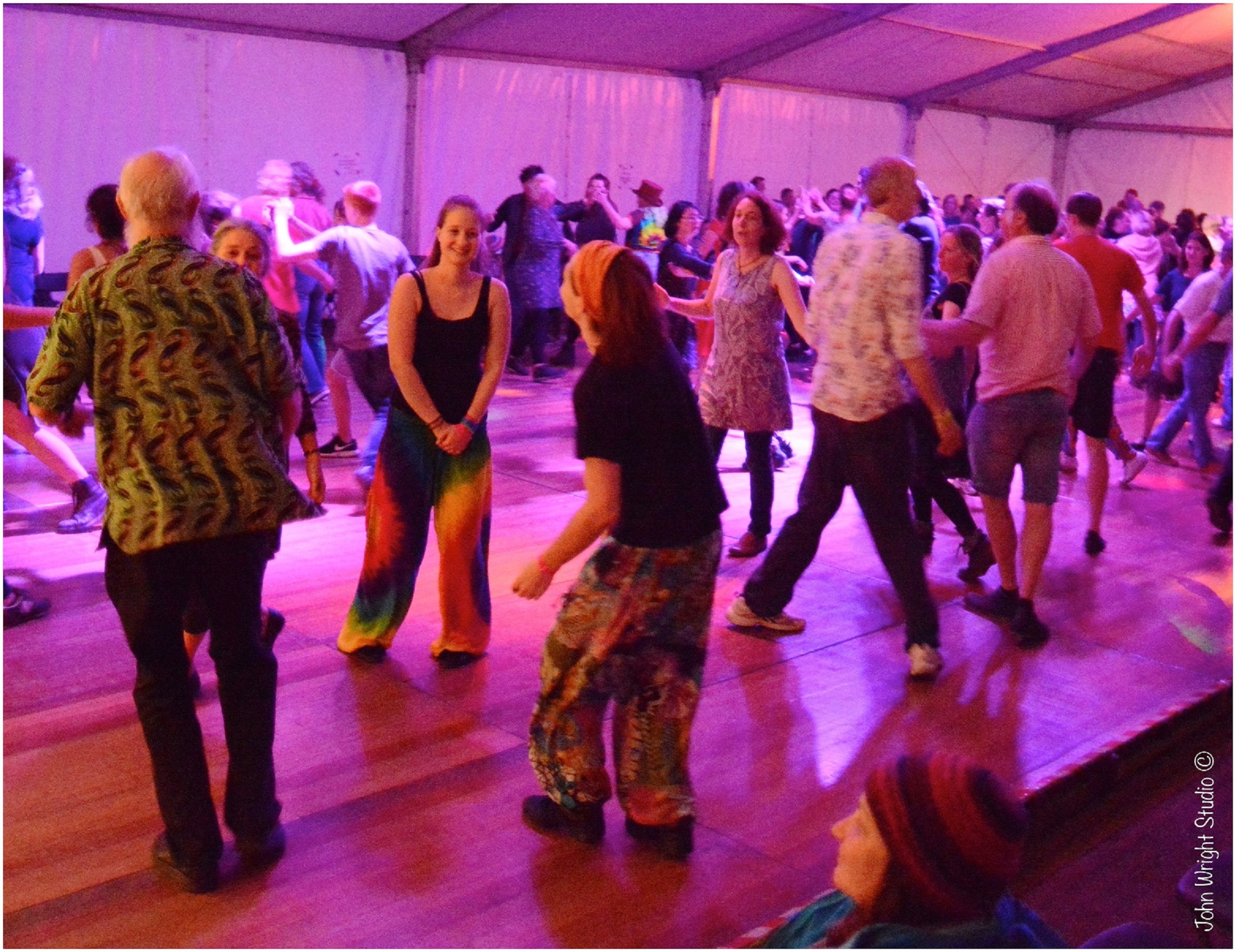
https://www.bromyardfolkfestival.co.uk/
How to Get there
From M5, use junction 7 ( Worcester South) and follow A44 signs for Leominster around new southern Worcester by-pass. Follow A44 for 12 miles to Bromyard. Take first turning into town – see detailed map below. From South Wales – Hereford then A465 to Bromyard, West/ North Wales – Leominster then A44 to Bromyard.
Leave Bromyard town centre on the B4203 signed to Stourport – the site is 1/4 mile from the town centre, on the right – sharing the entrance with Bromyard Town Football Club.
For GPS use HR7 4NT.
END
Roger Barrington

(4 / 5)
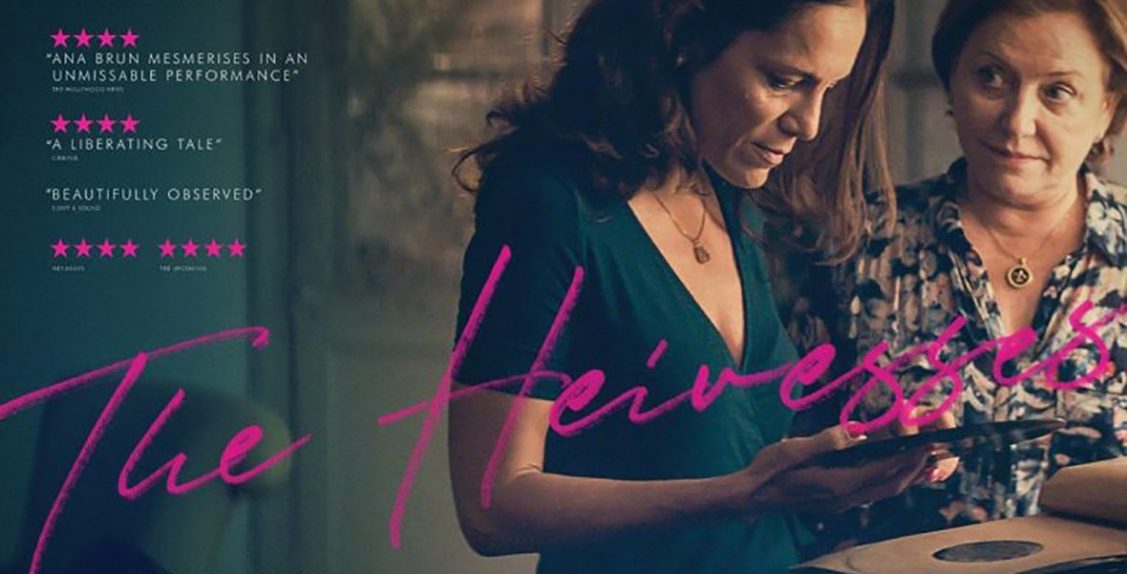
The Heiresses finishes its short run at Chapter on 30th August 2018

 (5 / 5)