Hi I am Guy the project coordinator for Get The Chance. I am a trained secondary teacher of Art and Design and have taught at all Key Stages in England and Wales. I am also an experienced theatre designer and have designed for many of the theatre companies in Wales.
Heddiw, mae’r theatr dafarn Caerdydd The Other Room, enillydd Gwobr Theatr Fringe Y Flwyddyn gan The Stage, sydd wedi’i leoli ym mar Porter’s, yn cyhoeddi ei phrosiect Haf 2020, sef New Page. Dengys y rhaglen hon, am y tro cyntaf, gyfle i gynnal Galwad Sgript Agored ar gyfer ysgrifenwyr. Byddant yn derbyn hyd at 100 o sgriptiau llawn, gyda phob un yn derbyn adborth cynhwysfawr gan dîm o ddarllenwyr sgript proffesiynol.
Bydd modd cyflwyno ceisiadau rhwng y 5ed o Awst tan Hydref y 4ydd, ac anelir yn benodol at ysgrifenwyr sydd naill ai yn Gymraeg, wedi’i hyfforddi yng Nghymru neu wedi’i lleoli yng Nghymru. Gobaith y theatr yw i greu partneriaethau creadigol newydd yn ogystal â datblygu’n bellach sgiliau dramodwyr Cymru. Bydd y theatr yn annog ceisiadau gan ysgrifenwyr sydd erioed wedi ysgrifennu i’r llwyfan; gan dderbyn barddoniaeth, straeon byr a dyfyniadau deialog yn ogystal â sgriptiau llawn.
Bydd Yasmin Begum, sydd newydd ei phenodi yn Swyddog Cysylltu Cymunedol, yn ymdrechu i olrhain 30% o’r holl geisiadau drwy waith cyfranogol wedi’i dargedu gyda’r cymunedau hynny o Gaerdydd sydd ar gyrion cymdeithas a gyda phobl efo nodweddion gwarchodedig. Ar ôl y cyfnod derbyn ceisiadau, anfonir rhestr fer at dîm gweithredol y theatr ar gyfer ystyriaeth ymhellach. Caiff ysgrifenwyr y rhestr fer gyfle i dderbyn sesiynau adborth gan Dîm Weithredol TOR, gyda’r gobaith o feithrin perthynas hir-dymor ystyrlon gyda’r theatr.
Dywed Dan Jones, Cyfarwyddwr Artistig The Other Room:
“Prin iawn y bydd sefydliad fel The Other Room yn segur, ond fel y gwyddom i gyd, rydym yn boenus o dawel ar hyn o bryd. Mae hi wedi bod yn gyfnod o fyfyrio dwfn, pryder ac adfyd. Ond yn y drychineb du yma, daw cyfle. Cyfle i droi tudalen. Gan ystyried popeth sy’n digwydd yn ein byd, dyma’r cyfnod i aros, i wrando ac i gysylltu.
Gyda chefnogaeth anhygoel gan Gyngor Celfyddydau Cymru a’r Sefydliad Esmee Fairbairn rydym yn falch i gyflwyno “New Page”, ein platfform ceisiadau agored. Dyma gyfle gwych i artistiaid Cymraeg neu sydd wedi’i lleoli yng Nghymru i gyflwyno eu hunain a’u straeon. Rydym yn ymwybodol nad ydym wedi gwneud digon i gyrraedd ac atgyfnerthu lleisiau sydd heb eu clywed yma yng Nghymru. Dyma ein cam cyntaf bwysig tuag at newid ystyrlon ac ni allwn aros i glywed ganddoch.”
Dywed Yasmin Begum, Swyddog Cysylltu Cymunedol:
“Mae New Page yn fenter sy’n torri tir newydd yng Nghaerdydd i gefnogi ysgrifenwyr ac i greu gwaith newydd. Rydyn wrth ein bodd i gael gweithio gyda gwahanol gymunedau ac aelodau’r gymuned i alluogi ysgrifenwyr i ddylanwadu ar sector y celfyddydau mewn ffordd bositif ac i hybu cydraddoldeb, cynhwysiant ac amrywiaeth.
Byddwn yn gweithio mewn modd arloesol a chroestoriadol i ddarganfod gwaith ysgrifenedig o Gymru a thu hwnt yn y Gymraeg a’r Saesneg. Rydyn yn hynod o gyffrous i weithio gydag ystod eang o ddarllenwyr gan obeithio ddechrau perthynas o gysylltiadau broffesiynol newydd gydag ysgrifenwyr tra yn rhoi cefnogaeth ac arweiniad.”
Cefnogir New page gyda chymorth Cyngor Celfyddydau Cymru, Sefydliad Esmee Fairbairn a chefnogwyr SupportTOR.
Ar gyfer mwy o wybodaeth ynglyn â New Page gan The Other Room, ewch i
Today, Cardiff’s pub theatre The Other Room, located in Porter’s and winner of The Stage’s Fringe Theatre of the Year Award, announces its Summer 2020 project, entitled New Page. The programme will see, for the first time in the theatres existence, an Open Script Submission for writers. They will accept up to 100 full-length pieces of writing, with each receiving comprehensive feedback from a team of professional script readers.
Submissions will be open from 5th August through to 4th October, and is aimed specifically at Welsh, Wales-trained or Wales-based writers. The theatre hopes to forge new creative partnerships and further develop the skills of Wales’ writers. The theatre will be encouraging submissions from writers who have never written for stage before; accepting poems, short stories and dialogue extracts as well as full-length scripts.
Newly appointed Community Engagement Officer, Yasmin Begum, will endeavour to source a minimum of 30% of the total submissions through targeted outreach work with marginalised communities of Cardiff and people with protected characteristics. After the submission period, a shortlist will be sent to the theatre’s executive team for further consideration. Shortlisted writers will receive feedback sessions with TOR’s Executive Team, marking the beginning of what we hope will be a long-lasting, meaningful relationship with the theatre.
The Other Room’s Artistic Director, Dan Jones, comments:
“It is rare for an organisation such as The Other Room to sit still, but as we all know, right now, we are painfully still. It has been a period of serious reflection, anxiety, and adversity. But buried deep in this catastrophe there is opportunity. An opportunity to turn the page. With all that is going on in the world, now is the time to stop, to listen and to connect.
With the incredible support of Arts Council Wales and the Esmee Fairbairn Foundation we are pleased to present “New Page”, our open submission platform. This is a fantastic opportunity for Welsh and Wales-based artists to introduce themselves and their stories. We know we have not been doing enough to reach and empower unheard voices here in Wales. This is our first important step towards meaningful change, and we cannot wait to hear from you.”
Community Engagement Officer, Yasmin Begum, comments:
“New Page is a groundbreaking initiative based in Cardiff to support writers and the creation of new work. We are thrilled to work with different communities and community members to engage writers to positively impact the arts sector and promote equality, inclusion and diversity.
We will be taking an innovative and intersectional approach to source written work from across Wales and beyond in the medium of English and Welsh. We’re really excited to be working with such a broad range of readers and hopefully start the beginning of new working relationships with writers as we offer support and guidance.”
New Page is made possible with the support of Arts Council Wales, Esmee Fairbairn Foundation, and our SupporTOR donors.
Hi Andrew great to meet you, can you give our readers some background information on yourself please?
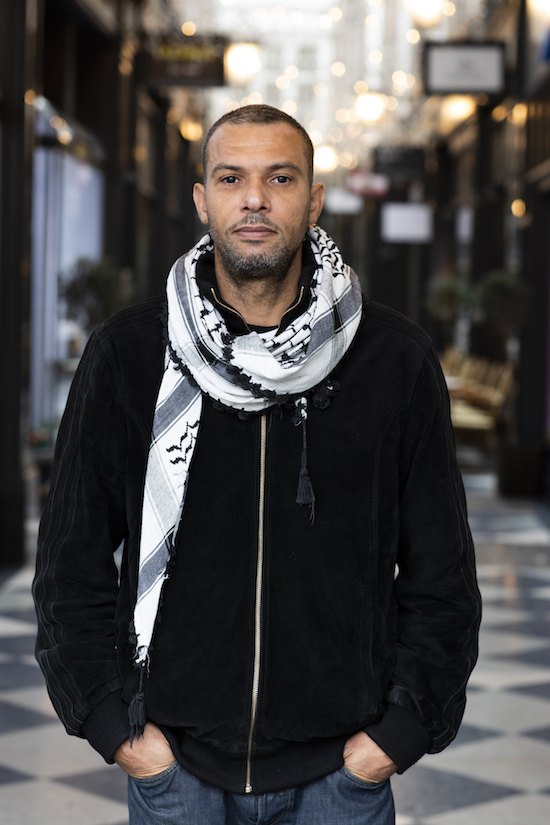
My name is Andrew Ogun and I’m 22 years old. I moved to Wales from Italy when I was 5 years old. My mother is Nigerian and my father is Togolese. I’ve just finished my bachelor’s degree in English Literature from the University of Birmingham and I’m doing my masters in Fashion Entrepreneurship and Innovation at the University of Arts London in October. I’ve spent most of my life in Wales aside from university and I also lived in Berlin for a year because I did a year abroad. I’m an artist first and foremost; I’m a writer, musician and fashion designer.
You have set up up a new group called ‘Black Lives Matter Essentials: A Book Club on Race’ Why did you set up this new group?
One of the major talking points of the BLM movement has been the necessity of proper, nuanced education in relation to race, identity and intersectionality here in Britain. BLM Gwent believe that a book club is the ideal environment to begin the often difficult but necessary conversations that we must have about race in order to improve the situation for BAME citizens in the UK. A lot of the books that we have chosen for this initiative will be incredibly illuminating texts that we hope will begin to open people’s minds.
Your first book is the now seminal ‘Why I’m No Longer Talking to White People About Race’ by Reni Eddo-Lodge. Why did you choose this as your first book?
Reni Eddo-Lodge’s text is a perfect first text because it manages to break the taboo of not talking to white people about race. Many white people are uncomfortable talking about race but Eddo-Lodge’s approach is one that is fairly digestible and accessible to all. Furthermore, the book has rose through the ranks and reached number 1 on the nonfiction charts, making her the first Black British woman to top the charts; this is bittersweet to me because although it’s well deserved, more black voices in literature should have been amplified. The text also covers many of the pertinent themes that have arose during the BLM movement; history, the system and white privilege, amongst other things.
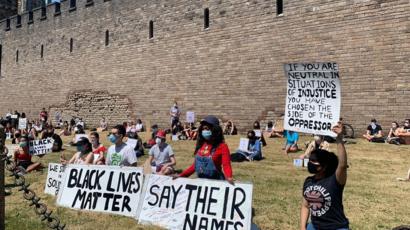
During Lockdown the murder of George Floyd and worldwide public demonstrations under the Black Live Matter movement have highlighted institutional racism, inequalities and discussion around Privilege. Do you feel The Book Club will discuss the link between literature and the potential for change in society?
I think a lot of great literature is always a reflection or commentary on wider society. The arts have always been integral to changing our society for the better. I hope the book club will show people that literature can always be used as a positive driving force for change.
Who are your favourite authors and why?
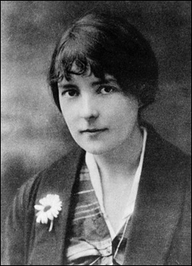
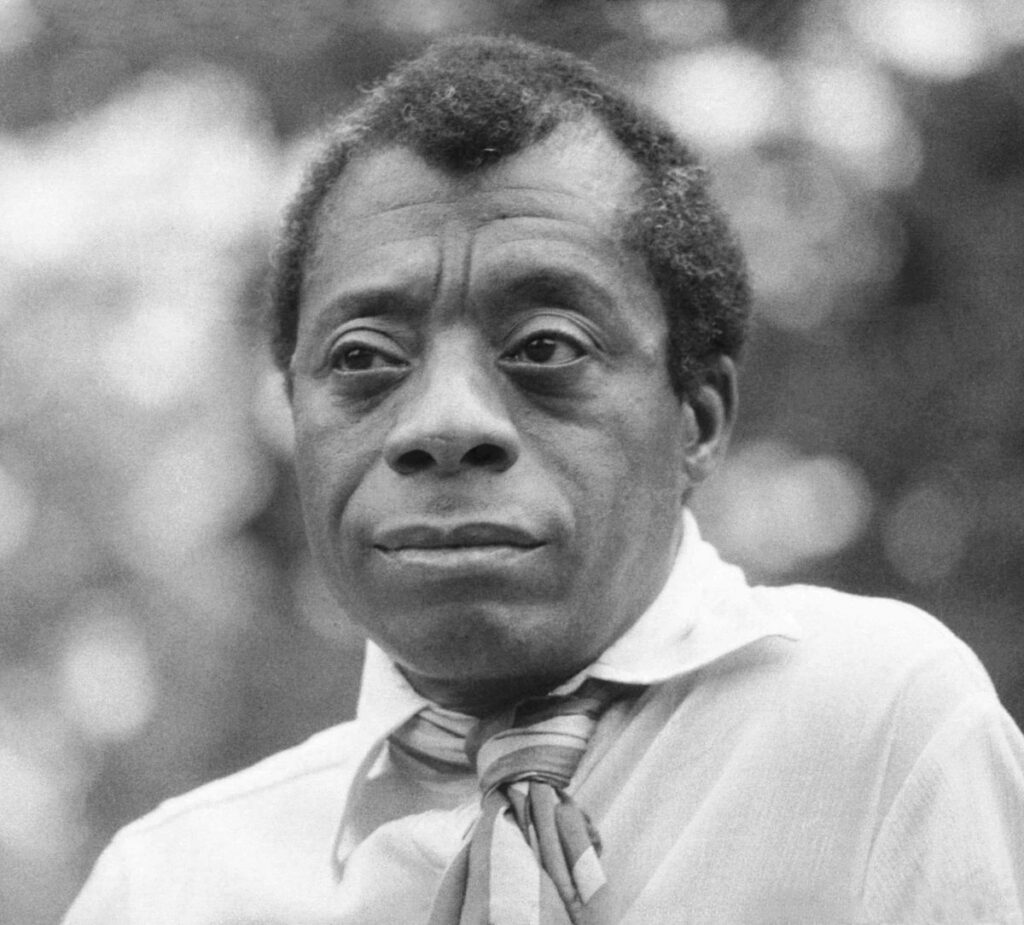
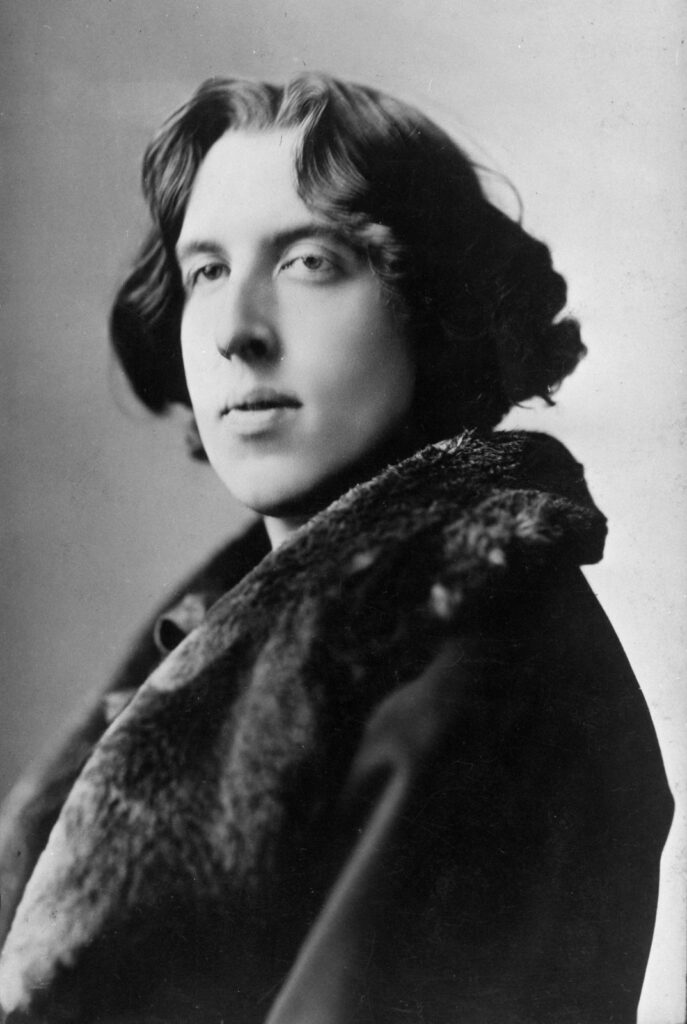
There are not many authors that I have read multiple of their novels but there’s a few authors I love; Katherine Mansfield, James Baldwin, Oscar Wilde, Bret Easton Ellis, Chimamanda Ngozi Adichie and Frantz Fanon. Some of my favourite poets are Audre Lorde, Langston Hughes, Sylvia Plath, Allen Ginsberg, Elizabeth Bishop, Frank O’Hara and Maya Angelou.
Get the Chance supports the public to access and respond to arts activity, if you were able to fund an area of the arts in Wales what would this be and why?
To be honest I think we all know that the entire arts sector is grossly underfunded. The lasting financial impact of COVID on the arts will be devastating, at least in the short term. My choice would be the music industry being a musician myself. It’s expensive to be an up-and-coming musician. Equipment, studio time, music videos, sound engineering, beats, distribution. All these things cost a lot of money and there are so many great musicians in Wales that just need the freedom and finances to truly realise their artistry.
During Lockdown a range of arts and third sector organisations and individuals are now working online or finding new ways to reach out to audiences. Have you seen any particularly good examples of this way of working that you would like to highlight?
I’ve said it in a few protests that I have attended and spoken out; COVID has ensured that our old ‘reality’ is pretty much obsolete. It is now up to us to create our new reality. The move towards a more virtual society has its downsides but is still very beneficial in some aspects. I think it’s a good move for artists to be more online based. It gives you a broader audience and allows you to not be rooted to a particular physical location. I can’t think of any particular examples but this is just my general view.
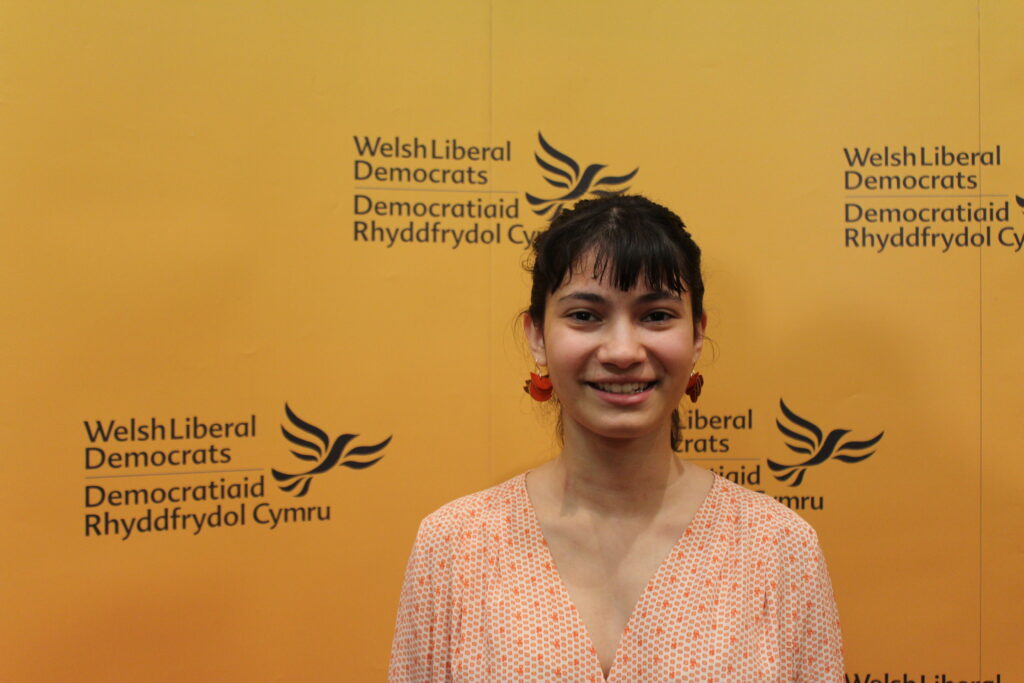
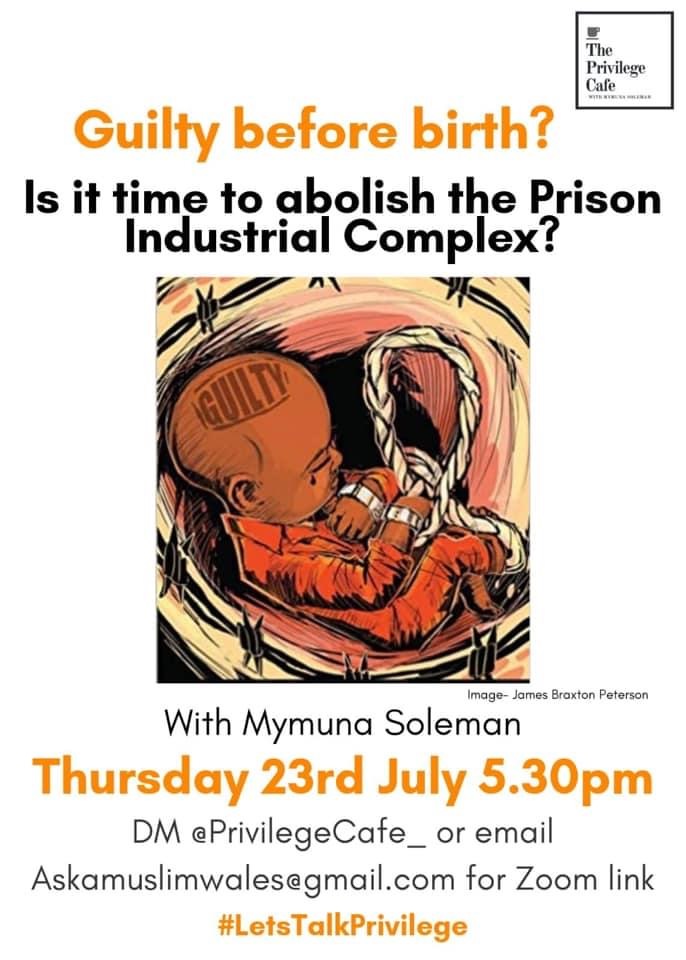
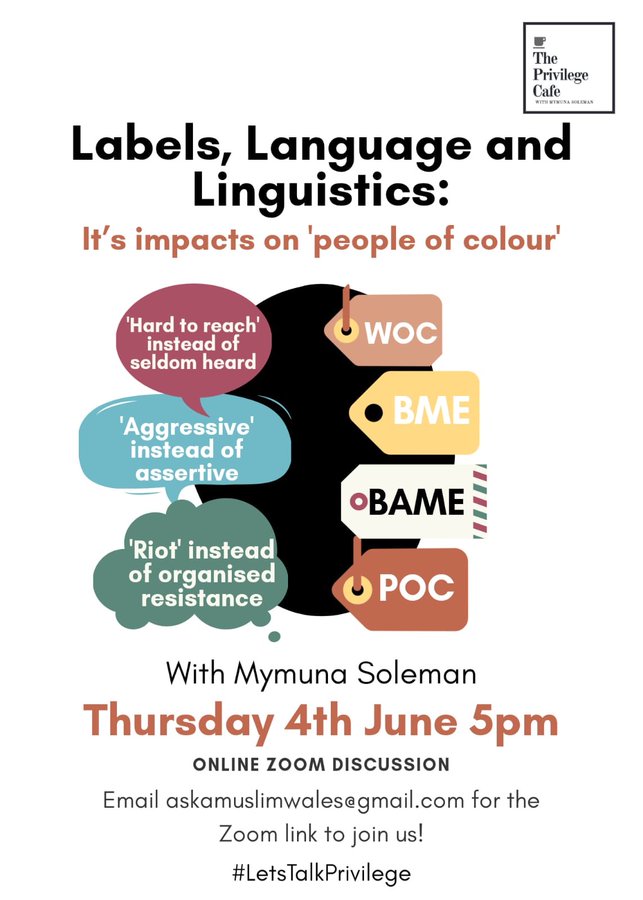
Hi Mymuna great to meet you, can you give our readers some background information on yourself please?
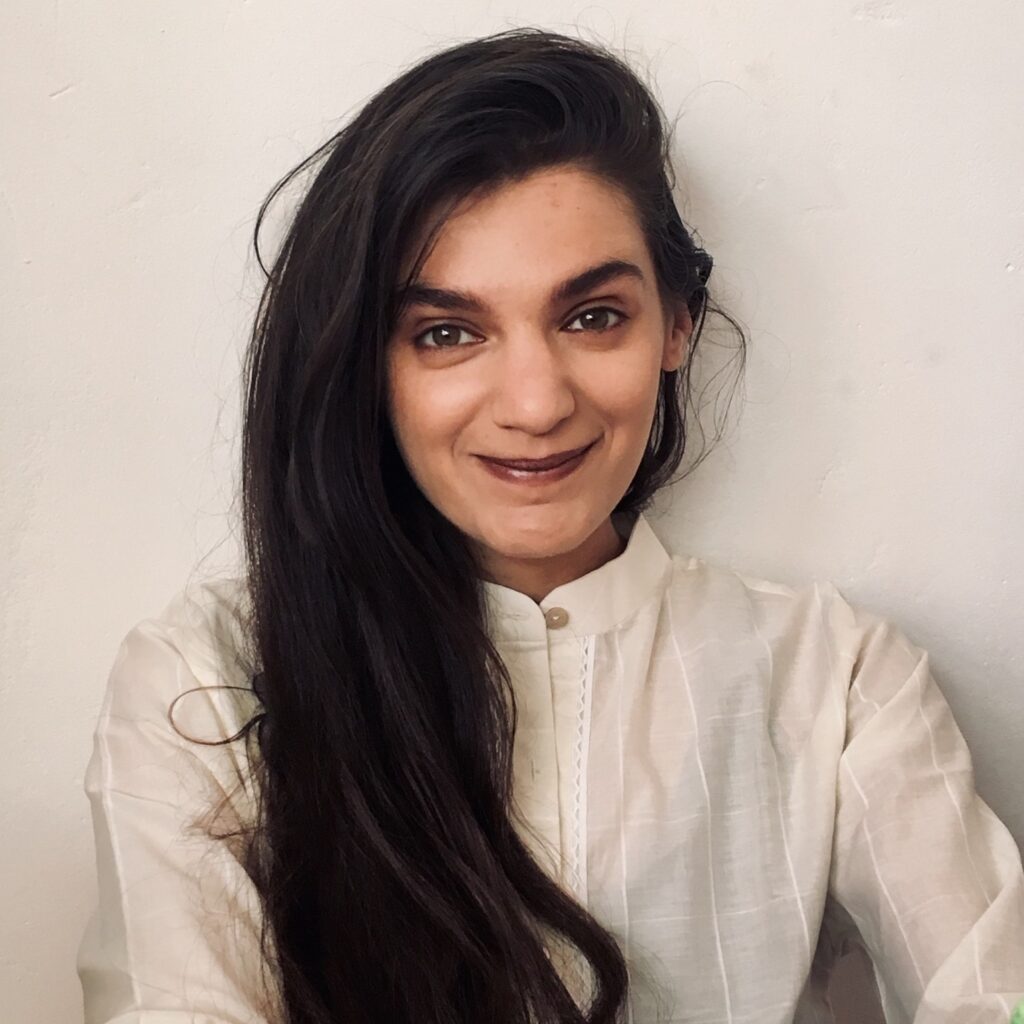
Hi Guy thank you for this opportunity, my name is Mymuna, I’m of Somali origin and was born and bred in Cardiff, Wales. I have a huge passion for equality and diversity but most importantly equal representation for Muslim women of colour like myself. I studied Health and Social Care at undergraduate level and my Master’s in Public Health; both obtained from Cardiff Metropolitan University.
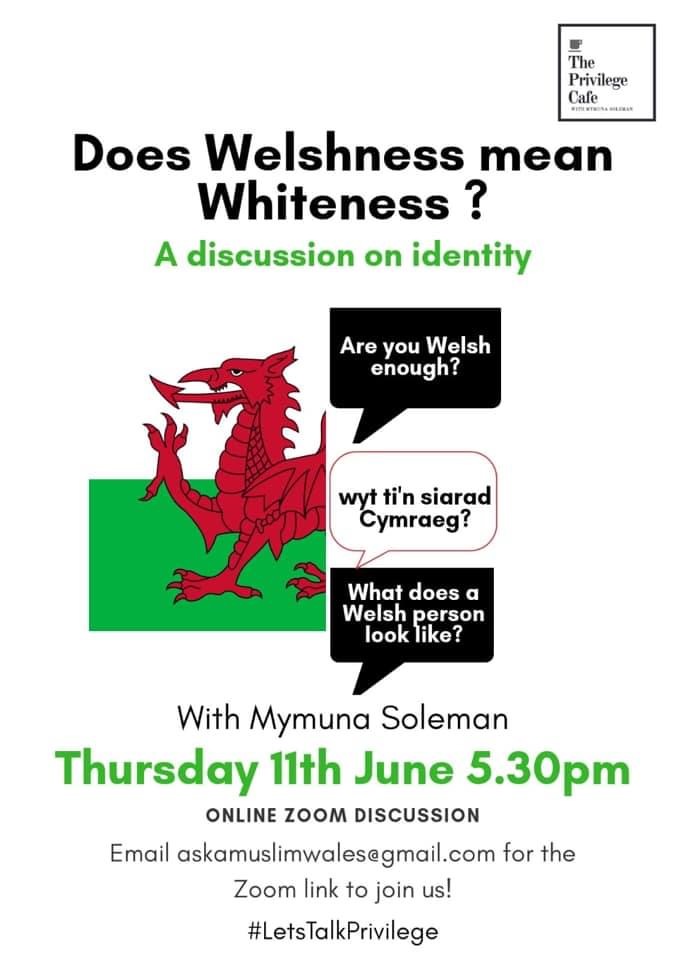
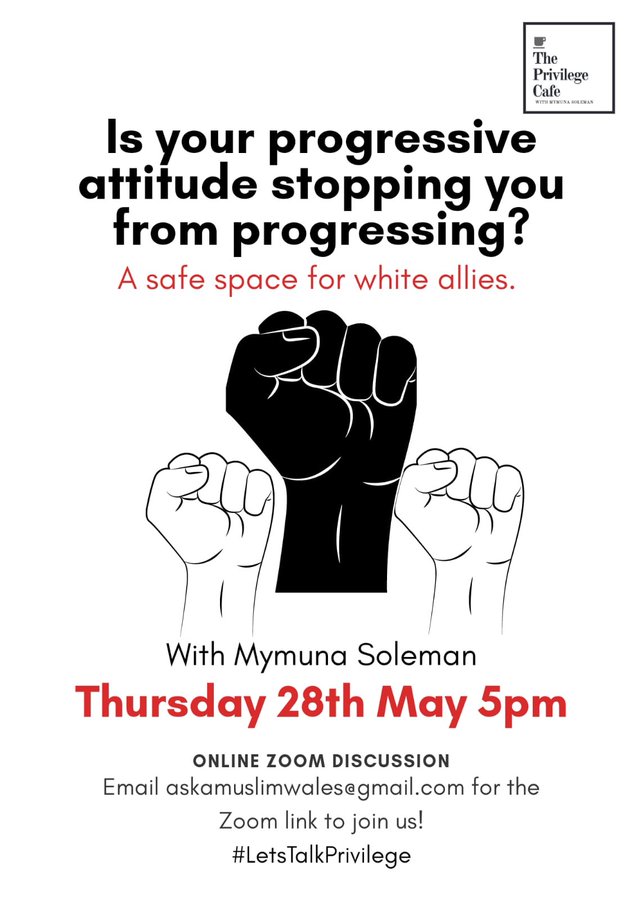
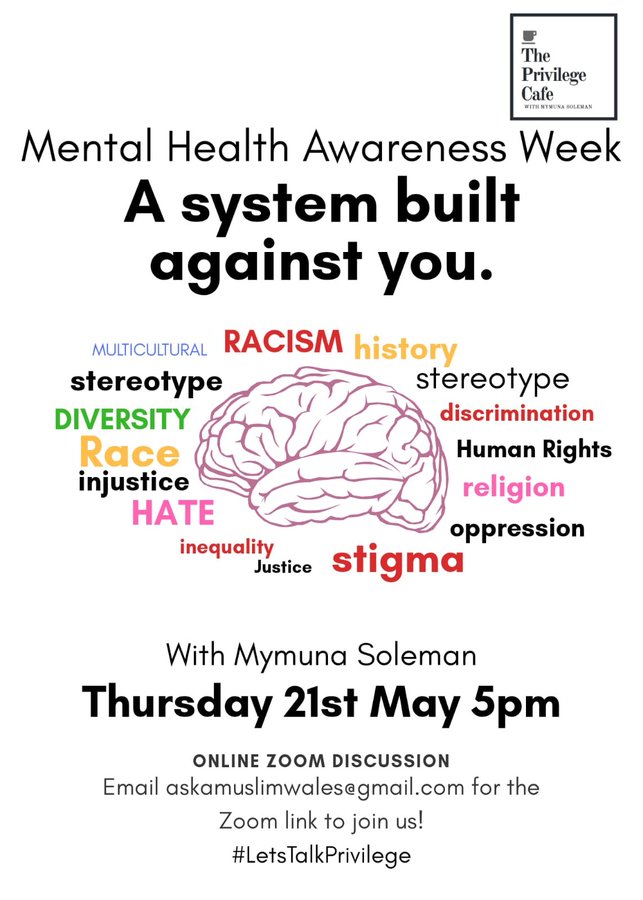
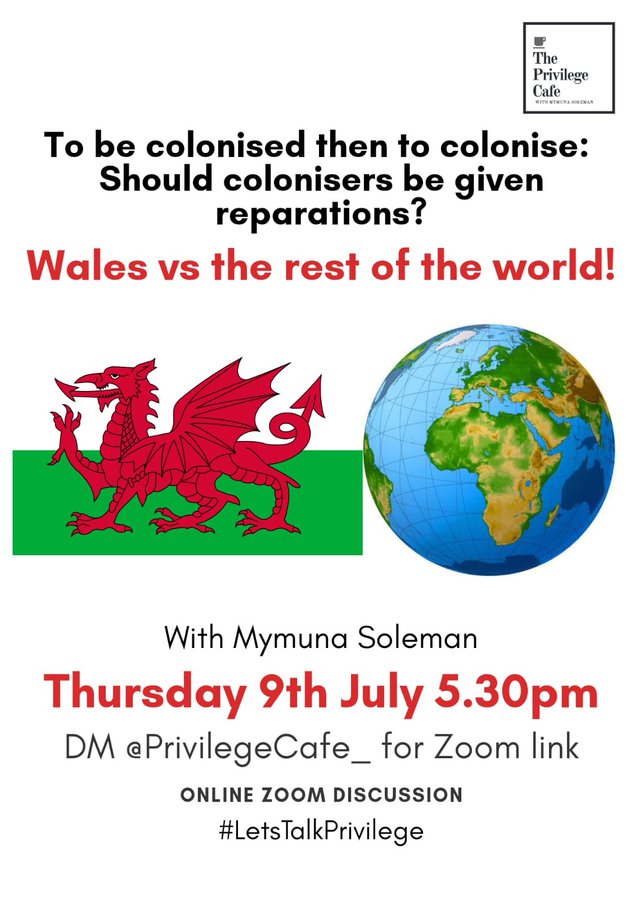
I set up The Privilege Café as soon as we got into Lockdown as I was frustrated with the lack of diversity and couldn’t express myself as a woman of colour in spaces filled with privilege.
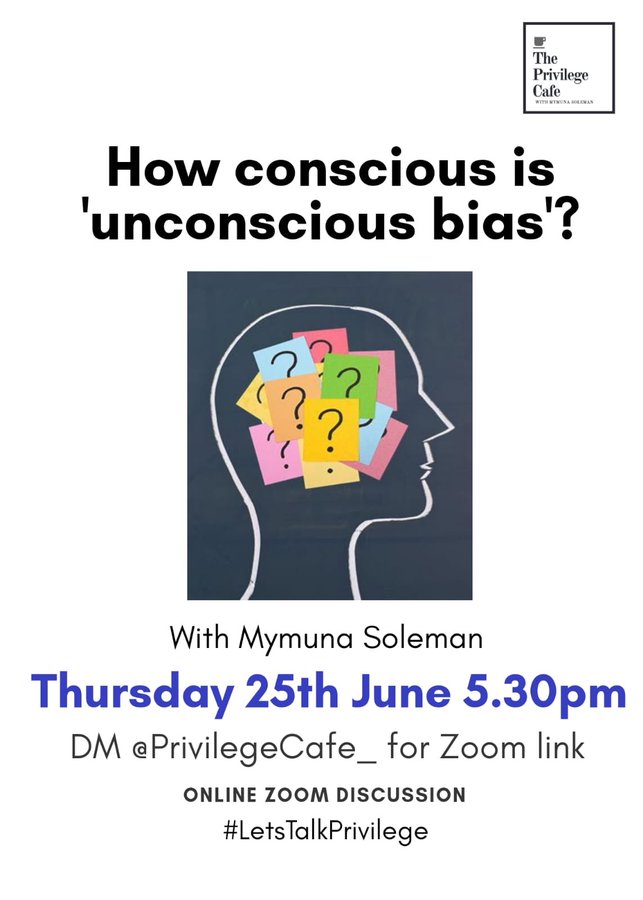
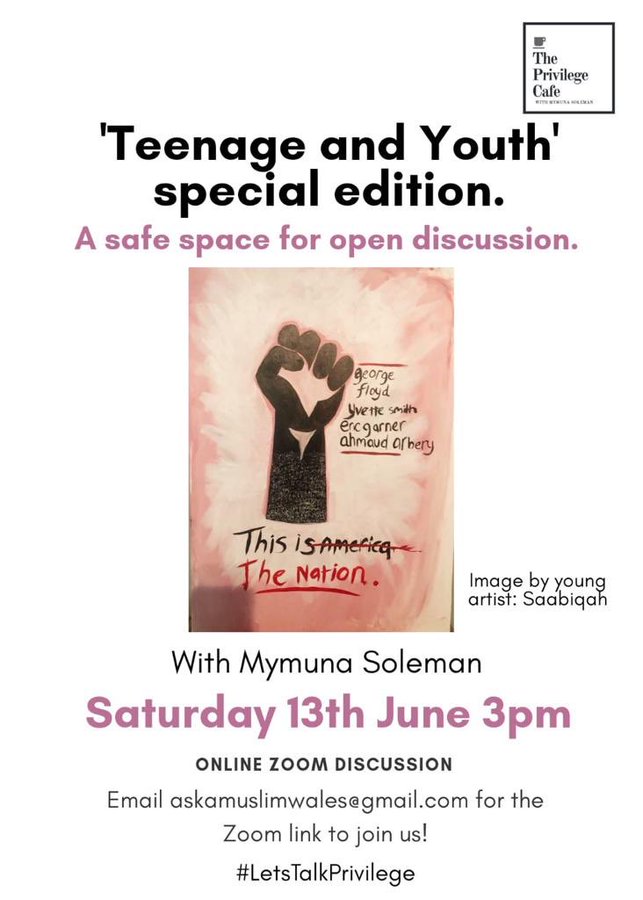
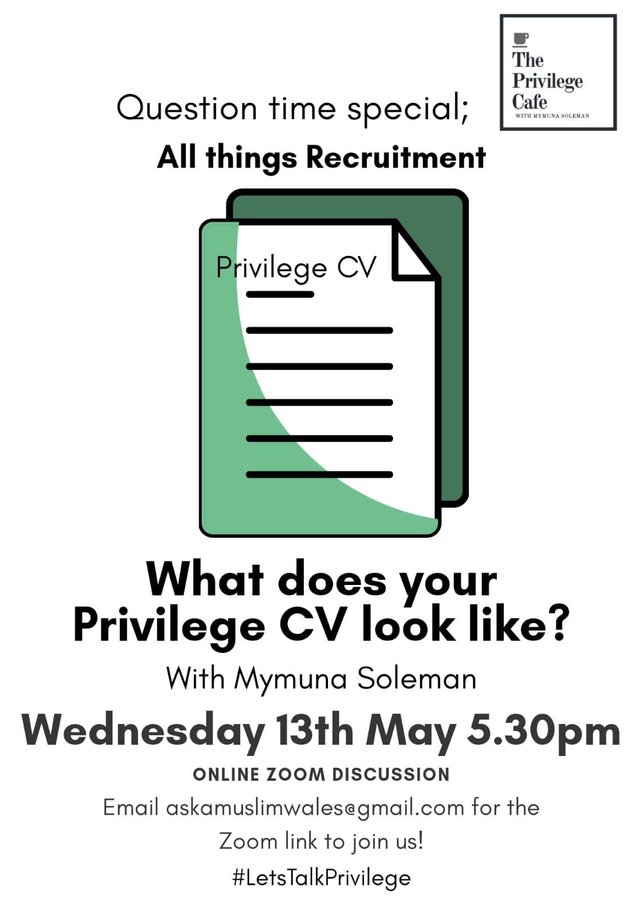
To date, I’ve facilitated 10 sessions on Zoom covering various themes including mental health, ‘unconscious’ bias and privilege in the recruitment process. The level of engagement has been incredible and the speaker’s insight knowledge and expertise have brought nothing but positivity to all those who have attended the sessions. I’m truly greatful to everyone who has been part of this learning and growing journey with me; Diolch o galon.
The Café is an open to all, its a safe space for all to engage, learn and to use their privilege for good.
As you have mentioned you run The Privilege Café, the Café is advertised as a place to discuss all things privilege. For those who have not yet attended how would you best describe the Café and its work?
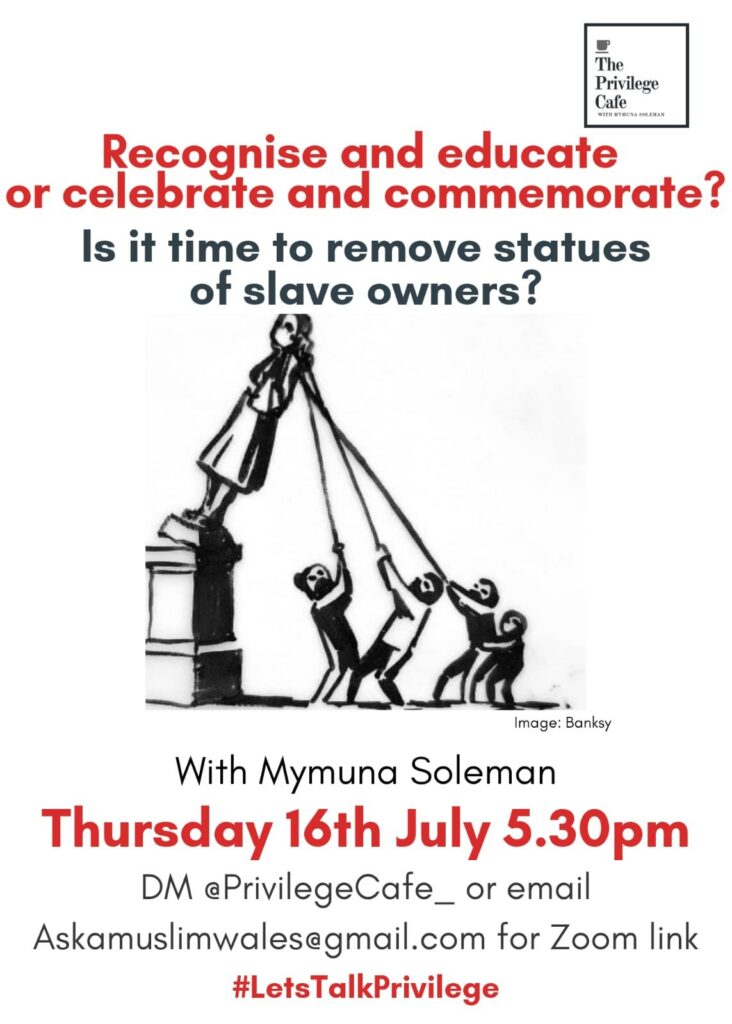
I would describe the virtual Café as a safe, open forum whereas you say we discuss privilege among other topics which to date since starting on April 20th this year have included mental health and privilege, language and linguistics, ‘unconscious’ bias and various others. I created the Café as I was frustrated with this whole ‘systems’ approach which is very formal, agenda-based and wanted the Café to be the opposite of that. Once I decide on a theme and a title for discussion, I put out a call out on social media for anyone interested to speak for a 10-15 mins or so and then open it out for open questions and discussions. Like I said it’s a very informal space so anyone is welcome to come, learn and discuss ‘difficult’ topics but most importantly how people can use their privilege for good.
To discuss specifics White Privilege is an overarching topic in every Café. Why is this such an important area of discussion in the Café?
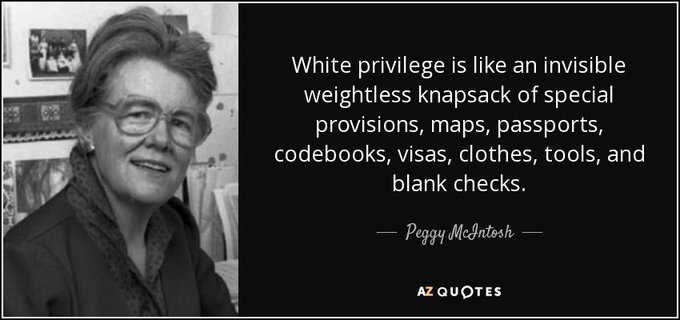
I think the words white privilege hold a very strong and weighty meaning for so many people not just people who are non-white. White privilege is a difficult concept to take on board and is not something you can pinpoint onto one individual. The unearned privilege or superiority white skin gives people is wider and deeper than something a lot of people deem to be ‘individual finger pointing’, you know the whole ‘I’m not racist’ sentence which usually takes up the space where more meaningful conversations could be had. This is why I have the mindset that white privilege will not be tackled in one session or ten sessions, but that it is the foundation and base of all conversations had at the Café. Positive mindset change takes time and it would be disingenuous and frankly hypocritical if I expected people to come one session and then I ‘ticked off’ the white privilege element. White privilege is a deep thread embedded in society and the same goes for the café. That thread will be untied, hopefully, through various discussions, themes, conversations and questions as the café evolves.
The Café is a space where contributors can share real points or lived experiences that many people find difficult. The Cafe is a safe space for these conversations. As the meeting host you frequently state it’s OK to ask questions. How did you decide how to format the Café and the conversations that take place there?
Its always OK to ask a question in my view, the Privilege Café being on Zoom doesn’t make that approach any different for me. As I said above, I didn’t want to have a ‘format’ so to speak, it’s much more of a safe, open forum which naturally involves asking questions to learn and engage more. I feel that the more I reinforce that it is OK to ask a question, the less intimidated people feel and if that’s what it takes for me to help educate people then that’s what I’ll do. Learning is always a two process and open questions, for me, give that relaxed, open atmosphere which is part of the DNA of my Café.
Has this changed as the number of Café’s have increased and the number of your guests?
No this approach hasn’t changed nor has it impacted the number of guests. I guess the more guests there are as in speakers the less time to answer questions but again I try to answer as many questions as I can though the chat as well as the open forum discussions with the help of my incredible speakers. The number of panel members really does depend on the interest after I put the call out and so again this reinforces my approach for my Café to be very informal, space and open to all.
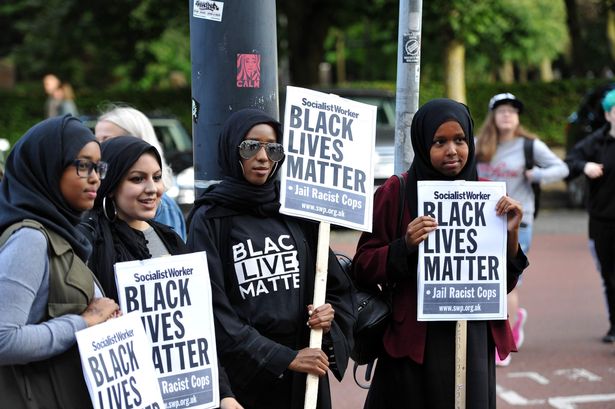
During Lockdown the murder of George Floyd and worldwide public demonstrations under the Black Live Matter movement have highlighted institutional racism, inequalities and discussion around Privilege. Do you feel The Café has a role to play in tackling some of the areas above?
Yes, I feel the Privilege Cafe does have a role to play in terms of raising awareness of the issues you raised in the question and it is the exact reason why I created the Café in the first place. I felt that these topics were always seen as ‘add-ons’ in every space I went to and they were always on the ‘menu’ until I as the only person of colour the majority of the time brought them up during discussions and so with The Privilege Café I hope these issues are on the table and open for debate, discussion and hopefully positive change.
I first became aware of your work in The Privilege Café on social media. I found the Café and format to be a revelation in terms of the conversations in which you could actively participate. You bring together a broad range of people, providing new perspectives and the opportunity to learn. There has been a great deal of discussion during the Lockdown of a rejection of the “Old Normal” and embracing the “New Normal” For me personally discovering and attending the Cafes has been one of the most positive outcomes of Lockdown. Your attendance’s can be as high as 300 people, which is staggering. It’s evident your work is hugely important, what would you like to happen next?
Thank you for your comments and an excellent question. Ideally, I would like to take the virtual Privilege Café I have created online and take it offline, in the ‘real world’. I’d love to have a ‘Centre for Women’ where the Privilege Café takes up the main holding space. I’d love the Café to have separate rooms just like it does online where each room has a different speakers or panel members tackling a different theme each week. These rooms would cover topics similar to the ones I’ve covered on zoom which include mental health and wellbeing, education and employment.
Get the Chance supports the public to access and respond to arts activity, if you were able to fund an area of the arts in Wales what would this be and why?
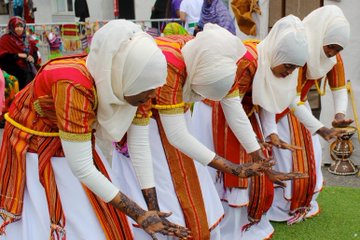
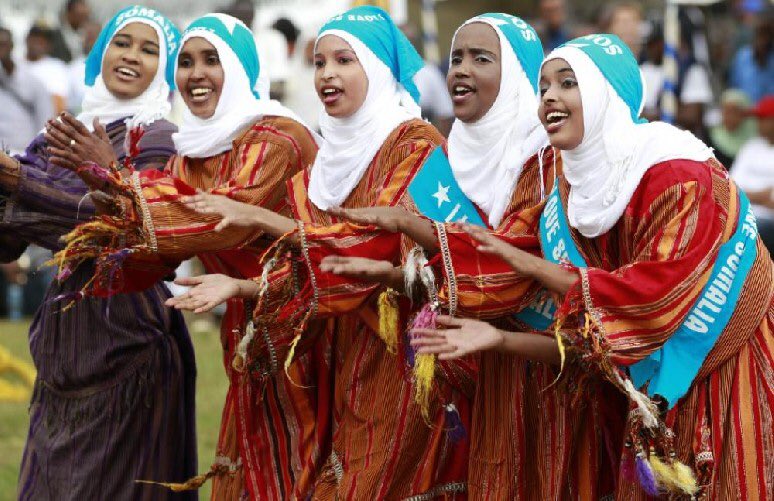
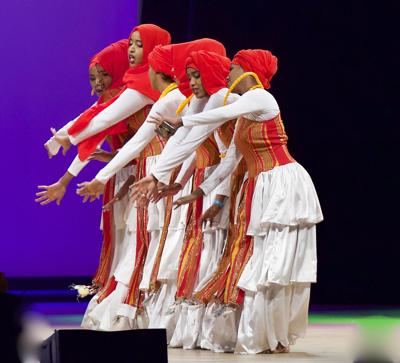
I would fund Somali folk dance classes as this is a huge passion of mine as a Somali-Welsh female living in Cardiff; a city with a huge Somali population, one of the oldest minority ethnic group in the UK. Somali folk dance is exciting, fun and most of all its an amazing way to keep fit and healthy; yet this is not included in the ‘arts’ in Wales and this needs to change.
During Lockdown a range of arts and third sector organisations and individuals are now working online or finding new ways to reach out to audiences. Have you seen any particularly good examples of this way of working that you would like to highlight?
I don’t think there’s a particular way to engage or work with people, it’s about your network and how you use them wisely, transparently and honestly without trying to better yourself or achieve personal goals. I think what some organisations have found difficult is that they haven’t engaged as they should have prior to Lockdown and so now adapting to the new way of working has meant that those challenges will be that much harder. Advice I would give to these organisations is to be as honest as possible and openly admit that this is not tokenistic and that they haven’t done as well as they should have but this is the long term sustainable goal we want to achieve, oh and we will pay you for your time as we value your input.
In this exclusive interview, Yaina Samuels (Founder & Director of NuHi Training Ltd a social enterprise which offers bespoke education and training workshops for people with substance misuse problems) speaks to the Director of Get the Chance about her background, the challenges presented in Lockdown. Her love of gardening and lack of black presenters in the media. Yaina also discuss where she thinks arts funding should be focused.
Hi Yaina great to meet you, can you give our readers some background information on yourself please?
A few years ago, a friend once described me as a disruptive influencer. I thought at the time it was a bad thing. Reminded me of school, my end of term reports (for lessons that I didn’t like/couldn’t get my head around) always read “Yaina is a disruptive influence in the classroom”. That was then and this is now! For me being described as a disruptive influencer is very much a good thing. I’ve decided to also add the word innovator as it aligns well with the person that I am today. I consider myself to be a ‘disruptive innovative influencer’ seen through my life experiences, the work that I do and the things that I am passionate about
During Lockdown you have been sharing updates on work in your garden. Have you always been interested in gardening?
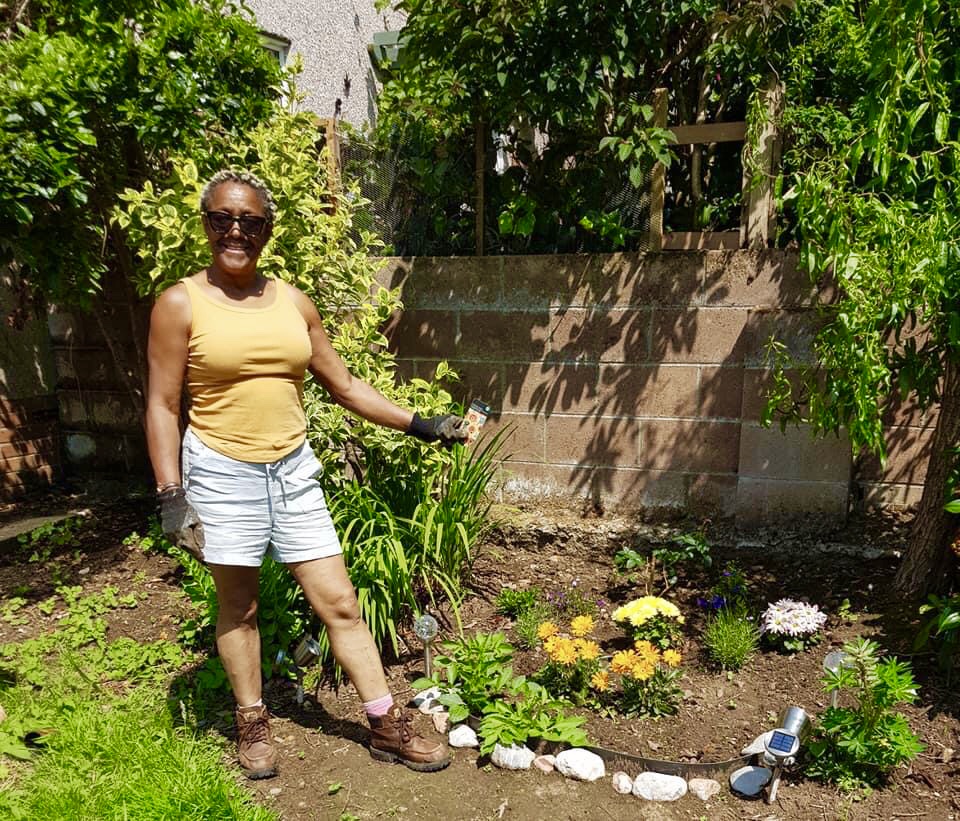
If it wasn’t for gardening, my emotional health and wellbeing would have taken a steep nosedive during lockdown. I am the type of person that likes to be actively involved in doing something. Living alone, being in lockdown, working from home on my laptop, was driving me nuts. I had to sort my head out and fast.
My passion stemmed from my early childhood experiences of visiting extended family who were keen gardeners. As a young child I loved visiting my grandmother’s house in West Close, in the Docks. She had a long path to the front door and there were always pretty coloured flowers and plants filling the borders, they smelt wonderful to my little nostrils.
Another experience: visiting my cousins in Ely meant that I would get to see what uncle Les was growing on his garden veg plot. He spent hours in the back garden, tending his plants, tying up canes for his runner beans, and weeding the ground. When we had a Sunday roast dinner at my uncle’s house, the vegetables were always freshly pick from his garden that same morning.
From the age of nine we moved to a housing estate in Newport we were fortunate enough to be housed directly opposite miles and miles of green fields. For years I would watch the farmer from my bedroom window ploughing, planting and harvesting his crops. In my teens, to earn pocket money, I worked at a local farm at the weekend picking blackcurrants.
You use lots of recycled materials in your garden projects, where do you get them from and which are you most pleased with?
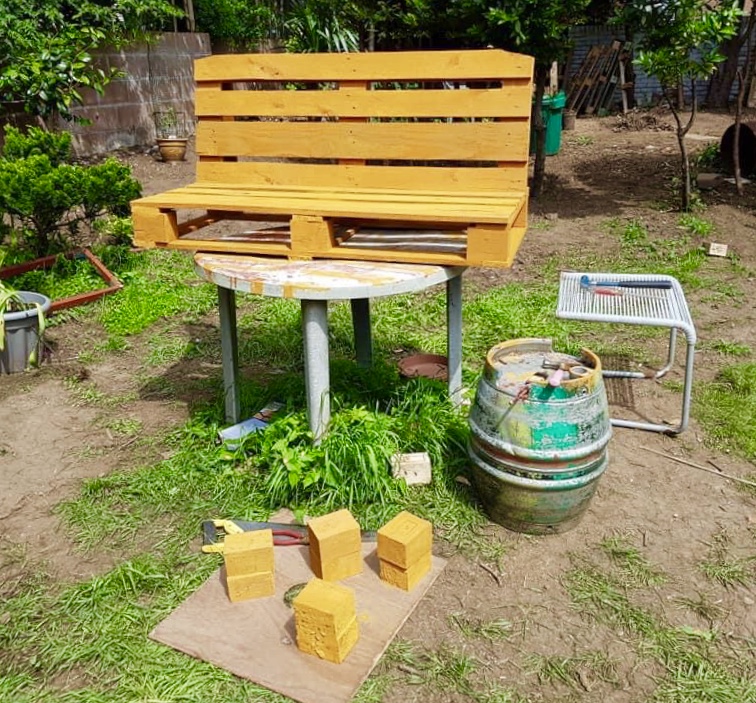
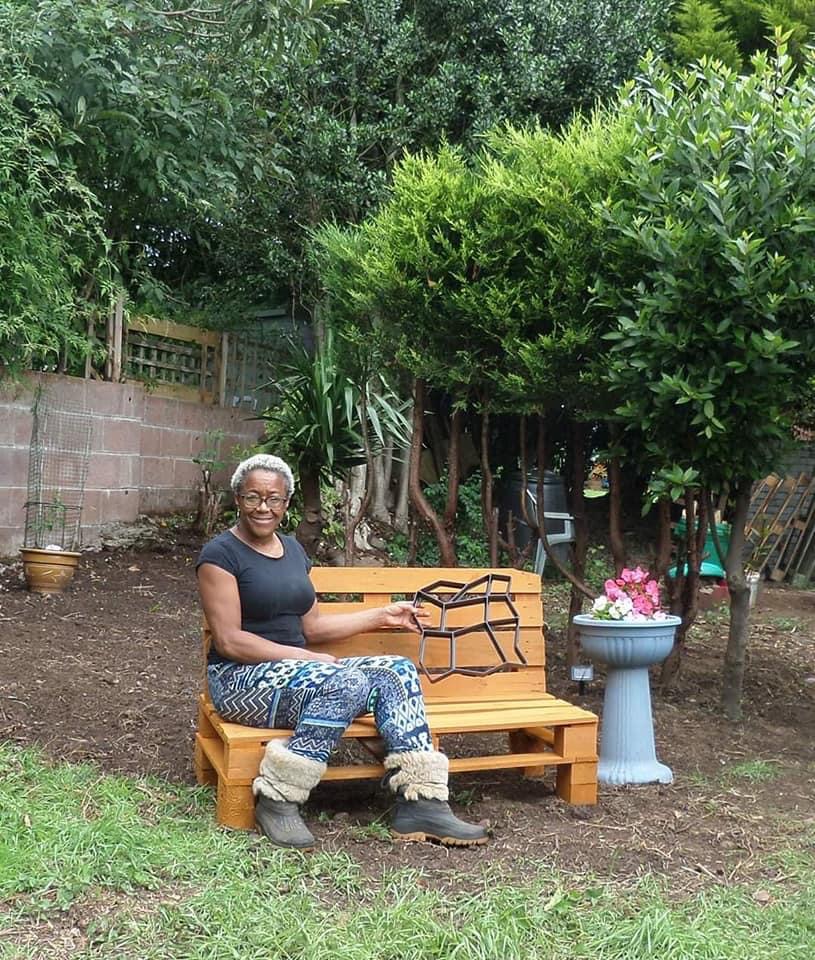
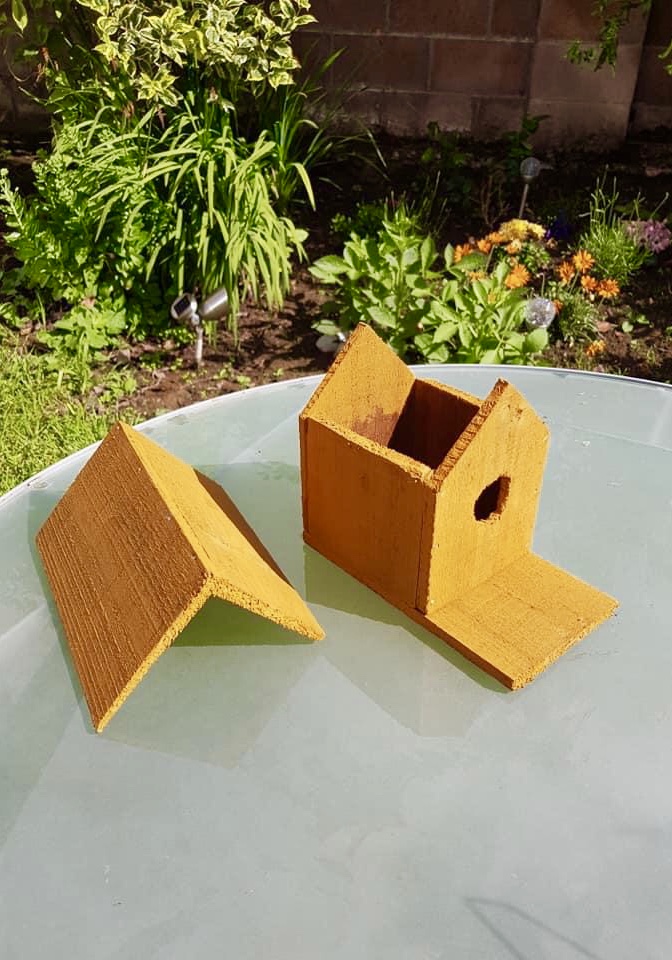
I get my recycled materials such as wood and pallets from skips by the side of the road. I can’t drive past a pallet without stopping and putting it in the car. I’m obsessed with pallets; I go to bed at night watching YouTube tutorials of creative things to make with pallets. Ideas come to me when I’m sleeping, next morning I can’t wait to get out of bed to get started.
I got into the habit of carrying my jigsaw tool with me as I quickly came to realise that pallets come in different shapes and sizes and some need cutting to fit into my small car. Friends who follow me on social media have also messaged me to offer me pallets.
You have also been growing your vegetables, which you have had to defend from garden predators! Have you managed to save any veg and made any nice meals?
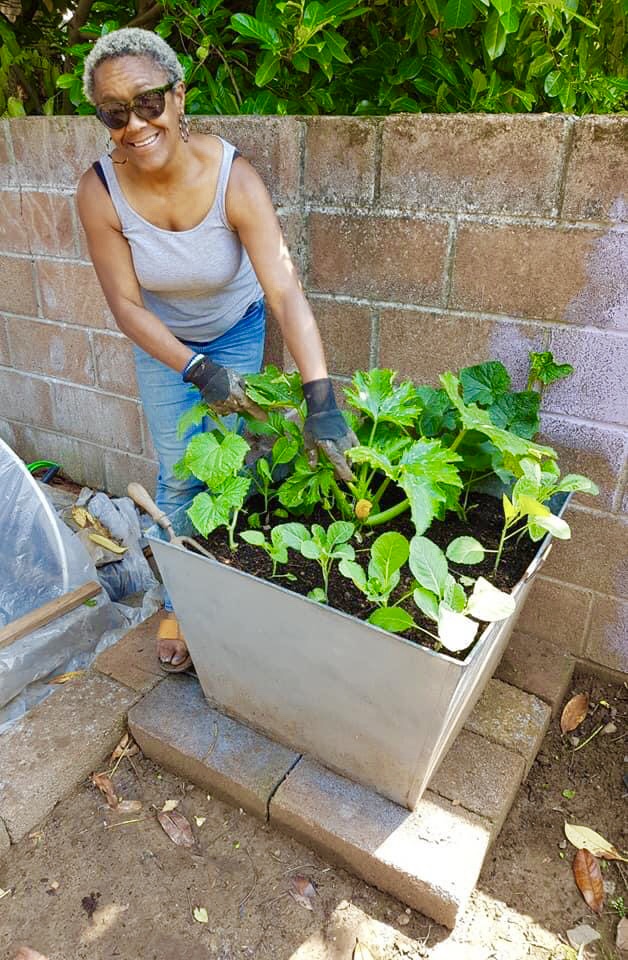
Growing veggies brings forth both pain and joy. For the first few weeks I had a nice harvest of rocket lettuce, chives, mint, rosemary, parsley, garlic, and strawberries. So far, I’ve made several dishes of tabbouleh salad – main ingredients parsley and mint. I shared much of my rocket and mint with my lovely neighbours. My cucumbers, cabbage and courgettes are growing slowly but surely, as I put them in a raised bed. However, my lettuce has been totally annihilated by the invisible slugs that come and go in the night, the only evidence being their slimy silvery trail.
There are very few black gardeners in the media, what can be done to increase representation and support people into considering this as a career path or as a pastime?
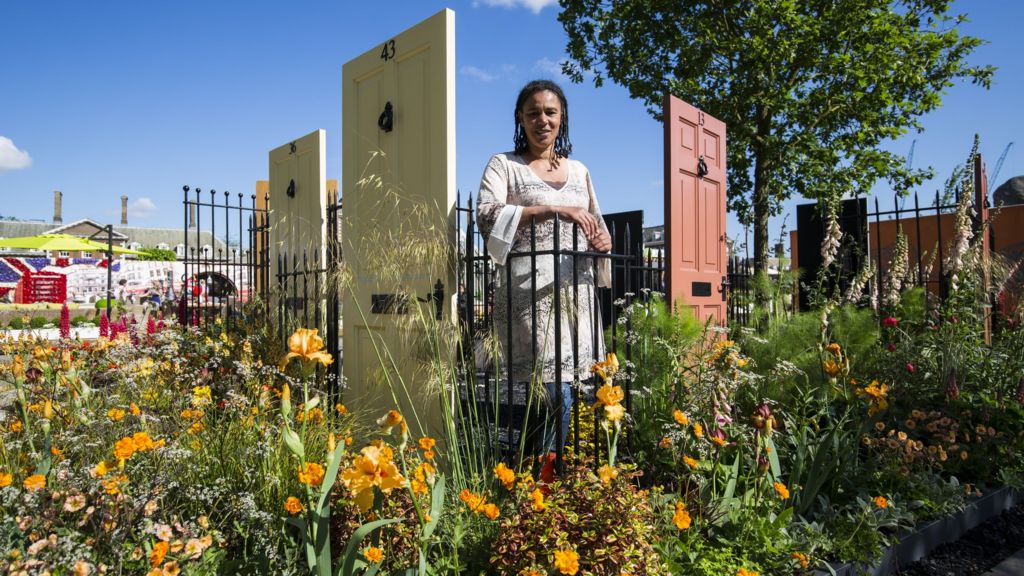
My biggest passion has always been plants, gardening and nature. Up until last year I had never seen a black woman garden presenter on TV, I was a follower of Charlie Dimmock, that’s all we had. Imagine my joy when I first saw Flo Headlam on Gardeners World in 2017, about time too! Then I remember Juliet Sargeant a black garden designer winning gold at the Chelsea Flower show in 2016 for her creative expression of modern-day slavery.
Flo Headlam and Juliet Sargeant
The black gardeners that I have mentioned above are from over the bridge in England. I would love to see Wales cultivate and nurture our very own homegrown black gardeners – Wales is missing out on so much by not embracing this unique and diverse talent.
Get the Chance supports the public to access and respond to arts activity, if you were able to fund an area of the arts what would this be and why?
If I were able to fund an area of arts I would most definitely choose presenting or hosting. We need more black people presenting topical issues that relate to all. The media is a very powerful tool which is, all too often, used to spread hate and promote divisiveness in relation to black people. As a black woman born in Cardiff, with strong Sierra Leone roots, I feel hopeful that change is finally coming on a global scale. Such a shame that it took the death of George Floyd to get us to where we are now.
During Lockdown a range of arts and third sector organisations and individuals are now working online or finding new ways to reach out to audiences. Have you seen any particularly good examples of this way of working that you would like to highlight?
For me Zoom conferencing has all the components needed for running a successful activity online, engaging with people who may not normally attend such events. Also allowing people to join and just listen without having to walk into a room full of people, which to many community members, is a pretty daunting experience.
The added bonus of Zoom is the break out room facility where a large group can be broken into smaller groups for discussion. I feel that online engagement is the future. Being able to access a service or event without leaving the home will enable far more people to participate and get their voices heard in relation to issues that affect them and their communities.
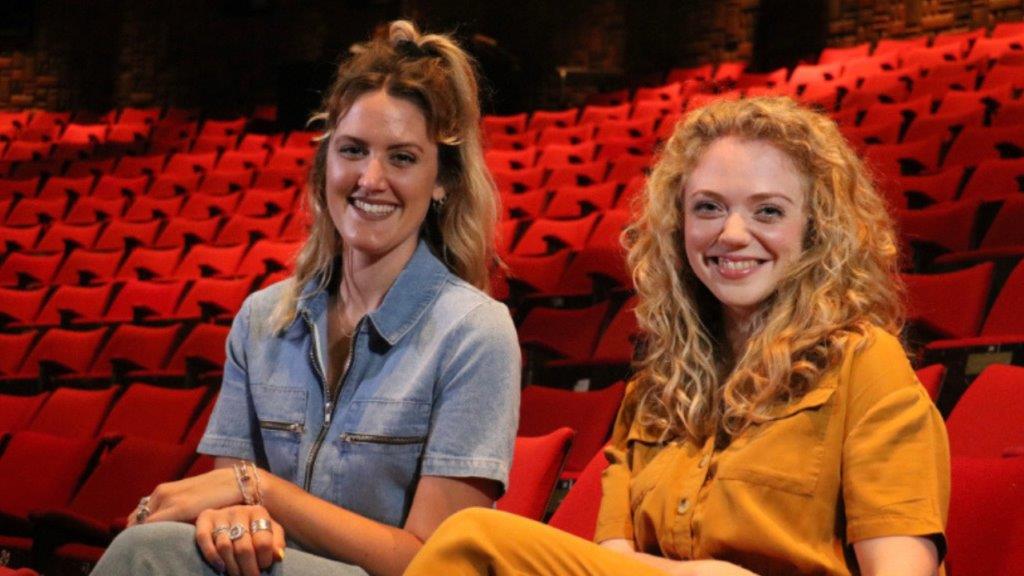
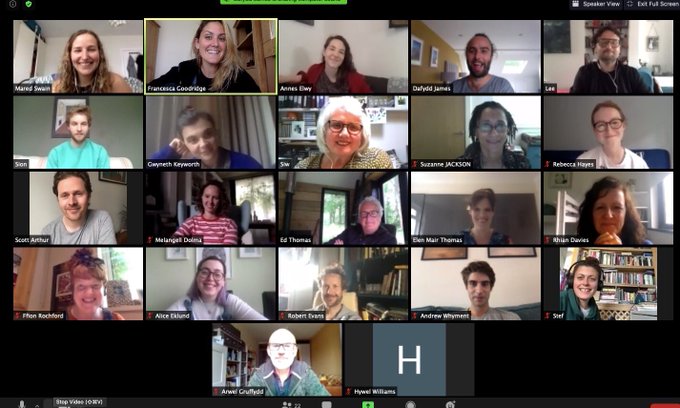
In this exclusive interview, the Directors of The Far Away Plays Scott Arthur and Francesca Goodridge speak to Director of Get the Chance, Guy O’Donnell about their Welsh background, the work of The Far Away Plays and where they think funding for the Arts in Wales should be prioritised.
Hi great to meet you, can you give our readers some background information on yourself please?
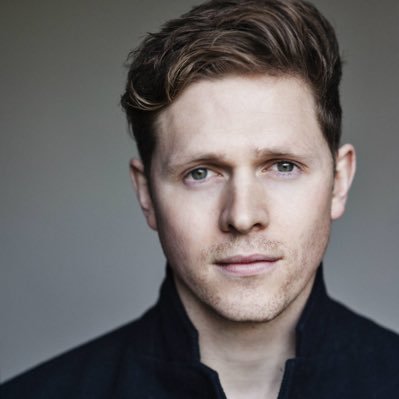
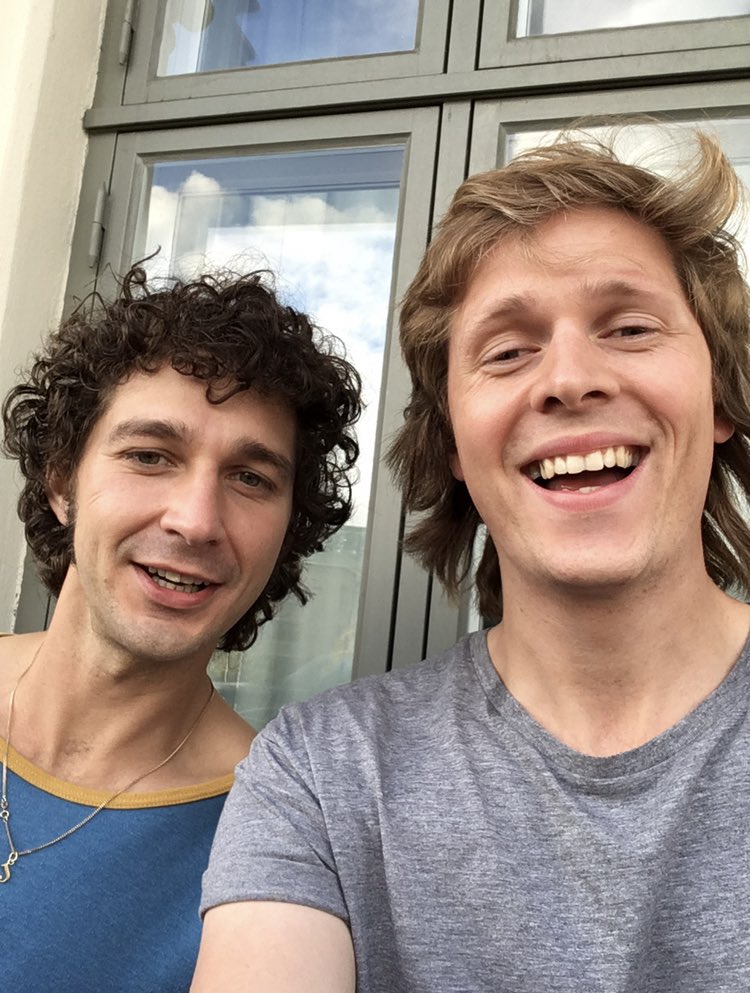
Scott – Siwmae! Thanks for having us. So, I’m an actor and co-founder of The Far Away Plays. I originally hail from the Wild West of Wales, known to most as Llanelli, and graduated from the Royal Welsh College of Music and Drama in 2010. Since graduating I’ve been fortunate to be part of some wonderful projects in theatre, tv, film, and radio, most recently the TV series ‘Good Omens’ for BBC/Amazon which starred Michael Sheen and David Tennant, and alongside Shia LaBeouf in the film ‘Borg/McEnroe’.
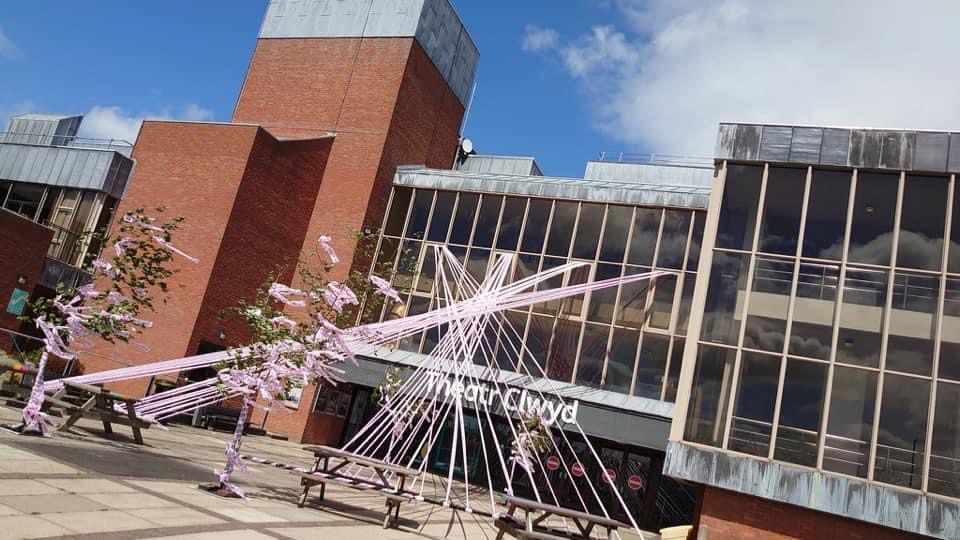
Fran: I’m from Swansea, I originally trained as an actor and singer at LIPA and since then have worked as a director alongside performing. The first show I directed was an all female 60’s musical, which went to Edinburgh Fringe for two years, and then transferred to The Royal Court Theatre in Liverpool. I was the Trainee Director of The Other Room Theatre in Cardiff, and I am now on of the first recipients of The Carne Trust’s 18-month Traineeship for Directors in Wales as the Trainee Director at Theatr Clwyd.
So what got you interested in acting and the arts?
Scott – School plays, local theatre, and any Robin Williams film. I used to go to the theatre quite a lot as a child, mainly to watch my uncle Greg who was a member of Llanelli Youth Theatre at the time, and then I finally plucked up the courage to join myself at the age of 13.
Fran: When I was a little girl my uncle would introduce me into the room whilst playing the spoons, I would hide behind the sofa, wait for my introduction and lap up the applause from my family, then run back behind the sofa and do it all over again (I can now imagine how annoying this was for everyone involved…) My uncle was the person who ignited my love for stories and really encouraged me to have a totally bonkers imagination.
Your new company The Far Away Plays is a new online play reading company, which champions Welsh voices. How did the new company develop and how does it work?
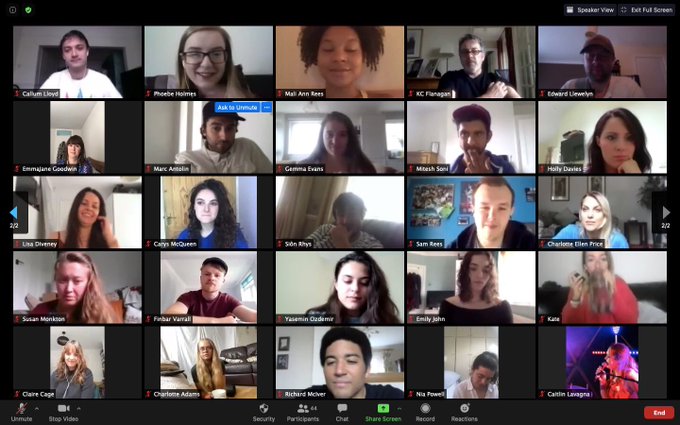
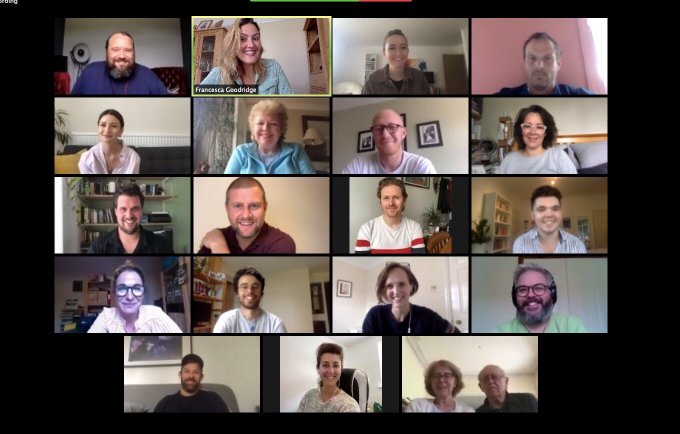
Scott: So, myself and Francesca initially had the idea to produce an online reading of Under Milk Wood, but then quickly discovered that the idea of creating a company which re-visited lot’s of brilliant contemporary Welsh plays, whilst at the same time championing Welsh voices to read them, seemed so much more worthwhile to put our energy in to. The Far Away Plays is an online play reading company that brings together a new company of actors and creatives every week to read some of Wales’ most loved plays, giving those involved a chance to be creative and stay connected during a time when our theatres and rehearsal rooms are off limits. We also host free, weekly workshops and Q&A’s with industry professionals too.
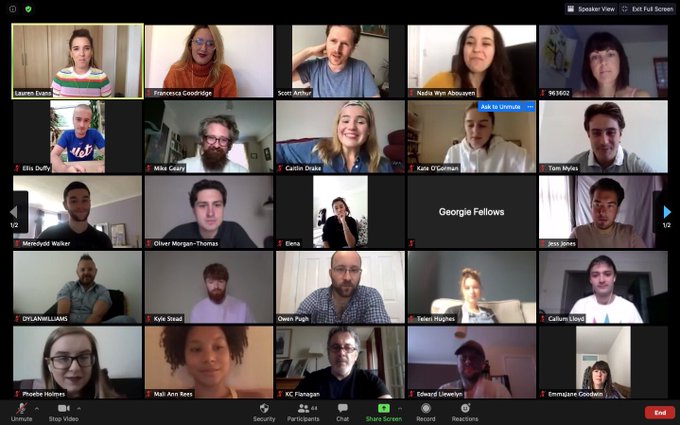
Image: BAFTA nominated Casting Director Lauren Evans (@laurendevans) The Far Away Q&A
Did the concept of the company exist in its current form prior to Lockdown or did you have to alter your plans? Was Lockdown an advantage for your company rather than a traditional playreading process?
Scott – The Far Away Plays wouldn’t exist without Lockdown. Without everyone being stuck inside their living rooms I doubt we’d have been able to bring such fantastic reading companies together – we’re incredibly lucky to have worked with some of the best talent Wales has to offer.
Fran: I wouldn’t say Lockdown was an advantage, but it did mean that actors were really needing a way to exercise their creativity, and that went hand in hand with our mission of wanting TFAP to connect and champion Welsh artists. We try and make it as much of a traditional play reading process as we can, with no pressure and just the joy that this is a one time opportunity to all be together, in that moment, with that story. You have had readings of existing plays by established playwrights as well as readings of work in development.
How do you decide on the plays to read and the creatives involved?
Scott: We just chatted a lot and created a list of the plays that we really wanted to hear again or in some cases for the first time. Actors and creatives have suggested plays too which always helps.
Katie Elin Salt
Matthew Trevannion
In terms of the work in development, I called Katie Elin Salt to see if she had anything that she’d written that we could have a read of, and luckily for us she had her insanely brilliant play ‘Splinter’ that hadn’t been touched for a few years, so we jumped at the chance to workshop it and give it another life. And in Matthew Trevannions case, we approached him as we wanted to read his play ‘Bruised’, but luckily for us he really wanted us to host a reading of his brand new play ‘Lyrics to a Birdsong’ instead. It was our 2nd new play reading in just under a month – we couldn’t have felt more lucky that the likes of Matthew and Katie trusted us to help them develop their works.
The Lyrics to a Birdsong reading by Matthew Trevannion.
Fran: There are playwrights that both of us love and admire, so there’s the obvious plays- but we try to have a new playwright every week and so far haven’t done more than one reading of the same playwright yet! Myself and Scott discuss the plays, but a lot of it comes from emails from creatives wanting to get involved, and the plays they suggest! We have a huge database of actors/creatives and the plays they suggest- once we start to see the same play crop up, we know we have to do that one. We try to get a director on board for each reading as soon as we decide on the play, and we ask them to go through the database of actors to see who is best to read what roles. We try to include both graduates and experienced actors together. We also encourage playwrights to get in touch if they have new work they want to hear out loud, or work on over a few weeks with actors. It’s so important to keep making new work, even when right now it feels like we’re far away from putting it on, we have to keep making!
The reading of ‘Pan Ddaw’r Byd i Ben’ by Daf James
Scott you put a call out on Twitter in the early stages of the project for suggestions for Welsh Plays. What sort of response did you get?
I had over 90 different play suggestions. They’re all in our database now, and hopefully we can revisit them all at some point.
The play readings have been hugely successful, with real interest from the theatrical community. The readings can’t be accessed by the public and are invite only. Is it possible to say why this is and do you have any plans for an online audience to be able to attend?
Fran: We’ve been asked this a lot, and we would love to allow everyone who wanted access to watch each reading. However, we’re both working for free on this project, and so the actors and creatives are very generously giving their time for free too. We don’t feel like it’s right to ask the actors to “perform” for anyone other than for themselves without payment at the moment. The purpose is to allow them a place to flex their creative muscles, without any pressure of a performance. Like an athlete attending the gym! Obviously we would love to then have a separate strand that paid actors and creatives for their time, and allowed the reading to be open to the public- we’re actively trying to seek funding for this, so fingers crossed, because it would be great to open some of these amazing play readings up and more importantly pay people for their incredible talents!
🎉🎊 The Far Away Plays is officially 1 month old today! 🎊🎉
Over the last 31 days we’ve had:
• 9 Play Readings • Working with 46 actors • 9 Directors • 7 Welsh Playwrights • An R&D with a Welsh female playwright • 4 workshops with over 150 creatives attending pic.twitter.com/jFTEhj15Se
— The Far Away Plays (@TheFarAwayPlays) June 28, 2020
What response have you had from the sector and what are your future plans for the company?
Scott – One thing we can’t have any complaints about is the love and generosity that’s been shown to us from the off. Artists like Adele Thomas, Tim Price, Tamara Harvey, Trystan Gravelle, Catherine Paskell, Daf James, Rebecca Jade Hammond, Julia Thomas, Gary Owen, and Matthew Bulgo to name a few, have all given us their invaluable advice.
The immediate future plan is to keep on doing more readings and workshops. Long term, who knows. Personally, I’d like the company to evolve and for us to one day produce a production. There’s a huge lack of revivals in Wales, so we think we could happily fill that gap in a similar vein. Another idea of ours is for ‘The Far Away Plays Festival’. A long weekend in Cardiff with a whole load of play readings, workshops/Q&As, and a good old knees up with everyone.
Fran: The response we’ve had has been like nothing either of us could have imagined. It’s a huge testament to how much creatives are itching to flex their muscles and surround themselves with other creative minds. The readings are wonderful, but for me, seeing a “room” full of artists discussing the play afterwards always gives me goosebumps- those creative conversations are the thing I miss most (and the banter! You cant beat a room full of Welsh people… ) We plan to continue these readings for as long as people need them.
If you had to be put on the spot what are your favourite Welsh plays from the last decade?
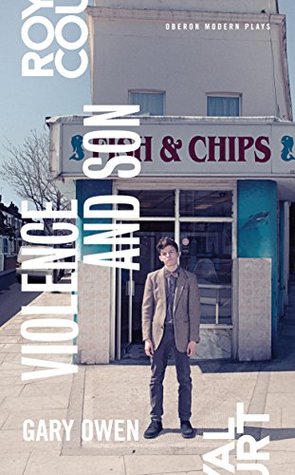
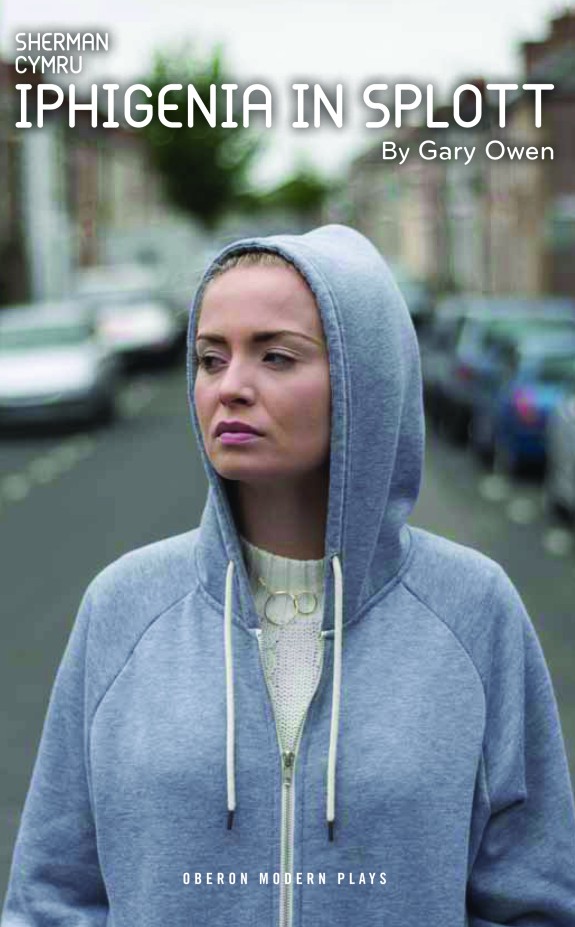
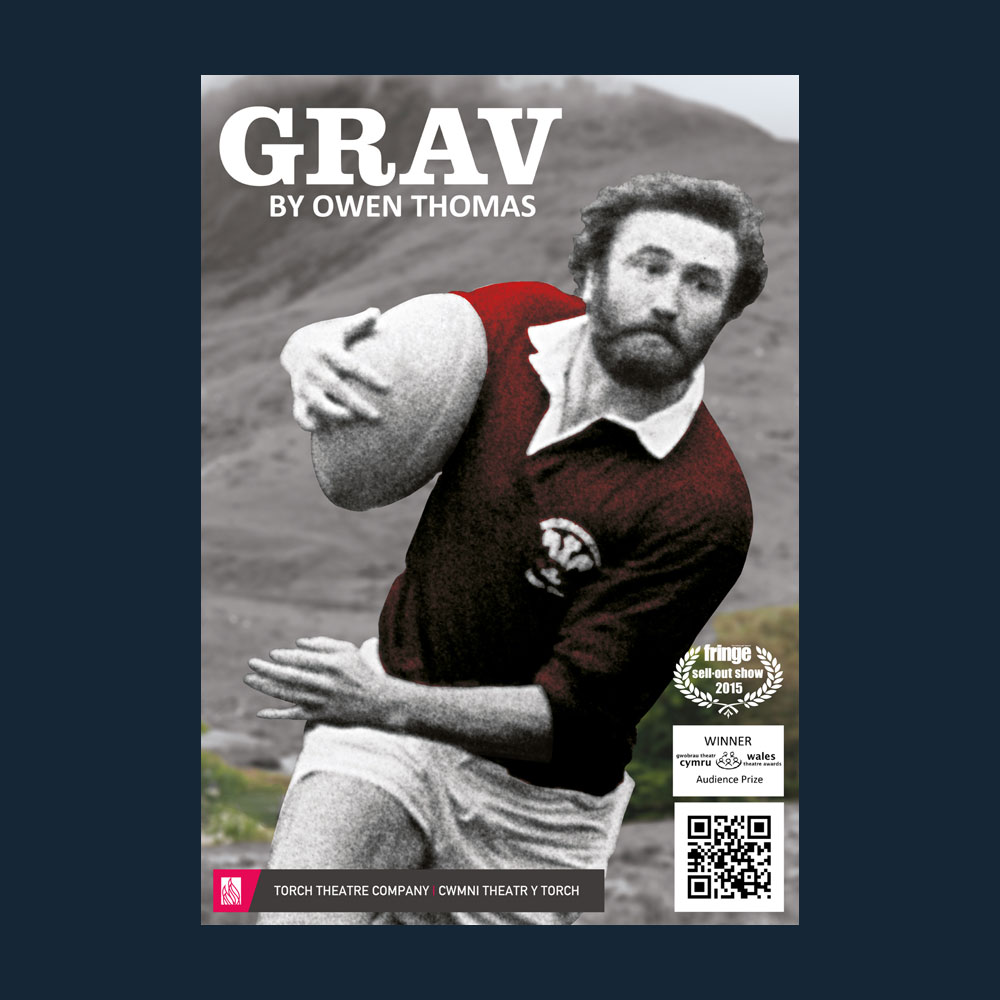
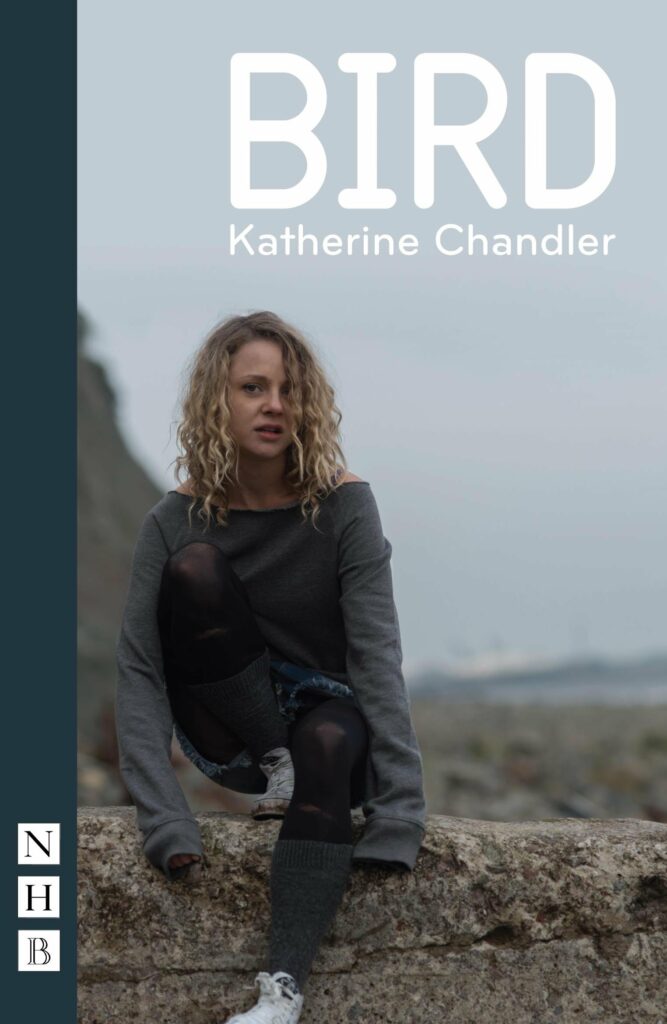
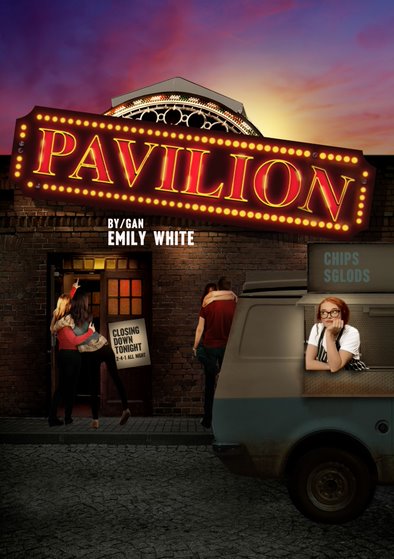
Scott – Violence and Son/Iphigenia in Splott both by Gary Owen, Grav by Owen Thomas, Bird by Katherine Chandler, Pan Ddaw’r Byd i Ben by Daf James.
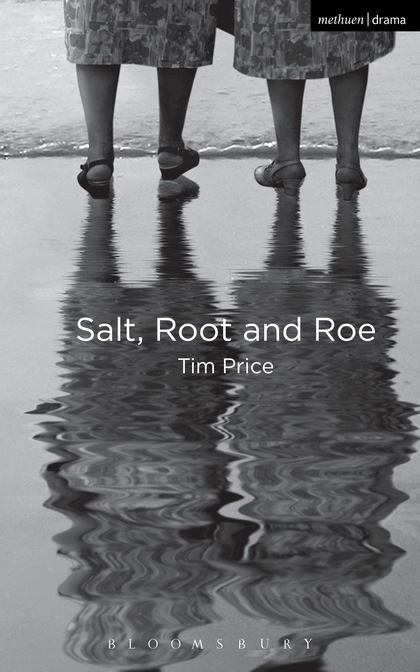
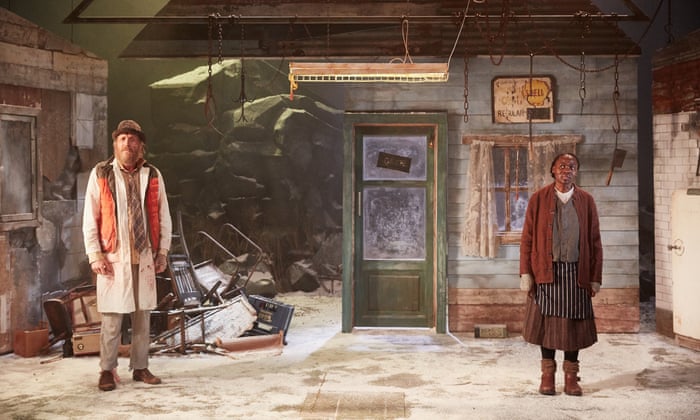
Fran: All of the above, I properly loved the most recent reading we did of Daf James’ play Pan Draw’r Byd i Ben, and also Emily White’s Pavilion will always be a really special one for me. But a play I’ve always loved is Salt, Root & Roe by Tim Price. I’m also really excited by new Welsh playwrights right now, I’m working with Rhys Warrington on a new play of his, plus we’ve been lucky enough to read new plays by Matthew Trevannion, Kristian Phillips, Katie-Elin Salt… we have so much talent in Wales, and so many incredible stories to tell.
If you were able to fund an area of the arts in Wales what would this be and why?
Scott: Wales has so many amazing theatres all across the country that hardly get used to showcase Welsh work with Welsh actors and creatives at the heart of it, so I’d love more money to be pumped into making sure that plays are toured more. I’m also unashamedly a huge fan of big scale productions – so more of those please!
Fran: The programme I’ve been lucky enough to be involved in is supported by The Carne Trust and Theatr Clwyd. It allows two directors to work at Theatr Clwyd for 18 months, assist on the productions, to work in every department in the theatre which is a truly unique type of Artistic Director traineeship where you get to see exactly how a building is run and operates. As well as that, at the end of the 18 months, you get the change to direct your own show at Theatr Clwyd. This kind of opportunity is few and far between and I’m incredibly grateful to Tamara Harvey and Philip and Chris Carne for providing it. I’d love there to be more possibilities like this for directors, to be able to attach themselves to an organisation or even a mentor for a longer period of time to allow their creative development. Working as an assistant director is great, and provides a lot of experience, but from being attached to a building I’m gaining so much more than just my ability as a director.
What excites you about the arts in Wales? What was the last really great thing that you experienced that you would like to share with our readers?
Scott: We have an insane amount of talent at our disposal in Wales. The possibility of all the incredible productions that could happen in the future excites me the most. The last really great thing I experienced was being in a packed auditorium at The Sherman for On Bear Ridge by Ed Thomas. The buzz inside was something I’d not experienced in a long time, and seeing actors like Rhys Ifans and Raike Ayola on a Welsh stage is so important. It creates a huge dollop of aspiration all round.
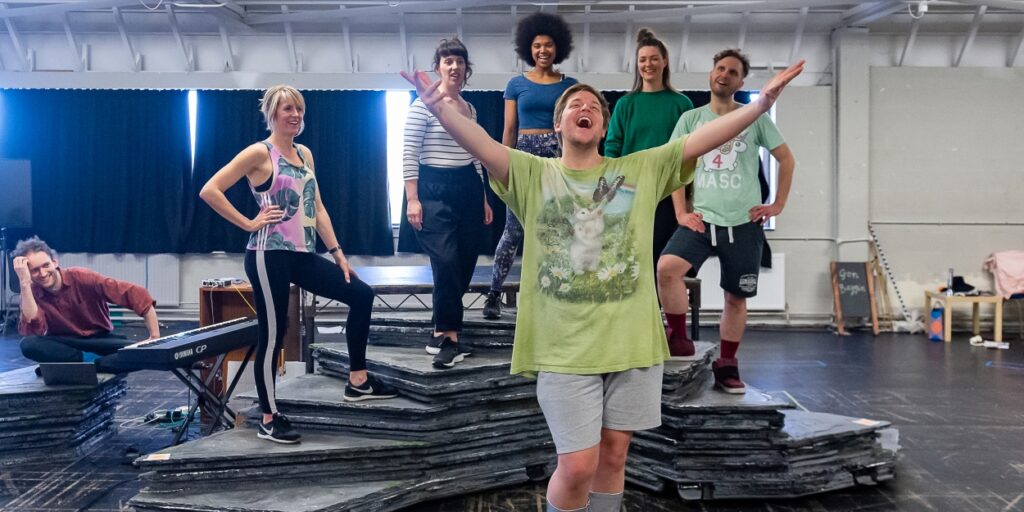
Fran: I always get so excited about shows that come from Wales, we really do have such a unique ability to tell stories. Before lockdown, I was lucky enough to be the assistant director on a new musical by Seiriol Davies called Milky Peaks. Unfortunately lockdown landed on our first day of tech, so we never got to open the show at Theatr Clwyd (don’t worry we will!) so we asked the cast what they would like to do in that heartbreaking moment. They responded saying that they would like to sing the opening and closing number before we left, one last time. The amazing tech team did some epic live cueing to provide lights and sound, and the cast performed the numbers breathtakingly. In that moment I realised that artists are such resilient people and we have a deep, unabating need to tell stories, no matter the circumstances, and we always will.
During Lockdown a range of arts and third sector organisations and individuals are now working online or finding new ways to reach out to audiences. Have you seen any particularly good examples of this way of working that you would like to highlight?
Scott: I really loved listening to Dirty Protest’s Ritual plays online, and I thought The Sherman’s 10 monologues was a great project too. Any company that gives us theatre folk the sense of being creative and staying connected should be commended!
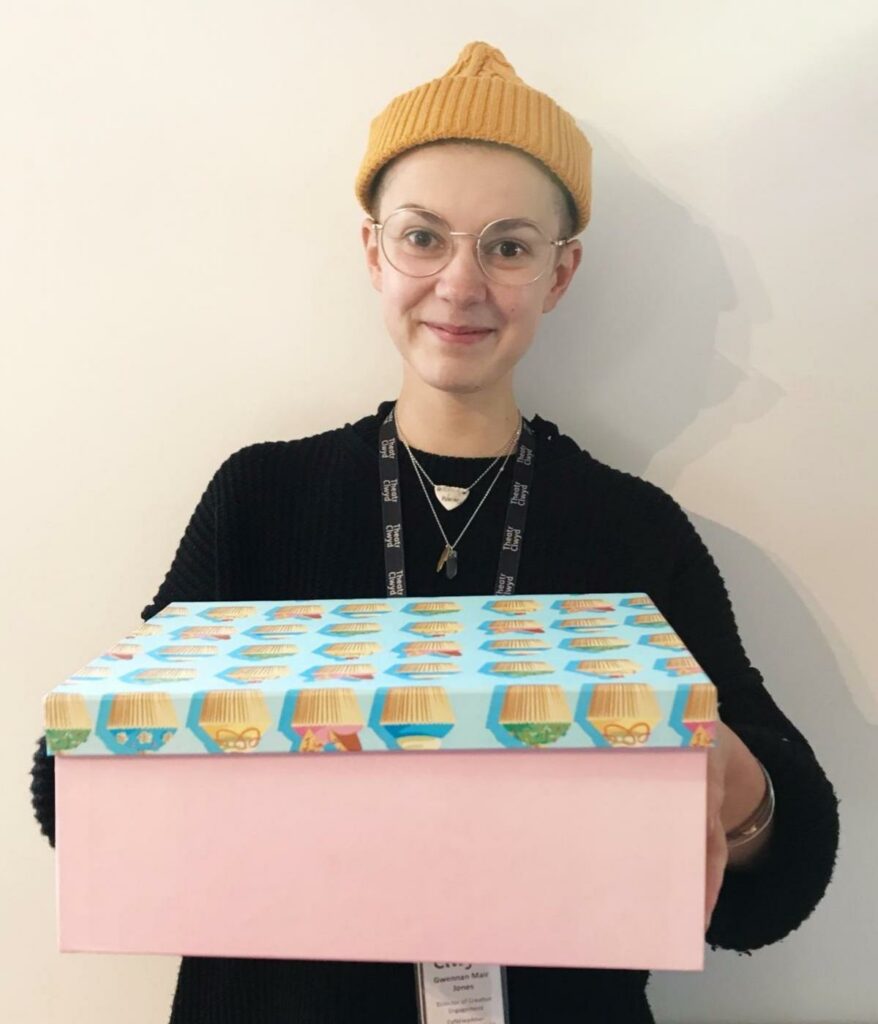
Fran: I’m probably one of the many, many people who have watched Hamilton on repeat since it was released, as well as the NT live productions. It’s not live theatre that we know, love and miss, but its something- and it’s brilliant. It’s allowing people to bring theatre into their homes, some who may not have been able to afford to go and see these shows originally, and it’s a great example of making theatre accessible for everyone. Gwennan Mair, who is director of Creative Engagement at Theatr Clwyd, and her amazing team is a brilliant example of how you can continue to reach audiences and more importantly communities during this time. They are still running online theatre workshops for hundreds of people weekly, including teaching elderly people how to use Zoom to they can keep connected to people, even if it is virtually!
Jên gave the presentation below as a part of the recent Zoom Participation Meetings. This meeting was supported by Art Works Cymru, NDCWales and Tanio. Thanks to Jên for sharing her statement.
Cyflwyniad Presentation: Participatory Arts: Thinking Beyond Lockdown – Community Arts.18/06/2020
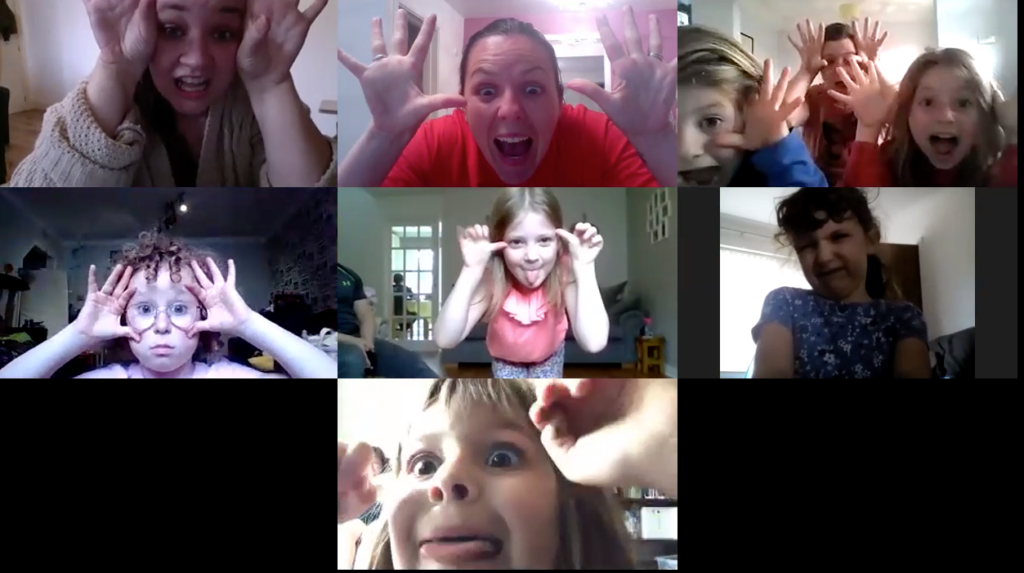
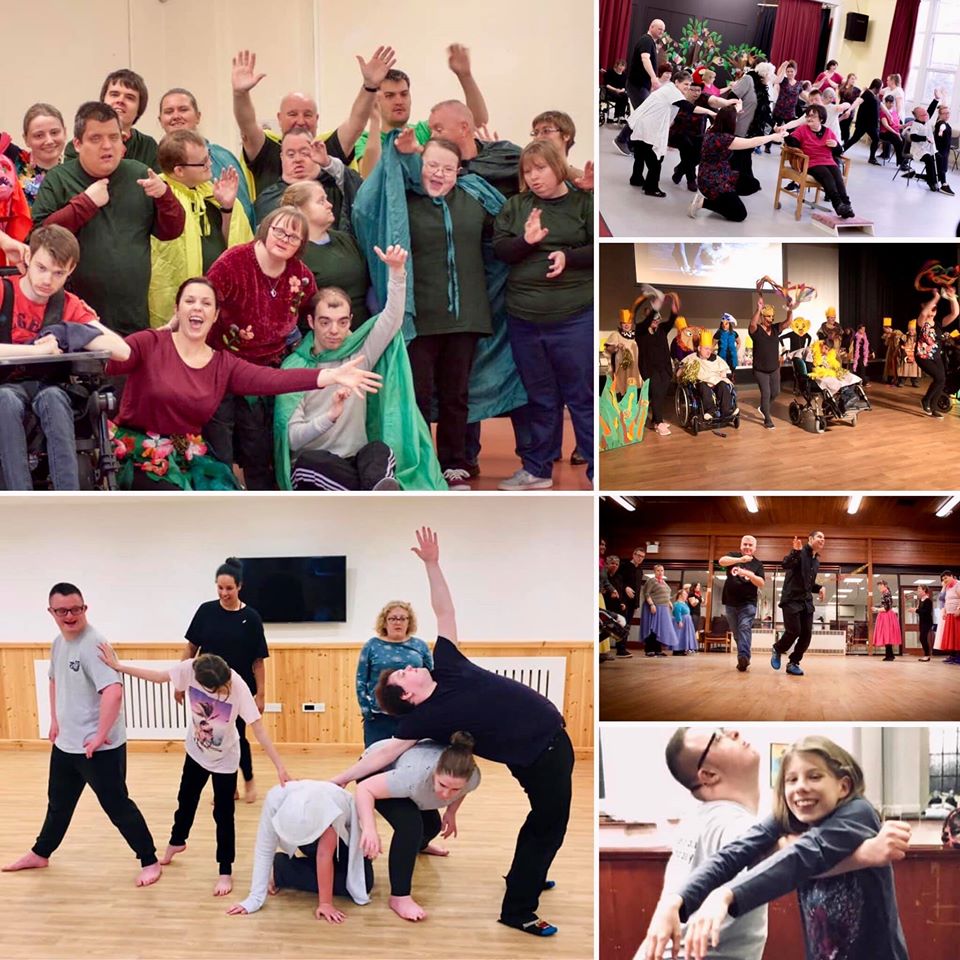
Bore da… good morning! Jên Angharad ydw i… I’m Jên Angharad… a year into my current post as prifweithredwr… CEO with a wonderful organisation that is Artis Gymuned – Artis Community.
Cyn i mi ddechre… before I begin… hoffwn jesd diolch i Guy, Lisa a’r partneriaeth, sy’ ‘di gwneud y sgyrsiau ‘ma’n bosib… ac am fy ngwahodd fel un o’r siaradwyr… I’d just like to say a big thank you to Guy, to Lisa and the partnership, that has made these discussions possible… and for inviting me to contribute as one of the speakers…. Diolch o galon!
So here we go…. Yn meddwl tu hwnt i lockdown… Thinking Beyond Lockdown … catapulting between what was…. what is … and what MIGHT be… at a time projecting into a future that is still unknown! Sounds like a dance improvisation to me!
I’m not going to talk about the work that Artis did before lockdown, (perhaps you can visit the website if you want to know more about that – https://artiscommunity.org.uk) because beyond lockdown is of course, about our futures… the future of us… as creative, cultural organisations, of independent artists… the future of us as a practice… and the future of us as a community of practice that includes the people who we are building relationships with and people who we’ve yet to have the privilege of meeting, making and growing with…
A future that sits within a broader arts ecology, currently in crisis.
Mae ‘na fwy o gwestiynnau nag atebion… There are many more questions, than answers and so, I asked the Artis team and board, what are the questions they are asking about our future as an organisation and as part of a national practice beyond lockdown and I’m focusing this reflection on just some of the many questions they’ve shared with me!
So this is a collective effort that we can continue to explore further with our communities.
The first question is a big one! It asks for thoughts on how the community arts sector might navigate its way out of lockdown? This is probably a question many of us are trying to answer!
When we consider community arts as a sector, currently capsuled into zoom boxes and flat screens, I think navigation requires kindness, it requires us to take good care of our health and wellbeing and to support our colleagues and friends, so that we are then able to maintain good connections and support as best we can, the people in our communities who make and feed our collective creative practice.
Then I like to think that we can draw strength from being a community of practice that holds a common unity locally, regionally and nationally, we are after all a people practice. We are a community of improvisers, planners, dreamers, strategists, collaborators, communicators and engagers and isn’t it fantastic when we come together to share concerns, find solutions to puzzles and celebrate successes! Conversation platforms like this one are providing a space to reflect, share and learn… connecting, re-connecting and I hope, strengthening our collective knowledge, practice and passion into the future. The more we do this, the more we can feed a shared understanding and form a united voice, which I’m sure we can all agree, is needed if we are to convince the Westminster government, that the social and economic value of community and participatory arts, is crucial to the wellbeing of our both our current and future generations.
The next question asks… What impact can we have now, in the next few months and further ahead into the future?
In Artis we’re learning through the stories of current lived experiences that in as much as it can never replace social 3 dimensional gatherings and interaction, we are making some difference to people who are engaging in our current digital, local doorstep drop offs, telephone conversations and posted activities… for some living in isolation and without access to digital technology, the non-digital activities provide a crucial connection with the outside world and that of their own imaginations.
Our digital activity has had a surprising impact, I think mostly on our own thinking about the possibilities that digital engagement can create!
The main driver for this development was an urgency…. a concern about how, during lockdown, we could possibly maintain a connection with the people who regularly take part in activities.
Refocusing practice into a digital domain is time-consuming work, but it’s worth it in terms of connecting people during social distancing, it means we can continue to employ freelance artists and we’re learning new skills!
But, if we are to survive beyond lockdown, we face an even bigger challenge and that is to add our voices to the voices of Arts Council of Wales and Welsh Government in influencing the thinking of the Westminster government… to call them to understand the need for and the benefits of, locally driven community and participatory arts experience… on health & wellbeing, on learning, on skill development, on identity, on our sense of place in this world, on our environment and on the economy and regeneration of communities. [These are] Community and participatory arts practices and experiences that are priceless and can be life changing.
Efallai mwy nag erioed… We now need perhaps more than ever, financial investment in the arts, and importantly, not just in the larger organisations, but in smaller companies and charities and independent artists who do incredible work in and with communities of people who can otherwise be invisible and feel the weight of injustices, amazing people who are entitled, after all, to explore a world of imagination, creativity and growth.
I attended an ArtWorks Cymru partners meeting yesterday to discuss the Parliamentary Committee for Digital, Culture, Media and Sport’s call for evidence, of the impact of Covid-19 on DCMS sectors… the deadline is Friday – that’s tomorrow! ArtWorks Cymru is drafting a national response and if we can, as organisations and individuals also submit responses, however small, our national voice – our sector voice can be louder. Our immediate challenge is to convince the current powers that be, of our relevance.
Projecting forward… Beth yw’r heriau… What are the challenges of facing a new and different future?
There are undoubtedly big challenges ahead, not only in the practicalities of coming out of lockdown, and transitioning into choreographed… physical… social… spaces, but also in how we approach this… mindful that social distancing, isolation, ill-health and grief will have impacted individuals in many ways and require sensitive approaches to re-engagement.
Lockdown has unearthed the ugly truths about inequalities and injustices in our society and in as much as the Artis vision is well intentioned, we, as an organisation need to question what we mean when we say:
Mae ein gwaith yn ceisio creu lle i bawb
I brofi rhyddid mewn creadigrwydd a grym i ddarganfod gwychder mewn dathliad o fynegiant artistig.
Our work seeks to create space where all people
find freedom in creativity and are empowered to discover great moments in a celebration of artistic expression.
If we truly mean ‘pawb’ … ‘all people’, then we must proactively change our focus towards areas and cultures we are failing to reach in the South Wales Valleys. We know that we can’t do this alone. We need to work together with organisations and individuals to achieve this.
The unknown is perhaps, for most of us an uncomfortable prospect. But I think if we look to our community and participatory practices, that are by their very nature, improvised, uncertain, adventurous, unexpected… we can remind ourselves, that we can call on these same resources to propel us forward into the unknown, knowing that our collective creativity and resilience will see us through.
In this exclusive interview Welsh actress Michelle McTernan spoke to Director of Get the Chance, Guy O’Donnell about her training in Wales, the work of Rising Stars Theatre Company and where she thinks funding for the Arts in Wales should be prioritised.
Hi Michele great to meet you, so what got you interested in the arts?
I was 8 years old and my dad took me to see ‘The Lion, the Witch and the Wardrobe’ at The Citizens Theatre, Glasgow. I was amazed. I found myself not so much engrossed with the story but with the whole experience. I wanted to be on the stage acting, I wanted to be the one to make others feel what I was feeling.
Later at 15 I auditioned for West Glamorgan Youth Theatre which had a profound effect on me. It helped develop an appreciation of the arts. It instilled a sense of discipline, character and respect. As well as being fun it also created new friendships some of which I still have to this day.
I got into The National Youth Theatre Company and that sealed it for me. I wanted to be an actress.
During Lockdown Rising Stars Theatre Company have launched a new book called “How do you get a Rainbow in your heart when its in the sky?” I believe you launched during Mental Health Awareness Week. Mental Health is a huge issue during Lockdown, can you tell me more about the book and your intentions for it?
It is such a beautiful book and we are so proud of it. The book was born out of a zoom session where we asked the students to give us words associated with Rainbows. One of the students asked “How do you get a rainbow in your heart when it’s in the sky?” This felt so profound to me. It was although he had said “How do we find hope when it feels so far away?”. I just thought that that was how many children and those with disabilities were feeling right now. So we sent out a task to put the words into a sentence or a story. One of our volunteers wrote the story and another illustrated it. We’re lucky to have such talent. We then had it printed and decided that it would be free to school hubs, food banks, Women’s Aid group and all minority groups.
We have just had it translated into welsh and are currently having more printed. We also have an online version which is fully accessible and will be launched in July. To date 2000 books have been distributed and not just in Wales, the books have gone to Italy, New Zealand and Australia. The response has been incredible.
During Lockdown a range of arts organisations and individuals are now working online or finding new ways to reach out to audiences. Have you seen any particularly good examples of this way of working?
We’re all looking for new ways to communicate and connect with others. I’ve been involved with lots of friend/ family quizzes, zoom webinars, chats and discussions about the arts I was part of a live zoom production where we had 2 rehearsals, a tech and then went Live to a paying audience of 200 people. It worked but was so alien.
One thing I’m happy to see is The Far Away Plays set up by Fran Goodridge and Scott Arthur. It’s a new online platform for reading both established and new plays. It allows actors, directors and creatives to keep their minds focused on what they do best and at the same time networking and seeing who else is out there.
🎉🎊 The Far Away Plays is officially 1 month old today! 🎊🎉
Over the last 31 days we’ve had:
• 9 Play Readings • Working with 46 actors • 9 Directors • 7 Welsh Playwrights • An R&D with a Welsh female playwright • 4 workshops with over 150 creatives attending pic.twitter.com/jFTEhj15Se
— The Far Away Plays (@TheFarAwayPlays) June 28, 2020
Work is scarce at the moment but I’m lucky to be involved with Hijinx Theatre Company and have taught some zoom classes and set tasks to keep everyone busy during this time. Also at Hijinx, we’re working on an R&D for later in the summer. The process is strange and different but we are making it fun by setting games, doing breakout rooms and using what we have around us to create ideas for the production.
If you were able to fund an area of the arts in Wales what would this be and why?
I’d like to see more funding for creative arts within schools and bring back drama departments to those schools who have lost them. We need to invest in the next generation of theatregoers.. Teachers should be encouraged to bring their students to the theatres and more funding would that possible. I would also like to see more investment into making theatre for actresses over 40s.
What excites you about the Arts in Wales?
The quality of new writing within Wales right now is incredible. In fact I’ll go as far to say that we are leading the way in that respect.
What was the last really great thing that you experienced that you would like to share with our readers?
The last show I saw in a theatre was my husband in Pantomime. ‘Sleeping Beauty’ at The Regent Theatre in Stoke on Trent. The sheer joy that Panto brings to families and audiences is extraordinary. For some it’s their first experience of being in a theatre, the lights, the atmosphere, the buzz of the people getting to their seats, the actors talking to you, singing along and dancing in the aisles. It’s an absolute explosion of everything that makes going to the theatre an experience and that feeling will last forever. I hope we get to have our fix soon…I miss it.
In response to the lockdown triggered by COVID-19, many arts organisations have taken their work online, sharing content for audiences to view for free. However, creating participatory engagement online is much more challenging and, as a sector used to being face to face with people in their practice, it’s clear that the current restrictions change the nature of participatory arts based activity substantially.
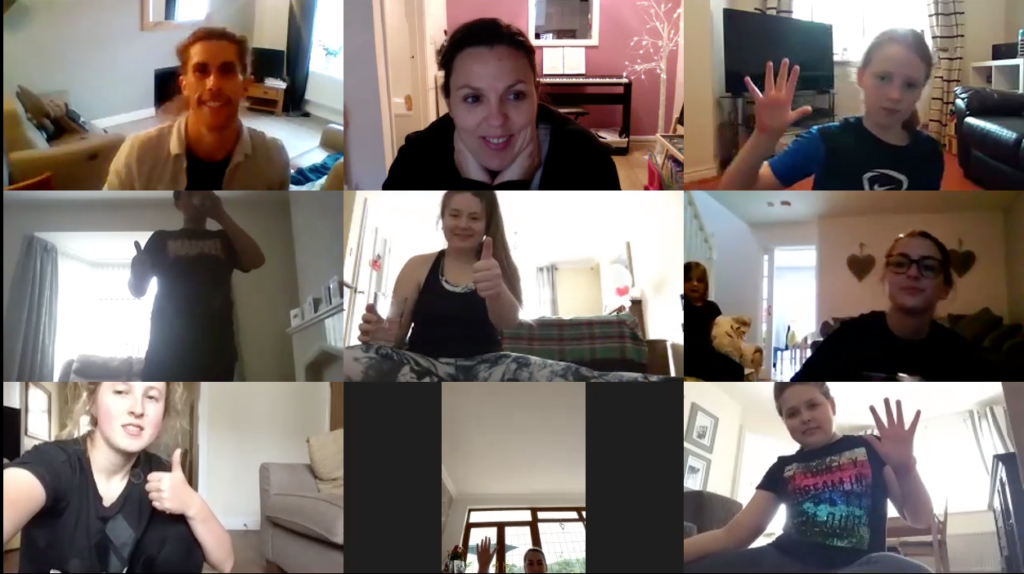
Following a vital conversation on social media led by Guy O’Donnell, Learning and Participation Producer, National Dance Company Wales which opened a discussion on how we can deliver participatory arts effectively, a range of partners are collaborating to lead Zoom discussions for the sector where we can talk about the impact of the lockdown on our work and work creatively together to think beyond the lockdown.
In partnership with ArtWorks Cymru a series of free Zoom meetings have been set up to discuss and share current working practices in participatory delivery.
Capturing the Learning
These Zoom meetings will explore how we capture the learning from organisations and artists who are currently delivering projects. We’ll explore what methods are working well, what are we learning through this experience, and how we are adapting our working practices.
Naz Syed a freelance creative practitioner, visual artist and travelling teacher with over twenty years’ experience in community engagement and education. She will be speaking at the meeting organised by Youth Arts Network Cymru 5pm – 6pm Tuesday 9th June. The meetings are free to attend but numbers are limited. At the meeting Naseem will outline some of the challenges and solutions she has created to support the public to access the arts in the current climate.
Photography by Women of Newport
In the photograph above I was featured in the Women of Newport exhibition in my home, my mother’s art work on the wall and the textile banner I created with the community for charity Baby Bundles. 100 women’s hands created by different groups and individuals, including Go Girls, Public Theatre, The Riverfront and Llantarnam Grange. The banner was featured on BBC news and was part of the Processions to mark 100 years of women getting the vote.
Hi can you tell me a little about yourself and your practice?
Hi, I am a freelance creative practitioner, visual artist and travelling teacher with over twenty years’ experience in community engagement and education. Working in community and education settings across a range of visual art disciplines, specialising in fashion, textiles, mixed media and applied arts.
My type of work is in the heart of the community with The Night Out Project ACW, I am a freelance facilitator, I work with school groups from Primary to Secondary and community groups with children, young people and older adults in South East Wales, Cardiff, Newport and the Valleys and more. Supporting schools and community groups to promote, market and deliver an event with a selection of touring theatre groups in unique settings. Sessions include; PR, design, promotion, print, fundraising, budgeting and health & safety. Each event is organised with a leading theatre company for the public after 6 weeks of event planning. I have worked on the Night Out Project for over 6 years. Working with each group for 6 weeks with creative tasks, enterprise, building resilience, collaboration and confidence. building up to a final show with a touring theatre, including PuppetSoup and Circo Rum Ba Ba.
One of my favourite pieces of theatre to be involved with was Dirty Protest Theatre, ‘How to be Brave,’ I worked on audience development in Newport and supported the promoters with Coffee and Laughs at Community House, Maindee to create a community event. A really powerful and moving on woman show and totally captivating and even better that it was about Newport!
Credit Fez Miah, Night Out ProjectCredit Fez Miah, Night Out ProjectWomen of Newport
I work as a freelance art tutor in different venues including the Riverfront, Llantarnam Grange and local community spaces and organisations. Delivering arts classes, holiday workshops, family sessions, school visits, Criw Celf.
I have developed and delivered creative projects in education including an eco fashion project called Ringland Runway, with KS2, year 2 class and year 4. Eco Fashion project I developed and delivered with support from Newport Fusion at Ringland Primary School. Creating outfits with a Year 2 class and year 4 eco team, in recycled and reclaimed paper, plastic and upcycling donated clothing. The children won the enterprise troopers foundation award with the enterprise and sustainability project and featured in the Big Splash festival.
With Arts & Education and the innovation seed grant, I worked with Blackwood Primary School to develop new ways to create, respond and reflect, making their own sketchbooks, collages and using mixed media. Using the exhibition in a box, a portable multi-sensory resource that explores the theme of silence in connection to the First World War by Head4Arts. The children’s poems and artwork were published in a book by Burst Publishing
I am an Arts Award Advisor and I deliver and support accredited courses. I am Lead Creative practitioner trained. I have delivered creative CPD workshops to teachers, and arts organisations as part of the Arts & Education Network, South East Wales and created learning resources.
I enjoy working with others and building their confidence to develop creative skills. I am currently delivering Art Clwb workshops voluntarily in my home each week on facebook live, Sofa Share Wales. Where people engage live, ask questions and create work along with me. I also run a featured artist each week where people send in their artwork created with the theme, inspired by the workshop and one artist chosen by the public wins an art bag. I have found this a way to support families and teachers with workshops and ideas for children at home.
My passion lies in the power of the arts to connect, empower individuals, communities and cultures, bringing a sense of belonging. How art can transform the perception of yourself and others, promoting wellbeing and mindfulness.
What challenges did lockdown present to delivery of your participatory practice?
Lockdown has affected my freelance work in projects and venues which I have worked for years. My work is based in the community and in education – creative practitioner visiting schools and Night Out Facilitator, ACW. The schools I was working with at the time had created such wonderful work and unfortunately the week it all changed was their theatre events with PuppetSoup, Land of the Dragon. I was absolutely gutted to not be able to host these wonderful shows with the children, but they were all understanding, and I plan to go back and do a creative workshop once things have settled. It all just went silent and the main part I love about what I do had just stopped suddenly, I found it quite isolating at first and I was worried about the groups and individuals I worked with. A wonderful group I connect with called Coffee and Laughs set up a zoom and then I started to reach out and have conversations with others to see how we could adapt and move forward.
I also deliver creative workshops within heritage, cultural sites and communities, theatre and arts centres, in the holidays, at events and some weekends. Until further notice, all of it just stopped, due to outside visitors in schools stopped and then all the venues and schools closed down. It is a people facing job and due to the venues being closed, other staff furloughed, schools shut and community spaces my current freelance work was cancelled.
Once projects and communities are back, there will still be restrictions and possibly they could not accept visitors and some of the groups I work with are more vulnerable, so they may not want to attend events and projects afterwards. Future work is uncertain and difficult to determine. Creativity and the arts, now more than even is key to wellbeing and to connect us all.
What systems did you put in place to ensure delivery?
The current times have made us feel isolated and arts is a ways of bringing people together. Creating in their homes and making us be more resourceful with the items around us. The community gallery shows work from families, children, artists collectively. A featured artist is chosen each week to feature on the page and I have been putting together bags of creativity for them to use. The connections with artists helping donate bags, Newport museum supporting some of the materials going forward and the conversations I have had each week have meant so much. It has helped me greatly too, when all my work is focused on others being creative and that spark and energy, also moments of calm and concentration are so important. To see videos, creative pictures and happy faces and videos of others sharing their work..there are just no words to describe it! I have had to adapt and look at new ways of bringing people together and getting my workshops out to them. As I don’t have many set groups, I am a travelling teacher and artist at different events, community spaces and schools. So this static creativity has to move and adapt in a different way.
A creative learning in the arts project was cancelled, so I had to find new ways of working with the teacher, to keep creative ideas alive for the children in Year 6, Blackwood Primary School. So I have been sharing the resources and online workshops with the teacher. To have videos and images of the creative tasks each week sent to me, has kept me connected to the group and one of the group has even been making his own videos as a presenter, which as wonderful.
‘One of the best aspects of distance learning during lockdown was the impact of Naz Syed’s Art Clwb activities. As a teacher at Blackwood Primary School I reached out to Naz for some inspiration on what creative tasks I could set my Year 6 pupils as part of their home learning. They have absolutely loved watching the videos and creating their sketchbooks, birds of peace and sockipillars. Parents responded by saying how much fun their children had in making the crafts and the results are amazing! A huge thank you to Naz and Art Clwb for supporting us during this difficult time.’ – Mrs Phillips, Year 6 Teacher, Blackwood Primary School.
I am thankful to all who have connected, shared their thoughts, ideas and creativity and artwork.
Art Clwb community gallery snapshotsBlackwood Primary TwitterBlackwood Primary Twitter
What are your plans for future delivery?
I want to share as much as possible, so it is looking at how to make it sustainable moving forward. To keep sharing creativity, ideas and workshops for others to access. Looking into what Funding is available to continue this and to work with other organisations to deliver and develop this effectively for digital learning at home.
I am taking part in the ICE 5 to 9 Club virtually each week with ICE and Business Wales. I am developing a creative business idea that has been on my mind for a long time.
To keep Art Clwb going and delivering creative packs and workshops. I have to adapt and be resourceful. Going forward I would like to develop more sustainable projects and use of materials in the community and education.
In my own practise, I am currently developing work and sketchbook ideas at the moment, Lockdown stories..using collage and mixed media to portray thoughts and feeling of this time.
A range of organisations have worked to continue delivery of their art form during lockdown are there any that you would like to mention that you found either professionally or personally useful?
I have been keeping in contact with the organisations I work with, as collaboration is key and keeping those conversations and ideas alive is really important. As I am a travelling artist/teacher and it can feel lonely at times. I have found these organisations have been adapting to the needs of the community and freelancers to support.
#CreatewithNaz every Saturday on Facebook live. 6pm (May be subject to time change 3pm or 6pm)
Each week has a different theme and Naz will create ideas and mini workshops for you to make along with or after the live workshop, using materials around your home. You can share and send in your work. One artist is chosen to feature on Sofa Share and wins a creative bag. All work sent in, is featured in a live gallery.
I been creating workshops online for Llantarnam Grange Arts Centre, holiday club workshops on their facebook page and Criw Celf. The Grange are also running a sketchbook community gallery, linked with Art Clwb.
Free holiday workshops with Naz #CreatewithNaz
You can access these workshops at the Facebook Page at the link here
I currently work as a Co-ordinator for Newport Fusion, part time. Developing ways to support cultural and community organisations and network partners. Supporting projects currently including; Sofa Share Wales, Beat Technique, Tinshed Theatre in new ways to develop and deliver their programmes and workshops to their groups and the community, also Operasonic with wellbeing.
Arts Council of Wales have continued to support artists and open up new funding strands. The Noson Allan/Night Out project has supported and kept in contact. With the Creative Learning in the Arts I delivered an expressive arts masterclass – online workshop and resources, using materials and equipment at home, My creativity book – creating concertina books and collage, which will be available on Hwb. https://hwb.gov.wales/
Arts & Education Network South East Wales– educational resources #StwdioAdref https://artsed.wales/en/
Head4Artshave supported by practise and development of ideas, as events I had booked were cancelled. I have produced creative packs for families in the community and designed printed bilingual resources. #DoorstepCraft
Many Welsh or Wales based arts graduates are finding this current period especially difficult. Their usual opportunities to meet agents, prepare for final year exhibitions or productions may take place later in the year or sadly not at all. To raise awareness of the diverse talent graduating this year GTC is offering any Welsh or Wales based graduate the opportunity to be showcased on our website. If you are interested, please do get in touch.
Please note this interview contains Monologue Mix Up videos, some of which feature strong content.
Hi Meg great to meet you, can you give our readers some background information on yourself please?
Growing up my parents always made sure we were engaged with the arts, whether that was going to the theatre, the circus, painting on the wall in our back garden, we were always exposed to the arts and influenced to be creative ourselves.
Can you tell us about your creative process?
Process is always a funny one, as is creating. It really depends. I usually write from an instinct, a thought, an image, I just begin and continue. I try not to censor myself or stop and look back until I’ve reached a natural conclusion. Then I’ll go through it, reading it to myself to see how it feels to speak and usually make some edits based off of the way it feels more natural to be spoken. When it comes to acting, it’s such a malleable process that depends on who and what I’m working on. Especially if it’s theatre and we are in rehearsals for weeks, my process will be influenced and guided by those around me – the other actors, the director etc.
As a young Welsh artists graduating during a very difficult period what investment and support do you think is required to enable your career to develop and prosper?
I’m hope that as the graduating year during this time, we will be have an opportunity to be heard. Whether this is through, as we are seeing now, people in the industry giving up their time to do 1-2-1s and making the effort to meet graduates, or through projects like Monologue Mix Up, where we make our own platforms and provide space for other artists in the same position. I think the more our community make an effort to engage with the work of new graduates, the more hope we have for our future careers, connections and creativity.
A range of arts organisation and individuals are now working online or finding new ways to reach out to audiences. Have you seen any particularly good examples of this way of working?
It’s so inspiring to see how much work is being put online. The free streaming of shows and those with pay what you can schemes make art so accessible to wider audiences who may not have had the opportunity to interact with this work before. I’m loving seeing all the new work being produced through avenues such as the Sherman Theatre’s TEN project – giving new writing the chance to be developed and distributed throughout this difficult time.
If you were able to fund an area of the arts in Wales what would this be and why?
More funding for the arts within schools. School is such an informative time during your life – you’re constantly learning and developing new skills and evolving as a human being. I think if the arts were given more of the time and energy they deserve in schools we could be teaching our children the benefits of listening – to ourselves and others – of empathy, dedication, communication and creativity. Keeping the creative child within all of us is is key to a happy life.
What excites you about the arts in Wales?
The community in Wales is just incredible. Everyone is so supportive of each other’s work and growth that it’s truly beautiful to see. The range of places art exists is also so exciting – from the pub theatre, to the outdoors, to the warehouses. There seems to be no bounds to where art can exist in Wales.
What was the last really great thing that you experienced that you would like to share with our readers?
Seeing the support from other grads, creatives and human beings for the work produced and put out through my project Monologue Mix Up has been truly inspiring. It really reflects how much stronger we are when we come together to build each other up and support one another’s work and success.
Thanks for your time Meg
Creating opportunities for a diverse range of people to experience and respond to sport, arts, culture and live events. / Lleisiau amrywiol o Gymru yn ymateb i'r celfyddydau a digwyddiadau byw