Hi I am Guy the project coordinator for Get The Chance. I am a trained secondary teacher of Art and Design and have taught at all Key Stages in England and Wales. I am also an experienced theatre designer and have designed for many of the theatre companies in Wales.
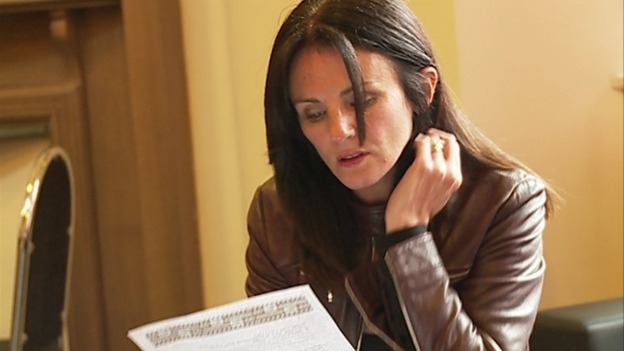
In this exclusive interview Welsh actress Michelle McTernan spoke to Director of Get the Chance, Guy O’Donnell about her training in Wales, the work of Rising Stars Theatre Company and where she thinks funding for the Arts in Wales should be prioritised.
Hi Michele great to meet you, so what got you interested in the arts?
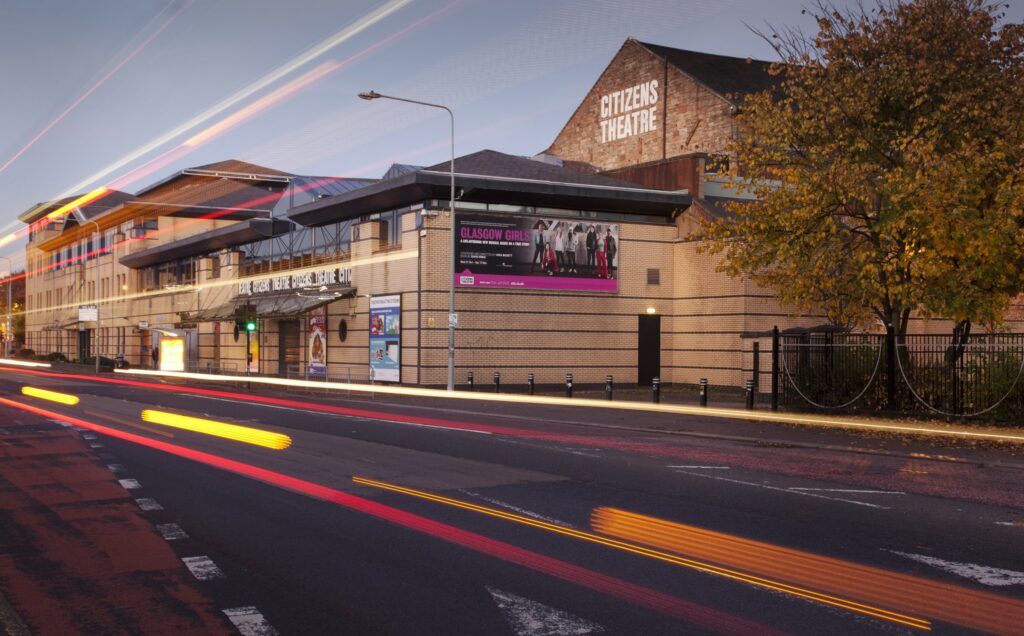
I was 8 years old and my dad took me to see ‘The Lion, the Witch and the Wardrobe’ at The Citizens Theatre, Glasgow. I was amazed. I found myself not so much engrossed with the story but with the whole experience. I wanted to be on the stage acting, I wanted to be the one to make others feel what I was feeling.
Later at 15 I auditioned for West Glamorgan Youth Theatre which had a profound effect on me. It helped develop an appreciation of the arts. It instilled a sense of discipline, character and respect. As well as being fun it also created new friendships some of which I still have to this day.
I got into The National Youth Theatre Company and that sealed it for me. I wanted to be an actress.
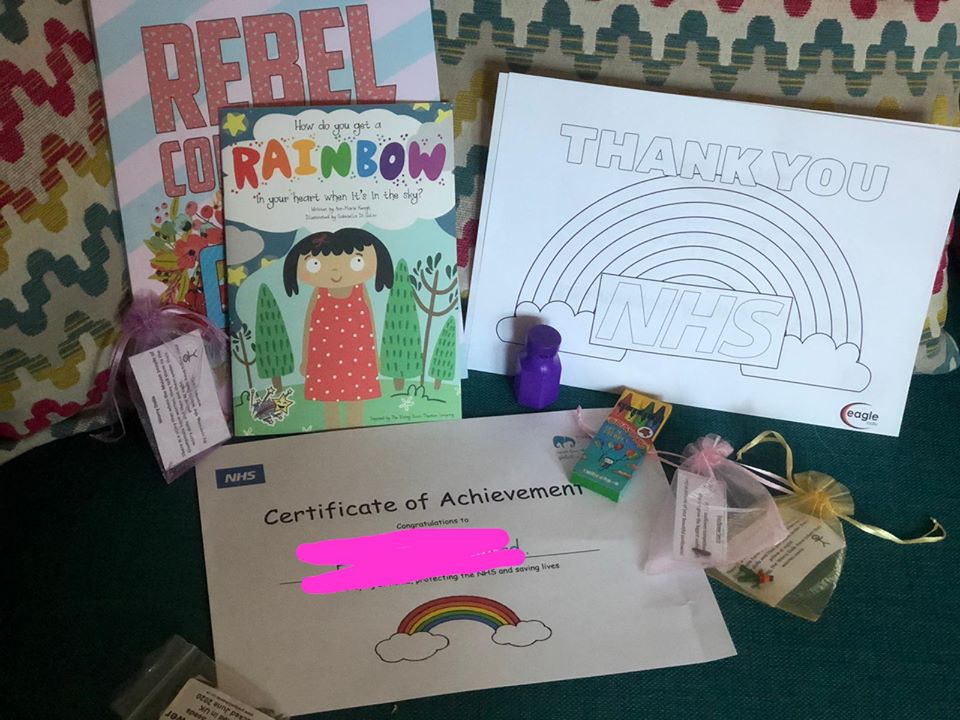
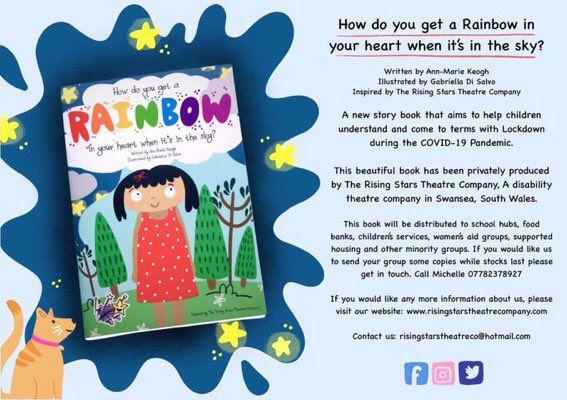
During Lockdown Rising Stars Theatre Company have launched a new book called “How do you get a Rainbow in your heart when its in the sky?” I believe you launched during Mental Health Awareness Week. Mental Health is a huge issue during Lockdown, can you tell me more about the book and your intentions for it?
It is such a beautiful book and we are so proud of it. The book was born out of a zoom session where we asked the students to give us words associated with Rainbows. One of the students asked “How do you get a rainbow in your heart when it’s in the sky?” This felt so profound to me. It was although he had said “How do we find hope when it feels so far away?”. I just thought that that was how many children and those with disabilities were feeling right now. So we sent out a task to put the words into a sentence or a story. One of our volunteers wrote the story and another illustrated it. We’re lucky to have such talent. We then had it printed and decided that it would be free to school hubs, food banks, Women’s Aid group and all minority groups.
We have just had it translated into welsh and are currently having more printed. We also have an online version which is fully accessible and will be launched in July. To date 2000 books have been distributed and not just in Wales, the books have gone to Italy, New Zealand and Australia. The response has been incredible.
During Lockdown a range of arts organisations and individuals are now working online or finding new ways to reach out to audiences. Have you seen any particularly good examples of this way of working?
We’re all looking for new ways to communicate and connect with others. I’ve been involved with lots of friend/ family quizzes, zoom webinars, chats and discussions about the arts I was part of a live zoom production where we had 2 rehearsals, a tech and then went Live to a paying audience of 200 people. It worked but was so alien.
One thing I’m happy to see is The Far Away Plays set up by Fran Goodridge and Scott Arthur. It’s a new online platform for reading both established and new plays. It allows actors, directors and creatives to keep their minds focused on what they do best and at the same time networking and seeing who else is out there.
🎉🎊 The Far Away Plays is officially 1 month old today! 🎊🎉
Over the last 31 days we’ve had:
• 9 Play Readings • Working with 46 actors • 9 Directors • 7 Welsh Playwrights • An R&D with a Welsh female playwright • 4 workshops with over 150 creatives attending pic.twitter.com/jFTEhj15Se
— The Far Away Plays (@TheFarAwayPlays) June 28, 2020
Work is scarce at the moment but I’m lucky to be involved with Hijinx Theatre Company and have taught some zoom classes and set tasks to keep everyone busy during this time. Also at Hijinx, we’re working on an R&D for later in the summer. The process is strange and different but we are making it fun by setting games, doing breakout rooms and using what we have around us to create ideas for the production.
If you were able to fund an area of the arts in Wales what would this be and why?
I’d like to see more funding for creative arts within schools and bring back drama departments to those schools who have lost them. We need to invest in the next generation of theatregoers.. Teachers should be encouraged to bring their students to the theatres and more funding would that possible. I would also like to see more investment into making theatre for actresses over 40s.
What excites you about the Arts in Wales?
The quality of new writing within Wales right now is incredible. In fact I’ll go as far to say that we are leading the way in that respect.
What was the last really great thing that you experienced that you would like to share with our readers?
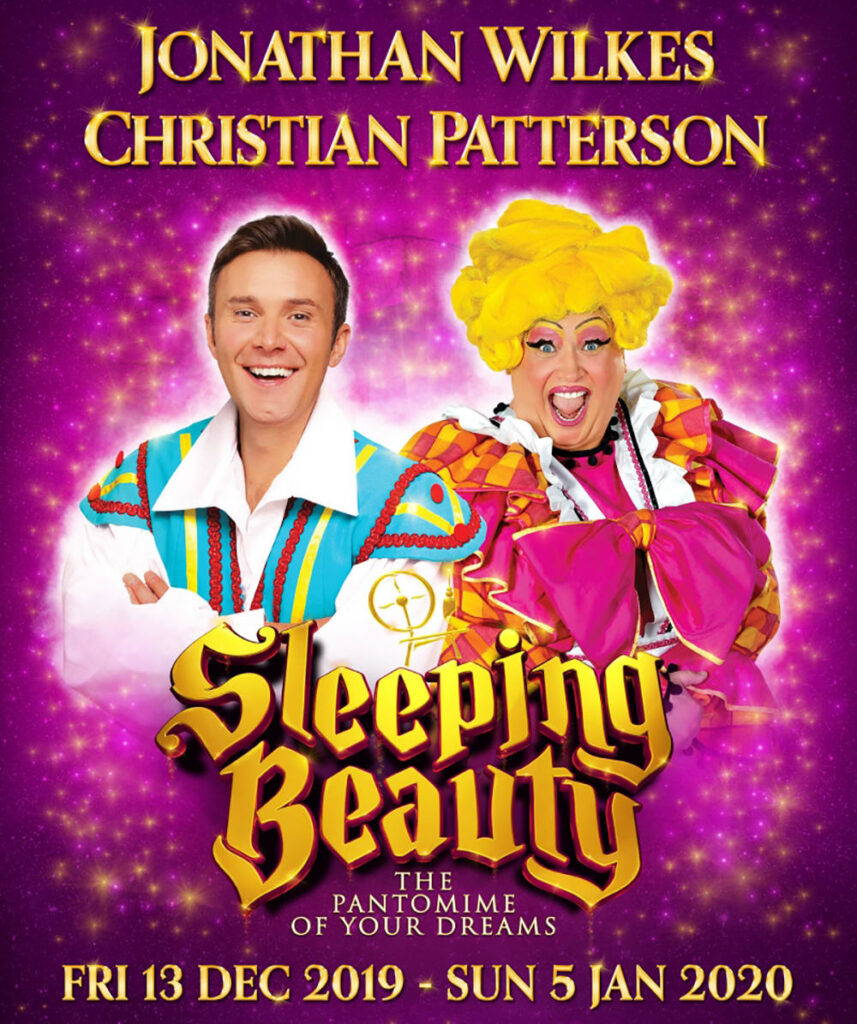
The last show I saw in a theatre was my husband in Pantomime. ‘Sleeping Beauty’ at The Regent Theatre in Stoke on Trent. The sheer joy that Panto brings to families and audiences is extraordinary. For some it’s their first experience of being in a theatre, the lights, the atmosphere, the buzz of the people getting to their seats, the actors talking to you, singing along and dancing in the aisles. It’s an absolute explosion of everything that makes going to the theatre an experience and that feeling will last forever. I hope we get to have our fix soon…I miss it.
In response to the lockdown triggered by COVID-19, many arts organisations have taken their work online, sharing content for audiences to view for free. However, creating participatory engagement online is much more challenging and, as a sector used to being face to face with people in their practice, it’s clear that the current restrictions change the nature of participatory arts based activity substantially.
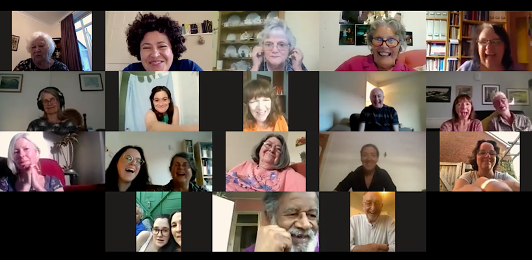
Following a vital conversation on social media led by Guy O’Donnell, Learning and Participation Producer, National Dance Company Wales which opened a discussion on how we can deliver participatory arts effectively, a range of partners are collaborating to lead Zoom discussions for the sector where we can talk about the impact of the lockdown on our work and work creatively together to think beyond the lockdown.
In partnership with ArtWorks Cymru a series of free Zoom meetings have been set up to discuss and share current working practices in participatory delivery.
Capturing the Learning
These Zoom meetings will explore how we capture the learning from organisations and artists who are currently delivering projects. We’ll explore what methods are working well, what are we learning through this experience, and how we are adapting our working practices.
Naz Syed a freelance creative practitioner, visual artist and travelling teacher with over twenty years’ experience in community engagement and education. She will be speaking at the meeting organised by Youth Arts Network Cymru 5pm – 6pm Tuesday 9th June. The meetings are free to attend but numbers are limited. At the meeting Naseem will outline some of the challenges and solutions she has created to support the public to access the arts in the current climate.
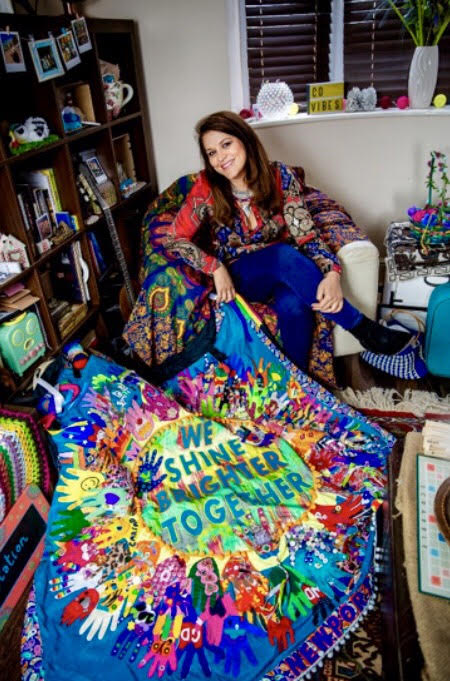
Photography by Women of Newport
In the photograph above I was featured in the Women of Newport exhibition in my home, my mother’s art work on the wall and the textile banner I created with the community for charity Baby Bundles. 100 women’s hands created by different groups and individuals, including Go Girls, Public Theatre, The Riverfront and Llantarnam Grange. The banner was featured on BBC news and was part of the Processions to mark 100 years of women getting the vote.
Hi can you tell me a little about yourself and your practice?
Hi, I am a freelance creative practitioner, visual artist and travelling teacher with over twenty years’ experience in community engagement and education. Working in community and education settings across a range of visual art disciplines, specialising in fashion, textiles, mixed media and applied arts.
My type of work is in the heart of the community with The Night Out Project ACW, I am a freelance facilitator, I work with school groups from Primary to Secondary and community groups with children, young people and older adults in South East Wales, Cardiff, Newport and the Valleys and more. Supporting schools and community groups to promote, market and deliver an event with a selection of touring theatre groups in unique settings. Sessions include; PR, design, promotion, print, fundraising, budgeting and health & safety. Each event is organised with a leading theatre company for the public after 6 weeks of event planning. I have worked on the Night Out Project for over 6 years. Working with each group for 6 weeks with creative tasks, enterprise, building resilience, collaboration and confidence. building up to a final show with a touring theatre, including PuppetSoup and Circo Rum Ba Ba.
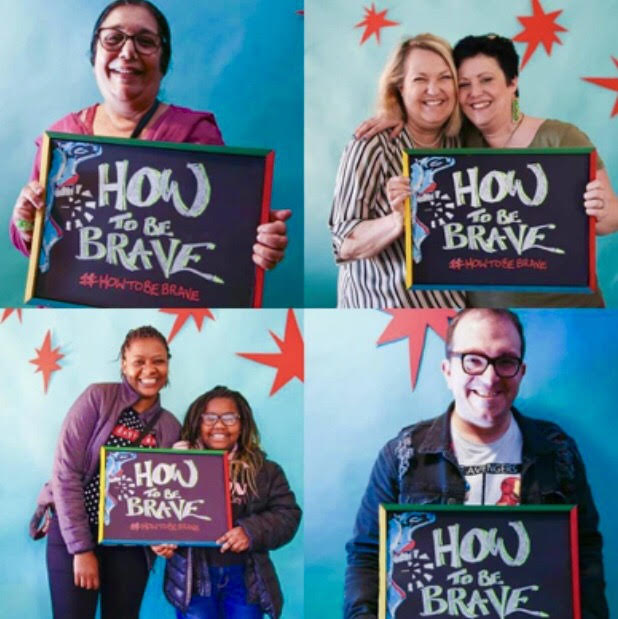
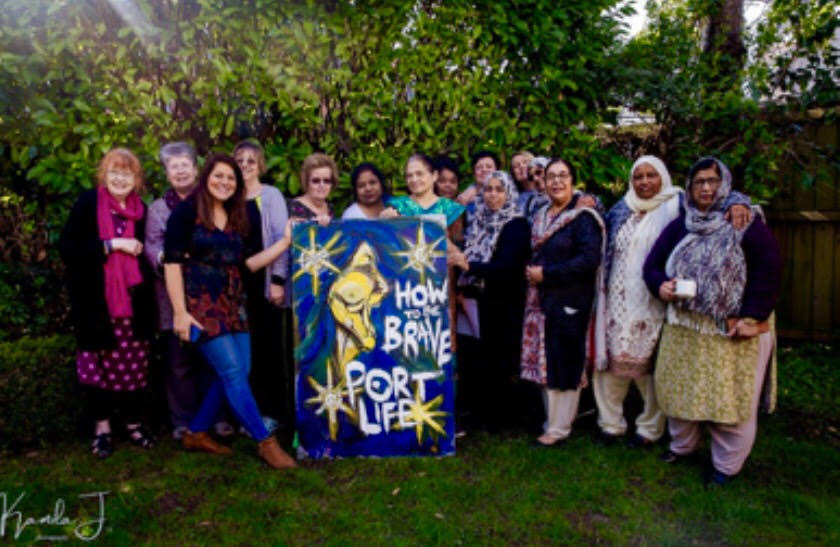
One of my favourite pieces of theatre to be involved with was Dirty Protest Theatre, ‘How to be Brave,’ I worked on audience development in Newport and supported the promoters with Coffee and Laughs at Community House, Maindee to create a community event. A really powerful and moving on woman show and totally captivating and even better that it was about Newport!
Credit Fez Miah, Night Out ProjectCredit Fez Miah, Night Out ProjectWomen of Newport
I work as a freelance art tutor in different venues including the Riverfront, Llantarnam Grange and local community spaces and organisations. Delivering arts classes, holiday workshops, family sessions, school visits, Criw Celf.
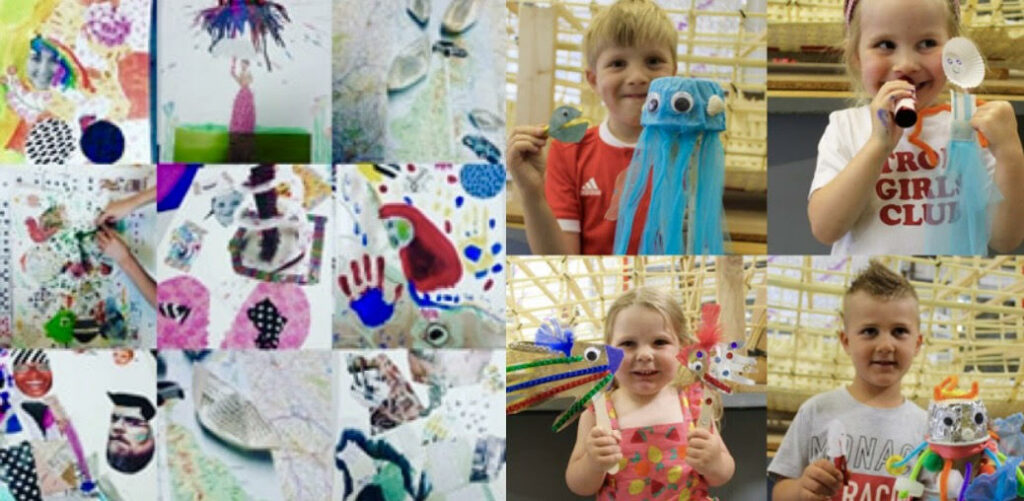
I have developed and delivered creative projects in education including an eco fashion project called Ringland Runway, with KS2, year 2 class and year 4. Eco Fashion project I developed and delivered with support from Newport Fusion at Ringland Primary School. Creating outfits with a Year 2 class and year 4 eco team, in recycled and reclaimed paper, plastic and upcycling donated clothing. The children won the enterprise troopers foundation award with the enterprise and sustainability project and featured in the Big Splash festival.
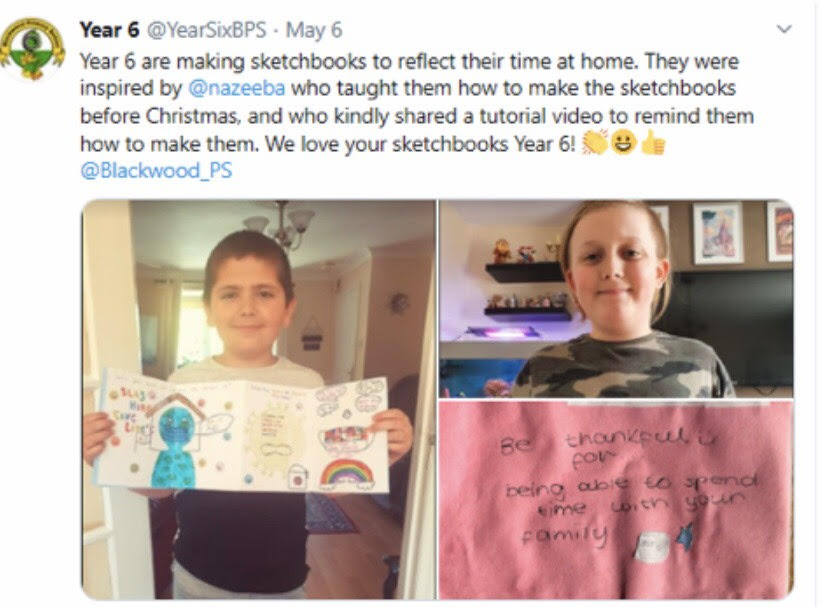
With Arts & Education and the innovation seed grant, I worked with Blackwood Primary School to develop new ways to create, respond and reflect, making their own sketchbooks, collages and using mixed media. Using the exhibition in a box, a portable multi-sensory resource that explores the theme of silence in connection to the First World War by Head4Arts. The children’s poems and artwork were published in a book by Burst Publishing
I am an Arts Award Advisor and I deliver and support accredited courses. I am Lead Creative practitioner trained. I have delivered creative CPD workshops to teachers, and arts organisations as part of the Arts & Education Network, South East Wales and created learning resources.
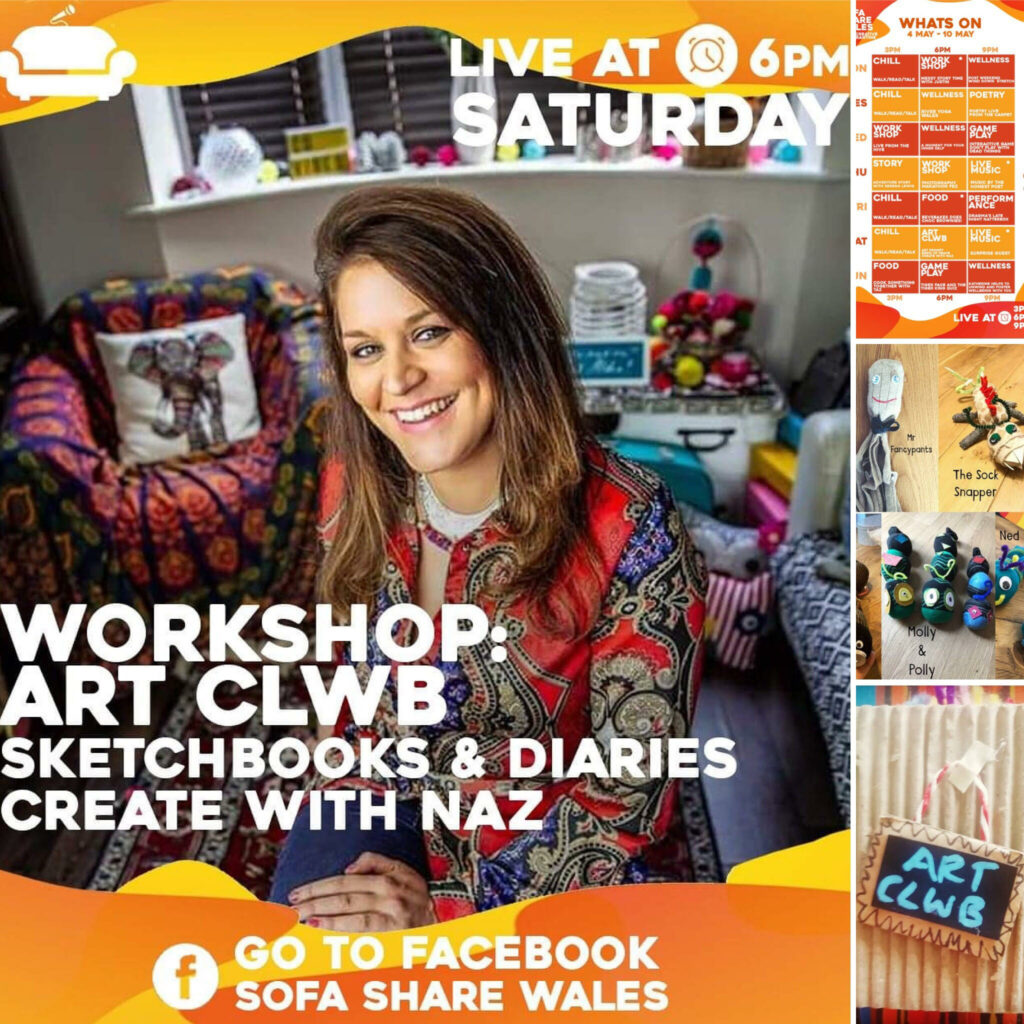
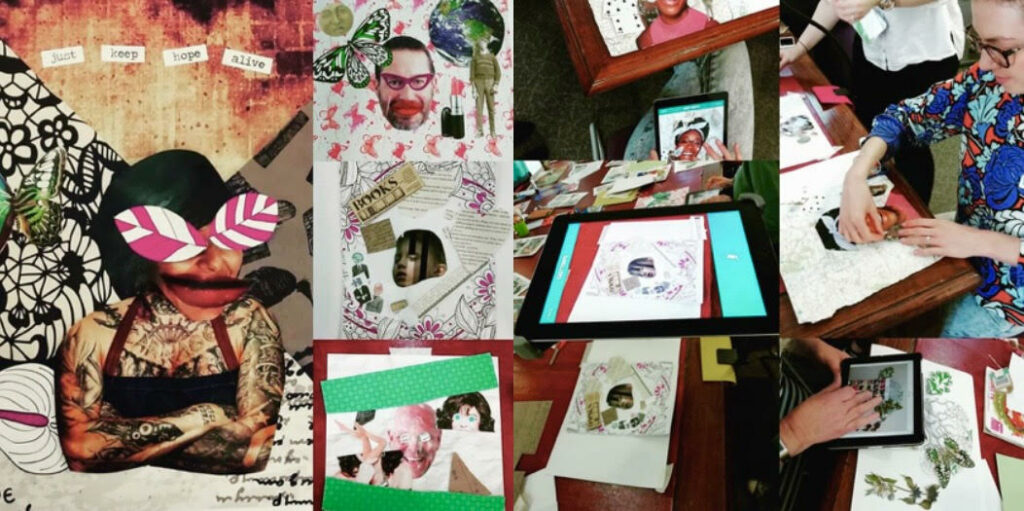
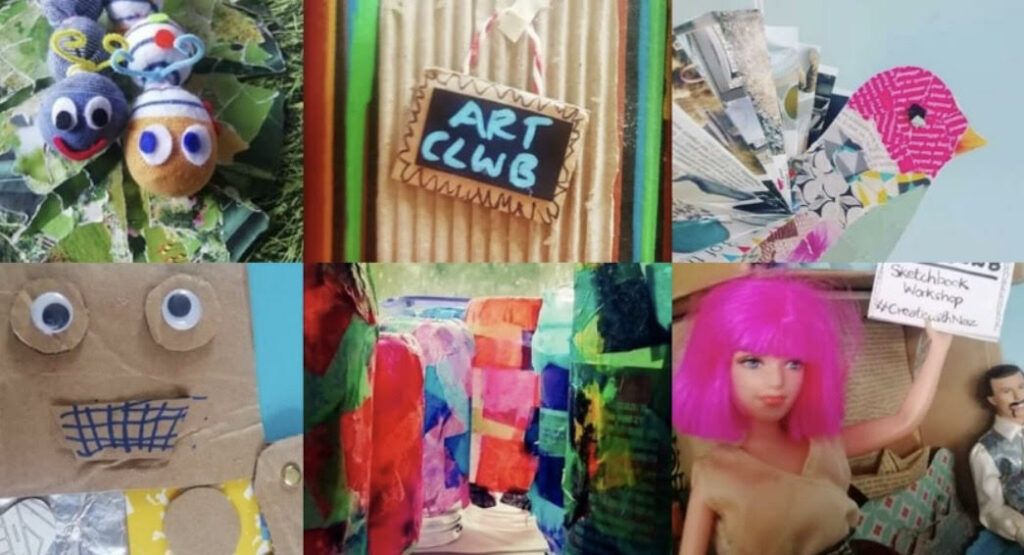
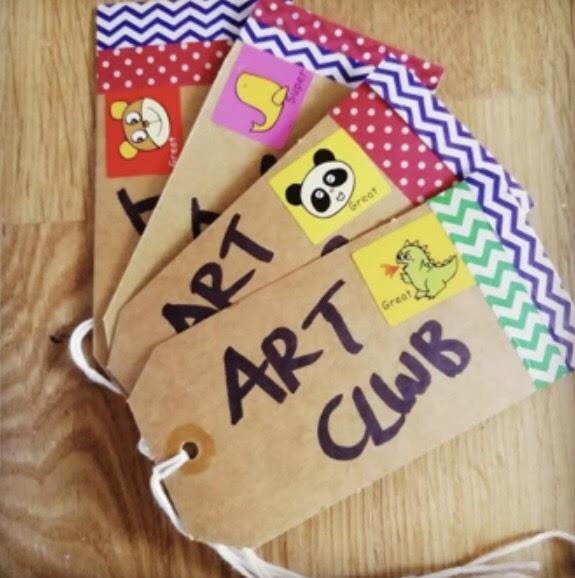
I enjoy working with others and building their confidence to develop creative skills. I am currently delivering Art Clwb workshops voluntarily in my home each week on facebook live, Sofa Share Wales. Where people engage live, ask questions and create work along with me. I also run a featured artist each week where people send in their artwork created with the theme, inspired by the workshop and one artist chosen by the public wins an art bag. I have found this a way to support families and teachers with workshops and ideas for children at home.
My passion lies in the power of the arts to connect, empower individuals, communities and cultures, bringing a sense of belonging. How art can transform the perception of yourself and others, promoting wellbeing and mindfulness.
What challenges did lockdown present to delivery of your participatory practice?
Lockdown has affected my freelance work in projects and venues which I have worked for years. My work is based in the community and in education – creative practitioner visiting schools and Night Out Facilitator, ACW. The schools I was working with at the time had created such wonderful work and unfortunately the week it all changed was their theatre events with PuppetSoup, Land of the Dragon. I was absolutely gutted to not be able to host these wonderful shows with the children, but they were all understanding, and I plan to go back and do a creative workshop once things have settled. It all just went silent and the main part I love about what I do had just stopped suddenly, I found it quite isolating at first and I was worried about the groups and individuals I worked with. A wonderful group I connect with called Coffee and Laughs set up a zoom and then I started to reach out and have conversations with others to see how we could adapt and move forward.
I also deliver creative workshops within heritage, cultural sites and communities, theatre and arts centres, in the holidays, at events and some weekends. Until further notice, all of it just stopped, due to outside visitors in schools stopped and then all the venues and schools closed down. It is a people facing job and due to the venues being closed, other staff furloughed, schools shut and community spaces my current freelance work was cancelled.
Once projects and communities are back, there will still be restrictions and possibly they could not accept visitors and some of the groups I work with are more vulnerable, so they may not want to attend events and projects afterwards. Future work is uncertain and difficult to determine. Creativity and the arts, now more than even is key to wellbeing and to connect us all.
What systems did you put in place to ensure delivery?
The current times have made us feel isolated and arts is a ways of bringing people together. Creating in their homes and making us be more resourceful with the items around us. The community gallery shows work from families, children, artists collectively. A featured artist is chosen each week to feature on the page and I have been putting together bags of creativity for them to use. The connections with artists helping donate bags, Newport museum supporting some of the materials going forward and the conversations I have had each week have meant so much. It has helped me greatly too, when all my work is focused on others being creative and that spark and energy, also moments of calm and concentration are so important. To see videos, creative pictures and happy faces and videos of others sharing their work..there are just no words to describe it! I have had to adapt and look at new ways of bringing people together and getting my workshops out to them. As I don’t have many set groups, I am a travelling teacher and artist at different events, community spaces and schools. So this static creativity has to move and adapt in a different way.
A creative learning in the arts project was cancelled, so I had to find new ways of working with the teacher, to keep creative ideas alive for the children in Year 6, Blackwood Primary School. So I have been sharing the resources and online workshops with the teacher. To have videos and images of the creative tasks each week sent to me, has kept me connected to the group and one of the group has even been making his own videos as a presenter, which as wonderful.
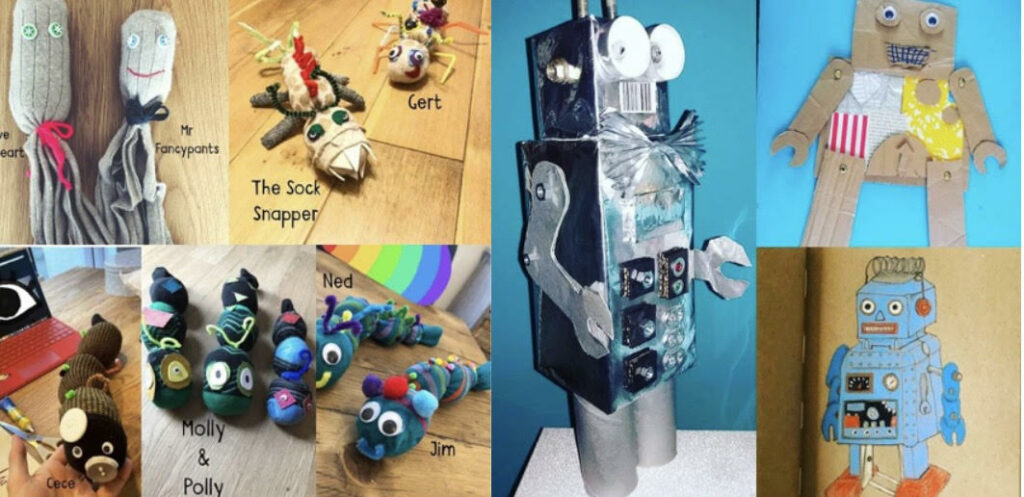
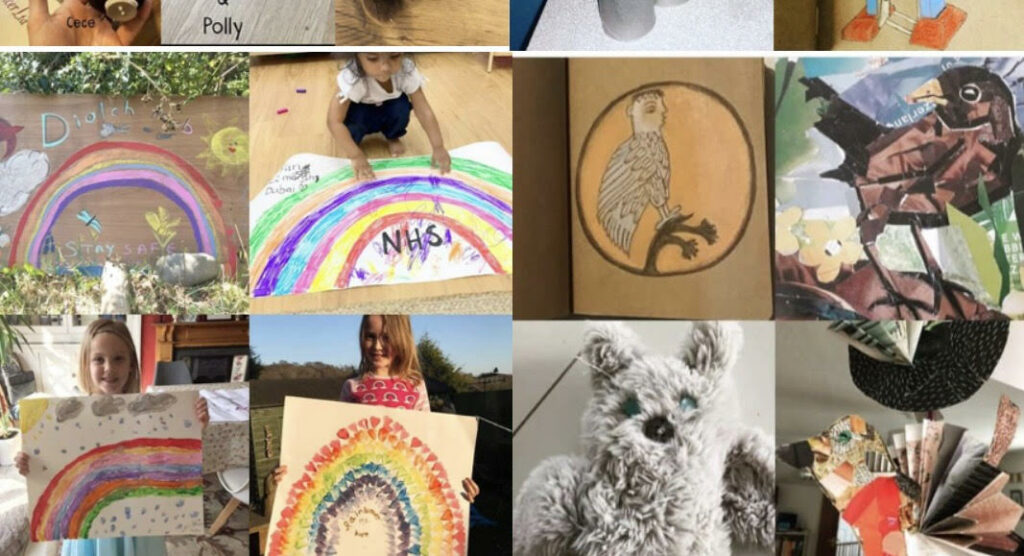
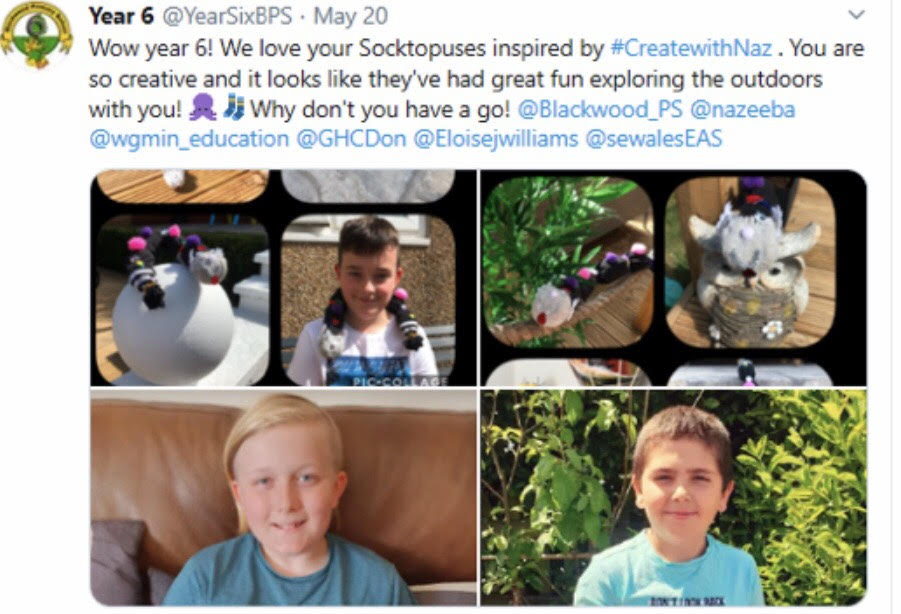
‘One of the best aspects of distance learning during lockdown was the impact of Naz Syed’s Art Clwb activities. As a teacher at Blackwood Primary School I reached out to Naz for some inspiration on what creative tasks I could set my Year 6 pupils as part of their home learning. They have absolutely loved watching the videos and creating their sketchbooks, birds of peace and sockipillars. Parents responded by saying how much fun their children had in making the crafts and the results are amazing! A huge thank you to Naz and Art Clwb for supporting us during this difficult time.’ – Mrs Phillips, Year 6 Teacher, Blackwood Primary School.
I am thankful to all who have connected, shared their thoughts, ideas and creativity and artwork.
Art Clwb community gallery snapshotsBlackwood Primary TwitterBlackwood Primary Twitter
What are your plans for future delivery?
I want to share as much as possible, so it is looking at how to make it sustainable moving forward. To keep sharing creativity, ideas and workshops for others to access. Looking into what Funding is available to continue this and to work with other organisations to deliver and develop this effectively for digital learning at home.
I am taking part in the ICE 5 to 9 Club virtually each week with ICE and Business Wales. I am developing a creative business idea that has been on my mind for a long time.
To keep Art Clwb going and delivering creative packs and workshops. I have to adapt and be resourceful. Going forward I would like to develop more sustainable projects and use of materials in the community and education.
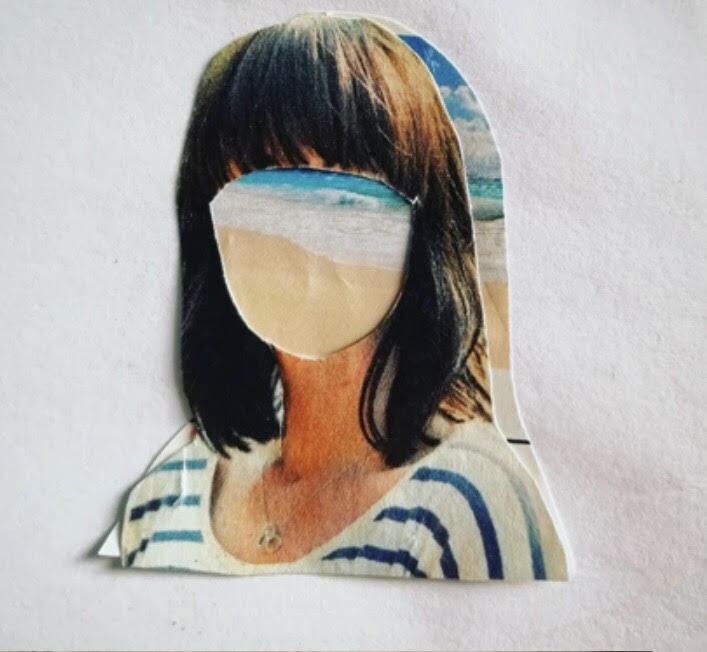
In my own practise, I am currently developing work and sketchbook ideas at the moment, Lockdown stories..using collage and mixed media to portray thoughts and feeling of this time.
A range of organisations have worked to continue delivery of their art form during lockdown are there any that you would like to mention that you found either professionally or personally useful?
I have been keeping in contact with the organisations I work with, as collaboration is key and keeping those conversations and ideas alive is really important. As I am a travelling artist/teacher and it can feel lonely at times. I have found these organisations have been adapting to the needs of the community and freelancers to support.
#CreatewithNaz every Saturday on Facebook live. 6pm (May be subject to time change 3pm or 6pm)
Each week has a different theme and Naz will create ideas and mini workshops for you to make along with or after the live workshop, using materials around your home. You can share and send in your work. One artist is chosen to feature on Sofa Share and wins a creative bag. All work sent in, is featured in a live gallery.
I been creating workshops online for Llantarnam Grange Arts Centre, holiday club workshops on their facebook page and Criw Celf. The Grange are also running a sketchbook community gallery, linked with Art Clwb.
Free holiday workshops with Naz #CreatewithNaz
You can access these workshops at the Facebook Page at the link here
I currently work as a Co-ordinator for Newport Fusion, part time. Developing ways to support cultural and community organisations and network partners. Supporting projects currently including; Sofa Share Wales, Beat Technique, Tinshed Theatre in new ways to develop and deliver their programmes and workshops to their groups and the community, also Operasonic with wellbeing.
Arts Council of Wales have continued to support artists and open up new funding strands. The Noson Allan/Night Out project has supported and kept in contact. With the Creative Learning in the Arts I delivered an expressive arts masterclass – online workshop and resources, using materials and equipment at home, My creativity book – creating concertina books and collage, which will be available on Hwb. https://hwb.gov.wales/
Arts & Education Network South East Wales– educational resources #StwdioAdref https://artsed.wales/en/
Head4Artshave supported by practise and development of ideas, as events I had booked were cancelled. I have produced creative packs for families in the community and designed printed bilingual resources. #DoorstepCraft
Many Welsh or Wales based arts graduates are finding this current period especially difficult. Their usual opportunities to meet agents, prepare for final year exhibitions or productions may take place later in the year or sadly not at all. To raise awareness of the diverse talent graduating this year GTC is offering any Welsh or Wales based graduate the opportunity to be showcased on our website. If you are interested, please do get in touch.
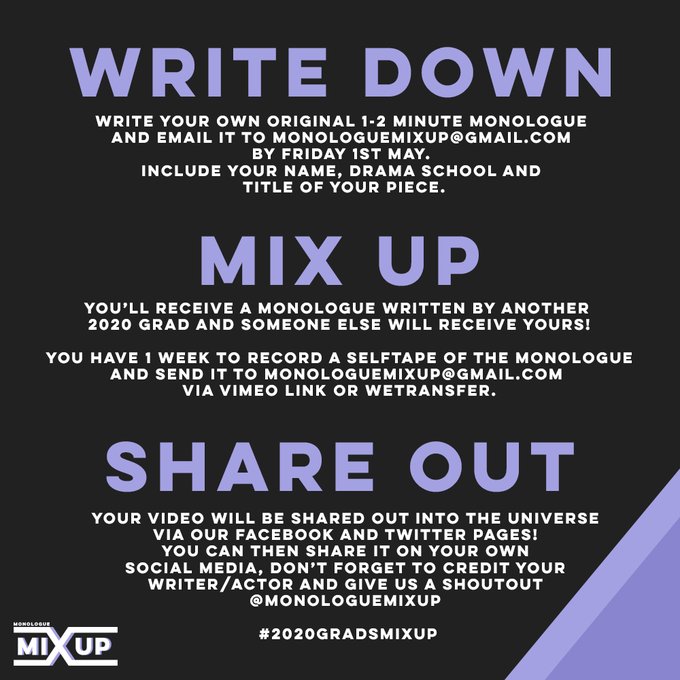
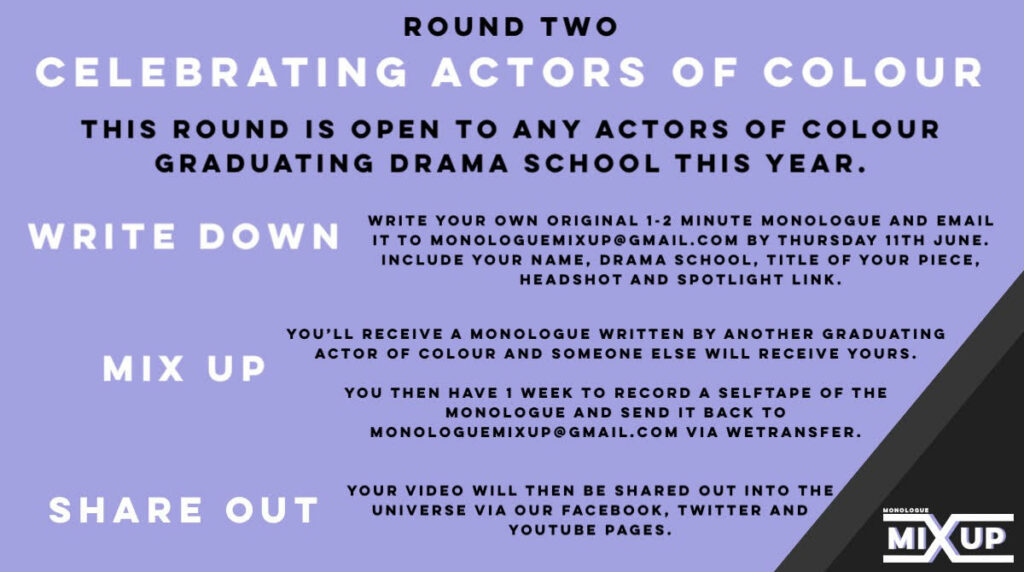
Please note this interview contains Monologue Mix Up videos, some of which feature strong content.
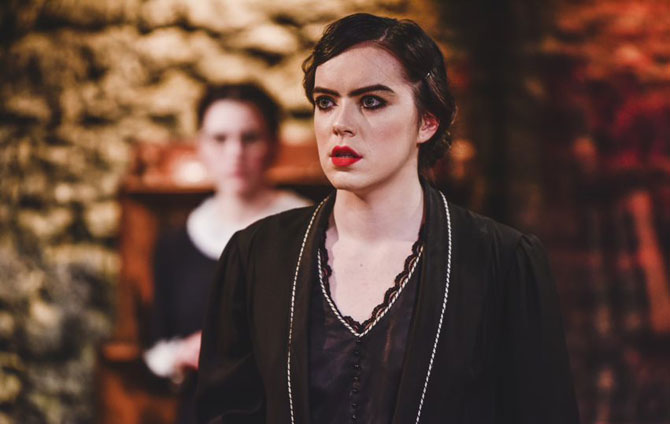
Hi Meg great to meet you, can you give our readers some background information on yourself please?
Growing up my parents always made sure we were engaged with the arts, whether that was going to the theatre, the circus, painting on the wall in our back garden, we were always exposed to the arts and influenced to be creative ourselves.
Can you tell us about your creative process?
Process is always a funny one, as is creating. It really depends. I usually write from an instinct, a thought, an image, I just begin and continue. I try not to censor myself or stop and look back until I’ve reached a natural conclusion. Then I’ll go through it, reading it to myself to see how it feels to speak and usually make some edits based off of the way it feels more natural to be spoken. When it comes to acting, it’s such a malleable process that depends on who and what I’m working on. Especially if it’s theatre and we are in rehearsals for weeks, my process will be influenced and guided by those around me – the other actors, the director etc.
As a young Welsh artists graduating during a very difficult period what investment and support do you think is required to enable your career to develop and prosper?
I’m hope that as the graduating year during this time, we will be have an opportunity to be heard. Whether this is through, as we are seeing now, people in the industry giving up their time to do 1-2-1s and making the effort to meet graduates, or through projects like Monologue Mix Up, where we make our own platforms and provide space for other artists in the same position. I think the more our community make an effort to engage with the work of new graduates, the more hope we have for our future careers, connections and creativity.
A range of arts organisation and individuals are now working online or finding new ways to reach out to audiences. Have you seen any particularly good examples of this way of working?
It’s so inspiring to see how much work is being put online. The free streaming of shows and those with pay what you can schemes make art so accessible to wider audiences who may not have had the opportunity to interact with this work before. I’m loving seeing all the new work being produced through avenues such as the Sherman Theatre’s TEN project – giving new writing the chance to be developed and distributed throughout this difficult time.
If you were able to fund an area of the arts in Wales what would this be and why?
More funding for the arts within schools. School is such an informative time during your life – you’re constantly learning and developing new skills and evolving as a human being. I think if the arts were given more of the time and energy they deserve in schools we could be teaching our children the benefits of listening – to ourselves and others – of empathy, dedication, communication and creativity. Keeping the creative child within all of us is is key to a happy life.
What excites you about the arts in Wales?
The community in Wales is just incredible. Everyone is so supportive of each other’s work and growth that it’s truly beautiful to see. The range of places art exists is also so exciting – from the pub theatre, to the outdoors, to the warehouses. There seems to be no bounds to where art can exist in Wales.
What was the last really great thing that you experienced that you would like to share with our readers?
Seeing the support from other grads, creatives and human beings for the work produced and put out through my project Monologue Mix Up has been truly inspiring. It really reflects how much stronger we are when we come together to build each other up and support one another’s work and success.
In response to the lockdown triggered by COVID-19, many arts organisations have taken their work online, sharing content for audiences to view for free. However, creating participatory engagement online is much more challenging and, as a sector used to being face to face with people in their practice, it’s clear that the current restrictions change the nature of participatory arts based activity substantially.
Following a vital conversation on social media led by Guy O’Donnell, Learning and Participation Producer, National Dance Company Wales which opened a discussion on how we can deliver participatory arts effectively, a range of partners are collaborating to lead Zoom discussions for the sector where we can talk about the impact of the lockdown on our work and work creatively together to think beyond the lockdown.
In partnership with ArtWorks Cymru a series of free Zoom meetings have been set up to discuss and share current working practices in participatory delivery.
Capturing the Learning
These Zoom meetings will explore how we capture the learning from organisations and artists who are currently delivering projects. We’ll explore what methods are working well, what are we learning through this experience, and how we are adapting our working practices.
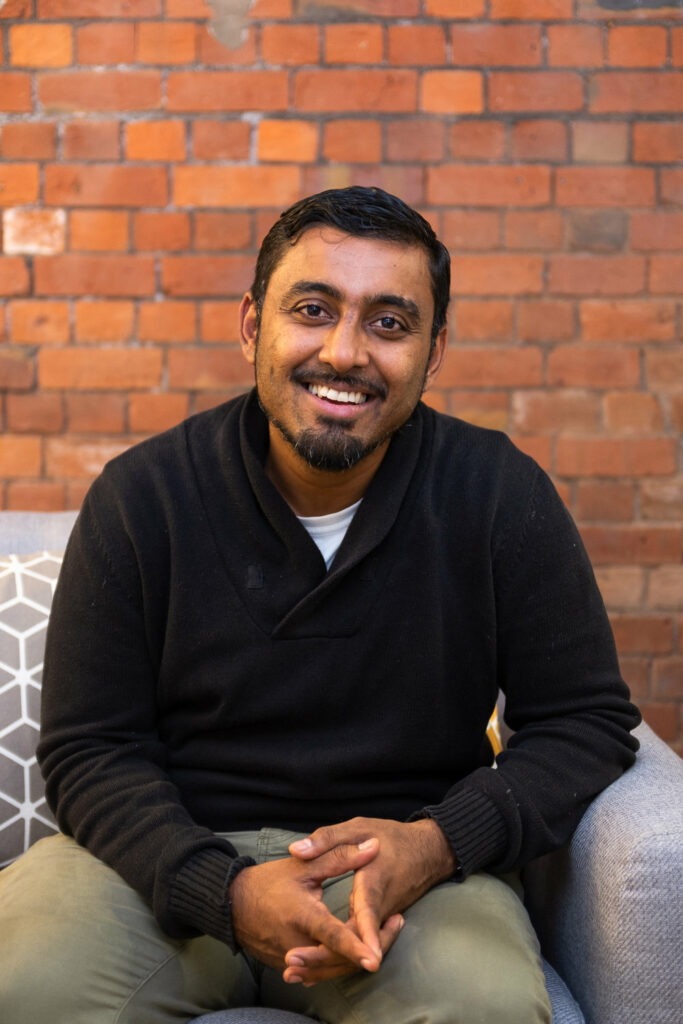
Abdul Shayek is Artistic Director & CEO of Fio. Abdul will be speaking at the meeting organised by Youth Arts Network Cymru 5pm – 6pm Tuesday 9th June. The meetings are free to attend but numbers are limited. At the meeting Abdul will outline some of the challenges and solutions Fio has created to support the public to access their services in the current climate.
Abdul is a former Creative Associate for National Theatre Wales with a particular focus on engaging communities and has worked with a range of organisations including Contact Theatre, Theatre Royal Stratford East, RSC, the National and The Almeida and various international organisations and projects connected to participation and engagement.
He is a visiting lecturer at the University of East London and has guest lectured at a host of other institutions. Abdul is a Clore Cultural Leadership Fellow (2013-14)and sits on the steering group of the National Alliance for Arts in the Criminal Justice System, is a trustee of mid-wales dance company Impelo and on the board of No Fit State Circus.
Currently, Abdul is Artistic Director & CEO of Fio. Fio makes fearless theatre: work that tears down stereotypes and challenges injustice.
Abdul has directed all of Fio’s productions to date from ‘Swarm’, a site-specific show about migration to Katori Hall’s ‘The Mountaintop’ to critical acclaim, to most recently directing ‘Death and the Maiden’ by Ariel Dorfman, and a UK touring production of Athol Fugard’s ‘The Island’.
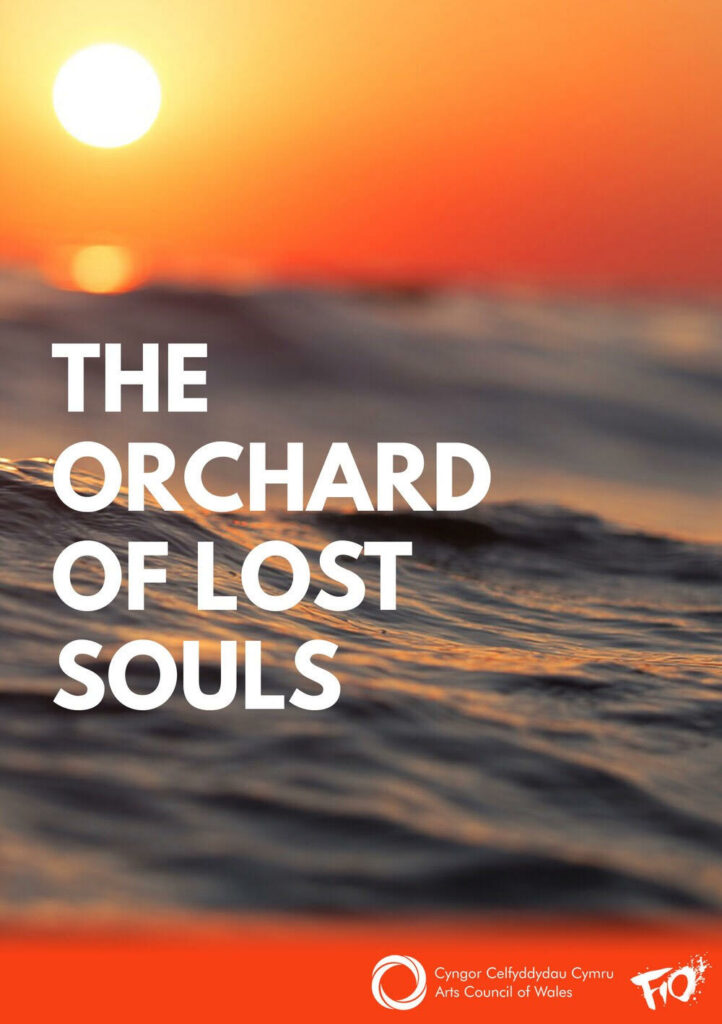
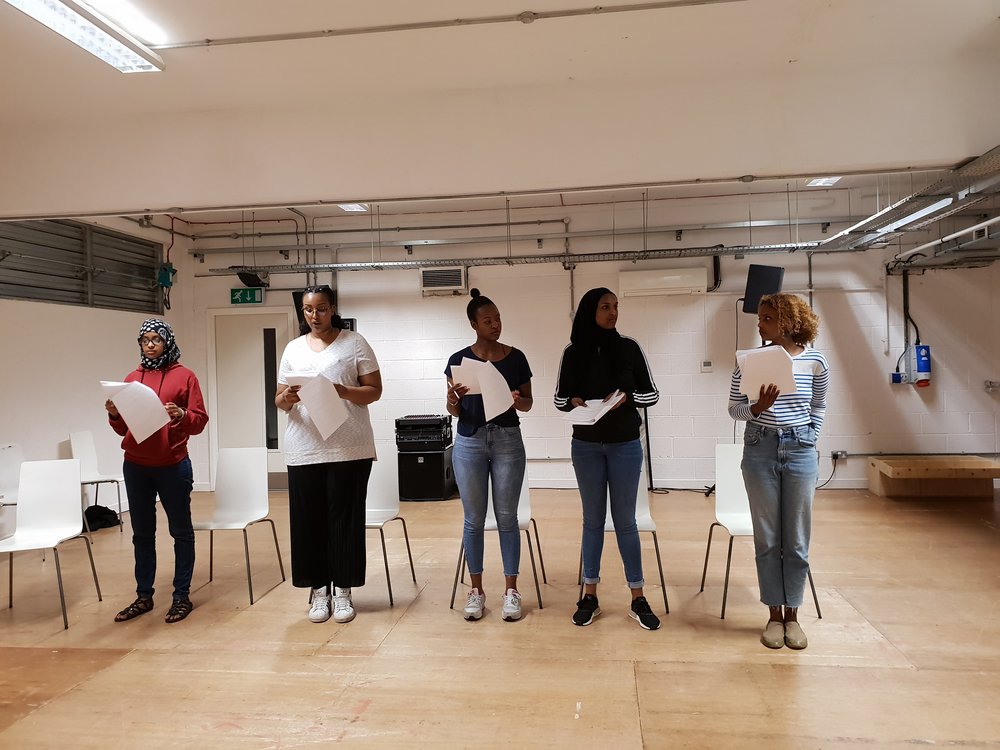
He is currently working as director and dramaturg in Fio’s stage adaptation of ‘Orchard of Lost Souls’ a novel about the female experience leading up to the Somali genocide which will tour across the UK and internationally.
He is also developing a VR project with Bangladeshi women. Over the summer of 2019, Abdul worked on ‘Orpheus in the Underworld’ at English National Opera.
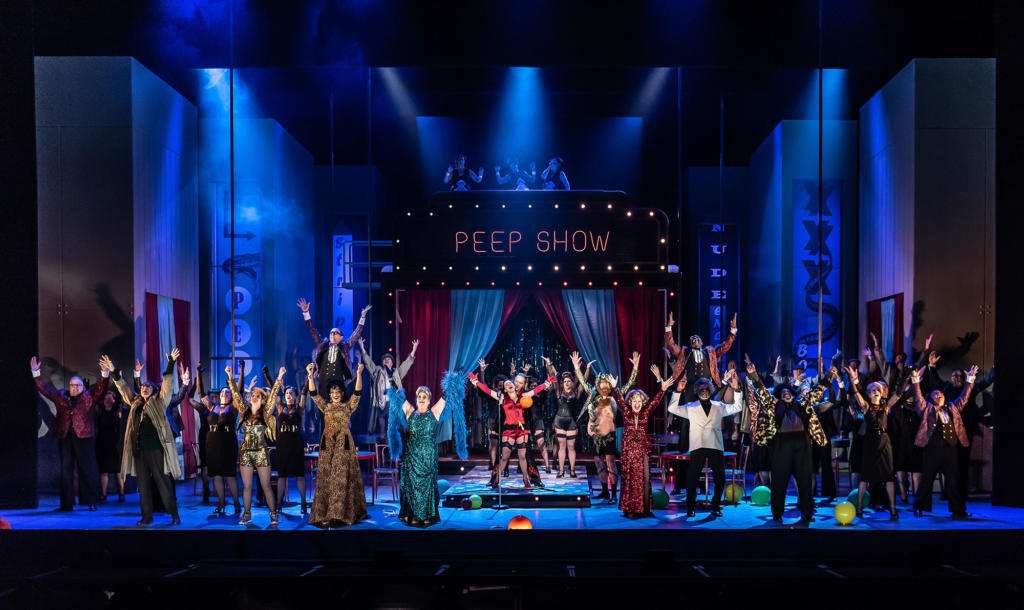
‘Orpheus in the Underworld’, English National Opera.
At the meeting Abdul will discuss the projects below:
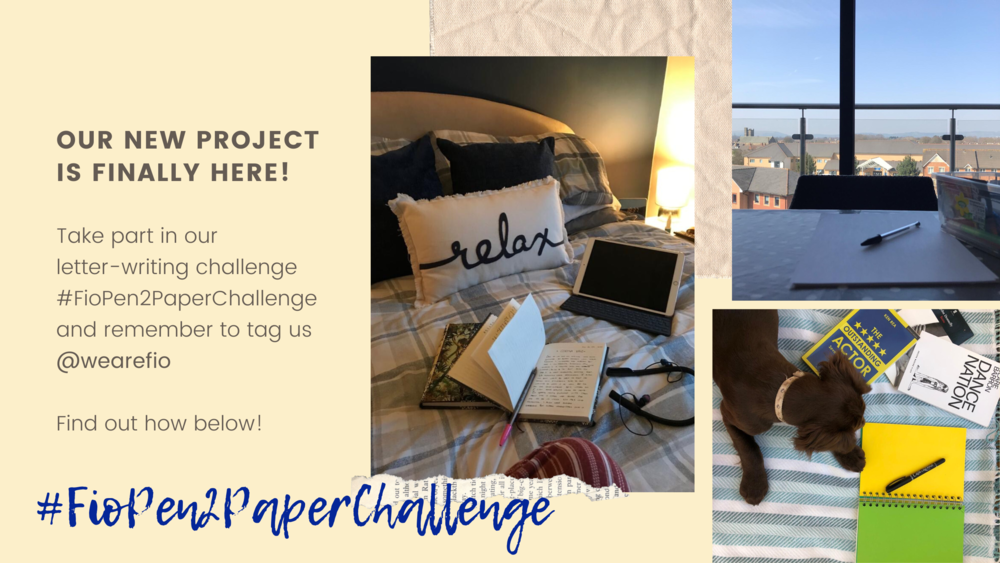
Has self-isolation got you going doolally? Is the company of your phone just not enough? Are you finding it hard to escape the ever-growing challenges of COVID-19?
If you’re anything like us you’ve watched everything Netflix has to offer and the person leaving the fridge door open for the 50th time is starting to grate on you. Why not shake things up?
We’re challenging you to put Pen 2 Paper and write us a letter.
Join the #FioPen2PaperChallenge!
Let’s revive and reinvigorate a faded art form.
We want you to feel free to write whatever you wish – get creative, be inspired.
What would you tell your future self?
Do you want to reflect on what’s happening in the world? We’re living history!
Do you want to reflect on how you’re feeling and how you’re coping? Impart your wisdom to others.
Do you want to just forget this whole thing is happening? Just tell us a funny story.
This is YOUR letter you can write whatever you want, but we just say make it YOU.
If you need to, nominate a scribe, translator. We don’t mind.
but
Keep it authentic- don’t worry about spelling mistakes, you can write in any language you want. It just has to be signed, sealed and delivered….we love a pun, so please feel free to include others!
We encourage kids, grandparents, parents, those on the front line, those who’s stories might get left behind and even you, yes YOU on the other side of the world, to take part.
Send your letter to the following address:
Fio The Old Library, Singleton Road, Cardiff, CF24 2ET
Don’t forget to provide a return address so we can write you back!
Once you’re done, share a picture of your writing set-up and tag us @wearefio #FioPen2PaperChallenge on instagram and then tag 2 of your friends to take on the challenge.
Leave your username so that we can tag you back. Happy writing!
Ysgrifennu Hapus! Bonne écriture! ¡Escritura feliz!
for people to write in letters during the lockdown
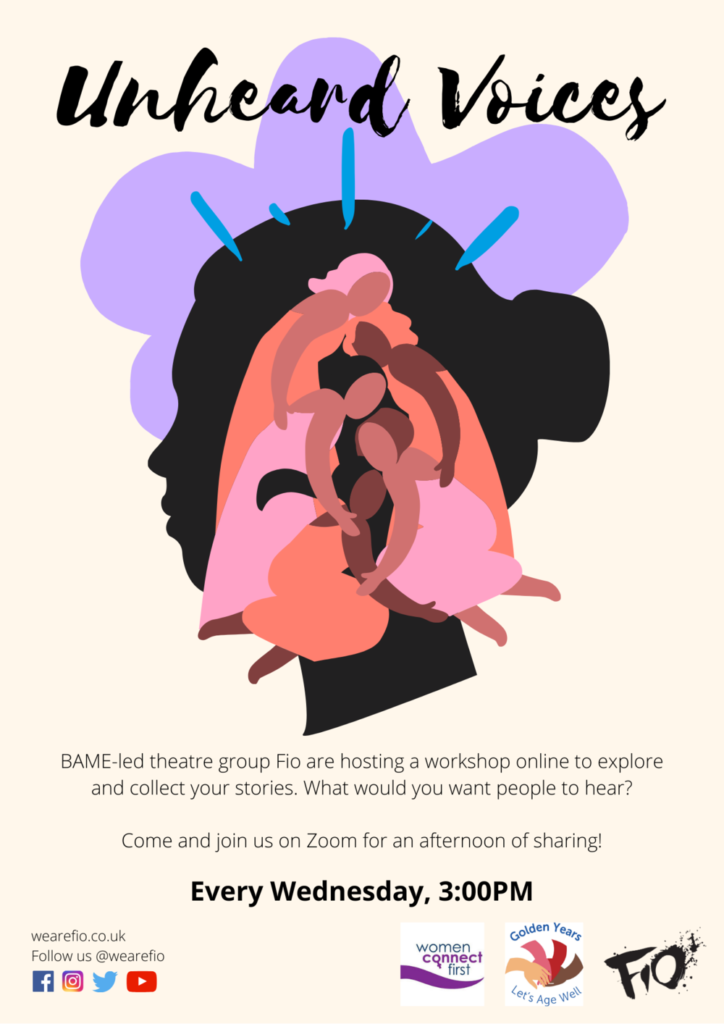
Unheard Voices
“We’re making sure BAME Women are being heard.”
Hosted every Wednesdays at 3pm on Zoom, we are working in collaboration with Women Connect First to listen to the stories from BAME Women of all walks of life. Whilst set online, the setting is honest and raw as we record conversations and discuss topics such as the meaning of Home and how this translates from generation to generation, culture to culture.
One of our most inspiring projects yet, this female-only collective is resilient as they are supportive of one another.
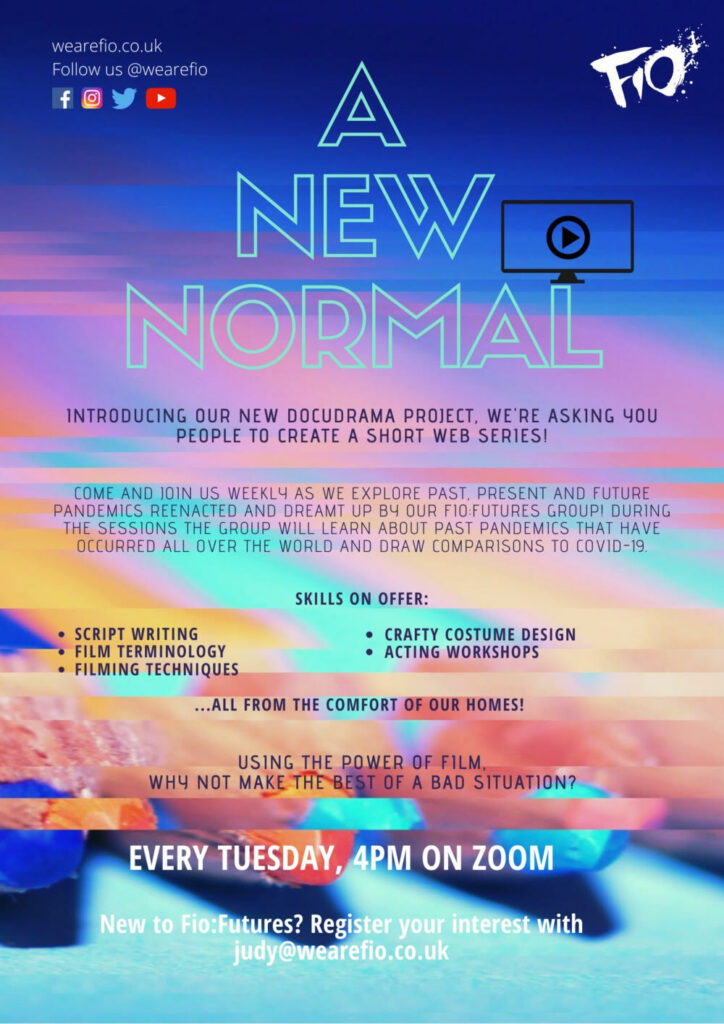
A New Normal
Being innovative and responding to the environment is what we do well here at Fio. That’s why, we’re introducing you to A New Normal!
Using their film-making skills online and offline, our inspiring group of young people will be working together to create a web series to document past, present and future pandemics. All from the comfort of their own homes! Combining education and history with creativity and reinterpretation, we’re dreaming up A New Normal for each pandemic to realise the mass effect of change on a global society and how this draws comparison to COVID-19.
What have we learnt from past pandemics? What do you think a future pandemic might look like in the future? In 2020, what would you put in your Time Capsule?
Happening every Tuesday @ 4PM on Zoom.
Why not make the best out of a bad situation?
Want to get involved? Get in touch with judy@wearefio.co.uk to sign up and we’ll take it from there!
Abdul will discuss the challenges and solutions Fio has found below
Challenges
Health and safety, morale, data poverty and access to equipment, translating the work via screen – how do we turn what inevitably needs congregation into creating a similar on screen?
Solutions
Think about what the purpose of the project is and how do you make sure you find a way to enable that online? This has to be the central question.
In response to the lockdown triggered by COVID-19, many arts organisations have taken their work online, sharing content for audiences to view for free. However, creating participatory engagement online is much more challenging and, as a sector used to being face to face with people in their practice, it’s clear that the current restrictions change the nature of participatory arts based activity substantially.
Following a vital conversation on social media led by Guy O’Donnell, Learning and Participation Producer, National Dance Company Wales which opened a discussion on how we can deliver participatory arts effectively, a range of partners are collaborating to lead Zoom discussions for the sector where we can talk about the impact of the lockdown on our work and work creatively together to think beyond the lockdown.
In partnership with ArtWorks Cymru a series of free Zoom meetings have been set up to discuss and share current working practices in participatory delivery.
Capturing the Learning
These Zoom meetings will explore how we capture the learning from organisations and artists who are currently delivering projects. We’ll explore what methods are working well, what are we learning through this experience, and how we are adapting our working practices.
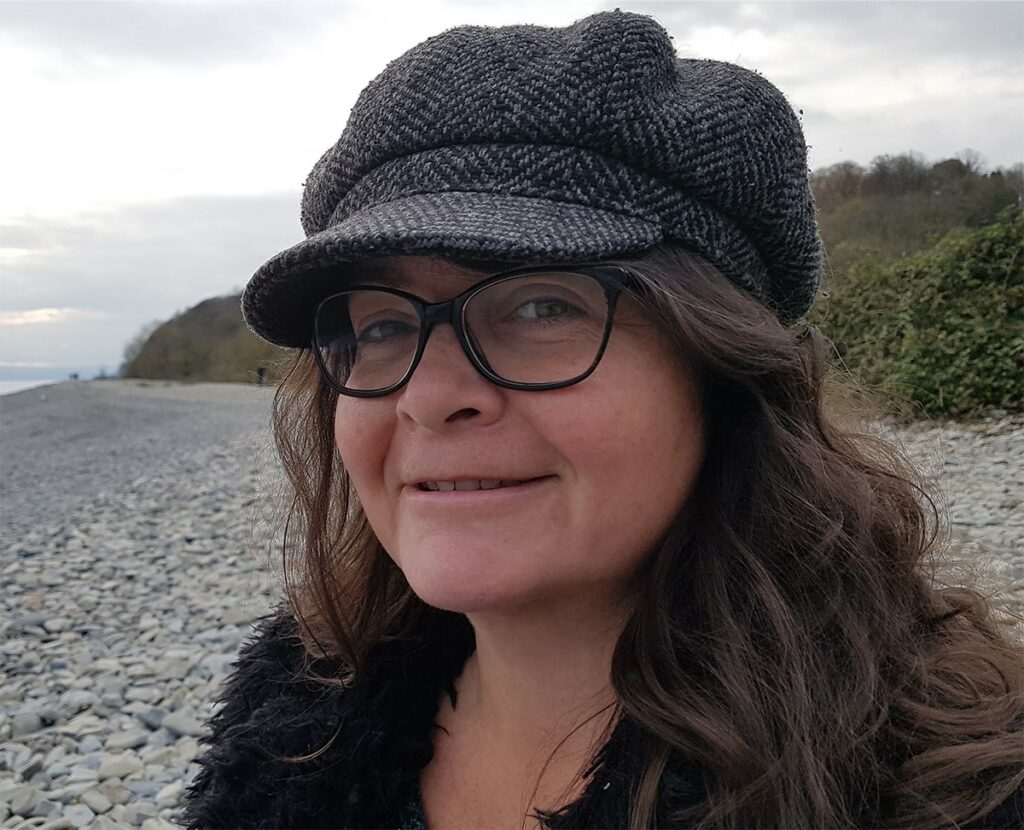
Community Musician, Composer/Performer Laura Bradshaw will be speaking at the meeting organised by Tanio on June the 11th. The meetings are free to attend but numbers are limited. Laura gives an overview of the challenges and solutions she has created to support the public to access her services in the current climate.
Hi can you tell me a little about yourself and your practice?
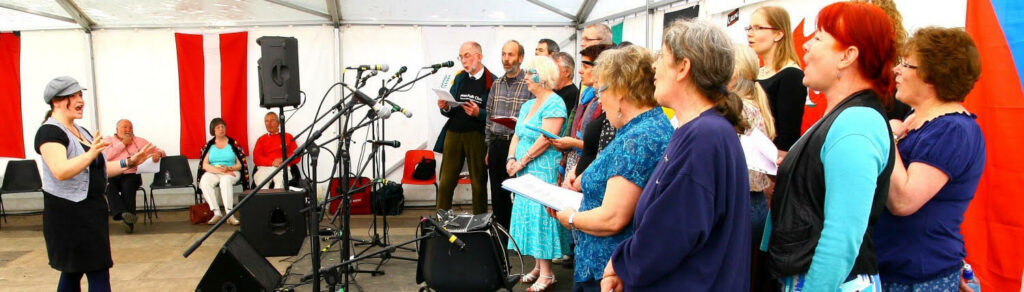
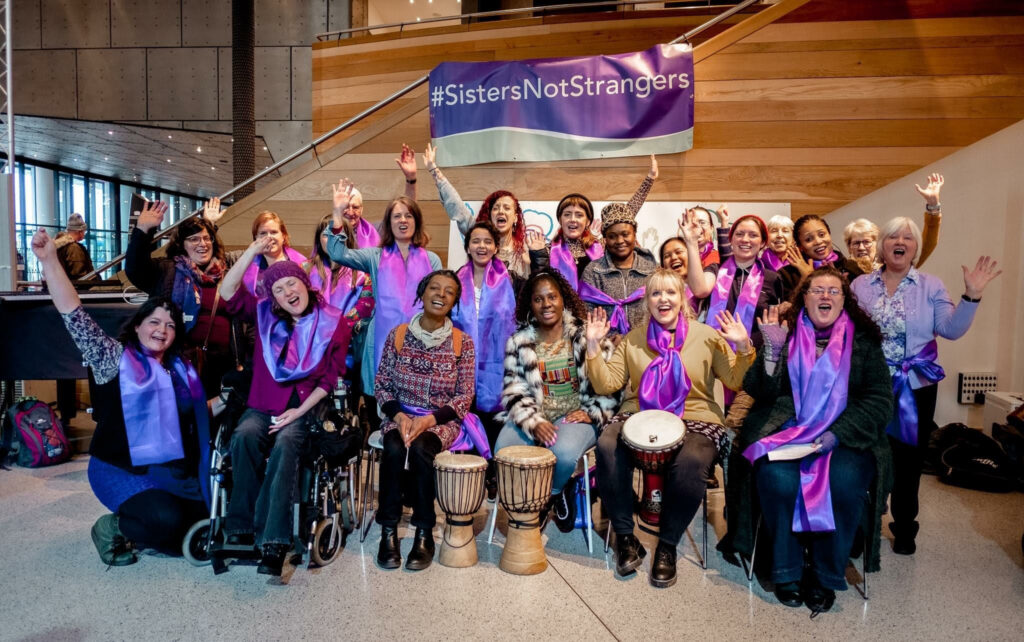
Hi, My practice is as a community musician and a composer/ performer. I’ve been working with the general public, as well as with specific potentially marginalised groups using music and singing workshops as a vehicle for creativity and skill building.
The amazing and very clear bi products of participation in such activities being that of community building/ confidence and cohesion as well as mental and physical wellbeing for participants. I’ve been following this vocation for for almost 30 years. My own performance and composition skills feed quite naturally into the workshop setting.
Writing this in the knowledge of the terrible racist killing of George Floyd in USA as well as the fact that it has been confirmed that BAME people are far more likely to die of corona virus than white people show that we have a long way to go in our endeavors for community cohesion and equality in the world in general and so the I feel that the role of the community musician or community arts worker is more crucial than ever!
What challenges did lockdown present to delivery of your participatory practice?
I had actually delivered a workshop on the Monday just before the Tuesday lockdown, there was a sense of shock at the realisation. Also performed a joint gig on the Saturday at Cardiff library with Bread and Roses(the vocal trio I sing in with Frankie Armstrong and Pauline Down) as well as Oasis World Choir and Band, for international women’s day.
The immediate challenge many of us faced was that our careers – communities had come to a standstill. Firstly, and selfishly, the fact that there would be no possible income – I am freelance and if I don’t turn up to a workshop then I don’t get paid – this appeared to be the scenario at first under lockdown. Secondly a panic about all the regular people I interact with weekly through my choirs – many of whom are vulnerable mentally and physically and the lack of connection with others and the lack of participation with their favoured activity, could be a grave addition to their worries. It was almost too much to comprehend, so I found myself in a bit of a state of ‘red alert’ trying to find out ways to protect both my income stream, and maintain my workshop offerings to those who’d most appreciate them at this difficult time. The research I did was constantly engaging with one of the professional bodies I am a member of Natural Voice Network on their social media as fellow tutors helped (and continue to help) each other out with constant questions, ideas and inspiration. I am also a trustee of the NVN and there were constant discussions going on between board members but how best to support practitioners.
What systems did you put in place to ensure delivery?
I managed to get up and running in a basic way with Zoom on the free program for the first week – allowing each meeting of 40 mins then cutting out. Also an addition to the stress but by going through this it proved that the online delivery of the workshops could somehow work. So I bought the pro Zoom package allowing unlimited meeting time.
The next challenge was audio. Doing music on this platform was a huge challenge at first, as it gradually dawned on me that there is no way on earth (as of yet) to make the live sound sinc up between all the users/ participants, so myself, as leader, would be leading a song or activity and participants were thinking they were singing with me when my reality was a lot of delay of varying lengths between all the participants – this they also experienced. To this day I don’t like ‘muting’ people – it goes against the philosophy of community music – shutting peoples voices off – however I have realised that the chaos of sound can be pretty hard work for all to be hearing all the time.
By muting participants at certain points then they experience a clean and relaxed sound – but they do feel alone in their singing with just hearing their voice against mine – not with the usual wonderful feel of a group of people singing together.
So another challenge was to create more of a group sensation by finding long lost recordings of some of my community music gigs – songs loved from the past – which have proved to be lovely to re-visit – invoking both positive memories as well giving people hope that somehow, at some point we will be able to safely do these live events again.
Did you have any particulate challenges or success that you would like to share?
Along with the Zoom set up I had to find a way to be able to broadcast my sound well– using many original songs a well as exercises due to it now being almost like a broadcast. There was a whole way to enable original sound which is apparently better for music – it doesn’t auto correct which would make guitars and other sounds wobbly. However it does allow pick up of background sounds! I had to make use of a good mic and sound card, which enabled me to be playing a track and sing along at the same time (Colleagues who are purely using computer audio are broadcasting good sound but their singing along sounds delayed to their workshop participants). I still have a long way to go feeling secure with Zoom but after a lot of stress and a lot of support from my very patient partner I generally feel it a success. Also a big success is that now after 10 weeks of Zoom I feel it is on it’s way to precariously working income wise – I am receiving a very cut back income as only about half of my previous participants are engaging. Those not engaging either just find the sessions too alien or they can’t actually access he Zoom session – if their tech is out of date etc. I have many more elderly people who don’t have the tech but do try and if they are alone it is very very frustrating for them. Also working with people who are perhaps asylum seekers with old phones which have not allowed the recent Zoom updates. Some of those people I have been doing individual wattsap video calls with. – It’s very difficult to know how to help these people properly and really feels like they are being excluded even more from society at the moment . I feel there’s a gap in the tech that maybe some tech businesess/ charity could really help with
I also decided to create online videos for my groups to keep them feeling engaged even if they couldn’t access Zoom. I invested in the app “Acapella” which enabled me to fairly easily bring to life some of the simpler songs I’ve written whilst seeing how the harmonies fit together with a different screen for each harmony. Also this allowed a collaboration led by Swedish singer Kajsa Norburry and 7 other singers singing a song in tribute to the essential workers To The Heroes involving Natural Voice leaders from Australia, Ireland Scotland England and Wales. These acapella App videos were kind of interesting for my participants. eg. Give me the Freedom. There were 2 motivations for this – one to immediately keep sending, hopefully interesting and fun, content to my workshops regulars; and two, to help me to prepare to finalise the material for my book of ”All Year Rounds” something I’ve been planning to bring to fruition for 2 years but never had the time! SO after all the initial stress I did actually have a little extra time to develop my round book (now available on Amazon and as an ebook with 2 bonus songs.) I also had a small amount of headspace for some exploration into more serious and in depth composition – something I’ve not had the head space for a long time.
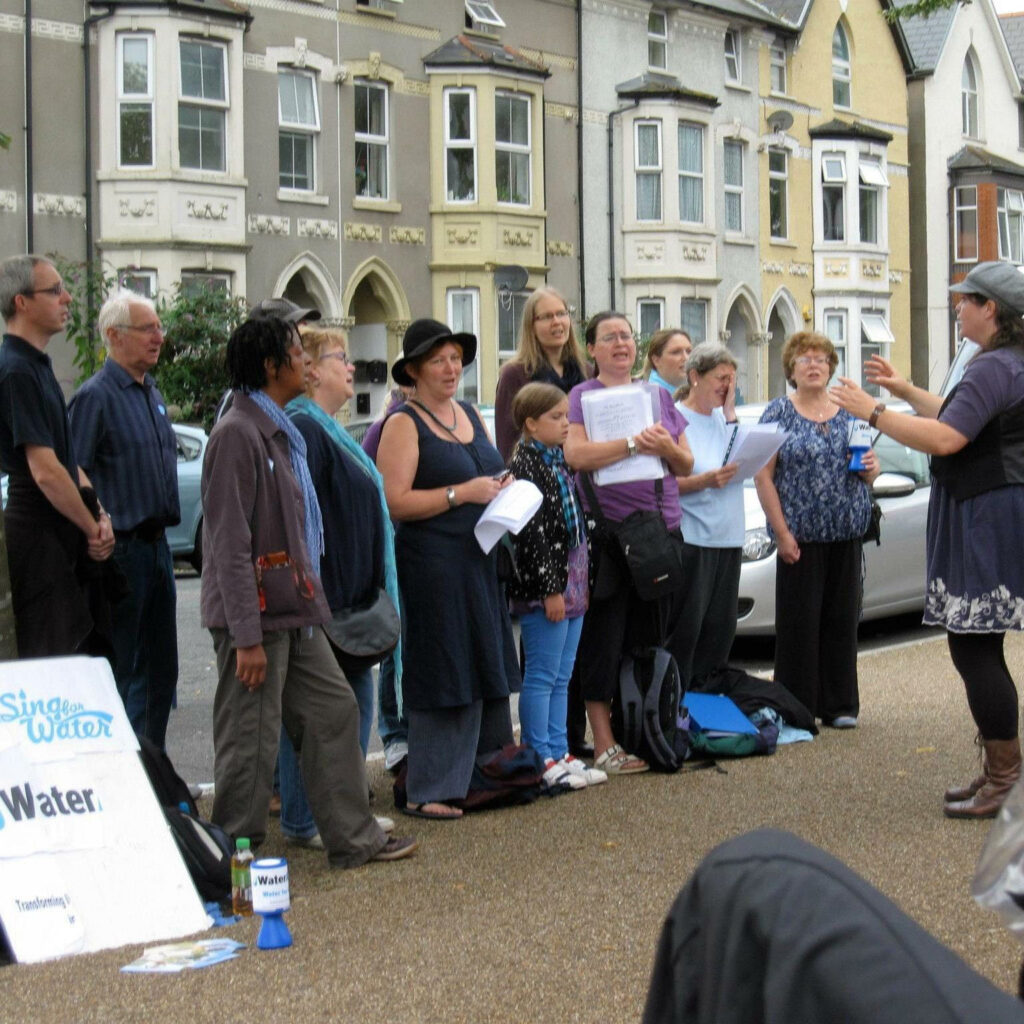
Another challenge/success is the fact that I am one of the four people who bring Sing for Water Cardiff to the Oval basin every coupe of years involving 800 singers singing together and raising money for Wateraid.
This year was to be extra special with us lining up with Green Squirrel and “The Girl Who Wouldn’t Give Up” The “Get Creative” festival as well as Oasis World Choir and Band having a key role in leading into the whole concert with a special song and carnival procession. So so sad to have to postpone this. However we did manage to create an online event – where project manager Sue Ellar created ticket links for people to pay £3 each – also gave the option to pay forward £1 towards anyone who might not be able to afford a ticket – also the option for ‘hardship” meaning that people could get the event link for free too. These are all things I find difficult but working as a team Sue came up with excellent solutions to ensure we could somehow receive some kind of payment for our planning of the session. 115 people engaged with that session and there will be links sent to choir members with a compilation of the highlights of the session with a motivation for them to continue their fundraising for the charity Wateraid.
Access – as I mentioned earlier due to tech has been a huge challenge with people trying and trying to join the sessions but their tech simply not working for them – we are at lockdown so those people can’t have anyone to physically show them how it works or to re-set their devices or event to buy in new tech if they have the money. Zoom updates have meant that some phones no longer allow access. People I work with are often extremely isolated for a multitude of reasons, from disability to asylum claims, to mental health issues, to simply being more elderly and living alone. This includes younger people now living and coping alone – many of whom have fully appreciated the regular Zooms – a chance to interact and participate in a positive and familiar activity together.
A huge but unexpected positive of this situation is that people who have moved away or been moved away so could no longer be a part of the sessions due to physical distance have now been re-engaging with the workshops.
I have regulars from the past who moved to Bristol and Brighton who now regularly join the Friday morning Chapter Singers workshops. Also people who have been members of the Oasis World Choir and Band project who have moved by choir to Edinburgh, Glasgow, Manchester are joining us and still feel a part of our extended choir family. Also the terrible situation where people who are asylum seekers and then suddenly moved away with no notice. This happened to one of our vey special choir members and her then 4 year old daughter – they were moved to a hotel in London a month before lockdown – they were then moved to another 2 different hotel rooms and are still in a hotel room in the London area. Thankfully they have a good enough phone to be able to Zoom in with us weekly, a fact which truly helps them to feel slightly human and normal as well as still getting all the scientifically proven additions to wellbeing that singing, dancing and laughing bring.
Amazing joy at being able to collaborate with Ethiopian composer performer and community musician Tewolde Girmay after 10 years! (Flute duet Wales to Ethiopia)
What are your plans for future delivery?
I think I will be leading Zoom sessions for a long time as singing is proving to be a less safe activity to do, Corona wise, due to the otherwise extra healthy deep breaths that people expel during the act of singing.
When it does feel safe to do so again I will need to ensure that people can decide on their own terms how and when to join, and I will have in place social distancing measures and guidelines carefully thought out beforehand.
I know for sure that I will be aiming to continue Zooming perhaps one weekly session due to all the amazing interactions that wouldn’t have happened without Zoom access and I have group members who are vulnerable health wise and are currently shielding who have already asked me if I’ll be able to include them in this way in the future. I’m not sure how to make any of it work in a financially secure manner – it’s all been a great gamble so far, but fingers crossed and on I go.
A range of organisations have worked to continue delivery of their art form during lockdown are there any that you would like to mention that you found either professionally or personally useful?
Newport Mind have continued to pay for my weekly sessions with their clients, this will be on-going which gives a sense of real security to me as a freelancer.
I have facilitated the YMCA staff choir for the past 6 years this recently turned into YMCA Community Choir – then lockdown stopped that but a YMCA linked organisation have hired me to do some try out sessions with young carers which is a new challenge working with people I had not actually previously met. I have now done the first session which went really well so watch this space!
In response to the lockdown triggered by COVID-19, many arts organisations have taken their work online, sharing content for audiences to view for free. However, creating participatory engagement online is much more challenging and, as a sector used to being face to face with people in their practice, it’s clear that the current restrictions change the nature of participatory arts based activity substantially.
Following a vital conversation on social media led by Guy O’Donnell, Learning and Participation Producer, National Dance Company Wales which opened a discussion on how we can deliver participatory arts effectively, a range of partners are collaborating to lead Zoom discussions for the sector where we can talk about the impact of the lockdown on our work and work creatively together to think beyond the lockdown.
In partnership with ArtWorks Cymru a series of free Zoom meetings have been set up to discuss and share current working practices in participatory delivery.
Thinking Beyond the Lockdown
These Zoom meetings will explore how we think beyond the lockdown. We’ll explore what the future might hold, what we might keep from our online experiences, and how we live with an uncertain future.
The meetings are free to attend but numbers are limited. Kathryn and Tracey share their biographies below and some information on of areas they will discuss at the meetings below.
Kathryn Williams
Rubicon’s Director since 2014, I studied Dance at Roehampton. My career has spanned IT, Finance as well as the Third Sector and the Arts. I have an MSc in Entrepreneurship, I’m a Lead Wales graduate and I’m also Wales’ first Pilotlighter.
I think that access to the arts is a democratic right and this very much spaces my approach to what I do. I’m also a School Governor, childcare campaigner, advocate for the arts and committed martial artist. I live in the former mining community of the Rhondda in South Wales with my husband and teenage sons.
Tracey Brown
Tracey has worked at Rubicon since September 1996 and her very first role was Dance Development Worker, leading dance sessions for a wide range of ages, abilities and backgrounds and contexts whilst setting up Rubicon’s development programme across Cardiff which initially targeted five key areas of the city.
Tracey now manages Rubicon CPD programmes, an annual summer programme for community dance practitioners from across Wales, an individual learning programme for Rubicon’s dance practitioners, the community dance apprentice training programme, mentor development as well as the Wales Wide Training Programme (WWTP).
Highlight’s for Tracey’s time at Rubicon includes the success and reach of the development programme, the Rubicon to Romania programme working with deaf children in Craiova, the community dance apprentice programme and the Wales Wide Training Programme! In 2017 Tracey won a Creative and Cultural Skills Council UK Award for her work with community dance apprentices.
Wales Wide Training Programme (WWTP)
At the Dance meeting Tracey will talk about the Wales Wide Training Programme (WWTP) which is an initiative that exists to support the development of community dance practice and provision across Wales. WWTP was established in 2013 with seven partners, all of whom were community dance/arts organisations. There are now seventeen partners from across Wales and these include venues and theatres, universities, national companies, colleges as well as the initial community dance and arts organisations. WWTP is steered by the partners who work together to design and organise training and professional development programmes that respond to sector-need.
The database is currently at 250 (it started with 40 in 2013) and includes a range of people from practitioners, apprentices, venue managers, health boards, arts organisations, freelancers and directors.
Challenges and solutions
WWTP is a programme that enables people who work in the dance sector to come together regularly and this takes place across Wales. There are currently twelve strands to WWTP and it was important to keep all of this work happening, especially as many of these strands take place more than once eg CPD days three per year across Wales. Initially when COVID-19 and lockdown began we were coming out of one year of funding and into another so the challenge was how the whole programme would be adapted in the new climate especially as both programmes overlapped. However we have adapted well and have re ordered the programme (May 2020-April 2021) and have met with partners and also practitioners from the database regularly via Zoom.
An Evaluation Forum that was scheduled for March 2020 (pre lockdown) and due to be led by Dr Susanne Burns was initially open to twelve people as this training is very tailored.
We have adapted this to have three Evaluation Forums on Zoom and they are open to eight people per session so our reach is higher, albeit online. The first two forums have already sold very quickly.
Another big challenge was thinking about the work force and that people will have less money than ever so it was important to offer a “pay what you can” approach. People have great trust and loyalty to WWTP and we feel that being fair to all is really important right now. WWTP is a training programme and no one should not sign up for events and CPD due to lack of finance or these people could de skill or lose confidence in a professional capacity quickly.
Further links
Wales Wide Training Programme Facebook Page kathryn@rubicondance.co.uk tracey@rubicondance.co.uk www.rubicondance.co.uk
Meeting Minutes, Beyond The Lockdown Wednesday 10th June 2020
Community dance organisation for North West Wales – all ages and abilities
Lockdown started early for them as much of their work is in care homes. Three weeks later all our programs were cancelled and the office was shut. We set up homeworking.
They put support in place straightway for the freelance team we work for, and honoured all the work they were contracted for. Catherine’s been working on a contingency plan in place looking at financial scenarios for how the organisation can emerge from lockdown. The final scenario is beginning again in January – although if this is the case it will be very serious for the organisation.
They’ve had to consider all the programs we run and how they would adapt our work. Catherine created an online policy for staff. This was an important basis for their work.
They launched an after school program for schools and have launched a package which is paid for. The package includes a live session, a recorded session and a creative task. The first live session was a really successful event
Care home project / dementia project – they created online versions of the workshops we delivered. Talking to care home staff it was clear that participants couldn’t even leave their rooms. They looked at one to one sessions and got a grant to buy tablets that could enable this. They will be linking with Coleg Menai to create a buddy scheme with students and trying to link with families.
Catherine will look at fitness programs and schools work next. There still needs to be discussion about how these programs are shaped.
Catherine is keen to make their Christmas performance happen in some way as it’s a highlight for all their participants. The lockdown has thrown up a lot of questions. We need to question what we take with us and what we leave behind. This is an opportunity to make dance accessible to people who can’t attend in person, or aren’t confident to attend. DIB will definitely keep some online sessions. But online is not accessible to some people – so they need to be mindful of this and keep exploring how they reach these people.
Freelancers – this crisis has shown how vulnerable they are but also how much we depend on them. We need to address more solid terms and conditions and contracts for them. It’s difficult to see how DiB will come out of the lockdown. It’s going to be really hard to finance a model whilst ensuring social distancing. “There are lots of hurdles and I don’t know all the answers.”
DiB needs to remain relevant – bringing people together, creating together is what they do. They have to discover new ways of doing this
Rachel is from Rhondda valleys and from a working class background. She is dyslexic and also has antiphospholipid syndrome, which means she needs to move around to prevent clots and joint pain otherwise she is in pain and suffered a stroke which led to frontal lobe damage and epilepsy. So engaging online can be very hard for her.
Rachel started dancing at aged 2 – she loved it and embraced it all. She got a paper round at 12 to help pay for all her classes. Dance was where she was able to express herself. She trained at London Studio centre and got into Hip Hop.She went into commercial dancing, worked on the West End, and then on to New York training young people. She came back to the UK and made her way back to Wales. She trained as an RAD teacher and a IDTA teacher. She also taught GCSE and A-Level. When she came back to Wales she set up Avant.
Avant focuses on hip hop dance theatre and drama theatre and supporting events and workshops. She talked to YPs in the Rhondda about what they wanted. They all wanted to leave Wales to be successful. So Avant have been looking at how they can bring people to Wales to create opportunities.
Avant is not core funded. They are project funded. They had a project fund in progress when lockdown started. They have been linking to partners in UK, like Breakin Convention, who can offer Q&As and talks.
They have been doing online hip hop for young people and Ballroom for older people.
Because of Rachel’s disabilities, she always starts with an evaluation of what’s possible. So this is what she did when looking at their online activities.
Story Sharing – hyper local – people have been sending Rachel stories and then local children have been posting them to older people.
Another project has been collecting stories from local people in the Rhondda so a graffiti artist they are working with has put some of the characters they discovered on local walls.
They are linking up with other organisations who deliver hip hop and having a joint competition. There is now a UK national governing body for break dance. It will go into the 2021 Youth Olympics. So Avant is working with partners to start structuring the sector.
Rubicon Dance is a social arts organisation. They exist to connect people and they do that through dance. Dance can change people’s lives. It’s a way that we can all express our shared cultural identity. But now they can’t bring people together.
Rubicon created a pandemic policy in February after seeing what was happening in Wuhan. They also created a framework for business resumption. This explored finance, communication and operations. This was signed off in early March. One week later, they invoked this policy. At the heart of this, was keeping staff and freelancers safe. They have honoured all freelance contracts for the spring and the summer. They haven’t furloughed anyone.
Insight 1 – It’s important to scan the horizon and assess what is needed in the future.
When they closed, it triggered a massive communication exercise. They work with a wide range of people. They contacted all participants. Staying connected to people was the important part. They used phone, postcards, texting and using zoom. They tried to stick to the timetable that they normally have – first everyone needed to talk but as the weeks have gone on, participants have wanted to dance and they’ve been able to facilitate this. They’ve been focusing on our existing participants. Our courses for young people have moved online successfully. Now they are looking at new partners. Menter Caerdydd – they are now delivering interactive zoom sessions with them in Welsh. It’s been a great learning experience and they’ve had to learn about cameras, lighting , microphones, digital rights.
Insight 2 – focus on the participants
Workforce – staff and freelancers – Kathryn’s priority has been to keep them safe and employable. They have offered tailored CPD – 3 days per person. Rubicon is part of a wider ecology and the Wales Wide Training Program has also adapted and its become a vehicle for keeping in touch with people.
Wales Wide Training Platform – started in 2013 and had 7 partners. Now we have 17 partners and very contracting organisations – from Artis Community, Cardiff Met, wales Millennium Centre and Theatre Felinfach.
Lockdown has led to rearranging six events. Evaluation session is being run online again – so now it can reach wider. Policy forum – about partners and database coming together – moved this online and ran it on the same day. Best practice forum – also took place online – they had good number attending.
They usually shift across the country and don’t expect all partners to attend every meeting. Now people can attend each meeting, and they have had 3 partner meetings already since lockdown. Tracey has also set up micro zoom sessions where people can meet to just talk about what has happened. There are never more than 4 in each meeting. This is vital support. Practice Exchange – it will now happen online. Bursary Award – allow people to apply for money to spend time with someone who inspires them
Challenge – Apprenticeship Training programme – they have an apprentice at the moment but her final term, which would usually be the time she would be out and involved in everything, can’t happen as usual. So Tracey is trying to find ways for her to engage in work. She is leading Menter Caerdydd sessions and has had her time with Rubicon extended.
Tracey is looking ahead to the autumn and what the CPD would look like. Cai Tomos will bring them together to dance together.
Suzy West, Impelo offered a response to what she had heard:
How do we find the time to look at big change that we want to take into the future? How do we sustain our organisations and practice at all?
Place and connection with people is so important. What stays face to face and what might continue online?
Given that the UK wide picture of accessing any online activity (schools, support for differently abled, cultural etc) has so starkly highlighted existing inequalities what does this mean for a prolonged alternative delivery model for those at continued risk and sheltering (older and vulnerable)?
For Impelo in a rural area this has been an incredible opportunity for us and our participants to access some really amazing online work and to actually able to attend things without 6 hour round trips! How can we hold on to this?
How do we work with freelancers and big venues? What will be the impact of lower family incomes?
However when we look at the transformative power of the participatory process for health (mental and physical) as well as reaching into communities that don’t access or see themselves as cultural consumers (the figures were bad enough before this) online has just not cut it. So what to keep and what to throw out?
What are we not sure of? What’s doing our head in?
Discussion
What about the practical things for live sessions?
Catherine – I’m reading as much as I can. I’m looking at how we might get people in and out, how we might use the toilets, how people register. It’s a military operation. Citrus Arts – we create work outdoors and are happy to share ideas about how to do this. https://www.eventsafetyalliance.org/esa-reopening-guide – published a guide to re-opening. There are some things that apply and others which don’t. For instance – you might want to appoint an infection officer. You need to speak to your insurance company and look at duty of care and liability. Guy suggested a zoom to explore the practicalities. Diane Hebb – there are several different guidelines that have been published. Schools and childcare centres guidance has been published today by Welsh Government. We are also looking at attitudes of audiences and we are designing a survey to put out to the public to find out how people feel. This will be a survey that people can revisit so we can keep testing the attitude. Please send us any specific questions that should be included in this survey. Suzy West – Impelo are going to do a pilot in their dance space and are happy to feed back on this Rachel Pedley – Avant are using a thermometer to take the temperature of staff and participants throughout the day. Anyone with an elevated temperature will be sent home. They have a residency at Pavilion Dance in August and that will go ahead. So they are putting things in place. They have created a detailed Code of Practice for their staff. Tracey Brown – Rubicon are thinking about how our participants will feel about using public transport to get to our session. We already have to clean when we work in the Children’s Hospital so we have some systems in place already that we can share.
Music Rights Catherine – DiB have found a good site where you can use music for free which she can share. This is a difficult area to navigate.
Freelance Support Angharad Harrop – I’m a freelancer and the amount of work that it might be to put health and safety needs in place is huge. This feels very scary. Please get in touch and support any freelancers you are working with. Catherine – please come to us – we don’t know everyone who is out there. Please know that doors are open and come to us. Rachel – Avant are a collective of freelancers. We managed to pool funding. So look for funding and try and work together. Community Musicians – Sound Sense – highlighting that there is a lot more planning and set up involved away from the actual delivery. When people employ freelance artists this needs to be factored in. Hopefully that will improve. Heidi – Dance degree exploring whether they can meet their learning objectives through blended learning – there are lots of questions.
Technique and Quality Uma – how are people managing this? When you do this live, you can show people and move people. But how do you do this online? Gerladine passed on advice from Gwyn Emberton – he works with students online and gets them to watch first, talks them through and then gets them to repeat and observes / gives feedback. In my Chi Gong class, the teacher watches carefully and will ask people to change positions. Zosa also suggested asking people to think about using the space around them, so they are not always looking into the camera. Julie Hobday asks participants to go away from the camera and Guy O’Donnell – we should start to shape a document together that we can share together and co-author.
Preparation Helen Woods – today we shared some of the experience of preparation and what happens when you work on zoom working with the Rubicon apprentice. NDC Wales are paying us for four sessions so we can prepare and this will be needed.
In response to the lockdown triggered by COVID-19, many arts organisations have taken their work online, sharing content for audiences to view for free. However, creating participatory engagement online is much more challenging and, as a sector used to being face to face with people in their practice, it’s clear that the current restrictions change the nature of participatory arts based activity substantially.
Following a vital conversation on social media led by Guy O’Donnell, Learning and Participation Producer, National Dance Company Wales which opened a discussion on how we can deliver participatory arts effectively, a range of partners are collaborating to lead Zoom discussions for the sector where we can talk about the impact of the lockdown on our work and work creatively together to think beyond the lockdown.
In partnership with ArtWorks Cymru a series of free Zoom meetings have been set up to discuss and share current working practices in participatory delivery.
Capturing the Learning
These Zoom meetings will explore how we capture the learning from organisations and artists who are currently delivering projects. We’ll explore what methods are working well, what are we learning through this experience, and how we are adapting our working practices.
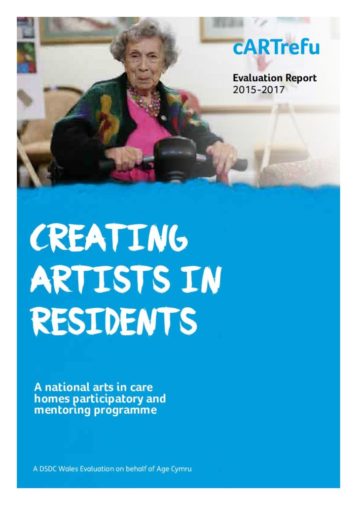
Kelly Barr, Arts and Creativity Programme Manger Age Cymru hosted the first Zoom participation meeting. The meetings are free to attend but numbers are limited. Kelly gives an overview of the work Age Cymru has created to meet the challenges and the companies solutions to support the public and her service users in the current climate.
Hi can you tell me a little about yourself and your organisation?
Hi, I’m Kelly Barr, and I am the Arts and Creativity Programme Manager at Age Cymru, who are the national charity for older people in Wales. I have been working on participatory arts projects with all sorts of organisations for 6 years, including NDCWales, Earthfall and the Sherman.
The two main arts projects here at Age Cymru are Gwanwyn Festival, an annual celebration of creative ageing which happens in May each year, and cARTrefu, the largest arts in care homes project in Europe.
We also run other projects throughout the year that might try to tackle isolation and loneliness (like our Gwanwyn Clubs), stereotypes of ageing or representation of older people.
Your organisation is hosting one of the free Participatory Arts – Capturing the Learning / Beyond the Lockdown meetings. Why do you agree to support these events?
I am in a very fortunate position to still be working at this time, and I felt like I had a responsibility to support conversations within the participatory sector. I saw many people reacting wonderfully quickly and adapting their practice, but I also recognised that that isn’t always an option, particularly with the groups of people that I work with. I have always believed that we have much to learn from each other so it was an ideal opportunity to do my bit to support some good practice sharing.
What challenges has lockdown present to the delivery of your service?
Gwanwyn Festival has often been about bringing people together, many of whom are in the high-risk category at the moment, so we made the decision fairly swiftly to postpone the festival.
We had a duty of care to protect the people that might attend the festival events, and those that are running them.The creative ageing sector is very supportive so I have been lucky enough to have regular chats with colleagues across the UK and Ireland (Gwanwyn Festival was inspired by Bealtaine Festival), so that we can support each other to think about how festivals like ours might work moving forwards.
We also knew early on that it was going to be difficult to continue to deliver the cARTrefu project, as care homes were starting to close their doors in early March. We’re lucky to have supportive funders who we will be able to work closely with as things progress. We have multiple scenario plans but are very much being led by what care homes want and need right now.
What issues have your service users/participants faced?
I’m really proud to be part of Age Cymru, as they have been able to adapt really quickly during the pandemic to ensure that older people in Wales are supported. We run an Information and Advice line, which received a 200% increase in calls at the start of the pandemic; people needed advice on whether they should be self-isolating or shielding, where they could get support with food shopping and collecting prescriptions. People have also struggled to access their money, and needed support to find new ways to stay in touch with family members. I’m pleased to say that we have been able to help, in partnership with our local Age Cymru partners, Age Connects and other voluntary services across Wales.
What systems did you put in place to ensure delivery?
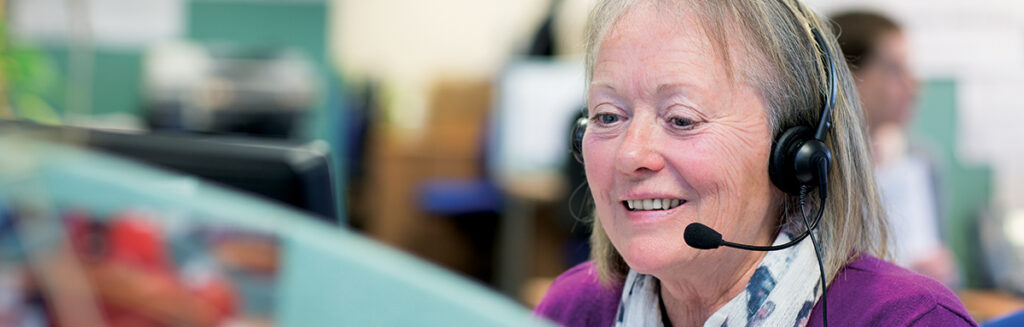
Many of us are well-used to working from home, but it’s been really important to find moments to connect with colleagues. Many of us are spending most of our day making calls to older people through our Check In and Chat service, so it’s not always easy to have online ‘meetings’ as often as we used to have physical meetings. So we’ve set up Whatsapp groups, we send voice-notes, have catch-up phone calls, send pet pictures (in my case, plants!) as well as whole team Zoom and Microsoft Teams meetings. It’s ever changing and adapting!
With my specific work, it’s about being available to our partners and being flexible and open about the realities. We’ve been taking time as a team to think further ahead, and problem solve, and take any opportunities we can. We’re also keen to use Gwanwyn and cARTrefu Facebook, Gwanwyn Twitter and cARTrefu Instagram to promote creative opportunities for older people as far as we can.
Did you have any particular challenges or success that you would like to share?
Back in April, I, like many people who are in a position to, wanted to offer out informal chats to anyone interested in running creative ageing projects, or having to adapt current projects. I had no expectations of what would come from this, only that it felt like the right thing to do, but it’s introduced me to new practitioners and individuals, which has helped to build up my understanding of what’s happening in Wales. Many people I might have struggled to physically meet pre-lockdown, due to being based in Cardiff, I have been able to connect with over the phone. I hope to continue to offer this out and to meet more people – digitally!
What are your plans for future delivery?
We’re exploring a range of options at the moment, but we’ll be working closely with our Gwanwyn Festival event organisers to look at how this might be possible. There may be ways to replicate events online, or using social distance rules. I have no doubt that our event organisers are already coming up with innovative and interesting ways to continue to connect to people and I’m looking forward to working together to adapt and learn!
With cARTrefu, we are ensuring that we are listening to care homes, and being led by their needs right now. We have developed a fortnightly e-newsletter that gives care homes low-resource activities to try, and links to lots of online performances and activities from Age Cymru (like Tai Chi classes, now on our website) and other organisations.
I’m aware that we’re now regularly speaking to people that are more isolated, some of whom who aren’t connected to the internet, so a lot of my thinking has been about how to stay connected to them and to provide interactive creative opportunities that are offline.
I’d like to highlight Age Cymru’s Friend in Need service that has launched this week, and direct anyone to it if they’ve been supporting someone who is self-isolating or shielding through lockdown. There’s lots of useful guides and resources, as well as details of our new Befriending scheme – Friend in Need
A range of organisations have worked to continue delivery of their art form during lockdown are there any that you would like to mention that you found either professionally or personally useful?
I’d love to highlight the wonderful speakers from our first Participatory Arts Capturing the Learning Event:
And I’d love to shout out to all of the cARTrefu artists whose work has suddenly come to a grinding halt with us, but have been helping us to provide creative activities for care homes remotely.
Thanks for your time Kelly
The meeting notes from Participatory Arts, Capturing the Learning – Older Peoples Zoom Meeting that Kelly hosted hosted on Thursday 28 May, can be found at the link
“It’s been a life saver. It’s like I’ve got a blanket of friends around my shoulders” Cyfranogwr ar Zoom
Ydych chi’n ymarferwr Celfyddydau ym maes Iechyd sydd eisiau trosglwyddo eich gwaith ar-lein?
Mewn ymateb i Covid-19, mae Re-Live wedi datblygu ymarfer cynhwysfawr ar Zoom gydag oedolion hŷn, pobl sy’n byw gyda dementia, cyn-filwyr sy’n byw gydag anhwylder straen ôl-drawmatig a phobl sy’n byw gyda gorbryder ac iselder.
Ymhlith y sesiynau roedd: Bywyd Stori Gwaith, Drama/Gwaith Byrfyfyr, Cerddoriaeth a Chanu
Mae Re-Live yn edrych am 12 ymarferwr Celfyddydau ym maes Iechyd i fod y cyntaf i gymryd rhan yn yr hyfforddiant newydd sbon hwn. Bydd yr hyfforddiant yn cyflwyno’r cyfranogwyr i sgiliau, offer ac egwyddorion hanfodol sydd eu hangen i gynnal sesiynau arloesol a moesegol y Celfyddydau ym maes Iechyd ar Zoom. Bydd yr hyfforddiant yn:
● eich gwahodd i gael profiad o sesiwn Zoom fel cyfranogwr ac adlewyrchu ar y profiad
● rhannu ymarferion creadigol sy’n gweithio Zoom, gan gynnwys Bywyd Stori Gwaith, drama, canu,
cerddoriaeth
● adeiladu sgiliau a hyder i arwain sesiwn Zoom, gan gynnwys rheoli ystafelloedd ymneilltuo
● trafod cyfrinachedd a chysyniad wrth weithio gyda grwpiau agored i niwed ar-lein
● darparu cyfle unigryw i artistiaid ddarganfod ffyrdd newydd o archwilio ac ehangu eu hymarfer
Cyfarwyddwr Artistig Re-Live, Karin Diamond, fydd yn arwain y sesiynau hyfforddiant. Cynhelir yr hyfforddiant yn Saesneg ond rydym yn croesawu ymarferwyr celf cyfrwng Cymraeg gan fod Karin yn ddwyieithog.
Os oes gennych ddiddordeb, anfonwch e-bost at karin@re-live.org.uk yn nodi eich profiad o’r Celfyddydau ym maes Iechyd ac yn esbonio pam fod yr hyfforddiant penodol hwn o ddiddordeb i chi.
Gan fod yr hyfforddiant am ddim, byddwn yn gofyn i chi adlewyrchu ar yr hyfforddiant trwy ddarparu adborth ysgrifenedig neu ar lafar ar 3 cham: ar ôl yr hyfforddiant, cyn eich sesiwn cyntaf ar Zoom ac ar ôl eich sesiwn cyntaf ar Zoom. Bydd y broses gwerthuso yn cymryd tua 3 awr a bydd yn hysbysu sut mae Re- Live yn datblygu’r hyfforddiant hwn ar gyfer grwpiau eraill yn y dyfodol.
Hyd yr hyfforddiant: 3.5 awr (9.30am – 1pm) Ble: Zoom Pryd: 18 Mehefin 2020
Mae Re-Live yn fudiad Celfyddydau ym maes Iechyd sydd wedi ennill sawl gwobr sy’n darparu rhaglen ddeinamig, ysbrydoledig o ymarfer Bywyd Stori Gwaith trwy theatr, symudiad, cerddoriaeth a chân. www.re-live.org.uk
“It’s been a life saver. It’s like I’ve got a blanket of friends around my shoulders” Zoom participant
Are you an Arts in Health practitioner looking to transfer your work online?
In response to Covid-19, Re-Live have developed an extensive creative Zoom practice with older adults, people living with dementia, veterans living with PTSD and people living with anxiety and depression.
Sessions have included: Life Story Work, Drama/Improvisation, Music & Singing
Re-Live are looking for 12 Arts in Health practitioners to be the first cohort of this brand new training. The training will introduce practitioners to essential skills, tools and principles needed to carry out innovative and ethical Arts in Health sessions via Zoom.
The training will:
● Invite you to experience a creative Zoom session as a participant and reflect on the experience
● Share creative exercises that work in the Zoom Room, including Life Story Work, drama, singing, music
● Build skills and confidence in leading a Zoom session, including managing breakout rooms
● Discuss confidentiality and consent when working with vulnerable groups online
The training will provide a unique opportunity for artists to find new ways of exploring and widening their practice
Re-Live Artistic Director, Karin Diamond, will lead the training session. The training will be in English, but we welcome Welsh language arts practitioners as Karin is bilingual.
If you are interested, please send an email to karin@re-live.org.uk outlining your experience of Arts in Health practice and what has drawn you to this particular training.
As the training is free, we will be asking you to reflect on the training by providing written or oral feedback at 3 separate stages: post-training, before your first Zoom session and post-Zoom session. The evaluation process will take 3 hours approx and will inform how Re-Live develops this training for future cohorts.
Training time: 3.5 hours (9.30am – 1pm) Where: Zoom When: 18th June 2020
Re-Live is an award-winning Arts in Health organisation providing a dynamic, inspirational programme of Life Story Work practice through theatre, movement, music and song. www.re-live.org.uk
In response to the lockdown triggered by COVID-19, many arts organisations have taken their work online, sharing content for audiences to view for free. However, creating participatory engagement online is much more challenging and, as a sector used to being face to face with people in their practice, it’s clear that the current restrictions change the nature of participatory arts based activity substantially.
Following a vital conversation on social media led by Guy O’Donnell, Learning and Participation Producer, National Dance Company Wales which opened a discussion on how we can deliver participatory arts effectively, a range of partners are collaborating to lead Zoom discussions for the sector where we can talk about the impact of the lockdown on our work and work creatively together to think beyond the lockdown.
In partnership with ArtWorks Cymru a series of free Zoom meetings have been set up to discuss and share current working practices in participatory delivery.
Capturing the Learning
These Zoom meetings will explore how we capture the learning from organisations and artists who are currently delivering projects. We’ll explore what methods are working well, what are we learning through this experience, and how we are adapting our working practices.
Megan Pritchard, Marketing Campaigns, National Dance Company Wales is presenting at the first Zoom Dance meeting on Wednesday 3rd June 3-5pm The meetings are free to attend but numbers are limited. Megan gives an overview of the work NDCWales has created to meet the challenges and the companies solutions to support professional and participatory dance delivery in the current climate.
Hi can you tell me a little about yourself and your practice?
Hi I’m the Marketing Campaigns Manager for National Dance Company Wales: under usual circumstances that means I lead on connecting with our audiences and communities with a focus on the national touring work that we do. I work closely with the Participation department who are a fundamental part of how we connect with and stay connected with our audiences.
At the moment that work is much the same – but with a hugely digital focus, and a wealth of new ways to share dance with people. From early on in the lockdown we’ve seen a huge rise in people dancing across media from TicTok to daily community dance parties in the street.
I’ve been with the Company for just under nine years so for me that’s really exciting to see, the heart of my role is sharing this thing that I love with the world- I truly believe that dance is a universal language that is available for everyone from shuffling along to the radio in your kitchen right through to sitting in an Opera House watching a contemporary ballet.
NDCWales has as real ethos that dance is a wide spectrum and we try touch people with dance at all levels. I’m here to reassure those unsure about watching dance or bringing physicality into their bodies – to take away that fear of the unknown.
What challenges did lockdown present to delivery of your participatory practice and what systems did you put in place to ensure delivery?
Our biggest challenge was not unique – how could we digitally re-create work that relies on physicality and connection; how could we do it with reduced resource, and what should the focus be?
We were just two venues into our twelve venue mid-scale touring – our largest annual tour, one that we rely on not just for income but for connecting with people.
As a Company we already had plans to create a digital programme over the next year, but in response to COVID 19 we needed to do this more urgently. We were not in a position to move everything that we usually do online, there wasn’t the money or capacity – but as a Company we value all aspects of our work equally. To help focus our resources, we asked our audiences and looked inwards,
“National Dance Company Wales makes brilliant dance with and for all kinds of people in all kinds of places. With innovation and imagination, we widen the spectrum of what dance can be so that more people can make, watch, participate in and learn about dance in Wales and across the world.”
So we put our energy on repurposing what we already had and building on what we do well- creating spaces to learn about, and participate in dance at a range of levels.
It was important too that content was as accessible as possible – using captions and BSL interpreters wherever we could. This meant that things such as live classes were not a solution for us at the outset because they could not easily be captioned in real time.
To make things as streamlined as possible we used simple ideas and simple programmes, that could be used quickly and taught quickly to people who might be working in new ways.
We used Zoom, YouTube and Facebook live and explored new ways of manipulating these programmes in ways that they may not usually be used. We also used simple editing and captioning programmes – and taught anyone in the Company with a free hour how to use them.
To ensure a polished feel despite content being created in different spaces, on different cameras and in different styles, we created simple branding and guidelines that were easy to follow and carefully spent money on animations to tie the content together.
The creation of #KiN:Connected was hard work, but that hard work was met with innovative ideas and rewarding content – and I’m really proud of how quickly all of the team pulled together to create a virtual version of our work – right through from the performance streaming and post-show-talks to the . bilingual classes for children about rugby and dance.
Did you have any particular challenges or success that you would like to share?
I’m really proud of all of the work that we’ve pulled together to get done during this time – but some stand outs for me are:
The live performance of 2067: Time and Time and Time (a reimagining of a repertoire piece from our cancelled tour, performance from the dancers home and directed in real time by the choreographer).
Our Rygbi learning pack and everything that surrounds it (including bilingual classes for parents of welsh speaking children who may not speak welsh themselves, and of course the full length stream of the piece itself).
Our dance classes for adults with mobility issues – we’ve had a lot of mums of NDCWales team members use them in their daily routines, which has been really directly rewarding.
I think the biggest challenge for us moving forwards is maintaining meaningful relationships with our amazing participants and continuing to imagine new ways to bring dance to them – especially those who may not be digitally proficient.
What are your plans for future delivery?
We are just moving into the second phase of our digital delivery – taking our learning from the first phase and building on it with more real-time live performances and exciting collaborations with other Welsh companies. We’re also launching some things that took a little longer for us to perfect for our participants such as our Dance for Parkinson’s classes.
A range of organisations have worked to continue delivery of their art form during lockdown are there any that you would like to mention that you found either professionally or personally useful?
It’s been really inspiring to see how resilient the sector is as a whole and how vitally important the arts are for people’s health and wellbeing at this time (possibly more than ever). Arts companies have been at the forefront of providing accessible and free content for home-schooling, fun classes to keep us fit when we are unable to leave our homes, and beautiful digital distractions in the forms of films, play readings, dance, get togethers, streamed performances and more.
Below is a guide to streaming a live performance from NDCWales, Stage Manager, Perla Ponce. (Please note this information is in a draft format and will be updated.)
Participatory Arts, Capturing the Learning
Meeting Minutes
35 Participants
Julie Hobday – County Youth Dance Swansea
Sister company of West Glamorgan Youth Company
Created when Swansea became a County
To promote dance for 13 – 21 and also run an outreach strand for younger pupils
Collaborate across Swansea with schools, YMCA, Taliesin Arts Centre
Creative educational model – training – exploring professional work – peer support – develop a love for the artform
Follow an academic year
Challenge to be flexible and keep the company relevant
Community element is very important / but also the opportunity to create work in response to stimulus
Challenges of Lockdown
No direct funding – all income from the students
Meeting through Zoom. Had to put robust safe guarding in place
Meeting participants in their homes – some participants don’t have the internet connection or capability to digitally engage.
No shared space – we start with conversation – just so people can chat about how they are feeling and keeping everyone positive
Keeping the dancers engaged is hard – some people are keen regulars – but some people drop off. We deal with this by emailing and prompting them through social media.
We can’t recruit for new members at the moment.
At the moment, we are not charging. But there are questions about how this will develop. It leaves us with a shortfall and this is vulnerable.
Positives of Lockdown
We start by asking participants how they feel at the beginning and the end. They have usually doubled their energy by the end of the session.
We can use artists from anywhere in the country. This has helped us to support artists who might have lost work.
We’ve been able to engage with some of recent graduates who have missed out on their final presentations
Being creative about how we make work – participants are making videos – they have to think differently about how to work in different spaces
Access to resources – suddenly students can access performances and class online from some amazing companies and artists
Trying to stay positive about the future and keep thinking about ways we can keep participants engaged through the autumn
Gwyn Emberton – BA Honours Dance University of Wales Trinity St Davids
University course has moved on line
Degree is based in Carmarthen.
Intensive training in dance focused on contemporary & ballet. Also look at inclusive practice, community work.
We hope our students will stay in Wales.
The shutdown was very sudden – we only had a week to move everything online. We were about to start our last 2 months of big projects for the 3rd years & a final show for the 1st years. It was crucial to be face to face.
First Years
Challenges – Bad wifi – small spaces that students were working in
Gwyn found an online resource that he could focus the 1st years around
They kept class regular at 10am and explored lots of different ideas
They wanted to keep it positive and try to find things they could focus on
Explored musicality, articulating with the upper arms, creating phrases
1st year is about introducing ideas and reaffirming their practice
Ballet class – they did two phrases in one hour – took time to watch Gwyn on speaker view – and then repeat it so that Gwyn could watch them. Then they could reflect and consider.
Used the breakouts for creative making and collaborating. It actually helped some of the less local students to open up. This was a very useful tool and gave them space and time to investigate themselves.
Mental Health was a big thing – everyone was fluctuating. Gwyn and the students were constantly in contact with each other – used Whats App and had regular tutorials. Gwyn introduced a thursday afternoon social – a quiz or coffee and cake.
Creating a dialogue was important – getting feedback through the screen was hard – so Gwyn would call on people and having them named was important.
Resources online were important – students got to watch pieces that they wouldn’t usually see.
THIRD YEAR – Zosia Jo
Worked with students to not focus on looking at her and explore disconnecting and being present in their space.
Visualisation – Deborah Hay’s work of absorbing the space through your body.
They made site-specific work – learnt how to make dance films together
Each day they would make a little film – meet in the morning, work through the day and then meet in the afternoon to reflect.
Meeting more frequently for less time works much better.
You can only do one thing at a time online.
Giving students as much autonomy as possible worked well. Zosia was available for questions.
Sara Sirati – Ardour Academy
New organisation. Ten years of working in the community led to setting up a studio – mind , body and soul
Dancer and psychotherapist – interested in trauma and how to use the body to explore it
The dance studio also have a counselling service online – this is unusual
We work with schools, community and the health board
They also have a coffee shop and bar online where they do events
Students are usually people who haven’t danced much before
Covid struck – my first priority was the make sure all artists we worked with were OK
Considered the options for how we might work carefully. We wanted to offer something that was good quality and really helped our dancers
Jack Philp’s experience
Having a regular online session gave everyone a sense of stability
I was nervous about delivering online sessions – would I be able to communicate?
Trial and error – we navigated it together and found what worked
Pitching the level of complexity was hard as you can’t see what people are managing and not managing
Understanding how you can move big in a small space was a challenge
Grappling with the tech was also difficult but Sara supported this well
Jack found he needed to stop and check in with people regularly to see what was working and what wasn’t
Megan Pritchard – NDC Wales
Participation is tied into touring work – decisions had to made about what needed to be taken online
Blindsided by the sudden lockdown and were 2 venues into the tour
We couldn’t just move everything online – lots of difficulties and barriers including Intellectual Property & rights issues
Kin Connected
Online digital season replacing the tour
Watch Together – some live & some pre recorded – Q&As with artists following them – they wanted to keep connection to the audiences
Create Together – for professional artists to create something
Dance Together – focused on dance classes for young people and for older people
Learn Together – schools and digital work for education –
1. Tundra Learning Pack relating to a piece that was already online – made a you tube playlist
2. Created dance classes for pupils relating to our repertoire online
3. Rugby Learning Pack – relating to work they were already doing around rugby
Kept things simple and accessible – so they were easy for dancers to make – and they wanted to use captions – and for them to be short, simple and available at different levels
Created a simple brand to over arch everything.
They had a team of people who were keen. Megan taught dancers to caption and edit. Created best practice documents to help the dancers and an intro so that the dancers all said the same thing.
They created something for the Wales Arts Review Digithon early on and this got us thinking about how we could make work.
Dancers are performers – we needed to make this possible somehow – so we looked at Zoom. We wanted to make it love somehow.
Zoom can go live on You Tube – we hadn’t seen anyone using it. We played with framing and using phones. We used the spotlighting function – this was done live.The choreographer could direct the show live. The stage manager controlled the holding screens, music and spotlighting. They have created a document about how they did this which they will share with the sector.
They have more performances planned and are thinking about how they can develop the Dance for Parkinson’s work.
More people are dancing at home than ever – the opportunities are really exciting.
Discussion
How has online learning challenged people’s teaching skills? What strategies are people using?
Sara – I use a feeling scale to see how people are doing. We keep our Zoom classes to smaller number so they feel more personal. We use people’s names and give people a chance to talk.
Julie – using directive teaching methods is the default online – its harder to get feedback online. But if you know people then that’s helpful – check in moments are important. Asking questions is important so that people engage. Trying to have prolonged moments when they are doing things – but then stopping and talking – and working to get that back again. The pace is more like a rollercoaster.
Mirroring is tricky – the camera flips round on some computers. So either you have to negotiate this or not worry about it.
Explore Stop Gaps access training – they use great language for describing movement and this works really well on zoom
Has anyone considered creating dance exchanges with groups that wouldn’t normally get the meet?
NYDW are involved in UDance – there will be ways to get involved.
We can team up more as a sector. Zoom helps us to do this much better.
Youth Dance night for NDC Wales – they are exploring how to do this online. We can co-create work with young people across the sector.
Music and licensing – questions around how to negotiate this? How have people managed this?
NDC Wales have done lots of work on this. To use music you need written permission from the artist and the publisher. Online streaming is not covered by PRS.
It’s a difficult area – there is music online that has been shared through Creative Commons and they are clear what tracks can be used for
You can also get young people to compose their own music
Or work with existing composers so it’s clear what the contractual arrangement is
Creating opportunities for a diverse range of people to experience and respond to sport, arts, culture and live events. / Lleisiau amrywiol o Gymru yn ymateb i'r celfyddydau a digwyddiadau byw