All posts by Guy O'Donnell

Hi I am Guy the project coordinator for Get The Chance. I am a trained secondary teacher of Art and Design and have taught at all Key Stages in England and Wales. I am also an experienced theatre designer and have designed for many of the theatre companies in Wales.

Participatory Arts – Thinking Beyond the Lockdown, A Response from Catherine Young, Director Dawns i Bawb.

In response to the lockdown triggered by COVID-19, many arts organisations have taken their work online, sharing content for audiences to view for free. However, creating participatory engagement online is much more challenging and, as a sector used to being face to face with people in their practice, it’s clear that the current restrictions change the nature of participatory arts based activity substantially.

Following a vital conversation on social media led by Guy O’Donnell, Learning and Participation Producer, National Dance Company Wales which opened a discussion on how we can deliver participatory arts effectively, a range of partners are collaborating to lead Zoom discussions for the sector where we can talk about the impact of the lockdown on our work and work creatively together to think beyond the lockdown.

In partnership with ArtWorks Cymru a series of free Zoom meetings have been set up to discuss and share current working practices in participatory delivery.

Thinking Beyond the Lockdown

These Zoom meetings will explore how we think beyond the lockdown. We’ll explore what the future might hold, what we might keep from our online experiences, and how we live with an uncertain future.

Director of Dawns i Bawb, Catherine Young is presenting at the second Zoom meeting on Wednesday the 10th of June 3-5pm. The meetings are free to attend but numbers are limited. Catherine gives a personal response below to the challenges and solutions she has created to support participatory dance delivery in the current climate.

Hi can you tell me a little about yourself and your practice?


Hi my name is Catherine Young and I am Artistic Director for Dawns i Bawb – the Community Dance Organisation for North West Wales.

I have worked in the Community Dance sector for over 20 years. I graduated with a BA Contemporary Dance from De Montfort University, did a 2 year Community Dance apprenticeship before working as a Community Dance Practitioner in Ceredigion for 18 years before coming to Dawns i Bawb 4 years ago. I have also worked as an independent choreographer, creating professional work within community contexts. The values connected to Community Dance have always been a passion of mine and I love creating work with people of all walks of life. I am also very passionate about the Welsh language and this is always reflected in every creative thing I do. I believe that Dawns i Bawb is the only Welsh language dance organisation in Wales and I am very proud of this fact.


What challenges did lockdown present to delivery of your participatory practice?

This has been the biggest challenge that we as a Community Dance organisation and the sector as a whole, has ever faced. Community Dance is about a connected and shared experience – bringing people and communities together through dance. These important factors have not disappeared and in fact, are more important than ever. But our old way of working has gone. Our challenge now is to maintain our purpose but find a new way of doing so. We have to respond and adapt to our current way of life. For me personally, the lockdown has caused me to question a lot of our current way of working – from how accessible we really are to how our relationships with freelance dance artists. I’ve been having many of these conversations with Arts Council Wales recently and I think that this situation is going to raise many conversations. We need to be brave and have these conversations. I think our future dance sector might look very different after this. And perhaps it should.


What systems did you put in place to ensure delivery?

It took about 6 weeks in lockdown before we started focussing on delivery. In less than a week we lost our entire dance programme, had to leave our office and were then placed in lockdown and like with everyone, it was a huge shock. Myself and my staff needed time to come to terms with everything so we took small steps at the start. I then began looking at what our short term future might look like and worked with my Board and Arts Council Wales Officer to put a 6 month Contingency Plan in place. I thought at the start that it would just be a matter of waiting for the storm to pass but after a few weeks began to change my attitude to our situation.

I’ve always felt it important that we as artists, respond to the world around us and really, this situation is no different. There is nothing in the arts that is impossible and I have always believed this. Once I changed my way of thinking, the creative juices started to flow! I looked carefully at our programme and all our different participants and began to put plans into place of how we can keep connected to them. Our programme is very varied and we work with some of the most vulnerable people in our communities. We are now about to dive into the world of online working starting with our after school clubs for children and young people. We almost have a different plan for each one of our groups as they all have very different needs.


Did you have any particulate challenges or success that you would like to share?


As we venture into online working, the most important thing for me is that our ethos remains as strong as ever. It is crucial that we hold on to our values. I know some find out odd when I say this as a Director of a dance organisation, but dance is not the main focus of what we do. Our focus is on people, on communties, on connection, relationships and the shared experience. Dance is the medium through which we enable this to happen. I want to ensure that even though our way of working has changed, that all these important elements remain.

This will be the biggest challenge that we face, not just Dawns i Bawb but the sector as a whole. Being able to carry on with our programme has certainly challenged me to think outside the box! As we take work on line, one of the challenges has been how we keep connected to the most vulnerable people that we work with. One example is our Care Home Programme. We were working regularly with around 20 care homes before lockdown, mostly with people who are living with Dementia. We contacted staff to discuss whether online sessions might work to be told that the majority were ‘shielding’ and unable to leave their rooms or be in contact with other residents. We therefore needed another way to be able to communicate with the residents.

I successfully applied for a small grant from Community Foundation Wales and received permission to adapt a grant that we had received previously from Peoples Health Lottery to enable us to buy around 25 electronic tablets to loan to care homes that would enable people to receive 1:1 dance activity in their rooms – either live or already pre-recorded into the tablet. Tackling social isolation is a big part of our work and this is more crucial than ever. Therefore, I want to ensure that the tablets can be used for more than DiB activity – they can be used for people to keep in contact with loved ones and to receive creative activity from our partner organisations. For example, I have been talking with Conwy Culture Centre about the idea that people can access their archives through our tablets.


What are your plans for future delivery?


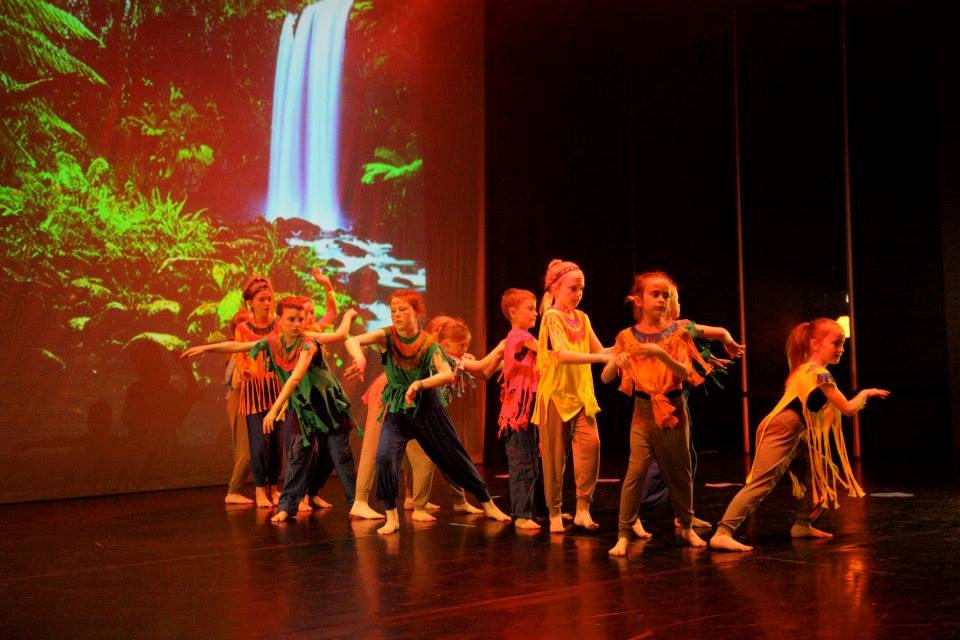
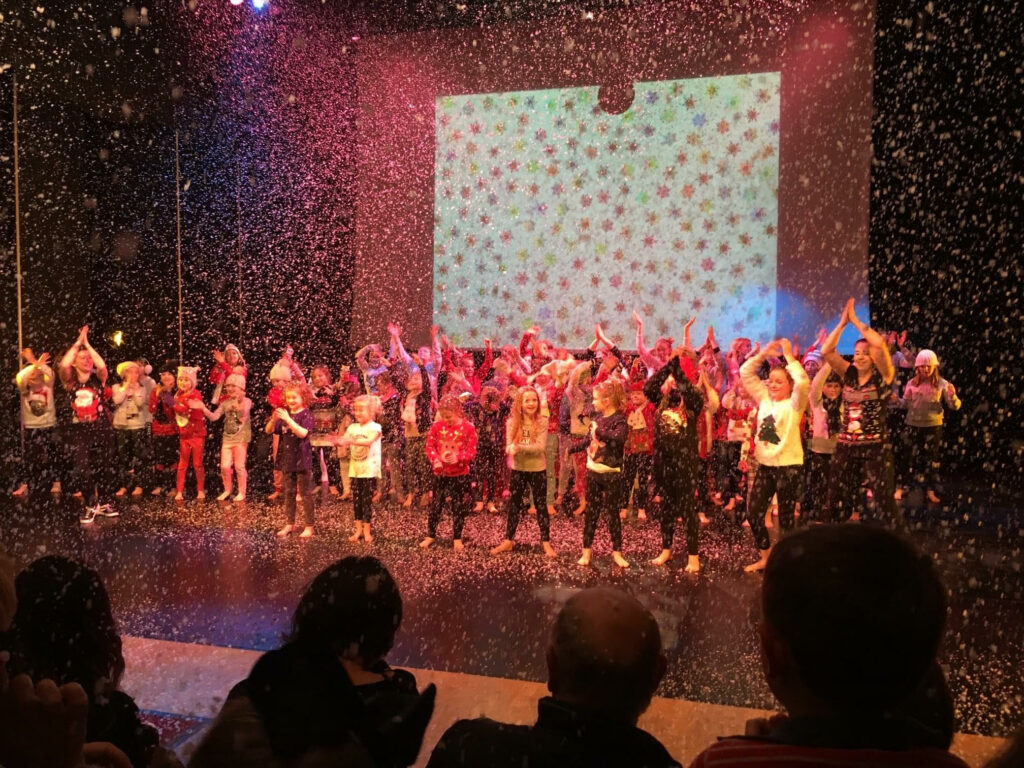
I think we have to face the reality that we will be working like this for a while and that online working might not just be a temporary measure. Even if we can start back some kind of activity in September, strict social distancing will still be in place so our sessions are going to look very different for quite a while. Everything is still so uncertain so every plan I make has about 3 back up plans attached to it! Dawns i Bawb does an annual Christmas production every year. It is our highlight with 100+ performers and 500+ audience. I am currently planning 3 different scenarios to enable the performance to happen in December. It might have to be a whole different experience, but it will happen.


A range of organisations have worked to continue delivery of their art form during lockdown are there any that you would like to mention that you found either professionally or personally useful?


The way that the Arts sector in Wales has responded to all of this is amazing. I would like to mention ACW for the way that they have supported and taken leadership of the situation and for the way they have supported me and Dawns i Bawb. They have tons of useful resources on their website. Also People Dancing for the support they have offered the Community Dance sector and the useful resources they have put together which are on their website.

Below is the presentation that Catherine gave to those attending the Zoom Dance Participation Meeting on Wednesday the 10th June. Thanks to Catherine for supporting us to share this.

Hello everyone. I am Catherine and I’m Artistic Director for Dawns i Bawb which is the community dance organisation for North West Wales, developing dance provision to people of all ages and abilities throughout Gwynedd, Conwy and Ynys-Môn.

We are now halfway through our 11th week of lockdown and I wanted to take this opportunity to share our experiences and responses to the situation with you.

Due to the nature of our work I think that we began to experience the effects of the situation about 3 weeks before the official lockdown. We work with some of the most vulnerable people in our communities including those living with Dementia and those that are care home residents. In early March we began to receive phone calls from our care homes stating that they were putting their home under precautionary lockdown. I remember it coming as a shock – it didn’t feel at that time that we needed to be worrying about the virus yet. Within three weeks everything had changed.

On Tuesday 17th March we lost our entire programme in one day. By Friday 20th March we had to leave our office with immediate effect. Everything had happened very brutally and very quickly.

We therefore had to put plans in place very quickly. My first response was to my staff – to support them and set them all up on a homeworking system. This was challenging in itself as we didnt have enough warning to really plan this but we found our way through it and are fortunate that we have been able to keep the Company ticking over 11 weeks on.

I also put support in place straight away for our freelance dance artists. We have a fantastic team of 6 freelancers and they all lost their work in one day. I think one of the hardest things I’ve had to do was to phone each of them to tell them that their work was stopping immidiately. Two of them as new graduates, had only been freelancing for 2 months. I am pleased that we have been able to support them. I ensured that we honoured all the contractual work that they had lost and have been fortunate to have been able to adapt a few project led grants that has enabled me to carry on giving them all paid work during the lockdown.

I also put a 6 month Contingency Plan in place to establish our financial and strategic situation. I have based this on different scenarios of when we might come out of lockdown – the impact on DiB if this happens in July, September or even January. Things are changing so quickly and on an almost daily basis that I feel that I’m updating this Contingency Plan almost every week! We have already passed scenario number 1 – which would have seen us returning to work after Easter. As we move further and further through the scenarios the situation gets more concerning. If we end up reaching our final scenario of getting to January and still not being able to deliver work, the consequences will be serious to our future.

It took around 6 weeks to establish some kind of routine and to really, accept our situation and begin dealing with the shock of it all. Within this time, it started to become clear that this was no longer a matter of waiting for the storm to pass and then getting back to normal. We were having to begin to consider new ways of working – a new way of running our Company and a new way of delivering dance activity and engaging with our participants again.

Dawns i Bawb works with a vast range of people. With all of our programme planning, it was necessary to consider each group seperately – their needs, accessibility, priorities, objectives – and the consideration of online activity was no different. It has been fantastic to see the amount of arts based activity that had gone online and I learned alot from many of our colleagues. As we began considering taking our work online, I began to support our tutors in preparing for this and created an online working policy for staff. I had very little resources to work from with this as it is of course a new way of working for us all but I have managed to create a way of working that I have confidence in and that I feel is safe and maintains our professional standards to the best of our ability.

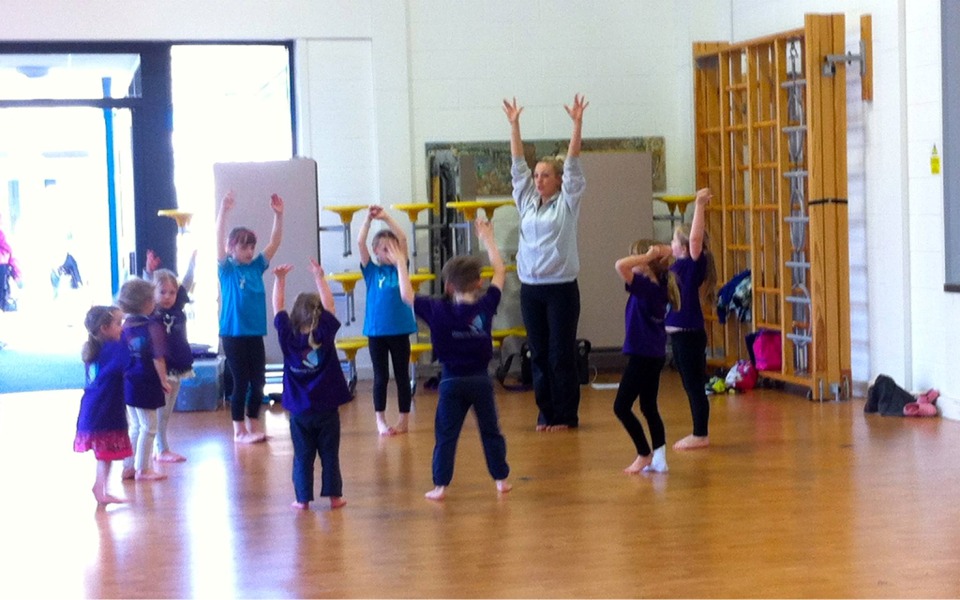
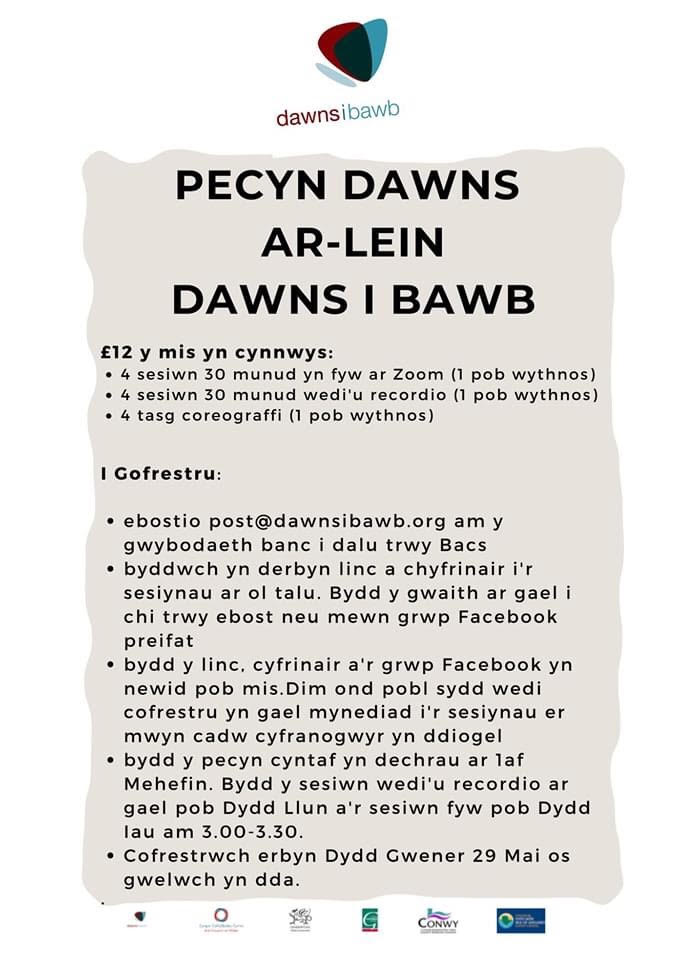
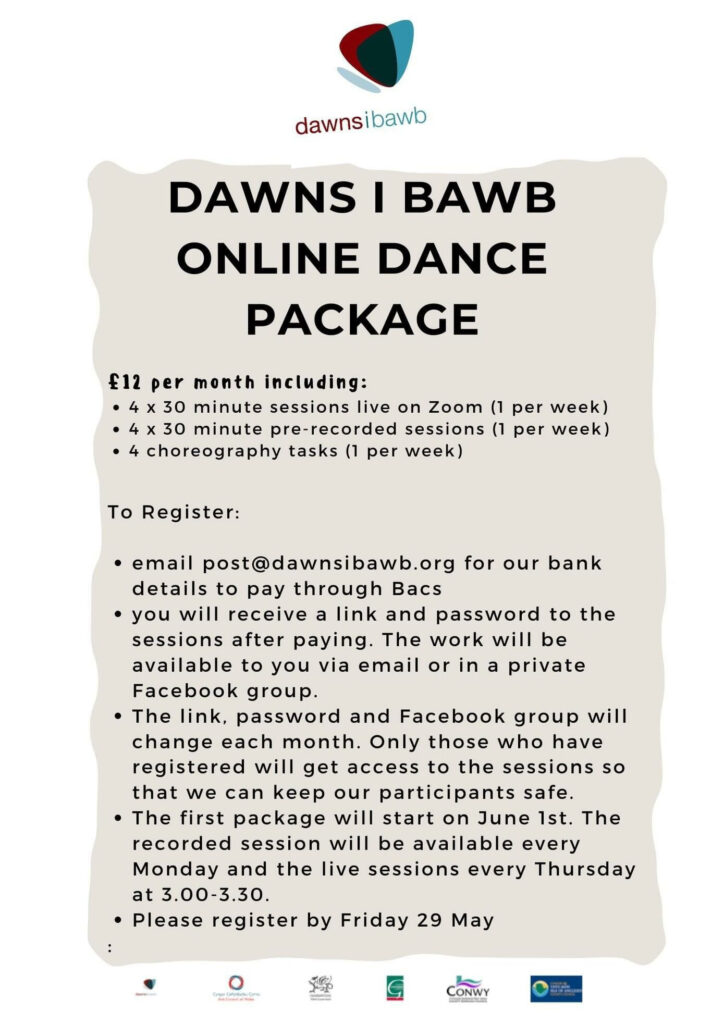
At the start of June, we launched our online dance package for our after school clubs of children and young people. This one has been the most straightforward one to set up. We have created an online monthly dance package which people sign up to beforehand for the entire month. We have put a small cost on the package which will enable us to cover tutor costs. We have had a good response to this and have exceeded what was the minimum intake needed to be able to cover costs. The package includes a live session each week, a recorded session each week and a creative task for participants to do in their own time and then show their work in the next live session. All participants have received a safeguarding policy and disclaimer to ensure everyone’s safety. We did our first live session to around 20 participants. It was a happy and emotional experience. Our young people are so resilient – working virtually did not phase them one bit.

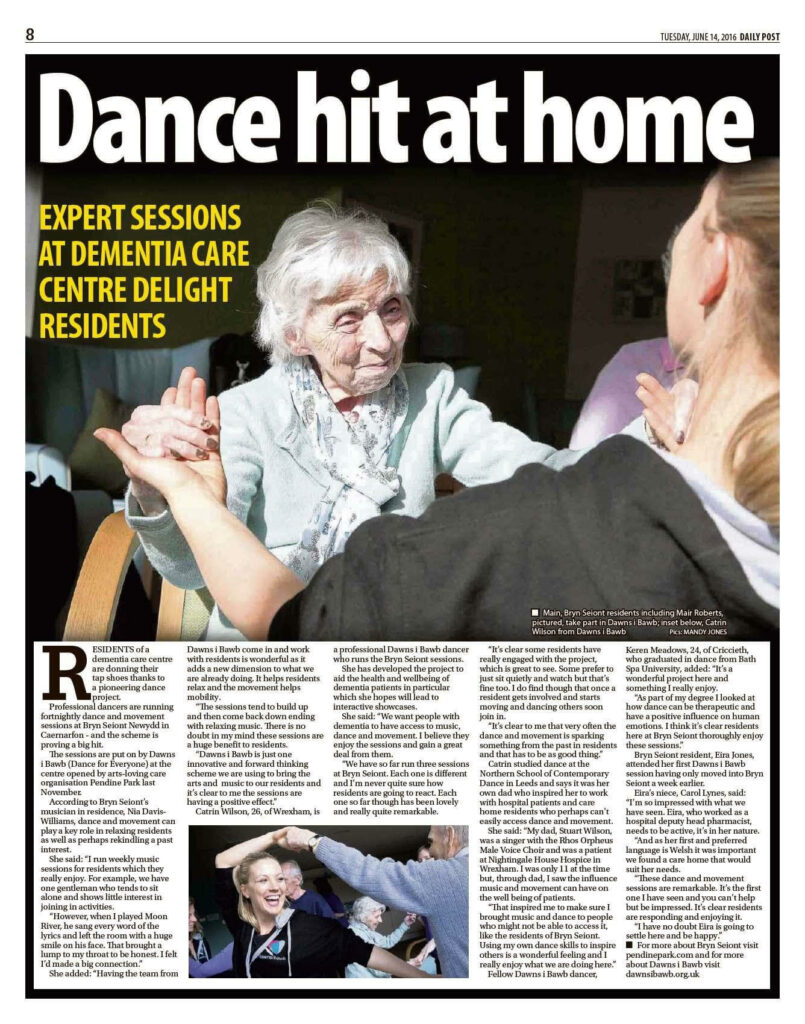
Just before lockdown, we were halfway through two project grants. Both were for our care home programme and for people living with Dementia. As we could no longer carry on running the projects in their usual format, we received permission to adapt the project conditions to create online sessions for the care homes. This also included creating an online version of our interactive performance ‘Dancing the Decades,’ which was created last year specifically for care homes and people living with Dementia. We were due to tour the performance around Conwy during the Easter holidays.

I knew this would be much more challenging to develop than our after school clubs online package.  We contacted care home staff about the idea and almost all told me that they wanted sessions but that all residents are sheilding and not able to leave their bedroom, let alone be able to go to their lounge and dance with others. Conversations with care staff made it clear to me just how serious the situation was in care homes and the effect this isloation could have on residents and our participants.

An important element of all our work is connecting with people and tackling social isolation and this felt more important than ever. I therefore started to explore the idea of 1:1 sessions and applied for, and got, a grant from Community Foundation Wales to enable us to buy around 20 electronic tablets that we can loan to care homes that will enable us to offer 1:1 dance sessions to those that are sheilding. While dance is an important element of this work, connection and communication with others is the most important factor. Therefore, these tablets will not just be limited to DiB activity. We will be linking up with other partners to create a kind of ‘buddy scheme’ where people can participate in a session together, can be in contact with one another even perhaps, where families of the residents can participate or just have a chat together. We will also enable our partner organisations to engage with residents through the tablets. For example, we are discussing how Conwy Culture Centre can make online versions of their achives that people can access.

Within time I will begin looking at other aspects of our work and what their near futures might look like including our fitness programmes and our schools work. I am carefully following reports by our First Minister and Education Minister everyday hoping these ongoing announcements will help me to shape this. DiB creates an annual Christmas production every year which is our biggest event of the year involving over one hundred performers and over 500 audience. I know it is an event that our participants and communities look forward to and I will ensure that the performance will happen in December. I dont know what our situation will be at that time or if our theatres will be open once again. Therefore I am creating a contingency plan for the performance with 4 sceanrios. Even if we find ourselves still in lockdown, the performance will happen!

The lockdown has been quite an astonishing time. Its caused me to question so many things from the purpose of what we do to our relationship with our freelance dance artists. What is obvious to me is that I shouldn’t be looking towards getting back to normal, but looking at our way forward. As someone said to us in one of our network meetings recently – to question what do we take with us but also what do we leave behind?

Working online has raised the question of accessibility to dance activity from both angles. On the one hand, I feel it has the potential to open dance to those that for whatever reason do not attend dance sessions – whether its because of transport issues or health issues making someone unable to leave their home including social anxiety. We all know of the health benefits for dance and therefore have this opportunity to make dance more readily acaibale and accessible. We know that there are still people in our communities that want to attend a dance class but do not believe that they can be a dancer and the idea of walking in to a dance studio is too overwhelming. Online sessions can help tackle this and with this in mind, I think that I will keep some aspects of online activity when we come out of lockdown and when we can get back together.

There is the other issue of course of the inaccessbility online working can cause. Do the more vulnerable of our communities, or those living in poverty have access to wifi and equipment? Is it safe for everyone and how do we know? What about our participants with physical or learning difficulties? Can we offer the same experience that we did before the lockdown? Are we losing some very important features of our work by not being in the same room? And how do we overcome this?

I also want to come out on the other side of this having had many conversations about our relationships with our freelancers. This isn’t a new issue and is in fact one I have been questioning since being with DiB and is one I was planning to tackle in our Investment Review application. Our freelancers are at the heart of our Company and are the ones who have professionally been hit the hardest in all of this. It has hit home just how vulnerable they are professionally but also how much we depend on them. I have noted with ACW that we as a sector need to seriously tackle this and consider setting a pay-scale and more solid working conditions.

What has become very clear over the past couple of weeks is that the biggest challenge for us is not the lockdown but the after-effect – the getting back on our feet. We can make socially-distanced dance sessions happen on a practical level but they are no way financially sustainable. Income from sessions cover the costs of those sessions including tutor fee and expenses and studio hire. Some of our sessions have up to 25 participants. If we had to create smaller groups of say, 5 participants, it means that our costs for that session will be 5 times more than usual but the income will remain the same. And thats just for one session. We can run up to 15 groups a week usually. If we had to add extra sessions on to all of those 15 groups the costs would be beyond anything we could manage. Additionally, we probably wont see our more vulnerable groups until next year which means we will be without a large chunk of our programme for quite a while. We have a lot of hurdles in front of us and at the moment, I do not know what the answers are. 

However, as we keep going through this and start planning our way forward, my biggest question to myself is how do we remain relevant? How do we develop online activity and plan for our next steps while maintaining our purpose and ethos as a community dance organisation? Everything that we do is centered around connection, bringing people together, creating together and being with one another. We know live in a time where these things, all these things that are so important to Community Dance, are no longer possible in its original form. We need to create new ways of being together and not forget what is the purpose of our art form. We still have many challenges ahead but also now have the opportunity to really look at what we do and what we want to take forward?

Participatory Arts – Capturing the Learning, A Response from Sara Sirati, Ardour Academy.

In response to the lockdown triggered by COVID-19, many arts organisations have taken their work online, sharing content for audiences to view for free. However, creating participatory engagement online is much more challenging and, as a sector used to being face to face with people in their practice, it’s clear that the current restrictions change the nature of participatory arts based activity substantially.

Following a vital conversation on social media led by Guy O’Donnell, Learning and Participation Producer, National Dance Company Wales which opened a discussion on how we can deliver participatory arts effectively, a range of partners are collaborating to lead Zoom discussions for the sector where we can talk about the impact of the lockdown on our work and work creatively together to think beyond the lockdown.

In partnership with ArtWorks Cymru a series of free Zoom meetings have been set up to discuss and share current working practices in participatory delivery.
Capturing the Learning

These Zoom meetings will explore how we capture the learning from organisations and artists who are currently delivering projects. We’ll explore what methods are working well, what are we learning through this experience, and how we are adapting  our working practices.

Director of Ardour Academy, Sara Sirati is presenting at the first Zoom Dance meeting on Wednesday 3rd June 3-5pm The meetings are free to attend but numbers are limited. Sara gives a personal response below to the challenges and solutions she has created to support participatory dance delivery in the current climate.
Hi can you tell me a little about yourself and your practice?

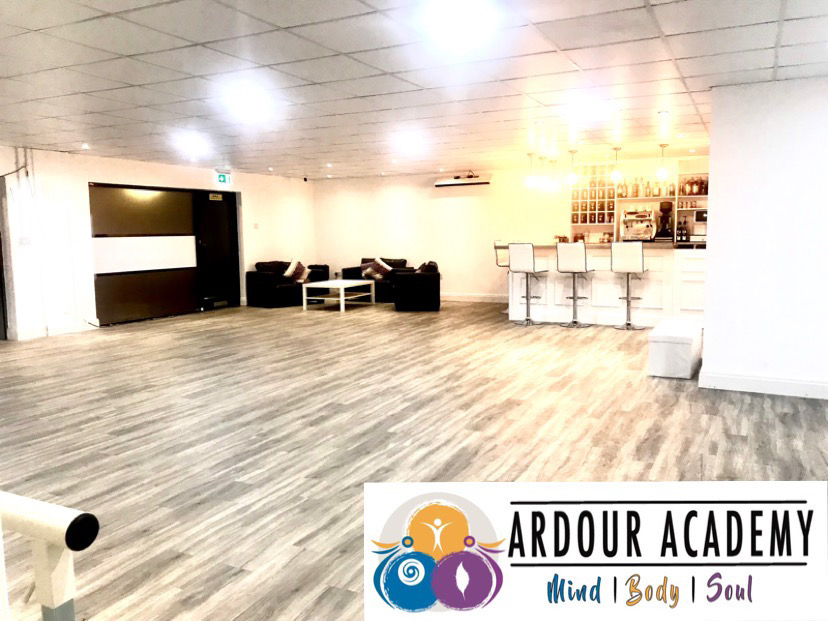
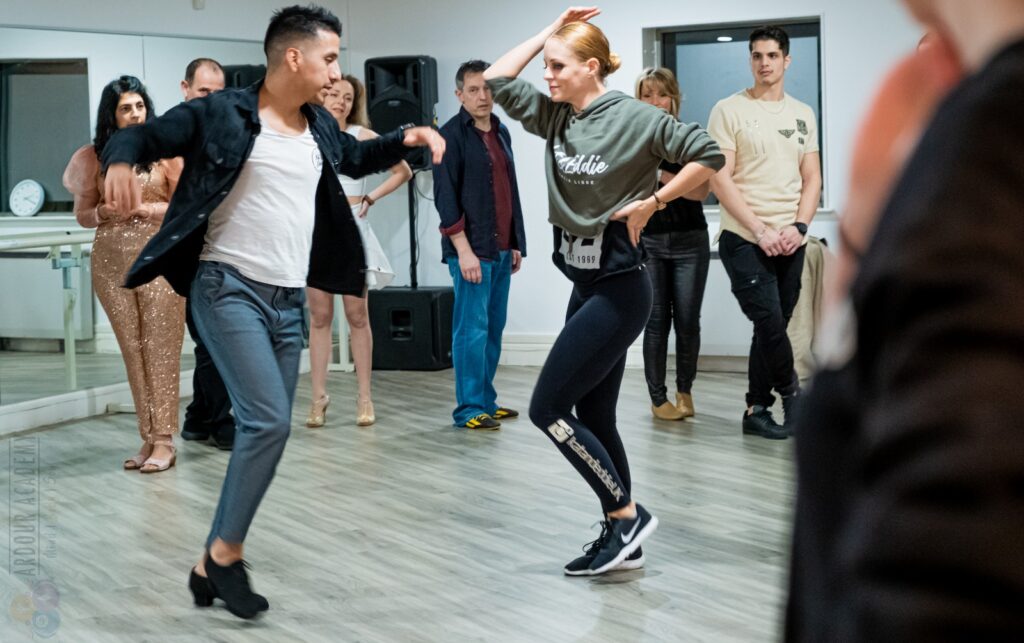
Hi I’m Sara… a therapist, dancer and choreographer. I’m also the director of a Cardiff-based dance and well-being, not for profit organisation called ‘Ardour Academy’.

What challenges did lockdown present to delivery of your participatory practice?

I think mainly wrapping our heads around the sudden change and making decisions that would benefit all our staff and participants, were emotional and practical challenges for us. We wanted to ensure we continued to run our services, when people need it the most and find effective ways of moving our services online. The Arts can struggle regardless of the COVID-19 crisis, and of course even more so recently, due to the crisis.

 What systems did you put in place to ensure delivery?

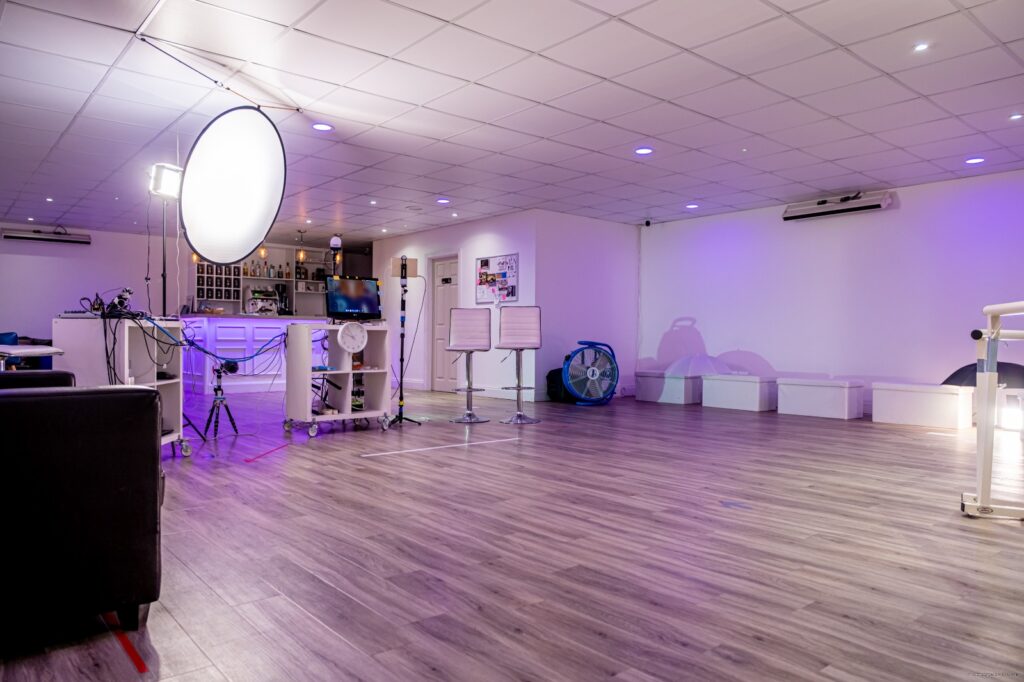
We made sure that we piloted a few workshops, using a variety of systems such as Ζoom, Microsoft Τeams and Facebook Live. We collected data from our participants regarding clarity of picture, sound, genres and duration of classes. Following government guidelines, we set up our studio with required equipment to ensure smooth and professional delivery of sessions, whilst keeping our instructors safe during lone working.We were very lucky to have local artists and practitioners that could walk to the studio and deliver sessions, whilst strictly following government guidelines.  

We also moved all our therapeutic practices to telephone and videocall services.

Did you have any particular challenges or success that you would like to share?

I guess funding was a major challenge for us. We were shocked to realise that all the small business funds released by the Welsh Government did not include not-for-profit organisation. We noticed a lot of “loopholes” in the information released, which discriminated against businesses like ours.  Although at the time feeling incredibly disappointed and defeated, we have instead made the decision to focus on Third Sector and Arts Sector funding. Politically this was a tough decision to wrap our heads around and accept that community projects would suffer, due to the nature of funding schemes passed by the Welsh Government.

On a more positive note, I would recommend connecting with others that are doing similar projects. I was positively surprised by the number of people that offered to help when I put a post out or sent an email. I would also recommend taking into consideration the fatigue caused by virtual learning and delivery. It’s important to manage your expectations and accept that it is not the same as what we may have been used to and our experience as result may feel different. Piloting projects and going in with an open mind has been very helpful for us.

What are your plans for future delivery?

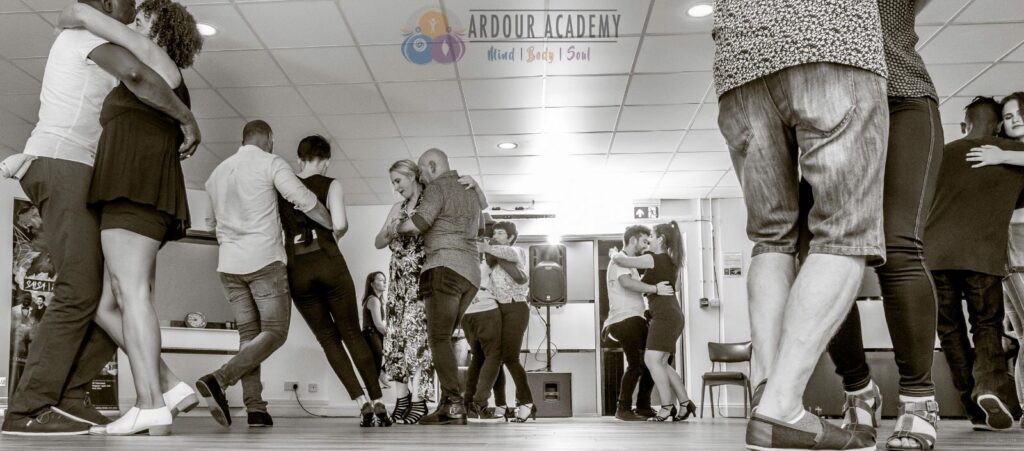
We aim to have a virtual and varied timetable of dance, mindfulness and fitness by the end of June. It has been important to us to take our time with this, and try things out whilst holding a curious stance. Going forward, we see ourselves offering online classes for a minimum of six months. Our studio offers a lot of partner dances, including Salsa, Swing Dance and Tango which are intimate in nature, and contact based. We are not prepared to deliver those classes, even if government guidelines relax as we want to ensure our practice is as safe as possible. Hence, getting our online timetable right, and utilising the expertise of our instructors is key to us. We will also continue to run our therapeutic services online for the upcoming months. I would like to add here that we offer affordable counselling, and currently have the capacity to offer free counselling to a small number of individuals experiencing financial difficulties. We also issue hardship passes for our classes, which would allow a number of individuals to engage with weekly classes, they otherwise may not be able to afford.

Thanks for your time Sara

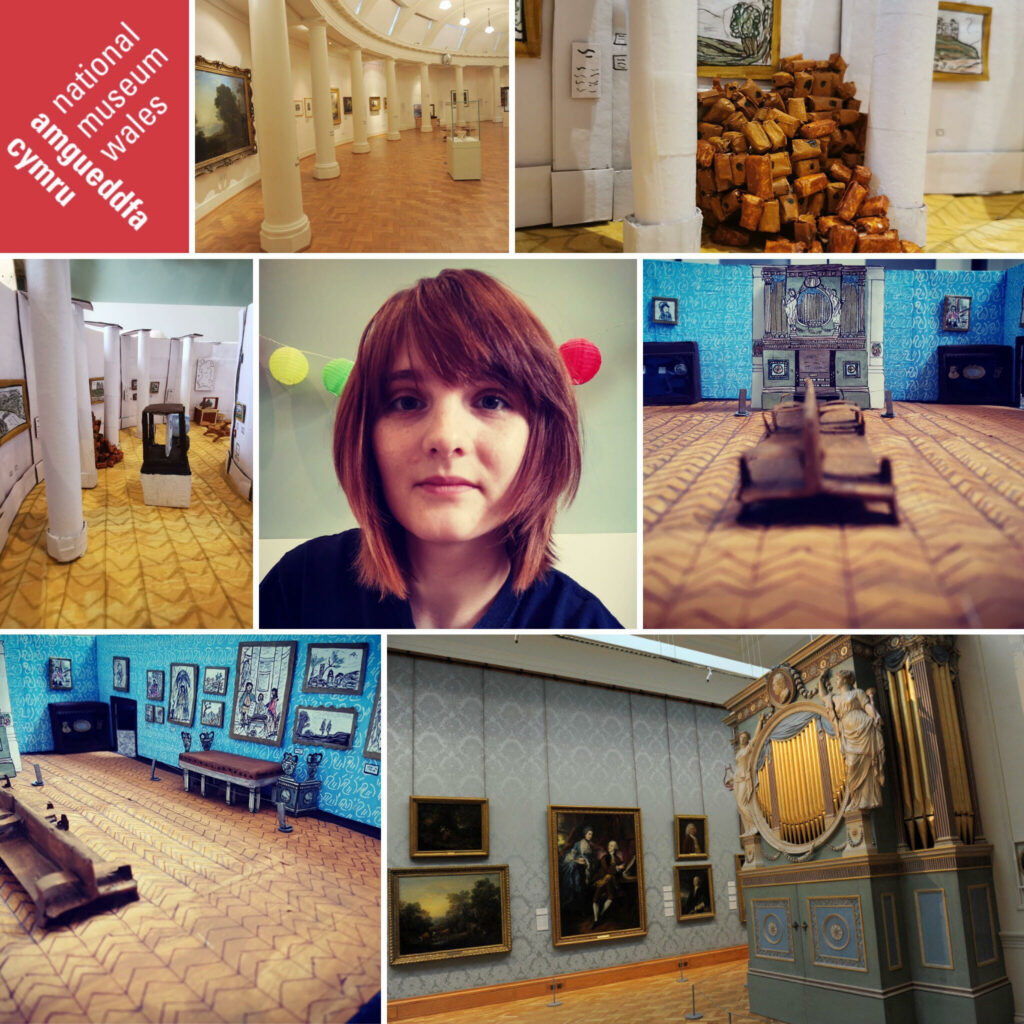
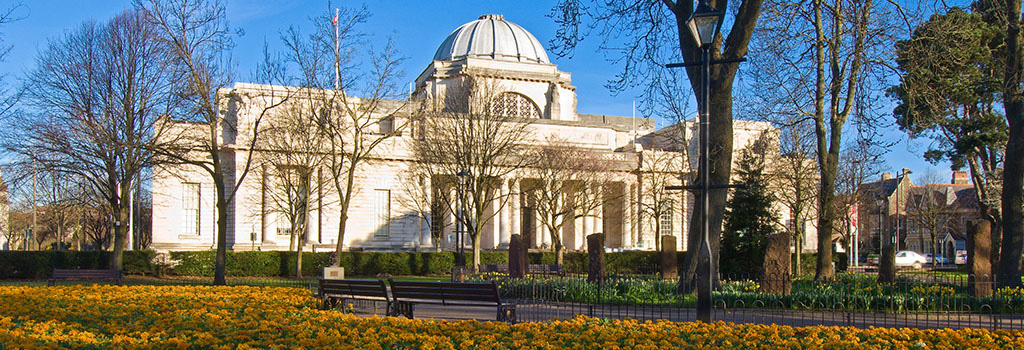
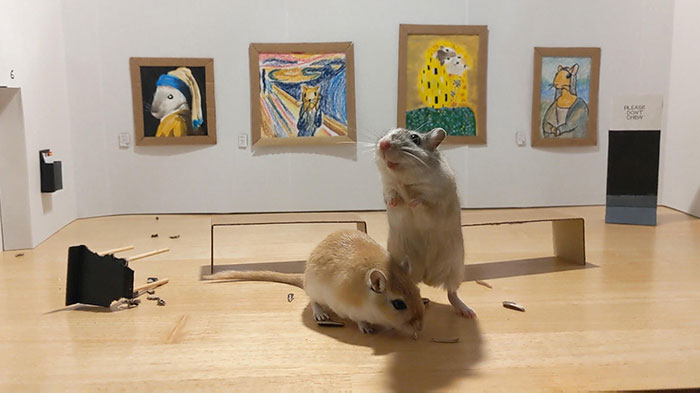
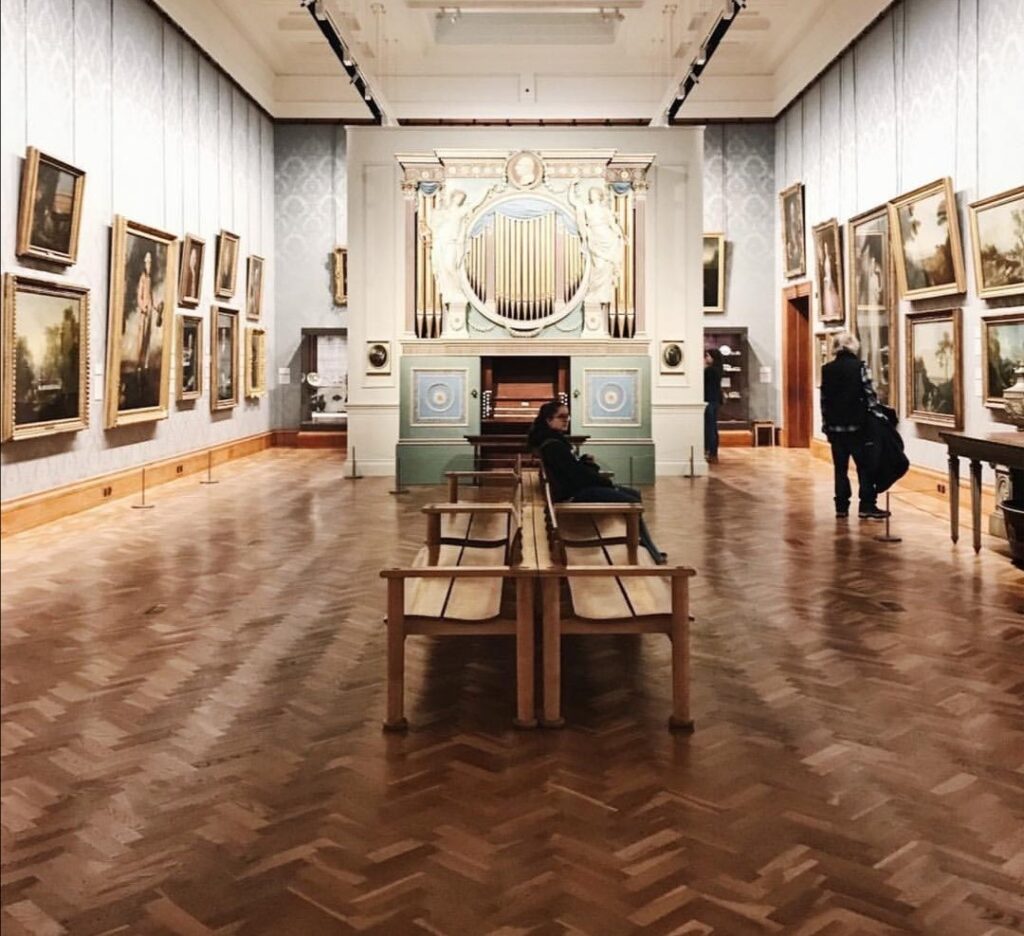
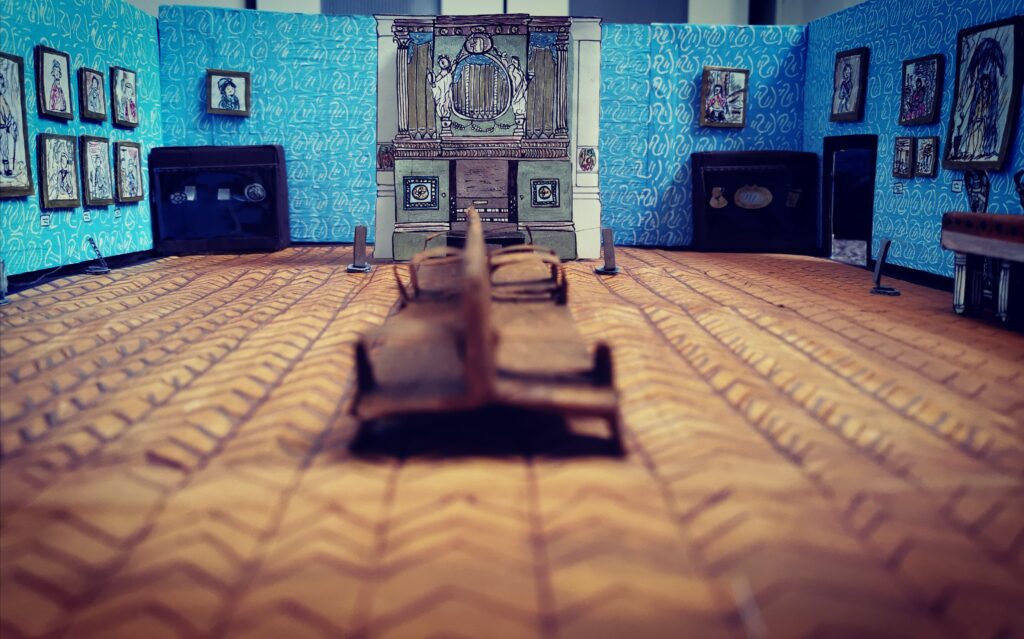
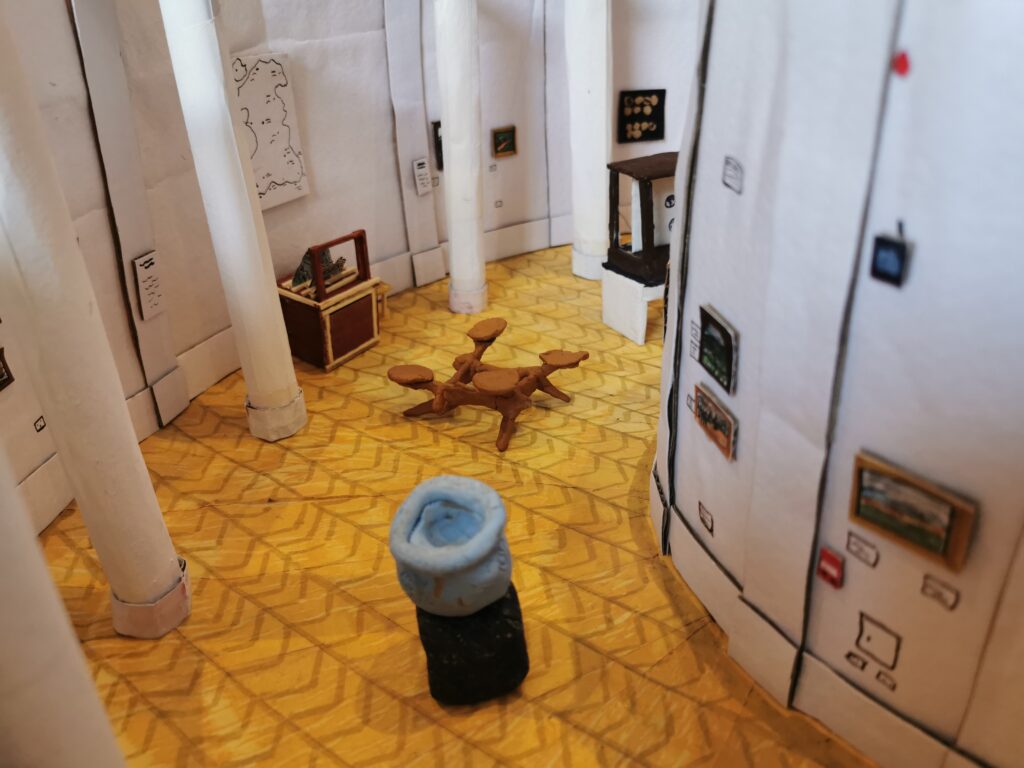
Jade Fox’s Marvellous Mini Galleries at National Museum Wales

Hi Jade great to meet you, can you give our readers some background information on yourself please?

My name is Jade Fox and I am a 25 Year old Museum Assistant at National Museum Wales.

I am originally from Cheshire Warrington in England and I first moved to  Cardiff 10 years ago at the age of 15. I still remember the first time a walked through the doors of National Museum Wales, Cardiff. I was blown away by its size and beauty and I would have never imaged I would work in a place like that. I started my career at the Museum around 9 years ago when I first applied for a position as a catering assistant for Elior at St Fagans. I was successful but was told my personality suited the Cardiff Museum. I’m still not sure whether or not that was a compliment or not! Although I would describe myself as someone who is full of terrible dad jokes, I am definitely one of a kind. So this is where my journey began. I worked for around 5 to 6 years occasionally looking into a position as a Museum Assistant when I was finally approached and very gladly accepted. Now 4 years later and I’m still enjoying the wonders that the Museum has to offer.

 So, what got you interested in the Arts, Museums and Heritage?

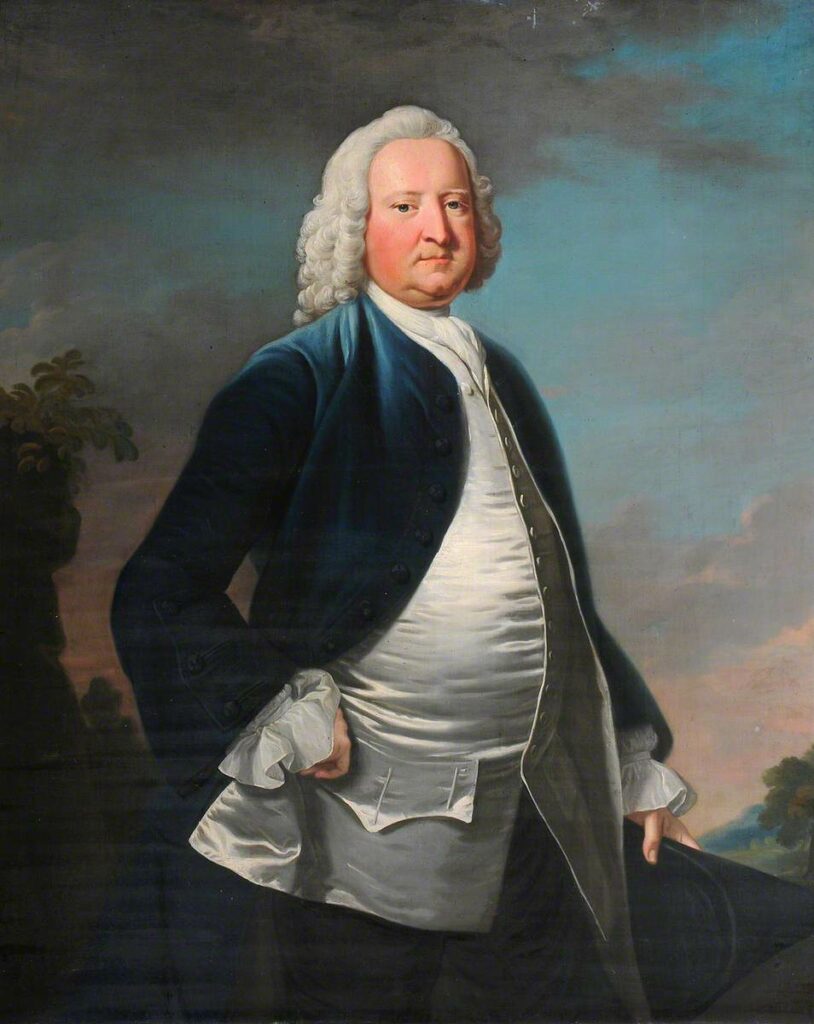
I’ve always loved art and photography but I would be lying if I said I knew much about the Welsh Heritage or the arts collection that the Museum had to offer when I first moved to Cardiff but after some exploring that soon changed. My interest truly begun though when I started my role as a Museum Assistant. I was immediately  blown away by the collection and I knew I wanted to learn more, not just for myself but so I could offer the visitors of the Museum the best experience I could.  I used to spend my time reading up on the collections and listening to the tours. Everyday I learnt something new and everyday my love for the art and heritage grew. From the Davies Sisters collection to William Wynn Watkins there is just so much to explore and learn and I’m still learning today.

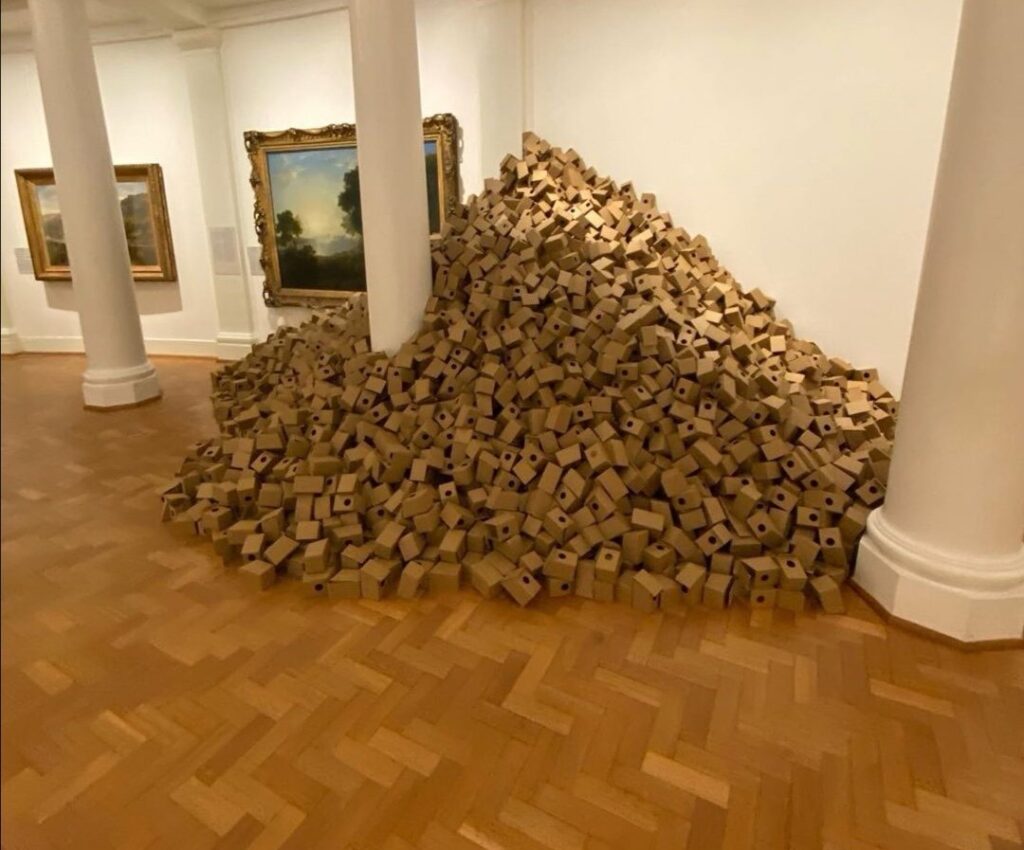
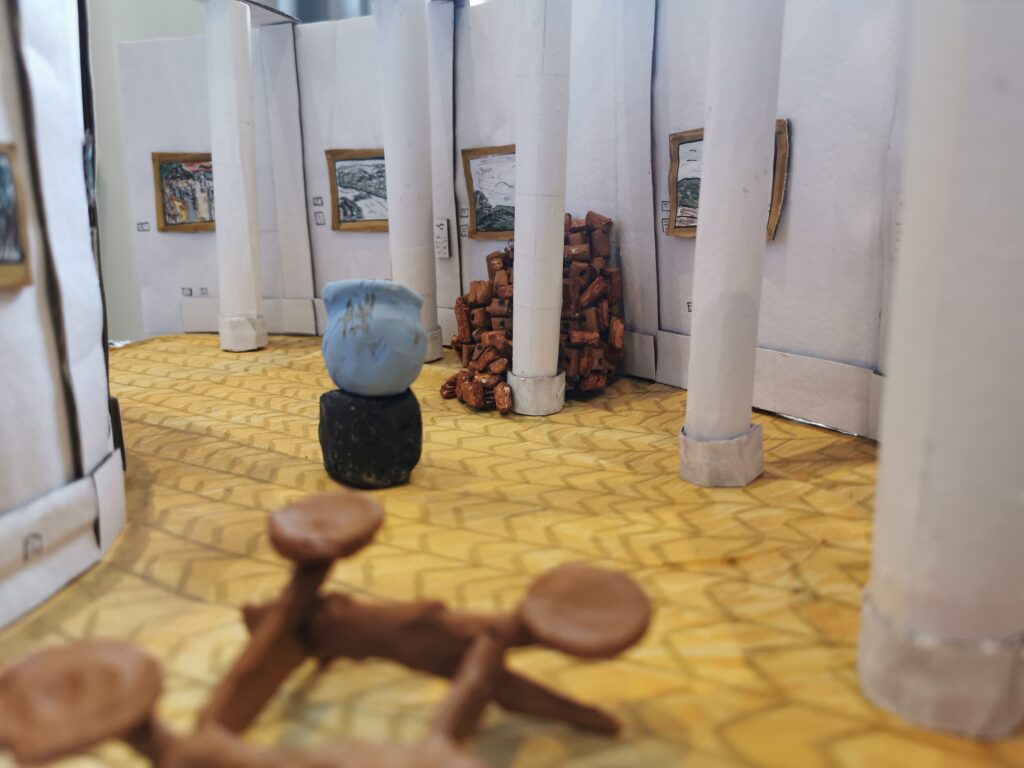
During Lockdown you are creating miniature galleries based on the National Museum of Wales, Cardiff. Your photographs of your work are incredible! How did inspiration strike?

My inspiration actually came from a good friend of mine Laura. I’ve always been a crafty person but due to life and work I no longer have the time to explore that side of me. So what better time than now. I had recently posted a few images of some paintings I had worked on during the lock down. After seeing this Laura shared a post with me about someone who had created a small gallery for their pet Gerbil’s and suggested I give it a go.

Immediately my imagination went wild with all the things I could build and create in the Museum and how I was going to build it.

Can you describe your creative process with your miniature marvels?

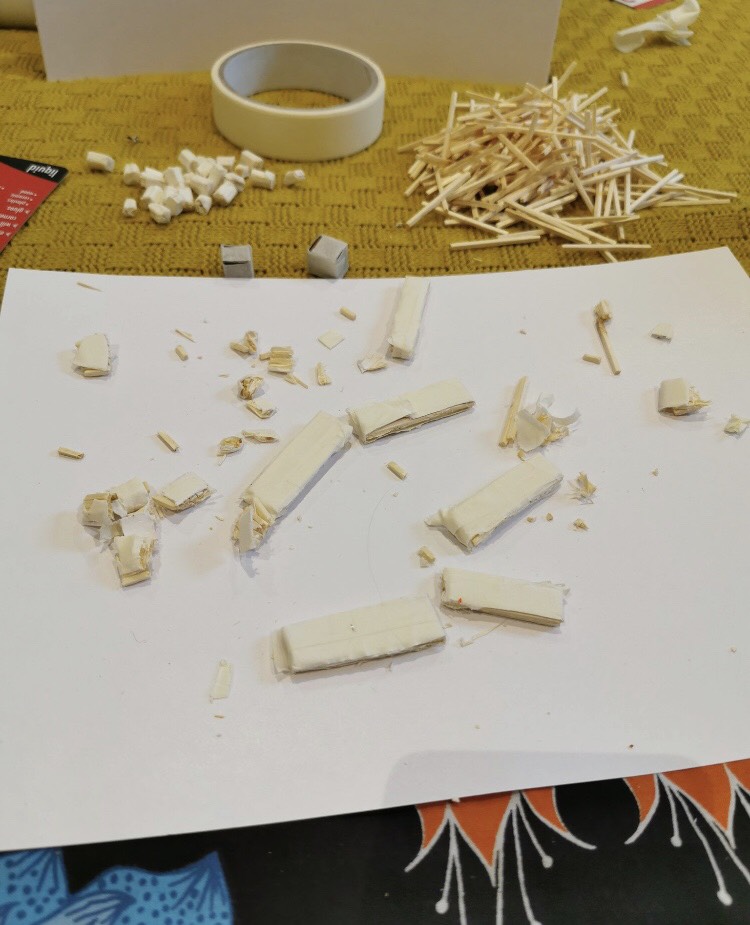
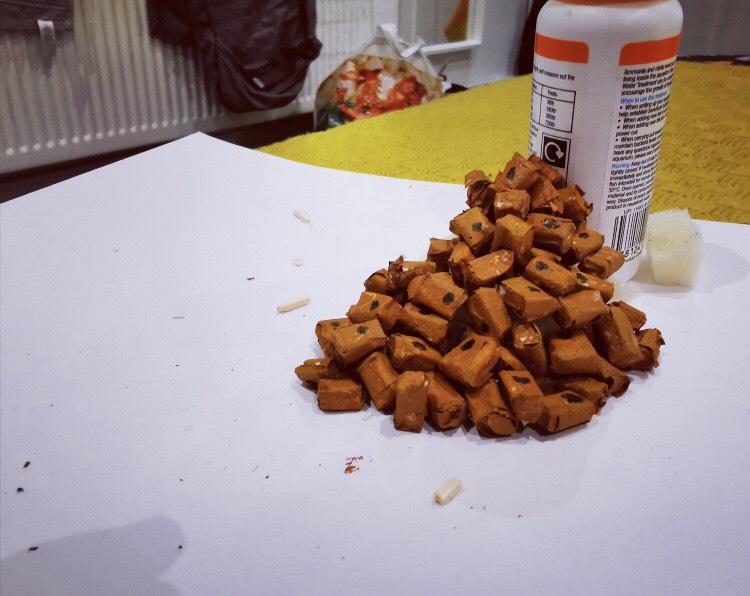
Firstly I needed image’s from the gallery to build a plan on how I was going to achieve this. Unfortunately at this time the Museum is closed so I got access to the images through the National Museum of Wales website and the general internet. Now also due to being in lock down materials aren’t easy to come by at the moment so I used what I had to hand, A pizza box some masking tape and some old paints that had been hiding at the back of my wardrobe since the dawn of time. I firstly built the William Wynn Watkins organ to use as a size scale and bit by bit I built the reaming objects and paintings from a bit of cardboard, masking tape, paints and superglue in which there was many incidents.

Do you have a favourite gallery space and artwork at National Museum Wales?

It’s hard to choose a favourite gallery as I love them all. But I would say one of my favourites would be the landscape gallery which was the second model I created. Now in the landscape gallery you will find a painting by Manfred Uhlman called Welsh Mountains I would say this is one of my personal favourites. This piece stands out for me, The use of colours is incredible and it fills me with such warmth and joy as it reminds me of home.

If you were able to fund an area of the Arts and Heritage sector in Wales what would this be and why?

This is a very difficult question as there are so many areas of the arts and heritage sector that need funding and support, some of which I’m not aware of but the one that stands out for me though would be the learning sector with in the National Museum Wales. Its not just a museum but a place of learning for all. It would be amazing if we could only offer more to the general public and find ways of making it more accessible for all.

What excites you about Culture in Wales?

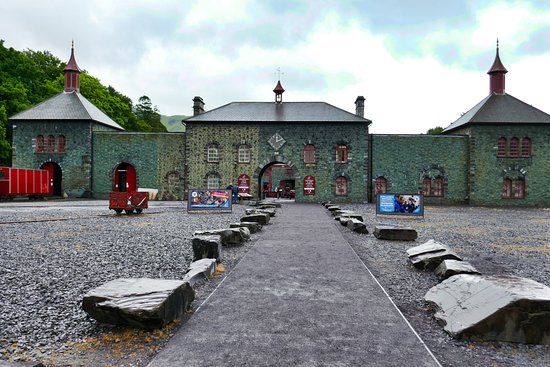
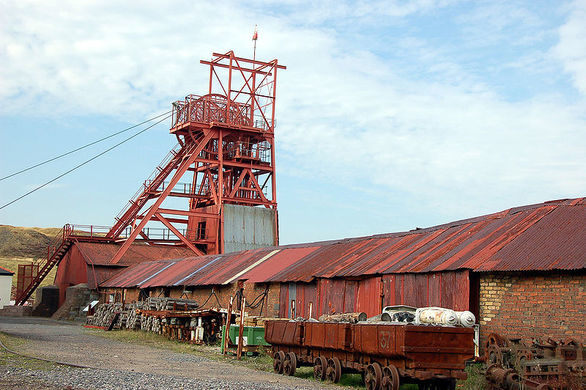
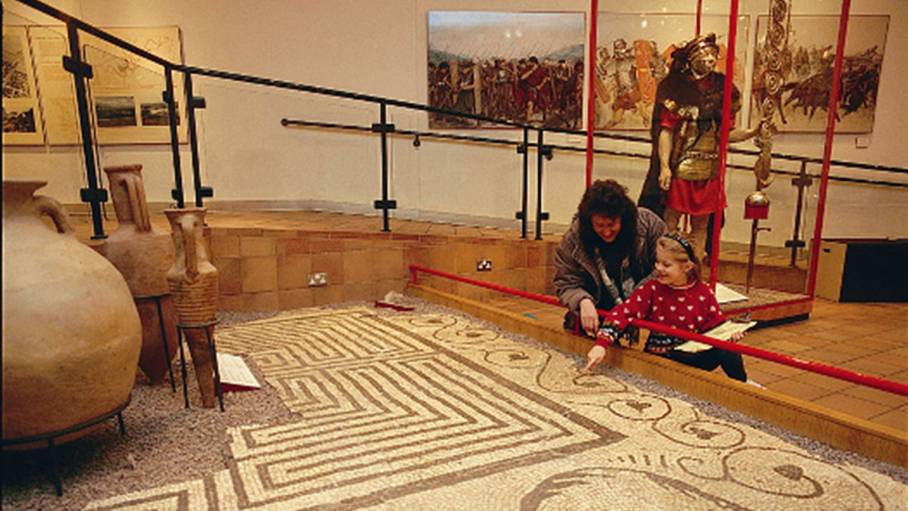
Wales is such a proud and passionate nation. I remember when I first experienced Saint Davids Day in Cardiff the streets were full of proud Welsh men, women and children they lit up the whole of Wales. I could feel the passion and even I felt proud. There is such a rich culture and history that surrounds Wales. This shown in the National Museums of Wales from St Fagan’s, National Museum of History, National Waterfront Museum, Big Pit National Coal Museum, National Slate Museum, National Wool Museum and the National Roman Legion Museum.

What was the last really great thing that you experienced that you would like to share with our readers?

The last exciting thing I did? Well at the moment it’s getting up to make another cup of tea. On a serious note though, I would say the last exciting thing I did was when I visited my family back home in Cheshire. Myself and my dad dad took a trip to the Trafford Center to play mini golf. We missed several busses and totally got on the wrong train at one point but the laughs we had will always stay with me. I also won at mini golf twice which was defiantly a bonus!
Thanks for your time Jade.

Graduate Showcase Anna Billes

Many Welsh or Wales based arts graduates are finding this current period especially difficult. Their usual opportunities to meet agents, prepare for final year exhibitions or productions may take place later in the year or sadly not at all. To raise awareness of the diverse talent graduating this year GTC is offering any Welsh or Wales based graduate the opportunity to be showcased on our website. If you are interested, please do get in touch.

Hi Anna great to meet you, can you give our readers some background information on yourself please?
Hello Guy, of course! I have just graduated from my BA Hons Degree Course in Creative and Therapeutic Arts at The University of South Wales.

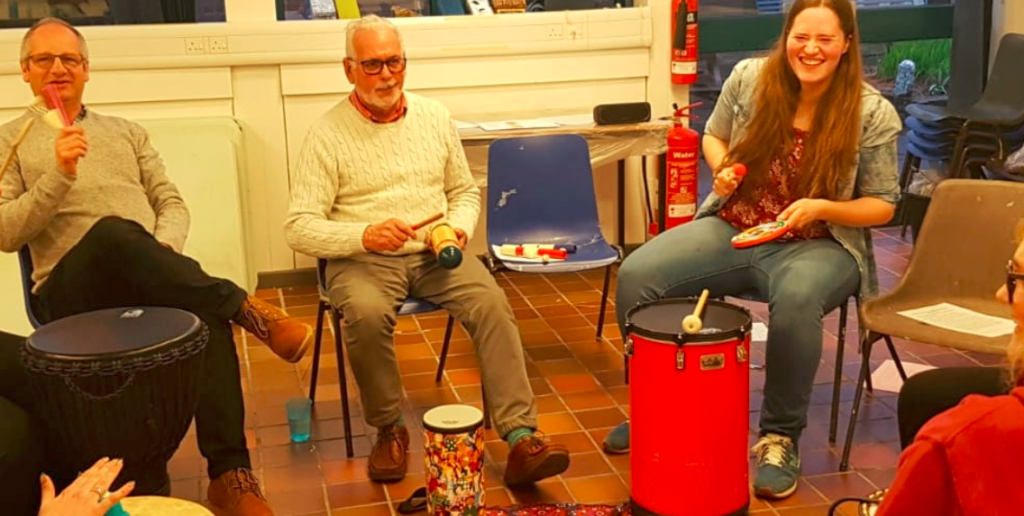
I have a background in Support Work, Drum Circle Facilitation and Therapeutic Work with the Touch Trust in Cardiff Bay, supporting participants who have a variety of needs to explore the Arts during sensory sessions. I am now going on to develop my business called ‘Young at HeArt’; supporting people of all ages and stages to explore the Arts in intuitive and creative ways. You can find out more about me at my website. Facebook or Instagram.

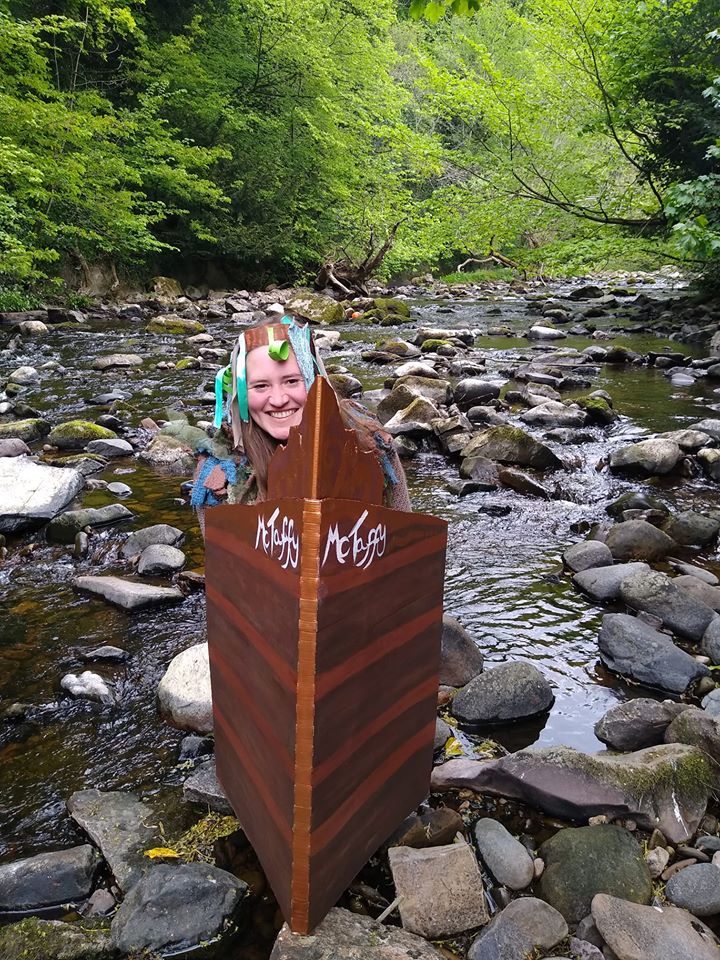
As part of my graduate, online art exhibition for the final year of my Creative and Therapeutic Arts Degree Course, I will be hosting an ‘Online Parade,’ based on the old folklore tale of Pontypridd’s River Taff. The ‘Online Parade’ will take place on May the 16th (2020) (arriving for 1:45pm) starting at 2pm.


So what got you interested in the arts?

I always enjoyed art in school. In fact, I went to a Steiner School from 14-18 years old. My education at the Steiner School in Edinburgh encouraged me to pursue art as my passion as everything we learned was taught in an arty and holistic way. 

Can you tell us about your creative process?

During my last three years at University, I have discovered that Community is my ‘Art’; my Arts practice revolves around the participants that I work with and their needs. I enjoy exploring the Arts in an intuitive sense, supporting my participants to shape our Arts sessions together in ways which suit them and their creative process. 

As a young Welsh artist graduating during a very difficult period what investment and support do you think is required to enable your career to develop and prosper?

Interestingly, I’m actually from Scotland in Edinburgh, although I studied my course in South Wales. At the moment my biggest question is “Where would I like to live next?” In a sense, the world feels like my oyster. I’m happy to go where the work leads me at this point. If someone was to offer me a Community Arts job, working with participants of all ages and stages in a holistic environment, I would be very happy with that! 

A range of arts organisation and individuals are now working online or finding new ways to reach out to audiences. Have you seen any particularly good examples of this way of working?

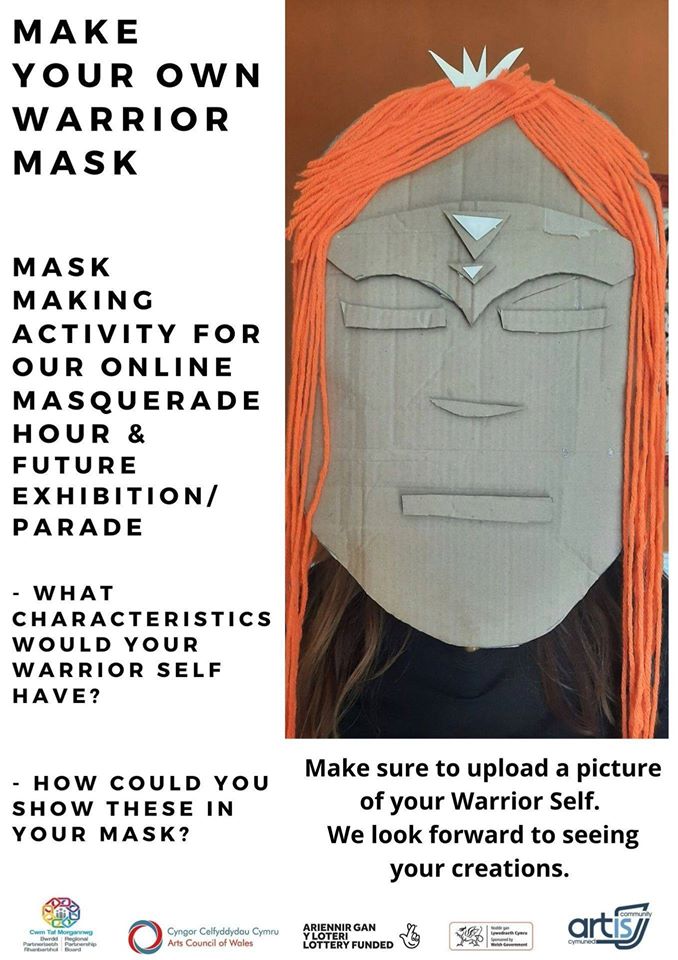
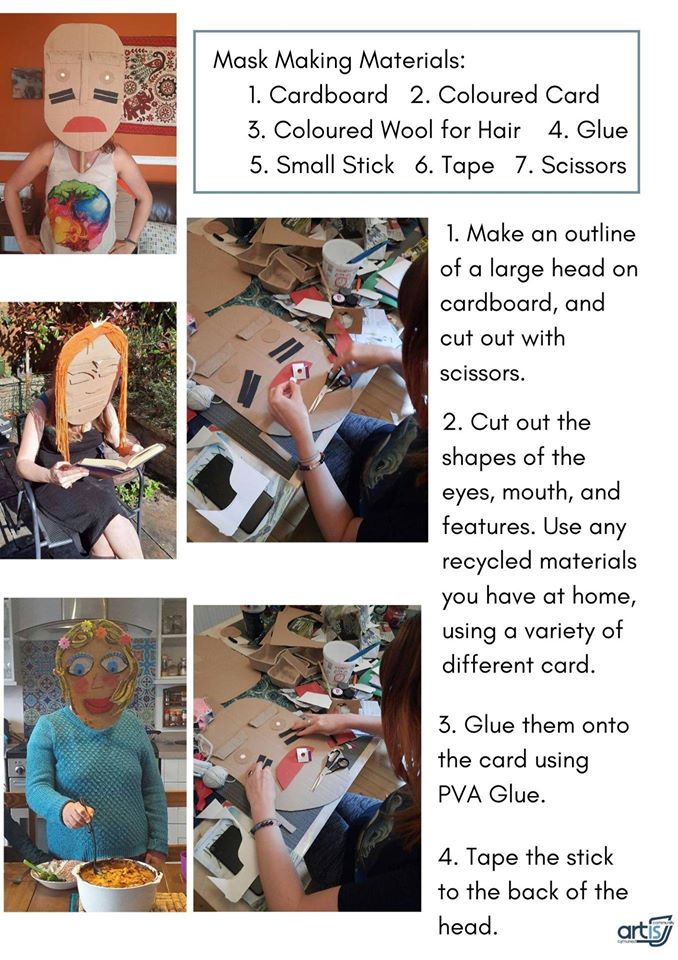
At the moment I am working on an online Arts project with Artis Community, exploring the mask making along the theme of ‘Your Inner Warrior.’ At the end of this project, once I have made a series of videos detailing how to make and what you can do with your ‘Warrior Mask,’ I will facilitate a ‘Masquerade Hour’ on Zoom. I’m really looking forward to this! 

I’ve also really enjoyed engaging with some of my drummer friends online. For example my friend Jane Bentley, Doctor of Music, has been working with ‘Luminate’ to show people at home how they can turn their living rooms into an orchestra made out of every day household items. 

If you were able to fund an area of the arts in Wales what would this be and why?

I think I would fund more intergenerational projects; encouraging older adults and children to explore the Arts together and teach each other their own artistic skills. I am very passionate about working with intergenerational groups, as I think mixing the age groups can really encourage participants to try out new artistic mediums and most importantly, build positive friendships with each other. 

What excites you about the arts in Wales?

There seems to be so much going on in the South Wales creative scene! Through my University course I have connected with many amazing Arts professionals who are doing some very exciting and valuable work in hospitals, schools and communities. There seems to be lots of creative opportunities popping up all the time which is wonderful. 


What was the last really great thing that you experienced that you would like to share with our readers?

Over the last year I have been working on a project called ‘The Heartbeat Project’ with Studio Response at the Royal Gwent Hospital in Newport; supporting children in hospital to create musical and artistic responses to their heartbeats which they heard through a stethoscope. While my participants played their responses to their heartbeats on djembe drums, bells, chimes and other percussion instruments, I recorded the them on my phone and then we listened back to the recorded sounds and painted what we heard onto a sheet of paper. I am currently in the process of also making a soundscape out of the sounds which I explored with each group of participants. This soundscape will be played in the Multifaith room in the new Grange Hospital in Cwmbran once it has been fully built.  

 Thanks for your time, Anna.

Artistic EVOLUTIONS, a new Arts Podcast

Wales based writer Neil Bebber has recently launched a new arts Podcast.

EVOLUTIONS. Is an arts-based show, finding out about how artists started out, where they are and where they’re going. For the first episode, Neil has been lucky to be able to talk to Harry Holland, who was pretty inspiring and a lot of fun.

Its available at Apple podcasts https://podcasts.apple.com/gb/podcast/evolutions/id1510572110
It’s also available on Buzzsprout:
https://www.buzzsprout.com/1044886/3521839?fbclid=IwAR2udKx9pEDrOyOPRG37wa6vKoX-09kCI_Anwd0OMFzU6EXiFVo64ciKj1Y
and on Spotify:
https://open.spotify.com/show/0ASjUleKphNcUaLgOpr8Y5

Graduate Showcase Dave Humphreys

Many Welsh or Wales based arts graduates are finding this current period especially difficult. Their usual opportunities to meet agents, prepare for final year exhibitions or productions may take place later in the year or sadly not at all. To raise awareness of the diverse talent graduating this year GTC is offering any Welsh or Wales based graduate the opportunity to be showcased on our website. If you are interested, please do get in touch.

Hi Dave great to meet you, can you give our readers some background information on yourself please?

My name is Dave Humphreys. I’ve recently graduated from the University of Chester with a distinction in the MA Drama course, following straight on from the BA (Hons) Drama and Theatre Studies course.

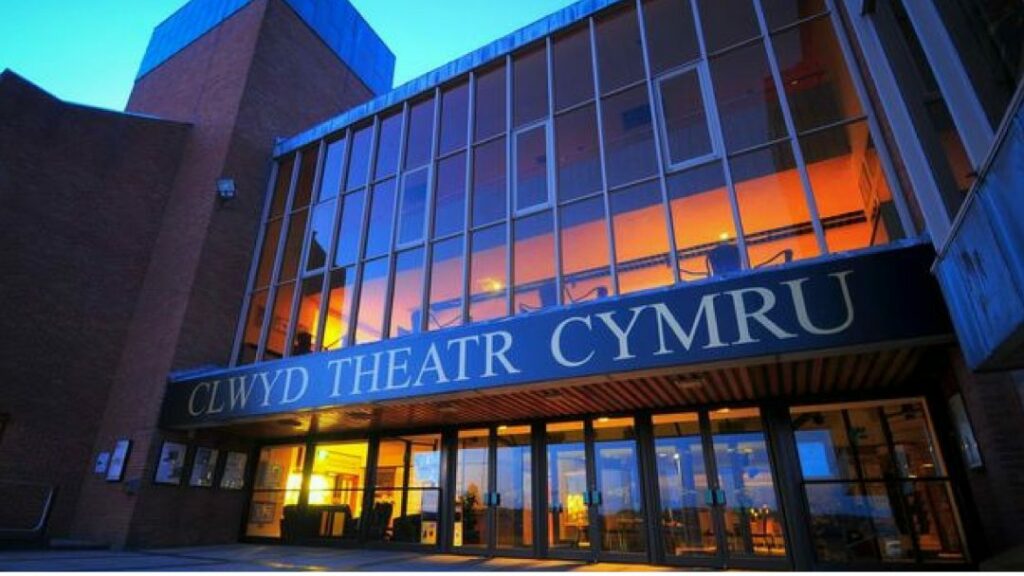
I live in Buckley, Flintshire in North Wales. The majority of my theatrical background has been as a result of one place; Theatr Clwyd. I have been a part of Theatr Clwyd in some way for fifteen years; whether it has been a part of the old Clwyd Theatr Cymru Theatre for Young People (CTCTYP) weekly workshops co-ordinated by Tim Baker and Jane Meakin, Taskforce ran by Anne Plenderleith, which encouraged conversation about the theatre and wider arts, to performing in two professional productions. Firstly, The Suicide directed by Barry Kyle and later in Phillip Breen’s Cyrano de Bergerac. In addition, the work placement opportunities I have had there. My highlight was supporting, observing and being a small part of the pilot for Junior Justice in a Day, directed and facilitated by Emyr John. A key moment in my career path. Now, I am proudly a part of the team.

I have been working on a freelance basis for four and a half years for the Creative Engagement department, co-ordinated by Gwennan Mair, to deliver weekly workshops and outreach projects.

Gwennan Mair, Theatre facilitator/artist sy’n dawnsio o hyd / \ Director of Creative Engagement yn Theatr Clwyd

In a way, it has come full circle for me in that I now support the delivery of the work that inspired me to get to where I am. We deliver workshops for a range of people of all ages, abilities and backgrounds. By working with the amazing team, I get the chance to work week in, week out with wonderful groups and develop my people skills, which is handy for the career path I am following. But to work alongside so many different facilitators enables me to observe and take note of the way they work and how that influences my practice. The change I have seen from when I started fifteen years ago to now is just sensational to see and how much this theatre is pushing to deliver for its community.

Outside of Theatr Clwyd, I have performed at Storyhouse last year on two occasions; The Modern Prometheus, written and directed by Zoe Smith and A Crack Through Time by Clare Dudman. I have also carried out work for Minerva Arts Theatre, Chester with workshop cover and performing in their piece raising awareness of Loan Shark culture.

I have also devised, performed and written my own play; Lonely Together. Please follow the links to a video of the performance and also videos about my practice behind them. You can also visit www.dashoutreach.co.uk. There, an MA colleague and I, as part of our major practical, to see what it took to create an outreach theatre company. I must emphasise it is not an official theatre company, we are not working at this current time, but you can see what work we created together and the sort of workshops we would offer as a result of our collaboration during the MA course.

So, what got you interested in the arts?

For my eighth birthday, my mum recommended I join the CTCTYP workshops to see if I’d enjoy them. I’d seen pantos before then, but it was because of these workshops I became interested. I just loved the drama games, meeting new people, the chance to see theatre for free, to perform every term. And, as you can see above, lead onto many opportunities there. In fact, I didn’t study theatre in school until A-levels, so up to then, it was also where I would learn most about theatre.

Can you tell us about your creative process?

So, the videos links below will give readers some idea of how I work. There are a few quotes from Augusta Boal and Chris Johnston etc, but I’m a firm believer in contextualising my work.

My aim is to create work and pieces for communities. Whether it be Theatre in Education or Theatre for Young Audiences, I am always keen to ensure my work has a discussion element; l like to know the work I have created has sparked something in my audience. I suppose, as I tend to call it, this idea of theatre and discussion is my main goal. It may not have an education aim; the suicide piece as you will see cannot have an educative aim as there is no wrong way to support someone. Raising awareness is my aim, and actively see the affect it has had. My process has been hugely influenced by the writing of Chris Johnston and through observation of outreach work, specifically that created by Emyr John, Creative Engagement Associate, Theatr Clwyd.

Emyr John, Creative Engagement Associate, Theatr Clwyd.

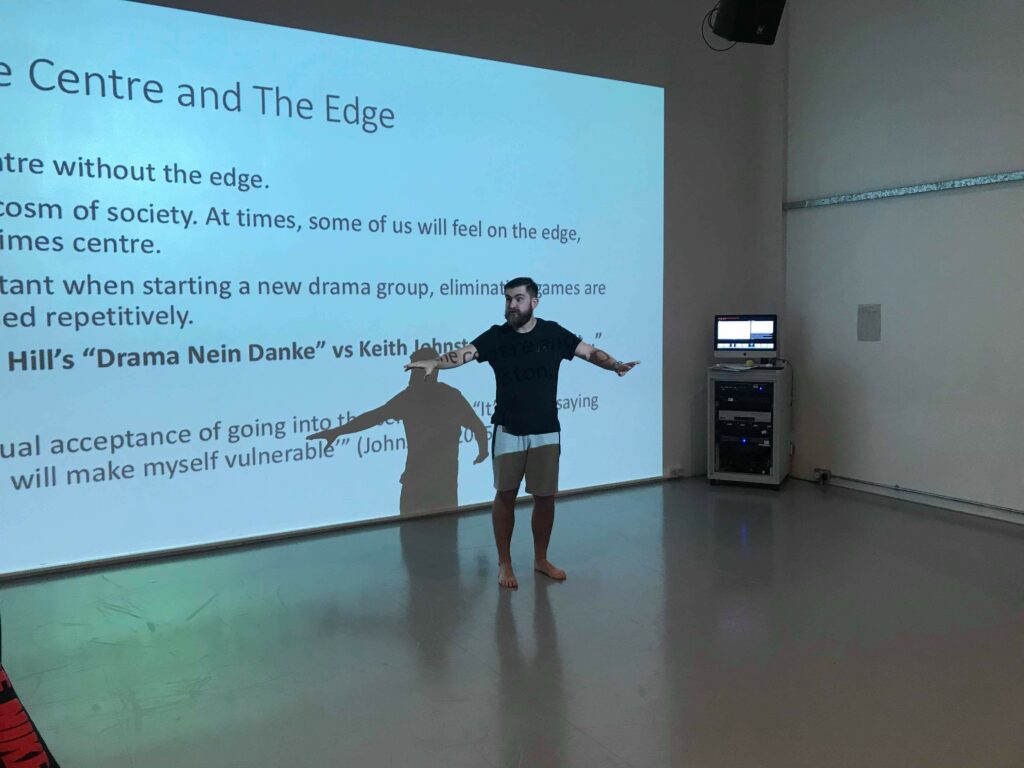
From Johnston, his six polarities are my underlining foundation. These polarities are what Johnston considers to be crucial when carrying out workshops or creating theatre for everyday life. There are two which are at the forefront of my mind. Firstly, the fixed and free; as facilitators, we are constantly moving between these two polarities as to whether the discussion/activity/game can happen as it likes, but eventually that creativity becomes nothing. So, as a facilitator, a question or rule might be introduced to narrow the energy of the participants to get something out of them. When you watch the Lonely Together piece, there are elements of this in the post-show workshop. Secondly, from Johnston, is the centre and the edge. It is really important when we welcome in a group, that no one is at the centre of attention or that anyone feels left out. In that, the discussions must balance the participants’ input. Hence, sometimes I ask for those who say nothing, to bring the closer into that circle, that discussion. The use of ‘The Fish’ idea has been another huge influence. You will see this in my video on the devising process

On a practical level, Emyr John has been an inspiration. I have been lucky enough to know Emyr since I started at Theatr Clwyd and he has welcomed me, echoing the spirit of the team, into the rehearsal space. I have seen how flexible he is when carrying out his work, how to work with young participants in both Junior Justice and Justice in a Day. With the knowledge of Johnston in mind, his work has enabled me to see it in practice. Plus, his years of experience is invaluable to me. I have been able to incorporate his work into mine, take on board the hints and tips he has shared (especially what to be cautious of) and him allowing me into rehearsal spaces. As a result, I have been able to complete a dissertation on the piece in the context of theatre in education in Wales.

As a young Welsh artists graduating during a very difficult period what investment and support do you think is required to enable your career to develop and prosper?

For me, the opportunity to collaborate is important. In these difficult times, we need to collaborate more than ever before. Theatre has probably never faced a tougher time on how to stay connected with audiences and continue to produce work, although that is just my perspective. For young artists, they need opportunities that not just offer Q&A’s or workshops, they need something that will allow them to get stuck in with it. I’m finding writing to be my thing at the moment; short monologues or audio plays for competitions. But I understand writing is not for everyone, so projects that enable us to collaborate with established artists.

I also believe that opportunities should encourage artists to think outside of the theme of ‘isolation’. I feel that it is too easy and can be personal. People may not want to discuss isolation and being at home; we don’t know what things people have going on. We should make projects based on historical events or themes that encourage audiences or participants to escape from those thoughts. That’s why people go to see theatre isn’t it? Escapism as well as entertainment. Besides, in the future, when we can go back to the theatre, the juxtaposition of live theatre with a focus on lockdown will surely be a better time to reflect. Right now, theatre needs to be there to help us mentally be free for an hour or so. Just my thoughts.

Link to performance and workshop of Lonely Together (does contain themes around suicide): https://youtu.be/U5dCVlURzMw

Link to video which shows a bit about my devising process behind Lonely Together: https://youtu.be/26yI6N7cq0Q

Link to video which shows the characterisation process behind Lonely Together: https://youtu.be/kXukIOUUBrg

A range of arts organisation and individuals are now working online or finding new ways to reach out to audiences. Have you seen any particularly good examples of this way of working?

Well, I will begin with Theatr Clwyd. Their Together campaign was launched very early on in lockdown, offering challenges and tasks to their online community week in week out.They have offered voices to those who may have been unheard.

They have offered voices to those who may have been unheard. Through their memories task, to the dancing task. It has allowed professional artists and members of their community to perform and create on the same stage. But it’s not just that. Behind the scenes, via Zoom, we are able to maintain the delivery of workshops to all our groups. And it is amazingly heart warming how much it means to them; I never get very emotional as a person, but when you get to check in with participants and see you’ve made them smile, it means a lot. We are just beginning to embark how we perform through Zoom with all these groups so exciting times ahead. Just a quick shout out to Clare, Laura, Alex, Liz, Owen, Hester, Nerys, Gwennan and the rest of the weekly workshop team for carrying on and adapting their practice to digital media to continue this wonderful work. It really is a joy to be a part of.

Beyond Theatr Clwyd, there has been two stand out theatres in Wales; FranWen with 120960 and Sherman with Ten, monologues which have been written beautifully and performed fantastically (Steffan Rhodri a personal favourite of mine).

https://youtu.be/-wiF1Bi5y-g

But FranWen have been amazingly quick to get online and work with young people to offer an online performance.

Hanna Jarman, video director Nico Dafydd and FranWen’s Gethin and Mari. The creative team on 120960

Now, I’m not Welsh speaking, but I’d certainly say this is one to watch. Beyond Wales, Theatre503 had a brilliant selection of ten minute pieces on their Rapid Write Response programme, two weeks ago I think.

If you were able to fund an area of the arts in Wales what would this be and why?

Workshops and outreach work. No doubt. I mean, the teaching of drama is important and as is the performances we see in theatres all over Wales. But I’d fallen in love with theatre and drama way before I started studying it and before I’d seen it. I loved it because it was accessible. By funding small and touring shows to go out into communities to perform or carry out workshops, then the earlier theatre can start influencing and having an impact of people’s lives. I’m not saying that every participant who takes part should become an actor or be involved in theatre, but I will say this from personal experience. My confidence, team work and communication skills would be no where near the standard they are now if I had not been a part of those workshops. It seems like easy work to those on outside of the work we carry out, but the effect a weekly workshop can have on someone in the long term is huge, I believe. I would highly recommend to people of all ages and ability to give workshops a go. Even if it is just one, that is still a huge achievement. In this current situation, it is just as important to be a part of them too. I have become part of a monthly one, meeting and hearing from new people and I am thoroughly enjoying it. Theatres need to ensure that online workshops can run if possible, it really makes a difference.

What excites you about the arts in Wales?

The exciting thing about arts in Wales is our passion for culture and language. As I’ve said, I’m not Welsh speaking, but the arts is the way forward to keeping the language alive in my opinion. From where I am from, bilingual work is a huge opportunity, where respect for both English and Welsh can be built. But the work of FranWen is so essential to keeping Welsh fresh. I was lucky enough to see Gethin Evans, now the Artistic Director of FranWen, work as assistant on Mold Riots and I felt that his respect towards the community cast, who were a mix of English and Welsh speaking, was amazing to see, so I think the work produced by FranWen in the future will be exciting and imperative to theatre in Wales.

But again, the awareness of culture is what is really exciting. At Theatr Clwyd, Mold Riots was a huge success for being a community story told by its community. Next, when it is safe to do so, is Project Hush. I was lucky enough to be on work placement for a week and saw the R&D for this. It is an amazing piece, telling of local stories and how that affected the wider world. And on site too. Taking theatre out of the theatre is always very exciting, and even more so in the Welsh countryside and historical areas. I was even part of a Greenfield summer school as support worker where we did a small site specific piece; the enjoyment had by all was great to see. I have always wanted to create a promenade piece about the Buckley Bomber; I’d love to see how I could do that, creating a piece that revives the Buckley dialect, the use of the locations and again broaden opportunities for community to work directly with professionals. Anyway, our love for culture and the language is what makes our arts great.

What was the last really great thing that you experienced that you would like to share with our readers?

Has to be Mold Riots at Theatr Clwyd. I was part of the chaperoning team from July, when rehearsals started, through to the performances. It was just monumental. A local story by local people (sounds a bit like League of Gentlemen that) where so many people were involved shows what theatre was really about. The end result was amazing; 100 people in wonderful costume taking audiences through the streets of Mold and giving passionate performances. You really could not tell the professionals apart in the end, it was that strong. But the process of getting to that point was unforgettable. The work and effort but into this piece by the professional team, the LX, wardrobe, creative team, the knitting groups. Kudos to Community Producer Alice Evans who did an amazing job to come in and co-ordinate this project. Seeing those young people be a part of something so young and as a group too. It reminded me of my time on The Suicide as an eleven year old. But I was on my own, not seeing the other performer often and trying to speak to the actors (who were lovely with me) but was still scary at that age. But due to the sheer size of Mold Riots, they could become friends and make great memories. What was better, they never argued between each other either, they looked after each other. I can only see how this experience made those 20-30 children happier. And, to me, that is what theatre is about. Experiences.

Thanks for your time Ed.

Thansk you can reach me at Twitter: @edhumphreys97 – much appreciate any feedback on this, Lonely Together videos or my dissertation.

Graduate Showcase Carys Haf Williams

Many Welsh or Wales based arts graduates are finding this current period especially difficult. Their usual opportunities to meet agents, prepare for final year exhibitions or productions may take place later in the year or sadly not at all. To raise awareness of the diverse talent graduating this year GTC is offering any Welsh or Wales based graduate the opportunity to be showcased on our website. If you are interested, please do get in touch.

Hi Carys-Haf great to meet you, can you give our readers some background information on yourself please?

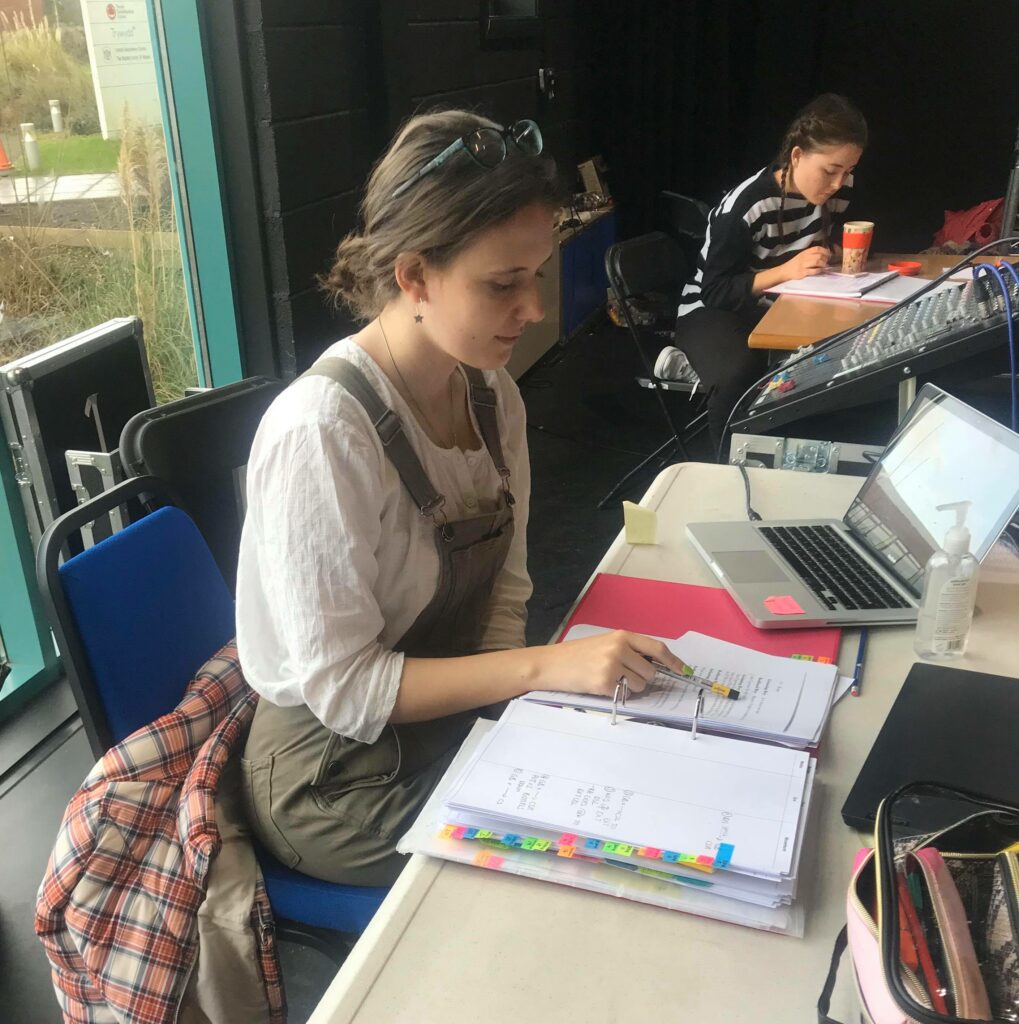
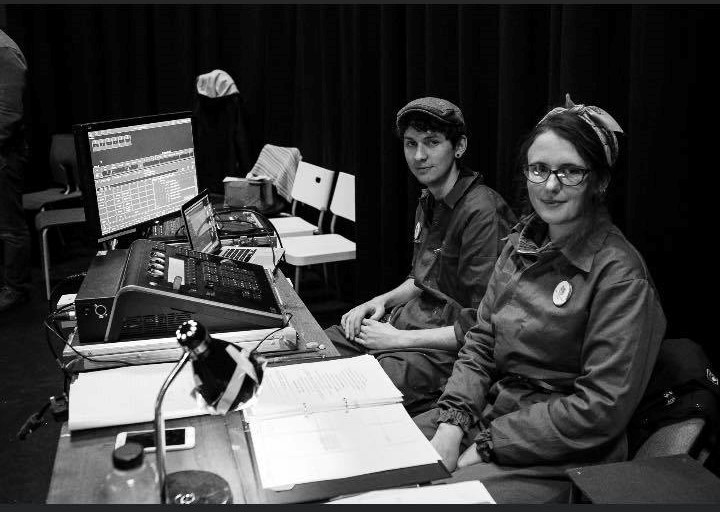
Hi there! I’m a Welsh speaking Stage Manager based in South Wales, currently in my final year studying Theatre Design and Production at UWTSD Carmarthen

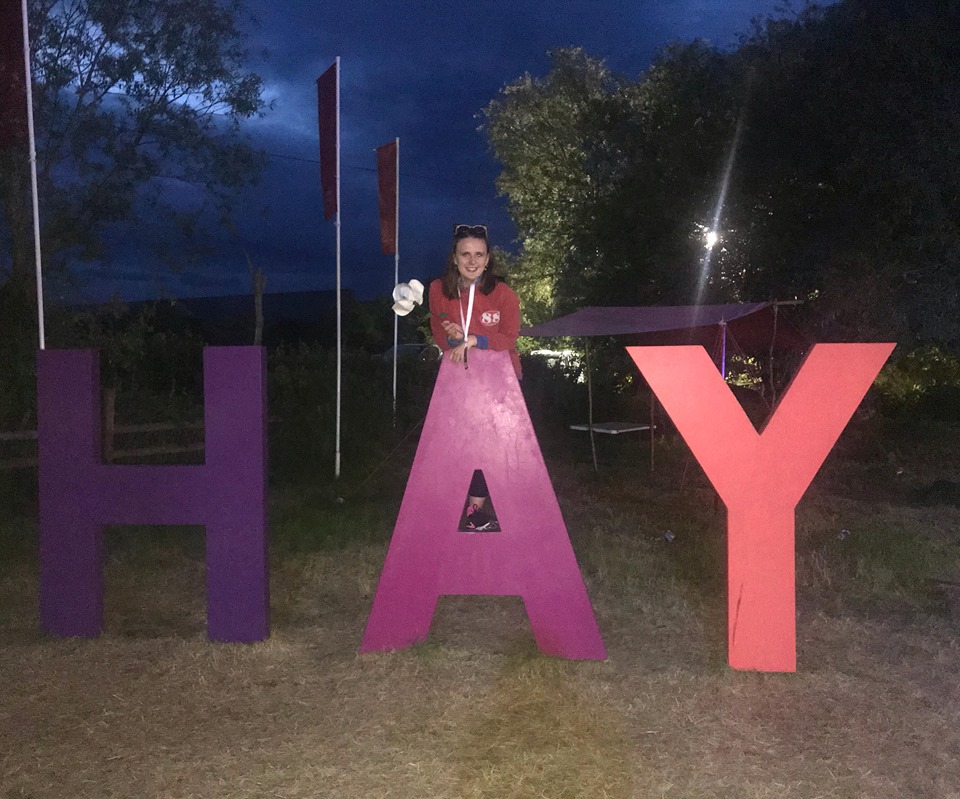
During my time at university I have undertaken many exciting work experience opportunities –  Theatr Na’Nog, Hay Festival, UWTSD Perfformio, National Theatre Wales and Rondo (S4C).  During my second year I was offered my first professional employment as ASM (Bookcover) with Theatr Genedlaethol Cymru on their production of ‘X’ at the National Eisteddfod in Llanrwst.

I love the theatre and being a Stage Manager.  To tell you the truth I enjoy every aspect of the technical and creative side.  I’m prepared to work hard to learn and develop my skills. I’m upbeat, enthusiastic and enjoy working with others, believing that a positive, understanding work environment is of benefit to all. I am an organised person (I love lists and risk assessments) and always ensure that my job is done to the best of my ability.  I thrive on the challenges and variety that theatre has to offer. You can find out more about me and my work to date here

 So, what got you interested in the arts?

My grandmother and grandfather had a great love for music and theatre.  From a young age they took me to the theatres in London to see shows as they were released.  My parents being a little off the wall took me to shows such as Rocky Horror, Return To The Forbidden Planet, No Fit State Circus, storytelling and I’ve been to many belly dancing haflas (very theatrical).  I’ve loved them all.  

Choosing drama as a GCSE and A Level subject made me realise that I was ‘made’ to be in the theatre, however, maybe not acting.   Although I have taken part in many shows it has always been the production side of theatre that interested me most.

Can you tell us about your creative process?

Being a Stage Manager means that I constantly have to be creative – fitting shows into smaller spaces, sewing up tears on costumes – finding a different way to get information out because of technical problems, the list is never ending and always different.

As a young Welsh artist graduating during a very difficult period what investment and support do you think is required to enable your career to develop and prosper?

I can’t believe how many opportunities have been put online, and being in lockdown has given me the opportunity to take advantage of these.  I have written an online showcase, spoken to several industry professionals and am looking into free online music courses offered by the Open University. All of these provide a great opportunity to get my name known and will be of benefit to my career. 

A range of arts organisation and individuals are now working online or finding new ways to reach out to audiences. Have you seen any particularly good examples of this way of working?

I’ve loved all the different opportunities that have been made available and have found that Twitter is a good resource to get information.

 The Other Room is offering one-to-one zoom meetings with their creatives.  This was a great opportunity where I was able to talk to the producer and ask him for advice. 

Sherman Theatre offer workshops and the opportunity to showcase yourself on ‘Your Platform’ (this is for anyone in the industry not just graduates).  

I’d recommend that everyone in the industry make the most of this time – get out there, learn something new, grab this opportunity while you can!

If you were able to fund an area of the arts in Wales what would this be and why?

I would like to make the arts, especially theatre more accessible to all by funding shows in deprived areas.  Lets get the whole community involved.  Let’s produce these shows in Welsh and English. 

What excites you about the arts in Wales?

The arts in Wales are diverse – from small rooms at the back of a pubs to the Wales Millennium Centre, outdoor events to festivals. Wales is progressive and vibrant. We’ve got it all and in two languages.

What was the last really great thing that you experienced that you would like to share with our readers?

I just love the theatre and have loved all the productions I’ve worked on so far.  I was recently the Stage Manager for my Main house module at University.  I worked on the play RAGE directed by Peter Doran and Lynne Seymore. What an experience working with such brilliant directors.  Working on a play so intense and as fast paced as RAGE was exciting and calling a show was a new experience for me. 

Thanks for your time Cays-Haf. Carys-Haf is also on the social media platforms below

Twitter:  CarysHaf1

Instagram: caryshaf_sm

Graduate Showcase Heidi Murtagh- Smith

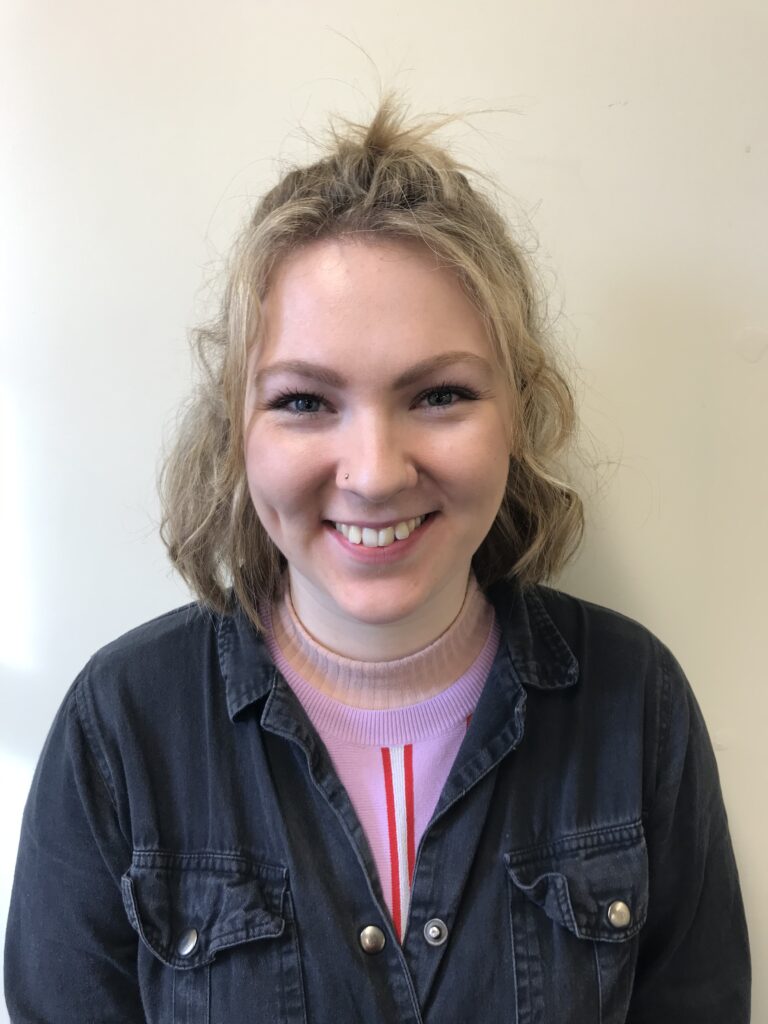
Hi Heidi great to meet you, can you give our readers some background information on yourself please?

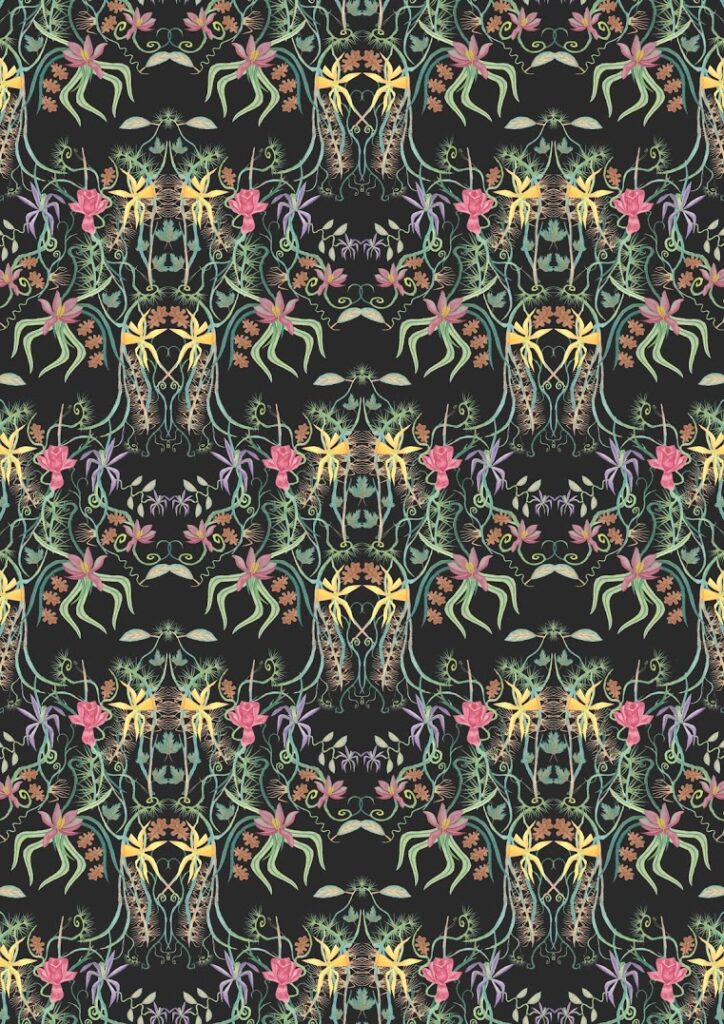
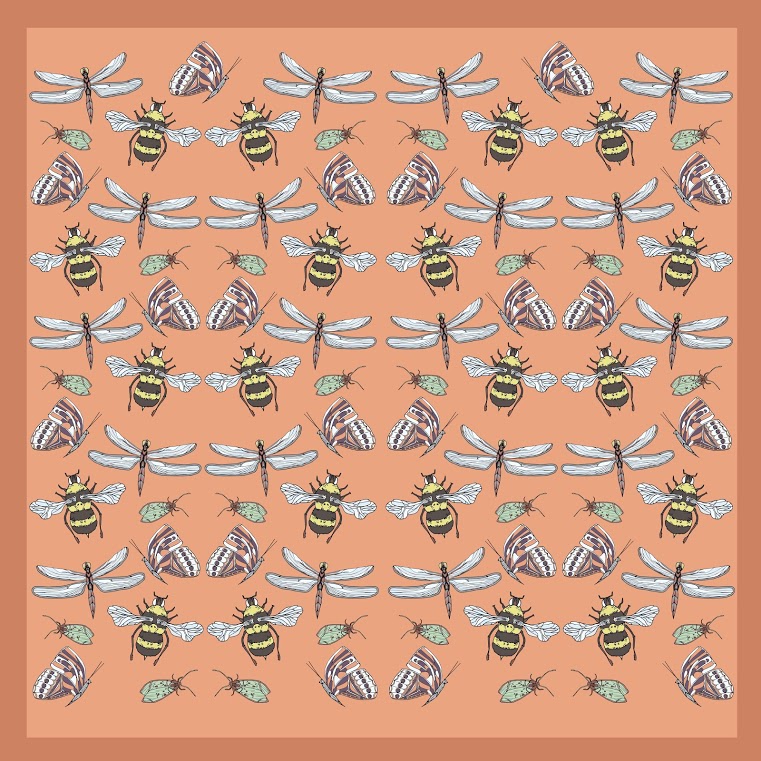
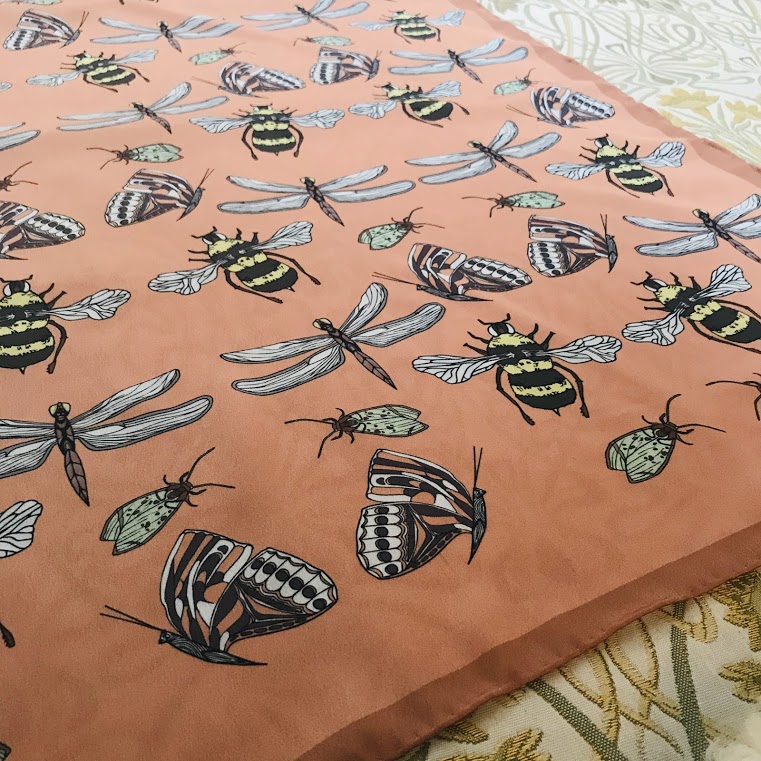
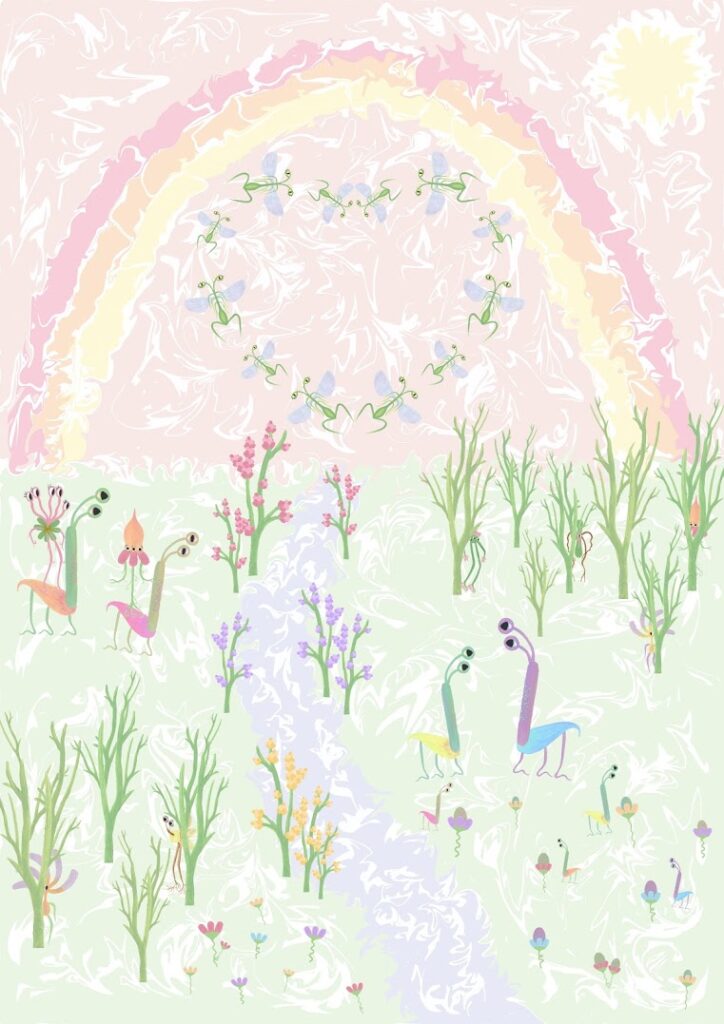
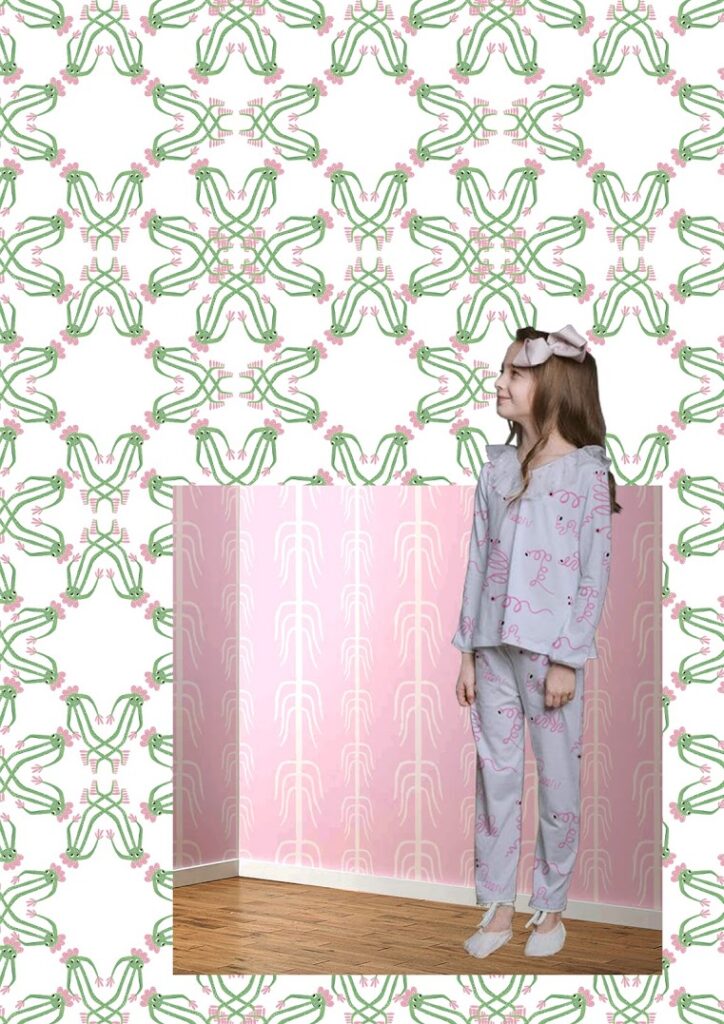
I am a textile surface pattern designer and have studied at Cardiff Met for the past 3 years. Whilst studying for my degree I have also completed a variety of work experiences in relation to my practice which have helped me to grow as a professional and shape the career path I want to take.

So, what got you interested in the arts?

I have always had a natural talent for creativity. The process of creativity is so enjoyable it becomes motivating in it self which is useful when it comes to gaining qualifications. I experience a high amount of flow when it comes to being creative meaning I have just been drawn to it from a very early age.

Can you tell us about your creative process?

Whilst at University my creative process has grown exceptionally and I have developed many much needed skills a designer needs. My creative process generally follows the path of creating work by hand before digitally manipulating it. As well as this I am very comfortable working completely digitally, using my Wacom tablet to create imagery on screen. Over my time at university I have experimented with a range of mediums and styles in order to develop and diversify my portfolio.

As a young Welsh artist graduating during a very difficult period what investment and support do you think is required to enable your career to develop and prosper?

Finding a graduate job in the world of design is not recognised as easy within the best of times and im not sure there is anything much that can be done. Graduates are in need of jobs; however, the same could be said for people across the field who have also lost their jobs at this time. I think design graduates just need to support each other at this time, reminding each other to not give up and keep pursuing our dreams.

A range of arts organisation and individuals are now working online or finding new ways to reach out to audiences. Have you seen any particularly good examples of this way of working?

Myself and others within my class have been participating in compititions running on Instagram from a variety of accounts. This is a great way to fill some of the time we have in isolation and also get our work noticed. You can checkour Heidi’s Instagram account here Or her profile on Zealous here

If you were able to fund an area of the arts in Wales what would this be and why?

I think it would be great to have a museum or art gallery in Cardiff which relates directly to the field of textiles. Coming from London I am use to being able to immerse myself in a great variety of exhibitions and shows in relation to my practice; however, I feel Cardiff lacks this. Not only would this be of use to current artists and designers but also inspire children to follow this career path.

What excites you about the arts in Wales?

Whilst studying an art and design corse it is great to immerse yourself in a new place as you are never sure where inspiration will come from. Whilst in Cardiff I have been very fortunate to participate in a variety of work experiences which I am really grateful for.

What was the last really great thing that you experienced that you would like to share with our readers?

Last summer I got the opportunity to participate in an international internship to Colombia for six weeks where I worked with a sustainable fashion brand. Whilst there I learnt to live and work in a different culture as well as develop my skills and knowledge in relation to my career path. Although having completed work experiences prior to this, this was a whole new adventure and was a great way to spend my summer, whilst preparing for my future career.

Thanks for your time

Graduate Showcase Lauren Ellis-Stretch

Many Welsh or Wales based arts graduates are finding this current period especially difficult. Their usual opportunities to meet agents, prepare for final year exhibitions or productions may take place later in the year or sadly not at all. To raise awareness of the diverse talent graduating this year GTC is offering any Welsh or Wales based graduate the opportunity to be showcased on our website. If you are interested, please do get in touch.

Hi Lauren great to meet you, can you give our readers some background information on yourself please?

Hi! My name is Lauren Ellis-Stretch, am originally from Porthcawl in Bridgend. I am a playwright, theatre maker and some-time critic. I am currently in the midst of, rather abruptly, finishing my studies at the University of Manchester. Approximately, I am only a ‘mere’ 14,000 words away from completing a BA in Drama and English Literature!

 So, what got you interested in the arts?

Well, in highsight I think I’ve always had a penchant for story-telling. I wouldn’t say I lied, but as a child my stories were perhaps always well-embellished… I lied a lot. Then, in secondary school I found Drama and I was seduced by its transformative potential, its collaborative nature, and the magic theatre possesed which I have been chasing ever since. I developed a love for play scripts reading The Tempest, and A View From the Bridge, and other old-exam board favourites. But the seminal moment which transformed my encroaching fascination into true obsession came when we were taken to see A Doll’s House at the Sherman Theatre, in 2015. It was one of the first professional plays I had ever seen, and I just knew that I wanted to make things that made people feel as electrified as that production had me.

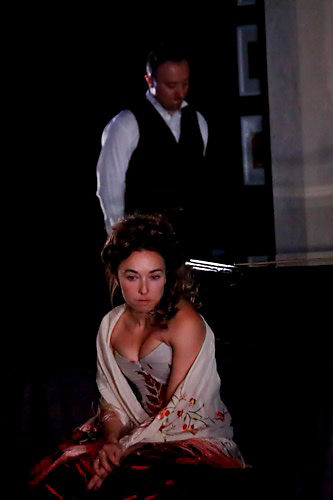
A Dolls House, Sherman Theatre, Cardiff. Credit Nick Allsop

Can you tell us about your creative process?

A lot of reading, seeing things, talking to people, quite often it involves ill-timed epiphanies which send me scrambling to find loose paper or the notes app on my phone. I haven’t yet had the pleasure, and perhaps, equally, the horror of working over a long stretch of time on one project. Mostly, the plays that I have written have been churned out in the pressure-cooker of student theatre in which everything is created within a max of ten days, mid-essay deadlines. It has been, on the whole, an exhilarating way to work, and always an intensely visceral process. However, I do look forward to seeing how I can approach writing over an extended period of time in the hope that I will expand, develop, and interrogate the work more thoroughly than ever before.

As a young Welsh artist graduating during a very difficult period what investment and support do you think is required to enable your career to develop and prosper?

I think what is required is guidance. There is going to be a lot of time, which I identified above as something which could be incredibly beneficial in an artists’ process. However, this runs the risk of resulting in a stagnated period of learning about our chosen crafts. If the pace at which you’re working, and trying things out is particularly rapid you will learn what mistakes not to make again, and what is good practice very quickly. To see more mature and experienced artists reaching out to younger artists  (not only in age but in experience) and offering their support and guidance would be particularly beneficial for the individuals; also, on a wider scale, this could assure the emergence of a thriving and innovative, post-lockdown, industry.

A range of arts organisation and individuals are now working online or finding new ways to reach out to audiences. Have you seen any particularly good examples of this way of working?

There is so much incredible content being put online at the moment! I have been thoroughly enjoying watching NT Live productions, and Andrew Lloyd Webber’s musical screenings. I also, recently, enjoyed a very sweaty Frantic Assembly warm-up with Simon Pittman, which was inspired by their show Beautiful Burnout. And, I loved listening to Ashes to Ashes Funk to Funky by Martha Reed on Chippy Lane’s Podcast.

If you were able to fund an area of the arts in Wales what would this be and why?

I think, biasly (as my passion is for playwriting) that more needs to be done by established theatres to engage with new, fresh and diverse voices in Wales. I think the Welsh industry, in comparison to other theatre ecologies in the UK, is really lacking in a scripted theatre/playwriting culture. I think recent steps towards readdressing this by the Sherman Theatre, Theatr Genedlaethol Cymru, the Other Room, and Chippy Lane Productions has been a step in the right direction but this has to continue. Particularly, there needs to be more effort in engaging with BAME, working-class and womxn writers.

What excites you about the arts in Wales?

Having a theatre scene that is effectively much smaller, and less established than in cities such as London and Manchester means that there is a real sense that anything is possible! Also, there is access to certain resources that in a larger cultural hub would be hard to access. The community, for example, in the Welsh arts scene is particularly inspiring for young artists, I feel. More experienced artists often seem very willing to share their experience and time with you which can be so rewarding when you’re just starting out.

What was the last really great thing that you experienced that you would like to share with our readers?

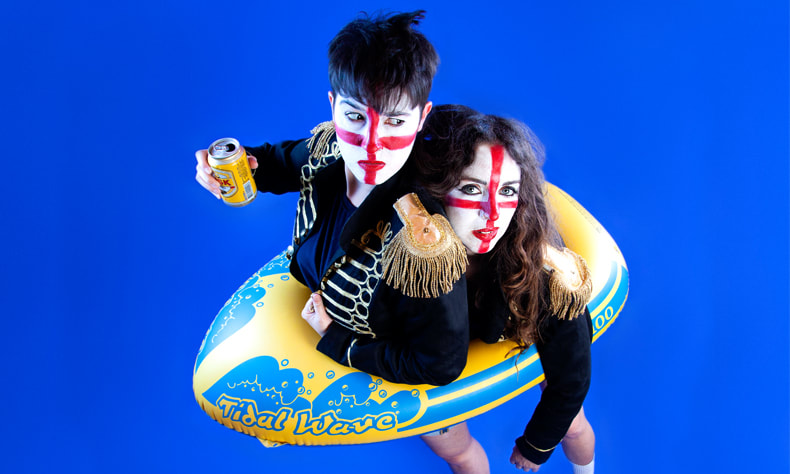
Sh!t Theatre Drink Rum With Expats at HOME, in Manchester! It’s not the last great thing I saw, however, it is really really great, and I’d like to put a spotlight on a smaller theatre company. (However, Three Sisters at the National Theatre, and the Royal Exchange’s Wuthering Heights have been other cultural highlights for me, in the past couple of months!) But, Sh!t Theatre Drink Rum With Expats was a piece of theatre that I found so incredibly joyous, thought-provoking, and devastating all at the same time.

It was political, and silly, and they gave out a lot of booze. It was an wholly-encompassing and arresting theatrical experience. I don’t want to say too much about it because hopefully, at some point in the future, they will continue with their tour, and you will get to see it! The reason I think it’s so notable as a great piece of theatre, though, is because for younger theatre-makers it is the perfect example of being anarchistic, daring, and completely unique in your rebellion; and I think that is what will be needed of us in an artistic landscape, post-lockdown, creative rebellion. 

Many thanks for your time Lauren.

Graduate Showcase Francesca Waygood

Many Welsh or Wales based arts graduates are finding this current period especially difficult. Their usual opportunities to meet agents, prepare for final year exhibitions or productions may take place later in the year or sadly not at all. To raise awareness of the diverse talent graduating this year GTC is offering any Welsh or Wales based graduate the opportunity to be showcased on our website. If you are interested, please do get in touch.

Hi Francesca great to meet you, can you give our readers some background information on yourself please?

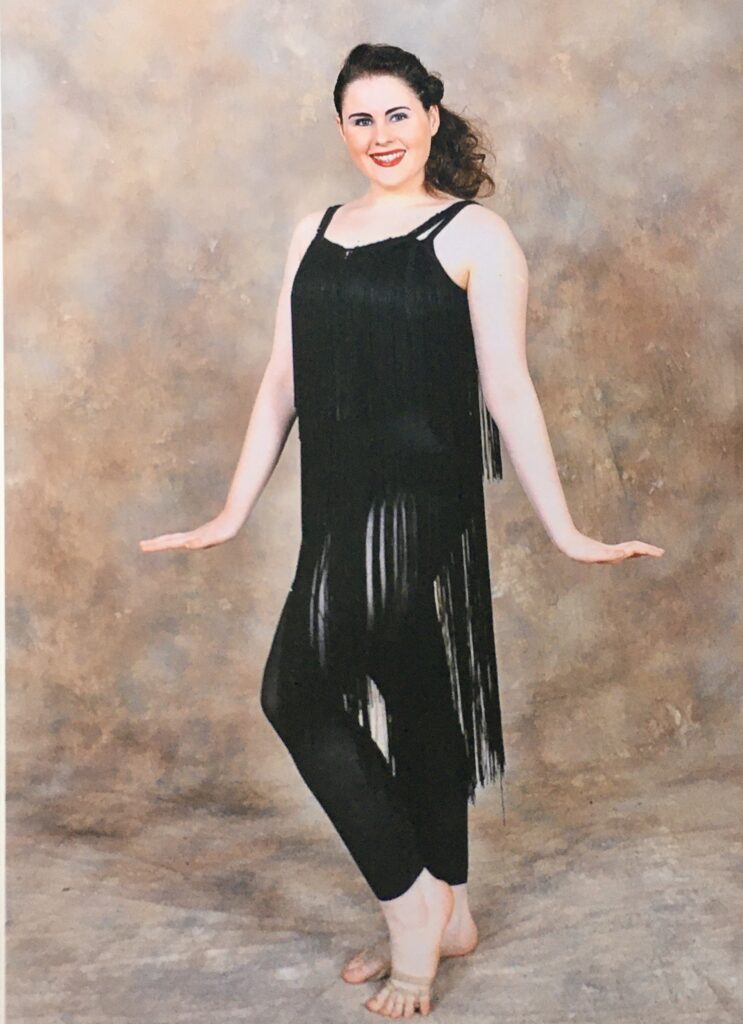
Hello, thank you so much for this opportunity! I’m Francesca Waygood, 27 years old from Swansea. After completing a bachelor’s degree in Performing Arts in 2014, I decided to go into teaching and qualified as a lecturer, specialising in teaching performing arts. Although I loved lecturing, I felt I still had a lot more to learn about the performing arts industry; I truly believe the best teachers are ones who have a desire to keep learning and developing their own skillset and so I decided to gain more industry experience by furthering my studies with a masters degree. Today, I am studying at the Canolfan Berfformio Cymru (UWTSD Cardiff), for my Master’s in Musical Theatre. Musical theatre has always been my true love and so, I am very grateful for the opportunity to study here as my learning experiences so far have been invaluable!

You can see Francesca’s Spotlight link here

So, what got you interested in the arts?

My mum (a former dance teacher) initially taught me to dance. Some of my earliest memories are from around the age of 2, where my mum was teaching me good toes, naughty toes, step ball changes and splits in our living room! She enrolled me in ballet, jazz and tap dance classes soon after where I had the opportunity to attend workshops with Wayne Sleep. It was only when I joined the school choir, I became interested in singing. From there, I added musical theatre, singing and music theory lessons to my hobbies and completed exams in these areas. With this came shows and competitions, something which I always really enjoyed partaking in as a child.

Can you tell us about your creative process?

My creative process really depends on what specific skill I may be focussing on. During our course so far, we have had the opportunity to study the methodologies of Stanislavski and Misner. Both processes were totally different, allowing for new creative discoveries to be made each lesson. For example, within Misner, we looked at the use of repetition. I found this process very beneficial for learning text. With Stanislavski, we looked as various tools which included physicalising text with actions. Such methods I will now employ in future work.

As a young Welsh artist graduating during a very difficult period what investment and support do you think is required to enable your career to develop and prosper?

So many virtual opportunities have become available via Instagram and Twitter for artists. There have been so many performers from West End shows / UK tours offering workshops where you can learn choreography from the shows they are in. There have also been casting directors offering to provide feedback on CV’s and showreel material for a very small fee. Talent agencies have been so approachable, and many have specifically asked for un-represented graduates to contact them. I even had one agency who I spoke too, offer to share my details with other agency contacts and casting directors. Personally, I believe it is definitely worth getting involved in all the opportunities that are currently available to us!

A range of arts organisation and individuals are now working online or finding new ways to reach out to audiences. Have you seen any particularly good examples of this way of working?

I’ve seen so many musical theatre performers running online concert events, live from their homes, which audiences can buy tickets for. I think this is a great opportunity for us to support one and other, as well as admiring these amazingly talented performers.  I am also aware of organisations showing performances on their websites for public viewing – making theatre so accessible for everyone to be a part of!

If you were able to fund an area of the arts in Wales what would this be and why?

I am a strong believer in incorporating more creative methods for learning into education. Everyone has a preferred way of learning; whether it be visual, audio, kinaesthetic or a mixture of these! During my bachelor’s degree, I studied a module called Applied Drama, where I facilitated at 7 primary schools in Swansea, taking elements of the curriculum and supplementing it with more creative features. For example, I can recall one school where the pupils were studying the Romans. Upon an initial meeting with the class teacher, an education pack was supplied which included a series of worksheets for the pupils to complete as part of their study of that topic. A co-facilitator and I leading the project decided to incorporate more performing arts based activates to accompany the pupils learning. For example, the pupils partook in role play exercises such as a Roman march and a roman battle. The pupils seemed to really respond to these activities as it offered a more balanced learning experience, suited to all their learning needs.

 What excites you about the arts in Wales?

From studying for my bachelor’s degree to where I am at now, I have met so many diverse creative people. The arts culture in Wales is constantly changing, it is not all about the larger scale theatres anymore. Some amazing work can be found in the smaller, less known creative spaces. My partner comes from a more contemporary theatre background and he has really opened my eyes to this.

What was the last really great thing that you experienced that you would like to share with our readers?

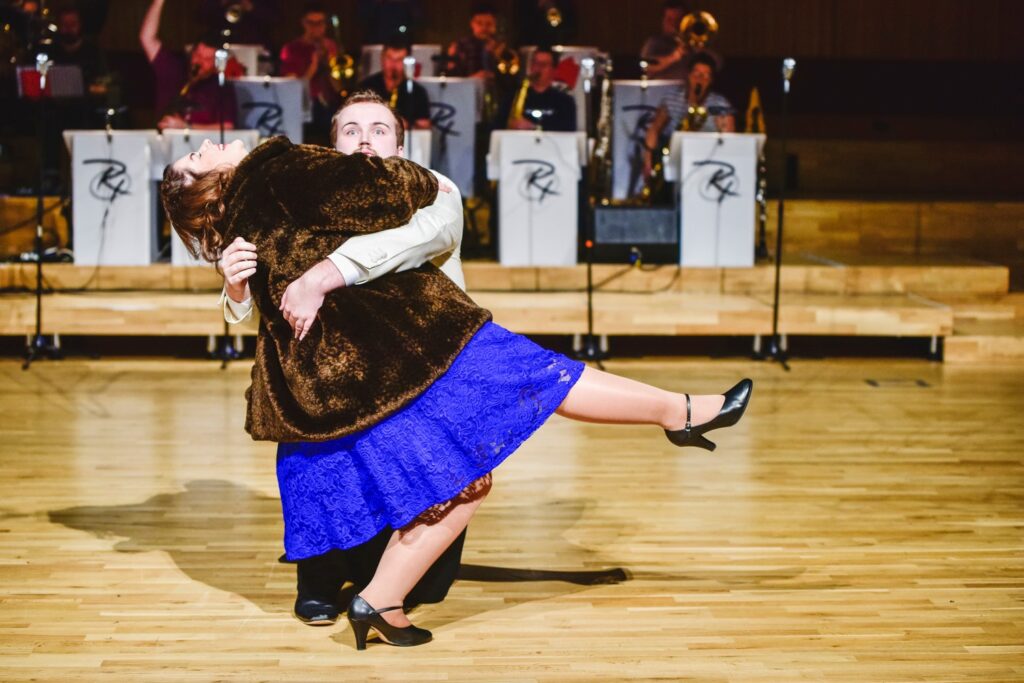
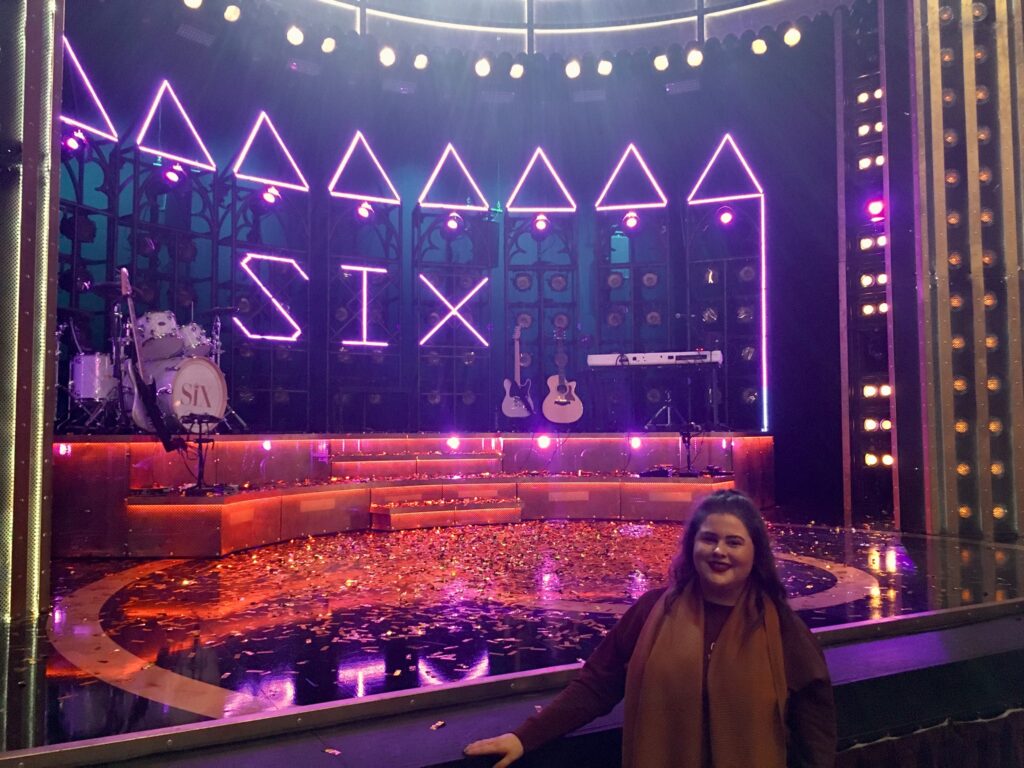
Apart from watching Six the musical (UK tour) in Bath which was absolutely incredible, I would probably say performing in Nadolig Big Band Christmas with the university in December 2019 at the BBC Hoddinott Hall – such an incredible space and a wonderful experience for me as a musical theatre performer. Another would be having the opportunity to be a part of a choir recording some of the backing vocals for the film Dream Horse, set to be released later this year. Again, another wonderful opportunity.