All posts by admin

Review, The Tallis Scholars 50th Birthday, Middle Temple Hall, London by James Ellis

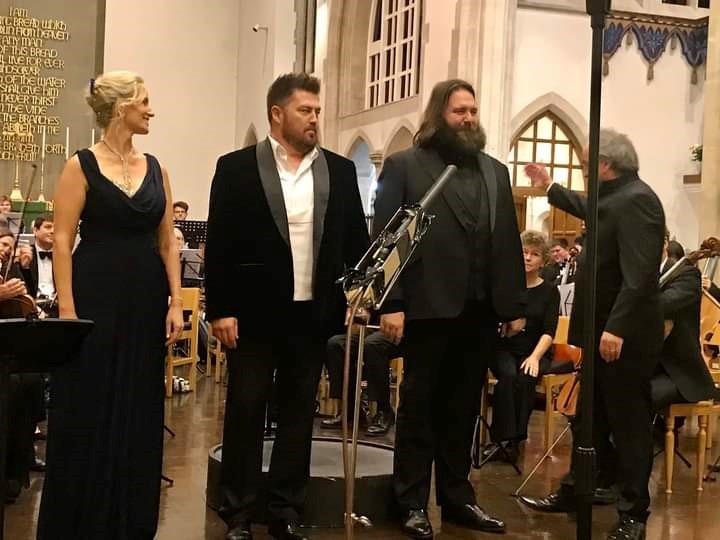
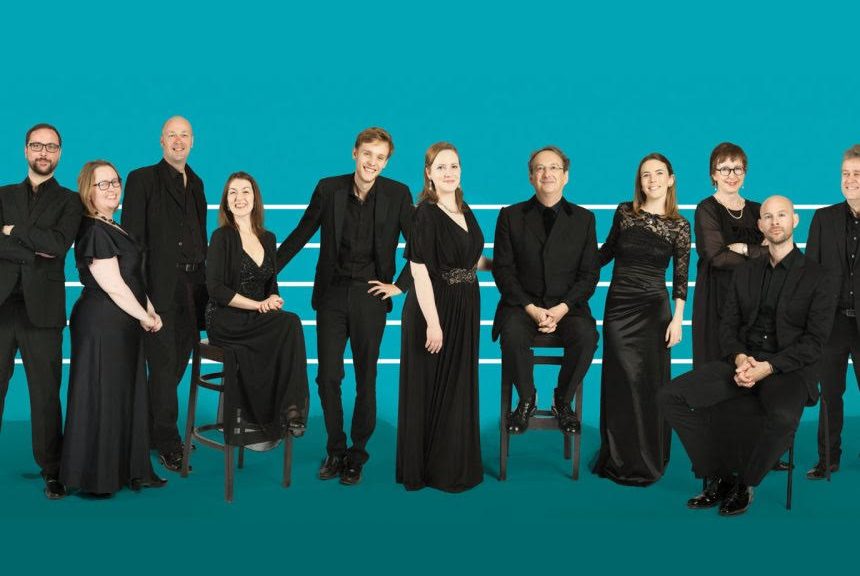
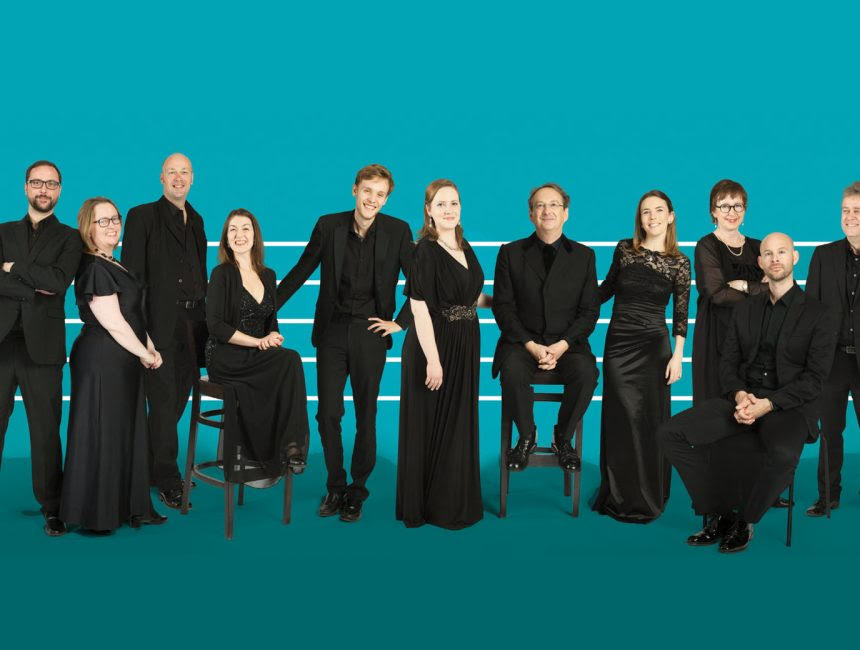
It would be a fleeting affair in London to make sure I was celebrating with The Tallis Scholars. Something I did not want to miss. In the wonderful atmospheric Middle Temple Hall, known for its first recorded performance of Twelth Night, the evening went by in a flash.

Drink and canapes were flowing throughout, as things started off with Palestrina’s Magnificat Primi Toni and the eternal Misere by Allegri. The balcony space was utilised for both works, this opening gave you the feel for this choir, their mastery over polyphony and admiration of religious works. There was a marvellous vibe to proceedings, the audience blessed to hear such things. The latter was a highlight, with its serene high notes and it’s tennis match between both choirs in the space.

American writer Leon Wieseltier gave a fabulous speech about his first time hearing the Scholars. Passing the church in which they were singing, he fell in love with them all those years ago and has continued to give unwavering support to them ever since. His writing was highly eloquent and often funny. Caroline Trevor, wife to conductor Peter Phillips, also recounted many years with the choir as singer, leading later to romance. Their was a nice slab of gossip in this speech, personal insight which went down well, Peter beaming in the wings.

I’m glad there was a world premiere, this time from Nico Muhly and his A Glorious Creature. Taking Thomas Traherne’s words, a piercing perspective on the sun and its radiant light giving, Muhly has written a piece which didn’t excite me. It was a sort of strange slice after slice of the words, the singers each getting turns in the polyphony. It was pleasent, but left me a bit chilly.

John Tavener’s Song for Athene needs little introduction. Written as a perosnal tribute to a family friend, it would later be catapulted into fame with it’s usage at Lady Di’s funeral. Here the Scholars offered up a well sculpted and tender version, I found myself in bits. It was a special addition with Lady Tavener present, we lost Sir John some ten years ago. Arvo Pärt’s Virgencita ended this second set with more touching auroas and a reminder of his talents still going stong in his 9th decade.

James Jolly, Editor-in-Chief of Gramaphone also recounted good times with the Scholars, we were offered a tribute copy of the magazine with a history of the choir. Peter Phillips gave the final word, in a speech filled with pride, also acknowledging the pitfalls of the past and present taking them on international tours. We we given goody bags with the aforementioned magazine and Peter’s unexpected flutter into book form about the restaurant they frequent after reharsals.

It was all very inspiring seeing how much of a success they have been, 50 years is quite a long time really. Of course, things had to end with Tallis himself and we had three works: Loquebantur variis linguis, Suscipe quaeso and Gloria from Missa Puer natus. It couldn’t have ended on a finer note with their namesake composer that they have honoured countless times. These sweet pieces crowned the night, their affirming faith, their simple simplest registers and easy listening appeal had us leaving the event with much contentment. 
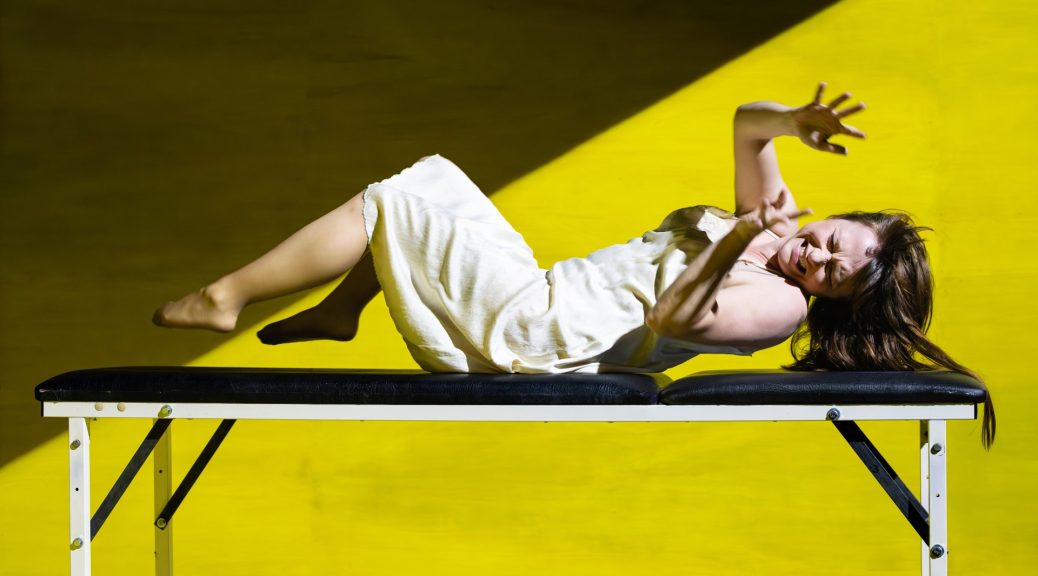
Review, Machinal, Ustinov Studio, Bath by James Ellis

Photo credit: Foteini Christofilopoulou

 out of 5 stars (4 / 5)

The unassuming Ustinov Studio in Bath sees a season with acclaimed director Deborah Warner for what should prove to be a highlight of the theatre calendar. Tackling Sophie Treadwell’s blazing play, a guest appearance from another titan Richard Jones directs in his fashionable and sharp way.

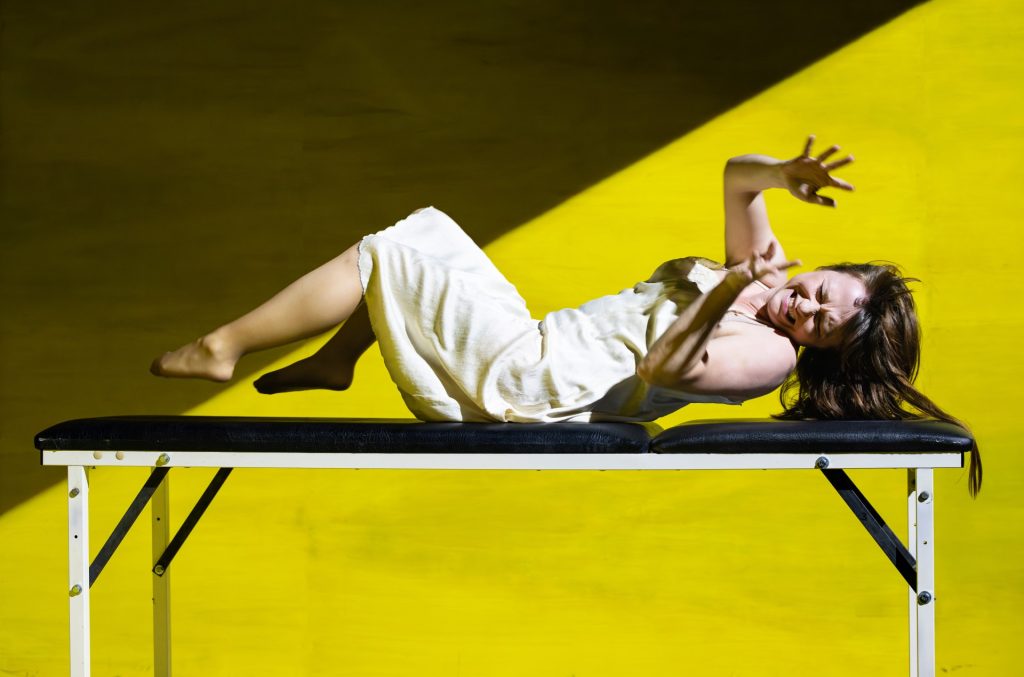
Jones’ work I know best through his time with Welsh National Opera and English National Opera, the former’s Olivier winning take on Alban Berg’s Wozzeck fittingly mirrors Machinal. The Yellow Wallpaper of Charlotte Perkins Gilman permeates the space in Hyemi Shin’s angular and claustrophobic set. The hectic ensemble of actors plays multiple roles as commuters, workers, medical staff, drinkers in a bar and more. The energy here is affirming, Treadwell’s musical and punchy lines are tight and in moments are profoundly abstract and true.

Jones knows what he’s doing. Sat in the front row makes for an incredibly heightend encounter. The patter of conversations, arguments, clatter of dishes, screaming and a pounding bulldozer never quite leave your ears, sound design by Benjamin Grant wonderfully also adds to the absolute din of the whole thing. The futility of the whole thing, the sadness seen with this Young Woman who is bludgeoned by all, forced into a marrige she doesnt want, a child she can’t look after and a tragic decision leads to her execution. Loosley based on the real life story of Ruth Brown Snyder, who murdered her husband, begin was the first woman in the US to get the electric chair. One wonders just how many people now and in the past find solace in story, in the play the leading lady stutters, has panic attacks and other anxious bouts.

Rosie Sheehy has given an unforgettable performance in what is not an easy character in anyones eyes. Her spasms, tics, pounding, flinching all add to a well crafted offering. I found it hard not to hear Lois Griffin in her accent, the play capturing the spirt of New York frenzies. Tim Frances as Husband feels compasionate, if complicit in his misogyny, in well acted form. Buffy Davis is the despondent, Irish Mother, some great humour and maternal blathering. The Young Man, whom our lady has a passionate affiar with, is a lovely Pierro Niel-Mee. The character has some flippently racist remarks of the era (1920s), though this one night stand proves a toxic trait, if it saved our lady even just for a few hours. Pierro works as this sort of sexy saviour, chemistry between both actors faired well. Though his betrayal is all to much.

The troupe of actors mesh around the tight stage, accents strong and a well placed aura is in the air. I spoke of energy and their passion, this must be a cracking play to be part of. The framing of each part, sees an actor place a wooden relief of each scenes name to be hung above all, the shadow of which almost mimicking the wings of freedom our lady yearns for.

Machinal runs at the Ustinov Studio till 18th November 2023

Review, Die Walküre Act 1, City of Cardiff Symphony Orchestra, St Martin in Roath by James Ellis

Photo credit: James Ellis

 out of 5 stars (4 / 5)

There is a hunger to perform Wagner from amateur orchestras. Perhaps the demands asked from this problematic composer seem less daunting today, though command in vocals and a robust orchestra must simply give all.

Part of Wagner’s Der Ring des Nibelungen, the remarkable four part, 15 hours behemoth, The Valkyrie is the second outing. This first act is the most intimate of the enquire Ring, with just three characters in an hour timeframe. The twins Siegmund and Sieglinde who were separated at birth, rediscover themself…with knowing romantic intentions. With the latter married to Hunding, this act sees the twins father Wotan loom over it’s entirety.

This is the only opera where the ring of power forged in the last part Das Rhinegold, is never seem and the actions of Wotan to secure his reclaiming of the ring again sets the story in motion. The lover twins leave Hunding in the night (who was already mortal enemies with Siegmund anyhow) pulling Wotan’s sword Nothung out of the massive tree in the centre of their lodgings as fate foretells.

I was impressed with the orchestra, filled with proclaiming Wagner Tubas, patient harps and pounding timpani. Sat in the front row, I also realised just how much orchestral weight there was to the celli, who get some ravishing moments in this opening act. The romantic feel towards the twins spreads over the musicians and they all get swept away in this strange love story. The swarm-like opening has the strings able and willing to muster up this piercing prelude, as Siegmund escapes the hunt from Hunding and his men in the forest. You can expect Wagner to be loud and the attractive church acoustic caught this thick sound to the roof.

Even with the sweeping amore, comes Wagner’s heavy later compositional style. Our three soloists did a grand job of keep the pace and the drama up for the duration. As Hunding, James Platt oozed into it the horrid nature of this villain. His bass was like a very fine honey, the snarling, vicious line tackled well and you could very easily see him on stage in the role.

Fiona Harrison-Wolfe made for a resplendent Sieglinde, though on a few occasions the orchestra drowned her out. Never an easy role, this being the only character in all three huge acts of Valkyrie, Sieglinde boats high register climaxes and more sincere, homely moments too. Fiona ventured well into this, also thanks to the support from tenor Gareth Dafydd Morris as the love interest. Gareth is a familiar face in Cardiff, this feels like a treat for him.

The declaratory and soaring vocals of Siegmund gave Gareth time to shine, the duet at the end with Fiona a highlight. Affirmed conductor Martin McHale had lots of rehearsal time with the players and it showed. Some brass and light woodwind fluffs may have been expected, due to the demands put upon them but it went along without a hitch. 

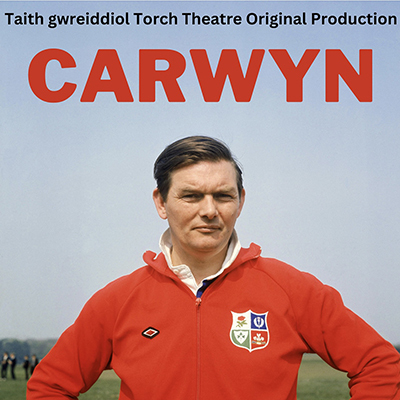
Review Carwyn Presented by Bale and Thomas in Association with Theatr Felinfach, Torch Theatre and RCT Theatres by Ella Fay

Credit Drew Buckley

Not many plays start with the actor already onstage, but this production of Carwyn makes you feel immersed from the very start as the audience is taken on a journey of a man that is sadly often forgotten, but he’s one worthy of being celebrated and remembered in Welsh culture.

The play begins and ends with the passing of Carwyn James but throughout the piece, the audience is hooked by the outstanding performance of Simon Nehan . Nehan tells a story of Carwyn reflecting on the good and bad of his life that is well worth knowing. We see two sides of Carwyn, one in which the whole world got to see, the way he felt how he had to be perceived on the outside, and the raw and real side of Carwyn, who spent his life hiding his true self from a brutal society as he was a man, simply living ahead of his time.

Showing both sides of Carwyn through the talented writing of Owen Thomas and the brilliant directing from Gareth John Bale, was something so impactful to watch as his eye-opening story is a story that is heartbreaking, relevant and necessary. I can say without hesitation that Carwyn the play is a production deserving of a standing ovation and if I was to watch it again, I know I would be moved and feel a little more impacted each time.

Review Carwyn Presented by Bale and Thomas in Association with Theatr Felinfach, Torch Theatre and RCT Theatres by Holly Ford.

Carwyn the play grants the audience an intimate view into Carwyn James’ private life, revealing a side of himself that he spent his life hiding from a judgmental and unaccepting society. This is a story, often heartbreakingly forgotten, but one that deserves to be celebrated in Welsh culture.

“People shouldn’t fear death, they should fear they didn’t live their best life”- Carwyn.

As he passes, Carwyn’s life flashes before the eyes of the audience. From his triumphs to tragedies, Carwyn’s story is one that must be told. We see Carwyn as who he was to the outside world; who he felt he had to present himself as, because he felt that the time he lived in was not a place for his true self. This play shows us this version of Carwyn, but also, who he was in his solitude. As a result of this, there is something so heart-rending, poetic, and beautiful about this piece. The skillful writing of Owen Thomas, powerful performance from Simon Nehan and the impactful directing from Gareth John Bale put together capture Carwyn’s story in a poignant and moving way; that was undoubtedly deserving of a standing ovation. This is one of the few pieces I have ever seen that I can confidently say that if I watched it many more times, I would be in tears at the end of each and every one.

Credit Drew Buckley

Review The Winter’s Tale, Suitcase Theatre Theatr Clwyd by Donna Williams

 out of 5 stars (4 / 5)

Suitcase Theatre, a local community theatre company, started out in 2008 with a production of We’ll Keep a Welcome- a play about evacuees from Liverpool and Merseyside who came to live in North Wales in 1939. The use of local stories and topics has been a long-running focus for Suitcase Theatre as well as revivals of classics such as The Birthday Party and Waiting for Godot. The company pride themselves on bringing together a wide range of performers- young and old, experienced, and less so, amateur, and professional and have participants from North Wales, Cheshire, and the Wirral.

The Winter’s Tale is one of Shakespeare’s lesser-known plays and was one of his last, written around 1609-11. The first recorded performance of the play was at The Globe on May 15th, 1611, and later that year it was presented at Whitehall before King James I. It provides us with one of the more challenging stage directions- ‘Exit, pursued by a bear’ (in this instance a member of the company dressed in a questionable costume- if Shakespeare were alive today, perhaps he could have written ‘Exit, SFX of bear in pursuit’!)

It’s difficult to give a brief summary of any of Shakespeare’s plays but more so with his last, lesser-known creations. The Winter’s Tale offers countless themes throughout its tragi-comedic plot – love, jealousy, rage, mistaken identity, reunions, and it really is a play of two halves. The first, clearly tragic- disastrous if you will; one full of bitterness, sadness, and death and if we are going to label this play, we would certainly conjure the word ‘tragedy’ as Act 1 unfolds. It is reminiscent of Othello- the insanely jealous husband, wrongly accusing his wife of an affair, and so catastrophe ensues. However, as Act 2 begins, the audience wouldn’t be judged for believing they had sat down in the wrong auditorium- the piece is uplifted by the appearance of Autolycus, of the Old Shepherd and his son, Clown. We’ve gone from Winter and 16 years have elapsed in minutes as we give way to Spring- with the passing of time as well as with lighter themes of family, forgiveness, and rebirth.

As the play opens, the cast have their backs to the audience, and it is clear we are at a celebration- the guests are dressed to impress and on the screen are fireworks. The use of the screen is effective throughout, particularly to convey the passing of time with the moon in its different phases. The scene transitions are consistent with blackouts in the right places, slick movement of small set pieces and atmospheric music or sound effects to signify the mood or time of day. The performance is mostly done in black box with a few simple additions such as chairs, tables, or dividers and none of this distracts from the action. This is my main take-away from Suitcase Theatre’s production- that due to the simple set and timely costumes it is much easier to concentrate on the language; to really listen to and understand what’s being said. There are a few missed lines, mainly down to projection issues (as well as very heavy rain on the night in question!) or characters aiming their speech at each other rather than out to the audience on occasion, but overall, the speech is clear, and it is wonderful to truly focus in on the wonderful words that Shakespeare provided to actors and audiences alike.

The casting is excellent and there are moments I forget that I’m watching an amateur production. The word ‘amateur’ unfortunately carries such negative connotations but that is exactly what this production is. None of these performers or members of the production team are being paid for their hard work- they’re doing it because they love what they do. And there are some superb performances- most notably from Si Kneale as Leontes who not only has an awful lot of dialogue to learn but portrays the character with just the right amount of madness and regret- as an audience we trust this actor in this role, and he is unwavering throughout the piece. Ruth Huish as Hermione is beautiful and we truly empathise with her plight, no more so than during her speech to illustrate her innocence to Leontes- Huish delivers this with verve and poignancy. Connor Jones as Autolycus lifts the piece in Act 2 and is clearly a natural performer with a talent for accents. His likability factor brings a real charm to the production after a hard-hitting first half.

You’d be hard met to find a local community theatre group willing to give Shakespeare a go, but Suitcase Theatre did it with enthusiasm (lots of it brilliantly displayed via rehearsal photographs etc. on their Facebook page!), professionalism and lots of hard work- having only rehearsed for this piece for around 6 weeks! It was wonderful to see such a variety of performers on stage too- including some very talented youngsters! Huge congratulations to all involved- if you have chance to see this production, I’d highly recommend it!

The Winter’s Tale is playing at Theatr Clwyd until Saturday October 21st. To book your tickets, please head to the website…

The Winter’s Tale | Theatr Clwyd

Cast

Leontes- Si Kneale
Hermione- Ruth Huish
Mamillius- Isaac Huish
Perdita- Zoey Owen
Polixenes- Andy Jordan
Florizel- Ioan Eldridge
Antigonus- John Wylde
Paulina- Rowena Owen
Cleomenes- Kevin Taws
Dion- Peter Thorne
Emilia- Lin Blessing
Julia- Pauline Marsden
Rogero- Stewart Venables
Demetrius- John Owen
Camillo- Niall Heaton
Officer- Richard Thornton
Gaoler- Will Wood, Dylan Roberts
Benvenuto- James Bennett
Mariner- Will Wood
Archidamus- Deborah Thomas
Autolycus- Connor Jones
Old Shepherd- Gwyn Brick
Clown- Tom Cutler
Cassio- James Bennett
Mopsa- Lin Blessing
Dorcas- Pauline Marsden
Quinto- Dylan Roberts
Guiseppe- James Peacock
Eufrasio- Peter Thorne
Time- Connor Jones
Slaves of Time- Dylan Roberts, James Bennett
Bear- a member of the company

Production Team

Director- Mike Stevens
Production Manager- John Owen
Stage Manager- Gordon Peterson
ASM (Props)- Richard Thornton
ASM- Deborah Thomas
Deputy Stage Manager- Graham Sherwood
Lighting and Special Effects- John Owen
Sound Design- Ellie Wylde
Composer/ Music Director- James Peacock
Stage Designer- Paul Jones
Choreographer- Karen Campbell
Wardrobe, Wigs, Hair & Makeup- Rowena Owen
Publicity Design- Peter Taylor
Chaperone- Nerys Bennett

Review “Housemates”, Sherman Theatre, Cardiff by Tiago Gambogi

 out of 5 stars (5 / 5)

“Housemates” drums up an inclusive revolution

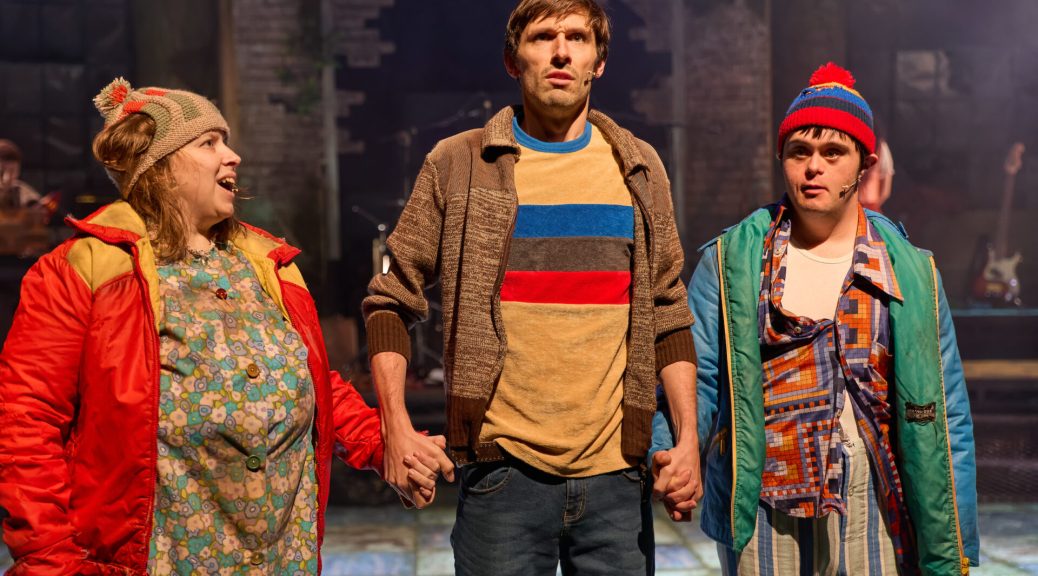
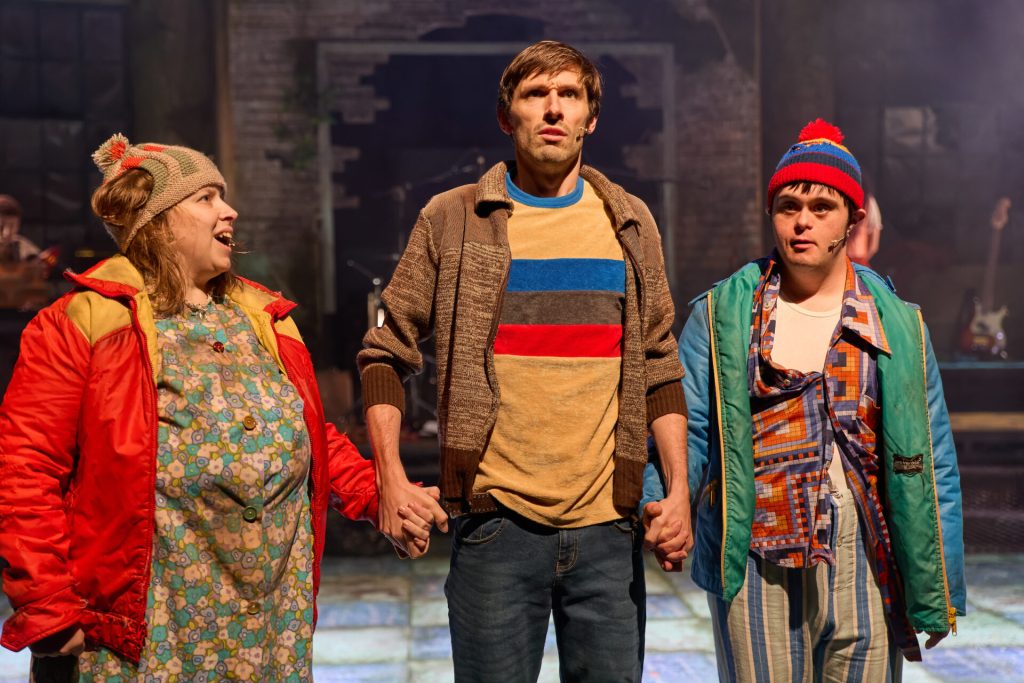
Based on a true story in Cardiff, a serendipitous encounter between Jim, a Cardiff University student, and Alan, a lifelong resident of Ely Hospital born with Down’s syndrome, sparked a profound shift in the realm of care and support. Alan yearned for a place to call home and had a dream: to join a band. Jim, on the other hand, aspired to change the world, though he wasn’t sure how to make it happen.

Hijinx, a leading inclusive theatre company, partnered with the Sherman Theatre to create an extraordinary gem of a theatrical performance that takes the audience on a rollercoaster ride of emotion and reflection. “Housemates” isn’t just a play; it’s a profound exploration of the human spirit.

Set against the spirited backdrop of the 1970s, “Housemates” introduces us to a robust cast of seven neurodivergent and neurotypical actor-musicians who infuse the narrative with a powerful soundtrack featuring classics from T. Rex and Sweet. Playwright Tim Green dedicated two to three years to bring this story to life. Co-director Ben Pettitt-Wade emphasizes the significance of visibility, inclusivity, and the transformative power of human connections within our society. Co-director Joe Murphy underscores the exceptional nature of this story, one that embodies inspiration while remaining curiously overlooked in Cardiff.

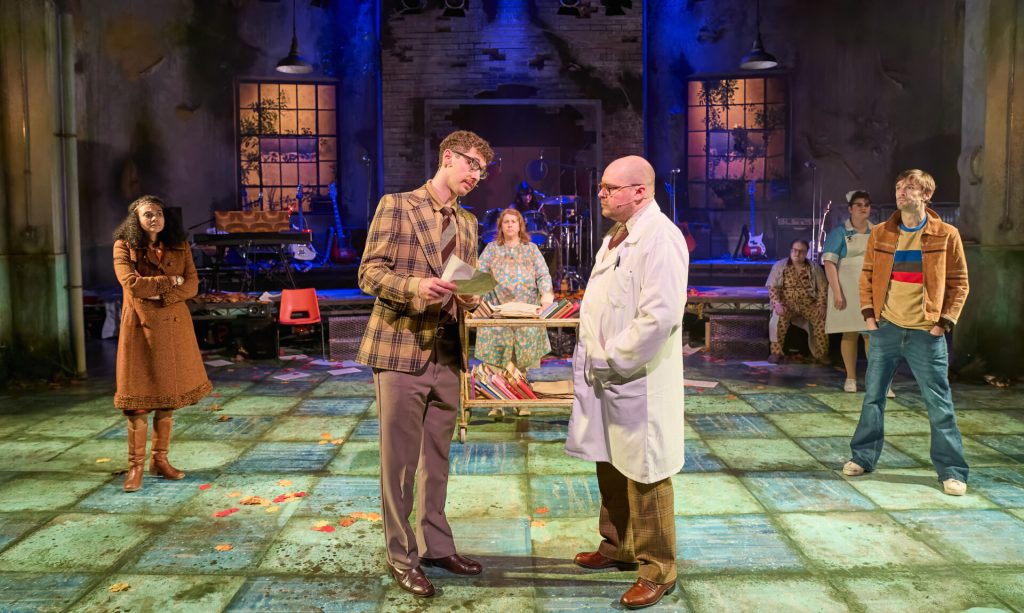
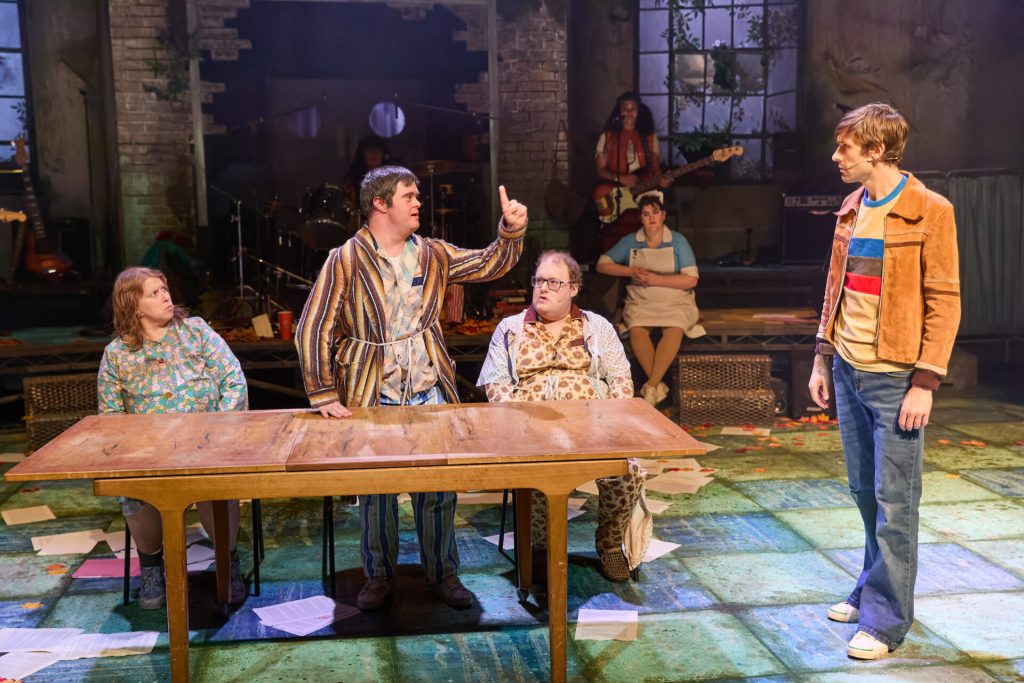
The wonderful ‘70s costumes and the inventive set by Carl Davies transports us to the world of Ely Hospital in 1970s Cardiff. With its green-tiled floor, occasionally scattered with blown orange leaves, and a well-worn wall where the band resides, it visually captivates.

“Housemates” brims with humour and gentle clowning but is unafraid to tackle serious issues. The play courageously sheds light on the derogatory language of the past, such as the dehumanizing term “subnormals” and the terrible legislation of yesteryear like the 1886 Idiot’s Act and the Mental Deficiency Act 1913, which saw over 100,000 people institutionalized.

Actors masterfully navigate delicate subjects with a finesse that is both poignant and humorous. “Are you going to take the ‘angry pill’?” asks the female nurse before the male nurse strong-arms Alan. In another moment, Alan proclaims, “I want sex! In the house… it’ll be like… I am a sex God!” This statement is met with uproarious applause from the audience.

The set is as flexible as it is imaginative, with props ingeniously transforming: a metal frame becomes a bus stop, a trolley of books symbolizes the library, and a hospital bed serves as Alan’s room. Papers tossed in the air symbolize the persistence of the characters as the house application is denied, eventually leading to their triumphant departure from the hospital, each clutching their belongings in bin bags.

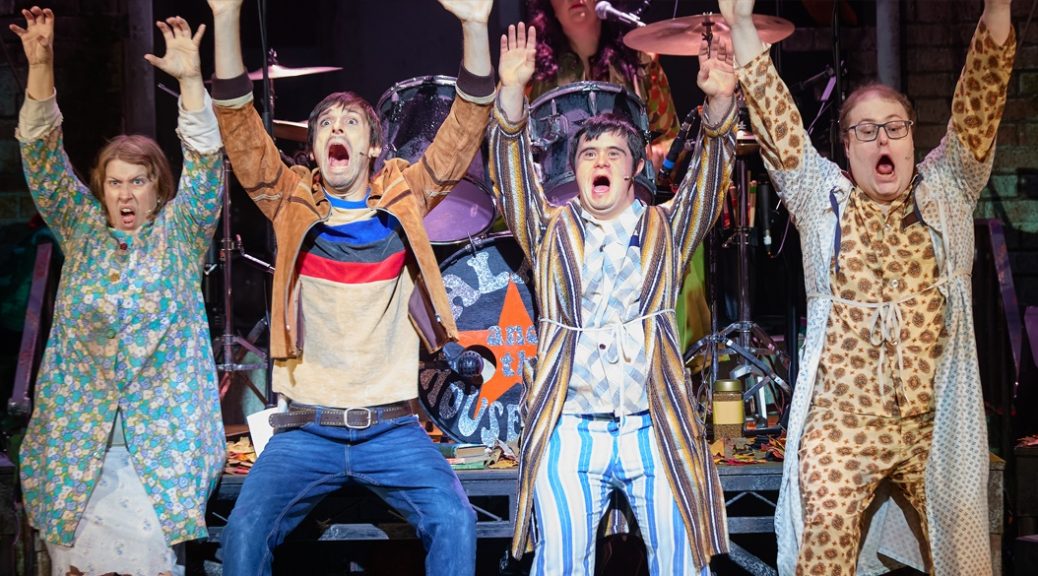
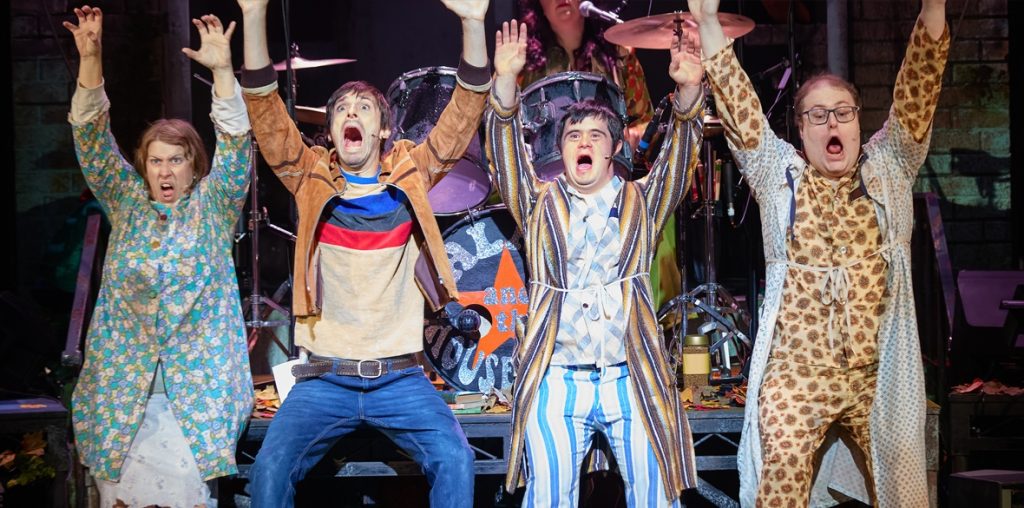
The culmination of this incredible journey occurs as Alan triumphantly declares, “This is my house!” Bedecked in a David Bowie-esque costume, he takes to the drums, igniting the stage with electrifying rock ‘n’ roll energy. Alan’s heartfelt dream becomes a reality, culminating in a grand finale with him shining as a drummer, joined by the entire cast as well as extra actors from the Hijinx Academy. Beneath the societal transformation lies the profoundly personal journey of an individual who, after a lifetime within hospital walls, discovers his own stage as a rock star in his own home in Cardiff.

“Housemates” offers a multifaceted theatrical experience, delivering laughter, tears, and a nostalgic journey. With an anarchic and rebellious flair, the show inspires us to close the absurd ways in which neurodivergent people were treated and motivate us to create change and end injustice.

The show is a tale about being genuinely inclusive; it’s about home, identity, and ultimately about taking action. It’s an extraordinary odyssey through time, friendship, and societal transformation both within and without, captivating audiences at the Sherman Theatre, which coincidentally celebrates its 50th anniversary this year.

Tiago Gambogi
@tiagogambogi, Dance Theatre Artist, https://linktr.ee/tiagogambogi

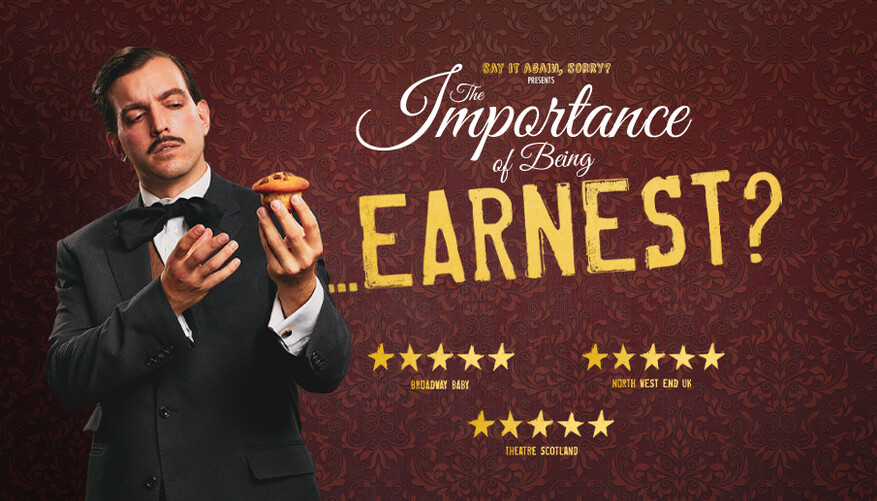
Review The Importance of Being…Earnest? Say It Again, Sorry, Theatr Clwyd by Donna Williams

 out of 5 stars (4 / 5)

The Importance of Being…Earnest?

Many of my generation will best know the classic story of John ‘Jack’ Worthing and Algernon ‘Algy’ Moncrieff, two bachelors who create alter egos named Ernest to escape their tiresome lives, through the 2002 movie adaptation starring Colin Firth, Dame Judy Dench, and Rupert Everett amongst other big names. The men attempting to win the hearts of two women who, conveniently, claim to only love men called Ernest. The pair struggle to keep up with their own stories and become tangled in a tale of deception, disguise, and misadventure. The elaborate plot ridicules Victorian sensibilities with some of the best loved, and indeed eccentric, characters to be found on the modern stage. First performed in 1895 and published in 1899 it is a satire of Victorian social hypocrisy and considered Wilde’s greatest dramatic achievement.

So then, it is a rather genius idea to take this classic tale turn it into a production where audience members take on the main roles- taking the theme of identity (or rather mistaken identity!) to the next level!

The Importance of Being…Earnest? begins in a Victorian household, complete with your typical English butler. The set is constant throughout aside from the odd addition to imply a change of location. It is simple but effective- particularly the window which, on occasion, doubles as a metaphorical window, into the lives of the actors. This window allows us as the audience to take a peek ‘backstage’ as our characters have heated discussions, enjoy an off-stage smoke, or argue about what’s going to happen next unless the actor playing Ernest decides to turn up!

The play starts as any production of The Importance of Being Earnest might start, but it’s clear that this is the calm before the storm as we experience a long, awkward pause as Algernon and Lane introduce Mr Ernest Worthing. This continues with titters from the audience as stage manager Josh and director Simon break the fourth wall in a panic and ask if there’s a member of the audience who could step into his shoes (literally!) Thus, ensues improvised and organised chaos as members of the audience are plucked out to play various roles- reading from scripts, being shoved around the stage by the pros, shouting out lines from signs held up by other audience members and having lines whispered aside. There are many clever japes including actors pretending to don clothing they’re already wearing due to having to start the play again, solo sword fighting or conversations with the air as the audience member has no idea where they’re meant to be standing and some fantastic, over the top physical theatre!

The casting is perfect but special mention must go to Guido Garcia Lueches as Algernon and Rhys Tees as Lane who are the perfect comedy partnership on stage. They set the scene and really carry the piece throughout. Other noteworthy performances include Lucy Trodd as Lady Bracknell whose take on how to be an ‘ac-TOR’ provides a hilarious comedy skit when she attempts to teach the audience member playing Ernest how to, well, play Ernest! Also, Trynity Silk as Gwendolen is a triumph, particularly as the play unravels and she gets more and more merry- having had one too many glasses of the real wine rather than the prop wine!

My only qualm throughout was that it appeared the audience members taking on the two lead roles were somewhat prepared and/or had been planted. For me, this took away some of the comedy magic that can be provided in using audience members as part of a performance. However, I have since learnt that Say it Again, Sorry? have an open-door policy during rehearsals, so it is possible certain audience members may have already had a glimpse into what would be happening on stage that evening.

Say it Again, Sorry? began back in 2018 when Artistic Director Simon Paris set up The Lab Workshops developing his own craft and supporting actors with their acting technique. The team decided that their mission would be to connect people to their inner artist. The Importance of Being…Earnest emerged in 2019 and previewed at The Pleasance Theatre in Islington and has since grown and developed and become a great success- selling out at EdFringe in 2021 and taking on a UK tour in 2023/24.

The Importance of Being…Earnest? continues its tour at the Belgrade Theatre, Coventry from November 2nd-4th and ends at the Tivoli Theatre, Aberdeen on July 5th, 2024. To book your tickets head to the website-

The Importance of Being…Earnest? (interactiveearnest.co.uk)

The Company have requested the note below, which we are happy to facilitate

“The company would like it to be known that there are no plants or prepared audience members that are used during this show, the smoothness of their audience interaction is a testament to their craft and honing.”

Cast:

Guido Garcia Lueches- Algernon

Trynity Silk- Gwendolen

Rhys Tees- Lane

Ben Mann- Josh

Josh Haberfield/Tom Bulpett – Simon Slough

Amy Cook Hodgson/Lucy Trodd – Lady Bracknell

Brendan Barclay- George

Creatives:

Simon Paris- Director

Josh King- Writer

Review Housemates, Sherman Theatre and Hijinx by Rhys Payne

Images Mark Douet

 out of 5 stars (5 / 5)

I think that it is a universal fact that during lockdown many of us picked up new hobbies in the hope that it would help that extended periods of loneliness pass by quicker. One of my many lockdown obsessions was checking out new concept albums/recordings of new musicals from all around the world. Whilst on my quest to find my new musical obsession, I discovered a musical called Our Lands Own which told the story of the gruesome Merthyr Rising riots that happened a short drive from my home. It was absurd to me that such a massive moment in history happened a short drive from my house and I never even knew about it! Since then I have become fascinated with not only with the interesting intersection of history/musical but especially lesser-known Welsh history! The brand new play Housemates explores the purposefully hidden, behind-the-scenes investigations into Ely Hospital and the terrible series of events that have been documented there but also the origin story of assisted living schemes both of which took place in my own hometown!

Housemates the play tells the story of an innocently eager person called Jim (played flawlessly by Peter Mooney) who makes the spontaneous decision to volunteer his time walking two hospital respondents, namely on an unassuming walk to the local park. On this adventure, Jim begins to see some of the discrimination and harassment that hospital residents face which only gets worse as he begins investigating into the daily life of the hospital residents which results in immense anger on his behalf. This outrage caused Jim to investigate ways in which to properly integrate the residents into the community which led to the first ever assisting living programme where the patients lived with students. We follow Jim as he campaigns for this programme to be trialled in 12 Ruthin Gardens in Cardiff.

What was particularly interesting about this show was the fact that the production actually began before the audience had even taken their seats! The moment we stepped into the main auditorium at Sherman Theatre Cardiff, we were greeted by a lively band as if we had joined them during a gig in a local pub. They performed a plethora of iconic hits, as well as the expected chit chat that happens with a band during song transitions. This idea of a band-fuelled performance reappeared at the end of the show where the lead character Alan becomes the lead singer of his own band (donning a David Bowie-inspired ensemble and busting out his own drum solo) which helps to create a cohesive, circular narrative for audience.

The highlights of this production, however, were very clearly the characters Alan and Heather (played by Gareth John and Lindsay Foster respectively) who delivered a masterclass in comedic timing throughout! These two talented individuals had myself (and the audience) in hysterics throughout while simultaneously exposing the terrible and intense experiences of people in mental hospitals at the time. It is incredibly difficult to provide both a plethora of comedic moments while also generating sympathy from the audience by the bucket full. The two performers took us on a rollercoaster from eye-watering laughter to heart-wrenching sadness which is no easy feat but these two performers appeared to take it in the stride! One of my favourite moments in the entire production was when Alan and Heather got to experience their first live band performance and they exploded into a totally euphoric dance sequence that was just a pure joy to watch! It was clear that these two were having so much fun being on the stage and that radiated throughout but especially during this specific moment. We went from this moment of pure joy to a deeply heartbreaking scene where Alan shared the abuse he had experienced while under the care of the hospital. The most uplifting moment of the entire show however happened at the end of the show when the entire cast highlighted the success of the assisted living experiment and began listing off all the asylums that shut down due to this scheme (started in Cardiff) being a success. There was something about each person shouting the name of the hospital while scrunching the paper up and throwing it into the bin that was incredibly powerful and had myself very close to tears! I also found it immensely impressive that the band from earlier in the show were able to quickly switch from an accompanying band to an on-stage character. I can barely do each of these things on their own neither switching so quickly which was an incredible display of insane talent!

Overall, Housemates is a powerful piece of theatre that shines a light on a sparsely discussed area of Cardiff’s history! Despite only being just over one hour long, the grounded and honest portrayals captivated the audience and made every moment feel as if it was happening in real-time/the time frame the events actually took place. The production made every single person in the audience experience the length and breadth of human emotion while simultaneously highlighting a key part of Welsh history. I would rate this production 5 out of 5 stars!

Review, Eun-Me Ahn’s Dragons, Barbican Centre, London by James Ellis

Photo credit: Sukmu Yun

 out of 5 stars (3 / 5)

In my first dance piece seen at the Barbican Theatre, we had a brief yet envigouring stint. Choreographer Eun-Me Ahn has taken under her wing emerging dancers from all over Asia. It’s very humbling and touching to see her support for artists who are at the starting point of their careers, their talents taken flight both in tour and nationally.

Though the show about halfway through halts to introduce some of the dancers (name, country of origin and why choose dance?), we get to know them a bit better, breaking down assumed barriers. Other dancers on screens appear blurred and compressed, though we would later realise that these were the ones who could not make it, Covid playing it’s part to dampen ambition.

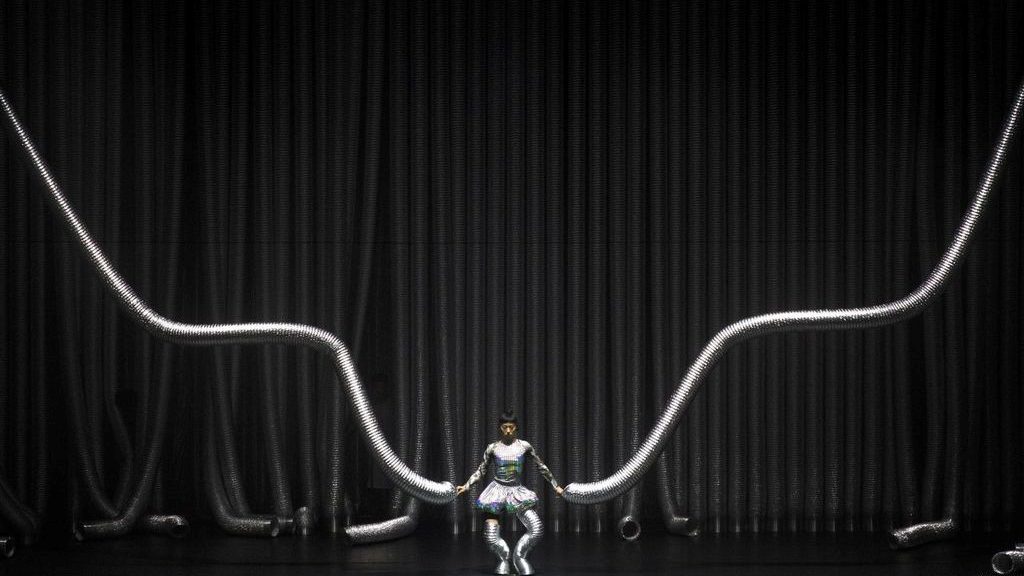
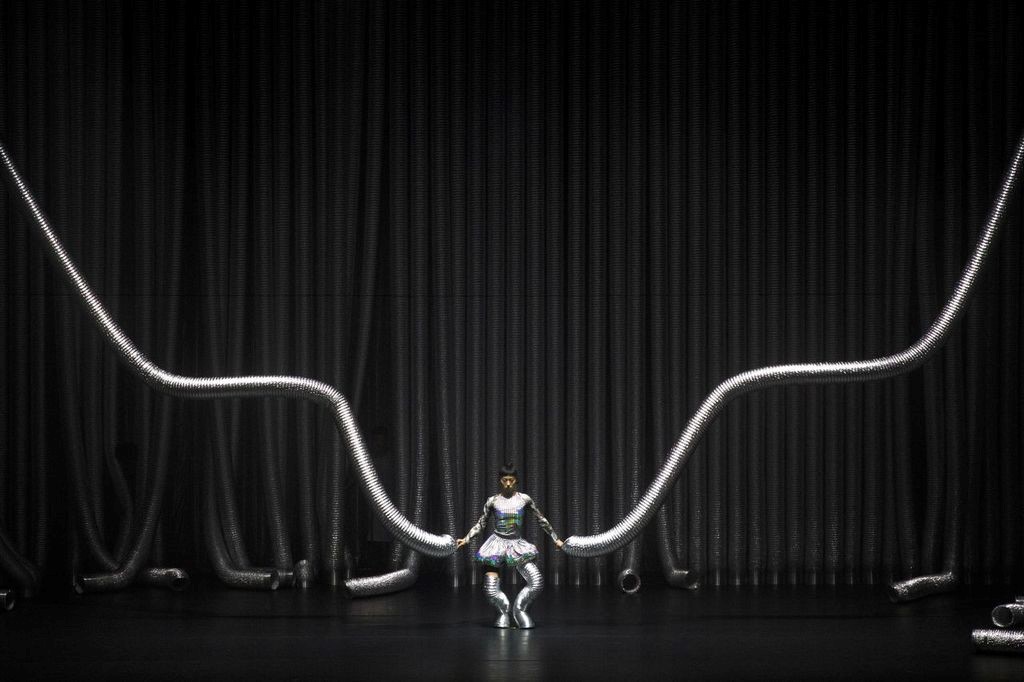
The work itself started off strong, strange and wonderful usage of grey ventilation ducting. These might just be our dragons in question, no? These pipes are treated with a fluid creativity, a total highlight. They adorn costumes, make speakers for a makeshift stereo, they cover the stage from floor to rafters and evoke much rope play. The dances meld somewhere between traditional and the experimental. The humour shone through for many smile evoking moments, usually from Ahn herself or a colourful costume wowing in absurd styling.

The heavy use of screens for the moments without absent dancers had less charm. At times, lucious, in other moments it remained a bit tacky. Some underwater scenes were eye candy and some of the effects fusing live dancer and the imagery on screen could work. The show was a little too long, I think it could have been a solid hour. A queer vain glided through as well, something I lapped up with cross dressing and those glorious, golden shortS which I’ll never forget.

The dances may have been mixed with glides, near performance art, returns to traditional elements of the art and whacky contemporary elements. It might not have always glued together, but it is very sweet to see talented artists flourishing in their prime. Consider me a fan.

Dragons continues to The Lowry, Salford.