In a world of AI, EDM and BPM*, one acronym from over thirty years ago still lasts the time. SAW (Stock Aitken Waterman) were a highly successful British songwriting and production trio in the late ’80s and early ’90s, creating numerous pop hits for artists like Kylie, Rick Astley, Bananarama, and Jason Donovan. Mike Stock, Matt Aitken, and Pete Waterman crafted a signature sound that dominated the charts, known for its catchy hooks and energetic beats, contributing significantly to the era’s pop music landscape. And in fairness back in the 80s/90s – their chart presence was sometimes mocked – but fast forward thirty years, how many jukebox musical have been made about The Smiths, New Order or Nirvana?
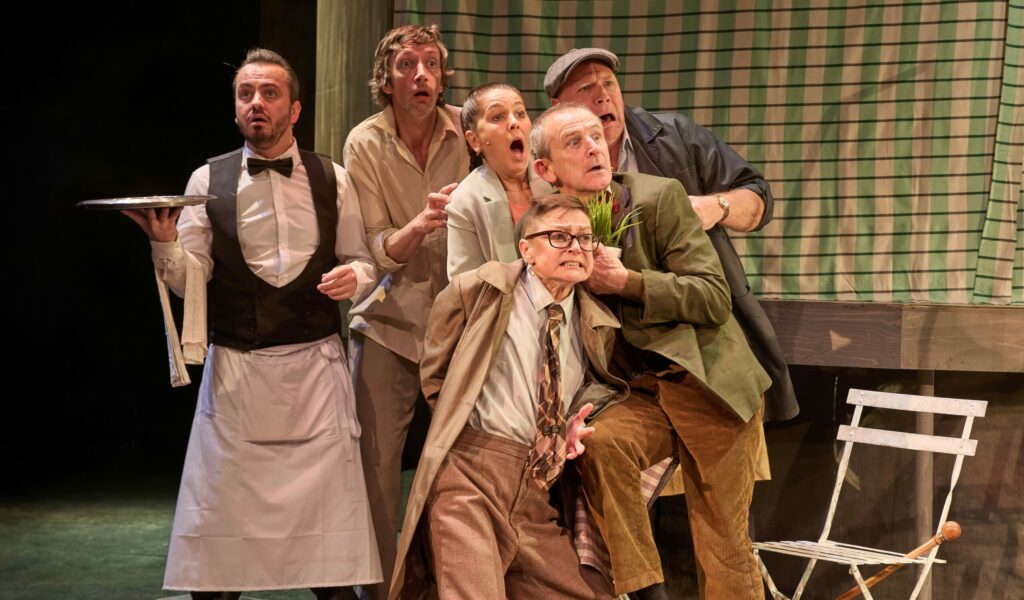
I Should Be So Lucky is about family, friends, love and great times. Ella and Nathan, a young couple, hopelessly in love, and about to take the biggest step of their lives – marriage. Until it all goes wrong. Will they be together forever, or will he make her cry and say goodbye?
To start, I need to declare I do love jukebox musicals. They’re not everyone’s cup of tea, but there’s space in musical theatre for something with a feel-good factor – not all musicals want to make you cry (Wicked/Les Mis). One of the most successful is of course Mamma Mia, so there’ll always be some kind of comparison. A common complaint can be that the songs are crowbarred in and don’t really follow the narrative of the story – I can’t say this wasn’t the case of I should be so lucky, but when the story is crafted by Debbie Issit (Nativity-The Musical, Christmas at Mistletoe Farm), there’s enough character for everyone to relate to. It does feel though that there’s just too much going on, and at times I felt instead of jumping back and forth each characters’ story arc, just concentrate of two sets of story, and make the others into a sequel? Just an idea?
Set wise, simple but effective and worked so well – touring productions must find it difficult to adapt to different venues in short spaces of time – but sound and lighting was also spot on.
Cast was on point – and actually looked like they were enjoying themselves – you do often see productions where for performers, it’s just a job. Kayla Carter’s reimagined version of Sonia’s you’ll Never Stop Me Loving You was the stand out moment of the night. As well as Dead or Alive’s you spin me around in a Turkish folk style. I need this soundtrack album in my life!
A proper feel good jukebox musical with so many classic (and yes I mean that sincerely) SAW songs. Even Donna Summer’s Breakaway from 1991.
Loved also seeing Pete Waterman doing selfies with people. A true British music legend, who at the time wasn’t regarded as cool. The man is the epitome of Britishness cool – and the back catalogue of him, Mike and Matt, provides the soundtrack to many a night out of the 80s and now.
If you want a real good, feel good night out in the theatre, I should be so lucky is definitely that. It’s all there especially for you.
Nica Burns and a Sheffield Theatres Production, music by Dan Gillespie Sells, book and lyrics by Tom McRae
Why would a teenager want to stand out from the crowd? For many teenagers, fitting in with your peers is hugely important so there must be a reason to be different.
This is the story of Jamie, someone who by force of personality stood out from the crowd. Perhaps he always knew he was different. Perhaps an extrovert personality made him a born performer, but why choose to be a drag queen? By any stretch of the imagination this is an unusual ambition, and this play is a recounting of a now well known story based on the real life experience of Jamie Campbell.
The action centres around the school environment of a year 11 class in the lead up to their end of school prom. It focuses on Jamie, who is coming to terms with himself, and explores his ambition to be a female impersonator. It seems he came out twice, once as gay and subsequently as an aspiring drag queen. As the school setting is a working class environment in Sheffield, these factors brought with them the scrutiny, must of it unwanted, from his peers and teachers.
The stand out performer was Ivano Turco as Jamie who started shy, and mixed up yet became increasingly feminine and confident. My problem was that in using a soft voice to accentuate his femininity, he became hard to hear. He was ably supported by Rebecca McKinnis as his mother, Darren Day as his mentor, Hugo/Loco Chanelle and Talia Palamathanan as Priti Pasha, whose songs were memorable.
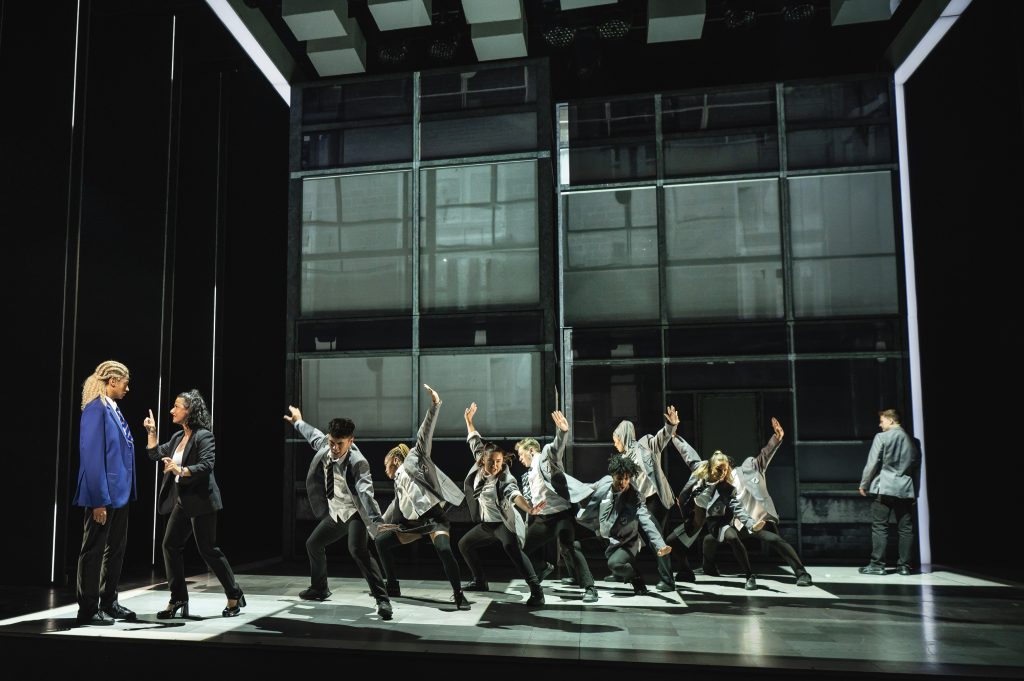
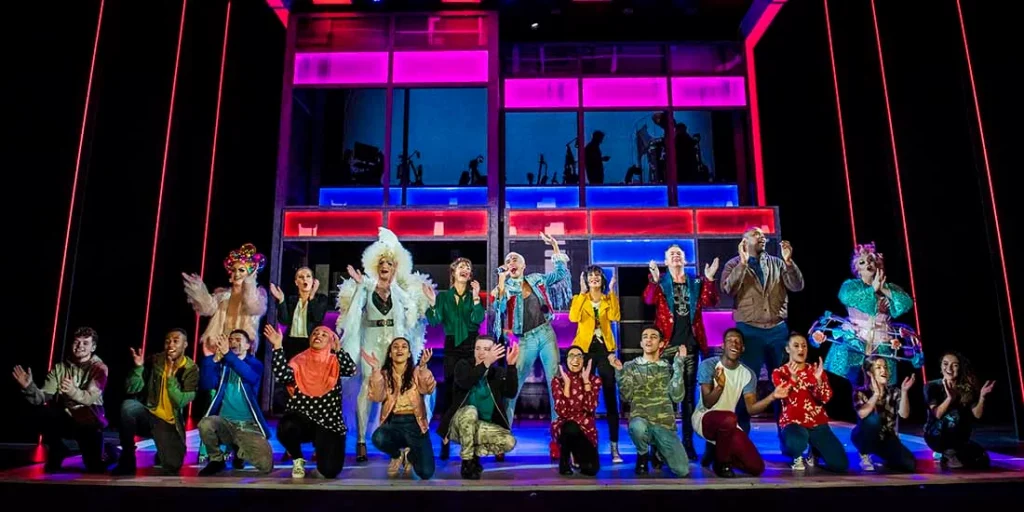
The production was great although not without its problems. There was a 10 minute hiatus for a sound system failure near the start, yet the cast and crew addressed this and the musical continued without affecting the enjoyment of the audience. The set was varied, flexible and effective, switching seamlessly from school room to nightclub to kitchen. The choreography was energetic and balletic and the score varied in intensity from highly charged to being soulful and poignant.
In one sense, this play is mundane. The vast majority of 16 year olds go through struggles to assert their identity and individuality and many struggle with attendant mental health problems. In another sense this story is highly unusual and comes with layers of meaning and issues. Jamie knew from a young age that he was gay and had an attraction bordering on compulsion for dressing up in so called girls clothes. This made him out of step with society, such that his father thought him a disgrace and some of his peers poured scorn on him, even bullied him. As he explores his ambition to be a drag queen, he faces losing his best friend, and being excluded from the prom because he wants to wear a dress. Issues such as prejudice and discrimination and then human rights spring to mind but most importantly, it is clear from the play that one should stay true to yourself and then it is possible to fight through the barriers of social limitations and achieve success.
Even if a story of an aspiring drag queen is not your cup of tea, there is much in this play that makes it thoughtful, entertaining and uplifting theatre.
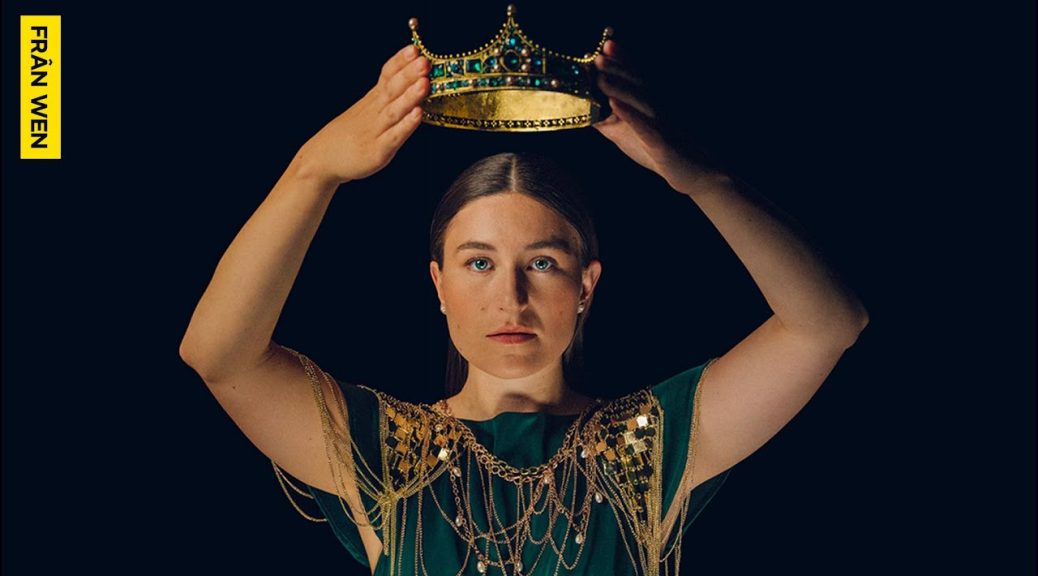
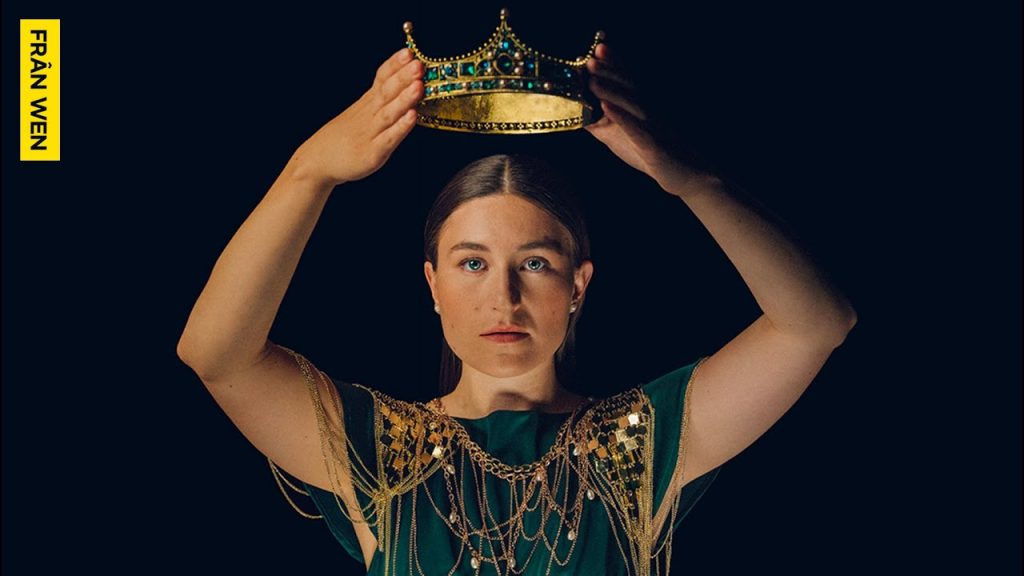
A turning point? Branwen: Dadeni certainly feels like it. This “epic new Welsh language musical” heralds a potentially exciting new era for the nation’s theatre. Why? Because it is by far the most ambitious, large-scale theatre production in the Welsh language yet. Testament to what can be achieved when the might of Wales Millennium Centremeets the creative ambition of Frân Wen. It is no understatement in describing the show as worthy of a West End run. The culmination of a long-held confidence by some that our culture is worth investing in.
Adapted from The Mabinogi, this new version exports the mythic weight of the original into a bold and contemporary style. The result is a classic piece of theatre, Shakespearean in size, but with a cutting edge that makes it feel fresh and new. The musical element is a key component to this: a combination of choral tradition, music hall operetta, Sondheim-influenced harmonies and Disney-inspired ballads. Seiriol Davies has not been afraid to draw from the wide pool of musical theatre history and infuse it with Welsh character to create a score brimming with personality. The result is a captivating story. An absorbing commentary on power, family and history that could have been heavy or dictatory but has, instead, been generously and lovingly portrayed.
The costumes fit nicely with each of the characters: from the flowing dresses of the idealist Branwen (Mared Williams) to the army-like uniform of her renegade half-sister Efnisien (Caitlin Drake). So too, the choreography captures beautifully their contrasting personalities: particularly the swish swooning of Matholwch (Rithvik Andugula) in the presence of a buttoned-up Bendigeidfran (Tomos Eames). It is in the songs though that this royal cast of kings, queens and consorts really comes to life. And when one hits the right note, the emotional affect can be overwhelming. Take the tale of the snowfall for instance. The way that Mared gently presses her vocal against the window through which her character witnesses such a scene. So poignant and hopeful, it brings a tear to the eye. Or Gillian Elisa’s vivacious solo, in which her character runs roughshod over the King to proclaim where true power lies. It is delivered with such abundant force as to raise a rapturous applause from the audience.
These are moments which are memorable not just in the context of the show. They make an indelible mark on the mind in the way that some of the best musical theatre productions do. Finding yourself driving home with lyrics still playing out in your head. Fingers tapping the melody on the steering wheel. Feelings still flowing through your body as you go to bed. This is a sure sign that Branwen: Dadeni has in some way been a success. It certainly lays down a marker for future work, which is as challenging as it is inspiring. At a time when investment in the arts is in danger of falling, may Branwen: Dadeni be the start and not the end of something.
Reviewed on the final night at Pontio Arts Centre in Bangor by Gareth Williams
Lay Down Your Burdens by Rhinannon Faith Company explores themes of judgement, depression, trauma, loss, grief, serious illness and personal suffering.
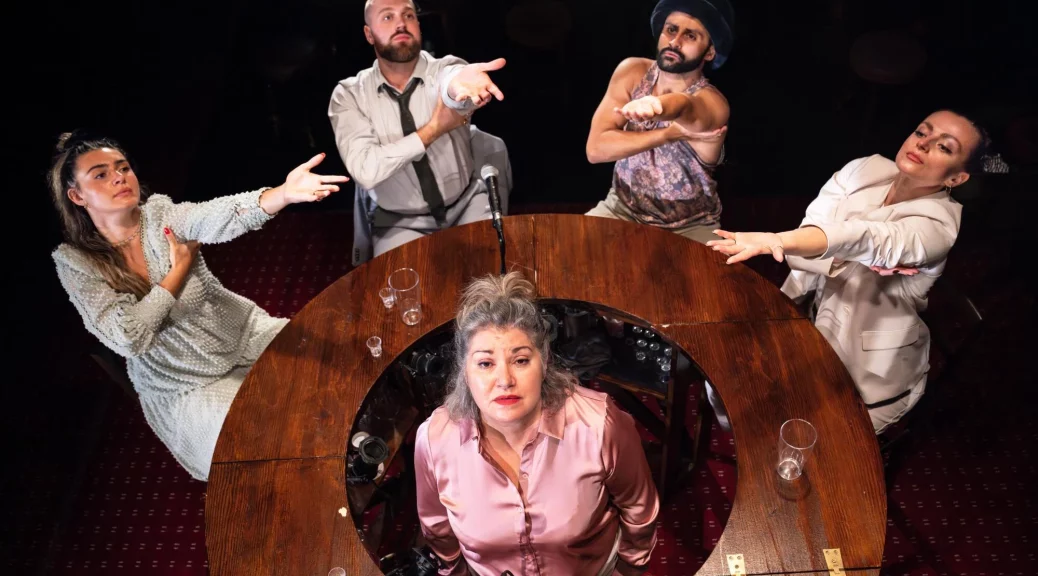
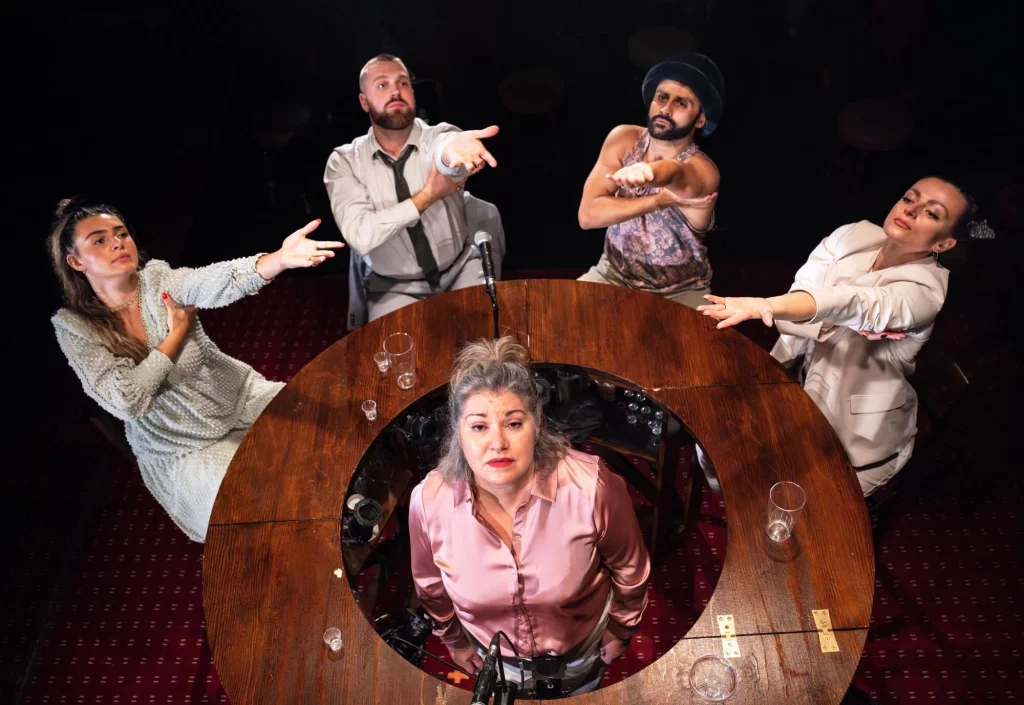
From immersive to interactive the audience is fully immersed in and around the stage to feel the sensory experiences within the pub atmosphere. As you enter there is a combination of bar stool seating, where you may get a Mocktail or Guinness on the house from the generous landlady, Sarah! however, don’t forget the ”eyes, eyes” before you take your shot!
This production uniquely, contains philosophical, meaningful and enriching messages throughout! Taking you on a surreal adventure of emotional distress, attachment and self neglect. However, there’s ample space made for selected audience members to display appreciation, honesty and deeper insights of gratitude whilst simultaneously magnifying nostalgic memories, articulated poetically from everyone who courageously approached the microphone on stage, which was obliviously looped to create an impressive thread, echoing symbolically towards the end, mystifyingly the shared theme of love; what it takes to love, the simplicity of why we love and our personal lived experiences due to a lack of love.
Lay Down Your Burdens features liberating choreographed physical theatre movements. The ambience of live music played throughout; magnetically paved the way for individual stories and dance sequences to expand on conscious awakening, growth, relationships, chances, self-healing, fulfilment, conviction, vulnerability, infinity, embracement, encounters, barriers, conflict, purpose and hope collectively, fully exalted through the vibration of sound & frequencies.
Each string instrument released the chords of pain, strength, fear, loneliness and intention, as we unlearnt patterns to how we survive & cope to avoid threat, pursue happiness and success. As we repetitively vocalised the statement ‘I carry you & you carry me’, the expression of movement alongside the intrinsic decoding of our natural rhythm and synchronicity, helped to form the basis of human touch, soul connections, love languages, verbal & non verbal communication, highlighting deeper resonances from our past, present and future; infused with the good, the bad & the ugly episodes.
Overall, Lay Down Your Burdens is packed with the right dose of humour, audience participation and experimental play. You can’t help but form authentic bonds, due to the universally related themes and intimacy, whilst getting lost in the moment you will inevitably escape fantasy to touch and dive deep into reality. This show is highly recommended!
This is the first time I have been to the theatre since lockdown and this was a most wonderful reintroduction. There is nothing that compares to live theatre and this opportunity did not disappoint and I would certainly recommend this musical to everyone.
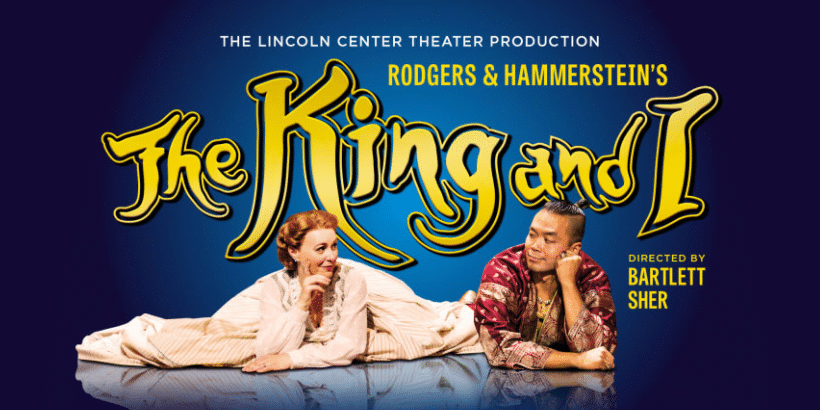
When composer Richard Rodgers and lyricist-dramatist Oscar Hammerstein teamed up they became the greatest musical partnership of all time. Their influence and innovation to theatre musicals has been celebrated the globe over.
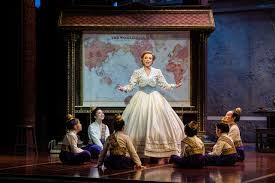
This production of The King and I comes to Cardiff following a critically-acclaimed season at The London Palladium where it was no surprise that it was a sell out!
From curtain up the audience was transported and transfixed to another world far from the mundane. For many the bench mark for this elaborate musical is the 1956 film with screen performances of Deborah Kerr (Anna) and Yul Brynner (King Mongkut).
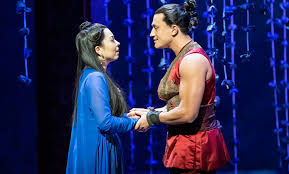
The West End’s Annalene Beechey and Broadway’s Darren Lee did not disappoint with their interpretation and performances that transported us to the Siam of Margaret Landon’s novel Anna and the King of Siam on which the musical is based.
The story follows Anna, a widow, and her son as they travel to Bangkok, where Anna has been assigned as a tutor to the King’s children. Anna soon finds herself having cultural clashes and differences with the King whilst endearing herself to both the children and the king’s many wives.
The Royal children were a delight, completing the illusion of being in a far country at a different time.
There are also the side stories of star crossed lovers and references to slavery. These must be viewed in context but the female narrative cannot be ignored and gives additional depth to the story as a whole.
The stand out actor for me was Caleb Lagayan, who excelled as a truly believable Prince Chulalongkorn. His voice was powerful, captivating and commanded the stage.
From the golden age of musicals, The King and I is one of the greatest, with what many would consider one of the finest scores ever written.
Many in the audience seemed to genuinely find it difficult not to sing along to the familiar songs including Whistle a Happy Tune and Shall We Dance.
Tony Award-winning director Bartlett Sher and his internationally renowned creative team created the atmosphere of old Siam. The wonderful full-scale orchestra led by Christoper Munday, must be given credit for keeping us spell bound all evening, even before the curtain rose.
A truly memorable evening I would recommend to everyone.
In recent times we have seen a rise in the number of productions that have leaned into the idea of an experience rather than simply watching and passively enjoying a performance. Royal Welsh College of Music and Drama recently was home to such a production titled “Queer Collision.”
Before the main auditorium opened for the staged production, the team behind this project decided to facilitate a cabaret show. One of the main headliners of this pre-show cabaret was Ebony Rose Dark who is a visually impaired singer who delivered a wonderful collection of spoken word style performances. During one point in this performance, Ebony burst into a fabulous dance break complete with audio descriptions of what she was doing throughout. Their energy throughout this performance was infectious which was the perfect way to get the audience ready for the main show later! One of my favourite quotes of the evening came from Ebony as she described being a VIP guest at this event but instead of the classic very important person, she was a visually impaired person! It was not only entertainment that Ebony was interested in delivering this evening however, they also managed to sprinkle in the perfect amount of education as they talked about the importance/purpose of a cane for visually impaired people.
I have to say that I was totally captivated by the mesmerising Rajan as they strutted across down the staircase at the Royal Welsh College of Music and Drama. Shifting the focus from the front of the stage to the rafters meant that from the first second the audience’s gaze didn’t not leave the performer. They gracefully strutted down the stairs in the most gorgeous pair of stiletto heels which came with a perfect exclamation point of tear-away trousers! The fact that Rajan was able to keep a firm grasp on the audience’s attention throughout their performance (without the need to excessive extravagance or unnecessary theatrics) was simply incredible! They are clearly a very talented dancer as their body moved in such an effortless and gorgeous way that had the audience in awe from the moments they began their spoken word piece instructing everyone essence of the performer was absolutely incredible to watch! The performer worked every inch of the performance area, even interacting with certain members of the audience! At the end of the number, Rajan instructed the audience to follow them into the auditorium which helped to transform this performance into a theatrical experience rather than the typical two-person biography I was expecting!
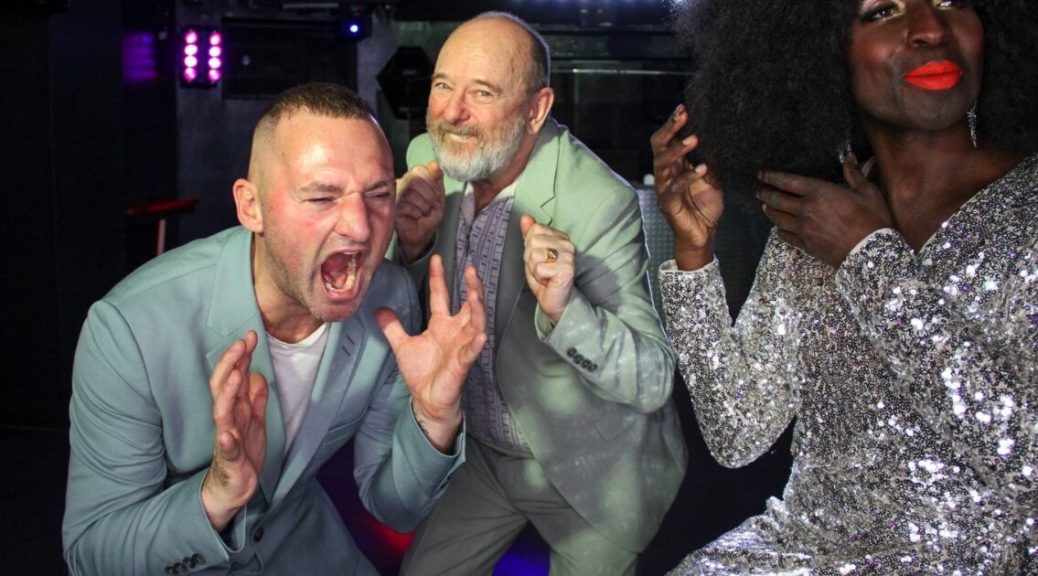
The main portion of Queer Collision saw two fabulous performers take to the stage to share their experience of growing up queer. This included key milestone moments including their first relationship, moments of intense bullying, gay awakenings and dating in later life. The character Willie was clearly the more natural and experience storyteller as they weaved dramatic accounts of meeting someone online, a public toilet experience and an eccentric plan of their future funeral while his co-star was clearly a much more gifted dancer. The latter took the audience on a journey of him and his boyfriend being attacked after a night out which was wonderfully captured through powerful and moving choreography which had everyone in the audience extremely close to tears! We were however treated to a scattering of dancing from the former with a particular highlight being towards the end of the show when they led a performance of traditional Scottish dancing!
Each person used their talents to share heart-warming to devastating stories which made for a very entertaining narrative from the audience. It was incredibly clear that these two performers had wonderful chemistry both on and off-stage as they bounced off each other flawlessly. At times it even felt like the performance was simply two friends catching-up and sharing stories which the audience were invited to observe. I found it particularly inspiring that these two mature performers were able to deliver an honest and real retrospective of their retrospective lives as we often forget that it was a mere couple of years ago when times were incredibly different!
After the main show had finished the audience were invited to go back to the cabaret area where we were treated to a performance by the wonderful Venetia Blind. I don’t know about everyone else but when a show finishes all I usually want to do is head home and get into bed. However, Venetia was able to re-ignite the audience as she launched into a series of original parody numbers. She graced the stage wearing a gorgeous pink ball gown with wonderful purple/pink ombré hair that looked absolutely stunning! Her set started with her making a joke about the fact that when she first heard the title of the main production “Queer Collision” she thought that Elton John and Ru Paul were in a car crash which the audience found hysterical. One of my favourite jokes of the evening was that Venica had said that she had actually applied to the Royal Welsh College of Music and Drama but was rejected so now she is back with a vengeance. Not only were her vocals an absolute treat for the ears throughout but she was able to create unique and hilarious parody including a song about how many people view her as an inspirational porn star and how so people over-praise blind people for simply existing. She told the story of being hungover on the side of the road and a woman grabbing her (without consent) as she spotted Venetia is visually impaired. As a non-visually impaired person, I cannot imagine someone forcing unnecessary help onto to at any time never mind when hungover so I can totally imagine the frustration this event would have caused!
Overall, Queer Collision was a beautifully moving and powerful exploration of what it is like to grow up queer. The two styles of performance contrasted beautifully with the two performers showcasing incredible chemistry as they shared powerful and moving stories throughout their lives! I do not think I have ever seen a production that is so inclusive and accessible with constant sign language interpreters, audio descriptions throughout and showcasing absolutely fantastic and visually impaired talent! I would rate this production 5 out of 5 stars!
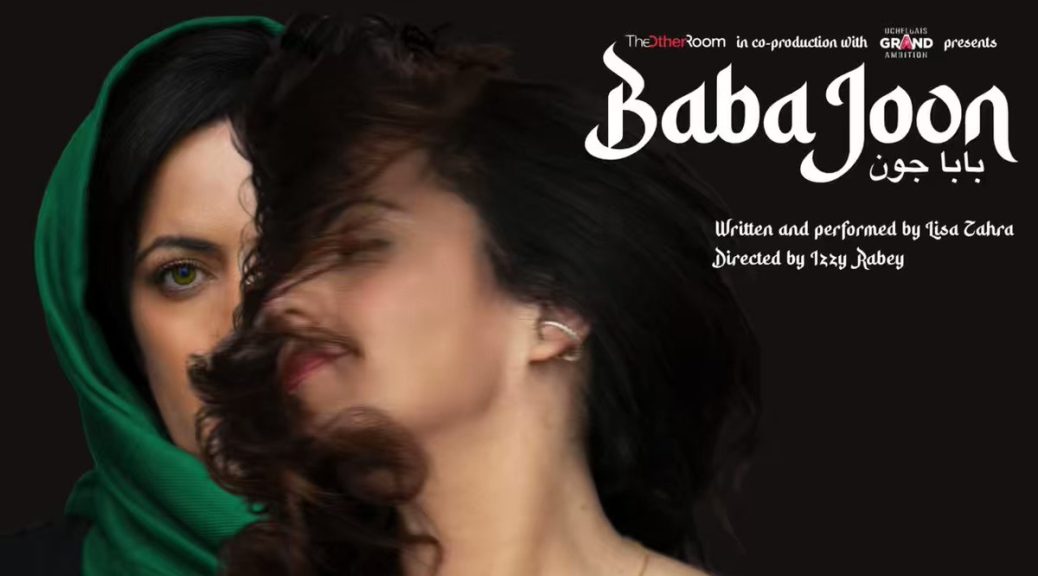
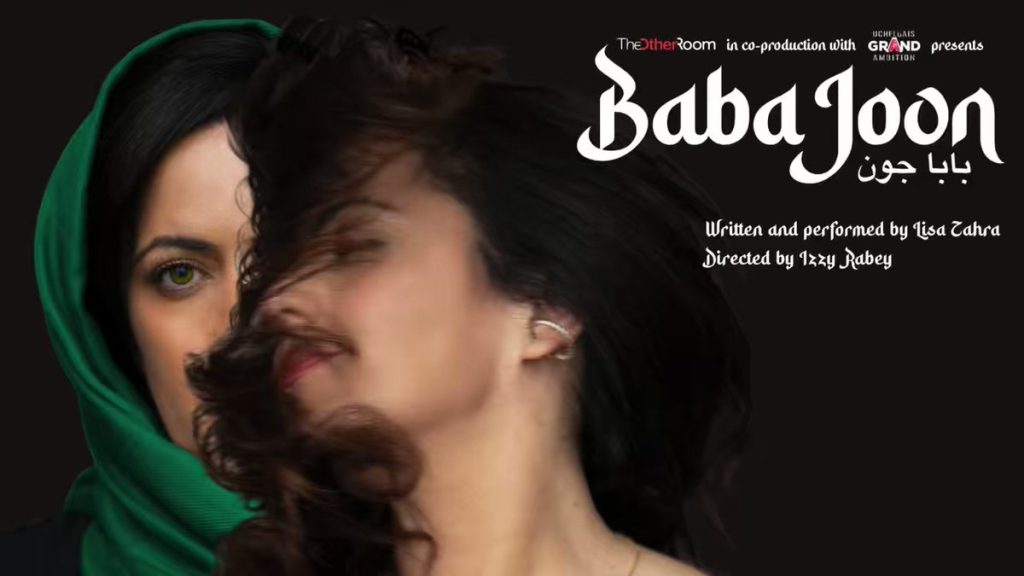
“When I first heard someone from Swansea speak, I thought they were singing to me.” That’s a great tagline for a play, when you see it you really want to know more.
Based on her own life, this was written by Lisa Zahra during lockdown, a time many of us spent reflecting on our lives. Born to a Welsh mother and an Iranian father, the Baba Joon (Dear Father) of the title. She grew up in Swansea and found it difficult to relate to her father’s heritage, despite the love she held for him, maybe because she was swamped by British culture.
Her father arrived in the 1970’s and at first he was enamoured by his new country, thinking it “the greatest country in the world”, but he gradually became disillusioned, by Britain, by his success, and perhaps he also felt the Iranian version of ‘hiraeth’. Lisa was torn, always trying to be a good daughter while fitting in with the local community, at one point even using makeup to appear whiter than she was. It is difficult to be a child of two worlds when both compete for your love, and in a culture where even dancing can be a rebellion, it’s hard to know the right steps.
There is poetry here, in the words and the rhythm of the languages, English, Welsh and Farsi. An influence of Dylan Thomas is unsurprising, and Zahra uses it to point out similarities between the Welsh and Iranian cultures, both famous for their poets, and she doesn’t stop there: Family, dance, music, even food, are all used evocatively. It’s been said that ‘food is memories’, because it brings back remembrance of such things as our childhoods.
The staging is like a 1990’s disco, with dry-ice fog, and an old portable TV set that is cleverly used to show switches between scenes in Iran and Wales. Zahra does not just focus on national differences, but also gender ones. Growing up in Wales she experienced racism, sexism and the double standards that come with being a daughter, and in Iran she found it the same, compounded by her being even more of a foreigner as she couldn’t speak the language fluently.
Voiceovers and music are used throughout, which I thought a flaw as I found it off putting sometimes. For me it broke the contact between actress and audience, which is so important in a show like this, and which she establishes so well. This minor quibble aside, I was enthralled by her semi-secret world, growing up in a Swansea where there were always eyes on her, British and Iranian, ready to criticise her every move. No wonder she felt relief at moving to Cardiff to study, finding the simple freedom of getting lost in a crowd. The scenes in the airport in Iran serve to highlight this.
I found the ending of the play annoying at first because there is no real end per se, no conclusion, and then I realised that this is by design. Life is messy, there are rarely easy solutions and not all questions are answered. We never find out why her father left his family, or why he left Britain, but perhaps that’s because she doesn’t know either.
I’ve always thought that good theatre should make you think, make you feel, or both. Lisa Zahra more than accomplishes that here. I was left with so many questions afterwards, and not just the clichéd ones, such as ‘who am I? Why am I here?’, but more difficult ones such as ‘where do I belong?’, or in the case of this play: ‘who are you, Baba?’ Thanks to Izzy Rabey’s excellent direction, the play moves at a good pace, and it sometimes feels like so much is coming at you in a short time, but then life itself is like that. In the end, it seemed to me to be about accepting who you are and being happy with it, and to Hell with anyone who says different. I don’t know about Iran, but that describes Swansea, Wales and I think Lisa herself in a nut-shell
“Why walk when you could tölt?” Victoria Melody’s beautiful, brave and bonkers show will inspire you to discover your own outlandish passions and accept yourself
“Headset” is an intricate and original piece of documentary theatre, combined with stand-up and live art that ignites your enthusiasm and lust for life with Victoria’s own rituals of self-discovery.
Following a successful run at last year’s Edinburgh Fringe, “Headset” has a 22-venue tour this Autumn across the UK. That in itself is a huge achievement, considering the challenging times for the small-scale theatre touring circuit and current funding cuts. Now in her 40s and originally from Chester (“I’m from a working-class family with Tory parents”, she jokes in an interview), Victoria graduated in Fine Art at Newcastle and developed a very unique path as theatre maker and performance artist. Melody is a powerful female voice in the stand-up circuit – blending documentary theatre and video and embedding in her work peculiar approaches in search for authenticity, connection with audiences and, ultimately, herself!
Dressed as a funeral director (the subject of one of her previous shows), Victoria starts the piece by talking about her work. “I make and perform theatre shows about Britain’s enthusiasts. I am passionate about other people’s passions”, she says. She works like an anthropologist, immersing herself into communities over three or four years and then makes a show about them; “Demographics of a Pigeon Fancier” (2009) is a study of the British pigeon fanciers racing season. “Northern Soul” (2012) explores the dancing style. “Major Tom” (2013) combines dog shows and beauty pageants, highlighting the absurdity and impact of conforming to beauty standards. “Hair Peace” (2015) delves into the ethics of the human hair industry, “Ugly Chief” (2017) emerges as a response to her father’s terminal illness misdiagnosis, using humour and heart to confront the taboo surrounding death. She points out that she fell out with her dad during the tour of “Ugly Chief” …so…she needed a big change…what was she going to do now?
The origin of the word “enthusiasm” comes from the Greek enthousiasmos: “divine inspiration, be inspired or possessed by a god, a goddess, be rapt, in ecstasy”. Victoria comes across “just like that” (as Tommy Cooper would say): a true Goddess in her own right – curious about people with the inventiveness to express her discoveries. She reminds us of extraordinary performance artist Bobby Baker, with her charm and quirky view of life.
Having worked as a video artist, Melody uses video the medium in an uncluttered and gentle way connecting the live action with images of her past, with quirky graphics to great comedic and plot development effect.
Tired of her theatre career she declares: “Enough was enough. I was tired of just being poor and feeling useless. Enough was enough. My life would fall apart if I didn’t change something…So f*** theatre. I’m going to become a well-paid, famous mortgage worthy stand-up comedian!”. We all laugh.
The piece follows trials and tribulations on her path to becoming a “mortgage worthy” stand-up comedian (she’s currently selling her boat by the way, she jokes). She reveals the inner works of the technique: “Set up, punch, exaggerations. Set up. Massive, giant punch. Rule of three. Set up, punch, punch, punch. Pull back and reveal…I was sh**”, she declares.
The teacher character plays an important role, representing “the establishment” as well as “her critical inner voice”. “How is this going to go down in Hull or Derby? the teacher challenges. Later, Victoria says: “Stop stereotyping nights out in different places”.
She recounts one of her first routines: “Icelandic horses are my favourite breed of horse. They’re small and hairy and best of all, they have five gears. Normal horses have four gears. They walk, they trot, they canter, and they gallop. Icelandic horses do all that and they also tölt. Tölt is Icelandic for “a gliding gait”. She then demonstrates. “Oh. Ow. It’s very uncomfortable on the crotch”. Then “This is a tölt. Wow. It’s so smooth. It’s like the horse is ice skating.” With her big, surprising eyes she delivers: “It doesn’t hurt the crotch at all. Why walk when you can tölt? That’s Iceland’s catch phrase”. Pause. Silence. Audience cracks up.
Victoria plays numerous characters besides the teacher: a funny “Hull Hoola Balloon” man, David Attenborough, (which, she jokes, comes out more like Margaret Thatcher), a barista, and others. The soundscape for the show is detailed and audios of her mum weave the narrative, describing how “little Vic” was as a child, in ballet, dropping keys in post boxes, and being herself – “I wouldn’t change it for the world. I think what you’ve got is very unique, but I wouldn’t even call it a problem. Vic, it’s not a problem, is it?”. With that question in mind, our heroine continues her quest.
The set has four chairs, a big plastic box, cables and props: a tambourine the teacher bangs when she disapproves of her behaviour, a beautifully crafted wheel with 5 masks that is spun to choose different personas”. She jokes “I shouldn’t use props, you see!”, as she gets tangled up in them and the microphone. She shares that her technical manager takes the mask wheel to the hotel as it won’t fit into the camper van, she sleeps in.
Melody encounters numerous challenges and as she experiences difficulties with words, visits a speech therapist and is diagnosed with ADHD. “Oh no!”, she thinks. “I’m Vic. I’m thick”, full of inner doubt, she feels incompetent and a failure.
In a previous interview, Melody has expressed her ADHD diagnosis as a profoundly liberating experience and that the show is a grand celebration of her newfound authenticity. “absolutely freeing…. This is my brain. I’m not masking anymore. This show is a big celebration of that…. And my performance on stage now is the best performance that I’ve ever been able to give”.
I dare to say that Melody has found her “clown’s intelligence”, as the great clown Angela de Castro would describe it. Clowns have their own intelligence, guided by their sense of curiosity, openness and naivety for the world. Melody exhibits all those clown-like qualities.
Even though she says the show is not “meta” (a stand-up show about stand-up), the piece is a reflection on the genre and plays with it expertly. At one point she jokes: “Are you going to do performance art now and alienate your audience?”, she says no…but she does. Melody is playing with the relationship with the real, with personal history, representation / non-representation and use of new technologies – aspects that performance art has always dealt with and that are embedded deeply in her practice as an artist.
Clowns fail, get up and do it again. And again. And again…never losing their enthusiasm. And so does Victoria. She decides to talk to a neuroscientist, her friend Silvana de Pirro. Melody starts wearing a portable electroencephalography headset that tracks her brain activity during her stand-up performances. Previous audiences found this hilarious, and we’re shown accompanying video footage.
Victoria continuously fails as a standup comedian and the show culminates with a magical scene where she is due to perform in an important stand-up gig, with headlining comedians and she appears on stage with a homemade Faraday cage and a laptop held close to her head. This is an amazing scene where time freezes, and our attention is totally focused on Victoria. She talks to “little Vic” again and again. It’s as if the actual headset device “dives” inside her feeling and emotions – the piece meets therapy, self-help in a light and playful way. “I’m Vic. I’m thick”. No more of that. It’s about acceptance. She looks at “Little Vic” and says, “I imagine little Vic, how desperate she was for someone to tell her that she wasn’t lazy or stupid or defective, that she wasn’t a baby.”
In a touching and insightful moment, she tells us: “I stopped measuring success using somebody else’s measure. Like I was a kid who just got comfort from putting jar labels, so they all face the same way and who got overwhelmed at injustice…”
She goes on to tell us with glee about her next passion and project: “I’m a musketeer in an English Civil War reenactment society”. We laugh and are genuinely curious about this new project.
Melody concludes the show with charm and eccentric flair… “and if you think of me as an Icelandic horse, then this all makes sense, because we should all get to choose the horse we want to be. Because I could walk off stage, but why walk when I could tölt?”
Beautiful, brave and bonkers “Headset” will inspire you to find your own outlandish passions and accept yourself.
Credits:
Director John Gordillo
Writer Victoria Melody
Set and costume designer David Curtis-Ring
Lighting designer Sean Phillips
Updated and restaged with Bryony Kimmings
Musical director and composer Tom Parkinson
Cast
Victoria Melody
Video appearances from Dr De Pirro and Mitch Mitchinson
“Headset”, 2023 Autumn Tour
03/10/23 – Chipping Norton, The Theatre
05/10/23 – Guildford, Yvonne Arnaud Theatre
06/10/23 – Birmingham, mac
07/10/23 – Harrogate Theatre
10/10/23 – Hexham, Queen’s Hall Arts Centre
11/10/23 – Kendal, Brewery Arts
12/10/23 – Leeds, The Old Woollen
13/10/23 – Barnsley, The Civic
17/10/23 – Norwich, The Garage
19/10/23 – Manchester, The Edge Theatre & Arts Centres
20/10/23 – Wolverhampton, Arena Theatre
24/10/23 – Brighton, Attenborough Centre for the Creative Arts
25/10/23 – Brighton, Attenborough Centre for the Creative Arts
30/10/23 – Cardiff, Chapter Arts Centre
31/10/23 – Bristol, Watershed
01/11/23 – Havant, The Spring Arts & Heritage Centre
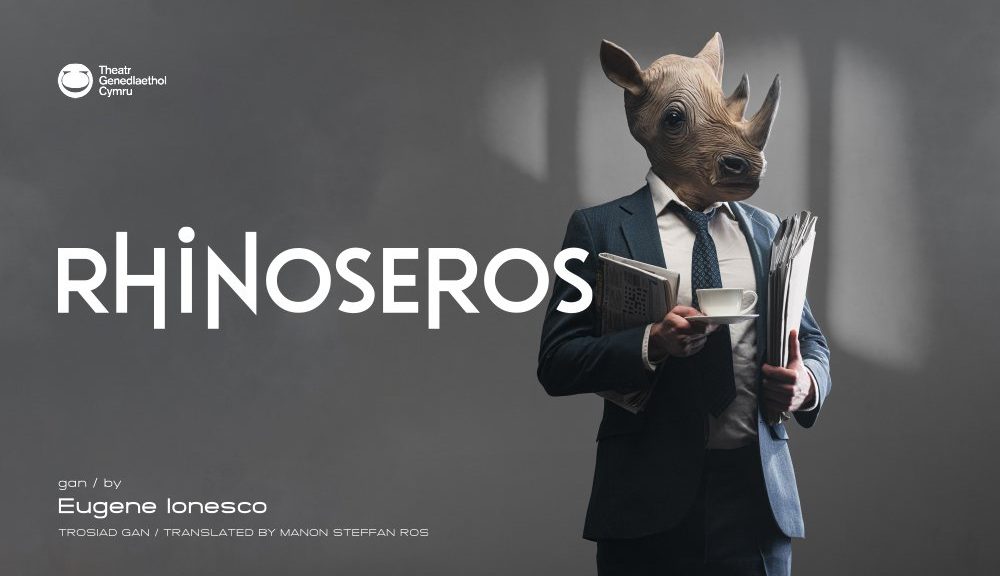
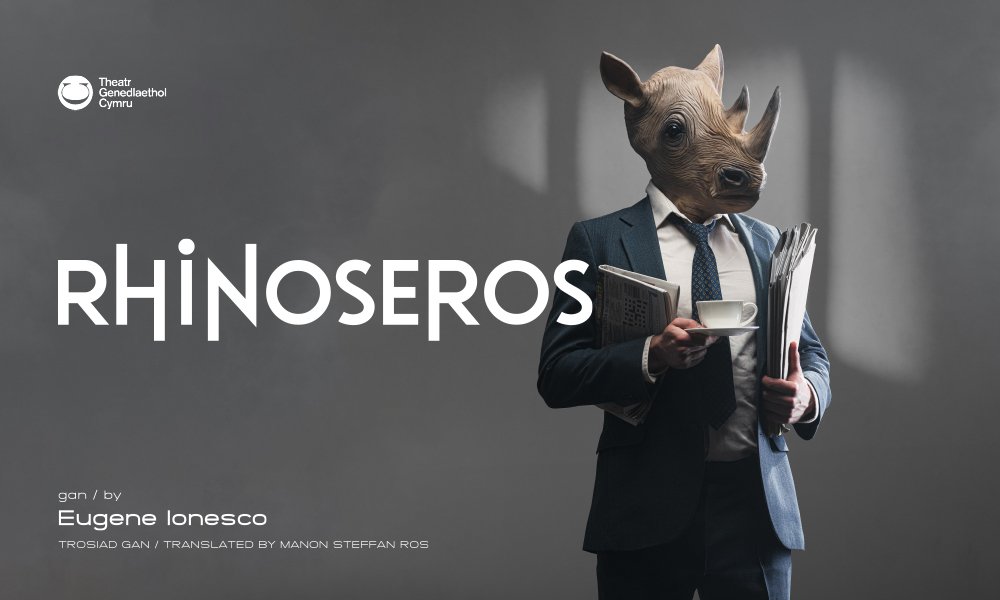
In contrast to NTW, Theatr Genedlaethol Cymru goes from strength to strength. Rhinoceros is the latest in a series of shows and commissions to offer fresh, bold and imaginative theatre. In fact, Manon Steffan Ros’s adaptation of the classic text by Eugène Ionesco is the first Welsh-language production that feels not just national but international in scope. This, in spite of the fact that pop cultural references populate the dialogue.
I say this as a Welsh learner who had to sit and listen to the play without audio description or captions. A problem with the Sibrwd app meant that I was forced to engage with it on its own terms. It is testament to not only the actors but the whole creative team that I became immersed very quickly in this increasingly-apocalyptic world. Set in an unknown location in Wales, friends Bérenger (Rhodri Meilir) and Sian (Bethan Ellis Owen) are enjoying tea outside the local grocer’s shop when a rhinoceros runs in front of them across town. The small but effective skill of the actors to shake the furniture to create the vibrations of its movement is but one of several parts that make this a spellbinding watch. Everything from the placement and use of props to the physical manifestation of the creature within each of the characters makes Rhinoceros a captivating commentary on social conformity.
Bethan Ellis Owen perfectly embodies the absurdity that underscores the whole production. For in her transformation, we witness the destructive, dramatic and the ridiculous. Her hysterical movement and exaggerated speech causes laughter among the audience even as it contains a nervous quality that points to a more serious tone. For Meilir presents an increasingly distraught and tortured soul as he fights desperately against the change, from person to creature, that friends and colleagues succumb to. This is no linear tale however: horror is always punctuated with the comic; fairy dust is often laced with fatalism; and the funereal contains a certain cultural irony. It is a melting pot of genres and emotions, expertly crafted and directed by Steffan Donnelly and his team.
What ratchets up the drama and emotion of Rhinoceros is the absence of an interval. It allows the momentum to build to an epic proportion, making its conclusion all-the-more powerful and demanding. It is, at its best, a warning: do not allow the light to be infected by the dark. And this speaks not only to its distinctly Welsh culture but to a Western world in danger of doing just that.
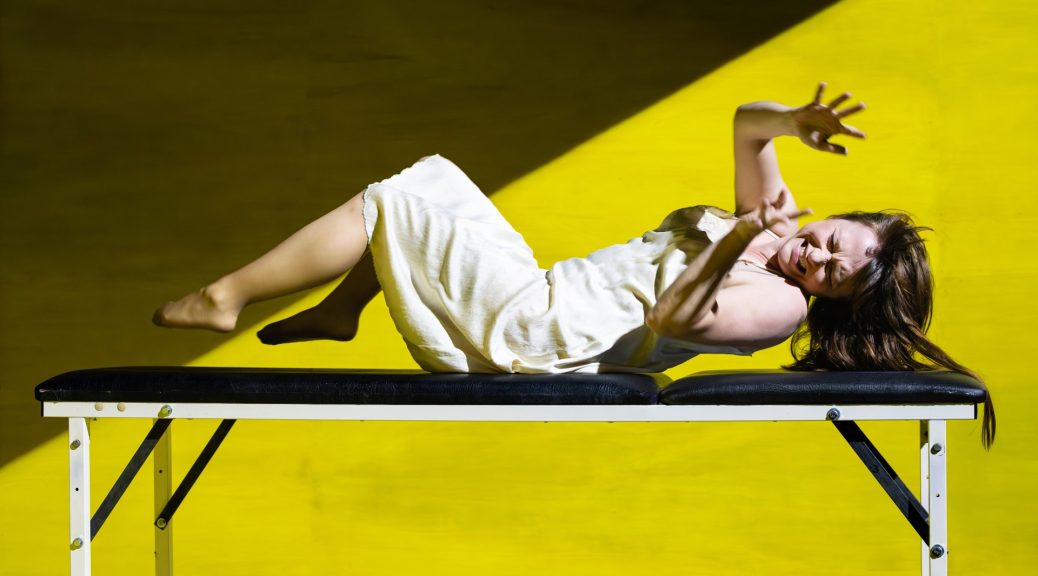
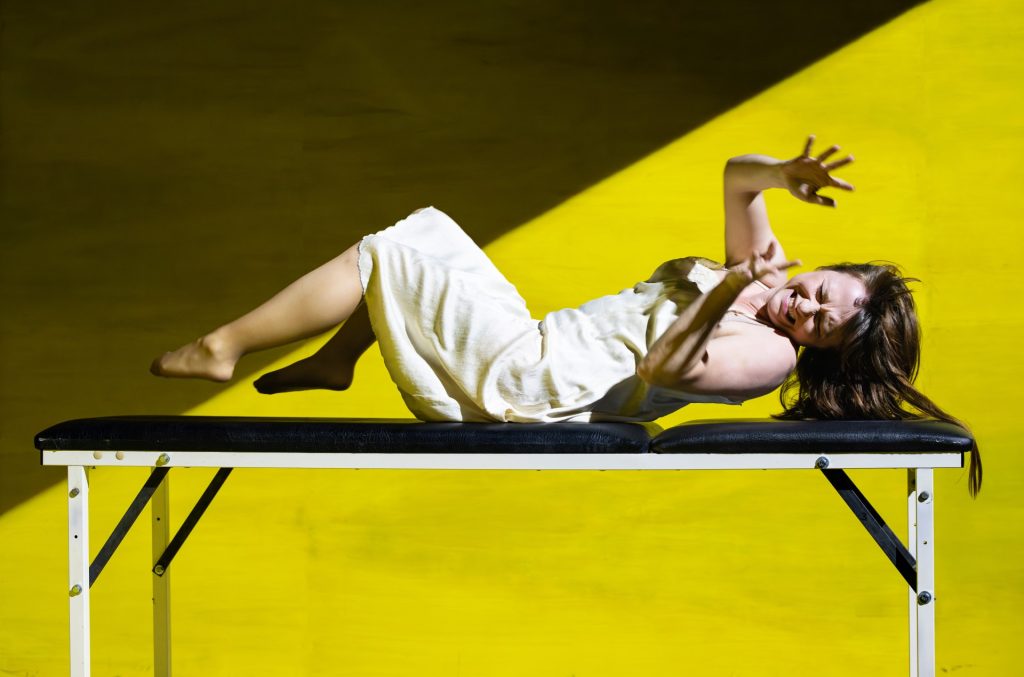
The unassuming Ustinov Studio in Bath sees a season with acclaimed director Deborah Warner for what should prove to be a highlight of the theatre calendar. Tackling Sophie Treadwell’s blazing play, a guest appearance from another titan Richard Jones directs in his fashionable and sharp way.
Jones’ work I know best through his time with Welsh National Opera and English National Opera, the former’s Olivier winning take on Alban Berg’s Wozzeck fittingly mirrors Machinal. The Yellow Wallpaper of Charlotte Perkins Gilman permeates the space in Hyemi Shin’s angular and claustrophobic set. The hectic ensemble of actors plays multiple roles as commuters, workers, medical staff, drinkers in a bar and more. The energy here is affirming, Treadwell’s musical and punchy lines are tight and in moments are profoundly abstract and true.
Jones knows what he’s doing. Sat in the front row makes for an incredibly heightend encounter. The patter of conversations, arguments, clatter of dishes, screaming and a pounding bulldozer never quite leave your ears, sound design by Benjamin Grant wonderfully also adds to the absolute din of the whole thing. The futility of the whole thing, the sadness seen with this Young Woman who is bludgeoned by all, forced into a marrige she doesnt want, a child she can’t look after and a tragic decision leads to her execution. Loosley based on the real life story of Ruth Brown Snyder, who murdered her husband, begin was the first woman in the US to get the electric chair. One wonders just how many people now and in the past find solace in story, in the play the leading lady stutters, has panic attacks and other anxious bouts.
Rosie Sheehy has given an unforgettable performance in what is not an easy character in anyones eyes. Her spasms, tics, pounding, flinching all add to a well crafted offering. I found it hard not to hear Lois Griffin in her accent, the play capturing the spirt of New York frenzies. Tim Frances as Husband feels compasionate, if complicit in his misogyny, in well acted form. Buffy Davis is the despondent, Irish Mother, some great humour and maternal blathering. The Young Man, whom our lady has a passionate affiar with, is a lovely Pierro Niel-Mee. The character has some flippently racist remarks of the era (1920s), though this one night stand proves a toxic trait, if it saved our lady even just for a few hours. Pierro works as this sort of sexy saviour, chemistry between both actors faired well. Though his betrayal is all to much.
The troupe of actors mesh around the tight stage, accents strong and a well placed aura is in the air. I spoke of energy and their passion, this must be a cracking play to be part of. The framing of each part, sees an actor place a wooden relief of each scenes name to be hung above all, the shadow of which almost mimicking the wings of freedom our lady yearns for.
Machinal runs at the Ustinov Studio till 18th November 2023
Creating opportunities for a diverse range of people to experience and respond to sport, arts, culture and live events. / Lleisiau amrywiol o Gymru yn ymateb i'r celfyddydau a digwyddiadau byw



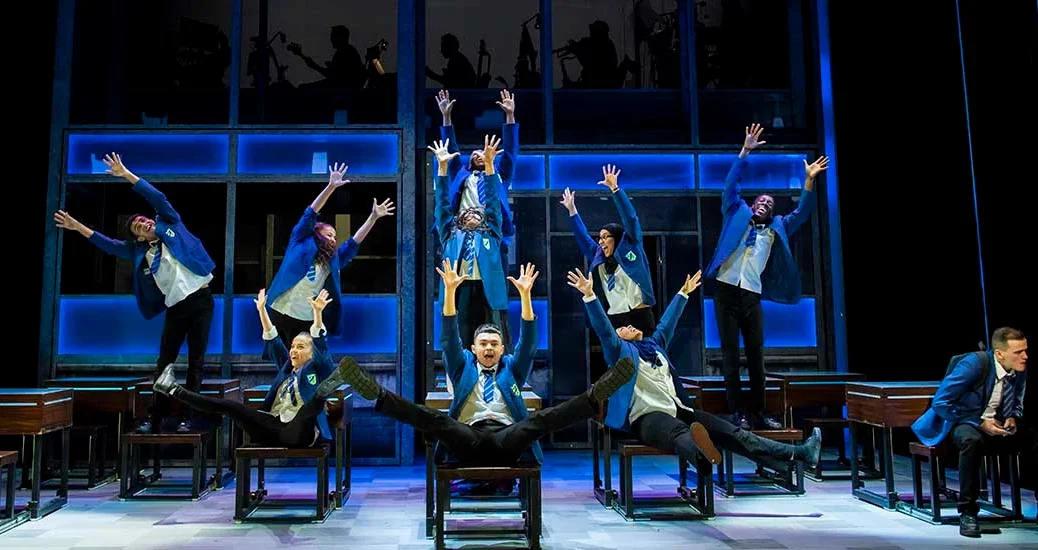
 (4 / 5)
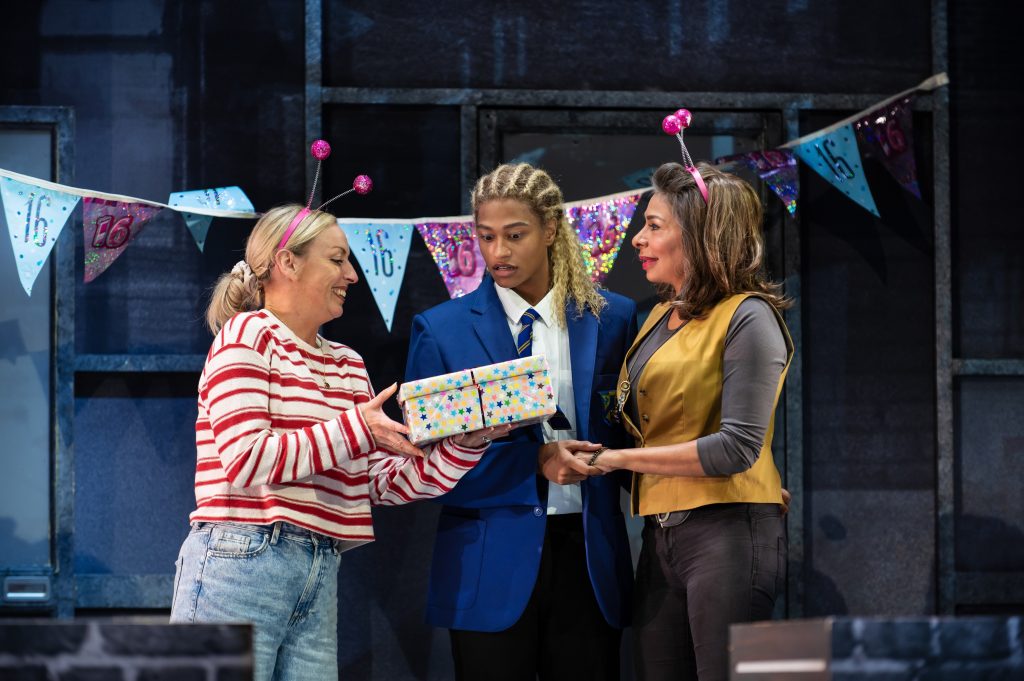
 (5 / 5)