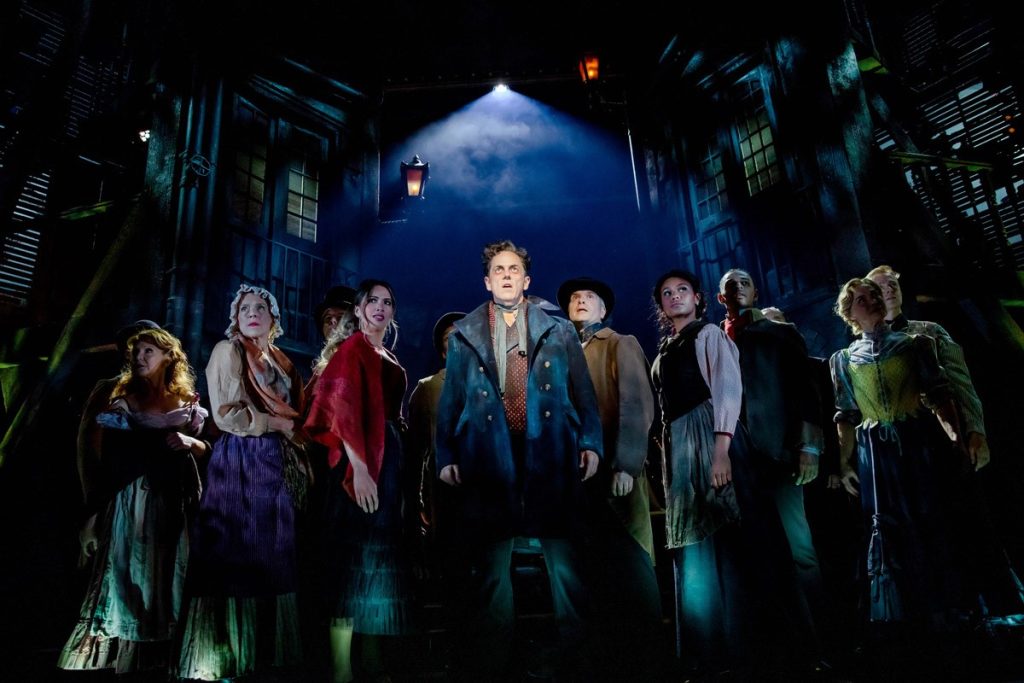
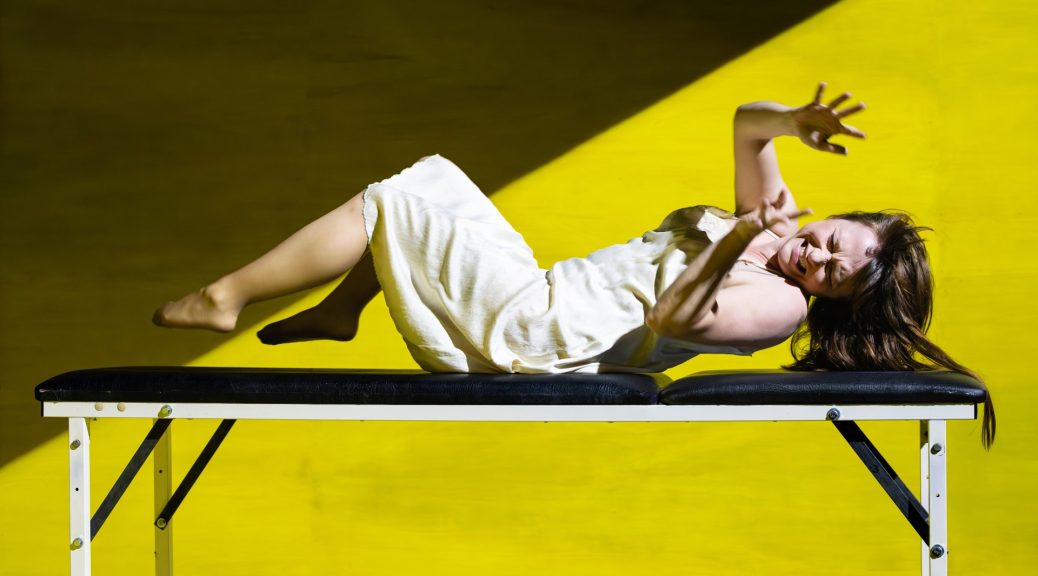
Performance artist Marina Abramović knows a thing or two about death. Earlier this year she almost died and remarkedly got a boat over to London for her few months here (health prevents her from flying). She is stretched between time at the Royal Academy, South-bank Centre and English National Opera. The latter of which is what this review shall discuss.
Her obsession with opera diva Maria Callas started in childhood, Marina overcome with tears upon first hearing Maria on the radio. Marina’s artwork has always been extreme in command, duration, content and context. I was curious just how this would go down with opera audiences, most known for conservatives tastes and values. Well, traditionalists will find favour in these 7 deaths, each one of Callas’ most revered arias from Verdi, Puccini, Donizetti and Bellini. So seven sopranos treated us to these famous arias, each one as wonderful as the last. Some ENO trained ladies and other international stars really made this show shine. Marina during these hits remained static in bed as Maria.
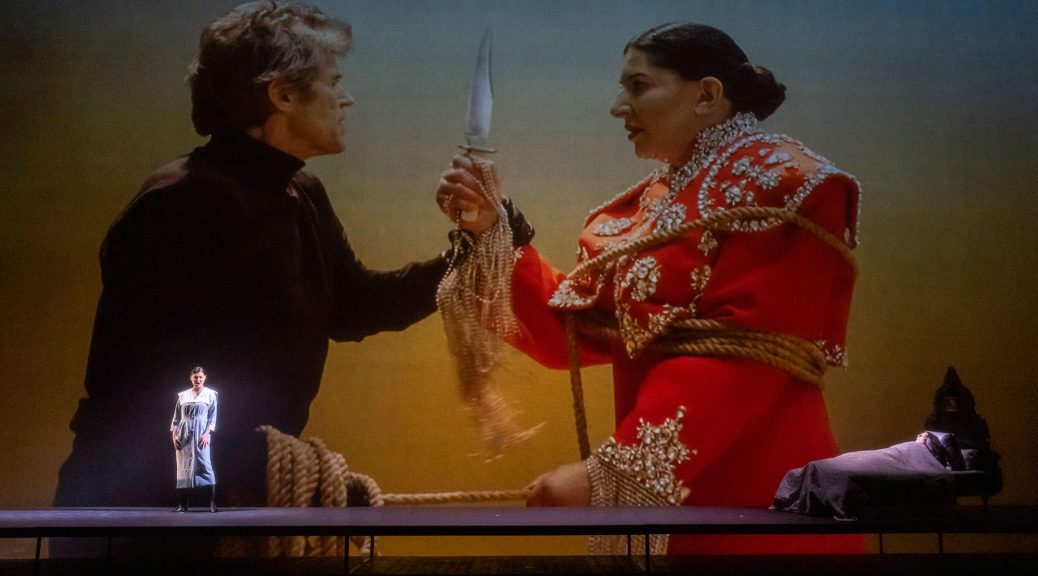
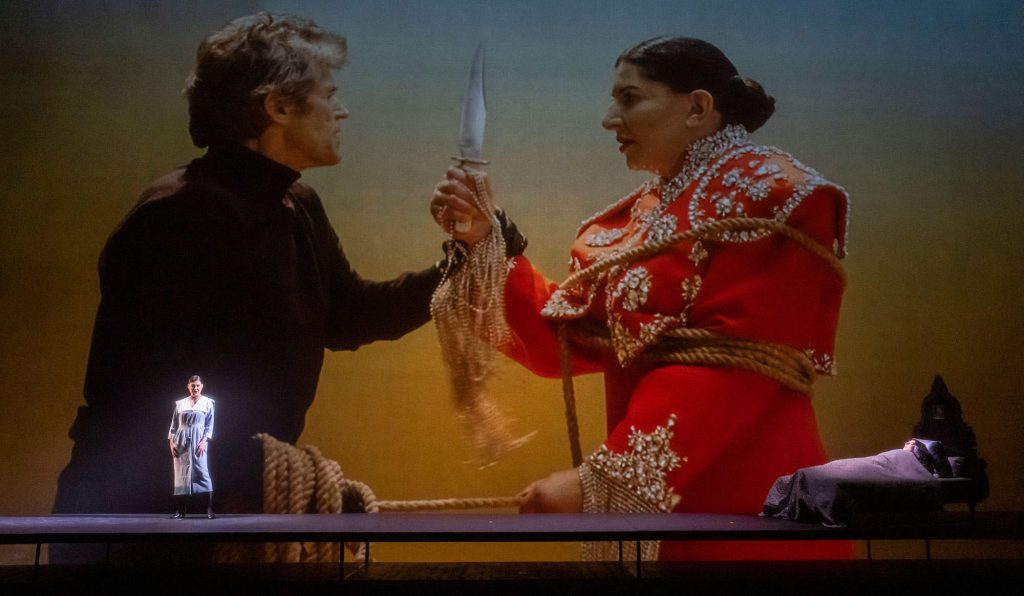
Fellow Serbian Marko Nikodijević composed the fibers between the arias, creating a subtle yet somehow harsh soundworld. The video work of Marco Brambilla was hypnotic, sprilaing vortex and storms, another highlight. Marina even planned the set with Anna Schöttl, a lavish tribute to the Callas aparment in Paris. Giant video work towers over all on stage, Abramović and Willem Dafoe muck about with various inspired threads on the deaths of these operatic heroines: Tosca’s plunge, Norma’s immolation, Carmen’s stabbing et al. More performance art is here as you’d expect and some of it is captivating, other times a little on the nose. The Ave Maria from Verdi’s Otello paired with Marina covered in huge constricting snakes might just be the best thing you’ll see on stage this year.
The whole opera builds to the seventh airas and we get a scene change after it. Marina directs herself with idiosyncratic spoken word, as she has done during the intermezzos all evenings. Here, her guide to life reach the steps for Maria to end her life: getting out of bed, opening the curtains, smashing a vase on the floor and leaving the room. The seven sopranos come back in, still dressed as their maids outfits to tidy up the mess. Marina returns all golden and sparkly, she does her thing as we finally hear Callas, as her Norma is cut short and the show ends.
One of the more stanger and wonderful operatic exercises this year.
Its runs till 11th Nov 2023.
Marina Abramović at the Royal Academy runs till 1st Jan 2024
I recall fondly the form of Cardiff Opera Julius Caesar from Handel prior to the past pandemic. I’ve noted they seem to now do events both here and in Bath. This onward rise would see them tackle on of opera’s most absurdly strenuous offerings…
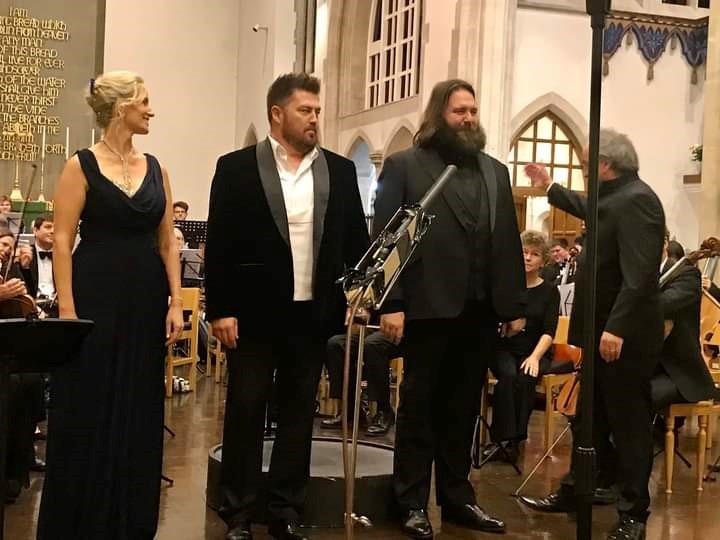
In these scenes from Götterdämerung, the final part of Wagner’s Ring Cycle, worlds end and new life is restored. This ‘Twlight of the Gods’ remains one of Wagner’s and the art form’s finest creations, innumerable leitmotives are heard yet again, mutated and used as a psychological jab in its effect in the listener. These highlights were around 2 to 3 fifths of the full opera, though the absence of lead hero role Siegfried and to a lesser extent the Rhinemaidens aside the Vassals was apparent.
Guiding us through the harsh narrative terrian of the story, Dave Key-Pugh was an approachable and added humour. I think I heard a mispronunciation of a German name here and there, though it was of little significance. David Hutchings assisted the singers as conductor, with a consideration for the heft of their roles. Nicola Rose as accompanists, took on the fury of the orchestral role reduced to piano with a mighty passion throughout.
The opening scene sees the Three Norms here from Charlotte Collier, Wendy Silvester and Charlotte Whittle. Some quivering notes didnt quite reach their mark, though mostly this scene was fine, as the Norns wheel the thread of fate, as this absurd story is wrapped up over the next four hours. William Stevens has feathered before with the company and his Hagen is quite impressive, his time with Longborough covering the role is note worthy. Hagen who conspires to obtain the ring from Siegfried, gets some deliciously evil moments whenever on stage. His half brother and sister was from a fitting Alexander Learmonth as Gunther and a returning Charlotte Whittle as Gutrune. Here both singers come into their own, Alexander playing up the character’s insecurities, whilst Charlotte shapes the role with stellar vocals. As Alberich, Niall Hoskin is the thieving Nibelung, who set off the whole story, here speaking to his Hagen in an apparent dream scene. Niall got the delivery right, he makes the role his own.
Wendy Silvester gets what some say is the full Cycle’s highlight: Waltraute’s Monologue. Fellow Valkyrie sister of Brünnhilde, she comes to warn of their father Wotan and the eventful fate of all the gods. Wendy got into this rich solo, meeting the onslaught of delivery. It would be towards the end where her voice buckled, though if not due to the intensity of the writing, I’d put it down to the chillness of the venue. Laura Hudson faced Brünnhilde with a polished scope, the lasting legacy of this role being it’s soaring vocals, redemptive honours and climactic summation. As a funeral for Siegfried is taking place, Brünnhilde beings her massive final epic aria, her immolation triggers the end of all things. Wendy got the pacing and grandeur of these last 20 minutes down well.
I dare say, when are they doing the full shebang?
Cardiff Opera do Puccini’s La bohème at The Mission Theatre in Bath 14th to 17th December 2023.
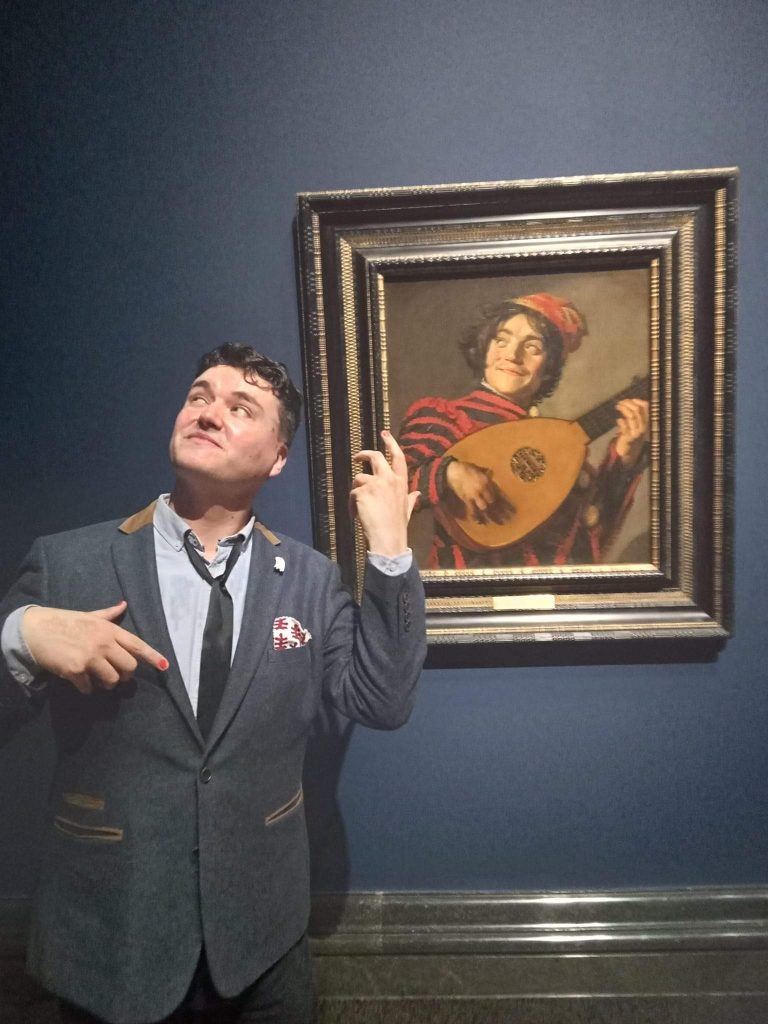
As I gaze upon The Lute Player by Frans Hals (1582-1666), I smirk at at the likeness between myself and the model, who remains a mystery to this day. A friend a few years back showed me the resemblance during our performance of a Shakespeare play. It seemed to me with the longer hair and the costume triggered this semblance of connection. It was fun to pose and try to capture the facial features of someone long dead. I do plan to go back and make myself look even more like the cheeky fella.
Photo credit: James Ellis
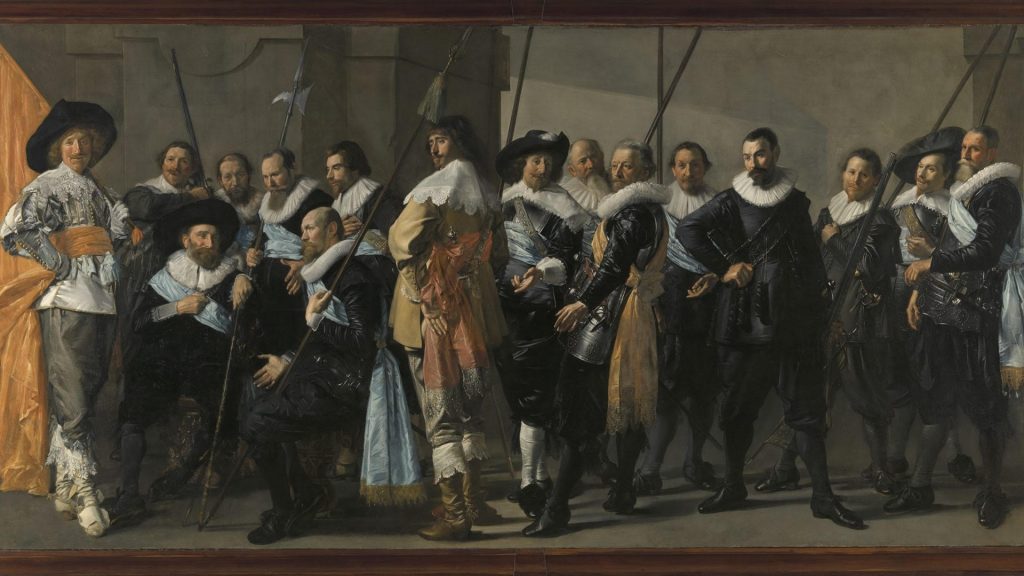
Getting that out of the way, this Frans Hals exhibit was simply wonderful. Often overshadowed by the eternal Rembrandt, a fellow Dutch master, time and time avian this show proves the brilliance of Hals. Lovers of more unconventional paintings of the period will stew over this highly emotive and relatable portraits. Staggering for a young man to simply strike a pose that only a bachelor could make of the time. The Portrait of Catharina Hooft and her Nurse is a swell example. Catharina the child, dressed in the most luxurious dress of the era and the nurse who still gets a loving depiction here. It’s one of many masterpieces you’ll see in this gallery.
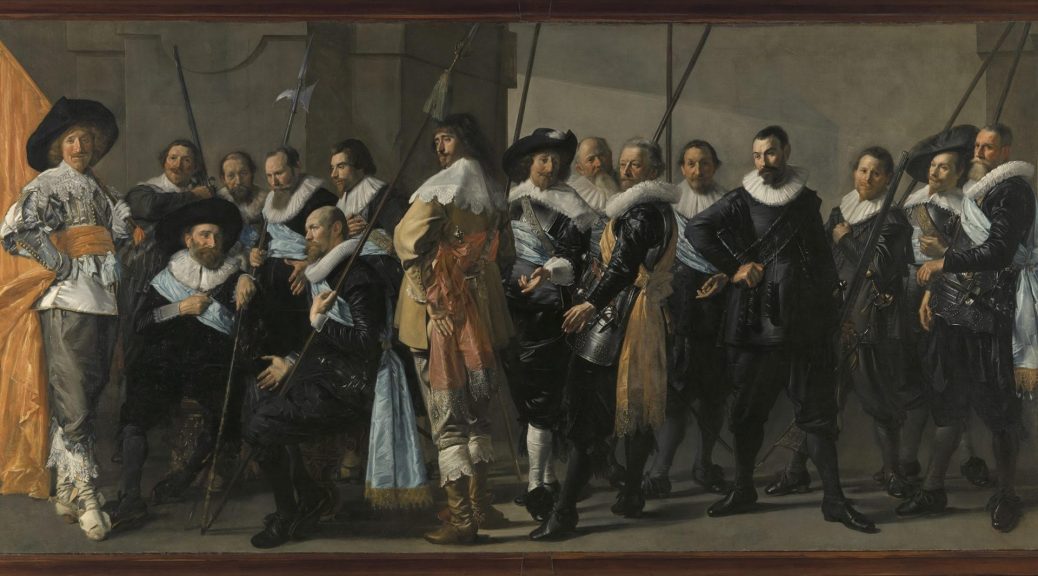
The aforementioned Lute Player might just be his best, the facial expression and light are heaven sent. The similar Merry Lute Player, the figure gets a highly detailed face that I found myself drawn into. His larger commissions would wow and put light upon the black servants and wriggling children, whom Hals again gives much respect. It’s the elder looking Dutchman in their famous black hoods and massive hats that appear ludicrous in nature. Either looking defeated or fed up, I found it hard not to laugh in this sea of black fabric, white faces and a lone, shocking red-orange stocking of one gentleman.
The Portrait of Jasper Schade that is devilishly detailed and impeccably crafted, later work would show Hals commitment to more wild brush work, near impressionistic in style, through still of its time. Jasper’s proud stance and affirmed glance is the cock-sure male we never lost in society, though its hard not to marvel at his drip (clothes for the older readers out there). A tiny room with miniatures are another joy, children and smaller ideas haunt the space. A Young Man Holding a Skull is another famous flutter, though the blurb next to the painting says it is not likely to be a depiction of Hamlet, looking at the timeline, I dare say it might be.
A disappointment came when the gift shop was not selling postcards of Hals’ iconic work as singles, but in multi pack. What surprised me the most was the smallness of the exhibition. I did expect it to be a few rooms bigger, though this should not sway anyone to see this genius of the candid, polished portrait.
It runs at the National Gallery till 21st Jan 2024.
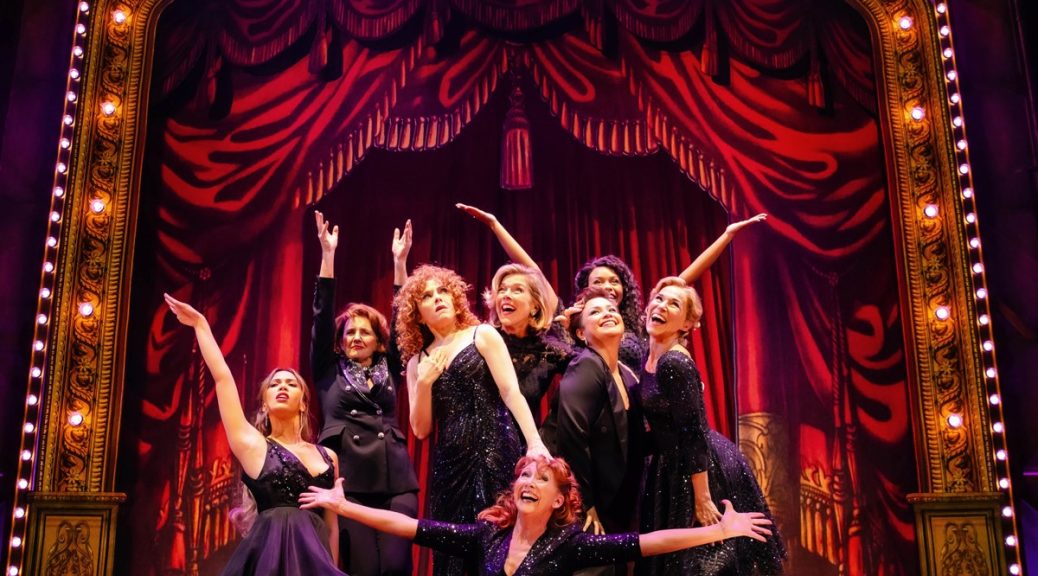
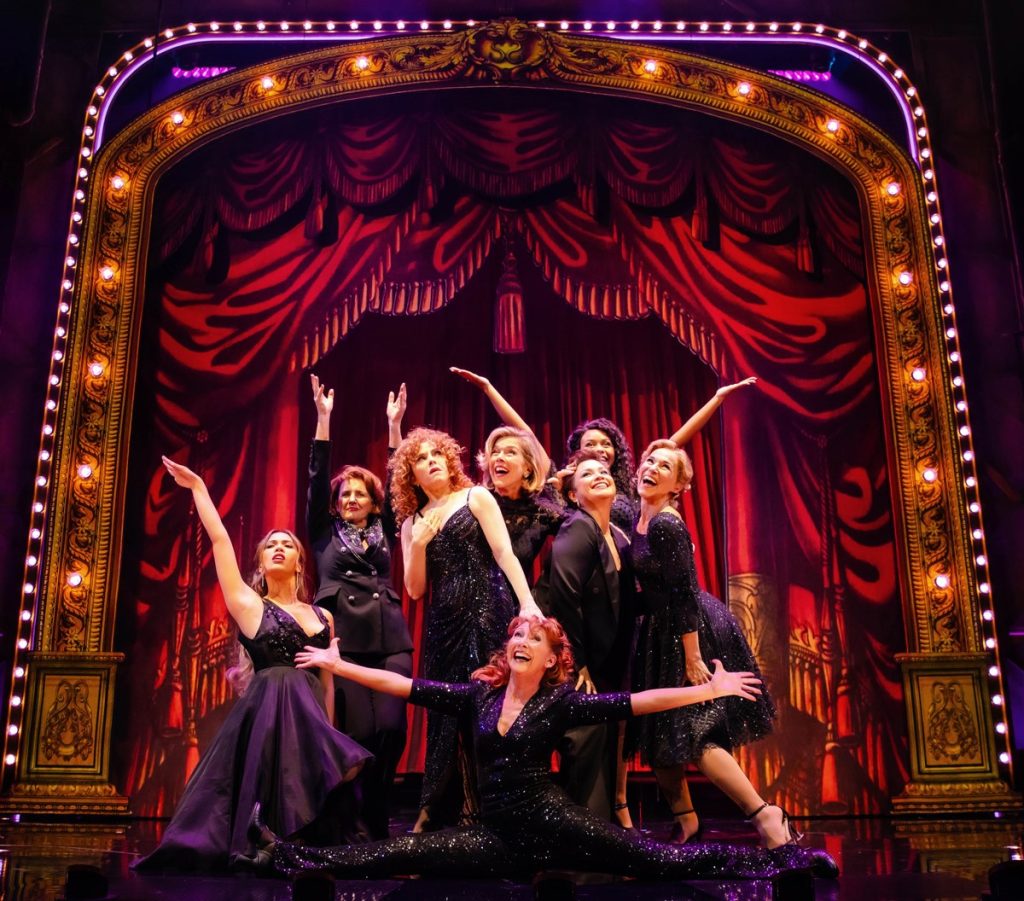
If ever there was a more perfect introduction to the work of Steven Sondheim, it is Old Friends. Carefully arranged by Cameron Mackintosh, the evening is a complete triumph, the spirit of Broadway and of the man himself lies in every note.
If I’m very much mistaken, most if not all of his shows are crammed into this spectacle. All his retrospection, the machine gun lyrical delivery, the tender phrasing and punchy musical gustro all frequent his heaven sent show. You really can’t belive your luck when sat there and seeing this career which spanned decades go by, we only lost Steven not long ago and even his last musical has just opened in New York.
I’ve less love for Into the Woods, though here Bernadette Peters made for a hilaroius Red Riding Hood, aside the sexed up Mr Wolfman from a marvellous Bradley Maden. Much billing has gone to Peters and I can see why. It is her innocnet and infecious voice that reels you in, a delight upon closer inspection. I did hear perhaps a voice crack or two, though these were during the big, ballsy nunmbers, though I have no complaints. I love her. Lets not forget her Send in the Clowns and Losing My Mind as well!
Lea Salonga, most famous as Kim in Miss Saigon, also gets meaty ballads and rowdy numbers all over the place. Her passion got the audience in a state of rapture. The familar face of Bonnie Langford also impressed with strident vocals and good comic timing. Janie Dee might just be my favourite persona on the night, her Ladies Who Lunch a total highlight, The Boy From… another thrill with a few refrences to Wales, which got me in a whooping mood, perhaps I was the only Welsh in on the night?
Clare Burt and Christine Allado were in fabulous company, more treats along the way. Gavin Lee getting heaps of solos and duets with quick wit and vocally well paced. Jason Pennycooke coming into his own with the frantic song Broadway Baby from Follies, another triumph leaving me quite dizzy. Joanna Riding and Damian Humbley were even more joys in the cast, their many musical moments spread out over the evening. A Funny Thing Happened on the Way to the Forum, his first musical as both composer and lyricist, got a piffy flutter though remains slightly overshadowed by what would follow.
Photo credit: Danny Kaan
Jeremy Secomb as Sweeny Todd faired well in the demands of the roll, perhaps the most operatic of Sondheim’s whole oeuvre. Time spent with Gypsy and Everything’s Coming Up Roses was affirmed and I am so glad they included it. Pickings from West Side Story and Dick Tracey also help up well, the later an Oscar winning turn. Merrily We Roll Along has found fame since its first flop, the title song of the show coming from his musical. Its remains the best moment in Merrily and used as an encore was perfection. Beyond catchy.
Sunday in the Park With George might be one of his best, used an a first act ender was finely poised. Company holds up, the Not Getting Married song was another outstanding corker Passion and The Mad Show I know less of and I note the lack of Assassins and Pacific Overtures too.
“Why walk when you could tölt?” Victoria Melody’s beautiful, brave and bonkers show will inspire you to discover your own outlandish passions and accept yourself
“Headset” is an intricate and original piece of documentary theatre, combined with stand-up and live art that ignites your enthusiasm and lust for life with Victoria’s own rituals of self-discovery.
Following a successful run at last year’s Edinburgh Fringe, “Headset” has a 22-venue tour this Autumn across the UK. That in itself is a huge achievement, considering the challenging times for the small-scale theatre touring circuit and current funding cuts. Now in her 40s and originally from Chester (“I’m from a working-class family with Tory parents”, she jokes in an interview), Victoria graduated in Fine Art at Newcastle and developed a very unique path as theatre maker and performance artist. Melody is a powerful female voice in the stand-up circuit – blending documentary theatre and video and embedding in her work peculiar approaches in search for authenticity, connection with audiences and, ultimately, herself!
Dressed as a funeral director (the subject of one of her previous shows), Victoria starts the piece by talking about her work. “I make and perform theatre shows about Britain’s enthusiasts. I am passionate about other people’s passions”, she says. She works like an anthropologist, immersing herself into communities over three or four years and then makes a show about them; “Demographics of a Pigeon Fancier” (2009) is a study of the British pigeon fanciers racing season. “Northern Soul” (2012) explores the dancing style. “Major Tom” (2013) combines dog shows and beauty pageants, highlighting the absurdity and impact of conforming to beauty standards. “Hair Peace” (2015) delves into the ethics of the human hair industry, “Ugly Chief” (2017) emerges as a response to her father’s terminal illness misdiagnosis, using humour and heart to confront the taboo surrounding death. She points out that she fell out with her dad during the tour of “Ugly Chief” …so…she needed a big change…what was she going to do now?
The origin of the word “enthusiasm” comes from the Greek enthousiasmos: “divine inspiration, be inspired or possessed by a god, a goddess, be rapt, in ecstasy”. Victoria comes across “just like that” (as Tommy Cooper would say): a true Goddess in her own right – curious about people with the inventiveness to express her discoveries. She reminds us of extraordinary performance artist Bobby Baker, with her charm and quirky view of life.
Having worked as a video artist, Melody uses video the medium in an uncluttered and gentle way connecting the live action with images of her past, with quirky graphics to great comedic and plot development effect.
Tired of her theatre career she declares: “Enough was enough. I was tired of just being poor and feeling useless. Enough was enough. My life would fall apart if I didn’t change something…So f*** theatre. I’m going to become a well-paid, famous mortgage worthy stand-up comedian!”. We all laugh.
The piece follows trials and tribulations on her path to becoming a “mortgage worthy” stand-up comedian (she’s currently selling her boat by the way, she jokes). She reveals the inner works of the technique: “Set up, punch, exaggerations. Set up. Massive, giant punch. Rule of three. Set up, punch, punch, punch. Pull back and reveal…I was sh**”, she declares.
The teacher character plays an important role, representing “the establishment” as well as “her critical inner voice”. “How is this going to go down in Hull or Derby? the teacher challenges. Later, Victoria says: “Stop stereotyping nights out in different places”.
She recounts one of her first routines: “Icelandic horses are my favourite breed of horse. They’re small and hairy and best of all, they have five gears. Normal horses have four gears. They walk, they trot, they canter, and they gallop. Icelandic horses do all that and they also tölt. Tölt is Icelandic for “a gliding gait”. She then demonstrates. “Oh. Ow. It’s very uncomfortable on the crotch”. Then “This is a tölt. Wow. It’s so smooth. It’s like the horse is ice skating.” With her big, surprising eyes she delivers: “It doesn’t hurt the crotch at all. Why walk when you can tölt? That’s Iceland’s catch phrase”. Pause. Silence. Audience cracks up.
Victoria plays numerous characters besides the teacher: a funny “Hull Hoola Balloon” man, David Attenborough, (which, she jokes, comes out more like Margaret Thatcher), a barista, and others. The soundscape for the show is detailed and audios of her mum weave the narrative, describing how “little Vic” was as a child, in ballet, dropping keys in post boxes, and being herself – “I wouldn’t change it for the world. I think what you’ve got is very unique, but I wouldn’t even call it a problem. Vic, it’s not a problem, is it?”. With that question in mind, our heroine continues her quest.
The set has four chairs, a big plastic box, cables and props: a tambourine the teacher bangs when she disapproves of her behaviour, a beautifully crafted wheel with 5 masks that is spun to choose different personas”. She jokes “I shouldn’t use props, you see!”, as she gets tangled up in them and the microphone. She shares that her technical manager takes the mask wheel to the hotel as it won’t fit into the camper van, she sleeps in.
Melody encounters numerous challenges and as she experiences difficulties with words, visits a speech therapist and is diagnosed with ADHD. “Oh no!”, she thinks. “I’m Vic. I’m thick”, full of inner doubt, she feels incompetent and a failure.
In a previous interview, Melody has expressed her ADHD diagnosis as a profoundly liberating experience and that the show is a grand celebration of her newfound authenticity. “absolutely freeing…. This is my brain. I’m not masking anymore. This show is a big celebration of that…. And my performance on stage now is the best performance that I’ve ever been able to give”.
I dare to say that Melody has found her “clown’s intelligence”, as the great clown Angela de Castro would describe it. Clowns have their own intelligence, guided by their sense of curiosity, openness and naivety for the world. Melody exhibits all those clown-like qualities.
Even though she says the show is not “meta” (a stand-up show about stand-up), the piece is a reflection on the genre and plays with it expertly. At one point she jokes: “Are you going to do performance art now and alienate your audience?”, she says no…but she does. Melody is playing with the relationship with the real, with personal history, representation / non-representation and use of new technologies – aspects that performance art has always dealt with and that are embedded deeply in her practice as an artist.
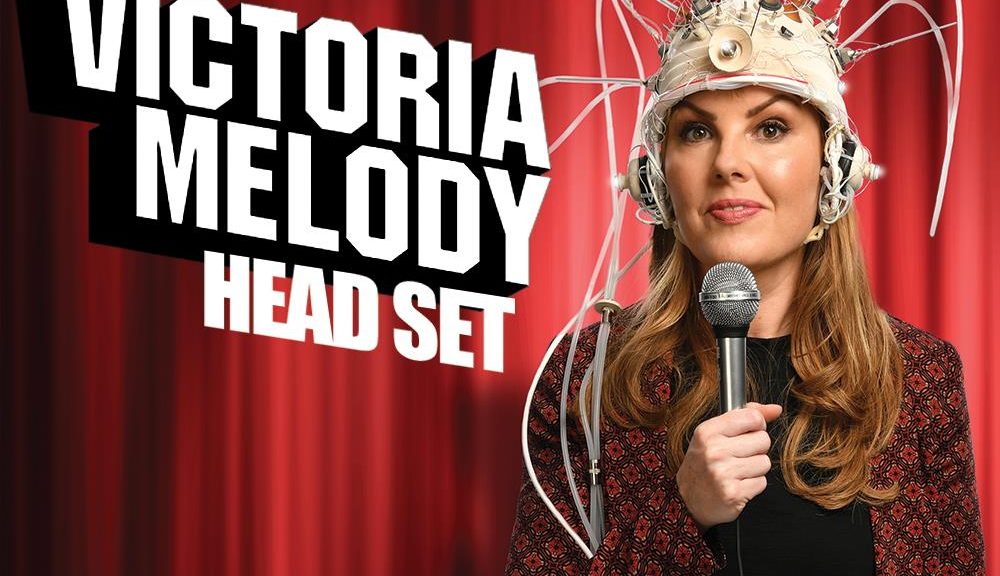
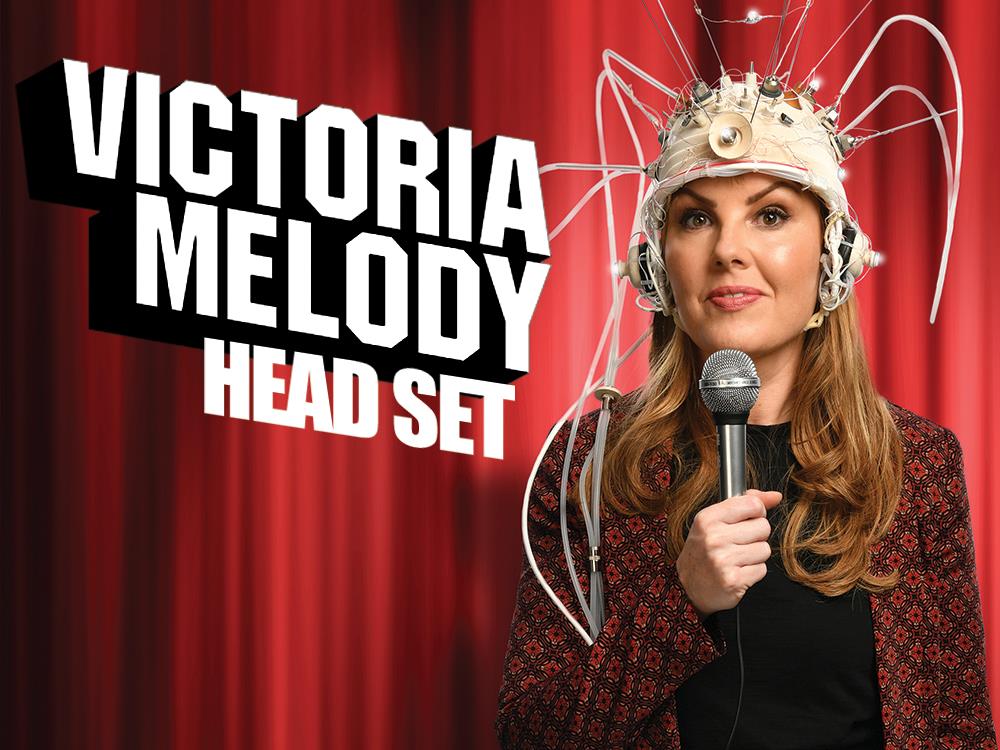
Clowns fail, get up and do it again. And again. And again…never losing their enthusiasm. And so does Victoria. She decides to talk to a neuroscientist, her friend Silvana de Pirro. Melody starts wearing a portable electroencephalography headset that tracks her brain activity during her stand-up performances. Previous audiences found this hilarious, and we’re shown accompanying video footage.
Victoria continuously fails as a standup comedian and the show culminates with a magical scene where she is due to perform in an important stand-up gig, with headlining comedians and she appears on stage with a homemade Faraday cage and a laptop held close to her head. This is an amazing scene where time freezes, and our attention is totally focused on Victoria. She talks to “little Vic” again and again. It’s as if the actual headset device “dives” inside her feeling and emotions – the piece meets therapy, self-help in a light and playful way. “I’m Vic. I’m thick”. No more of that. It’s about acceptance. She looks at “Little Vic” and says, “I imagine little Vic, how desperate she was for someone to tell her that she wasn’t lazy or stupid or defective, that she wasn’t a baby.”
In a touching and insightful moment, she tells us: “I stopped measuring success using somebody else’s measure. Like I was a kid who just got comfort from putting jar labels, so they all face the same way and who got overwhelmed at injustice…”
She goes on to tell us with glee about her next passion and project: “I’m a musketeer in an English Civil War reenactment society”. We laugh and are genuinely curious about this new project.
Melody concludes the show with charm and eccentric flair… “and if you think of me as an Icelandic horse, then this all makes sense, because we should all get to choose the horse we want to be. Because I could walk off stage, but why walk when I could tölt?”
Beautiful, brave and bonkers “Headset” will inspire you to find your own outlandish passions and accept yourself.
Credits:
Director John Gordillo
Writer Victoria Melody
Set and costume designer David Curtis-Ring
Lighting designer Sean Phillips
Updated and restaged with Bryony Kimmings
Musical director and composer Tom Parkinson
Cast
Victoria Melody
Video appearances from Dr De Pirro and Mitch Mitchinson
“Headset”, 2023 Autumn Tour
03/10/23 – Chipping Norton, The Theatre
05/10/23 – Guildford, Yvonne Arnaud Theatre
06/10/23 – Birmingham, mac
07/10/23 – Harrogate Theatre
10/10/23 – Hexham, Queen’s Hall Arts Centre
11/10/23 – Kendal, Brewery Arts
12/10/23 – Leeds, The Old Woollen
13/10/23 – Barnsley, The Civic
17/10/23 – Norwich, The Garage
19/10/23 – Manchester, The Edge Theatre & Arts Centres
20/10/23 – Wolverhampton, Arena Theatre
24/10/23 – Brighton, Attenborough Centre for the Creative Arts
25/10/23 – Brighton, Attenborough Centre for the Creative Arts
30/10/23 – Cardiff, Chapter Arts Centre
31/10/23 – Bristol, Watershed
01/11/23 – Havant, The Spring Arts & Heritage Centre
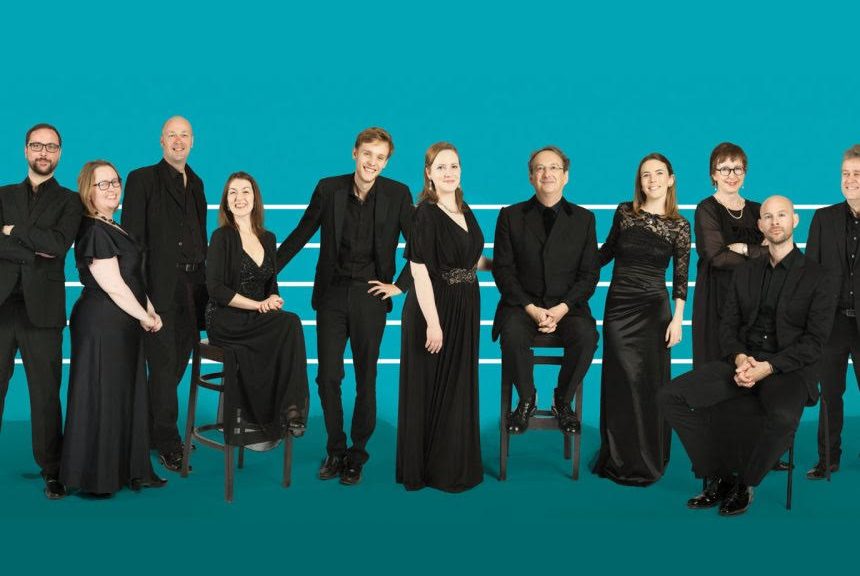
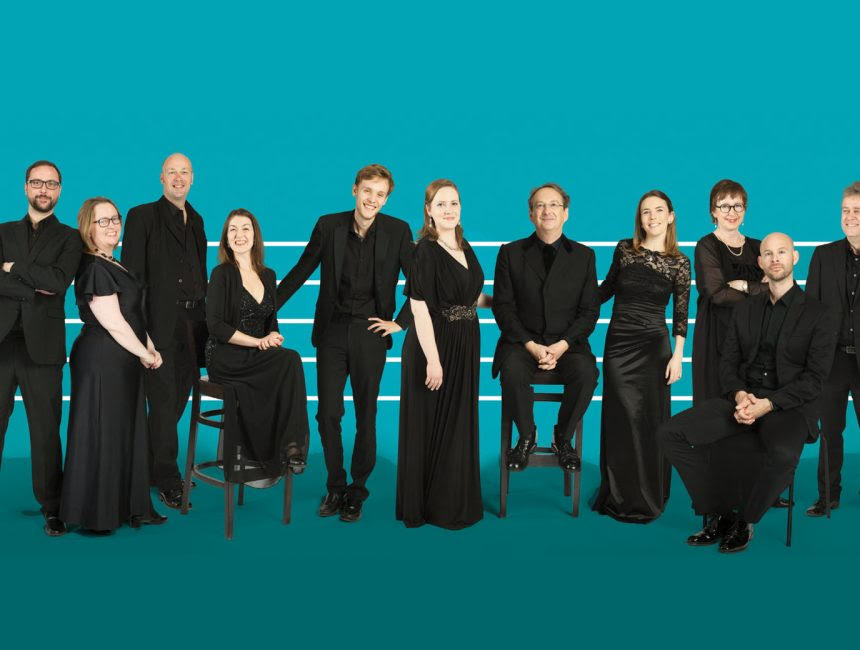
It would be a fleeting affair in London to make sure I was celebrating with The Tallis Scholars. Something I did not want to miss. In the wonderful atmospheric Middle Temple Hall, known for its first recorded performance of Twelth Night, the evening went by in a flash.
Drink and canapes were flowing throughout, as things started off with Palestrina’s Magnificat Primi Toni and the eternal Misere by Allegri. The balcony space was utilised for both works, this opening gave you the feel for this choir, their mastery over polyphony and admiration of religious works. There was a marvellous vibe to proceedings, the audience blessed to hear such things. The latter was a highlight, with its serene high notes and it’s tennis match between both choirs in the space.
American writer Leon Wieseltier gave a fabulous speech about his first time hearing the Scholars. Passing the church in which they were singing, he fell in love with them all those years ago and has continued to give unwavering support to them ever since. His writing was highly eloquent and often funny. Caroline Trevor, wife to conductor Peter Phillips, also recounted many years with the choir as singer, leading later to romance. Their was a nice slab of gossip in this speech, personal insight which went down well, Peter beaming in the wings.
I’m glad there was a world premiere, this time from Nico Muhly and his A Glorious Creature. Taking Thomas Traherne’s words, a piercing perspective on the sun and its radiant light giving, Muhly has written a piece which didn’t excite me. It was a sort of strange slice after slice of the words, the singers each getting turns in the polyphony. It was pleasent, but left me a bit chilly.
John Tavener’s Song for Athene needs little introduction. Written as a perosnal tribute to a family friend, it would later be catapulted into fame with it’s usage at Lady Di’s funeral. Here the Scholars offered up a well sculpted and tender version, I found myself in bits. It was a special addition with Lady Tavener present, we lost Sir John some ten years ago. Arvo Pärt’s Virgencita ended this second set with more touching auroas and a reminder of his talents still going stong in his 9th decade.
James Jolly, Editor-in-Chief of Gramaphone also recounted good times with the Scholars, we were offered a tribute copy of the magazine with a history of the choir. Peter Phillips gave the final word, in a speech filled with pride, also acknowledging the pitfalls of the past and present taking them on international tours. We we given goody bags with the aforementioned magazine and Peter’s unexpected flutter into book form about the restaurant they frequent after reharsals.
It was all very inspiring seeing how much of a success they have been, 50 years is quite a long time really. Of course, things had to end with Tallis himself and we had three works: Loquebantur variis linguis, Suscipe quaeso and Gloria from Missa Puer natus. It couldn’t have ended on a finer note with their namesake composer that they have honoured countless times. These sweet pieces crowned the night, their affirming faith, their simple simplest registers and easy listening appeal had us leaving the event with much contentment.
The unassuming Ustinov Studio in Bath sees a season with acclaimed director Deborah Warner for what should prove to be a highlight of the theatre calendar. Tackling Sophie Treadwell’s blazing play, a guest appearance from another titan Richard Jones directs in his fashionable and sharp way.
Jones’ work I know best through his time with Welsh National Opera and English National Opera, the former’s Olivier winning take on Alban Berg’s Wozzeck fittingly mirrors Machinal. The Yellow Wallpaper of Charlotte Perkins Gilman permeates the space in Hyemi Shin’s angular and claustrophobic set. The hectic ensemble of actors plays multiple roles as commuters, workers, medical staff, drinkers in a bar and more. The energy here is affirming, Treadwell’s musical and punchy lines are tight and in moments are profoundly abstract and true.
Jones knows what he’s doing. Sat in the front row makes for an incredibly heightend encounter. The patter of conversations, arguments, clatter of dishes, screaming and a pounding bulldozer never quite leave your ears, sound design by Benjamin Grant wonderfully also adds to the absolute din of the whole thing. The futility of the whole thing, the sadness seen with this Young Woman who is bludgeoned by all, forced into a marrige she doesnt want, a child she can’t look after and a tragic decision leads to her execution. Loosley based on the real life story of Ruth Brown Snyder, who murdered her husband, begin was the first woman in the US to get the electric chair. One wonders just how many people now and in the past find solace in story, in the play the leading lady stutters, has panic attacks and other anxious bouts.
Rosie Sheehy has given an unforgettable performance in what is not an easy character in anyones eyes. Her spasms, tics, pounding, flinching all add to a well crafted offering. I found it hard not to hear Lois Griffin in her accent, the play capturing the spirt of New York frenzies. Tim Frances as Husband feels compasionate, if complicit in his misogyny, in well acted form. Buffy Davis is the despondent, Irish Mother, some great humour and maternal blathering. The Young Man, whom our lady has a passionate affiar with, is a lovely Pierro Niel-Mee. The character has some flippently racist remarks of the era (1920s), though this one night stand proves a toxic trait, if it saved our lady even just for a few hours. Pierro works as this sort of sexy saviour, chemistry between both actors faired well. Though his betrayal is all to much.
The troupe of actors mesh around the tight stage, accents strong and a well placed aura is in the air. I spoke of energy and their passion, this must be a cracking play to be part of. The framing of each part, sees an actor place a wooden relief of each scenes name to be hung above all, the shadow of which almost mimicking the wings of freedom our lady yearns for.
Machinal runs at the Ustinov Studio till 18th November 2023
There is a hunger to perform Wagner from amateur orchestras. Perhaps the demands asked from this problematic composer seem less daunting today, though command in vocals and a robust orchestra must simply give all.
Part of Wagner’s Der Ring des Nibelungen, the remarkable four part, 15 hours behemoth, The Valkyrie is the second outing. This first act is the most intimate of the enquire Ring, with just three characters in an hour timeframe. The twins Siegmund and Sieglinde who were separated at birth, rediscover themself…with knowing romantic intentions. With the latter married to Hunding, this act sees the twins father Wotan loom over it’s entirety.
This is the only opera where the ring of power forged in the last part Das Rhinegold, is never seem and the actions of Wotan to secure his reclaiming of the ring again sets the story in motion. The lover twins leave Hunding in the night (who was already mortal enemies with Siegmund anyhow) pulling Wotan’s sword Nothung out of the massive tree in the centre of their lodgings as fate foretells.
I was impressed with the orchestra, filled with proclaiming Wagner Tubas, patient harps and pounding timpani. Sat in the front row, I also realised just how much orchestral weight there was to the celli, who get some ravishing moments in this opening act. The romantic feel towards the twins spreads over the musicians and they all get swept away in this strange love story. The swarm-like opening has the strings able and willing to muster up this piercing prelude, as Siegmund escapes the hunt from Hunding and his men in the forest. You can expect Wagner to be loud and the attractive church acoustic caught this thick sound to the roof.
Even with the sweeping amore, comes Wagner’s heavy later compositional style. Our three soloists did a grand job of keep the pace and the drama up for the duration. As Hunding, James Platt oozed into it the horrid nature of this villain. His bass was like a very fine honey, the snarling, vicious line tackled well and you could very easily see him on stage in the role.
Fiona Harrison-Wolfe made for a resplendent Sieglinde, though on a few occasions the orchestra drowned her out. Never an easy role, this being the only character in all three huge acts of Valkyrie, Sieglinde boats high register climaxes and more sincere, homely moments too. Fiona ventured well into this, also thanks to the support from tenor Gareth Dafydd Morris as the love interest. Gareth is a familiar face in Cardiff, this feels like a treat for him.
The declaratory and soaring vocals of Siegmund gave Gareth time to shine, the duet at the end with Fiona a highlight. Affirmed conductor Martin McHale had lots of rehearsal time with the players and it showed. Some brass and light woodwind fluffs may have been expected, due to the demands put upon them but it went along without a hitch.
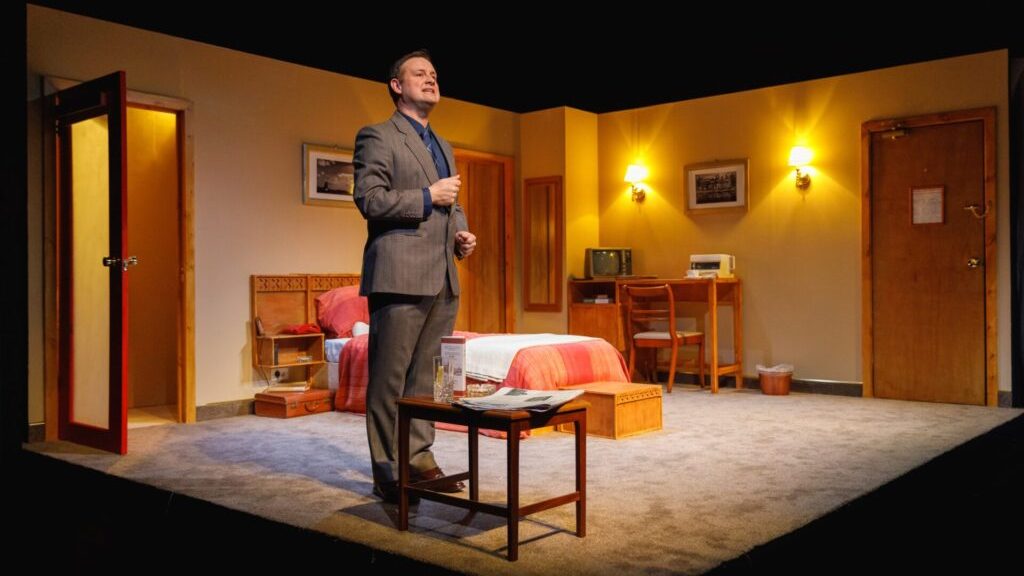
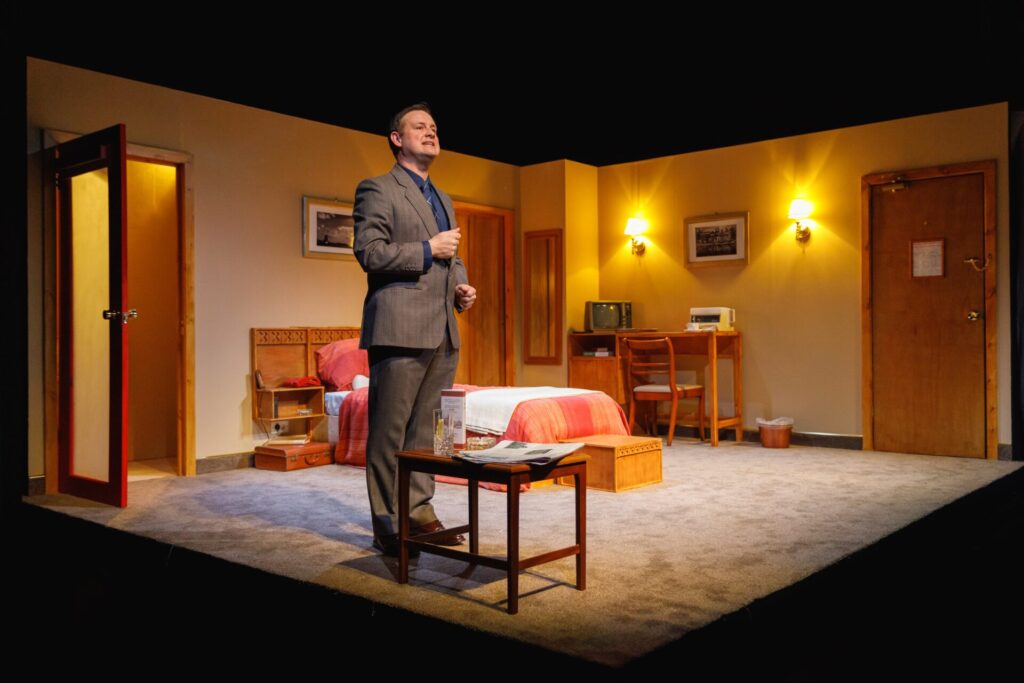
Not many plays start with the actor already onstage, but this production of Carwyn makes you feel immersed from the very start as the audience is taken on a journey of a man that is sadly often forgotten, but he’s one worthy of being celebrated and remembered in Welsh culture.
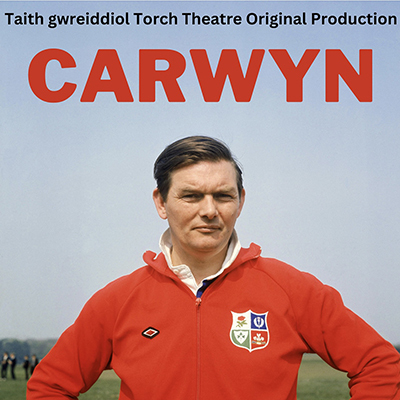
The play begins and ends with the passing of Carwyn James but throughout the piece, the audience is hooked by the outstanding performance of Simon Nehan . Nehan tells a story of Carwyn reflecting on the good and bad of his life that is well worth knowing. We see two sides of Carwyn, one in which the whole world got to see, the way he felt how he had to be perceived on the outside, and the raw and real side of Carwyn, who spent his life hiding his true self from a brutal society as he was a man, simply living ahead of his time.
Showing both sides of Carwyn through the talented writing of Owen Thomas and the brilliant directing from Gareth John Bale, was something so impactful to watch as his eye-opening story is a story that is heartbreaking, relevant and necessary. I can say without hesitation that Carwyn the play is a production deserving of a standing ovation and if I was to watch it again, I know I would be moved and feel a little more impacted each time.
Carwyn the play grants the audience an intimate view into Carwyn James’ private life, revealing a side of himself that he spent his life hiding from a judgmental and unaccepting society. This is a story, often heartbreakingly forgotten, but one that deserves to be celebrated in Welsh culture.
“People shouldn’t fear death, they should fear they didn’t live their best life”- Carwyn.
As he passes, Carwyn’s life flashes before the eyes of the audience. From his triumphs to tragedies, Carwyn’s story is one that must be told. We see Carwyn as who he was to the outside world; who he felt he had to present himself as, because he felt that the time he lived in was not a place for his true self. This play shows us this version of Carwyn, but also, who he was in his solitude. As a result of this, there is something so heart-rending, poetic, and beautiful about this piece. The skillful writing of Owen Thomas, powerful performance from Simon Nehan and the impactful directing from Gareth John Bale put together capture Carwyn’s story in a poignant and moving way; that was undoubtedly deserving of a standing ovation. This is one of the few pieces I have ever seen that I can confidently say that if I watched it many more times, I would be in tears at the end of each and every one.
Credit Drew Buckley
Creating opportunities for a diverse range of people to experience and respond to sport, arts, culture and live events. / Lleisiau amrywiol o Gymru yn ymateb i'r celfyddydau a digwyddiadau byw

 (4 / 5)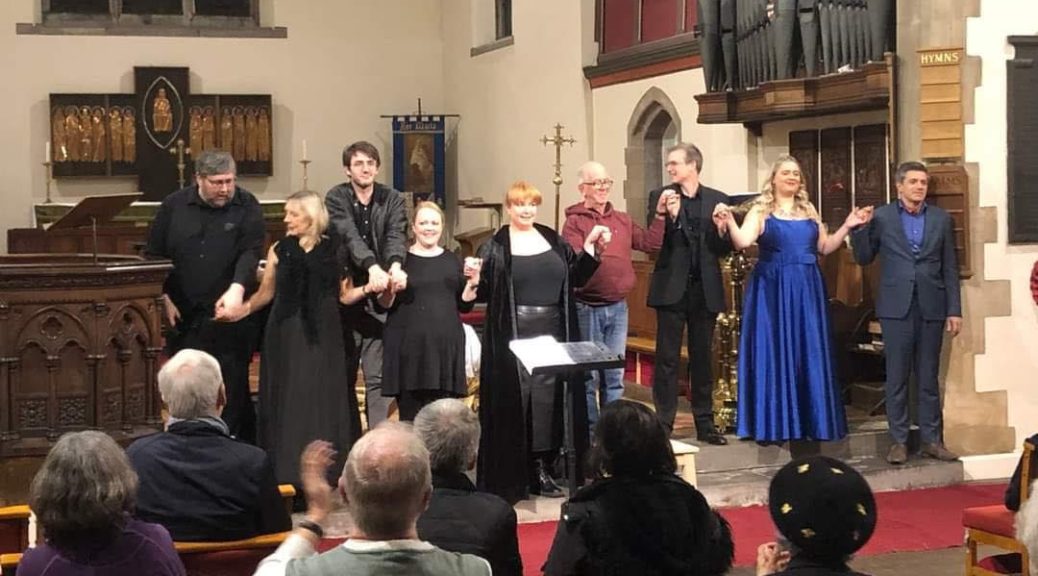
 (5 / 5)