Hi I am Guy the project coordinator for Get The Chance. I am a trained secondary teacher of Art and Design and have taught at all Key Stages in England and Wales. I am also an experienced theatre designer and have designed for many of the theatre companies in Wales.
Many Welsh or Wales based arts graduates are finding this current period especially difficult. Their usual opportunities to meet agents, prepare for final year exhibitions or productions may take place later in the year or sadly not at all. To raise awareness of the diverse talent graduating this year GTC is offering any Welsh or Wales based graduate the opportunity to be showcased on our website. If you are interested, please do get in touch.
Hi Holly great to meet you.
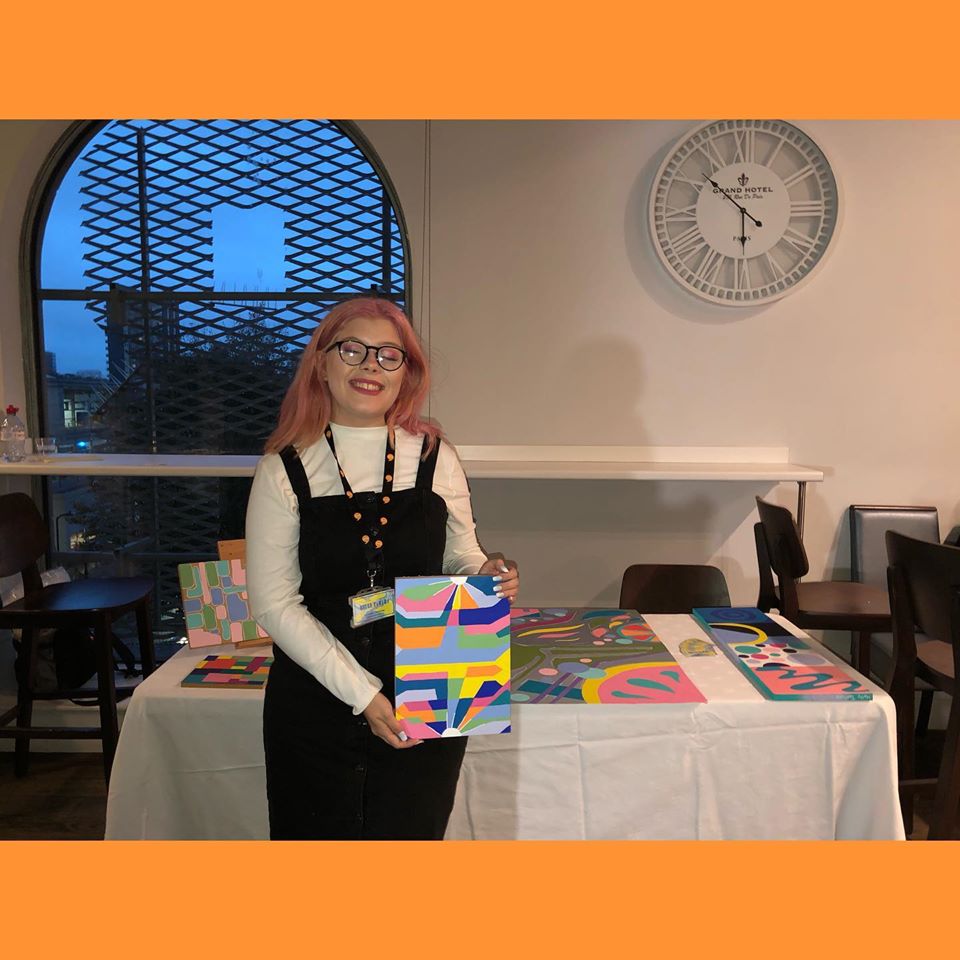
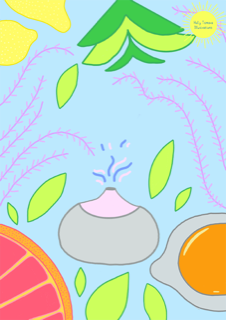
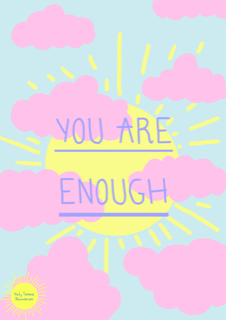
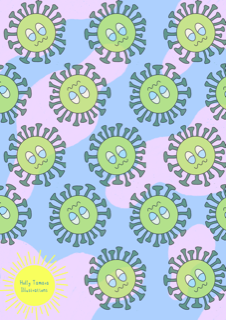
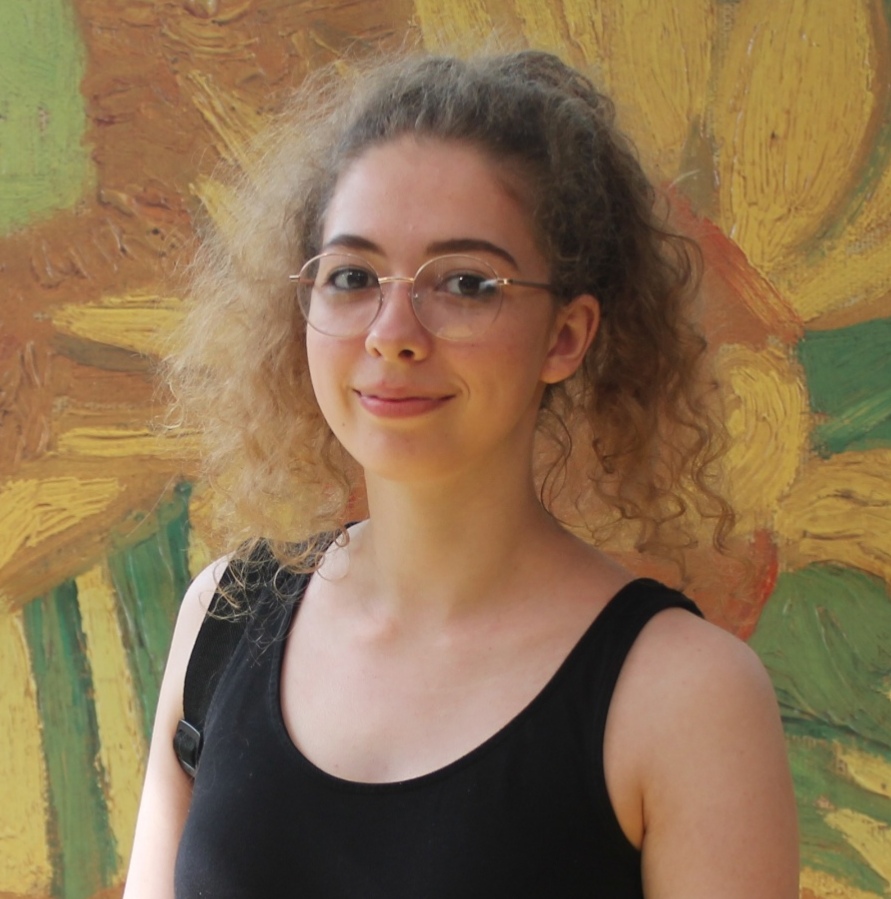
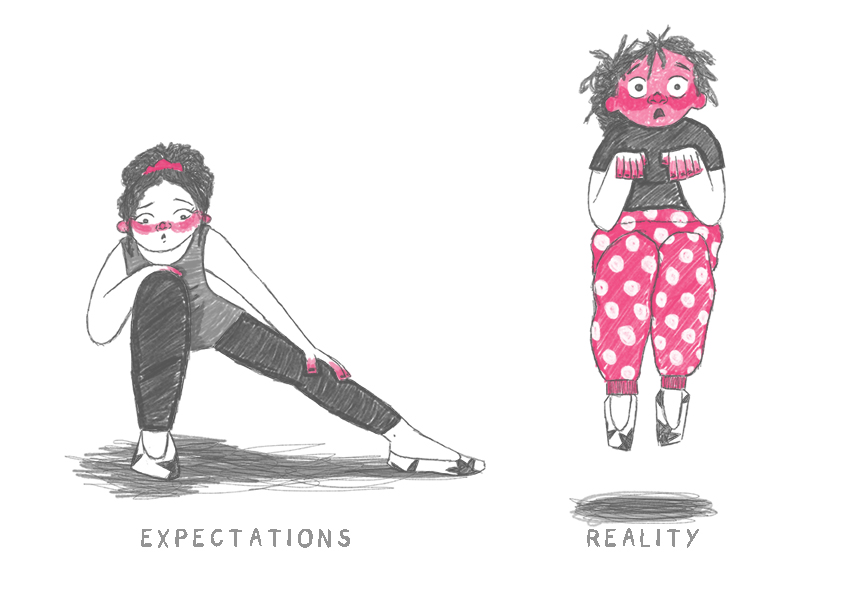
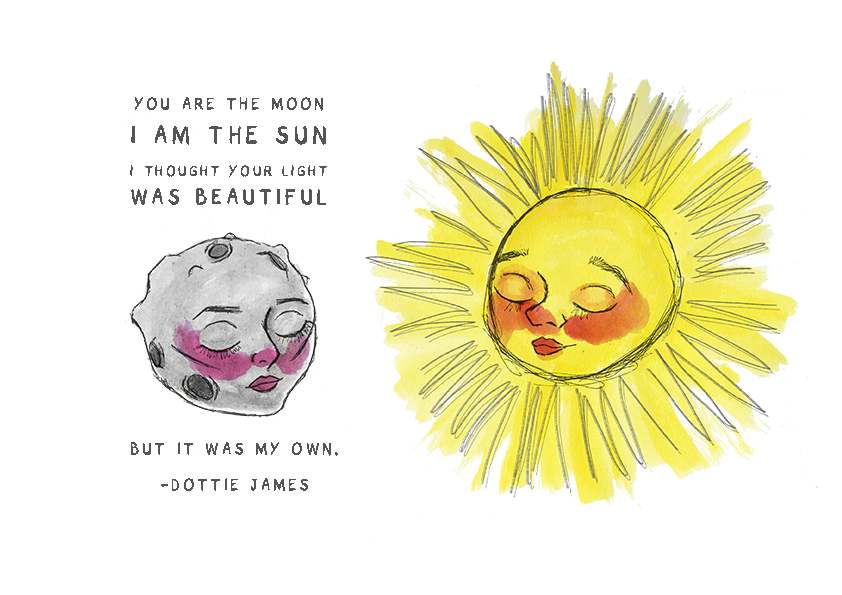
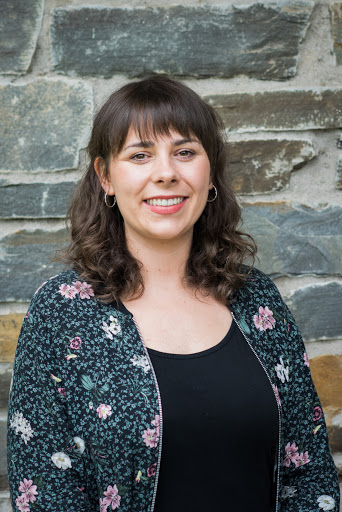
Hello, I’m Holly Tamara, a bilingual illustrator finishing up her degree at UWTSD in Swansea. I’m originally from Cardiff and will be moving back there after my final year at university. My illustration work is based around mindfulness, self- care and happiness; I use bright colours in my designs to try and make people happy when they look at my work. Currently I am working on developing my portfolio ready to enter out into the real world and developing my online presence during this lockdown.
So, what got you interested in the arts?
I’ve always been interested in the arts from a young age, my Nan is also an artist and I get a lot of my inspiration from her. I’ve been developing my work since primary school but have only recently found “my style” that I am completely happy with.
Can you tell us about your creative process?
My creative process really depends on what I’m doing, usually most of my work is digital. I usually start my work with inspiration, I then start sketching out my idea on my iPad with my apple pencil. I then colour in my design with bright and bold colours. I finish by adding my logo. My best work usually includes pattern designs although I do enjoy doing editorial work too.
As a young Welsh artist graduating during a very difficult period what investment and support do you think is required to enable your career to develop and prosper?
As a young Welsh artist, I think we should be supported by having our graduate exhibition to showcase our work to people in the industry once this pandemic is over. As well as this some sort of financial help that people with businesses get in order to keep them afloat. I have been looking at industry jobs and because of the pandemic there isn’t anything available right now. I am very proactive in trying to find work but recently I have been focusing on developing my portfolio so I am ready when we will have the chance to work when this is all over.
A range of arts organisation and individuals are now working online or finding new ways to reach out to audiences. Have you seen any particularly good examples of this way of working?
Ones that particularly stood out to me were our class’s Instagram that features an artist in the class every week. In order to push each artists promotion beyond their own self-promotion.
As well as this I find daily prompts really helpful during this uncertain time to keep busy. I myself have taken to writing a blog about the adventures I had before the pandemic.
If you were able to fund an area of the arts in Wales what would this be and why?
If I was able to fund an area of the arts in Wales, it would probably be helping/ encouraging art with special needs or vulnerable children. My youngest brother suffers with autism, as do I; and I feel that art really helped me. These schools do try their best to encourage creativity, but the lack of funding really restricts them on what their able to do. I would love to help them to give the children to express them self creatively. I use my own creativity to make my little brother hand painted flash cards to help with his speech therapy.
What excites you about the arts in Wales?
The arts in Wales excited me because of the opportunities there are with the welsh language. Other than Patagonia and Ohio we have the advantage of the Welsh Language. Although some people do not see the beauty in the welsh language, I do. I try to include it in everything I do. One of my favourite things to do with my creativity in wales is so compete in the National Eisteddfod with the Urdd; which I did this year. There are other opportunities with the welsh book council too that involve the welsh language.
What was the last really great thing that you experienced that you would like to share with our readers?
In September I spent two weeks on a Welsh internship to Ohio in the US to learn about the welsh community out there. I spent the two weeks researching, meeting new people and creating a project based off my research and sight-seeing. It was refreshing to meet people as excited about the Welsh language as me outside of wales. There are more details about this on my blog where you can also see more examples of my work.
National Dance Company Wales (NDCWales) will be launching its new online programme, KiN: Connected, on Thursday 16 April across its website and social media channels as part of the Company’s desire to create a community for dance online with audiences, participants and the sector.
At this critical time, how we tell stories through dance is fundamentally important. KiN: Connected will be an online programme which will include some of the most popular, and previously unshown works, as well as running dance classes for adults and children, and the launch of a new commissioning opportunity to support the sector and freelance artists at this time of creative need.
National Dance Company Wales makes brilliant dance with and for all kinds of people in all kinds of places, touring across Wales, the UK and Internationally. With innovation and imagination, NDCWales wants to widen the spectrum of what dance can be so that more people can make, watch, participate in and learn about dance in Wales and across the world.
KiN: Connected is part of the Company’s digital ambition to support artists outside of the studio as well as reach different communities. Over the last 12 months NDCWales has been exploring new ways of using digital as part of their work, such as dancers working remotely with international artists; developing ideas as part of the experimental platform, Laboratori, as well as being a part of the BBC Dance Passion digital day. In response to Covid-19, NDCWales has accelerated the launch of its digital programme to support and engage artists and audiences in self isolation, and help connect communities through creative movement.
KiN: Connected consists of 4 basic strands: Watch Together, Dance Together, Create Together and Learn Together, with content in each strand for Adults, Children and Professional or training dancers.
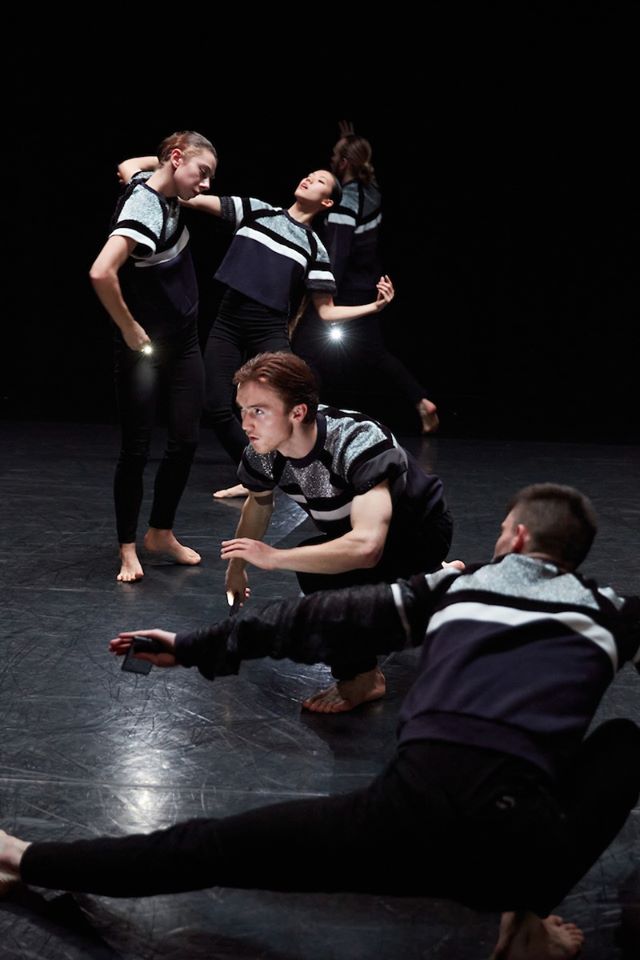
KiN: Connected launches on Thursday (16 April) with a first ever live streamed performance of all 8 company dancers and 2 apprentice dancers in isolation from their own homes, coming together to give a re-worked version of Alexandra Waierstall’s2067: Time and Time and Time, which was originally created with the company for its Spring 2020 tour. This first social distancing live dance piece will be performed via YouTube on Thursday 16 April at 2pm.
On Thursday (23 April) there will be a short dance film inspired by Ed Myhill’s Why Are People Clapping!? in response to the weekly ‘Clap for Carers’ as a thank you to the NHS and Key Workers on Thursday evening which will be shared online after the national clap at 8pm.
NDCWales is also working in partnership with BBC Culture in Quarantine and BBC Cymru Wales to help reach those self- isolating over the next few weeks. The first event will be broadcast on BBC iplayer on Friday 17 April, 11am when NDCWales’ daily class will be shared across Wales and the UK. This week a ballet class will be taught to the company dancers in isolation, and viewers can also join in from home. In the next few weeks the Company will also be launching its new initiative, Progression Routes Wales, which will be a new commission for freelancers.
NDCWales is known for its open-door access to its studios during classes and rehearsals and has an ethos of making dance as accessible as possible. The online programme is a progression of some of the existing programme, and feedback from audiences and artists online on what they would like to see. In their first week of isolation Company dancers honed their creative skills by creating, composing and editing a short film “Dancing Together, Apart” as part of Wales Arts Review’s #Digithon, which helped raise over £6500 for Freelance artists who lost work during the lockdown.
Chief Executive, Paul Kaynes said: “Dancers communicate in a way that is important for the world right now – by telling stories through visual movement, fusing fitness with creativity. We’re inviting people to join us by watching and dancing themselves: dance is one of the brilliant ways we can feed our artistic sides, and in the process keep fit in our living rooms.”
Full details of the KiN: Connected can be found at ndcwales.co.uk and on social media channels over the next week @NDCWales
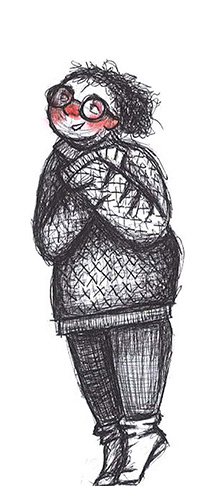
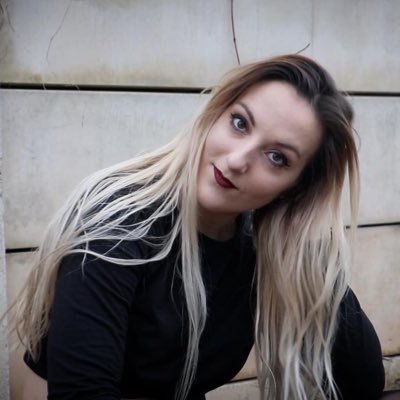
In the last three years, humour and satire, in response to the world around me, have become key components of my work. For me, illustration is all about storytelling, and sharing information and experiences. Although my love of illustration has stemmed from narrative and character-based projects, I am keen to develop my skills further in other areas, such as typography, so that I can work more holistically.
So, what got you interested in the arts?
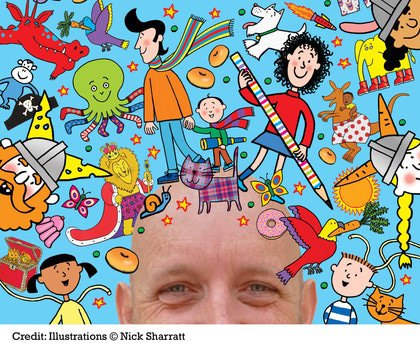
Books. I was constantly reading books growing up; Jacqueline Wilson was my favourite, and, looking back, I can see how imitating Nick Sharratt’s work in school has led to my pursuit of an illustration career. I definitely don’t think the impact would have been as profound, if my family and teachers hadn’t supported and encouraged my creativity- I think this was the most important aspect.
Can you tell us about your creative process?
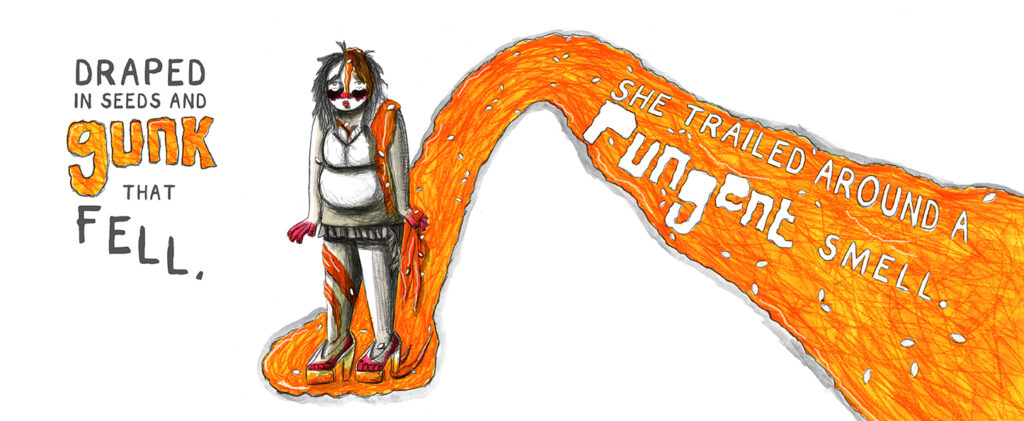
Usually I begin by imagining a visual scenario that I think is funny. For example, Cinderella walking around the Prince’s Ball covered in pumpkin gunk because the carriage hadn’t been scooped out properly. This initial idea could often work well as a single illustration; however, I like to explore how I could apply this narrative voice to the entire story or scenario. If I am reimagining a traditional story, such as Cinderella, I try to create accompanying rhyming text. The use of rhyme helps to create a consistent flow and helps me to keep the text concise. When producing my illustrations, I try to maintain the same livelihood as my sketches; if the lines are too precise I find that the personality of my characters gets lost.
As a young Welsh artists graduating during a very difficult period what investment and support do you think is required to enable your career to develop and prosper?
I believe having the chance to showcase our work, in the same way as years before have, is very important. It is an unusual situation, and I support that our exhibitions could not go ahead as planned. However, as we have put the same time, energy, and funds into our degrees, it would be a shame to miss out on this crucial aspect of the course, which we have been working towards for at least the last year. I hope that there will be support for all students to be able to host exhibitions and shows as soon as it is safe to do so.
A range of arts organisation and individuals are now working online or finding new ways to reach out to audiences. Have you seen any particularly good examples of this way of working?
I have loved seeing people creating and sharing free colouring pages. My old school art department have also been hosting weekly art challenges for students, staff, and family to take part in. This definitely enforces the sense of community that we need right now, and I am eager to have a go at some myself.
If you were able to fund an area of the arts in Wales what would this be and why?
Following on from the work that I produced for my dissertation, I think it would be great for Wales to explore art as therapy further. Now more than ever, it is clear that producing art can be beneficial for our mental health. There currently aren’t many course options in Wales for those that wish to pursue art therapy as a career pathway, and I think that more options would encourage applications.
There is also a gap in the market for Wales-based illustration agencies. I’m sure that the growing Welsh publishing and film industries would love a place to easily select home-grown talent.
What excites you about the arts in Wales?
The arts industry in Wales is continuing to grow. Wales has already become well established within the Film and TV industry, and this recognition is beginning to expand into other areas. It’s amazing to see people travel to Wales to pursue their creative careers! With the accessibility of the internet, creatives are no longer required to uproot their lives to larger cities, like Bristol or London. Despite this, developing more opportunities for creatives within Wales will definitely help to maintain the arts in Wales.
What was the last really great thing that you experienced that you would like to share with our readers?
I recently illustrated a poem as part of an Instagram competition. After the writer liked, commented on, and shared the post (having forced myself to tag her), it has become one of my most successful posts. In this lockdown era, smaller actions have greater results, and this shows just how easy it is to support creatives, even in isolation!
You can find out more about Gabriellas work at her website here
Hi James, great to meet you, can you tells us about yourself and your work?
Hi there, and thanks for inviting me to do this.
I enjoy telling people that I’m quite a good poster-boy for how the arts can save young people who lack direction and, in my case lacked a stable family background.
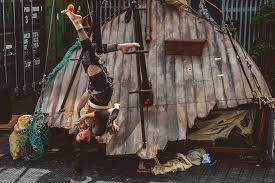
I fell in love with Hip Hop & Breakdancing as a young teen, and then in my 20’s I discovered circus and aerial work which became my career for almost 20 years. Both things came along at times when I was heading down negative roads. What they have in common are the life benefits of physical training and a strong DIY cultural ethic of just making things happen before seeking permission.
The soundtrack to my early childhood was new-wave punk, Ska, and the early years of Hip-Hop. Breakdancing and the version of Hip-Hop culture that landed in Wales was my path away from the miserable cultural confusion of the 1980’s.
I’ve been lucky enough to live in Manchester at the height of it’s music scene, in London at a time when arts & culture really mattered, and back in Wales to work with NoFit State Circus when they were really hitting their stride.
I’m now Co-Artistic Director of Citrus Arts, along with the amazing Bridie Doyle-Roberts. Citrus have been making shows that combine Circus, Theatre, Dance, and Design since 2009 and we’re based in the Rhondda Valley. We tour shows around the UK and the last few years have seen us championing the hands-on skills that come with Circus life as a way to bring the people of our community together to create ‘Exceptional Experiences for Everyday People’.
This chat is specifically about music and the role it has played in your personal and professional life. Firstly to start off what are you currently listening to?
Music is and always has been, a major force behind my path as an artist.
As performers Bridie & I played in plenty of shows where the music felt like an add-on background texture, that’s why Citrus Arts places an emphasis on picking high quality soundtracks and live musicians for our shows.
Bridie & I have two small children, so it’s hard to find time to immerse ourselves in music. There’ve been dozens of times when the boys fall asleep in the car, so we keep on driving, talking about ideas for shows, playing albums, and making major decisions about Citrus Arts’ future as we keep going until one of them wakes up. It costs us a fortune in Ice Cream when we eventually stop to play in a park, or beach for a while before turning back home.
My go-to sounds at the moment all come from the brilliant Late Night Tales series of compilations. The LNT label invites top-notch musicians & producers to curate a 1-hour musical soundtrack for a ‘movie’ that’s never been filmed. My favourite track I’ve discovered so far is “Henry McCulloch” by David Holmes, BP Fallon, & Andrew Weatherall.
We are interviewing a range of people about their own musical inspiration, can you list five records/albums which have a personal resonance to you and why?
The Stranglers – ‘All Live & All of The Night’
My first music festival was Reading in 1987, where I saw The Stranglers headline the Friday night there along with The Cramps, The Pogues, and Iggy Pop over the weekend. This album was partly recorded that night. I still love the sound, image, and artistic message of the punk movement, but was just a young lad with a paper round when it had the real power to shock.
The musicianship in this album still stands out as a moment that shows how punk evolved into the more interesting areas of the charts in the 80’s.
Devo – ‘Q- Are We Not Men?’
I’m still enthralled by how this band made a unique musical, visual, and political style around their image and output. Two brothers in the band made Devo’s pop videos way before the advent of MTV, another member invented the Roland Emulator keyboard/synthesiser, and between them they built a complete and un-improvable artistic world for their music and message.
I love the fact that the lead singer Mark Mothersbraugh now makes music for Marvel super-hero movies.
Massive Attack – ‘Blue Lines’
I was working at a big record shop (a “Megastore”, according to Mr Branson) in Cardiff when this came out and nobody, and I mean nobody, from the Phil Collins-loving security guards to the guys in the classical music department had anything but huge praise for this album. For me it was a re-connection back to my years of loving early Hip-Hop, Soul, and Jazz influenced music, and represented a way to cross between tribes of taste and friendship groups.
Every single track is excellent, but the decision to choose “Safe From Harm” as the opener was a masterstroke.
Ted Barnes – ‘Underbelly’
It’s hard to find Ted’s wider work on the usual online platforms, but this album is a great example of his style. Citrus Arts’ first touring show was based around Ted’s music and if you listen to this, you’ll hear why we chose it.
Barnes was Beth Orton’s composer when she rode high in the UK album charts in the 2000’s. My favourite story about this music is knowing that Ted’s father was a Toymaker in the seaside town of Whitstable in the post-war years.
This album sounds like a boy sneaking-in to his Dad’s shed where wood was carved, and tiny mechanical things came to life.
Another personal tale coming up here, but this is DJ Shadow’s best album.
In 2012 the Hip-Hop pioneer Afrika Bambaataa donated his personal record collection to NY Columbia University’s Cultural Archive – they were the plates of vinyl that were cut, scratched, and mixed to create Hip-Hop in the yard parties that founded the genre.
DJ Shadow & Cut Chemist were allowed to take those actual records on tour as the Renegades of Rhythm performances where they played them as a set, in tribute to one of the founding artists of Hip-Hop.
I saw the show. I listened to those actual grooves on those vinyl plates that inspired me to take a lifelong journey into physical performance, and the way that communities can make their own lasting mark on what I’m sure wasn’t considered ‘art’ at the time.
Just to put you on the spot could you choose one track from the five listed above and tell us why you have chosen this?
I feel like I want my own Radio show after doing this!
If there’s one track I’d like to share with you, rather than remember for personal reasons, it has to be Ted Barnes’ “Sting in The Tale”.
Its lush, gorgeous, beautifully crafted music that everyone should try dancing to.
Many Welsh or Wales based arts graduates are finding this current period especially difficult. Their usual opportunities to meet agents, prepare for final year exhibitions or productions may take place later in the year or sadly not at all. To raise awareness of the diverse talent graduating this year GTC is offering any Welsh or Wales based graduate the opportunity to be showcased on our website. If you are interested, please do get in touch.
Hi Lewis great to meet you, can you give our readers some background information on yourself please?
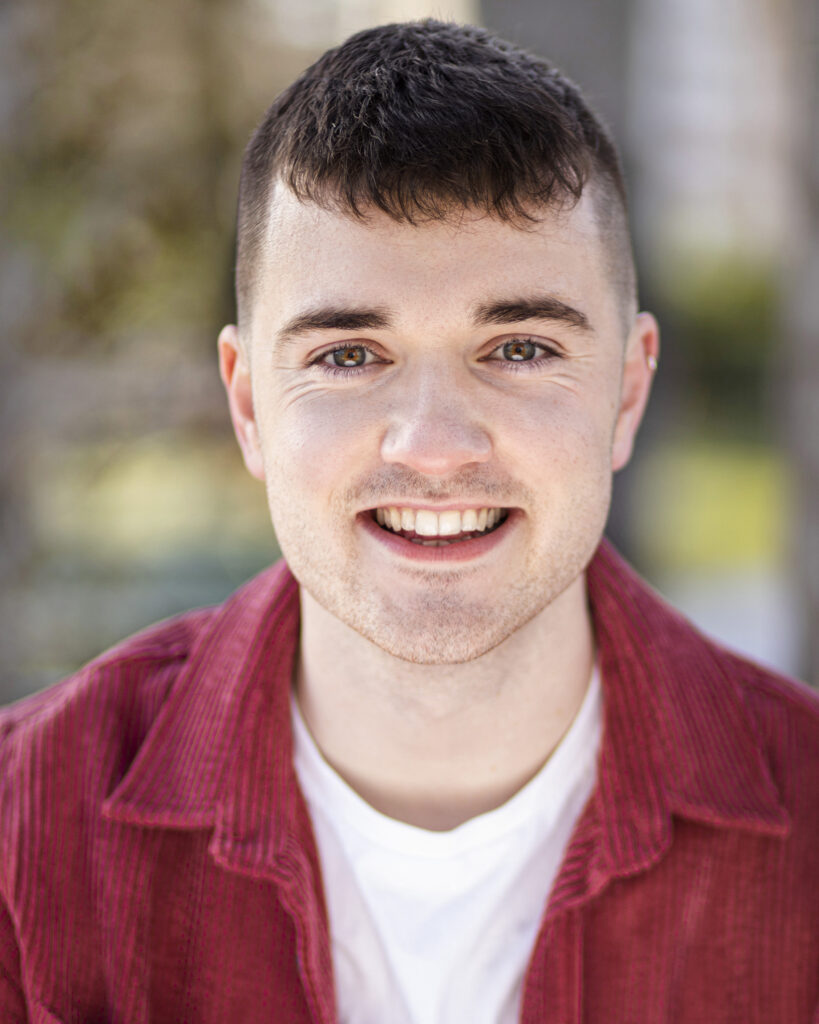
Hi, thanks for giving me this opportunity. I really appreciate it. I was born and raised in the South Wales Valleys in a little village called Cwm which is near Ebbw Vale. I’m just wrapping up my university degree now which is at the Atrium studying BA Theatre and Drama.
I was meant to be performing Frankenstein in May as a final show where I would be playing the role of The Monster but due to obvious circumstances that got cancelled. The creative team that I was working with on this project was a team of talents that I’ve known throughout my time at the university and I would definitely be interested in still doing this show as a non assessed piece. I have a Youtube channel that I share with my brother called ‘Silent Valley Productions’ where we upload projects we’ve worked on.
We are currently working on a 5 episode web-series thats been in development now for over two years, a very long process but one I’m sure that will be worth it in the end. I also love helping out with the media students with their projects, even though the budget isn’t Hollywood level, they’re all capable of making interesting and engaging stories, and that’s always fun to be a part of. I performed my first musical role in 2018 when I played Mr Sowerberry in Oliver with the theatre group i was with and had to perform my first live song. I also love playing on my PlayStation 4 in my spare time.
So, what got you interested in the arts?
Ive been acting now for about 4-5 years now. it was always a subject I got on well with in school and was really the only lesson I looked forward to. My drama tutors always saw something in me and encouraged me to take it further in my career, so without them I don’t think I would be where I am now. I was, and still am, a huge fan of Doctor Who and growing up I always wanted to play The Doctor and hope that one day i have the opportunity to fulfil this dream or even have a role in it. I always had a imaginative childhood, to this day I still have school friends come to me and say to me how creative I was and I think all of this put together is where I get my passion for it from.
Can you tell us about your creative process?
It really depends on what kind of project im working on. If its an acting role then I always find it easier to create a scrapbook and look for other characters that could help shape the image that I have for the particular role. I keep a scrapbook in my room for characters that I think are unique and ones that I think could be useful in a future project, so there’s something I always have to go back to and reference to if needed.
As a young Welsh artists graduating during a very difficult period what investment and support do you think is required to enable your career to develop and prosper?
I think the support has been really well all round on my behalf, with organisations like yourself giving opportunities which are really useful for people who are graduating to introduce ourselves to the rest of the industry. This situation should be taken to learn a new skill or start something you didn’t have the time to do in the past. At the moment I’m learning to play guitar and really pushing the pre-production for the series I mentioned earlier. I think it would be helpful if we used this opportunity to share these ideas and have different eyes review it.
A range of arts organisation and individuals are now working online or finding new ways to reach out to audiences. Have you seen any particularly good examples of this way of working?
I’ve seen quite a few opportunities arise on Twitter especially. Its My Shout is something that people should look into.
Normally filmed in the summer but now would be a good time to send them monologues and try to apply for their scheme. I’ve been gathering a list of agents from different companies like United Agents and Regan Management. Going back to what I said earlier I think creatives should also take this opportunity to look into uploading auditions and show reels on You tube. Most of what you see on YouTube don’t really have a budget or if they do its minimum, and they get 20 million views due to the entertainment quality. Its a site that hasn’t reached its peak yet and with projects getting 20 million views, I believe it’s the perfect opportunity to show off your talent. Now is the perfect time to start looking into it too.
If you were able to fund an area of the arts in Wales what would this be and why?
Off the top of my head I can’t really think. Amateur productions are something that I think should be given a bit more of a funding as the copyright for a lot of shows are really expensive which then makes the budget for the set, theatre booking and costumes a lot more tighter than would it could be. I would like to see some kind of better funding go towards people who want to make short films too,Having known people being in that position, I understand it can be difficult pulling off projects with such small budgets. Some of the ideas I’ve heard of in the past have been really fascinating to hear about but due to the funding, they’re either put on hold or cancelled which is a bit disheartening, especially for the people in that position. So some kind of better funding to help those guys out.
What excites you about the arts in Wales?
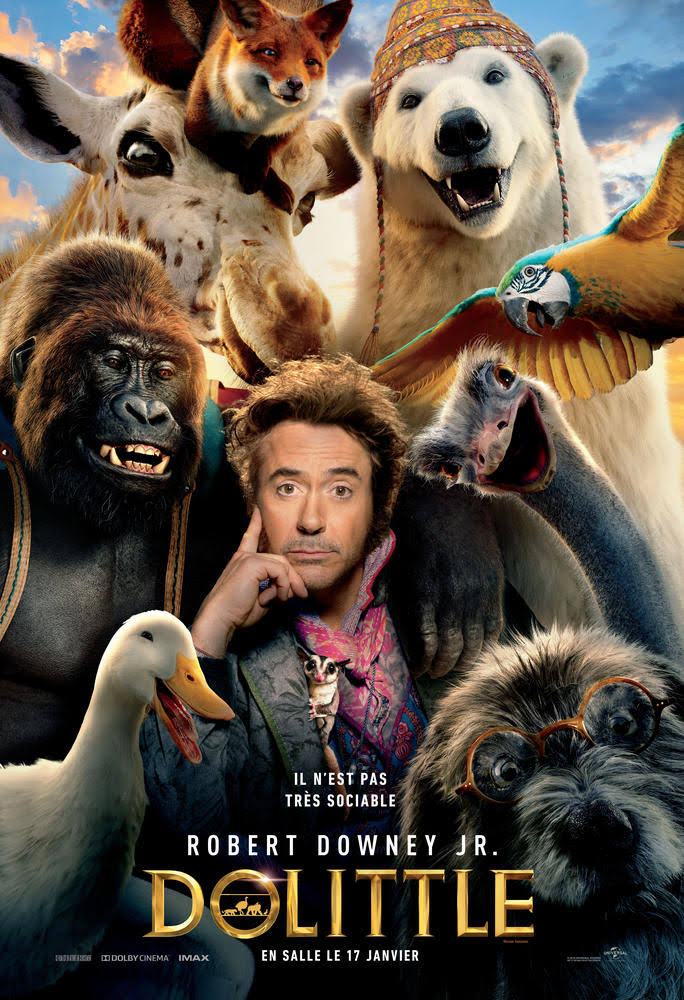
The future of Wales is looking bright for sure! with massive Hollywood films like ‘Dolittle’ with Robert Downey Jr and ‘Infinite’ with Mark Wahlberg, it looks like Wales is finally getting noticed.
Along with the talent, schemes and ideas in Wales, the overall future is bright and I can’t wait to see what opportunities the future holds!
What was the last really great thing that you experienced that you would like to share with our readers?
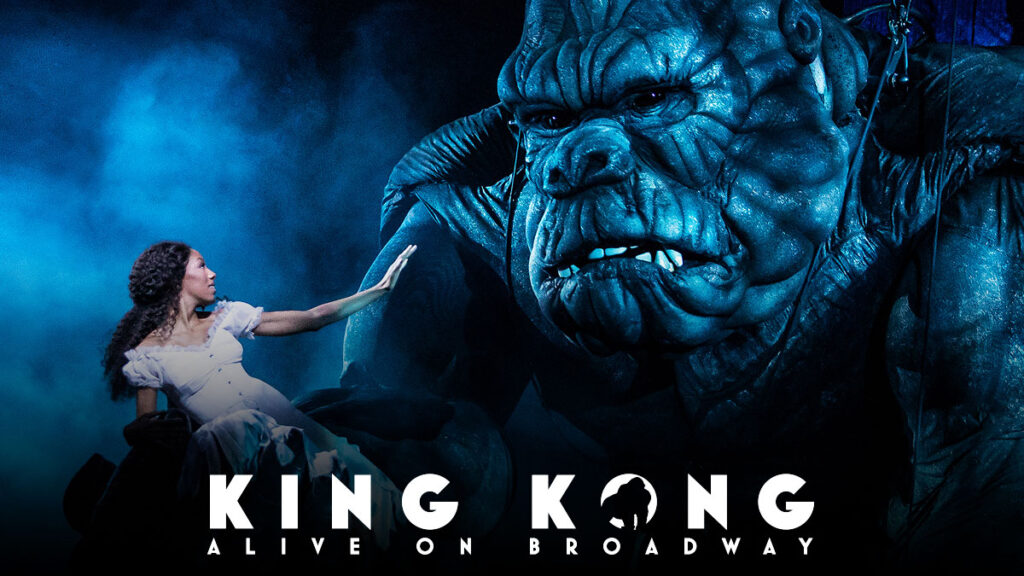
There’s a few things that come to mind. I’ve seen quite a few live TV recording’s of ‘The Big Six Nations Kick Off with Gabby and Gareth’ I got the male lead to ‘A Vampire Story’ which was my first time doing a lead in a show. But what stands out the most to me is when I went to New York to see the musical version of King Kong, going to Ellens Stardust Diner, and looking at some of the incredible views from the skyscrapers!
I also went to the Welsh BAFTA’s where I got to speak to quite a few big producers, actors and actresses like Ioan Gruffudd, Eve Myles, Catrin Stewart and Mark Lewis Jones, so that was a pleasure to meet all of them and hear what successful professionals had to say.
Helo Sion braf cwrdd a ti, fedri di roi ychydig o wybodaeth am dy hun i’n darllenwyr ni plis?
Hi Sion great to meet you, can you give our readers some background information on yourself please?
Helo, diolch am y cyfle yma. Felly, ar hyn o bryd dwi’n astudio MA Perfformio gyda PCYDDS yng Nghaerdydd. Dwi’n wreiddiol o bentre bach o’r enw Rhydymain, ger Dolgellau, ond nes i symud lawr i Gaerdydd yn 2017 i ddechrau ar fy ngradd mewn BA Perfformio. Dwi wrthi ar hyn o bryd yn ffilmio selftapes ar gyfer showcase ar-lein, yn sgil i’n showcase gwreiddiol ni gael ei ganslo o ganlyniad i’r amgylchiadau heddiw.
Hi, thanks for the opportunity. I’m currently studyingMA Perfformio at UWTSD in Cardiff. I’m originally from a little village near Dolgellau, called Rhydymain, but moved down to Cardiff in 2017 to start on a degree in BA Perfformio. I’m currently self-taping for our university’s virtual showcase, as our original showcase was cancelled.
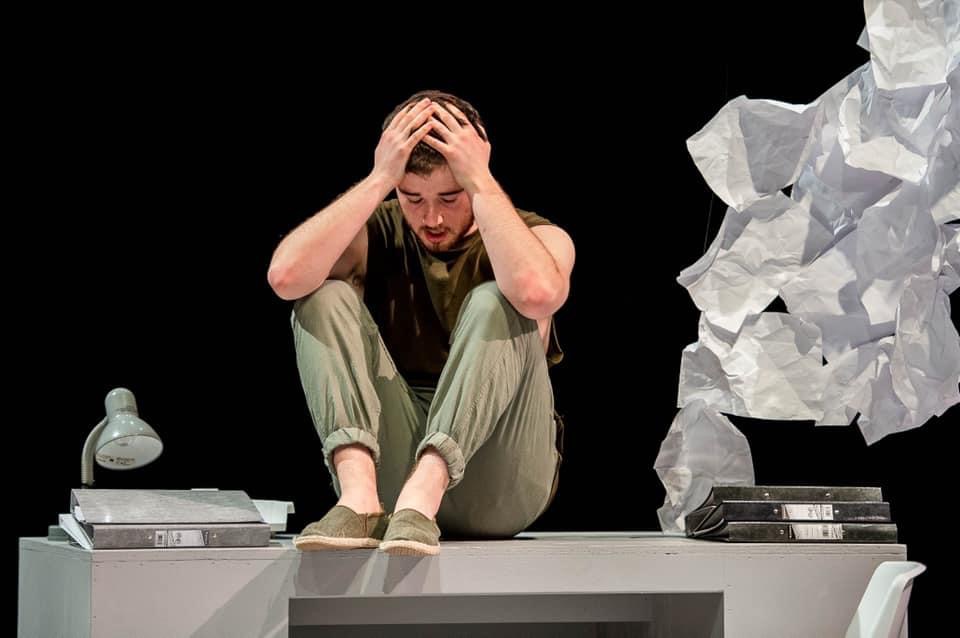
Picture of BA Perfformio’s 2019 production of Cysgu’n Brysur, directed by Elen Bowman, Sion played Cai.
Felly, beth roddodd diddordeb iti yn y celfyddydau?
So, what got you interested in the arts?
Fel llawer o’m ffrindiau, fues i’n cystadlu mewn Eisteddfodau ers yn ifanc, canu mewn corau, a bod yn rhan o gyngherddau’r ysgol ac ati. Er nes i fwynhau’r dyddiau yna, yr hyn wnaeth fy nenu ac fy ysgogi i ddilyn llwybr o fewn y celfyddydau oedd ymuno â Ysgol Theatr Maldwyn. Ges i’r cyfle i fod yn rhan o amrywiaeth o sioeau a chyngherddau, gan drafeilio a pherfformio mewn nifer o theatrau gwahanol ar draws Cymru. Mae fy nyled i’n fawr iawn i Penri, Linda a’r diweddar Derec am yr holl brofiadau ges i ar hyd y blynyddoedd.
Like many of my friends, I competed in numerous Eisteddfods, joined choirs, and being a part of school productions. But on top of this, what really got me wanting to be in this industry was joining Ysgol Theatr Maldwyn. I had the opportunity to be in various shows and concerts, and to perform in many theatres across Wales. My gratitude is enormous to Penri, Linda and the late Derec for their work, and the chances I had throughout my years with them.
Fedri di son ychydig am dy broses creadigol?
Can you tell us about your creative process?
Mae fy mhroses i’n amrywio yn ddibynnol ar y dasg sydd genai. Dwi newydd gwblhau modiwl actio pellach gyda Angharad Lee, ble roeddem yn mynd ati i ymchwilio ac analeiddio darn o ddeialog yn gorfforol, yn defnyddio ‘toolkit’ o sgiliau methodoleg Stanislavski. Fyddai’n siwr o gario’r broses ymlaen i wahanol brosiectau gan ei fod yn diddymu unrhyw batrymau sydd genai, ac yn gwneud i mi gysylltu’n well gyda’r testun.
Angharad Lee
My process varies depending on the task ahead. I’ve just completed a module on further acting with Angharad Lee, where we had to analyse and investigate a piece of dialogue physically, using a ‘toolkit’ of skills from Stanislavski’s methodology. I will be sure to carry on this process onto different projects, as it gets rid of any patterns I have, and helps me to connect better to the text.
Picture of BA Perfformio’s 2017 production of Sweeney Todd, directed by Angharad Lee, Sion played Tobias Ragg, centre.
Fel artist ifanc o Gymru sy’n graddio yn ystod cyfnod anodd iawn, pa fuddsoddiad a chefnogaeth sydd eu hangen yn eich barn chi i alluogi eich gyrfa i ddatblygu a ffynnu?
As a young Welsh artists graduating during a very difficult period, what investment and support do you think is required to enable your career to develop and prosper?
Mae’r diwydiant yma wedi bod yn dda iawn yn ystod yr amser anodd yma i ni, fel actorion neu artistiaid sy’n dechrau ar eu gyrfa, drwy ddod at eu gilydd a rhoi llawer o gyfleodd allan yna i ni. Dwi’n meddwl fod o’n bwysig i hyn gario mlaen unwaith fydd popeth wedi mynd nol i’r arfer. Hefyd, falle defnyddio’r amser yma i fod yn greadigol, a gwneud rhywbeth megis, darllen mwy o ddramau neu dysgu acen newydd – ond wedi dweud hyn dwi ddim yn rhoi unrhyw bwysau na gorfodaeth i wneud hyn chwaith.
The industry’s been very good during this difficult period for us, as actors or artists starting on their career, by coming together and offering different opportunities for us. I believe it’s important that this caries on when life goes back to normal. Maybe, to use this time and be creative, and read more plays or learn a new accent, but after saying that, I’m not putting myself under any pressure to do anything either.
Mae ystod o sefydliadau ac unigolion o fewn y celfyddydau bellach yn gweithio ar-lein neu’n dod o hyd i ffyrdd newydd i gysylltu â cynulleidfaoedd. Ydych chi wedi gweld unrhyw enghreifftiau arbennig o hyn yn gweithio?
A range of arts organisation and individuals are now working online or finding new ways to reach out to audiences. Have you seen any particularly good examples of this way of working?
Do! Neshi weld tweet yn arbennig i raddedigion actio 2020 gan National Theatre Wales, oedd yn rhoi’r cynnig i gysylltu a chyfarfod, a hynny dros Zoom, gyda nifer o weithwyr proffesiynol i gyflwyno ein hunain rwan bod ein sioeau terfynol ddim yn digwydd. Dwi’n meddwl fod o’n anhygoel i ni fel Cymry i allu cael sgwrs a dod i nabod pobl yn y diwydiant cyn mynd i’r byd gwaith. Fues i’n cael sgwrs gyda Jeremy Turner, sef Cyfarwyddwr Artistig Arad Goch heddiw, a mae gennai sgwrs gyda Sarah Bickerton, sy’n gyfarwyddwraig cyswllt â Theatr Genedlaethol Cymru ac Louisa Palmer, sy’n asiant i Shelley Norton Management i ddod o fewn yr wythnos. Nid yn unig mae hyn yn gyfle da i gyflwyno’n hun, ond mae o’n gwneud fi’n gyffrous i fynd allan i’r byd gwaith unwaith fydd y cyfnod yma yn dod i ben.
Jeremy Turner, Sarah Bickerton and Louisa Palmer
Yes! I saw a tweet from NTW for 2020 acting graduates which gives the opportunity to connect, over Zoom, with industry professionals and to present yourself now that end of year productions have been cancelled. I think it’s an amazing chance for individuals that are graduating in acting in Wales, or from Wales to meet and introduce yourself to professionals before going into work. I met with Jeremy Turner, the artistic director for Arad Goch today, and from now to next week I’ll be meeting Sarah Bickerton, associate director with Theatr Genedlaethol Cymru and Louisa Palmer, agent with Shelley Norton Management. This has made me even more excited about joining the industry and going into work.
Os fydde modd i chi ariannu adran yn y celfyddydau yng Nghymru, beth fyddai hyn a pham?
If you were able to fund an area of the arts in Wales, what would this be and why?
Dwi’m yn siwr iawn! Dwi’n meddwl swni’n licio gweld gwefan, tebyg i ‘Scribd’, gyda gweithiau Cymraeg, boed hynny’n waith gwreiddiol neu’n gyfieithiadau. Yn aml swni’n ei chael hi’n hawdd iawn i ddod o hyd i fonolog Saesneg, ond yn gweld hi’n anoddach o lawer dod o hyd i rywbeth Cymraeg. Falle mai fi sy’n edrych yn y lle anghywir, pwy a wyr! Ond dwi di dechrau prynu sgriptiau/dramau rwan ar ôl gwylio dramau Cymraeg, jysd rhag ofn ddoith o’n handi ar gyfer rhywbeth rwbryd.
I’m not quite sure! I’d like if there would be a website, like Scribd, but with only Welsh works, that being an original or a translation. I often find finding monologues in English easier, and find it much harder finding something in Welsh. It might be completely my fault, that I’m looking in the wrong places, who knows! But I’ve started buying scripts/plays after watching Welsh plays now, just in case it will come handy someday!
Beth sy’n dy gyffroi am y celfyddydau yng Nghymru?
What excites you about the arts in Wales?
Y peth sy’n cyffroi fi fwyaf ydi fod gymaint o gyfleoedd allan yna ar hyn o bryd, ac nid yn unig ar gyfer actorion. Mae’n braf gweld gymaint o artistiaid ifanc newydd allan yna, mae’n rhoi gobaith i mi am ddyfodol cadarn i’r celfyddydau yng Nghymru.
What excites me the most is, that there are so many opportunities out there, and not only just for actors. It’s great to see so many young artists out there, it gives me hope for a strong future for the arts in Wales.
Picture of BA Perfformio’s 2019 production of a Welsh translation of 100 by Neil Monaghan, Diene Petterle and Christopher Heimann, directed by Aled Pedrick – Sion played Ketu
Beth oedd y peth gwirioneddol wych olaf i chi ei brofi yr hoffech ei rannu gyda’n darllenwyr?
What was the last really great thing that you experienced that you would like to share with our readers?
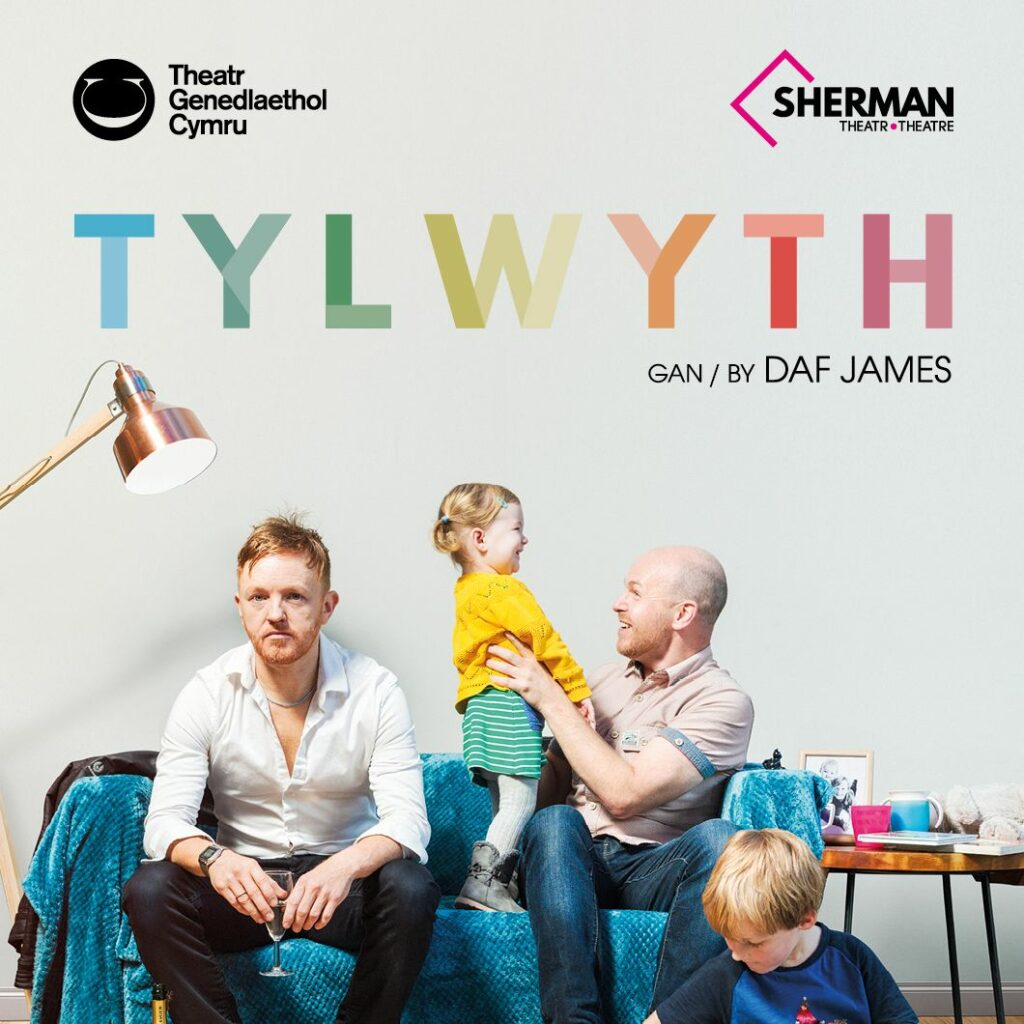
Heb os, Tylwyth gan Daf James! Er na ges i gyfle i’w weld o’n iawn, a dwi’n hollol hollol gytyd am hyna! Ro’n i’n rhan o’r côr oedd ynddo, ac felly di gweld darna ohono. Dwi ddim isho sboilio gormod, ond oedd y diweddglo yn rhoi shivers i fi bob noson, ac oedd gweld gymaint oedd y gynulleidfa wedi mwynhau’r sioe yn galonogol iawn. Mae’n braf weithiau cael sioe gyda diweddglo hapus dydi!
Without a doubt, Tylwyth by Daf James! Although I didn’t get a chance to see the whole show, and I’m really gutted about that! I was a part of the choir, and so I saw parts of it. I don’t want to spoil it, but the ending gave me shivers every night, and just being able to see how much the audience enjoyed the show was heart-warming. It’s nice to have a happy ending sometimes!
Many Welsh or Wales based arts graduates are finding this current period especially difficult. Their usual opportunities to meet agents, prepare for final year exhibitions or productions may take place later in the year or sadly not at all. To raise awareness of the diverse talent graduating this year GTC is offering any Welsh or Wales based graduate the opportunity to be showcased on our website. If you are interested, please do get in touch.
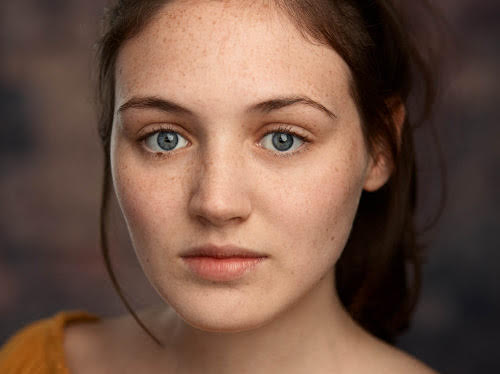
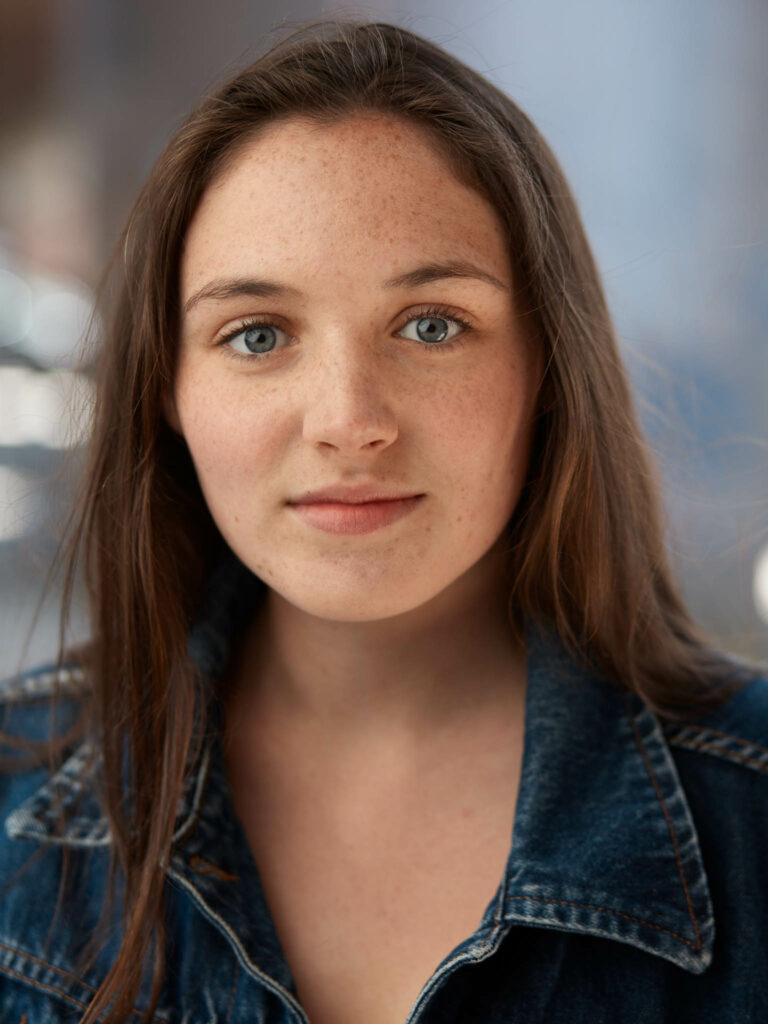
Hi Moli great to meet you. Can you give our readers some background information on yourself please?
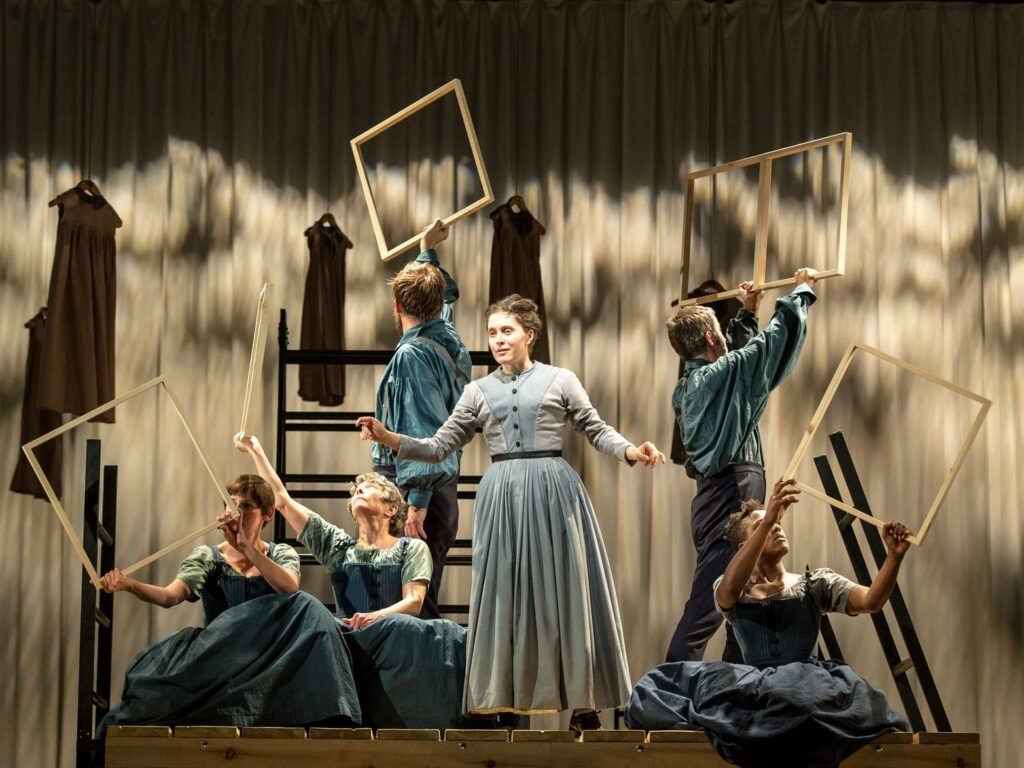
Hello! My name is Moli Bethan Williams and I am a 20-year-old final year university student studying Acting at UCLan. I’m from Wrexham, North Wales but I currently live in Preston, hoping to move to Manchester in a few years. I am a fluent Welsh speaker. My hobbies include watching films, socialising with friends and reading. I also play the cello and enjoy singing. Over the past few years, I’ve performed in several professional productions on stages such as Liverpool Empire and The Manchester Place Theatre. Acting and performing have always been a passion of mine.
From an early age I attended a local youth theatre (Bitesize Youth Theatre) where I discovered my passion for performing. For most of my childhood I would tend musical theatre, drama and dance classes at Bitesize, where we would compete in national competitions, perform in numerous shows and build repertoire preparing for auditions. In addition to this, being brought up through the medium of Welsh the Eisteddfodau was a huge influence throughout my school years.
Can you tell us about your creative process?
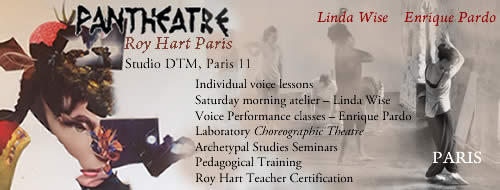
Devising and creative work has always been something I have enjoyed doing although it takes me a while to find a starting point to my work. Last Summer I trained in the South of France with Pantheatre. The training was heavily based on impulse and improvising both vocally and physically within the space. Having confidence in my ideas was something I was struggling with before my time in France and since then I’ve been braver with my creative process and believed in myself much more and our third-year devising module has benefited from this.
A lot of my creative process tends to stem from life experiences and reading poetry, historical resources and folk tales. Now that everything has slowed right down, there’s time for artists to find motivation to be creative, maybe learn a new instrument, work on a speech for example. Hearing from my course mates this time is given them space to develop skills to build their actor CVs and to prepare them to be ready to break into the industry once normality returns.
As a young Welsh artist graduating during a very difficult period what investment and support do you think is required to enable your career to develop and prosper?
I was lucky enough to have been able to perform in my Manchester showcase for industry professionals in the beginning of March, but unfortunately our London showcase got cancelled. As there has been a pause in the call for actors and creators to make work, Spotlight which is a casting platform connecting performers, agents and casting directors has given all members an extra three months on their yearly subscription which will be a massive financial help to many graduates. Everyone in the arts are suffering during this time, and mental health is something that many graduates struggle with anyway, they feel lost and confused as to what’s next. This I would imagine would be amplified for many at the minute with their university experience has been cut short and in addition to the current climate.
A range of arts organisation and individuals are now working online or finding new ways to reach out to audiences. Have you seen any particularly good examples of this way of working?
Twitter has proven to be an amazing resource for me personally, I have an actors account set up which is mainly used for networking and broadcasting news. Last week Twitter had a Showreel Share Day, this enabled graduates and actors to showcase their talent to a vast audience and get valuable feedback from industry professionals.
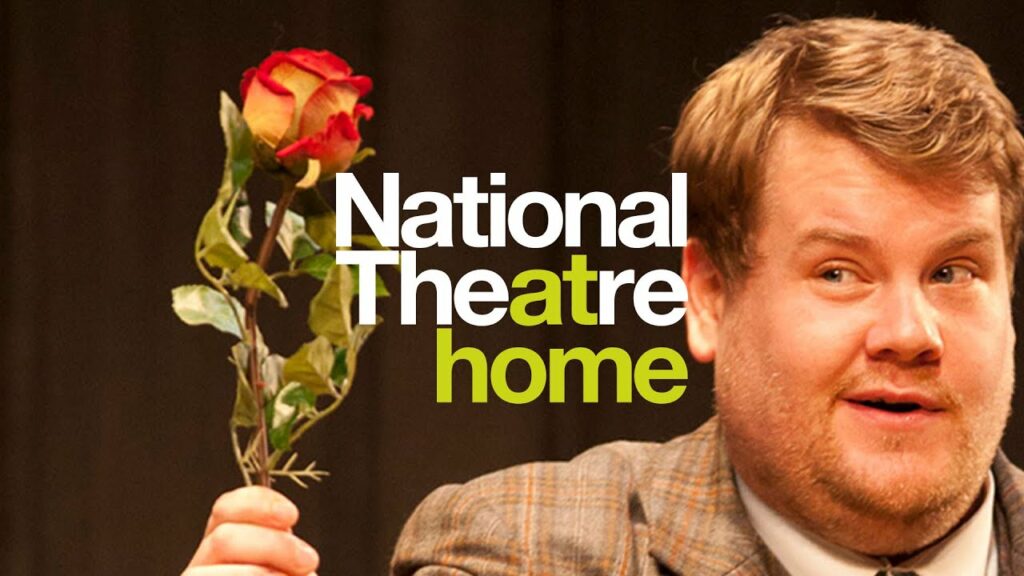
All my university classes and lectures are done on Skype calls in small groups which took some time to adjust to but is very beneficial. The National Theatre are broadcasting their best loved plays on You Tube weekly. This is a lovely idea and is attracting huge audiences. This Thursday Jane Eyre is being shown, one to watch!
If you were able to fund an area of the arts in Wales what would this be and why?
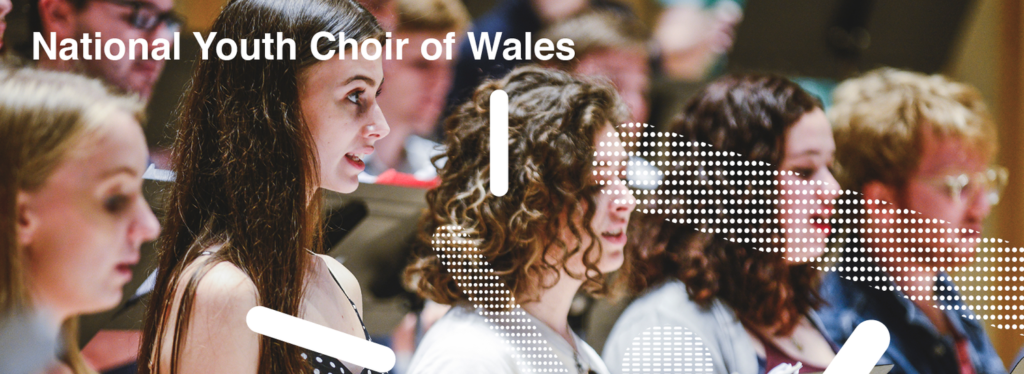
An area of the arts which is profoundly underfunded is the Youth Music Services. Over the past few years, cuts have been made to peripatetic music teachers which has resulted in Music Services to close. I was in Wrexham County Choir and Wrexham Strings Orchestra for most of my childhood and teenage years, and unfortunately these cuts are preventing Welsh students to experience the same things I had, for example be a member of the National Youth Choir of Wales.
What excites you about the arts in Wales?
I think the main things that excites me is the future of arts though the medium of Welsh, over the past few years the number of Welsh speakers has risen therefore more Welsh plays, films and poems will be written. It’s a very exciting time for a growing language.
And finally what was the last really great thing that you experienced that you would like to share with our readers?
Last week I watched the National Theatres One Man Two Governors starring James Corden. This was a fun play, lots of comedy element, a live band and a great cast! Really cheered me up to watch some great theatre with my family who also really enjoyed it. Reminded me that once normality is restored, arts will rise again, stronger than ever and will be appreciated more than ever before.
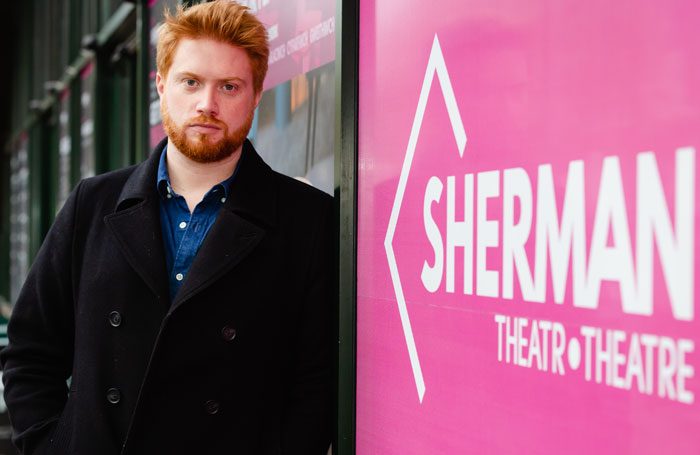
In our latest Playwright interview Director of Get the Chance Guy O’Donnell chats to Wales based Playwright Lisa Parry. Lisa discusses her career to date, her latest production The Merthyr Stigmatist due to play at Sherman Theatre, Cardiff in October and her thoughts on opportunities for Playwrights in Wales.
Hi Lisa, great to meet you, can you give our readers some background information on yourself please?
Sure. I’m a playwright, based in Cardiff. I used to be a journalist but had a wobble one day when I realised I was having to tell a woman’s story in a way that didn’t feel right to me. It felt the way of writing her story for the paper would lead to her feeling judged by the readers/its audience and I felt really uncomfortable with that. It wasn’t bias or anything from the paper’s side, it was literally the way I had to structure it. I was just at the point where I was picking up work on the nationals and I was on a pretty clear career trajectory. After meeting this woman, I started going back to my flat and writing drama again (I did this a fair bit during my A-levels) as opposed to short stories and poems, which I had been doing as a creative release up until that point. I applied to Birmingham Uni to do their MPhil in playwriting, was offered a place and took it. I was taught by playwrights such as Sarah Woods and David Edgar and Moira Buffini – sessions that really impacted how I write.
Sarah Woods, David Edgar and Moira Buffini
I then moved to London, temping and working front of house at the Royal Court so I could see heaps of stuff for free and pay my rent at the same time. I learnt heaps down there – nothing beats watching the same production over and over again to see what works and what doesn’t and why. Then one of my short plays was picked up by the Sherman for Script Slam and I ended up being developed by the old literary department here quite a lot.
I was constantly travelling backwards and forwards because the theatre scene here really excited me. Eventually, with work, we had the chance to move and so we took it and settled in Cardiff. We’ve been here for over eight years now.
So, what got you interested in the arts?
I’m a Valleys/Midlands hybrid and from a really working-class background. Going to the theatre to see plays just wasn’t a part of my childhood. It was what middle-class people did. I always loved books and stories though and I remember visiting my very bookish great-great uncle and pulling Shakespeare’s complete works off the shelf, flicking through it and being surprised I could read and understand it. Then I read a really old copy of A Midsummer Night’s Dream – I think I bought it at a car boot sale – in one sitting and thought it was incredible. I loved the way the story was told just through dialogue and it wasn’t couched in heaps of description like in novels. It felt really refreshing. My love of theatre then really grew when I was doing my A-levels. I remember seeing Debbie Isitt’s Sqealing Like A Pig on a school trip at Birmingham Rep and being really taken aback by it – the fact it was contemporary, the way she used heightened language in certain sections, but it still felt refreshing and new, not dusty and archaic. I could relate to it. I did some really bad acting throughout sixth form and university but it was always text that got me if I’m honest.
Debbie Isitt
Can you tell us about your writing process? Where do your ideas come from?
It’s really random. Sometimes it’s just a phrase that will stick in my mind or an image and I can’t shake it off and eventually it’ll just come out as a play. (When I say eventually, this can genuinely take years.) I quite like leaving stuff ticking over until I simply have to write it. I try to read as much as possible and to see as much theatre as possible too.
I think with ideas, it’s mainly about keeping your mind creatively open. Sometimes that comes from switching the creative side off though and tricking it. If I’m not writing and I’m reading non-fiction instead, my brain has an amazing strop and starts throwing ideas my way. If I rest it a bit after finishing something, it needs to create something new.
Can you describe your writing day? Do you have a process or a minimum word count?
I’m really awful with this. I hear people tell me they do so many pages or words each day and I would love to be like that because then I could chalk up a standard working day, but I simply can’t do it. I’ll write in the time that I have. It loosely fits into the school day now and if my partner has the kids either side of that so I can cram in a few more hours, that’s a bonus. I’ll tend to blitz things in the run-up to deadlines too. Since having the kids though, I’ve noticed I can get more done in a shorter amount of time – I think I’ve developed a more intense focus. And I definitely plan more. If I think about writing a full-length play, I have a complete panic at the start. If I think about writing ten pages or so and just needing to hit a certain point in the story by the end of the week, it’s more manageable.
That said, everything’s gone completely out of the window recently with Covid-19 and like a lot of people, I’m juggling home education now with work. My partner is a doctor at UHW on top so our rhythms as a family are all over the place. My work pattern has changed and I’ve had to step back and look at it and come to terms with how to manage it. I’ve been writing shorter plays, which I love doing anyway, and have also then felt I’ve achieved something. I’m probably hitting the point of getting back to broken-down longer work again now. The fact I’ve not put everything on hold though has surprised me. Obviously there are financial reasons not to do that, but the fact I’ve desperately needed to write with all this going on has made me realise how much a part of me it is and also how much I desperately believe theatre is needed to help us all through this: be that preparing work for the stage in the future or simply short plays going into the community or online now.
Why and where do you write?
I write for a few reasons I think. The most straightforward answer is that I get really crabby if I don’t. I think it might just be a way I process things. If I’ve not written for a while, I don’t feel like myself and I’m not sure I’m that pleasant to live with. I need a narrative ticking over in my head or it’s really too quiet. I also write plays because I really believe in them. One reason for that is – and I think we’re seeing this with isolation – it’s really important for human beings to simply be together and to listen to stories. It’s a fundamental part of who we are as a species. The world wouldn’t stop turning if I wasn’t one of those writing them, but I do love writing them very much.
The other reason I write plays is that I think theatre is an incredibly powerful and political medium. Anything you put on stage is a metaphor, it carries meaning. And plays can shake us out of our complacency and cause us to ask questions. The second a play causes you to think about something, anything, a little differently, it’s activated a muscle that is really powerful when applied in the outside world: nothing has to be a certain way. That’s a real Brechtian idea, but I really love it. I think I’d struggle to write something if I didn’t think that could be going on in the background. It would feel a bit too self-indulgent.
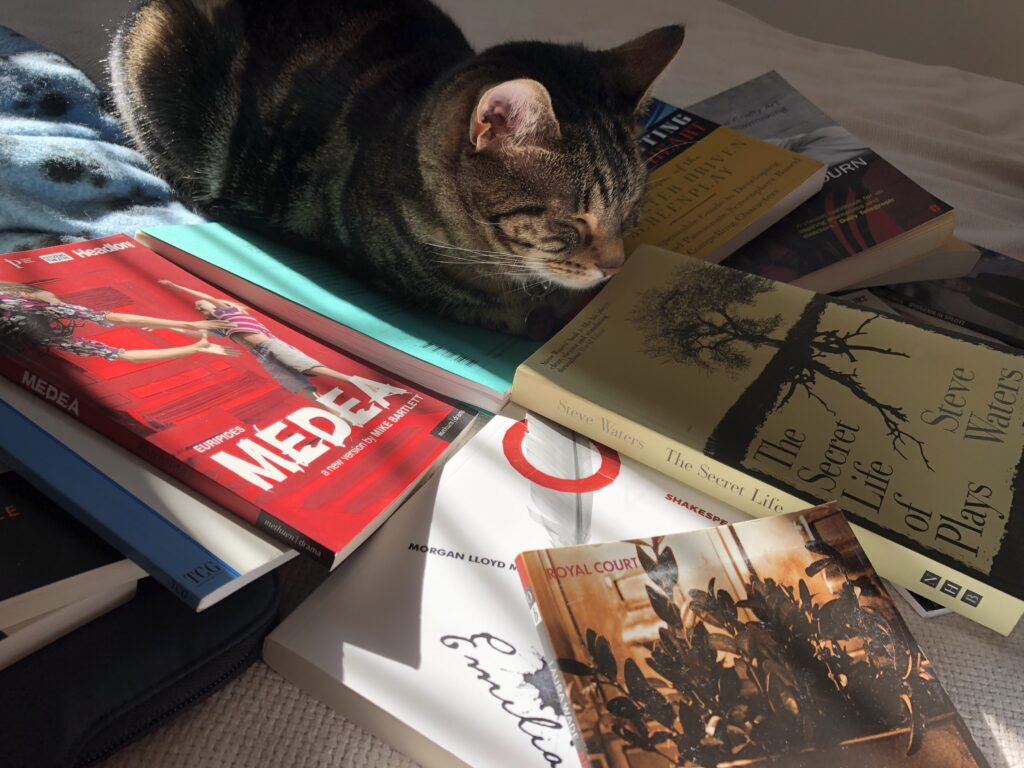
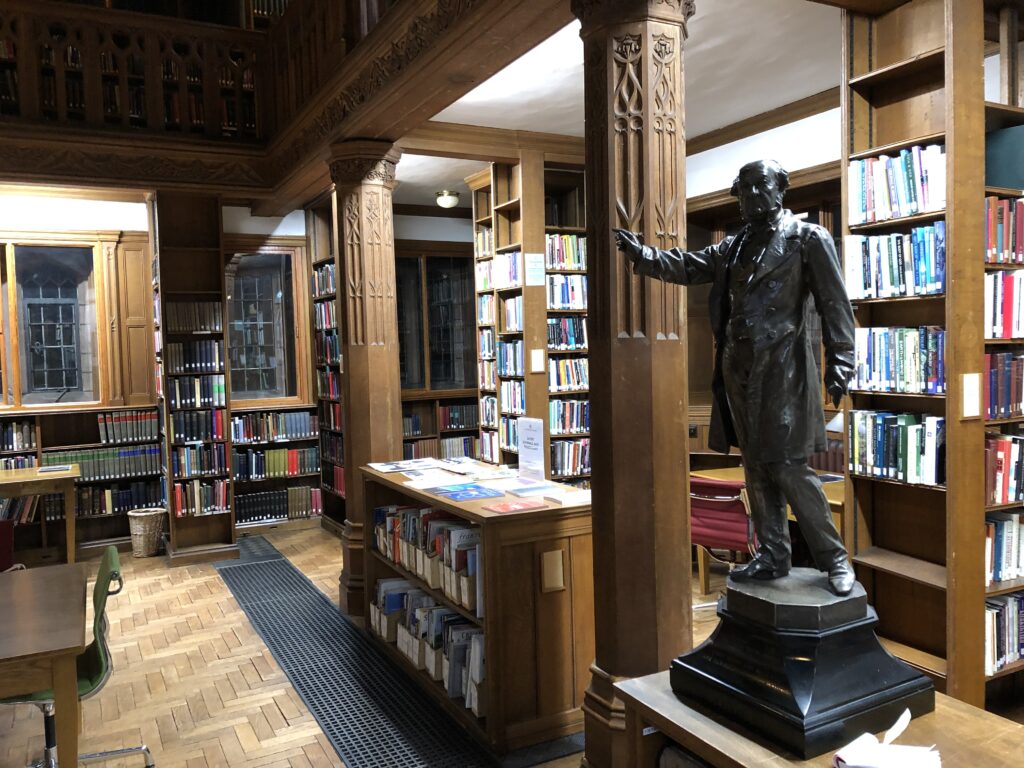
As for where I write… I’m so cross with myself about this. For years I have been telling myself that I need a desk and decent chair, but I still work sat on my bed with books and drafts spread out everywhere. I spend far too much time trying to pull out previous drafts from beneath sleeping cats. I was pretty good when my eldest was little as he slept in a sling and I’d work as he napped on me which means I had to be sat in a chair at a table or something. When I want to work without the presence of small mammals and have a decent run at something, I often pop down to Chapter and get there early to nab a plug socket. I recently worked at Gladstone’s Library when I was up at Theatr Clwyd on a residency and it was incredible. I was able to work much later because I could pop downstairs to a library. It was blissful and really productive.
Gladstone’s Library
Your latest play The Merthyr Stigmatist will be produced by Sherman Theatre and Theatre Uncut in October. Why would you say Merthyr is worthy of a Welsh playwright’s attention?
I think I need to flip this question to answer it properly. I’ve never struggled with the idea of whether Merthyr was a worthy subject or not. It’s one of my favourite places in the whole world and I love it there. To me, growing up, it was always magical. My grandmother used to clean the castle and she’d tell me stories of how she saw Crawshay’s ghost in the castle windows perving on them all. And when we’d visit relatives, we could look out over the mountains and then walk into town and pick up the different speech rhythms. The dialect of Merthyr is really rich; its history is phenomenal and there are so many stories still to be told. The idea that it shouldn’t be on stage whereas somewhere like Chelsea should only really holds if you buy into social snobbery and I have absolutely no patience with that. Merthyr’s epic and I’m gobsmacked it’s not on stage more.
That aside, I’ve been putting off writing about Merthyr for years. I always wanted to but it’s so locked into my family and a real grief for my grandparents that I was very wary of going there with my work. And I didn’t want to write something that wasn’t heartfelt and contemporary either – I wanted it to be truthful. It was after we moved across and my partner worked at the Prince Charles for a while and was coming home with stories about his day that I realised how much I’d missed feeling plugged into the place; it felt as if part of me had been asleep for a while. And then a couple of things happened in the world of politics as I was building back up my relationship with it and I creatively exploded.
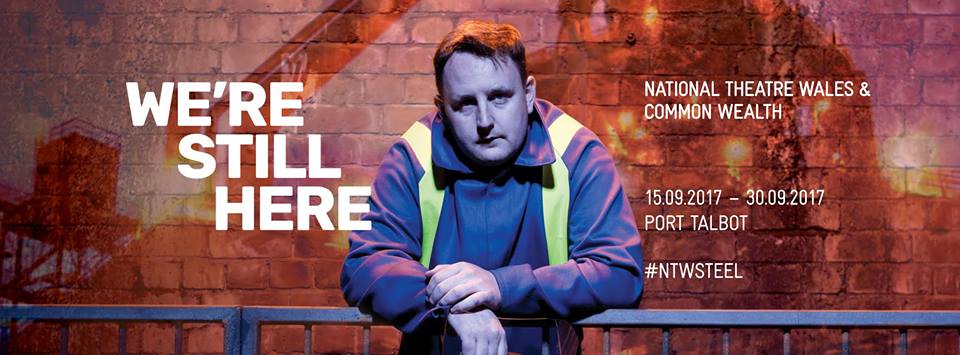
The play is described as “A riveting and poignant drama that tackles theology, doubt and life in the Valleys in 2020”. With productions such as We’re Still Here by NTW portraying the lives of Neath Port Talbot Steel Workers, Theatr na nÓg’s Nye and Jennie examining the political background and personal inspiration of Aneurin Bevan and Jennie Lee, do you feel that Welsh theatre is presenting representative stories of its citizens on our stages?
That’s an interesting one. I’d say yes but there is more work to do. Audiences respond really positively to Welsh stories which does make sense – I think if you see theatre being for its community, people are going to want to see themselves represented on stage. And modern Wales needs theatrically exploring. I think it’s why the Sherman’s latest season is so exciting because it’s doing that, even with A Christmas Carol.
And I think that’s the rub to be honest. Wales’ past is so rich, you can see why our plays are perceived as mostly being about historical events. But we have to remember that there’s a generation going to the theatre now which wasn’t even alive during the Miners’ Strike and they need to see their lives reflected too or we’ll lose them. There’s heaps that we haven’t explored and voices from various communities that we haven’t heard from yet and we really need to in order to explore who we are and what this country is here and now.
I think there’s something interesting that feeds into this question too though. There seems to be a real push to say ‘Oh, it’s Welsh – but it’s also universal’, as if we have to apologise for telling a Welsh story somehow because what we’re aiming for isn’t that. I don’t see why it can’t be. If the play’s good, if it’s specific to here and truthful, the truths its exploring will be universal anyway. That’s just how theatre works.
There are a range of organisations supporting Welsh and Wales-based writers. I wonder if you feel the current support network and career opportunities feel ‘healthy’ to you? Is it possible to sustain a career as a writer in Wales and if not what would help?
I genuinely find this a hard question to answer. Everything is very competitive, but I think that’s true everywhere and there are certainly more opportunities now than there were. It’s a hard industry to succeed in; I think that’s true everywhere though. And you have to really know what you’re doing and why you’re doing it, rather than just applying for everything and anything I think. Is it possible to earn an average UK salary solely as a playwright in Wales? No. But then very few people manage that writing anywhere and second jobs are pretty much essential. In terms of playwriting though, I do look to Scotland sometimes, with the Playwrights’ Studio and also Oran Mor and think things like that here would hugely help.
Ultimately, you learn a thousand times more about your craft and process by actually having work on. A body commissioning short plays like Oran Mor does and then sending them off on tour on a loop to small venues around the country seems like a real win-win situation to me, in terms of development, building-up audiences and employment, and I really wish someone would do it.
Sherman Cymru has recently announced the reinstatement of their literary department, on a one-year pilot basis funded by Arts Council Wales. What does this say to you as a playwright as regards the venue’s intention to support your craft? What change do you hope will be realised with this new department at Sherman Theatre?
I think it sets out quite clearly from the off that the Sherman takes literary development and playwriting seriously and we really are crying out for that. The number of times the phrase ‘new writing isn’t our remit’ has been uttered over the years has been heart-breaking given the writing talent here. I’ve heard it said in the past that it’s okay not having a Welsh literary department because people have still been able to send work to London, but I think that misses a crucial point: people in Wales are more likely to send it out to a theatre in Wales. I really saw that teaching a writing workshop recently – sending work to the Sherman just felt safer for them somehow because they see themselves as writing in that Welsh tradition. And for Welsh-language work, those London theatres haven’t been accessible so this is really important. I’m so pleased the Sherman’s secured money from ACW to pull this off and I really hope it continues and that the arts council continues to fund it.
In terms of the Sherman and their support for the craft, in particular with my own work, I have to say I really cannot praise Joe Murphy enough. He has a unique ability to help me tidy up my brain and I’m chuffed to bits he’s here. Between him and Emma Callander at Theatre Uncut who really encourages me to trust my instincts, working on the script of The Merthyr Stigmatist truly is an absolute joy. From personal experience I have to say that Wales really is an exciting and nurturing place to write at the moment. I hope the literary department will help that be the case for writers in the not-too-distant future. I’m just desperate for the ghost lights to be turned off now, for the literary department to be up and running and for work to be back on stage. It’s tough at the moment but when I think about how it’s going to feel seeing and making work here again: it’s going to be absolutely incredible. I can’t wait.
Joe Murphy, Artistic Director, Sherman Theatre and Emma Callander, Co-Artistic Director, Theatre Uncut
If you were able to fund an area of the arts in Wales what would this be and why?
I think the touring scene in Wales needs more focus and money. We have villages with halls paid for by miners’ contributions which are set up for performance and we don’t use them anywhere near as much as we could. It’s really hard for smaller companies to take work out too because companies as a whole aren’t hitting those venues regularly enough to build up audiences so it’s a massive financial risk. I’ve seen amazing work in Cardiff that could easily tour and hasn’t, simply for that reason. We’re still a divided nation after Brexit I think, but that’s exciting in terms of touring work – plays can help stimulate debate and discussion. But to do that, we need more financial support and a willingness across the board to tour.
What excites you about the arts in Wales?
There’s a confidence at the moment from the grassroots up that, if capitalised on, could be really exciting. And for the first time I can remember, there seems to be a critical mass of playwrights. I also think that as a community, the one we have is one of the friendliest and most welcoming on the planet. It’s really exciting to live here, and watch people’s journeys as artists. As a writer too, I think it’s exciting that two languages feed into the literary tradition here and aren’t separate. A lot of English-language work is influenced by Welsh and vice versa. And I really love how heaps more people are going to Welsh-language work now.
What was the last really great thing that you experienced that you would like to share with our readers?
I was up at Theatr Clwyd just before the theatres closed and sat through some of the rehearsals and tech for Milky Peaks. It’s such a brilliant show and knowing work like that is ready to go when the buildings all reopen is keeping me going at the moment if I’m honest.
Hi Lorne, great to meet you, can you tells us about yourself and your work?
I am the Artistic Director of National Theatre Wales, a role I have been in for all of three weeks. Before this I was AD of Northern Stage in Newcastle. I’m from Edinburgh, I started out in theatre as an actor but fairly soon figured out I was in the right room but standing in the wrong place and started directing. Throughout my career I’ve made a range of work from New-Writing, Classic text, devised and collaboratively written pieces and over the last couple of years a lot of work with music and video elements at the core. I am obsessed with liveness and the ability of actors to be utterly present in a moment, in making theatre that knows it is in the same room as its audience and cannot take place without their complicity and imagination. It is so exciting to be at the beginning of a journey in Wales, meeting new communities and makers from all walks of life, everything feels full of possibility.
Firstly to start off what are you currently listening to?
I am mostly listening to two Albums at the moment: ‘The Koln Concert‘ By Keith Jarrett, and ‘3.15.20’ By Childish Gambino. The Koln concert is one of my favourite records of all time and I always return to it in testing times and ‘3.15.20’ is just straight up remarkable, it takes not only bears but demands real concentrated listening to and I’m loving getting to know it.
Can you list five records/albums which have a personal resonance to you and why? So hard to pick just 5 but here we go:
1: The Koln Concert – Keith Jarrett.
It’s a totally magical transformative bit of music. The story of how the record was made is fundamental to the music itself. It is a live recording of a concert played on a totally unsuitable piano, the full story is here In short, the piano had virtually no bottom or top end meaning Jarrett had to play with huge force and rolling pattern of ostinatos to maintain the bass resonance and limit himself to the middle register of the instrument, in addition was in huge pain from a back injury so couldn’t sit. In these entirely unsuitable conditions he improvised one of the greatest jazz records ever recorded. It is a piece of pure creativity and beauty you can get totally lost in.
This was one of those mind blowing, what-is-this,-I’ve-never-heard-anything-like-this-what-else-can-I-hear-like-that-passing-of-a-many-time-copied-pirate-tape moments. Released in 1989 It is amazing how fresh it feels today, it’s a lyrical, passionate, agile and deeply humane album. It has that amazing quality that even after all these years it still surprises and delights you, there is nothing taken for granted in its construction, every choice in it is made, nothing is default.
3. If You Ever See Me Talking to a Sailor By Sting (Performed by Frances McNamee)The Last Ship.
Specifically this version captured this spring on the U.S. Tour of ‘The Last Ship’: Working on ‘The Last Ship’ as director and book writer has been the huge creative endeavour of my life over the last two years. I have never known any music as well as know this score and this track embodies the show. Frances is an unbelievable performer blending bottomless skill with idiosyncrasy and passion and she totally meets the challenge of this incredible song from Sting. In his composition, influence, harmonics and phrasing Sting’s music asks so much of its performers, it is really remarkable to make it feel this effortless.
https://www.youtube.com/watch?v=NQHW2PQx42w
4: Midnight Train to Georgia By Gladys Night and The Pips
I’m a huge Soul and Funk fan, it is impossible to pick only one album artist or track but if I must, it’d have to be this one. It is that faultless four minute song that seems so simple, clear and direct yet bears a thousand hearings. Perfect.
5. The Goldberg Variations By Bach
There is a deep and mysterious magic in this music. I listen to it when I need to do something very hard. It does something remarkable to your mind, a sort of stilling, focussing and opening that permits a special sort of concentration. You can sit and purely listen to it or you can listen to it and think at the same time. It’s magic, I don’t even begin to understand it, but I know it works. There are of course many amazing recordings, Gould, Turuck, Schiff but the one I return to the most is Kimiko Ishizaka’s It is very pure, very clear, it seems to me to have almost no ego in its playing.
Just to put you on the spot could you choose one track from the five listed above and tell us why you have chosen this?
What a spot to be on. I think it would have to be the Bach as it is the one that I would miss most deeply if I couldn’t hear it.
Hi Becky great to meet you, can you give our readers some background information on yourself please?
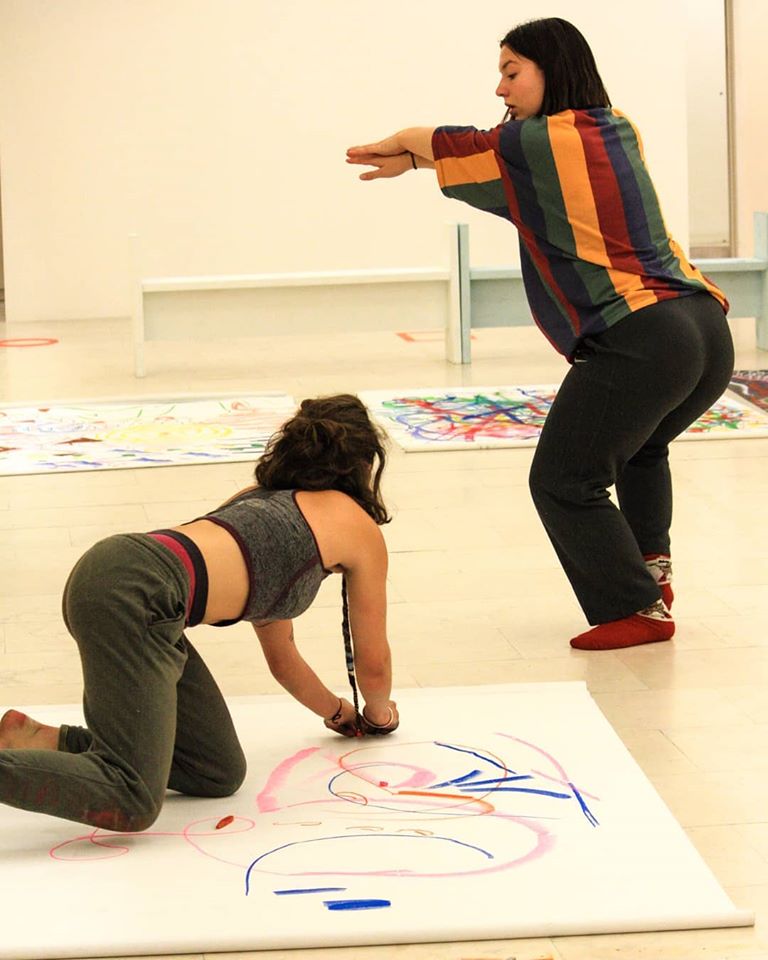
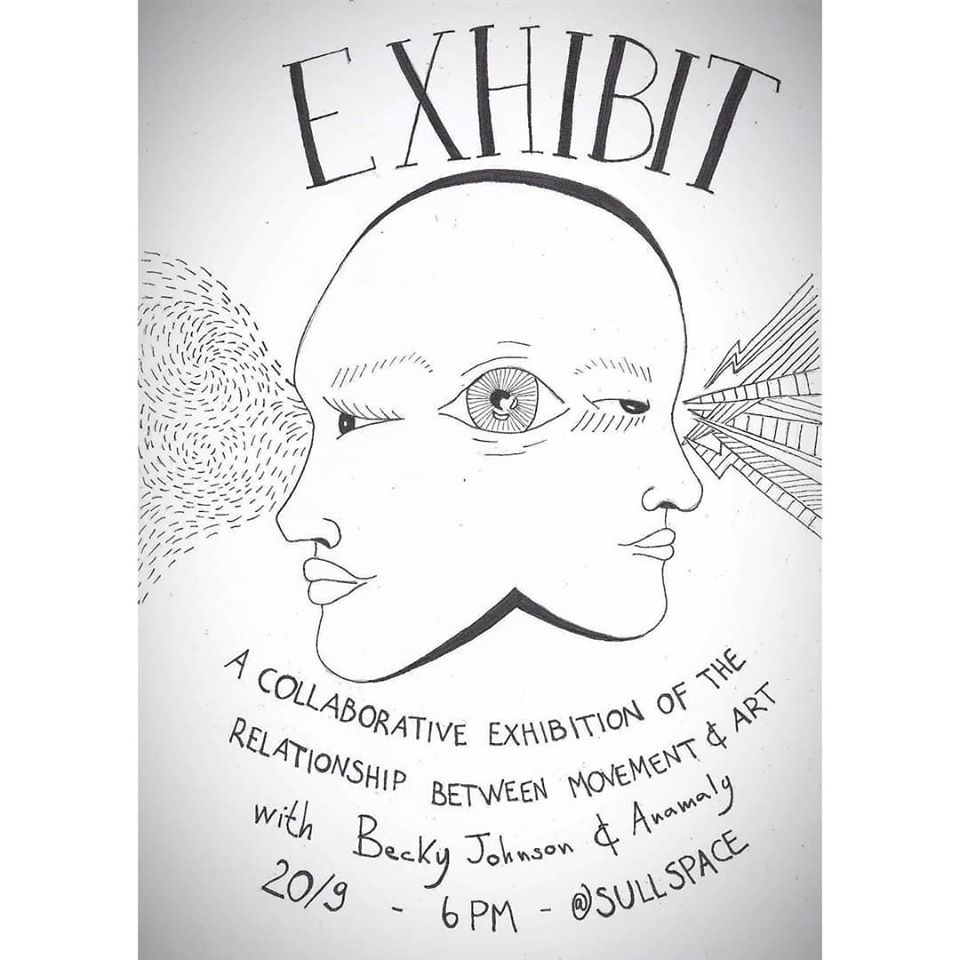
Hi, thank you for meeting with me. Well, I’m currently a freelance dancer/ choreographer/ teacher based in Cardiff. I’m originally from Huddersfield (Yorkshire) and moved to Cardiff to train in Contemporary Dance at USW. I graduated in June 2019 but have stayed in Cardiff since. Since then, I have really found myself invested in the arts scene here in Wales.
So, what got you interested in the arts?
I’d like to say I’ve always been creative but that would be a lie. I started dancing quite young at my local dance school and loved the competitions and team dances that we’d do together. It wasn’t until I was much older and was exposed to more of the arts scene, that I started to see the beauty within the arts sector and understand how collaborative it can be.
Can you tell us about your dance process? Where do your ideas come from?
My creation process with making dance varies. I take great influence from the things around me. Being that, things that inspire and intrigue me or something I want to understand further. Either that or I use my personal experiences of my interactions with the world; things that I believe should be highlighted to others or need to be understood more widely.
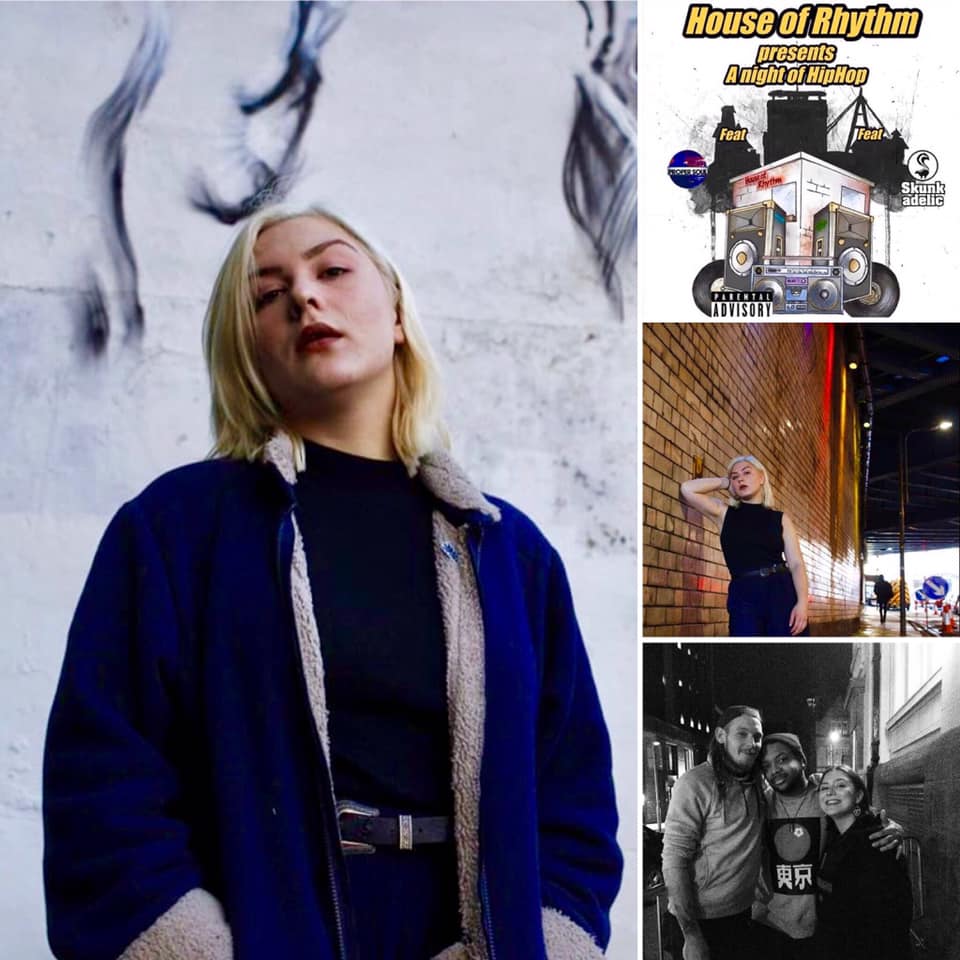
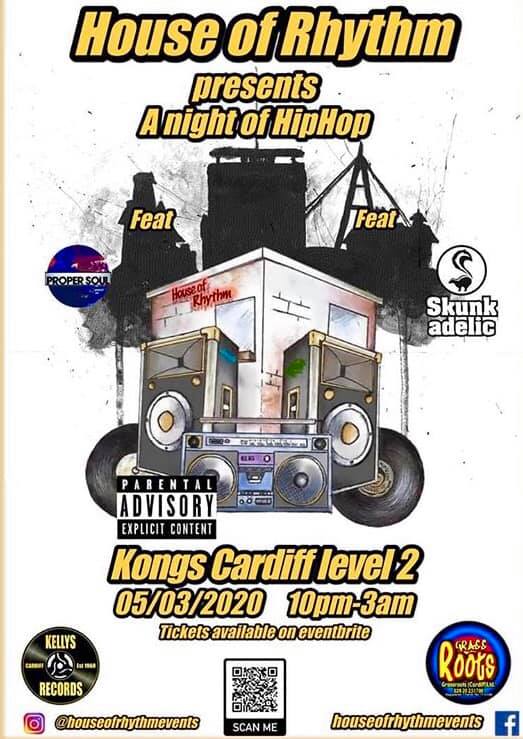
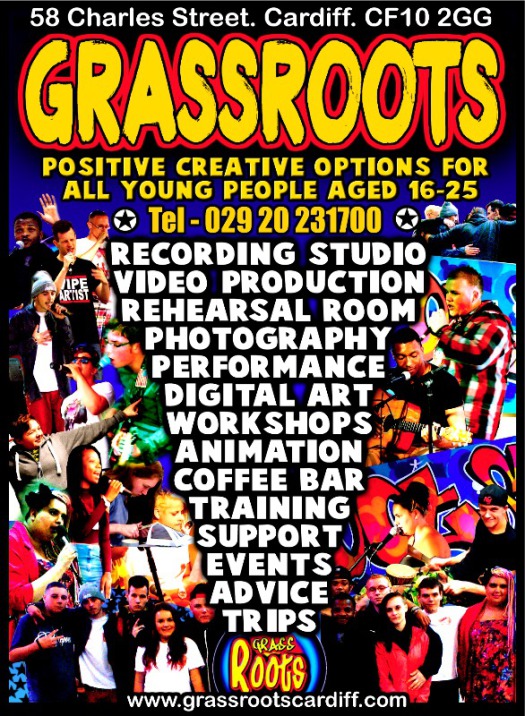
You were recently involved in curating, House of Rhythm presents… A night of Hip Hop which took place at Kongs Cardiff on Thursday, March 5, 2020. The event is described as “A celebration and discovery of all that is Hip hop and is in partnership with Kellys Records and Grassroots Cardiff” How did you get into Hip Hop and Streetdance. How supported is the scene in Cardiff?
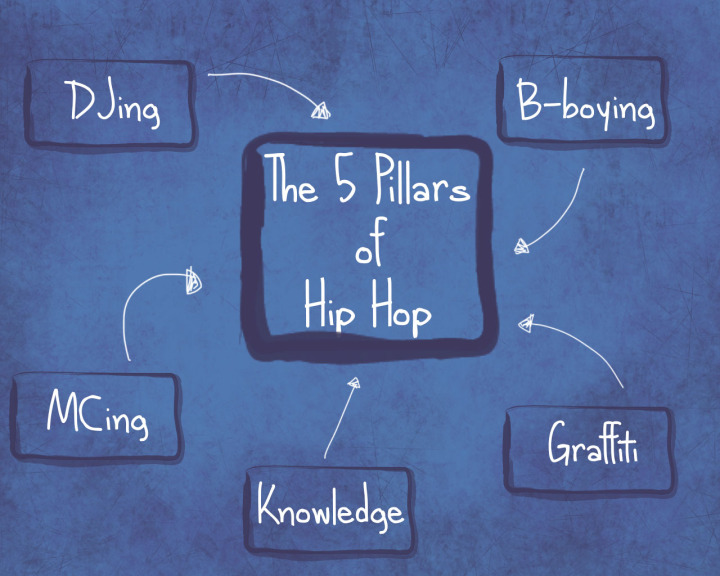
One of the dance schools I was involved with as a teenager, “Fidget Feet”, prioritised teaching the true foundations and principles of HipHop. This touched upon all five pillars of Hip-Hop as well as the various styles of dance within Street Dance culture.
That, alongside growing up with two brothers who thought they were destined to be the next Notorious B.I.G, meant I was immersed within the culture and that it’s been a pivotal part of my upbringing and even in my attitude and approach to movement (and life in general) now.
This series of events is an opportunity to provide a gateway into HipHop culture and not just the music form. I feel this sense of community within HipHop, especially in Cardiff, is lacking and hence why we have decided to partner with Grassroots.
By doing so, we are working with up and coming artists and providing them with opportunities to meet people they wouldn’t otherwise. Also, with the inclusion of workshops within different pillars of HipHop, we are combining the culture as a whole and not just focussing on one part.
There are a range of organisations supporting Welsh and Wales based dancers, I wonder if you feel the current support network and career opportunities feel ‘healthy’ to you? Is it possible to sustain a career as a dance artist in Wales and if not what would help?
I’ve been extremely fortunate in the fact that as soon as I graduated, I found work that was within my field of practise. This has kept me financially stable and allowed me time to fulfil my own projects outside of my teaching work. I believe Cardiff and Wales has an extremely supportive network of artists, all willing to share their own knowledge and craft. Throughout my degree, I worked extremely hard to network and to meet the right people with the suiting opportunities to help me develop within my career. If it wasn’t for me outsourcing my own network of people (from all fields of the arts sector), I would’ve struggled to get to the place I am now, never mind the place I want to be by the end of the year.
I do feel there is an absence of ongoing opportunities, especially for recent graduates that are new to the sector. However, if we are willing to make our own work and source our own opportunities, making our own projects, yes, there is work but we must be prepared to pave this path for ourselves. This isn’t disregarding help and assistance from other creatives/ professionals, but the help is more to kickstart our own ideas rather than to flourish with other people’s.
If you were able to fund an area of the arts in Wales what would this be and why?
Wow, tricky question. I’d probably have to say spacing.
Providing space for artists to develop their own practise and ideas, whether
that be, musicians, dancers or visual artists. As not only is there a lack of
creative and accessible space in Wales, there’s a huge lacking of funded space.
If there were more funded residencies around Wales, we would see a lot more new
work being developed and a much more diverse community engagement from artists
in the area.
What excites you about the arts in Wales?
I feel like this is such an exciting time for
collaboration within Wales. There are more opportunities coming to bridge the
divide, whether that between artistic practises or between bodies of dancers.
There are some exciting opportunities in the works for disabled dancers which I
can’t wait to be involved in as well as new pools of artists moving to Wales
from areas such as London bringing new skills and assets.
What was the last really great thing that you experienced that you would like to share with our readers?
Well there’s nothing like a little bit of shameless
self promo but this is honest and genuine. It would be The House of Rhythm
event which we had on the 5th March. There were people from lots of
different communities and backgrounds all coming together to support the
artists performing. We had people involved in the workshops that would never
normally be in those sorts of social experiences. I also had talks with
participants on how we can make our events more autism friendly and accessible
for those suffering with social anxiety etc. It was this coming together of
people which was really beautiful to witness as all of the participants were
supportive of each other, regardless of background and experience.
Thanks for your time
Thank you very much for getting in touch!
Creating opportunities for a diverse range of people to experience and respond to sport, arts, culture and live events. / Lleisiau amrywiol o Gymru yn ymateb i'r celfyddydau a digwyddiadau byw