
 (4 / 5)
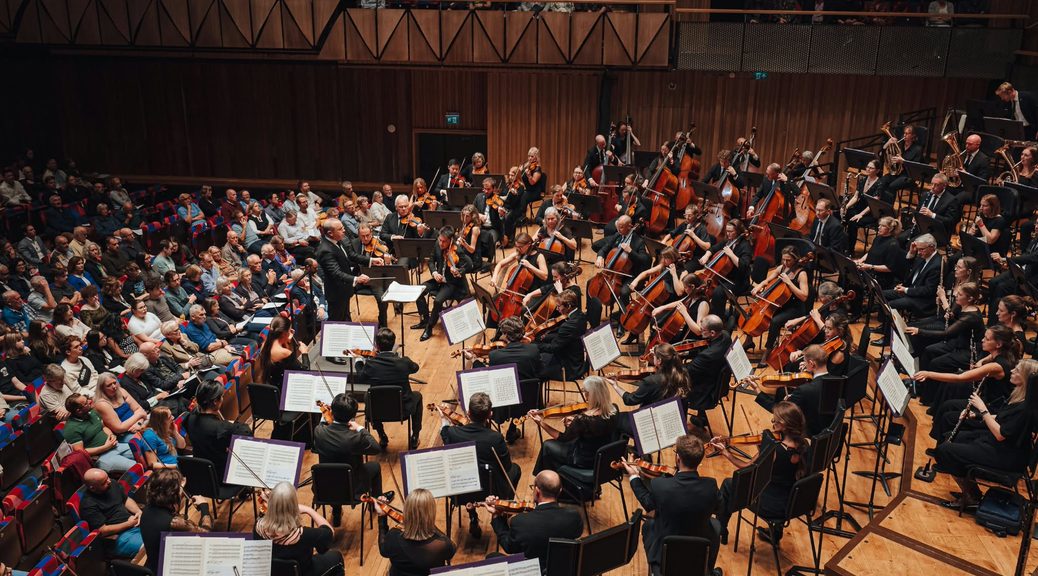
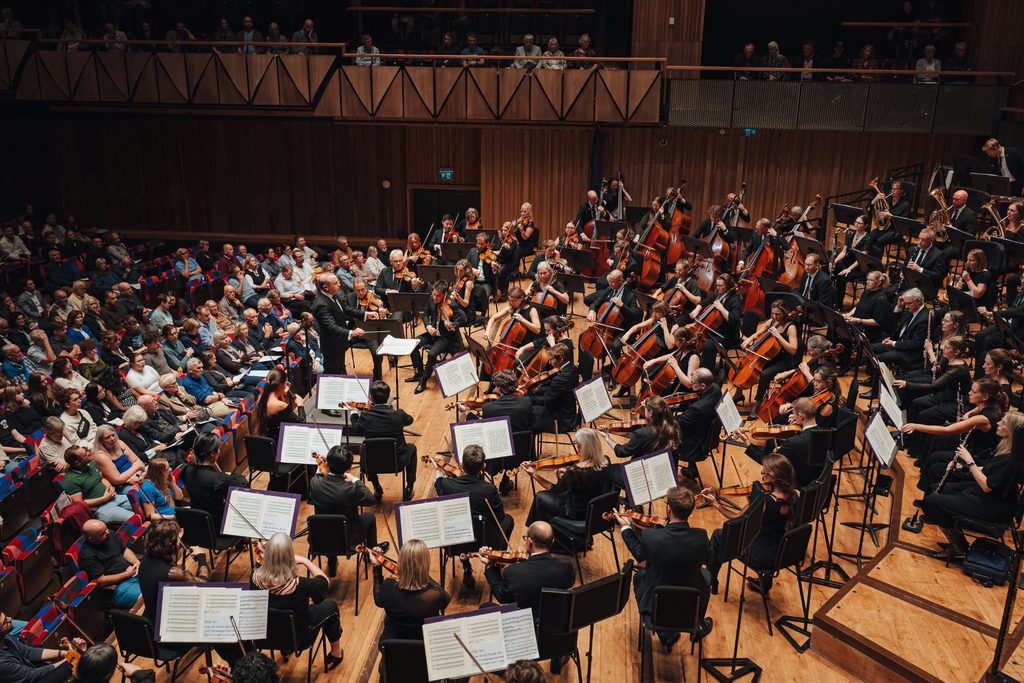
Photo credit: Giulia Spadafora
Most of my time in Bristol sees me creating new video and live performance, aside engaging with the city’s cultural scene. It has been forever since I last went to the Bristol Beacon, it was so long ago it had the previously lamentable name of Colston Hall. Naturally, so much has happened in the city since the pandemic in the years after, we see the venue with its fetching new name: Bristol Beacon.
Inside the hall, the renovation is sensible and the acoustic remains powerful. I often have to remind myself that Cardiff has been bereft of St. David’s Hall for a few years and I get annoyed thinking just how much longer it will take to become a venue again. Though travelling to Bristol is always swift from the Welsh capital, the pull of the Beacon is strong. The Bournemouth Symphony Orchestra shall be frequenting the space considerably. Their big plans see an extensive programme of all of Beethoven’s symphonies over a two-year season.
Upon hearing Beethoven’s First Symphony, we are taken to the starting ground for the young composer. This remains highly classical in nature, Haydn smiles here, his teaching of Beethoven may have been turbulent, but the influence is profound. Mark Wigglesworth on the podium brought the scooping energy required. This huge journey has now commenced, leading to the several hours of this symphonic canon. I’d say the composer certainly went on to better and more vital writing; the later symphonies remain justifiably popular. Whilst I can’t say I’ll be in Bristol for all of these symphonies, I admire the BSO for the bold endeavour.
Coming back from Bayreuth in Germany often leaves you fatigued, yet always hungry for more Wagner (I plan to go back). Whilst I skipped their Ring Cycle this year (which was notoriously booed for its AI imagery), a chance to hear highlights or the “bleeding chunks” should never be missed. In an arrangement by Henk de Vlieger, The Ring: An Orchestral Adventure gives you the best bits from the full fifteen hours. Even with these seventy minutes you won’t hear all the good stuff, The Entry of the Gods into Valhalla and Wotan’s Farewell are tragically absent. Wagner has naturally been credited with a vast influence upon fantasy film scores, his use of leitmotifs, the bold, chromatic and loud demands can deter some away from him (amongst other justifiable reasonings).
Wagner’s music is often enthralling, and these extracts are no different. Spanning across these vast operas, we see a small army of percussion, four patient harps, considerable brass and even his own invention: the Wagner tuba (played by the French horns). The Bournemouth Symphony got a tight grasp around the music, delivering it with an invigorated prowess that remains rather stirring. The complimentary programme didn’t list the players of the BSO, yet Principal Horn player Eleanor Blakeney had a few smirking horn solos off stage, evoking the ego of the hero Siegfried.
It’s the Ring’s innumerable phases of terror, joy, ecstasy, wrath and redemption that stay with you.