All posts by Eva Marloes

Dance Infused with Energy – Behind the scenes with Anthony Matsena by Eva Marloes

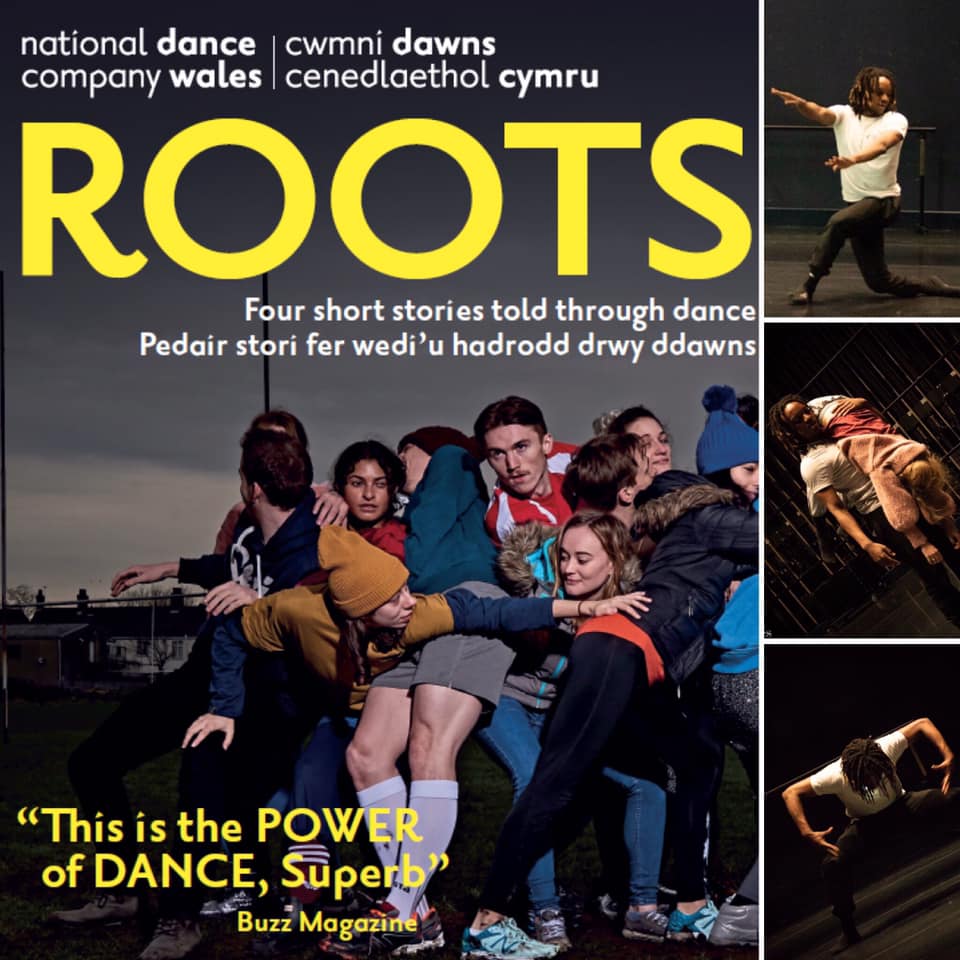
Contemporary dance is storytelling without narrative. It evokes emotions and thoughts through movement and rhythm. It is the body that speaks, over music, over story, over costumes. Something is said through movement. I watch dancer and choreographer Anthony Matsena trying ideas with Will Bridgland and Artemis Stamouli for his piece Codi, which is part of Roots, the autumn dance tour of National Dance Company Wales. He is going through only some small sections of the piece; yet, I get a sense of his energy-infused dancing style.

Born in Zimbabwe and raised in Swansea, Matsena has trained in street dance and contemporary dance first in his hometown Swansea and then London. He is now back in Wales to collaborate with the showcasing of Welsh dance talent with the National Dance Company Wales.  
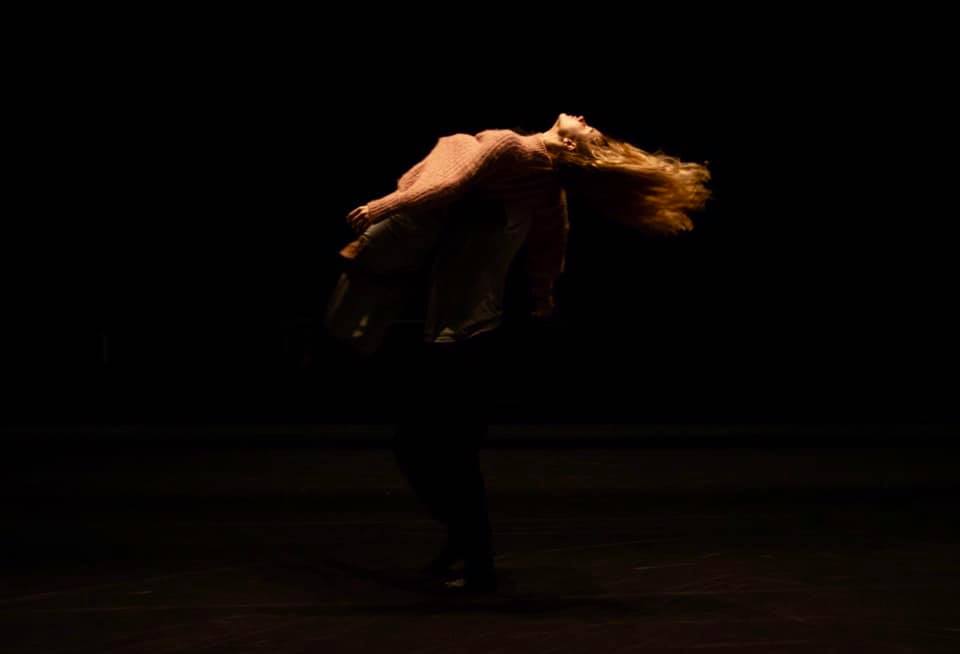
Before the start, Matsena asks Will Bridgland and Artemis Stamouli how their body is, that precious instrument of expression, at once strong and fragile. During a movement, Matsena says: ‘your body is much heavier in this … don’t rush, take your time.’ It’s an exercise in stretching the body but always going with the body, not against it. This seem counter to some experimental contemporary dance that seeks to test the limits of the body in an attempt to break boundaries. Matsena’s dancing style has none of that. 
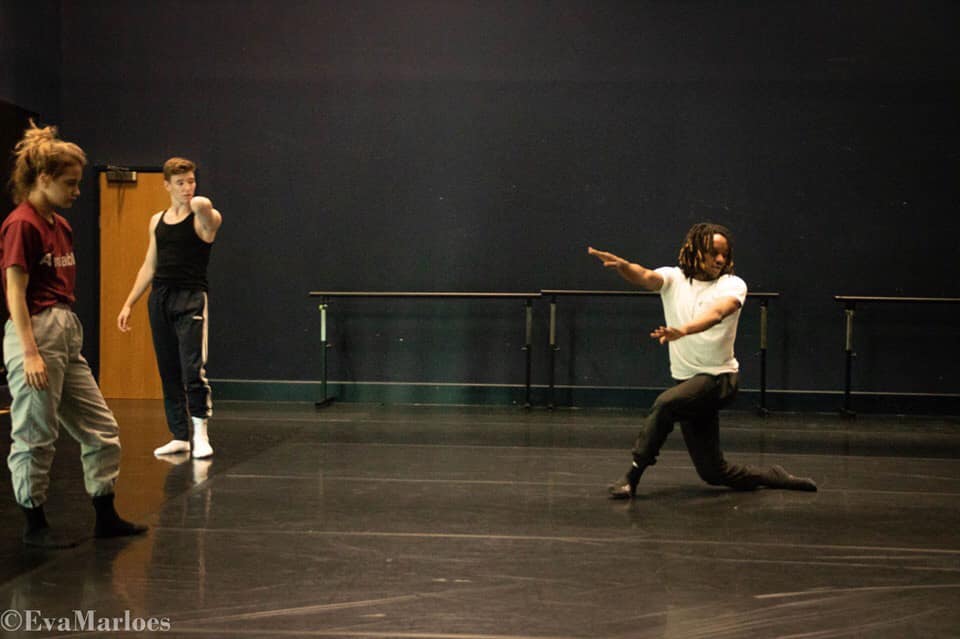
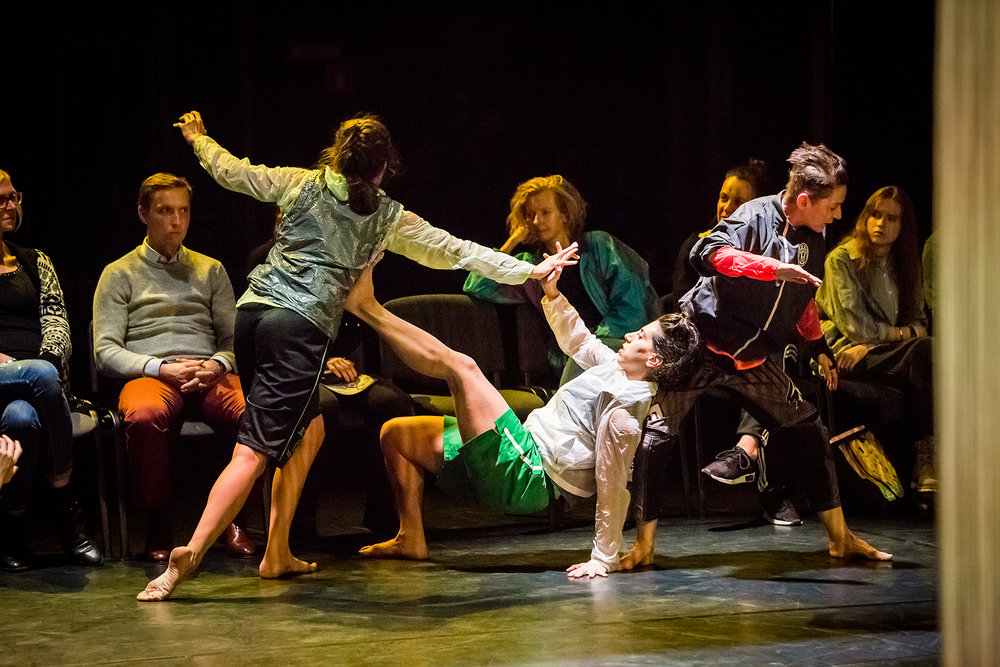
Matsena’s dance style is infused with energy. It is noticeable ever after watching him only briefly. The movement is fluid, broken up, tense, slow, and fast. He kicks with legs and pushes with his hands. In a duet with Stamouli, he picks her up, holds her, and turns her gently. It is a delicate and intense dance where every movement seems effortless and yet mindful. They are present in every move. 

Matsena began as a teenager with Hip Hop, Krumping, Street Dancing, and African Dancing. I ask him to what kind of movements he is drawn. He tells me he is drawn to ‘highly energetic movement, variations in velocity, speed, I’m drawn to phrases and movement that have high energy.’ 
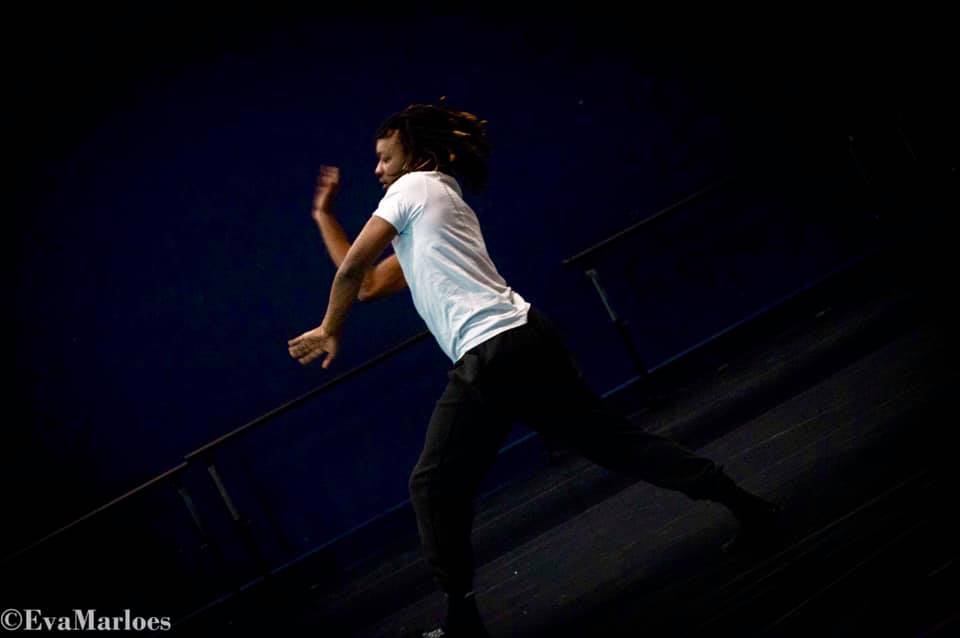
I ask him from where he draws his movements. He tells me they come from ‘the curiosity of the different things the body can do,’ as well as a very eclectic training. He is fascinated by how other people move. In the first week with the dancers from National Dance Company Wales, Matsena worked on exploring their different ways of moving and approaching movement. He wanted ‘something that best shows their skills, their unique experience.’ ‘The hard thing is framing it,’ Matsena tells me, ‘it’s not about teaching them to dance but to find a frame that holds those skills.’
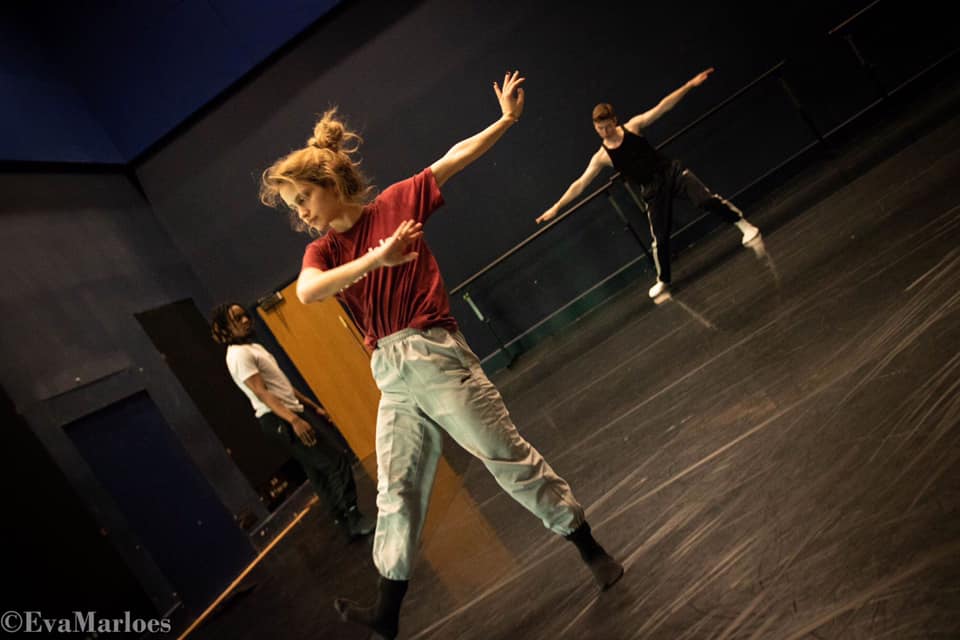
Dancers inform the piece and are engaged because the piece is partly theirs. Matsena did not want to impose how his body moves on them; rather he wanted to find a place where different styles can coexist and are distinguishable. Contemporary dancing rests on collaboration; yet it is also a deeply personal practice that strives for personal expression, for authenticity.  

‘If you’re being true to yourself, you will be authentic,’ Matsena tells me. ‘You need to use the tools that are true to you in order to transmit that idea. Then it will feel authentic. … Sometimes I don’t recognise what I’ve done but that’s because it’s new. If I set myself the task to find a new pathway, it won’t feel natural, it won’t feel authentic. … Krumping, Hip Hop, Street Dance, I know the foundations of these techniques, but if I try something new, it’s gonna feel not authentic until it’s authentic. When it sits in your body you feel it’s authentic.
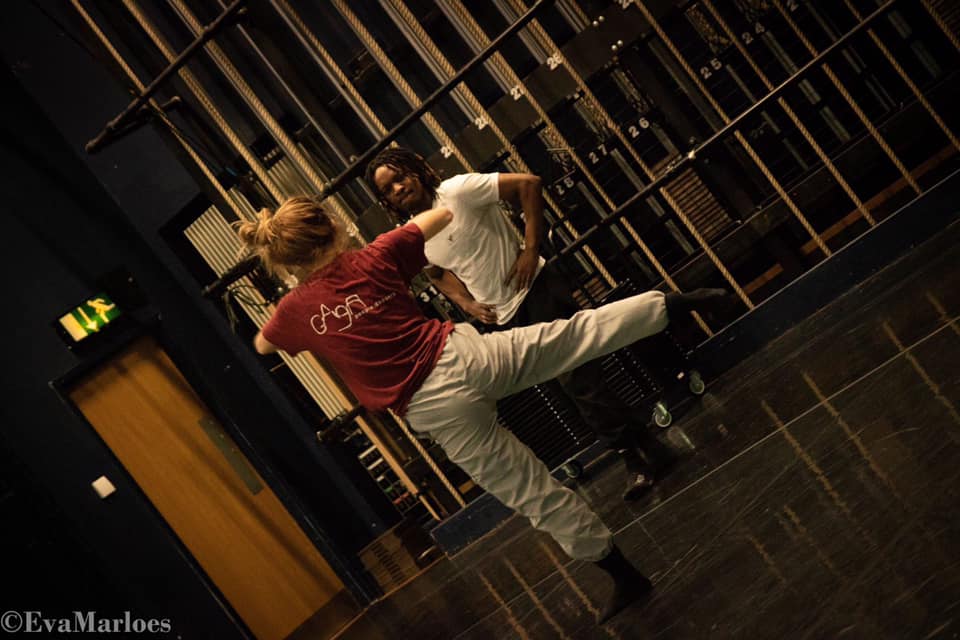
Dancing in a way that pleases people, that will be liked, is not authentic. ‘Part of being a dancer is being conscious and aware, of what you are doing,’ Matsena says. Authentic dancing lies in using the dancer’s ‘unique way of viewing things to elevate them to extraordinary things, simple things.’ Simple things, like a tree, are transformed in a dance piece through the perspective of the artist and thus shift people’s perspective. A new dimension is added to everyday objects or actions.  

I ask Matsena what the unique feature of dance is within the arts. He tells me that in theatre words can be limiting because they define, dance is ambiguous and each person can come away with a different insight. Yet, dance, for Matsena, should be accessible. People should be able to relate to the meaning behind a dance piece. Dance bridges, when words fail us, it’s got this magical thing that gives this physical empathetic transmission between the audience and the performer, the things that we recognise but cannot articulate.  
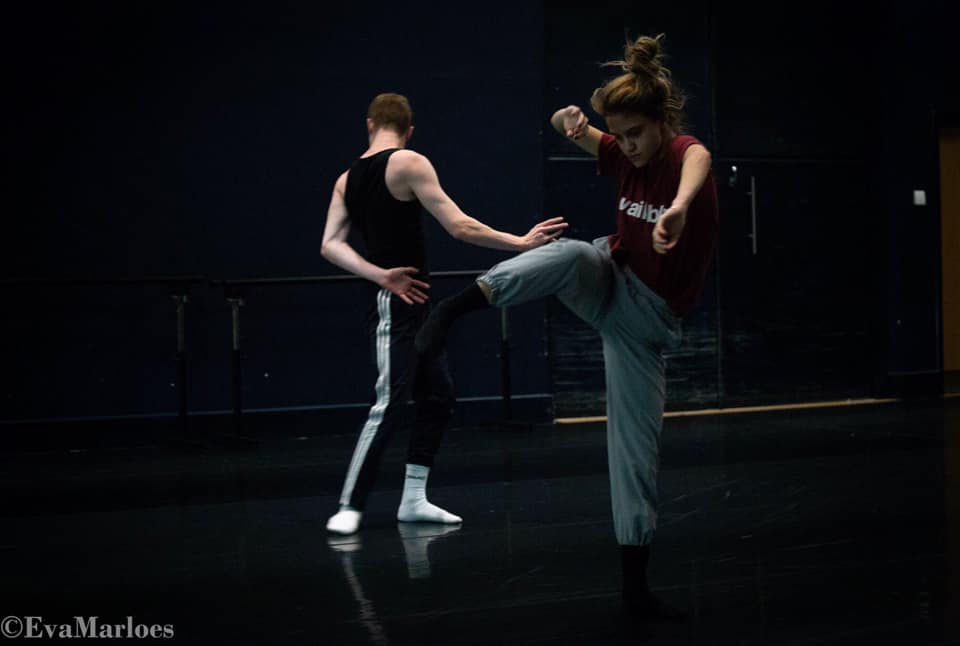
Matsena is drawn to stories and pieces that can convey what it means to be human, particular and univesal. For Codi, Matsena sought to combine elements of African dance, street dance, and the sense of community of the Welsh valleys. Codi is about finding solidarity in community.  

The best thing to do this was to do something that is closely related to Welsh communities. ‘I was looking at the Mining industry. … Once collapsed, you want to find your way out to the surface. … I wanted to make people aware of the support system around them, opening people’s eyes to everything that is around them. It is not about everything is all right. When you recover you still have the stain on the shirt from before. … If we’re trying to crawl up, how do we do that? We shape it in a way that people can find each other.’
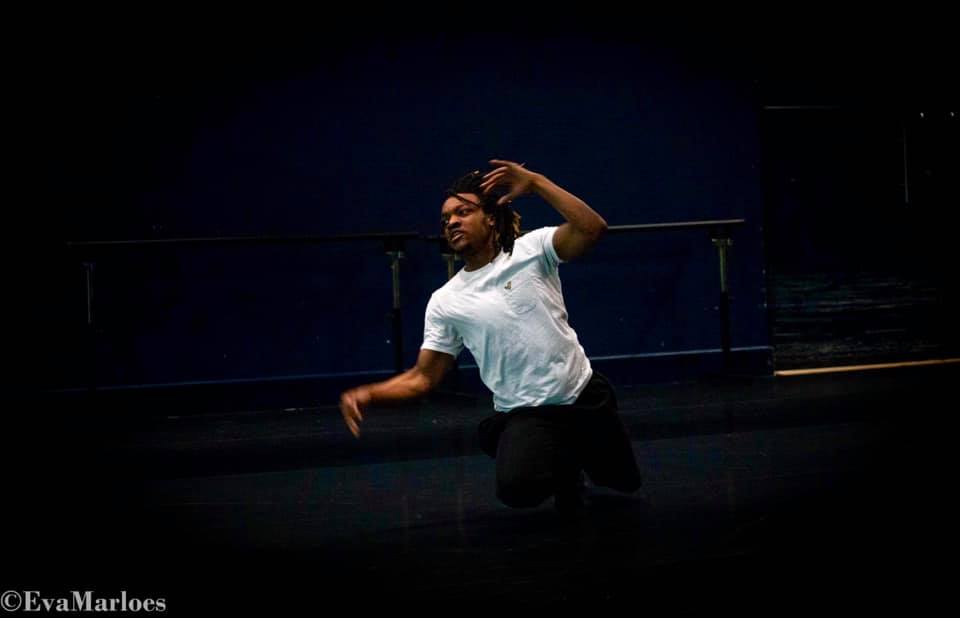
At home, in Wales, Matsena feels free and able to create art. ‘There’s this crazy energy and freedom I get when I’m home. I make better work when I’m here. There’s a lid that is lifted when I’m home.’ With Codi, he taps in the sense of community and place that is at once particular to Wales but also universal.  

Codi forms part of the National Dance Company Wales autumn Roots tour, further information can be found below.

Mold Theatr Clwyd Thursday 7 November 2019, 19:45 BOOK

Friday 8 November 2019, 19:45 BOOK

Cardiff Dance HouseTuesday 12 November 2019, 19:30 BOOK

Wednesday 13 November 2019, 13:00 BOOK

Wednesday 13 November 2019, 19:30 BOOK

Thursday 14 November 2019, 19:30 BOOK

Blackwood Miners Institute Tuesday 19 November 2019, 19:30 BOOK

Ystradgynlais The WelfareThursday 21 November 2019, 19:30 BOOK

Narberth The Queens Hall Friday 22 November 2019, 19:30 BOOK

Aberdyfi Neuadd Dyfi Sunday 24 November 2019, 19:30 01654767251

Caernarfon Galeri Tuesday 26 November 2019, 19:30 BOOK

Pwllheli Neuadd Dwyfor Wednesday 27 November 2019, 19:30BOOK
Review Macbeth, Watermill Ensemble by eva marloes

 out of 5 stars (3 / 5)

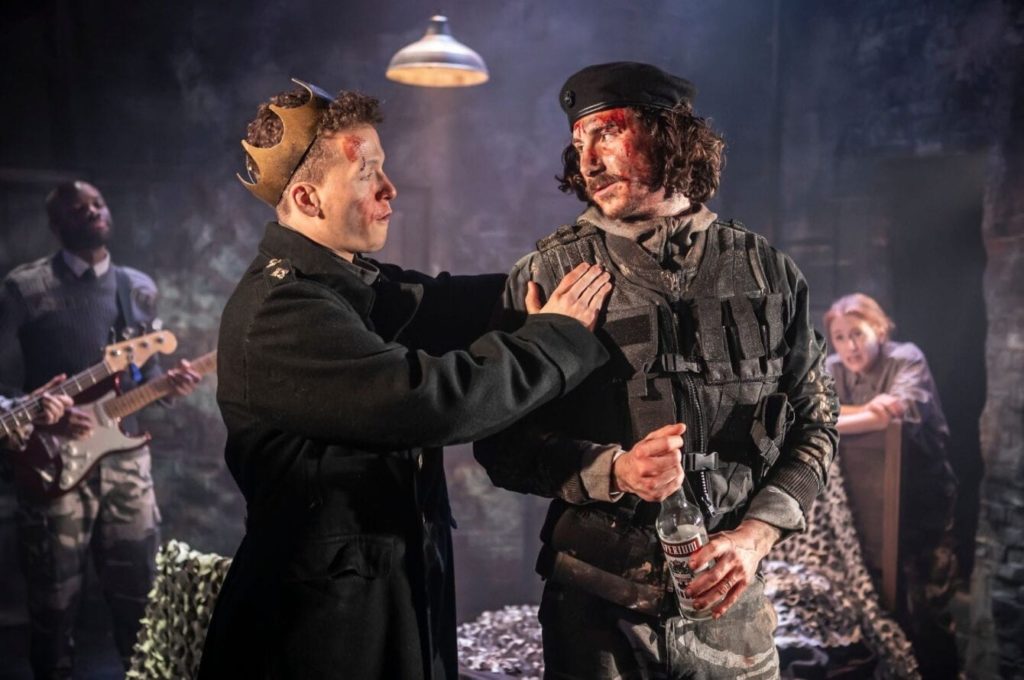
The Watermill Ensemble’s Macbeth is a rock ‘n roll and sexy production that finds favour with its public. Under the direction of Paul Hart, Shakespeare’s plays are given a cinematic flair and engaging performances. 

Macbeth, played competently by Billy Postlethwaite, enters the scene in combat uniform and blood on his face. The military setting gives a sense of comradery, aggression, and manliness. This makes more convincing Hart’s casting according to character rather than gender.  

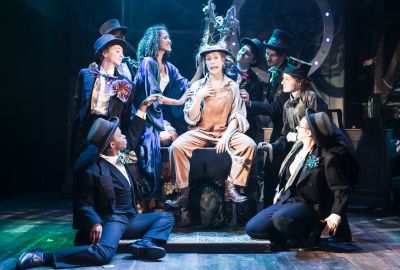
The production moves away from the military world to plunge Macbeth into the criminal underworld. Macbeth’s castle is a seedy hotel. The neon sign ‘hotel’ leaves out the letters O and T to spell H—EL. In the style of a mafia boss, Macbeth hands out money from a bag to professional killers to get Banquo murdered. Accordingly, Lady Macbeth is the femme fatale of a mafia boss. Reminiscent of Michelle Pfeiffer in Scarface without her grace, Lady Macbeth dons a red jumpsuit dress. The witches are in overly stretched mini dresses that conjures a brothel rather than ghosts. 

The jazzy music juxtaposed to the murder of Banquo is effective and striking. Music is protagonist in Hart’s productions. It creates the scene and provides commentary on the action. Sadly, not all the cast have the powerful voices of Billy Postlethwaite and Emma Barclay, here playing Lady Macduff. The Rolling Stones’ Paint It Black lacks the necessary grit. 

Postlethwaite is a rough and tough army man. He has an animalesque energy. He is intense and captivating, but the tone of the production lacks subtlety making the soliloquies of Macbeth and Lady Macbeth a parenthesis in a Hollywood thriller. They are lustful, not sensual. They are all speaking verse comfortably but the excessive agitation puts the focus on action rather than atmosphere and meaning. 

Like Hart’s A Midsummer Night’s Dream, Macbeth gets stripped of Shakespeare. There is no tension between Macbeth’s murderous ambition and his guilt. Macbeth is blood-soaked from beginning to end. There is no discernible change or conflict, only a crescendo of paranoia. Emma McDonald is convincing as Lady Macbeth, but the supposedly sexy lingerie turns the tragedy into farce. Alas, for all its sound and fury, Hart’s Macbeth signifies nothing. 

Billy Postlethwaite – interviewed by eva marloes

I catch Billy Postlethwaite before he goes to rehearsals for a quick chat over the phone. He is playing Macbeth in Paul Hart’s production at the New Theatre, Cardiff. I ask him whether compassion plays a role in approaching a character like Macbeth. 

‘Everybody should have compassion and kindness, no matter who you are. In life, I try to do my best. In relation to Macbeth, he is someone who loses sight of those attributes while trying to gain something that he thinks he wants.’ 

It is hard if not impossible to identify with Macbeth, so how does an actor interpret the role? 

‘I look for the humanity in everybody I suppose. No one is inherently villain, so you try to work out what their motive is for doing what they are doing. People do villainous acts but they are not inherently evil. For Macbeth, it comes from a place of love, love for Lady Macbeth, for her, for what they have done together, for what they have lost. He is also a very ambitious human being. 

Postlethwaite tells me that he can recognise the love for another person and wanting to make that person happy as a driving force. He tries to ‘amplify’ emotions in his portrayal of Macbeth while making him a rounded human being. What distinguishes Macbeth is how love and ambition get twisted. 

‘Macbeth’s love for his wife and thirst for power are a powerful concoction of energy that he puts in murdering people. … That energy gets twisted.’ 

Postlethwaite’s interpretation of Macbeth is certainly energetic and intense. He tells me Macbeth is very draining. It is very physical. That physicality, in his voice as well as his bodily agility, gives Postlethwaite remarkable presence on stage. 

Billy Postlethwaite can currently be seen in Macbeth at the New Theatre, Cardiff,

https://www.newtheatrecardiff.co.uk/what’s-on/ws-macbeth/

Review A Midsummer Night’s Dream, Watermill Ensemble, New Theatre by Eva Marloes

 out of 5 stars (3.5 / 5)

The Watermill Ensemble’s take on A Midsummer Night’s Dream is an injection of fun, warmth, and colour. It triumphed at New Theatre with some in the audience giving a standing ovation. Loud and fabulous, it is the perfect production for all ages.  

All the cast give solid performances. Emma Barclay is wonderful as Bottom. Her voice stands out not only in power but in agility. The play’s eroticism is here blunt and humorous. This production aims to please and it does. It sparkles when it uses songs, such as I Put A Spell On You and Blue Moon, cabaret lights to frame the scene, and a contemporary ironic touch. The cast succeed in being funny without being caricatural.  

For all the fun, however, this take on A Midsummer Night’s Dream leaves Shakespeare out of the picture. The depth of the play is left untouched. I would have liked at least a nod to the plays’ darkness and symbolism. 

With A Midsummer Night’s Dream, we enter a world of doubles and illusion. The play within a play and the intermingling world of fairies and humans function as a house of mirrors that at once distorts reality and gives a truer picture of it. 

Sleep, the brother of death in Greek mythology, is used to access another reality, or, in post-Freudian terms, to travel deeper into our consciousness. The play is set in Athens, symbol of rationality, and in the woods, wild and dark. The rational day of humans is disrupted by the irrational night of the fairies.  

A Midsummer Night’s Dream is often disturbing in the imposition of patriarchal order, in the loss of autonomy of humans but also of Titania, Queen of the fairies, who is made into having sex with an ass. It is tragic and comic. It conjures a dream world that grants humans the ability to see beyond, to transcend themselves. The hero is Bottom, the holy fool who goes through a quasi-mystical experience.  

‘I have had a dream, past the wit of man to
say what dream it was: man is but an ass, if he go 
about to expound this dream. Methought I was—there 
is no man can tell what. Methought I was,—and 
methought I had,—but man is but a patched fool, if 
he will offer to say what methought I had. The eye 
of man hath not heard, the ear of man hath not 
seen, man’s hand is not able to taste, his tongue 
to conceive, nor his heart to report, what my dream 
was.’ (Act IV, 1)

Review The Cunning little vixen, WNO by Eva marloes

 out of 5 stars (5 / 5)

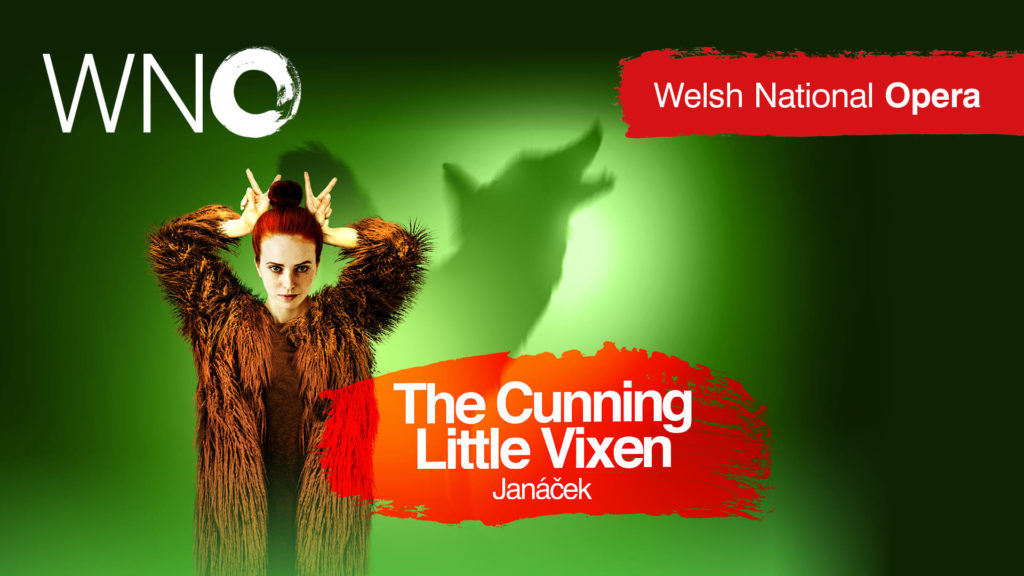
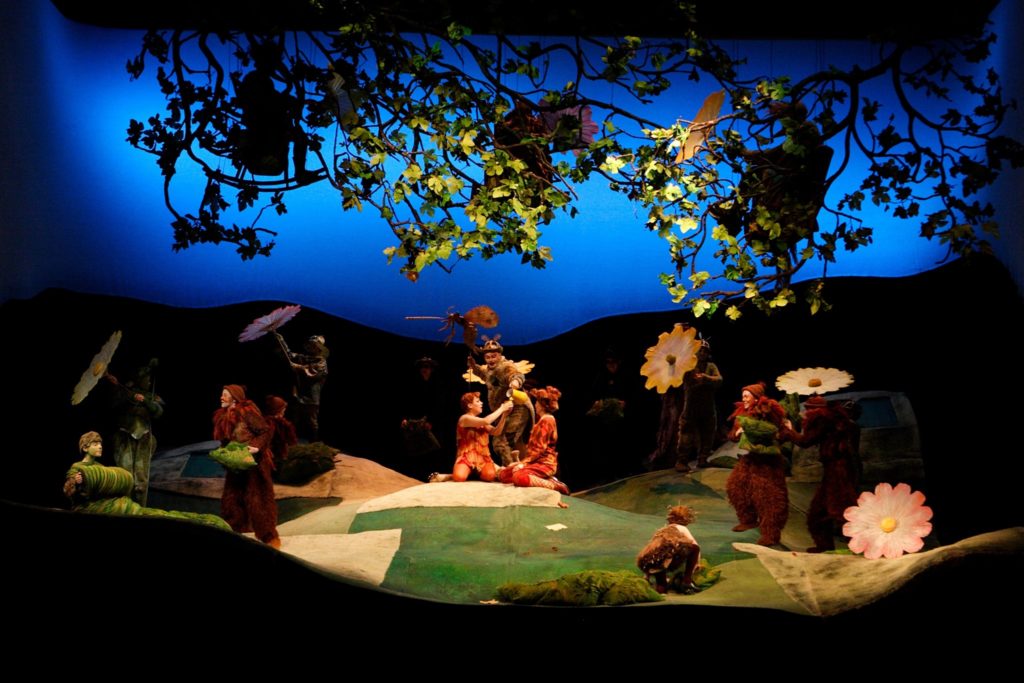
Janáček’s The Cunning Little Vixen takes us into a magic and yet very real world of humans and animals seeking love. Mischief, irony, and melancholy are mixed in all the right doses. David Pountney’s production is full of spirit, excellent performances, an ironic libretto, and beautiful costumes to please all audiences. It is the perfect production to introduce children to opera.  

Janáček’s cinematic musical score, with a touch of Debussy, takes into a fantasy world where humans and animals are all at pains to find love. The Cunning Little Vixen is a fable on the cycle of life, yet it is no mere rustic idyll. It is infused with a sweet melancholia. The Forester, the Parson, the Schoolmaster, and the Poacher, all sigh for their lost youth and long-gone love. It is that youthful love that is now a dream, of which the Forester is reminded by the Vixen. Her mischievous provocations bring back that thirst for life and freedom.  

Aoife Miskelly, as the Vixen, excels in balancing the Vixen’s mischief, sweetness, and liveliness. Her crystalline voice combines beautifully with the seductive one of Lucia Cervoni, as the Fox, making for stunning duets. Claudio Otelli, as the Forester, gives a solid and skilful performance. Peter Van Hulle, as the Schoolmaster, and David Stout, as the Poacher, entertain and charm. The sober bass of Wojtek Gierlach, as the Parson, adds the right amount of melancholy. 

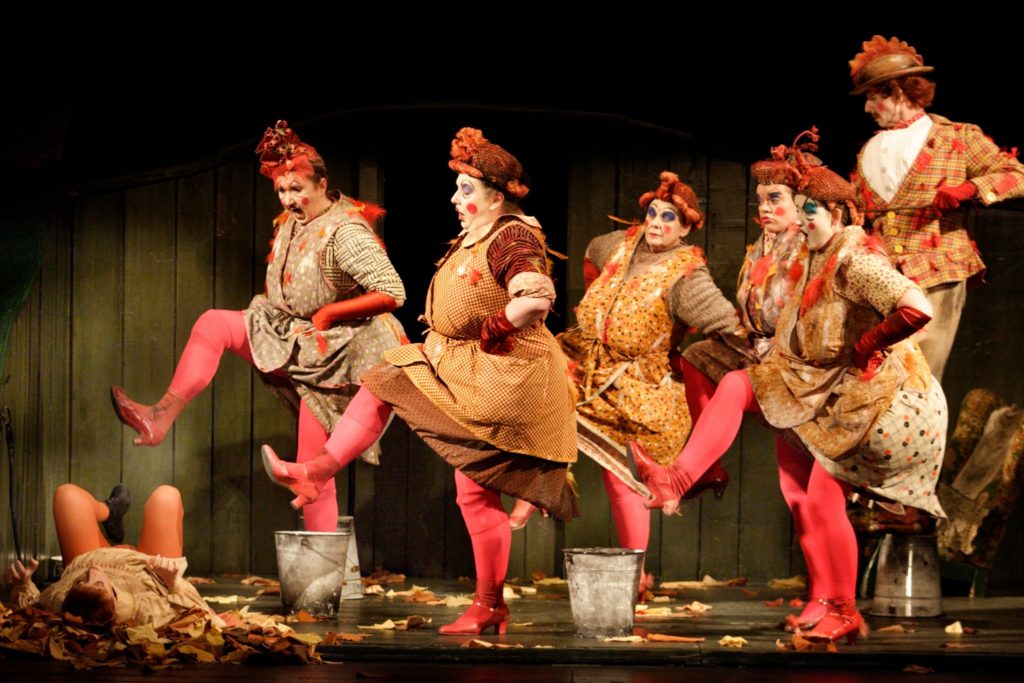
The revised version of the libretto by Jiří Zahrádka adds irony to the mix. The Little Vixen is a union leader and a feminist seeking to arouse the exploited hens against the patriarchal cock by appealing to their sense of sisterhood. She is a socialist revolutionary overthrowing the ‘lazy fat cat’ of a badger to get herself a home. The political nods, which may seem out of place in a fable about nature, are so well scripted to flow naturally. It is this irony that carries this opera into the 21st century. It could not be more topical.   

The production is currently on tour , further information can be found at the links below.

Wales Millennium Centre, Cardiff

  • Fri 11 Oct7.30pmIncludes free pre-performance talkBook in advance alongside your tickets£14 – £50Book

Theatre Royal Plymouth

  • Thu 17 Oct7.30pmIncludes free pre-performance talkBook in advance alongside your tickets£15 – £54Book

Venue Cymru, Llandudno

  • Thu 31 Oct7.30pmIncludes free pre-performance talkBook in advance alongside your tickets£17 – £45Book

Birmingham Hippodrome

  • Thu 7 Nov7.30pmIncludes free pre-performance talkBook in advance alongside your tickets£22 – £56Where applicable, a 6% transaction charge may apply (excl. cash sales in person)Book

New Theatre Oxford

  • Thu 21 Nov7.30pmIncludes free pre-performance talkBook in advance alongside your tickets£13 – £53Plus £3.65 ATG transaction feeBook

Mayflower Theatre, Southampton

  • Thu 28 Nov7.30pmIncludes free pre-performance talkBook in advance alongside your tickets£16 – £52Book

Review Rigoletto WNO by eva marloes

 out of 5 stars (5 / 5)

The Welsh National Opera’s Rigoletto is gripping, moving, and topical. The soprano Marina Monzo’ triumphs as Gilda in a production with sophisticated performances, notably that of tenor David Junghoon Kim, supported by a vibrant orchestra, and powerful chorus.  

Set in Washington D.C., James Macdonald’s Rigoletto is perfect for the Trump and #MeToo era. The outside events and news make this production topical. The Duke of Mantua is here a womanizer President, decidedly more charming than Trump, but just as likely to treat women as things to take for one’s own pleasure. Giuseppe Verdi’s Rigoletto premiered in Venice’s La Fenice in 1851 although it was set in 16th century Mantua so that it could get the placuit of the censors.  

Rigoletto reflects a male world where men own women. It is not just the Duke who imposes his will, or better, caprice, on women, but also Rigoletto, who keeps his daughter, Gilda, effectively captive in order to protect her from the Duke and any other men. Yet, Gilda, at first a young girl who never leaves home apart from going to church, becomes herself by falling in love with the Duke and by dying in his place to save his life.  

By today’s standards, this is still a rather misogynistic view of womanhood and of purity. It reminds one of Hardy’s Tess of the d’Ubervilles (1891). Tess is purified by her sacrifice. Women exercise agency only by falling in love and dying for love. They live and die in function of another, the independent-minded need not apply. Carmen is a useful contrast in this case (also part of WNO’s repertoire). She affirms her independence and of course is killed for it, but at least she doesn’t die for somebody else. 

Mark S Ross as Rigoletto shines in some parts more than others, but gives a solid performance overall. David Junghoon Kim shows he is very much at home with Verdi. His powerful voice delivers La donna e’ mobile with great sophistication and his acting is convincing. It is Marina Monzo’, as Gilda, who steals the show with her dexterity and purity of voice. The WNO’s chorus is impressive and the orchestra, conducted by Alexander Joel, gives out a beautiful intensity that befits by Verdi’s music. 

Rigoletto represents the begging of Verdi’s mature phase. It broke free from previous rigid structures of arias separate from the action. It is still suspenseful and bold. That is why the constant interruptions from the Cardiff audience, far too keen to applaud as soon as a singer completes an aria, are completely out of place. This state of affairs, which plagues most operas, shows little appreciation of how much music relies on silence and how disrespectful it is to interrupt a scene. At Rigoletto, the audience fought the orchestra and stopped the singers, who patiently waited to continue the scene. This production was worth bearing with such irksome practice.   

Review And she, Bonnie and The Bonnettes by eva marloes

 out of 5 stars (5 / 5)

The perfect antidote to autumn blues, And She is a fun and moving exploration of our relationship with our mothers. It is a play, a musical, and comedy gig. Dressed in bright orange costumes, the talented trio Hattie Eason, Rebecca Glendenning and Cameron Sharp, re-enact the conversations they had and have with their mothers. They do so by intersecting dialogues, monologues, and pieces of life.  

The audience eavesdrops on the trio’s conversations with their mothers, their memories, their misunderstandings and excuses, and their drunken singing. And She strikes the right balance of comedy and drama. The mothers have gone through bad marriages, breast cancer, alienation and reconciliation with their child, have given up work to look after their children and care for grandma, and have dared wear sexy lingerie with a curvy body on stage. These mothers are great and ordinary. And She is distilled everyday life.  

The show is sophisticated without pretension; yet it is let down by songs that never really take off. The move from comedy to drama could be helped by a change in colours in terms of costumes and lights. This would help accentuate the more emotional parts. Bonnie and The Bonnettes celebrate their mothers in style and remind us that family relationships cannot and shouldn’t be taken for granted. Off to call mum.

Review Kamil and Francis by eva marloes

800 years ago, Francis of Assisi travelled to Egypt to meet the Sultan Malek al-Kamil while Christian and Muslim armies fought in the Fifth Crusade, which had been called by Pope Innocent III in 2017. Francis had experienced war and had subsequently renounced his wealth and status. He was now a humble friar preaching peace in the midst of the violence. The Egyptian city of Damietta was under siege. Francis crossed the enemy lines and asked to meet the Sultan. He did not want to broker peace; rather he sought to convert the Sultan or, more likely, be made a martyr in that attempt.  

Al-Kamil was a Sufi and a man who had been seeking peace for years. Francis greeted the Sultan saying ‘Peace Be Upon You’, much like the Muslim ‘Assalaam o Aleikum’, which may have prompted the Sultan to give hospitality to Francis and brother Illuminato instead of killing them. The encounter changed Francis profoundly. It is a beautiful story of welcoming the Other, the one that is supposed to be the enemy or at least a stranger, and becomes a friend through hospitality. At its core is a deep spirituality both men had, something that is wholly absent in David J. Britton’s play Kamil and Francis. 

In Kamil and Francis, the two men interpreted respectively by Simon Armstrong and Russell Gomer exchange light banter in heaven over a game of table football, too often behaving like 21st century football fans. The gimmick affords a few laughs but fails to capture the personality of both Francis and al-Kamil. The story is told mainly by Sister Placida (Katherine Weare) and Kamil’s interpreter Alhikma (Ri Richards), who speak directly to the audience inundating us with information.  

Kamil comes across as petty complaining about being forgotten by the history books due to his ceding of Jerusalem for peace with Christian crusaders, perhaps a clumsy attempt referring to the contemporary situation in the Middle East. The numerous humourous allusions to psychoanalytical notions, wrongly attributed to the 21st century, soon become irksome. The anachronistic take contributes to making the protagonists and the encounter more distant and obscure. Before us are not Francis and Kamil, but two uninspired and uninspiring men. The jokes sometimes weigh down the piece. At one point, Kamil’s interpreter jokes that brother Illuminato is discovering Middle Eastern cuisine, superior to the Italian cuisine of the time, which lacked tomatoes and spaghetti. In such a pedantic text, one would expect the author to know that in the 13th century Italian nobles delighted in the cuisine of the East and that only with the Renaissance ‘eat local’ came into fashion. 

All the cast do their best to infuse some life into a pedantic play and to convey emotions battling an emotionless text. They are committed and manage to salvage the story. It is a story that should be told, but one that requires a good ear for the earthy spirituality of Francis and the transcendent faith of Kamil. 

Kamil and Francis, produced by Theatr Cadair, premiered at the Royal Welsh College of Music and Drama, Cardiff, Wales on the 27th and 29th of September 2019.

Review Carmen, WNO by Eva Marloes

 out of 5 stars (2.5 / 5)

Carmen, the story of a free-willed woman killed by a possessive man, was staged for the first time in Paris in 1875 breaking away from the rigid confines of the opéra comique and ushering in a new way of doing opera. Unlike the pieces of the opéra comique, Carmen was not sentimental or moralising; it was true. It is perhaps because of its concern for human emotions that Carmen, notwithstanding the trappings of old-fashioned gender and stereotyping, survives to today. 

Carmen is a foreign woman who does not want to be subjected to a man’s authority and is killed for it. It is uncannily topical, which is why this Welsh National Opera production is such a missed opportunity.  

Directed by Jo Davies, the WNO Carmen does not bite nor does it feast in the exuberant music of Bizet. The colourful mural of the initial curtain opens to a grim brutalist scenario. Davies sets Carmen in a grey 1970s Brazilian favela stripping it of its colour, fun, and sensuality. Davies’ direction of the opera is equally puzzling. Carmen lacks intensity and defiance. She is more girl-next-door with little scenic presence. The sensuality of the opera is left to the couple dancing on stage mirroring Carmen, who effectively steal the show.  

Last year, an Italian production of Carmen by Leo Muscato’s Maggio Musicale reinterpreted Carmen to stimulate discussion on violence against women and changed the ending of the opera with Carmen killing Don José instead of dying by his hand. https://www.sbs.com.au/language/english/legendary-opera-says-enough-to-violence-against-women-flips-gender-roles
In the WNO’s production, Carmen’s prompting to Don José to kill her is not an act of defiance, but of resignation. 

The most radical production is that of Barrie Kosky who plays with gender codes notably dressing Carmen in men’s clothes with a nod to Marlene Dietrich. Kosky has Carmen sing the Habanera in an ape costume which she throws away.

The WNO should have made a better attempt at allowing Carmen to speak to our times. The French mezzo soprano Virginie Verrez plays Carmen with grace and accomplishment. Her singing is skilful but forgettable. In the role of Don José, Dimitri Pittas shows little emotional range, while Anita Watson, as Micaela is more impressive. Overall the performances are fine. What lifts the opera is the excellent chorus, in particular the children’s chorus, and Bizet’s bold music.  

It Will Come Later – a review by Eva Marloes

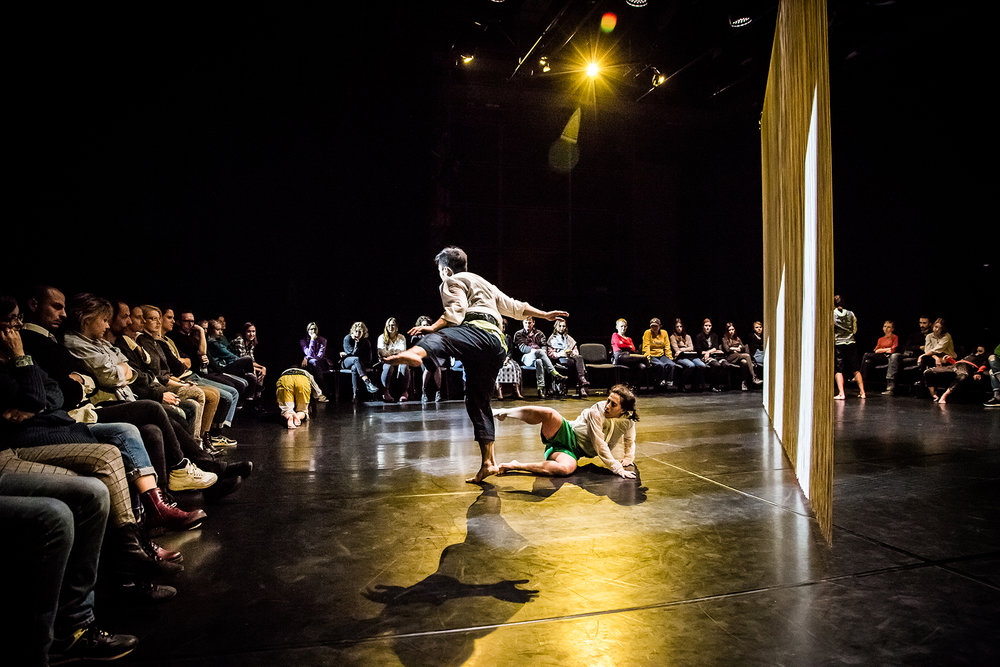
The latest production of the International Contemporary Dance Collective (iCoDaCo), It Will Come Later, explores the interconnected and interdependent nature of human beings with a little help from science. We are individuals, part of a collective, and nature, in a constant effort to transform. In this piece, the body is not only a means to communicate different ideas of transformation, but a tangible instance of it.

The dancers collect their sweat in little glass jars, which will then be connected to a small lightbulb. Electricity can be derived from sweat, as scientists have foundhttps://www.sciencedaily.com/releases/2017/08/170822092209.htm. Our body transforms under strain and produces sweat and sweat can be transformed into light.  It Will Come Later is infused with raw energy from bodies being pushed and pushing each other.  

A group of dancers form an ensemble by pushing one another in concentrated effort and maintaining connection. They move slowly at the edge of the stage. As they reach me, one pushes my knee and connects me to him and the group. I am suddenly part of that shared energy. There are remarkable duets where dancers display a beautiful interdependence, balance, and reciprocity. In one, a dancer is in a static position, like a statue, and is handled with care by another, then they begin to exchange roles faster and faster. As they take up pace, the careful lifting and handling gives way to stretching, slapping, and tossing the statue’s body to one side. In another duet, the couple begin by fighting each other, but it soon becomes clear that they are challenging each other so that they can sweat more. Perspiration brings inspiration and fights desperation, we are reminded. The body transformation, as a metaphor, is open to the interpretation of the audience.  

The dancers, alone and together, create a mesmerising performance alternating beautiful plasticity, frenzy, gentleness, and primordial intensity. No special effects, no fancy costumes, no elaborate scenario, no dominant music. It is the piece’s simplicity what makes it most compelling and successful in conveying transformation.  

iCoDaCo hosted a workshop on the theme of transformation, Eva Marloes writes about it here.

Performances of It Will Come Later at Chapter Arts Centre run until 26 September 2019. Tickets available now