All posts by admin

Review, Prom 49, LSO, Das Paradies und die Peri, Royal Albert Hall, London by James Ellis

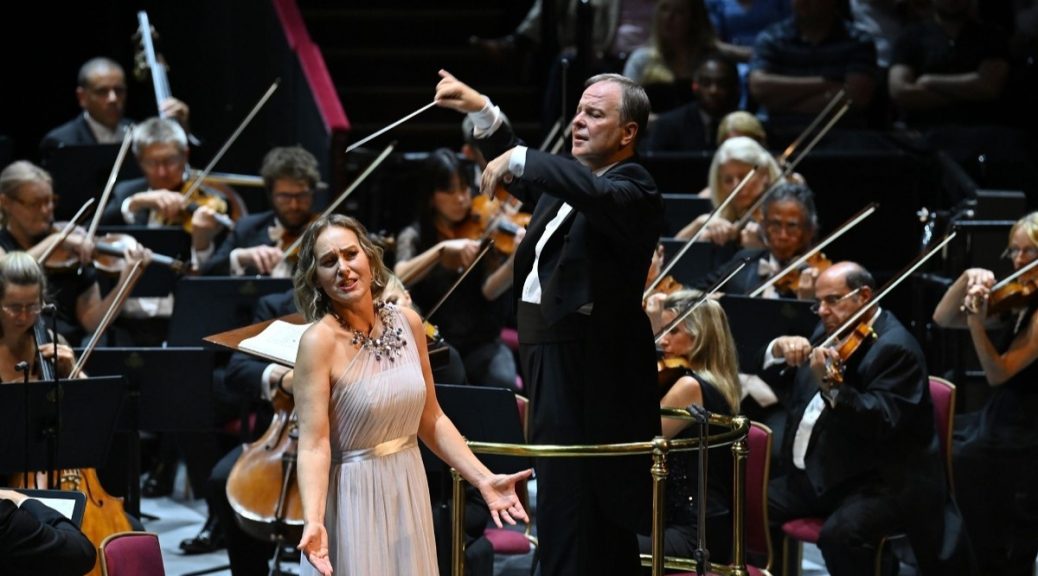
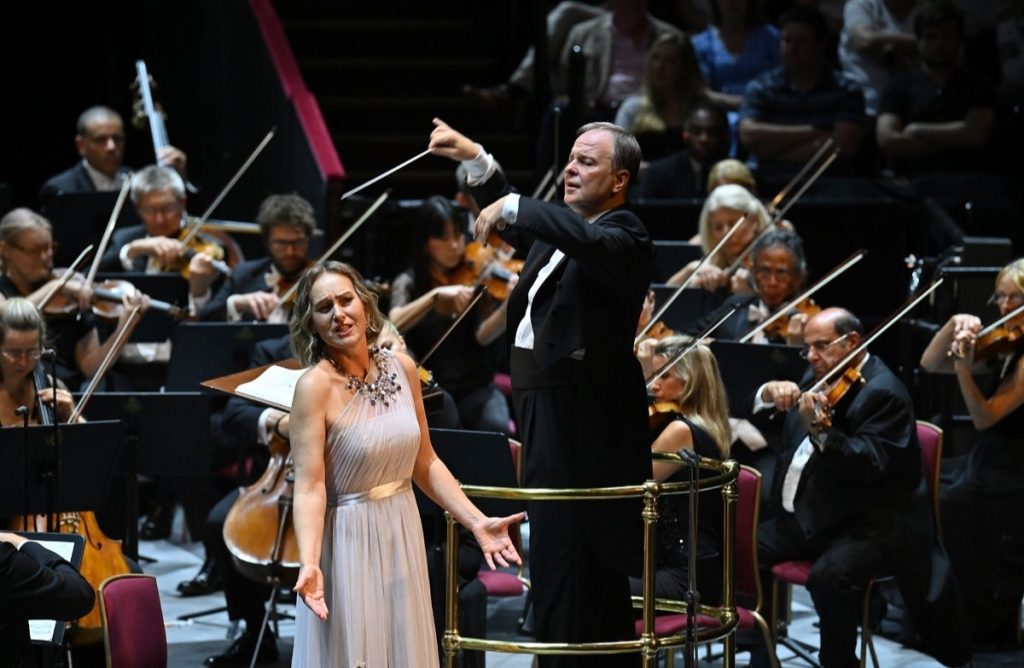
Photo credit: Mark Allan

 out of 5 stars (3 / 5)


I’m still reeling after the Londin Sympony Orchestra and Simon Rattle doing Messiaen’s Turangalîla-Symphonie a few weeks back. As Rattle begins to leave the maestro role with them, it looked like The Proms might just be his last potential concert with them.

This is the first time the full work of Das Paradies und die Peri has been done at The Proms. Schumann’s not quite opera, not quite oratorio proved highly popular in its day, with tours around Europe and even going to New York. Based on Thomas Moore’s Lalla Rookh, the Peri in question is semi immortal creature who strives to make it to heaven. Through three redemptive tries, a drop off blood, a sigh and a tear all fail her, expect the final attempt. Journey to India, Egypt and then Syria, this strange piece has surprisingly fallen off since the 20th century, its success something of the past.

This is an era of rampant orientalisation, Moore’s story a popular read at the time, mirroring Scheredzade in the story telling arch and locations. Its pacing is slow in all fairness, though the music is fairly touching, little is done to make the exotic stand out in the music, Schumann’s early German sound is rich and at times compelling. Each part is one of the Peri’s attempts to try and get into heaven for an three act structure. There appears an almost unifying scope where characters from both Islam and Christendom are referenced, as we venture through supernatural forces and the geography of the Orient. 
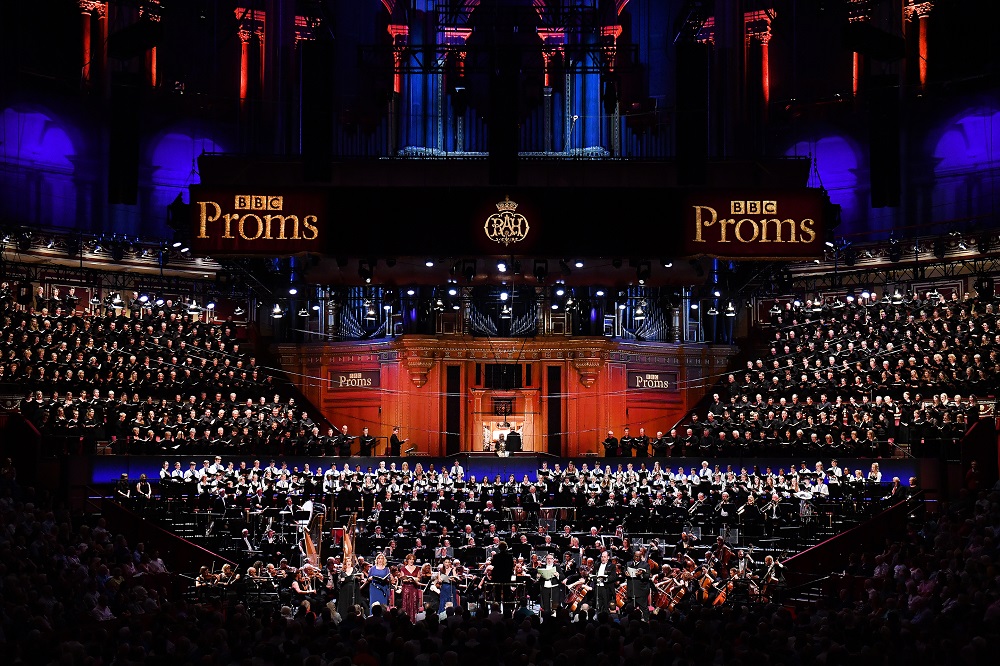
Photo credit: Mark Allan

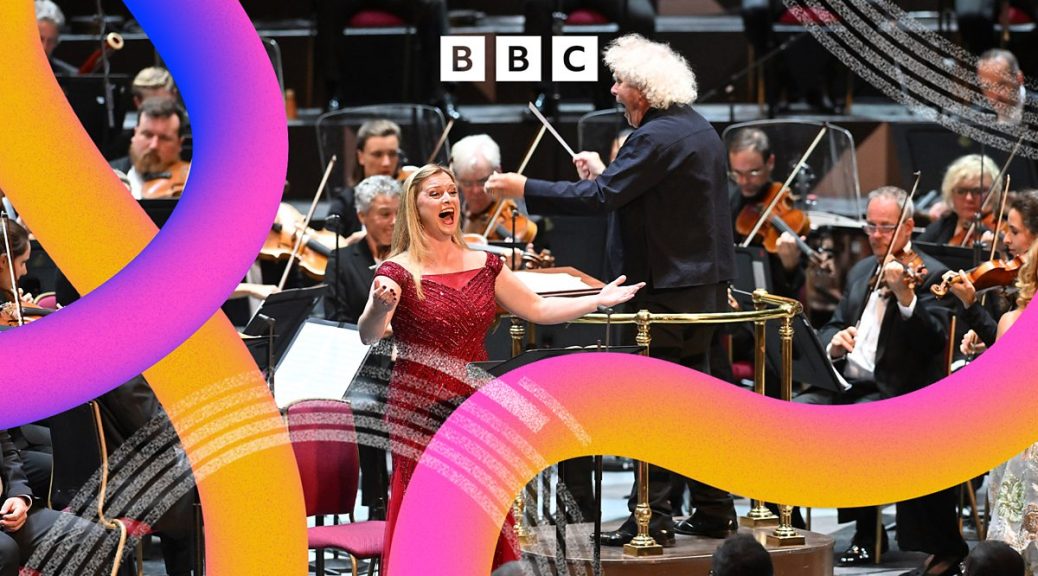
There is decent music from Schumann here, though certainly, not his best. You get a flavour for his style, though nothing really stands out, the arias and chorus moments swells and sway throughout. Rattle loves this piece and you really feel this as his choice to make happen. His mastery over everyone on stage was noteworthy, his grey, curly mop proudly on display tonight. Lucy Crowe as the Peri offered stunning vocals for this strange role. The Angel was an equally strident Magdalena Kožená, the Narrator from Andrew Staples framed this odd story together, his tenor very firm and a lovely addition to the cast. In supporting roles, Jeanine De Bique, Floria Boesch and Linard Vrielink offered compelling and soaring vocals, their characters the defining aspect if the Peri goes to heaven or not.

LSO and its Chorus delivered well in what I imagine is a work they rarly take on. It proves how German music would progress, even if Peri is something we see much less of now. It’s a good piece, I just don’t think it needs constant revival.

The BBC Proms are available to listen live on BBC 3 and after on BBC Sounds
Review, BBC Proms, Les Siècles, Royal Albert Hall by James Ellis

Photo credit: Sisi Burn

 out of 5 stars (4 / 5)

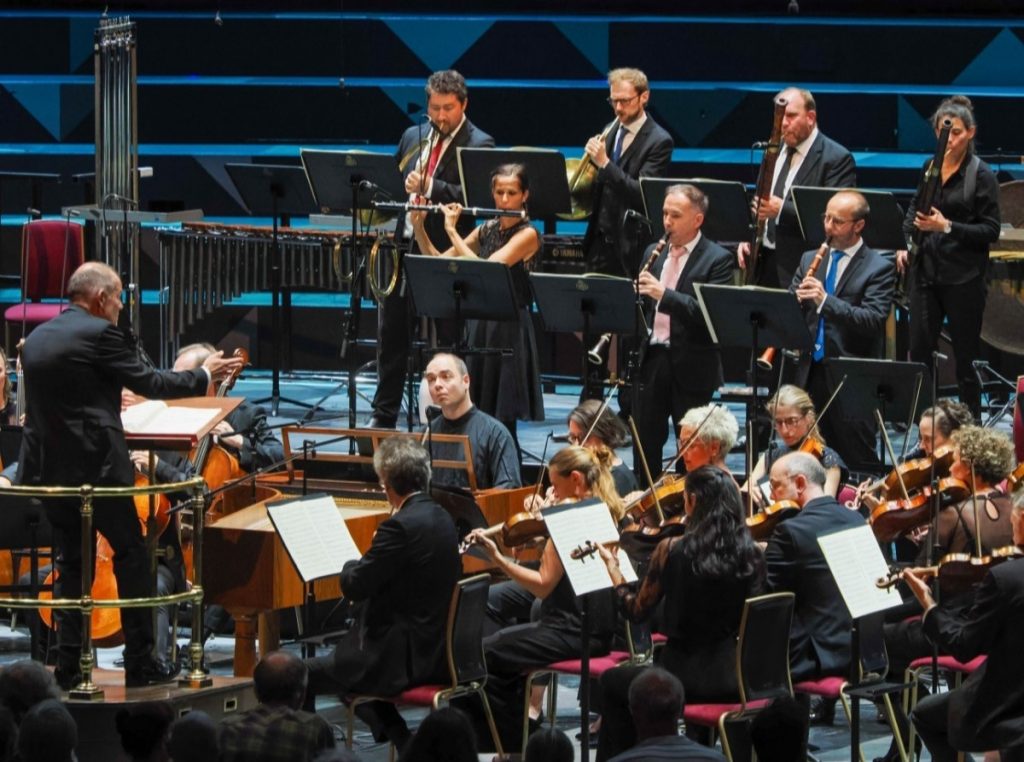
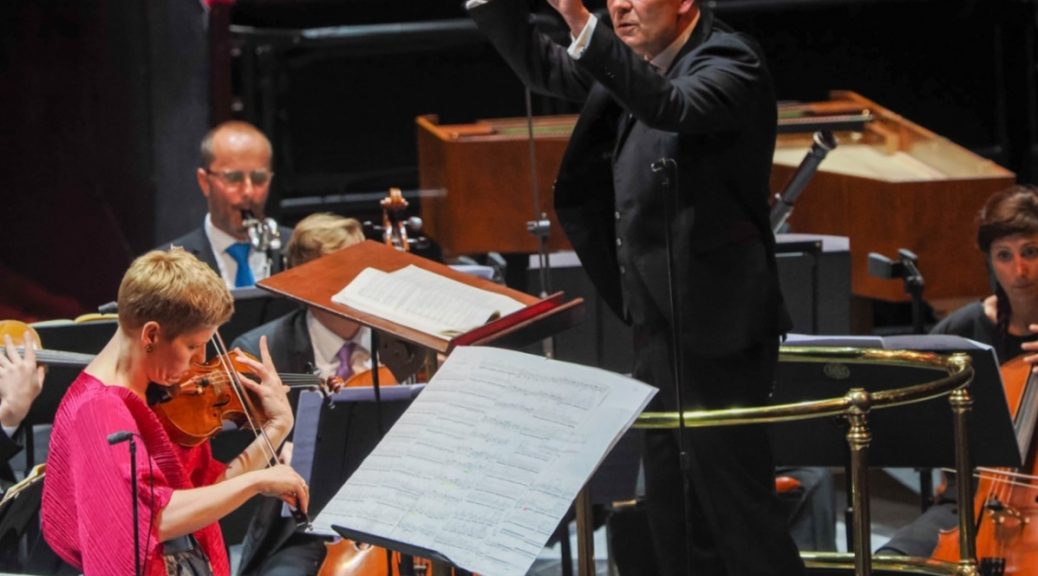
There is much to be said about returning to how music used to be played. What is its purpose today? Should we look back at all? Will it keep getting audiences? In comes Les Siècles, best remembered for their Lully some ten years ago, now boasting a 20th birthday this year. The serious but playful maestro François-Xavier Roth keeps everyone in check, his little turn to acknowledge rampant coughers during a movement breaks was funny. He usually exudes confidence and gives lots to the players as well.

The genius of György Ligeti is front and centre for his centenary celebrations. The Proms have already honoured his usage in 2001: A Space Odyssey in concert, now parodied in this years billion dollar busting Barbie from Greta Gerwig. There could not be a better time to hear this most eccentric and outrageous of composers.

In its first ever Proms outing, his Concert Românesc from 1951, is a pristine find. Taking over from Bartók, this is the next level from Transylvania folk findings and new inventions along the way. It’s quite vanilla for most part in the first three movements, things seem to plod along nicely with flavourful songs and an all round infectous charm. Though the final movement, the peasants fiddle melody turns on its head as unusual tuning techniques have been applied here. The spooky last movement would have upset Soviet sensibilities and apparently had it banned for its rockstar quality. It still saw performances anyway, proving the pieces popularity.

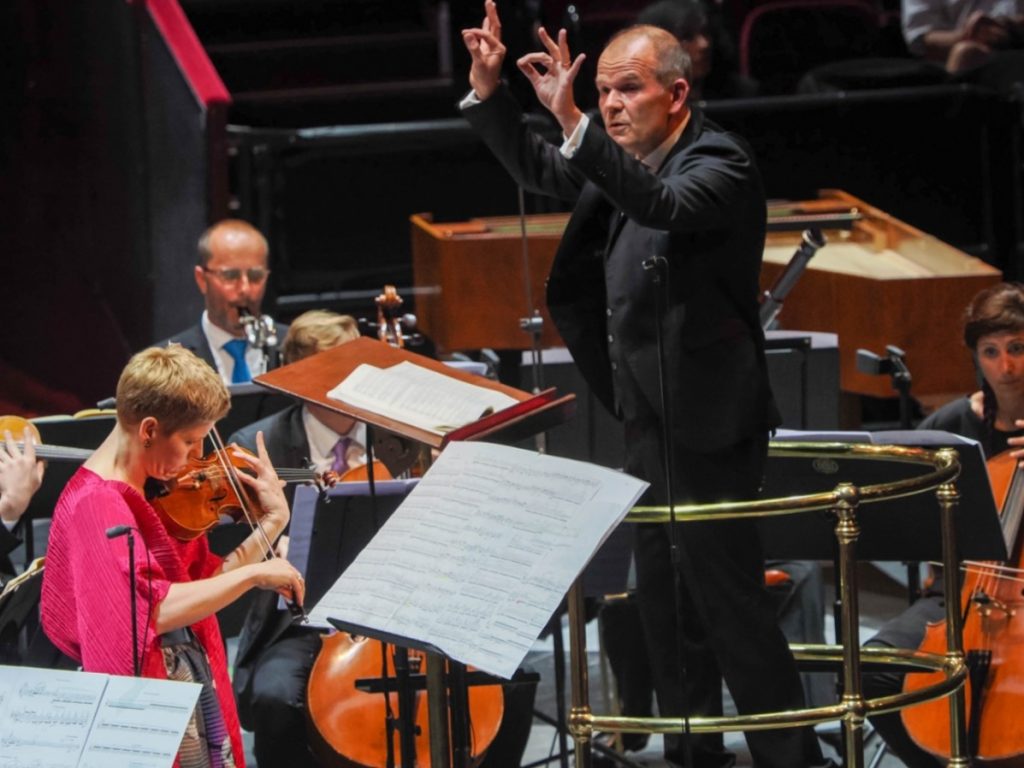
Decades later, Ligeti wrote one of the more strange violin concertos imaginable. Isabelle Faust as our soloist really got into what feels like a highly difficult work. Broad new ways of playing meets overtones, ocarinas and swanee whistles in the woodwind and hushed cadenzas propel the Violin Concerto into a surreal realm of possibilities. Faust fiddles with a piercing, passionate flair, just trying to tackle this piece should be commended. The percussion was also note worthy with vibraphones, glockenspiel and little cymbals, some of the work being inspired by music from Papua New Guinea. Multiple listens would envelop the questions you find yourself asking. An encore of Kurtag’s Doloroso from Signs, games and messages was so painfully quiet, you could hardly take it in.

Photo credit: Sisi Burn

Now, we come to it. Sound levels. In keeping with said tradition of faithful music making, here is where the concert fell on its face. By using a forte piano for Mozart’s Piano Concerto No. 23, it was simply to quiet for his monumental hall. Fine playing from Alexander Melnikov, who seemed to relish this odd return to form. Yet it was as if his refined playing was not there at all, the crumbly, slight sound of the fortepiano giving him very little to work with. A man in front of me cricked his neck and cupped his ear to try and hear better (we were in the side stalls, not that far away). I’ve always seen the instrument as the stepping stone between the harpsichord and the piano we know today, it’s easy to see why it fell on the way side. The lack of dampener is also disheartening and just might be the major problem point. That aside, it was pleasant enough (its touching and has room to breath) and the orchestra revelled in this Mozart which proves to be popular at the Proms.

Luckily, the final piece, Mozart’s Jupiter Symphony (No. 41 in C major) kept tuning and instruments of its day and still worked! I kept finding lovely moments in this famous piece, all the players shone throughout, defining how the symphony was changing and evoling in his day. I could feel the energy, the green and floral nature of it a real testament to Mozart’s genius. Motifs grow and rouse towards the gripping finale. This is how it’s done. Popping a bell jar on the past, without setbacks. No encore, though I think this audience was quite happy.

Listen to all Proms concerts on BBC Sounds

Review, Prom 46, Manchester Collective, Royal Albert Hall by James Ellis

 out of 5 stars (4 / 5)

After the recent Mahler from the BBC Symphony, a late night Prom would be on offer. I’ve been a bit of a groupie (respectfully), seeing these wonderful musicians in Cardiff, Bristol and London, this time getting got a second Prom. Amazing how laid back it was between both concerts.

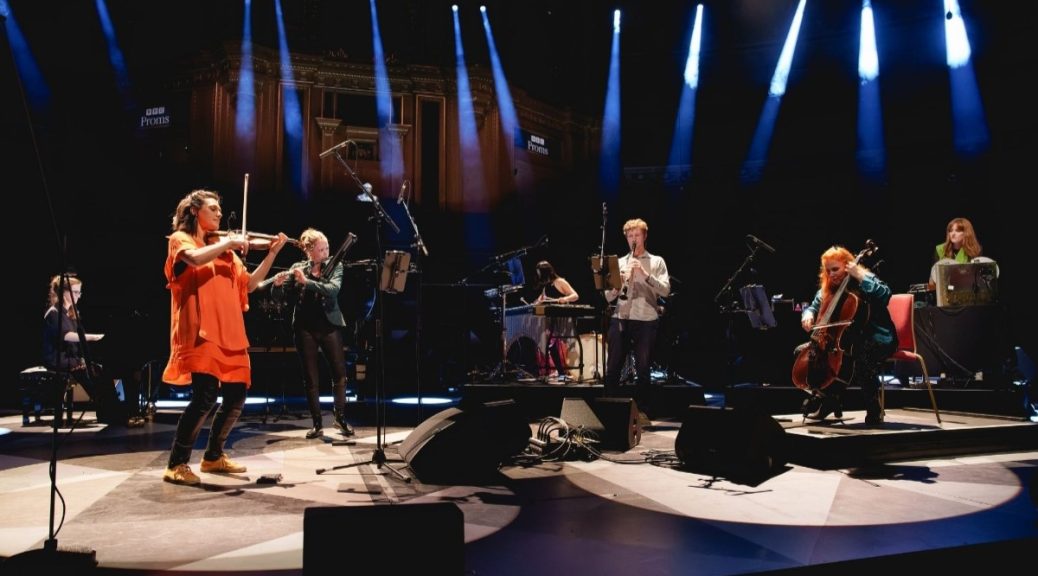
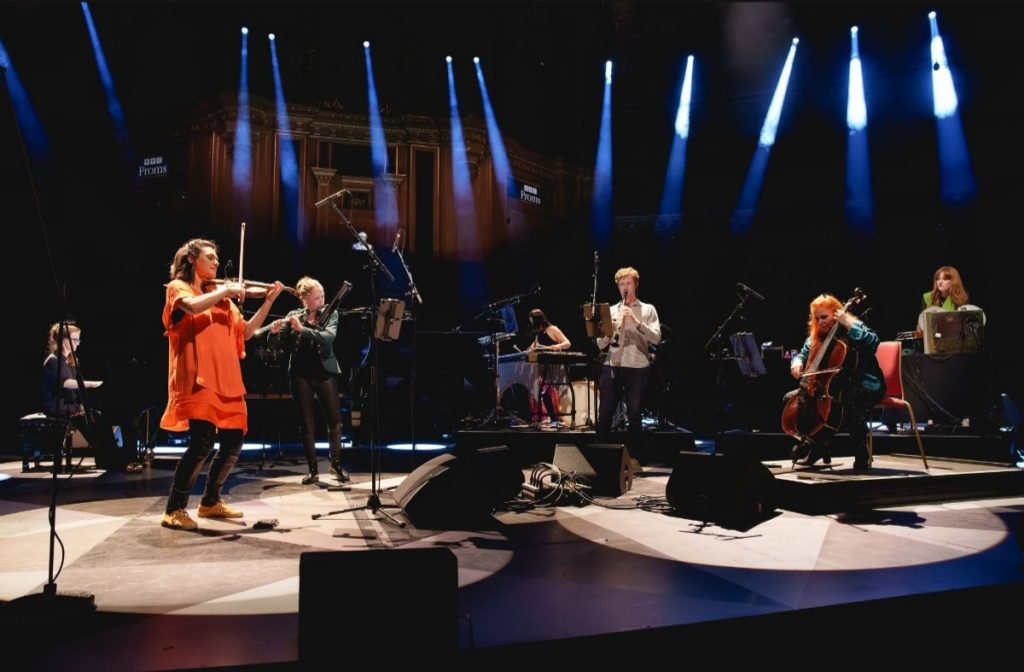
Neon by Hannah Peel started off with music inspired by the dying art of the light feature. How lovely it was, taking minimalist touches and ethereal tape work to create a swell concert opener. SERENITY 2.0 by Ben Nobuto might have been the highlight of the night, a queasy mix of Messiaen, John Cage aside guided meditations and a broad audio refrence pallet. Talk before confirmed it might be the most complex piece they have done and you can really feel it. The momentum rarly wained and it had that “Gen Z energy” spoken off prior to playing. The quartet had rampant moments, the percussion with went off in the best way and the tape worked was head spinning in many respects. Top stuff.

Oliver Leith looked to the past with his A different ‘Fantasie from Suite No. 4 in G minor’, feeling mostly timeless though had contemporary inflections. It was of worth, though hearing how hushed the huge hall became for David Lang’s Glory from his Mystery Sonata No. 7 made an unforgettable sound. Quite simple in form, it held up as rather touching, Rakhi Singh needs to do little to show her talents, the solo violin never sounded sweeter and more warm. Grand stuff.

Straight into Steve Reich’s Double Sextet, here with a recording of themselves to mirror the duo aspect. Have grew tired of Reich a few years back, but it’s hard not to be lost in the energy and joy found here. The stamina is commendable , their musicality unbounded. I wished I could have stayed for applause, though my tube was calling for home.

Review Prom 45, Mahler’s Third Symphony, BBC Symphony Orchestra, Royal Albert Hall by James Ellis

 out of 5 stars (3 / 5)

Back for the Proms and it looks like a fascinating year. There’s been some fine music making on the telly, radio and in person for people to choose. Finally making it back, I ventured to a firm favourite of mine.

Mahler’s Third Symphony is a chunky wombat of a piece, feature length at 95 minutes and requires quite a large orchestra. For me it’s one of his best out of his cannon. Whilst the BBC Symphony here, I felt the pathos, though it lacked some Germanic rawness to it. Conductor Sakari Oramo shooed away invisible flies, other times waded in the senseless of the music. He often franticly looked about the orchestra, yet he still managed to make the piece feel longer still. Mezzo Jenny Carlstedt has a fleeting solo, fraught with typical angst, oily and just right. She stayed on stage after her moment, openly weeping for the applause. The ladies of the BBC Symphony Chorus and Trinity Boys Choir had fine harmonies, both equally on point for the particular fibre added into the symphony around an hour in.

Many moments to savour, the sweet pathos of the offstage bugelhorn, the touching trombone solo, the bells and doubled timpani sets. The universe never leaves Mahler’s music and here it is most evident. The strident leaps, the painful doldrums and agonising irony all feature. The use of popular music of his day and Alpine folk songs also stand out. You have to take the good with the bad when it comes to Mahler. It’s usually very rewarding. Maybe I was too tired to really drink in this heady brew after a day of travelling.

Though, I still feel it needs more of a kick to it, gusto even. Oramo maintains the texture through a decent pace. The final movement which js one of the finest things Mahler created, was good but just not incredible. The solemn strings, the trumpets reaching that high notes, the soaring medley line and more. The grandiose end sees the two timpani players effectively play out as the other percussionists get a well earned rest. The universe is a true, beautiful thing in that moment and we need to cherish that. 

Review The Revlon Girl,Theatr Glo, Grand Theatre by Charlotte Hall

 out of 5 stars (4.5 / 5)

Before this performance, it felt different to other things I have seen and reviewed because I didn’t have any expectations prior, and I didn’t feel a certain kind of energy from the audience, so I had no idea what to expect from this show. I also couldn’t make any notes when I was there, I was so engrossed that I couldn’t put anything into words.

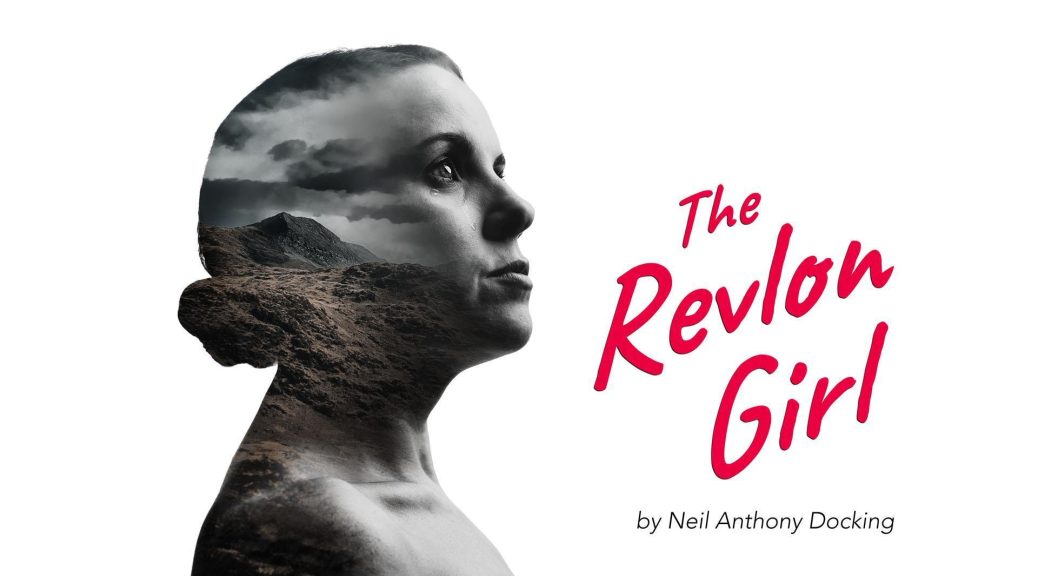
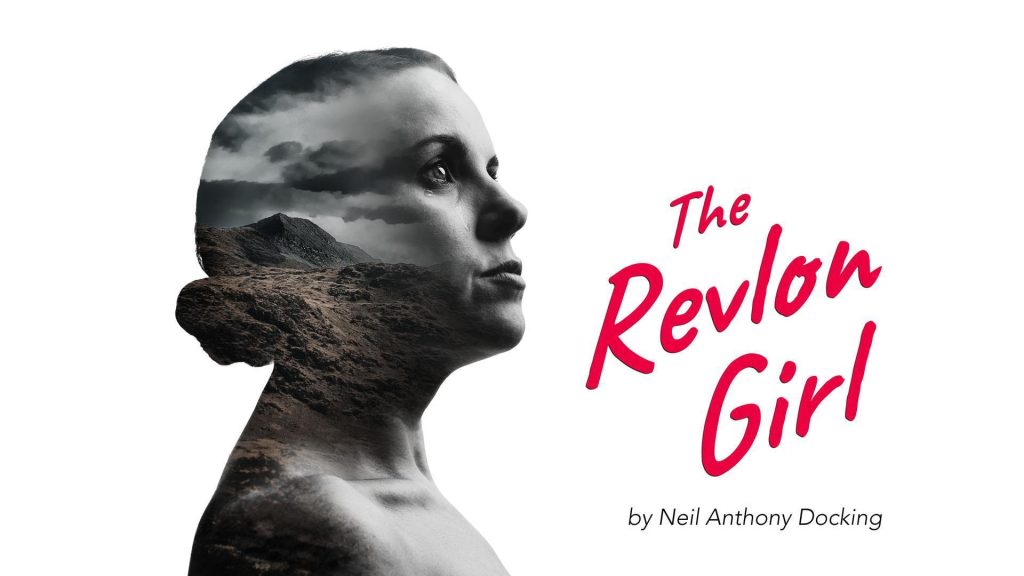
It was based 8 months after the Aberfan disaster of 1966, which, if you don’t know, is when there were colliery spoil tips created on a mountain slope which collapsed, and it very sadly crashed into the school and surrounding homes. 116 children and 28 adults died. The play is about mothers who meet once a week in a support group, and it explores how different mothers are affected/ how they are coping with the grief of losing a child to this disaster, and a particular week where a woman from Revlon volunteers to come to Aberfan to give a makeup/ beauty demonstration to these mothers.

This was a riveting and powerful performance. There wasn’t any projection or lighting changes, which I think fitted this play because it removed the fluff and made you focus on the root. All they had was the sound effect of water dripping, as there was a leak in the building. This was powerful in itself because it symbolised the tension and grief, it symbolised the loss and it symbolised their states of melancholy.

Each character came across as strong and dealing with the grief in their own way. Sian had lost her son and her husband didn’t want to look at her after she caught him sobbing, and she wanted a child. She kept quite optimistic and was a try to keep the peace character. Marilyn kept hoping and couldn’t quite believe that her children wouldn’t ever come back. Rona swore a lot and was very abrupt, and she was looking to move out of the town with her husband because, as we later learnt, she couldn’t face seeing the other mothers around the town, couldn’t face the grief that was permanently etched on their faces. Jean was pregnant (she thinks she became pregnant a few days before the disaster) and she had a surviving daughter, but her son who she was sure would have gone places and travelled far, died in the disaster as he was in the school at the time. She resents her daughter because on the day of the disaster, her daughter had said she was sick so didn’t go into school, and at a later date her daughter had gone out to play and complained that there was no one to play with, so she resents how her daughter seems to complain a lot and is not appreciative that she is alive, but also because she seems to have favoured her son whom she lost rather than her daughter who was kept alive. I believe the character subconsciously would rather her son be alive than her daughter because she knew her son would travel and make an impact in the world, whereas she knew her daughter wouldn’t do anything, just stay in the town when she grew up. The way that Jean copes with the disaster is to believe that God had a reason for wanting all those children to be by his side, whereas Rona completely disagrees with this, and isn’t afraid to voice her opinions.

The only fragile thread that ties these women together is that their children died (in a preventable accident), and there is no way that they would come together in this way if the disaster hadn’t have happened. By the end, they were a bit closer because they understood how each other was dealing with the grief.

For me, I couldn’t relate and empathise with these characters as much as a parent would, I think, because a parent can certainly relate to the Aberfan mothers in as much as the thought of living in a world where your child has passed away seems impossible, whereas for me, I don’t think it impacted me emotionally as much as it might in the future after I have a child, because I can’t feel the same feeling as a mother, however I was still able to sympathise.

The character that came from Revlon I think was also quite integral to the story, because it was her coming that brought their feelings up, and brought them together by the end. The character (referred to as Revlon in the duration of the performance except at the end where she is revealed to be Charlotte) had a secret that related her slightly to these women. She went through losing a brother and seeing her mum deal with the grief after he died. The only way her mum could face the world is putting some makeup on, and Charlotte helped her mum when her hands were shaking so much that she couldn’t put her lipstick on. She originally volunteered to go to Aberfan and give a demonstration because she thought she could help these women feel better, but once she was there, she tried to back out because she realised how naïvely she had thought these women could feel better with makeup, but how could makeup, how could anything help these women feel better? In the end, we realised the answer; they just needed something to help them face a different world and to support each other.

Review 42nd Street, Wales Millennium Centre by Tracey Robinson

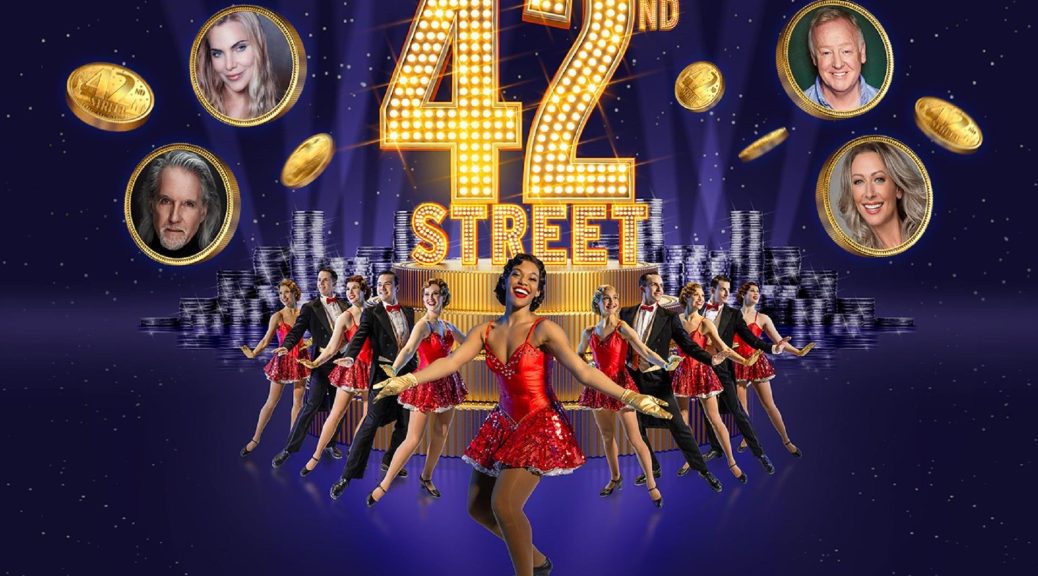
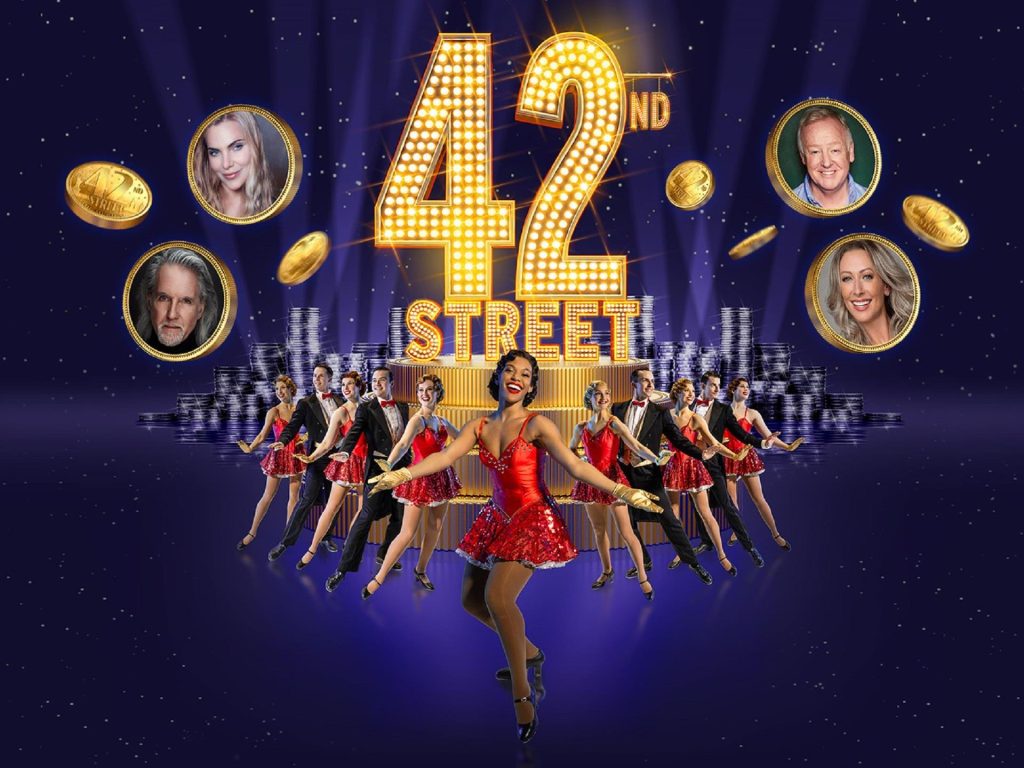
Jazz hands and happy feet, an exuberant, joyful, uplifting, seam of bright positivity runs through 42nd Street, originally a book and film dating from the midst of the Great Depression. A musical within a musical is a celebration of show business, it hints at the era’s economic atmosphere. 

The iconic show, with tunes such as “We’re In The Money” and “Lullaby Of Broadway”, tells the tale of a young aspiring performer, Peggy Sawyer, played by Rhianna Dorris, straight off the Greyhound bus from small-town Pennsylvania, she has wound up in New York City with only 40 cents in her purse, and there’s talk of skipping meals and breadlines, she’s aiming to make her dreams a reality, she longs to see her name in lights.

Stumbling into big-time director Julian Marsh, played by Michael Praed, and catching the eye of Billy Lawlor, she’s asked to join the chorus line of Pretty Lady, the latest musical to make it to Broadway. Unexpectedly she soon gets her chance at stardom, as leading-lady Dorothy Brock (who’s a nightmare to work with) is injured and Peggy finds herself thrust into the limelight, taking centre stage. The whole cast are superb, all strong characters, with amazing voices, working together as one to create a spectacular show. The character of leading lady Dorothy Brock (played superbly by Samantha Womack) certainly demonstrated incredible vocals. 

But, in my opinion, the real star of the show was the overall production – Robert Jones’ set and costumes are clearly fantastic. Utilising lighting and projectors to great effect. A lot of money and a lot of time has been spent making this production look as amazing as possible. The clever use of curtains allows us to see backstage as the production is happening, and other musical numbers like Shadow Waltz and 42nd Street have a very simple but incredible set design that really helps them stand out. 

Les Dennis and Faye Tozer are hilarious, they have great chemistry, a perfect comedy double act. Michael Praeds’ solo numbers are wonderful, he plays a very charismatic character. The leads are all outstanding, a plethora of household names, with years of experience on stage and screen“42nd Street” is a show that doesn’t come around too often. If you’re nostalgic over the era of Gene Kelly and Singing in the Rain then this is the show for you – and if you just love musicals, you won’t go wrong with this glitter-dazzling, tap-dancing delight!

Review Ryosuke Kiyasu & Friends, The Exchange, Bristol by James Ellis

Ryosuke Kiyasu, photo credit: Adam Horswill

 out of 5 stars (5 / 5)

The quest for more adventures in music lead me to Bristol. What could have been quite niche was anything but with the main space of the Exchange ever growing with a hungry, alive audience.

Now I happen to know the opening act, Linus who here has gone for the Germanic dubbing Wülf Gas. Known in the city for his grindcore sensibilities, here his heightened, furious vocal mic attack were shockingly brief. Adorned with a balaclava and little denium shorts, he peaked so intensely during this tiny set. It was extreme and I wanted more. Pain Matter aka Luke Oram gave a relentless and zen like offering on his electric guitar. Evoking minimalism and Glenn Branca, Luke helped up its momentum, his fingering also noteworthy, his concentration unbounded.

Seth Cooke, photo credit: Adam Horswill

Seth Cooke followed with some lovely use of cymbals, placed upon the floor sat atop devices which vibrate. This led to a drone like bliss, not disimailr to the binaural beats videos I was lisenting to earlier in the day. They sizzled and sang, the technology an improvement then the last time it was tried out apparently. He stood statuesque as he held he control which set the devices in flux. I’d be intrigued to hear more ambitious ideas here. Marvellous.

Then there was Insatiable Wound who scraped and blasted us. This noise level a feeling of Dubstep meets the battle of Waterloo. You really felt this one in your bones, the volcanic sound unlike anything I’ve heard for a while. The whole space appeared to quake, such was its impact. The audience count believe their luck at the idea of the thing.

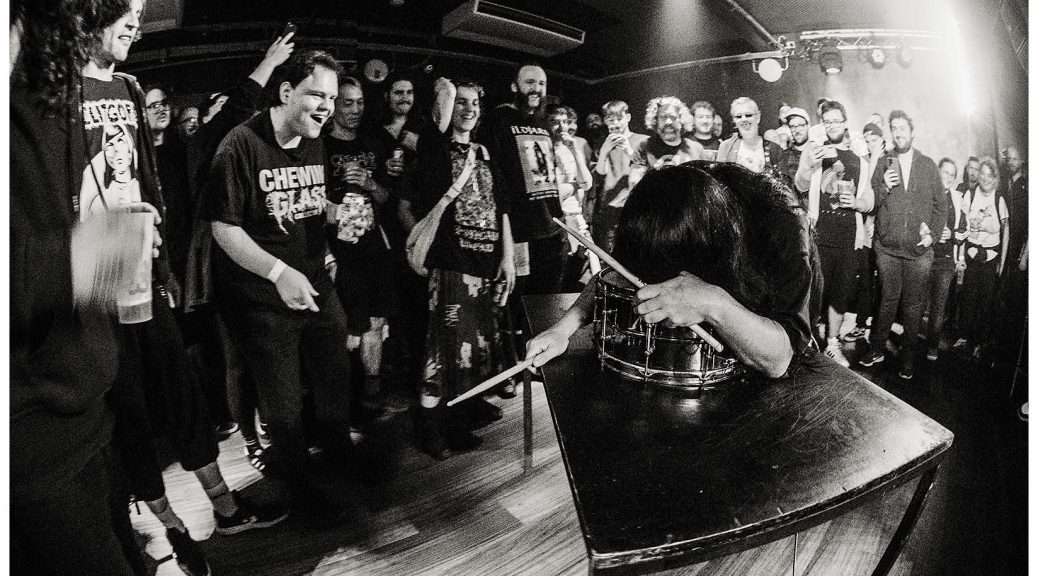
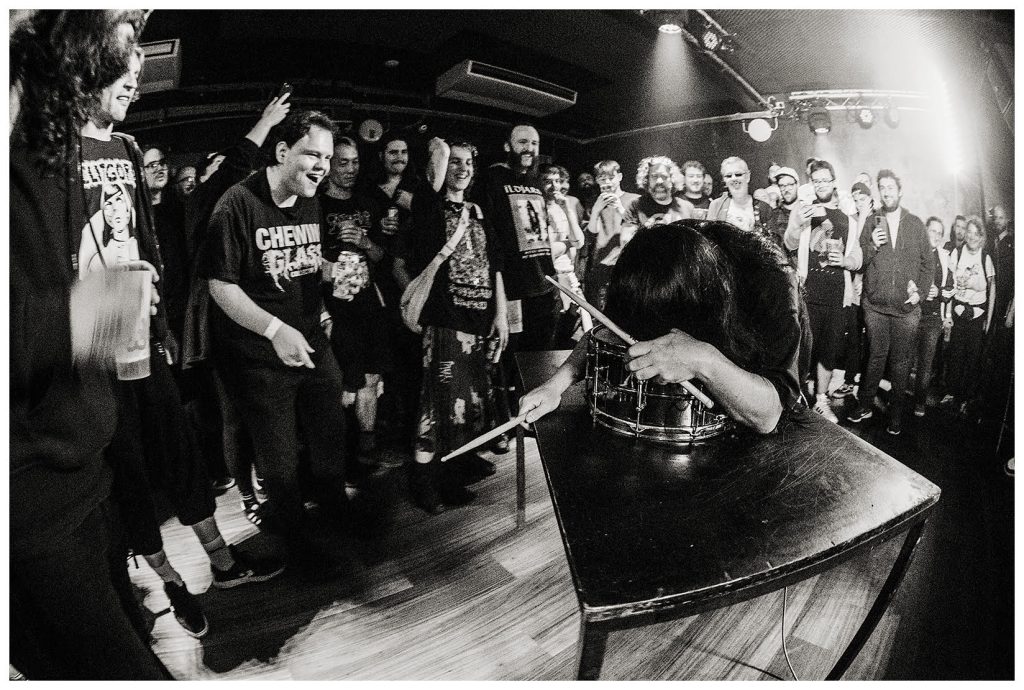
Lastly, the big number. Ryosuke Kiyasu has been a player of the snare drum for twenty years. Gaining viral success back in 2018, there was a lot of buzz about how he plays. This bold new take on percussion is exciting. The audience had grown in size to see him play on this night, lost in their frenzy, staggered over his offering. Ryosuke processes and dissolves rhythms, structures and effects. His scrambling with his sticks, his hair almost a part of the music fling upon the drum skin and the literal flipping of the table at the end were all note worthy. A spirit seems to posses him when he goes, it’s like any notated element of music has been thrown out the window. We felt this freedom with him, as he wrapped up with night with in blaze of fire.

I’ll be honest with you, I was highly impressed with the evening. I crave much more.

Ryosuke Kiyasu continues on tour around the UK and Europe. 

Review, Barbie by James Ellis 

 out of 5 stars (4 / 5)

Barbie, Dir: Greta Gerwig. 12a, 114 mins

The summer of 2023 in cinema circles will be best remembered for the bizarre joining of the forces of Christopher Nolan’s Oppenheimer and Greta Gerwig’s take on Barbie. Both released on the same day, “Barbenheimer”, as it’s been dubbed might just save the cinema after all, this double feature proudly making millions and creating debates on both films themes.

Unsurprisingly, Barbie the film has rilled up all the wrong people and we are here for it. Some declaring it woke, anti-men, sexist, alt-right and everything in between. With some sprawling marketing, the film has cleverly trudged through the premise of making an actual Barbie film, made by the its creators Mattel. We didn’t need this back in 1990’s, The Simpsons episode ‘Lisa vs. Malibu Stacey’ perfectly captured the thoughts of many. Todd Haynes infamous Karen Carpenter film will never be released due to the use of her unlicensed music, brilliantly uses Barbie dolls to tackle the eating disorders of its leading lady. We’ve had Babrie be used and discussed as above, yet this is her first official feature. Does it work?

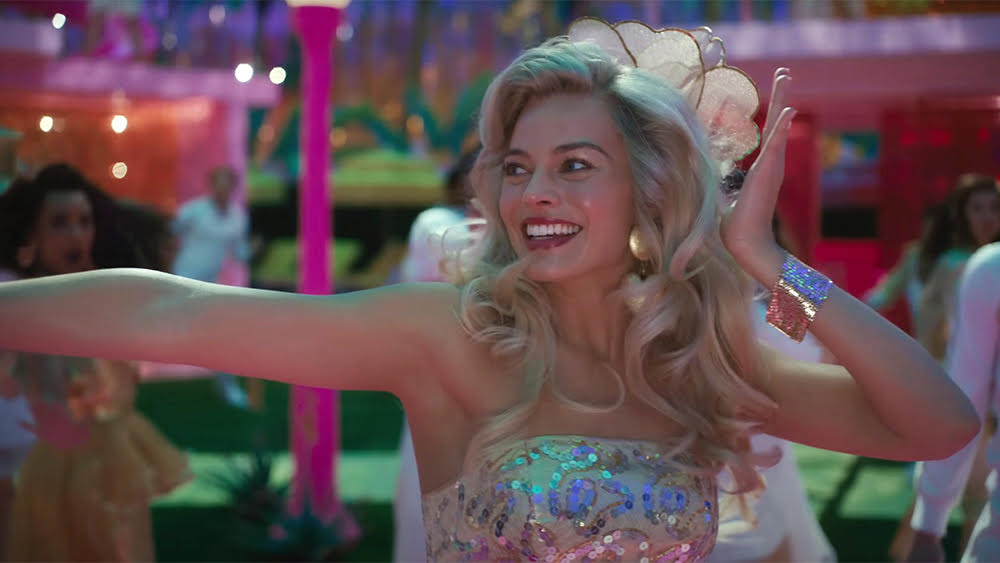
Greta Gerwig has made the right Barbie film for our current climate. Unafraid to poke fun at men, Mattel, misogyny and more. Her and Noah Baumbach have written a strange and genuinely funny script which at times pops as much as the tower of pink we as an audience cannot escape. The sets and costumes here are as hyper and over the top as you’d expect. Margot Robbie could only ever be perfect as this Barbie, what might be her most delightful role for some time. She is baffled as to why she after living her perfect life, is now feeling depressed and getting cellulite. Sent to the quirky Kate McKinnon as Oracle like Weird Barbie (a nod to the children who played too rough with their dolls). She tells Barbie to go out into the real world and find the child who is actually playing with her.

What follows is often sharp and so anti-men, I went along with it knowing it was in good humour. Stealing the show is Ryan Gosling as Ken, who is bound to win awards for his take on the role. The lavish musical number “I’m just Ken” is destined for an Oscar nom as well. Ryan embraces everything wrong with toxic men, feeling useless in Barbieland and then empowered by the patriarchy in our own world. It’s outrageous just how much Barbie is harrassed the moment she arrives in our realm, a groper she hits, instantly lines her up for a mugshot, with a joyous Ken.

I had a thought that a plot twist boy would be playing with this Barbie, but it turns out it’s the mother Gloria, who has started to play with Sasha, her daughter’s dolls. Some sweet and apt moments occur between Anerica Ferrera and Ariana Greenblatt, yet it’s not why we are here. The lack of conflict and a villain slows down the dynamics of the film too. It could have shaved off some ten minutes aside. Will Ferrell as the Mattel CEO, is his typical, giddy self, though him fainting on the corporate board table might just be his funniest moment in the film. An ensemble of other Barbies, Kens and other odd casting choices adds style, dirty jokes and a well needed diversity to proceedings. Michael Cera playing as Alan, Ken’s friend who had a limited release as a doll, is clever casting as he defines the nervous, other guy at the party that is Barbieland. Helen Mirren is underplayed as a matter of fact, yet catty narrator, first heard in the opening Space Odyssey parody.

The film is rife with Barbie lore, spanning decades: the dolls they would rather forget and the cult ones they are happy to wink at. Many an Easter egg is to be found here and there are some sweet scenes concering Barbie’s creator that I won’t spoil. Even if some of her rhetoric is out dated and questionable.

Also, it has to be said that this is isn’t really a children’s film (it’s a 12a), unless parents are willing to answer some big questions they might be faced with during and after a screening. The last line of the film caught me right off guard.

Barbie is out now on general release.  

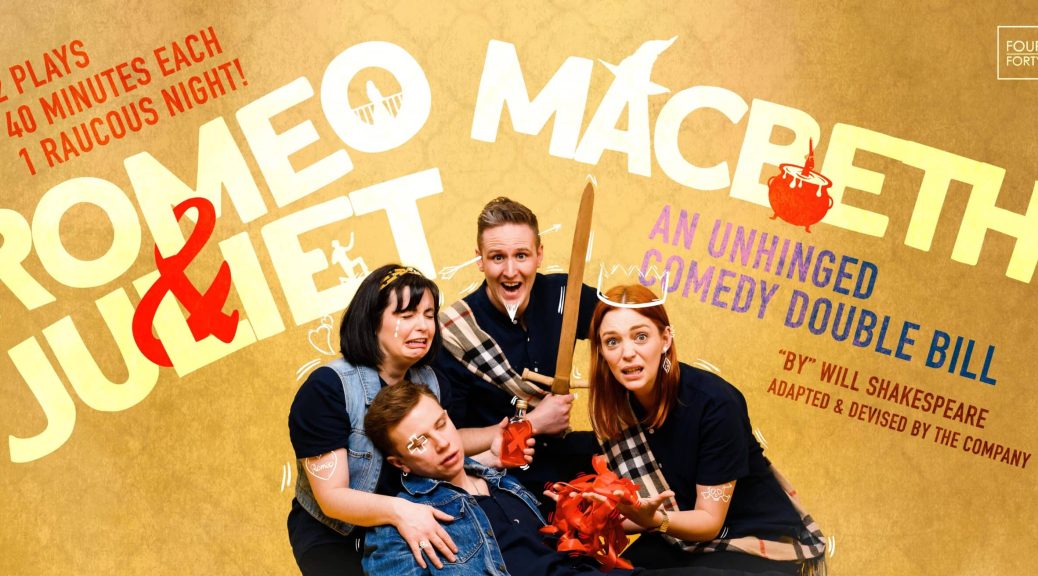
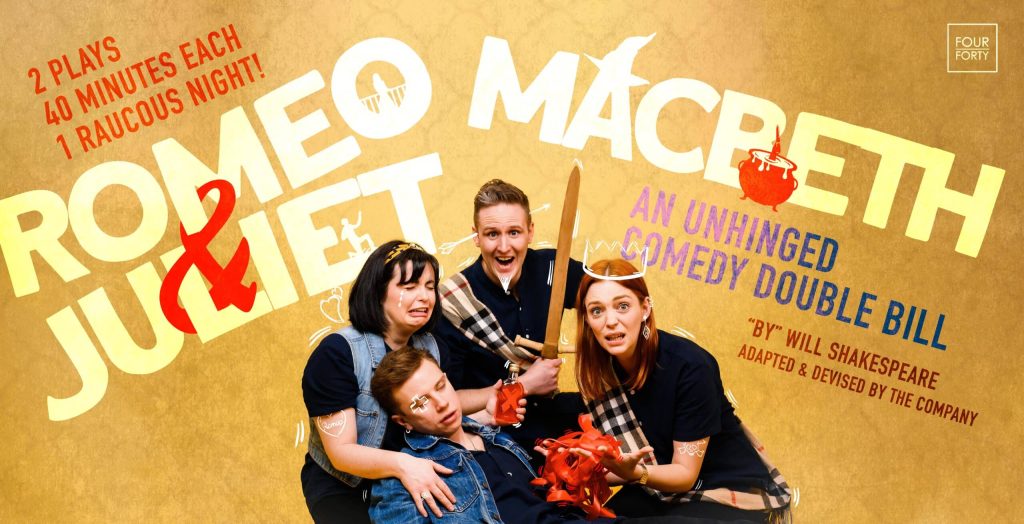
Review 440 Theatre: Romeo and Juliet/Macbeth. Theatr Clwyd, Mold by Rosie Anthony

 out of 5 stars (4 / 5)


When I think of Shakespeare, the words that spring to mind are ‘funny, ‘witty’, ‘sharp dialogue’, ‘a roller-coaster journey’ and 440 Theatre certainly deliver on all of those and add a sprinkle of magic in their own unique and charismatic way.

Shakespeare is wonderful, but sometimes it can drag out a tad, with plays commonly being three hours or so. No so with 440 Theatre! They have taken something brilliant and offer the audience the highlights, with each play being just 40 (ish) minutes. Two Shakespeare plays and an interval for your ice cream in under two hours? Done and dusted!

A simple set, costumes and small cast of just four actors (Luke Thornton, Amy Roberts, Lizzie Robin and marvellously acted and directed by Dom Gee-Burch) brought us this, quite frankly, unique but highly effective take on the two well known plays. There was singing and guitar playing (a special mention to Roberts for her incredible voice and Thornton for bringing comedy gold to the songs), an abundance of wigs, a very clever use of umbrellas and gags-a-plenty, to make sure that the laughter didn’t stop. Gee-Burch was stand out in his various roles, never failing to be deliver hilarity, whether playing the friar, nurse or any one of the three weird sisters. His presence lit up the stage and he truly stole the show. His comedic genius shone through, and his timing was impeccable. Every single one of the actors gave their all and must have been exhausted by the end after maintaining such high energy and not faltering throughout.

First up, the tale of two star-crossed lovers, Romeo and Juliet; never was a story of more woe (and hilarity, true farce and an interesting case of rigor mortis!) and who knew it was all Pat’s fault? Pat, the character Shakespeare forgot to mention (you’ll need to go along and watch 440 Theatre to see how that story unfolds).

Swiftly followed by Macbeth – very obviously the Scottish play thanks to the tartan sashes, wigs and a hint of Taggart (‘there’s been a murrrrder!’). Brilliantly acted, traitorous goings on, dancing ghosts and full of farce. I particularly enjoyed the nod to the Tesco clubcard savings. Again, Gee-Burch shone in his many parts, particularly as the three weird sisters. Thornton’s reactions to them certainly demonstrated how the natural talent of Gee-Burch continually surprises and delights, even to his fellow actors along with the audience.

This is a surprising re-telling of Shakespeare that I recommend you experience for yourself. It is full of surprising comedy moments to catch you off guard and while that was mostly really good fun, it could be a little jarring if slapstick humour is not your particular cup of poison. Watch out for each death scene being milked to the absolute, well, death!

This is an exceptionally special, hilarious, speedy tour of two of Shakespeare’s arguably greatest plays. High energy and thoroughly good fun, a must see if you love the Bard (and especially if you yearn for slightly shorter renditions of the world’s greatest literary works).

Running time: Approximately 2 hours (including 15-20 minute interval).

Review Choo Choo, Stammermouth, Sherman Theatre by Charlotte Hall.

 out of 5 stars (3 / 5)

(Please note this review features an overview of the productions plot)

Choo Choo is a play that is said to give ‘an entertaining exploration’ about Obsessive Compulsive Disorder, intrusive thoughts and ableism. It is a collaboration between Nye Russell- Thompson (writer and performer), Nerida Bradley (writer and director), and is co-written by Duncan Hallis (also performer) and Tafsila Khan (also assistant director).

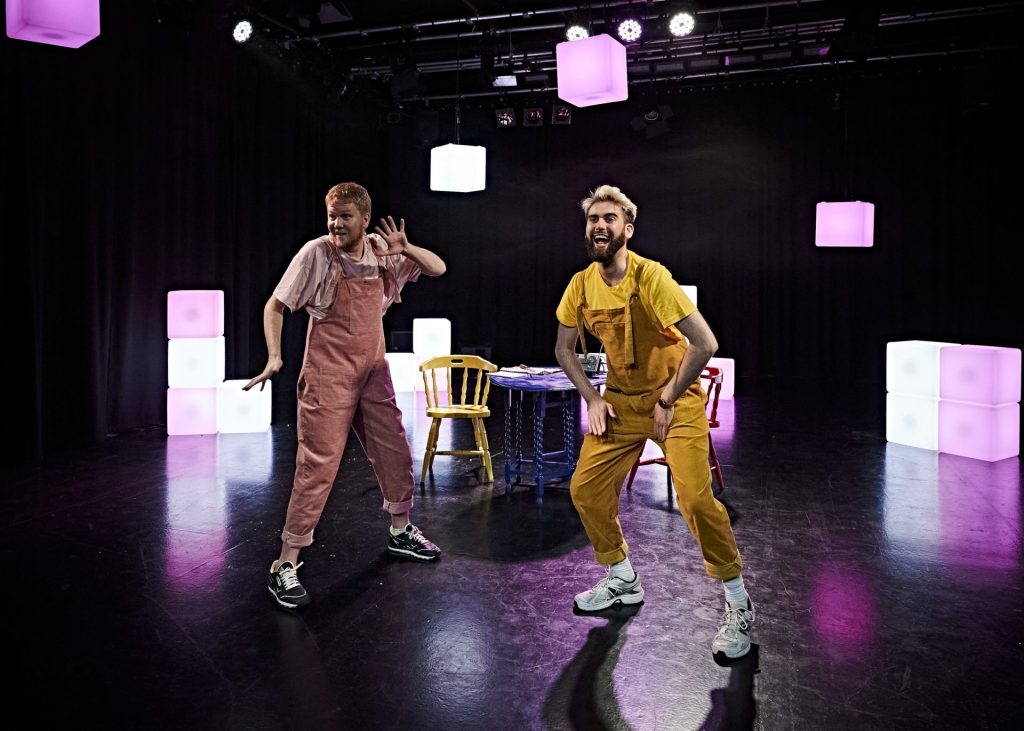
Before the play, you could hear owls hooting and snoring, you could see a character seemingly sleeping stage right (Laura Goulden, one of the BSL interpreters, I found out later), a yellow chair and a red chair on either side of a small table in the middle, a small radio on top, and some cubed lights in the background- the amount of lights not evenly shown so perhaps this could give us a sense of uncomfortability from the start.

The start of the play saw two characters (Nye and Duncan, one dressed in a yellow top and red dungarees and the other dressed in a blue top and yellow dungarees) come on, yawn, and start their wake-up song. There was a lot of comedy in this play, even from the start, and the characters seemed a bit childlike, although they lived together and they discussed darker themes of intrusive thoughts, being that the basis of the play was Nye’s character was getting thoughts about killing his best friend. There was repetition in their daily routines and rhyme in the song, and they played games with each other all day, from the radio. On the other hand, there was also a lot of darker, adult themes with pregnancy, dying, violence, game/ talk shows (that included audience participation!) and more.
The story saw them going through the day, playing games, Nye getting intrusive thoughts, singing the same song the following day but Nye doesn’t feel as happy as normal because of the intrusive thoughts he had last night. Then playing a game as a talk show getting requests from listeners/ audience members, and Nye gave a request to Duncan disguised as an audience member, to explain his intrusive thoughts and what should he do about it. With Duncan then replying saying he was a bad person and he should feel guilty etc, which made Nye feel even worse.

There is radio static at home before they go to bed, of Nye hearing a train get louder and the lights getting brighter, before the new day, which is the day that they are supposed to go on holiday together. Nye doesn’t want to come (he has been trying to isolate himself because he doesn’t want to do anything to hurt Duncan) and so Duncan goes to the train station (for the holiday) by himself, and the train is delayed. The Transport for Wales announcement tells him about intrusive thoughts and OCD, and how his friend is feeling, and then Nye appears at the station. Nye and Duncan hold onto each other over the platform edge, as Duncan is reassuring him that Nye won’t hurt him. They end the show by demonstrating how intrusive thoughts are okay to have, and you shouldn’t be scared of them making you be a bad person, because they are just thoughts, and we are not our thoughts. This is shown through them saying an intrusive thought, like putting the iron over your hand, pushing someone over the edge of the train platform, and the audience would clap if they had ever had that thought.

I enjoyed that there was a lot of comedy in the show and it was light-hearted when Nye wasn’t worrying about hurting his friend, but I didn’t see how it was about ableism and linking to OCD. He was starting to isolate himself, not leave the house, and I can see how intrusive thoughts link to OCD, about how people with OCD can think that they have to do certain things otherwise bad things will happen to people they love, but I don’t see where that fits in, in the show. It had promising writing, but the themes weren’t hard hitting in my opinion, as compared to the other shows I have seen and reviewed were I felt affected and emotional coming out of it.