All posts by admin

Review The Tempest, Cardiff Open Air Theatre Festival by Georgia Bevan.

 out of 5 stars (4 / 5)

It’s that time of year again, the Cardiff Open Air Theatre Festival has returned. To start, Everyman Theatre presents ‘The Tempest’, the timeless Shakespeare play with a modernised twist.

The play follows Prospero (Lewis Cook, who delivers one of the show’s standout performances), and his well-timed plan to get revenge on all of those who wronged him, who are now- by chance or by magic- stranded on this deserted island with him. Additionally, there are many intertwining plots and many characters. The audience’s favourite was the trio of Caliban (Luigi Challis), Trinculo (Elinor O’Leary), and Stephano (Daniel Ivor Jones). The laughs were consistent with these three’s antics, effortlessly translating Shakespeare’s dialogue into the universal language of comedy.

Other standouts are the young lovers, Miranda (Seren Vickers), and Ferdinand (Sean Rhys-James). Both actors are committed to selling their fledgling romance, and they too offer creative moments of comedy. Performances like these make ‘The Tempest’ an authentic and dedicated rendition of the Shakespeare classic. This- combined with interesting staging ideas and other, additional quirks added into the production, speaks to the ingenuity of director Rich Tunley.

The production design of the play is also rather impressive. The beach-like set- which held out well in the evening drizzle- has many cleverly-used quirks. A standout moment was when Ariel (Amanda Ataou), appears as a Harpy, brandishing wings that look like tattered paper, as the actors behind work to flap them menacingly. It makes for a great effect as the character as she terrifies the onlooking characters. The commitment to this stripped-back ‘beach’ aesthetic, as characters carry around dead logs, and wave worn, tattered flags, blends well with the magical element, which is portrayed through great physical comedy by the whole cast.

This modernisation plays to the production’s benefit, pushing the source material in unique directions. Aside from the obvious – a plane crashes onto the island, like something akin to the series ‘Lost’. But this modernisation also allows for some more modern humour, and for references to more recent songs. The audience was singing along and really enjoying themselves when the actors suddenly burst into a rendition of ‘Can’t Take My Eyes Off You’. On paper, that sounds like it shouldn’t work, but it actually does.

This rendition of ‘The Tempest’ is impressively put together, and crowd-pleasing fun, one that is guaranteed to leave the audience satisfied. The festival can always be counted on to deliver when it comes to Shakespeare, and ‘The Tempest’ is a strong start on what looks to be a promising summer.

‘The Tempest’ is at the Cardiff Open Air Theatre Festival, June 22nd – June 28th.

Review, Jennifer’s Higdon’s Blue Cathedral, BBC NOW, Hoddinott Hall by James Ellis

 out of 5 stars (3 / 5)

In their official end of their season, BBC NOW would wrap things up in their trying year, with no St David’s Hall, at Hoddinott Hall. Though they usually have one last flutter in the Hoddinott before the last concert at St David’s (then off to the Proms in London), this smaller scale concerts still have a lot of punch.

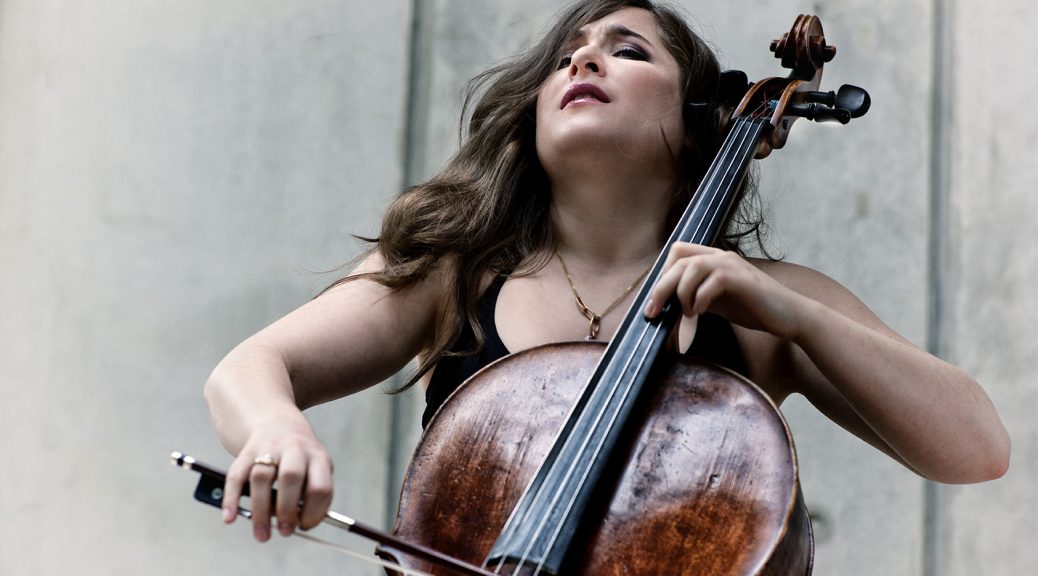
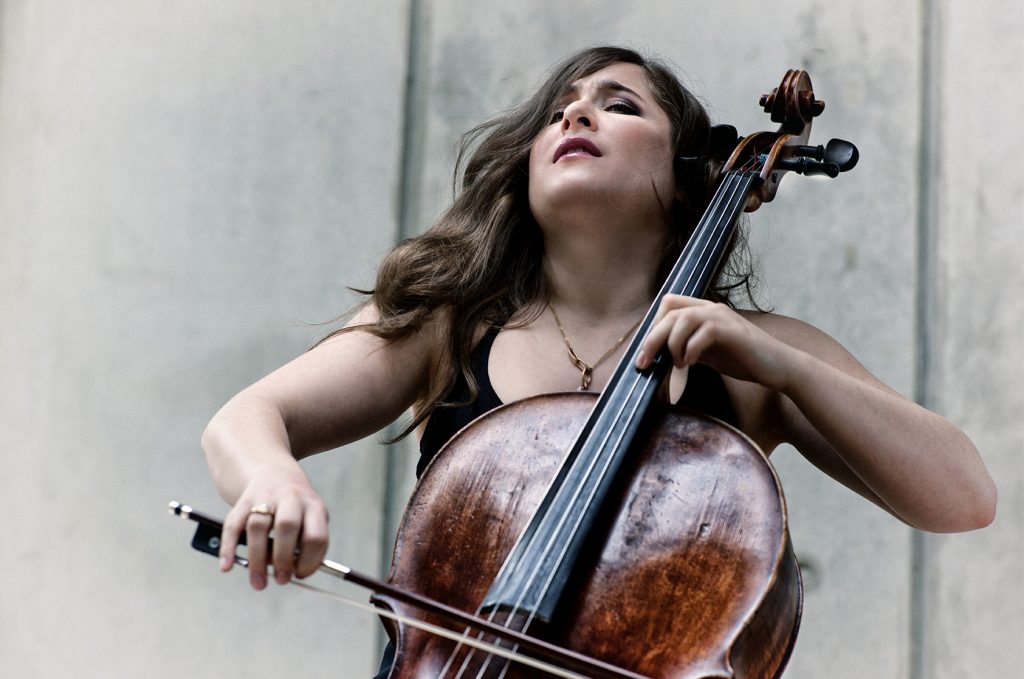
A hefty Cello Concerto from Dvořák, with soloist Alisa Weilerstein was an impressive start. All the folksy, good hearted nature of the Czech composer’s homeland is here. Written both in the US (where he taught) and his home, the piece is a three-quarter hour delight. Retrospective in nature, the home sickness also messed into his past love affair with his wife’s sister, who originally never cared for Antonín. This didn’t stop him putting her favourite song in the concerto. You’ve got to really like the cello for this to truly work, though the orchestra do bring out some ringing moments. The brass felt rather loud, perhaps due to the direct acoustics of the reliable Hoddinott. It’s always looks silly for a percussionist to wait patiently and then just play one instrument…that being the triangle for this large piece. Alisa makes the solo role putty in her hand, she brought many truths and I also was taken with her passion. She didn’t shy away from broad, proud moments and subtle, tender bars were noteworthy. Not quite my favourite cello concerto, but lovely all the same.

Blue Cathedral was our post interval opener from Jennifer Higson. Inspired by imagery of a cathedral floating in the sky, this liminal space in musical form, had lots of percussion and flamboyant instrumental moments for the orchestra. Some serene, Debussy like phases flattered the audience and some little bouts of harsh dissonance cropped up as well. I found it appealing, though felt it didn’t quite find its footing in its ten odd minutes.

A real rarity followed and a problematic one at that. The joyfully energetic American conductor Ryan Bancroft has treated us to his countries great musical offerings most notably Charles Ives, with a 150th  birthday celebration this year. African American composer William Dawson saw great success with his Negro Folk Symphony in the 1930s. Though he could not bottle this popularity, he revised the work after visits to West Africa in the hope to rekindle its past success. Whilst Dvořák encouraged American composers to utilise spirituals and other music from Africa, he set the gold standard for its use. There is much flair and drama in Dawson’s symphony, the mark of slavery and faith pierce through. Its quite intense and theatrical, remarkably I was still bored by it. Even the lovely use of harp and an anvil at the conclusion didn’t win me over. Its fusion worked well enough, I just don’t think it maintained the stamina for the over thirty minutes. Whilst I have my own reservations, I cannot deny the works place in history nor it’s influence under diverse composition.

Listen to this concert on 13 June 2024 on BBC Radio 3: In Concert, then available for thirty days on BBC Sounds. 

Review Beautiful Evil Things – Ad Infinitum – Theatr Clwyd – Friday 8th March

 out of 5 stars (4 / 5)

Beautiful Evil Things is performed over seventy-five minutes by Deborah Pugh on her own. She performs in a simple costume on a minimal set, mainly consisting of microphones on stands, but the lighting and sound effects backing up her performance are complex and continuous (including surtitles ). Pugh’s performance shows everything has been carefully considered – every sentence in the monologue weighed, every movement across the stage planned. All the people mentioned in the handout programme make their absence felt.

Hard work is also one thing you think of, watching and listening. You can’t help but wonder how taxing Pugh’s delivery must be on her voice. Her seventy-five minutes are a tour de force. I wasn’t worried she would be unable to sustain her energy level, but I did think she might have vocal problems if she ever had to perform six days running.

This led me on to consider how her material, drawn mainly from The Iliad, might have been delivered originally. The epic must have been declaimed and sung over an extended period because it is so long. Could a single poet have managed it?

– Which might seem a sideways consideration in a review but Beautiful Evil Things is intended to make audiences think. It reworks a small selection of stories from The Iliad to tell them from a female perspective. The narrator – Pugh’s main character – is the severed head of Medusa, the gorgon who would turn you to stone if you looked into her eyes. Medusa was there throughout the Trojan war, her head strapped to the shield of Athene. She comments on what took place, like a BBC front line reporter.

Pugh also incarnates a slew of other female characters including Athene, Hecuba, Cassandra, Penthesilea (the Amazon queen) and Clytemnestra. She does cameos of Achilles and Perseus and mimics the voices of Zeus, Poseidon and Apollo. She narrates, declaims, explains, wisecracks, mimes, gesticulates, poses, glares, smiles, laughs and cries. She takes her audience on a roller coaster ride and if she makes any slips or takes any wrong turnings, they are not noticeable. Like Medusa she becomes mesmerising. Her body is so essential I was not surprised to find out both she and her two co-artistic directors are graduates of Jacques Lecoq’s École Internationale.

Although Homer provided Western civilisation with one of its cornerstone narratives, we are not obliged to use the mythic material in the way he chose to do. Pugh and Ad Infinitum are free to present the interconnected stories as they want, although they run the risk of being overshadowed. Homer organised his material with a clear artistic purpose. He wanted to illustrate the beautiful tragedy of the warrior hero and the end of the era he personified. Hence, The Iliad is a macho story par excellence. Women are not irrelevant – the Trojan war is fought over a woman – but it was left to Racine, well over two thousand years later – to show them as tragic figures in their own right.

Ad Infinitum want their audience to think and cross reference like this. I wondered how interesting Beautiful Evil Things might be for those who had never read any Greek myths, for whom the background of the capricious gods and the wide range of historic characters had no resonance.

This is one problem the piece encounters. A second one is connected to it. To ensure that no-one is left wondering who a character might be, Pugh is obliged to step out of character to explain. This slows the imaginative momentum of the piece down, especially as the explanations have to be accompanied by modernistic reductio ad absurdums – ‘Life of Brian’ style.

And Pugh’s Medusa with snakes instead of hair, is scary but only in the way a pantomime villain is. So when Cassandra becomes increasingly important in the narrative, I was unsure if she was meant to be a pathetic, a bit funny in the head – or someone whose communication barrier anyone and everyone can identify with. The show’s purpose might have been better served if either Cassandra or Clytemnestra had been the focus – if the company had adopted Racine’s approach.

The overall impact, the success of the piece, is determined by the use of the varied material. Watching it being demonstrated and thinking about what it all means becomes a bit demanding. After an hour and a quarter, I felt I had been harangued, startled, prodded and amused but I didn’t feel entirely comfortable. Perhaps this was because there were no relaxed moments, no variation in the tempo. Pugh is fast and furious throughout her monologue and the semi happy ending simply finishes everything off. It’s not a very satisfying conclusion.

There could have been some softening, some stillness. Another dimension would have provided the show with more contrast and impact. This variation could have been provided by music and/or singing, i.e. in the way the original epic was delivered. More poetry, for want of a better word, and less rhetoric might have alleviated the strain of paying so much attention throughout.

Pugh does deserve the five-star accolades that she has been receiving for the effort she puts in, and the company also deserves congratulations for so carefully assembling a thought-provoking piece of theatre. I’d just prefer to see a play entirely of their own devising, with performances that didn’t require any running commentary for the audience’s benefit; a performance where an audience could be more confident of what their response to the work should be.

Theatr Clwyd also deserves recognition for programming Beautiful Evil Things. It was something different and well worth experiencing. Despite it being a cold windy Friday March night in North Wales, a good-sized audience was present on the night, filling over three quarters of the house. I’m sure they, like me, would be glad to see more work by Ad Infinitum in the future.


Review, Angela Hewit, Bach’s Goldberg Variations, Wigmore Hall by James Ellis

 out of 5 stars (5 / 5)

I was keen to attend a recital with Canadian legends Gerald Finley and Angela Hewitt for an excitable programme. Finley sadly, could not make it due to a bereavement. So this raised a question…what would be done instead?

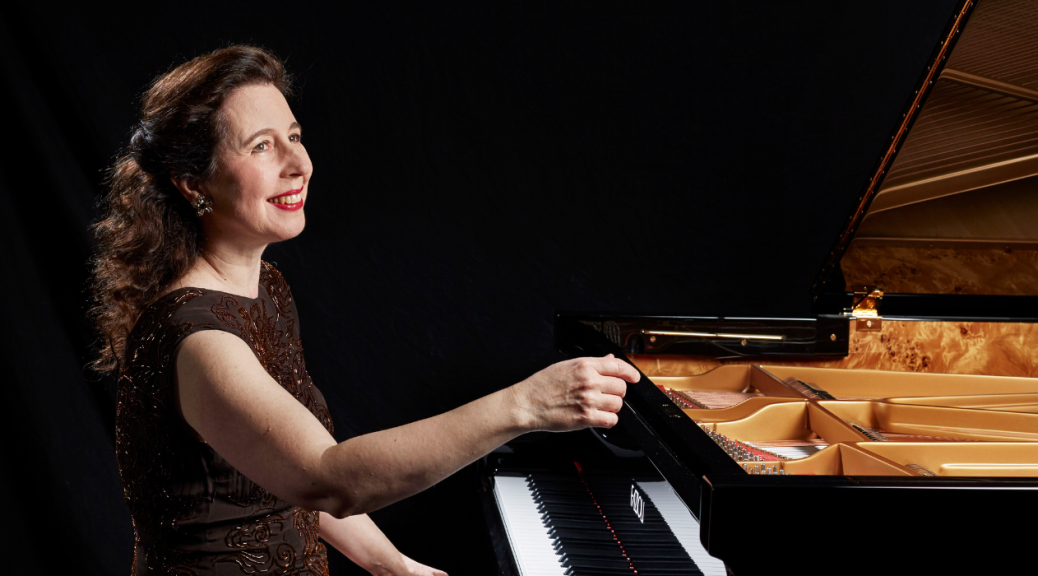
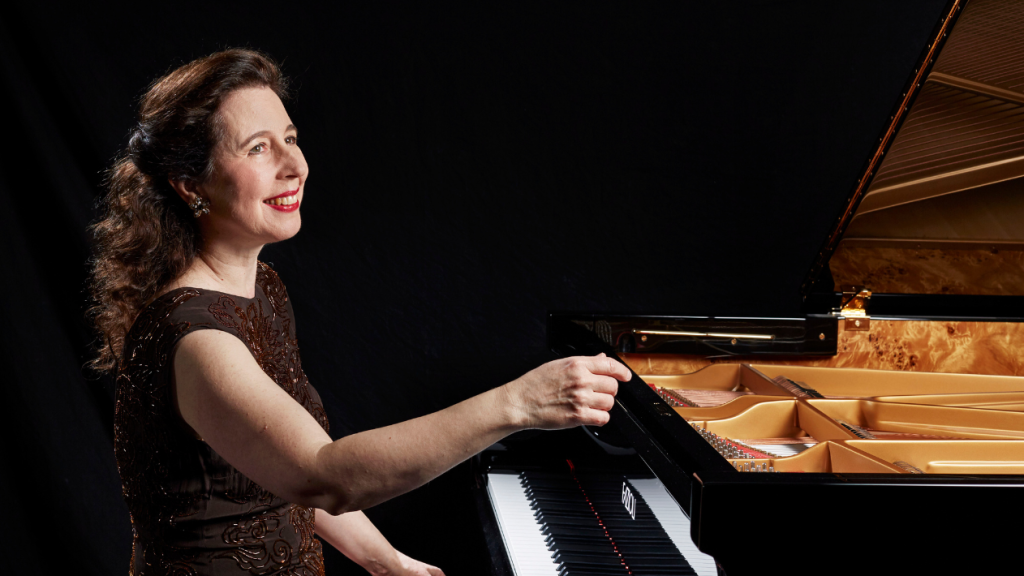
Hewitt was up to the task by taking on the Golderg Variations as a very palatable alternate concert. Prior to playing, she spoke of the promise of doing something another time with Finley. We were amazed as we were informed she has been playing the Goldberg for 50 years, come 2025. She remains the gold standard of the piece, no doubt there are a select other few living, who could earn this title today.

Some might be deterred by and hour and half of piano, yet with Hewitt its remains a privilege and a pleasure. She brings so much to Variations, the opening Aria remains one of the finest things written in the keyboard repertoire (this was originally a harpsichord vehicle). It’s the personal touches throughout the epic journey that thrive. This is my second time seeing her do this, last time I recall she brought on stage a sparkly crutch. I can’t get enough really.

The travels are broad and Bach show’s us his genius with clever transposition of the Aria, new colours, mood, visions and energies burst out. Timeless music this has always been…further study into Bach and his creations can only broaden his intrigue and admiration. Hewitt brings her own inflections and posturings, moments of stillness are latter met with flare and style. In one instance, there appeared an almost emotional breakdown, though we wouldn’t blame her. The music has a complexity that still beguiles today. The faster movements are filled with plodding panache, the slower parts have a sincere retrospection.

After the panorama of depth, we return finally to the Aria once more. This has always been one of the most rewarding moments in the keyboard world. Those who may tire throughout, should find solace here. Hewitt knows the worth of this moment and we savour it at the conclusion.  This remained a heart felt silence which felt forever in the space.

I do hope to see her play in her special anniversary next year. It would be an honour. 

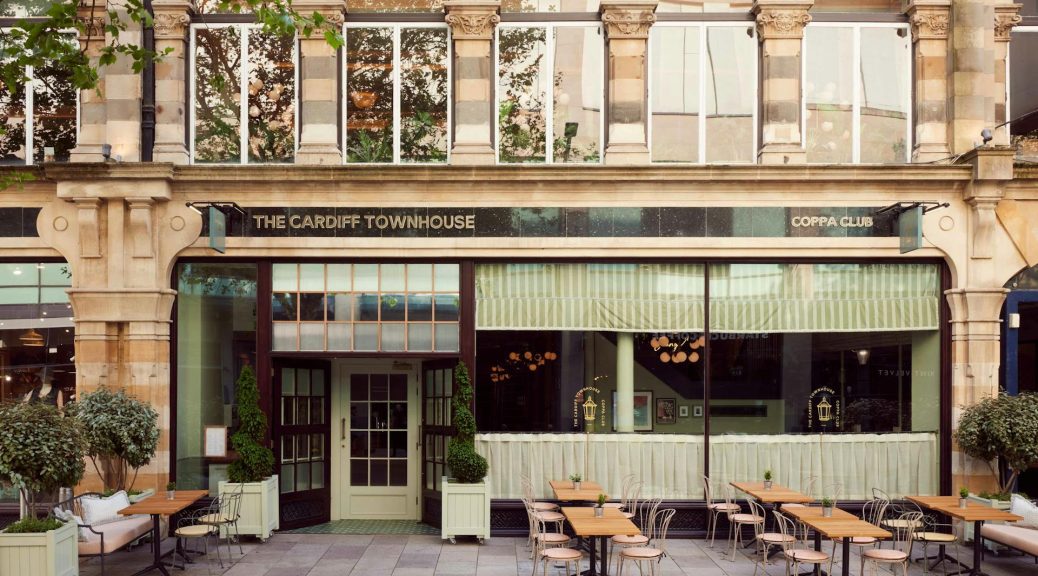
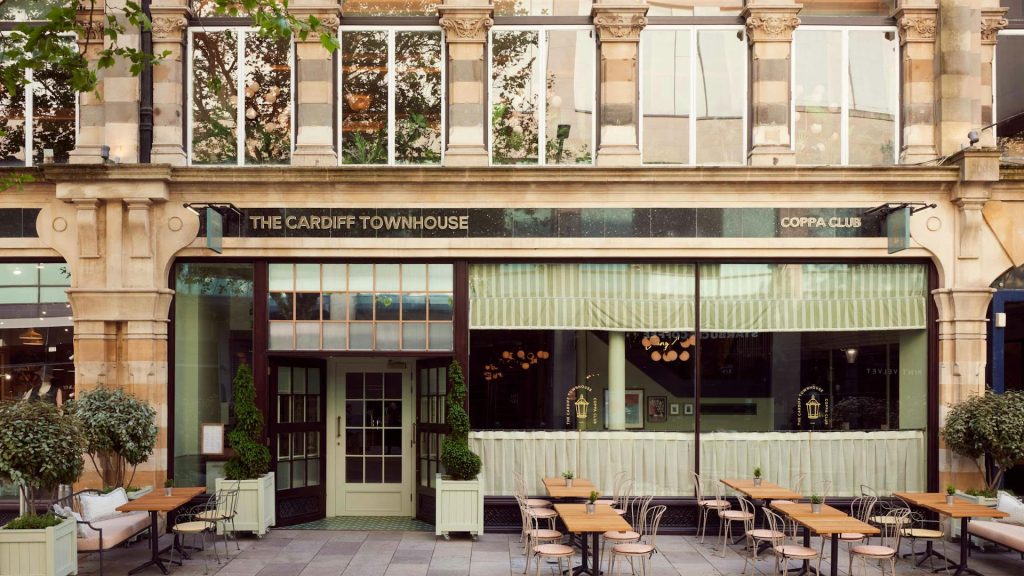
Review, Coppa Club, The Cardiff Townhouse by James Ellis

 out of 5 stars (4 / 5)

Cardiff is seeing many fine eateries and places to be seen over the past few years. What recently caught my eye was the Coppa Club in their first flutter into Wales. It was all very exciting, a part of the timeless David Morgan building would be brought back to life.

I know the space well, my brother worked at the Moss Bros which was the past proprietor. Arriving to the club you could detect the faint whiff of new furnishings and new renovation smell (this was their tenth day of trading), though I’m sure that will go with time. I had little time to take in the space downstairs, which appears to just be for drinks and nibbles, the soft, autumnal colour scheme and cosy seats looked promising.

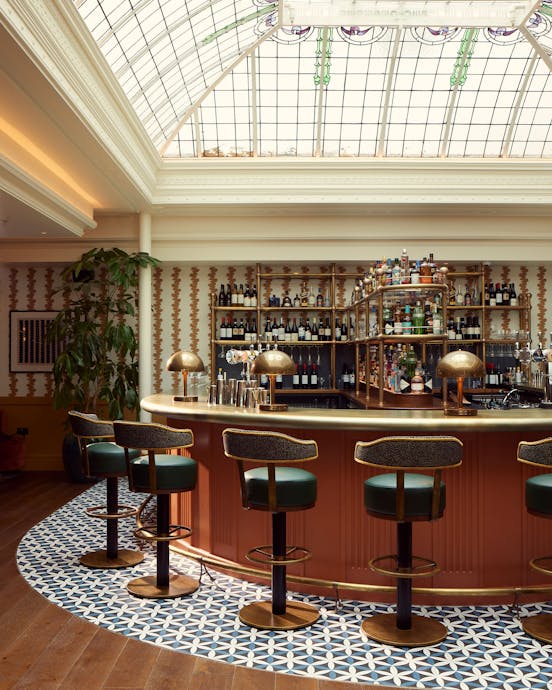
It’s wonderful to see the old glass dome upstairs still be in the space, this is where the Gatsby like bar now resides. I was served a delectably smooth espresso martini, I rarely fall into vodka though I’m thrilled I did here. A perfect way to be welcomed in, I cant recall which vodka was offered though I did clock Grey Goose and amongst others. A grip with the bar is that the mountains like stools are extremely heavy and only swivel a certain amount if degrees. The layout of the bar is a clever use below the dome, though the golden, mushroom lamps block a large amount of space in the bar’s surface. I should also point out this is not a club per se, no membership required.

A highly amusing moment came when a customer asked me where the toilets were, I had chosen to dress up this night. A barman passed remark how smart I had come, which as always nice. I do remain a bit disheartened when people don’t dress up at a restaurant. The music was a little to dance heavy for dinner, though volume levels were graceful. Sat in the corner with a view of The Hayes, a slight sight of scaffolding couldn’t be helped as it was next door. Quite simply lit, the dining area we frequented felt right in mood, the seats comfy and the table standard for two. The folded paper art work had me intrigued, stylish if uninspired, the patterned prints were fairly more alluring.

The squid to start was a fine thing. Cooked well, tender and with a fitting sauce, the food was off to a great start. As my main, this might be the best steak I’ve ever had. Dry aged for 30 days, I couldn’t believe my luck. Cooked to perfection as medium rare, some fries were crunchy and a side salad was heavy on dressing, though a fine garnish. The Béarnaise sauce is not quite my flavour, but that’s on me. I should have done a classic peppercorn sauce. I’ll regret that thoroughly. My plus one had the yellow fin tuna, trying some it was pink on the middle as it should be, tender and juicy, some potatoes and olives added depth to the plate.

All desserts were veggie, but no chance for a vegan this time from what I could see. I was recommended the sticky toffee pudding, which I wouldn’t usually pick. It was the honeycomb crumbs which finished this pudding, the rest was finely balanced. Wine choices of red and rosé added colour to the meat and fish choices, I was thrilled to have a cappuccino with skimmed milk, something which not every place has.

The staff need a massive shoutout, as some of the friendliest and alert I’ve encountered in the dining world. Some personal stories thanks to my plus one opening up, lead to insights and advice. We even got some holidays tips and recommendations. We were looked after so much and the staff are really selling the place. It’s one of their strongest assets.

One question remained after I had left: where exactly was the kitchen in the club? I saw neither chefs nor kitchen setting. There was little chance of it being upstairs and I recall the ground not as not being huge either. Having said this, this was a wonderful night, filled with joy and generosity. The Coppa Club is becoming one of the places to go in Cardiff. We are going back for a birthday soon, I’d imagine.

The Coppa Club, The Cardiff Townhouse, is now open for reservations and drop ins.

Review,A Little Night Music, BBC National Orchestra of Wales, Hoddinott Hall by James Ellis

[USR=3]

I would finally return to see our National Orchestra, with their homestay concerts now at their base down Cardiff Bay. St David’s Hall wont open its doors for another year at least and it’s great to see the players where they live once again.

The concert title of A Little Night Music would suggest at the very least a billing of Mozart, yet he was no where to be seen. This was a more adventurous fit with a world premiere from Irish composer Stephen McNeff with The Celestial Stranger. With poems by Walt Whitman, Dylan ThomaS and Hawian queen Lili’uokalani, with a focus on the discovery of verse by Thomas Traherne, a clergyman and mystic this was the foundation. The theme is a traveller from beyond the stars and tries to navigate our own world. Here, with the evocative tenor Gavan Ring, the songs were strange, developing more character as each went on. With nods to Britten, this setting held up as evocative and weirdly sensual. Always a pleasure to hear newly commissioned work.

Fauré was the first composer to set music to the play Pelléas et Mélisande. This alluring story sees tragedy and allusion in equal measure. Fauré recycled other pieces for the rushed play opening in London, this being the incidental music. In these sequences there is the light air he is known for, sweet and touching, very French. Debussy handled the story best with his opera, the watery scope a landmark of its era. Several composers wrote music inspired by the story, yet I’m sure Fauré is the least interesting of the lot.

It has been 150 years since the birth of Arnold Schoenberg which might see many concert goers terrified at the prospect of listening to him live. In what is a safe bet, his Verklärte Nacht or Transfigured Night is a wonderful gateway. No one would be offended by this early composition, it is later in his life he created the infamous serialism technique. Originally for sextet, this lush, larger string ensemble bring to life the verse of Richard Dehmel, seeing a couple in the forest face their troubles and realisation of commitment to one another. This is quite splendid really. The harmonies are just right, some ornaments and tricks also feature. The players here oozed a loving determination. The piece shone, vigorous conductor Jac van Steen blowing a chef’s kiss as ever at the finish, this time heart felt. Those doubting the Austrian composer’s style should consider Verklärte Nacht as a starting point. You might just be surprised.

This concert will be broadcast on BBC Radio 3 and then available on BBC Sounds in July 2024. It will also be filmed for future release in the BBC National Orchestra of Wales Digital Concert Series.

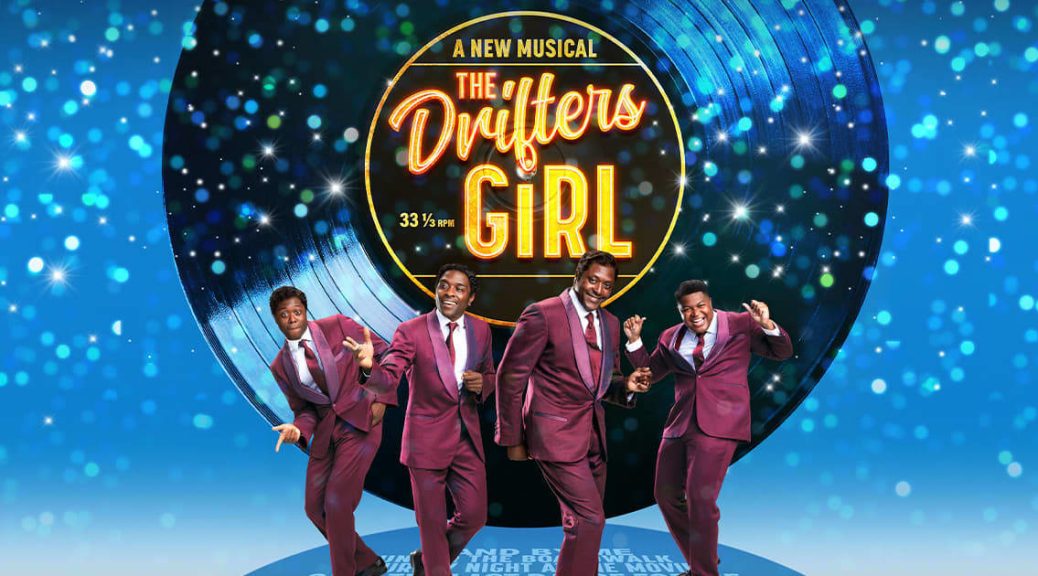
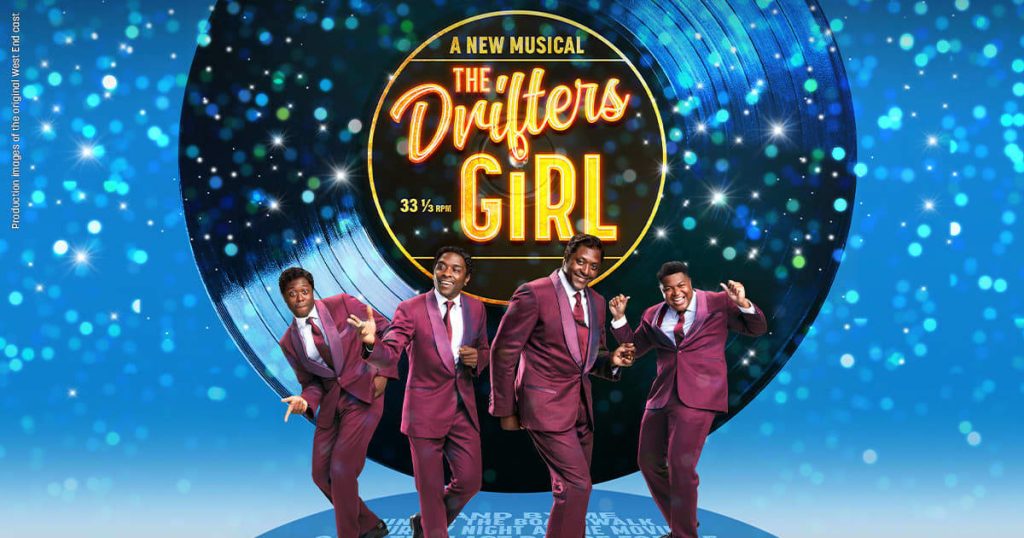
Review, The Drifters Girl, Wales Millennium Centre, 8th May 2024 by Bethan England

 out of 5 stars (4.5 / 5)

It’s always a challenge to bring something new and different in a Jukebox musical, where some, if not all, of the audience are going to know (and want to sing along to!) the songs. What is refreshing about The Drifters Girl is that it comes at the story of The Drifters from a completely different angle; that of Faye Treadwell, the woman behind the infamous band. Faye and her husband, George were the duo who brought us the musical sensation and it is really a breath of fresh air to focus on the duo and, specifically, the woman behind the music.

The stage is well designed, with moving flats creating recording studios, stages, bars and the office of Atlantic Music. I especially loved that the projections behind the performers crackled with static and black lines, the image distorting slightly and reminiscent of 50s and 60s television. The set moves seamlessly behind the actors meaning that new scenes and areas are created with no distraction to the action. Projection is particularly well used in the very funny section where we see the tumultuous time in the Drifters history where the members of the band were repeatedly changing; their names projected behind them as we manically try and keep up with these rapid shifts. Light and sound is also clever; I thought this was particularly poignantly used in the police interview sections, where bright white lamps flashed, and rapid blackouts took us straight to an Arkansas police station where the band were wrongly accused of a crime, simply due to the colour of their skin. Lighting was used to great effect with beautiful tableaus capturing the emotional moments; the band cast in blue light, spotlights, in darkness, whatever the moment called for.

The music is obviously a highlight of the show with toe-tapping numbers, including Saturday Night at the Movies, Come on Over to my Place, Save the Last Dance for Me and many more. The performers raise the roof with fantastic vocals and slick dance routines capturing the essence of the original performances. The Drifters switch with ease, becoming Ben E King, Rudy Lewis, Clyde McPhatter, Johnny Moore and the various other members of the band. It doesn’t matter which one takes the lead singer role; Ashford Campbell capturing starstruck Ben and tragic Rudy, Tarik Frimpong electrifying with his dance routines as Clyde and Daniel Haswell belting the high notes with ease as Johnny. Taking on the key role of George Treadwell is Miles Anthony Daley, breaking our hearts with There Goes my Baby, his voice soaring. The physicality and fast-pace costume changes is incredible to watch. Once minute they’re in the band, the next they’re feather clad showgirls! But throughout it all, you are never in any doubt as to which character you are watching.

The boys are complemented well with ‘The Girl’ played ably by Jaydah Bell-Ricketts, encouraging the tale to unfold; she is a constant presence on stage as she comes to understand the story of her mother’s part in the band’s history. Last and by no means least, is The Drifter’s Girl herself, Faye Treadwell played by Olivier Award Winner, Carly Mercedes Dyer. Her voice is wonderful, especially during Harlem Child and I Don’t Want To Go On Without You. You could hear a pin drop in the theatre as her vocals soared. She perfectly captures the battle that Faye Treadwell faced not only as a woman, but as a black woman in the music industry. Her command of the stage during her musical numbers is a joy to watch.

The show is full of humour and heart, but also touches on the racism faced by the band and Faye but also the sexism of the industry towards Faye. The words ‘No Irish, No Dogs, No Blacks’ remind us all too well of our own very recent history of racism and the issues we still face to this day. Faye being asked ‘how long she has worked FOR the band’ and then asked, ‘which one are you sleeping with?’ reminds us that women still face this kind of question, even today.

It’s ultimate message as the audience got to its feet at the encore is that we must keep going and ‘do what is necessary’ to overcome whatever might be thrown at us. Faye’s determination that the Drifters would go on after losing her husband, in the face of outright prejudice and bigotry is still such an important message to be taken home with us after we leave our seats. So, this is more than your average jukebox musical, which is what makes it stand out amongst the likes of Mamma Mia and We Will Rock You. Yes, the music is wonderful, but the message is just as important as the songs that will draw those audiences in.

Review Oh What a Lovely War, Theatr Clwyd by Donna Williams

 out of 5 stars (5 / 5)

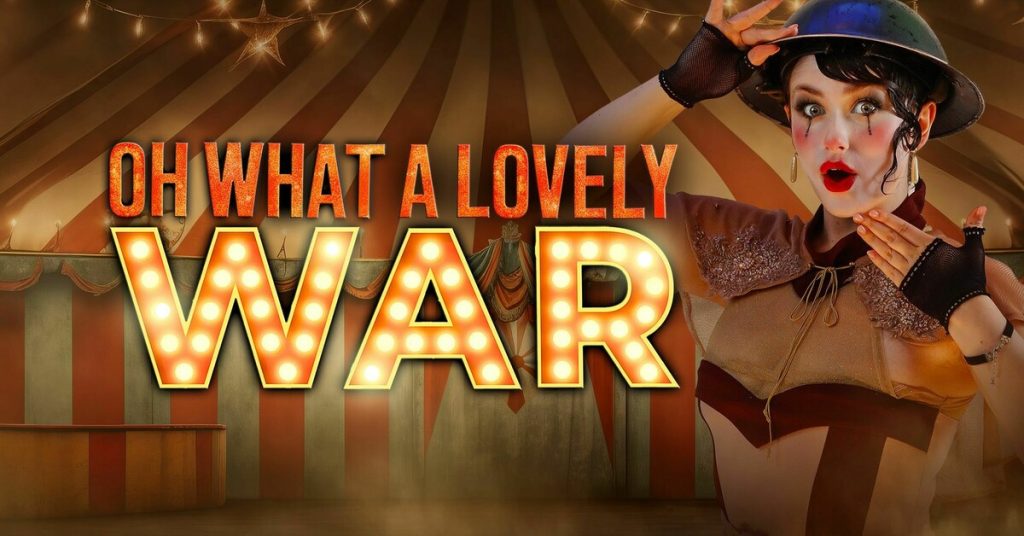
Marking the 60th anniversary of Joan Littlewood’s epic anti-war musical, the award-nominated Blackeyed Theatre production of Oh What a Lovely War brings this outrageously satirical production to Theatr Clwyd in Mold this April, and what a triumph it is, earning a much-deserved standing ovation on opening night.

Oh What a Lovely War was developed by Joan Littlewood and her ensemble at the Theatre Workshop way back in 1963 and is a satire based on World War I. You might be fooled in to thinking then, that this piece is surely outdated with its traditional war songs and sarcastic of-the-period humour, but how wrong you’d be! This musical has spanned the decades and is sadly more relevant now than we would wish to admit: the idea of war as a ‘game,’ the harrowing casualty counts displayed for all to see, the pompousness of the ‘higher ups’, hosting parties behind closed doors whilst young men fall at the front. This production exposes war as an oxymoron in itself- a laughable tragedy. We know how the Great War went, but we are still shocked and somewhat guilt-ridden when we go from a Sister Susie’s Sewing Shirts singalong with the cast, snap into the latest number of dead and wounded displayed on screen and the disgusting dismissal of these by those in charge as simply that, numbers.

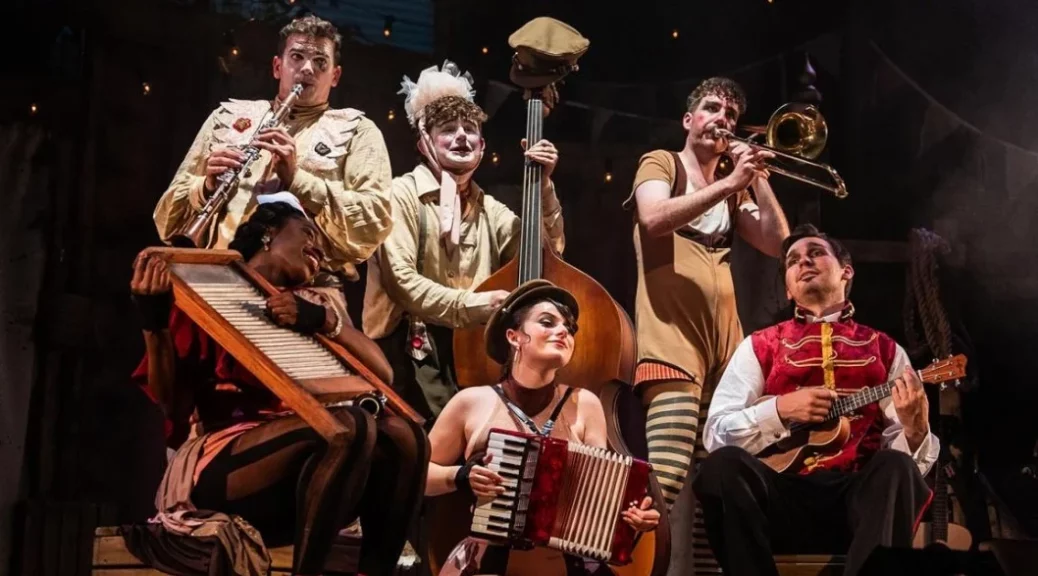
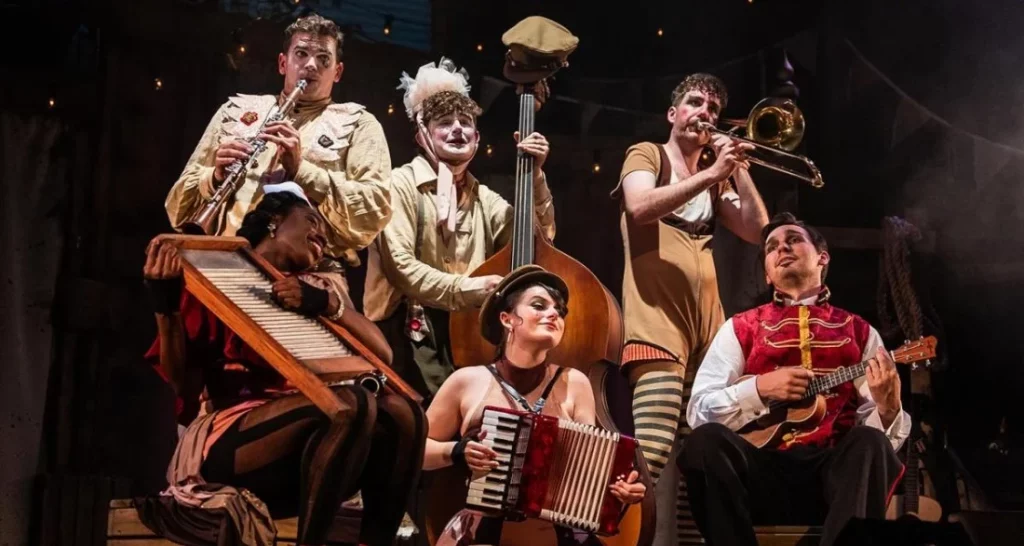
The cast take us on a journey of emotions from the get-go. As we enter the auditorium, members of the cast are already in full swing- talking to the audience, passing round balloons, allowing us to play their tambourines and so on. Total theatre at its very best- we are already immersed in the action. Victoria Spearing and Naomi Gibbs’ design falls somewhere amid the original production’s use of Pierrot costumes and Richard Attenborough’s 1969 film version’s more literal use of military uniform, with a simple yet effective set which, at first, transports us to a circus tent complete with strong man and ringmaster, then on to a music hall venue with pianists and cabaret singers before heading to the trenches, the towns and cities of Britain and beyond.

The cast are flawless and not only take on several roles with a multitude of accents and characteristics (often only visualised with a small accessory such as a hat or a coat) but are also the ‘band,’ playing a variety of musical instruments throughout. They also provide the vocals for all songs as well as all sound effects. There are moments when it is hard to believe we are not hearing real gunfire- no recorded SFX needed. It would be unfair to single any cast member out as they all quickly proved to be triple-threat performers and told the story with incredible energy, excitement, and sentiment.

The direction, by Nicky Allpress, is superb with so many visually stunning elements. The contrast of these beautiful moments against the backdrop of the brutality of war is extremely powerful. Highlights include passionate versions of well-known melodies including Keep the Home Fires Burning, Roses of Picardy and And When They Ask Us, the infamousChristmas Truce in the trenches beginning with the British Expeditionary Forces hearing German troops singing carols and a cleverly staged generals’ Ball, during which the male cast dance with sequined gowns and take on the roles of the generals as well as their wives!

This production is pure entertainment from start to finish- aesthetically exquisite, perfectly cast and the ideal combination of hilarious and horrifying.

Oh What a Lovely War completes its run at Theatr Clwyd on April 27th, 2024. The tour will conclude at Cornerstone, Didcot on May 17th, 2024.

Recommended for age 11+

Running time: Approx 140 minutes (including interval)

Oh What a Lovely War | Theatr Clwyd

Cast:

Tom Benjamin

Tom Crabtree

Harry Curley

Alice E Mayer

Chioma Uma

Euan Wilson

Creatives:

Director- Nicky Allpress

Musical Director- Ellie Verkerk

Movement Director- Adam Haigh

Orchestrator- Tom Neill

Set Designer- Victoria Spearing

Costume Designer- Naomi Gibbs

Lighting Designer- Alan Valentine

Projection Designer- Clive Elkington

Company Manager- Euan Wilson

Technical Stage Manager- Symon Culpan

Assistant Stage Manager/Swing- Elli Damarell

Set Construction- Russell Pearn

Properties- Chantal Addley

Producer- Adrian McDougall

Press- Chloe Nelkin Consulting

Review, Operation Julie, Theatr na nÓg, The Riverfront, Newport

 out of 5 stars (4.5 / 5)

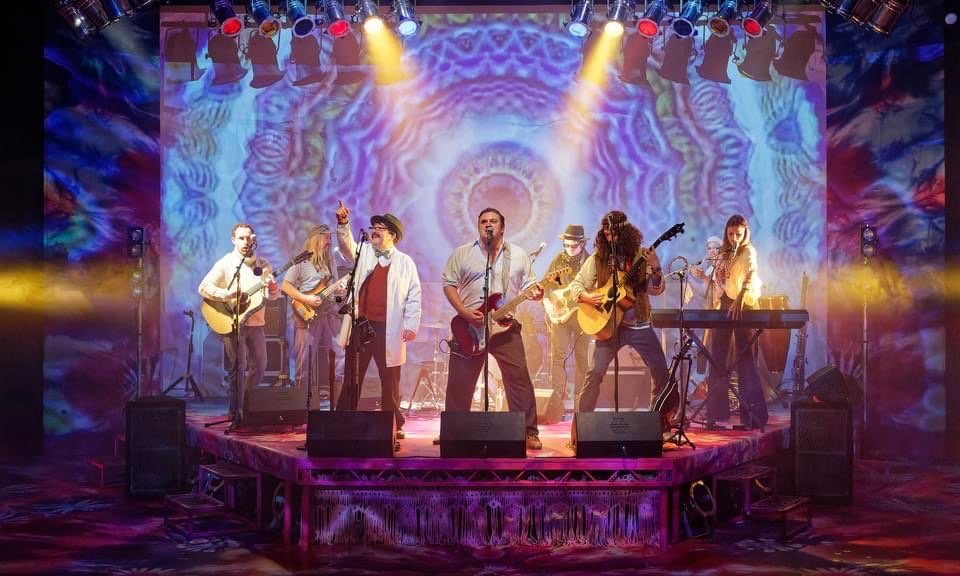
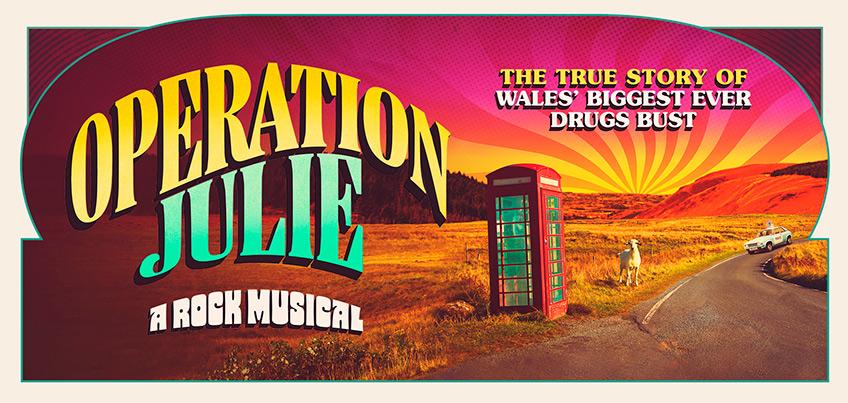
I’m not sure what to expect as I take my seat at The Riverfront in Newport. A tree trunk branching over a stage set with psychedelic colours and ready for a rock gig is the perfect set for this show. The true story of the greatest drugs bust in history bursts onto the stage with its actor-musician performers alive with energy and blowing the roof off the theatre, even in the opening number.

The loveable cast of characters are introduced through their instrumental solos; an eclectic mix of guitars, percussion, cow bell, oboe and more. They switch between instruments, being ‘in the band’ and in the show and even between characters with poise and speed, costumes change in the blink of an eye, accents alter and even the stage crew are in costume, moving the set on and off stage. This means we are instantly transported back to the events of 1975 and 1977 in rural West Wales, the music mixing perfectly with the sometimes barmy, but always heartfelt plot.

The action opens with Londoner, Richard Kemp in his lab, mixing his latest batch of acid, the one that will cause a catalyst that he hopes will change the world. The couple of Richard and Christine are excellently played by Joseph Tweedale and Georgina White and their singing voices are amazing; ethereal in places, singing the prog rock score with ease. From there, we are catapulted into the lives of Smiles and Buzz with a hilarious section of Buzz driving Smiles to pick up his acid from various locations. Gerry accompanies them in a surreal yet side splitting section, where we feel ourselves swerving with the ‘car’ as Buzz spins the wheel. More excellent voices and fantastic comedic chops come from Daniel Carter-Hope, Sion Russell Jones and Dan Bottomley.

We visit the various other locations of the story including the police station where the ‘chameleon’ of the piece Phylip Harries delights us as PC Evans (he also plays Wil Bach and Wright throughout the rest of the tale). The scenes alongside Kieran Bailey as Richie Parry are so well executed, the lines pacey and thick with local references that the audience love. Richie is the perfect opposite to Steve Simmond’s cockney copper, Dick Lee. They’re like the original odd couple, colliding worlds, and personalities in their efforts to execute the largest drugs bust in history. A highlight for me, (without spoiling the surprise), is Steve’s musical number at the end of act one; he definitely got the audience rocking! Finally, Caitlin Lavagna gives a multi-role masterclass as she switches roles (and costumes!) with ease between landlady, Sgt Julie, Meg and Anne Parry.

These talented performers navigate the material with ease, expertly directed by Geinor Styles, who also wrote the show after interviewing a range of people who lived through the events, including Smiles himself and Anne Parry, Richie’s long suffering wife. This lends an authenticity to the piece; the characters live and breathe on the stage, brought to life through excellent writing. The musical direction also brings out the best in this talented cast, the music of the time brought to life by Greg Palmer.

The show is very funny, but at the heart of it all is a story which pulls us right back to the modern-day issues we are facing now. Kemp’s moving speech at the end, intended for his court case, but never delivered, is poignant; emphasised by the images projected behind him as he speaks. This movement was not only about the drugs; it was so much more; it was the start of a revolution intended to make people sit up and listen to the very real world issues starting back in the 70s and that we are now facing in 2024.

I was sorry I missed this when it toured in 2022, so I am thrilled I got to catch it this time. This psychedelic, surreal, trip of a musical play makes us laugh, makes us feel joy but is counterbalanced with this powerful message that we are left with as the music fades. The real-life Smiles sums it up perfectly; hoping the play hits the right chords of the serious issues that the LSD was trying to tackle, but also hoping that the sheer joy of the time is captured. I think the audience members would definitely agree that Operation Julie hits these targets and a lot more. Catch it if you can on this limited 8-week tour!

Review Kill Thy Neighbour, Theatr Clwyd By Donna Williams

 out of 5 stars (5 / 5)

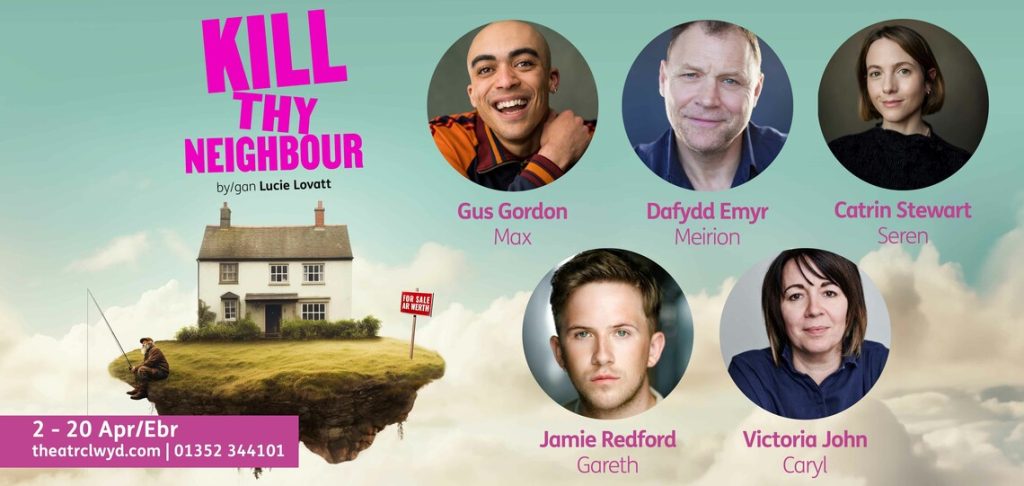
Those who are lucky enough to get over to Theatr Clwyd in Mold over the next week or so to witness Kill Thy Neighbour will be surprised to learn that this is writer Lucie Lovatt’s first full-length play. It has been a long time since I saw a play that captured my full attention and imagination throughout, as this one did. Lovatt had been inspired by an article about Cwm-Yr-Eglwys and the fact that only two of the fifty properties there currently had permanent residents: the political backdrop of the second-home crisis being current and resonating with, not just Welsh communities, but communities across the globe.

The play opens with the audience looking in on a family home in a little Welsh coastal village abandoned by its former residents and now overrun with wealthy folk from the cities buying properties as holidays home or weekend getaways. The house in front of us could belong to any of us- there’s washing up in the sink, dozens of coats hanging on hooks near the door, most probably not worn anymore, a couch that’s seen better days, a table and four chairs donning a cork board and a door that creaks open with the slightest breeze. This is no Instagram home, but a home that has seen generations of the same family living under its roof, a home that is loved, a home that has seen more than we first realise. The phrase ‘if walls could talk’ certainly comes to the forefront as the action progresses. And there is so much action despite the play not moving from these four walls. The characters, the setting, the plot keep the audience completely hooked throughout- a real mix of hilarity and darkness and yet everything believable despite the explosive secrets that are unearthed.

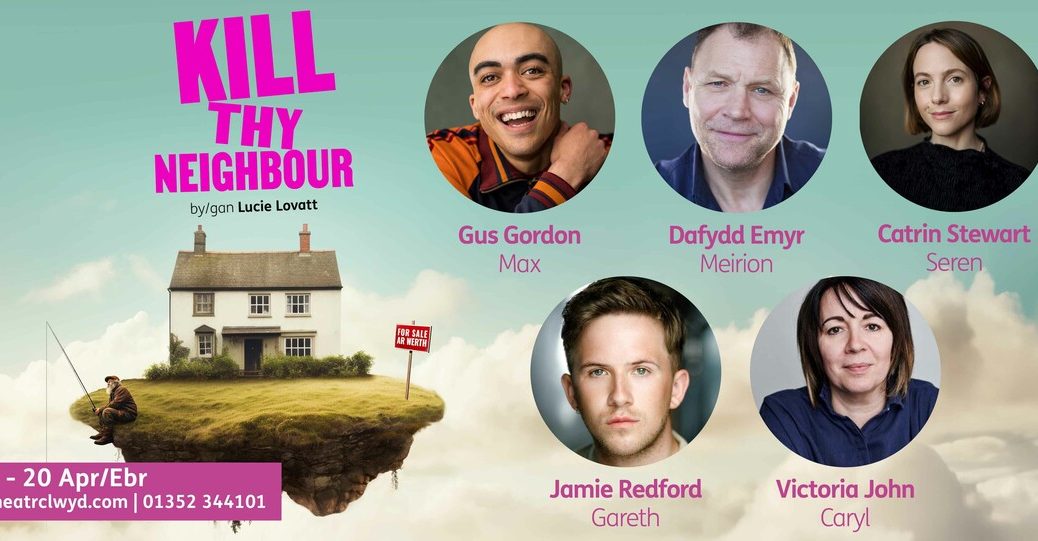
We meet long-married couple Caryl (Victoria John) and Meirion (Dafydd Emyr) who appear to be at odds- Caryl has called in camp-as-a-row-of-tents estate agent, Gareth (Jamie Redford), to value the house even as Meirion insists he is never moving; this is where generations of his family grew up and he never intends to sell the house. Later we learn there may be more to his decision that first meets the eye, Lovatt consistently dropping hints and clues of the drama that is about to unfold. Nothing is predictable but we are left frequently wondering.

The outsider invasion is represented by Max (Gus Gordon), a Bristol-based marketing consultant who has just bought the property next door, which Meirion has agreed to keep an eye on while Max is still commuting back for work at the same time as attempting to salvage his relationship with his girlfriend who doesn’t seem all too keen on the move.

The drama continues to unravel as Caryl and Meirion’s thirty-something daughter, Seren (Catrin Stewart) arrives on the scene with a few secrets of her own. She escaped the village years ago, much to the disappointment of her mother. Arguments and revelations ensue and there is a constant undercurrent of something like the bubbling of a volcano ready to erupt at any moment. We hang on every word of each character, all of whom we can relate to in one way or another; the near retired wife who doesn’t feel wanted, the downtrodden father who has always worked hard but isn’t satisfied with his lot, the happy go-lucky guy next door who just wants to please everyone, the local estate agent who wants his next sale but who also has a heart and the daughter who moved away and wants a family of her own.

The cast are simply superb and play every word and emotion perfectly- it is impossible to single out one player. The comedic elements are skilfully balanced against the raw issues arising in this production and has certainly left me wanting to see more of what this writer has to offer in the future. From the set to the direction, the casting to the interweaving lives of these characters before us- this is a must-see piece of theatre!

Kill Thy Neighbour completes its run at Theatr Clwyd on April 20th.

Kill Thy Neighbour | Theatr Clwyd

Cast:

Gareth- Jamie Redford

Caryl- Victoria John

Max- Gus Gordon

Meirion- Dafydd Emyr

Seren- Catrin Stewart

Company:

Writer- Lucie Lovatt

Director- Chelsey Gillard

Set & Costume Design- Elin Steele

Lighting Designer- Lucia Sánchez Roldán

Composer & Sound Designer- Tic Ashfield

Assistant Director- Ellie Rose

Intimacy Director- Bethan Eleri

Casting Director- Polly Jerrold

Wellbeing Facilitator- Hester Evans

Company Manager- Alec Reece

Deputy Stage Manager- Tyla Thomas

Assistant Stage Manager- Emma Hardwick