All posts by admin

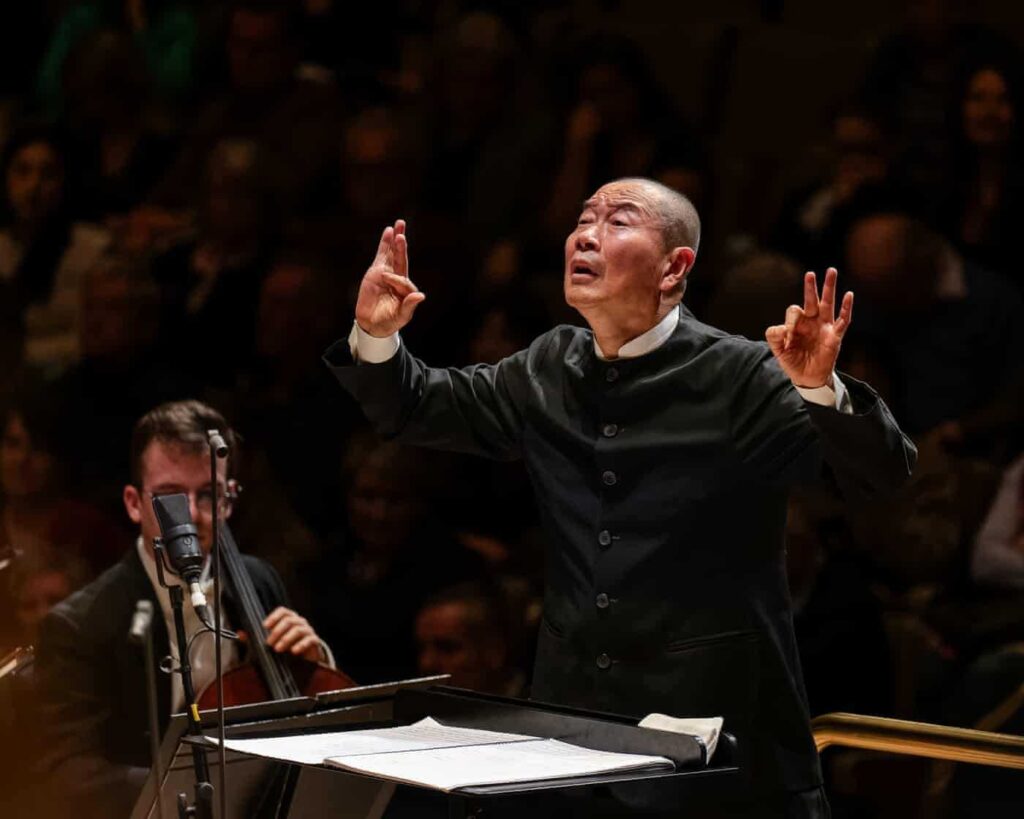
Review, Tan Dun’s Choral Concerto: Nine, London Philharmonic Orchestra, Royal Festival Hall, London by James Ellis

Photo credit: Julian Guidera/LPO


 out of 5 stars (4 / 5)


Beethoven and his impact has never gone away. How do artists today still react and honour him? What came next with the London Philharmonic Orchestra was a UK premiere from Tan Dun: Choral Concerto: Nine.

Originally meant to be heard in 2020, we are finally hearing Dun’s inspiration of Beethoven’s 9th Symphony. This melding of ancient Chinese poetry and the German composer comes a work, which on first glance felt uneven, weightless and a little clichéd. We hear quotes from said symphony, the wise words of Lao Zi, Li Bai amongst others, who unite nature with our humanity. All this should perfectly pair with the words of Schiller in the Beethoven. Written for the same forces as the 9th, this technically in not true as there is from Dun’s demands) a fascinating array of percussion: massive drums, stones, tubular bells and more.

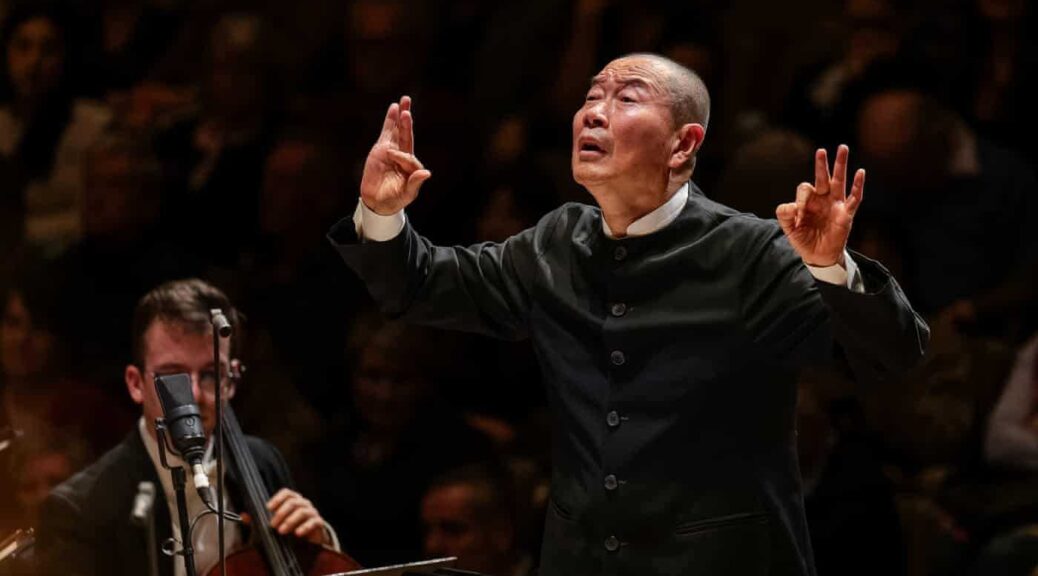
Each movement is dubbed ‘Jiu’ in the Chinese, yet each has it’s own translation in order of: ‘Nine’, ‘Wine’ and ‘Time’. The united forces of the London Philharmonic Choir and London Chinese Philharmonic Choir got to whisper, meow, lip smack and mediate on other transient actions. As the piece went on, it built momentum and had the ideal of a fun, focused work. The image alone, of Dun’s hands in a state of prayer, before conducting his own piece may have been the most profound moment.

It is no bold claim that Beethoven’s 9th Symphony, also dubbed the ‘Choral’, is considered the greatest off all symphonies. The punch in the face of its impact never wains, Dun was back to conduct and still spry in his mature years. Elegantly performed, the LPO not afraid to get down and dirty in moments of raw, heavy metal emotion. The four soloists of Elizabeth Watts, Hongni Wu, John Findon and Matthew Rose (replacing Dingle Yandell) sat below the organ console with the chorus. They felt quite far back, more than I would have liked, such is the awkwardness of having soloists pop into an hour long piece in its last third. All sung graciously, Rose as understudy, opened with a towering directness. The Ode to Joy was soaring and touching, even if I most likely heard it better before. Thorough its thoughtful pleasantries, cascading melodies, brooding tones and jubilant send off, I’m proud to say this is one of my all time favourites. 
Review Under Milk Wood, Theatr Clwyd by Donna Williams

 out of 5 stars (4 / 5)

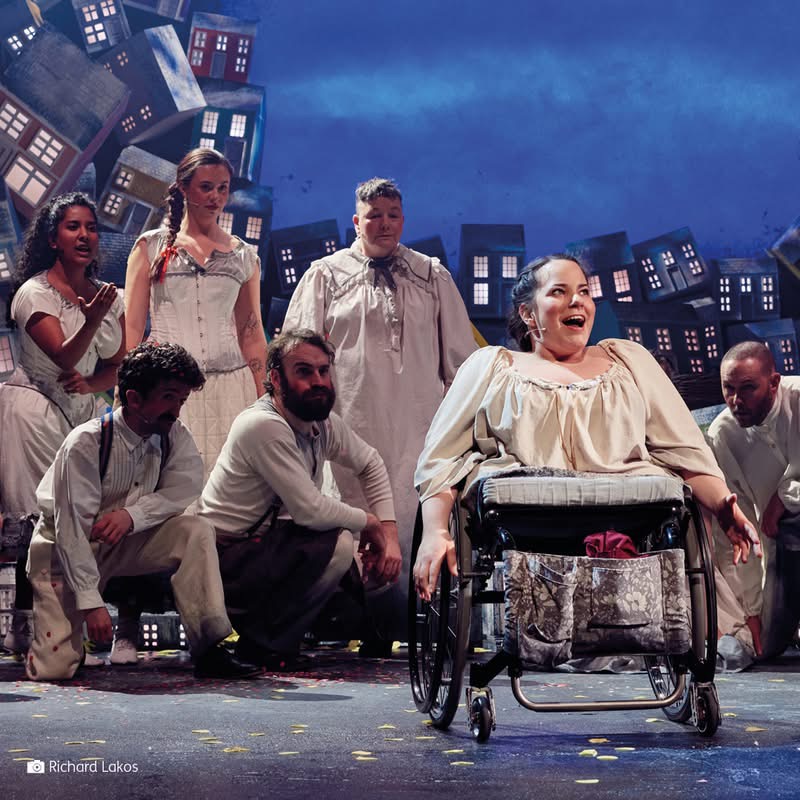
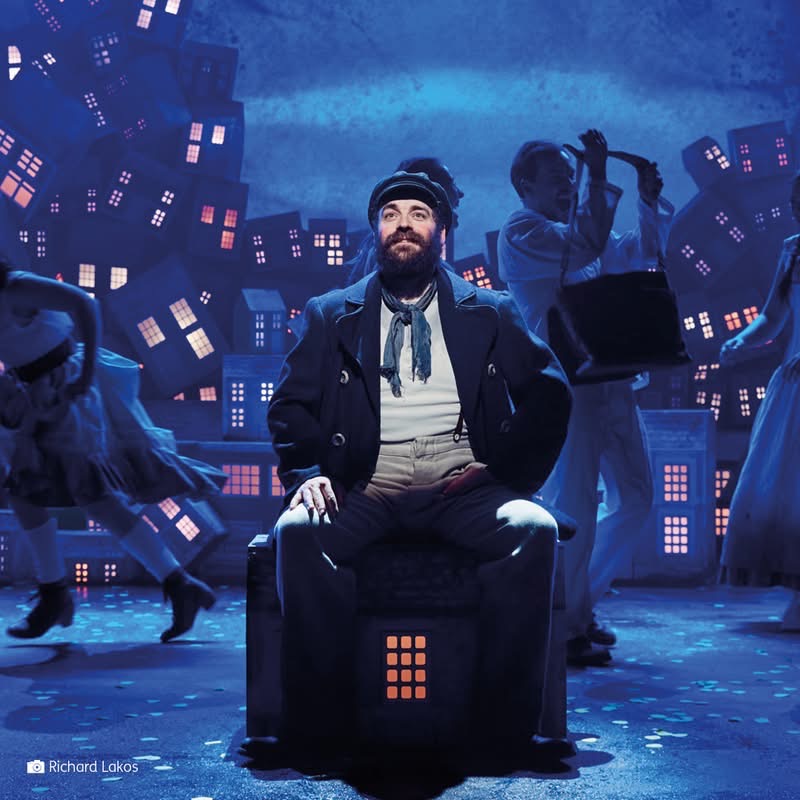
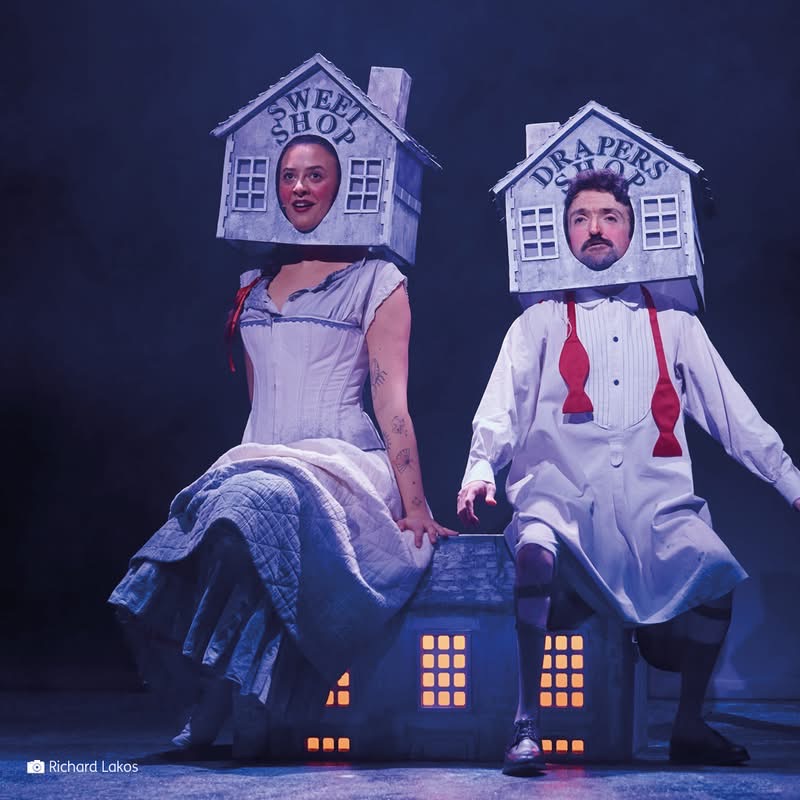
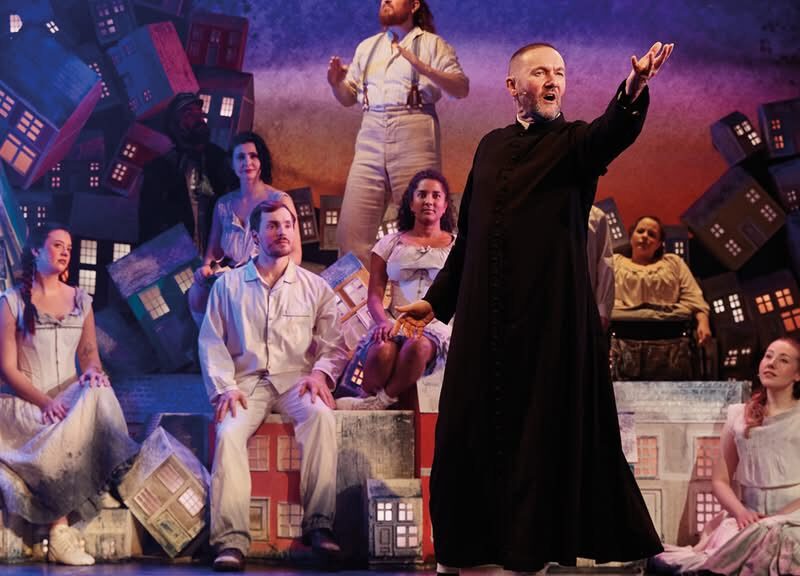
From the very first line of dialogue in Theatr Clwyd’s Under Milk Wood, with its small houses set centre stage as if we, the audience, are giants looking in, it becomes clear that this adaptation of Dylan Thomas’ iconic play is a unique and vibrant celebration of the Welsh poet’s work- the richness of his words, filled with alliteration and rhythm, a testament to the author’s unparalleled mastery of language.

This is a play which resonates both locally and universally, drawing on themes of community, memory, and the intricacies of daily life. Directed with a clear sense of playfulness and passion, the performance takes the audience into the heart of the small town of Llareggub (read it backwards!), where ordinary lives are elevated to the extraordinary through the magic of language and movement, in varied forms.

In many ways, it’s a shame that Theatr Clwyd’s production of Under Milk Wood comes so soon after Welsh National Theatre’s Our Town– both plays pulling back the curtain on seemingly simple towns, offering an almost voyeuristic glimpse into its inhabitants’ lives. (With similar themes- love, life, death…) it’s difficult not to compare the two. That aside, what makes this production so very special is its utter inclusiveness- this performance is an experience- the likes which I have never experienced in the theatre before and for this alone it should be celebrated. The text, presented in both BSL (British Sign Language) and written format, ensures that the performance is accessible to a wider audience. However, as in regular ‘signed’ performances- we aren’t just witness to one interpreter stood aside. Every word is signed by the actors on stage, so it simply becomes part of the story, without us having to turn our heads and miss the action.

Creativity oozes from this production- not only in its direction from Kate Wasserberg but also in characterisation through the video captions-the use of projected text adds another layer of artistry. The fonts are meticulously chosen, with particular attention paid to the shifting of colours and effects. For example, during one section, the text takes on a crumbling effect as Rosie Probert goes ‘into the darkness’, and during a scene in which a mirror is portrayed, the projected text is also mirrored. Fantastic attention to detail which doesn’t go amiss.

Astute detail is also present in the production’s costume- conveying character and tone. The seaside elements in the wardrobe choices- the hats, bags, jackets- are both character-specific and thematically rich. From the vicar to the baker, the draper to the postman, the wardrobe subtly anchors each character in their respective roles while adding a touch of whimsy and coastal charm! The costumes also play a vital role in the play’s multiple characterisations. The cast tackle these with vigour, embodying a range of town inhabitants from the familiar (the Vicar, the Postman) to the more peculiar (the Drunkard, the Sailor). Each portrayal is a nuanced, often humorous, interpretation that offers glimpses of the town’s vibrant collective personality. It would be impossible to single out individual performers. It’s easy to see why Thomas’ play has remained a classic; its inhabitants feel both familiar and surreal and we can probably all see reflections of ourselves in each one!

The cast’s use of movement and expression enhances the comedic moments beautifully and humour is rife throughout the piece- in the subtle gestures and exaggerated physicalities, which make each character feel larger-than-life. In terms of movement, the production is completely captivating! The transition from clock to cow (and everything in between!) is seamless. The clock making frequent returns, time, of course, being a key theme throughout. Hayley Grindles set design captures this perfectly- the clock, a prominent fixture at the end of Act 1 and beginning of Act 2, is a potent symbol of this thematic progression- time, always ticking, never stopping.

Theatr Clwyd’s production of Under Milk Wood is a sensory feast- an immersive, funny, poignant, and thoroughly human exploration of life in a small Welsh town.

Under Milk Wood completes its run at Theatr Clwyd on Saturday April 4th then goes on to the Torch Theatre, Milford Haven, the Sherman Theatre, Cardiff and finishes at Pontio, Bangor on May 23rd.

Cast:

Adam Bassett- Jack Black, Cherry Owen, Dai Bread, Foxy

Sean Carlsen- Reverend Eli Jenkins, Butcher Beynon, Mr Ogmore, PC Atilla Rees

Jacob Coleman- Organ Morgan, Ocky Milkman, Willy Nilly, Nogood Boyo, Sinbad Sailors

Amy Conachan- Gossamer Beynon, Mrs Pugh, Mrs Cherry Owen, Mrs Dai Bread 1

Mirain Fflur- Mae Rose Cottage, Rosie Probert, Bessy Bighead, Mrs Dai Bread 2

Chandu Gopalakrishnan- Mrs Willy Nilly, Gwennie

Georgia Griffiths- Mrs Ogmore Pritchard, Polly Garter

Macsen McKay- Mog Edwards, Evans the Death, Mr Pritchard, Mr Pugh, Lord Cut Glass

Izzi McCormack-John- Myfanwy Price, Lily Smalls

Caroline Parker- Waldo’s Mum, Mrs Watkins, Mrs Organ Morgan, Mary Ann Sailors, Mrs Beynon

Douglas Walker- Captain Cat, Waldo, Utah Watkins

Creatives:

Kate Wasserberg- Director

Katie-Elin Salt- Associate Director & Dramaturg

Adam Bassett- BSL Director

Laura Meaton- Movement Director

Hayley Grindle- Set & Costume Designer

Joshua Pharo- Co-Lighting & Video Caption Designer

Sarah Readman (SR)- Co-Lighting & Video Caption Designer

Oliver Vibrans- Composer

Lynwen Haf Roberts- Musical Director

Liam Quinn- Sound Designer

Em Dulson- Assistant Director

Jacob Sparrow- Casting Director

Production Team

Suzy Somerville- Production Manager

Alec Reece- Company Stage Manager

Amber Chapell- Deputy Stage Manager

Phoebe Storm- Assistant Stage Manager

Review Is There Anybody Out There? Triongl – Theatr Twm o’r Nant, Denbigh -21 March 2026

As it says on their website, TRIONGL is a company made up of three founding members, Valmai Jones, Rebecca Knowles and Rebecca Smith-Williams. The members work collaboratively to devise new pieces of theatre that engage with socially relevant themes with joyful scrutiny. The company is Cardiff based and works in both the Welsh and English language as appropriate.

‘Is There Anybody Out There?’ is a devised piece that runs for about an hour and a half. It is performed without an interval. The actors mainly speak in English, frequently addressing the audience directly, but there are a lot of exchanges in Welsh. These exchanges are translated simultaneously into English and are shown on a screen.

The subject of ITAOT is life after death or, more precisely, the spiritualist activity of getting in touch with those who have died by asking them to speak. The subject is treated with respectful irony, as much as ‘joyful scrutiny’, so the tone of the performance is comic. No attempt is made to scare the audience with things that go bump in the night.

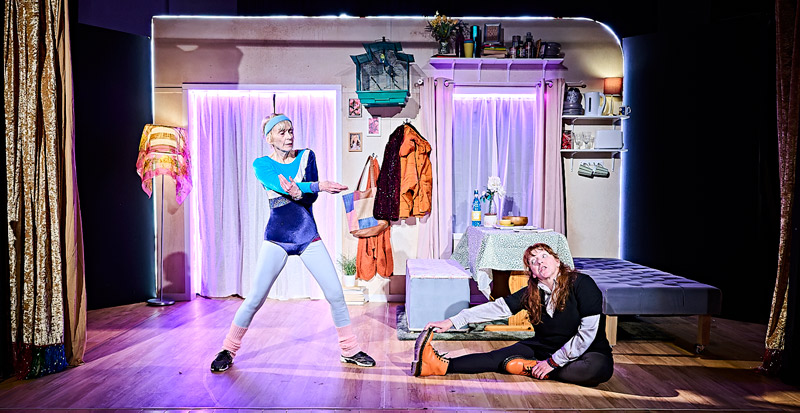
The subject matter looks back to a time when it was common enough for audiences to go out to watch mediums ostensibly make contact with the dead. Unfortunately, Angela, our hostess for the evening, is a stand-in who does not believe and who only got involved in the spiritualism business because she was a member of a youth theatre and enjoys acting. To her astonishment, when she tries her hand, she finds herself possessed by the spirit of Debi Kicks, an energetic personal trainer whose class she had attended. She falls to the ground calling out ‘squats!’

It turns out Angela is being haunted by Debi, a restless spirit, unhappy to have passed away suddenly. She fancies a gin and tonic and wants some perfume to counter the smell of putrefaction. The two women are connected by coincidence because after Angela had been persuaded to attend Debi’s exercise class by her policewoman niece, Shona, she too had collapsed afterwards. The only other speaking member of the cast is a bilingual budgie, although there is an extra who assists with non-speaking roles and set changes.

Angela does not enjoy being haunted but starts to think. Maybe dead Debi will be able to put her in touch with Gwen. That way she could carry the stand-in show, talking to Gwen, establishing a real link with the spirit world, instead of having to improvise on the night and risk being exposed as a fraud. Debi, though, has not made contact with anyone apart from a suspicious looking man in a cap who seems to be taking an over-active interest in her. At the same time, Angela is paranoid she may have poisoned Debi by sharing her home made lunch with her. She presses Shona for details of Debi’s death, but Shona is caught up in her wedding plans.

The story is told, or unravelled, by the three women in an ingenious style. They frequently break through the fourth wall to explain what has happened, talking to the audience then switching back to participate in the story. To isolate themselves and re-enter the world of the play, they open and close a curtain. Much of the action behind the curtain takes place in what was Gwen’s caravan, where Angela is now living, but there are other imaginary locations, like the hospital where Angela and Debi are taken after they have collapsed. The set design is basic and realistic.

Interestingly, this is not a farce. The action is always presented at a very steady tempo and the jokes occur, rather than sounding forced. Nothing is emphasised. The acting is so naturalistic it’s invisible: it’s easy to think the cast are appearing as their real selves. The three performers sell themselves to the audience as sympathetic individuals participating in a true story. This approach provides the piece with its originality. It does have the feel of something that has been intensively workshopped, but the theme provides food for thought and the ideas that have been added in are sound. The budgie, of course, is very funny.

Because it moves at its own even pace and avoids relapsing into farce, I don’t think the piece would work in a large venue, but it was well suited to the small auditorium at Twm o’r Nant. It would not appeal greatly to an audience of young people but an older demographic, like those attending in Denbigh, will appreciate its understated approach: spiritualism without melodrama. Possibly the inclusion of more music and a song or two might have strengthened it. The most dynamic moment occurs at the very beginning, with the projection of Debi’s face on the drawn curtain as she exhorts her class to work out. Valmai Jones as Debi demonstrates dance-like skills in her movements. I feel sure other members of the cast have abilities or specific talents that could also have been showcased. A certain amount of showing off is allowed in the theatre and it usually contributes to the occasion.

To end on a positive note – I’d say the company deserves credit for touring their work to venues in towns like Denbigh where communities may be starved of access to contemporary theatre. Venues like Twm o’r Nant, which has an historic connection with an almost forgotten Welsh playwright, need to be kept open and busy. Triongl is touring accessible work which is representative of modern collaborative methods. This can only be a good thing.

Simon Kensdale

The Shortlist, Get the Chance, Cultural Impact Awards 2026

The Panel for the Get the Chance, Cultural Impact Awards 2026, supported by Tanio, Tempo Time Credits, Ffilm Cymru Wales, Torch Theatre, Theatr Clwyd and Porters Cardiff, is happy to share this year’s Shortlist, the quality of nominations was very high and the panel had a very difficult decision, congratulations to everyone listed!

The Shortlisted nominees will be invited to attend the live awards event at Porters, Cardiff on Saturday 28 March, 5-7pm.

Thanks to all of the members of the public that took time to nominate, it was great to see a range of cultural activity that reaches a broad range of the public and its positive impact on their quality of life.

Thanks to our panel for volunteering their time to support this year’s Awards.

Category

Public Event

(Sponsored by Creu Cymru)

Description: Awarded to a public production, exhibition or cultural event that demonstrates high artistic ambition and quality which connects with the public. The activity should take place in and be produced by Welsh and Wales based creatives

  • Taking Flight Theatre Company, Martha
  • Romjul: A Norwegian Christmas in Wales, Theatr na nÓg & Norwegian Church Arts Centre
  • Black Welsh Music Awards, OTID Entertainment Ltd / Afrowales

 Creative of the Year

(Sponsored by Porters Cardiff)

Description: Awarded to a Creative who demonstrates the highest artistic quality in work which is created and/or publicly exhibited, performed or displayed in Wales.

  • Elise Davison, Taking Flight Theatre Company
  • Richard Mylan/Michelle McTernan/Steve Balsamo/ Christian Patterson, Grand Ambition
  • Rhiannon White, Common/Wealth

Community and Education Project

(Sponsored by National Dance Company Wales)

Description: Awarded to a community, participatory or education project e.g. choir, dance, theatre, visual arts or heritage group which provides regular, inclusive access to culture for local people.

  • Theatr na n Óg – Beacon/Goleufa Education Project
  • Taking Flight Youth Theatre for Deaf and Hoh young people, Taking Flight Theatre Company
  • The After -Hours Arts Academy Movie project, Led by freelance artists Callum Bruce-Phillips, Cerian Wilshire-Davies with Peri Wagstaff, Dan Lawrence and Clare Johnson. Co-ordinated by Cassidy Smith.

Facilitator of the Year

(Sponsored by Theatr na nÓg)

Description: Awarded to a cultural facilitator, teacher or practitioner who leads inclusive community, participatory or education projects in Wales

  • Stephanie Bailey Scott, Taking Flight Youth Theatre for Deaf and Hard of Hearing Young People
  • Carly Lewis, Tanio, Nature’s Printmaker
  • Hefin Robinson, Playwright, Mess Up the Mess

Culture and Health

(Sponsored by Christine O’Donnell)

Description: Awarded to a cultural project, event or series of workshops which support people living in Wales to improve their health and wellbeing.

  • Lisa Davies, Tom Stupple, Jack Skivens, Emily Seidel-Haas, Carly Lewis, Tanio, Cwmpas, Connecting Carers
  • Good Vibrations Chorus, RWCMD/Parkinsons UK, Roger Hampton
  • The Posh Club Boutique team and guests, Common/Wealth in collaboration with Duckie

 Cultural Champion

(Sponsored by Tempo Time Credits)

Description: Awarded to an individual from the creative community, e.g. a volunteer, administrator, technician, curator or board member whose work makes a significant positive contribution to the cultural life of the Nation

  • Kelly Barr, Age Cymru, Tanio
  • Osamagbe (Osama) Izevbigie, OTID Entertainment Ltd / Afrowales, Black Welsh Music Awards and Cymru Unleashed
  • Michelle Perez, Theatr Iolo, Audio Description Advocate

Commitment to Education in Arts, Heritage & Culture

(Sponsored by Theatr Iolo)

Description: Awarded to a teacher, lecturer, educator who demonstrates significant commitment to and celebration of the arts in the broadest sense

  • Gnoll Country Park’s Chris Pugh and Gary Turler from Wild boar Carvings, Gnoll Country Park, The Tree of Many Faces Sculptures and Storytelling Throne at Gnoll Country Park
  • Cwmtawe Community School Maths Teacher Daniel Lear.
  • Janet Hayward, Headteacher, Cadoxton Primary School

Disabled Creativity

(Sponsored by Common/Wealth)

Description: An award recognising the achievements of an organisation or individual creating awareness of Disabled led work.

  • Ceri Ashe and Angharad Tudor, SPAN Arts and Popty Ping Productions, Enjoy Every Minute
  • Taking Flight Theatre Company
  • Gareth, Ruth, and Ben, Stiwdio 37, The Lamp Room, The Dice Pit

Review Barnum, Wales Millennium Centre by Bethan England

 out of 5 stars (4 / 5)

Barnum literally bursts onto the Donald Gordon Stage at the Wales Millennium Centre. After an almost ten-year absence for the musical, and in a world that now contains The Greatest Showman (incidentally the brand-new musical version opened this week at the Bristol Hippodrome), does the show still stand up against its newer, poppier counterparts?

I had never heard any of the songs from the show, but thought the score was delightful, a perfect blend of musical theatre and circus music, with plenty of opportunities for showstopping circus tricks and dance numbers. The opening of act two, Come Follow the Band complete with aerial tricks, clowns, full marching band and mesmerising dancing was a particular upbeat highlight, but the show also contains some beautiful contrasting ballads, such as Love Makes Such Fools of Us All and the beautifully tragic The Colours of My Life (Reprise).

The set is beautiful, blending just the right amount of the circus ring with the world that PT Barnum inhabited. The big top central section is perfectly suited for the tumbling antics of the circus ensemble. The proscenium arch complete with its resplendent theatre boxes truly sets us in Barnum’s world and allows for some lovely level work, with performers popping up all over the place. The circus is cleverly integrated into the set with well positioned ladders built into the set, tightropes appearing from the wings, and aerial equipment appearing and disappearing in the wink of an eye.

The cast and ensemble are not so much triple threat as quadruple or quintuple threats. The dancers are not just dancers but acrobats, tumblers, aerial artists and more. The actor musicians are also incredibly muli talented. Most of them play multiple instruments and sing like a dream. I was beyond impressed at the way each performer swapped between piano, brass, strings and more. The dancing and circus act blend effortlessly together to create dreamlike sequences, the ‘humbuggery’ of Barnum’s creations. Every actor is a player in the circus; even Lee Mead himself braves the tightrope in a breathtaking moment in which you could have heard a pin drop.

I am unable to mention individually the talent, as this review would go on for pages, but I must mention the stunning vocals of Penny Ashmore as the Swedish Nightingale, Jenny Lind, who returned later as an en pointe ensemble member. Monique Young as Charity Barnum was also excellent, gorgeous vocals, a tour de force against her humbug husband Barnum, and a wonderful dancer too, holding her own in sequences with the circus dancers.

Lee Mead gives a fantastically charismatic performance as the titular character. His performance is endearing, energetic, joyous and full of charm. His vocals soar; even after the high octane dance numbers he never falters. His relationship with Young’s Charity Barnum is truly believable and their scenes together are heartfelt and funny. It’s a tough pair of shoes to fill as everyone now knows Hugh Jackman as the greatest showman himself, but Lee is more than up to the challenge, creating a version of Barnum that is all his own.

So, step right up to the greatest show in town. It may not have the popularity of the newer film (and now musical) version, but if the standing ovation is anything to go by, it’s more than capable of being respected and admired alongside its younger ‘cousin.’ Follow the band, smear on the greasepaint, grab the popcorn and enjoy the sheer spectacle of Barnum The Circus Musical.

Longlist Get The Chance, Cultural Impact Awards, 2026

The Longlist for the Get The Chance, Cultural Impact Awards 2026, is below, the shortlist will be revealed very soon!

The shortlisted nominees will be invited to attend the live awards event at Porters, Cardiff on Saturday 28 March at Porters Cardiff 5-7pm.

Thanks to all of the members of the public that took time to nominate, it was great to see a range of cultural activity that reaches a broad range of people and its positive impact on their quality of life.

Thanks to our panel for volunteering their time to support this second Awards event.

Categories

Public Event

The Woman on the Hill, Bethan Morgan, Lynn Hunter, David Prince, Mercury Theatre Wales,

A Visit by Siân Owen, Papertrail Theatre Company,

 Martha. Taking Flight Theatre Company,

Romjul: A Norwegian Christmas in Wales, Theatr na nÓg & Norwegian Church Arts Centre

Meddwl Ymlaen Mind Our Future, YLAB (young leaders advisory board), Mind Our Future Project and Wellfest

Demand The Impossible, Common/Wealth

‘An Orange in the Subway’ The Other Room Theatre Co in association with The Wallich Charity, Owen Thomas

The Phantom Coracle, Angharad Evans, Think Creatively

Black Welsh Music Awards, OTID Entertainment Ltd / Afrowales

Hot Chicks, Grand Ambition/Sherman Theatre

Creative of the Year

Bethan Morgan, Mercury Theatre Wales

Elise Davison, Taking Flight Theatre Company

Rhiannon White, Common/Wealth

Pearl Andrews Horrigan, Script Club Cardiff

Richard Mylan/Michelle McTernan/Steve Balsamo/ Christian Patterson, Grand Ambition

Community and Education Project

Script Club Cardiff, Pearl Andrews-Horrigan,

The 1919 Race Riots Walking Tour, Insaafi CIC,Saqib Deshmukh and Yasmin Begum,

Taking Flight Youth Theatre for Deaf and Hard of Hearing Young People, Taking Flight Theatre Company

Beacon/Goleufa Education Project, Theatr na nÓg

Halen yn y Gwaed – Eisteddfod yr Urdd Dur a Môr 2025, Theatr na nÓg and Urdd Eisteddfod

Breakin Class, Jamie Berry, Avant Cymru

Artworkers | Criw Celf, Citrus Arts

We Move West Wales, SPAN Arts and Llwy Gariad,

CHOOSE//DEWIS, Lisa Davies, Tom Stupple, Cat Razzell, Emily Seidel-Haas, Carly Lewis, Hannah Lad, Tanio

Tree of Many Faces sculptures and storytelling throne at Gnoll Country Park, Chris Pugh and Gary Turler, Gnoll Country Park

Cymru Unleashed,TID Entertainment Ltd and Afrowales

Arts & Activism at the Heart of the Coalfield, The Welfare Ystradgynlais, Zoe Gealy, project manager.

The After -Hours Arts Academy Movie project, Artists involved: Led by freelance artists Callum Bruce-Phillips, Cerian Wilshire-Davies with Peri Wagstaff, Dan Lawrence and Clare Johnson. Co-ordinated by Cassidy Smith.

ISP (Immersive Schools Project), TEAM,Duncan Hallis, Danny Muir, Naomi Chiffi

Playhouse Cymru, Theatr Iolo, Kira Bissex & Karema Ahmed

Facilitator of the Year

Stephanie Bailey Scott, Taking Flight Youth Theatre for Deaf and Hard of Hearing Young People

Carly Lewis, Tanio, Nature’s Printmaker

Hefin Robinson, Mess Up The Mess

Culture and Health

Connecting Carers, Tanio, Cwmpas, Lisa Davies, Tom Stupple, Jack Skivens, Emily Seidel-Haas, Carly Lewis

Good Vibrations Chorus, Royal Welsh College of Music & Drama/Parkinsons UK

The Woman on the Hill, Mercury Theatre Wales, Bethan Morgan, Lynn Hunter, David Prince

The Posh Club Boutique team and guests, Common/Wealth in collaboration with Duckie

Cultural Champion

Pearl Andrew-Horrigan, Script Club Cardiff

Kelly Barr, Age Cymru, Tanio

Emma Robinson, voluntary Trustee/Director/Co-chair, Common/Wealth

Osamagbe (Osama) Izevbigie, OTID Entertainment Ltd / Afrowales, Afrowales, Black Welsh Music Awards and Cymru Unleashed

Michelle Perez, Theatr Iolo, Audio Description Advocate

Commitment to Education, Heritage & Culture

Michael Carklin, University of South Wales , Drama & Theatre

Gnoll Country Park’s Chris Pugh and Gary Turler from Wild boar Carvings, Gnoll Country Park, The Tree of Many Faces Sculptures and Storytelling Throne at Gnoll Country Park

Jennie Gough, Teacher of Art, Cardinal Newman Catholic School

Daniel Lear, Maths Teacher, Cwmtawe Community School

Janet Hayward. Headteacher, Cadoxton Primary School

Disabled Creativity

Gray Hill, Two Rhythms

Ceri Ashe and Angharad Tudor, Enjoy Every Minute, SPAN Arts and Popty Ping Productions

Taking Flight Theatre Company

Gareth, Ruth, and Ben, The Lamp Room, The Dice Pit,  Stiwdio 37

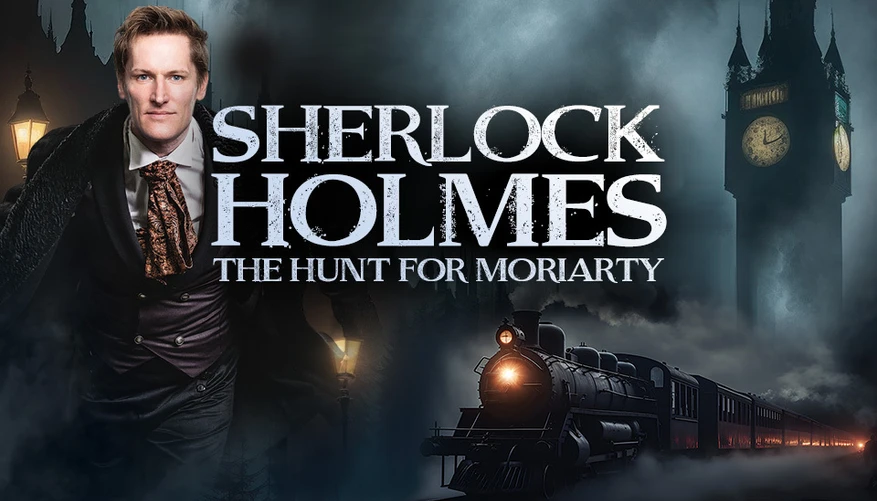
Review Sherlock Holmes, The Hunt for Moriarty, Black Eyed Theatre, Theatr Clwyd By Donna Williams

 out of 5 stars (4 / 5)

Having been lucky enough to see Blackeyed Theatre’s award-nominated production of Oh What a Lovely War at the same theatre in 2024, I knew I was in for a treat with this world-premiere adaptation- in which we see four classic Sherlock Holmes mysteries intertwined to make one thrilling new adventure.

Blackeyed Theatre is one of the UK’s leading touring theatre companies, with over twelve years’ experience of bringing exciting, high-quality work across the UK.

“After working with Blackeyed on two previous adaptations of Conan Doyle novels (The Sign of Four and The Valley of Fear) it was really exciting to be asked back to create something a little different for our third Holmes collaboration. It’s been fun capturing the pace, the spirit and the character of Doyle’s original adventures, and our hope is that, like the stories themselves, The Hunt for Moriarty will keep audiences gripped – and guessing – along with the great detective himself, right to the last” Nick Lane, Writer and Director.

The stage is set but is perhaps not what we would expect from 221b Baker Street- the apartment is burnt out, and we can’t see much aside from a few doors, some chairs, and a table. Enter our narrator for the evening, Dr John Watson, perfectly portrayed by Ben Owora who leads us into our tale and the events leading up to the fire. The plot is intricate but fast paced and the set is versatile- transforming cleanly from 221b Baker Street to an underground station, a theatre basement, a gentlemen’s club and so on. Sound and lighting offer additional atmosphere and projections on the back wall provide the audience with a visual aid reflecting the action on stage (i.e. a letter that’s being read, a note that’s been found etc.) as well as assisting with scene transitions- an underground map, billowing flames, a waterfall.

Mention must be made to the movement within the piece- from the slick scene changes to the fight choreography and the clever physical theatre of the Diogenes Club- the togetherness of the gentlemen seated, trying to read their newspapers in peace makes for an amusing watch! There are lots of standout moments like this which make this production sparkle.

The cast are superb and deal with the large amount of dialogue wonderfully- the production is lengthy at 2 hours 45 with a 20-minute interval (unsure of the 7.45pm start!) and in honesty, felt like it should have ended at ‘case-closed’! However, the title somewhat gives away the fact that we’re going to be heading to the Reichenbach Falls at some point during proceedings, so the numb bum had to be endured for at least another 20 minutes!

The character transformations are executed beautifully, with thoughtful costume and accent changes that make it easy to tell who’s who — and ultimately, whodunnit! Pippa Caddick plays all female roles from Mrs Hudson to Irene Adler and switches between them with confidence and clarity. Eliot Giuralarocca and Robbie Capaldi also handle four or five characters each with ease. However, special mention must go to Gavin Molloy, whose portrayals of five characters are so distinct that it’s easy to forget Lestrade and Moriarty are, in fact, the same actor!

To me, Holmes isn’t quite manic or quirky enough- Knightley portraying him as a more composed detective than fans are used to. There’s an air of madness bubbling, but it never quite comes to fruition.

That said, even with its long running time, the show dazzles with originality, cleverness, and style- any Sherlock Holmes fan would be mad to miss it. Elementary, indeed!

Sherlock Holmes: The Hunt for Moriarty continues its run on March 10th at The Dukes, Lancaster and finishes on May 23rd at the Northcott Theatre, Exeter.

Sherlock Holmes and the Hunt for Moriarty – Blackeyed Theatre

Cast:

Ben Owora- Doctor John Watson

Mark Knightley- Sherlock Homes

Pippa Caddick- Mrs Hudson, Violet Westbury, Irene Adler, Hilda Trelawney-Hope

Gavin Molloy- Inspector Lestrade, Louis LaRotiere, Professor Moriarty, Alex Trelawney-Hope, Herbert Fennell

Robbie Capaldi- Sir James deWilde, Hugo Oberstein, Ronald Smith, Don Chappell

Eliot Giuralarocca- Mycroft Holmes, Col. Valentine Walter, Wilhelm von Ormstein, Henry Petty-Fitzmaurice, Will Parfitt

Creative Team:

Playwright / Director- Nick Lane
Composer and Sound Designer- Tristan Parkes
Fight Director and Choreographer- Rob Myles
Set Designer- Victoria Spearing
Costume Designer- Madeleine Edis
Lighting Designer- Oliver Welsh
Projection Designer- Mark Hooper
Education Advisor- Ben Mitchell
Company Stage Manager- Jay Hirst
Assistant Stage Manager- Duncan Bruce

Set Construction- Russell Pearn

Producer- Adrian McDougall

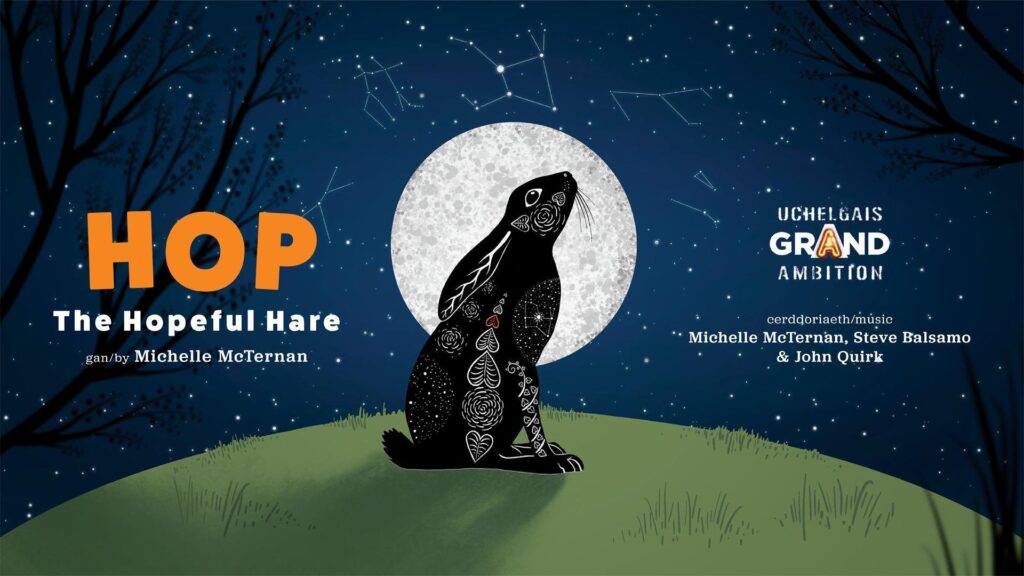
Review HOP- The Hopeful Hare, Grand Ambition by Charlotte Hall

 out of 5 stars (5 / 5)

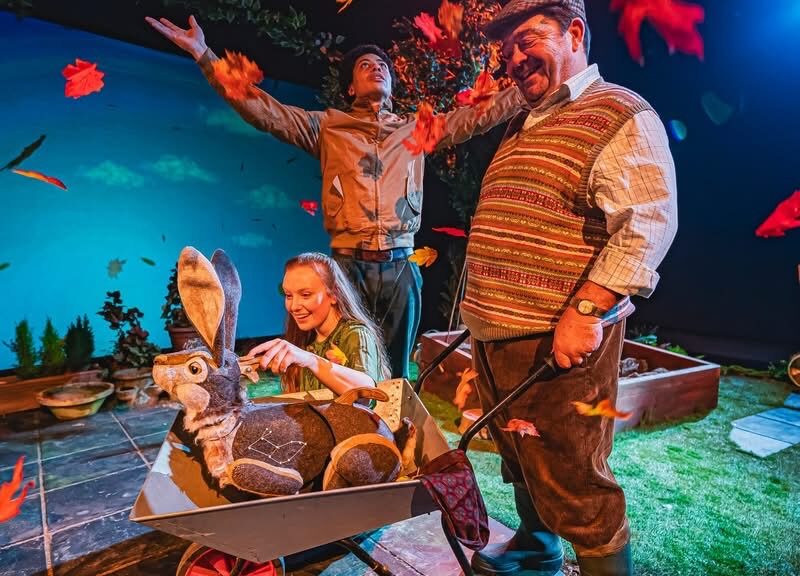
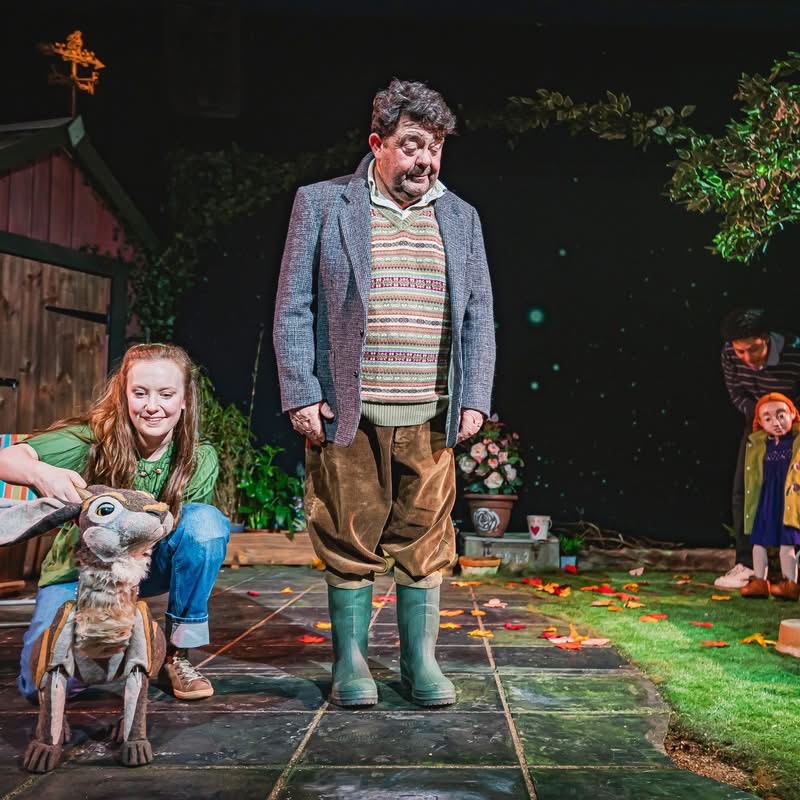
Grand Ambition’s new play, ‘HOP- The Hopeful Hare,’ by Michelle McTernan, Steve Balsamo and John Quirk, was such a lovely story exploring love and grief through puppetry, song, and (lots of) vegetables!

Immediately when you enter the theatre, the setting and atmosphere conveyed the tone of the piece. They had birdsong through the speakers, a tree, plenty of plants, a plant bed with potatoes, carrots, peas, and cabbages, a wheelbarrow, and to the left in front of a shed was a deckchair, radio and coffee table. This was contained by a small section of blue fence to the left of the stage, with one wonky post. Even the front row of seats was covered in a hessian fabric to add to the outdoor, nature feel.

Images by Kirsten McTernan

The back of the stage showed a projection with blue skies and clouds, which was effectively utilised during the production for accessibility in captions as well as moments of animation. (I would like to mention also, that the performance I went to see was a BSL interpreted performance, which is great to see is happening more and more, not just on professional tours but also local and amateur ones.)

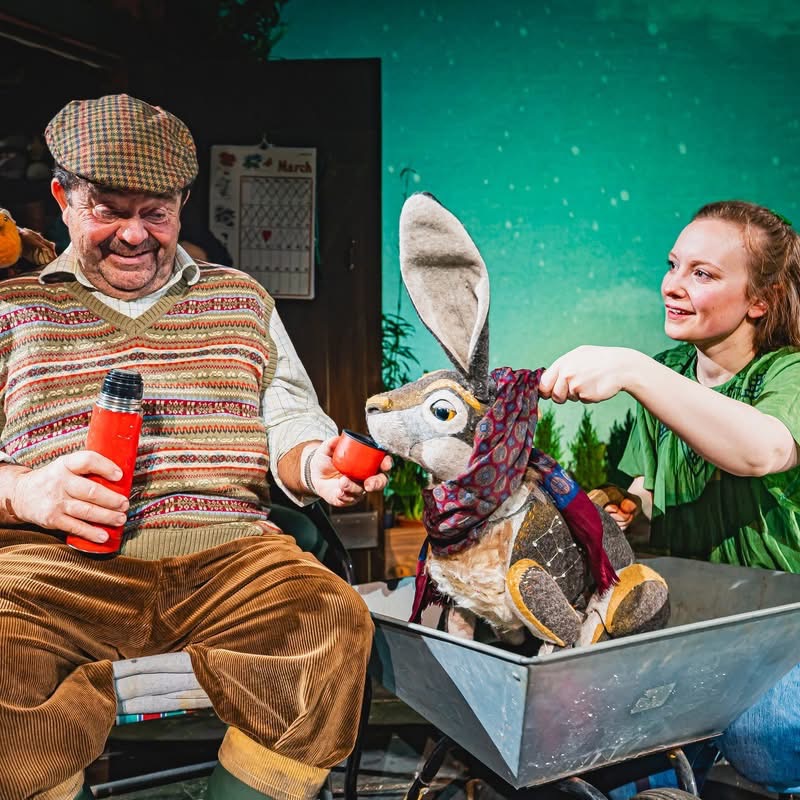
The story follows Grandpa, who every morning marks the day on his calendar before sitting in his deckchair and listening to Gardeners’ Question Time on the radio. Sometimes Grandpa was very receptive to the host and guest speaker, remarking on whether they were in Swansea or grumbling about them being in Cardiff or Aberystwyth. Other days, he would just turn it off.

During the first day, Grandpa strokes a well-loved toy rabbit and a happy birthday card, which immediately grabs the audience’s attention, making not only the young ones intrigued into a painful part of the character’s life, but the adults as well.

There are also animated scenes on the projection that explain Grandpa’s grumpiness, which is, of course, grief, in a much more powerful way than words could’ve done. When his wife died, he grieved her so much that he shut out his son in the process. The son walked away from their relationship to have his own partner and child.

Birds and slugs try to enter his garden every day, and every day Grandpa shoos them away. The slugs grumble as they leave. This was one of the many comedic elements, which combine well with the deeper tone of the piece.

At night, the hare (called Hop) enters, munching on the vegetables in the plant bed. Every night they go down, and Grandpa tries to stay awake to catch who, or what, is eating his crop.

Grandpa develops a relationship with Hop during the production revealing difficulties for his past but offering positivity for the future.

The set, animation, puppetry and original song came together to create a wonderful, heart-warming story that can connect with all ages, and was effective in teaching kids about grief and loss but also reminding all of the importance of working together with nature and animals.

I recommend this piece and wish there was more of this around, because now more than ever, kids need live theatre to connect to human stories in a physical way, away from screens.

Images by Kirsten McTernan

When an “Upside Down” World Mirrors a Very Real Problem by Rhian Gregory

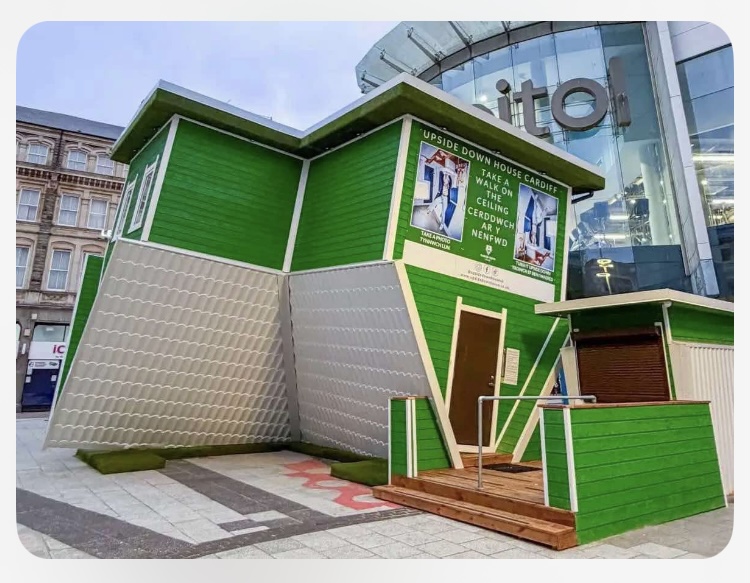
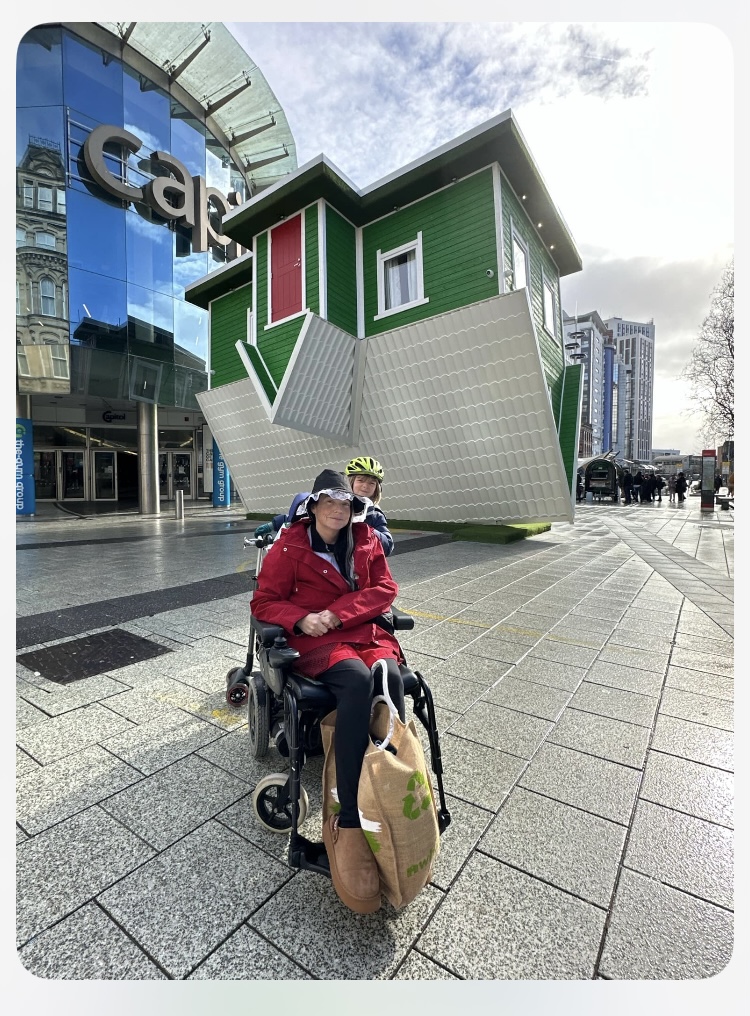
The Upside Down House, Cardiff

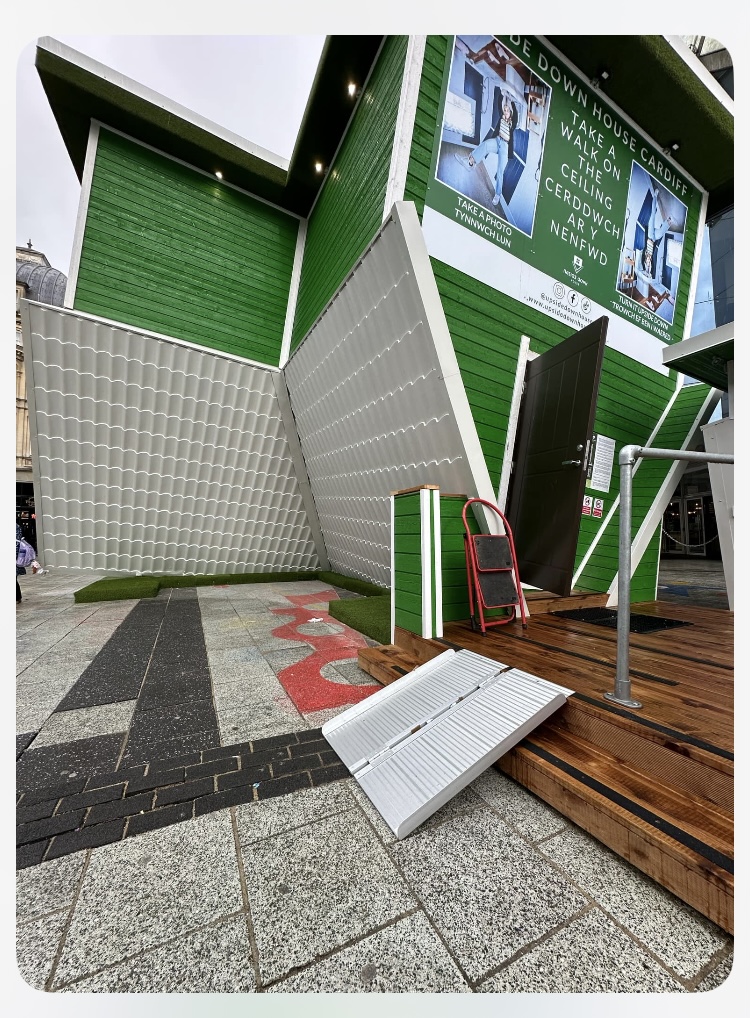
A new attraction opened in Cardiff recently, the Upside Down House.

The irony is hard to ignore. An Upside Down House , a playful, gravity-defying tourist attraction designed to surprise and delight. Turns out to be firmly grounded in one of society’s oldest failures: inaccessibility.

For wheelchair users, the disappointment isn’t about novelty or illusion. It’s about exclusion.

Rhian Gregory

A Missed Opportunity at Ground Level. 

No one reasonably expects every quirky feature of an attraction like this to be fully accessible. Tilted rooms and slanted floors present obvious design challenges. But what is far harder to understand is why even the ground floor, the one part that could have been designed with level access, remains inaccessible.

A ramp.
A flush threshold.
Wider doorways.
Thoughtful circulation space.

These are not radical architectural experiments. They are standard, achievable, and widely understood solutions.

When even the most basic entry is impossible, the message feels clear: accessibility was not part of the original plan.

The Bigger Issue: Accessibility as an Afterthought

The Upside Down House may be a novelty, but the exclusion it represents is painfully ordinary.

Wheelchair users encounter this pattern everywhere:

  • Homes built with steps but no ramps
  • Restaurants with narrow doorways
  • Shops with raised thresholds
  • Public buildings with token lifts that don’t work
  • “Accessible” entrances hidden at the back

The real problem isn’t complexity. It’s priority.

Designers regularly account for aesthetics, branding, Instagram appeal, structural engineering, and crowd flow. Accessibility, too often, is treated as optional, something to “add later” if required by regulation.

And when it is added later, it’s usually compromised.

Inclusion Isn’t Incompatible with Creativity

Some might argue that the concept of an Upside Down House makes accessibility impossible. But creativity and inclusion are not mutually exclusive.

Designers could have:

  • Built a fully level-access ground exhibition space
  • Created virtual or interactive alternatives for upper floors
  • Installed platform lifts where structurally feasible
  • Designed at least one immersive room accessible to all visitors

Instead, the result reinforces a familiar reality: disabled people are expected to adapt, stay outside, or simply miss out.

A Reflection of the Housing Crisis

There is a deeper symbolism here.

The Upside Down House is meant to flip perspective, to make visitors see the world differently. Yet for wheelchair users, the world is already upside down.

In many countries, accessible housing is in short supply. New builds continue to prioritize minimum compliance rather than universal design. Retrofits are expensive and rare. Families are forced to move, adapt, or live in spaces that do not meet their needs.

When even a newly built tourist attraction cannot manage basic level access, it highlights the broader cultural issue: accessibility is still not seen as fundamental infrastructure.

The Emotional Cost of Inaccessibility

Disappointment in moments like this isn’t just logistical. It’s social.

It’s arriving excited, only to be told you can’t enter.
It’s watching friends go inside while you wait outside.
It’s being reminded again, that your participation was not considered.

Exclusion accumulates. Each inaccessible space reinforces the same quiet message: this world was not designed with you in mind.

Turning the World the Right Way Up

If attractions like this truly want to challenge perspectives, they could start by challenging their own design assumptions.

Accessibility should not be extraordinary.
It should not be expensive symbolism.
It should not be an afterthought.

It should be the baseline.

An Upside Down House is meant to be a playful illusion. But when it excludes wheelchair users entirely, even at ground level, it stops being whimsical and becomes a symbol of a much larger, very real problem.

Perhaps the real perspective shift we need isn’t architectural at all.

It’s cultural.

In addition, since writing this article, I reached out to the Upside Down House team, specifically the Cardiff venue to discuss wheelchair accessibility to at least part of the attraction.

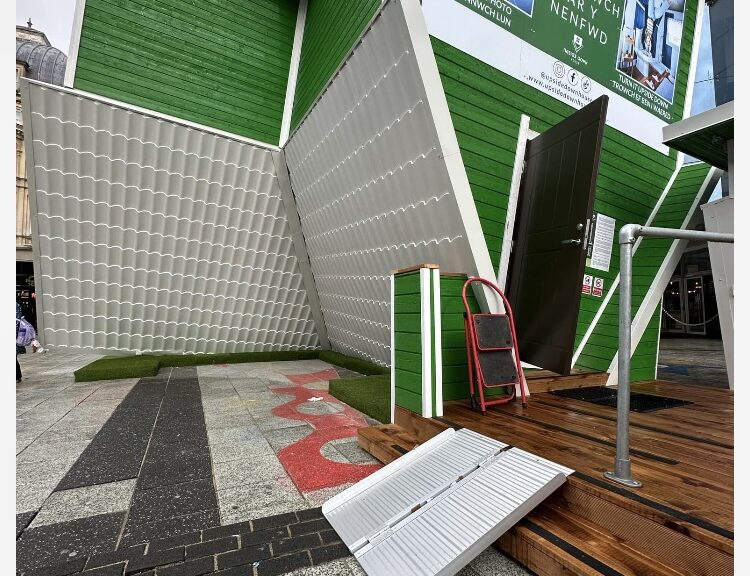
I visited over the weekend and they unpackaged a new ramp. This was a positive first step. Unfortunately, the ramp was too unsafe to use due to its short length and the height required to get over the steps. The risk of tipping and falling was extremely high.

I have contacted their team again online to suggest a longer ramp, which would allow for a more gradual incline and provide safer access to the ground floor of the Upside Down House.

Baroness Grey-Thompson contacted me to commend me for reaching out to the company. She also agreed that the current ramp is unsafe and said she wouldn’t attempt to use it herself, despite being highly skilled and confident in her wheelchair,  or even with someone supporting from behind.

I also asked, both by message and in person, whether there could be a reduction in ticket prices. If we were able to enter using a safe ramp, we still wouldn’t be able to experience the entire attraction. They told me that I could enter for free and that carers would receive a 10% discount. This would be helpful if they were able to advertise this information more clearly as well.

I’m hopeful that we can keep the lines of communication open and continue working together to make the attraction at least partly accessible for wheelchair users.

Ideally, accessibility should be considered from the very beginning, with research and consultation with disabled people taking place before attractions are designed and built. When accessibility is included at the planning stage, it is usually much easier to create experiences that more people can enjoy.

Additionally the company have contacted me to say, “Please be advised a new ramp has been ordered, which we hope will offer easier access. Once it is delivered to the House and we ensure that it is a better fit, we will be in touch again to invite you to visit the House. Thanks again for your feedback.”

I appreciate the actions of the organisation to support access to their attraction.

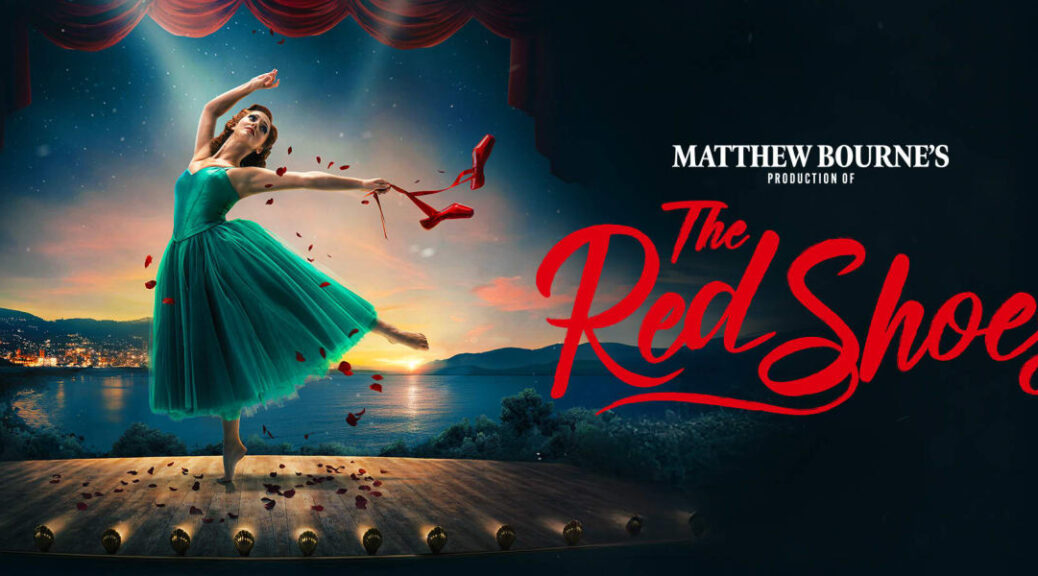
Review The Red Shoes, Wales Millennium Centre by Gwyneth Stroud

 out of 5 stars (5 / 5)

The previous tour of The Red Shoes having been cut short due to the Coronovirus pandemic in 2020, the double Olivier award-winning hit production is welcomed to Wales Millennium Centre as part of the 2025/2026 tour.  The show was created ten years ago in 2016 and has since become a firm favourite of the dance theatre repertoire.  The Hans Christian Andersen story, and the 1948 Powell and Pressburger film which followed, provides the narrative foundation upon which the show is centred.

Rising dance star Victoria Page (Hannah Kremer) join the great ballet company Lermontov and is delighted to be cast in The Red Shoes, which tells the story of her dramatic rise, but ultimate downfall, thanks to the power of her mystical shoes.  Caught between loyalty to her career and to ballet impressario Boris Lermontov (Reece Causton) and to her relationship with struggling composer Julian Craster (Leonardo McCorkindale), Vicky faces an impossible choice as life begins to mirror art.

The dancing is, of course, impeccable. Kremer demonstrates extremes of joy and misery in the seamlessness of her movement and expressions. Causton successfully captures the tension of directing a high-performing ballet company and his own inner anxieties and disappointments, and McCorkindale brings warmth and relatability to the role of Craster.   Each member of the cast shines in their ability to in effect mime the story so that the audience grasps the complexities of the “show within a show”.  

The other standout star of the production  is the stage itself.  Dazzling scene changes come thick and fast as we are transported from the ballet theatre (as, at various stages, both audience and backstage onlookers), the bright and cheery seaside resort of Villefranche-sur-Mer, a London music hall, greyscale and monochrome street scenes and dropping in on the leisure activities of the dancers.  Beautifully muted colours grace the stage and the costumes throughout, and this was particularly effective in the Parisien cafe, bringing out the colours of the suspended lanterns splendidly.  After all, nothing could detract from the tragic impact of those red shoes, standing out so fiercly in their primary colour glory against all other shades in the performance. Hats off to set and costume designer Lez Brotherston. 

This is without doubt a truly magnificent show, blending traditional and modern dance, theatrics, humour, visual mastery and  beautiful music.