All posts by Guy O'Donnell

Hi I am Guy the project coordinator for Get The Chance. I am a trained secondary teacher of Art and Design and have taught at all Key Stages in England and Wales. I am also an experienced theatre designer and have designed for many of the theatre companies in Wales.

“Supporting Welsh culture is at the heart of everything we do” An interview with Elise Arnold, Subject Officer Drama and Theatre, WJEC

Hi Elise, great to meet you! Can you start by telling our readers about your role at WJEC?

Absolutely! I have been Subject Adviser for Music and Drama since April 2023, but I have recently changed roles. I am now the Subject Officer for Drama at WJEC, and my role is to oversee the running of each of our GCSE and A Level qualifications in England and Wales.

    Is Music and Drama something you were interested in from a young age? What led to this current role with the WJEC?

    Yes, it was, I have always been involved in theatre in some form. I did Drama and Music at school and then went on to study Music & Musical Theatre at the University of Chichester. After that, I trained to teach as a secondary Drama/Music teacher; after several years teaching I decided to study a master’s in musical Theatre at the Royal Welsh College of Music & Drama and the move to Cardiff for my MA is what led me to WJEC.
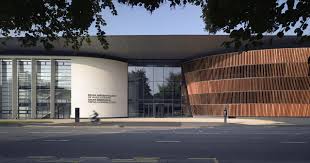
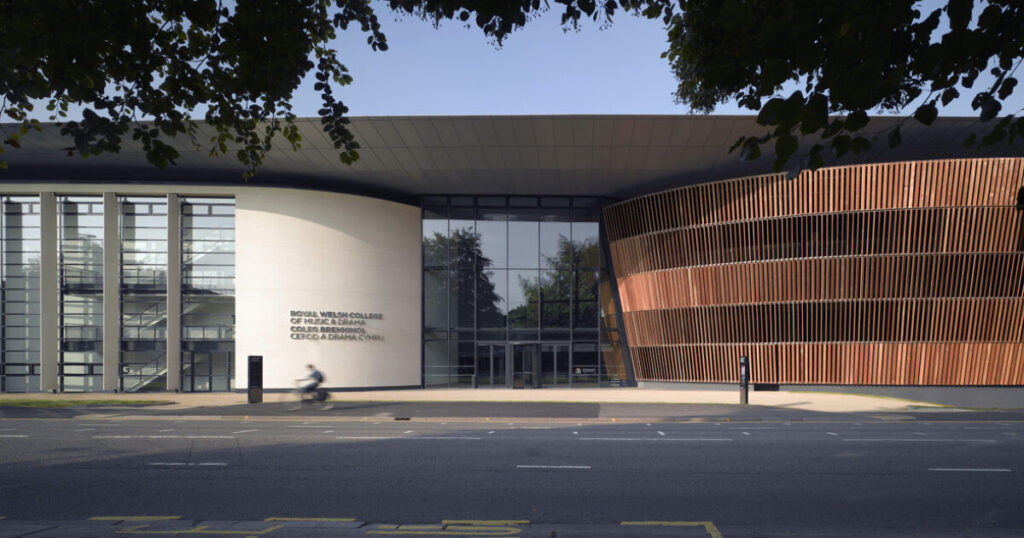
      Royal Welsh College of Music and Drama

      For readers who might not know, what exactly does the WJEC do?

      WJEC is the Welsh Joint Education Committee. As Wales’ largest awarding body, at WJEC we provide trusted bilingual qualifications, straight-forward specialist support, and reliable assessment to schools and colleges across the country. With more than 75 years’ experience, we are also amongst the leading providers in both England and Northern Ireland.

        When it comes to Drama, how do you go about choosing which plays are selected for study — is there a selection process? Are certain plays more popular than others with teachers?

        There is a process we must follow, and this process is informed by our regulators (Ofqual in England and Qualification Wales in Wales). Any update to the specification must be approved by the regulator and the suitability of texts are tested and questioned to ensure each text we choose is right for teachers and learners.

          Do you see your work as part of supporting Welsh arts and culture, especially when it comes to studying Welsh writers and creatives?

          Absolutely, as the largest exam board in Wales, supporting Welsh culture is at the heart of everything we do. We work hard to ensure that Welsh language, Welsh theatre, and Welsh creatives are represented through our specifications. We do this through running dedicated Welsh medium events, producing all our resources in English and Welsh, promoting Welsh playwrights and composers through our specifications, and ensuring we have representation from Welsh speakers in our examining teams, senior examiners, and question paper teams (to name but a few of the ways!)
            Welsh Playwrights feature in the current WJEC Drama specification. Resting Restless by Bethan Marlow is one of the current WJEC, GCSE, Set Texts. Face to Face by Meic Povey and Lovesong by Abi Morgan are part of the AS/A Level Set Texts, how is the Welsh work chosen, are the writers or their Estates involved in anyway?

              Our Principal Examiners work with the Subject Officer to choose a selection of texts suitable for examination, and we must seek permission from the writers to use their work.

              What’s the part of your job you most enjoy, and why? My favourite parts of the job are working on resources for teachers and attending CPD events.

              I love finding an area where teachers need support and creating something to help.

                What do you wish more young people knew or understood about WJEC and the work you do?

                I think it important to know that everyone working at WJEC, in each subject and each department is a real person; at the end of the phone, an email, working on question papers, marking candidates work is always a human! Also, the subject Officers and Subject Advisers are all teachers, so we have specialist knowledge and specific experience that informs each area of our roles.

                  Have any recent trends in Drama or Music (like digital theatre, new Welsh writing, rap or experimental music) influenced your thinking about future syllabuses?

                  Trends and advancements in theatre in Music is certainly something we are considering all the time. For example, in Music we ran a CPD event a couple of years ago that focussed on DJ, Rap, Sequencing and beatboxing as we have seen an increase in learners choosing these paths in their GCSE Music course and we want to ensure we are supporting teachers to facilitate that.

                    If you could pick one piece of advice for someone aged 18–30 wanting to pursue a creative career in Drama or Music, what would you say?

                    For creative careers, or ‘industry-based’ careers, my advice is to make your own work. It gives you a portfolio (especially when auditions or freelance work is…sparse!) you find out what you like and which areas you want to put energy into, and you never know who you’ll meet. It is, however, also important to remember there are countless careers that aren’t ‘industry based’ available to you too, where you are still working within your field and working collaboratively and creatively with your peers/colleagues.

                      Looking ahead — are there any exciting plans or changes at WJEC that you’re buzzing about?

                        We have just released a new GCSE Drama specification for schools in Wales which is very exciting!
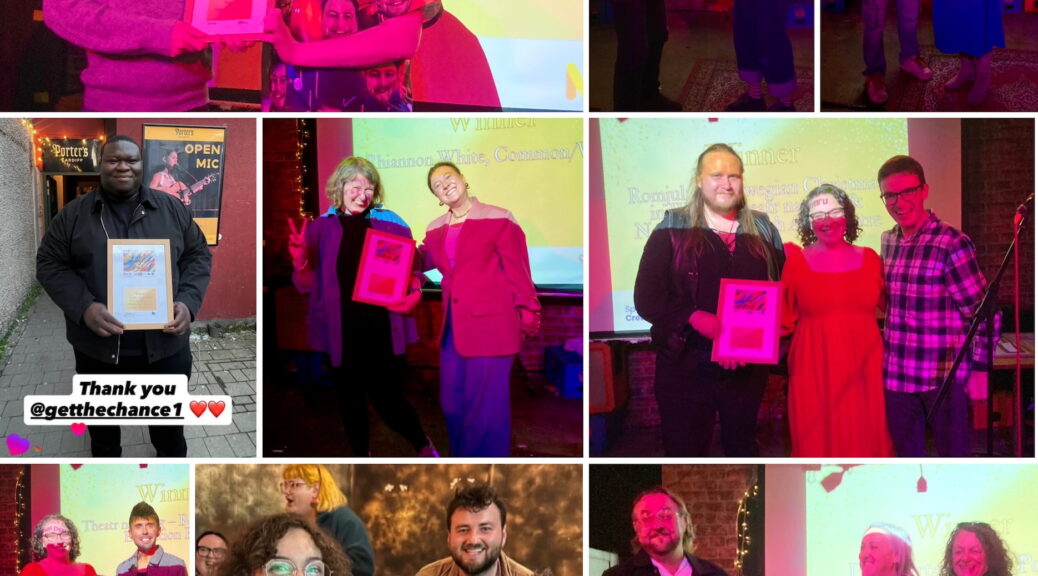
                        Announcing the Get the Chance, Cultural Impact Awards Winners 2026!

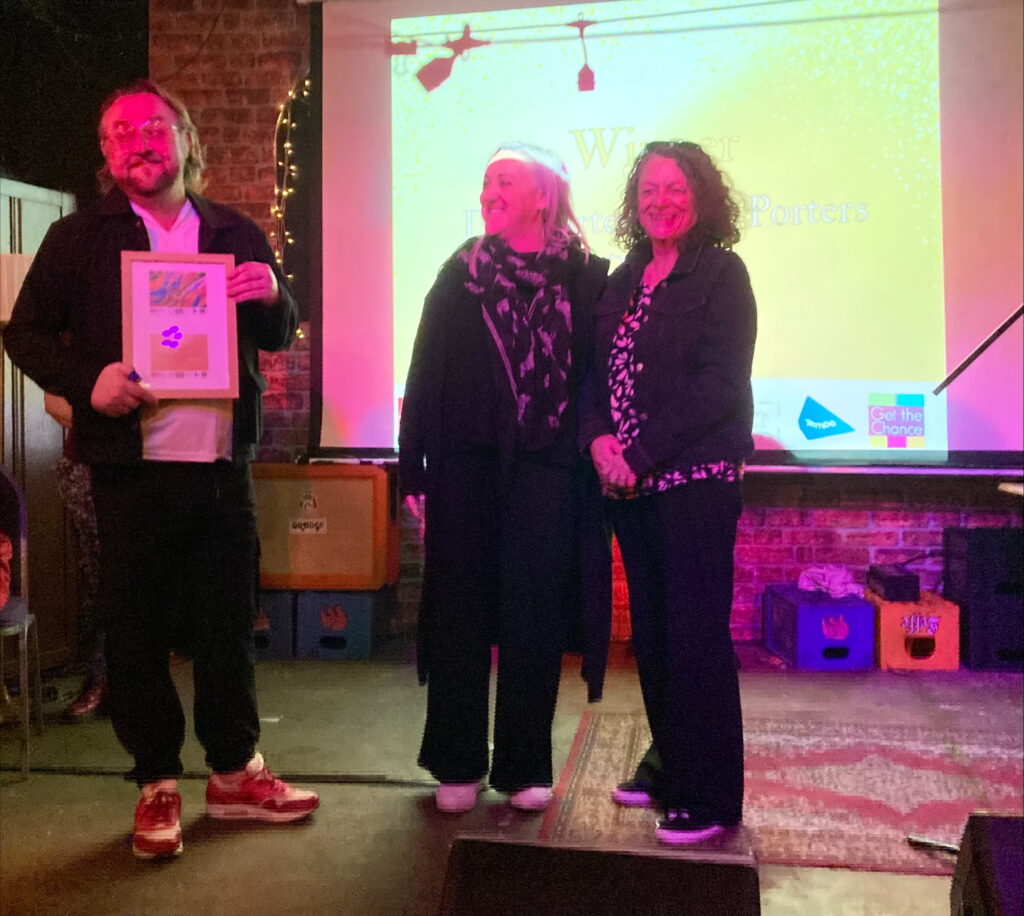
                        The Get the Chance, Cultural Impact Awards took place at Porters, Cardiff on Sat 28 March. In the article below you can read about the winners in each category and what the event means to them. Thanks to our event and category sponsors Tempo Time Credits, Ffilm Cymru Wales, Torch Theatre, Tanio, Theatr Clwyd, Theatr Iolo, Theatr na nÓg, National Dance Company Wales, Common/Wealth, Creu Cymru and Porters, Cardiff.

                        Category
                        Public Event
                        (Sponsored by Creu Cymru)

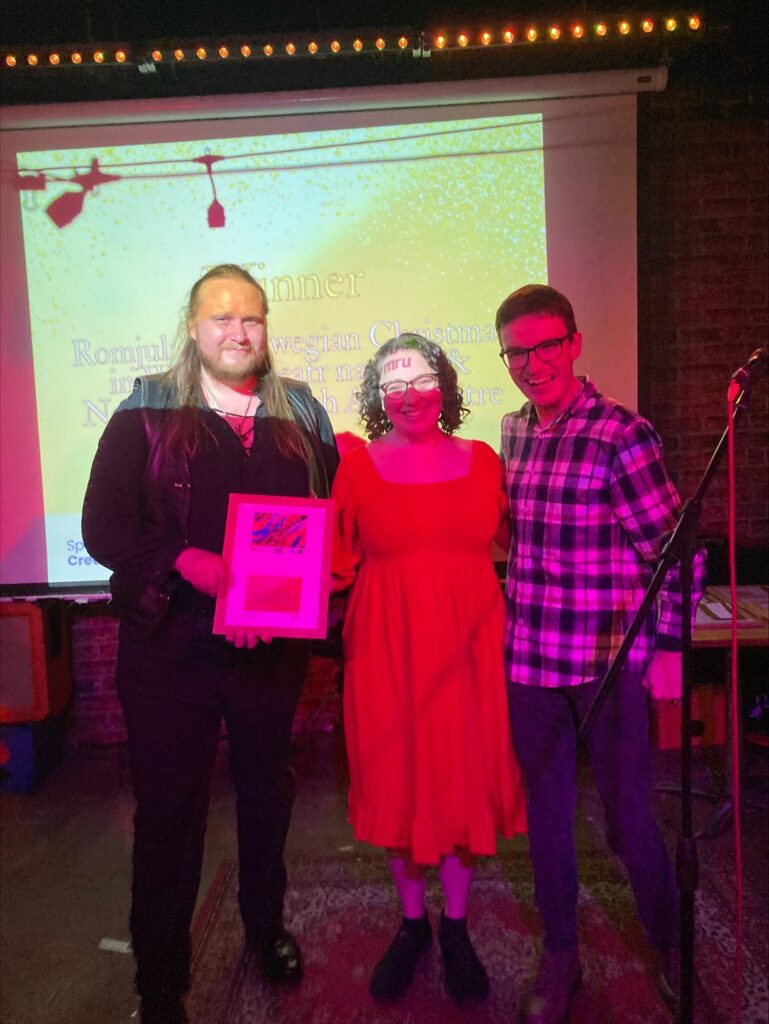
                        Winner

                        Romjul: A Norwegian Christmas in Wales, Theatr na nÓg & Norwegian Church Arts Centre

                        Why are the Get the Chance Cultural Impact Awards important?

                        The awards highlight how arts and culture goes beyond entertainment and has the power to have a real-life impact. This chance to celebrate the breadth of brilliant work happening in Wales only reminds us of the importance of the arts and how cultural activities can make a real difference to people’s lives. The awards recognise not only the impact of the work but the people behind it that make these projects possible. 

                        How do you feel about winning on Saturday?

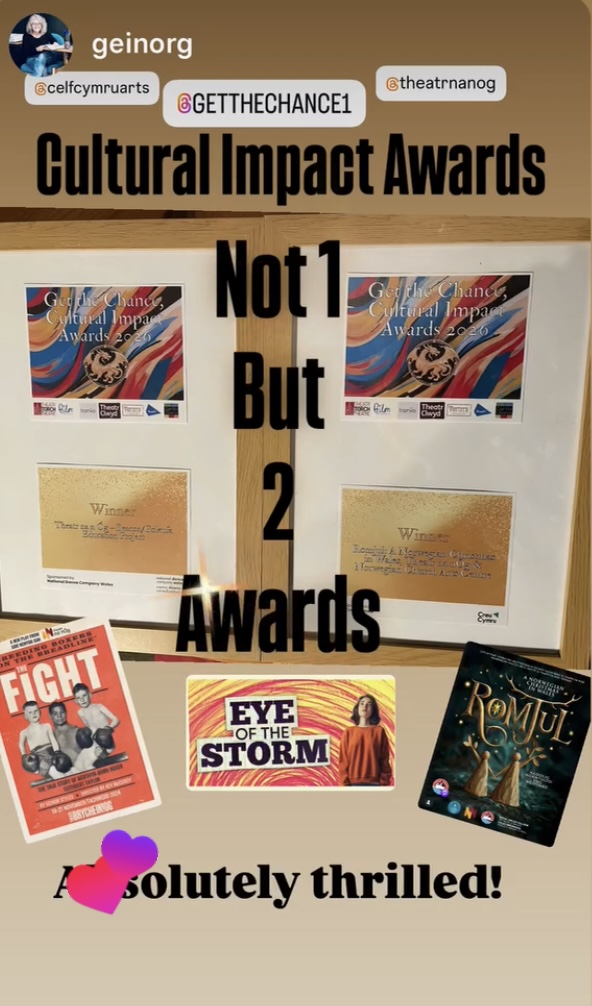
                        We are honoured to have won two awards on Saturday; one for a new collaboration with the Norwegian Church and another for a project that has existed and developed for decades and is at the core of our work as an organisation. We are incredibly proud of our work and it is a privilege to have been recognised amongst many brilliant organisations and individuals. It is fantastic to hear of the amazing work taking place across the country.


                        Creative of the Year
                        (Sponsored by Porters Cardiff


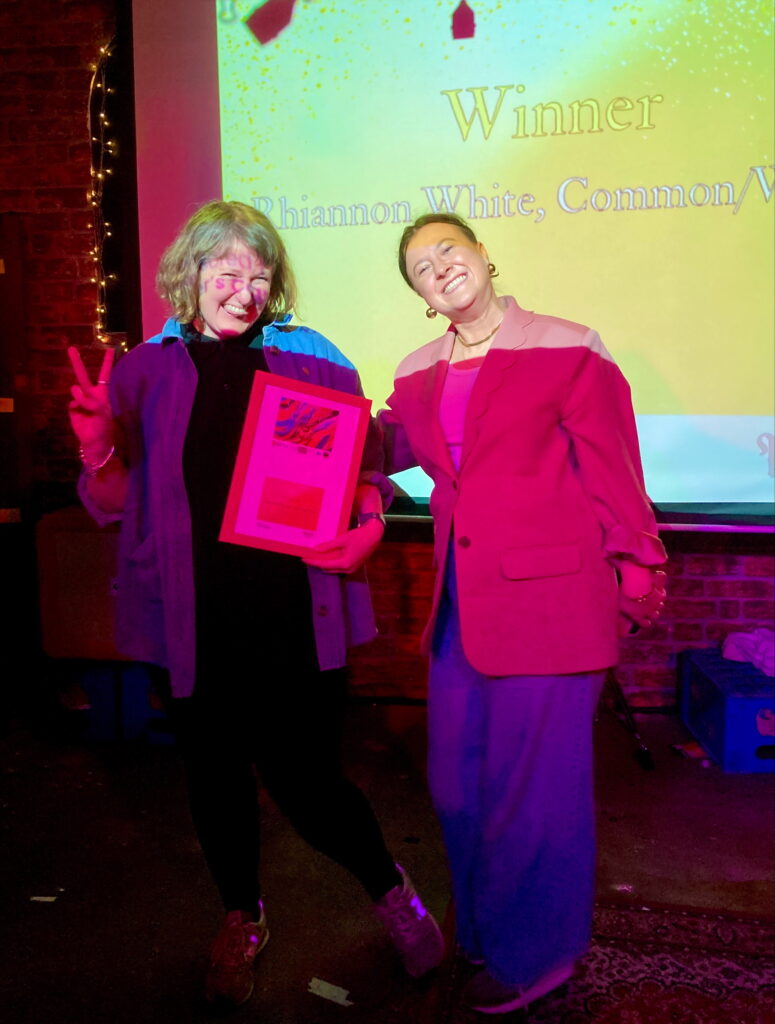
                        Winner

                        Rhiannon White, Common/Wealth

                        Why are the Get the Chance Cultural Impact Awards important?

                        It’s so good to be on home turf, surrounded by the people who are working hard to offer more in Wales. The Awards support and recognise the Welsh arts scene from the ground up, bringing people together to celebrate what’s happening here.

                        How do you feel about winning on Saturday?

                        I’m absolutely buzzing to receive the Creative of the Year Award as part of the Get the Chance Awards. After the grafting of this last year – making Demand the Impossible and writing the book, and all the other projects. I still pinch myself that this is my job. Can’t believe it – magic to win! Thank you

                          Community and Education Project
                          (Sponsored by National Dance Company Wales)


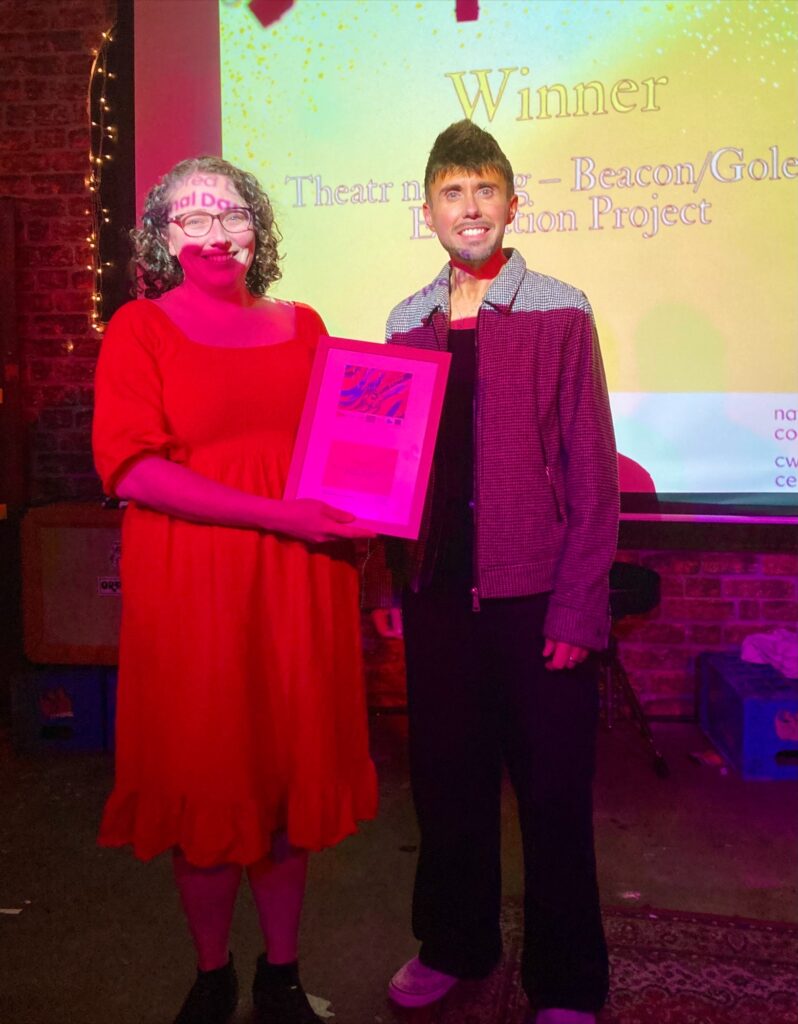
                          Winner

                          Theatr na n Óg – Beacon/Goleufa Education Project

                          Facilitator of the Year
                          (Sponsored by Theatr na nÓg)

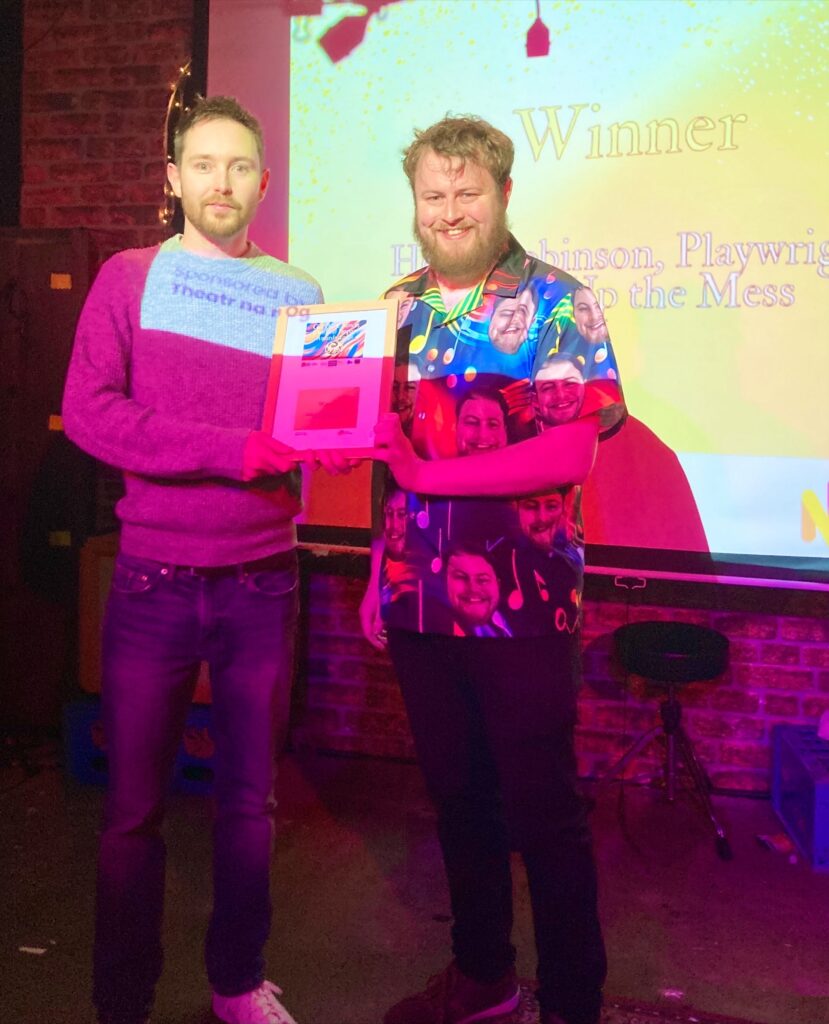
                          Winner

                          Hefin Robinson, Writer

                          Why are the Get the Chance Cultural Impact Awards important?

                          The Get the Chance Cultural Impact Awards are special because they not only celebrate the wealth of inspiring work that happens across Wales each year, but do so while shining a light on aspects of arts and culture that are often overlooked or forgotten elsewhere. To come together and share in those success stories reminds us that creativity really does have the power to effect change and make a difference to people’s lives.

                          How do you feel about winning on Saturday?

                          I feel honoured and proper chuffed to have won the Facilitator of the Year award, and I’m extremely grateful to the Cultural Impact Awards for highlighting the role facilitators play in supporting and empowering creative expression all over Wales. It’s been a joy and a privilege to work alongside Mess Up The Mess this year on so many inspiring projects with so many brilliant children and young people. This award feels like the cherry on top of the most wonderful cake!

                          Sarah, Jones Artistic Director of Mess Up The Mess

                          Why are the Get the Chance,Cultural Impact Awards important?

                          The Get The Chance Awards are important as they give us a platform to shout loudly about the huge impact arts and culture has on people’s lives! It gives us an opportunity to recognise and celebrate all those involved in changing lives through the arts including teachers, freelancers, board members, artists and administrators. Times are really hard in the third sector and the arts right now so such a positive and uplifting event is inspirational and a much needed reminder about why we do what we do and that we are part of a community of others who also striving to make the world a better place!

                          How do you feel about winning on Saturday?

                          We are over the moon that the fantastic freelance playwright and facilitator Hefin Robinson won Facilitator of The Year for all his work awesome work alongside our young people! We couldn’t do what we do without freelance artists like Hefin who really empower our young people to create beautiful work and begin to see that they belong in the arts. Over the last year Hefin has encouraged children and young people many of whom didn’t think writing was for them to pick up a pen or a keyboard and become writers dreaming up new characters and worlds and that is an incredibly powerful thing! We are thrilled that his work has been recognised so publicly because the impact he has had on the staff and team at Mess Up The Mess is huge!
                          Screenshot

                          Culture and Health
                          (Sponsored by Christine O’Donnell)


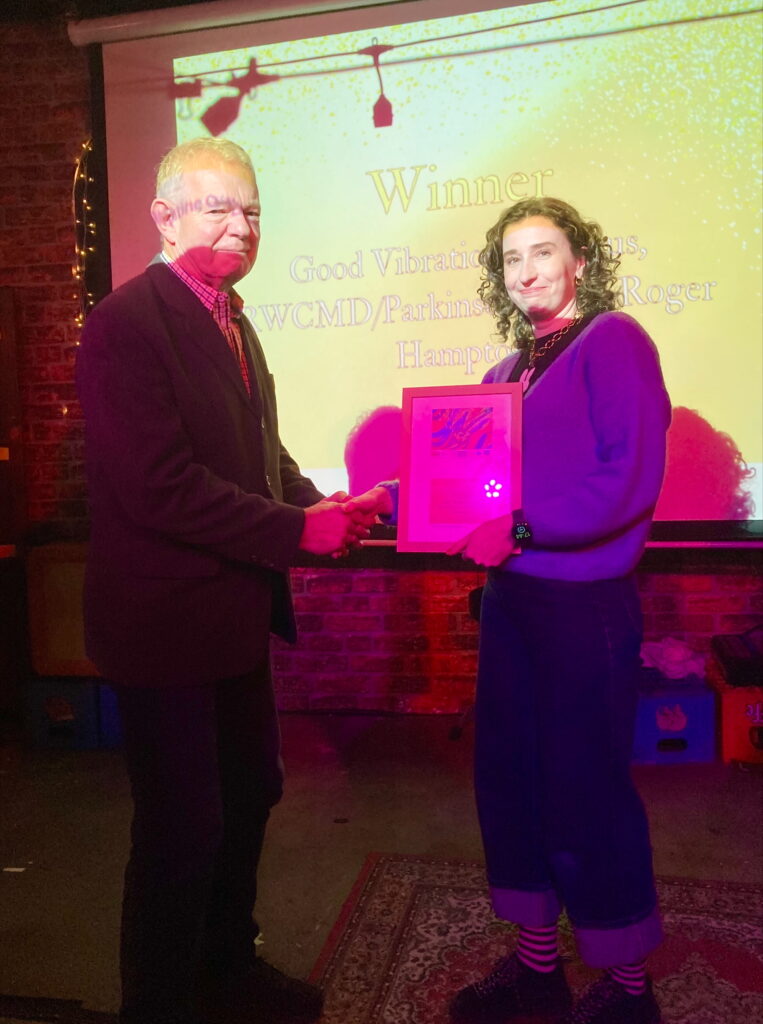
                          Winner

                          Good Vibrations Chorus, RWCMD/Parkinsons UK, Roger Hampton

                          Why are the Get the Chance,Cultural Impact Awards important?

                          The awards present an opportunity to highlight the work going on within the community that helps make a difference in the lives of people living with Parkinson’s and other health conditions.

                          How do you feel about winning on Saturday?

                          I am absolutely delighted to have won this award. It recognises the support given to the choir by the RWCMD and Parkinson’s UK, but also the encouragement and community it provides for those of us living with Parkinson’s and our care givers.  Finally can I say what a privilege it was to be with people who make such a difference in the community with so many different initiatives. 


                          Cultural Champion
                          (Sponsored by Tempo Time Credits)


                          Osamagbe (Osama) Izevbigie, OTID Entertainment Ltd / Afrowales, Black Welsh Music Awards and Cymru Unleashed


                          Why are the Get the Chance Cultural Impact Awards important?

                          The Get the Chance Cultural Impact Awards are incredibly important because they shine a light on the individuals and organisations who are actively shaping culture, creating opportunities, and driving real change within communities. They recognise work that often goes unseen but has a deep and lasting impact, especially in amplifying underrepresented voices and fostering inclusivity across the creative industries.

                          How do you feel about winning on Saturday?

                          Winning on Saturday was a genuinely humbling and rewarding moment. It’s a reflection of the hard work, passion, and commitment that goes into everything we do, and it means a lot to have that recognised. More importantly, it reinforces the importance of continuing to build platforms that celebrate culture, community, and creativity.

                          Screenshot


                          Commitment to Education in Arts, Heritage & Culture
                          (Sponsored by Theatr Iolo)

                          Winner


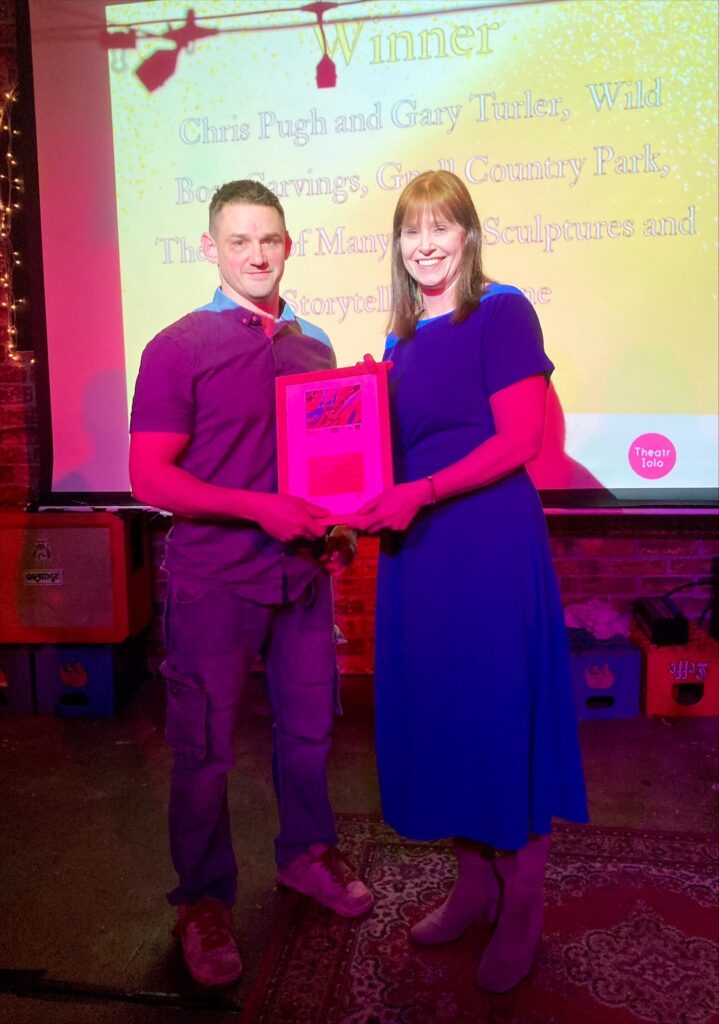
                          Gnoll Country Park’s Chris Pugh and Gary Turler from Wild boar Carvings, Gnoll Country Park, The Tree of Many Faces Sculptures and Storytelling Throne at Gnoll Country Park

                          Disabled Creativity
                          (Sponsored by Common/Wealth)


                          Winner

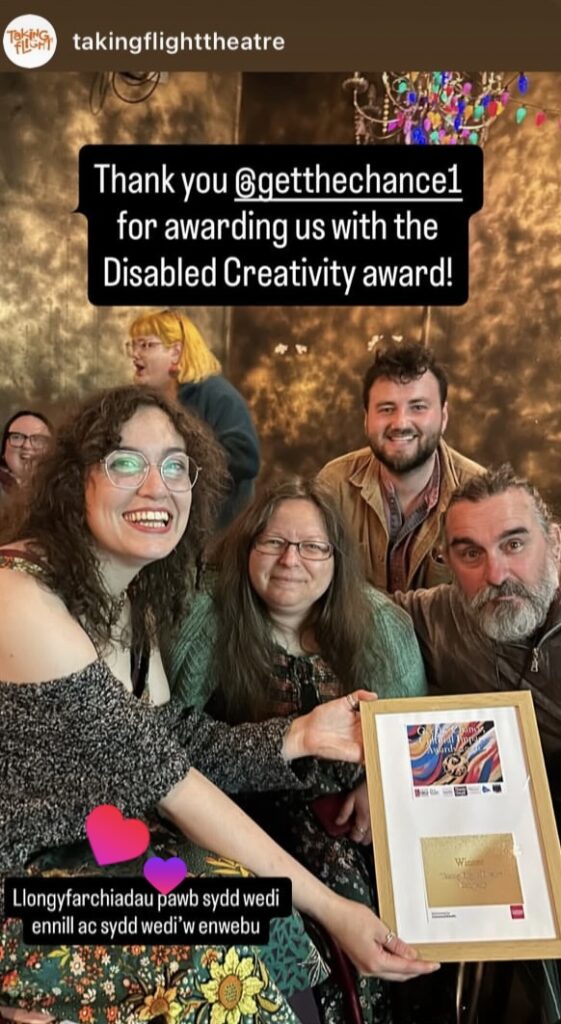
                          Taking Flight Theatre Company


                          Why are Get The Chance Cultural Impact Awards important?

                          The Cultural Impact Awards are incredibly important to the cultural sector. It gives the chance for organisations and individuals within the sector the opportunity to celebrate their achievements, and is the opportunity to be recognised for the incredible work that goes on within Wales to enrich the lives of audiences and the public in Wales. And is an incredible forum for organisations and individuals within the cultural sector to come together and celebrate each other.

                          How do you feel about winning on Saturday?

                          Winning the Disabled Creativity Award on Saturday was an incredible achievement. Being recognised for the nearly 20 years of work we’ve done to create and champion inclusive and accessible theatre and advocating the wider sector on the importance of access makes us want to keep working on our mission. We’re incredibly proud of all the team current and previous, and every freelancer that have joined us on the journey. We look forward to keep delivering for audiences in Wales and to keep doing the work that impacts so many.

                          Screenshot

                          Lifetime Achievement Award

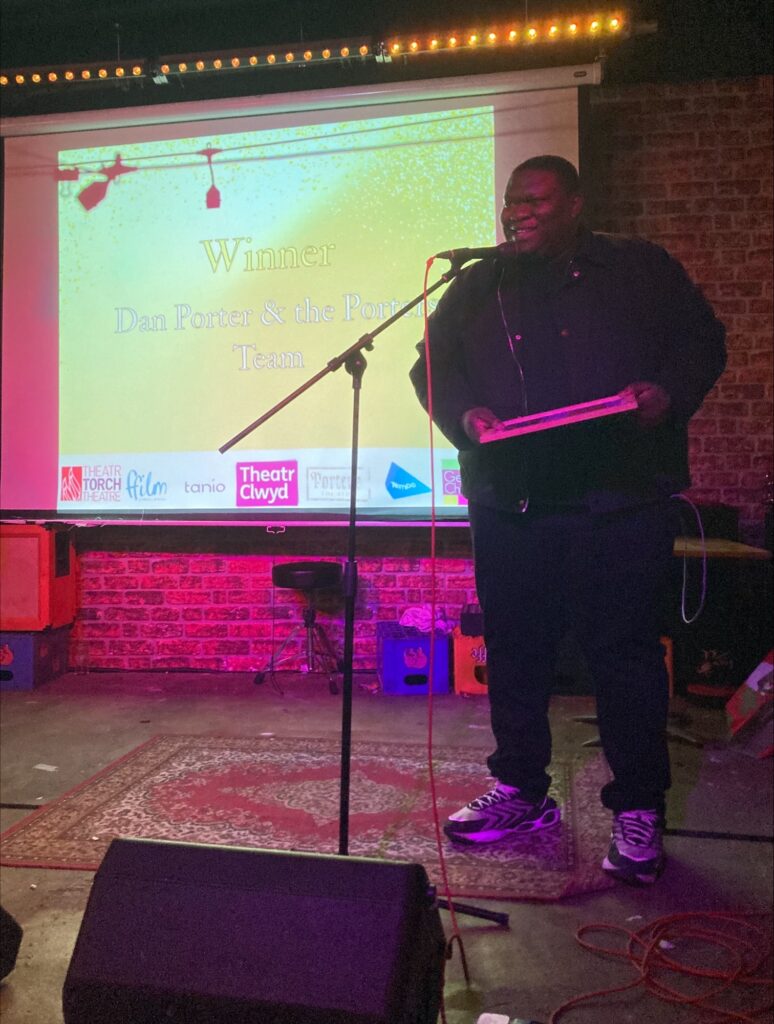
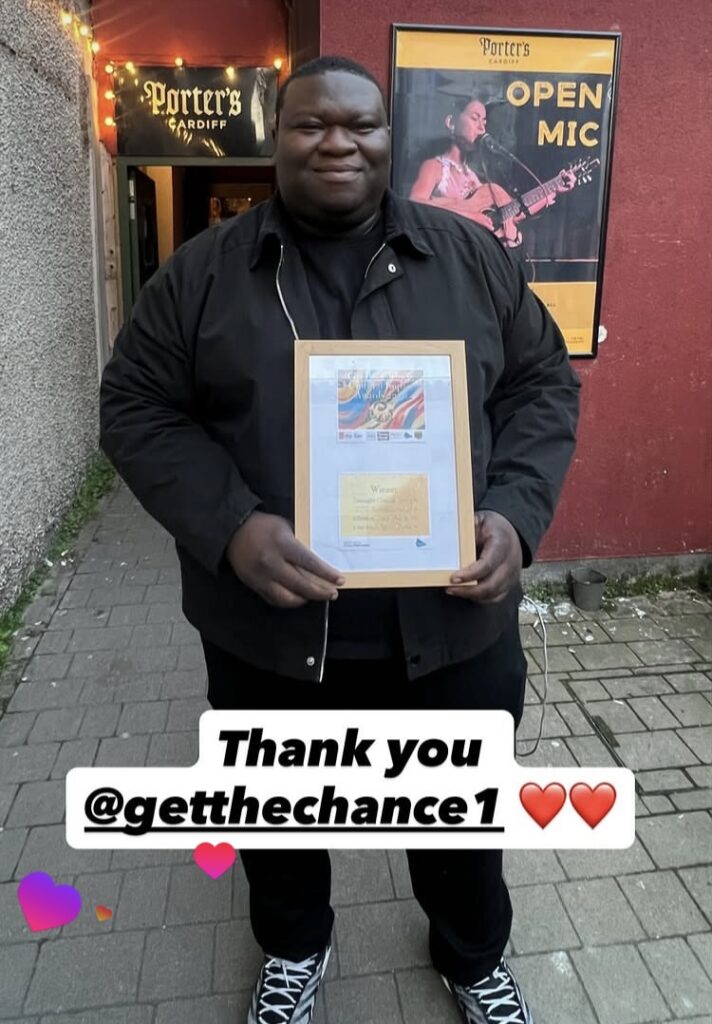
                          Dan Porter and the Porters Team

                          Why are the Get the Chance, Cultural Impact Awards important?

                          Ultimately, the awards reflect a shared belief: that culture has the power to change lives, and that the people who are working hard, in difficult circumstances, to drive that change, and the work they enable, deserve to be celebrated.

                          How do you feel about winning on Saturday?

                          Honestly, it’s a bit surreal. Porter’s has always been about creating a space for other people’s work—for artists, communities, and audiences to come together—so to be recognised like this ourselves is incredibly humbling.
                          Saturday’s surprise was about everyone who’s been part of Porter’s over the years. The staff, the performers, the audiences—people who’ve taken a chance on the space and helped shape what it’s become. This award belongs to all of them.
                          I also think it says a lot about the kind of cultural community we have in Wales. The fact that grassroots venues and community-driven work are being recognised in this way is really powerful. That’s what the Get the Chance Cultural Impact Awards are all about, and it’s something we’re proud to host and be a small part of. Mostly, I feel grateful—and even more motivated to keep going, keep supporting artists, and keep building something that people feel they belong to, and belongs to them.


                          Despite how hard things are for everyone at the moment, I’m really optimistic about the future. I’ve always wanted Porter’s to be a place that people pass through on their way to bigger and better things, and I feel confident that before long we’ll be able to help more people to do and enjoy more things- to ‘Get The Chance’. We have some exciting news about our future coming soon.


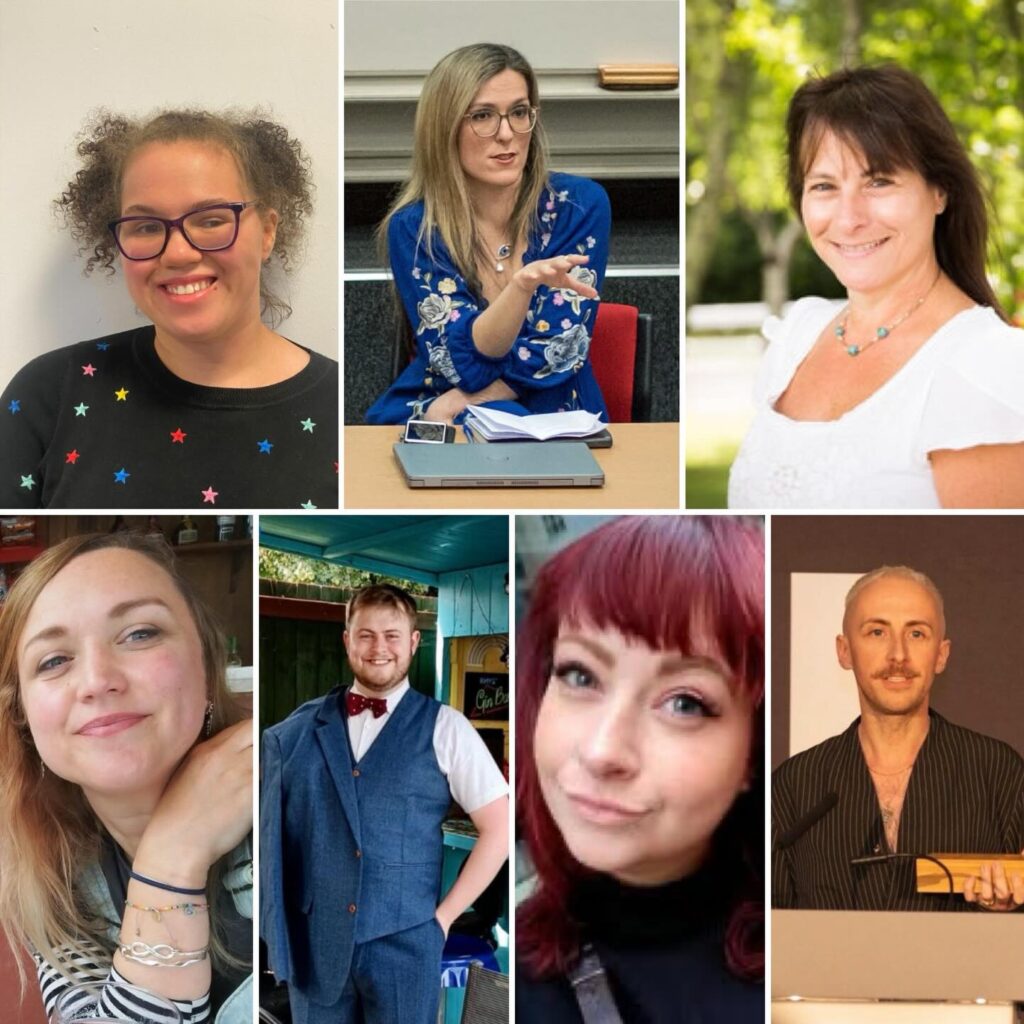
                          Introducing the Panel, Get the Chance, Cultural Impact Awards 2026

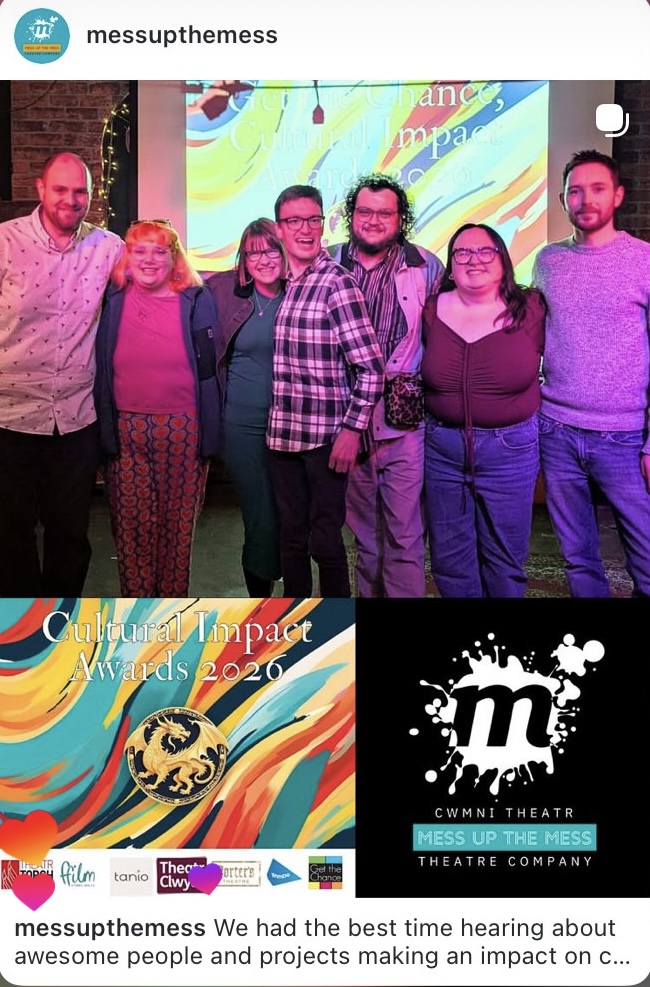
                          The Awards Panel volunteer their time to score, shortlist and choose the winners of each category, They come from a range of backgrounds including, Get the Chance volunteers, Disabled Creatives, Lectures and Arts Professionals . You can find out a little more about the panel below.

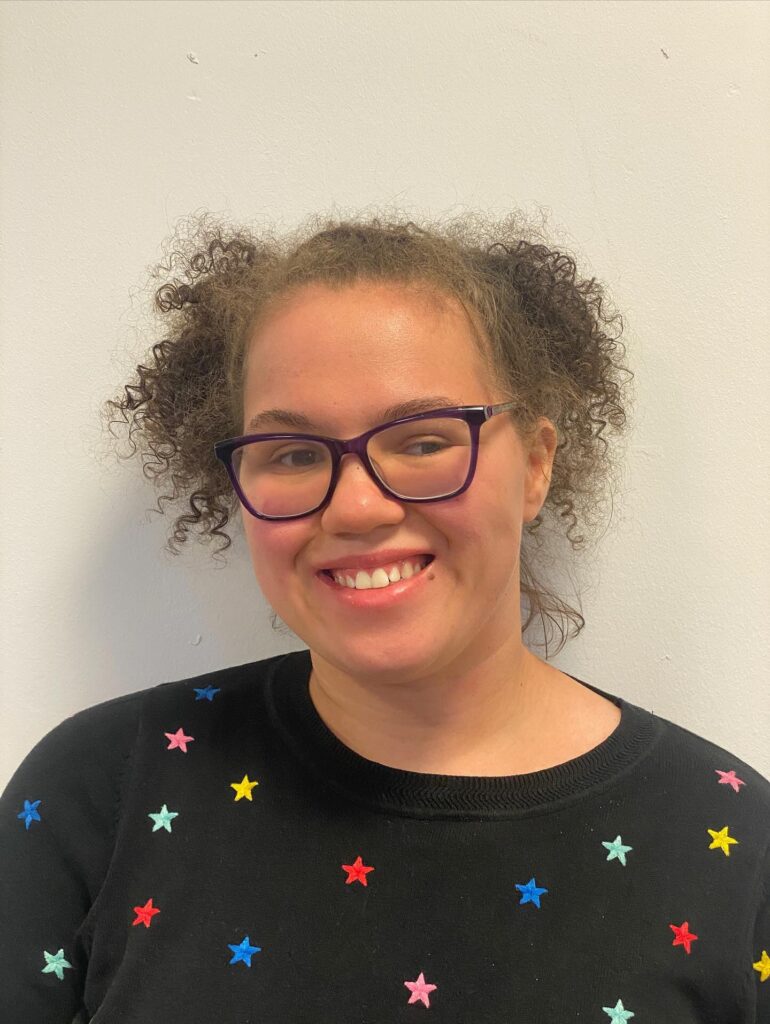
                          Samiya Houston

                          I am an aspiring educator and creative practitioner with a deep commitment to inclusive arts. Alongside a strong voluntary background supporting children and young people in various schools and charities, I recently completed a rewarding internship with Cardiff-based charity UCAN Productions. During my time there, I facilitated creative workshops across Wales for blind and partially sighted youth, which truly reinforced my passion for helping people build their confidence through creativity.


                          Currently, I am training to become a teaching assistant, with future plans to study either primary education or the performing arts. My ultimate goal is to bring more accessible, confidence-building creativity into classrooms and ensure that learning is as fun and inclusive as possible. I am so excited to be on the panel for the second-ever the Get The Chance Cultural Impact Awards – I can’t wait to discover and celebrate the amazing projects that are using creativity to make a real difference in our communities! Outside of my professional goals, I’m an avid musical theatre fan, a keen baker, and a self-confessed foodie who loves reading and spending time with friends.


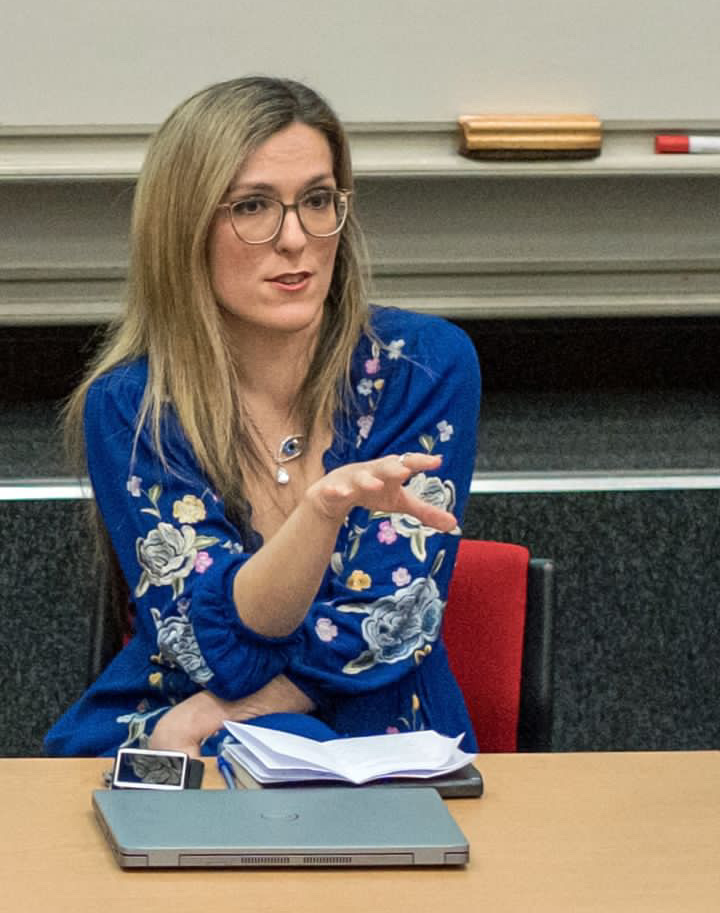
                          Dr Barbara Hughes Moore

                          Dr Barbara Hughes-Moore is a writer, poet, and lecturer. She teaches law and literature, with a focus on criminal law and the nineteenth century Gothic. Her poetry has featured in These Pages Sing, Horror Scribes, Roath Writers, The Birdcage, and The Folks.


                          Jak Rhys Birch

                          Jak Rhys Birch Is A Celebrated Writer, Artist, And Multi-Award-Winning Entrepreneur Based In Cardiff, Wales. With A Deep-Rooted Passion For The Arts, Jak Has Made Significant Strides Across Various Sectors, Showcasing His Versatility And Dedication. His Extensive Knowledge And Experience Have Inspired And Educated Budding Artists And Creatives In Wales.
                          Jak’s Commitment To Fostering Creative Talent Led To The Founding Of Galwad, A Not-For-Profit Organization Dedicated To Nurturing And Empowering Welsh Creatives. Through Galwad, Jak Aims To Turn Artistic Passion Into A Viable Profession, Providing Invaluable Support And Opportunities For Emerging Talents In The Region.


                          Jak Rhys Birch’s Unwavering Dedication To The Arts And His Entrepreneurial Spirit Continue To Make A Lasting Impact On The Creative Landscape Of Wales.


                          Rhys Payne

                          This award will be presented by Rhys Payne, Rhys, is an educator and critic, he runs Rhys Reviews which is an entertainment blog/theatre review page which puts new and emerging musicals in the spotlight!


                          Hannah Goslin

                          Hannah currently works at the National Theatre as the Operational Support Manager for the Customer Experience and Commercial Operations department. She has been part of Get The Chance Wales from the early days of it being known as Young Critics when she was studying her undergraduate in Performing Arts in Swansea and her masters in Events Management in Cardiff over 10 years ago.

                          Hannah was the first London correspondent for Get The Chance Wales and has continued, since joining all that time ago, to review in London, Scotland and Devon. Half Welsh, she is fiercely proud of her Welsh roots and has a deep passion for Welsh theatre that she feels is unlike any other theatre in the country. Alongside the NT and Get The Chance Wales, Hannah is an all round theatre professional; performing, creating, producing and marketing productions and currently, separately trying her hand as a novelist.


                          Nicola Parsons

                          Nic Parsons is an artist and arts & health practitioner. She has an MA in Arts, Health & Well-being and is a qualified F.E tutor. She began her career as a scenic artist working for Welsh National Opera on theatre and opera sets that were shared across the globe.

                          She has worked within the community on a wide variety of funded projects as an arts tutor and arts development officer, bringing together a variety of creatives to work on exciting and innovative workshops and exhibitions, with an aim to supporting well-being and providing a platform for community members to showcase their artwork to a broader audience.

                          In her own practice she embraces nature as her muse. Exploring natural forms and colour palettes through a variety of mediums such as illustration, paint and textiles.

                          Barrie Llewelyn

                          Barrie Llewelyn is a writer and an academic researcher at the University of South Wales. She teaches undergraduates and supervises post graduate students. Her research interest is broadly writing for wellbeing with a special interest on the benefits of creativity to those seeking sanctuary in Wales.

                          “If you want an audience to truly engage, you have to approach the work with honesty and empathy” An Interview with Theatre Designer, Hayley Grindle

                          Hi Hayley, great to meet you can you tell us about your background in the arts?

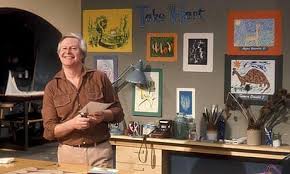
                          Growing up, I loved watching all the old musicals on the television. I still remember seeing Grease for the first time, I was sitting on the floor beside our gas fire, completely transfixed. When it ended, I was devastated; I never wanted it to stop. I also adored watching Tony Hart on Blue Peter and desperately wanted one of my drawings to appear in the gallery so I could get a badge. Sadly, it never happened!

                          Artist Tony Hart

                          At primary school I was lucky to have a wonderful teacher, Carol Roderick. Despite teaching full-time and raising two children, she also started a youth theatre in our small town. I absolutely adored her, and only now do I fully realise what an incredible person she truly was. I loved being part of that group, I can still remember standing in the wings, wide-eyed wearing too much blue eyeshadow with just a huge feeling of how magical it felt. Looking back, I think that’s where it all really began for me.

                          You trained in Design for Performance at The Royal Welsh College of Music and Drama in Cardiff and settled in South Wales. What did the course of study involve? Did you enjoy your time at RWCMD?

                          At the time, I’m not sure I fully understood what to expect from the course. I just knew that when I visited the college, it simply felt right. I remember after the first week realising that it demanded a strong work ethic, and I was ready for that. I wanted it. It was a completely new world for me, and I was also living in a city for the first time, which made the whole experience even more exciting.

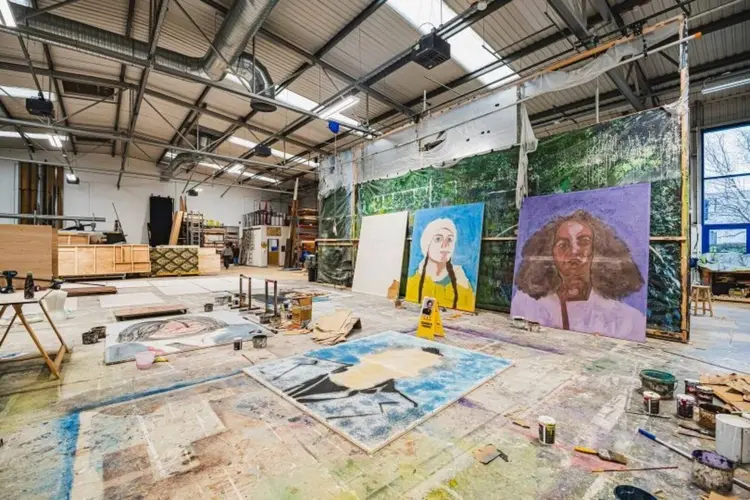
                          The RWCMD Scenic Workshop

                          What stood out was how we were treated as individuals. Our individuality was encouraged and nurtured, and the support was always there if you were willing to work hard. I also found my tribe there, friendships that have lasted ever since. We’ve all been in many adventures together since.

                          Exterior of RWCMD, Credit Nick Guteridge

                          Welsh College really shaped my world. I’m incredibly grateful for the experience. We worked hard, but we played hard too, and those years gave me both discipline and a hunger to move on.

                          You have had a very successful career as a theatre designer. Iphigenia in Splott which you designed has won multiple awards, including the 2015 UK Theatre award for Best New Play and the 2015 James Tait Black Prize for Drama and you were named as Stage Sensation to Watch Out for in 2023 by The Guardian. You’ve also worked on some big shows like Animal Farm, Macbeth and Oliver Twist — how do you start when you’re approaching the look and feel of a new production. As you are about to do with Our Town for Welsh National Theatre?

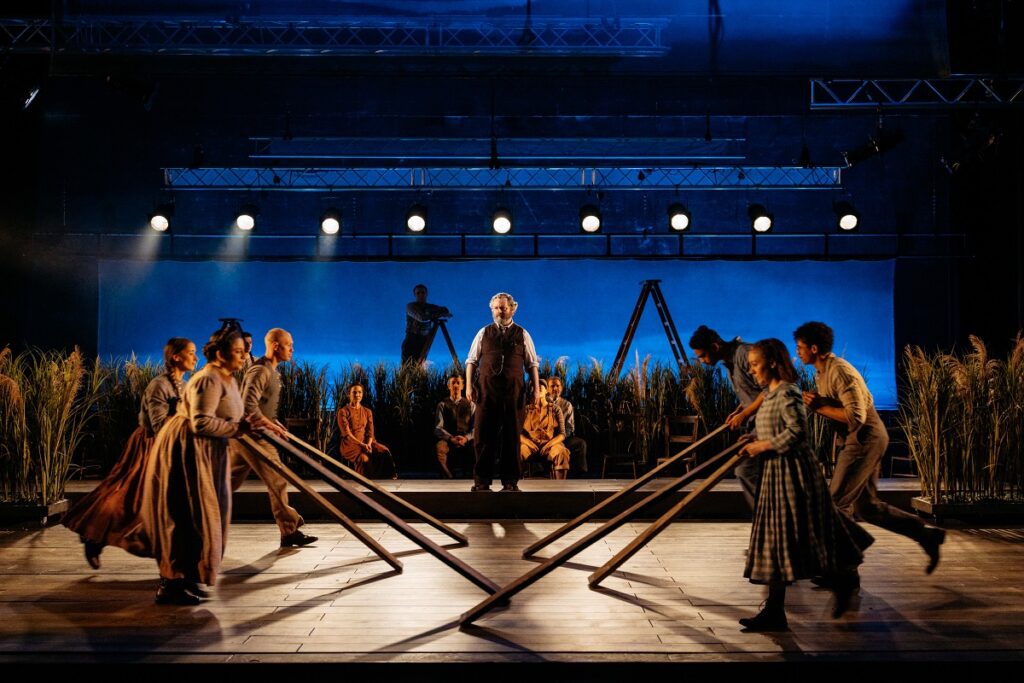
                          OUR TOWN by Thornton Wilder ;
                          Theatre Production (Rose Theatre & Welsh National Theatre) ;
                          Credit and copyright: Helen Murray

                          When I approach a new production, I always begin with the script, how it makes me feel. I try to summarise in a couple of sentences often alongside the director, what we feel the piece is about.  What is its purpose? Why are we making this production now? What questions does it present to an audience, and how can the design provoke thought or encourage reflection?

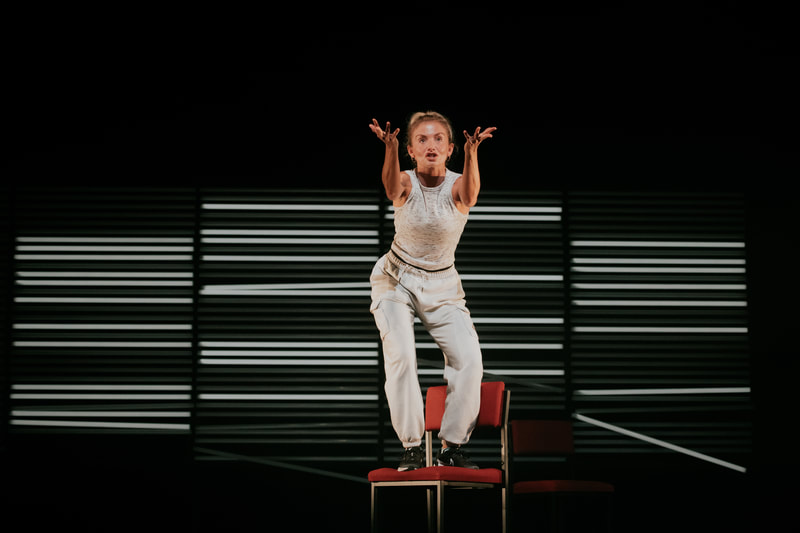
                          Iphigenia in Splott, Photography by Jennifer McCord

                          From there, I gather as many facts and clues as I can from the text before immersing myself in the world of the play. Sometimes I create playlists, surround myself with imagery, and spend time really examining the characters and their relationships, the inspiration is often all around us in everyday life.

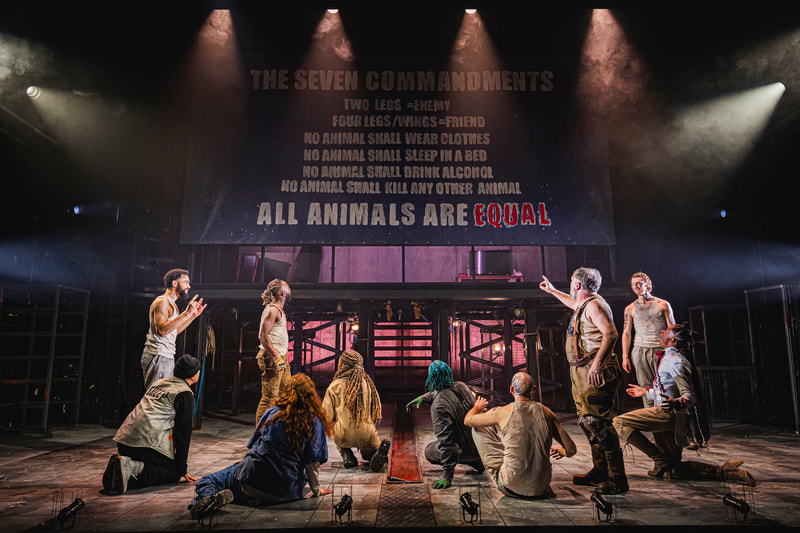
                          Animal Farm and Macbeth, Photography by Kirsten McTernan

                          I often describe the process as being like baking a cake. I load myself up with ingredients and then leave them to “cook” for a while, allowing ideas to form naturally. I’m quite a rough, instinctive worker at the beginning; I’ll use whatever is around me to start shaping the world visually. Then, gradually, I build layers of detail, refining and deepening the design as it evolves.

                          You’ve collaborated with Directors like Amy Leach and Rachel O’Riordan many times — how does the relationship with the Director, shape the creative process for you?

                          Directors Amy Leach and Rachel O’Riordan

                          The relationship with the director is everything. You become intrinsically linked. It is an incredibly bonding process where you see each other’s strengths as well as vulnerabilities. This is especially true when working on sensitive scripts or complex subject matter; you end up sharing and exploring very personal parts of yourselves along the way.

                          If you want an audience to truly engage, you have to approach the work with honesty and empathy. You need to tap into what excites you, what devastates you, and be open and unprecious in the process, letting go of ego. When that trust is there, the collaboration can become an incredibly intimate and powerful experience.

                          I also think it’s important to allow yourself to be enthusiastic, even a little giddy at times. As a designer, I’ve sometimes encountered the perception that we’re meant to be very serious all the time, but that’s never quite been me. I love having a great time in the process and finding joy in creating. You can be working on serious productions and still have a genuinely joyful experience making them.

                          I think our job is always to consider the audience and how to make the work accessible. Sometimes that can be in the simplest sense, it’s always about finding the clearest way to tell the story and thinking carefully about who the audience is, whether that’s young people, families, or, in this case, placing accessibility and inclusivity firmly at the forefront.

                          You have designed lots of productions as part of the Ramps on the Moon initiative funded by Arts Council England. Ramps production focus on accessible integrated production both on and off stage. What have you learnt as a Designer for this type of work? What particular challenges have you faced and resolved!

                          I think it’s simply encouraged me to think outside the box. Ask more questions, in the knowledge that everyone is an expert in themselves and that there is a lot to learn and explore from that. To design not just through a personal aesthetic. I think learning to sit comfortable sometimes and just let things grow and trust you’ll make the right collective decisions when it comes to it.

                          You are currently designing Under Milk Wood for Theatr Clwyd, which is the first production as part of the new Welsh Craidd project. “Craidd is a collaboration between five Welsh organisations: Theatr Clwyd, Sherman Theatre, Pontio Arts, The Torch Theatre, and the Royal Welsh College of Music & Drama. Its mission is to improve mainstream representation, for and with Deaf, disabled and neurodivergent people across Wales. It also aims to drive positive change in the partner organisations involved as well as within the wider theatre sector and is funded by Arts Council Wales.” How have you approached the design process for this production? How do you think audiences will respond to this new production, of one of the most popular productions of the Welsh Theatrical cannon?

                          This particular process has been deeply collaborative. At its heart is our fabulous Director, Kate Wasserberg, who has a profound understanding of Under Milk Wood and its nuances.

                          Director, Kate Wasserberg

                          We spent several days together as a team dissecting and interrogating the script, really getting under its skin. Our approach has been quite inventive, leaning into the dreamlike qualities and distinctive characters.

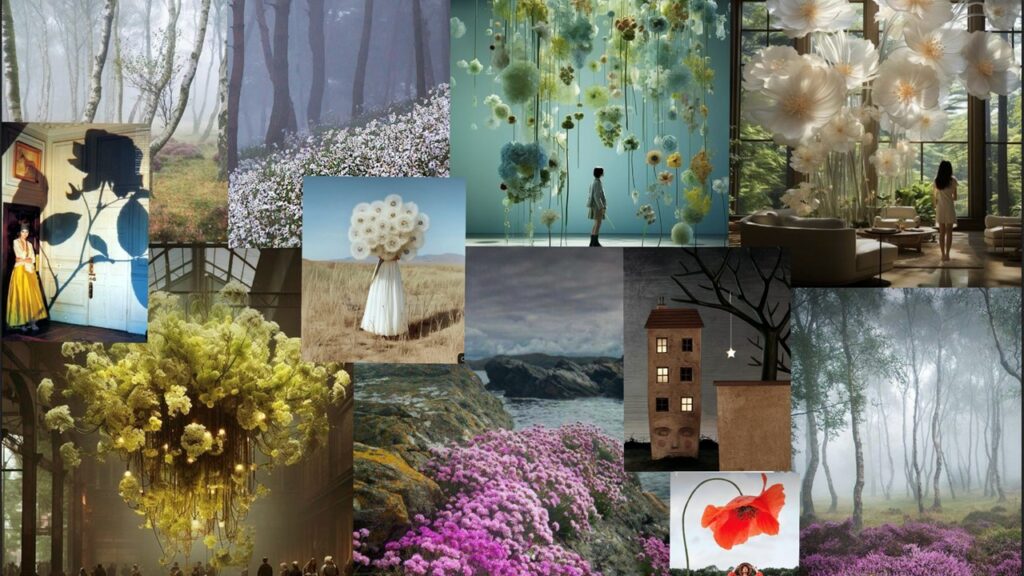
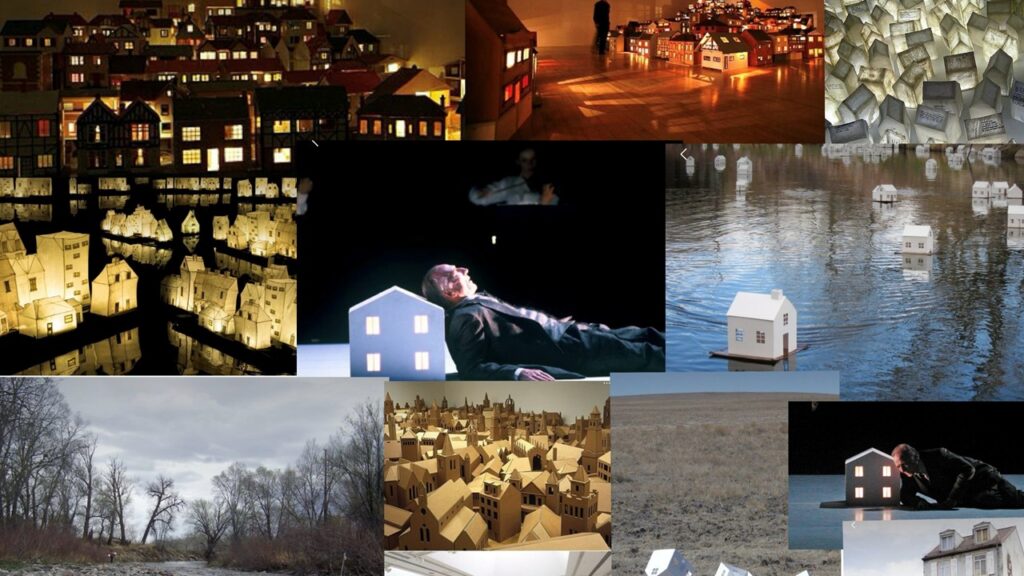
                          Hayley’s Design Ideas for Under Milk Wood

                          This version feels fresh, bold, playful and dark all at once, and it truly celebrates our wonderful performers. Of course, you can never fully predict what an audience will think, but we hope we’ve discovered a new life in the piece together and that audiences will come with us on that journey with open minds.

                          What part of the Designers role do you most enjoy?

                          I love beginnings! The discovery, the intense focused work of a group of people all working toward a collective goal. The bonds you can make in the most brilliant ways. You share something very special and then you let go.

                          For young people interested in theatre design, what’s a piece of advice you’d give them as they start out?

                          Have fun and enjoy the ride. This career is a marathon, not a sprint, it takes time, and there is always more to learn. Stay in your own lane, keep working, and trust that slow progress is still excellent progress; it will stand you in good stead in the long run. Smile, stay curious, and be willing to learn. And always remember that without your team, you can’t exist. You’re part of a larger machine, and every role within it is equally important.

                          And finally — what cultural activity have you attended recently that you would like to recommend to our readers?

                           Recently, I’ve been falling in love with Swansea and the surrounding area. We visited Dan-yr-Ogof, the Welsh National Showcaves, and I’m already planning to take my wider family back next week, it’s something both children and adults can enjoy, and the scenery is stunning.

                           DanyrOgof The National Showcaves Centre for Wales

                          “The arts, build confidence, communication and creativity.” An interview with Actor, Gwenllian Higginson.

                          Hi Gwenllian, great to meet you, can you give our readers some background on yourself and your career

                          Hello! Great to meet you too. I’m an actor based in Llanharan but originally from Llanwinio in West Wales and I’ve been working as an actor for about 16 years. I trained at Rose Bruford College and then stayed in South East London for many years after graduating. As an actor I’ve had some wonderful experiences and opportunities and in recent years I’ve also been fortunate enough to work as an acting tutor which I’ve thoroughly enjoyed.  

                          Rose Bruford College

                          Viv Goodman, lecturer on the AS and A Level Drama & Theatre Studies course across Coleg Gwent. Recently employed you to work with her students. Were there any teachers or youth group leaders who supported your route into the arts?

                          I have to say that I was very lucky growing up in a community that generally valued culture and the arts.  I had a wonderful drama teacher at Ysgol Y Preseli, Eirian Wyn Jones, who inspired many of us to pursue a career in the industry.   She was incredibly supportive and encouraging.  I was also a member of Aelwyd Crymych and under brilliant leadership from people like Kevin Davies and Eleri Mai Thomas I had countless invaluable experiences with the choir, drama club and ‘Gwersyll Gwaith’. 

                          Viv Goodman, lecturer on the AS and A Level Drama & Theatre Studies course across Coleg Gwent.

                          You recently supported the delivery of a unit called Women in Drama, at Coleg Gwent. What did this entail?

                          I joined Viv for a class at the start, middle and end of the unit so it was really interesting to follow along with the students on their journey through the process of creating devised pieces. It was great to talk all things women with them and having just had a baby I felt extra passionate about chatting about the highs and the lows of my experiences as a woman working in theatre.  The students were taking inspiration from The Paper Birds Theatre Company and so were keen to collect real stories to add as verbatim so a couple of the students in particular were interested to find out how my career was going as a new mother. I also supported and looked at the physical storytelling in one of the devised pieces and then there was a piece that was using some Welsh language too so I assisted with the shaping of that piece. 

                          The Paper Birds, theatre company

                          Viv often supports practising creatives to deliver activity with her students; do you feel this has value?

                          It has enormous value.  They get an insight into the reality of what being an actor, writer or director really entails which might not always be what they expect! Viv invites a variety of artists too so they get a different perspective from each and meeting practising creatives allows them to see that following a similar career path might be possible for them too if that’s what their goal is.  Viv creates a supportive and collaborative room which is brilliant…by inviting us in she places emphasis on creating industry connections which is really useful and motivating for the students and a thought provoking and inspirational experience for myself. 

                          The cultural sector is dominated by middle-class white men. Has the work to improve diversity for women had an effect? What more needs to happen?

                           I know a lot has changed over the years but I think so much more needs to happen.  Arts funding has been cut time and again over the past 20 years so it feels like a very difficult time for the whole sector and a lot of the issues women face does come down to lack of funding but I think that we really do need to create more opportunities and open up space for more women. We should also focus on supporting and mentoring women during all stages of their career.  Women are probably more likely to have care responsibilities and without support it becomes really challenging to work within the system.   Also, in general far more girls take up drama in schools and yet this isn’t reflected in the cultural sector …it’s not as if the talent isn’t there so we have to keep pushing for more opportunities.  

                          Is the decline in A-level Drama take up, affecting who goes into performing arts training?

                          Absolutely. Especially for working class kids.  With cuts to publicly funded arts youth organisations and far less opportunities for young people to access drama activities, drama in schools might be the first opportunity for young people to engage with the performing arts and knowing how instrumental my drama teacher was in supporting my preparations for auditions for drama schools I’m certain that it will have a big impact. An A level Drama course is not just valuable for people who want to pursue a career in the arts- it builds confidence, develops communication and creativity.  Skills that are essential for pretty much any career.

                          And finally what culture have you been consuming recently that you would recommend  to our readers?

                          I have a 15 month old at home who hates sleep so consuming culture is tricky at the moment!  The highlight over the Christmas holidays however was going to see the Sherman Christmas play in the studio – ‘The Frog Prince’ written by Gwawr Loader and Directed by Elin Phillips. It was my son’s first experience of the theatre! Beautiful performances from Anni Dafydd and Owen Alun enthralled us from start to finish!

                          The Frog Prince

                          I’m also really looking forward to seeing Haylee McGee’s  ‘Age is a Feeling’ in a few weeks at the new Soho Theatre in Walthamstow and hoping it will be the first of many theatre trips this year!

                          Age is a Feeling

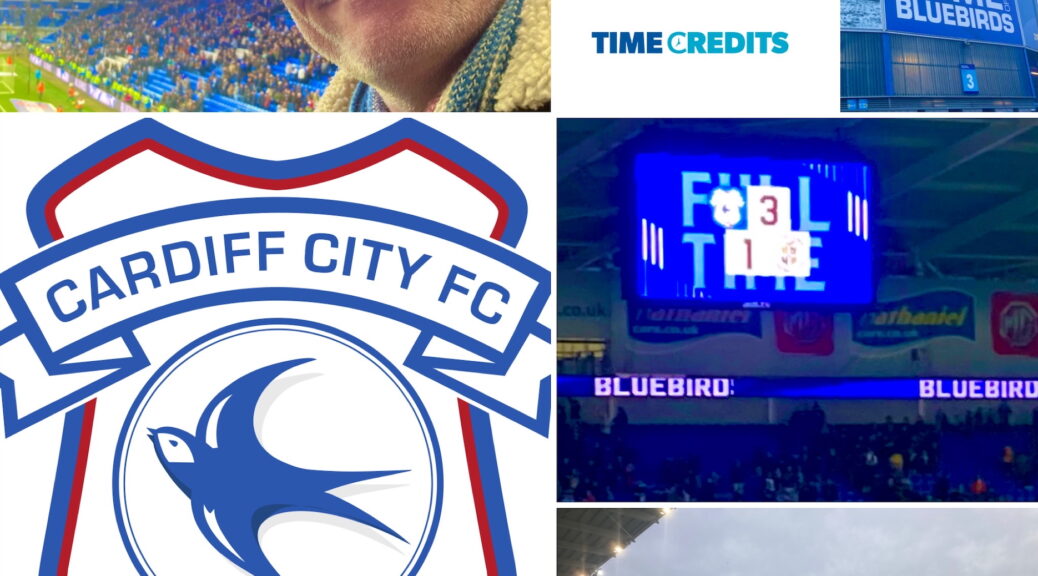
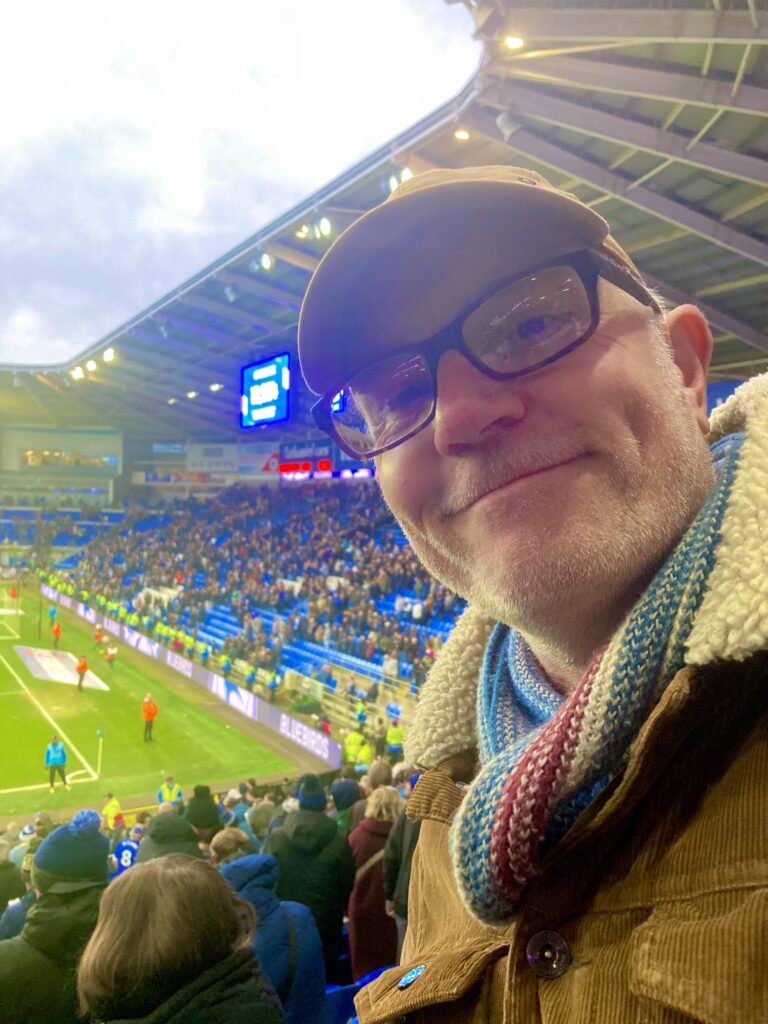
                          Tempo Time Credits and an Unforgettable Cardiff City Match Day!

                          By Guy O’Donnell, Director, Get The Chance

                          If you’re wondering how Tempo Time Credits can offer you Pitch Perfect moments beyond volunteering, let me share my recent footy adventure at the amazing Cardiff City Stadium.

                          🎟️ What Are Tempo Time Credits?

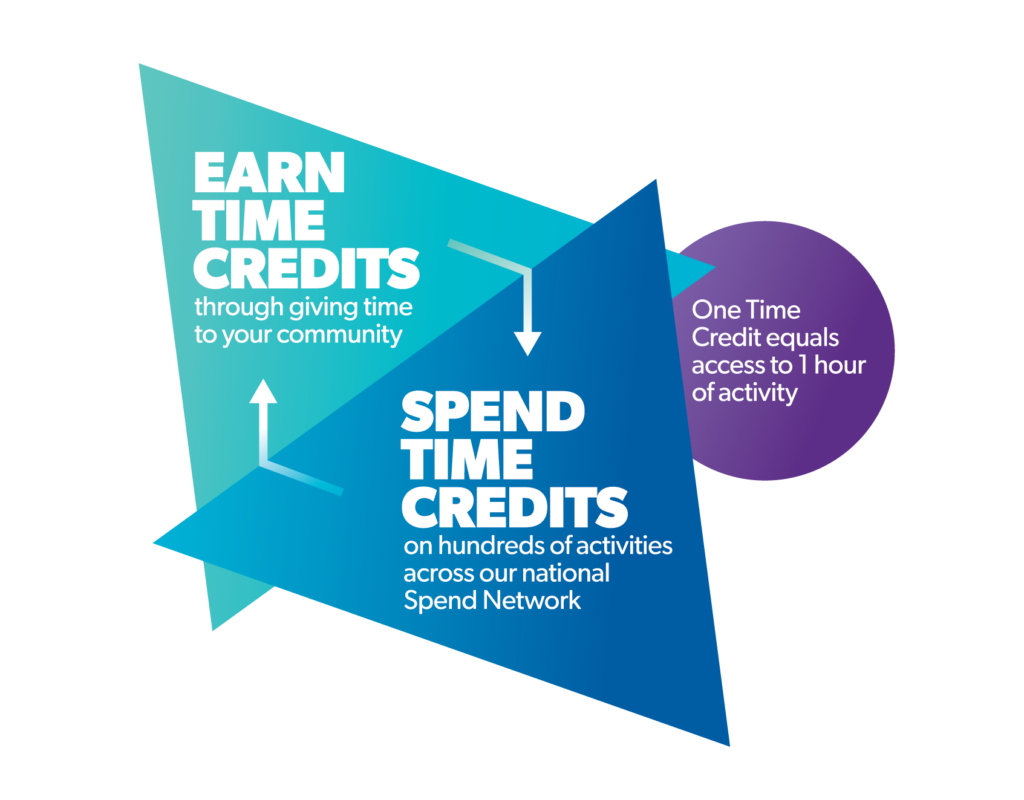
                          Tempo Time Credits are a brilliant way to get rewarded for the time you spend volunteering. For every hour you give back in your community with a Tempo partner, you earn 1 Time Credit. And guess what? You can spend those credits on all sorts of cool experiences — gigs, theatre trips, museum days … and yes, even football tickets!

                          It’s dead simple: volunteers, earn credits, and then browse the Tempo network for available activities. ! For the match I booked and confirmed using my Tempo Credits, via email with the support of the team at Cardiff City FC Community Foundation — no money exchanged, just a great way to get something back for my volunteering with Get the Chance.

                          ⚽️ Matchday Buzz

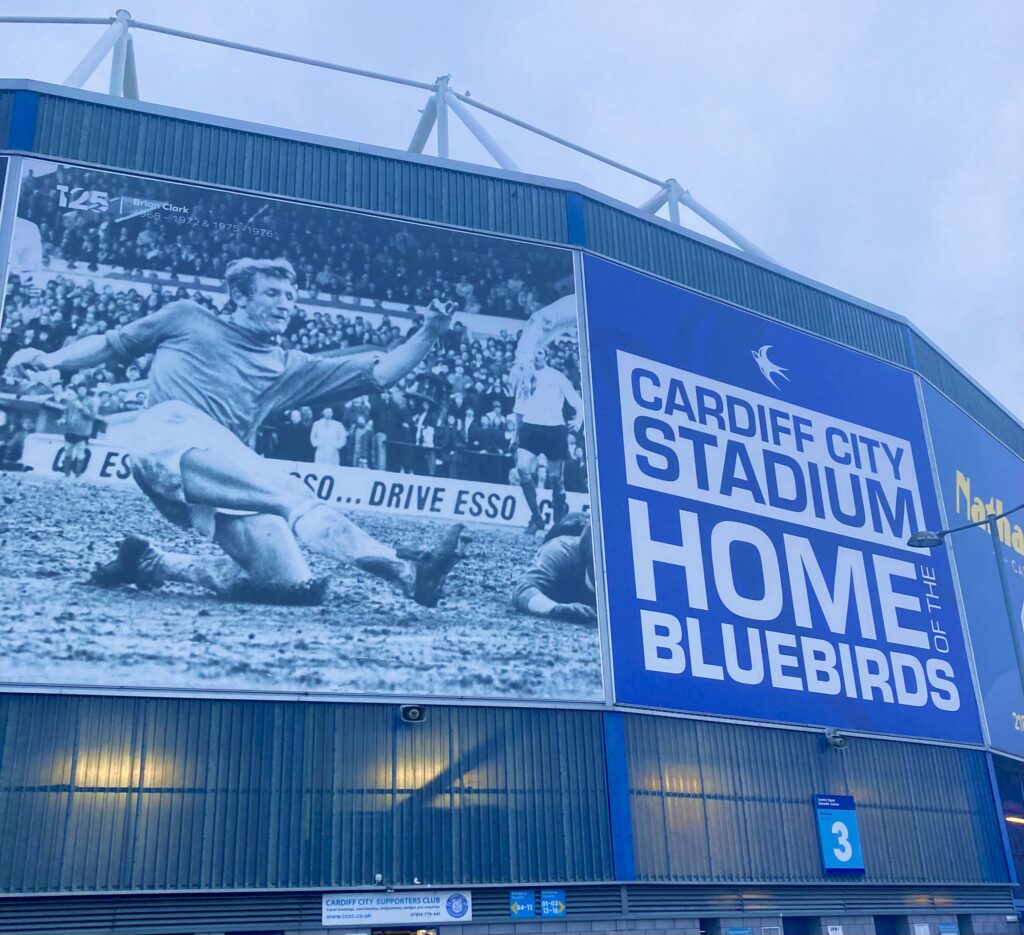
                          The Cardiff City Stadium sits right in the heart of the city, I parked in the Cardiff International Sports Campus, I easily booked a ticket on Eventbrite, costing £10.00. Parking runs from 12-5.30 giving you ample time to arrive and suck up the pre-match atmosphere!

                          Parking at Cardiff International Sports Campus

                          I showed my electronic ticket at the turnstiles (super quick and easy with a QR scan), and then it was straight into the ground

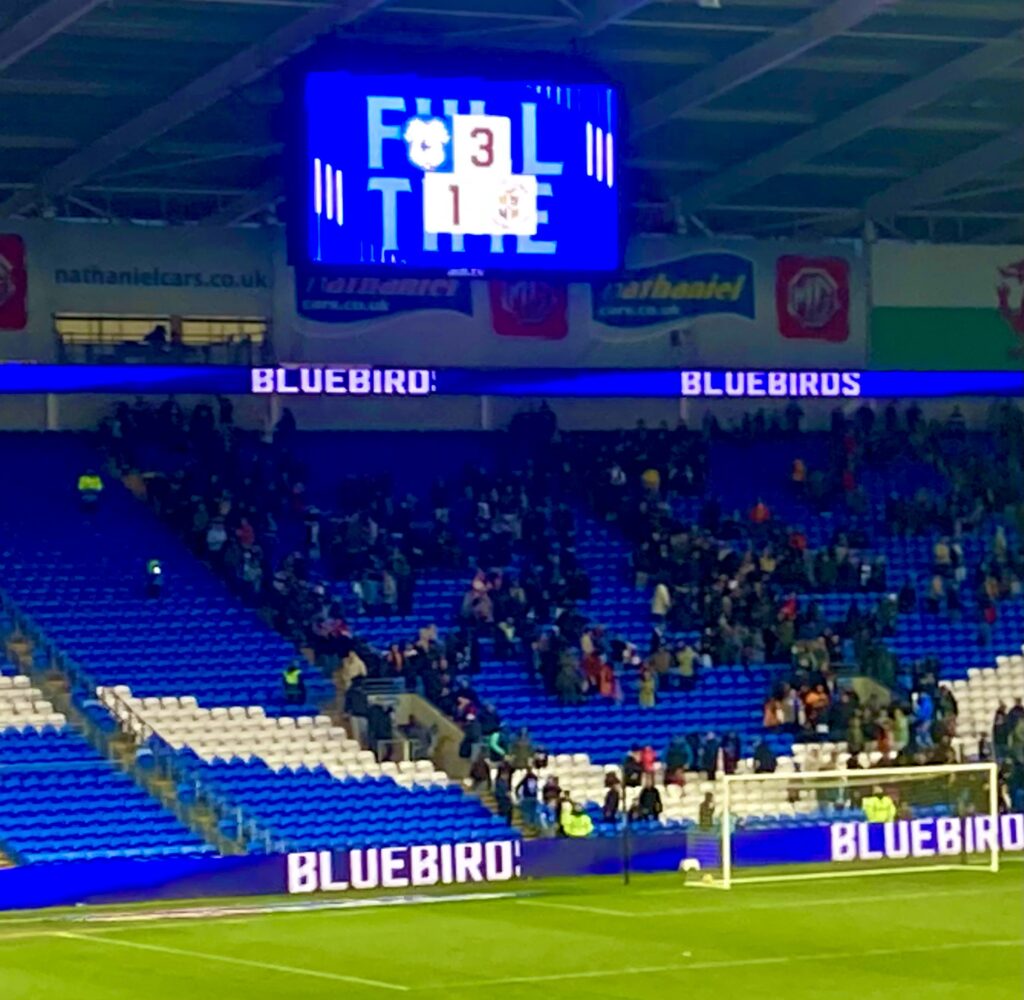
                          🟦 Cardiff City 3 – 1 Luton Town

                          And what a game it was! Cardiff were on fire from the off. Here’s how it went down:

                          🔵 David Turnbull opened the scoring early, firing in a great goal to get the home fans roaring.

                          🔵 Joel Colwill added a second before half-time, slotting home with confidence.

                          🔵 Perry Ng made it three before the break with a thunderous strike that sent the stadium into overdrive.

                          ⚫️ Luton did grab one back from the penalty spot through Jordan Clark, but Cardiff held firm to secure a 3-1 victory.

                          The crowd was singing, the players were buzzing, and to be there live watching that turnaround — honestly, nothing beats it.

                          🍿 Half-Time & Highlights

                          Half-time was a treat in itself — great food stalls, friendly fans, and loads of chat about who’d step up in the second half.

                          💙 Why Tempo Time Credits Are Amazing

                          Using Tempo Time Credits to experience a match like this felt unreal. It’s one thing watching football on TV, but being in the thick of it — hearing the chants, feeling the tension, celebrating goals with fellow supporters — is a total game changer.

                          Whether you’re into sport, theatre, gigs, museums or something new altogether, Tempo opens doors to experiences that make volunteering feel even more rewarding!
                          Backstage at a conference: dreams, ideas and visions in action

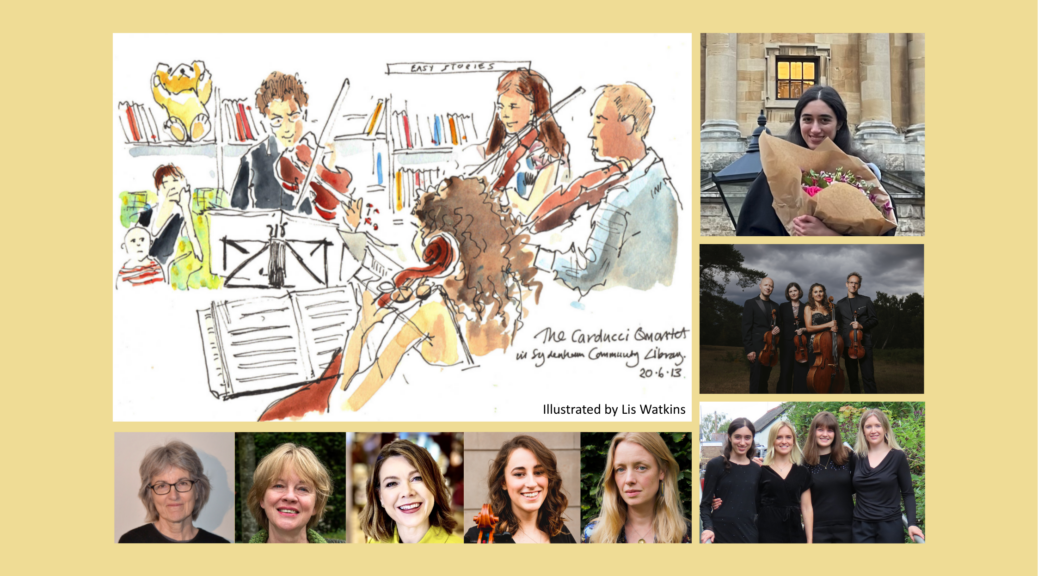
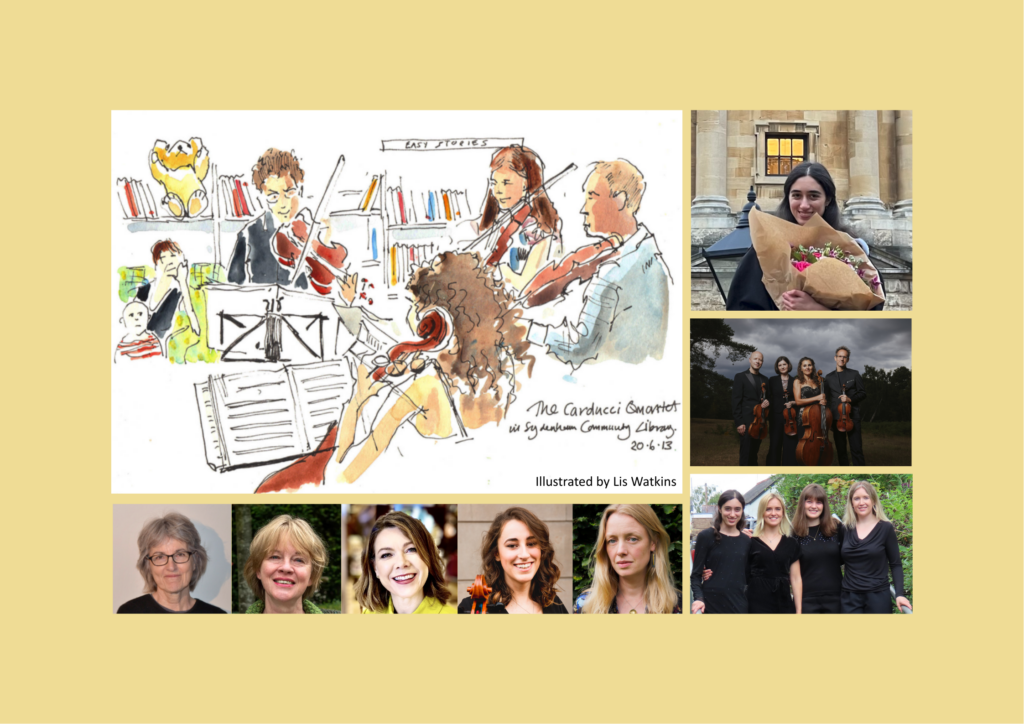
                          Eleonora Savvidou-Missouri currently studying at the Royal Welsh College of Music & Drama, Cardiff talks to us about her experience of curating the conference ‘Chamber music: synergies through time, places and spaces’.

                          Hi Eleonora, How did this initiative begin?

                          I’m not quite sure myself how it all began, one day, about a year ago… is it possible to suddenly, out of the blue, set your heart to running a conference?

                          Perhaps unconventionally, it wasn’t just advocacy for a particular research area that led me on the journey of leading a conference only a couple of months after starting my master’s degree. Like many in their early twenties who are trying to navigate their desired career path, I was shaken by the realisation that finding a means for my enthusiasm to be embraced seemed fraught with difficulties. At the same time, going from a university to a conservatoire setting made me realise that what I envisioned as musicology – something that can ignite fireworks! – was not a common consensus. More often than not, it felt to be conceived as something foreign and scary.
                          I’d say that the emergence of the conference is attributed to my desire to spark change. I wanted to make music research feel like a space brimming with excitement and possibility – a place where people from all career stages can work together and become friends over shared passions. In hindsight, choosing chamber music as the conference theme was ideal: beyond the thrill of the field’s multifaceted nature, it closely reflects values which I hope will resonate through the event. Friends coming together to talk, perform and celebrate is where it all started, both in the eighteenth-century and now!

                          How did you choose the guest speakers for the conference? 

                          It was only a couple of hours after I’d first conceived the possibility of hosting a celebratory chamber music conference that I contacted Laura Tunbridge (Heather Professor of Music at Oxford University) to ask if she was up for joining me on the journey. Her course on String Quartets was my favourite part of my undergraduate degree, so it felt like there was no better person to be the keynote lecturer for the conference! From the very start, her support for the event has been unwavering; I can’t imagine the conference without her being a part of it.

                          I’m delighted that Julia Plaut (Royal Welsh College of Music and Drama tutor and founder of ‘Little Live Projects’ charity), Lucy Green (Emerita Professor of Music Education at University College London), Susan Young (formerly Principal Lecturer in Music Education and Childhood Studies at Exeter University) and Clíona Ní Choileáin (cellist of ‘Hold the Drama’ chamber collective) will also be joining us for a panel discussion on ‘Education & Engagement through Chamber Music’.

                          Attending one of Julia Plaut’s ‘Little Concerts’ inspired my idea to include a panel discussion on education and engagement as part of the conference. Founded in 2021, Julia’s ‘Little Live Projects’ charity offers interactive live chamber music events to families and children across South Wales; imagine stories set to music, shimmering lights, laughter…

                          I hadn’t been in contact with Lucy Green prior to the conference, but I feel as if I’ve known her for years through her work. My high school curriculum was based on her teaching philosophy, and I vividly remember my excitement when my music teachers handed me a copy of one of her books to read around 8 years ago. I never thought I’d have the honour of meeting the person that the whole world seemed to know of and talk about.

                          My choice of inviting Susan Young came through high recommendation; she has been a driving force behind the education programmes at Wigmore Hall and the London Symphony Orchestra, among many others. I had recently come across Wigmore Hall’s ‘Chamber Tots’ scheme and found it particularly compelling – only to realise that it was Susan that had written the programme’s research report!

                          Keen for the panel discussion to reflect the perspectives of educators, researchers, and performers, Clíona Ní Choileáin will be joining us to represent ‘Hold the Drama’. ‘Hold the Drama’ is a chamber collective of 6 classically trained musicians who curate and deliver live music shows that ‘tell stories to explore mental health’.

                          I’ve been really struck by the generosity, willingness and enthusiasm of all the guest speakers to be part of the event. I know I’m biased, but we seem to have the most amazing line up!

                          If you were to offer advice to others your age, based on your experiences with the conference, what would it be?

                          I feel that many students and graduates often encounter barriers: there always seems to be someone or something to remind us of how competitive everything is or the difficulties we will face. What often goes forgotten, though, is how much every discipline needs more people that genuinely care for what they do. If I’d give one piece of advice to anyone my age it would be to think of something that combines everything you’re passionate about and do it – no matter what. It will make the world feel a better place, it will give back like nothing else can. But the magic will only work if you set your heart to it…

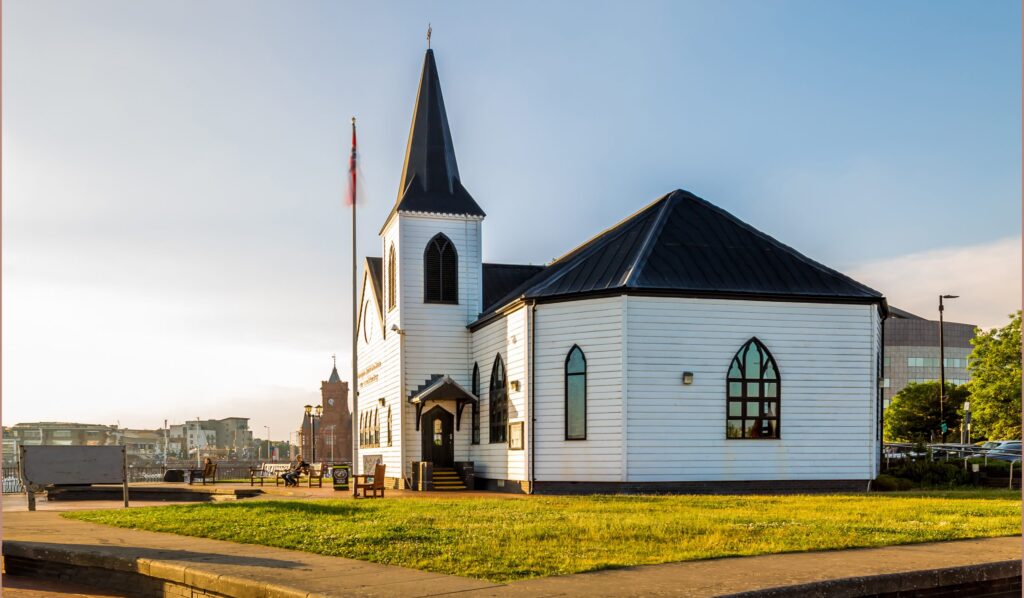
                          Join us on the 13th of March at the Norwegian Church Arts Centre in Cardiff for a one-day conference celebrating the place of chamber music in past and present communities and advocating for its continued livelihood as we look into the future. The event will feature a panel discussion on Education & Engagement with Prof. Lucy Green, Dr Susan Young, Julia Plaut and Clíona Ní Choileáin, a performance of Mendelssohn’s Octet by the Carducci and Vita Quartets, and a keynote lecture by Prof. Laura Tunbridge.

                          For more details on the programme of the day, and to register your attendance, visit: https://www.eventbrite.co.uk/e/chamber-music-synergies-through-time-places-and-spaces-tickets-1980266845442?aff=oddtdtcreator

                          Launching the Get the Chance, Cultural Impact Awards, 2026

                          The second, Get the Chance, Cultural Impact Awards, 2026 sponsored by Ffilm Cymru, Tanio, Tempo Time Credits, Theatr Clwyd, and Porters Cardiff, are now live!

                          The Get the Chance, Cultural Impact Awards, 2026 celebrate high quality, cultural activity that reaches a broad range of the public and its positive impact on their quality of life.

                          The Award event will take place at Porters , Cardiff on Sat March 28nd, 5-7 pm a representative of all nominated organisations/individuals will be invited to attend.

                          The Awards are sponsored by Ffilm Cymru, Tanio, Tempo Time Credits, Theatr Clwyd, and Porters Cardiff. Individual Category sponsors include, Common/Wealth, Christine O’Donnell, National Dance Company Wales and Theatr Iolo.

                          Caroline Lane, Partnership Manager, Ffilm Cymru Wales said,

                          The Get the Chance Awards bring people together to celebrate the people and organisations that are delivering exceptional and engaging work through arts and culture. We are delighted to be part of the celebration of cultural activity that enriches people’s lives through participation, connection and storytelling.

                          Lisa Davies, Chief Executive, Tanio said,

                          Tanio are delighted to be supporting the Get The Chance Awards again this year.  We need more opportunities to come together and celebrate the exceptional work happening across Wales, from grassroots community arts to large scale events!  All Important for the culture and wellbeing of the people of  Wales.

                          Rachel Gegeshidze, Chief Executive, Tempo Time Credits said,

                          “At Tempo, we believe that culture, the arts, and heritage should be accessible to all, and we are incredibly proud to support the Get The Chance, Cultural Impact Awards 2026. Volunteers are the backbone of our communities, and through Time Credits, we recognise and value their time, opening doors to new experiences. These awards shine a light on the incredible cultural initiatives and volunteers that give their time to make a real difference to communities and people’s lives, and we are privileged to celebrate the individuals and organisations leading this work.”

                          Liam Evans Ford, Executive Director and CEO at Theatr Clwyd, said,

                          Get the Chance shines a light on arts and culture in Wales, offering a positive and supportive critical eye on what is happening across the country within the cultural sector. We know the impact made by our sector is varied and wide ranging, and what a brilliant thing to have an awards highlighting some of the wonderful work undertaken. We don’t have enough of this in Wales, and so this is wholeheartedly supported by Theatr Clwyd.  

                          Dan Porter, Director of Porter’s Cardiff said,

                          ‘As a venue we want to remain committed to new, emerging and unsupported artists. We are happy to support the Get The Chance, Impact Awards and what we can help others to achieve at Porters Cardiff”

                          Dan Porter, Alice Rush and Frankie-Rose Taylor

                          (Photograph: Moreton Brothers)

                          The awards are a great opportunity to celebrate the impact cultural provision in Wales during 2025, many of the individual categories are sponsored by a range of project supporters.

                          *Please get in touch of you are interested in supporting this event

                          Further information on the Categories and nomination process can be found below

                          These awards aim to highlight and showcase the vibrant and diverse nature of culture, heritage and the arts within our Nation each year

                          Criteria

                          For the purposes of these awards, we have a broad definition of cultural provision which includes community arts volunteering, education and heritage. Nominations will reflect a range of areas in the cultural life of Wales, nominated individuals or organisations can be either voluntary or professional. All nominated parties must be from or based in Wales for the majority of their creative activity and nominated area. The nomination period is Jan 01-Dec 31 2025.

                          The purpose of these awards is to raise awareness of high quality, cultural activity that reaches a broad range of the public and its impact. Due consideration shall be made on the resources of the creative activity and its impact on the public.

                          All work must have a strong Welsh connection, and this will form part of the scoring process.

                          The nomination form can be found at the link below.

                          The final deadline to submit your entry is Friday 13 March 5pm.

                          Get The Chance, Cultural Impact Awards, 2026: Entry Form  – Fill out form

                          https://forms.office.com/e/MFiTvHPSXy

                          Categories

                          1. Public Event

                          (Sponsored by Creu Cymru)

                          Description: Awarded to a public production, exhibition or cultural event that demonstrates high artistic ambition and quality which connects with the public. The activity should take place in and be produced by Welsh and Wales based creatives

                          Considerations

                          • What impact did this Public Event have on the general public?
                          • How the event has demonstrable high artistic quality, did it receive reviews, press coverage or industry awards?
                          • Audience reach – roughly how many people saw it and were any specific groups reached such as children and young people etc?
                          • Audience reach – where did audiences come from? Did it tour or was it large enough to attract people from outside the direct performance area?

                          2. Creative of the Year

                          (Sponsored by Porters Cardiff)

                          Description: Awarded to a Creative who demonstrates the highest artistic quality in work which is created and/or publicly exhibited, performed or displayed in Wales.

                          Considerations

                          • What Impact did the work of this Creative have on the general public?
                          • How has the Creative demonstrated high artistic quality, did their work receive reviews, press coverage or industry awards?

                          3. Community and Education Project

                          (Sponsored by National Dance Company Wales)

                          Description: Awarded to a community, participatory or education project e.g. choir, dance, theatre, visual arts or heritage group which provides regular, inclusive access to culture for local people.

                          Considerations

                          • What Impact does the community, participatory or education project have on the general public?
                          • Did the project receive positive feedback and satisfaction from participants?
                          • How many people took part?
                          • Was the project inclusive? For example, supporting people from diverse backgrounds or those with disabilities or who, for other reasons, might otherwise not have the opportunity to take part?
                          • Did the project receive any positive press coverage, reviews, other awards or recognition
                          • Did the project work in partnership with other organisations?

                          4. Facilitator of the Year

                          Description: Awarded to a cultural facilitator, teacher or practitioner who leads inclusive community, participatory or education projects in Wales

                          Considerations

                          • The impact the individuals work has on the group or individuals
                          • Any reviews, press coverage, other awards or recognition
                          • Any feedback from partners or funders

                          5. Culture and Health

                          (Sponsored by Christine O’Donnell)

                          Description: Awarded to a cultural project, event or series of workshops which support people living in Wales to improve their health and wellbeing.

                          Considerations

                          • The impact the project has had on its participants
                          • How many people took part?
                          • How the project/event positively impacted people’s health?
                          • Any participant feedback/testimonial?
                          • Are there any ways the activity has reduced reliance on other services such as the NHS?
                          • How the project used culture and participation?
                          • Any reviews, press coverage, other awards/recognition?
                          • Any partner feedback?

                          6. Cultural Champion

                          (Sponsored by Tempo Time Credits)

                          Description: Awarded to an individual from the creative community, e.g. a volunteer, administrator, technician, curator or board member whose work makes a significant positive contribution to the cultural life of the Nation

                          Considerations

                          • The major project/event/activity/display in which the individual has played a significant role and what the impact of their role has been?
                          • How the individual positively contributes, beyond their own participation (for example supporting others, volunteering etc)?
                          • Any support or feedback from project/organisation leaders or facilitators?
                          • Any reviews, press coverage, other awards/recognition for either the individual or the project they are involved with?
                          • About any feedback from colleagues, participants and other relevant parties?

                          7. Commitment to Education in Arts, Heritage & Culture

                          (Sponsored by Theatr Iolo)

                          Description: Awarded to a teacher or lecturer who demonstrates significant commitment to and celebration of the arts in the broadest sense

                          Considerations

                          • The impact the project has had on its participants?
                          • What cultural activities does the school offer?
                          • How many students are involved?
                          • How is this offer different from traditionally provided education activity?

                          8. Disabled Creativity

                          (Sponsored by Common/Wealth)

                          An award recognising the achievements of an organisation or individual creating awareness of Disabled led work.

                          Considerations

                          • What impact has the organisation or individual made to Disabled led work?
                          • What cultural activities does the organisation or individual offer?
                          • How many people are involved?

                          “A genre which has no limits” Melys and The Vita String Quartet on their new collaboration.

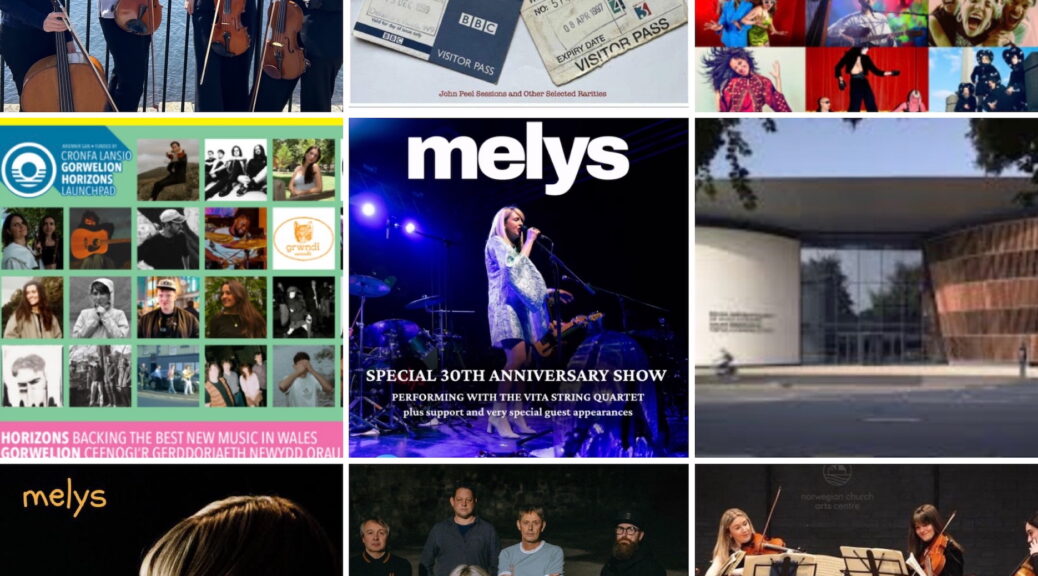
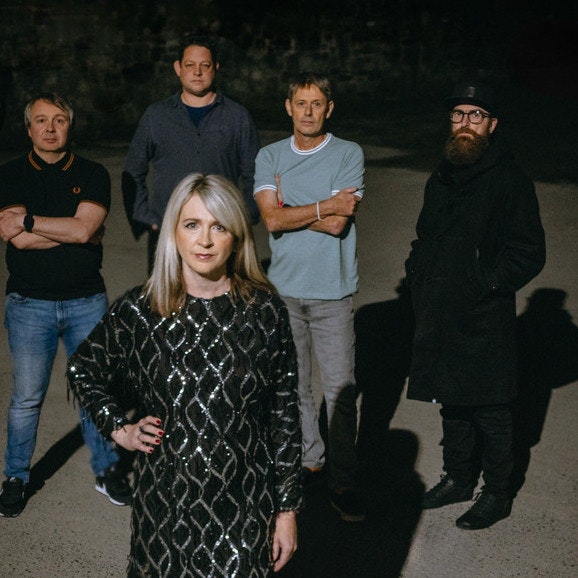
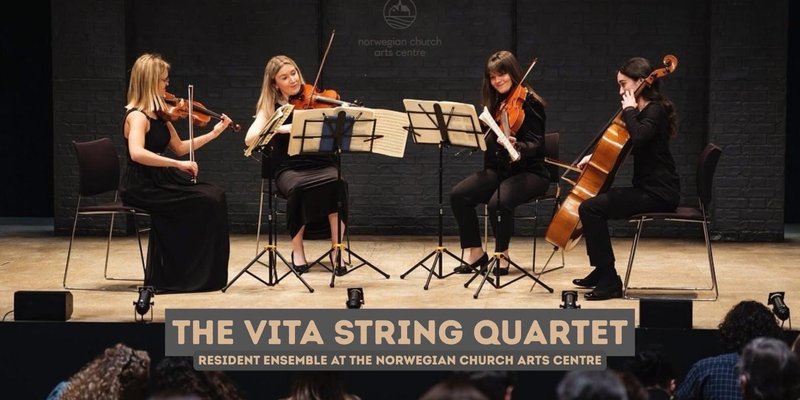
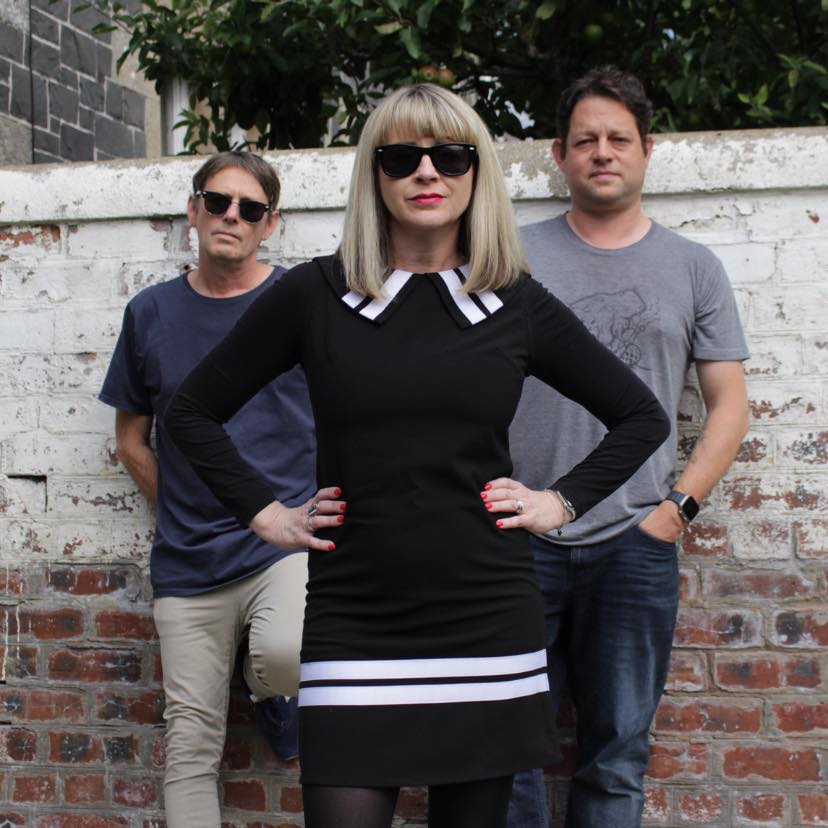
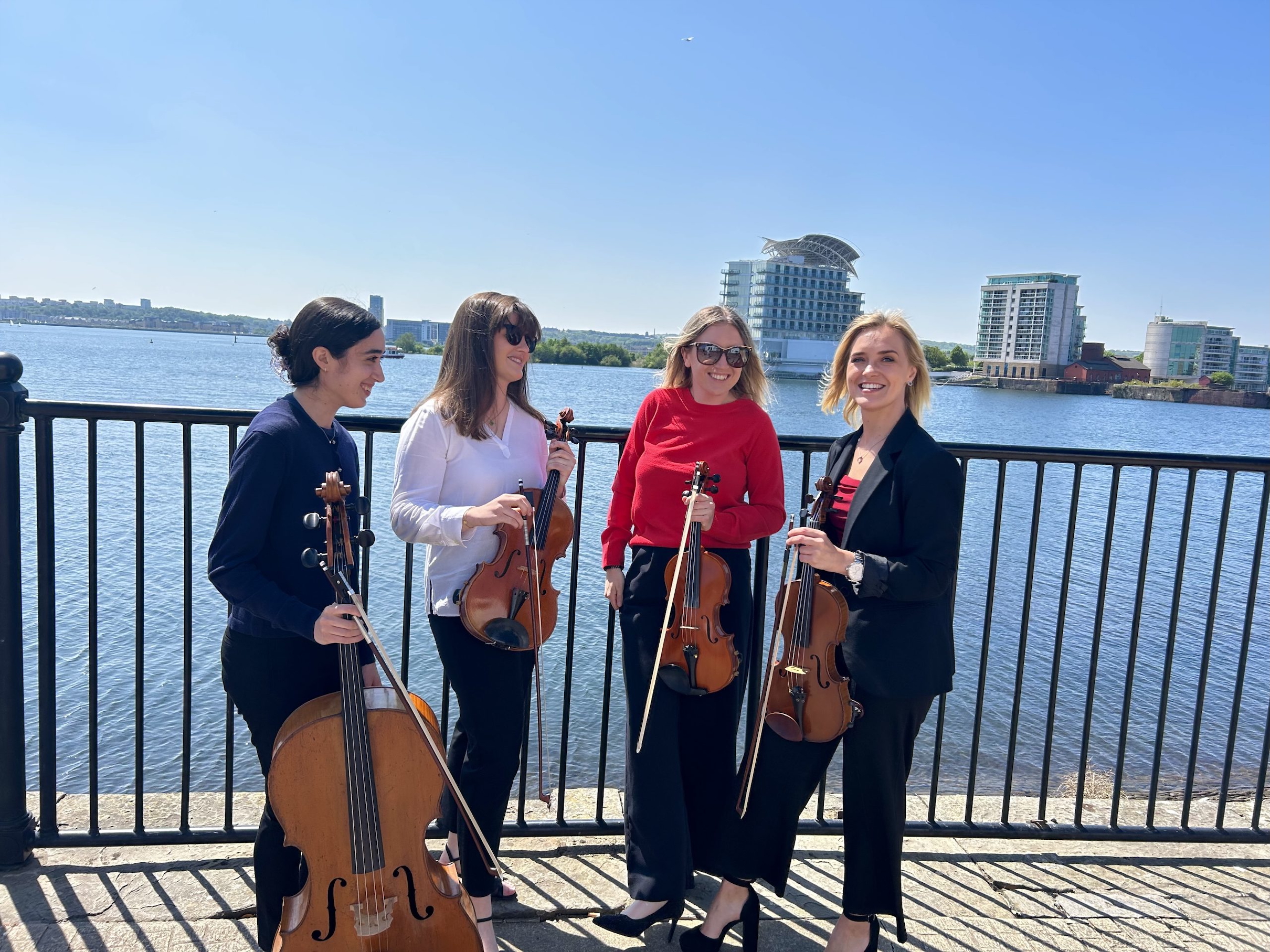
                          In this exclusive interview for Get the Chance, we interview the members of the band, Melys on their career to date, future plans and an exciting gig at The Gate, Cardiff with The Vita String Quartet. The Quartet share their thoughts on this new performance opportunity and how they hope to reach new audiences by mixing musical genres.

                          Hi Paul It’s great to meet you, to start, how does it feel to be celebrating 30 years as Melys ?

                            PAUL: It feels pretty mad to be 30, we all separate the years into three parts. Early Melys, The nothing period, and new Melys. Although we are 30, there was a long period where we just did ‘Life’ 

                            GARY: Its great revisiting old songs, but it feels new again to be honest, we’re recording again and it just feels like a new begininng.

                            IWAN: Its all new to me as I’ve only been in Melys for just over a year!

                            ANDREA: This Melys feels the most happy and relaxed than ever before, we still get nervous though!

                            Partnering with a string quartet feels really special — what inspired you to bring The Vita String Quartet into this anniversary performance on Fri, Mar 27, 7:00 pm at The Gate?

                             PAUL: We wanted to mark the fact we had reached a milestone by doing something special. Having real strings is something we have always wanted to do. We did it a long time ago when we recorded our debut album but never in a ‘live’ context. What has really impressed us is the way Vita Strings have taken all our thoughts in their stride, like nothing is a problem. That’s so refreshing.                                      

                            ANDREA: We have an outlook with Melys right now, where we do things for the experience rather than playing gigs in places where we don’t want to play but feel we have to. 

                            GARY: Yeah, its special, the venue certainly lends itself to it too.

                            How did the idea of blending your indie pop/rock sound with strings first come about, and what has been the most exciting moment in rehearsals or arranging for this collaboration?

                              PAUL:We played with a quartet called The Electra Strings on our first album and it was lovely. 

                              GARY: We played a TV show once with strings too and that also worked really really well. 

                              ANDREA: What has been exciting is we are visiting songs we would normally never play live, so its both challenging and exciting. You may hear lots of mistakes!! from us, not the strings!

                              For young musicians who might be nervous about collaborating outside their comfort zone, what advice would you share about making creative partnerships work?

                                 PAUL: You have to try new things, be open, its surprising what may happen and the things you will learn. With Vita Strings, we have purposely said, just enjoy it and do your own interpretation. We haven’t sent them scores or anything, we want them to have relevant input and have fun.

                                ANDREA: I think its a case of not being to stringent with your expectations ,a bit of give and take is needed to get the best out of both artists.

                                IWAN: Stripping down the songs like we have will hopefully show off Vita Strings rather than them just being a backing instrument.

                                GARY: We want Vita Strings to be able to express themselves and enjoy it so we don’t want to impose unnecessary rules on what they bring.

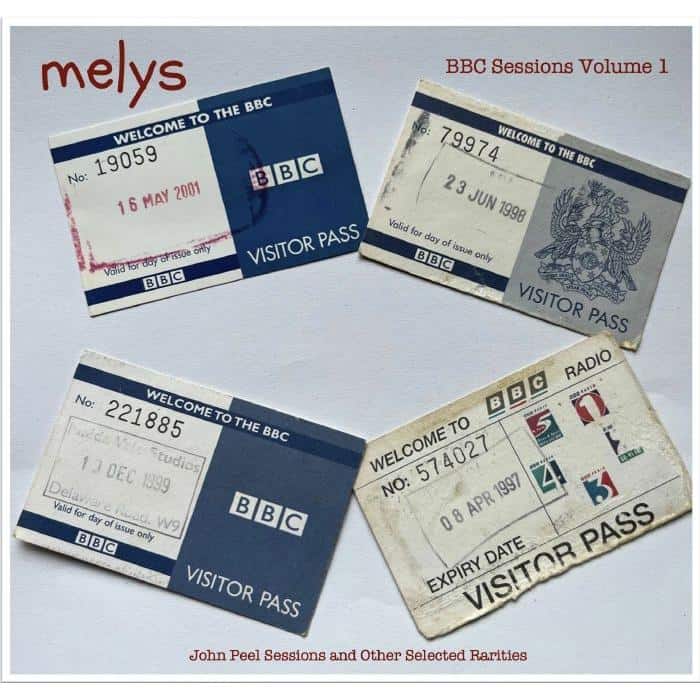
                                Your career has had incredible highlights — from Peel Sessions to Welsh music awards — has reaching 30 years reshaped how you see your music or your audience?

                                   PAUL: We’ve been very lucky as Melys, seen wonderful parts of the world and had a great time. Our audience were fantastically loyal and its been lovely to see that a lot of those original fans are now realising we are playing again and coming back to see us after all these years. Its humbling. We’ve a long way to go though, the industry has changed so much. You need to be a digital marketer with thousands of followers  to do anything worthwhile these days. These new young bands have it much harder to break.

                                  ANDREA: We are grateful and surprised that anyone remembers us to be honest. We still get really nervous in case no one at all comes to see us. Like Paul said, its more than the music these days, thats a big difference to when we started.

                                  With Oasis reforming last year to huge success and Super Furry Animals selling out their tour this year, what is special out about the live experience, that online listening can’t compete with?

                                    PAUL:When you see Melys, we try our best to bring the songs alive, mistakes and all. Surely going to see a band should be an experience you can’t get from a download, record or CD?. Bringing strings in just enhances the experience in my opinion.

                                    Get the Chance champions opportunities for young creatives — what opportunities do you wish you’d had when you were starting out?

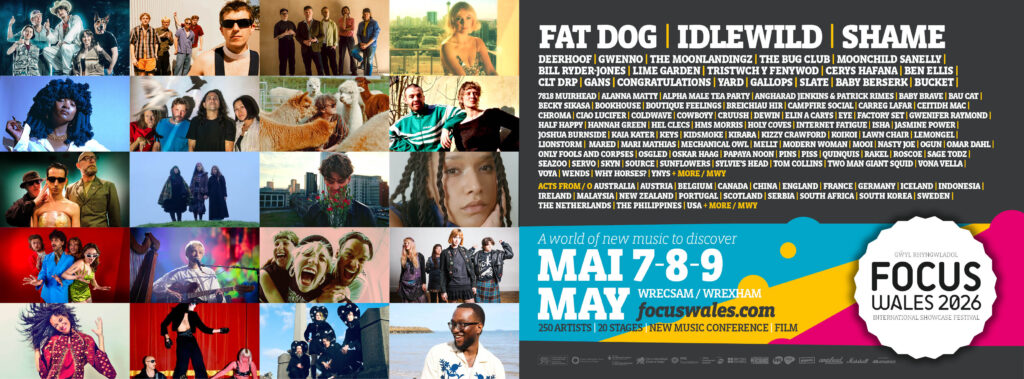
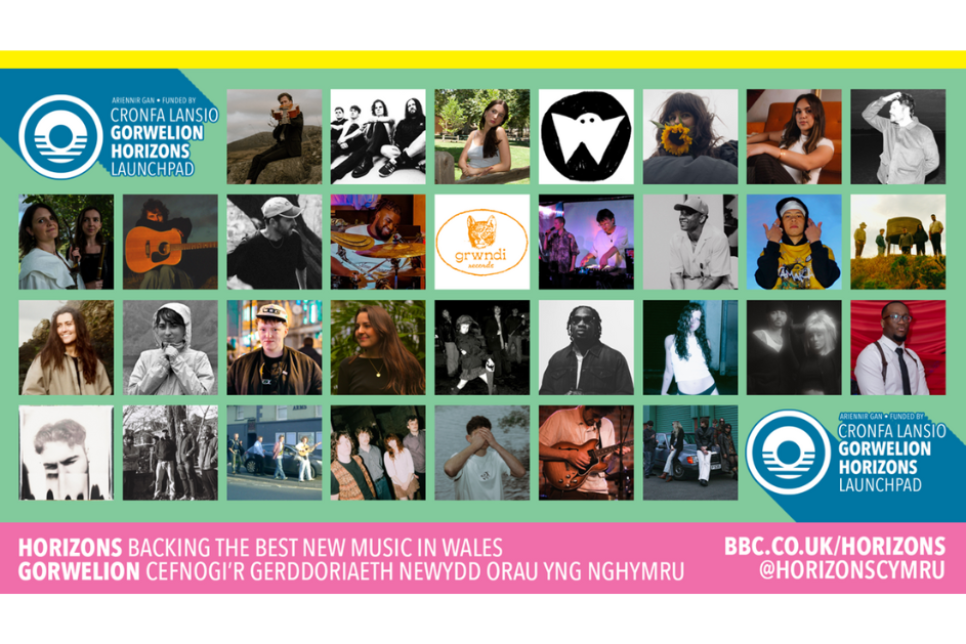
                                     PAUL: Wales seems to be more open with funding launchpads for young bands these days and great funding and support groups such as Focus and Horizons etc sends them all over the world. It would have been great to get that backing and funding when we started but we can’t be too serious about it, we were lucky and thankful for everything that happened to us.

                                    Small music venues are under threat, with sadly many venues in Cardiff and nationally in Wales closing over the last 30 years. Why are these cultural spaces important to support?

                                     ANDREA: Everyone will miss venues when they’re gone. Unfortunately the funding for these cultural spaces is poor compared to other European countries. The small venues are not getting people in to see young bands like they used to. Money is tight everywhere. The bigger venues need to share the wealth!

                                    PAUL: It’s so important to look after our venues. We’ve lost some great spaces. It’s so sad.

                                    What’s your go-to track (Melys or otherwise) when you need a boost before a big show and what’s one of your current Top Tunes from a contemporary Welsh artist?

                                    ANDREA: I don’t really have a go too song, I have a lot of songs I love, one of them is ‘Babies by PULP as well as Los Campesinos

                                    GARY: Anything by Sigur Ros, I also like Panic Shack

                                    IWAN: Gotta be ‘Skating’ for me. I start work every morning listening to it.

                                    PAUL: Primal Scream, Moving on Up.  

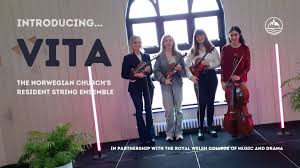
                                    The Vita String Quartet

                                    Hi, it’s great to meet you. To start, how does it feel to be part of such a milestone performance, celebrating 30 years of Melys, at The Gate?

                                    We are all really excited to be part of Melys’ 30-year anniversary concert! Melys are described as ‘one of the best bands in Wales’ (NME), and being part of a performance that celebrates 30 years of that journey is an honour.

                                    String quartets are often associated with classical spaces — what excited you about collaborating with a pop/rock band like Melys for this anniversary show?

                                    While string quartets are nowadays most often heard in concert hall spaces, it was in salons, and informal performance settings that they were first heard in the eighteenth-century. The malleability of the genre, which has persisted through time, is reflected through our collaboration with Melys. Performing with an award-winning pop and rock band highlights that the string quartet really is a genre which has no limits.

                                    You are all currently studying at The Royal Welsh College of Music and Drama and are part of a Music residency at The Norwegian Church in Cardiff Bay. Are you enjoying your course of study and performing creatively to a variety of audiences?

                                    Our residency at the Norwegian Church has definitely been a highlight of our time as students at the Royal Welsh College of Music and Drama. It has given us the opportunity to curate a wide variety of events, ranging from formal concerts to outreach workshops. Seeing the impact of our performances on the local community has been particularly fulfilling. In addition to offering us a welcoming space to bring stories to life through music, the residency has also introduced us to entrepreneurial aspects of concert organizing such as marketing and the importance of building a social media presence.

                                    When you first heard Melys’ music, what stood out to you as a string player, and how did you begin translating their sound into string arrangements?

                                    What stuck us most when first listening to Melys’ songs was how well-suited the tracks were for string quartet. The homogeneity of our four instruments, and the intimacy of the genre, closely reflects the soulful emotive soundscape of the tracks. To translate the tracks into string quartet arrangements, we focused on each track’s distinct textures in relation to the lyrics as we sought to capture the underlying messages of the songs through our instruments.

                                    For audiences used to hearing strings in more traditional settings, what do you think a live crossover performance like this offers that recordings or online listening can’t?

                                    In concert hall settings as well as online recordings, there is often a distinct separation between audiences and the listeners. Live crossover performances, which require performers to step beyond their familiar performance spheres, highlight how collaborative music-making can contribute to the dissolution of cultural boundaries. In live performances, this is evident not only between the musicians themselves, but also between performers and their audiences.

                                    As musicians who work across genres, what advice would you give to young players who might feel hesitant about stepping outside classical or formal training?

                                    The increasingly versatile performance landscape of the twenty-first century underscores the importance for young musicians to be encouraged to explore a wide variety of genres. While this can initially seem daunting given the prescriptive nature of classical music training, embracing the unfamiliar with an open mindset is a huge part of the way to building a multi-faceted musical career!

                                    Rabbit Trap: Crossing the Veil Between Film and Welsh Folklore

                                    Russ Williams is an author who enjoys exploring the often overlooked aspects of Welsh culture. His debut book Where the Folk: A Welsh Folklore Road Triplooks at the history and origins of some of the country’s most influential folktales.

                                    When we think of fairies, we tend to think of pleasant, winged little darlings here to make our dreams come true with a wave of their sparkling magic wands. You’d be forgiven for thinking they would make for rather laughable foes in any horror film, yet in Rabbit Trap, the latest feature film to bring Welsh folklore to the big screen, they are anything but. That is because the film draws inspiration from Wales’ answer to the fairy myth; the Tylwyth Teg. And in Welsh fairy tales, people rarely live happily ever after.

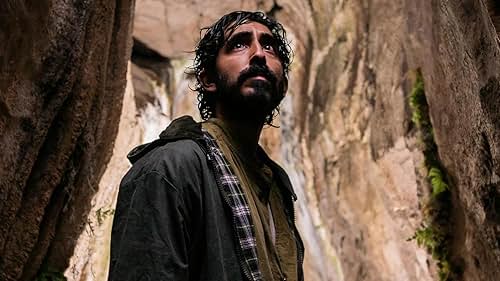
                                    This psychological horror, produced by Anglesey-based production company Mad as Birds, follows the story of married couple Darcy (played by Dev Patel) and Daphne (Rosy McEwen), who have relocated from London to a house in rural Wales, seemingly so that professional singer Daphne can focus on her new album. Darcy spends most of his days capturing natural audio clips for Daphne’s new record and it is these field recordings which ultimately invite a malevolent force into their home, which arrives in the form of a nameless child (played by Merthyr Tydfil actor Jade Croot) who just won’t go away. The film stays true to the lore of the Tylwyth Teg, blending different aspects together to portray these Welsh fairies in the way our ancestors would have imagined them; as powerful beings that should be avoided at all cost.

                                    Throughout Wales, Tylwyth Teg take many forms and their nature and motivations vary. Many locales have a story about a ‘Lady of the Lake’; beautiful women who would appear near ponds or lakes and marry a local mortal, an arrangement that inevitably ended in tragedy. Bodies of water were once believed to be places where the veil between our world and that of the fairies was at its thinnest and the film subtly references this. Other tales tell of how the Tylwyth Teg would kidnap human children and replace them with Plant Newid, Wales’ answer to the Changeling, a piece of lore integral to the film’s narrative. Our ancestors would also leave out gifts for the Tylwyth Teg (more often as a peace offering) or would adorn their homes with various charms believed to ward off those benevolent tricksters, something else that is represented well.

                                    Another important bit of lore integral to the plot of Rabbit Trap is the link between the Tylwyth Teg and music. There are many tales of how the Tylwyth Teg used music to lure people into a trance, such as the story of poor Ned Puw, doomed to play his fiddle for all eternity in the gloomy depths of Tal Clegir Cave. As terrifying as they were, Welsh fairies loved a good party and the ruined state of Pennard Castle on the Gower Peninsula is testament to what happens when humans try to stop them from having a good time. The story goes that the tyrannical lord who once dwelled there denied entrance to a band of fairies who wanted to join his daughter’s wedding party; they responded by conjuring up a sandstorm and engulfing the castle and all those within.

                                    This isn’t the first film to introduce Welsh folklore to the world. The classic 1985 animated dark fantasy The Black Cauldron borrows heavily from the Mabinogion and was based on a series of books called The Chronicles of Prydain (Prydain being the Welsh word for Britain), which reimagine Welsh mythology with a fresh narrative. The titular cauldron itself is inspired by the Pair Dadeni (Cauldron of Rebirth) from the Second Branch of the Mabinogion, which the Irish used to gain the upper hand in a war against the Welsh.

                                    Then there’s the more recent eco-horror film Gwledd/The Feast (2017), in which the character Cadi is portrayed as a Nature Spirit, punishing the family for their desire to harm the land. The popular ‘Lady of the Lake’ tales I mentioned do indeed end in tragedy, but mostly due to the destructive nature of humans – sometimes one needs to look inward to find the real monster.  Then there’s The Green Knight (2021), which also stars Dev Patel. Loosely based on the epic 14th-century poem Sir Gawain and the Green Knight, it features St. Winifred’s Well (there’s no shortage of holy wells here in Wales) and Cewri (Welsh giants). 

                                    References in other films are less obvious and may surprise you, such as Studio Ghibli’s Howl’s Moving Castle (2004). Hayao Miyazaki, one of the studio’s founders, grew an affinity for Wales after falling in love with the landscape, language and architecture following a visit here and he based much of the animation on the sights he had seen here. The titular wizard Howl even speaks a bit of Welsh. The film was based on a book by Diana Wynn Jones, which tells the story of a Welshman who becomes a wizard after visiting a magical land.

                                    Rabbit Trap does a great job of bringing the scarier aspects of Welsh folklore to the big screen and proves that stories about Tylwyth Teg aren’t just for children. Hopefully it will encourage other filmmakers to look to Welsh folklore for inspiration, as there is certainly no shortage of stories to choose from. One of my personal favourites is the tragic tale of doomed lovers Rhys and Meinir, which concerns an old wedding tradition of a game of bridal hide-and-seek that goes terribly wrong. There’s also the legend of Cantref Gwaelod, the ‘Welsh Atlantis’ that was lost to the sea somewhere off Cardigan Bay thanks to the intoxicated gatekeeper, Seithenyn.

                                    Then there’s a whole pantheon of terrifying Welsh monsters, such as the banshee-like Gwrach-y-Rhibyn, a monstrous hag who would appear out of the mist and drain the blood of her victims; the goblin-like Coblynau who terrorised Welsh miners and even followed them to Welsh settlements in America; and the demonic black mastiff Y Gwyllgi with its glowing red eyes, who attacked those foolish enough to travel along lonely country lanes at night. But filmmakers shouldn’t feel restricted to folk horror; just think of the epic fantasies we could adapt from the tales of the Mabinogion; stories of quarrelling dynasties, dragons and powerful wizards.

                                    The Welsh have always been great storytellers; hopefully this is the start of a new trend that will allow us to share them with the world.

                                    Rabbit Trap is coming to cinemas across the UK from January 30, 2026.

                                    The film has various connections to Wales including production company Mad as Birds and Merthyr Tydfil actor Jade Croot. Rabbit Trap was partly filmed in North Wales.

                                    This article was commissioned by Film Hub Wales as part of its Made in Wales project, which celebrates films with Welsh connections, thanks to funding from Creative Wales and the National Lottery via the BFI.