
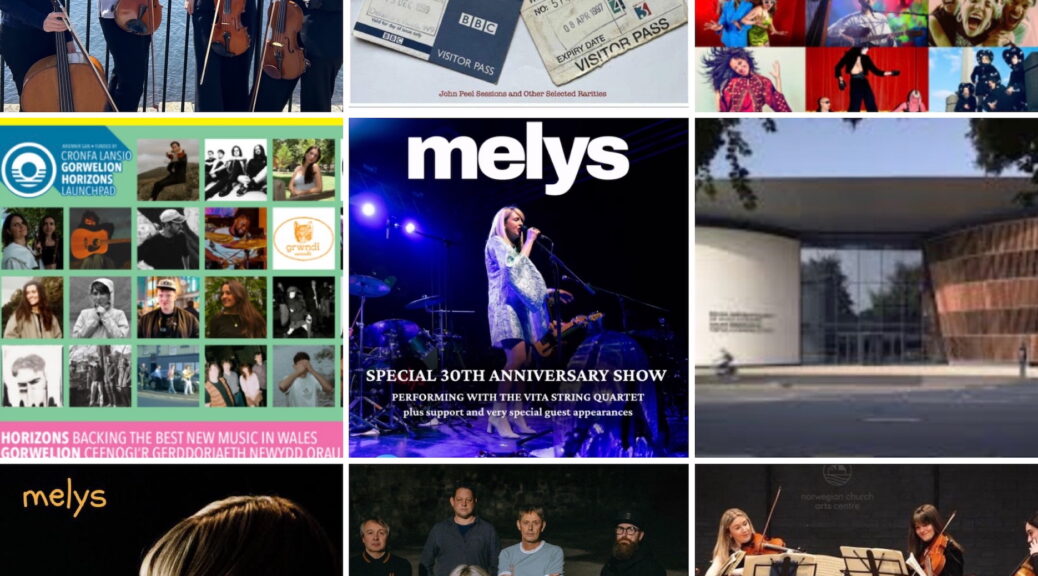
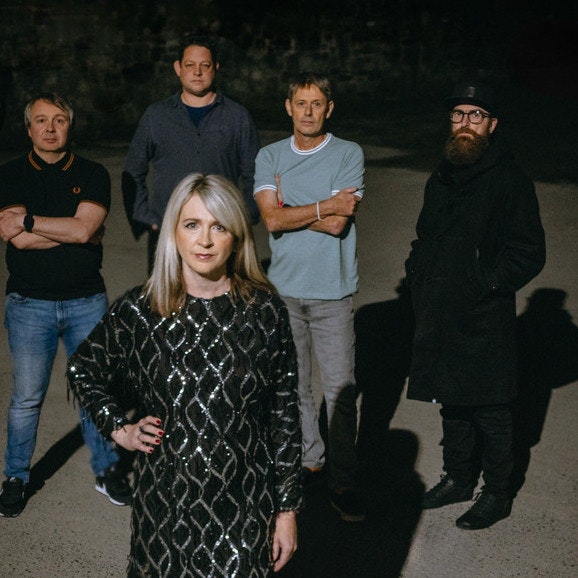
In this exclusive interview for Get the Chance, we interview the members of the band, Melys on their career to date, future plans and an exciting gig at The Gate, Cardiff with The Vita String Quartet. The Quartet share their thoughts on this new performance opportunity and how they hope to reach new audiences by mixing musical genres.
Hi Paul It’s great to meet you, to start, how does it feel to be celebrating 30 years as Melys ?
PAUL: It feels pretty mad to be 30, we all separate the years into three parts. Early Melys, The nothing period, and new Melys. Although we are 30, there was a long period where we just did ‘Life’
GARY: Its great revisiting old songs, but it feels new again to be honest, we’re recording again and it just feels like a new begininng.
IWAN: Its all new to me as I’ve only been in Melys for just over a year!
ANDREA: This Melys feels the most happy and relaxed than ever before, we still get nervous though!
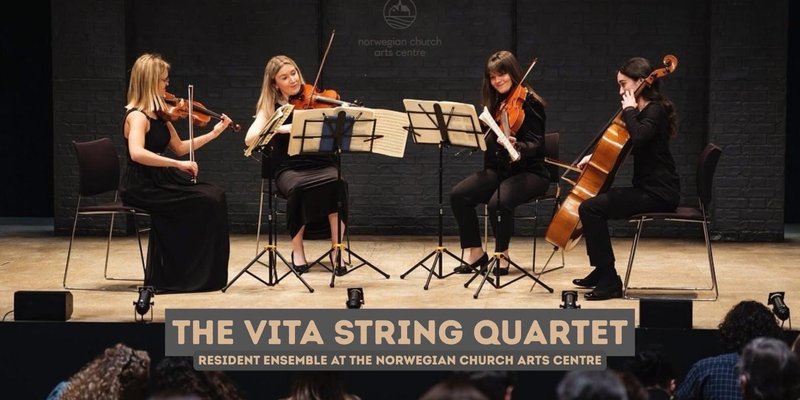
Partnering with a string quartet feels really special — what inspired you to bring The Vita String Quartet into this anniversary performance on Fri, Mar 27, 7:00 pm at The Gate?
PAUL: We wanted to mark the fact we had reached a milestone by doing something special. Having real strings is something we have always wanted to do. We did it a long time ago when we recorded our debut album but never in a ‘live’ context. What has really impressed us is the way Vita Strings have taken all our thoughts in their stride, like nothing is a problem. That’s so refreshing.
ANDREA: We have an outlook with Melys right now, where we do things for the experience rather than playing gigs in places where we don’t want to play but feel we have to.
GARY: Yeah, its special, the venue certainly lends itself to it too.
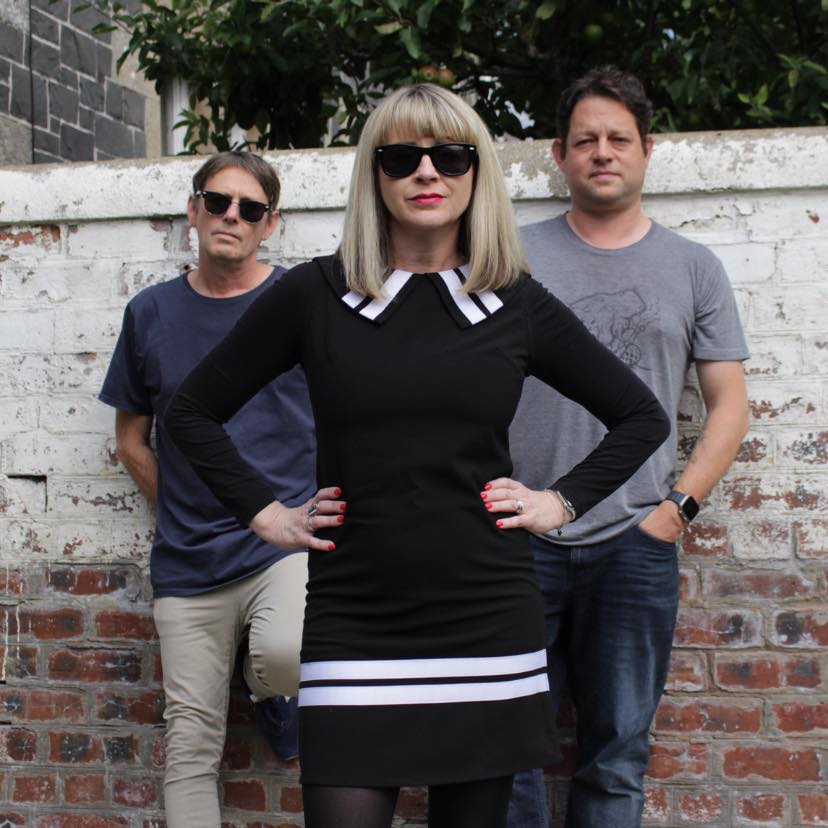
How did the idea of blending your indie pop/rock sound with strings first come about, and what has been the most exciting moment in rehearsals or arranging for this collaboration?
PAUL:We played with a quartet called The Electra Strings on our first album and it was lovely.
GARY: We played a TV show once with strings too and that also worked really really well.
ANDREA: What has been exciting is we are visiting songs we would normally never play live, so its both challenging and exciting. You may hear lots of mistakes!! from us, not the strings!
For young musicians who might be nervous about collaborating outside their comfort zone, what advice would you share about making creative partnerships work?
PAUL: You have to try new things, be open, its surprising what may happen and the things you will learn. With Vita Strings, we have purposely said, just enjoy it and do your own interpretation. We haven’t sent them scores or anything, we want them to have relevant input and have fun.
ANDREA: I think its a case of not being to stringent with your expectations ,a bit of give and take is needed to get the best out of both artists.
IWAN: Stripping down the songs like we have will hopefully show off Vita Strings rather than them just being a backing instrument.
GARY: We want Vita Strings to be able to express themselves and enjoy it so we don’t want to impose unnecessary rules on what they bring.
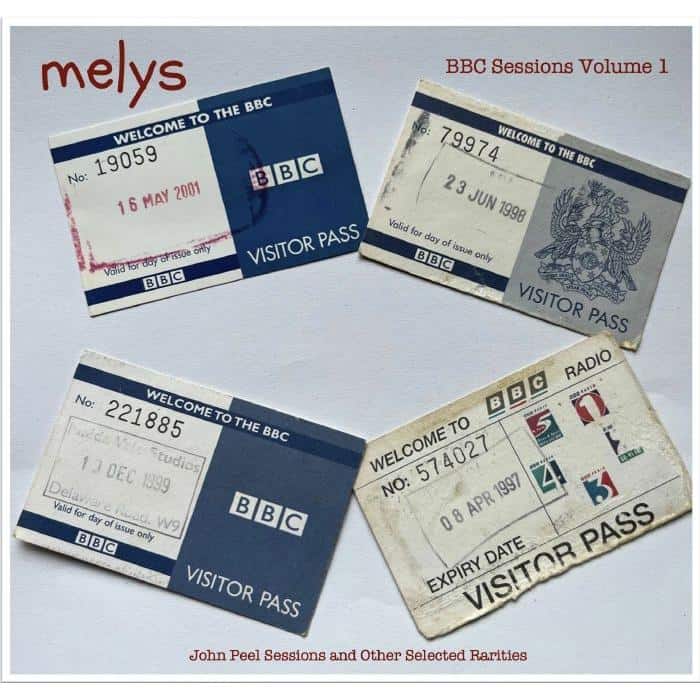
Your career has had incredible highlights — from Peel Sessions to Welsh music awards — has reaching 30 years reshaped how you see your music or your audience?
PAUL: We’ve been very lucky as Melys, seen wonderful parts of the world and had a great time. Our audience were fantastically loyal and its been lovely to see that a lot of those original fans are now realising we are playing again and coming back to see us after all these years. Its humbling. We’ve a long way to go though, the industry has changed so much. You need to be a digital marketer with thousands of followers to do anything worthwhile these days. These new young bands have it much harder to break.
ANDREA: We are grateful and surprised that anyone remembers us to be honest. We still get really nervous in case no one at all comes to see us. Like Paul said, its more than the music these days, thats a big difference to when we started.
With Oasis reforming last year to huge success and Super Furry Animals selling out their tour this year, what is special out about the live experience, that online listening can’t compete with?
PAUL:When you see Melys, we try our best to bring the songs alive, mistakes and all. Surely going to see a band should be an experience you can’t get from a download, record or CD?. Bringing strings in just enhances the experience in my opinion.

Get the Chance champions opportunities for young creatives — what opportunities do you wish you’d had when you were starting out?
PAUL: Wales seems to be more open with funding launchpads for young bands these days and great funding and support groups such as Focus and Horizons etc sends them all over the world. It would have been great to get that backing and funding when we started but we can’t be too serious about it, we were lucky and thankful for everything that happened to us.
Small music venues are under threat, with sadly many venues in Cardiff and nationally in Wales closing over the last 30 years. Why are these cultural spaces important to support?
ANDREA: Everyone will miss venues when they’re gone. Unfortunately the funding for these cultural spaces is poor compared to other European countries. The small venues are not getting people in to see young bands like they used to. Money is tight everywhere. The bigger venues need to share the wealth!
PAUL: It’s so important to look after our venues. We’ve lost some great spaces. It’s so sad.
What’s your go-to track (Melys or otherwise) when you need a boost before a big show and what’s one of your current Top Tunes from a contemporary Welsh artist?
ANDREA: I don’t really have a go too song, I have a lot of songs I love, one of them is ‘Babies by PULP as well as Los Campesinos
GARY: Anything by Sigur Ros, I also like Panic Shack
IWAN: Gotta be ‘Skating’ for me. I start work every morning listening to it.
PAUL: Primal Scream, Moving on Up.
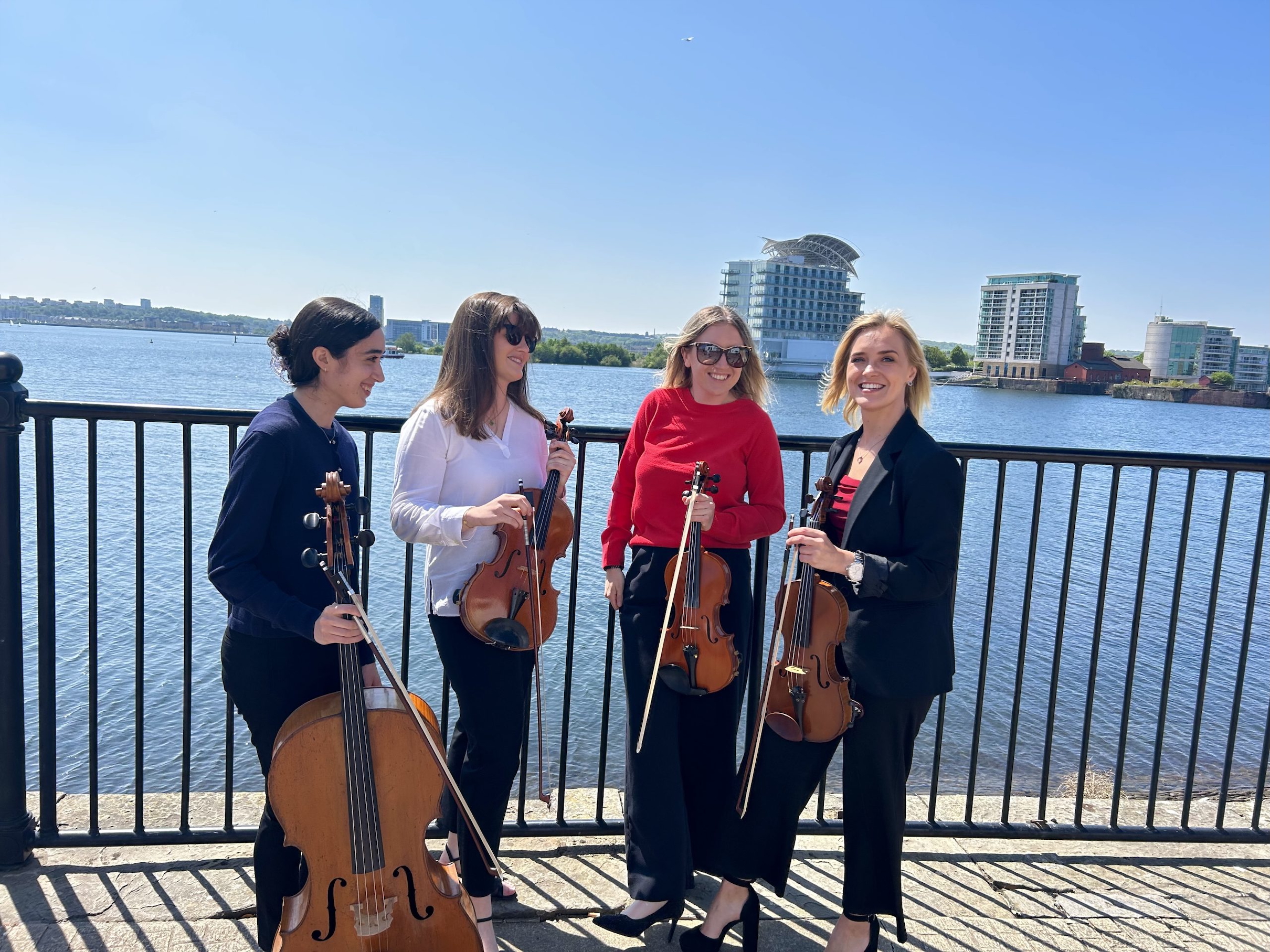
The Vita String Quartet
Hi, it’s great to meet you. To start, how does it feel to be part of such a milestone performance, celebrating 30 years of Melys, at The Gate?
We are all really excited to be part of Melys’ 30-year anniversary concert! Melys are described as ‘one of the best bands in Wales’ (NME), and being part of a performance that celebrates 30 years of that journey is an honour.
String quartets are often associated with classical spaces — what excited you about collaborating with a pop/rock band like Melys for this anniversary show?
While string quartets are nowadays most often heard in concert hall spaces, it was in salons, and informal performance settings that they were first heard in the eighteenth-century. The malleability of the genre, which has persisted through time, is reflected through our collaboration with Melys. Performing with an award-winning pop and rock band highlights that the string quartet really is a genre which has no limits.

You are all currently studying at The Royal Welsh College of Music and Drama and are part of a Music residency at The Norwegian Church in Cardiff Bay. Are you enjoying your course of study and performing creatively to a variety of audiences?
Our residency at the Norwegian Church has definitely been a highlight of our time as students at the Royal Welsh College of Music and Drama. It has given us the opportunity to curate a wide variety of events, ranging from formal concerts to outreach workshops. Seeing the impact of our performances on the local community has been particularly fulfilling. In addition to offering us a welcoming space to bring stories to life through music, the residency has also introduced us to entrepreneurial aspects of concert organizing such as marketing and the importance of building a social media presence.
When you first heard Melys’ music, what stood out to you as a string player, and how did you begin translating their sound into string arrangements?
What stuck us most when first listening to Melys’ songs was how well-suited the tracks were for string quartet. The homogeneity of our four instruments, and the intimacy of the genre, closely reflects the soulful emotive soundscape of the tracks. To translate the tracks into string quartet arrangements, we focused on each track’s distinct textures in relation to the lyrics as we sought to capture the underlying messages of the songs through our instruments.
For audiences used to hearing strings in more traditional settings, what do you think a live crossover performance like this offers that recordings or online listening can’t?
In concert hall settings as well as online recordings, there is often a distinct separation between audiences and the listeners. Live crossover performances, which require performers to step beyond their familiar performance spheres, highlight how collaborative music-making can contribute to the dissolution of cultural boundaries. In live performances, this is evident not only between the musicians themselves, but also between performers and their audiences.
As musicians who work across genres, what advice would you give to young players who might feel hesitant about stepping outside classical or formal training?
The increasingly versatile performance landscape of the twenty-first century underscores the importance for young musicians to be encouraged to explore a wide variety of genres. While this can initially seem daunting given the prescriptive nature of classical music training, embracing the unfamiliar with an open mindset is a huge part of the way to building a multi-faceted musical career!