
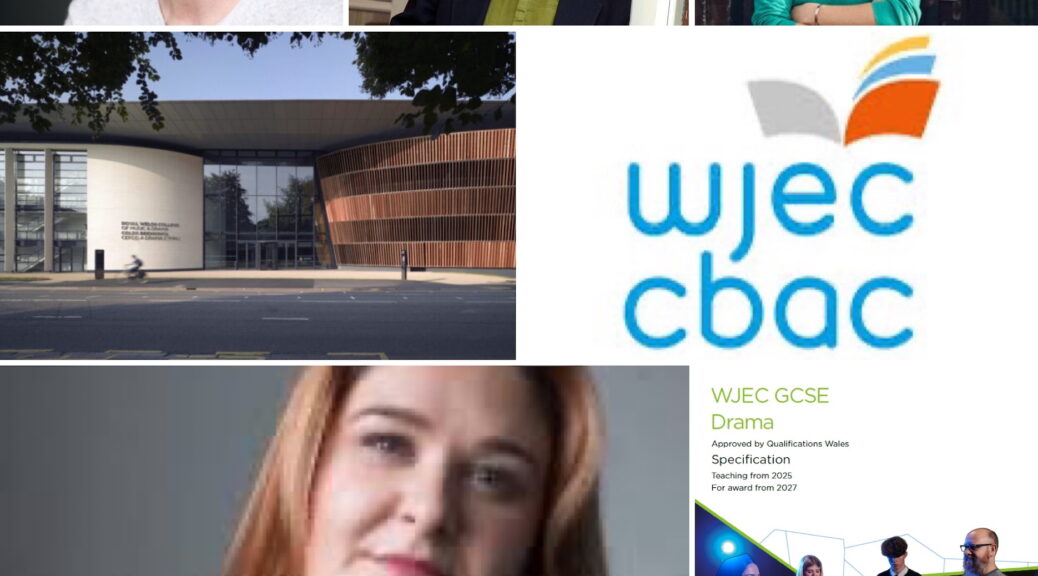
Hi Elise, great to meet you! Can you start by telling our readers about your role at WJEC?
Absolutely! I have been Subject Adviser for Music and Drama since April 2023, but I have recently changed roles. I am now the Subject Officer for Drama at WJEC, and my role is to oversee the running of each of our GCSE and A Level qualifications in England and Wales.
Is Music and Drama something you were interested in from a young age? What led to this current role with the WJEC?
Yes, it was, I have always been involved in theatre in some form. I did Drama and Music at school and then went on to study Music & Musical Theatre at the University of Chichester. After that, I trained to teach as a secondary Drama/Music teacher; after several years teaching I decided to study a master’s in musical Theatre at the Royal Welsh College of Music & Drama and the move to Cardiff for my MA is what led me to WJEC.

Royal Welsh College of Music and Drama
For readers who might not know, what exactly does the WJEC do?
WJEC is the Welsh Joint Education Committee. As Wales’ largest awarding body, at WJEC we provide trusted bilingual qualifications, straight-forward specialist support, and reliable assessment to schools and colleges across the country. With more than 75 years’ experience, we are also amongst the leading providers in both England and Northern Ireland.
When it comes to Drama, how do you go about choosing which plays are selected for study — is there a selection process? Are certain plays more popular than others with teachers?
There is a process we must follow, and this process is informed by our regulators (Ofqual in England and Qualification Wales in Wales). Any update to the specification must be approved by the regulator and the suitability of texts are tested and questioned to ensure each text we choose is right for teachers and learners.
Do you see your work as part of supporting Welsh arts and culture, especially when it comes to studying Welsh writers and creatives?
Absolutely, as the largest exam board in Wales, supporting Welsh culture is at the heart of everything we do. We work hard to ensure that Welsh language, Welsh theatre, and Welsh creatives are represented through our specifications. We do this through running dedicated Welsh medium events, producing all our resources in English and Welsh, promoting Welsh playwrights and composers through our specifications, and ensuring we have representation from Welsh speakers in our examining teams, senior examiners, and question paper teams (to name but a few of the ways!)
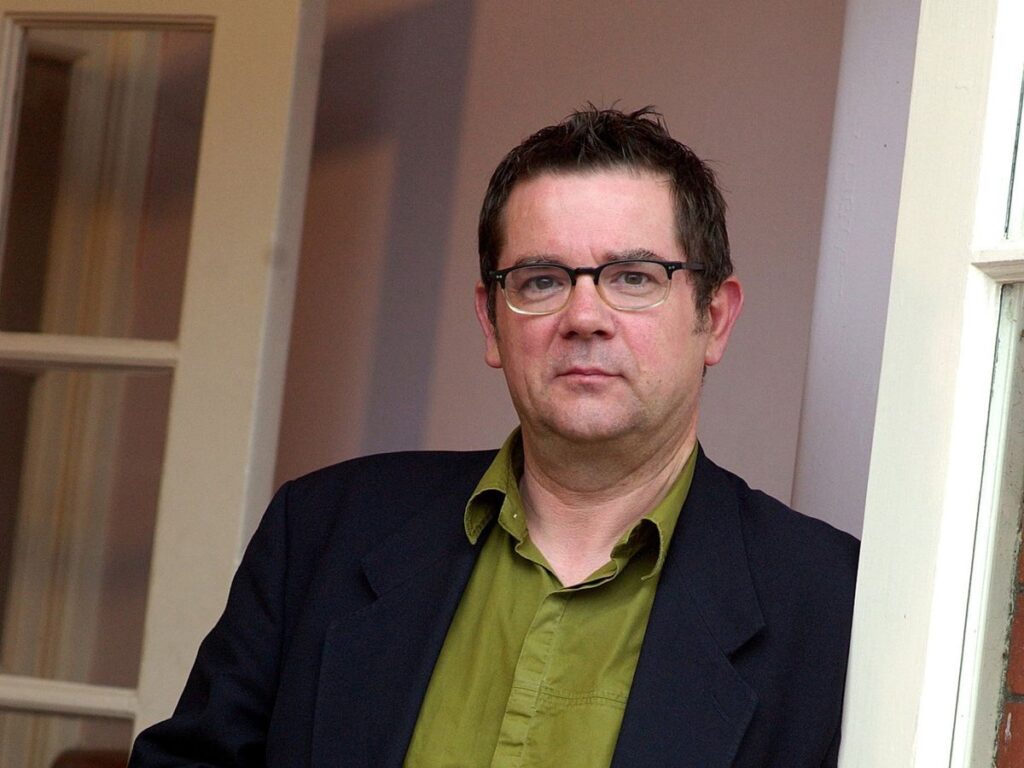
Welsh Playwrights feature in the current WJEC Drama specification. Resting Restless by Bethan Marlow is one of the current WJEC, GCSE, Set Texts. Face to Face by Meic Povey and Lovesong by Abi Morgan are part of the AS/A Level Set Texts, how is the Welsh work chosen, are the writers or their Estates involved in anyway?
Our Principal Examiners work with the Subject Officer to choose a selection of texts suitable for examination, and we must seek permission from the writers to use their work.
What’s the part of your job you most enjoy, and why? My favourite parts of the job are working on resources for teachers and attending CPD events.
I love finding an area where teachers need support and creating something to help.
What do you wish more young people knew or understood about WJEC and the work you do?
I think it important to know that everyone working at WJEC, in each subject and each department is a real person; at the end of the phone, an email, working on question papers, marking candidates work is always a human! Also, the subject Officers and Subject Advisers are all teachers, so we have specialist knowledge and specific experience that informs each area of our roles.
Have any recent trends in Drama or Music (like digital theatre, new Welsh writing, rap or experimental music) influenced your thinking about future syllabuses?
Trends and advancements in theatre in Music is certainly something we are considering all the time. For example, in Music we ran a CPD event a couple of years ago that focussed on DJ, Rap, Sequencing and beatboxing as we have seen an increase in learners choosing these paths in their GCSE Music course and we want to ensure we are supporting teachers to facilitate that.
If you could pick one piece of advice for someone aged 18–30 wanting to pursue a creative career in Drama or Music, what would you say?
For creative careers, or ‘industry-based’ careers, my advice is to make your own work. It gives you a portfolio (especially when auditions or freelance work is…sparse!) you find out what you like and which areas you want to put energy into, and you never know who you’ll meet. It is, however, also important to remember there are countless careers that aren’t ‘industry based’ available to you too, where you are still working within your field and working collaboratively and creatively with your peers/colleagues.
Looking ahead — are there any exciting plans or changes at WJEC that you’re buzzing about?
We have just released a new GCSE Drama specification for schools in Wales which is very exciting!