
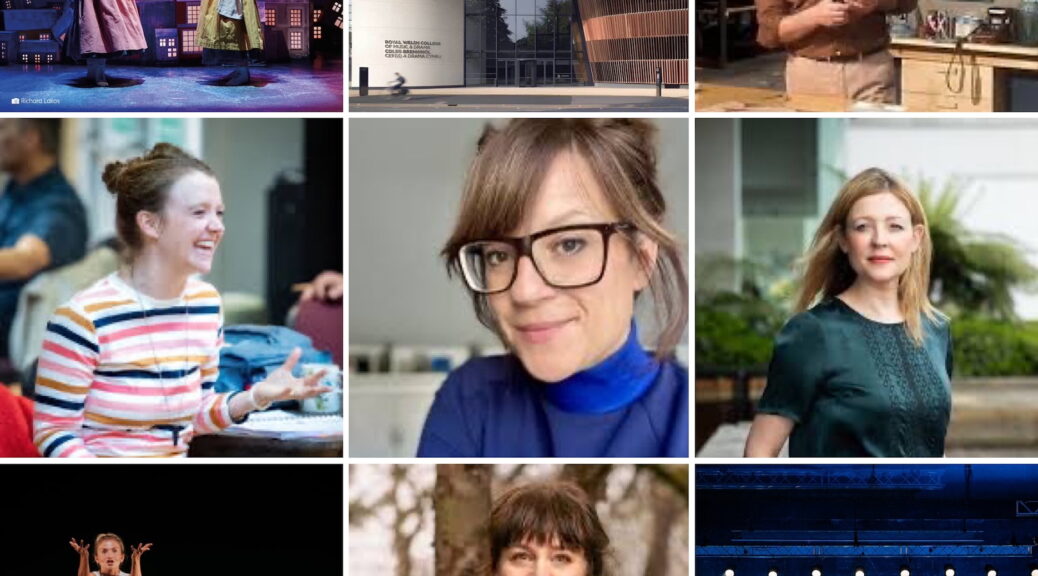
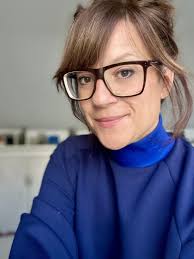
Hi Hayley, great to meet you can you tell us about your background in the arts?
Growing up, I loved watching all the old musicals on the television. I still remember seeing Grease for the first time, I was sitting on the floor beside our gas fire, completely transfixed. When it ended, I was devastated; I never wanted it to stop. I also adored watching Tony Hart on Blue Peter and desperately wanted one of my drawings to appear in the gallery so I could get a badge. Sadly, it never happened!
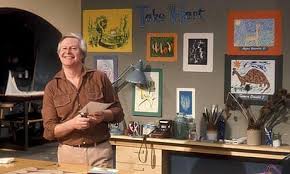
Artist Tony Hart
At primary school I was lucky to have a wonderful teacher, Carol Roderick. Despite teaching full-time and raising two children, she also started a youth theatre in our small town. I absolutely adored her, and only now do I fully realise what an incredible person she truly was. I loved being part of that group, I can still remember standing in the wings, wide-eyed wearing too much blue eyeshadow with just a huge feeling of how magical it felt. Looking back, I think that’s where it all really began for me.
You trained in Design for Performance at The Royal Welsh College of Music and Drama in Cardiff and settled in South Wales. What did the course of study involve? Did you enjoy your time at RWCMD?
At the time, I’m not sure I fully understood what to expect from the course. I just knew that when I visited the college, it simply felt right. I remember after the first week realising that it demanded a strong work ethic, and I was ready for that. I wanted it. It was a completely new world for me, and I was also living in a city for the first time, which made the whole experience even more exciting.
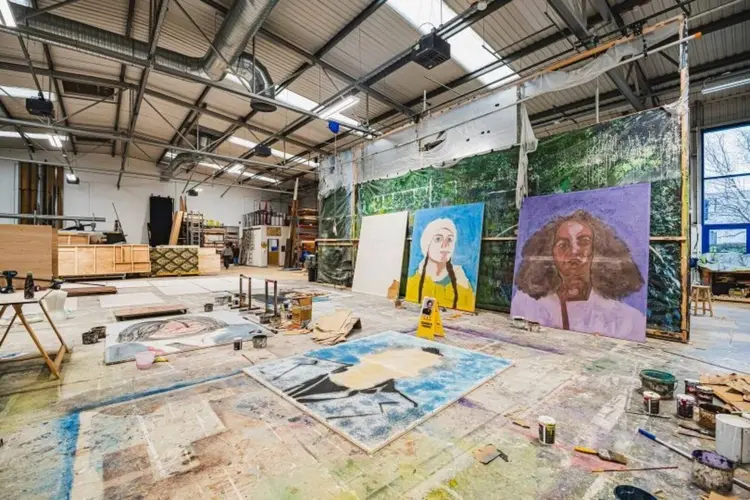
The RWCMD Scenic Workshop
What stood out was how we were treated as individuals. Our individuality was encouraged and nurtured, and the support was always there if you were willing to work hard. I also found my tribe there, friendships that have lasted ever since. We’ve all been in many adventures together since.
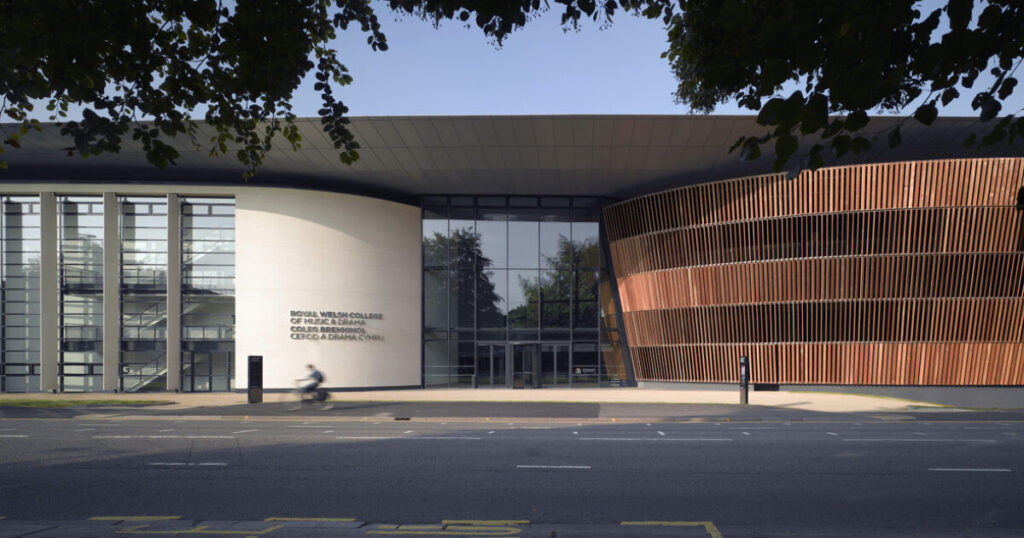
Exterior of RWCMD, Credit Nick Guteridge
Welsh College really shaped my world. I’m incredibly grateful for the experience. We worked hard, but we played hard too, and those years gave me both discipline and a hunger to move on.
You have had a very successful career as a theatre designer. Iphigenia in Splott which you designed has won multiple awards, including the 2015 UK Theatre award for Best New Play and the 2015 James Tait Black Prize for Drama and you were named as Stage Sensation to Watch Out for in 2023 by The Guardian. You’ve also worked on some big shows like Animal Farm, Macbeth and Oliver Twist — how do you start when you’re approaching the look and feel of a new production. As you are about to do with Our Town for Welsh National Theatre?
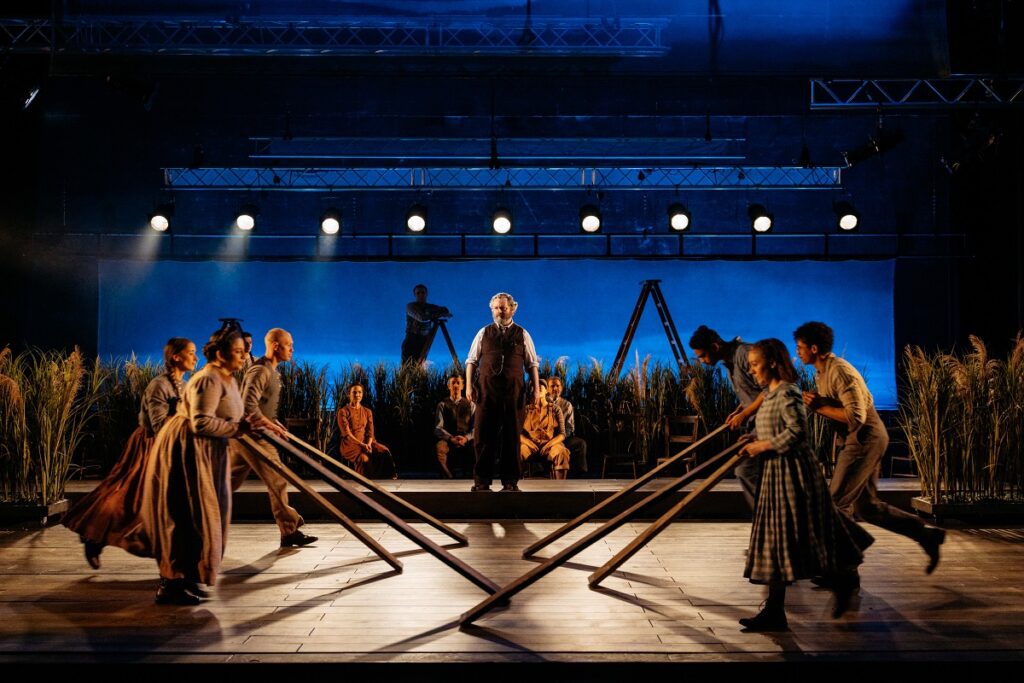
OUR TOWN by Thornton Wilder ;
Theatre Production (Rose Theatre & Welsh National Theatre) ;
Credit and copyright: Helen Murray
When I approach a new production, I always begin with the script, how it makes me feel. I try to summarise in a couple of sentences often alongside the director, what we feel the piece is about. What is its purpose? Why are we making this production now? What questions does it present to an audience, and how can the design provoke thought or encourage reflection?
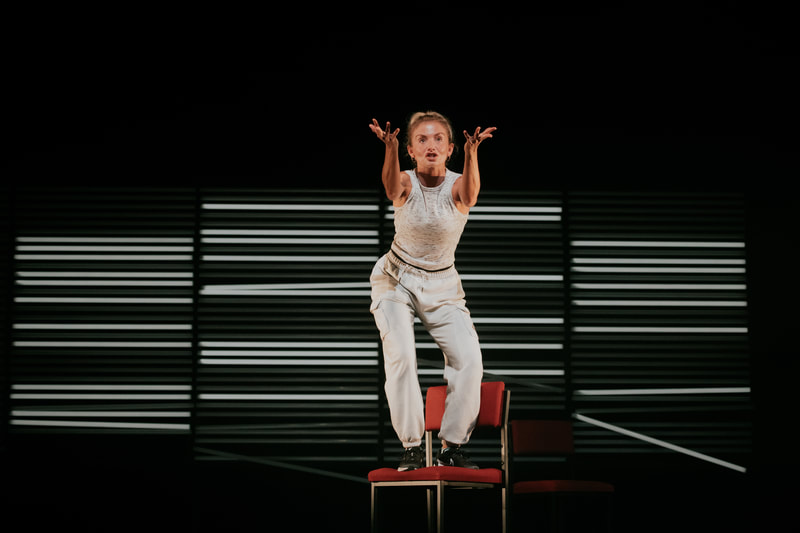
Iphigenia in Splott, Photography by Jennifer McCord
From there, I gather as many facts and clues as I can from the text before immersing myself in the world of the play. Sometimes I create playlists, surround myself with imagery, and spend time really examining the characters and their relationships, the inspiration is often all around us in everyday life.
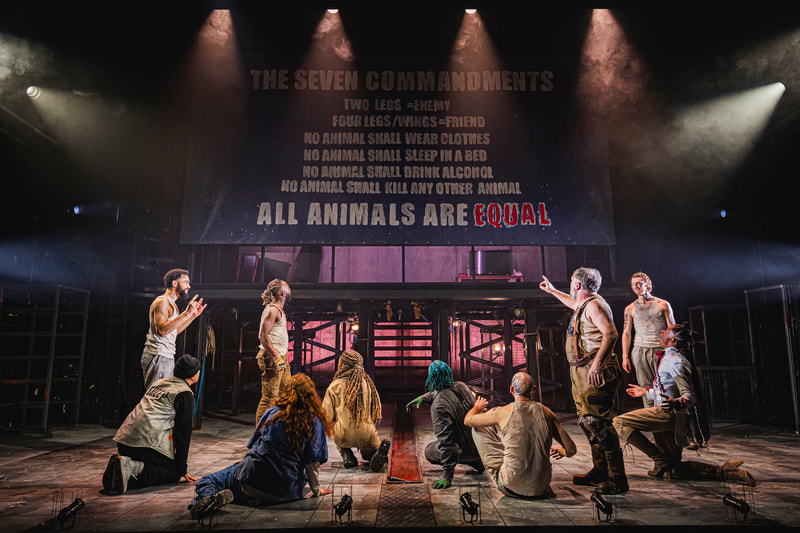
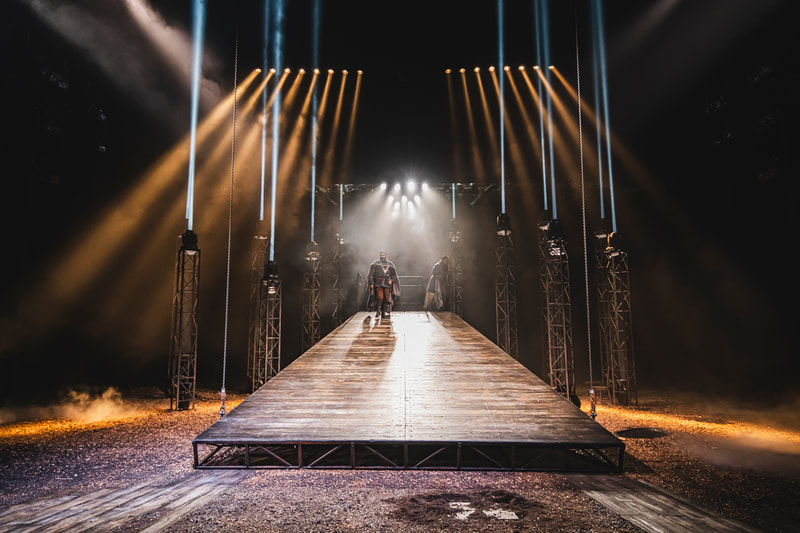
Animal Farm and Macbeth, Photography by Kirsten McTernan
I often describe the process as being like baking a cake. I load myself up with ingredients and then leave them to “cook” for a while, allowing ideas to form naturally. I’m quite a rough, instinctive worker at the beginning; I’ll use whatever is around me to start shaping the world visually. Then, gradually, I build layers of detail, refining and deepening the design as it evolves.
You’ve collaborated with Directors like Amy Leach and Rachel O’Riordan many times — how does the relationship with the Director, shape the creative process for you?
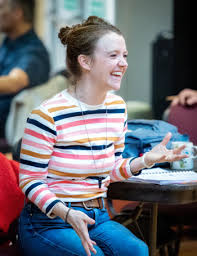
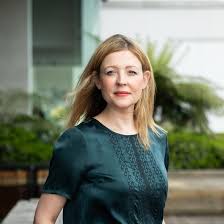
Directors Amy Leach and Rachel O’Riordan
The relationship with the director is everything. You become intrinsically linked. It is an incredibly bonding process where you see each other’s strengths as well as vulnerabilities. This is especially true when working on sensitive scripts or complex subject matter; you end up sharing and exploring very personal parts of yourselves along the way.
If you want an audience to truly engage, you have to approach the work with honesty and empathy. You need to tap into what excites you, what devastates you, and be open and unprecious in the process, letting go of ego. When that trust is there, the collaboration can become an incredibly intimate and powerful experience.
I also think it’s important to allow yourself to be enthusiastic, even a little giddy at times. As a designer, I’ve sometimes encountered the perception that we’re meant to be very serious all the time, but that’s never quite been me. I love having a great time in the process and finding joy in creating. You can be working on serious productions and still have a genuinely joyful experience making them.
I think our job is always to consider the audience and how to make the work accessible. Sometimes that can be in the simplest sense, it’s always about finding the clearest way to tell the story and thinking carefully about who the audience is, whether that’s young people, families, or, in this case, placing accessibility and inclusivity firmly at the forefront.
You have designed lots of productions as part of the Ramps on the Moon initiative funded by Arts Council England. Ramps production focus on accessible integrated production both on and off stage. What have you learnt as a Designer for this type of work? What particular challenges have you faced and resolved!
I think it’s simply encouraged me to think outside the box. Ask more questions, in the knowledge that everyone is an expert in themselves and that there is a lot to learn and explore from that. To design not just through a personal aesthetic. I think learning to sit comfortable sometimes and just let things grow and trust you’ll make the right collective decisions when it comes to it.
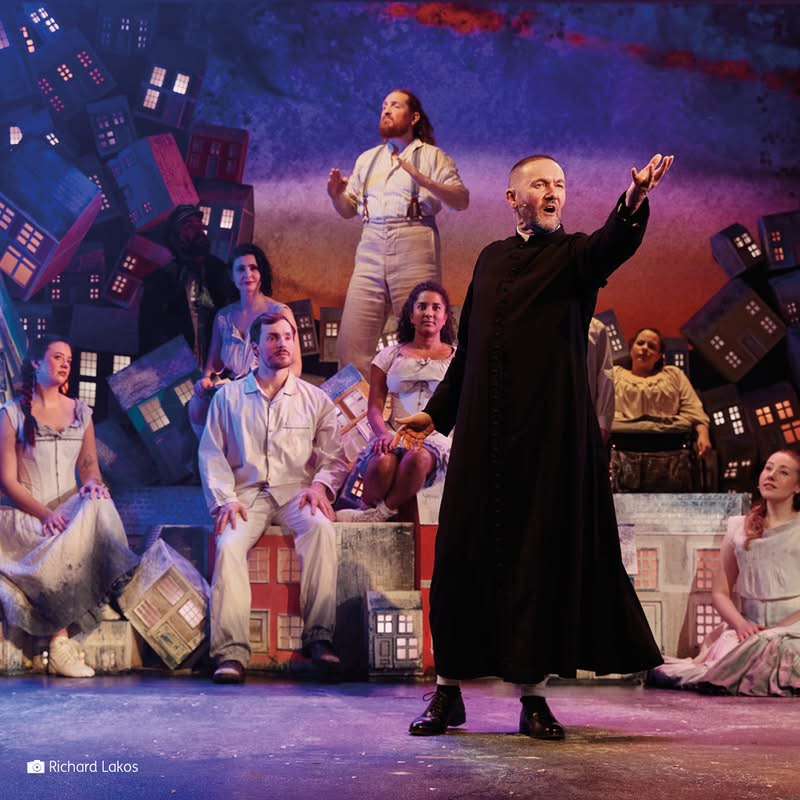
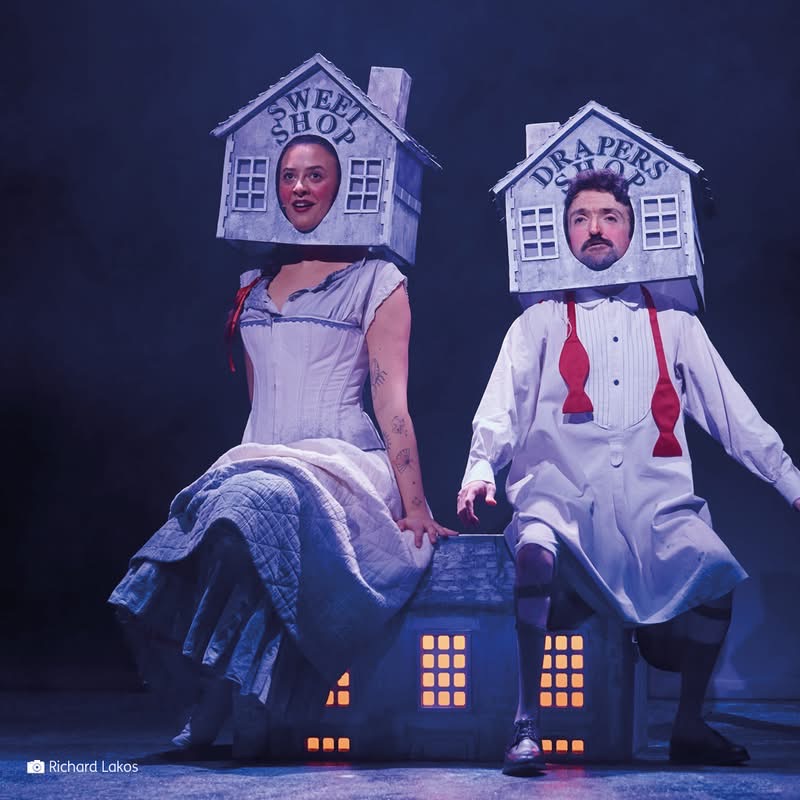
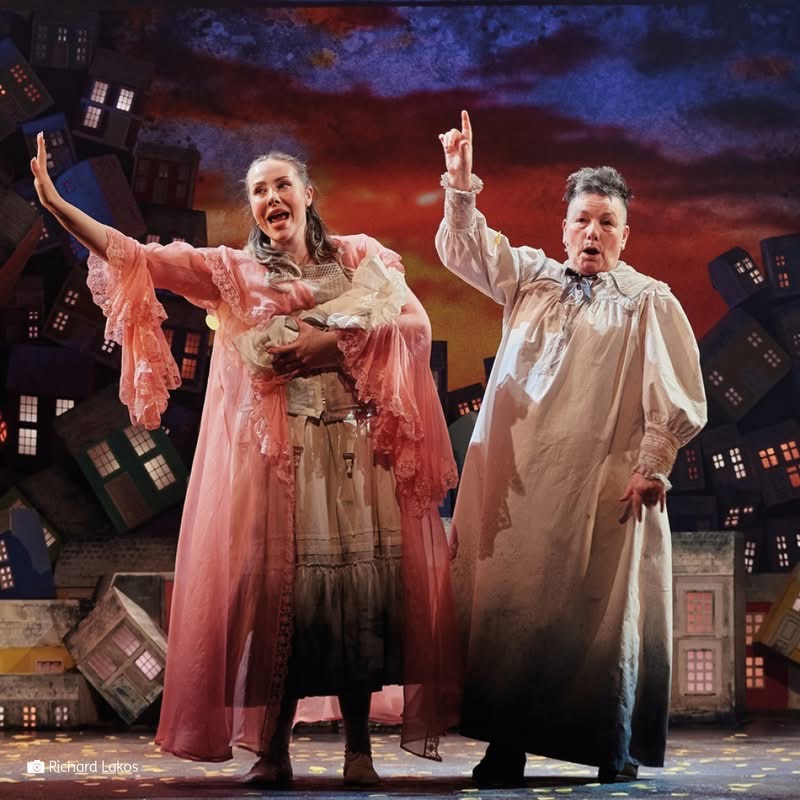
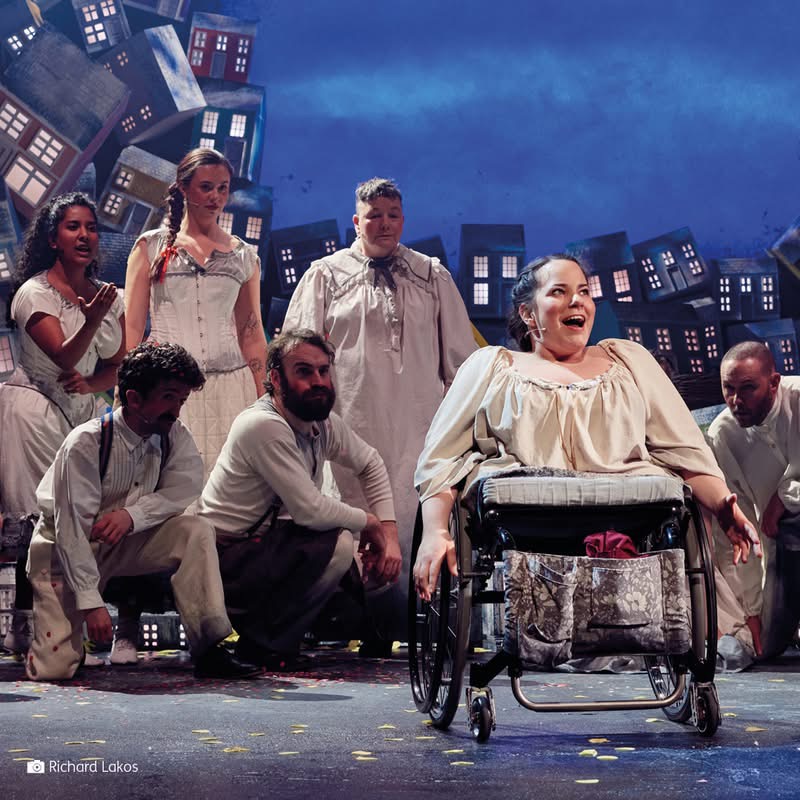
You are currently designing Under Milk Wood for Theatr Clwyd, which is the first production as part of the new Welsh Craidd project. “Craidd is a collaboration between five Welsh organisations: Theatr Clwyd, Sherman Theatre, Pontio Arts, The Torch Theatre, and the Royal Welsh College of Music & Drama. Its mission is to improve mainstream representation, for and with Deaf, disabled and neurodivergent people across Wales. It also aims to drive positive change in the partner organisations involved as well as within the wider theatre sector and is funded by Arts Council Wales.” How have you approached the design process for this production? How do you think audiences will respond to this new production, of one of the most popular productions of the Welsh Theatrical cannon?
This particular process has been deeply collaborative. At its heart is our fabulous Director, Kate Wasserberg, who has a profound understanding of Under Milk Wood and its nuances.
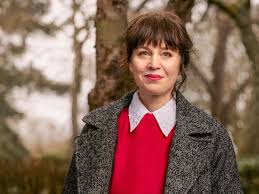
Director, Kate Wasserberg
We spent several days together as a team dissecting and interrogating the script, really getting under its skin. Our approach has been quite inventive, leaning into the dreamlike qualities and distinctive characters.
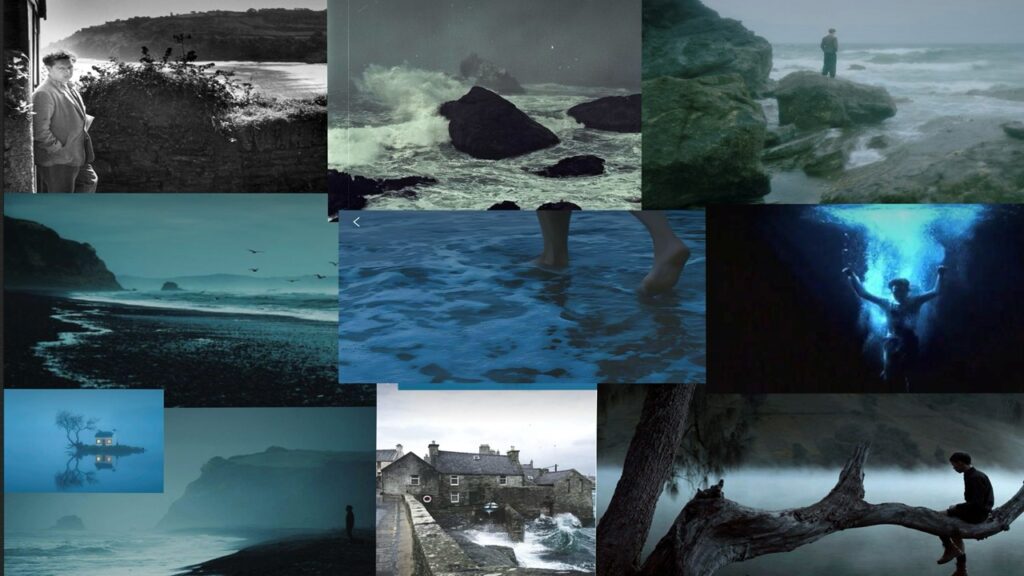
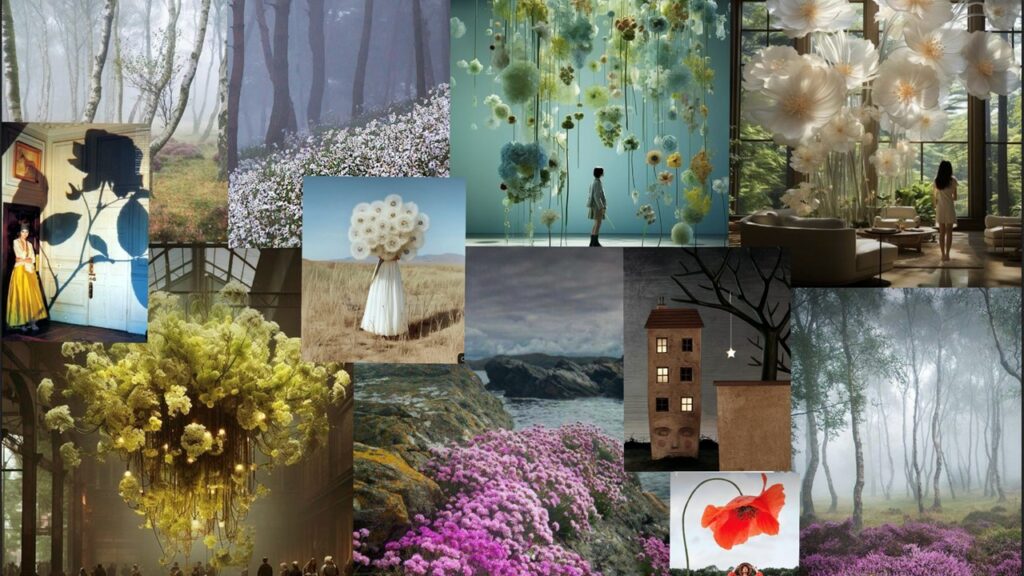
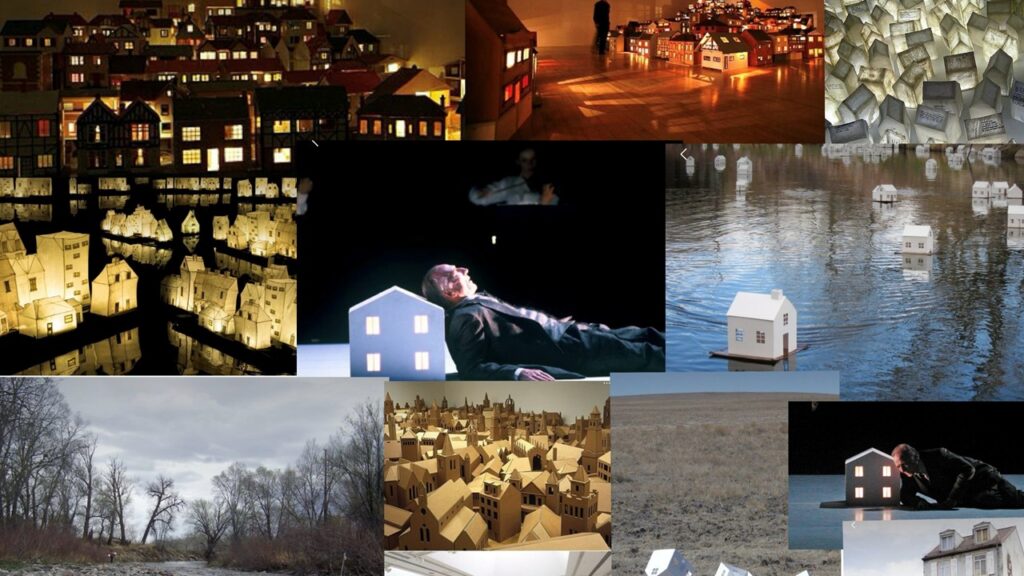
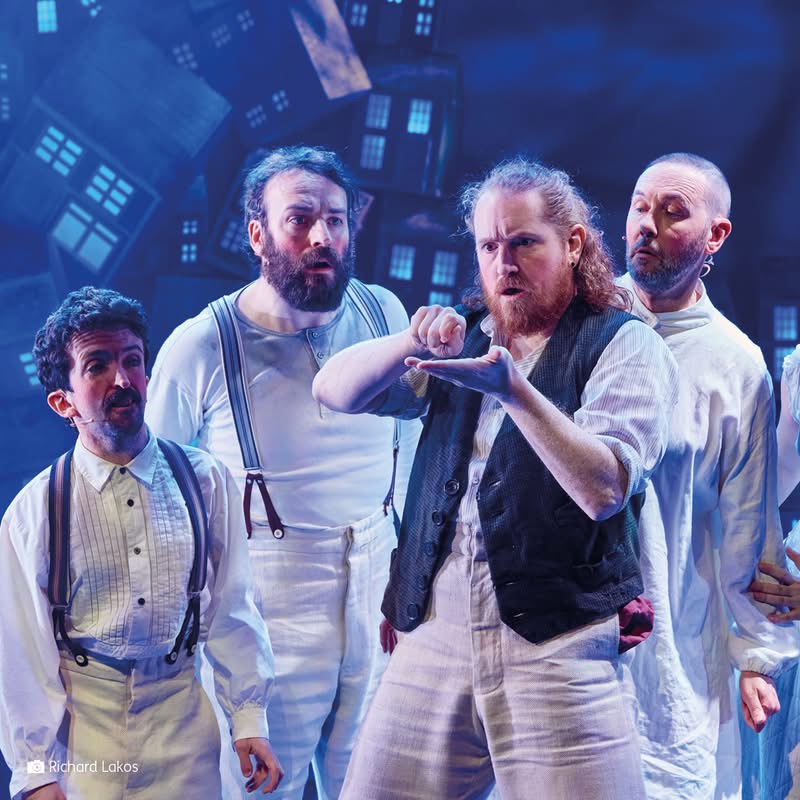
Hayley’s Design Ideas for Under Milk Wood
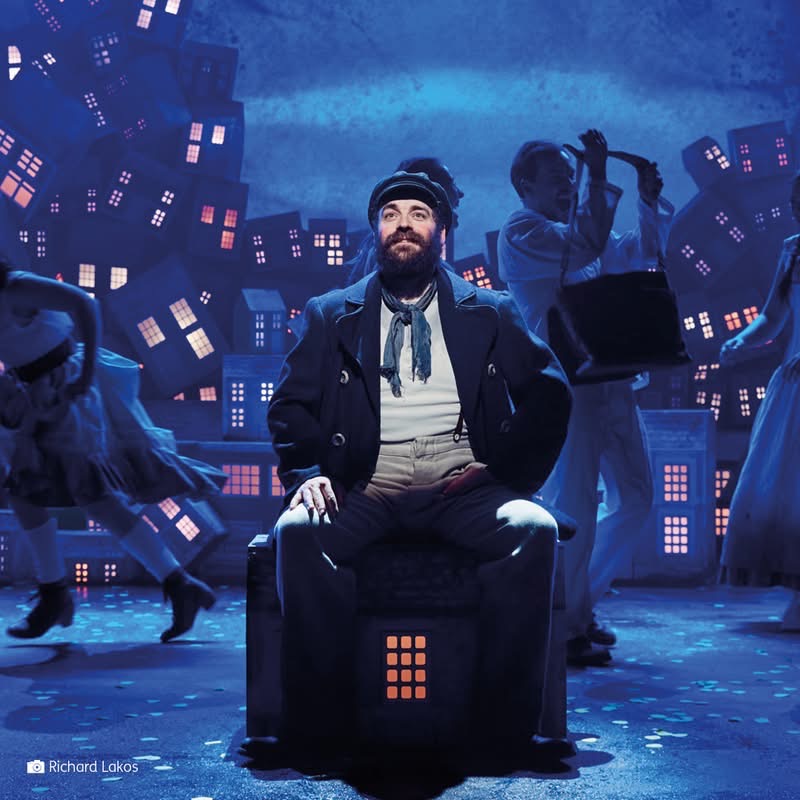
This version feels fresh, bold, playful and dark all at once, and it truly celebrates our wonderful performers. Of course, you can never fully predict what an audience will think, but we hope we’ve discovered a new life in the piece together and that audiences will come with us on that journey with open minds.
What part of the Designers role do you most enjoy?
I love beginnings! The discovery, the intense focused work of a group of people all working toward a collective goal. The bonds you can make in the most brilliant ways. You share something very special and then you let go.
For young people interested in theatre design, what’s a piece of advice you’d give them as they start out?
Have fun and enjoy the ride. This career is a marathon, not a sprint, it takes time, and there is always more to learn. Stay in your own lane, keep working, and trust that slow progress is still excellent progress; it will stand you in good stead in the long run. Smile, stay curious, and be willing to learn. And always remember that without your team, you can’t exist. You’re part of a larger machine, and every role within it is equally important.
And finally — what cultural activity have you attended recently that you would like to recommend to our readers?
Recently, I’ve been falling in love with Swansea and the surrounding area. We visited Dan-yr-Ogof, the Welsh National Showcaves, and I’m already planning to take my wider family back next week, it’s something both children and adults can enjoy, and the scenery is stunning.

Dan–yr–Ogof The National Showcaves Centre for Wales