


As schools across the UK — and Wales in particular — see a significant long-term decline in students taking A-level Drama, concerns are growing about the future of the performing arts pipeline. The number of A-level drama students across the UK has plummeted by over 50% since 2010
Organisations, such as the Campaign for the Arts, have expressed concern about this trend, highlighting the importance of creative skills for the growing creative industries sector in the UK. The Welsh Government has indicated an interest in redressing this balance through the new Curriculum for Wales, which places importance on creative and expressive arts, but the impact of this is still developing.

To explore what this means for young people, training providers, Welsh Actors and the wider creative sector, we spoke with Viv Goodman, lecturer on the AS and A Level Drama & Theatre Studies course across Coleg Gwent. Viv sheds light on she thinks might be driving the decline — and what might be done to reverse it
Hi Viv great to catch up again after our previous interview which focused on your work with Welsh Playwrights and your students on in your previous role as a lecturer on the Extended Diploma in Performing Arts course at Coleg Gwent. Why do you think fewer young people in Wales are choosing Drama at A-level, and what misconceptions do you hear most often?
I think that prioritising and promotion of STEM subjects has certainly become detrimental to the Arts, it feels as if we’re back to the days of defending our place in the curriculum, whereas that hasn’t always been the case. I find this frustrating as I have worked with so many incredible creatives at Coleg Gwent over the years and the difference they have made to learners in terms of their skills, aspirations and personal development is immeasurable.

We are very strong here across vocational and A Level creative subjects (I have been lucky to teach in both areas) and it’s left me with enormous admiration for tutors in the areas of Performing Arts ,Music, Art, Photography, Media and Film. I’m also uncomfortable with the feeling that we are in competition with STEM subjects, when really, the breadth of subjects and the opportunities they all bring is surely the ultimate aim for education and employability. I think in terms of Drama that it’s left many comprehensive school timetables or been reduced, and so it is possibly not perceived as an option going forward. The A level course can be taken without having studied GCSE Drama and this is perhaps the message that needs to get out there now.
Is the decline in A-level Drama having a visible impact on who enters performing arts training — in terms of skills, confidence, or diversity of backgrounds?
I think if it isn’t already having an impact then it certainly will do; I feel that there are potential industry professionals who are not getting early access to theatre and Drama and this embedding of the arts is crucial to it becoming familiar and comfortable for pupils; from that early stage, they are more likely to see the arts as viable career options. Equality and Diversity are thankfully being promoted in lots of ways, but in terms of real opportunities, we’re not actually creating enough of them. Early experiences of theatre will also, crucially, create the audiences of the future and we should also be thinking about that.
How do you see the Welsh context specifically shaping this issue? Are there barriers or opportunities unique to Wales?
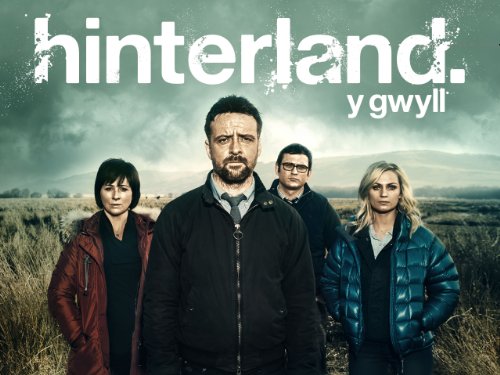
There are opportunities that are unique to Wales in terms of our place in TV and Film production in particular: it’s a real string to our bow that courses in Media, for example, use Welsh crime drama Hinterland/y gwyll as a case study.
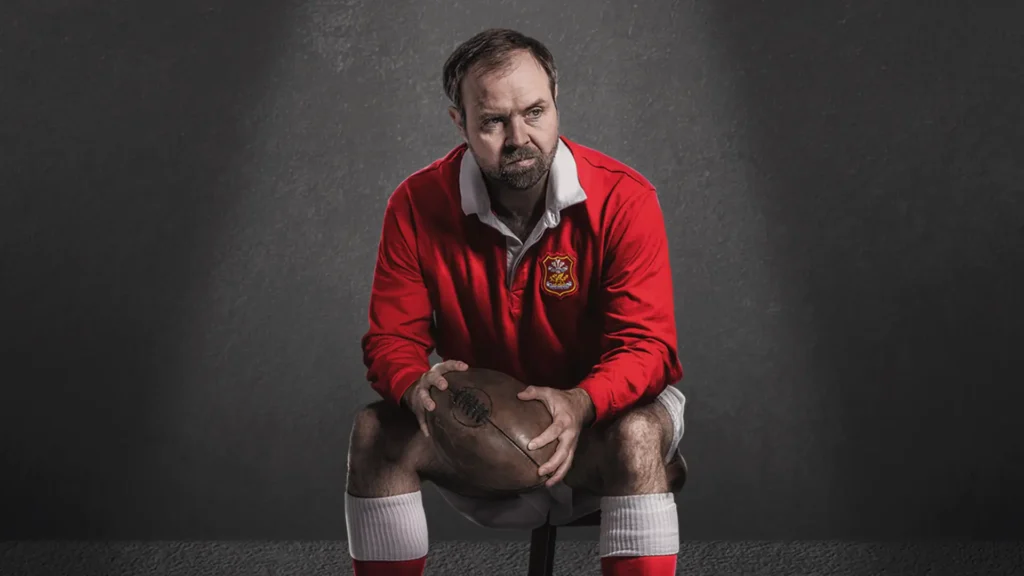
I make a lot of connections to the Welsh theatre industry in my teaching , not only going to see productions, but also discussing the international success of some of our theatre pieces. Grav, created by Owen Thomas, Peter Doran, and actor Gareth John Bale, and first performed by the Torch is an excellent example. I have worked with the Grav team so much and used the play/production in a number of lessons, its a brilliant example of Welsh Theatre.
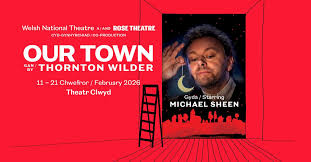
I think that Welsh theatre is becoming more confident and ambitious with the recent launch of the Welsh National Theatre and Fran Goodridge’s, Sherman Theatre, Artistic Director plans to connect the Sherman Theatre, Cardiff with The Royal Court, for example. My hope is that opportunities for future industry professionals will grow from the impact of these changes.
What risks does this long-term decline pose for the future of the performing arts workforce in Wales — both onstage and backstage?
I think that we need to address the issue in education quite quickly and promote the fact that the creative industries are essential to the economy; I feel there is still a misconception that the arts are a luxury. Without training and opportunities for young people in theatre, film and tv the industries will struggle further in future and I don’t think this is taken seriously enough at the moment.
What would you say to a student, teacher, or parent who believes Drama is ‘less valuable’ than other subjects?
I would say that any accredited qualification will have had to jump through hoops to attain the accreditation in the first place, so they are all viable from that point of view. There are so many reasons to study Drama other than wanting to enter the performing arts professionally: the transferable skills of team work, problem solving, working to group deadlines, communicating meaning through creative decisions are all essential in other professions. Every year I have A Level Drama learners who study the subject alongside the sciences and the experience equips them with excellent interpersonal skills that become evident when they present themselves to universities. Also, we’re in a place where mental health and well being are a significant issue for young people and the experience of Drama is enormously helpful for processing emotions and fostering a sense of belonging.
What actions from policymakers or education leaders would make the biggest difference in reversing the decline?
From a UK and Wales wide perspective, I think we need to present STEAM rather than STEM as the tagline and go back to reinforcing the ‘broad and balanced’ approach towards education. As I mentioned earlier, I have now worked with vocational and A level teams across three sites of Coleg Gwent and the experience has opened my eyes to the expertise and inspiration that teachers offer learners across the curriculum. I really think that education leaders and policymakers need to promote all opportunities with equality if we are to create a workforce that is fully prepared in terms of skills and well being; that’s what makes people fit for work.
2 thoughts on ““Early embedding of the Arts, is crucial to being seen as viable career options.” Vivienne Goodman on the decline in Drama at ‘A’ Level.”
-
Pingback: "Early exposure to the arts shapes lives" An Interview with Playwright Tracy Harris. - Get The Chance
-
Pingback: "The arts, build confidence, communication and creativity." An interview with Actor, Gwenllian Higginson. - Get The Chance
Get The Chance has a firm but friendly comments policy.